

The Monarch Initiative: an integrative data and analytic platform connecting phenotypes to genotypes across species
Open accessThe DOI matches its Crossref record; 95 of the 95 references it cites were found in a registry or an index.
Abstract
In biology and biomedicine, relating phenotypic outcomes with genetic variation and environmental factors remains a challenge: patient phenotypes may not match known diseases, candidate variants may be in genes that haven't been characterized, research organisms may not recapitulate human or veterinary diseases, environmental factors affecting disease outcomes are unknown or undocumented, and many resources must be queried to find potentially significant phenotypic associations. The Monarch Initiative (https://monarchinitiative.org) integrates information on genes, variants, genotypes, phenotypes and diseases in a variety of species, and allows powerful ontology-based search. We develop many widely adopted ontologies that together enable sophisticated computational analysis, mechanistic discovery and diagnostics of Mendelian diseases. Our algorithms and tools are widely used to identify animal models of human disease through phenotypic similarity, for differential diagnostics and to facilitate translational research. Launched in 2015, Monarch has grown with regards to data (new organisms, more sources, better modeling); new API and standards; ontologies (new Mondo unified disease ontology, improvements to ontologies such as HPO and uPheno); user interface (a redesigned website); and community development. Monarch data, algorithms and tools are being used and extended by resources such as GA4GH and NCATS Translator, among others, to aid mechanistic discovery and diagnostics.
Overview
The claims and statistics of this paper haven’t been checked yet.
Free: it reads the open-access text and checks the first 5 claims that cite a source we can check. Create a free account to check every claim.
Integrity signals
Registry
Cites
Statistics
Figures
Verification
Claims the paper makes
The claims and statistics of this paper haven’t been checked yet.
Free: it reads the open-access text and checks the first 5 claims that cite a source we can check. Create a free account to check every claim.
Self-check
Percentages, sums and reported differences re-computed from the paper’s own numbers.
The self-check needs the paper’s full text.
Citations
Cites
Szklarczyk, D., Gable, A. L., Lyon, D., Junge, A., Wyder, S., Huerta-Cepas, J., Simonovic, M., Doncheva, N. T., Morris, J. H., Bork, P., et al. (2019) · Nucleic Acids Research · doi:10.1093/nar/gky1131 · Cited by 17,749
Analysis of protein-coding genetic variation in 60,706 humans
Exome Aggregation Consortium, Lek, M., Karczewski, K. J., Minikel, E. V., Samocha, K. E., Banks, E., Fennell, T., O’Donnell-Luria, A. H., Ware, J. S., Hill, A. J., et al. (2016) · Nature · doi:10.1038/nature19057 · Cited by 9,587 · cited 1×
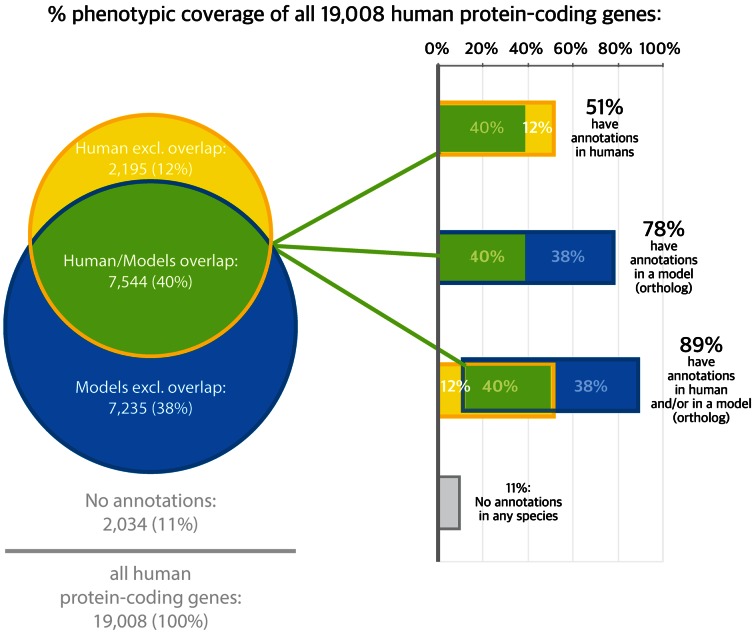
“Similarly, of the 72% of the 3230 genes in ExAC with ‘near-complete depletion of predicted protein-truncating variants have no currently established human disease phenotype’ (6), where 88% of these genes without a human phenotype have a phenotype in a non-human organism.”
BackgroundShrestha, S., & Offer, S. M. (2016) · Medical Epigenetics · doi:10.1159/000444713 · Cited by 8,914
KEGG: new perspectives on genomes, pathways, diseases and drugs
Kanehisa, M., Furumichi, M., Tanabe, M., Sato, Y., & Morishima, K. (2017) · Nucleic Acids Research · doi:10.1093/nar/gkw1092 · Cited by 8,865
The Reactome pathway Knowledgebase
Fabregat, A., Sidiropoulos, K., Garapati, P., Gillespie, M., Hausmann, K., Haw, R., Jassal, B., Jupe, S., Korninger, F., McKay, S., et al. (2016) · Nucleic Acids Research · doi:10.1093/nar/gkv1351 · Cited by 5,605
Buniello, A., MacArthur, J. A. L., Cerezo, M., Harris, L. W., Hayhurst, J., Malangone, C., McMahon, A., Morales, J., Mountjoy, E., Sollis, E., et al. (2019) · Nucleic Acids Research · doi:10.1093/nar/gky1120 · Cited by 4,000
Gene Ontology Consortium: going forward
The Gene Ontology Consortium (2015) · Nucleic Acids Research · doi:10.1093/nar/gku1179 · Cited by 3,492
Bostock, M., Ogievetsky, V., & Heer, J. (2011) · IEEE Transactions on Visualization and Computer Graphics · doi:10.1109/tvcg.2011.185 · Cited by 3,165
Data, information, knowledge and principle: back to metabolism in KEGG
Kanehisa, M., Goto, S., Sato, Y., Kawashima, M., Furumichi, M., & Tanabe, M. (2014) · Nucleic Acids Research · doi:10.1093/nar/gkt1076 · Cited by 3,092 · cited 2×
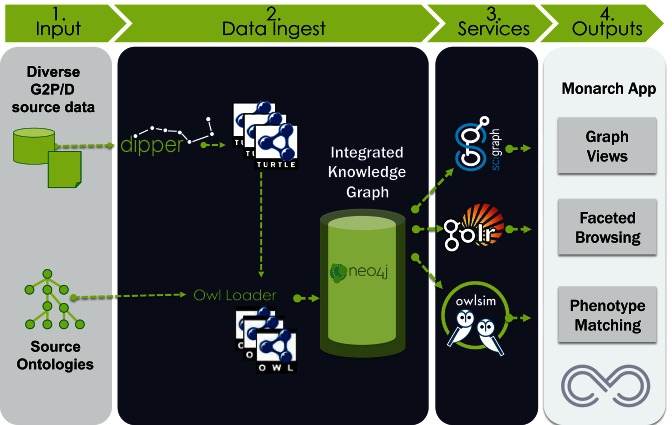
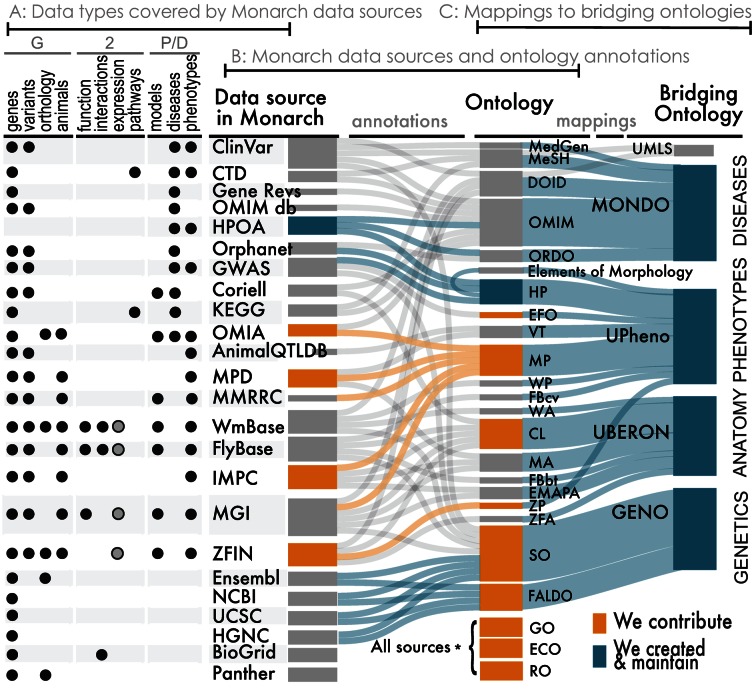
“…has integrated data from a variety of human, model organism, and other biomedical sources such as OMIM (1), Orphanet (3), Clin-Var (2), HPO (30), KEGG (31), CTD (4), MyGene (32), BioGrid (33) and via orthology in PantherDB (34) we also incorporate Fgg gene data from ZFIN (35) and from MGI (36).”
MethodClinVar: public archive of interpretations of clinically relevant variants
Landrum, M. J., Lee, J. M., Benson, M., Brown, G., Chao, C., Chitipiralla, S., Gu, B., Hart, J., Hoffman, D., Hoover, J., et al. (2016) · Nucleic Acids Research · doi:10.1093/nar/gkv1222 · Cited by 2,758 · cited 4×
“Currently, available human data associates ∼ 51% of known human coding genes with phenotype data (based on OMIM (1), ClinVar (2), Orphanet (3), CTD (4) and the GWAS catalog (5)).”
BackgroundMethodInfluential
Research works printed but not linked: 3
- Dumontier M. Callahan A. Cruz-Toledo J. Ansell P. Emonet V. Belleau F. Bio2RDF release 3: a larger connected network of linked data for the life sciences Proceedings of the 2014 International Conference on Posters & Demonstrations Track 2014 1272 401 404
- Smedley D. Schubach M. Jacobsen J.O.B. Köhler S. Zemojtel T. Spielmann M. Jäger M. Hochheiser H. Washington N.L. McMurry J.A. A whole-genome analysis framework for effective identification of pathogenic regulatory variants in Mendelian disease Am. J. Hum. Genet. 2016 99 595 606 27569544 PMC5011059 · DOI · Paper page
- Brush M. Shefchek K. Haendel M.A. SEPIO: a semantic model for the integration and analysis of scientific evidence International Conference on Biomedical Ontology and BioCreative (ICBO BioCreative 2016) 2016 Corvallis, Oregon Available from http://icbo.cgrb.oregonstate.edu/
Cited by
Items 301–400 of 449
Prognostic value of SOX9 in cervical cancer: Bioinformatics and experimental approaches
Chen, H., Chen, X., Zeng, F., Fu, A., & Huang, M. (2022) · Frontiers in Genetics · doi:10.3389/fgene.2022.939328 · Cited by 10
A Comprehensive Dictionary and Term Variation Analysis for COVID-19 and SARS-CoV-2
Leaman, R., & Lu, Z. (2020) · Workshop on NLP for COVID-19 (NLP-COVID19) · doi:10.18653/v1/2020.nlpcovid19-2.32 · Cited by 7
Oh, K., Yuk, M., Yang, S., Youn, J., Dong, Q., Wang, Z., & Song, N. (2025) · Scientific Reports · doi:10.1038/s41598-024-84466-1 · Cited by 6
“Various resources were used to collect gene-set input data, including gene ontology 66 , Reactome 67 , disease ontology 68 , COMPARTMENTS 69 , Monarch 70 , Uniprot 71 , Pfam 72 , Interpro 73 , KEGG 74 , TISSUES 75 , and simple modular architecture research tool 76 .”
AgroLD: a knowledge graph for the plant sciences
Larmande, P., Bertrand, P., Tando, N., Pomie, Y., Happi, B. G. H., Guignon, V., & Ruíz, M. (2025) · BMC Genomic Data · doi:10.1186/s12863-025-01359-6 · Cited by 6
“In the domain of human biology, notable contributions have been made through the establishment of platforms such as the DisGeNET RDF [7] and the Monarch Initiative [8].”
Waldrop, A., Cheadle, J. B., Bradford, K., Preiss, A., Chew, R., Holt, J. R., Kebede, Y., Braswell, N., Watson, M., Hench, V. K., et al. (2022) · Bioinformatics · doi:10.1093/bioinformatics/btac284 · Cited by 6
Automatized Bioinformatics Data Integration in a Hadoop-based Data Lake
Couto, J., Borges, O. T., & Ruiz, D. D. (2022) · doi:10.5121/csit.2022.120912 · Cited by 7
“– MONDO (Mungall et al. [23]): Ontology for disease definitions.”
Pagano-Márquez, R., Caballero, J., Martínez-Poveda, B., Quesada, A. R., Rojano, E., Seoane, P., Ranea, J. A. G., & Medina, M. Á. (2022) · Briefings in Bioinformatics · doi:10.1093/bib/bbac220 · Cited by 6
“For example, there are essential resources such as the Monarch Initiative [28] and DisGeNET [33] that can be used to retrieve gene information, and tools like Priori-T [36] that uses information from MEDLINE abstracts for gene prioritization.”
A framework for community curation of interspecies interactions literature
Cuzick, A., Seager, J. W., Wood, V., Urban, M., Rutherford, K., & Hammond-Kosack, K. E. (2023) · eLife · doi:10.7554/elife.84658 · Cited by 7
Joint representation of molecular networks from multiple species improves gene classification
Mancuso, C. A., Johnson, K. A., Liu, R., & Krishnan, A. (2024) · PLoS Computational Biology · doi:10.1371/journal.pcbi.1011773 · Cited by 6
“Here, we used logistic regression with L2 regularization with a strength of 1 as implemented by the scikit-learn [39] function sklearn . linear_model .”
Transcriptomics- and Genomics-Guided Drug Repurposing for the Treatment of Vesicular Hand Eczema
Rosenberg, F. M., Kamali, Z., Voorberg, A. N., Munnink, T. H. O., van der Most, P. J., Snieder, H., Vaez, A., & Schuttelaar, M. L. A. (2024) · Pharmaceutics · doi:10.3390/pharmaceutics16040476 · Cited by 6
“…across different functional categories, including protein domains [24,25], protein families [26], protein clusters [27], cell compartments [28], tissues [29], gene ontologies [30], biological pathways (Reactome [31] and KEGG [32]), diseases [33], Monarch phenotypes [34], and UniProt keywords [35].”
BackgroundTriangulating evidence in health sciences with Annotated Semantic Queries
Liu, Y., & Gaunt, T. R. (2024) · Bioinformatics · doi:10.1093/bioinformatics/btae519 · Cited by 6
Lee, J. J. Y., Gottlieb, M. M., Lever, J., Jones, S. J. M., Blau, N., van Karnebeek, C., & Wasserman, W. W. (2018) · Journal of Inherited Metabolic Disease · doi:10.1007/s10545-017-0125-4 · Cited by 6
“Based on the two attributes, HPO has become a foundation for computational methods that collect (Girdea et al 2013), catalog (Mungall et al 2017), share (Gottlieb et al 2015; Philippakis et al 2015), and analyze (Köhler et al 2009) phenotypic data.”
MethodIntuitive Representation of Computable KnowledgePreprint
Vercruysse, S., & Kuiper, M. T. R. (2020) · Preprints.org · doi:10.20944/preprints202007.0486.v2 · Cited by 6
Understanding the molecular mechanisms of human diseases: the benefits of fission yeasts
Ács-Szabó, L., Papp, L. A., & Miklós, I. (2024) · Microbial Cell · doi:10.15698/mic2024.08.833 · Cited by 6
Liu, Y., Chen, J., Lin, X., Song, J., & Chen, S. (2025) · International Journal of Nursing Sciences · doi:10.1016/j.ijnss.2025.10.010 · Cited by 6
“Moreover, alignment with standard ontologies such as SNOMED-CT, MeSH, and UMLS ensures interoperability and cross-system usability [37].”
Phenotero: Annotate as you write
Hombach, D., Schwarz, J. M., Knierim, E., Schuelke, M., Seelow, D., & Köhler, S. (2018) · Clinical Genetics · doi:10.1111/cge.13471 · Cited by 5
Self-citationEvaluating semantic similarity methods for comparison of text-derived phenotype profiles
Slater, L. T., Russell, S., Makepeace, S., Carberry, A., Karwath, A., Williams, J. A., Fanning, H., Ball, S. T., Hoehndorf, R., & Gkoutos, G. V. (2022) · BMC Medical Informatics and Decision Making · doi:10.1186/s12911-022-01770-4 · Cited by 7
“For example, similarity-driven approaches from Monarch [20], PhenomeNET [8], Phenodigm [21], and Exomiser [22] have been used to prioritize variants in patients with rare disease.”
Methodpreon: Fast and accurate entity normalization for drug names and cancer types in precision oncology
Ermshaus, A., Piechotta, M., Rüter, G., Keilholz, U., Leser, U., & Benary, M. (2024) · Bioinformatics · doi:10.1093/bioinformatics/btae085 · Cited by 5
Kushida, T., de Farias, T. M., Sima, A. C., Dessimoz, C., Chiba, H., Bastian, F., & Masuya, H. (2025) · BMC Medical Informatics and Decision Making · doi:10.1186/s12911-025-03013-8 · Cited by 5
Murphy, K. B., Schilder, B. M., & Skene, N. (2026) · Frontiers in Digital Health · doi:10.3389/fdgth.2026.1794934 · Cited by 5
“The creation and annotation of biomedical knowledge has traditionally relied on manual or semi-manual curation by human experts (1, 2, 19–21).”
GWAS of extended prescription analgesic use identifies genetic loci in chronic pain
Harlow, C. E., Uzochukwu, E., Fernando, H. A., Mordaunt, C. E., Hughey, J. M., Eicher, J. D., Robinson, L., Bowker, N., Howe, L. J., Liu, J., et al. (2026) · Nature Communications · doi:10.1038/s41467-026-71434-8 · Cited by 5
“Mouse genotype-phenotype associations were obtained from the Monarch Initiative 24 , fi ltered for genotypes affecting a single mouse gene with a high-con fi dence human ortholog as de fi ned by Ensembl Compara 93 , and then aggregated to the gene level.”
InfluentialComputation of Transcriptional Networks of Circulating Immune Cells in Type 1 Diabetes
Ochsner, S. A., Pillich, R., Rawool, D., Grethe, J. S., & McKenna, N. J. (2022) · iScience · doi:10.1016/j.isci.2022.104581 · Cited by 5
“Finally, links to Monarch (Mungall et al., 2017), which we used to validate the HCT intersection analysis (Figures 2E and 2F), provide for convenient access to information on mammalian phenotypes associated with a particular gene or node of interest.”
MethodInfluentialExploring Integrative Analysis Using the BioMedical Evidence Graph
Struck, A. J., Walsh, B., Buchanan, A., Lee, J., Spangler, R. K., Stuart, J. M., & Ellrott, K. (2020) · JCO Clinical Cancer Informatics · doi:10.1200/cci.19.00110 · Cited by 5
Systematic assays and resources for the functional annotation of non-coding variants
Kircher, M., & Ludwig, K. U. (2022) · Medizinische Genetik · doi:10.1515/medgen-2022-2161 · Cited by 6
“Tens of thousands of functional genomics datasets are available in GEO, including data from diverse model organisms, which enable interspecies analyses as promising orthogonal avenues [24, 25].”
BackgroundTerm-BLAST-like alignment tool for concept recognition in noisy clinical texts
Groza, T., Wu, H., Dinger, M. E., Daniš, D., Hilton, C., Bagley, A. M., Davids, J. R., Luo, L., Lu, Z., & Robinson, P. N. (2023) · Bioinformatics · doi:10.1093/bioinformatics/btad716 · Cited by 5
“The most representative tools in this category are: NCBO Annotator (Jonquet et al. 2009), ZOOMA (Kapushesky et al. 2012), OBO Annotator (Taboada et al. 2014), SORTA (Pang et al. 2015), Doc2HPO (Liu et al. 2019), ClinPhen (Deisseroth et al. 2019), and the Monarch Initiative annotator (Shefchek et al. 2020).”
Self-citationFernando, P. C., Mabee, P., & Zeng, E. (2023) · Scientific Reports · doi:10.1038/s41598-023-50050-2 · Cited by 5
“…to the pectoral fin (UBERON:0000151), forelimb (UBERON:0002102), pelvic fin (UBERON:0000152), and hindlimb (UBERON:0002103) were used as prior information, and their anatomical profiles were extracted from the Monarch Initiative repository (https:// monar chini tiati ve. org/; 06/20/2018) 31 .”
MethodAn analysis and comparison of the statistical sensitivity of semantic similarity metricsPreprint
Manda, P., & Vision, T. (2018) · bioRxiv (Cold Spring Harbor Laboratory) · doi:10.1101/327833 · Cited by 6
InpherNet accelerates monogenic disease diagnosis using patients’ candidate genes’ neighbors
Yoo, B., Birgmeier, J., Bernstein, J. A., & Bejerano, G. (2021) · Genetics in Medicine · doi:10.1038/s41436-021-01238-2 · Cited by 4
“In InpherNet, we took the phenotype DAG and gene ’ s phenotype annotations from Upheno [19], which organizes hierarchical relationships among phenotype terms about multiple species.”
BackgroundMethodInfluentialManders, T. R., Tan, C. A., Kobayashi, Y., Wahl, A., Araya, C. L., Colavin, A., Facio, F. M., Metz, H. C., Reuter, J., Frésard, L., et al. (2025) · Human Genetics · doi:10.1007/s00439-025-02743-z · Cited by 4
A Knowledge Graph Framework for Dementia Research Data
Reina, S. T., Rincón, M., Martínez‐Tomás, R., Kirsebom, B., & Fladby, T. (2023) · Applied Sciences · doi:10.3390/app131810497 · Cited by 4
Talking about diseases; developing a model of patient and public-prioritised disease phenotypes
Slater, L. T., Schofield, P. N., Wright, J., Clift, P., Irani, A., Bradlow, W. M., Aziz, F., & Gkoutos, G. V. (2024) · npj Digital Medicine · doi:10.1038/s41746-024-01257-8 · Cited by 4
“Future work could also include more direct alignment and extraction of associations to other medical vocabularies and ontologies, such as MONARCH, which could provide bene fi ts to analysis through the integration of data already contained in those ecosystems 66 .”
Federated analysis of BRCA1 and BRCA2 variation in a Japanese cohort
Casaletto, J. A., Parsons, M. T., Markello, C., Iwasaki, Y., Momozawa, Y., Spurdle, A. B., & Cline, M. (2022) · Cell Genomics · doi:10.1016/j.xgen.2022.100109 · Cited by 6
“With the growth in standards developed by the GA4GH and other organizations and increasing adoption of electronic data standards worldwide, 31 this federated analysis model can be generalized and extended into more areas within genomics.”
Holmgren, S. D., Bell, S. M., Wignall, J., Duncan, C. G., Kwok, R. K., Cronk, R., Osborn, K., Black, S., Thessen, A., & Schmitt, C. (2023) · International Journal of Environmental Research and Public Health · doi:10.3390/ijerph20032317 · Cited by 5
Semantics-enabled biomedical literature analytics
Kilicoglu, H., Ensan, F., McInnes, B. T., & Wang, L. L. (2024) · Journal of Biomedical Informatics · doi:10.1016/j.jbi.2024.104588 · Cited by 4
(2024) · doi:10.1093/database/baae031 · Cited by 4
“Large disease variant repositories do not mandate compliance of disease terms with standardized ontologies, such as DO (25), Monarch Disease Ontology (74) and Human Phenotype Ontology (75).”
BackgroundExpert panel curation of 31 genes in relation to limb girdle muscular dystrophy
Mohan, S., McNulty, S. M., Thaxton, C., Elnagheeb, M., Owens, E., Flowers, M., Nunnery, T., Self, A., Palus, B., Gorokhova, S., et al. (2024) · Annals of Clinical and Translational Neurology · doi:10.1002/acn3.52127 · Cited by 4
Molecular evolution and gene function
Robinson‐Rechavi, M. (2019) · SERVAL (Université de Lausanne) · doi:10.48550/arxiv.1910.01940 · Cited by 7
“One promising solution is to develop inter-species phenotype ontologies (Mungall et al., 2010; Robinson et al., 2014; Mungall et al., 2017), but this approach is still limited by the difficulties of annotating phenotypes in different species.”
Backgroundvan der Velde, K. J., van den Hoek, S., van Dijk, F., Hendriksen, D., van Diemen, C. C., Johansson, L. F., Abbott, K. M., Deelen, P., Sikkema‐Raddatz, B., & Swertz, M. A. (2020) · Advanced Genetics · doi:10.1002/ggn2.10023 · Cited by 5
Fecho, K., Balhoff, J. P., Bizon, C., Byrd, W. E., Hang, S., Koslicki, D., Rensi, S., Schmitt, P. L., Wawer, M. J., Williams, M. D., et al. (2021) · Clinical and Translational Science · doi:10.1111/cts.13021 · Cited by 4
Self-citationNext‐generation sequencing and the evolution of data sharing
Sobreira, N. L. D. M., & Hamosh, A. (2021) · American Journal of Medical Genetics Part A · doi:10.1002/ajmg.a.62239 · Cited by 4
“Model organism researchers have also joined the data sharing effort with tools such as the Monarch Initiative (https:// monarchinitiative.org/) (Shefchek et al., 2020 In summary, the use of whole exome and genome sequencing for the identification of disease genes and variants in research and clinic…”
MethodYang, S.-A., Salazar, J. L., Li‐Kroeger, D., & Yamamoto, S. (2022) · Methods in molecular biology · doi:10.1007/978-1-0716-2201-8_19 · Cited by 4
The Place of Referent Tracking in Biomedical Informatics
Ceusters, W. M. (2022) · Health informatics · doi:10.1007/978-3-031-11302-4_6 · Cited by 4
Lateral thinking in syndromic congenital cardiovascular disease
Kocere, A., Lalonde, R. L., Mosimann, C., & Burger, A. (2023) · Disease Models & Mechanisms · doi:10.1242/dmm.049735 · Cited by 4
Drug repurposing prediction for COVID-19 using probabilistic networks and crowdsourced curationPreprint
Skelton, J., Alsobhe, A., Anastasi, E., Atallah, C., Je, B., Brown, B., Didon, D., Gater, P., James, K., Lennon, D. D., et al. (2020) · arXiv (Cornell University) · doi:10.48550/arxiv.2005.11088 · Cited by 4
Shin, J., Fujiwara, T., Saitsu, H., & Yamaguchi, A. (2025) · BMC Medical Informatics and Decision Making · doi:10.1186/s12911-025-02910-2 · Cited by 3
Zervas, M., Gage, A. T., & Haas, M. (2025) · Frontiers in Drug Discovery · doi:10.3389/fddsv.2025.1613261 · Cited by 3
Federated knowledge retrieval elevates large language model performance on biomedical benchmarks
Joy, J. E., & Su, A. I. (2026) · GigaScience · doi:10.1093/gigascience/giag007 · Cited by 3
Konopka, T., Ng, S. L.-K., & Smedley, D. P. (2021) · PLoS Computational Biology · doi:10.1371/journal.pcbi.1009283 · Cited by 3
Self-citationYates, T. M., Lain, A. D., Campbell, J. W., FitzPatrick, D. R., & Simpson, T. I. (2022) · Database · doi:10.1093/database/baac038 · Cited by 3
“This study used the Mondo ontology (27) to define disease names, including GDD.”
MethodNovoa, J. A. R., López-Ibáñez, J., Chagoyen, M., Ranea, J. A. G., & Pazos, F. (2024) · Database · doi:10.1093/database/baae025 · Cited by 3
“Human diseases are represented in many controlled vocabularies, including the MONDO Disease Ontology (3) and the Disease Ontology (DOID) (4).”
BackgroundPredicting instances of pathway ontology classes for pathway integration
Wang, L. L., Hayman, G. T., Smith, J. R., Tutaj, M., Shimoyama, M. E., & Gennari, J. H. (2019) · Journal of Biomedical Semantics · doi:10.1186/s13326-019-0202-8 · Cited by 4
The Aliment to Bodily Condition knowledgebase (ABCkb): a database connecting plants and human health
Trautman, A., Linchangco, R., Walstead, R., Jay, J. J., & Brouwer, C. (2021) · BMC Research Notes · doi:10.1186/s13104-021-05835-x · Cited by 4
“Finally, the MONDO Disease Ontology was used to collapse similar phenotype nodes from multiple sources using their source identifiers [13].”
MethodSood, A., Shamim, U., Kharbanda, O. P., Kabra, M., Gupta, N., Mathur, A., Joshi, A. A., Parveen, S., Zahra, S., Sharma, P., et al. (2021) · The Cleft Palate-Craniofacial Journal · doi:10.1177/10556656211052781 · Cited by 3
GeneTerpret: a customizable multilayer approach to genomic variant prioritization and interpretation
Manshaei, R., DeLong, S., Andric, V., Joshi, E., Okello, J. B. A., Dhir, P., Farncombe, K. M., Kalbfleisch, K., Somerville, C., Jobling, R. K., et al. (2022) · BMC Medical Genomics · doi:10.1186/s12920-022-01166-3 · Cited by 3
Experimental Planning and Execution
Mullane, K., Curtis, M. J., & Williams, M. J. (2017) · Elsevier eBooks · doi:10.1016/b978-0-12-804725-5.00002-1 · Cited by 3
François, L., van Eyll, J. M., & Godard, P. (2020) · F1000Research · doi:10.12688/f1000research.25144.1 · Cited by 3
Braun, I., Yanarella, C. F., Rajeswari, J. P. D., Bassham, D. C., & Lawrence‐Dill, C. J. (2021) · bioRxiv (Cold Spring Harbor Laboratory) · doi:10.1101/2021.02.04.429796 · Cited by 3
“Efforts such as Phenoscape (Edmunds et al. 2015), the Monarch Initiative (Mungall et al. 2017), and Planteome (Cooper et al. 2018), use ontologies to provide common data representations and allow for comparisons across diverse species or across evolutionary history.”
BackgroundMolecular cartooning with knowledge graphs
Santangelo, B. E., Gillenwater, L. A., Salem, N. M., & Hunter, L. (2022) · Frontiers in Bioinformatics · doi:10.3389/fbinf.2022.1054578 · Cited by 3
Alzheimer’s Disease Knowledge Graph Based on Ontology and Neo4j Graph Database
Spasov, I., Lazarova, S., & Petrova‐Antonova, D. (2024) · Lecture notes in networks and systems · doi:10.1007/978-981-99-6544-1_6 · Cited by 2
Santos, E., Jurmain, J. C., & Ragazzi, A. (2024) · PLoS ONE · doi:10.1371/journal.pone.0296864 · Cited by 2
Gene prioritisation for enhancing molecular diagnosis in rare skeletal muscle disease cohort
Lillback, V., Bergant, G., Feo, M. F. D., Božović, I. B., Torella, A., Johari, M., Maver, A., Pelin, K., Santorelli, F. M., Nigro, V., et al. (2025) · Journal of Medical Genetics · doi:10.1136/jmg-2024-110212 · Cited by 2
Yadaw, A. S., Sid, E., Sidky, H., Zeng, C., Zhu, Q., Mathé, E. A., & Chute, C. G. (2026) · Scientific Reports · doi:10.1038/s41598-026-43020-x · Cited by 2
“The Monarch Initiative 14 , an international consortium aggregating and harmonizing resources on human genes and diseases, model organisms, genomic data, and expression/pathway information, produces MONDO (Monarch Merged Disease Ontology) 15 .”
Femoral artery embolism in patients undergoing a laterally extended parametrectomy (LEP) procedure.
Tarnai, L., Ungár, L., Pálfalvi, L., & Nagy, Z. (2011) · PubMed · Cited by 3
Neto, L. H. J., Hounkpe, B. W., Fernandes, G. H., Takayama, L., Caparbo, V. F., Lopes, N. H. M., Pereira, A. C., & Pereira, R. M. R. (2021) · Aging · doi:10.18632/aging.203505 · Cited by 2
“To gain more insights into the human phenotype previously associated with the gene sets, a single-sample GSEA (ssGSEA) was also performed with GenePattern [12, 41] using the Human Phenotype Ontology (HPO) database [42].”
MethodData integration in a Hadoop-based data lake: A bioinformatics case
Couto, J., Borges, O. T., & Ruiz, D. D. (2022) · International Journal of Data Mining & Knowledge Management Process · doi:10.5121/ijdkp.2022.12401 · Cited by 3
“– MONDO (Mungall et al. [26]): Ontology for disease definitions.”
BackgroundFinding information about uncharacterized Drosophila melanogaster genes
Mohr, S. E., Kim, A.-R., Hu, Y., & Perrimon, N. (2023) · Genetics · doi:10.1093/genetics/iyad187 · Cited by 2
A Panel-Agnostic Strategy ‘HiPPo’ Improves Diagnostic Efficiency in the UK Genomic Medicine Service
Seaby, E. G., Thomas, N. S., Hunt, D., Baralle, D., Rehm, H. L., O’Donnell‐Luria, A., & Ennis, S. (2023) · Healthcare · doi:10.3390/healthcare11243179 · Cited by 3
“Any potential matches were discussed in detail with the patient’s clinician, and explicit consent was obtained from the participants prior to joining the case series.”
BackgroundCarrio-Cordo, P., & Baudis, M. (2021) · Zurich Open Repository and Archive (University of Zurich) · doi:10.5167/uzh-220990 · Cited by 2
Térézol, M., Baudot, A., & Özışık, O. (2024) · SoftwareX · doi:10.1016/j.softx.2024.101701 · Cited by 2
Broad functional profiling of fission yeast proteins using phenomics and machine learning
Rodríguez-López, M., Bordin, N., Lees, J., Scholes, H., Hassan, S., Saintain, Q., Kamrad, S., Orengo, C., & Bähler, J. (2023) · doi:10.1101/2023.04.05.535764 · Cited by 2
“become characterized much more readily in other organisms (3,6,8,37,38).”
BackgroundOnline in silico validation of disease and gene sets, clusterings, or subnetworks with DIGEST
Adamowicz, K., Maier, A., Baumbach, J., & Blumenthal, D. B. (2022) · doi:10.14293/s2199-1006.1.sor-.ppp32eqz.v1 · Cited by 1
Diagnosis Support for Rare Diseases Using Phenotypic Profiles
Noll, R., Schaaf, J., Wagner, M., & Storf, H. (2023) · Studies in health technology and informatics · doi:10.3233/shti230216 · Cited by 1
“Complete phenotypic profiles on RDs can be accessed via Monarch [3] or HPO [2].”
BackgroundSemantic Foundations for Precision Medicine
Abraham, J., Austin, M. A., Gilbert, M. R., & Celiku, O. (2025) · ACM Transactions on Computing for Healthcare · doi:10.1145/3745789 · Cited by 2
“At each step the attribute that is most effective at reducing the entropy of the resulting subsets is selected to be part of the decision tree.”
Ecolink: Towards a Knowledge Graph Schema for Complex Environmental Systems
Alamenciak, T., Arnillas, C. A., Caufield, J. H., Compton, K., Drew, K., Frühstückl, R., Heger, T., König‐Ries, B., Mungall, C., Moxon, S. A. T., et al. (2025) · Communications in computer and information science · doi:10.1007/978-3-032-06136-2_33 · Cited by 1
Self-citationSSBD Ontology: A Two-Tier Approach for Interoperable Bioimaging Metadata
Yamagata, Y., Kyoda, K., Itoga, H., Fujisawa, E., & Onami, S. (2025) · Lecture notes in computer science · doi:10.1007/978-3-032-09530-5_19 · Cited by 1
Artificial Intelligence in the Genetic Diagnosis of Rare Disease
James, K. N., Phadke, S. S., Wong, T. C., & Chowdhury, S. (2020) · Advances in Molecular Pathology · doi:10.1016/j.yamp.2020.07.013 · Cited by 2
Wan, L., Ong, E., & He, Y. O. (2019) · ICBO · Cited by 3
Pathogenic variation types in human genes relate to diseases through Pfam and InterPro mapping
Babbi, G., Savojardo, C., Baldazzi, D., Martelli, P. L., & Casadio, R. (2022) · Frontiers in Molecular Biosciences · doi:10.3389/fmolb.2022.966927 · Cited by 1
Fadilah, F., Ermanto, B., Bowolaksono, A., Asmarinah, A., Maidarti, M., Prawiningrum, A. F., Hafidzhah, M. A., Erlina, L., Paramita, R. I., & Wiweko, B. (2024) · Gynecologic and Obstetric Investigation · doi:10.1159/000539228 · Cited by 2
“We also looked for the association of each drug target to disease based on various database, such as Monarch [23], CTD [24], DisGeNET [16], and JensenLab database [25], to prioritize few drug targets and reduce possible bias.”
Wang, Z., Yuan, Y., Wang, Z., Zhang, W., Chen, C., Duan, Z., Peng, S., Zheng, J., He, Y. O., & Yang, X. (2024) · NAR Genomics and Bioinformatics · doi:10.1093/nargab/lqae157 · Cited by 1
Gene Prioritization Using Semantic Similarity
Pranckevičienė, E. (2018) · Elsevier eBooks · doi:10.1016/b978-0-12-809633-8.20405-6 · Cited by 2
DeepPheno: Predicting single gene knockout phenotypesPreprint
Kulmanov, M., & Hoehndorf, R. (2019) · King Abdullah University of Science and Technology Repository (King Abdullah University of Science and Technology) · doi:10.1101/839332
Intuitive Representation of Knowledge in Computable FormPreprint
Vercruysse, S., & Kuiper, M. T. R. (2020) · Preprints.org · doi:10.20944/preprints202007.0486.v1 · Cited by 1
Het-node2vec: second order random walk sampling for heterogeneous multigraphs embedding.Preprint
Valentini, G., Casiraghi, E., Cappelletti, L., Ravanmehr, V., Fontana, T., Reese, J., & Robinson, P. N. (2021) · arXiv (Cornell University) · Cited by 5
Self-citationPartitioning the genomic journey to becoming Homo sapiensPreprint
Pagani, L., Bertazzon, R., Pankratov, V., Vallini, L., Marnetto, D., Morez, A., Delbrassine, H., Carollo, F., D’Esposito, M., Granata, I., et al. (2024) · bioRxiv (Cold Spring Harbor Laboratory) · doi:10.1101/2024.12.09.627480 · Cited by 2
Teaching agentic AI to generalize expert diagnostic reasoning in rare diseasesPreprint
Nguyen, M.-H., Gray, E., Schuler, B. A., Byram, K., Yang, C.-T., Ma, F., Xu, H., Su, W.-C., Yan, C., Wei, W.-Q., et al. (2026) · arXiv (Cornell University) · doi:10.48550/arxiv.2606.16149 · Cited by 1
Tools for exploring mouse models of human disease
Haendel, M. A., Papatheodorou, I., Oellrich, A., Mungall, C., Washington, N. L., Lewis, S., Robinson, P. N., & Smedley, D. P. (2016) · Drug Discovery Today Disease Models · doi:10.1016/j.ddmod.2017.07.004
Self-citationPersoneni, G., Devignes, M., Smaïl‐Tabbone, M., Jonveaux, P., Bonnet, C., & Coulet, A. (2018) · HAL · doi:10.6084/m9.figshare.7330868
Simplifying biomedical data sharing through a web portal generator
Malta, A., & Oliveira, J. L. (2018) · IEEE International Conference on e-Health Networking, Applications and Services (Healthcom) · doi:10.1109/healthcom.2018.8531097
“The Monarch Initiative [6] aims to provide an analytic platform for data integration, connecting phenotype and genotype”
MethodIntegrating Biology With Rat Genomic Tools
Dwinell, M. R., & Geurts, A. M. (2019) · Elsevier eBooks · doi:10.1016/b978-0-12-814338-4.00020-9
GNOMICS: A one-stop shop for biomedical and genomic data.
Kronk, C. J., & Jegga, A. G. (2018) · PubMed Central
GOPHER, an HPC Framework for Large Scale Graph Exploration and Inference
Josep-Fabregó, M., Teruel, X., Giménez-Ábalos, V., Cirillo, D., García-Gasulla, D., Álvarez-Napagao, S., García-Gasulla, M., Ayguadé, E., & Valencia, A. (2020) · Lecture notes in computer science · doi:10.1007/978-3-030-59851-8_13
“efforts have been put on the integration of ontology-based biological information [17], computationally tractable approaches exploiting the interconnectivity between multiple large-scale ontological graphs still needs substantial investigation.”
BackgroundMondo Disease Ontology: Harmonizing Disease Concepts Across the World (short paper).
Vasilevsky, N., Essaid, S., Matentzoglu, N., Harris, N. L., Haendel, M. A., Robinson, P. N., & Mungall, C. (2020)
Self-citationde Leeuw, V. C. (2021) · Utrecht University Repository (Utrecht University) · doi:10.33540/234
Prioritization of exome variants through an automatic system using HPO terms
Poultel, D. T.-L., Rosales, J. M. L., Quesada‐Espinosa, J. F., Soengas‐Gonda, E., Arteche‐López, A., Milla, C. P., Gómez-Manjón, I., Álvarez‐Mora, M. I., de la Fuente, R. P., Sánchez‐Calvín, M. T., et al. (2021) · Revista de Medicina de Laboratorio · doi:10.20960/revmedlab.00077
Ontoclick: a web browser extension to facilitate biomedical knowledge curation
Xu, A., Venkateswaran, A., Zhou, L., & Zankl, A. (2021) · Bioinformatics · doi:10.1093/bioinformatics/btab520
Begley, D. A., Schofield, P. N., & Sundberg, J. P. (2021) · Wiley eBooks · doi:10.1002/9781119624608.ch2
Bartelme, R. P., Behrisch, M., Cain, E. J., Chang, R., Debnath, I., Heidorn, B., Jaiswal, P., LeBauer, D. S., Mosca, A., Muñoz-Torres, M. C., et al. (2020) · OSF Preprints (OSF Preprints) · doi:10.31219/osf.io/yx7t9
Self-citationKoppelman, G. H. (2019) · Faculty Opinions – Post-Publication Peer Review of the Biomedical Literature · doi:10.3410/f.736064114.793562214
Faculty Opinions recommendation of Classification, ontology, and precision medicine.
Hunter, L. (2018) · Faculty Opinions – Post-Publication Peer Review of the Biomedical Literature · doi:10.3410/f.734199035.793552130
Metadata
- Authors
- Mungall, C. J., McMurry, J. A., Köhler, S., Balhoff, J. P., Borromeo, C., Brush, M., Carbon, S., Conlin, T., Dunn, N., Engelstad, M., Foster, E., Gourdine, J. P., Jacobsen, J. O. B., Keith, D., Laraway, B., Lewis, S. E., NguyenXuan, J., Shefchek, K., Vasilevsky, N., Yuan, Z., Washington, N., Hochheiser, H., Groza, T., Smedley, D., Robinson, P. N., & Haendel, M. A.
- Affiliations
- Oregon Health & Science University (US)
- Charité – Universitätsmedizin Berlin (DE)
- RTI International (US)
- University of Pittsburgh (US)
- Lawrence Berkeley National Laboratory (US)
- Queen Mary University of London (GB)
- Garvan Institute of Medical Research (AU)
- The Jackson Laboratory for Genomic Medicine (US)
- Corresponding author
- Haendel, Melissa A.
- ORCID
- McMurry, Julie A.
- Köhler, Sebastian
- Balhoff, James P.
- Borromeo, Charles
- Brush, Matthew
- Carbon, Seth
- Conlin, Tom
- Dunn, Nathan
- Engelstad, Mark
- Foster, Erin
- Gourdine, J.P.
- Jacobsen, Julius O.B.
- Laraway, Bryan
- Lewis, Suzanna E.
- Shefchek, Kent
- Vasilevsky, Nicole
- Yuan, Zhou
- Washington, Nicole
- Hochheiser, Harry
- Groza, Tudor
- Smedley, Damian
- Robinson, Peter N.
- Haendel, Melissa A.
- Venue
- Nucleic Acids Research
- Publisher
- Oxford University Press (OUP)
- Published
- 2016-11-29
- Volume
- 45
- Issue
- D1
- Pages
- D712-D722
- ISSN
- 0305-1048 (ISSN-L)
- 1362-4962
- PMC
- PMC5210586
- OpenAlex
- W2558643140
- Cited by
- 441
- References
- 94
- Citations by year
- 2026: 9 · 2025: 17 · 2024: 51 · 2023: 60 · 2022: 61 · 2021: 71 · 2020: 67 · 2019: 48 · 2018: 37 · 2017: 17 · 2016: 2
- FWCI
- 18.37
- Type
- journal article
- Language
- en
- Open access
- gold
- doi.org
- Licence
- Locations
- Nucleic Acids Research (publishedVersion, cc-by)
- PubMed Central (publishedVersion, cc-by)
- PubMed (publishedVersion)
- OSTI OAI (U.S. Department of Energy Office of Scientific and Technical Information) (submittedVersion, other-oa)
- eScholarship (California Digital Library) (submittedVersion)
- The Mouseion at the JAXlibrary (Jackson Laboratory) (submittedVersion)
- HighWire Press Open Archive (submittedVersion)
- Queen Mary Research Online (Queen Mary University of London) (submittedVersion, cc-by)
- IUScholarWorks (Indiana University) (submittedVersion, cc-by)
- Purdue University Indianapolis (Indiana University) (submittedVersion, cc-by)
- UNSWorks (University of New South Wales, Sydney, Australia) (submittedVersion, cc-by)
- Funders
- National Science Foundation (DEAC02-05CH11231, 0956049)
- U.S. Department of Energy (-AC02-05CH11231, 05CH11231, DE AC02 05CH11231, DE-AC02-)
- Wellcome Trust (GA4GH, 098051)
- Leidos
- National Institutes of Health (R24OD011883, DE-AC02–05CH11231, HHSN268201300036C, HHSN268201400093P)
- Office of Science (DEAC02–05CH11231, AC02-05CH11231, DE-AC02, 05CH11231)
- National Human Genome Research Institute (U41HG000330, U41HG006627, HHSN268201300036C, U54HG007990, U24HG002223)
- National Cancer Institute (U13CA221044, DE-AC02-05CH11231)
- Basic Energy Sciences (DE-AC02, 05CH11231, DE-AC02-05CH11231., AC02–05CH11231)
- Topics
- Health Sciences › Medicine › Health Informatics › Biomedical Text Mining and Ontologies
- Life Sciences › Biochemistry, Genetics and Molecular Biology › Molecular Biology › Bioinformatics and Genomic Networks
- Life Sciences › Biochemistry, Genetics and Molecular Biology › Genetics › Genomics and Rare Diseases
- Keywords
- Monarch Initiative, genotype-phenotype correlation, monogenic disorders, disease ontology, Mondo Disease Ontology, Human Phenotype Ontology, animal models of human disease, differential diagnosis, ontology-based information retrieval, GA4GH, translational research
- MeSH terms
- Animals, Biological Evolution, Genotype, Humans, Phenotype, Software, Species Specificity, User-Computer Interface, Computational Biology, Databases, Genetic, Genetic Association Studies, Search Engine, Web Browser, Data Curation
About these checks
Registry, retraction, Cites and statistics results are computed, not judged, with one exception: a printed reference that no index lists is read once by a model before it counts as a citation error. Claims are extracted by a model and kept only when their quote appears verbatim in the text; each cited source is then checked, with a model’s help, for whether it says what the claim relies on. Those verdicts can be wrong — read the claim’s quote and the cited source before relying on one.
Statistics and arithmetic are recomputed, not judged.
Confidence bands are shown only for fields calibrated on our annotated test set. None is calibrated yet, so no band is shown.
What counts as a claim ›How we measure confidence ›How we check this ›
Are you an author, or do you see a problem with this page? Request a review
Data sources
Bibliographic data: Semantic Scholar, OpenAlex, Crossref.
Contains information from the Semantic Scholar Academic Graph Datasets, made available under the ODC Attribution License (ODC-BY 1.0).
Semantic Scholar’s data is described in: Kinney, R., et al. (2023). The Semantic Scholar Open Data Platform. arXiv:2301.10140.
