

The Monarch Initiative: an integrative data and analytic platform connecting phenotypes to genotypes across species
Open accessThe DOI matches its Crossref record; 95 of the 95 references it cites were found in a registry or an index.
Abstract
In biology and biomedicine, relating phenotypic outcomes with genetic variation and environmental factors remains a challenge: patient phenotypes may not match known diseases, candidate variants may be in genes that haven't been characterized, research organisms may not recapitulate human or veterinary diseases, environmental factors affecting disease outcomes are unknown or undocumented, and many resources must be queried to find potentially significant phenotypic associations. The Monarch Initiative (https://monarchinitiative.org) integrates information on genes, variants, genotypes, phenotypes and diseases in a variety of species, and allows powerful ontology-based search. We develop many widely adopted ontologies that together enable sophisticated computational analysis, mechanistic discovery and diagnostics of Mendelian diseases. Our algorithms and tools are widely used to identify animal models of human disease through phenotypic similarity, for differential diagnostics and to facilitate translational research. Launched in 2015, Monarch has grown with regards to data (new organisms, more sources, better modeling); new API and standards; ontologies (new Mondo unified disease ontology, improvements to ontologies such as HPO and uPheno); user interface (a redesigned website); and community development. Monarch data, algorithms and tools are being used and extended by resources such as GA4GH and NCATS Translator, among others, to aid mechanistic discovery and diagnostics.
Overview
The claims and statistics of this paper haven’t been checked yet.
Free: it reads the open-access text and checks the first 5 claims that cite a source we can check. Create a free account to check every claim.
Integrity signals
Registry
Cites
Statistics
Figures
Verification
Claims the paper makes
The claims and statistics of this paper haven’t been checked yet.
Free: it reads the open-access text and checks the first 5 claims that cite a source we can check. Create a free account to check every claim.
Self-check
Percentages, sums and reported differences re-computed from the paper’s own numbers.
The self-check needs the paper’s full text.
Citations
Cites
Szklarczyk, D., Gable, A. L., Lyon, D., Junge, A., Wyder, S., Huerta-Cepas, J., Simonovic, M., Doncheva, N. T., Morris, J. H., Bork, P., et al. (2019) · Nucleic Acids Research · doi:10.1093/nar/gky1131 · Cited by 17,749
Analysis of protein-coding genetic variation in 60,706 humans
Exome Aggregation Consortium, Lek, M., Karczewski, K. J., Minikel, E. V., Samocha, K. E., Banks, E., Fennell, T., O’Donnell-Luria, A. H., Ware, J. S., Hill, A. J., et al. (2016) · Nature · doi:10.1038/nature19057 · Cited by 9,587 · cited 1×
“Similarly, of the 72% of the 3230 genes in ExAC with ‘near-complete depletion of predicted protein-truncating variants have no currently established human disease phenotype’ (6), where 88% of these genes without a human phenotype have a phenotype in a non-human organism.”
BackgroundShrestha, S., & Offer, S. M. (2016) · Medical Epigenetics · doi:10.1159/000444713 · Cited by 8,914
KEGG: new perspectives on genomes, pathways, diseases and drugs
Kanehisa, M., Furumichi, M., Tanabe, M., Sato, Y., & Morishima, K. (2017) · Nucleic Acids Research · doi:10.1093/nar/gkw1092 · Cited by 8,865
The Reactome pathway Knowledgebase
Fabregat, A., Sidiropoulos, K., Garapati, P., Gillespie, M., Hausmann, K., Haw, R., Jassal, B., Jupe, S., Korninger, F., McKay, S., et al. (2016) · Nucleic Acids Research · doi:10.1093/nar/gkv1351 · Cited by 5,605
Buniello, A., MacArthur, J. A. L., Cerezo, M., Harris, L. W., Hayhurst, J., Malangone, C., McMahon, A., Morales, J., Mountjoy, E., Sollis, E., et al. (2019) · Nucleic Acids Research · doi:10.1093/nar/gky1120 · Cited by 4,000
Gene Ontology Consortium: going forward
The Gene Ontology Consortium (2015) · Nucleic Acids Research · doi:10.1093/nar/gku1179 · Cited by 3,492
Bostock, M., Ogievetsky, V., & Heer, J. (2011) · IEEE Transactions on Visualization and Computer Graphics · doi:10.1109/tvcg.2011.185 · Cited by 3,165
Data, information, knowledge and principle: back to metabolism in KEGG
Kanehisa, M., Goto, S., Sato, Y., Kawashima, M., Furumichi, M., & Tanabe, M. (2014) · Nucleic Acids Research · doi:10.1093/nar/gkt1076 · Cited by 3,092 · cited 2×
“…has integrated data from a variety of human, model organism, and other biomedical sources such as OMIM (1), Orphanet (3), Clin-Var (2), HPO (30), KEGG (31), CTD (4), MyGene (32), BioGrid (33) and via orthology in PantherDB (34) we also incorporate Fgg gene data from ZFIN (35) and from MGI (36).”
MethodClinVar: public archive of interpretations of clinically relevant variants
Landrum, M. J., Lee, J. M., Benson, M., Brown, G., Chao, C., Chitipiralla, S., Gu, B., Hart, J., Hoffman, D., Hoover, J., et al. (2016) · Nucleic Acids Research · doi:10.1093/nar/gkv1222 · Cited by 2,758 · cited 4×
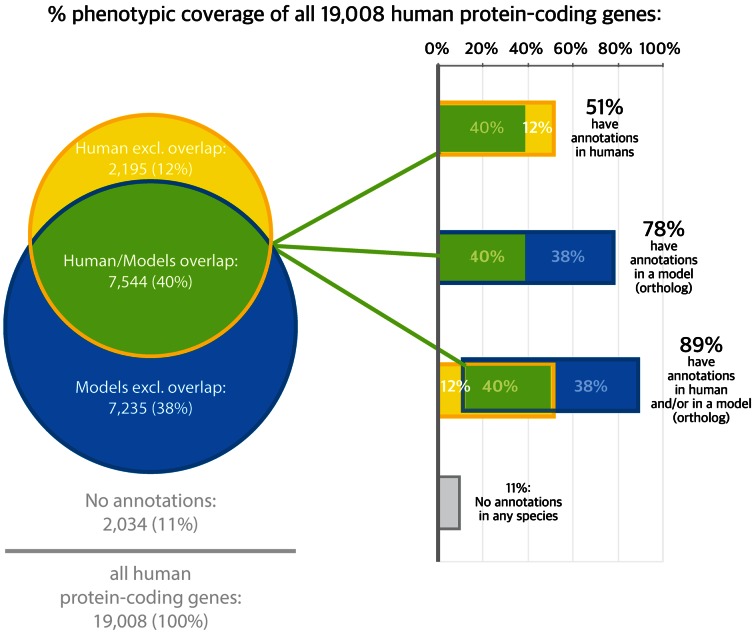
“Currently, available human data associates ∼ 51% of known human coding genes with phenotype data (based on OMIM (1), ClinVar (2), Orphanet (3), CTD (4) and the GWAS catalog (5)).”
BackgroundMethodInfluential
Research works printed but not linked: 3
- Dumontier M. Callahan A. Cruz-Toledo J. Ansell P. Emonet V. Belleau F. Bio2RDF release 3: a larger connected network of linked data for the life sciences Proceedings of the 2014 International Conference on Posters & Demonstrations Track 2014 1272 401 404
- Smedley D. Schubach M. Jacobsen J.O.B. Köhler S. Zemojtel T. Spielmann M. Jäger M. Hochheiser H. Washington N.L. McMurry J.A. A whole-genome analysis framework for effective identification of pathogenic regulatory variants in Mendelian disease Am. J. Hum. Genet. 2016 99 595 606 27569544 PMC5011059 · DOI · Paper page
- Brush M. Shefchek K. Haendel M.A. SEPIO: a semantic model for the integration and analysis of scientific evidence International Conference on Biomedical Ontology and BioCreative (ICBO BioCreative 2016) 2016 Corvallis, Oregon Available from http://icbo.cgrb.oregonstate.edu/
Cited by
The Human Phenotype Ontology in 2021
Köhler, S., Gargano, M., Matentzoglu, N., Carmody, L. C., Lewis-Smith, D., Vasilevsky, N. A., Danis, D., Balagura, G., Baynam, G., Brower, A. M., et al. (2021) · Nucleic Acids Research · doi:10.1093/nar/gkaa1043 · Cited by 1,138
Self-citationExpansion of the Human Phenotype Ontology (HPO) knowledge base and resources
Köhler, S., Carmody, L., Vasilevsky, N., Jacobsen, J. O. B., Danis, D., Gourdine, J.-P., Gargano, M., Harris, N. L., Matentzoglu, N., McMurry, J. A., et al. (2019) · Nucleic Acids Research · doi:10.1093/nar/gky1105 · Cited by 677
“Members of the Monarch Initiative are contributing to community tools for pattern-based development using Dead Simple Ontology Design Patterns (DOSDP, (52)) and the Ontology Development Kit (ODK).”
InfluentialSelf-citationSystematic integration of biomedical knowledge prioritizes drugs for repurposing
Himmelstein, D. S., Lizee, A., Hessler, C., Brueggeman, L., Chen, S. L., Hadley, D., Green, A., Khankhanian, P., & Baranzini, S. E. (2017) · eLife · doi:10.7554/elife.26726 · Cited by 666
Genenames.org: the HGNC resources in 2023
Seal, R. L., Braschi, B., Gray, K., Jones, T. E. M., Tweedie, S., Haim-Vilmovsky, L., & Bruford, E. A. (2023) · Nucleic Acids Research · doi:10.1093/nar/gkac888 · Cited by 527
Building a knowledge graph to enable precision medicine
Chandak, P., Huang, K., & Zitnik, M. (2023) · Scientific Data · doi:10.1038/s41597-023-01960-3 · Cited by 522
Open Targets Platform: supporting systematic drug–target identification and prioritisation
Ochoa, D., Hercules, A., Carmona, M., Suveges, D., Gonzalez-Uriarte, A., Malangone, C., Miranda, A., Fumis, L., Carvalho-Silva, D., Spitzer, M., et al. (2021) · Nucleic Acids Research · doi:10.1093/nar/gkaa1027 · Cited by 495
“By liaising with the Monarch Disease Ontology (MonDO) (26), EFO v3 provides a comprehensive ontology of diseases and phenotypes as well as cutting-edge algorithmic and manual curation to classify them using different ontologies.”
From Big Data to Precision Medicine
Hulsen, T., Jamuar, S. S., Moody, A. R., Karnes, J. H., Varga, O., Hedensted, S., Spreafico, R., Hafler, D. A., & McKinney, E. F. (2019) · Frontiers in Medicine · doi:10.3389/fmed.2019.00034 · Cited by 459
“There have been several initiatives to standardize phenotypic terminology including Human Phenotype Ontology (HPO), Monarch Initiative, among others (61, 62).”
Schubach, M., Maass, T., Nazaretyan, L., Röner, S., & Kircher, M. (2024) · Nucleic Acids Research · doi:10.1093/nar/gkad989 · Cited by 455
Groza, T., Gomez, F. L., Mashhadi, H. H., Muñoz-Fuentes, V., Gunes, O., Wilson, R., Cacheiro, P., Frost, A., Keskivali-Bond, P., Vardal, B., et al. (2023) · Nucleic Acids Research · doi:10.1093/nar/gkac972 · Cited by 413
Self-citationThe Human Phenotype Ontology in 2024: phenotypes around the world
Gargano, M. A., Matentzoglu, N., Coleman, B., Addo-Lartey, E. B., Anagnostopoulos, A. V., Anderton, J., Avillach, P., Bagley, A. M., Bakštein, E., Balhoff, J. P., et al. (2024) · Nucleic Acids Research · doi:10.1093/nar/gkad1005 · Cited by 410
Self-citationUnexplored therapeutic opportunities in the human genome
Oprea, T. I., Bologa, C. G., Brunak, S., Campbell, A., Gan, G. N., Gaulton, A., Gomez, S. M., Guha, R., Hersey, A., Holmes, J., et al. (2018) · Nature Reviews Drug Discovery · doi:10.1038/nrd.2018.14 · Cited by 378
GA4GH: International policies and standards for data sharing across genomic research and healthcare
Rehm, H. L., Page, A. J. H., Smith, L., Adams, J. B., Alterovitz, G., Babb, L. J., Barkley, M. P., Baudis, M., Beauvais, M. J. S., Beck, T., et al. (2021) · Cell Genomics · doi:10.1016/j.xgen.2021.100029 · Cited by 311
Self-citationGenenames.org: the HGNC and VGNC resources in 2021
Tweedie, S., Braschi, B., Gray, K., Jones, T. E. M., Seal, R. L., Yates, B., & Bruford, E. A. (2021) · Nucleic Acids Research · doi:10.1093/nar/gkaa980 · Cited by 338
Classification, Ontology, and Precision Medicine
Haendel, M. A., Chute, C. G., & Robinson, P. N. (2018) · New England Journal of Medicine · doi:10.1056/nejmra1615014 · Cited by 317
Self-citationErratum: Unexplored therapeutic opportunities in the human genome
Oprea, T. I., Bologa, C. G., Brunak, S., Campbell, A., Gan, G. N., Gaulton, A., Gomez, S. M., Guha, R., Hersey, A., Holmes, J., et al. (2018) · Nature Reviews Drug Discovery · doi:10.1038/nrd.2018.52 · Cited by 311
Graph representation learning in biomedicine and healthcare
Li, M. M., Huang, K., & Zitnik, M. (2022) · Nature Biomedical Engineering · doi:10.1038/s41551-022-00942-x · Cited by 294
Cytoscape stringApp 2.0: Analysis and Visualization of Heterogeneous Biological Networks
Doncheva, N. T., Morris, J. H., Holze, H., Kirsch, R., Nastou, K. C., Cuesta-Astroz, Y., Rattei, T., Szklarczyk, D., von Mering, C., & Jensen, L. J. (2023) · Journal of Proteome Research · doi:10.1021/acs.jproteome.2c00651 · Cited by 231
Shefchek, K. A., Harris, N. L., Gargano, M., Matentzoglu, N., Unni, D., Brush, M., Keith, D., Conlin, T., Vasilevsky, N., Zhang, X. A., et al. (2020) · Nucleic Acids Research · doi:10.1093/nar/gkz997 · Cited by 236
Self-citationJin, S., Sun, X., Wu, F., Su, Y., Li, Y., Song, S., Xu, K., Ma, Q., Baret, F., Jiang, D., et al. (2021) · ISPRS Journal of Photogrammetry and Remote Sensing · doi:10.1016/j.isprsjprs.2020.11.006 · Cited by 222
Open Science principles for accelerating trait-based science across the Tree of Life
Gallagher, R. V., Falster, D. S., Maitner, B. S., Salguero-Gómez, R., Vandvik, V., Pearse, W. D., Schneider, F. D., Kattge, J., Poelen, J. H., Madin, J. S., et al. (2020) · Nature Ecology & Evolution · doi:10.1038/s41559-020-1109-6 · Cited by 217
A genetics-led approach defines the drug target landscape of 30 immune-related traits
The ULTRA-DD Consortium, Fang, H., De Wolf, H., Knezevic, B., Burnham, K. L., Osgood, J., Sanniti, A., Lledó Lara, A., Kasela, S., De Cesco, S., et al. (2019) · Nature Genetics · doi:10.1038/s41588-019-0456-1 · Cited by 220
Wang, J., Al-Ouran, R., Hu, Y., Kim, S.-Y., Wan, Y.-W., Wangler, M. F., Yamamoto, S., Chao, H.-T., Comjean, A., Mohr, S. E., et al. (2017) · The American Journal of Human Genetics · doi:10.1016/j.ajhg.2017.04.010 · Cited by 204
Self-citationCharacterizing long COVID: deep phenotype of a complex condition
Deer, R. R., Rock, M. A., Vasilevsky, N., Carmody, L., Rando, H., Anzalone, A. J., Basson, M. D., Bennett, T. D., Bergquist, T., Boudreau, E. A., et al. (2021) · EBioMedicine · doi:10.1016/j.ebiom.2021.103722 · Cited by 200
Self-citationCaufield, J. H., Hegde, H., Emonet, V., Harris, N. L., Joachimiak, M. P., Matentzoglu, N., Kim, H., Moxon, S., Reese, J. T., Haendel, M. A., et al. (2024) · Bioinformatics · doi:10.1093/bioinformatics/btae104 · Cited by 120
Self-citationA review of biomedical datasets relating to drug discovery: a knowledge graph perspective
Bonner, S., Barrett, I. P., Ye, C., Swiers, R., Engkvist, O., Bender, A., Hoyt, C. T., & Hamilton, W. L. (2022) · Briefings in Bioinformatics · doi:10.1093/bib/bbac404 · Cited by 198
“Prominent examples include the Medical Subject Headings (MeSH) [69], Human Disease Ontology (DO) [103], Human Phenotype Ontology (HPO) [99] and Monarch Disease Ontology (MonDO) [83].”
BackgroundPHI-base in 2022: a multi-species phenotype database for Pathogen–Host Interactions
Urban, M., Cuzick, A., Seager, J., Wood, V., Rutherford, K., Venkatesh, S. Y., Sahu, J., Iyer, S. V., Khamari, L., De Silva, N., et al. (2022) · Nucleic Acids Research · doi:10.1093/nar/gkab1037 · Cited by 167
“Human diseases were crossreferenced with the Mondo Disease Ontology (37), which merges terms from multiple disease ontologies, including the Human Disease Ontology (38), Human Phenotype Ontology (39) and the NCI Thesaurus OBO Edition (40).”
High-Diversity Mouse Populations for Complex Traits
Saul, M. C., Philip, V. M., Reinholdt, L. G., & Chesler, E. J. (2019) · Trends in Genetics · doi:10.1016/j.tig.2019.04.003 · Cited by 165
Alliance of Genome Resources Portal: unified model organism research platform
The Alliance of Genome Resources Consortium, Agapite, J., Albou, L.-P., Aleksander, S., Argasinska, J., Arnaboldi, V., Attrill, H., Bello, S. M., Blake, J. A., Blodgett, O., et al. (2020) · Nucleic Acids Research · doi:10.1093/nar/gkz813 · Cited by 177
Self-citationWikidata as a knowledge graph for the life sciences
Waagmeester, A., Stupp, G. S., Burgstaller-Muehlbacher, S., Good, B. M., Griffith, M., Griffith, O. L., Hanspers, K., Hermjakob, H., Hudson, T., Hybiske, K., et al. (2020) · eLife · doi:10.7554/elife.52614 · Cited by 191
A harmonized meta-knowledgebase of clinical interpretations of somatic genomic variants in cancer
Variant Interpretation for Cancer Consortium, Wagner, A. H., Walsh, B., Mayfield, G., Tamborero, D., Sonkin, D., Krysiak, K., Deu-Pons, J., Duren, R. P., Gao, J., et al. (2020) · Nature Genetics · doi:10.1038/s41588-020-0603-8 · Cited by 164
Self-citationNetwork medicine for disease module identification and drug repurposing with the NeDRex platform
Sadegh, S., Skelton, J., Anastasi, E., Bernett, J., Blumenthal, D. B., Galindez, G., Salgado-Albarrán, M., Lazareva, O., Flanagan, K., Cockell, S., et al. (2021) · Nature Communications · doi:10.1038/s41467-021-27138-2 · Cited by 173
Verma, A., Damrauer, S. M., Naseer, N., Weaver, J., Kripke, C. M., Guare, L. A., Sirugo, G., Kember, R. L., Drivas, T. G., DUDEK, S. M., et al. (2022) · Journal of Personalized Medicine · doi:10.3390/jpm12121974 · Cited by 161
Berginski, M. E., Moret, N., Liu, C., Goldfarb, D., Sorger, P. K., & Gomez, S. M. (2021) · Nucleic Acids Research · doi:10.1093/nar/gkaa853 · Cited by 146
Deep Phenotyping on Electronic Health Records Facilitates Genetic Diagnosis by Clinical Exomes
Son, J. H., Xie, G., Yuan, C., Ena, L., Li, Z., Goldstein, A., Huang, L., Wang, L., Shen, F., Liu, H., et al. (2018) · The American Journal of Human Genetics · doi:10.1016/j.ajhg.2018.05.010 · Cited by 133
Pharos 2023: an integrated resource for the understudied human proteome
Kelleher, K. J., Sheils, T. K., Mathias, S. L., Yang, J. J., Metzger, V. T., Siramshetty, V. B., Nguyen, D.-T., Jensen, L. J., Vidović, D., Schürer, S. C., et al. (2023) · Nucleic Acids Research · doi:10.1093/nar/gkac1033 · Cited by 137
“The newly added data includes disease definitions, hierarchy, and mappings provided by the Mondo Disease Ontology (Mondo) (21,22).”
Biomedical knowledge graph-optimized prompt generation for large language models
Soman, K., Rose, P. W., Morris, J. H., Akbas, R. E., Smith, B., Peetoom, B., Villouta-Reyes, C., Cerono, G., Shi, Y., Rizk-Jackson, A., et al. (2024) · Bioinformatics · doi:10.1093/bioinformatics/btae560 · Cited by 135
“MCQ, comprising five choices with a single correct answer for each question, were created using data from the Monarch Initiative (Mungall et al. 2017) and ROBOKOP (Reasoning Over Biomedical Objects linked in Knowledge-Oriented Pathways; Bizon et al. 2019) (Supplementary S1 Text).”
MethodMachine learning in rare disease
Banerjee, J., Taroni, J., Allaway, R. J., Prasad, D. V., Guinney, J., & Greene, C. S. (2023) · Nature Methods · doi:10.1038/s41592-023-01886-z · Cited by 163
“Knowledge graphs (KGs), which integrate related but different data types, provide a rich multimodal data source, for example, Monarch Graph Database 49 , Hetionet 50 , PheKnowLator 51 , the global network of bio-medical relationships 52 and Orphanet 53 .”
BackgroundHassani‐Pak, K., Singh, A., Brandizi, M., Hearnshaw, J., Parsons, J. D., Amberkar, S., Phillips, A. L., Doonan, J. H., & Rawlings, C. (2021) · Plant Biotechnology Journal · doi:10.1111/pbi.13583 · Cited by 129
“Compared to biological discovery platforms available for specific species (Carvalho-Silva et al., 2019; Miller et al., 2017; Mungall et al., 2017), KnetMiner is species-agnostic and therefore provides a more cost-effective delivery platform for application to new data sets.”
Brown, A., Roman, M., & Devereux, B. J. (2025) · Big Data and Cognitive Computing · doi:10.3390/bdcc9120320 · Cited by 146
seqr : A web‐based analysis and collaboration tool for rare disease genomics
Pais, L. S., Snow, H., Weisburd, B., Zhang, S., Baxter, S. M., DiTroia, S. P., O’Heir, E., England, E. M., Chao, K. R., Lemire, G., et al. (2022) · Human Mutation · doi:10.1002/humu.24366 · Cited by 135
“…data for analysis, seqr displays links to external resources, including gene-related information (PubMed, Monarch, DECIPHER) (McMurry et al., 2016; Shefchek et al., 2020; Firth et al., 2009), transcript information (gnomAD, GTEx) (Karczewski et al., 2020; GTEx Consortium, 2013), and functional…”
BackgroundXenbase: key features and resources of the Xenopus model organism knowledgebase
Fisher, M., James-Zorn, C., Ponferrada, V., Bell, A. J., Sundararaj, N., Segerdell, E., Chaturvedi, P., Bayyari, N., Chu, S., Pells, T., et al. (2023) · GENETICS · doi:10.1093/genetics/iyad018 · Cited by 108
“The search also provides links to data for human and mouse genes and phenotypes on the Monarch Initiative website and for disease pages for the Monarch Disease Ontology (MONDO) (Shefchek et al. 2020).”
BackgroundPutman, T., Schaper, K., Matentzoglu, N., Rubinetti, V., Alquaddoomi, F., Cox, C., Caufield, J. H., Elsarboukh, G., Gehrke, S. A., Hegde, H., et al. (2023) · Nucleic Acids Research · doi:10.1093/nar/gkad1082 · Cited by 142
Self-citationDeisseroth, C. A., Birgmeier, J., Bodle, E. E., Kohler, J. N., Matalon, D. R., Nazarenko, Y., Genetti, C. A., Brownstein, C. A., Schmitz-Abe, K., Schoch, K., et al. (2019) · Genetics in Medicine · doi:10.1038/s41436-018-0381-1 · Cited by 104
Cell type ontologies of the Human Cell Atlas
Osumi-Sutherland, D., Xu, C., Keays, M., Levine, A. P., Kharchenko, P. V., Regev, A., Lein, E., & Teichmann, S. A. (2021) · Nature Cell Biology · doi:10.1038/s41556-021-00787-7 · Cited by 123
The anatomy of phenotype ontologies: principles, properties and applications
Gkoutos, G. V., Schofield, P. N., & Hoehndorf, R. (2018) · Briefings in Bioinformatics · doi:10.1093/bib/bbx035 · Cited by 104
“Such an approach was firstly applied systematically in the PhenomeNET system [130] and later gave rise to approaches such as PhenoDigm [78] and the Monarch Initiative [19].”
BackgroundMethodInfluentialVarSite: Disease variants and protein structure
Laskowski, R. A., Stephenson, J. D., Sillitoe, I., Orengo, C. A., & Thornton, J. M. (2020) · Protein Science · doi:10.1002/pro.3746 · Cited by 117
“The ontology has been derived by mapping the diseases defined in UniProt to the Monarch Disease Ontology.”
MethodUnni, D., Moxon, S. A. T., Bada, M. A., Brush, M., Bruskiewich, R., Caufield, J. H., Clemons, P. A., Dančík, V., Dumontier, M., Fecho, K., et al. (2022) · Clinical and Translational Science · doi:10.1111/cts.13302 · Cited by 135
“7 Several ontologies and schemas for representing bio-medical knowledge are available.”
BackgroundSelf-citationPANGEA: a new gene set enrichment tool for Drosophila and common research organisms
Hu, Y., Comjean, A., Attrill, H., Antonazzo, G., Thurmond, J., Chen, W., Li, F., Chao, T., Mohr, S. E., Brown, N. H., et al. (2023) · Nucleic Acids Research · doi:10.1093/nar/gkad331 · Cited by 96
“The past decade has seen a number of efforts aimed at pulling together model organism and human data to facilitate a more interdisciplinary approach; examples include MARRVEL (Model organism Aggregated Resources for Rare Variant ExpLoration) (1), Gene2Function (2) and the Monarch Initiative (3).”
BackgroundPomBase: a Global Core Biodata Resource—growth, collaboration, and sustainability
Rutherford, K. M., Lera-Ramírez, M., & Wood, V. (2024) · GENETICS · doi:10.1093/genetics/iyae007 · Cited by 102
“We have recently submitted 100,000 S. pombe phenotype annotations to the Monarch Initiative, an integrative data and analytic platform connecting phenotypes to genotypes across species (Shefchek et al .”
MethodLi, Q., Zhao, K., Bustamante, C. D., Ma, X., & Wong, W. H. (2019) · Genetics in Medicine · doi:10.1038/s41436-019-0439-8 · Cited by 106
“The Monarch Initiative 26 and HPO team are continuing the development of HPO and integration of other model organism phenotypes, which will keep improving the diagnostic rate of HPO based methods.”
MethodKG-COVID-19: A Framework to Produce Customized Knowledge Graphs for COVID-19 Response
Reese, J. T., Unni, D., Callahan, T. J., Cappelletti, L., Ravanmehr, V., Carbon, S., Shefchek, K. A., Good, B. M., Balhoff, J. P., Fontana, T., et al. (2021) · Patterns · doi:10.1016/j.patter.2020.100155 · Cited by 92
Self-citationFission stories: using PomBase to understand Schizosaccharomyces pombe biology
Harris, M. A., Rutherford, K. M., Hayles, J., Lock, A., Bähler, J., Oliver, S. G., Mata, J., & Wood, V. (2022) · Genetics · doi:10.1093/genetics/iyab222 · Cited by 99
Network analysis reveals rare disease signatures across multiple levels of biological organization
Buphamalai, P., Kokotovic, T., Nagy, V., & Menche, J. (2021) · Nature Communications · doi:10.1038/s41467-021-26674-1 · Cited by 95
“Finally, phenotypic similarities with known human or animal model gene defects can guide the annotation of genetic variants with unknown consequences 18 .”
BackgroundPreston, C. G., Wright, M. W., Madhavrao, R., Harrison, S. M., Goldstein, J., Luo, X., Wand, H., Wulf, B., Cheung, G., Mandell, M. E., et al. (2022) · Genome Medicine · doi:10.1186/s13073-021-01004-8 · Cited by 96
“The variant is associated with a Mondo Disease Ontology [34] term and a Human Phenotype Ontology [21] mode of inheritance term by the biocurator or VCEP.”
BackgroundComputational drug repositioning for rare diseases in the era of precision medicine
Delavan, B., Roberts, R., Huang, R., Bao, W., Tong, W., & Liu, Z. (2018) · Drug Discovery Today · doi:10.1016/j.drudis.2017.10.009 · Cited by 85
PhenoTagger: a hybrid method for phenotype concept recognition using human phenotype ontology
Luo, L., Yan, S., Lai, P.-T., Veltri, D., Oler, A., Xirasagar, S., Ghosh, R., Similuk, M., Robinson, P. N., & Lu, Z. (2021) · Bioinformatics · doi:10.1093/bioinformatics/btab019 · Cited by 76
Self-citationHigh-throughput mouse phenomics for characterizing mammalian gene function
Brown, S. D. M., Holmes, C. C., Mallon, A., Meehan, T. F., Smedley, D. P., & Wells, S. (2018) · Nature Reviews Genetics · doi:10.1038/s41576-018-0005-2 · Cited by 93
Self-citationCreating a Structured Adverse Outcome Pathway Knowledgebase via Ontology-Based Annotations
Ives, C. L., Campia, I., Wang, R.-L., Wittwehr, C., & Edwards, S. W. (2017) · Applied In Vitro Toxicology · doi:10.1089/aivt.2017.0017 · Cited by 86
“16,17 Finally, O-AOP-KB should also facilitate modular development of AOPs by encouraging reuse of KEs or KERs and reducing redundancy.”
Clinical Interpretation of Sequence Variants
Zhang, J., Yao, Y., He, H., & Shen, J. (2020) · Current Protocols in Human Genetics · doi:10.1002/cphg.98 · Cited by 106
Stark, Z., Foulger, R. E., Williams, E. M., Thompson, B. A., Patel, C., Lunke, S., Snow, C., Leong, I. U. S., Puzriakova, A., Daugherty, L. C., et al. (2021) · The American Journal of Human Genetics · doi:10.1016/j.ajhg.2021.06.020 · Cited by 87
“The American Journal of Human Genetics 108 , 1551–1557, September 2, 2021 1553 of panel clinical indications to disease ontologies such as the Monarch Disease Ontology (MONDO) 26 will assist in both harmonization and automation efforts.”
BackgroundBogue, M. A., Philip, V. M., Walton, D. O., Grubb, S. C., Dunn, M. H., Kolishovski, G., Emerson, J., Mukherjee, G., Stearns, T., He, H., et al. (2019) · Nucleic Acids Research · doi:10.1093/nar/gkz1032 · Cited by 80
“Curation of measures and other entities with widely used ontology terms is important for integration with multispecies platforms such as the Monarch Initiative (4) and GeneNetwork (5).”
BackgroundThe 24th annualNucleic Acids Researchdatabase issue: a look back and upcoming changes
Galperin, M. Y., Fernández, X. M., & Rigden, D. J. (2017) · Nucleic Acids Research · doi:10.1093/nar/gkw1188 · Cited by 84
“This ambitious objective requires the careful use and integration of ontologies to precisely describe anatomy, diseases and phenotypes, but the pay-off is an ability to link from human diseases to disease models in various model organisms, maximizing the value of data obtained for any given organism (2).”
BackgroundDoc2Hpo: a web application for efficient and accurate HPO concept curation
Liu, C., Peres Kury, F. S., Li, Z., Ta, C., Wang, K., & Weng, C. (2019) · Nucleic Acids Research · doi:10.1093/nar/gkz386 · Cited by 73
“This interactive user interface is the most important feature that distinguishes Doc2Hpo from other online concept recognition tools, including Text Annotator developed by the Monarch Initiative (https:// monarchinitiative.org/annotate/text) (22).”
BackgroundMethodThe 27th annual Nucleic Acids Research database issue and molecular biology database collection
Rigden, D. J., & Fernández, X. M. (2020) · Nucleic Acids Research · doi:10.1093/nar/gkz1161 · Cited by 75
An overview of graph databases and their applications in the biomedical domain
Reina, S. T., Rincón, M., & Martínez‐Tomás, R. (2021) · Database · doi:10.1093/database/baab026 · Cited by 83
“The Monarch Initiative (85) is an ambitious endeavor that uses an ontology-based strategy to deeply integrate genotype–phenotype data from many species and sources, enabling computational interrogation of disease models and revealing complex genotype–phenotype relationships.”
BackgroundThe Data Use Ontology to streamline responsible access to human biomedical datasets
Lawson, J., Cabili, M. N., Kerry, G., Boughtwood, T. F., Thorogood, A., Alper, P., Bowers, S. R., Boyles, R., Brookes, A. J., Brush, M., et al. (2021) · Cell Genomics · doi:10.1016/j.xgen.2021.100028 · Cited by 89
Self-citationAn open source knowledge graph ecosystem for the life sciences
Callahan, T. J., Tripodi, I. J., Stefanski, A. L., Cappelletti, L., Taneja, S. B., Wyrwa, J. M., Casiraghi, E., Matentzoglu, N., Reese, J., Silverstein, J. C., et al. (2024) · Scientific Data · doi:10.1038/s41597-024-03171-w · Cited by 92
Self-citationThe Infectious Disease Ontology in the age of COVID-19
Babcock, S., Beverley, J. R., Cowell, L. G., & Smith, B. (2021) · Journal of Biomedical Semantics · doi:10.1186/s13326-021-00245-1 · Cited by 85
Bogue, M. A., Grubb, S. C., Walton, D. O., Philip, V. M., Kolishovski, G., Stearns, T., Dunn, M. H., Skelly, D. A., Kadakkuzha, B., TeHennepe, G., et al. (2018) · Nucleic Acids Research · doi:10.1093/nar/gkx1082 · Cited by 71
“been accessed and integrated into analyses by the Monarch Initiative which aims to integrate, align, and re-distribute cross-species phenotype data (7).”
BackgroundMethodData Lakes, Clouds, and Commons: A Review of Platforms for Analyzing and Sharing Genomic Data
Grossman, R. L. (2019) · Trends in Genetics · doi:10.1016/j.tig.2018.12.006 · Cited by 74
“It can be quite challenging and labor intensive to match ontologies to clinical data, and several tools have been developed to make this easier [43,44].”
BackgroundOcean Data Product Integration Through Innovation-The Next Level of Data Interoperability
Buck, J., Bainbridge, S. J., Burger, E., Kraberg, A. C., Casari, M., Casey, K. S., Darroch, L. J., Fernández, J. D. R., Metfies, K., Delory, E., et al. (2019) · Frontiers in Marine Science · doi:10.3389/fmars.2019.00032 · Cited by 72
“Upon this basis, oceanographic data will be more readily and coherently linkable to data in other domains such as socio-economics, governance25 and health [e.g., The Monarch Initiative26 (Mungall et al., 2017)], which are also adopting similar semantic standards.”
BackgroundBeck, T., Shorter, T., & Brookes, A. J. (2019) · Nucleic Acids Research · doi:10.1093/nar/gkz895 · Cited by 74
“In this work, we will reuse knowledge and adopt best practices from previous research in this area, such as the cross-species ontology mappings provided by the Monarch Initiative (26), and make new mappings we produce available in the public domain.”
MethodModelling kidney disease using ontology: insights from the Kidney Precision Medicine Project
Ong, E., Wang, L. L., Schaub, J. A., O’Toole, J. F., Steck, B., Rosenberg, A. Z., Dowd, F., Hansen, J., Barisoni, L. M. C., Jain, S. R., et al. (2020) · Nature Reviews Nephrology · doi:10.1038/s41581-020-00335-w · Cited by 72
Self-citationSharing biological data: why, when, and how
Wilson, S. L., Way, G. P., Bittremieux, W., Armache, J., Haendel, M. A., & Hoffman, M. M. (2021) · FEBS Letters · doi:10.1002/1873-3468.14067 · Cited by 69
Self-citationNew models for human disease from the International Mouse Phenotyping Consortium
Cacheiro, P., Haendel, M. A., & Smedley, D. P. (2019) · Mammalian Genome · doi:10.1007/s00335-019-09804-5 · Cited by 67
“This phenotypic similarity is computed by several algorithms developed by the Monarch Initiative (Mungall et al. 2017).”
MethodSelf-citationAhmed, F., Lee, J. W., Samantasinghar, A., Kim, Y. S., Kim, K. H., Kang, I. S., Memon, F. H., Lim, J. H., & Choi, K. H. (2022) · Frontiers in Public Health · doi:10.3389/fpubh.2022.902123 · Cited by 65
“In this study, 10,881 human diseases with 8,662 phenotypes were retrieved from the Monarch database (62).”
MethodPrenatal phenotyping: A community effort to enhance the Human Phenotype Ontology
Dhombres, F., Morgan, P., Chaudhari, B. P., Filges, I., Sparks, T. N., Lapunzina, P. D., Roscioli, T., Agarwal, U., Aggarwal, S., Bénéteau, C., et al. (2022) · American Journal of Medical Genetics Part C Seminars in Medical Genetics · doi:10.1002/ajmg.c.31989 · Cited by 66
“(c) The disease diagnosis is recorded using a term from the Mondo ontology (Shefchek et al., 2020), Warburg micro syndrome (MONDO:0016649).”
MethodSelf-citationGainotti, S., Mascalzoni, D., Bros‐Facer, V., Petrini, C., Floridia, G., Roos, M., Salvatore, M., & Taruscio, D. (2018) · International Journal of Environmental Research and Public Health · doi:10.3390/ijerph15102072 · Cited by 67
Computational aspects underlying genome to phenome analysis in plants
Bolger, A., Poorter, H., Dumschott, K., Bolger, M., Arend, D., Osorio, S., Gundlach, H., Mayer, K., Lange, M., Scholz, U., et al. (2019) · The Plant Journal · doi:10.1111/tpj.14179 · Cited by 73
PK-DB: pharmacokinetics database for individualized and stratified computational modeling
Grzegorzewski, J., Brandhorst, J., Green, K., Eleftheriadou, D., Duport, Y., Barthorscht, F., Köller, A., Ke, D. Y. J., De Angelis, S., & König, M. (2021) · Nucleic Acids Research · doi:10.1093/nar/gkaa990 · Cited by 60
“This enables the integration with additional data sets or computational models based on the semantic information, e.g., substances are annotated to ChEBI (10), and diseases to ncit, hp, doid and mondo (11–14).”
Zhu, Q., Nguyễn, Ð.-T., Grishagin, I. V., Southall, N. T., Sid, E., & Pariser, A. (2020) · Journal of Biomedical Semantics · doi:10.1186/s13326-020-00232-y · Cited by 74
The case for open science: rare diseases
Rubinstein, Y., Robinson, P. N., Gahl, W. A., Avillach, P., Baynam, G. S., Cederroth, H., Goodwin, R. M., Groft, S. C., HANSSON, M. G., Harris, N. L., et al. (2020) · JAMIA Open · doi:10.1093/jamiaopen/ooaa030 · Cited by 67
Self-citationEncoding Clinical Data with the Human Phenotype Ontology for Computational Differential Diagnostics
Köhler, S., Øien, N. C., Buske, O. J., Groza, T., Jacobsen, J. O. B., McNamara, C., Vasilevsky, N., Carmody, L., Gourdine, J.-P. F., Gargano, M. A., et al. (2019) · Current Protocols in Human Genetics · doi:10.1002/cphg.92 · Cited by 65
“The HPO is the clinical flagship of the Monarch Initiative, where it is embedded in a semantically unified framework of knowledge on diseases, genes, phenotypes, and model organisms, with over 50,000,000 items of knowledge (McMurry et al., 2016; Mungall et al., 2017).”
BackgroundSelf-citationDavis, A. P., Wiegers, T. C., Wiegers, J., Johnson, R. J., Sciaky, D., Grondin, C., & Mattingly, C. J. (2018) · Toxicological Sciences · doi:10.1093/toxsci/kfy131 · Cited by 60
Intellectual disability and autism spectrum disorders ‘on the fly’: insights from Drosophila
Coll-Tané, M., Krebbers, A., Castells‐Nobau, A., Zweier, C., & Schenck, A. (2019) · Disease Models & Mechanisms · doi:10.1242/dmm.039180 · Cited by 70
Predicting candidate genes from phenotypes, functions and anatomical site of expression
Chen, J., Althagafi, A., & Hoehndorf, R. (2020) · Bioinformatics · doi:10.1093/bioinformatics/btaa879 · Cited by 64
EpiGraphDB: a database and data mining platform for health data science
Liu, Y., Elsworth, B., Erola, P., Haberland, V., Hemani, G., Lyon, M., Zheng, J., Lloyd, O. C., Vabistsevits, M., & Gaunt, T. R. (2020) · Bioinformatics · doi:10.1093/bioinformatics/btaa961 · Cited by 63
Comparative analysis of functional assay evidence use by ClinGen Variant Curation Expert Panels
Kanavy, D., McNulty, S. M., Jairath, M. K., Brnich, S. E., Bizon, C., Powell, B. C., & Berg, J. S. (2019) · Genome Medicine · doi:10.1186/s13073-019-0683-1 · Cited by 64
Ontology mapping for semantically enabled applications
Harrow, I., Balakrishnan, R., Jiménez-Ruiz, E., Jupp, S., Lomax, J., Reed, J. Z., Romacker, M., Senger, C., Splendiani, A., Wilson, J., et al. (2019) · Drug Discovery Today · doi:10.1016/j.drudis.2019.05.020 · Cited by 67
Wood, E. C., Glen, A. K., Kvarfordt, L. G., Womack, F., Acevedo, L., Yoon, T. S., Ma, C., Flores, V., Sinha, M., Chodpathumwan, Y., et al. (2022) · BMC Bioinformatics · doi:10.1186/s12859-022-04932-3 · Cited by 66
Marmon, P., Owen, S. F., & Margiotta‐Casaluci, L. (2020) · Environment International · doi:10.1016/j.envint.2020.106222 · Cited by 61
Yankee, T. N., Oh, S., Winchester, E. W., Wilderman, A. S., Robinson, K. R., Gordon, T., Rosenfeld, J. A., VanOudenhove, J., Scott, D. A., Leslie, E. J., et al. (2023) · Nature Communications · doi:10.1038/s41467-023-40363-1 · Cited by 58
The Alliance of Genome Resources: Building a Modern Data Ecosystem for Model Organism Databases
The Alliance of Genome Resources Consortium (2019) · Genetics · doi:10.1534/genetics.119.302523 · Cited by 51
“These resources also have been leveraged heavily by bioinformatics initiatives using comparative biology approaches for functional genomics, including MARRVEL (Model organism Aggregated Resources for Rare Variant ExpLoration) (Wang et al. 2017), the Monarch Initiative (Mungall et al. 2017), GeneWeaver (Bubier et al. 2…”
MethodMouse Genome Informatics (MGI): latest news from MGD and GXD
Ringwald, M., Richardson, J. E., Baldarelli, R. M., Blake, J. A., Kadin, J. A., Smith, C. L., & Bult, C. J. (2021) · Mammalian Genome · doi:10.1007/s00335-021-09921-0 · Cited by 57
“The MP has been adopted widely including by the Rat Genome Database (Smith et al. 2020b), the International Mouse Phenotyping Consortium (Munoz-Fuentes et al. 2018), and the Monarch Initiative (Mungall et al. 2017).”
MethodDeveloping a Knowledge Graph for Pharmacokinetic Natural Product-Drug Interactions
Taneja, S. B., Callahan, T. J., Paine, M. F., Kane‐Gill, S. L., Kilicoglu, H., Joachimiak, M. P., & Boyce, R. D. (2023) · Journal of Biomedical Informatics · doi:10.1016/j.jbi.2023.104341 · Cited by 55
“ontologies (diseases from Mondo Disease Ontology [25]; phenotypes from Human Phenotype Ontology [26]; anatomical entities from Uber Anatomy Ontology [27]; biological processes, cellular components, and molecular functions from Gene Ontology [28]; proteins from Human Protein Ontology [29]; pathways from Pathway Ontolog…”
MethodThe iPPI-DB initiative: a community-centered database of protein–protein interaction modulators
Torchet, R., Druart, K., Ruano, L. C., Moine-Franel, A., Borges, H., Doppelt‐Azeroual, O., Brancotte, B., Mareuil, F., Nilges, M., Ménager, H., et al. (2021) · Bioinformatics · doi:10.1093/bioinformatics/btaa1091 · Cited by 53
Yao, G., Zhang, W., Yang, M., Yang, H., Wang, J., Zhang, H., Wei, L., Xie, Z., & Li, W. (2020) · Genomics Proteomics & Bioinformatics · doi:10.1016/j.gpb.2020.11.001 · Cited by 54
“EFO provides a systematic description of many experimental variables across the European Bioinformatics Institute (EMBL-EBI) databases and the National Human Genome Research Institute (NHGRI) genome-wide association study (GWAS) catalog [31]; it also combines parts of several popular ontologies, such as Orphanet Rare…”
BackgroundKG-Hub—building and exchanging biological knowledge graphs
Caufield, J. H., Putman, T., Schaper, K., Unni, D., Hegde, H., Callahan, T. J., Cappelletti, L., Moxon, S. A. T., Ravanmehr, V., Carbon, S., et al. (2023) · Bioinformatics · doi:10.1093/bioinformatics/btad418 · Cited by 58
“2021), genes and phenotypes (Mungall et al. 2017), or genes and functions.”
BackgroundSelf-citationImproved phenotypic classification of male infertility to promote discovery of genetic causes
Wyrwoll, M. J., van der Heijden, G. W., Krausz, C. G., Aston, K. I., Kliesch, S., McLachlan, R. I., Ramos, L., Conrad, D. F., O’Bryan, M. K., Veltman, J. A., et al. (2023) · Nature Reviews Urology · doi:10.1038/s41585-023-00816-0 · Cited by 53
“HPO can also be very helpful in connecting phenotypes to genotypes across species 56 .”
Best practice data life cycle approaches for the life sciences
Griffin, P. C., Khadake, J. R., Lemay, K. S., Lewis, S., Orchard, S. E., Pask, A. J., Pope, B. J., Roessner, U., Russell, K., Seemann, T., et al. (2017) · F1000Research · doi:10.12688/f1000research.12344.2 · Cited by 55
Self-citation
Metadata
- Authors
- Mungall, C. J., McMurry, J. A., Köhler, S., Balhoff, J. P., Borromeo, C., Brush, M., Carbon, S., Conlin, T., Dunn, N., Engelstad, M., Foster, E., Gourdine, J. P., Jacobsen, J. O. B., Keith, D., Laraway, B., Lewis, S. E., NguyenXuan, J., Shefchek, K., Vasilevsky, N., Yuan, Z., Washington, N., Hochheiser, H., Groza, T., Smedley, D., Robinson, P. N., & Haendel, M. A.
- Affiliations
- Oregon Health & Science University (US)
- Charité – Universitätsmedizin Berlin (DE)
- RTI International (US)
- University of Pittsburgh (US)
- Lawrence Berkeley National Laboratory (US)
- Queen Mary University of London (GB)
- Garvan Institute of Medical Research (AU)
- The Jackson Laboratory for Genomic Medicine (US)
- Corresponding author
- Haendel, Melissa A.
- ORCID
- McMurry, Julie A.
- Köhler, Sebastian
- Balhoff, James P.
- Borromeo, Charles
- Brush, Matthew
- Carbon, Seth
- Conlin, Tom
- Dunn, Nathan
- Engelstad, Mark
- Foster, Erin
- Gourdine, J.P.
- Jacobsen, Julius O.B.
- Laraway, Bryan
- Lewis, Suzanna E.
- Shefchek, Kent
- Vasilevsky, Nicole
- Yuan, Zhou
- Washington, Nicole
- Hochheiser, Harry
- Groza, Tudor
- Smedley, Damian
- Robinson, Peter N.
- Haendel, Melissa A.
- Venue
- Nucleic Acids Research
- Publisher
- Oxford University Press (OUP)
- Published
- 2016-11-29
- Volume
- 45
- Issue
- D1
- Pages
- D712-D722
- ISSN
- 0305-1048 (ISSN-L)
- 1362-4962
- PMC
- PMC5210586
- OpenAlex
- W2558643140
- Cited by
- 441
- References
- 94
- Citations by year
- 2026: 9 · 2025: 17 · 2024: 51 · 2023: 60 · 2022: 61 · 2021: 71 · 2020: 67 · 2019: 48 · 2018: 37 · 2017: 17 · 2016: 2
- FWCI
- 18.37
- Type
- journal article
- Language
- en
- Open access
- gold
- doi.org
- Licence
- Locations
- Nucleic Acids Research (publishedVersion, cc-by)
- PubMed Central (publishedVersion, cc-by)
- PubMed (publishedVersion)
- OSTI OAI (U.S. Department of Energy Office of Scientific and Technical Information) (submittedVersion, other-oa)
- eScholarship (California Digital Library) (submittedVersion)
- The Mouseion at the JAXlibrary (Jackson Laboratory) (submittedVersion)
- HighWire Press Open Archive (submittedVersion)
- Queen Mary Research Online (Queen Mary University of London) (submittedVersion, cc-by)
- IUScholarWorks (Indiana University) (submittedVersion, cc-by)
- Purdue University Indianapolis (Indiana University) (submittedVersion, cc-by)
- UNSWorks (University of New South Wales, Sydney, Australia) (submittedVersion, cc-by)
- Funders
- National Science Foundation (DEAC02-05CH11231, 0956049)
- U.S. Department of Energy (-AC02-05CH11231, 05CH11231, DE AC02 05CH11231, DE-AC02-)
- Wellcome Trust (GA4GH, 098051)
- Leidos
- National Institutes of Health (R24OD011883, DE-AC02–05CH11231, HHSN268201300036C, HHSN268201400093P)
- Office of Science (DEAC02–05CH11231, AC02-05CH11231, DE-AC02, 05CH11231)
- National Human Genome Research Institute (U41HG000330, U41HG006627, HHSN268201300036C, U54HG007990, U24HG002223)
- National Cancer Institute (U13CA221044, DE-AC02-05CH11231)
- Basic Energy Sciences (DE-AC02, 05CH11231, DE-AC02-05CH11231., AC02–05CH11231)
- Topics
- Health Sciences › Medicine › Health Informatics › Biomedical Text Mining and Ontologies
- Life Sciences › Biochemistry, Genetics and Molecular Biology › Molecular Biology › Bioinformatics and Genomic Networks
- Life Sciences › Biochemistry, Genetics and Molecular Biology › Genetics › Genomics and Rare Diseases
- Keywords
- Monarch Initiative, genotype-phenotype correlation, monogenic disorders, disease ontology, Mondo Disease Ontology, Human Phenotype Ontology, animal models of human disease, differential diagnosis, ontology-based information retrieval, GA4GH, translational research
- MeSH terms
- Animals, Biological Evolution, Genotype, Humans, Phenotype, Software, Species Specificity, User-Computer Interface, Computational Biology, Databases, Genetic, Genetic Association Studies, Search Engine, Web Browser, Data Curation
About these checks
Registry, retraction, Cites and statistics results are computed, not judged, with one exception: a printed reference that no index lists is read once by a model before it counts as a citation error. Claims are extracted by a model and kept only when their quote appears verbatim in the text; each cited source is then checked, with a model’s help, for whether it says what the claim relies on. Those verdicts can be wrong — read the claim’s quote and the cited source before relying on one.
Statistics and arithmetic are recomputed, not judged.
Confidence bands are shown only for fields calibrated on our annotated test set. None is calibrated yet, so no band is shown.
What counts as a claim ›How we measure confidence ›How we check this ›
Are you an author, or do you see a problem with this page? Request a review
Data sources
Bibliographic data: Semantic Scholar, OpenAlex, Crossref.
Contains information from the Semantic Scholar Academic Graph Datasets, made available under the ODC Attribution License (ODC-BY 1.0).
Semantic Scholar’s data is described in: Kinney, R., et al. (2023). The Semantic Scholar Open Data Platform. arXiv:2301.10140.
