

The Monarch Initiative: an integrative data and analytic platform connecting phenotypes to genotypes across species
Open accessThe DOI matches its Crossref record; 95 of the 95 references it cites were found in a registry or an index.
Abstract
In biology and biomedicine, relating phenotypic outcomes with genetic variation and environmental factors remains a challenge: patient phenotypes may not match known diseases, candidate variants may be in genes that haven't been characterized, research organisms may not recapitulate human or veterinary diseases, environmental factors affecting disease outcomes are unknown or undocumented, and many resources must be queried to find potentially significant phenotypic associations. The Monarch Initiative (https://monarchinitiative.org) integrates information on genes, variants, genotypes, phenotypes and diseases in a variety of species, and allows powerful ontology-based search. We develop many widely adopted ontologies that together enable sophisticated computational analysis, mechanistic discovery and diagnostics of Mendelian diseases. Our algorithms and tools are widely used to identify animal models of human disease through phenotypic similarity, for differential diagnostics and to facilitate translational research. Launched in 2015, Monarch has grown with regards to data (new organisms, more sources, better modeling); new API and standards; ontologies (new Mondo unified disease ontology, improvements to ontologies such as HPO and uPheno); user interface (a redesigned website); and community development. Monarch data, algorithms and tools are being used and extended by resources such as GA4GH and NCATS Translator, among others, to aid mechanistic discovery and diagnostics.
Overview
The claims and statistics of this paper haven’t been checked yet.
Free: it reads the open-access text and checks the first 5 claims that cite a source we can check. Create a free account to check every claim.
Integrity signals
Registry
Cites
Statistics
Figures
Verification
Claims the paper makes
The claims and statistics of this paper haven’t been checked yet.
Free: it reads the open-access text and checks the first 5 claims that cite a source we can check. Create a free account to check every claim.
Self-check
Percentages, sums and reported differences re-computed from the paper’s own numbers.
The self-check needs the paper’s full text.
Citations
Cites
Szklarczyk, D., Gable, A. L., Lyon, D., Junge, A., Wyder, S., Huerta-Cepas, J., Simonovic, M., Doncheva, N. T., Morris, J. H., Bork, P., et al. (2019) · Nucleic Acids Research · doi:10.1093/nar/gky1131 · Cited by 17,749
Analysis of protein-coding genetic variation in 60,706 humans
Exome Aggregation Consortium, Lek, M., Karczewski, K. J., Minikel, E. V., Samocha, K. E., Banks, E., Fennell, T., O’Donnell-Luria, A. H., Ware, J. S., Hill, A. J., et al. (2016) · Nature · doi:10.1038/nature19057 · Cited by 9,587 · cited 1×
“Similarly, of the 72% of the 3230 genes in ExAC with ‘near-complete depletion of predicted protein-truncating variants have no currently established human disease phenotype’ (6), where 88% of these genes without a human phenotype have a phenotype in a non-human organism.”
BackgroundShrestha, S., & Offer, S. M. (2016) · Medical Epigenetics · doi:10.1159/000444713 · Cited by 8,914
KEGG: new perspectives on genomes, pathways, diseases and drugs
Kanehisa, M., Furumichi, M., Tanabe, M., Sato, Y., & Morishima, K. (2017) · Nucleic Acids Research · doi:10.1093/nar/gkw1092 · Cited by 8,865
The Reactome pathway Knowledgebase
Fabregat, A., Sidiropoulos, K., Garapati, P., Gillespie, M., Hausmann, K., Haw, R., Jassal, B., Jupe, S., Korninger, F., McKay, S., et al. (2016) · Nucleic Acids Research · doi:10.1093/nar/gkv1351 · Cited by 5,605
Buniello, A., MacArthur, J. A. L., Cerezo, M., Harris, L. W., Hayhurst, J., Malangone, C., McMahon, A., Morales, J., Mountjoy, E., Sollis, E., et al. (2019) · Nucleic Acids Research · doi:10.1093/nar/gky1120 · Cited by 4,000
Gene Ontology Consortium: going forward
The Gene Ontology Consortium (2015) · Nucleic Acids Research · doi:10.1093/nar/gku1179 · Cited by 3,492
Bostock, M., Ogievetsky, V., & Heer, J. (2011) · IEEE Transactions on Visualization and Computer Graphics · doi:10.1109/tvcg.2011.185 · Cited by 3,165
Data, information, knowledge and principle: back to metabolism in KEGG
Kanehisa, M., Goto, S., Sato, Y., Kawashima, M., Furumichi, M., & Tanabe, M. (2014) · Nucleic Acids Research · doi:10.1093/nar/gkt1076 · Cited by 3,092 · cited 2×
“…has integrated data from a variety of human, model organism, and other biomedical sources such as OMIM (1), Orphanet (3), Clin-Var (2), HPO (30), KEGG (31), CTD (4), MyGene (32), BioGrid (33) and via orthology in PantherDB (34) we also incorporate Fgg gene data from ZFIN (35) and from MGI (36).”
MethodClinVar: public archive of interpretations of clinically relevant variants
Landrum, M. J., Lee, J. M., Benson, M., Brown, G., Chao, C., Chitipiralla, S., Gu, B., Hart, J., Hoffman, D., Hoover, J., et al. (2016) · Nucleic Acids Research · doi:10.1093/nar/gkv1222 · Cited by 2,758 · cited 4×
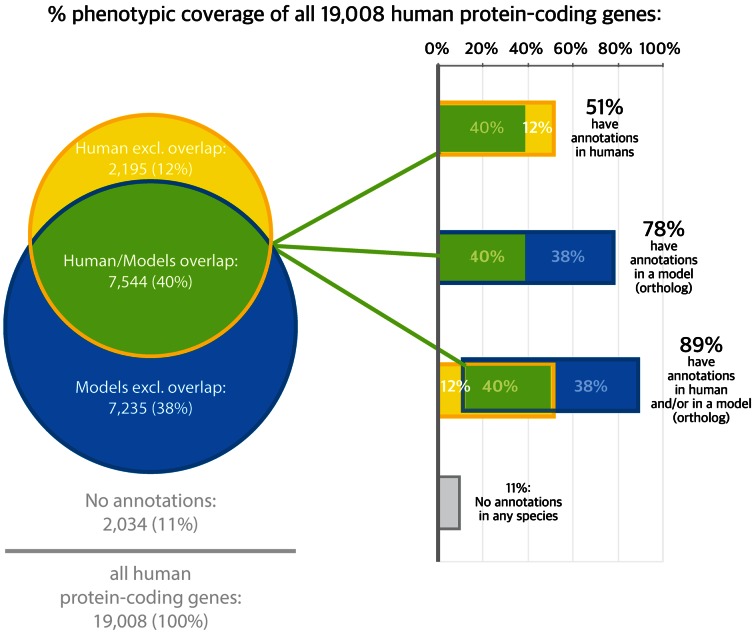
“Currently, available human data associates ∼ 51% of known human coding genes with phenotype data (based on OMIM (1), ClinVar (2), Orphanet (3), CTD (4) and the GWAS catalog (5)).”
BackgroundMethodInfluential
Research works printed but not linked: 3
- Dumontier M. Callahan A. Cruz-Toledo J. Ansell P. Emonet V. Belleau F. Bio2RDF release 3: a larger connected network of linked data for the life sciences Proceedings of the 2014 International Conference on Posters & Demonstrations Track 2014 1272 401 404
- Smedley D. Schubach M. Jacobsen J.O.B. Köhler S. Zemojtel T. Spielmann M. Jäger M. Hochheiser H. Washington N.L. McMurry J.A. A whole-genome analysis framework for effective identification of pathogenic regulatory variants in Mendelian disease Am. J. Hum. Genet. 2016 99 595 606 27569544 PMC5011059 · DOI · Paper page
- Brush M. Shefchek K. Haendel M.A. SEPIO: a semantic model for the integration and analysis of scientific evidence International Conference on Biomedical Ontology and BioCreative (ICBO BioCreative 2016) 2016 Corvallis, Oregon Available from http://icbo.cgrb.oregonstate.edu/
Cited by
Items 201–300 of 449
Tsueng, G., Cano, M. A., Bento, J., Czech, C., Kang, M., Pache, L., Rasmussen, L. V., Savidge, T., Starren, J. B., Wu, Q., et al. (2023) · Scientific Data · doi:10.1038/s41597-023-01968-9 · Cited by 22
Broad functional profiling of fission yeast proteins using phenomics and machine learning
Rodríguez-López, M., Bordin, N., Lees, J., Scholes, H., Hassan, S., Saintain, Q., Kamrad, S., Orengo, C., & Bähler, J. (2023) · eLife · doi:10.7554/elife.88229.3 · Cited by 18
Planarian Anatomy Ontology: a resource to connect data within and across experimental platforms
Nowotarski, S. H., Davies, E. L., Robb, S. M. C., Ross, E. J., Matentzoglu, N., Doddihal, V., Mir, M., McClain, M. L., & Alvarado, A. S. (2021) · Development · doi:10.1242/dev.196097 · Cited by 19
Model organism databases are in jeopardy
Bellen, H. J., Hubbard, E. J. A., Lehmann, R., Madhani, H. D., Solnica‐Krezel, L., & Southard‐Smith, E. M. (2021) · Development · doi:10.1242/dev.200193 · Cited by 21
“Moreover, numerous additional resources rely on MODs, including projects such as the Monarch Initiative (Shefchek et al., 2019) and MARRVEL (Wang et al., 2017), which are used by scientists and clinicians world-wide to probe information related to human disease genes.”
BackgroundChan, L., Thessen, A., Duncan, W. D., Matentzoglu, N., Schmitt, C., Grondin, C., Vasilevsky, N., McMurry, J. A., Robinson, P. N., Mungall, C., et al. (2023) · Journal of Biomedical Semantics · doi:10.1186/s13326-023-00283-x · Cited by 19
Self-citationArtificial Intelligence and Applications
(2022) · doi:10.5121/csit.2022.1209 · Cited by 18
Specimen, biological structure, and spatial ontologies in support of a Human Reference Atlas
Herr, B. W., Hardi, J., Quardokus, E. M., Bueckle, A., Chen, L., Wang, F., Caron, A. R., Osumi-Sutherland, D., Musen, M. A., & Börner, K. (2023) · Scientific Data · doi:10.1038/s41597-023-01993-8 · Cited by 18
The exposome and nutritional pharmacology and toxicology: a new application for metabolomics
Rushing, B. R., Thessen, A., Soliman, G. A., Ramesh, A., & Sumner, S. (2023) · Exposome · doi:10.1093/exposome/osad008 · Cited by 18
Narang, A., Uppili, B., Vivekanand, A., Naushin, S., Yadav, A., Singhal, K., Shamim, U., Sharma, P., Zahra, S., Mathur, A., et al. (2020) · Human Mutation · doi:10.1002/humu.24102 · Cited by 20
Fernando, P. C., Mabee, P., & Zeng, E. (2020) · BMC Bioinformatics · doi:10.1186/s12859-020-03773-2 · Cited by 23
“…available in the Monarch Initiative were pre-processed and cross-checked with other model organism annotations to remove uncertain gene-anatomical entity associations that may result when the expression of multiple genes were simultaneously disrupted to observe the effect on a given phenotype [29].”
BackgroundMethodIntegration of evidence across human and model organism studies: A meeting report
Palmer, R. H. C., Johnson, E. C., Won, H., Polimanti, R. A., Kapoor, M., Chitre, A. S., Bogue, M. A., Benca‐Bachman, C. E., Parker, C. C., Verma, A., et al. (2021) · Genes Brain & Behavior · doi:10.1111/gbb.12738 · Cited by 17
Disease ontologies for knowledge graphs
Kurbatova, N., & Swiers, R. (2021) · BMC Bioinformatics · doi:10.1186/s12859-021-04173-w · Cited by 17
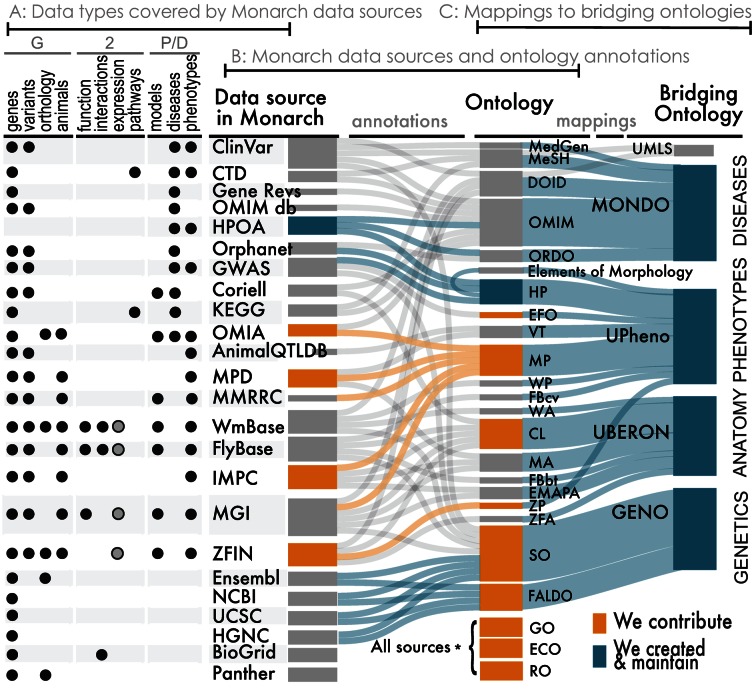
“We used Bioportal [4] and Ontology Lookup Service [5] to collect up-to-date cross-reference information from the following ontologies: MeSH [6], UMLS [7], EFO [8], NCIT [9], OMIM [10, 11], DOID [12], Orphanet [13], HP [14], MONDO [15] and ICD-10 [16].”
MethodA Knowledge Graph-Enhanced Tensor Factorisation Model for Discovering Drug Targets
Ye, C., Swiers, R., Bonner, S., & Barrett, I. P. (2022) · IEEE Transactions on Computational Biology and Bioinformatics · doi:10.1109/tcbb.2022.3197320 · Cited by 18
“ogy [23] for diseases while Open Targets uses the Mondo Ontology [24].”
Mondo disease ontology: Harmonizing disease concepts across the world
Vasilevsky, N., Essaid, S., Matentzoglu, N., Harris, N. L., Haendel, M. A., Robinson, P. N., & Mungall, C. (2020) · eScholarship (California Digital Library) · Cited by 17
Self-citationDingemans, A. J. M., Jansen, S., van Reeuwijk, J., de Leeuw, N., Pfundt, R., Schuurs-Hoeijmakers, J. H. M., van Bon, B. W. M., Marcelis, C., Ockeloen, C. W., Willemsen, M. H., et al. (2024) · Nature Medicine · doi:10.1038/s41591-024-03005-7 · Cited by 16
“Several other databases that collect phenotypic data do exist, such as LOVD 29 , PhenoDis 30 , GPCards 31 , DECIPHER 23 and the Monarch Initiative 32 .”
Omnibus proteome-wide association study identifies 43 risk genes for Alzheimer disease dementia
Hu, T., Parrish, R. L., Dai, Q., Buchman, A. S., Tasaki, S., Bennett, D. A. A., Seyfried, N. T., Epstein, M. P., & Yang, J. (2024) · The American Journal of Human Genetics · doi:10.1016/j.ajhg.2024.07.001 · Cited by 16
Graph databases in systems biology: a systematic review
Mazein, I., Rougny, A., Mazein, A., Henkel, R., Gütebier, L., Michaelis, L., Ostaszewski, M., Schneider, R., Satagopam, V., Jensen, L. J., et al. (2024) · Briefings in Bioinformatics · doi:10.1093/bib/bbae561 · Cited by 20
“Semantic relationships are enriched by integrating knowledge from several public biomedical repositories and ontologies [34, 66, 67, 92–95].”
ClinGen advancing genomic data‐sharing standards as a GA4GH driver project
Dolman, L. I., Page, A. J. H., Babb, L. J., Freimuth, R. R., Arachchi, H., Bizon, C., Brush, M., Fiume, M., Haendel, M. A., Hansen, D. P., et al. (2018) · Human Mutation · doi:10.1002/humu.23625 · Cited by 17
“ClinGen and the Monarch Initiative (Mungall et al., 2016) are working with the GA4GH GKS Work Stream to develop a common data model to guide the linkage of variant evidence to clinical interpretations with a standard format.”
MethodSelf-citationGene Variants in Premature Ejaculation: Systematic Review and Future Directions
Mostafa, T., Abdel‐Hamid, I. A., Taymour, M., & Ali, O. I. (2020) · Sexual Medicine Reviews · doi:10.1016/j.sxmr.2020.07.002 · Cited by 16
Valentine, D. W., Zaslavsky, I., Richard, S. M., Meier, O., Hudman, G., Peucker‐Ehrenbrink, B., & Stocks, K. I. (2020) · Concurrency and Computation Practice and Experience · doi:10.1002/cpe.6086 · Cited by 16
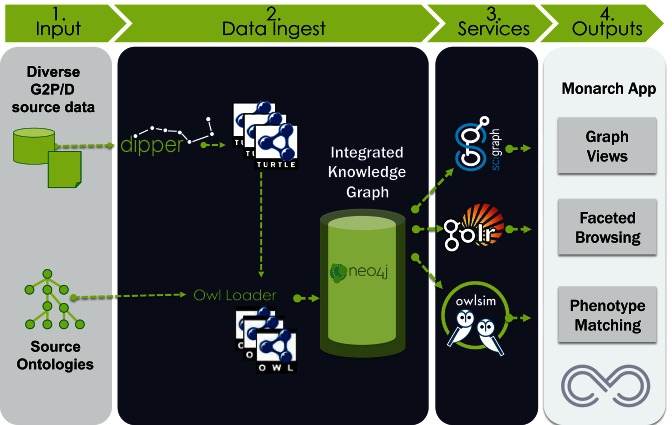
“Text analytic components from SciGraph semantic services 33 are used to extract information from harvested metadata records.”
MethodAlthagafi, A., Alsubaie, L., Kathiresan, N., Mineta, K., Aloraini, T., Mutairi, F. A., Alfadhel, M., Gojobori, T., Alfares, A. A., & Hoehndorf, R. (2021) · Bioinformatics · doi:10.1093/bioinformatics/btab859 · Cited by 16
“Phenotype-basedmethodsare successful in finding disease-associated variants (Shefchek et al. , 2020) but suffer from the limited information about variant– or gene–phenotype associations.”
The 24th annual Nucleic Acids Research database issue: a look back and upcoming changes
Galperin, M. Y., Fernández, X. M., & Rigden, D. J. (2017) · Nucleic Acids Research · doi:10.1093/nar/gkx021 · Cited by 30
“This ambitious objective requires the careful use and integration of ontologies to precisely describe anatomy, diseases and phenotypes, but the pay-off is an ability to link from human diseases to disease models in various model organisms, maximizing the value of data obtained for any given organism (2).”
BackgroundPromoting validation and cross-phylogenetic integration in model organism research
Cheng, K. C., Burdine, R. D., Dickinson, M. E., Ekker, S. C., Lin, A. Y., Lloyd, K. C. K., Lutz, C. M., MacRae, C. A., Morrison, J. H., O’Connor, D. H., et al. (2022) · Disease Models & Mechanisms · doi:10.1242/dmm.049600 · Cited by 16
Ontology based text mining of gene-phenotype associations: application to candidate gene prediction
Kafkas, Ş., & Hoehndorf, R. (2019) · Database · doi:10.1093/database/baz019 · Cited by 20
Using MARRVEL v1.2 for Bioinformatics Analysis of Human Genes and Variant Pathogenicity
Wang, J., Mao, D., Fazal, F., Kim, S., Yamamoto, S., Bellen, H. J., & Liu, Z. (2019) · Current Protocols in Bioinformatics · doi:10.1002/cpbi.85 · Cited by 16
“The “Monarch Initiative” (Mungall et al., 2017) hyperlink brings the user to the Phenogrid page for the specific human gene, a chart that provides phenotypic comparisons between human conditions linked to the gene and model organism genes (not necessarily orthologs) that are related to similar conditions.”
BackgroundInfluentialImproving medical term embeddings using UMLS Metathesaurus
Chanda, A. K., Bai, T., Yang, Z., & Vučetić, S. (2022) · BMC Medical Informatics and Decision Making · doi:10.1186/s12911-022-01850-5 · Cited by 20
“…definitions which are linked to different medical source vocabularies such as National Cancer Institute Thesaurus (NCIT) [36], Medical Subject Heading (MeSH) [35], Universal Medical Device Nomen-clature System (UMD) [37], Human Phenotype Ontology (HPO) [38] and Mondo Disease Ontology (MONDO) [39].”
BackgroundContribution of model organism phenotypes to the computational identification of human disease genes
Alghamdi, S. M., Schofield, P. N., & Hoehndorf, R. (2022) · Disease Models & Mechanisms · doi:10.1242/dmm.049441 · Cited by 17
“It has been suggested that the ‘ phenotype gap ’ might be filled with genotype – phenotype associations from non-mammalian organisms with complementary coverage to the mouse and where loss-of-function mutations in mouse – human orthologs have no phenotype data (Mungall et al., 2016).”
AOPWIKI-EXPLORER: An interactive graph-based query engine leveraging large language models
Kumar, S., Deepika, D., Slater, K., & Kumar, V. (2024) · Computational Toxicology · doi:10.1016/j.comtox.2024.100308 · Cited by 15
Fukushima, M., Austin, C. P., Sato, N., Maruyama, T., Navarro, E., Rocca, M., Demotes‐Mainard, J., Haendel, M. A., Volchenboum, S. L., Cowperthwaite, M. C., et al. (2018) · Learning Health Systems · doi:10.1002/lrh2.10073 · Cited by 15
Self-citationClinical Bioinformatics in Precise Diagnosis of Mitochondrial Disease
Shen, L., McCormick, E. M., Muraresku, C. C., Falk, M. J., & Gai, X. (2020) · Clinics in Laboratory Medicine · doi:10.1016/j.cll.2020.02.002 · Cited by 16
“On the phenotypic side, the MSeqDR Disease Portal and Phenome backend are built on phenotype-disease-gene-variant association data from Human Phenotype Ontology [56], OMIM[57], CTDBase [58], Monarch Initiative and Mondo [59], MedGen (https:// www.ncbi.nlm.nih.gov/medgen/), ClinVar [60] and DisGeNET [61].”
MethodMultifacetedProtDB: a database of human proteins with multiple functions
Bertolini, E., Babbi, G., Savojardo, C., Martelli, P. L., & Casadio, R. (2023) · Nucleic Acids Research · doi:10.1093/nar/gkad783 · Cited by 14
Phenotype-driven genomics enhance diagnosis in children with unresolved neuromuscular diseases
Estévez‐Arias, B., Matalonga, L., Yubero, D., Polavarapu, K., Codina, A., Ortez, C., Carrera‐García, L., Expósito-Escudero, J., Jou, C., Meyer, S., et al. (2024) · European Journal of Human Genetics · doi:10.1038/s41431-024-01699-4 · Cited by 14
“This system evaluates annotation suf fi ciency and assigns a rating ranging from bad to excellent [19].”
Using the electronic health record for genomics research
Safarova, M. S., & Kullo, I. J. (2020) · Current Opinion in Lipidology · doi:10.1097/mol.0000000000000662 · Cited by 16
Identifying disease-causing mutations in genomes of single patients by computational approaches
Bayrak, Ç. S., & Itan, Y. (2020) · Human Genetics · doi:10.1007/s00439-020-02179-7 · Cited by 14
“…knowledge for pathogenicity of variants including Online Mendelian Inher-itance in Man (OMIM) (Amberger et al. 2011), Orphanet (Rath et al. 2012), and Monarch Initiative knowledge base (Shefchek et al. 2020) which is an important resource integrating phenotype and genotype data across species.”
BackgroundTransforming the study of organisms: Phenomic data models and knowledge bases
Thessen, A., Walls, R., Vogt, L., Singer, J., Warren, R. B., Buttigieg, P. L., Balhoff, J. P., Mungall, C., McGuinness, D. L., Stucky, B. J., et al. (2020) · PLoS Computational Biology · doi:10.1371/journal.pcbi.1008376 · Cited by 14
Self-citationImplementation of Zebrafish Ontologies for Toxicology Screening
Thessen, A., Marvel, S. W., Achenbach, J. C., Fischer, S., Haendel, M. A., Hayward, K., Klüver, N., Könemann, S., Legradi, J., Lein, P. J., et al. (2022) · Frontiers in Toxicology · doi:10.3389/ftox.2022.817999 · Cited by 14
Self-citationCarmody, L., Gargano, M. A., Toro, S., Vasilevsky, N., Adam, M. P., Blau, H., Chan, L., Gómez‐Andrés, D., Horváth, R., Kraus, M. L., et al. (2023) · Med · doi:10.1016/j.medj.2023.10.003 · Cited by 14
Self-citationUncovering new disease indications for G-protein coupled receptors and their endogenous ligands
Freudenberg, J., Dunham, I., Sanséau, P., & Rajpal, D. K. (2018) · BMC Bioinformatics · doi:10.1186/s12859-018-2392-y · Cited by 15
“To link potential drug targets, such as GPCRs, to disease indications, several public databases integrating various types of evidence are available including PHAROS [9], DisGeNET [10], The Monarch Initiative [11], and DISEASES [12] as well as the recently developed Open Targets * Correspondence: Deepak.”
BackgroundRojano, E., Caballero, J., Jabato, F. M., Gallego, D., Serrano, M., Pérez, B., Parés-Aguilar, Á., Perkins, J. R., Ranea, J. A. G., & Seoane, P. (2021) · Journal of Personalized Medicine · doi:10.3390/jpm11080730 · Cited by 14
Dholakia, D., Kalra, A., Misir, B. R., Kanga, U., & Mukerji, M. (2022) · BMC Genomics · doi:10.1186/s12864-021-08239-0 · Cited by 13
“A few papers like GWASkb and SNP literature have used it for extracting information such as SNP and its related knowledge from the biomedical data whereas Monarch initiative has used it for studying phenotype information (31).”
MethodDisMaNET: A network-based tool to cross map disease vocabularies
del Valle, E. P. G., García, G. L., Santamaría, L. P., Zanin, M., Menasalvas, E., & Rodríguez‐González, A. (2021) · Computer Methods and Programs in Biomedicine · doi:10.1016/j.cmpb.2021.106233 · Cited by 13
“One remarkable example is the Monarch Merged Disease Ontology (MonDO), created by the Monarch Initiative to integrate multiple human disease resources into a single ontology by using a Bayes merging algorithm [8].”
BackgroundFujiwara, T., Shin, J., & Yamaguchi, A. (2022) · Human Mutation · doi:10.1002/humu.24341 · Cited by 17
“The Monarch Initiative (Shefchek et al., 2020) and Orphadata (Nguengang Wakap et al., 2020) have gathered manually annotated GPA and DPA that are extracted from literature and databases, such as Online Mendelian Inheritance in Man (OMIM) and Orphanet, and encoded those phenotypes with the…”
BackgroundMethodInfluentialBioinformatics Analysis of Key Genes and Pathways of Cervical Cancer
Chen, H., Wang, X., Jia, H., Yin, T., Zhou, H. H., Wang, M., Wang, X., & Fang, X. (2020) · OncoTargets and Therapy · doi:10.2147/ott.s281533 · Cited by 13
Chiba‐Falek, O., & Lutz, M. W. (2017) · Expert Review of Precision Medicine and Drug Development · doi:10.1080/23808993.2017.1286227 · Cited by 14
Public data sources to support systems toxicology applications
Davis, A. P., Wiegers, J., Wiegers, T. C., & Mattingly, C. J. (2019) · Current Opinion in Toxicology · doi:10.1016/j.cotox.2019.03.002 · Cited by 14
Yan, S., Luo, L., Lai, P., Veltri, D., Oler, A. J., Xirasagar, S., Ghosh, R., Similuk, M. N., Robinson, P. N., & Lu, Z. (2022) · Journal of Biomedical Informatics · doi:10.1016/j.jbi.2022.104059 · Cited by 13
Self-citationOpening Data for Global Health
Laessig, M., Jacob, B., & AbouZahr, C. (2019) · Palgrave Macmillan UK eBooks · doi:10.1057/978-1-137-54984-6_23 · Cited by 12
STIGMA: Single-cell tissue-specific gene prioritization using machine learning
Balachandran, S., Prada‐Medina, C. A., Mensah, M. A., Glaser, J., Kakar, N., Nagel, I., Pozojevic, J., Audain, E., Hitz, M., Kircher, M., et al. (2024) · The American Journal of Human Genetics · doi:10.1016/j.ajhg.2023.12.011 · Cited by 12
“54 Disease-specific ontology terms were downloaded from MouseMine.”
MethodInfluentialComputational strategies for cross-species knowledge transfer
Yuan, H., Mancuso, C. A., Johnson, K. A., Braasch, I., & Krishnan, A. (2025) · Nature Methods · doi:10.1038/s41592-025-02931-9 · Cited by 12
Prioritizing genomic variants through neuro-symbolic, knowledge-enhanced learning
Althagafi, A., Zhapa-Camacho, F., & Hoehndorf, R. (2024) · Bioinformatics · doi:10.1093/bioinformatics/btae301 · Cited by 17
Structured reviews for data and knowledge-driven research
Queralt-Rosiñach, N., Stupp, G. S., Li, T. S., Mayers, M., Hoatlin, M. E., Might, M., Good, B. M., & Su, A. I. (2020) · Database · doi:10.1093/database/baaa015 · Cited by 11
“For normalization of curated data to Monarch model we used the Wikidata SPARQL endpoint to retrieve cross-references to map entities.”
MethodInfluentialA Rab escort protein regulates the MAPK pathway that controls filamentous growth in yeast
Jamalzadeh, S., Pujari, A. N., & Cullen, P. J. (2020) · Scientific Reports · doi:10.1038/s41598-020-78470-4 · Cited by 11
Crossing the chasm between ontology engineering and application development: A survey
Espinoza-Arias, P., Garijo, D., & Corcho, Ó. (2021) · Journal of Web Semantics · doi:10.1016/j.websem.2021.100655 · Cited by 14
Holmgren, S. D., Boyles, R., Cronk, R., Duncan, C. G., Kwok, R. K., Lunn, R. M., Osborn, K., Thessen, A., & Schmitt, C. (2021) · International Journal of Environmental Research and Public Health · doi:10.3390/ijerph18178985 · Cited by 13
“An EHS language covers diverse scientific sub-domains and technical and semantic fields that include: data elements collected during scientific inquiries (e.g., PhenX measures, NHANES data elements, Tox21 endpoints, Disaster Research Response (DR2) tools); terminologies and metadata that are used to describe data elem…”
BackgroundInfluentialPhenopacket-tools: Building and validating GA4GH Phenopackets
Daniš, D., Jacobsen, J. O. B., Wagner, A. H., Groza, T., Beckwith, M. A., Rekerle, L., Carmody, L., Reese, J., Hegde, H., Ladewig, M. S., et al. (2023) · PLoS ONE · doi:10.1371/journal.pone.0285433 · Cited by 11
Self-citationTripathi, S., Dsouza, N. R., Urrutia, R. A., & Zimmermann, M. T. (2020) · Bioinformatics · doi:10.1093/bioinformatics/btaa972 · Cited by 12
Fisher, M. E., Segerdell, E., Matentzoglu, N., Nenni, M. J., Fortriede, J. D., Chu, S., Pells, T. J., Osumi-Sutherland, D., Chaturvedi, P., James‐Zorn, C., et al. (2022) · BMC Bioinformatics · doi:10.1186/s12859-022-04636-8 · Cited by 12
Leveraging Distributed Biomedical Knowledge Sources to Discover Novel Uses for Known DrugsPreprint
Womack, F., McClelland, J., & Koslicki, D. (2019) · bioRxiv (Cold Spring Harbor Laboratory) · doi:10.1101/765305 · Cited by 11
“info [94] Affects 6,130 Monarch SciGraph [71], BioLink [11] Has part 34 Monarch SciGraph [71]”
BackgroundMah, N., Kurtz, A., Fuhr, A., Seltmann, S., Chen, Y., Bultjer, N., Dewender, J., Lual, A., Steeg, R., & Mueller, S. C. (2023) · Cells · doi:10.3390/cells12232756 · Cited by 11
Reimagining What We Measure in Atherosclerosis—a “Phenotype Stack”
MacRae, C. A., & Califf, R. M. (2020) · Circulation Research · doi:10.1161/circresaha.120.315941 · Cited by 10
Zhao, J., Gao, J., Ma, S., Chen, X., & Wang, J. (2024) · Toxicology in Vitro · doi:10.1016/j.tiv.2024.105872 · Cited by 13
An ontology network for Diabetes Mellitus in Mexico
Reyes-Peña, C., Vidal, M. T., Bravo, M., & Motz, R. (2021) · Journal of Biomedical Semantics · doi:10.1186/s13326-021-00252-2 · Cited by 12
Wan, L., Song, J., He, V., Roman, J., Whah, G., Peng, S., Zhang, L., & He, Y. O. (2021) · BMC Bioinformatics · doi:10.1186/s12859-021-04402-2 · Cited by 11
“Many disease-related ontologies exist, including Human Disease Ontology (DOID) [12, 13], Monarch Disease Ontology (MONDO) [14], and the Ontology of General Medical Science (OGMS) [15].”
BackgroundDatenstandards für Seltene Erkrankungen
Robinson, P. N., & Graeßner, H. (2022) · Bundesgesundheitsblatt - Gesundheitsforschung - Gesundheitsschutz · doi:10.1007/s00103-022-03591-2 · Cited by 10
Self-citationGene's hubs in retinal diseases: A retinal disease network
Lázaro-Guevara, J. M., Robles, B. J. F., Garrido, K. A., Pinillos-Aransay, V., Ibáñez, Á. E., Merino-Meléndez, L., López-Martínez, J. A., & Victoriano-Lacalle, R. (2018) · Heliyon · doi:10.1016/j.heliyon.2018.e00867 · Cited by 10
Khan, A. M., Grant, A. H., Martinez, A., Burns, G., Thatcher, B. S., Anekonda, V. T., Thompson, B. W., Roberts, Z. S., Moralejo, D. H., & Blevins, J. E. (2018) · Advances in neurobiology · doi:10.1007/978-3-319-94593-4_6 · Cited by 10
“methods for neuroanatomical phenotype (Haendel et al., 2014; Mungall et al., 2017; also see Deans et al., 2015).”
Mazandu, G. K., Hotchkiss, J., Nembaware, V., Wonkam, A., & Mulder, N. (2022) · Database · doi:10.1093/database/baac014 · Cited by 10
“As highlighted in the previous release (1), existing related biomedical ontologies, such as the Human Phenotype Ontology (HPO) (15, 16), the Human Disease Ontology (DO) (17) and Monarch Disease Ontology (MonDO) (18) do not capture all SCD-specific concepts and therefore cannot serve as a comprehensive source of SCD kn…”
Navarro, A. M., Orti, F., Martínez‐Pérez, E., Alonso, M., Simonetti, F. L., Iserte, J., & Marino‐Buslje, C. (2022) · Computational and Structural Biotechnology Journal · doi:10.1016/j.csbj.2022.05.004 · Cited by 10
“…(HPO) [43], Medical Subject Headings (MeSH) [44], Medical Genetics (MedGen, https://www. ncbi.nlm.nih.gov/medgen/), The Monarch Merged Disease Ontology (MONDO) [45], National Cancer Institute Thesaurus (NCI, https://ncim.nci.nih.gov/), Online Mendelian Inheritance in Man (OMIM) [46], among others.”
BackgroundStatzer, C., Luthria, K. D., Sharma, A., Kann, M. G., & Ewald, C. Y. (2023) · Biomedicines · doi:10.3390/biomedicines11041212 · Cited by 10
The Importance of Biologic Knowledge and Gene Expression Context for Genomic Data Interpretation
Zimmermann, M. T. (2018) · Frontiers in Genetics · doi:10.3389/fgene.2018.00670 · Cited by 10
“We also downloaded three resources that define the relationships between genes and diseases: DisGeNet (Pinero et al., 2015), Monarch Initiative (Mungall et al., 2017), and Orphanet (INSERM, 1997).”
MethodBioRAGent: natural language biomedical querying with retrieval-augmented multiagent systems
Bi, M., Bao, Z., Xie, D., Xie, X., Yang, C., Wang, T., Wang, Y., & Peng, J. (2025) · Briefings in Bioinformatics · doi:10.1093/bib/bbaf539 · Cited by 12
“…BioMedLM [47], both based on GPT-2-sized models [48]; GeneGPT [40], which leverages NCBI Web APIs to answer genomics questions; Phe-nomics Assistant [49], a retrieval-augmented LLM accessing the Monarch Knowledge Graph [50]; OpenBioLLM-8B [51], a biomedical language model fine-tuned from Llama-3.”
Agirman, G., Quicho, M. N. B., Connelley, K. K., Zhang, X., Lynch, J. B., Ha, S. M., Schmidt, H. M., Özcan, E., Liang, A. X., Yu, K. B., et al. (2025) · Cell Host & Microbe · doi:10.1016/j.chom.2025.10.019 · Cited by 9
Leveraging the UMLS As a Data Standard for Rare Disease Data Normalization and Harmonization
Zhu, Q., Nguyễn, Ð.-T., Sid, E., & Pariser, A. (2020) · Methods of Information in Medicine · doi:10.1055/s-0040-1718940 · Cited by 11
Detecting Causal Variants in Mendelian Disorders Using Whole-Genome Sequencing
Hamzeh, A. R., Andrews, T. D., & Field, M. A. (2021) · Methods in molecular biology · doi:10.1007/978-1-0716-1103-6_1 · Cited by 10
Bao, C., Lu, C., Lin, J., Gough, J., & Fang, H. (2023) · Journal of Molecular Biology · doi:10.1016/j.jmb.2023.168093 · Cited by 9
BioThings Explorer: a query engine for a federated knowledge graph of biomedical APIs
Callaghan, J., Xu, C., Xin, J., Cano, M. A., Riutta, A., Zhou, E., Juneja, R., Yao, Y., Narayan, M., Hanspers, K., et al. (2023) · Bioinformatics · doi:10.1093/bioinformatics/btad570 · Cited by 11
“1, associations between diseases and genes can be found using APIs from the Comparative Toxicogenomics Database (Davis et al. 2023) and the Biolink API from the Monarch Initiative (Mungall et al. 2017, Unni et al. 2022), while associations between genes and chemicals can be found using MyChem.”
BackgroundLessons learned to boost a bioinformatics knowledge base reusability, the Bgee experience
de Farias, T. M., Wollbrett, J., Robinson‐Rechavi, M., & Bastian, F. (2022) · GigaScience · doi:10.1093/gigascience/giad058 · Cited by 9
Ma, Y., Jiang, D., Li, J., Zheng, G., Deng, Y. J., Gou, X., Gao, S., Cheng Ann, C. H. E. N., Zhou, Y., Zhang, Y., et al. (2025) · Translational Psychiatry · doi:10.1038/s41398-025-03243-4 · Cited by 9
“Additionally, to explore the phenotypic links among these eye-brain pleiotropic genes, we conducted phenotype enrichment analyses based on two independent databases of the Monarch [53] and NHGRI GWAS Catalog [54].”
Representing glycophenotypes: semantic unification of glycobiology resources for disease discovery
Gourdine, J.-P. F., Brush, M., Vasilevsky, N., Shefchek, K., Köhler, S., Matentzoglu, N., Muñoz-Torres, M. C., McMurry, J. A., Zhang, X., Robinson, P. N., et al. (2019) · Database · doi:10.1093/database/baz114 · Cited by 10
“Use of DOSDPs ensures the interoperability of glycophenotype terms with those from other phenotype ontologies and its future integration into uPheno, currently being developed by the Monarch Initiative and collaborators from the Phenotype Ontology Reconciliation Effort (113).”
MethodInfluentialSelf-citationArtificial Intelligence in the Genetic Diagnosis of Rare Disease
James, K. N., Phadke, S. S., Wong, T. C., & Chowdhury, S. (2023) · Clinics in Laboratory Medicine · doi:10.1016/j.cll.2022.09.023 · Cited by 9
McGowan, E., Sanjak, J. S., Mathé, E. A., & Zhu, Q. (2023) · Orphanet Journal of Rare Diseases · doi:10.1186/s13023-023-02876-2 · Cited by 9
“To expand the use of information from GARD for bio-medical research in rare diseases, we previously developed the NGKG, [17] a knowledge graph that integrated data from GARD and other well-known rare disease related resources including Orphanet, [18] OMIM, [19] MONDO, [20] and curated mappings between FDA orphan desig…”
MethodZeng, F., Wade, A., Harbert, K., Patel, S., Holley, J. S., Dehghanpuor, C. K., Hopwood, T. W., Marino, S., Sophocleous, A., & Idris, A. I. (2024) · Scientific Reports · doi:10.1038/s41598-024-56220-0 · Cited by 10
Prioritization of oligogenic variant combinations in whole exomes
Gravel, B., Renaux, A., Papadimitriou, S., Smits, G., Nowé, A., & Lenaerts, T. (2024) · Bioinformatics · doi:10.1093/bioinformatics/btae184 · Cited by 9
“For each OLIDA combination in our training and test sets, we went back to the article that identified the combinations, and annotated each described case manually and with the help of the Text Annotator tool from the Monarch Initiative (McMurry et al. 2016, Shefchek et al. 2020).”
MethodMuñoz‐Fuentes, V., Haselimashhadi, H., Santos, L., Westerberg, H., Parkinson, H., & Mason, J. (2021) · Mammalian Genome · doi:10.1007/s00335-021-09917-w · Cited by 10
Linking common human diseases to their phenotypes; development of a resource for human phenomics
Kafkas, Ş., Althubaiti, S., Gkoutos, G. V., Hoehndorf, R., & Schofield, P. N. (2021) · Journal of Biomedical Semantics · doi:10.1186/s13326-021-00249-x · Cited by 11
Knowledge graph-derived feed efficiency analysis via pig gut microbiota
Zhang, J., Jiang, Q., Du, Z., Geng, Y., Hu, Y., Tong, Q., Song, Y., Zhang, H., Yan, X., & Feng, Z. (2024) · Scientific Reports · doi:10.1038/s41598-024-64835-6 · Cited by 9
“and biology 15–18 , precision medical treatment 19 , intelligent bio-breeding 20,21 , drug screening 22 , microbial colony-disease prediction 23,24 , and diagnosis of crop diseases and pests 13 .”
BackgroundMacRae, C. A. (2019) · Mammalian Genome · doi:10.1007/s00335-019-09810-7 · Cited by 8
Computational Approaches for Cancer-Fighting: From Gene Expression to Functional Foods
Monticolo, F., & Chiusano, M. L. (2021) · Cancers · doi:10.3390/cancers13164207 · Cited by 8
Naming CRISPR alleles: endonuclease-mediated mutation nomenclature across species
Knowlton, M. N., & Smith, C. L. (2017) · Mammalian Genome · doi:10.1007/s00335-017-9698-3 · Cited by 8
Completing Missing MeSH Code Mappings in UMLS Through Alternative Expert-Curated Sources
del Valle, E. P. G., García, G. L., Santamaría, L. P., Zanin, M., Rodríguez‐González, A., & Menasalvas, E. (2019) · Proceedings - IEEE Symposium on Computer-Based Medical Systems · doi:10.1109/cbms.2019.00044 · Cited by 11
“The Monarch Initiative, a collaborative effort that aims to semantically integrate genotype–phenotype data from many species and sources, created the Monarch Merged Disease Ontology (MonDO) to integrate multiple human disease resources into a single ontology using a Bayes ontology merging algorithm [7].”
MethodData mining powered by the gene ontology
Manda, P. (2020) · Wiley Interdisciplinary Reviews Data Mining and Knowledge Discovery · doi:10.1002/widm.1359 · Cited by 8
“The large majority of text mining approaches for recognizing ontology concepts from text either rely on lexical and syntactic analysis of text in addition to machine learning (Cui et al., 2015; Jonquet et al., 2009; Manda, Beasley, & Mohanty, 2018; Mungall et al., 2016).”
BackgroundManda, P., Beasley, L., & Mohanty, S. D. (2018) · bioRxiv (Cold Spring Harbor Laboratory) · doi:10.1101/365874 · Cited by 8
“The large majority of ontology driven NER techniques rely on lexical and syntactic analysis of text in addition to machine learning for recognizing and tagging ontology concepts [3, 4, 6].”
BackgroundMethodEnabling Semantic Queries Across Federated Bioinformatics DatabasesPreprint
Sima, A. C., de Farias, T. M., Zbinden, E., Anisimova, M. O., Gil, M., Stockinger, H., Stockinger, K., Robinson‐Rechavi, M., & Dessimoz, C. (2019) · bioRxiv (Cold Spring Harbor Laboratory) · doi:10.1101/686600 · Cited by 8
“For instance, by comparing disease phenotypes in humans with phenotypes produced by particular mutations in model species, it is possible to infer which human genes are involved in the disease (3).”
BackgroundReese, J. T., Chimirri, L., Bridges, Y., Danis, D., Caufield, J. H., Gargano, M. A., Kroll, C., Schmeder, A., Liu, F., Wissink, K., et al. (2024) · doi:10.1101/2024.07.22.24310816 · Cited by 8
Self-citationGraefe, A. S. L., Rehburg, F., Alkarkoukly, S., Daniš, D., Grönke, A., Hübner, M. R., Bartschke, A., Debertshäuser, T., Klopfenstein, S. A. I., Saß, J., et al. (2025) · npj Genomic Medicine · doi:10.1038/s41525-025-00534-z · Cited by 8
Self-citationGold-standard ontology-based anatomical annotation in the CRAFT Corpus
Bada, M. A., Vasilevsky, N., Baumgartner, W. A., Haendel, M. A., & Hunter, L. (2017) · Database · doi:10.1093/database/bax087 · Cited by 8
“Users can also take advantage of the large amounts of curated information either directly or indirectly linked to Uberon classes, including phenotype annotations in the Phenoscape (54) and Monarch (55) databases and gene expression data via BgeeDB (56).”
BackgroundSelf-citationARAX: a graph-based modular reasoning tool for translational biomedicine
Glen, A. K., Ma, C., Mendoza, L., Womack, F., Wood, E. C., Sinha, M., Acevedo, L., Kvarfordt, L. G., Peene, R. C., Liu, S., et al. (2023) · Bioinformatics · doi:10.1093/bioinformatics/btad082 · Cited by 7
BioGraph: Data Model for Linking and Querying Diverse Biological Metadata
Veljković, A. N., Orlov, Y. L., & Mitić, N. S. (2023) · International Journal of Molecular Sciences · doi:10.3390/ijms24086954 · Cited by 8
Adamowicz, K., Arend, L., Maier, A., Schmidt, J. R., Küster, B., Tsoy, O. V., Zolotareva, O. I., Baumbach, J., & Laske, T. (2023) · npj Systems Biology and Applications · doi:10.1038/s41540-023-00311-7 · Cited by 8
“One 27 package, which taps into the NeDRex database 14 , incorporates data from numerous biomedical databases like OMIM 28 , DisGeNET 29 , UniProt 17 , NCBI gene info 30 , IID 31 , MONDO 32 , DrugBank 33 , Reactome 34 , and DrugCentral 35 , and offers a combined protein-drug-disease network.”
Conserved immunomodulatory transcriptional networks underlie antipsychotic-induced weight gain
Zapata, R. C., Chaudry, B. S., Valencia, M. L., Zhang, D., Ochsner, S. A., McKenna, N. J., & Osborn, O. (2021) · Translational Psychiatry · doi:10.1038/s41398-021-01528-y · Cited by 7
Metadata
- Authors
- Mungall, C. J., McMurry, J. A., Köhler, S., Balhoff, J. P., Borromeo, C., Brush, M., Carbon, S., Conlin, T., Dunn, N., Engelstad, M., Foster, E., Gourdine, J. P., Jacobsen, J. O. B., Keith, D., Laraway, B., Lewis, S. E., NguyenXuan, J., Shefchek, K., Vasilevsky, N., Yuan, Z., Washington, N., Hochheiser, H., Groza, T., Smedley, D., Robinson, P. N., & Haendel, M. A.
- Affiliations
- Oregon Health & Science University (US)
- Charité – Universitätsmedizin Berlin (DE)
- RTI International (US)
- University of Pittsburgh (US)
- Lawrence Berkeley National Laboratory (US)
- Queen Mary University of London (GB)
- Garvan Institute of Medical Research (AU)
- The Jackson Laboratory for Genomic Medicine (US)
- Corresponding author
- Haendel, Melissa A.
- ORCID
- McMurry, Julie A.
- Köhler, Sebastian
- Balhoff, James P.
- Borromeo, Charles
- Brush, Matthew
- Carbon, Seth
- Conlin, Tom
- Dunn, Nathan
- Engelstad, Mark
- Foster, Erin
- Gourdine, J.P.
- Jacobsen, Julius O.B.
- Laraway, Bryan
- Lewis, Suzanna E.
- Shefchek, Kent
- Vasilevsky, Nicole
- Yuan, Zhou
- Washington, Nicole
- Hochheiser, Harry
- Groza, Tudor
- Smedley, Damian
- Robinson, Peter N.
- Haendel, Melissa A.
- Venue
- Nucleic Acids Research
- Publisher
- Oxford University Press (OUP)
- Published
- 2016-11-29
- Volume
- 45
- Issue
- D1
- Pages
- D712-D722
- ISSN
- 0305-1048 (ISSN-L)
- 1362-4962
- PMC
- PMC5210586
- OpenAlex
- W2558643140
- Cited by
- 441
- References
- 94
- Citations by year
- 2026: 9 · 2025: 17 · 2024: 51 · 2023: 60 · 2022: 61 · 2021: 71 · 2020: 67 · 2019: 48 · 2018: 37 · 2017: 17 · 2016: 2
- FWCI
- 18.37
- Type
- journal article
- Language
- en
- Open access
- gold
- doi.org
- Licence
- Locations
- Nucleic Acids Research (publishedVersion, cc-by)
- PubMed Central (publishedVersion, cc-by)
- PubMed (publishedVersion)
- OSTI OAI (U.S. Department of Energy Office of Scientific and Technical Information) (submittedVersion, other-oa)
- eScholarship (California Digital Library) (submittedVersion)
- The Mouseion at the JAXlibrary (Jackson Laboratory) (submittedVersion)
- HighWire Press Open Archive (submittedVersion)
- Queen Mary Research Online (Queen Mary University of London) (submittedVersion, cc-by)
- IUScholarWorks (Indiana University) (submittedVersion, cc-by)
- Purdue University Indianapolis (Indiana University) (submittedVersion, cc-by)
- UNSWorks (University of New South Wales, Sydney, Australia) (submittedVersion, cc-by)
- Funders
- National Science Foundation (DEAC02-05CH11231, 0956049)
- U.S. Department of Energy (-AC02-05CH11231, 05CH11231, DE AC02 05CH11231, DE-AC02-)
- Wellcome Trust (GA4GH, 098051)
- Leidos
- National Institutes of Health (R24OD011883, DE-AC02–05CH11231, HHSN268201300036C, HHSN268201400093P)
- Office of Science (DEAC02–05CH11231, AC02-05CH11231, DE-AC02, 05CH11231)
- National Human Genome Research Institute (U41HG000330, U41HG006627, HHSN268201300036C, U54HG007990, U24HG002223)
- National Cancer Institute (U13CA221044, DE-AC02-05CH11231)
- Basic Energy Sciences (DE-AC02, 05CH11231, DE-AC02-05CH11231., AC02–05CH11231)
- Topics
- Health Sciences › Medicine › Health Informatics › Biomedical Text Mining and Ontologies
- Life Sciences › Biochemistry, Genetics and Molecular Biology › Molecular Biology › Bioinformatics and Genomic Networks
- Life Sciences › Biochemistry, Genetics and Molecular Biology › Genetics › Genomics and Rare Diseases
- Keywords
- Monarch Initiative, genotype-phenotype correlation, monogenic disorders, disease ontology, Mondo Disease Ontology, Human Phenotype Ontology, animal models of human disease, differential diagnosis, ontology-based information retrieval, GA4GH, translational research
- MeSH terms
- Animals, Biological Evolution, Genotype, Humans, Phenotype, Software, Species Specificity, User-Computer Interface, Computational Biology, Databases, Genetic, Genetic Association Studies, Search Engine, Web Browser, Data Curation
About these checks
Registry, retraction, Cites and statistics results are computed, not judged, with one exception: a printed reference that no index lists is read once by a model before it counts as a citation error. Claims are extracted by a model and kept only when their quote appears verbatim in the text; each cited source is then checked, with a model’s help, for whether it says what the claim relies on. Those verdicts can be wrong — read the claim’s quote and the cited source before relying on one.
Statistics and arithmetic are recomputed, not judged.
Confidence bands are shown only for fields calibrated on our annotated test set. None is calibrated yet, so no band is shown.
What counts as a claim ›How we measure confidence ›How we check this ›
Are you an author, or do you see a problem with this page? Request a review
Data sources
Bibliographic data: Semantic Scholar, OpenAlex, Crossref.
Contains information from the Semantic Scholar Academic Graph Datasets, made available under the ODC Attribution License (ODC-BY 1.0).
Semantic Scholar’s data is described in: Kinney, R., et al. (2023). The Semantic Scholar Open Data Platform. arXiv:2301.10140.
