

The Monarch Initiative: an integrative data and analytic platform connecting phenotypes to genotypes across species
Open accessThe DOI matches its Crossref record; 95 of the 95 references it cites were found in a registry or an index.
Abstract
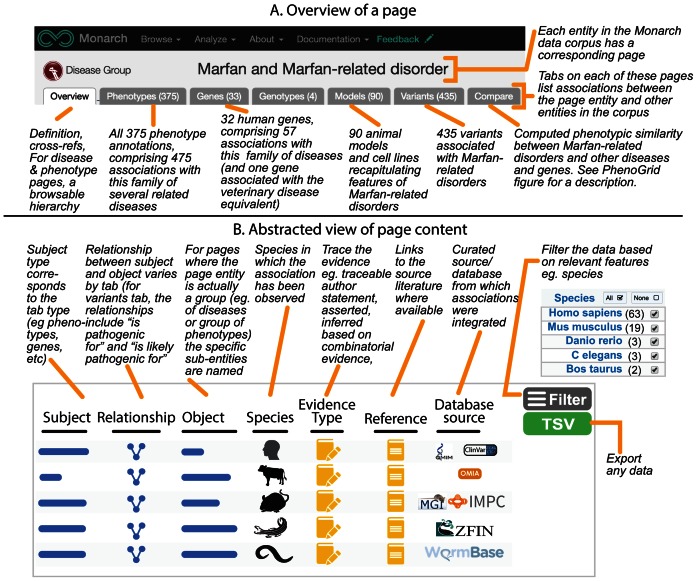
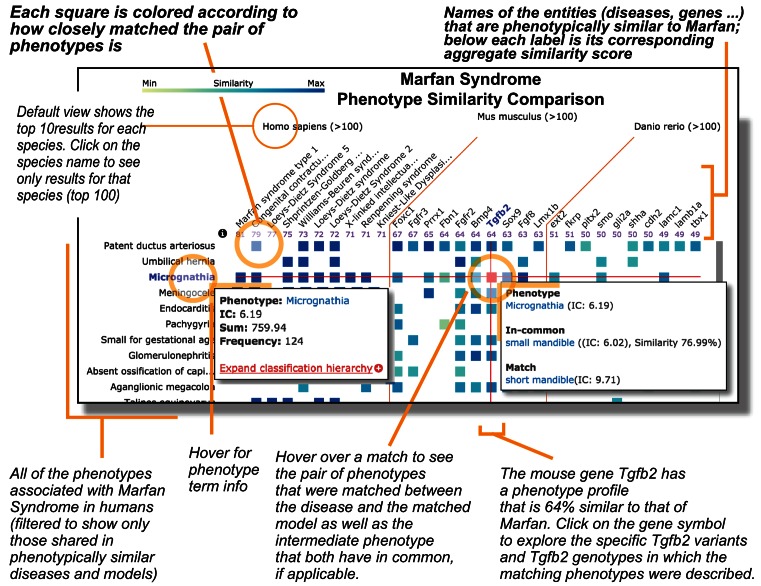
In biology and biomedicine, relating phenotypic outcomes with genetic variation and environmental factors remains a challenge: patient phenotypes may not match known diseases, candidate variants may be in genes that haven't been characterized, research organisms may not recapitulate human or veterinary diseases, environmental factors affecting disease outcomes are unknown or undocumented, and many resources must be queried to find potentially significant phenotypic associations. The Monarch Initiative (https://monarchinitiative.org) integrates information on genes, variants, genotypes, phenotypes and diseases in a variety of species, and allows powerful ontology-based search. We develop many widely adopted ontologies that together enable sophisticated computational analysis, mechanistic discovery and diagnostics of Mendelian diseases. Our algorithms and tools are widely used to identify animal models of human disease through phenotypic similarity, for differential diagnostics and to facilitate translational research. Launched in 2015, Monarch has grown with regards to data (new organisms, more sources, better modeling); new API and standards; ontologies (new Mondo unified disease ontology, improvements to ontologies such as HPO and uPheno); user interface (a redesigned website); and community development. Monarch data, algorithms and tools are being used and extended by resources such as GA4GH and NCATS Translator, among others, to aid mechanistic discovery and diagnostics.
Overview
The claims and statistics of this paper haven’t been checked yet.
Free: it reads the open-access text and checks the first 5 claims that cite a source we can check. Create a free account to check every claim.
Integrity signals
Registry
Cites
Statistics
Figures
Verification
Claims the paper makes
The claims and statistics of this paper haven’t been checked yet.
Free: it reads the open-access text and checks the first 5 claims that cite a source we can check. Create a free account to check every claim.
Self-check
Percentages, sums and reported differences re-computed from the paper’s own numbers.
The self-check needs the paper’s full text.
Citations
Cites
Szklarczyk, D., Gable, A. L., Lyon, D., Junge, A., Wyder, S., Huerta-Cepas, J., Simonovic, M., Doncheva, N. T., Morris, J. H., Bork, P., et al. (2019) · Nucleic Acids Research · doi:10.1093/nar/gky1131 · Cited by 17,749
Analysis of protein-coding genetic variation in 60,706 humans
Exome Aggregation Consortium, Lek, M., Karczewski, K. J., Minikel, E. V., Samocha, K. E., Banks, E., Fennell, T., O’Donnell-Luria, A. H., Ware, J. S., Hill, A. J., et al. (2016) · Nature · doi:10.1038/nature19057 · Cited by 9,587 · cited 1×
“Similarly, of the 72% of the 3230 genes in ExAC with ‘near-complete depletion of predicted protein-truncating variants have no currently established human disease phenotype’ (6), where 88% of these genes without a human phenotype have a phenotype in a non-human organism.”
BackgroundShrestha, S., & Offer, S. M. (2016) · Medical Epigenetics · doi:10.1159/000444713 · Cited by 8,914
KEGG: new perspectives on genomes, pathways, diseases and drugs
Kanehisa, M., Furumichi, M., Tanabe, M., Sato, Y., & Morishima, K. (2017) · Nucleic Acids Research · doi:10.1093/nar/gkw1092 · Cited by 8,865
The Reactome pathway Knowledgebase
Fabregat, A., Sidiropoulos, K., Garapati, P., Gillespie, M., Hausmann, K., Haw, R., Jassal, B., Jupe, S., Korninger, F., McKay, S., et al. (2016) · Nucleic Acids Research · doi:10.1093/nar/gkv1351 · Cited by 5,605
Buniello, A., MacArthur, J. A. L., Cerezo, M., Harris, L. W., Hayhurst, J., Malangone, C., McMahon, A., Morales, J., Mountjoy, E., Sollis, E., et al. (2019) · Nucleic Acids Research · doi:10.1093/nar/gky1120 · Cited by 4,000
Gene Ontology Consortium: going forward
The Gene Ontology Consortium (2015) · Nucleic Acids Research · doi:10.1093/nar/gku1179 · Cited by 3,492
Bostock, M., Ogievetsky, V., & Heer, J. (2011) · IEEE Transactions on Visualization and Computer Graphics · doi:10.1109/tvcg.2011.185 · Cited by 3,165
Data, information, knowledge and principle: back to metabolism in KEGG
Kanehisa, M., Goto, S., Sato, Y., Kawashima, M., Furumichi, M., & Tanabe, M. (2014) · Nucleic Acids Research · doi:10.1093/nar/gkt1076 · Cited by 3,092 · cited 2×
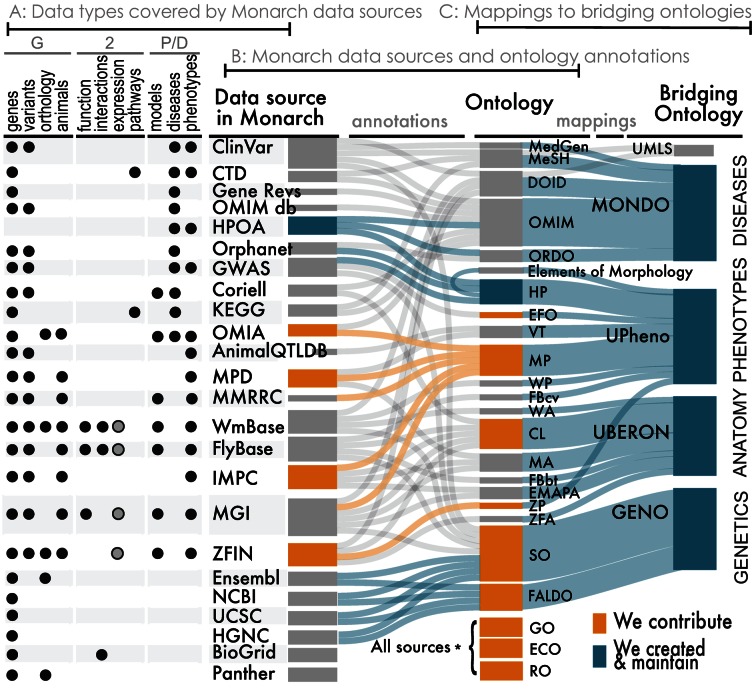
“…has integrated data from a variety of human, model organism, and other biomedical sources such as OMIM (1), Orphanet (3), Clin-Var (2), HPO (30), KEGG (31), CTD (4), MyGene (32), BioGrid (33) and via orthology in PantherDB (34) we also incorporate Fgg gene data from ZFIN (35) and from MGI (36).”
MethodClinVar: public archive of interpretations of clinically relevant variants
Landrum, M. J., Lee, J. M., Benson, M., Brown, G., Chao, C., Chitipiralla, S., Gu, B., Hart, J., Hoffman, D., Hoover, J., et al. (2016) · Nucleic Acids Research · doi:10.1093/nar/gkv1222 · Cited by 2,758 · cited 4×
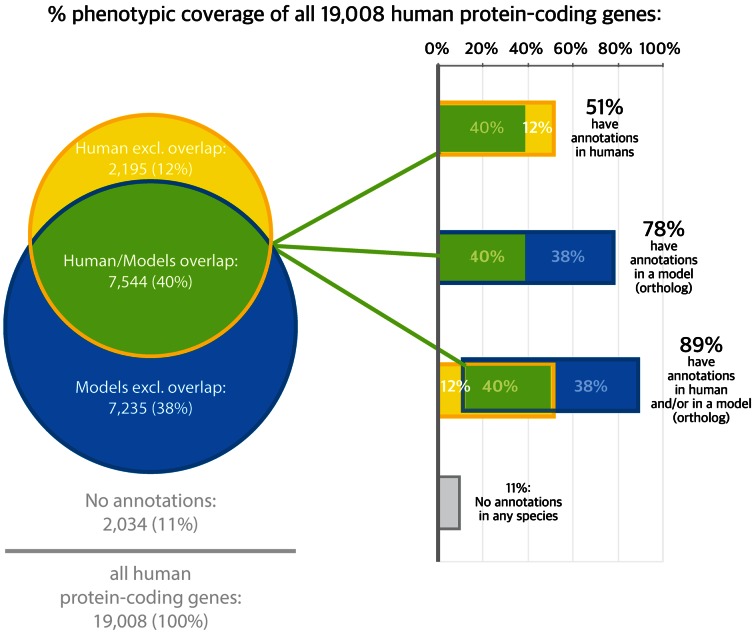
“Currently, available human data associates ∼ 51% of known human coding genes with phenotype data (based on OMIM (1), ClinVar (2), Orphanet (3), CTD (4) and the GWAS catalog (5)).”
BackgroundMethodInfluential
Research works printed but not linked: 3
- Dumontier M. Callahan A. Cruz-Toledo J. Ansell P. Emonet V. Belleau F. Bio2RDF release 3: a larger connected network of linked data for the life sciences Proceedings of the 2014 International Conference on Posters & Demonstrations Track 2014 1272 401 404
- Smedley D. Schubach M. Jacobsen J.O.B. Köhler S. Zemojtel T. Spielmann M. Jäger M. Hochheiser H. Washington N.L. McMurry J.A. A whole-genome analysis framework for effective identification of pathogenic regulatory variants in Mendelian disease Am. J. Hum. Genet. 2016 99 595 606 27569544 PMC5011059 · DOI · Paper page
- Brush M. Shefchek K. Haendel M.A. SEPIO: a semantic model for the integration and analysis of scientific evidence International Conference on Biomedical Ontology and BioCreative (ICBO BioCreative 2016) 2016 Corvallis, Oregon Available from http://icbo.cgrb.oregonstate.edu/
Cited by
Items 401–449 of 449
Cloud Computing and Biological Data
Dubey, A. (2020) · Open Access Journal of Pharmaceutical Research · doi:10.23880/oajpr-16000201
Creation of Networks for the Analysis of Disease Similarities
del Valle, E. P. G. (2022) · UPM Digital Archive (Technical University of Madrid) · doi:10.20868/upm.thesis.71764
Broad functional profiling of fission yeast proteins using phenomics and machine learningPreprint
Rodríguez‐López, M., Bordin, N., Lees, J., Scholes, H. M., Hassan, S., Saintain, Q., Kamrad, S., Orengo, C. A., & Bähler, J. (2023) · eLife · doi:10.7554/elife.88229.1 · Cited by 3
María, R.-L., Bordin, N., Jon, L., et al. (2023) · eLife · doi:10.7554/elife.88229.1.sa2
María, R.-L., Bordin, N., Jon, L., et al. (2023) · eLife · doi:10.7554/elife.88229.1.sa1
Pharos and TCRD : Informatics Tools for Illuminating Dark Targets
Kelleher, K. J., Sheils, T. K., Mathias, S. L., Nguyễn, Ð.-T., Siramshetty, V. B., Pillai, A., Yang, J. J., Bologa, C., Edwards, J. S., Oprea, T. I., et al. (2023) · Methods and principles in medicinal chemistry · doi:10.1002/9783527830497.ch8
McGranaghan, R. M., Young, E., Powers, C., Yadav, S., & Vakaj, E. (2023) · Applied Computing and Geosciences · doi:10.1016/j.acags.2023.100142
Santamaría, L. P. (2023) · UPM Digital Archive (Technical University of Madrid) · doi:10.20868/upm.thesis.76526
Characterization of methods for mechanistic inference of the gut microbiome in diseasePreprint
Santangelo, B. E., Hunter, L., & Lozupone, C. (2023) · bioRxiv (Cold Spring Harbor Laboratory) · doi:10.1101/2023.12.01.569617
Evaluating ClinGen variant curation expert panels' application of PVS1 code
Wang, X., Li, H., Luo, H., Zou, Y., Li, H., Qin, Y., & Song, J. (2024) · European Journal of Medical Genetics · doi:10.1016/j.ejmg.2024.104909
Biological and Medical Ontologies: Disease Ontology (DO)
Khalaf, R. A., Bernasconi, A., & Masseroli, M. (2024) · Elsevier eBooks · doi:10.1016/b978-0-323-95502-7.00038-5
Biological and Medical Ontologies: Human Phenotype Ontology (HPO)
Khalaf, R. A., Bernasconi, A., & Masseroli, M. (2024) · Elsevier eBooks · doi:10.1016/b978-0-323-95502-7.00063-4
A unified hierarchical Bayesian approach to transcriptome-wide association studyPreprint
Khan, A. K., Singh, S., Haldar, T., & Majumdar, A. (2024) · bioRxiv (Cold Spring Harbor Laboratory) · doi:10.1101/2024.09.12.612639 · Cited by 1
Gene Prioritization Using Semantic Similarity
Pranckevičienė, E. (2019) · Elsevier eBooks · doi:10.1016/b978-0-323-95502-7.00346-8
Genes associated with genetic and rare lung diseases and the risk of lung cancer
Rosenberger, A., Bickeböller, H., Christiani, D. C., Caporaso, N. E., Liu, G., Bojesen, S. E., Marchand, L. L., Albanes, D., Aldrich, M. C., Tardón, A., et al. (2026) · BMC Cancer · doi:10.1186/s12885-026-15934-2
“…such as the Genetic and Rare Diseases Information Center ( GARD , [18]) established by the US National Institutes of Health (NIH), the OMIM database (Online Mendelian Inheritance in Man®, [19]), the ORPHANET (Knowledge on rare diseases and orphan drugs, [20]) or the Monarch Initiative [21].”
X2Graph for Cancer Subtyping Prediction on Biological Tabular Data
Bui, T., Suliman, M. A., Haldar, A., Amer, M., & Georgescu, S. P. (2025) · Annual International Conference of the IEEE Engineering in Medicine and Biology Society (EMBC) · doi:10.1109/embc58623.2025.11253574
McGowan, E., Sanjak, J. S., Mathé, E. A., & Zhu, Q. (2024) · Figshare · doi:10.6084/m9.figshare.26619568
McGowan, E., Sanjak, J. S., Mathé, E. A., & Zhu, Q. (2024) · Figshare · doi:10.6084/m9.figshare.26619571
Fernando, P. C., Mabee, P., & Zeng, E. (2020) · Figshare · doi:10.6084/m9.figshare.13064311
Kafkas, Ş., Althubaiti, S., Gkoutos, G. V., Hoehndorf, R., & Schofield, P. N. (2021) · Figshare · doi:10.6084/m9.figshare.16417376
Fernando, P. C., Mabee, P., & Zeng, E. (2020) · Figshare · doi:10.6084/m9.figshare.13064305
McGowan, E., Sanjak, J. S., Mathé, E. A., & Zhu, Q. (2024) · Figshare · doi:10.6084/m9.figshare.26619577
Claussnitzer, M., Parikh, V. N., Wagner, A. H., Arbesfeld, J. A., Bult, C. J., Firth, H. V., Muffley, L. A., Nguyen Ba, A. N., Riehle, K. P., Roth, F. P., et al. (2024) · Figshare · doi:10.6084/m9.figshare.25656058
McGowan, E., Sanjak, J. S., Mathé, E. A., & Zhu, Q. (2024) · Figshare · doi:10.6084/m9.figshare.26619574
Wood, E. C., Glen, A. K., Kvarfordt, L. G., Womack, F., Acevedo, L., Yoon, T. S., Ma, C., Flores, V., Sinha, M., Chodpathumwan, Y., et al. (2022) · Figshare · doi:10.6084/m9.figshare.21251617
Ontology creation and management tools: the case of anatomical connectivity
Kokash, N., de Bono, B., & Gillespie, T. (2026) · Journal of Biomedical Semantics · doi:10.1186/s13326-026-00358-5 · Cited by 1
Knowledge Graphs, Network Models and Health Data Science Approaches for Toxicology and Pharmacology
Pavel, A. (2024) · Tampere University Institutional Repository (Tampere University) · Cited by 4
Sharma, A., Bharadwaj, A., Modi, S., Ahuja, G., Jain, A., & Kumar, K. (2026) · medRxiv · doi:10.64898/2026.03.09.26347798
Apport des ontologies de domaine pour l'extraction de connaissances à partir de données biomédicales
Personeni, G. (2018) · theses.fr (ABES) · doi:10.70675/d2a1ff1az6eb0z4e5bz9042za660c9561461 · Cited by 1
Apport de la génomique dans les néphropathies indéterminées
Robert, T. (2023) · theses.fr (ABES) · doi:10.70675/683c9e22z8b92z4eb1zb63bzc00336c1316a
HyEm: Query-Adaptive Hyperbolic Retrieval for Biomedical Ontologies via Euclidean Vector IndexingPreprint
Deng, O., Nishimura, S., Ogihara, A., & Jin, Q. (2026) · arXiv (Cornell University) · doi:10.48550/arxiv.2604.09550 · Cited by 1
Rebselj, J. (2026) · Repository of the University of Ljubljana (University of Ljubljana)
Khan, M. N. A., Das, R., Barik, P., Arumugam, S., & Chattopadhyay, S. (2026) · Frontiers in Genome Editing · doi:10.3389/fgeed.2026.1762449
Takatsuki, T., Bello, S. M., Kushida, T., Dohi, E., Yoshiki, A., Fujiwara, T., Goto, S., & Masuya, H. (2026) · Congenital Anomalies · doi:10.1002/cga.70070
“Source: Reproduced from the RIKEN BRC website [18]. enhancing research efficiency in experimental planning and strain selection [21].”
Evaluating the Role of Hypomorphic Variants in Cholestasis via Network Analysis Techniques
Dalena, P., Barbati, G., & D’Adamo, P. (2026) · Springer eBooks · doi:10.1007/978-3-032-30881-8_21
Yang, M. J., Lyu, T., & Zhang, C. (2026) · The Journal of Precision Medicine Health and Disease · doi:10.1016/j.premed.2026.100052
Wang, Y., Hansen, K., Diarra, M., & Lund, H. (2024) · Pharmacophore · doi:10.51847/rwq6jo8bqu
Biomedical Knowledge Composition: A Software Engineering PerspectivePreprint
Kokash, N., Bellouma, A. S. Z., & Grosso, P. (2026) · arXiv (Cornell University) · doi:10.48550/arxiv.2608.08927
Shukla, S., Elzy, M., Shrestha, A., & Uversky, V. N. (2026) · Proteomes · doi:10.3390/proteomes14030041
“…Knowledge-base [144–146], 38 disease–gene associations from the DISEASES database [147], 39 tissue expressions from an integrated web resource TISSUES [148], 73 subcellular compartments from a web-based resource COMPARTMENTS [149], and 290 human phenotypes from the Monarch Initiative [150,151].”
FAIRsharing record for: Pharmacokinetics Database
FAIRsharing Team, & König, M. (2018) · FAIRsharing.org · doi:10.25504/fairsharing.ayegqk
FAIRsharing record for: Alliance of Genome Resources
FAIRsharing Team, et al. (2018) · FAIRsharing.org · doi:10.25504/fairsharing.6ba5fw
NP-KG: Knowledge Graph for Natural Product-Drug Interactions
Taneja, S. B. (2022) · Zenodo (CERN European Organization for Nuclear Research) · doi:10.5281/zenodo.6814507
FAIRsharing record for: GWAS Central
FAIRsharing Team (2015) · FAIRsharing.org · doi:10.25504/fairsharing.vkr57k
Investigation of the pluripotency-specific response to LINE1 transposons in early development
Garcia-Llagostera, F. (2023) · Spiral (Imperial College London) · doi:10.25560/148730
Hines, D. E., Bian, J., Ceger, P. C., Deziel, N. C., Harris, N. L., He, X., Hu, H. Z., Cummins, M. R., Moxon, S. A. T., Mungall, C., et al. (2026) · Scientific Reviews · doi:10.1038/s44573-026-00023-z
Self-citationOpenMDG: An Ontology-Driven AI System for Medical Metadata Extraction
Nair, A., Thakur, K., Anirudh, S., Dey, S., & Gangadhar, N. (2026) · 2026 6th International Conference on Circuits, Control, Communication and Computing (I4C) · doi:10.1109/i4c69082.2026.11759794
Broad functional profiling of fission yeast proteins using phenomics and machine learning
Rodríguez-López, M., Bordin, N., Lees, J., Scholes, H., Hassan, S., Saintain, Q., Kamrad, S., Orengo, C., & Bähler, J. (2023) · doi:10.7554/elife.88229.2
Caufield, J. H., Hegde, H., Emonet, V., Harris, N. L., Joachimiak, M. P., Matentzoglu, N., Kim, H., Moxon, S. A. T., Reese, J. T., Haendel, M. A., et al. (2023) · arXiv · doi:10.48550/arxiv.2304.02711
Self-citation
Metadata
- Authors
- Mungall, C. J., McMurry, J. A., Köhler, S., Balhoff, J. P., Borromeo, C., Brush, M., Carbon, S., Conlin, T., Dunn, N., Engelstad, M., Foster, E., Gourdine, J. P., Jacobsen, J. O. B., Keith, D., Laraway, B., Lewis, S. E., NguyenXuan, J., Shefchek, K., Vasilevsky, N., Yuan, Z., Washington, N., Hochheiser, H., Groza, T., Smedley, D., Robinson, P. N., & Haendel, M. A.
- Affiliations
- Oregon Health & Science University (US)
- Charité – Universitätsmedizin Berlin (DE)
- RTI International (US)
- University of Pittsburgh (US)
- Lawrence Berkeley National Laboratory (US)
- Queen Mary University of London (GB)
- Garvan Institute of Medical Research (AU)
- The Jackson Laboratory for Genomic Medicine (US)
- Corresponding author
- Haendel, Melissa A.
- ORCID
- McMurry, Julie A.
- Köhler, Sebastian
- Balhoff, James P.
- Borromeo, Charles
- Brush, Matthew
- Carbon, Seth
- Conlin, Tom
- Dunn, Nathan
- Engelstad, Mark
- Foster, Erin
- Gourdine, J.P.
- Jacobsen, Julius O.B.
- Laraway, Bryan
- Lewis, Suzanna E.
- Shefchek, Kent
- Vasilevsky, Nicole
- Yuan, Zhou
- Washington, Nicole
- Hochheiser, Harry
- Groza, Tudor
- Smedley, Damian
- Robinson, Peter N.
- Haendel, Melissa A.
- Venue
- Nucleic Acids Research
- Publisher
- Oxford University Press (OUP)
- Published
- 2016-11-29
- Volume
- 45
- Issue
- D1
- Pages
- D712-D722
- ISSN
- 0305-1048 (ISSN-L)
- 1362-4962
- PMC
- PMC5210586
- OpenAlex
- W2558643140
- Cited by
- 441
- References
- 94
- Citations by year
- 2026: 9 · 2025: 17 · 2024: 51 · 2023: 60 · 2022: 61 · 2021: 71 · 2020: 67 · 2019: 48 · 2018: 37 · 2017: 17 · 2016: 2
- FWCI
- 18.37
- Type
- journal article
- Language
- en
- Open access
- gold
- doi.org
- Licence
- Locations
- Nucleic Acids Research (publishedVersion, cc-by)
- PubMed Central (publishedVersion, cc-by)
- PubMed (publishedVersion)
- OSTI OAI (U.S. Department of Energy Office of Scientific and Technical Information) (submittedVersion, other-oa)
- eScholarship (California Digital Library) (submittedVersion)
- The Mouseion at the JAXlibrary (Jackson Laboratory) (submittedVersion)
- HighWire Press Open Archive (submittedVersion)
- Queen Mary Research Online (Queen Mary University of London) (submittedVersion, cc-by)
- IUScholarWorks (Indiana University) (submittedVersion, cc-by)
- Purdue University Indianapolis (Indiana University) (submittedVersion, cc-by)
- UNSWorks (University of New South Wales, Sydney, Australia) (submittedVersion, cc-by)
- Funders
- National Science Foundation (DEAC02-05CH11231, 0956049)
- U.S. Department of Energy (-AC02-05CH11231, 05CH11231, DE AC02 05CH11231, DE-AC02-)
- Wellcome Trust (GA4GH, 098051)
- Leidos
- National Institutes of Health (R24OD011883, DE-AC02–05CH11231, HHSN268201300036C, HHSN268201400093P)
- Office of Science (DEAC02–05CH11231, AC02-05CH11231, DE-AC02, 05CH11231)
- National Human Genome Research Institute (U41HG000330, U41HG006627, HHSN268201300036C, U54HG007990, U24HG002223)
- National Cancer Institute (U13CA221044, DE-AC02-05CH11231)
- Basic Energy Sciences (DE-AC02, 05CH11231, DE-AC02-05CH11231., AC02–05CH11231)
- Topics
- Health Sciences › Medicine › Health Informatics › Biomedical Text Mining and Ontologies
- Life Sciences › Biochemistry, Genetics and Molecular Biology › Molecular Biology › Bioinformatics and Genomic Networks
- Life Sciences › Biochemistry, Genetics and Molecular Biology › Genetics › Genomics and Rare Diseases
- Keywords
- Monarch Initiative, genotype-phenotype correlation, monogenic disorders, disease ontology, Mondo Disease Ontology, Human Phenotype Ontology, animal models of human disease, differential diagnosis, ontology-based information retrieval, GA4GH, translational research
- MeSH terms
- Animals, Biological Evolution, Genotype, Humans, Phenotype, Software, Species Specificity, User-Computer Interface, Computational Biology, Databases, Genetic, Genetic Association Studies, Search Engine, Web Browser, Data Curation
About these checks
Registry, retraction, Cites and statistics results are computed, not judged, with one exception: a printed reference that no index lists is read once by a model before it counts as a citation error. Claims are extracted by a model and kept only when their quote appears verbatim in the text; each cited source is then checked, with a model’s help, for whether it says what the claim relies on. Those verdicts can be wrong — read the claim’s quote and the cited source before relying on one.
Statistics and arithmetic are recomputed, not judged.
Confidence bands are shown only for fields calibrated on our annotated test set. None is calibrated yet, so no band is shown.
What counts as a claim ›How we measure confidence ›How we check this ›
Are you an author, or do you see a problem with this page? Request a review
Data sources
Bibliographic data: Semantic Scholar, OpenAlex, Crossref.
Contains information from the Semantic Scholar Academic Graph Datasets, made available under the ODC Attribution License (ODC-BY 1.0).
Semantic Scholar’s data is described in: Kinney, R., et al. (2023). The Semantic Scholar Open Data Platform. arXiv:2301.10140.
