

The Monarch Initiative: an integrative data and analytic platform connecting phenotypes to genotypes across species
Open accessThe DOI matches its Crossref record; 95 of the 95 references it cites were found in a registry or an index.
Abstract
In biology and biomedicine, relating phenotypic outcomes with genetic variation and environmental factors remains a challenge: patient phenotypes may not match known diseases, candidate variants may be in genes that haven't been characterized, research organisms may not recapitulate human or veterinary diseases, environmental factors affecting disease outcomes are unknown or undocumented, and many resources must be queried to find potentially significant phenotypic associations. The Monarch Initiative (https://monarchinitiative.org) integrates information on genes, variants, genotypes, phenotypes and diseases in a variety of species, and allows powerful ontology-based search. We develop many widely adopted ontologies that together enable sophisticated computational analysis, mechanistic discovery and diagnostics of Mendelian diseases. Our algorithms and tools are widely used to identify animal models of human disease through phenotypic similarity, for differential diagnostics and to facilitate translational research. Launched in 2015, Monarch has grown with regards to data (new organisms, more sources, better modeling); new API and standards; ontologies (new Mondo unified disease ontology, improvements to ontologies such as HPO and uPheno); user interface (a redesigned website); and community development. Monarch data, algorithms and tools are being used and extended by resources such as GA4GH and NCATS Translator, among others, to aid mechanistic discovery and diagnostics.
Overview
The claims and statistics of this paper haven’t been checked yet.
Free: it reads the open-access text and checks the first 5 claims that cite a source we can check. Create a free account to check every claim.
Integrity signals
Registry
Cites
Statistics
Figures
Verification
Claims the paper makes
The claims and statistics of this paper haven’t been checked yet.
Free: it reads the open-access text and checks the first 5 claims that cite a source we can check. Create a free account to check every claim.
Self-check
Percentages, sums and reported differences re-computed from the paper’s own numbers.
The self-check needs the paper’s full text.
Citations
Cites
Szklarczyk, D., Gable, A. L., Lyon, D., Junge, A., Wyder, S., Huerta-Cepas, J., Simonovic, M., Doncheva, N. T., Morris, J. H., Bork, P., et al. (2019) · Nucleic Acids Research · doi:10.1093/nar/gky1131 · Cited by 17,749
Analysis of protein-coding genetic variation in 60,706 humans
Exome Aggregation Consortium, Lek, M., Karczewski, K. J., Minikel, E. V., Samocha, K. E., Banks, E., Fennell, T., O’Donnell-Luria, A. H., Ware, J. S., Hill, A. J., et al. (2016) · Nature · doi:10.1038/nature19057 · Cited by 9,587 · cited 1×
“Similarly, of the 72% of the 3230 genes in ExAC with ‘near-complete depletion of predicted protein-truncating variants have no currently established human disease phenotype’ (6), where 88% of these genes without a human phenotype have a phenotype in a non-human organism.”
BackgroundShrestha, S., & Offer, S. M. (2016) · Medical Epigenetics · doi:10.1159/000444713 · Cited by 8,914
KEGG: new perspectives on genomes, pathways, diseases and drugs
Kanehisa, M., Furumichi, M., Tanabe, M., Sato, Y., & Morishima, K. (2017) · Nucleic Acids Research · doi:10.1093/nar/gkw1092 · Cited by 8,865
The Reactome pathway Knowledgebase
Fabregat, A., Sidiropoulos, K., Garapati, P., Gillespie, M., Hausmann, K., Haw, R., Jassal, B., Jupe, S., Korninger, F., McKay, S., et al. (2016) · Nucleic Acids Research · doi:10.1093/nar/gkv1351 · Cited by 5,605
Buniello, A., MacArthur, J. A. L., Cerezo, M., Harris, L. W., Hayhurst, J., Malangone, C., McMahon, A., Morales, J., Mountjoy, E., Sollis, E., et al. (2019) · Nucleic Acids Research · doi:10.1093/nar/gky1120 · Cited by 4,000
Gene Ontology Consortium: going forward
The Gene Ontology Consortium (2015) · Nucleic Acids Research · doi:10.1093/nar/gku1179 · Cited by 3,492
Bostock, M., Ogievetsky, V., & Heer, J. (2011) · IEEE Transactions on Visualization and Computer Graphics · doi:10.1109/tvcg.2011.185 · Cited by 3,165
Data, information, knowledge and principle: back to metabolism in KEGG
Kanehisa, M., Goto, S., Sato, Y., Kawashima, M., Furumichi, M., & Tanabe, M. (2014) · Nucleic Acids Research · doi:10.1093/nar/gkt1076 · Cited by 3,092 · cited 2×
“…has integrated data from a variety of human, model organism, and other biomedical sources such as OMIM (1), Orphanet (3), Clin-Var (2), HPO (30), KEGG (31), CTD (4), MyGene (32), BioGrid (33) and via orthology in PantherDB (34) we also incorporate Fgg gene data from ZFIN (35) and from MGI (36).”
MethodClinVar: public archive of interpretations of clinically relevant variants
Landrum, M. J., Lee, J. M., Benson, M., Brown, G., Chao, C., Chitipiralla, S., Gu, B., Hart, J., Hoffman, D., Hoover, J., et al. (2016) · Nucleic Acids Research · doi:10.1093/nar/gkv1222 · Cited by 2,758 · cited 4×
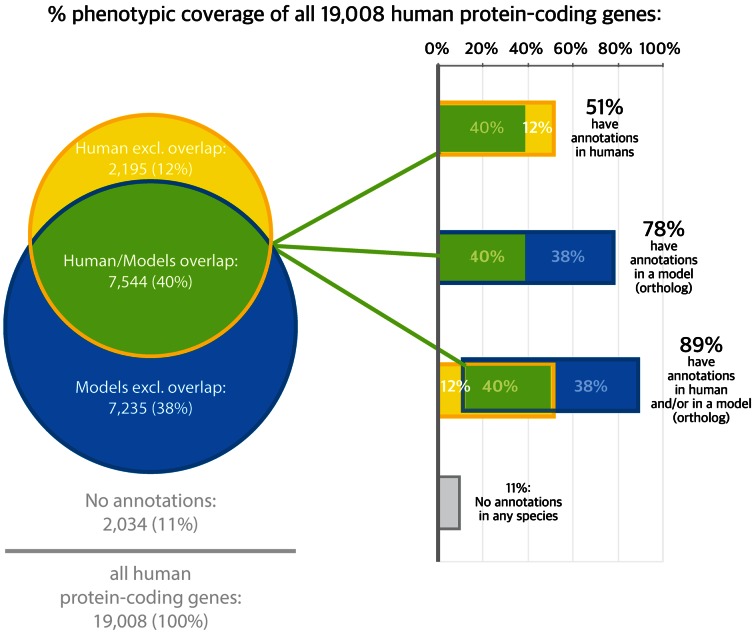
“Currently, available human data associates ∼ 51% of known human coding genes with phenotype data (based on OMIM (1), ClinVar (2), Orphanet (3), CTD (4) and the GWAS catalog (5)).”
BackgroundMethodInfluential
Research works printed but not linked: 3
- Dumontier M. Callahan A. Cruz-Toledo J. Ansell P. Emonet V. Belleau F. Bio2RDF release 3: a larger connected network of linked data for the life sciences Proceedings of the 2014 International Conference on Posters & Demonstrations Track 2014 1272 401 404
- Smedley D. Schubach M. Jacobsen J.O.B. Köhler S. Zemojtel T. Spielmann M. Jäger M. Hochheiser H. Washington N.L. McMurry J.A. A whole-genome analysis framework for effective identification of pathogenic regulatory variants in Mendelian disease Am. J. Hum. Genet. 2016 99 595 606 27569544 PMC5011059 · DOI · Paper page
- Brush M. Shefchek K. Haendel M.A. SEPIO: a semantic model for the integration and analysis of scientific evidence International Conference on Biomedical Ontology and BioCreative (ICBO BioCreative 2016) 2016 Corvallis, Oregon Available from http://icbo.cgrb.oregonstate.edu/
Cited by
Items 101–200 of 449
A Census of Disease Ontologies
Haendel, M. A., McMurry, J. A., Relevo, R., Mungall, C. J., Robinson, P. N., & Chute, C. G. (2018) · Annual Review of Biomedical Data Science · doi:10.1146/annurev-biodatasci-080917-013459 · Cited by 49
“It is utilized by resources such as ClinGen and the Monarch Initiative (102), which have a need to create computable definitions of disease for diagnostic purposes.”
MethodSelf-citationGenome annotation: from human genetics to biodiversity genomics
Guigó, R. (2023) · Cell Genomics · doi:10.1016/j.xgen.2023.100375 · Cited by 49
Wu, J., Li, D., Liu, X., Li, Q., He, X., Wei, J., Li, X., Li, M., Rehman, A. U., Xia, Y., et al. (2020) · Nucleic Acids Research · doi:10.1093/nar/gkaa753 · Cited by 51
Manfredi, M., Savojardo, C., Martelli, P. L., & Casadio, R. (2022) · Bioinformatics · doi:10.1093/bioinformatics/btac678 · Cited by 56
Courtier‐Orgogozo, V., Arnoult, L., Prigent, S., Wiltgen, S., & Martin, A. (2019) · Nucleic Acids Research · doi:10.1093/nar/gkz796 · Cited by 49
A Survey of Gene Prioritization Tools for Mendelian and Complex Human Diseases
Zolotareva, O., & Kleine, M. (2019) · Journal of Integrative Bioinformatics · doi:10.1515/jib-2018-0069 · Cited by 46
An evaluation of GPT models for phenotype concept recognition
Groza, T., Caufield, H., Gration, D., Baynam, G., Haendel, M. A., Robinson, P. N., Mungall, C. J., & Reese, J. T. (2024) · BMC Medical Informatics and Decision Making · doi:10.1186/s12911-024-02439-w · Cited by 39
“The ontology, maintained by the Monarch Initiative [9], provides a set of more than 16,500 terms describing human phenotypic abnormalities, arranged as a hierarchy with the most specific terms furthest from the root, as depicted in Fig.”
MethodSelf-citationGenoSurf: metadata driven semantic search system for integrated genomic datasets
Canakoglu, A., Bernasconi, A., Colombo, A., Masseroli, M., & Ceri, S. (2019) · Database · doi:10.1093/database/baz132 · Cited by 50
“In our system, tissue values are extended using the Uberon ontology, which represents body parts, organs and tissues in a variety of animal species (adopted by many groups and projects, such as the Gene Ontology (37), Monarch Initiative (38), EBI (https://www. ebi.ac.uk/) and ENCODE).”
MethodFrom Rare Copy Number Variants to Biological Processes in ADHD
Harich, B., van der Voet, M., Klein, M., Čížek, P., Fenckova, M., Schenck, A., & Franke, B. (2020) · American Journal of Psychiatry · doi:10.1176/appi.ajp.2020.19090923 · Cited by 44
Hassani‐Pak, K., & Rawlings, C. (2017) · Berichte aus der medizinischen Informatik und Bioinformatik/Journal of integrative bioinformatics · doi:10.1515/jib-2016-0002 · Cited by 46
“The Monarch Initiative [67] is an outstanding example of how RDF and semantic web technolgies can be harnessed to build analytical tools that connect genotype to phenotype across species.”
BackgroundIn Vivo Functional Study of Disease-associated Rare Human Variants Using Drosophila
Harnish, J. M., Deal, S. L., Chao, H., Wangler, M. F., & Yamamoto, S. (2019) · Journal of Visualized Experiments · doi:10.3791/59658 · Cited by 50
Enabling semantic queries across federated bioinformatics databases
Sima, A. C., Mendes de Farias, T., Zbinden, E., Anisimova, M., Gil, M., Stockinger, H., Stockinger, K., Robinson-Rechavi, M., & Dessimoz, C. (2019) · Database · doi:10.1093/database/baz106 · Cited by 35
Strategies to Uplift Novel Mendelian Gene Discovery for Improved Clinical Outcomes
Seaby, E. G., Rehm, H. L., & O’Donnell‐Luria, A. (2021) · Frontiers in Genetics · doi:10.3389/fgene.2021.674295 · Cited by 46
“Monarch Initiative The Monarch Initiative4 is an open-science, collaborative project that aims to integrate phenotype–genotype data from a variety of species and sources (Mungall et al., 2017).”
BackgroundZhang, W., Yao, G., Wang, J., Yang, M., Wang, J. H., Zhang, H., & Li, W. (2020) · RNA Biology · doi:10.1080/15476286.2020.1737441 · Cited by 42
GRAPE for fast and scalable graph processing and random-walk-based embedding
Cappelletti, L., Fontana, T., Casiraghi, E., Ravanmehr, V., Callahan, T. J., Cano, C., Joachimiak, M. P., Mungall, C., Robinson, P. N., Reese, J., et al. (2023) · Nature Computational Science · doi:10.1038/s43588-023-00465-8 · Cited by 46
Self-citationLloyd, K. C. K., Adams, D. J., Baynam, G., Beaudet, A. L., Bosch, F., Boycott, K. M., Braun, R. E., Caulfield, M., Cohn, R., Dickinson, M. E., et al. (2020) · Genome Biology · doi:10.1186/s13059-020-1931-9 · Cited by 42
Self-citationBullich, G., Matalonga, L., Pujadas, M., Papakonstantinou, A., Piscia, D., Tonda, R., Artuch, R., Gallano, P., Garrabou, G., González, J. R., et al. (2022) · Journal of Molecular Diagnostics · doi:10.1016/j.jmoldx.2022.02.003 · Cited by 46
Developmental basis of trachea-esophageal birth defects
Edwards, N. A., Shacham-Silverberg, V., Weitz, L., Kingma, P. S., Shen, Y., Wells, J. M., Chung, W. K., & Zorn, A. M. (2021) · Developmental Biology · doi:10.1016/j.ydbio.2021.05.015 · Cited by 43
Planteome 2024 Update: Reference Ontologies and Knowledgebase for Plant Biology
Cooper, L., Elser, J. L., Laporte, M., Arnaud, E., & Jaiswal, P. (2023) · Nucleic Acids Research · doi:10.1093/nar/gkad1028 · Cited by 40
“The Planteome annotation database is stored in a custom version of an Apache SOLR index originally created by the Gene Ontology called GOLR ( 11 ).”
MethodAn analysis and metric of reusable data licensing practices for biomedical resources
Carbon, S., Champieux, R., McMurry, J. A., Winfree, L., Wyatt, L. R., & Haendel, M. A. (2019) · PLoS ONE · doi:10.1371/journal.pone.0213090 · Cited by 37
Self-citationBiomolecule and Bioentity Interaction Databases in Systems Biology: A Comprehensive Review
Baltoumas, F. A., Zafeiropoulou, S., Karatzas, E., Koutrouli, M., Thanati, F., Voutsadaki, K., Gkonta, M., Hotova, J., Kasionis, I., Hatzis, P., et al. (2021) · Biomolecules · doi:10.3390/biom11081245 · Cited by 44
Empirical validation of an automated approach to data use oversight
Cabili, M. N., Lawson, J., Saltzman, A., Rushton, G., O’Rourke, P., Wilbanks, J., Rodriguez, L. L., Nyrönen, T., Courtot, M., Donnelly, S., et al. (2021) · Cell Genomics · doi:10.1016/j.xgen.2021.100031 · Cited by 39
Plain-language medical vocabulary for precision diagnosis
Vasilevsky, N. A., Foster, E. D., Engelstad, M. E., Carmody, L., Might, M., Chambers, C., Dawkins, H. J. S., Lewis, J., Della Rocca, M. G., Snyder, M., et al. (2018) · Nature Genetics · doi:10.1038/s41588-018-0096-x · Cited by 37
Self-citationCuration and expansion of Human Phenotype Ontology for defined groups of inborn errors of immunity
Haimel, M., Pázmándi, J., Heredia, R. J., Dmytrus, J., Bal, S. K., Zoghi, S., van Daele, P. L. A., Briggs, T. A., Wouters, C. H., Bader‐Meunier, B., et al. (2021) · Journal of Allergy and Clinical Immunology · doi:10.1016/j.jaci.2021.04.033 · Cited by 42
Self-citationDrugst.One — a plug-and-play solution for online systems medicine and network-based drug repurposing
Maier, A., Hartung, M., Abovsky, M., Adamowicz, K., Bader, G. D., Baier, S., Blumenthal, D. B., Chen, J., Elkjaer, M. L., Garcia-Hernandez, C., et al. (2024) · Nucleic Acids Research · doi:10.1093/nar/gkae388 · Cited by 39
“One originates from the network-based drug repurposing platforms CoVex [7] and CADDIE [5], developed for the application in SARS-CoV-2 and cancer, respectively.”
Gene2Function: An Integrated Online Resource for Gene Function Discovery
Hu, Y., Comjean, A., Mohr, S. E., The FlyBase Consortium, & Perrimon, N. (2017) · G3 Genes|Genomes|Genetics · doi:10.1534/g3.117.043885 · Cited by 42
Ten quick tips for biocuration
Tang, A., Pichler, K., Füllgrabe, A., Lomax, J., MALONE, J. M., Muñoz-Torres, M. C., Vasant, D., Williams, E. M., & Haendel, M. A. (2019) · PLoS Computational Biology · doi:10.1371/journal.pcbi.1006906 · Cited by 37
Self-citationIntegrating phenotype ontologies with PhenomeNET
Rodríguez‐García, M. Á., Gkoutos, G. V., Schofield, P. N., & Hoehndorf, R. (2017) · Journal of Biomedical Semantics · doi:10.1186/s13326-017-0167-4 · Cited by 37
“The Uberpheno ontology [53] as well as the Monarch knowledge graph [54] use a combination of lexical mappings and ontology axioms to generate mappings between MP and HPO.”
Davis, A. P., Wiegers, T. C., Wiegers, J., Grondin, C., Johnson, R. J., Sciaky, D., & Mattingly, C. J. (2021) · Current Research in Toxicology · doi:10.1016/j.crtox.2021.03.001 · Cited by 34
An ontology-based knowledge graph for representing interactions involving RNA molecules
Cavalleri, E., Cabri, A., Soto-Gomez, M., Bonfitto, S., Perlasca, P., Gliozzo, J., Callahan, T. J., Reese, J., Robinson, P. N., Casiraghi, E., et al. (2024) · Scientific Data · doi:10.1038/s41597-024-03673-7 · Cited by 33
“In this case, only the data from the original sources involved in the query are accessed.”
Self-citationGall, T., Valkanas, E., Bello, C., Markello, T. C., Adams, C., Bone, W. P., Brandt, A. J., Brazill, J. M., Carmichael, L., Davids, M., et al. (2017) · Frontiers in Medicine · doi:10.3389/fmed.2017.00062 · Cited by 35
“This allows comparison to other human disorders and model organisms as well as identification of relationships between human phenotypic abnormalities and cellular and biochemical networks (26).”
BackgroundSelf-citationReynolds, T., Johnson, E. C., Huggett, S. B., Bubier, J. A., Palmer, R. H. C., Agrawal, A., Baker, E. J., & Chesler, E. J. (2020) · Neuropsychopharmacology · doi:10.1038/s41386-020-00795-5 · Cited by 33
“These approaches, embodied in resources developed by The Monarch Initiative [64] identify similar phenotypes across species through integrated ontologies and semantic similarity methodologies that apply semantic reasoners to a uni fi ed knowledge graph [65].”
MethodChan, L., Vasilevsky, N., Thessen, A., McMurry, J. A., & Haendel, M. A. (2021) · Database · doi:10.1093/database/baab003 · Cited by 34
Self-citationRepurposing Drugs via Network Analysis: Opportunities for Psychiatric Disorders
Truong, T. T. T., Panizzutti, B., Kim, J. H., & Walder, K. R. (2022) · Pharmaceutics · doi:10.3390/pharmaceutics14071464 · Cited by 37
Tudini, E., Andrews, J., Lawrence, D., King-Smith, S. L., Baker, N., Baxter, L., Beilby, J., Bennetts, B., Beshay, V., Black, M., et al. (2022) · American Journal of Human Genetics · doi:10.1016/j.ajhg.2022.10.006 · Cited by 30
Biological Insights Knowledge Graph: an integrated knowledge graph to support drug developmentPreprint
Geleta, D., Nikolov, A., Edwards, G., Gogleva, A. A., Jackson, R., Jansson, E., Lamov, A., Nilsson, S., Pettersson, M., Poroshin, V., et al. (2021) · bioRxiv (Cold Spring Harbor Laboratory) · doi:10.1101/2021.10.28.466262 · Cited by 40
“This includes popular standard datasets commonly used in drug discovery [6], such as Ensembl [62] for genes, ChEMBL [18] for drug compounds, Mondo [38] for diseases, the Gene Ontology [2], and others.”
MethodA corpus of GA4GH phenopackets: Case-level phenotyping for genomic diagnostics and discovery
Daniš, D., Bamshad, M. J., Bridges, Y., Caballero-Oteyza, A., Cacheiro, P., Carmody, L., Chimirri, L., Chong, J. X., Coleman, B., Dalgleish, R. W. M., et al. (2024) · Human Genetics and Genomics Advances · doi:10.1016/j.xhgg.2024.100371 · Cited by 45
Self-citationGlyGen data model and processing workflow
Kahsay, R. Y., Vora, J., Navelkar, R., Mousavi, R., Fochtman, B. C., Holmes, X., Pattabiraman, N., Ranzinger, R., Mahadik, R., Williamson, T., et al. (2020) · Bioinform. · doi:10.1093/bioinformatics/btaa238 · Cited by 28
Worthey, E. A. (2017) · Current Protocols in Human Genetics · doi:10.1002/cphg.49 · Cited by 32
“…descriptions of human disease have recently been integrated in a number of algorithms and tools being used to support genomic discovery and molecular diagnostics (Boycott, Vanstone, Bulman, & MacKenzie, 2013; Buske et al., 2015; Gall et al., 2017; K¨ohler et al., 2017; Mungall et al., 2017).”
BackgroundMethodThe druggable schizophrenia genome: from repurposing opportunities to unexplored drug targets
Lago, S. G., & Bahn, S. (2022) · npj Genomic Medicine · doi:10.1038/s41525-022-00290-4 · Cited by 32
The Progenetix oncogenomic resource in 2021
Huang, Q. D., Carrio-Cordo, P., Gao, B., Paloots, R., & Baudis, M. (2021) · Database · doi:10.1093/database/baab043 · Cited by 31
Computational and experimental methods for classifying variants of unknown clinical significance.
Spielmann, M., & Kircher, M. (2022) · PubMed Central · doi:10.1101/mcs.a006196 · Cited by 34
Stear, B. J., Ahooyi, T. M., Simmons, J. A., Kollar, C., Hartman, L., Beigel, K., Lahiri, A., Vasisht, S., Callahan, T. J., Nemarich, C., et al. (2024) · Scientific Data · doi:10.1038/s41597-024-04070-w · Cited by 37
Drachmann, D., Hoffmann, E., Carrigg, A., Davis-Yates, B., Weaver, V. M., THORNTON, P. S., Weinstein, D. A., Petersen, J. S., Shah, P., & Christesen, H. T. (2021) · Orphanet Journal of Rare Diseases · doi:10.1186/s13023-021-01797-2 · Cited by 32
Ontologizing health systems data at scale: making translational discovery a reality
Callahan, T. J., Stefanski, A. L., Wyrwa, J. M., Zeng, C., Ostropolets, A., Banda, J. M., Baumgartner, W. A., Boyce, R. D., Casiraghi, E., Coleman, B., et al. (2023) · npj Digital Medicine · doi:10.1038/s41746-023-00830-x · Cited by 32
Self-citationSynergizing Mouse and Human Studies to Understand the Heterogeneity of Obesity
Gordon‐Larsen, P., French, J. E., Moustaïd‐Moussa, N., Voruganti, V. S., Mayer‐Davis, E. J., Bizon, C., Cheng, Z., Stewart, D. A., Easterbrook, J. W., & Shaikh, S. R. (2021) · Advances in Nutrition · doi:10.1093/advances/nmab040 · Cited by 32
Liu, S., Wen, A., Wang, L., He, H., Fu, S., MILLER, R. T., Williams, A. E., Harris, D. R., Kavuluru, R., Liu, M., et al. (2023) · Journal of the American Medical Informatics Association · doi:10.1093/jamia/ocad134 · Cited by 29
Self-citationWang, J., Liu, Z., Bellen, H. J., & Yamamoto, S. (2019) · Journal of Visualized Experiments · doi:10.3791/59542 · Cited by 30
An empirical meta-analysis of the life sciences linked open data on the web
Kamdar, M. R., & Musen, M. A. (2021) · Scientific Data · doi:10.1038/s41597-021-00797-y · Cited by 30
Novel phenotype–disease matching tool for rare genetic diseases
Chen, J., Xu, H. Y., Jegga, A. G., Zhang, K., White, P. S., & Zhang, G. (2018) · Genetics in Medicine · doi:10.1038/s41436-018-0050-4 · Cited by 31
Computational resources associating diseases with genotypes, phenotypes and exposures
Zhang, W., Zhang, H., Yang, H., Li, M., Xie, Z., & Li, W. (2018) · Briefings in Bioinformatics · doi:10.1093/bib/bby071 · Cited by 28
“Based on its broad genotype– phenotype information, many tool applications have been developed on Monarch Initiative, including Phenogrid for phenotype analysis [52], text annotators [52] for text annotation of genes, diseases and phenotypes, Exomiser [181] for inferring causative”
BackgroundMethodInfluentialNinomiya, K., & Okura, M. (2022) · Orphanet Journal of Rare Diseases · doi:10.1186/s13023-022-02290-0 · Cited by 27
“According to NANDO, more than 1000 diseases are within the scope of each system, and most of them have equivalent terms in international databases, such as Monarch disease ontology and Orphanet Rare Disease ontology [10, 11].”
BackgroundThe role of Gadd45b in neurologic and neuropsychiatric disorders: An overview
Shen, X., Shi, S.-H., Li, H., Wang, C., Zhang, Y., Yu, H., Li, Y., & Liu, B. (2022) · Frontiers in Molecular Neuroscience · doi:10.3389/fnmol.2022.1021207 · Cited by 27
Riggs, E. R., Bingaman, T. I., Barry, C.-A., Behlmann, A., Bluske, K. K., Bostwick, B. L., Bright, A., Chen, C., Clause, A. R., Dharmadhikari, A. V., et al. (2022) · Genetics in Medicine · doi:10.1016/j.gim.2022.05.001 · Cited by 27
Abood, A., Mesner, L. D., Jeffery, E. D., Murali, M., Lehe, M. D., Saquing, J., Farber, C. R., & Sheynkman, G. (2024) · The American Journal of Human Genetics · doi:10.1016/j.ajhg.2024.07.003 · Cited by 25
Ontology-based data integration for advancing toxicological knowledge
Boyles, R., Thessen, A., Waldrop, A., & Haendel, M. A. (2019) · Current Opinion in Toxicology · doi:10.1016/j.cotox.2019.05.005 · Cited by 26
Self-citationMartin, A., Wolcott, N. S., & O’Connell, L. A. (2020) · Journal of Experimental Biology · doi:10.1242/jeb.208793 · Cited by 28
“For novel experimentation where students choose gene targets, we suggest directing students to curated genotype–phenotype lists, such as the Monarch Initiative database (Mungall et al., 2016), OMIA (Nicholas, 2003) or GepheBase (Courtier-Orgogozo et al.”
MethodThe heterogeneous pharmacological medical biochemical network PharMeBINet
Königs, C., Friedrichs, M., & Dietrich, T. (2022) · Scientific Data · doi:10.1038/s41597-022-01510-3 · Cited by 29
“Mondo Disease Ontology (Mondo) 33 is an ontology of diseases already merging several disease resources.”
BackgroundFormatting biological big data for modern machine learning in drug discovery
Duran‐Frigola, M., Fernández‐Torras, A., Bertoni, M., & Aloy, P. (2019) · WIREs Computational Molecular Science · doi:10.1002/wcms.1408 · Cited by 25
Mortensen, H. M., Gromelski, M., Hench, V. K., Martens, M., Wittwehr, C., Kumar, S., Kumar, V., Audouze, K., Virvilis, V., Nymark, P. E. H., et al. (2025) · Computational Toxicology · doi:10.1016/j.comtox.2025.100368 · Cited by 28
“This approach was similar to that taken by the Monarch initiative to anchor phenotypic profiles by genes and diseases (Mungall, McMurry et al. 2017 [53]), through the use of ontologies.”
AgroLD: A Knowledge Graph for the Plant Sciences
Larmande, P., & Todorov, K. (2021) · Lecture notes in computer science · doi:10.1007/978-3-030-88361-4_29 · Cited by 25
Hassani‐Pak, K., Singh, A., Brandizi, M., Hearnshaw, J., Amberkar, S., Phillips, A. L., Doonan, J. H., & Rawlings, C. (2020) · bioRxiv (Cold Spring Harbor Laboratory) · doi:10.1101/2020.04.02.017004 · Cited by 25
Curating genomic disease-gene relationships with Gene2Phenotype (G2P)
Yates, T. M., Ansari, M., Thompson, L., Hunt, S. E., Cibrián–Uhalte, E., Hobson, R. J., Marsh, J. A., Wright, C. F., & Firth, H. V. (2024) · Genome Medicine · doi:10.1186/s13073-024-01398-1 · Cited by 25
“Mapping to other resources is added, where available, for example to OMIM (Online Mendelian Inheritance in Man) Morbid IDs and Mondo IDs [26, 27].”
MethodDDOT: A Swiss Army Knife for Investigating Data-Driven Biological Ontologies
Yu, M., Ma, J., Ono, K., Zheng, F., Fong, S. H., Gary, A., Chen, J., Demchak, B., Pratt, D. R., & Ideker, T. (2019) · Cell Systems · doi:10.1016/j.cels.2019.02.003 · Cited by 25
“These ontologies were based on two types of input data: a set of known gene associations for each disease, curated in the Monarch Initiative database (Mungall et al., 2017), and the same gene similarity network used to construct FanGO.”
MethodSaurabh, R., Fouodo, C. J. K., König, I. R., Busch, H. S., & Wohlers, I. (2022) · Frontiers in Immunology · doi:10.3389/fimmu.2022.972107 · Cited by 27
Resources and tools for rare disease variant interpretation
Licata, L., Via, A., Turina, P., Babbi, G., Benevenuta, S., Carta, C., Casadio, R., Cicconardi, A., Facchiano, A. M., Fariselli, P., et al. (2023) · Frontiers in Molecular Biosciences · doi:10.3389/fmolb.2023.1169109 · Cited by 26
“Mondo is the disease ontology of the Monarch Initiative (Shefchek et al., 2020) which integrates genotype-phenotype data across different species.”
BackgroundMoridi, M., Ghadirinia, M., Sharifi‐Zarchi, A., & Zare‐Mirakabad, F. (2019) · BMC Bioinformatics · doi:10.1186/s12859-019-3165-y · Cited by 25
Zhang, W., Zeng, B., Yang, M., Yang, H., Wang, J., Deng, Y., Zhang, H., Yao, G., Wu, S., & Li, W. (2020) · Journal of Molecular Biology · doi:10.1016/j.jmb.2020.166727 · Cited by 24
The Ontology of Biological Attributes (OBA)—computational traits for the life sciences
Stefancsik, R., Balhoff, J. P., Balk, M. A., Ball, R. L., Bello, S. M., Caron, A. R., Chesler, E. J., de Souza, V., Gehrke, S. A., Haendel, M. A., et al. (2023) · Mammalian Genome · doi:10.1007/s00335-023-09992-1 · Cited by 28
“It is managed by members of the European Bioinformatics Institute (EBI) and the Monarch Initiative (Shefchek et al. 2020) using modern ontology workflows and curation practices.”
MethodSelf-citationFastHPOCR: pragmatic, fast, and accurate concept recognition using the human phenotype ontology
Groza, T., Gration, D., Baynam, G. S., & Robinson, P. N. (2024) · Bioinformatics · doi:10.1093/bioinformatics/btae406 · Cited by 32
“The Human Phenotype Ontology (HPO) (Robinson et al. 2008, K € ohler et al. 2019), maintained by the Monarch Initiative (Shefchek et al. 2020), stands out as the most comprehensive resource for computational deep phenotyping and has emerged as the standard for encoding phenotypes in the rare disease…”
BackgroundMethodSelf-citationmatchbox: An open-source tool for patient matching via the Matchmaker Exchange
Arachchi, H., Wojcik, M. H., Weisburd, B., Jacobsen, J. O. B., Valkanas, E., Baxter, S. M., Byrne, A. B., O’Donnell‐Luria, A., Haendel, M. A., Smedley, D. P., et al. (2018) · Human Mutation · doi:10.1002/humu.23655 · Cited by 25
“We encourage usage and modification of the matchbox code as needed and firmly believe that it must be a community driven application. matchbox is currently developed and maintained by the Broad CMG and the Monarch Initiative. matchbox source code is open source and can be found at https://github.com/macarthur-lab/matc…”
MethodSelf-citationTowards standardization guidelines for in silico approaches in personalized medicine
Brunak, S., Collin, C. B., Cathaoir, K. Ó., Golebiewski, M., Kirschner, M. W., Kockum, I. S., Moser, H., & Waltemath, D. (2020) · Berichte aus der medizinischen Informatik und Bioinformatik/Journal of integrative bioinformatics · doi:10.1515/jib-2020-0006 · Cited by 25
Alternative genomic diagnoses for individuals with a clinical diagnosis of Dubowitz syndrome
Dyment, D. A., O’Donnell‐Luria, A., Agrawal, P. B., Coban‐Akdemir, Z., Aleck, K. A., Antaki, D., Alsharhan, H., Au, P. Y. B., Aydın, H., Beggs, A. H., et al. (2020) · American Journal of Medical Genetics Part A · doi:10.1002/ajmg.a.61926 · Cited by 23
“Genes containing variants passing the filtering criteria were evaluated for evidence of related phenotypes in humans or model organisms using the Monarch Initiative (Mungall et al., 2017), ClinVar (Landrum et al., 2018), and DECIPHER databases (Firth et al., 2009).”
BackgroundMethodInfluentialSlater, L. T., Gkoutos, G. V., & Hoehndorf, R. (2020) · BMC Medical Informatics and Decision Making · doi:10.1186/s12911-020-01336-2 · Cited by 24
“Monarch Disease Ontology (MONDO) [45] 97,619”
Kulmanov, M., & Hoehndorf, R. (2020) · PLoS Computational Biology · doi:10.1371/journal.pcbi.1008453 · Cited by 25
OpenXGR: a web-server update for genomic summary data interpretation
Bao, C., Wang, S., Jiang, L., Fang, Z., Zou, K., Lin, J. C.-J., Chen, S., & Fang, H. (2023) · Nucleic Acids Research · doi:10.1093/nar/gkad357 · Cited by 23
Generating Clinical-Grade Gene–Disease Validity Classifications Through the ClinGen Data Platforms
Wright, M. W., Thaxton, C., Nelson, T. H., DiStefano, M. T., Savatt, J. M., Brush, M., Cheung, G., Mandell, M. E., Wulf, B., Ward, T., et al. (2024) · Annual Review of Biomedical Data Science · doi:10.1146/annurev-biodatasci-102423-112456 · Cited by 25
“…Validity assessment standards, ClinGen promotes, and often requires, the use of standard ontologies and stable identifiers to account for the ever-evolving changes to clinical nomenclature; these include the Human Phenotype Ontology (HPO) (9), Monarch Disease Ontology (Mondo) (10), and OMIM.”
Self-citationvan Karnebeek, C., O’Donnell‐Luria, A., Baynam, G. S., Baudot, A., Groza, T., Jans, J. J. M., Lassmann, T., Letinturier, M. C. V., Montgomery, S. B., Robinson, P. N., et al. (2024) · Orphanet Journal of Rare Diseases · doi:10.1186/s13023-024-03361-0 · Cited by 22
“The ontology, maintained by the Monarch Initiative [14], provides a set of more than 15,500 terms describing human phenotypic abnormalities—arranged as a hierarchy.”
BackgroundSelf-citationMONTRA: An agile architecture for data publishing and discovery
Silva, L. A. B., Trifan, A., & Oliveira, J. L. (2018) · Computer Methods and Programs in Biomedicine · doi:10.1016/j.cmpb.2018.03.024 · Cited by 22
Defining clinical outcome pathways
Korn, D., Thieme, A., Alves, V. M., Yeakey, M., Borba, J. V. V. B., Capuzzi, S. J., Fecho, K., Bizon, C., Edwards, S. W., Chirkova, R. Y., et al. (2022) · Drug Discovery Today · doi:10.1016/j.drudis.2022.02.008 · Cited by 25
Thompson, R., Abicht, A., Beeson, D., Engel, A. G., Eymard, B., Maxime, E., & Lochmüller, H. (2018) · Orphanet Journal of Rare Diseases · doi:10.1186/s13023-018-0955-7 · Cited by 23
“…international level, including the Global Alliance for Genomics and Health (GA4GH) [21], the European Open Science Cloud [22], Big Data to Knowledge (BD2K) [23], the Monarch Initiative [24], GO-FAIR [25], RD-Connect [26] and the new European Joint Programme for Rare Disease to be launched in 2019.”
BackgroundThe extracellular matrix phenome across species
Statzer, C., & Ewald, C. Y. (2020) · Matrix Biology Plus · doi:10.1016/j.mbplus.2020.100039 · Cited by 21
Reese, J., Chimirri, L., Bridges, Y., Danis, D., Caufield, J. H., Gargano, M. A., Kroll, C., Schmeder, A. W., Liu, F., Wissink, K., et al. (2026) · European Journal of Human Genetics · doi:10.1038/s41431-026-02054-5 · Cited by 34
“…disease ontology (https://github.com/monarch-initiative/mondo), which provides a comprehensive and standardized framework used for the classi fi cation of human diseases that integrates various disease classi fi cation systems, and thereby provides a uni fi ed approach to disease nomenclature [26].”
Self-citationMinimum information and guidelines for reporting a multiplexed assay of variant effect
Claussnitzer, M., Parikh, V. N., Wagner, A. H., Arbesfeld, J. A., Bult, C. J., Firth, H. V., Muffley, L. A., Ba, A. N. N., Riehle, K. P., Roth, F. P., et al. (2024) · Genome biology · doi:10.1186/s13059-024-03223-9 · Cited by 21
“We recommend that researchers investigating clinical phenotypes use terms from the Mondo Disease Ontology (Mondo) [41] or Online Mendelian Inheritance in Man (OMIM) [42] to help clinicians and other stakeholders retrieve relevant functional data.”
MethodFeuer, K. L., Peng, X., Yovo, C., & Avramopoulos, D. (2023) · Molecular Psychiatry · doi:10.1038/s41380-023-02186-w · Cited by 21
Knowledge-based biomedical Data Science
Hunter, L. (2017) · Data Science · doi:10.3233/ds-170001 · Cited by 22
Wang, Z., & He, Y. O. (2021) · Briefings in Functional Genomics · doi:10.1093/bfgp/elab029 · Cited by 22
The Infectious Disease Ontology in the Age of COVID-19Preprint
Babcock, S., Beverley, J., Cowell, L. G., & Smith, B. (2020) · OSF Preprints (OSF Preprints) · doi:10.31219/osf.io/az6u5 · Cited by 26
Zampaglione, E., Maher, M., Place, E., Wagner, N. E., DiTroia, S. P., Chao, K. R., England, E. M., Broad, C. M. G., Catomeris, A. J., Nassiri, S., et al. (2021) · Genetics in Medicine · doi:10.1016/j.gim.2021.09.015 · Cited by 20
Meiotic drive in house mice: mechanisms, consequences, and insights for human biology
Arora, U. P., & Dumont, B. L. (2022) · Chromosome Research · doi:10.1007/s10577-022-09697-2 · Cited by 22
Nasr, T., Holderbaum, A. M., Chaturvedi, P., Agarwal, K., Kinney, J. L., Daniels, K., Trisno, S. L., Ustiyan, V., Shannon, J. M., Wells, J. M., et al. (2020) · Disease Models & Mechanisms · doi:10.1242/dmm.046573 · Cited by 21
“Hedgehog (HH) and Wnt signaling are critical for tracheal cartilage development in mice, and mutations in these pathways have been associated with tracheomalacia in patients; however, how these pathways interact to regulate tracheal chondrogenesis is unclear (Sinner et al., 2019).”
InfluentialCommunity Approaches for Integrating Environmental Exposures into Human Models of Disease
Thessen, A., Grondin, C., Kulkarni, R. D., Brander, S. M., Truong, L., Vasilevsky, N., Callahan, T. J., Chan, L., Westra, B. D., Willis, M. D., et al. (2020) · Environmental Health Perspectives · doi:10.1289/ehp7215 · Cited by 21
“By including gene and phenotype relationships derived using model organisms, coverage is closer to 83% (Mungall et al. 2017), but the environmental component of these relationships is extremely underrepresented in these and other public databases (Vineis 2004).”
InfluentialSelf-citationDingemans, A. J. M., Stremmelaar, D. E., Vissers, L. E. L. M., Jansen, S., Sá, M. J. N., van Remortele, A., Jonis, N., Truijen, K. M. G., van de Ven, S., Ewals, J., et al. (2021) · American Journal of Medical Genetics Part A · doi:10.1002/ajmg.a.62057 · Cited by 20
“Monarch Initiative (Mungall et al., 2017) An integrative data and analytic platform connecting phenotypes to genotypes across species, bridging basic and applied research with semantics-based analysis.”
BackgroundKaldunski, M. L., Smith, J. R., Hayman, G. T., Brodie, K. C., Pons, J. D., Demos, W., Gibson, A. C., Hill, M. L., Hoffman, M. J., Lamers, L., et al. (2021) · Mammalian Genome · doi:10.1007/s00335-021-09932-x · Cited by 21
Improved characterisation of clinical text through ontology-based vocabulary expansion
Slater, L. T., Bradlow, W. M., Ball, S. T., Hoehndorf, R., & Gkoutos, G. V. (2021) · Journal of Biomedical Semantics · doi:10.1186/s13326-021-00241-5 · Cited by 22
“The algorithm 86 also removes labels sourced from GO-PLUS [21], MONDO [22], CCONT [23], and phenX [24], 87”
MethodA harmonized meta-knowledgebase of clinical interpretations of cancer genomic variantsPreprint
Wagner, A. H., Walsh, B., Mayfield, G., Tamborero, D., Sonkin, D., Krysiak, K., Pons, J. D., Duren, R. P., Gao, J., McMurry, J. A., et al. (2018) · bioRxiv (Cold Spring Harbor Laboratory) · doi:10.1101/366856 · Cited by 20
“This sparse landscape of curated interpretation knowledge is exacerbated by paucity in cross-references between ontologies describing disease, highlighting the importance of bridging this gap 42 .”
BackgroundSelf-citationMoG+: a database of genomic variations across three mouse subspecies for biomedical research
Takada, T., Fukuta, K., Usuda, D., Kushida, T., Kondo, S., Kawamoto, S., Yoshiki, A., Obata, Y., Fujiyama, A., Toyoda, A., et al. (2021) · Mammalian Genome · doi:10.1007/s00335-021-09933-w · Cited by 19
“Tools such as the Monarch Initiative (Mungall et al. 2017) and DisGeNET knowledge platform (Piñero et al.”
MethodOnline in silico validation of disease and gene sets, clusterings or subnetworks with DIGEST
Adamowicz, K., Maier, A., Baumbach, J., & Blumenthal, D. B. (2022) · Briefings in Bioinformatics · doi:10.1093/bib/bbac247 · Cited by 19
McArthur, E., Bastarache, L. A., & Capra, J. A. (2023) · JAMIA Open · doi:10.1093/jamiaopen/ooad007 · Cited by 21
“13,21 Our map helps build a foundation for bridging genome biology and medicine by enabling connection to existing large disease biology networks linking genes, phenotypes, cross-species diseases, and model organisms (eg, Monarch Initiative 22,23 ) and it broadens the scope of tools or resources that use the language…”
Measuring Expert Performance at Manually Classifying Domain Entities Under Upper Ontology Classes
Stevens, R., Lord, P., MALONE, J. M., & Matentzoglu, N. (2018) · Journal of Web Semantics · doi:10.2139/ssrn.3248494 · Cited by 19
Metadata
- Authors
- Mungall, C. J., McMurry, J. A., Köhler, S., Balhoff, J. P., Borromeo, C., Brush, M., Carbon, S., Conlin, T., Dunn, N., Engelstad, M., Foster, E., Gourdine, J. P., Jacobsen, J. O. B., Keith, D., Laraway, B., Lewis, S. E., NguyenXuan, J., Shefchek, K., Vasilevsky, N., Yuan, Z., Washington, N., Hochheiser, H., Groza, T., Smedley, D., Robinson, P. N., & Haendel, M. A.
- Affiliations
- Oregon Health & Science University (US)
- Charité – Universitätsmedizin Berlin (DE)
- RTI International (US)
- University of Pittsburgh (US)
- Lawrence Berkeley National Laboratory (US)
- Queen Mary University of London (GB)
- Garvan Institute of Medical Research (AU)
- The Jackson Laboratory for Genomic Medicine (US)
- Corresponding author
- Haendel, Melissa A.
- ORCID
- McMurry, Julie A.
- Köhler, Sebastian
- Balhoff, James P.
- Borromeo, Charles
- Brush, Matthew
- Carbon, Seth
- Conlin, Tom
- Dunn, Nathan
- Engelstad, Mark
- Foster, Erin
- Gourdine, J.P.
- Jacobsen, Julius O.B.
- Laraway, Bryan
- Lewis, Suzanna E.
- Shefchek, Kent
- Vasilevsky, Nicole
- Yuan, Zhou
- Washington, Nicole
- Hochheiser, Harry
- Groza, Tudor
- Smedley, Damian
- Robinson, Peter N.
- Haendel, Melissa A.
- Venue
- Nucleic Acids Research
- Publisher
- Oxford University Press (OUP)
- Published
- 2016-11-29
- Volume
- 45
- Issue
- D1
- Pages
- D712-D722
- ISSN
- 0305-1048 (ISSN-L)
- 1362-4962
- PMC
- PMC5210586
- OpenAlex
- W2558643140
- Cited by
- 441
- References
- 94
- Citations by year
- 2026: 9 · 2025: 17 · 2024: 51 · 2023: 60 · 2022: 61 · 2021: 71 · 2020: 67 · 2019: 48 · 2018: 37 · 2017: 17 · 2016: 2
- FWCI
- 18.37
- Type
- journal article
- Language
- en
- Open access
- gold
- doi.org
- Licence
- Locations
- Nucleic Acids Research (publishedVersion, cc-by)
- PubMed Central (publishedVersion, cc-by)
- PubMed (publishedVersion)
- OSTI OAI (U.S. Department of Energy Office of Scientific and Technical Information) (submittedVersion, other-oa)
- eScholarship (California Digital Library) (submittedVersion)
- The Mouseion at the JAXlibrary (Jackson Laboratory) (submittedVersion)
- HighWire Press Open Archive (submittedVersion)
- Queen Mary Research Online (Queen Mary University of London) (submittedVersion, cc-by)
- IUScholarWorks (Indiana University) (submittedVersion, cc-by)
- Purdue University Indianapolis (Indiana University) (submittedVersion, cc-by)
- UNSWorks (University of New South Wales, Sydney, Australia) (submittedVersion, cc-by)
- Funders
- National Science Foundation (DEAC02-05CH11231, 0956049)
- U.S. Department of Energy (-AC02-05CH11231, 05CH11231, DE AC02 05CH11231, DE-AC02-)
- Wellcome Trust (GA4GH, 098051)
- Leidos
- National Institutes of Health (R24OD011883, DE-AC02–05CH11231, HHSN268201300036C, HHSN268201400093P)
- Office of Science (DEAC02–05CH11231, AC02-05CH11231, DE-AC02, 05CH11231)
- National Human Genome Research Institute (U41HG000330, U41HG006627, HHSN268201300036C, U54HG007990, U24HG002223)
- National Cancer Institute (U13CA221044, DE-AC02-05CH11231)
- Basic Energy Sciences (DE-AC02, 05CH11231, DE-AC02-05CH11231., AC02–05CH11231)
- Topics
- Health Sciences › Medicine › Health Informatics › Biomedical Text Mining and Ontologies
- Life Sciences › Biochemistry, Genetics and Molecular Biology › Molecular Biology › Bioinformatics and Genomic Networks
- Life Sciences › Biochemistry, Genetics and Molecular Biology › Genetics › Genomics and Rare Diseases
- Keywords
- Monarch Initiative, genotype-phenotype correlation, monogenic disorders, disease ontology, Mondo Disease Ontology, Human Phenotype Ontology, animal models of human disease, differential diagnosis, ontology-based information retrieval, GA4GH, translational research
- MeSH terms
- Animals, Biological Evolution, Genotype, Humans, Phenotype, Software, Species Specificity, User-Computer Interface, Computational Biology, Databases, Genetic, Genetic Association Studies, Search Engine, Web Browser, Data Curation
About these checks
Registry, retraction, Cites and statistics results are computed, not judged, with one exception: a printed reference that no index lists is read once by a model before it counts as a citation error. Claims are extracted by a model and kept only when their quote appears verbatim in the text; each cited source is then checked, with a model’s help, for whether it says what the claim relies on. Those verdicts can be wrong — read the claim’s quote and the cited source before relying on one.
Statistics and arithmetic are recomputed, not judged.
Confidence bands are shown only for fields calibrated on our annotated test set. None is calibrated yet, so no band is shown.
What counts as a claim ›How we measure confidence ›How we check this ›
Are you an author, or do you see a problem with this page? Request a review
Data sources
Bibliographic data: Semantic Scholar, OpenAlex, Crossref.
Contains information from the Semantic Scholar Academic Graph Datasets, made available under the ODC Attribution License (ODC-BY 1.0).
Semantic Scholar’s data is described in: Kinney, R., et al. (2023). The Semantic Scholar Open Data Platform. arXiv:2301.10140.
