

The Multimodal Assessment Model of Pain: A Novel Framework for Further Integrating the Subjective Pain Experience Within Research and Practice
Open accessThe DOI matches its Crossref record; 104 of the 108 references it cites were found in a registry or an index.
Abstract
OBJECTIVES: Pain assessment is enigmatic. Although clinicians and researchers must rely upon observations to evaluate pain, the personal experience of pain is fundamentally unobservable. This raises the question of how the inherent subjectivity of pain can and should be integrated within assessment. Current models fail to tackle key facets of this problem, such as what essential aspects of pain are overlooked when we only rely on numeric forms of assessment, and what types of assessment need to be prioritized to ensure alignment with our conceptualization of pain as a subjective experience. We present the multimodal assessment model of pain (MAP) as offering practical frameworks for navigating these challenges. METHODS: This is a narrative review. RESULTS: MAP delineates qualitative (words, behaviors) and quantitative (self-reported measures, non-self-reported measures) assessment and regards the qualitative pain narrative as the best available root proxy for inferring pain in others. MAP offers frameworks to better address pain subjectivity by: (1) delineating separate criteria for identifying versus assessing pain. Pain is identified through narrative reports, while comprehensive assessment is used to infer why pain is reported; (2) integrating compassion-based and mechanism-based management by both validating pain reports and assessing underlying processes; (3) conceptualizing comprehensive pain assessment as both multidimensional and multimodal (listening/observing and measuring); and (4) describing how qualitative data help validate and contextualize quantitative pain measures. DISCUSSION: MAP is expected to help clinicians validate pain reports as important and legitimate, regardless of other findings, and help our field develop more comprehensive, valid, and compassionate approaches to assessing pain.
Overview
The claims and statistics of this paper haven’t been checked yet.
Free: it reads the open-access text and checks the first 5 claims that cite a source we can check. Create a free account to check every claim.
Integrity signals
Registry
Cites
Statistics
Figures
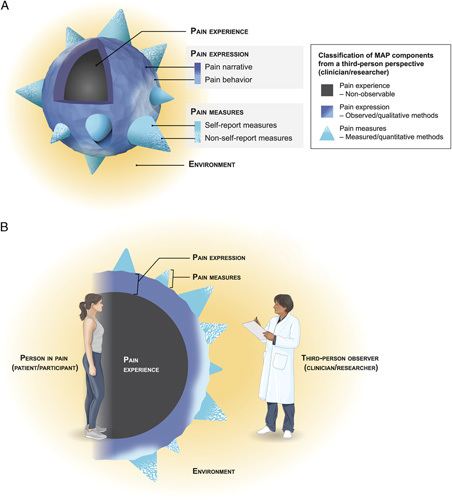
Verification
Claims the paper makes
The claims and statistics of this paper haven’t been checked yet.
Free: it reads the open-access text and checks the first 5 claims that cite a source we can check. Create a free account to check every claim.
Claims other papers make about this one
Each is checked against this paper’s own text: does it say what the citing paper says it does?
The check wasn’t confident either way, so it gives no verdict — never disputed.
In the citing paper
“the single best predictor of longevity is how patients describe their status of health [10,69].”
From Exploring emotional well-being, spiritual, religious and personal beliefs and telomere length in chronic pain patients—A pilot study with cross-sectional design (2024) · cites this paper as [10]
Experimental — accuracy not yet measured
Self-check
Percentages, sums and reported differences re-computed from the paper’s own numbers.
The self-check needs the paper’s full text.
Citations
Cites
The McGill Pain Questionnaire: Major properties and scoring methods
Melzack, R. (1975) · Pain · doi:10.1016/0304-3959(75)90044-5 · Cited by 6,845
Qualitative research in health care: Assessing quality in qualitative research
Mays, N. (2000) · BMJ · doi:10.1136/bmj.320.7226.50 · Cited by 3,742
Core outcome measures for chronic pain clinical trials: IMMPACT recommendations
Dworkin, R. H., Turk, D. C., Farrar, J. T., Haythornthwaite, J. A., Jensen, M. P., Katz, N. P., Kerns, R. D., Stucki, G., Allen, R. R., Bellamy, N., et al. (2005) · Pain · doi:10.1016/j.pain.2004.09.012 · Cited by 3,732
Core outcome domains for chronic pain clinical trials: IMMPACT recommendations
Turk, D. C., Dworkin, R. H., Allen, R. R., Bellamy, N., Brandenburg, N., Carr, D. B., Cleeland, C., Dionne, R., Farrar, J. T., Galer, B. S., et al. (2003) · Pain · doi:10.1016/j.pain.2003.08.001 · Cited by 3,510
Dworkin, R. H., Turk, D. C., Wyrwich, K. W., Beaton, D., Cleeland, C. S., Farrar, J. T., Haythornthwaite, J. A., Jensen, M. P., Kerns, R. D., Ader, D. N., et al. (2008) · The Journal of Pain · doi:10.1016/j.jpain.2007.09.005 · Cited by 3,471
Qualitative Research: Rigour and qualitative research
Mays, N., & Pope, C. (1995) · BMJ · doi:10.1136/bmj.311.6997.109 · Cited by 2,715
Pope, C., & Mays, N. (1995) · BMJ · doi:10.1136/bmj.311.6996.42 · Cited by 2,336
Narrative Medicine: A Model for Empathy, Reflection, Profession, and Trust
Charon, R. (2001) · JAMA · doi:10.1001/jama.286.15.1897 · Cited by 2,190
The Nature of Suffering and the Goals of Medicine
Cassel, E. J. (1982) · New England Journal of Medicine · doi:10.1056/nejm198203183061104 · Cited by 2,137
Language and meaning: Data collection in qualitative research.
Polkinghorne, D. E. (2005) · Journal of Counseling Psychology · doi:10.1037/0022-0167.52.2.137 · Cited by 1,867
Research works printed but not linked: 5
- International Association for Study of Pain (IASP). International Association for Study of Pain Task Force on Taxonomy Classification of Chronic Pain. Seattle: IASP Press; 1994.
- Carpenter C Suto M Qualitative Research for Occupational and Physical Therapists: A Practical Guide. Oxford, UK: Blackwell Publishing Ltd; 2008.
- Upshur RE Morse JM Swanson JM Kuzel AJ The status of qualitative research as evidence. The Nature of Qualitative Evidence. Thousand Oaks, CA: Sage; 2001: 5– 26.
- Fordyce WE Behavioral Methods for Chronic Pain and Illness. Saint Louis: The C. V. Mosby Company; 1976.
- Carr DB Loeser JD Morris DB Narrative, Pain, and Suffering. Seattle, WA: IASP Press; 2005.
Cited by
Davis, K. D., Aghaeepour, N., Ahn, A. H., Angst, M. S., Borsook, D., Brenton, A., Burczynski, M. E., Crean, C., Edwards, R., Gaudilliere, B., et al. (2020) · Nature Reviews Neurology · doi:10.1038/s41582-020-0362-2 · Cited by 496
An enactive approach to pain: beyond the biopsychosocial model
Stilwell, P., & Harman, K. (2019) · Phenomenology and the Cognitive Sciences · doi:10.1007/s11097-019-09624-7 · Cited by 162
Investigating intraindividual pain variability: methods, applications, issues, and directions
Mun, C. J., Suk, H. W., Davis, M. C., Karoly, P., Finan, P. H., Tennen, H. A., & Jensen, M. P. (2019) · Pain · doi:10.1097/j.pain.0000000000001626 · Cited by 136
“Pain experience is fundamentally subjective and cannot be observed by those who are not experiencing it.(96) Hence, to better understand pain, it is important to use multimodal assessments and investigate the context and process of pain reports (see Refs.”
BackgroundCan insects feel pain? A review of the neural and behavioural evidence
(2022) · Advances in Insect Physiology · doi:10.1016/bs.aiip.2022.10.001 · Cited by 121
Zebhauser, P. T., Hohn, V. D., & Ploner, M. (2022) · Pain · doi:10.1097/j.pain.0000000000002825 · Cited by 143
“119 To improve assessment and guide treat-ment of chronic pain, the quest for objective measures of acute and chronic pain has gained increasing attention.”
Microneedle patch designs to increase dose administered to human subjects
Li, W., Li, S., Fan, X., & Prausnitz, M. R. (2021) · Journal of Controlled Release · doi:10.1016/j.jconrel.2021.09.036 · Cited by 94
Prognostic prediction models for chronic postsurgical pain in adults: a systematic review
Papadomanolakis‐Pakis, N., Uhrbrand, P., Haroutounian, S., & Nikolajsen, L. (2021) · Pain · doi:10.1097/j.pain.0000000000002261 · Cited by 99
Innovations in acute and chronic pain biomarkers: enhancing diagnosis and personalized therapy
Mackey, S., Aghaeepour, N., Gaudilliere, B. L., Kao, M. J., Kaptan, M., Lannon, E. W., Pfyffer, D., & Weber, K. A., II (2025) · Regional Anesthesia & Pain Medicine · doi:10.1136/rapm-2024-106030 · Cited by 86
Boring, B. L., Walsh, K. T., Nanavaty, N., Ng, B., & Mathur, V. A. (2021) · Frontiers in Psychology · doi:10.3389/fpsyg.2021.663890 · Cited by 76
Dassieu, L., Heino, A., Develay, É., Kaboré, J., Pagé, M. G., Moor, G., Hudspith, M., & Choinière, M. (2021) · Canadian Journal of Pain · doi:10.1080/24740527.2021.1881886 · Cited by 66
“and a patient’s goals in seeking care, which may help providers appreciate the complex and subjective nature of the pain experience.(39) The development of shared decision making between providers and patients appears”
BackgroundCerritelli, F., Chiera, M., Abbro, M., Megale, V., Esteves, J. E., Gallace, A., & Manzotti, A. (2021) · Frontiers in Neurology · doi:10.3389/fneur.2021.700211 · Cited by 68
Phenomenological Research Needs to be Renewed: Time to Integrate Enactivism as a Flexible Resource
Stilwell, P., & Harman, K. (2021) · International Journal of Qualitative Methods · doi:10.1177/1609406921995299 · Cited by 79
“Peoples’ subjective experiences, such as pain, are from a first-person perspective; these experiences cannot be directly assessed or “seen” through scientific measurement or testing (Stilwell & Harman, 2019; Wideman et al., 2019).”
BackgroundInfluentialSensory sensitivity after acquired brain injury: A systematic review
Thielen, H., Tuts, N., Welkenhuyzen, L., Wajer, I. M. C. H., Lafosse, C., & Gillebert, C. R. (2022) · Journal of Neuropsychology · doi:10.1111/jnp.12284 · Cited by 51
Écija, C., Luque-Reca, O., Suso-Ribera, C., Catala, P., & Peñacoba, C. (2020) · Journal of Clinical Medicine · doi:10.3390/jcm9061763 · Cited by 42
“, a combination of both) appears to be preferable when possible [51].”
BackgroundThe Landscape of Chronic Pain: Broader Perspectives
Johnson, M. I. (2019) · Medicina · doi:10.3390/medicina55050182 · Cited by 46
“Multimodal assessment of pain that includes self-reported and non-self-reported measures have been developed to capture the complexity of pain experience [14], although it is important to note that behavioral signs, effort testing, self-reported questionnaires, or symptom validity tests have been shown to be unable to…”
BackgroundWhat is Pain-Related Suffering? Conceptual Critiques, Key Attributes, and Outstanding Questions
Stilwell, P., Hudon, A., Meldrum, K., Pagé, M. G., & Wideman, T. H. (2021) · Journal of Pain · doi:10.1016/j.jpain.2021.11.005 · Cited by 44
“Wideman et al.95 provide a detailed rationale for selecting narrative as the best root proxy for identifying the non-observable experience of pain.”
BackgroundInfluentialSelf-citationSethi, V. S., Anand, C., & Pasqua, O. E. D. (2024) · Pain and Therapy · doi:10.1007/s40122-024-00592-8 · Cited by 44
“Furthermore, the usefulness of subjective pain assessment scales is frequently questioned, mainly when used in isolation, as they do not capture the complexity of the pain experience [56–59].”
BackgroundDixit, A. A., Elser, H. C., Chen, C. L., Ferschl, M. B., & Manuel, S. P. (2020) · Children · doi:10.3390/children7100163 · Cited by 37
“Overreliance on objective pain scales, without incorporation of clinicians’ and patients’ subjective assessments, can increase patient anxiety and diminish the therapeutic alliance among patients, family members, and their healthcare providers [21].”
BackgroundThe neurobiology of pain and facial movements in rodents: Clinical applications and current research
Domínguez-Oliva, A., Mota‐Rojas, D., Hernández-Ávalos, I., Mora‐Medina, P., Olmos-Hernández, A. S., Verduzco-Mendoza, A., Casas-Alvarado, A., & Whittaker, A. L. (2022) · Frontiers in Veterinary Science · doi:10.3389/fvets.2022.1016720 · Cited by 34
Vader, K., Bostick, G. P., Carlesso, L. C., Hunter, J. P., Mesaroli, G., Perreault, K., Tousignant‐Laflamme, Y., Tupper, S., Walton, D. M., Wideman, T. H., et al. (2021) · Physiotherapy Canada · doi:10.3138/ptc-2020-0124-gee · Cited by 46
Self-citationOver-Rating Pain is Overrated: A Fundamental Self-Other Bias in Pain Reporting Behavior
Boring, B. L., Ng, B. W., Nanavaty, N., & Mathur, V. A. (2022) · Journal of Pain · doi:10.1016/j.jpain.2022.06.002 · Cited by 40
Lor, M., Vang, X., Rabago, D., Brown, R., & Bačkonja, M. (2019) · Pain Medicine · doi:10.1093/pm/pnz268 · Cited by 28
Multimodal Signal Analysis for Pain Recognition in Physiotherapy Using Wavelet Scattering Transform
Badura, A., Masłowska, A., Myśliwiec, A. P., & Piętka, E. (2021) · Sensors · doi:10.3390/s21041311 · Cited by 32
“Thus, apart from assessment through numbers, such as pain intensity ratings or pain threshold levels, pain should be assessed in a personal context and meaning [2].”
BackgroundOverton, M., Ward, S., Swain, N., Falling, C., Gwynne‐Jones, D., Fillingim, R. B., & Mani, R. (2022) · Clinical Journal of Pain · doi:10.1097/ajp.0000000000001084 · Cited by 32
Karayannis, N. V., Sturgeon, J. A., Kemani, M. K., Mackey, S. C., Greco, C. M., Wicksell, R. K., & McCracken, L. M. (2023) · Scandinavian Journal of Pain · doi:10.1515/sjpain-2022-0107 · Cited by 25
Climent‐Sanz, C., Hamilton, K. R., Martínez-Navarro, O., Briones‐Vozmediano, E., Gracia-Lasheras, M., Fernández‐Lago, H., Valenzuela‐Pascual, F., & Finan, P. H. (2023) · Disability and Rehabilitation · doi:10.1080/09638288.2023.2280057 · Cited by 35
“Consequently, assessing and managing pain is a challenging task for researchers and clinicians [1,2].”
Noxious stimulation induces self-protective behavior in bumblebees
Gibbons, M., Pasquini, E., Kowalewska, A., Read, E., Gibson, S., Crump, A., Solvi, C., Versace, E., & Chıttka, L. (2024) · iScience · doi:10.1016/j.isci.2024.110440 · Cited by 32
A Deep Brain Stimulation Trial Period for Treating Chronic Pain
Shirvalkar, P. R., Sellers, K. K., Schmitgen, A., Prosky, J., Joseph, I., Starr, P. A., & Chang, E. F. (2020) · Journal of Clinical Medicine · doi:10.3390/jcm9103155 · Cited by 28
Placebo From an Enactive Perspective
Arandia-Romero, I., & Paolo, E. A. D. (2021) · Frontiers in Psychology · doi:10.3389/fpsyg.2021.660118 · Cited by 30
Augeard, N., Bostick, G. P., Miller, J., Walton, D. M., Tousignant‐Laflamme, Y., Hudon, A., Bussières, A., Cooper, L., McNiven, N., Thomas, A., et al. (2022) · Canadian Journal of Pain · doi:10.1080/24740527.2021.2004103 · Cited by 31
Self-citationVader, K., Patel, R., Doulas, T., & Miller, J. (2019) · Pain Medicine · doi:10.1093/pm/pnz246 · Cited by 33
Vaz, D. V., Stilwell, P., Coninx, S., Low, M., & Liebenson, C. (2023) · Brazilian Journal of Physical Therapy · doi:10.1016/j.bjpt.2023.100554 · Cited by 28
“55,59 In practice, therefore, the BPS approach has had limited theoretical ef fi cacy to educate and in fl uence clinicians about the complexities of pain.”
Backgroundde Oliveira, F. C. L., Cossette, C., Mailloux, C., Wideman, T. H., Beaulieu, L., & Massé‐Alarie, H. (2023) · Clinical Journal of Pain · doi:10.1097/ajp.0000000000001106 · Cited by 23
“Potential participants were excluded if they had/were: (1) pain associated with cancer or rheumatoid disease; (2) previous back surgery; (3) clinical presentation or diagnosis of fibromyalgia; (4) neuropathic LBP (ie, score >4 on Douleur Neuropathique 4 questions);28 (5) major cardiovascular, neurological, or psychiat…”
BackgroundSelf-citationAmidei, J., Nieto, R., Kaltenbrunner, A., Sá, J. G. F. D., Serrat, M., & Albajes, K. (2025) · Journal of Medical Internet Research · doi:10.2196/65903 · Cited by 21
“In the end, pain is always an internal and subjective experience, providing qualitative reports with richer content to understand globally this subjective experience from the observer’s point of view [12].”
Cardon, E., Vermeersch, H., Joossen, I., Jacquemin, L., Mertens, G., Vanderveken, O. M., Lammers, M. J. W., de Heyning, P. V., Rompaey, V. V., & Gilles, A. (2022) · Hearing Research · doi:10.1016/j.heares.2022.108489 · Cited by 20
Underlying Music Mechanisms Influencing the Neurology of Pain: An Integrative Model
Loewy, J. V. (2022) · Brain Sciences · doi:10.3390/brainsci12101317 · Cited by 26
“It is not a secret that numerical pain ratings often fail to convey the complex nature of the pain experience [29].”
BackgroundIbrahim, F., Ma, M. H. Y., Scott, D. L., & Scott, I. C. (2022) · Arthritis Research & Therapy · doi:10.1186/s13075-022-02903-w · Cited by 22
“to propose the use of a multimodal assessment model of pain [42], which incorporates both qualitative methods to evaluate the pain experience and pain expression in addition to more widely used quantitative methods.”
BackgroundPain through the perspective of art and creativity: insights from the Unmasking Pain project
Johnson, M. I., Chazot, P. L., Cole, F., Cruickshank, R., Fuller, D., Keyse, C., Singh, B., Strickson, A., Tabasam, G., Tregidden, E., et al. (2023) · Frontiers in Pain Research · doi:10.3389/fpain.2023.1179116 · Cited by 20
The Challenges of Pain Assessment in Geriatric Patients With Dementia: A Review
El-Tallawy, S. N., Ahmed, R. S., Shabi, S. M., Al-Zabidi, F. Z., Zaidi, A. R. Z., Varrassi, G., Pergolizzi, J. V., LeQuang, J. A., & Paladini, A. (2023) · Cureus · doi:10.7759/cureus.49639 · Cited by 31
“Several instruments have been developed to assess pain [18].”
BackgroundCannabidiol in low back pain: scientific rationale for clinical trials in low back pain
Xantus, G. Z., Závori, L., Matheson, C., Gyarmathy, V. A., Fazekas, L. M., & Kanizsai, P. (2021) · Expert Review of Clinical Pharmacology · doi:10.1080/17512433.2021.1917379 · Cited by 24
“Multimodal assessment has recently been recommended by many [29,30], as such an approach would probably better depicts the patients’ experience when battling a painful condition ruining their quality of life.”
BackgroundBostick, G. P., Norman, K. E., Sharma, A., Toxopeus, R., Irwin, G., & Dhillon, R. (2020) · Physiotherapy Canada · doi:10.3138/ptc-2019-0027 · Cited by 17
Hu, J., Harrold, J., Squires, J. E., Modanloo, S., & Harrison, D. M. (2021) · European Journal of Pain · doi:10.1002/ejp.1816 · Cited by 13
Sex and Gender Science: The World Writes on the Body
Brown, A., Karkaby, L., Perović, M., Shafi, R., & Einstein, G. (2022) · Current topics in behavioral neurosciences · doi:10.1007/7854_2022_304 · Cited by 25
Häske, D., Dorau, W., Eppler, F., Heinemann, N., Metzger, F., & Schempf, B. (2024) · Scientific Reports · doi:10.1038/s41598-024-56072-8 · Cited by 13
Alodhialah, A. M., Almutairi, A. A., & Almutairi, M. (2024) · Healthcare · doi:10.3390/healthcare12202078 · Cited by 18
“…providers is to select and utilize pain assessment tools that can accurately capture the multidimensional nature of pain as experienced by elderly patients, ensuring that the data obtained accurately reflect their pain experience and effectively guide appropriate management strategies [17].”
BackgroundJones, J., Hughes, M., Pauling, J. D., Gooberman‐Hill, R., & Moore, A. J. (2020) · BMJ Open · doi:10.1136/bmjopen-2020-037568 · Cited by 13
Stilwell, P., Gagnon-Mailhot, M., Hudon, A., McIntyre, V., Meldrum, K., Pagé, M. G., Gallagher, S., & Wideman, T. H. (2025) · Journal of Pain · doi:10.1016/j.jpain.2025.105413 · Cited by 16
Self-citationDoes past/current pain change pain experience? Comparing self-reports and pupillary responses
Yoo, H., Cho, Y., & Cho, S. (2023) · Frontiers in Psychology · doi:10.3389/fpsyg.2023.1094903 · Cited by 17
Modarresi, S., & Walton, D. M. (2020) · Musculoskeletal Science and Practice · doi:10.1016/j.msksp.2020.102300 · Cited by 12
Exploring the Domains of Gender as Measured by a New Gender, Pain and Expectations Scale
Ghodrati, M., Walton, D. M., & MacDermid, J. C. (2021) · Women s Health Reports · doi:10.1089/whr.2020.0109 · Cited by 13
“We have intentionally used the phrase ‘‘experience or expressiveness,’’ as it is widely recognized that, as outside observers, it is impossible to separate the experience of the person in pain from their expressions of that pain.(69) As such, the evaluation of another person’s pain is necessarily dependent on their wi…”
BackgroundSean, M., Coulombe-Lévêque, A., Nadeau, W., Charest, A.-C., Martel, M., Léonard, G., & Tétreault, P. (2024) · PAIN Reports · doi:10.1097/pr9.0000000000001157 · Cited by 13
“31 Indeed, pain levels fluctuate naturally, as they are affected by a wide array of Regressiontothe meanisnotanotherbiopsychosocialfactor that influences pain levels: it is a statistical concept that can—in part—describe, explain, and predict those fluctuations.”
BackgroundPu, L., Barton, M., Gamage, M. W. K., Okada, M., Todorovic, M., & Moyle, W. (2025) · Journal of Clinical Nursing · doi:10.1111/jocn.17771 · Cited by 11
Oreper, J. S., Khalid, A., Sheffe, S., Mustafa, N., Vader, K., & Bosma, R. L. (2022) · Pain Medicine · doi:10.1093/pm/pnac058 · Cited by 14
Menon, N., & Kishen, A. (2023) · Biomolecules · doi:10.3390/biom13081193 · Cited by 12
Augustinus, S., Bieze, M., van Veldhuisen, C. L., Boermeester, M. A., Bonsing, B. A., Bouwense, S. A. W., Bruno, M. J., Busch, O. R., ten Hoope, W., Kallewaard, J. W., et al. (2024) · Clinical and Translational Gastroenterology · doi:10.14309/ctg.0000000000000760 · Cited by 13
Pressure algometry in the general adult population: Age and sex differences
Vesal, M., Roohafza, H., Feizi, A., Asgari, K., Shahoon, H., Ani, A., & Adibi, P. (2024) · Medicine · doi:10.1097/md.0000000000039418 · Cited by 11
“[8,9] Although self-reported pain intensity is important, its interpretation may be affected by the level of organic tissue damage, psychosocial factors, and context of the pain experience.”
BackgroundLawal, F. B., & Oke, G. A. (2021) · SAGE Open Medicine · doi:10.1177/20503121211025944 · Cited by 9
Woznowski‐Vu, A., Aternali, A., Gervais, A., Pavilanis, A. D. S., Nijs, J., Sullivan, M. J. L., & Wideman, T. H. (2021) · Clinical Journal of Pain · doi:10.1097/ajp.0000000000000965 · Cited by 11
Self-citationParadis, T., Robitaille, S., Wang, A. Y., Gervais, C., Liberman, A. S., Charlebois, P., Stein, B., Fiore, J. F., Feldman, L. S., & Lee, L. (2023) · Diseases of the Colon & Rectum · doi:10.1097/dcr.0000000000003149 · Cited by 8
Towards Automated Pain Assessment using Embodied Conversational Agents
Murali, P., Arjmand, M., Volonte, M., Li, Z., Griffith, J. W., Paasche‐Orlow, M. K., & Bickmore, T. (2023) · INTERNATIONAL CONFERENCE ON MULTIMODAL INTERACTION · doi:10.1145/3610661.3617132 · Cited by 14
“Although self-report measures are the clinical standard for pain assessment, pain narratives have been considered the “gold standard” for describing pain experience [43].”
Engebretsen, K. B., Taso, M., Bjorland, S., Jenssen, H. K., Skaara, H. E., & Brox, J. I. (2024) · BMC Musculoskeletal Disorders · doi:10.1186/s12891-024-07743-0 · Cited by 8
The process of pain assessment in people with dementia living in nursing homes: a scoping review
Overen, C. K., Larsson, M., Hillestad, A. H., Karlsson, I., & Eriksen, S. (2025) · Palliative Care and Social Practice · doi:10.1177/26323524241308589 · Cited by 10
A Systematic Review Looking at Anodyspareunia Among Cisgender Men and Women
Nercessian, T.-R., Banbury, S. A., & Chandler, C. (2023) · Journal of Sex & Marital Therapy · doi:10.1080/0092623x.2023.2196265 · Cited by 9
“As with all pain, the experience of anodyspareunia-related pain is subjective and challenging to quantify and assess (Wideman et al., 2019).”
BackgroundMa, P., Qu, Y., Yin, T., He, Z., Shirui, C., Teng, Y., Xie, K., Shenghong, L., Ruirui, S., & Fang, Z. (2021) · Frontiers in Neuroscience · doi:10.3389/fnins.2021.648305 · Cited by 8
A Forehead Wearable Sensor for the Objective Measurement of Chronic Pain
Orzabal, M. R., Naidu, R., Amirdelfan, K., & Akhbardeh, A. (2022) · International Journal of Environmental Research and Public Health · doi:10.3390/ijerph192417041 · Cited by 8
“However, these methods reduce the power of pain monitoring due to the subjective nature of the rating system, psychological/environmental factors, the ability to collect only a single time point, and the lack of physiological parameters that correspond to pain perception [5,6].”
BackgroundFilipponi, C., Masiero, M. A., Mazzoni, D., Chichua, M., Marceglia, S. R. F., Ferrucci, R., Fragale, E., Didier, F., & Pravettoni, G. (2024) · Journal of Psychosocial Oncology · doi:10.1080/07347332.2024.2348595 · Cited by 9
“Pain presents a complex, biopsychological, and subjective experience, making it challenging to measure and, consequently, to treat effectively [5].”
Bergen, S. H. V., Verhoeven, J. G., Kakar, E., Jeekel, J., Birnie, E., & Klimek, M. (2024) · Journal of Surgical Research · doi:10.1016/j.jss.2024.10.052 · Cited by 9
Bell, S., Appiah‐Kubi, A., Konney, T. O., Tawiah, A., Yost, S., Kobernik, E. K., & Lawrence, E. R. (2022) · AJOG Global Reports · doi:10.1016/j.xagr.2022.100065 · Cited by 6
Winterholler, C., Coura, M. H. F., & Montoya, P. (2025) · Frontiers in Pain Research · doi:10.3389/fpain.2025.1593746 · Cited by 7
Augeard, N., Longtin, C., Bussières, A., Bostick, G. P., Thomas, A., Miller, J., Tousignant‐Laflamme, Y., Walton, D. M., Hudon, A., Cooper, L., et al. (2025) · Canadian Journal of Pain · doi:10.1080/24740527.2025.2574969 · Cited by 5
Self-citationSolsona-Carcas, D., Trenado-Molina, J., Buesa-Estéllez, A., López-Royo, M. P., & López, P. B. (2024) · Physical Therapy · doi:10.1093/ptj/pzae007 · Cited by 5
Massage Therapy: A Person-Centred Approach to Chronic Pain
Lebert, R. R., Noy, M., Purves, M. E., & Tibbett, J. A. (2022) · International Journal of Therapeutic Massage & Bodywork Research Education & Practice · doi:10.3822/ijtmb.v15i3.713 · Cited by 6
Rönne-Petersén, L., Niemi, M., Walach, H., Lavebratt, C., Yang, L. L., Gerdle, B., Ghafouri, B., & Falkenberg, T. (2024) · PLoS ONE · doi:10.1371/journal.pone.0308924 · Cited by 4
“It makes also understandable a well-known phenomenon, namely that the single best predictor of longevity is how patients describe their status of health [10,69].”
Skoric, J., Lomanowska, A. M., Janmohamed, T., Lumsden-Ruegg, H., Katz, J. D., Clarke, H. A., & Rahman, Q. A. (2025) · JMIR Medical Informatics · doi:10.2196/67178 · Cited by 7
“It is a complex condition that can be challenging to assess clinically due to the individualized and subjective nature of symptoms [2,3].”
Nurses' Assessment of Pain in Saudi Neonatal Intensive Care Units
Ismail, A., Alsumali, S., & Eltohamy, N. A. E. (2024) · Pain Management Nursing · doi:10.1016/j.pmn.2024.03.005 · Cited by 4
Declercq, J. (2025) · Clinical Journal of Pain · doi:10.1097/ajp.0000000000001273 · Cited by 8
Johnson, M. I. (2025) · Behavioral Sciences · doi:10.3390/bs15050703 · Cited by 6
“For example, The Multimodal Assessment Model of Pain (MAP) attempts to integrate subjective and objective assessments of pain, emphasising the importance of patient narrative and compassion-based and mechanism-based management approaches (Wideman et al., 2019).”
Clinical and Research Tools for Pain Assessment
Paschali, M., Lazaridou, A., & Edwards, R. R. (2019) · Springer eBooks · doi:10.1007/978-3-030-27447-4_6 · Cited by 5
Beneficial effects of non‐pharmacological interventions for post‐stroke pain: A meta‐analysis
Saragih, I. D., Suarilah, I., Mulyadi, M., Saragih, I. S., & Lee, B. (2024) · Journal of Nursing Scholarship · doi:10.1111/jnu.13032 · Cited by 6
Schwartz, K., Ganster, F. M., Voracek, M., & Tran, U. S. (2025) · Psychosomatic Medicine · doi:10.1097/psy.0000000000001381 · Cited by 8
Anitasari, S., Wahab, D. E., Barlianta, B., & Budi, H. S. (2020) · European Journal of Dentistry · doi:10.1055/s-0040-1714454 · Cited by 4
Lvovschi, V.-E., Hermann, K., Lapostolle, F., Joly, L., & Tavolacci, M. (2021) · Journal of Clinical Medicine · doi:10.3390/jcm10215089 · Cited by 4
“In accordance with an implicit contract, patients must guess the physician’s or nurse’s scoring expectations at each assessment [73]; a reciprocal interaction must also be considered [74,75].”
BackgroundCatalá, P., Peñacoba, C., López-Roig, S., & Pastor-Mira, M. D. L. Á. (2022) · International Journal of Environmental Research and Public Health · doi:10.3390/ijerph20010190 · Cited by 7
Evaluation of Neuropathic Pain after Total Knee Arthroplasty: Do Yellow Flags Matter?
Colovic, D., Draschl, A., Reinbacher, P., Hecker, A., Schittek, G. A., Fischerauer, S., Leithner, A., Klim, S. M., Koutp, A., Wittig, U. S., et al. (2023) · Journal of Clinical Medicine · doi:10.3390/jcm12247708 · Cited by 5
“We interpret this against the backdrop of a divergence between the WOMAC pain and stiffness scores, tailored to joint-specific aspects, and NRS and SF-36 scores, encompassing a broader pain spectrum, while acknowledging the subjective nature of pain [51].”
MethodA Systemic Approach to Complete the Multimodal Assessment Model of Pain
Lvovschi, V.-E., Roussel, M., & Dussart, C. (2019) · Clinical Journal of Pain · doi:10.1097/ajp.0000000000000715 · Cited by 4
Augeard, N., Miller, J., Bostick, G. P., St‐Onge, C., Tousignant‐Laflamme, Y., Hudon, A., Walton, D. M., Singer, L. N., Cooper, L., Bussières, A., et al. (2025) · Canadian Journal of Pain · doi:10.1080/24740527.2025.2512728 · Cited by 3
Self-citationPlacebo and nocebo effect in pain
Belleï-Rodriguez, C.-É., & Colloca, L. (2025) · Handbook of clinical neurology · doi:10.1016/b978-0-443-29884-4.00017-0 · Cited by 3
Fitzmaurice, B. C., Grenfell, R. L., Heneghan, N. R., Rayen, A. T. A., & Soundy, A. (2024) · Biomedicines · doi:10.3390/biomedicines12051116 · Cited by 3
Pagé, M. G., Katz, J. D., Darville, R., Gabriel, G., Ladha, K. S., Huang, A., Ganty, P., Katznelson, R., Tamir, D., Fiorellino, J., et al. (2024) · Regional Anesthesia & Pain Medicine · doi:10.1136/rapm-2024-105344 · Cited by 3
“Those who consume higher doses of daily MME exhibit poorer mental health status; this highlights the need to focus on whole-person care 43 and biopsychosocial approaches to postsurgical opioid and pain management.”
How is recovery defined and measured in patients with low back pain? A mixed study systematic review
Lukacs, M. J., Peters, N., Minetama, M., Kowalski, K. L., Stanley, M., Jayaprakash, K., Walton, D. M., & Rushton, A. (2024) · BMC Musculoskeletal Disorders · doi:10.1186/s12891-024-07892-2 · Cited by 3
“As current pain theories like the Multimodal Assessment Model of Pain recognize patient narrative as the best approximate proxy for the pain experience [59], then recovery narratives are also likely the best proxy for the recovery experience.”
BackgroundVignato, J. A., Perkhounkova, Y., Marilim, H., Lee, J., Hein, M., Santillan, D. A., & Santillan, M. K. (2025) · Western Journal of Nursing Research · doi:10.1177/01939459251317270 · Cited by 3
Efficacy and safety of non‐ablative vs. ablative lasers for acne scarring: A meta‐analysis
Ke, R., Cai, B., Ni, X., Lin, Q., Chen, L., Xie, Y., Wan, X., Shan, X., & Wang, B. (2025) · JDDG Journal der Deutschen Dermatologischen Gesellschaft · doi:10.1111/ddg.15651 · Cited by 11
A Multi-Modal Multi-Expert Framework for Pain Assessment in Postoperative Children
Liang, Z., Luo, H., Chen, X., Zhong, Z., Fan, C., Song, X., Li, B., & Lv, J. (2025) · IEEE Transactions on Affective Computing · doi:10.1109/taffc.2025.3567307 · Cited by 5
“The fusion of multiple modalities usually leads to higher accuracy in pain assessment [12].”
Tsao, H., Tang, C., Cureton, A., Maskell, L., Trembath, M., Jones, P., & Snelling, P. J. (2025) · Emergency Medicine Australasia · doi:10.1111/1742-6723.70069 · Cited by 3
Alenezi, A. A., Yahyouche, A., & Paudyal, V. (2022) · Journal of Pain Research · doi:10.2147/jpr.s357354 · Cited by 3
“It affects patients’ emotional and social wellbeing and the overall quality of life.(8) There are significant impacts on patients, families, and carers, as 50% of CNMP patients experience depression, and 66% are unable to work.”
A Cross-Modal Study of Pain Across Communities in the United States
Aggarwal, A., Rai, S., Giorgi, S., Havaldar, S., Sherman, G. T., Mittal, J., & Guntuku, S. C. (2023) · International World Wide Web Conference (WWW) · doi:10.1145/3543873.3587642 · Cited by 4
Mustajoki, M. (2020) · Helda - University of Helsinki Institutional Repository · Cited by 10
Hudon, A., Augeard, N., Tansey, C. M., Houston, E., Bostick, G. P., & Wideman, T. H. (2023) · Physiotherapy Theory and Practice · doi:10.1080/09593985.2023.2254367 · Cited by 2
“This strategy aligns with research that emphasizes the unique perspective associated with first-person experiences of pain and the broad assumption that such experiences of pain would likely be foundational to helping students understanding pain subjectivity (Wideman et al., 2019).”
Self-citationLandau model for illustrating the learning and unlearning process of nociplastic pain
Valenzuela, B. (2024) · Frontiers in Pain Research · doi:10.3389/fpain.2024.1307532 · Cited by 3
Dreismickenbecker, E., Stephan, H., WIESE, J., Anders, M., Kreuzer, M., Fleckenstein, J., Henkemeier, U., Faber, J., Hilberg, T., & Tomschi, F. (2025) · Medicine & Science in Sports & Exercise · doi:10.1249/mss.0000000000003781 · Cited by 2
“The analysis of subjective pain ratings offers only partial insights into the full range of modulation processes occurring and represents only a portion of the pain experience (24).”
Metadata
- Authors
- Wideman, T. H., Edwards, R. R., Walton, D. M., Martel, M. O., Hudon, A., & Seminowicz, D. A.
- Affiliations
- School of Physical and Occupational Therapy
- Harvard University (US)
- Western University (CA)
- McGill University (CA)
- University of Waterloo (CA)
- University of Maryland, Baltimore (US)
- Corresponding author
- Wideman, Timothy H.
- ORCID
- Venue
- The Clinical Journal of Pain
- Published
- 2019-03
- Volume
- 35
- Issue
- 3
- Pages
- 212-221
- ISSN
- 0749-8047 (ISSN-L)
- PMC
- PMC6382036
- OpenAlex
- W2901160456
- Semantic Scholar
- db19791d7631c1cc77ea73ae52e6160be47f56a5
- Cited by
- 187
- References
- 108
- Citations by year
- 2026: 25 · 2025: 50 · 2024: 30 · 2023: 22 · 2022: 23 · 2021: 20 · 2020: 10 · 2019: 7
- FWCI
- 2.27
- Type
- journal article
- Language
- en
- Open access
- hybrid
- doi.org
- Licence
- Locations
- Clinical Journal of Pain (publishedVersion, cc-by-nc-nd)
- Europe PMC (PubMed Central) (publishedVersion, other-oa)
- PubMed Central (publishedVersion, cc-by-nc-nd)
- PubMed (publishedVersion)
- Funders
- Canadian Institutes of Health Research
- Topics
- Health Sciences › Medicine › Anesthesiology and Pain Medicine › Pain Management and Opioid Use
- Health Sciences › Medicine › Pediatrics, Perinatology and Child Health › Pediatric Pain Management Techniques
- Health Sciences › Health Professions › Physical Therapy, Sports Therapy and Rehabilitation › Musculoskeletal pain and rehabilitation
- Keywords
- pain assessment, pain identification, multidimensional pain assessment
- MeSH terms
- Humans, Models, Theoretical, Pain, Pain Measurement
About these checks
Registry, retraction, Cites and statistics results are computed, not judged, with one exception: a printed reference that no index lists is read once by a model before it counts as a citation error. Claims are extracted by a model and kept only when their quote appears verbatim in the text; each cited source is then checked, with a model’s help, for whether it says what the claim relies on. Those verdicts can be wrong — read the claim’s quote and the cited source before relying on one.
Statistics and arithmetic are recomputed, not judged.
Confidence bands are shown only for fields calibrated on our annotated test set. None is calibrated yet, so no band is shown.
What counts as a claim ›How we measure confidence ›How we check this ›
Are you an author, or do you see a problem with this page? Request a review
Data sources
Bibliographic data: Semantic Scholar, OpenAlex, Crossref.
Contains information from the Semantic Scholar Academic Graph Datasets, made available under the ODC Attribution License (ODC-BY 1.0).
Semantic Scholar’s data is described in: Kinney, R., et al. (2023). The Semantic Scholar Open Data Platform. arXiv:2301.10140.
