

The DOI matches its Crossref record; 109 of the 110 references it cites were found in a registry or an index.
AlphaGenome: advancing regulatory variant effect prediction with a unified DNA sequence model
Open accessPreprint — published as 10.1038/s41586-025-10014-0 · Paper page
Abstract
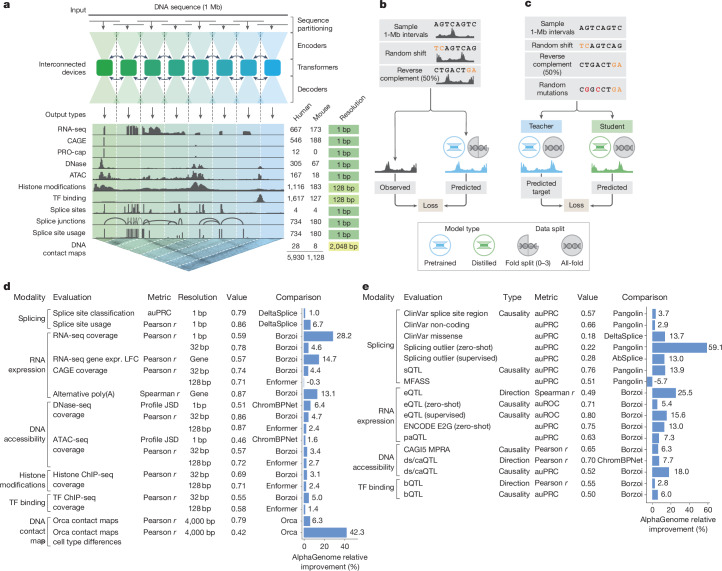
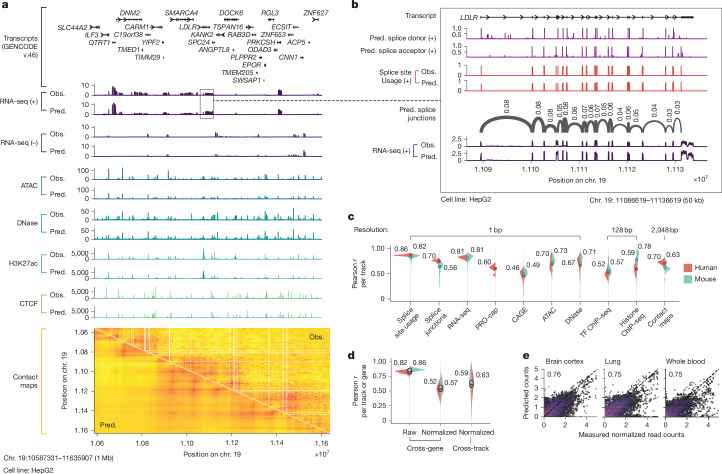
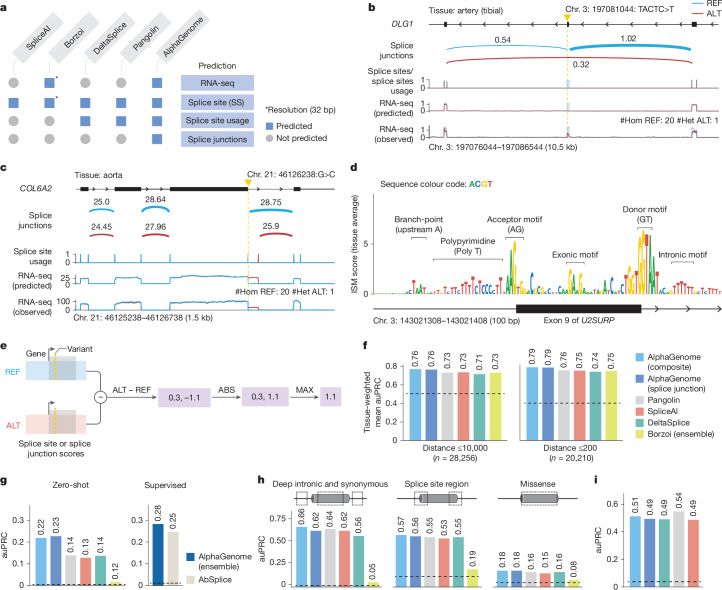
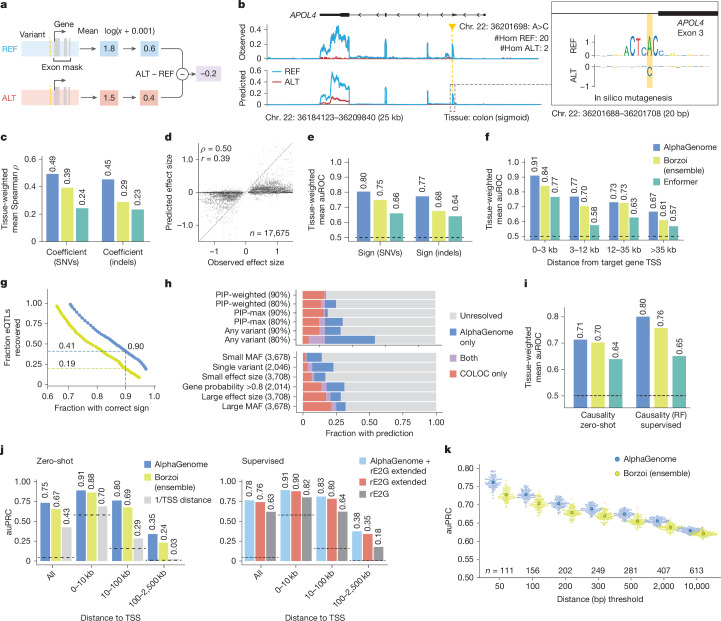
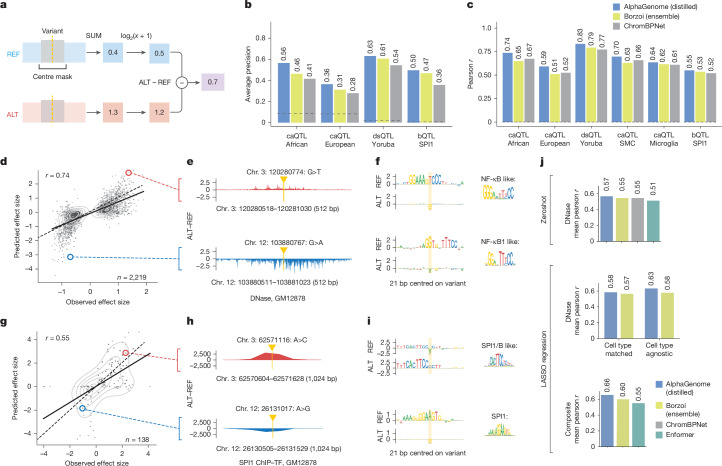
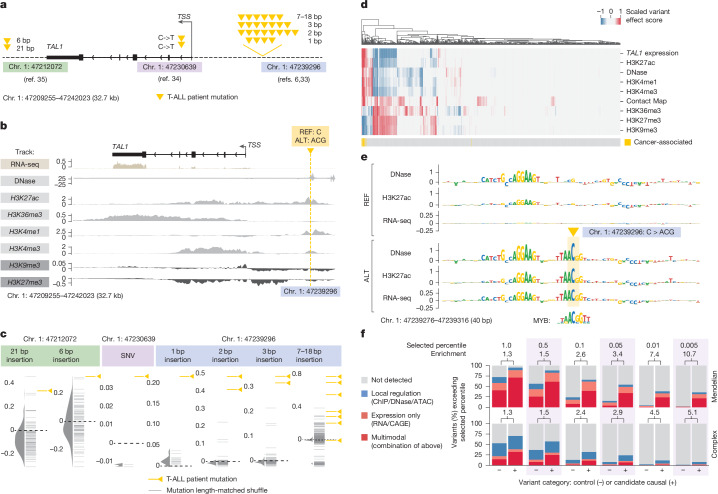
Deep learning models that predict functional genomic measurements from DNA sequence are powerful tools for deciphering the genetic regulatory code. Existing methods trade off between input sequence length and prediction resolution, thereby limiting their modality scope and performance. We present AlphaGenome, which takes as input 1 megabase of DNA sequence and predicts thousands of functional genomic tracks up to single base pair resolution across diverse modalities – including gene expression, transcription initiation, chromatin accessibility, histone modifications, transcription factor binding, chro- matin contact maps, splice site usage, and splice junction coordinates and strength. Trained on human and mouse genomes, AlphaGenome matches or exceeds the strongest respective available external models on 24 out of 26 evaluations on variant effect prediction. AlphaGenome’s ability to simultaneously score variant effects across all modalities accurately recapitulates the mechanisms of clinically-relevant variants near the TAL1 oncogene. To facilitate broader use, we provide tools for making genome track and variant effect predictions from sequence.
Overview
The claims and statistics of this paper haven’t been checked yet.
Run the check — free, no account needed. It reads the open-access text and checks the sources it cites.
Integrity signals
Registry
Cites
Statistics
Figures
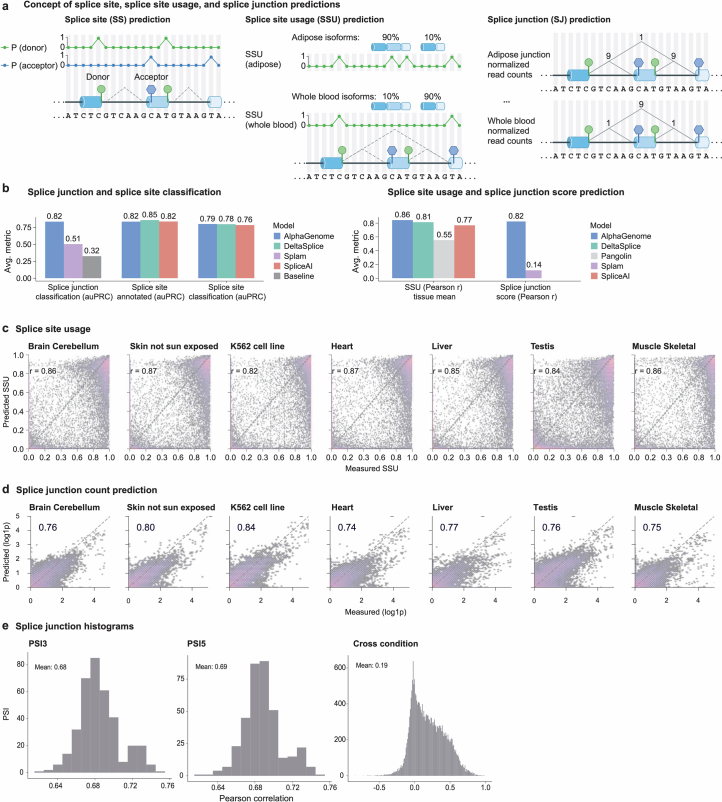
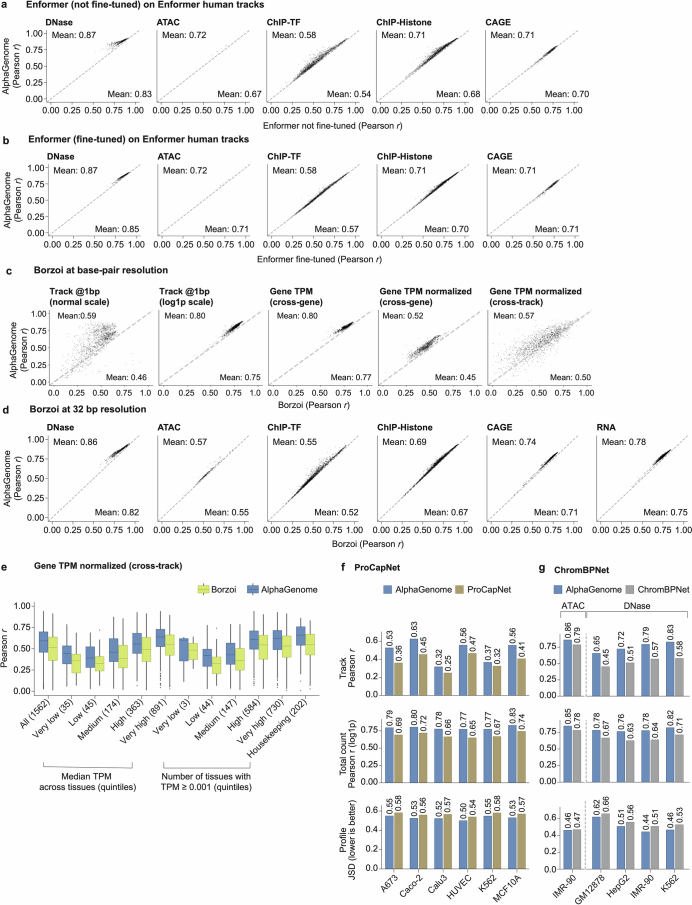
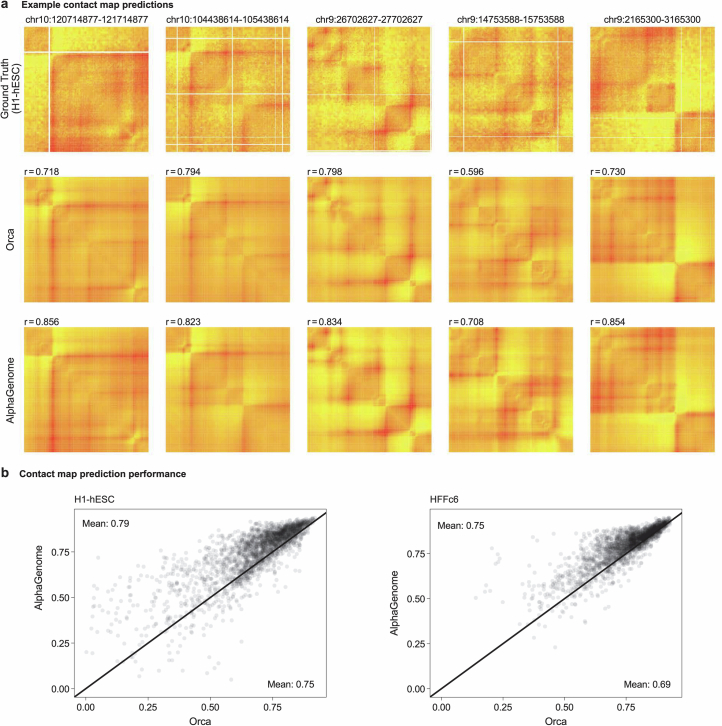
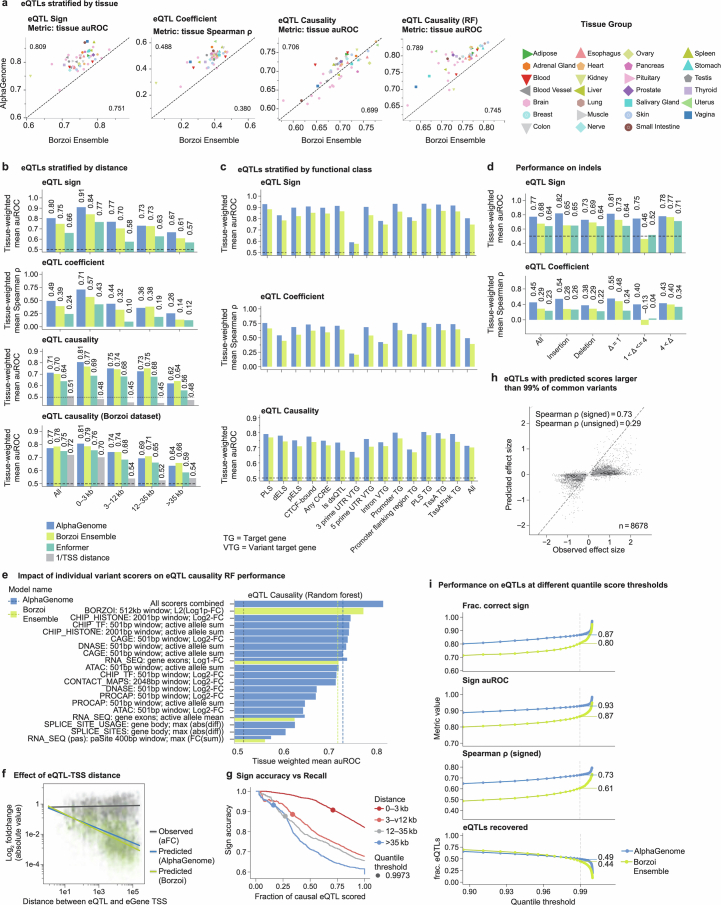
Verification
Claims the paper makes
The claims and statistics of this paper haven’t been checked yet.
Run the check — free, no account needed. It reads the open-access text and checks the sources it cites.
Self-check
Percentages, sums and reported differences re-computed from the paper’s own numbers.
The self-check needs the paper’s full text.
Citations
Cites
U-Net: Convolutional Networks for Biomedical Image Segmentation
Ronneberger, O., Fischer, P., & Brox, T. (2015) · Lecture notes in computer science · doi:10.1007/978-3-319-24574-4_28 · Cited by 99,404
Scikit-learn: Machine Learning in Python
Pedregosa, F., Varoquaux, G., Gramfort, A., Michel, V., Thirion, B., Grisel, O., Blondel, M., Müller, A., Nothman, J., Louppe, G., et al. (2012) · arXiv · doi:10.48550/arxiv.1201.0490 · Cited by 71,016
STAR: ultrafast universal RNA-seq aligner
Dobin, A., Davis, C. A., Schlesinger, F., Drenkow, J., Zaleski, C., Jha, S., Batut, P., Chaisson, M., & Gingeras, T. R. (2013) · Bioinformatics · doi:10.1093/bioinformatics/bts635 · Cited by 51,709
Highly accurate protein structure prediction with AlphaFold
Jumper, J., Evans, R., Pritzel, A., Green, T., Figurnov, M., Ronneberger, O., Tunyasuvunakool, K., Bates, R., Žídek, A., Potapenko, A., et al. (2021) · Nature · doi:10.1038/s41586-021-03819-2 · Cited by 43,764
Self-citationAn integrated encyclopedia of DNA elements in the human genome
The ENCODE Project Consortium (2012) · Nature · doi:10.1038/nature11247 · Cited by 18,072
Twelve years of SAMtools and BCFtools
Danecek, P., Bonfield, J., Liddle, J., Marshall, J., Ohan, V., Pollard, M., Whitwham, A., Keane, T., McCarthy, S., Davies, R. M., et al. (2021) · GigaScience · doi:10.1093/gigascience/giab008 · Cited by 16,298
The Ensembl Variant Effect Predictor
McLaren, W., Gil, L., Hunt, S. E., Riat, H. S., Ritchie, G. R. S., Thormann, A., Flicek, P., & Cunningham, F. (2016) · Genome Biology · doi:10.1186/s13059-016-0974-4 · Cited by 8,099
Integrative analysis of 111 reference human epigenomes
Roadmap Epigenomics Consortium, Kundaje, A., Meuleman, W., Ernst, J., Bilenky, M., Yen, A., Heravi-Moussavi, A., Kheradpour, P., Zhang, Z., Wang, J., et al. (2015) · Nature · doi:10.1038/nature14248 · Cited by 6,368
The GTEx Consortium atlas of genetic regulatory effects across human tissues
The GTEx Consortium, Aguet, F., Anand, S., Ardlie, K. G., Gabriel, S., Getz, G. A., Graubert, A., Hadley, K., Handsaker, R. E., Huang, K. H., et al. (2020) · Science · doi:10.1126/science.aaz1776 · Cited by 5,547
Giambartolomei, C., Vukcevic, D., Schadt, E. E., Franke, L., Hingorani, A. D., Wallace, C., & Plagnol, V. (2014) · PLoS Genetics · doi:10.1371/journal.pgen.1004383 · Cited by 4,261
Research works printed but not linked: 12
- GTEx Consortium. The GTEx Consortium atlas of genetic regulatory effects across human tissues. Science 369, 1318–1330 (Sept. 2020). Cited on pages 5, 19, 48, 49.
- Ioffe, S. & Szegedy, C . Batch normalization: Accelerating deep network training by reducing internal covariate shift in International conference on machine learning (2015), 448–456. Cited on page 26.
- Brock, A. , De, S. & Smith, S. L. Characterizing signal propagation to close the performance gap in unnormal- ized ResNets in International Conference on Learning Representations (Oct. 2020). Cited on page 26.
- Shazeer, N . Fast transformer decoding: One write-head is all you need. arXiv preprint arXiv:1911.02150 (2019). Cited on page 27. · arXiv
- Gschwind, A. R. et al. An encyclopedia of enhancer-gene regulatory interactions in the human genome. bioRxiv (2023). Cited on pages 75, 76.
- 10.1038/s41586023-06592-6 · DOI
- Ling, J. P. et al. ASCOT identifies key regulators of neuronal subtype-specific splicing. Nature communications 11, 137 (2020). Cited on page 82. · DOI · Paper page
- 10.1016/J.CELL.2018.12.015 · DOI · Paper page
- 10.1093/nar/gkw1055 · DOI
- Benegas, G. , Eraslan, G. & Song, Y. S . Benchmarking dna sequence models for causal regulatory variant prediction in human genetics. bioRxiv (2025). Cited on page 96. · DOI
- 2019, Saturation mutagenesis of twenty disease-associated regulatory elements at single base-pair resolution, Nature communications, 10, 3583, 10.1038/s41467-019-11526-w · DOI · Paper page
- 10.1002/humu.23797 · DOI
Cited by
Sorted by citations
Items 301–400 of 450
Farghadan, A., Schmitz, R. J., Jackson, S. A., & Pickering, E. M. (2026) · bioRxiv (Cold Spring Harbor Laboratory) · doi:10.64898/2026.07.16.738979
Identifying severe COVID-19 risk variants modulating enhancer reporter activity in lung cells
Weykopf, G., Bickmore, W. A., Biddie, S. C., & Friman, E. T. (2026) · PLoS Genetics · doi:10.1371/journal.pgen.1012222
Gu, S., Petrovitch, D., Hall, O. T., Lambert, J., Kember, R. L., Nahid, N. A., Ma, Q., Sprague, J. E., McDonough, C. W., & Johnson, J. A. (2026) · medRxiv · doi:10.64898/2026.07.15.26358096
Leveraging multiplicity in biologically informed neural networks to uncover disease heterogeneityPreprint
Gankin, D., & Beltrão, P. (2026) · bioRxiv (Cold Spring Harbor Laboratory) · doi:10.64898/2026.07.15.738681
Deep learning design and in vivo validation of Müller glia-specific cis -regulatory elementsPreprint
Fornés, O., Koh, K. D., Marton, R. M., Chen, J., Marroquin, K. A., Kang, G. J., Lal, A., Müller, S., Eraslan, G., Shamir, E. R., et al. (2026) · bioRxiv (Cold Spring Harbor Laboratory) · doi:10.64898/2026.07.15.738785
Tesi, N., Green, G. S., Salazar, A., van der Lee, S. J., Hulsman, M., Holstege, H. H., & Reinders, M. J. T. (2026) · bioRxiv (Cold Spring Harbor Laboratory) · doi:10.64898/2026.07.20.739485
Germline Variants in Centromere Binding Protein 126 Predispose to GlioblastomaPreprint
Renauer, P. A., Marin, B.-M., Melo-Carrillo, A., Carpenter, M., Zhang, L., Nasrallah, M. P., Morrissette, J. J., Brem, S., Rong, Y., Miller, A. M., et al. (2026) · medRxiv · doi:10.64898/2026.07.20.26358470
Using Deep Learning to predict replication timing reveals baseline control of genomic DNA sequencePreprint
Janakievski, N., Joubert, P. M., & Poetsch, A. R. (2026) · bioRxiv (Cold Spring Harbor Laboratory) · doi:10.64898/2026.07.18.739304
Li, Y., Zhang, X., Cui, Y., Shang, G., Wu, Y., Ma, Y., Tian, T., Liu, M., & Sang, S. (2026) · Rice · doi:10.1186/s12284-026-00939-z
Kubo, N., Oguchi, A., Masuya, H., Amano, T., Sakashita, A., Kawaji, H., Kasukawa, T., Oki, S., Ayabe, S., Takada, T., et al. (2026) · Mammalian Genome · doi:10.1007/s00335-026-10258-9
Zhao, M., Ma, X., Shi, W., & Sun, Y. (2026) · Life Sciences · doi:10.1016/j.lfs.2026.124600 · Cited by 1
Deep learning as a bridge between sequencing-derived biological data and functional interpretation
Hong, H., Liu, L., Liao, W., Zhao, J., Liu, Y., He, X., Li, J., He, R., Jin, Y., Sha, L., et al. (2026) · Discover Artificial Intelligence · doi:10.1007/s44163-026-01739-6
Jin, H., Bao, Y., Li, W., Yang, C. C.-K., Wang, W., Cai, W., Liu, Z., & Lin, G. N. (2026) · International Journal of Molecular Sciences · doi:10.3390/ijms27156657
3D chromatin structure remodelling in cancer
Liu, Y., & Wu, M. (2026) · Cell Communication and Signaling · doi:10.1186/s12964-026-03097-3
Moral‐Morales, A. D., Díaz-Dionisio, E. D., & Medina‐Franco, J. L. (2026) · Expert Opinion on Drug Discovery · doi:10.1080/17460441.2026.2727574
Pond, S. L. K., Verdonk, H., Weaver, S., Brown, G., Callan, D., Nekrutenko, A., & Martin, D. P. (2026) · Genome Biology and Evolution · doi:10.1093/gbe/evag184
Why machines don’t speak biology: Toward native biological language models
Stelzer, Y., & Tanay, A. (2026) · Cell · doi:10.1016/j.cell.2026.07.003
Google DeepMind and Edison Are Building the AI Scientist
Lin, F. (2026) · GEN Biotechnology · doi:10.1177/27681572261475914
Gene regulatory innovations from transposable elements in primate cerebellum development
Yamada, T., Sepp, M., Sarropoulos, I., & Kaessmann, H. (2026) · Nature Communications · doi:10.1038/s41467-026-75700-7
A Shared Genetic Basis Underlying Myopia–Exotropia Comorbidity
Mi, Y., Tao, Z., Xue, Z., Lin, S., Huang, Y., Zhu, Q., Zheng, X., Hong, Y., Liu, Z., Tong, L., et al. (2026) · Investigative Ophthalmology & Visual Science · doi:10.1167/iovs.67.8.61
Ma, M., Wu, Y., Chen, X., Jiang, F., Lin, P., Ye, D., Sun, Y., Zhang, Y., Shi, T., Zhao, Y., et al. (2026) · bioRxiv (Cold Spring Harbor Laboratory) · doi:10.64898/2026.07.28.741284 · Cited by 1
Tirumalasetty, M. B., Wang, V. H.-C., Mohiuddin, M. S., Choubey, M., Barua, R., Zhang, D. “., & Miao, Q. (2026) · medRxiv · doi:10.64898/2026.07.29.26359248
Corral, J., de la Morena‐Barrio, M. E., & de la Morena‐Barrio, B. (2026) · Journal of Thrombosis and Haemostasis · doi:10.1016/j.jtha.2026.05.026
Biological Reasoning-Informed Regression for Interpretable Regulatory DNA Activity Prediction
Duan, Y., Yang, Z., Zhu, J., Ba, Y., Cao, C., & Su, B. (2026) · ACM SIGKDD Conference on Knowledge Discovery and Data Mining (KDD) · doi:10.1145/3770855.3818836
A brain splicing-QTL colocalization map of candidate effector genes for major depressive disorderPreprint
Li, B., Gu, W., & Wu, X. (2026) · Research Square · doi:10.21203/rs.3.rs-10366398/v1
ReLU: Refined Chunk Embeddings Learning for Ultra-long SNP Genomic Prediction in Crop Breeding
Zhou, H., Du, J., Zhang, Y., Zhuang, L., Yang, C., Hong, Z., Bai, J., Zhang, Q., Zhou, K., & Huang, X. X. (2026) · ACM SIGKDD Conference on Knowledge Discovery and Data Mining (KDD) · doi:10.1145/3770855.3819053
Filling the holes in whole genomes: A vision for personalized genomics from telomere to telomere
Phillippy, A. M., Mao, Y., Kang, Y., Šikić, M., & Miga, K. H. (2026) · Cell · doi:10.1016/j.cell.2026.07.019
Functional motif detection via in silico ablation using AlphaGenome
Yuxuan, L., Dziadowicz, S. A., Wang, L., Hu, G., Yan, P., & Wang, G. (2026) · Briefings in Bioinformatics · doi:10.1093/bib/bbag422
Wang, W., Wang, W., Ju, P., Wen, Z., Li, D., Jin, F., Fang, Y., Cheng, Y., Zhang, M., Ding, L., et al. (2026) · medRxiv · doi:10.64898/2026.08.05.26359738
Move BeTween modAlities (MBTA) employs flow matching to predict single cell data modalitiesPreprint
Xu, B., Zhang, Y., & Michor, F. (2026) · bioRxiv (Cold Spring Harbor Laboratory) · doi:10.64898/2026.08.05.743110
Panthera: a deep learning pan-genomic splice haplotypes identification tool
Cher, W. Y., Agarwal, T., Sun, P., Ow, J. R., Tabaglio, T., & Wee, K. B. (2026) · Scientific Reports · doi:10.1038/s41598-026-65100-8
Pang, Z., Lü, Y., Zhou, G., Ou, H., Viau, C., Matsuda, F., Basu, N., & Xia, J. (2026) · Nature Protocols · doi:10.1038/s41596-026-01415-0
Park, B., Yanai, H., Ding, J., & Beerman, I. (2026) · Experimental & Molecular Medicine · doi:10.1038/s12276-026-01805-0 · Cited by 1
Artificial intelligence agents and agentic artificial intelligence applied to precision medicine
Costa, F. F. (2026) · Drug Discovery Today · doi:10.1016/j.drudis.2026.104781
Response representation shapes AlphaGenome enhancer-gene prediction in human astrocytesPreprint
Huang, Z., Huang, R., & Han, J. (2026) · bioRxiv (Cold Spring Harbor Laboratory) · doi:10.64898/2026.08.14.744988
Hu, C., Yang, G., Xiong, H., Xie, Y., Yuan, Z., Liu, J., Wang, P., Li, M., Xu, J., Li, Q., et al. (2026) · Human Mutation · doi:10.1155/humu/5617762
Molecular characterization of a deep intronic TBX5 variant in a familial case of Holt-Oram syndromePreprint
Akimova, D., Markova, T. P., Andreev, I., Sparber, P. A., Skoblov, M. Y., Kenis, V., & Ryzhkova, O. (2026) · Research Square · doi:10.21203/rs.3.rs-10525809/v1
Long Noncoding RNAs: Characteristics, Microprotein Production, and Genomic Origins
Haseltine, W. A., & Patarca, R. (2026) · Springer eBooks · doi:10.1007/978-3-032-30270-0_1
Kidzoi Enables Cell-Type-Specific Regulatory Activity and Variant Effect Prediction in KidneyPreprint
Rather, A., & Lee, D. (2026) · bioRxiv (Cold Spring Harbor Laboratory) · doi:10.64898/2026.09.28.746288
A Comprehensive Comparative Analysis of Sequence‐Based Deep Learning Models for Single‐Cell Genomics
Wen, G., Li, J., Wu, H., Fang, J., Fu, Y., Jiang, M., Mei, Y., Xu, R., Du, Y., Chu, S., et al. (2026) · Cell Proliferation · doi:10.1111/cpr.70274
Rozhkova, A. V., Esibov, A. A., Borkovskaia, A., Rutkovskaya, E. A., Groznova, O. S., Sagaydak, O. V., Александровна, Д. Н., Krupinova, J. A., Mityaeva, O. N., Woroncow, M. V., et al. (2026) · International Journal of Molecular Sciences · doi:10.3390/ijms27177555
Calandra, N., Mereu, E., Ogliara, P., Cavalchini, G. C. C., Giachino, D. F., Caprino, M. P., Gai, G., Mussa, A., Vallero, S. G., Grosso, E., et al. (2026) · Journal of Medical Genetics · doi:10.1136/jmg-2026-111675
Wetzel, S., Mann, S. P., & Rosenberger, F. A. (2026) · Journal of Inherited Metabolic Disease · doi:10.1002/jimd.70236
Architectural logic of the 3D genome: mechanisms of dysregulation and emerging cancer therapeuticsPreprint
Smith, R. G., Wilson, H. M., Schiela, K. L., & Liu, Y. (2026) · Genes & Development · doi:10.1101/gad.353831.126 · Cited by 1
From polygenic risk to functional genomics: a framework for precision gynecological disease modeling
Khatun, M., Tapanainen, J. S., & Salumets, A. (2026) · Nature Communications · doi:10.1038/s41467-026-77342-1
AI-Guided Systems Neurogenomics in Neurodevelopmental Disorders
Goel, H., Dudding‐Byth, T., & Kamien, B. (2026) · Genes · doi:10.3390/genes17091026
Eisenberg, R., Rahamim, E., Kopel, E., Danan-Gotthold, M., Levanon, E. Y., & Lindenbaum, O. (2026) · PLoS Computational Biology · doi:10.1371/journal.pcbi.1014725
Bridging precision agriculture and human medicine through comparative genetics
Liu, X., Li, B., & Fang, L. (2026) · Nature Reviews Genetics · doi:10.1038/s41576-026-01000-x · Cited by 1
Mechanomedicine in 2025: From mechanical insight to clinical translation
Lei, M., Cao, C., & Xu, F. (2026) · Translational dental research. · doi:10.1016/j.tdr.2026.100102
Venkatesh, R., Deo, R., Cappola, T. P., Biobank, P. M., Ritchie, M. D., & Kim, D. (2026) · medRxiv · doi:10.64898/2026.08.25.26361369
Trends in large-scale human population cohorts
Jing, X., Yan, Z., Zhang, S., & Zhao, Y. (2026) · Trends in Genetics · doi:10.1016/j.tig.2026.08.002
Distilling the Knowledge of Ensembles for Uncertainty-Aware Genomic Deep Learning
Zhou, J., Rizzo, K., Christensen, T., Tang, Z., & Koo, P. K. (2026) · Methods in molecular biology · doi:10.1007/978-1-0716-5408-8_13
Using sequence-to-function models to interpret archaic hominin introgressionPreprint
Comerford, M., Alvim, I., Johanson, T. M., Yermakovich, D., Kinipi, C., Leavesley, M., Ricaut, F., Dannemann, M., Cox, M. P., Allan, R. S., et al. (2026) · bioRxiv (Cold Spring Harbor Laboratory) · doi:10.64898/2026.08.31.748430
Biological Foundation Models for Complex Disease Research and Clinical Translation
Noll-Walker, T., & Chen, Y. (2026) · Biology · doi:10.3390/biology15171527
Balanced DNA interpolation improves learning of genetic distance-informed embeddings in plants
Kösters, L. M., Karbstein, K., Hodač, L., Albreht, L., Sahuquillo, E., Botello, D., Hardy, O. J., Odufuwa, P. T., Otero, E. P., Phang, A., et al. (2026) · PLoS Computational Biology · doi:10.1371/journal.pcbi.1014722
Beyond the linear sequence: towards a trans-aware virtual cell in computational genomics
Su, H., Liu, X., Liu, X., & Xuetong, S. (2026) · 中国科学通报:英文版 · doi:10.1016/j.scib.2026.09.010
Thaldar, D. W., & Pillay, S. (2026) · Elsevier eBooks · doi:10.1016/b978-0-443-15715-8.00058-3
Lefebvre, M., Cleris, A., Parmentier, M., Loo, P. V., Detours, V., & Tarabichi, M. (2026) · bioRxiv (Cold Spring Harbor Laboratory) · doi:10.64898/2026.09.02.748867
DeepMind’s new genome ‘atlas’ charts effects of all nine billion human gene mutations
Callaway, E. (2026) · Nature · doi:10.1038/d41586-026-02835-4
Mechanisms underlying disease-causing variants in promoters and enhancers
Long, H. K., Wu, K., Barkham, R. S., & Bickmore, W. A. (2026) · Nature Genetics · doi:10.1038/s41588-026-02743-3
Zhang, Y., Wang, Y., Zheng, Z., Wu, H., Zeng, X., Huang, Q., Wei, W., Fan, Y., Du, J., Liu, J., et al. (2026) · Molecular Plant · doi:10.1016/j.molp.2026.08.011
Decoding gene regulation in plant genomes with artificial intelligence
Rayamajhi, N., Xu, T., Liu, T., Gao, J., Varala, K., & Li, Y. (2026) · Journal of Experimental Botany · doi:10.1093/jxb/erag323
A Protective Haplotype in trans Modifies Penetrance and Severity of TOR1A DystoniaPreprint
Dayan, R., Halstuk, O., Yanovsky‐Dagan, S., Rips, J., Rosenbluh, C., Livyatan, I., Grunin, M. A., Duvdevani, M. P., Bergman, H., Ben‐Hur, T., et al. (2026) · medRxiv · doi:10.64898/2026.09.05.26361794
Inferring Superpopulation Labels from DNA via AlphaGenome-Derived Functional Signals
Souza, A. F. D., Santos, T. D. O., Badue, C. S., Angelo, B. U. D., Meira, D. D., Garcez, A. D., & Guizzardi, G. (2026) · Lecture notes in computer science · doi:10.1007/978-3-032-38407-2_48
Alzheimer’s disease: genetic background in the era of next-generation sequencing technologies
Lukyova, L., Zaťková, A., Minařík, J., Holesova, Z., Budiš, J., Kucharík, M., Beneš, V., Gazdarica, J., & Szemes, T. (2026) · Brain Communications · doi:10.1093/braincomms/fcag332
Saei, H., Ardin, B., Kaiser, N., Ouahmane, M., Gribouval, O., Morinière, V., Mautret‐Godefroy, M., Wopperer, F. J., Riedhammer, K. M., Gale, D. P., et al. (2026) · medRxiv · doi:10.64898/2026.09.10.26362533
Decoding the cancer microbiome: multi-omics, AI, and translational opportunities
Sun, Y., Cheng, O., Ma, A., Shabnaz, S., Huang, X., Zhao, J., Tan, A. C., & Ma, Q. (2026) · Genome biology · doi:10.1186/s13059-026-04284-8
AI tool turns any paper into an ‘agent’ that can collaborate and answer complex queries
Glickman, K. (2026) · Nature · doi:10.1038/d41586-026-02899-2
Nayak, A., Lee, T.-R., Agarwal, V., & Georgakopoulos‐Soares, I. (2026) · medRxiv · doi:10.64898/2026.09.15.26363174
Ukaegbu, D. C., Curean, V., Bender, A., & Maertens, A. (2026) · ALTEX · doi:10.14573/altex.2606062
Zhang, S., & Pollard, K. S. (2026) · bioRxiv (Cold Spring Harbor Laboratory) · doi:10.64898/2026.09.16.752217
Genetic variation in BDNF is associated with opioid use disorder severity
Kusic, D., Salzman, M., Heil, J., Grant, S. F. A., Trang, K. B., Zajic, S. C., Madžo, J., Brown, C., Jelı́nek, J., Calendo, G., et al. (2026) · Human Genetics · doi:10.1007/s00439-026-02866-x
Zhang, N. (2026) · bioRxiv (Cold Spring Harbor Laboratory) · doi:10.64898/2026.09.14.751496
Interpreting human genetic variation at atomic resolution
Zimmermann, M. T., & Urrutia, R. A. (2026) · Nature Genetics · doi:10.1038/s41588-026-02763-z
Synthetic Chromosomes in Yeast: A Platform for Understanding and Programming Eukaryotic Life
Lusk, D. T., & Ehrenreich, I. M. (2026) · Microbial Biotechnology · doi:10.1111/1751-7915.70444
Designing gene expression with MPRA and AI: A new paradigm for synthetic and therapeutic regulation
Zhang, X., Huang, X.-Y., Wang, H.-Y., Bai, F., Li, K., & Hu, S. S. (2026) · Biotechnology Advances · doi:10.1016/j.biotechadv.2026.109049
Neuro-psycho MMSig: multimodal mechanism enrichment platform for neuropsychiatric disorders
Bharadhwaj, V. S., Shalaby, K. S., Rao, S. G., Schultz, B., Zhang, J., Domingo‐Fernándéz, D., Hofmann‐Apitius, M., & Kodamullil, A. T. (2026) · Frontiers in Bioinformatics · doi:10.3389/fbinf.2026.1898607
Li, C., Yang, L., Lin, K., Liu, X., Long, Z., Deng, Q., Zhang, Y., Li, Y., Zhong, D., Ma, C., et al. (2026) · Plant Communications · doi:10.1016/j.xplc.2026.102118
AetherXeno: an allele-resolved receptor-occupancy atlas for regulatory pharmacogenomicsPreprint
Chen, Y.-H., Chuang, T.-C., Lin, H.-W., & Li, Y. (2026) · bioRxiv (Cold Spring Harbor Laboratory) · doi:10.64898/2026.09.20.752952
Machine learning and statistical methods for molecular quantitative trait loci
Engelhardt, B. E., Weinstock, J. S., Nyquist, S. K., & Battle, A. J. (2026) · Nature Reviews Genetics · doi:10.1038/s41576-026-00990-y
Fan, K., Sule, A. D., Guillaumet-Adkins, A., Zhang, R., Yu, T., Cao, Z., Zhang, X., Durand, N. C., Tellier, M., Domenech, L., et al. (2026) · bioRxiv (Cold Spring Harbor Laboratory) · doi:10.64898/2026.09.25.754561
Structural variation in repeat elements is widespread in normal human tissues and in tumorigenesisPreprint
Annapragada, A. V., White, J., Orjuela, H., Bartolomucci, A. L., Eastman, A. C., Koul, S., Lebarbenchon, K. P., Bruhm, D. C., Short, S., Boyapati, K., et al. (2026) · bioRxiv (Cold Spring Harbor Laboratory) · doi:10.64898/2026.09.22.753313
Weberling, F.-M., Ampartzidis, I., Mohorianu, I. I., & Hollfelder, F. (2026) · bioRxiv (Cold Spring Harbor Laboratory) · doi:10.64898/2026.09.23.753495
Kirk, R. B., Santiago, C., Watkins, H. C., & Toepfer, C. N. (2026) · Nature Cardiovascular Research · doi:10.1038/s44161-026-00884-6
Ghorpade, D., Maindarkar, M., Wadapurkar, R. M., & Vyas, R. (2026) · International Conference on Innovation & Growth in Next-Gen Intelligent Technology & Engineering (IGNITE) · doi:10.1109/ignite69592.2026.11706642
Scalable saturation mutagenesis reveals gene regulatory architecture and rare variant effectsPreprint
Yuan, H., Huang, X., Auerbach, B., Linder, J., Srivastava, D., & Kelley, D. R. (2026) · bioRxiv (Cold Spring Harbor Laboratory) · doi:10.64898/2026.09.30.755794
Wang, L., & Wei, Z. (2026) · bioRxiv (Cold Spring Harbor Laboratory) · doi:10.64898/2026.09.25.753922
Wu, C., Salman, A., Feng, H., Wei, P., Sun, R., Wu, L., & Pan, W. (2026) · Research Square · doi:10.21203/rs.3.rs-11197302/v1
Artificial Intelligence for Plant Gene Regulatory Networks
Yu, H. (2026) · International Journal of Molecular Sciences · doi:10.3390/ijms27198819
Noncoding cancer risk variants at 8q24: predicted regulatory effects on MYCPreprint
Zheng, C. (2026) · doi:10.58445/rars.4225
Ong, C. J. N., Nazari, R., & Cruz (2026) · Discover Artificial Intelligence · doi:10.1007/s44163-026-02448-w
(2026) · Issues in Information Systems · doi:10.48009/2_iis_2026_127
Parra-Vilchis, M. A., Garibaldi-Ríos, A. F., Gallegos‐Arreola, M. P., Alonzo-Rojo, A., Sanchez‐Ante, G., & García‐Ortíz, J. E. (2026) · Archives of Medical Research · doi:10.1016/j.arcmed.2026.103518
Dumoulin, B. (2026) · Research Square · doi:10.21203/rs.3.rs-11268522/v1
Strong correlations between mutation rates and selective constraint in the human genome?Preprint
Barroso, G. V., & Ragsdale, A. P. (2026) · bioRxiv (Cold Spring Harbor Laboratory) · doi:10.64898/2026.10.08.757506
The adaptive architecture of tRNA dependencies across physiological tumor environmentsPreprint
Chen, S., Charbonneau, T., Yousefi, K., Zirak, B., Lee, S., Joshi, T., Pawluk, A., Ramani, V., & Goodarzi, H. (2026) · bioRxiv (Cold Spring Harbor Laboratory) · doi:10.64898/2026.10.08.757597
Atanda, H. C., & Ewing, A. D. (2026) · bioRxiv (Cold Spring Harbor Laboratory) · doi:10.64898/2026.10.08.757715
Noncoding regulatory mutations contribute to the aberrant gene expression profile of neuroblastomasPreprint
Jones, B., Seth, G., Robertson, A., & Sen, A. (2026) · Research Square · doi:10.21203/rs.3.rs-11078838/v1
Metadata
- Authors
- Avsec, Ž., Latysheva, N., Cheng, J., Novati, G., Taylor, K. R., Ward, T., Bycroft, C., Nicolaisen, L., Arvaniti, E., Pan, J., Thomas, R., Dutordoir, V., Perino, M., De, S., Karollus, A., Gayoso, A., Sargeant, T., Mottram, A., Wong, L. H., Drotár, P., Kosiorek, A., Senior, A., Tanburn, R., Applebaum, T., Basu, S., Hassabis, D., & Kohli, P.
- Affiliations
- Google DeepMind (United Kingdom) (GB)
- Corresponding author
- Kohli, Pushmeet
- ORCID
- Avsec, Žiga
- Latysheva, Natasha
- Cheng, Jun
- Novati, Guido
- Taylor, Kyle R.
- Ward, Tom
- Bycroft, Clare
- Nicolaisen, Lauren
- Arvaniti, Eirini
- Pan, Joshua
- Thomas, Raina
- Dutordoir, Vincent
- Perino, Matteo
- De, Soham
- Karollus, Alexander
- Gayoso, Adam
- Sargeant, Toby
- Mottram, Anne
- Wong, Lai Hong
- Drotár, Pavol
- Kosiorek, Adam
- Senior, Andrew
- Applebaum, Taylor
- Basu, Souradeep
- Hassabis, Demis
- Kohli, Pushmeet
- Venue
- Nature
- Publisher
- openRxiv
- Published
- 2025-06-27
- Volume
- 649
- Issue
- 8099
- Pages
- 1206-1218
- ISSN
- 0028-0836 (ISSN-L)
- PMC
- PMC12851941
- OpenAlex
- W7125967877
- Cited by
- 395
- References
- 110
- Citations by year
- 2026: 352 · 2025: 43
- FWCI
- 729.58
- Type
- journal article
- Language
- en
- Open access
- hybrid
- doi.org
- Licence
- Locations
- Nature (publishedVersion, cc-by)
- bioRxiv (Cold Spring Harbor Laboratory) (acceptedVersion, cc-by-nc)
- Europe PMC (PubMed Central) (publishedVersion, cc-by)
- PubMed (publishedVersion)
- PubMed Central (publishedVersion, cc-by)
- Topics
- Life Sciences › Biochemistry, Genetics and Molecular Biology › Molecular Biology › Genomics and Chromatin Dynamics
- Life Sciences › Biochemistry, Genetics and Molecular Biology › Genetics › Genetic Associations and Epidemiology
- Life Sciences › Biochemistry, Genetics and Molecular Biology › Genetics › Genomics and Rare Diseases
- Keywords
- AlphaGenome, variant effect prediction, gene expression prediction, transcription initiation, chromatin accessibility, histone modifications, transcription factor binding, chromatin contact maps, single base pair resolution, regulatory variants, human and mouse genomes
- MeSH terms
- Deep Learning, Animals, Chromatin, Gene Expression Regulation, Humans, Models, Genetic, Proto-Oncogene Proteins, Transcription Factors, Genetic Variation, Genome, Human, Genome, Sequence Analysis, DNA, RNA Splice Sites, Genomics, Mice
About these checks
Registry, retraction, Cites and statistics results are computed, not judged, with one exception: a printed reference that no index lists is read once by a model before it counts as a citation error. Claims are extracted by a model and kept only when their quote appears verbatim in the text; each cited source is then checked, with a model’s help, for whether it says what the claim relies on. Those verdicts can be wrong — read the claim’s quote and the cited source before relying on one.
Statistics and arithmetic are recomputed, not judged.
Confidence bands are shown only for fields calibrated on our annotated test set. None is calibrated yet, so no band is shown.
What counts as a claim ›How we measure confidence ›How we check this ›
Are you an author, or do you see a problem with this page? Request a review
