

The DOI matches its Crossref record; 109 of the 110 references it cites were found in a registry or an index.
AlphaGenome: advancing regulatory variant effect prediction with a unified DNA sequence model
Open accessPreprint — published as 10.1038/s41586-025-10014-0 · Paper page
Abstract
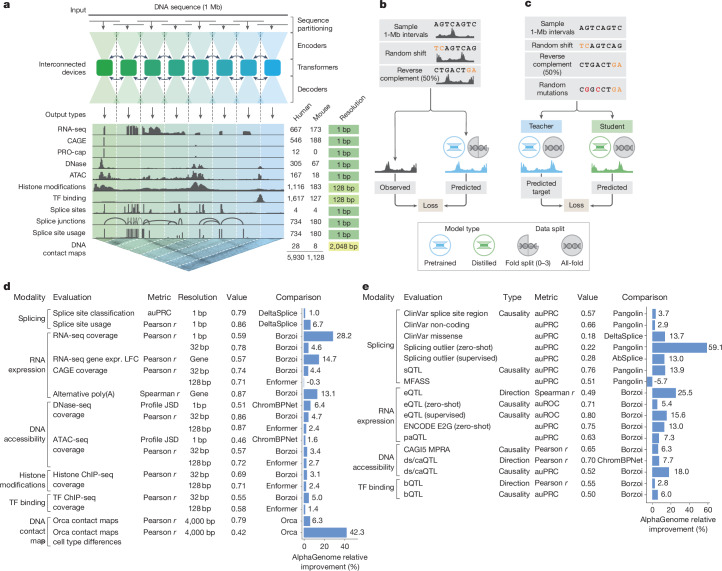
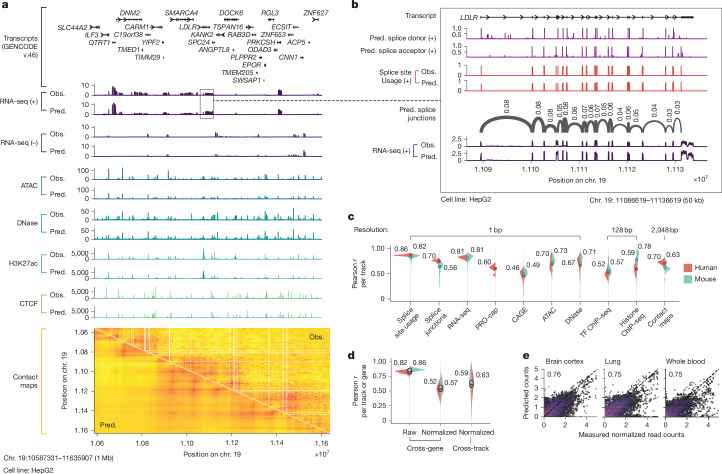
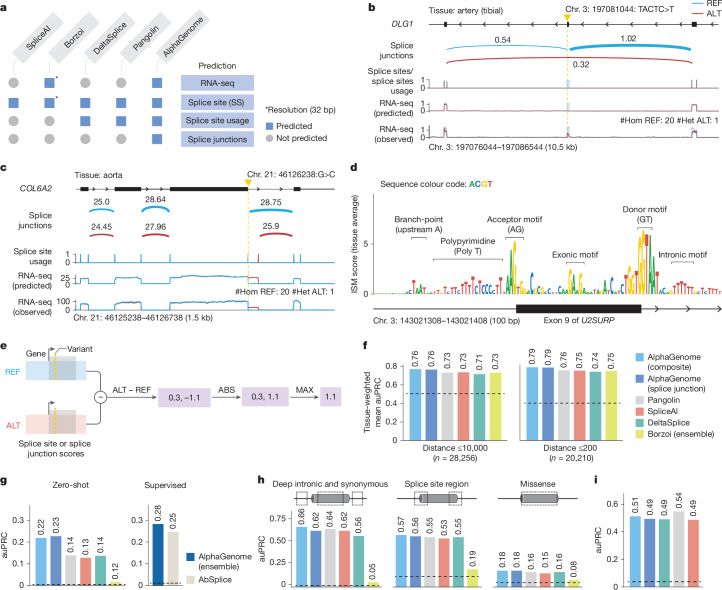
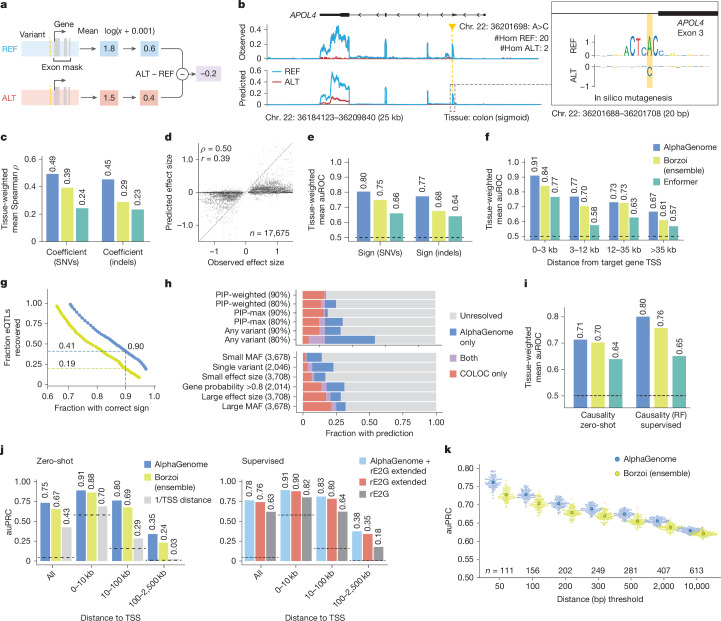
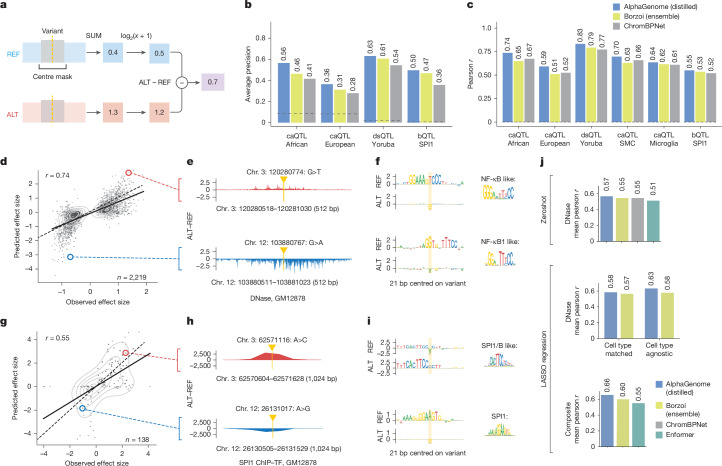
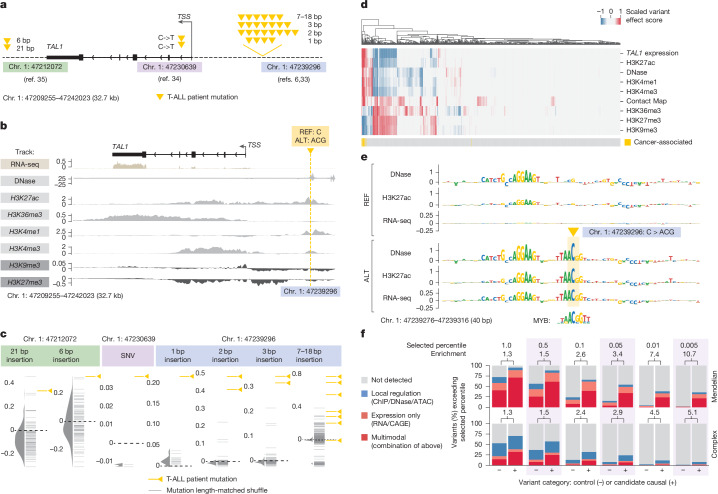
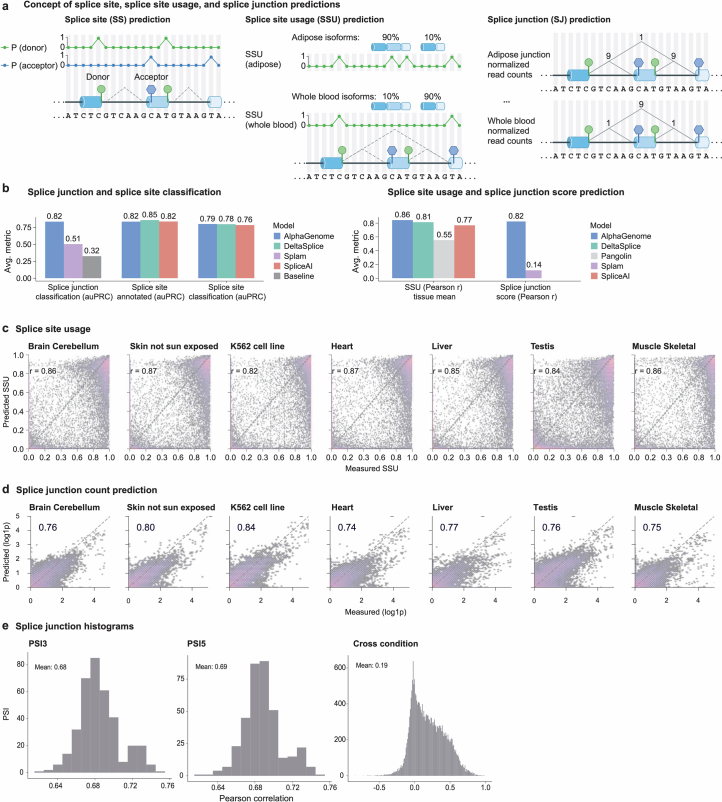
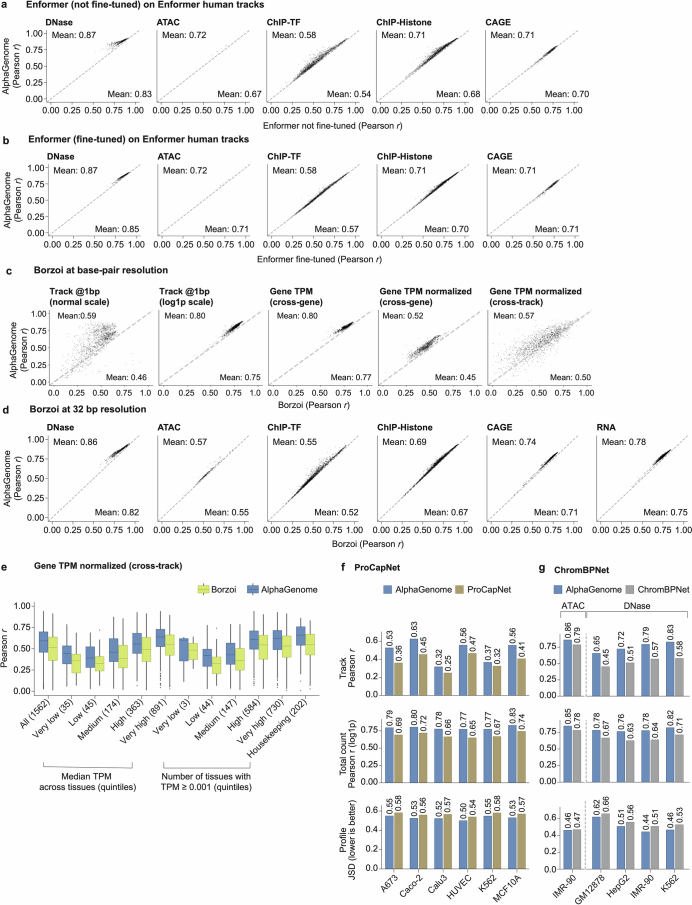
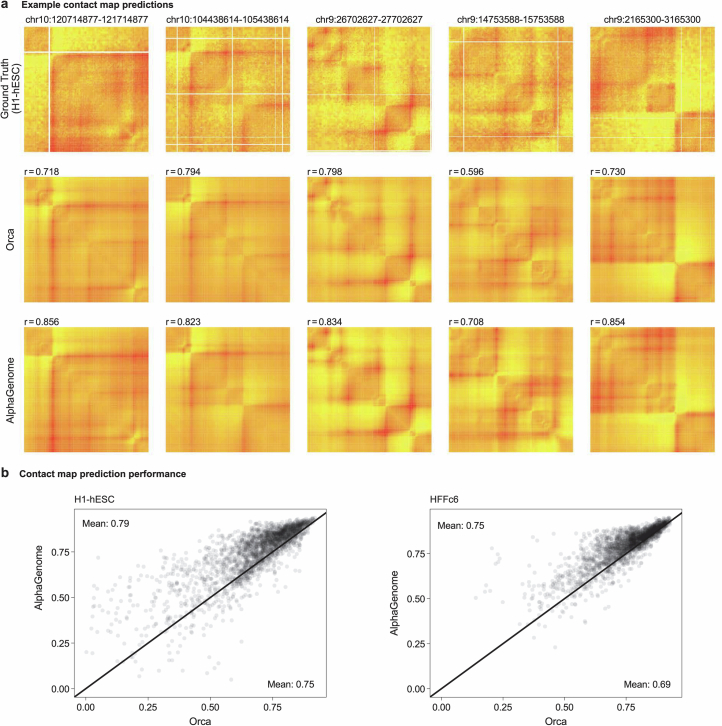
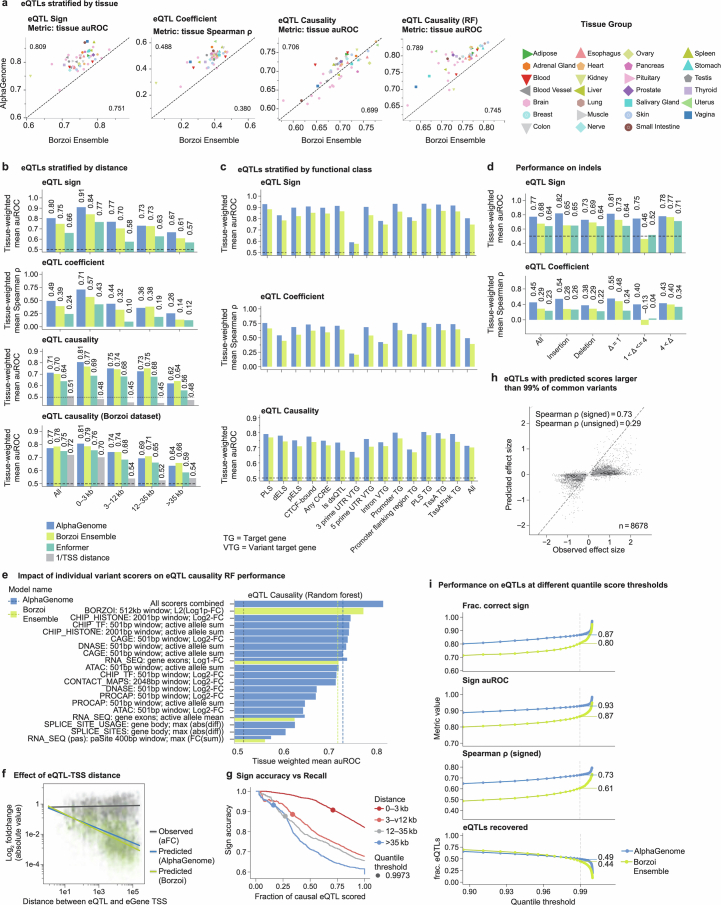
Deep learning models that predict functional genomic measurements from DNA sequence are powerful tools for deciphering the genetic regulatory code. Existing methods trade off between input sequence length and prediction resolution, thereby limiting their modality scope and performance. We present AlphaGenome, which takes as input 1 megabase of DNA sequence and predicts thousands of functional genomic tracks up to single base pair resolution across diverse modalities – including gene expression, transcription initiation, chromatin accessibility, histone modifications, transcription factor binding, chro- matin contact maps, splice site usage, and splice junction coordinates and strength. Trained on human and mouse genomes, AlphaGenome matches or exceeds the strongest respective available external models on 24 out of 26 evaluations on variant effect prediction. AlphaGenome’s ability to simultaneously score variant effects across all modalities accurately recapitulates the mechanisms of clinically-relevant variants near the TAL1 oncogene. To facilitate broader use, we provide tools for making genome track and variant effect predictions from sequence.
Overview
The claims and statistics of this paper haven’t been checked yet.
Run the check — free, no account needed. It reads the open-access text and checks the sources it cites.
Integrity signals
Registry
Cites
Statistics
Figures
Verification
Claims the paper makes
The claims and statistics of this paper haven’t been checked yet.
Run the check — free, no account needed. It reads the open-access text and checks the sources it cites.
Self-check
Percentages, sums and reported differences re-computed from the paper’s own numbers.
The self-check needs the paper’s full text.
Citations
Cites
U-Net: Convolutional Networks for Biomedical Image Segmentation
Ronneberger, O., Fischer, P., & Brox, T. (2015) · Lecture notes in computer science · doi:10.1007/978-3-319-24574-4_28 · Cited by 99,404
Scikit-learn: Machine Learning in Python
Pedregosa, F., Varoquaux, G., Gramfort, A., Michel, V., Thirion, B., Grisel, O., Blondel, M., Müller, A., Nothman, J., Louppe, G., et al. (2012) · arXiv · doi:10.48550/arxiv.1201.0490 · Cited by 71,016
STAR: ultrafast universal RNA-seq aligner
Dobin, A., Davis, C. A., Schlesinger, F., Drenkow, J., Zaleski, C., Jha, S., Batut, P., Chaisson, M., & Gingeras, T. R. (2013) · Bioinformatics · doi:10.1093/bioinformatics/bts635 · Cited by 51,709
Highly accurate protein structure prediction with AlphaFold
Jumper, J., Evans, R., Pritzel, A., Green, T., Figurnov, M., Ronneberger, O., Tunyasuvunakool, K., Bates, R., Žídek, A., Potapenko, A., et al. (2021) · Nature · doi:10.1038/s41586-021-03819-2 · Cited by 43,764
Self-citationAn integrated encyclopedia of DNA elements in the human genome
The ENCODE Project Consortium (2012) · Nature · doi:10.1038/nature11247 · Cited by 18,072
Twelve years of SAMtools and BCFtools
Danecek, P., Bonfield, J., Liddle, J., Marshall, J., Ohan, V., Pollard, M., Whitwham, A., Keane, T., McCarthy, S., Davies, R. M., et al. (2021) · GigaScience · doi:10.1093/gigascience/giab008 · Cited by 16,298
The Ensembl Variant Effect Predictor
McLaren, W., Gil, L., Hunt, S. E., Riat, H. S., Ritchie, G. R. S., Thormann, A., Flicek, P., & Cunningham, F. (2016) · Genome Biology · doi:10.1186/s13059-016-0974-4 · Cited by 8,099
Integrative analysis of 111 reference human epigenomes
Roadmap Epigenomics Consortium, Kundaje, A., Meuleman, W., Ernst, J., Bilenky, M., Yen, A., Heravi-Moussavi, A., Kheradpour, P., Zhang, Z., Wang, J., et al. (2015) · Nature · doi:10.1038/nature14248 · Cited by 6,368
The GTEx Consortium atlas of genetic regulatory effects across human tissues
The GTEx Consortium, Aguet, F., Anand, S., Ardlie, K. G., Gabriel, S., Getz, G. A., Graubert, A., Hadley, K., Handsaker, R. E., Huang, K. H., et al. (2020) · Science · doi:10.1126/science.aaz1776 · Cited by 5,547
Giambartolomei, C., Vukcevic, D., Schadt, E. E., Franke, L., Hingorani, A. D., Wallace, C., & Plagnol, V. (2014) · PLoS Genetics · doi:10.1371/journal.pgen.1004383 · Cited by 4,261
ClinVar: improving access to variant interpretations and supporting evidence
Landrum, M. J., Lee, J. M., Benson, M., Brown, G. R., Chao, C., Chitipiralla, S., Gu, B., Hart, J., Hoffman, D., Jang, W., et al. (2018) · Nucleic Acids Research · doi:10.1093/nar/gkx1153 · Cited by 4,196
Systematic Localization of Common Disease-Associated Variation in Regulatory DNA
Maurano, M. T., Humbert, R., Rynes, E., Thurman, R. E., Haugen, E., Wang, H., Reynolds, A. P., Sandstrom, R., Qu, H., Brody, J., et al. (2012) · Science · doi:10.1126/science.1222794 · Cited by 3,716
Transformer-XL: Attentive language models beyond a fixed-length context
Dai, Z., Yang, Z., Yang, Y., Carbonell, J., Le, Q., & Salakhutdinov, R. (2019) · Proceedings of the 57th Annual Meeting of the Association for Computational Linguistics · doi:10.18653/v1/p19-1285 · Cited by 3,169
Predicting splicing from primary sequence with deep learning
Jaganathan, K., Kyriazopoulou Panagiotopoulou, S., McRae, J. F., Darbandi, S. F., Knowles, D., Li, Y. I., Kosmicki, J. A., Arbelaez, J., Cui, W., Schwartz, G. B., et al. (2019) · Cell · doi:10.1016/j.cell.2018.12.015 · Cited by 2,853
Detection of nonneutral substitution rates on mammalian phylogenies
Pollard, K. S., Hubisz, M. J., Rosenbloom, K. R., & Siepel, A. (2010) · Genome Research · doi:10.1101/gr.097857.109 · Cited by 2,353
Predicting effects of noncoding variants with deep learning–based sequence model
Zhou, J., & Troyanskaya, O. G. (2015) · Nature Methods · doi:10.1038/nmeth.3547 · Cited by 2,338
Accurate proteome-wide missense variant effect prediction with AlphaMissense
Cheng, J., Novati, G., Pan, J., Bycroft, C., Žemgulytė, A., Applebaum, T., Pritzel, A., Wong, L. H., Zielinski, M., Sargeant, T., et al. (2023) · Science · doi:10.1126/science.adg7492 · Cited by 2,163
Self-citationRoFormer: Enhanced transformer with rotary position embedding
Su, J., Ahmed, M., Lu, Y., Pan, S., Bo, W., & Liu, Y. (2024) · Neurocomputing · doi:10.1016/j.neucom.2023.127063 · Cited by 1,957
Plasma proteomic associations with genetics and health in the UK Biobank
Sun, B. B., Chiou, J., Traylor, M., Benner, C., Hsu, Y.-H., Richardson, T. G., Surendran, P., Mahajan, A., Robins, C., Vasquez-Grinnell, S. G., et al. (2023) · Nature · doi:10.1038/s41586-023-06592-6 · Cited by 1,880
TERT Promoter Mutations in Familial and Sporadic Melanoma
Horn, S., Figl, A., Rachakonda, P. S., Fischer, C., Sucker, A., Gast, A., Kadel, S., Moll, I., Nagore, E., Hemminki, K., et al. (2013) · Science · doi:10.1126/science.1230062 · Cited by 1,799
De novo assembly of bacterial transcriptomes from RNA-seq data
Tjaden, B. C. (2015) · Genome biology · doi:10.1186/s13059-014-0572-2 · Cited by 1,700
Computationally efficient whole-genome regression for quantitative and binary traits
Mbatchou, J., Barnard, L., Backman, J., Marcketta, A., Kosmicki, J. A., Ziyatdinov, A., Benner, C., O’Dushlaine, C., Barber, M., Boutkov, B., et al. (2021) · Nature Genetics · doi:10.1038/s41588-021-00870-7 · Cited by 1,502
Effective gene expression prediction from sequence by integrating long-range interactions
Avsec, Ž., Agarwal, V., Visentin, D., Ledsam, J. R., Grabska-Barwinska, A., Taylor, K. R., Assael, Y., Jumper, J., Kohli, P., & Kelley, D. R. (2021) · Nature Methods · doi:10.1038/s41592-021-01252-x · Cited by 1,326
Self-citationAlternative polyadenylation of mRNA precursors
Tian, B., & Manley, J. L. (2017) · Nature Reviews Molecular Cell Biology · doi:10.1038/nrm.2016.116 · Cited by 1,179
Splicing regulation: From a parts list of regulatory elements to an integrated splicing code
Wang, Z., & Burge, C. B. (2008) · RNA · doi:10.1261/rna.876308 · Cited by 1,127
A simple new approach to variable selection in regression, with application to genetic fine mapping
Wang, G., Sarkar, A., Carbonetto, P., & Stephens, M. (2020) · Journal of the Royal Statistical Society Series B (Statistical Methodology) · doi:10.1111/rssb.12388 · Cited by 1,121
Activity-by-contact model of enhancer–promoter regulation from thousands of CRISPR perturbations
Fulco, C. P., Nasser, J., Jones, T. R., Munson, G., Bergman, D. T., Subramanian, V., Grossman, S. R., Anyoha, R., Doughty, B. R., Patwardhan, T. A., et al. (2019) · Nature Genetics · doi:10.1038/s41588-019-0538-0 · Cited by 1,111
JASPAR 2024: 20th anniversary of the open-access database of transcription factor binding profiles
Rauluševičiūtė, I., Puig, R. R., Blanc‐Mathieu, R., Castro-Mondragon, J. A., Ferenc, K., Kumar, V., Lemma, R. B., Lucas, J., Chèneby, J., Baranas̆ić, D., et al. (2023) · Nucleic Acids Research · doi:10.1093/nar/gkad1059 · Cited by 1,110
Kelley, D. R., Snoek, J., & Rinn, J. L. (2016) · Genome Research · doi:10.1101/gr.200535.115 · Cited by 1,048
The role of regulatory variation in complex traits and disease
Albert, F. W., & Kruglyak, L. (2015) · Nature Reviews Genetics · doi:10.1038/nrg3891 · Cited by 1,047
Predictive Identification of Exonic Splicing Enhancers in Human Genes
Fairbrother, W. G., Yeh, R., Sharp, P. A., & Burge, C. B. (2002) · Science · doi:10.1126/science.1073774 · Cited by 1,020
New developments on the Encyclopedia of DNA Elements (ENCODE) data portal
Luo, Y., Hitz, B. C., Gabdank, I., Hilton, J. A., Kagda, M. S., Lam, B. R., Myers, Z., Sud, P., Jou, J., Lin, K. Z., et al. (2019) · Nucleic Acids Research · doi:10.1093/nar/gkz1062 · Cited by 982
The power of genetic diversity in genome-wide association studies of lipids
Graham, S. E., Clarke, S. L., Wu, K.-H. H., Kanoni, S., Zajac, G. J. M., Ramdas, S., Surakka, I., Ntalla, I., Vedantam, S., Winkler, T. W., et al. (2021) · Nature · doi:10.1038/s41586-021-04064-3 · Cited by 972
The genomic landscape of pediatric and young adult T-lineage acute lymphoblastic leukemia
Liu, Y., Easton, J., Shao, Y., Maciaszek, J., Wang, Z., Wilkinson, M. R., McCastlain, K., Edmonson, M., Pounds, S. B., Shi, L., et al. (2017) · Nature Genetics · doi:10.1038/ng.3909 · Cited by 918
scMC learns biological variation through the alignment of multiple single-cell genomics datasets
Zhang, L., & Nie, Q. H. (2021) · Genome biology · doi:10.1186/s13059-020-02238-2 · Cited by 861
An oncogenic super-enhancer formed through somatic mutation of a noncoding intergenic element
Mansour, M. R., Abraham, B. J., Anders, L., Berezovskaya, A., Gutierrez, A., Durbin, A. D., Etchin, J., Lawton, L., Sallan, S. E., Silverman, L. B., et al. (2014) · Science · doi:10.1126/science.1259037 · Cited by 801
Nucleotide Transformer: building and evaluating robust foundation models for human genomics
Dalla-Torre, H., Gonzalez, L., Mendoza-Revilla, J., Lopez Carranza, N., Grzywaczewski, A. H., Oteri, F., Dallago, C., Trop, E., de Almeida, B. P., Sirelkhatim, H., et al. (2025) · Nature Methods · doi:10.1038/s41592-024-02523-z · Cited by 772
Uberon, an integrative multi-species anatomy ontology
Mungall, C. J., Torniai, C., Gkoutos, G. V., Lewis, S. E., & Haendel, M. A. (2012) · Genome biology · doi:10.1186/gb-2012-13-1-r5 · Cited by 732
Genome-wide enhancer maps link risk variants to disease genes
Nasser, J., Bergman, D. T., Fulco, C. P., Guckelberger, P., Doughty, B. R., Patwardhan, T. A., Jones, T. R., Nguyen, T. H., Ulirsch, J. C., Lekschas, F., et al. (2021) · Nature · doi:10.1038/s41586-021-03446-x · Cited by 669
Base-resolution models of transcription-factor binding reveal soft motif syntax
Avsec, Ž., Weilert, M., Shrikumar, A., Krueger, S., Alexandari, A., Dalal, K., Fropf, R., McAnany, C., Gagneur, J., Kundaje, A., et al. (2021) · Nature Genetics · doi:10.1038/s41588-021-00782-6 · Cited by 610
Self-citationMountjoy, E., Schmidt, E. M., Carmona, M., Schwartzentruber, J., Peat, G., Miranda, A., Fumis, L., Hayhurst, J., Buniello, A., Karim, M. A., et al. (2021) · Nature Genetics · doi:10.1038/s41588-021-00945-5 · Cited by 581
Modeling sample variables with an Experimental Factor Ontology
Malone, J., Holloway, E., Adamusiak, T., Kapushesky, M., Zheng, J., Kolesnikov, N. N., Zhukova, A., Brāzma, A., & Parkinson, H. (2010) · Bioinformatics · doi:10.1093/bioinformatics/btq099 · Cited by 570
Sequential regulatory activity prediction across chromosomes with convolutional neural networks
Kelley, D. R., Reshef, Y. A., Bileschi, M., Belanger, D., McLean, C. Y., & Snoek, J. (2018) · Genome Research · doi:10.1101/gr.227819.117 · Cited by 537
Open Targets: a platform for therapeutic target identification and validation
Koscielny, G., An, P., Carvalho‐Silva, D., Cham, J. A., Fumis, L., Gasparyan, R., Hasan, S., Karamanis, N., Maguire, M., Papa, E., et al. (2016) · Nucleic Acids Research · doi:10.1093/nar/gkw1055 · Cited by 509
Trevino, A. E., Müller, F., Andersen, J., Sundaram, L., Kathiria, A., Shcherbina, A., Farh, K., Chang, H. Y., Pașca, A. M., Kundaje, A., et al. (2021) · Cell · doi:10.1016/j.cell.2021.07.039 · Cited by 478
The sequences of 150,119 genomes in the UK Biobank
Halldorsson, B. V., Eggertsson, H. P., Moore, K. H. S., Hauswedell, H., Eiriksson, O., Ulfarsson, M. O., Palsson, G., Hardarson, M. T., Oddsson, A., Jensson, B. O., et al. (2022) · Nature · doi:10.1038/s41586-022-04965-x · Cited by 448
A compendium of uniformly processed human gene expression and splicing quantitative trait loci
Kerimov, N., Hayhurst, J. D., Peikova, K., Manning, J. R., Walter, P., Kolberg, L., Samoviča, M., Sakthivel, M. P., Kuzmin, I., Trevanion, S. J., et al. (2021) · Nature Genetics · doi:10.1038/s41588-021-00924-w · Cited by 440
Are splicing mutations the most frequent cause of hereditary disease?
López-Bigas, N., Audit, B., Ouzounis, C., Parra, G., & Guigó, R. (2005) · FEBS Letters · doi:10.1016/j.febslet.2005.02.047 · Cited by 412
UniPROBE: an online database of protein binding microarray data on protein-DNA interactions
Newburger, D. E., & Bulyk, M. L. (2008) · Nucleic Acids Research · doi:10.1093/nar/gkn660 · Cited by 376
The Cell Ontology 2016: enhanced content, modularization, and ontology interoperability
Diehl, A. D., Meehan, T. F., Bradford, Y. M., Brush, M., Dahdul, W., Dougall, D. S., He, Y. O., Osumi-Sutherland, D., Ruttenberg, A., Sarntivijai, S., et al. (2016) · Journal of Biomedical Semantics · doi:10.1186/s13326-016-0088-7 · Cited by 332
Predicting 3D genome folding from DNA sequence with Akita
Fudenberg, G., Kelley, D. R., & Pollard, K. S. (2020) · Nature Methods · doi:10.1038/s41592-020-0958-x · Cited by 300
Predicting RNA splicing from DNA sequence using Pangolin
Zeng, T., & Li, Y. I. (2022) · Genome Biology · doi:10.1186/s13059-022-02664-4 · Cited by 283
Positional cloning of a novel gene on chromosome 16q causing Bardet-Biedl syndrome (BBS2)
Nishimura, D. Y. (2001) · Human Molecular Genetics · doi:10.1093/hmg/10.8.865 · Cited by 271
A sequence-based global map of regulatory activity for deciphering human genetics
Chen, K. M., Wong, A. K., Troyanskaya, O. G., & Zhou, J. (2022) · Nature Genetics · doi:10.1038/s41588-022-01102-2 · Cited by 269
Predicting RNA-seq coverage from DNA sequence as a unifying model of gene regulation
Linder, J., Srivastava, D., Yuan, H., Agarwal, V., & Kelley, D. R. (2025) · Nature Genetics · doi:10.1038/s41588-024-02053-6 · Cited by 265
Spectrum of Mutations in Gitelman Syndrome
Vargas‐Poussou, R., Dahan, K., Kahila, D., Vénisse, A., Riveira‐Muñoz, E., Debaix, H., Grisart, B., Bridoux, F., Unwin, R. J., Moulin, B., et al. (2011) · Journal of the American Society of Nephrology · doi:10.1681/asn.2010090907 · Cited by 241
Wang, R., Nambiar, R., Zheng, D., & Tian, B. (2018) · Nucleic Acids Research · doi:10.1093/nar/gkx1000 · Cited by 239
Kircher, M., Xiong, C., Martin, B., Schubach, M., Inoue, F., Bell, R. J. A., Costello, J. F., Shendure, J., & Ahituv, N. (2019) · Nature Communications · doi:10.1038/s41467-019-11526-w · Cited by 234
Genome modeling and design across all domains of life with Evo 2Preprint
Brixi, G., Durrant, M. G., Ku, J., Poli, M., Brockman, G., Chang, D., Gonzalez, G. A., King, S. B., Li, D. B., Merchant, A. T., et al. (2025) · bioRxiv (Cold Spring Harbor Laboratory) · doi:10.1101/2025.02.18.638918 · Cited by 218
Pampari, A., Shcherbina, A., Kvon, E. Z., Kosicki, M., Nair, S., Kundu, S., Kathiria, A. S., Risca, V. I., Kuningas, K., Alasoo, K., et al. (2024) · bioRxiv (Cold Spring Harbor Laboratory) · doi:10.1101/2024.12.25.630221 · Cited by 183
The 4D Nucleome Data Portal as a resource for searching and visualizing curated nucleomics data
Reiff, S. B., Schroeder, A. J., Kırlı, K., Cosolo, A., Bakker, C., Mercado, L., Lee, S., Veit, A. D., Balashov, A. K., Vitzthum, C. M., et al. (2022) · Nature Communications · doi:10.1038/s41467-022-29697-4 · Cited by 177
Sequence-based modeling of three-dimensional genome architecture from kilobase to chromosome scale
Zhou, J. (2022) · Nature Genetics · doi:10.1038/s41588-022-01065-4 · Cited by 177
Cell-type-directed design of synthetic enhancers
Taskiran, I. I., Spanier, K. I., Dickmänken, H., Kempynck, N., Pančíková, A., Ekşi, E. C., Hulselmans, G., Ismail, J. N., Theunis, K., Vandepoel, R., et al. (2024) · Nature · doi:10.1038/s41586-023-06936-2 · Cited by 175
A harmonized public resource of deeply sequenced diverse human genomesPreprint
Koenig, Z., Yohannes, M. T., Nkambule, L. L., Zhao, X., Goodrich, J. K., Kim, H. A., Wilson, M. W., Tiao, G., Hao, S. P., Sahakian, N., et al. (2024) · Genome Research · doi:10.1101/gr.278378.123 · Cited by 168
Detection of aberrant gene expression events in RNA sequencing data
Yépez, V. A., Mertes, C., Müller, M., Klaproth-Andrade, D., Wachutka, L., Frésard, L., Gušić, M., Scheller, I. F., Goldberg, P. F., Prokisch, H., et al. (2021) · Nature Protocols · doi:10.1038/s41596-020-00462-5 · Cited by 163
An encyclopedia of human enhancer–gene regulatory interactions
Gschwind, A. R., Mualim, K. S., Karbalayghareh, A., Sheth, M. U., Dey, K. K., Jagoda, E., Nurtdinov, R., Xi, W., Tan, A. S., Galante, J., et al. (2026) · Nature · doi:10.1038/s41586-026-10781-4 · Cited by 161
Self-citationDNA language models are powerful predictors of genome-wide variant effects
Benegas, G., Batra, S. S., & Song, Y. S. (2023) · Proceedings of the National Academy of Sciences · doi:10.1073/pnas.2311219120 · Cited by 157
Quantifying the regulatory effect size of cis -acting genetic variation using allelic fold changePreprint
Mohammadi, P., Castel, S. E., Brown, A. A., & Lappalainen, T. (2017) · Genome Research · doi:10.1101/gr.216747.116 · Cited by 150
WNT7B Promotes Bone Formation in part through mTORC1
Chen, J., Tu, X., Esen, E., Joeng, K. S., Lin, C., Arbeit, J. M., Rüegg, M. A., Hall, M. N., Ma, L., & Long, F. (2014) · PLoS Genetics · doi:10.1371/journal.pgen.1004145 · Cited by 141
Sasse, A., Ng, B., Spiro, A. E., Tasaki, S., Bennett, D. A., Gaiteri, C., De Jager, P. L., Chikina, M., & Mostafavi, S. (2023) · Nature Genetics · doi:10.1038/s41588-023-01524-6 · Cited by 139
Chong, R., Insigne, K. D., Yao, D., Burghard, C. P., Wang, J., Hsiao, Y.-H. E., Jones, E. M., Goodman, D. B., Xiao, X., & Kosuri, S. (2019) · Molecular Cell · doi:10.1016/j.molcel.2018.10.037 · Cited by 130
Karollus, A., Mauermeier, T., & Gagneur, J. (2023) · Genome Biology · doi:10.1186/s13059-023-02899-9 · Cited by 128
Self-citationSarntivijai, S., Lin, Y., Xiang, Z., Meehan, T. F., Diehl, A. D., Vempati, U. D., Schürer, S. C., Pang, C., MALONE, J. M., Parkinson, H., et al. (2014) · Journal of Biomedical Semantics · doi:10.1186/2041-1480-5-37 · Cited by 127
Personal transcriptome variation is poorly explained by current genomic deep learning models
Huang, C., Shuai, R. W., Baokar, P., Chung, R., Rastogi, R., Kathail, P., & Ioannidis, N. M. (2023) · Nature Genetics · doi:10.1038/s41588-023-01574-w · Cited by 127
Pooled ChIP-Seq Links Variation in Transcription Factor Binding to Complex Disease Risk
Tehranchi, A. K., Myrthil, M., Martin, T., Hie, B. L., Golan, D., & Fraser, H. B. (2016) · Cell · doi:10.1016/j.cell.2016.03.041 · Cited by 120
ASCOT identifies key regulators of neuronal subtype-specific splicing
Ling, J. P., Wilks, C., Charles, R., Leavey, P. J., Ghosh, D., Jiang, L., Santiago, C. P., Pang, B., Venkataraman, A., Clark, B. S., et al. (2020) · Nature Communications · doi:10.1038/s41467-019-14020-5 · Cited by 107
Batch Normalization Biases Residual Blocks Towards the Identity Function in Deep NetworksPreprint
De, S., & Smith, S. L. (2020) · arXiv (Cornell University) · doi:10.48550/arxiv.2002.10444 · Cited by 97
Self-citationMultiscale footprints reveal the organization of cis-regulatory elements
Yan, H., Horlbeck, M. A., Zhang, R., Ma, S., Shrestha, R., Kartha, V. K., Duarte, F. M., Hock, C., Savage, R. E., Labade, A. S., et al. (2025) · Nature · doi:10.1038/s41586-024-08443-4 · Cited by 93
Aberrant splicing prediction across human tissues
Wagner, N., Çelik, M. H., Hölzlwimmer, F. R., Mertes, C., Prokisch, H., Yépez, V. A., & Gagneur, J. (2023) · Nature Genetics · doi:10.1038/s41588-023-01373-3 · Cited by 92
Targeted design of synthetic enhancers for selected tissues in the Drosophila embryo
de Almeida, B. P., Schaub, C., Pagani, M., Secchia, S., Furlong, E. E. M., & Stark, A. (2024) · Nature · doi:10.1038/s41586-023-06905-9 · Cited by 87
The spectrum of beta-thalassemia genes in China and Southeast Asia
Kazazian, H. J., Dowling, C., Waber, P. G., Huang, S. S.-L., & Wh, L. (1986) · Blood · doi:10.1182/blood.v68.4.964.964 · Cited by 84
Kaneko, K., Furuyama, K., Fujiwara, T., Kobayashi, R., Ishida, H., Harigae, H., & Shibahara, S. (2013) · Haematologica · doi:10.3324/haematol.2013.085449 · Cited by 83
Yuregir, G., Aksoy, K., Çürük, M. A., Dikmen, N., Fei, Y. J., BAYSAL, E., & Huisman, T. H. J. (1992) · British Journal of Haematology · doi:10.1111/j.1365-2141.1992.tb04568.x · Cited by 72
Bolduc, V., Foley, A. R., Solomon-Degefa, H., Sarathy, A., Donkervoort, S. C., Hu, Y., Chen, G. S., Sizov, K., Nalls, M., Zhou, H., et al. (2019) · JCI Insight · doi:10.1172/jci.insight.124403 · Cited by 68
Species-aware DNA language models capture regulatory elements and their evolution
Karollus, A., Hingerl, J., Gankin, D., Grosshauser, M., Klemon, K., & Gagneur, J. (2024) · Genome biology · doi:10.1186/s13059-024-03221-x · Cited by 66
Self-citationGenetic effects on promoter usage are highly context-specific and contribute to complex traits
Alasoo, K., Rodrigues, J., Danesh, J., Freitag, D. F., Paul, D. S., & Gaffney, D. J. (2019) · eLife · doi:10.7554/elife.41673 · Cited by 65
Discovery of regulatory noncoding variants in individual cancer genomes by using cis-X
Liu, Y., Li, C., Shen, S., Chen, X., Szlachta, K., Edmonson, M. N., Shao, Y., Ma, X., Hyle, J., Wright, S., et al. (2020) · Nature Genetics · doi:10.1038/s41588-020-0659-5 · Cited by 64
Improved detection of aberrant splicing with FRASER 2.0 and the intron Jaccard index
Scheller, I. F., Lutz, K., Mertes, C., Yépez, V. A., & Gagneur, J. (2023) · The American Journal of Human Genetics · doi:10.1016/j.ajhg.2023.10.014 · Cited by 59
Kerimov, N., Tambets, R., Hayhurst, J. D., Rahu, I., Kolberg, P., Raudvere, U., Kuzmin, I., Chowdhary, A., Vija, A., Teras, H., et al. (2023) · PLoS Genetics · doi:10.1371/journal.pgen.1010932 · Cited by 57
Shigaki, D., Adato, O., Adhikari, A. N., Dong, S., Hawkins‐Hooker, A., Inoue, F., Juven‐Gershon, T., Kenlay, H., Martin, B., Patra, A., et al. (2019) · Human Mutation · doi:10.1002/humu.23797 · Cited by 54
Deciphering the impact of genetic variation on human polyadenylation using APARENT2
Linder, J., Koplik, S. E., Kundaje, A., & Seelig, G. (2022) · Genome Biology · doi:10.1186/s13059-022-02799-4 · Cited by 49
scooby: modeling multimodal genomic profiles from DNA sequence at single-cell resolution
Hingerl, J., Martens, L. D., Karollus, A., Manz, T., Buenrostro, J. D., Theis, F. J., & Gagneur, J. (2025) · Nature Methods · doi:10.1038/s41592-025-02854-5 · Cited by 46
Self-citationMatsunaga, A., Sasaki, J., Han, H., Huang, W., Kugi, M., Koga, T., Ichiki, S., Shinkawa, T., & Arakawa, K. (1999) · Arteriosclerosis Thrombosis and Vascular Biology · doi:10.1161/01.atv.19.2.348 · Cited by 45
Gillis, E., Kempers, M. J. E., Salemink, S., Timmermans, J., Cheriex, E. C., Bekkers, S. C. A. M., Fransén, E., de Die-Smulders, C. E. M., Loeys, B., & Laer, L. V. (2014) · Human Mutation · doi:10.1002/humu.22540 · Cited by 44
Collins, F. S., Boehm, C., Waber, P. G., Cj, S., Weissman, S., Forget, B. G., & Kazazian, H. J. (1984) · Blood · doi:10.1182/blood.v64.6.1292.1292 · Cited by 38
Dissecting the cis-regulatory syntax of transcription initiation with deep learningPreprint
Cochran, K., Yin, M., Mantripragada, A., Schreiber, J. M., Marinov, G. K., Shah, S. R., Yu, H., Lis, J. T., & Kundaje, A. B. (2024) · bioRxiv (Cold Spring Harbor Laboratory) · doi:10.1101/2024.05.28.596138 · Cited by 36
An RNA foundation model enables discovery of disease mechanisms and candidate therapeuticsPreprint
Celaj, A., Gao, A. J., Lau, T., Holgersen, E. M., Lo, A., Lodaya, V., Cole, C. B., Denroche, R. E., Spickett, C., Wagih, O., et al. (2023) · bioRxiv (Cold Spring Harbor Laboratory) · doi:10.1101/2023.09.20.558508 · Cited by 36
Quantifying splice-site usage: a simple yet powerful approach to analyze splicing
Dent, C., Singh, S., Mukherjee, S., Mishra, S., Sarwade, R. D., Shamaya, N., Loo, K. P., Harrison, P. F., Sureshkumar, S., Powell, D., et al. (2021) · NAR Genomics and Bioinformatics · doi:10.1093/nargab/lqab041 · Cited by 34
Splam: a deep-learning-based splice site predictor that improves spliced alignments
Chao, K.-H., Mao, A., Salzberg, S. L., & Pertea, M. (2024) · Genome biology · doi:10.1186/s13059-024-03379-4 · Cited by 34
Decoding sequence determinants of gene expression in diverse cellular and disease states
Lal, A., Karollus, A., Gunsalus, L. M., Garfield, D., Nair, S., Tseng, A. M., Gordon, M. G., Blischak, J., Geijn, B. V. D., Bhangale, T., et al. (2026) · Nature Methods · doi:10.1038/s41592-026-03102-0 · Cited by 34
Self-citationHeibel, S. K., Mew, N. A., Caldovic, L., Daikhin, Y., Yudkoff, M., & Tuchman, M. (2011) · Human Mutation · doi:10.1002/humu.21553 · Cited by 32
TAL1 activation in T-cell acute lymphoblastic leukemia: a novel oncogenic 3’ neo-enhancer
Smith, C., Goyal, A., Weichenhan, D., Allemand, E., Mayakonda, A., Toprak, U., Riedel, A., Balducci, E., Manojkumar, M., Pejkovska, A., et al. (2023) · Haematologica · doi:10.3324/haematol.2022.281583 · Cited by 30
Benchmarking DNA Sequence Models for Causal Regulatory Variant Prediction in Human GeneticsPreprint
Benegas, G., Eraslan, G., & Song, Y. S. (2025) · bioRxiv · doi:10.1101/2025.02.11.637758 · Cited by 29
ATP7B variant c.1934T > G p.Met645Arg causes Wilson disease by promoting exon 6 skipping
Merico, D., Spickett, C., O’Hara, M., Kakaradov, B., Deshwar, A. G., Fradkin, P., Gandhi, S., Gao, J., Grant, S., Kron, K. J., et al. (2020) · npj Genomic Medicine · doi:10.1038/s41525-020-0123-6 · Cited by 25
Uncertainty-aware genomic deep learning with knowledge distillation
Zhou, J., Rizzo, K., Christensen, T. A., Tang, Z., & Koo, P. K. (2026) · npj Artificial Intelligence · doi:10.1038/s44387-025-00053-3 · Cited by 22
Reference-informed prediction of alternative splicing and splicing-altering mutations from sequencesPreprint
Xu, C., Bao, S., Wang, Y., Li, W., Chen, H., Shen, Y., Jiang, T., & Zhang, C. (2024) · Genome Research · doi:10.1101/gr.279044.124 · Cited by 17
Alternative Splicing and Disease
Jeanteur, P. (2006) · Progress in molecular and subcellular biology · doi:10.1007/978-3-540-34449-0 · Cited by 9
Parameter-Efficient Fine-Tuning of a Supervised Regulatory Sequence ModelPreprint
Yuan, H., Linder, J., & Kelley, D. R. (2025) · bioRxiv (Cold Spring Harbor Laboratory) · doi:10.1101/2025.05.26.656171 · Cited by 8
Finucane, H. K., Parsa, S., Guez, J., Kanai, M., Satterstrom, F. K., Nkambule, L. L., Daly, M. J., Seed, C., & Karczewski, K. J. (2024) · doi:10.1101/2024.09.17.613327 · Cited by 4
Research works printed but not linked: 12
- GTEx Consortium. The GTEx Consortium atlas of genetic regulatory effects across human tissues. Science 369, 1318–1330 (Sept. 2020). Cited on pages 5, 19, 48, 49.
- Ioffe, S. & Szegedy, C . Batch normalization: Accelerating deep network training by reducing internal covariate shift in International conference on machine learning (2015), 448–456. Cited on page 26.
- Brock, A. , De, S. & Smith, S. L. Characterizing signal propagation to close the performance gap in unnormal- ized ResNets in International Conference on Learning Representations (Oct. 2020). Cited on page 26.
- Shazeer, N . Fast transformer decoding: One write-head is all you need. arXiv preprint arXiv:1911.02150 (2019). Cited on page 27. · arXiv
- Gschwind, A. R. et al. An encyclopedia of enhancer-gene regulatory interactions in the human genome. bioRxiv (2023). Cited on pages 75, 76.
- 10.1038/s41586023-06592-6 · DOI
- Ling, J. P. et al. ASCOT identifies key regulators of neuronal subtype-specific splicing. Nature communications 11, 137 (2020). Cited on page 82. · DOI · Paper page
- 10.1016/J.CELL.2018.12.015 · DOI · Paper page
- 10.1093/nar/gkw1055 · DOI
- Benegas, G. , Eraslan, G. & Song, Y. S . Benchmarking dna sequence models for causal regulatory variant prediction in human genetics. bioRxiv (2025). Cited on page 96. · DOI
- 2019, Saturation mutagenesis of twenty disease-associated regulatory elements at single base-pair resolution, Nature communications, 10, 3583, 10.1038/s41467-019-11526-w · DOI · Paper page
- 10.1002/humu.23797 · DOI
Cited by
Sorted by citations
An encyclopedia of human enhancer–gene regulatory interactions
Gschwind, A. R., Mualim, K. S., Karbalayghareh, A., Sheth, M. U., Dey, K. K., Jagoda, E., Nurtdinov, R., Xi, W., Tan, A. S., Galante, J., et al. (2026) · Nature · doi:10.1038/s41586-026-10781-4 · Cited by 161
Self-citationBenchmarking DNA foundation models for genomic and genetic tasks
Feng, H., Wu, L., Zhao, B., Huff, C. D., Zhang, J. J., Wu, J., Lin, L., Wei, P., & Wu, C. (2025) · Nature Communications · doi:10.1038/s41467-025-65823-8 · Cited by 83
Advancing bioinformatics with language models: components, applications, and perspectives
Liu, J., Yang, M., Yu, Y., Xu, H., Wang, T., Li, K., & Zhou, X. (2026) · Briefings in Bioinformatics · doi:10.1093/bib/bbag367 · Cited by 66
Somatic epimutations cap genetic determinism in the human diploid chromatin epigenome
Vollger, M. R., Swanson, E. G., Neph, S. J., Mallory, B. J., Dubocanin, D., Ho, C., Cheng, Y.-H. H., Ranchalis, J., Munson, K. M., Sedeño-Cortés, A. E., et al. (2026) · Cell · doi:10.1016/j.cell.2026.09.034 · Cited by 38
Harnessing artificial intelligence to advance CRISPR-based genome editing technologies
Thomson, T., Li, G. L., Strilchuk, A. W., Cui, H., Wang, B., & Li, B. (2025) · Nature Reviews Genetics · doi:10.1038/s41576-025-00907-1 · Cited by 34
Metadata
- Authors
- Avsec, Ž., Latysheva, N., Cheng, J., Novati, G., Taylor, K. R., Ward, T., Bycroft, C., Nicolaisen, L., Arvaniti, E., Pan, J., Thomas, R., Dutordoir, V., Perino, M., De, S., Karollus, A., Gayoso, A., Sargeant, T., Mottram, A., Wong, L. H., Drotár, P., Kosiorek, A., Senior, A., Tanburn, R., Applebaum, T., Basu, S., Hassabis, D., & Kohli, P.
- Affiliations
- Google DeepMind (United Kingdom) (GB)
- Corresponding author
- Kohli, Pushmeet
- ORCID
- Avsec, Žiga
- Latysheva, Natasha
- Cheng, Jun
- Novati, Guido
- Taylor, Kyle R.
- Ward, Tom
- Bycroft, Clare
- Nicolaisen, Lauren
- Arvaniti, Eirini
- Pan, Joshua
- Thomas, Raina
- Dutordoir, Vincent
- Perino, Matteo
- De, Soham
- Karollus, Alexander
- Gayoso, Adam
- Sargeant, Toby
- Mottram, Anne
- Wong, Lai Hong
- Drotár, Pavol
- Kosiorek, Adam
- Senior, Andrew
- Applebaum, Taylor
- Basu, Souradeep
- Hassabis, Demis
- Kohli, Pushmeet
- Venue
- Nature
- Publisher
- openRxiv
- Published
- 2025-06-27
- Volume
- 649
- Issue
- 8099
- Pages
- 1206-1218
- ISSN
- 0028-0836 (ISSN-L)
- PMC
- PMC12851941
- OpenAlex
- W7125967877
- Cited by
- 395
- References
- 110
- Citations by year
- 2026: 352 · 2025: 43
- FWCI
- 729.58
- Type
- journal article
- Language
- en
- Open access
- hybrid
- doi.org
- Licence
- Locations
- Nature (publishedVersion, cc-by)
- bioRxiv (Cold Spring Harbor Laboratory) (acceptedVersion, cc-by-nc)
- Europe PMC (PubMed Central) (publishedVersion, cc-by)
- PubMed (publishedVersion)
- PubMed Central (publishedVersion, cc-by)
- Topics
- Life Sciences › Biochemistry, Genetics and Molecular Biology › Molecular Biology › Genomics and Chromatin Dynamics
- Life Sciences › Biochemistry, Genetics and Molecular Biology › Genetics › Genetic Associations and Epidemiology
- Life Sciences › Biochemistry, Genetics and Molecular Biology › Genetics › Genomics and Rare Diseases
- Keywords
- AlphaGenome, variant effect prediction, gene expression prediction, transcription initiation, chromatin accessibility, histone modifications, transcription factor binding, chromatin contact maps, single base pair resolution, regulatory variants, human and mouse genomes
- MeSH terms
- Deep Learning, Animals, Chromatin, Gene Expression Regulation, Humans, Models, Genetic, Proto-Oncogene Proteins, Transcription Factors, Genetic Variation, Genome, Human, Genome, Sequence Analysis, DNA, RNA Splice Sites, Genomics, Mice
About these checks
Registry, retraction, Cites and statistics results are computed, not judged, with one exception: a printed reference that no index lists is read once by a model before it counts as a citation error. Claims are extracted by a model and kept only when their quote appears verbatim in the text; each cited source is then checked, with a model’s help, for whether it says what the claim relies on. Those verdicts can be wrong — read the claim’s quote and the cited source before relying on one.
Statistics and arithmetic are recomputed, not judged.
Confidence bands are shown only for fields calibrated on our annotated test set. None is calibrated yet, so no band is shown.
What counts as a claim ›How we measure confidence ›How we check this ›
Are you an author, or do you see a problem with this page? Request a review
