

Classification of Remote Sensing Images Using EfficientNet-B3 CNN Model With Attention
Open accessThe DOI matches its Crossref record; 89 of the 89 references it cites were found in a registry or an index.
Abstract
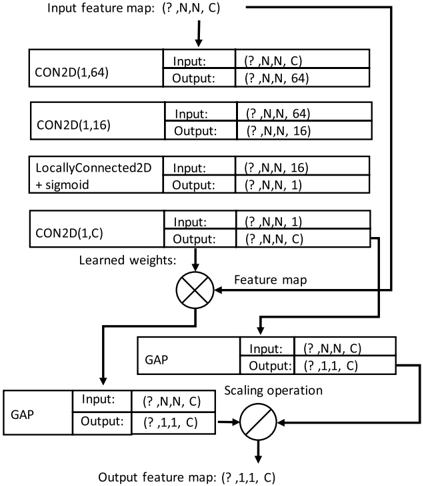
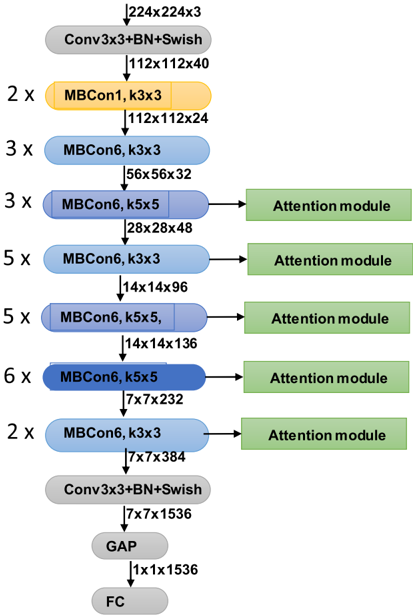
Scene classification is a highly useful task in Remote Sensing (RS) applications. Many efforts have been made to improve the accuracy of RS scene classification. Scene classification is a challenging problem, especially for large datasets with tens of thousands of images with a large number of classes and taken under different circumstances. One problem that is observed in scene classification is the fact that for a given scene, only one part of it indicates which class it belongs to, whereas the other parts are either irrelevant or they actually tend to belong to another class. To address this issue, this paper proposes a deep attention Convolutional Neural Network (CNN) for scene classification in remote sensing. CNN models use successive convolutional layers to learn feature maps from larger and larger regions (or receptive fields) of the scene. The attention mechanism computes a new feature map as a weighted average of these original feature maps. In particular, we propose a solution, named EfficientNet-B3-Attn-2, based on the pre-trained EfficientNet-B3 CNN enhanced with an attention mechanism. A dedicated branch is added to layer 262 of the network, to compute the required weights. These weights are learned automatically by training the whole CNN model end-to-end using the backpropagation algorithm. In this way, the network learns to emphasize important regions of the scene and suppress the regions that are irrelevant to the classification. We tested the proposed EfficientNet-B3-Attn-2 on six popular remote sensing datasets, namely UC Merced, KSA, OPTIMAL-31, RSSCN7, WHU-RS19, and AID datasets, showing its strong capabilities in classifying RS scenes.
Overview
The claims and statistics of this paper haven’t been checked yet.
Free: it reads the open-access text and checks the first 5 claims that cite a source we can check. Create a free account to check every claim.
Integrity signals
Registry
Cites
Statistics
Figures











Verification
Claims the paper makes
The claims and statistics of this paper haven’t been checked yet.
Free: it reads the open-access text and checks the first 5 claims that cite a source we can check. Create a free account to check every claim.
Claims other papers make about this one
Each is checked against this paper’s own text: does it say what the citing paper says it does?
The cited source says what the claim attributes to it.
In the citing paper
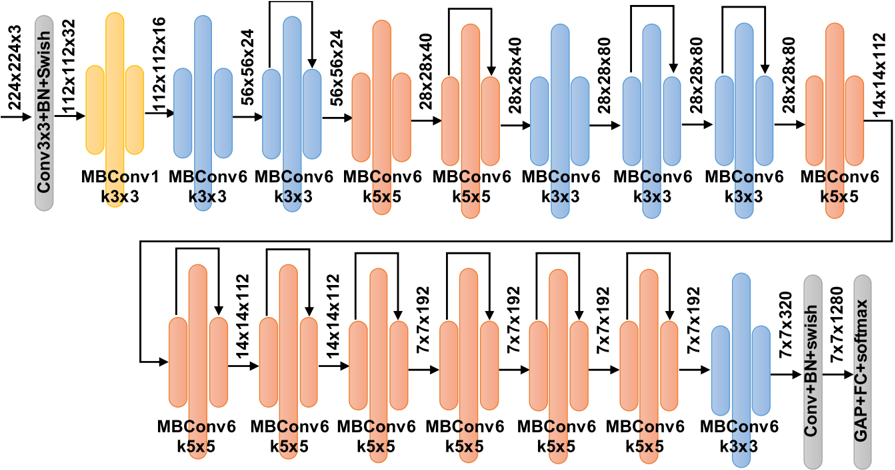
“For the extraction of features, the network uses the Mobile inverted bottleneck convolution (MB Conv) block that uses inverted residual connections28.”
From Image adaptive encryption using EfficientNet B3 feature guided multi scroll chaotic map with modulo controlled pseudo parallel processing (2025) · cites this paper as [28]
Experimental — accuracy not yet measured
Self-check
Percentages, sums and reported differences re-computed from the paper’s own numbers.
The self-check needs the paper’s full text.
Citations
Cites
1 retracted
Zhu, R., Li, Y., Mo, N., & Liu, Y. (2019) · Remote Sensing · doi:10.3390/rs11171996 · Cited by 45
RetractedDeep Residual Learning for Image Recognition
He, K., Zhang, X., Ren, S., & Sun, J. (2016) · 2016 IEEE Conference on Computer Vision and Pattern Recognition (CVPR) · doi:10.1109/cvpr.2016.90 · Cited by 235,474 · cited 1×
“In the original residual blocks defined ResidualNets [53], the skip connections exist between layers with wide number of channels (64 in Fig.”
BackgroundVaswani, A., Shazeer, N., Parmar, N., Uszkoreit, J., Jones, L., Gomez, A. N., Kaiser, L., & Polosukhin, I. (2017) · arXiv · doi:10.48550/arxiv.1706.03762 · Cited by 120,404 · cited 1×
“The attention mechanism (the idea of focusing on spe-cific parts of the input) has been applied in deep learning for speech recognition [30], Natural Language processing [31], multimodal reasoning and matching [32], object detection [33], and image recognition [34]–[36].”
BackgroundImageNet classification with deep convolutional neural networks
Krizhevsky, A., Sutskever, I., & Hinton, G. E. (2017) · Communications of the ACM · doi:10.1145/3065386 · Cited by 112,155 · cited 1×
“Tan and Le [50] show that the EfficientNet CNN models outperform all previous models both in term of the number of parameters and Top-1 accuracy when applied to the ImageNet dataset [51].”
MethodExploiting Generative AI to Scale up Intelligent Tutoring Systems
Jakubův, J., Chvalovský, K., Goertzel, Z., Kaliszyk, C., Olšák, M., Piotrowski, B., Schulz, S., Suda, M., & Urban, J. (2023) · DROPS (Schloss Dagstuhl – Leibniz Center for Informatics) · doi:10.4230/lipics.itp.2023.19 · Cited by 76,658
Squeeze-and-Excitation Networks
Hu, J., Shen, L., & Sun, G. (2018) · 2018 IEEE/CVF Conference on Computer Vision and Pattern Recognition · doi:10.1109/cvpr.2018.00745 · Cited by 35,667
MobileNetV2: Inverted Residuals and Linear Bottlenecks
Sandler, M., Howard, A., Zhu, M., Zhmoginov, A., & Chen, L.-C. (2018) · 2018 IEEE/CVF Conference on Computer Vision and Pattern Recognition · doi:10.1109/cvpr.2018.00474 · Cited by 28,755 · cited 1×
“MBConv is based on concepts borrowed from the MobileNet models [52].”
MethodEfficientNet: Rethinking Model Scaling for Convolutional Neural Networks
Tan, M., & Le, Q. V. (2019) · arXiv · doi:10.48550/arxiv.1905.11946 · Cited by 17,072 · cited 3×
“Recently, Tan and Le [50] studied the relationship between width and depth of CNNmodels and came upwith an efficient way to design CNN models that have less parameters, yet they provide better classification accuracy.”
BackgroundMethodSqueeze-and-Excitation Networks
Hu, J., Shen, L., Albanie, S., Sun, G., & Wu, E. (2020) · IEEE Transactions on Pattern Analysis and Machine Intelligence · doi:10.1109/tpami.2019.2913372 · Cited by 12,157
Review Article Digital change detection techniques using remotely-sensed data
SINGH, A. (1989) · International Journal of Remote Sensing · doi:10.1080/01431168908903939 · Cited by 3,849 · cited 1×
“Recent years have witnessed a rapid development in remote sensing (RS) technologies [1]–[3].”
Background
Research works printed but not linked: 3
- H. Alhichri. KSA Remote Sensing Datasets. Alhichri Research Page. Accessed: Dec. 1, 2020. [Online]. Available: http://alhichri.36bit.com/ksa_ dataset.html
- Z. Chen, S. Wang, X. Hou, and L. Shao, ''Recurrent transformer networks for remote sensing scene categorisation,'' in Proc. Brit. Mach. Vis. Conf., Newcastle upon Tyne, U.K., Sep. 2018.
- M. Castelluccio, G. Poggi, C. Sansone, and L. Verdoliva, ''Land Use classification in remote sensing images by convolutional neural networks,'' ArXiv, vol. abs/1508.00092, p. 12, 2015. · arXiv
Cited by
Adegun, A. A., Viriri, S., & Tapamo, J.-R. (2023) · Journal of Big Data · doi:10.1186/s40537-023-00772-x · Cited by 219
“[24] proposed a Deep Convolutional Neural Network (CNN) with an attention mechanism for scene classification in remote sensing.”
BackgroundResearch on object detection and recognition in remote sensing images based on YOLOv11
He, L.-H., Zhou, Y.-Z., Liu, L., Cao, W., & Ma, J.-H. (2025) · Scientific Reports · doi:10.1038/s41598-025-96314-x · Cited by 208
Deep Transfer Learning for Land Use and Land Cover Classification: A Comparative Study
Naushad, R., Kaur, T., & Ghaderpour, E. (2021) · Sensors · doi:10.3390/s21238083 · Cited by 189
Deep Learning-Based Glaucoma Detection With Cropped Optic Cup and Disc and Blood Vessel Segmentation
Islam, M. T., Mashfu, S. T., Faisal, A., Siam, S. C., Naheen, I. T., & Khan, R. (2021) · IEEE Access · doi:10.1109/access.2021.3139160 · Cited by 134
“It has a complicated architecture with a stack of convolutional layers and inverted bottleneck MBConv layers [37].”
BackgroundLand Use and Land Cover Classification Meets Deep Learning: A Review
Zhao, S., Tu, K., Ye, S., Tang, H., Hu, Y., & Xie, C. (2023) · Sensors · doi:10.3390/s23218966 · Cited by 174
Dimitrovski, I., Kitanovski, I., Kocev, D., & Simidjievski, N. (2023) · ISPRS Journal of Photogrammetry and Remote Sensing · doi:10.1016/j.isprsjprs.2023.01.014 · Cited by 126
“) and even employed with typically convolutional architectures[88, 89, 84].”
BackgroundMethodAn Improved Deep Network-Based Scene Classification Method for Self-Driving Cars
Ni, J., Shen, K., Chen, Y., Cao, W., & Yang, S. X. (2022) · IEEE Transactions on Instrumentation and Measurement · doi:10.1109/tim.2022.3146923 · Cited by 127
“These state-of-the-art deep learning-based methods include MobileNet (with 14 Conv, 13 DW, one Pool, one FC, and one Softmax layers) [45], ResNet101 (with 101 layers) [46], AlexNet (with eight layers) [47], EfficientNet (with 16 MBConv, two Conv, one Pool, and one FC layers) [48], and Inception_V1 (with 22 layers; see…”
Jamali, A., & Mahdianpari, M. (2022) · Remote Sensing · doi:10.3390/rs14020359 · Cited by 105
“Convolutional Neural Network—Deep learning algorithms based on CNNs have become a prominent remote sensing image classification topic in the last decade [55,56,58,79].”
BackgroundBenchmarking and scaling of deep learning models for land cover image classification
Papoutsis, I., Bountos, N. I., Zavras, A., Michail, D., & Tryfonopoulos, C. (2023) · ISPRS Journal of Photogrammetry and Remote Sensing · doi:10.1016/j.isprsjprs.2022.11.012 · Cited by 86
Residual Channel-attention (RCA) network for remote sensing image scene classification
Gomaa, A., & Saad, O. M. (2025) · Multimedia Tools and Applications · doi:10.1007/s11042-024-20546-8 · Cited by 81
AI-based object detection latest trends in remote sensing, multimedia and agriculture applications
Nawaz, S. A., Li, J., Bhatti, U. A., Shoukat, M. U., & Ahmad, R. M. (2022) · Frontiers in Plant Science · doi:10.3389/fpls.2022.1041514 · Cited by 98
Lopac, N., Jurdana, I., Brnelić, A., & Krljan, T. (2022) · Sensors · doi:10.3390/s22165946 · Cited by 97
Quantitative regularization in robust vision transformer for remote sensing image classification
Song, H., Yuan, Y., Ouyang, Z., Yang, Y., & Xiang, H. (2024) · The Photogrammetric Record · doi:10.1111/phor.12489 · Cited by 85
“For instance, Alhichri et al. (2021) for RSI classification.”
Li, J., Liu, Y., & Li, Q. (2021) · Measurement Science and Technology · doi:10.1088/1361-6501/ac3945 · Cited by 73
“To optimize the network structure in terms of efficiency and accuracy, a novel neural network model called Efficient-Net [35, 36] was proposed, utilizing neural network structural search techniques and model scaling methods.”
Vinaykumar, V. N., Babu, J. A., & Frnda, J. (2023) · EURASIP Journal on Advances in Signal Processing · doi:10.1186/s13634-023-00980-w · Cited by 62
“The GCN [13] and EfficientNet-B3-Attn-2 [14] models have overfitting problems that degrade the efficiency of the classification.”
BackgroundMethodPrivacy-Preserving Federated Learning of Remote Sensing Image Classification With Dishonest Majority
Zhu, J., Wu, J., Bashir, A. K., Pan, Q., & Yang, W. (2023) · IEEE Journal of Selected Topics in Applied Earth Observations and Remote Sensing · doi:10.1109/jstars.2023.3276781 · Cited by 68
“In 2021, Alhichri et al. [24] proposed a deep attention convolutional neural network (CNN) named EfficientNet-B3-Attn-2 in remote sensing to classify scenes.”
BackgroundMGML: Multigranularity Multilevel Feature Ensemble Network for Remote Sensing Scene Classification
Zhao, Q., Lyu, S., Li, Y., Ma, Y., & Chen, L. (2021) · IEEE Transactions on Neural Networks and Learning Systems · doi:10.1109/tnnls.2021.3106391 · Cited by 62
Deep Learning Models Performance Evaluations for Remote Sensed Image Classification
Alem, A., & Kumar, S. (2022) · IEEE Access · doi:10.1109/access.2022.3215264 · Cited by 69
“According to [18], who have applied EffificientNetB3, the large versions of EffificientNet models achieve better accuracy than the smaller ones.”
MethodEl-Ghany, S. A., Elmogy, M. M., & El-Aziz, A. A. A. (2023) · Diagnostics · doi:10.3390/diagnostics13030404 · Cited by 62
“When EfficientNet CNN models were applied to the ImageNet dataset, they demonstrated that their models outperformed all recent models regarding the number of Top-1 accuracy and parameters [27].”
BackgroundMethodInfluentialShi, C., Zhao, X., & Wang, L. (2021) · Remote Sensing · doi:10.3390/rs13101950 · Cited by 55
“[32] found the location for integrating the attention mechanism into the specific convolutional layer in the model, and proposed a deep attention convolutional neural network (CNN), which makes the channel automatically adjust the weight of the learning feature information when training CNN end-to-end by back propagat…”
BackgroundUsing hybrid pre-trained models for breast cancer detection
Zarif, S., Abdul-Kader, H. M., Elaraby, I. S., Alharbi, A., Elkilani, W. S., & Pławiak, P. (2024) · PLoS ONE · doi:10.1371/journal.pone.0296912 · Cited by 58
A vision transformer machine learning model for COVID-19 diagnosis using chest X-ray images
Chen, T., Philippi, I., Phan, Q. B., Nguyen, L. V., Bui, N. T., daCunha, C., & Nguyen, T. T. (2024) · Healthcare Analytics · doi:10.1016/j.health.2024.100332 · Cited by 69
Song, H., Xie, J., Liang, L., Su, Y. L., Xiao, Y., Zhang, X., Ouyang, Y., Li, X., Chen, S., & Li, Y. (2025) · Symmetry · doi:10.3390/sym17071002 · Cited by 60
Brain MRI Image Analysis for Alzheimer’s Disease (AD) Prediction Using Deep Learning Approaches
Singh, A., & Kumar, R. (2024) · SN Computer Science · doi:10.1007/s42979-023-02461-1 · Cited by 45
“The shortcut connection interfaces the thin layers, while the more extensive layers are available between the skip connection, and this procedure assists with lessening the number of tasks and model size also [34].”
Marjani, M., Mahdianpari, M., Mohammadimanesh, F., & Gill, E. W. (2024) · Remote Sensing · doi:10.3390/rs16132427 · Cited by 52
“CNNs, a class of DL models inspired by biological processes, are widely employed for the classification of remote sensing images, consistently achieving high accuracy in complex, high-dimensional scenarios [24–26].”
Lasloum, T., Alhichri, H. S., Bazi, Y., & Alajlan, N. (2021) · Remote Sensing · doi:10.3390/rs13193861 · Cited by 44
“Next, in this section, we briefly introduce the EfficientNet CNN family of models, and in particular, the EfficientNet-B3 model [6,24] which we selected as a backbone.”
MethodSelf-citationAnalysis of Preprocessing Techniques, Keras Tuner, and Transfer Learning on Cloud Street image data
Joshi, S., Owens, J. A., Shah, S., & Munasinghe, T. (2021) · IEEE International Conference on Big Data (BigData) · doi:10.1109/bigdata52589.2021.9671878 · Cited by 47
Multilayer Evolving Fuzzy Neural Networks
Gu, X., Angelov, P. P., Han, J., & Shen, Q. (2023) · IEEE Transactions on Fuzzy Systems · doi:10.1109/tfuzz.2023.3276263 · Cited by 42
A deep learning approach for Maize Lethal Necrosis and Maize Streak Virus disease detection
O’Halloran, T., Obaido, G., Otegbade, B., & Mienye, I. D. (2024) · Machine Learning with Applications · doi:10.1016/j.mlwa.2024.100556 · Cited by 55
Land Cover Classification of Resources Survey Remote Sensing Images Based on Segmentation Model
Fan, Z., Zhan, T., Gao, Z., Li, R., Liu, Y., Zhang, L., Jin, Z., & Xu, S. (2022) · IEEE Access · doi:10.1109/access.2022.3175978 · Cited by 40
“At present, it is popular to improve based on classical convolutional neural network (CNN) and include the information processing skills of attention mechanism in the design[16], [17].”
NIR/RGB image fusion for scene classification using deep neural networks
Soroush, R., & Baleghi, Y. (2022) · The Visual Computer · doi:10.1007/s00371-022-02488-0 · Cited by 36
“The authors in [88] proposed a deep attention CNN for the scene classification called Efficient Net-B3-Attn-2 in the remote sensing.”
BackgroundGoumiri, S., Benboudjema, D., & Wojciech Pieczynski, E. (2023) · Neural Computing and Applications · doi:10.1007/s00521-023-08644-4 · Cited by 39
Ansith, S., & Bini, A. A. (2022) · Displays · doi:10.1016/j.displa.2022.102229 · Cited by 36
AX-Unet: A Deep Learning Framework for Image Segmentation to Assist Pancreatic Tumor Diagnosis
Yang, M., Zhang, Y., Chen, H., Wang, W. W., Ni, H., Chen, X., Li, Z., & Mao, C. (2022) · Frontiers in Oncology · doi:10.3389/fonc.2022.894970 · Cited by 44
“The normal convolution operation is a joint mapping of channel correlation information and spatial information in the channel (44).”
BackgroundTumpa, P. P., & Islam, M. S. (2024) · IEEE Transactions on Artificial Intelligence · doi:10.1109/tai.2024.3423813 · Cited by 34
“A unique deep CNN with an attention mechanism designed for scenario categorization in remote sensing was developed by Alhichri et al. [29].”
BackgroundDeep Learning for Rice Leaf Disease Detection in Smart Agriculture
Thai-Nghe, N., Tri, N. T., & Hoa, N. H. (2022) · Lecture notes on data engineering and communications technologies · doi:10.1007/978-3-030-97610-1_52 · Cited by 32
Gaussian Mutation–Spider Monkey Optimization (GM-SMO) Model for Remote Sensing Scene Classification
S, A. L. H. P., Manoharan, M. K., Pani, A. K., Avala, R. R., & Chen, C. (2022) · Remote Sensing · doi:10.3390/rs14246279 · Cited by 30
Khachnaoui, H., Chikhaoui, B., Khlifa, N., & Mabrouk, R. (2023) · IEEE Access · doi:10.1109/access.2023.3308075 · Cited by 30
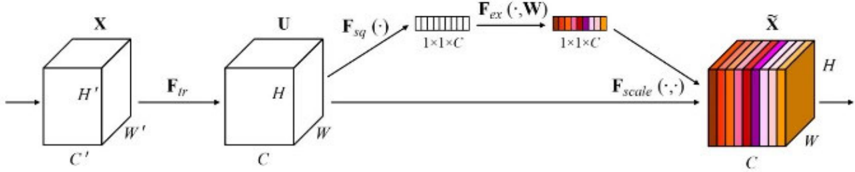
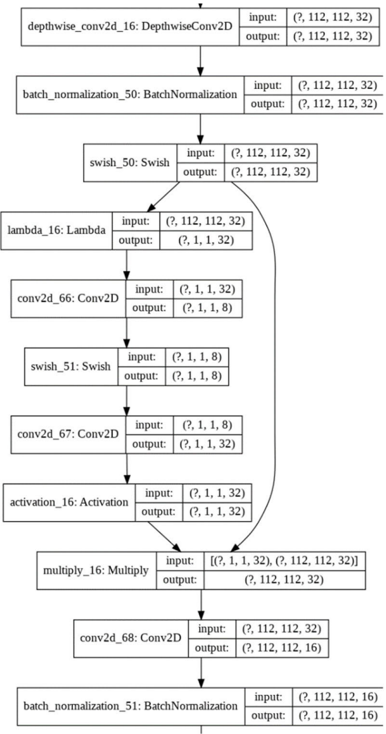
“These models were developed using the AutoMLMNAS framework, and use a mobile inverted bottleneck convolution (MBConv) with an additional Squeeze and Excitation (SE) block [17].”
MethodAhmed, H., & Nandi, A. K. (2024) · IEEE Access · doi:10.1109/access.2024.3461360 · Cited by 39
“All eight models of the EfficientNet series (B0 - B7) incorporate these common blocks, though each model introduces slight variations and increasing complexities in their architectural designs [65], [66].”
BackgroundAutomated Diagnosis of Dental Diseases Using Deep Learning on Radiographic Images
Tarek, R., Elshenawy, A., Assadwy, M. I., & Madkour, M. A. (2025) · SN Computer Science · doi:10.1007/s42979-025-04264-y · Cited by 36
“The compound scaling technique scales uniformly in width, depth, and resolution direction with the compound coefficient [37].”
El-Aziz, A. A. A., Mahmood, M. A., & El-Ghany, S. A. (2024) · Diagnostics · doi:10.3390/diagnostics14202274 · Cited by 29
“When applied to the ImageNet dataset, EfficientNet CNN models demonstrated superior performance in terms of parameters and the number of Top-1 accuracy [34].”
MethodGu, X., Zhang, C., Shen, Q., Han, J., Angelov, P. P., & Atkinson, P. M. (2021) · Information Fusion · doi:10.1016/j.inffus.2021.11.014 · Cited by 32
“For example, CAD [1] provides the highest accuracy on the UCM and AID datasets, SE-MDPMNet [33] and GBNet [75] performs the best on the WHU datasets, EfficientNetB3-Attn-2 [38] achieves the highest accuracy on the RSS dataset, etc..”
BackgroundMethodInfluentialSelf-supervised learning for remote sensing scene classification under the few shot scenario
Alosaimi, N., Alhichri, H. S., Bazi, Y., Youssef, B. B., & Alajlan, N. (2023) · Scientific Reports · doi:10.1038/s41598-022-27313-5 · Cited by 39
“It was proposed by Tan et al. 29 and has shown impressive results in many image classification tasks 40,41 .”
BackgroundSelf-citationUnboxing the Black Box of Attention Mechanisms in Remote Sensing Big Data Using XAI
Zaryabi, E. H., Moradi, L., Kalantar, B., Ueda, N., & Halin, A. B. A. (2022) · Remote Sensing · doi:10.3390/rs14246254 · Cited by 39
Active jamming recognition based on bilinear EfficientNet and attention mechanism
Xiao, Y., Zhou, J., Yu, Y., & Guo, L. (2021) · IET Radar Sonar & Navigation · doi:10.1049/rsn2.12089 · Cited by 27
“The main idea is to propose a hybrid scaling method, which uses a hybrid coefficient to determine the magnification of three dimensions [18].”
MethodA Deep Learning Algorithm for Lung Cancer Detection Using EfficientNet-B3
Nafea, A. A., Ibrahim, M., Shwaysh, M. M., Abdul-Kadhim, K., almamoori, H., & AL-Ani, M. M. (2023) · Wasit Journal of Computer and Mathematics Science · doi:10.31185/wjcms.209 · Cited by 27
“E ffi cientNet B3, as part of this family, embodies this balance with a specific architecture tailored to o ff er notable generalizability [19].”
BackgroundClassification of Guava Leaf Disease using Deep Learning
Doutoum, A. S., Eryiğit, R., & Tuğrul, B. (2023) · WSEAS Transactions on Information Science and Applications archive · doi:10.37394/23209.2023.20.38 · Cited by 26
Chen, J., Fan, J., Zhang, M., Zhou, Y., & Shen, C. (2022) · IEEE Access · doi:10.1109/access.2022.3160163 · Cited by 27
Zhu, Q., Sun, Y., Guan, Q., Wang, L., & Lin, W. (2022) · IEEE Transactions on Geoscience and Remote Sensing · doi:10.1109/tgrs.2022.3170335 · Cited by 29
El-Ghany, S. A., Mahmood, M. A., & El-Aziz, A. A. A. (2024) · Applied Sciences · doi:10.3390/app142210243 · Cited by 25
Almuayqil, S. N., El-Ghany, S. A., El-Aziz, A. A. A., & Elmogy, M. M. (2024) · Electronics · doi:10.3390/electronics13244981 · Cited by 30
Ametefe, D. S., John, D., Aliu, A. A., Ametefe, G. D., Hamid, A., & Darboe, T. (2025) · Results in Engineering · doi:10.1016/j.rineng.2025.105047 · Cited by 28
Park, S. H., Kim, Y. J., Kim, K. G., Chung, J., Kim, H. C., Choi, I. Y., You, M., Lee, G. P., & Hwang, J. H. (2023) · PLoS ONE · doi:10.1371/journal.pone.0281498 · Cited by 28
Pure data correction enhancing remote sensing image classification with a lightweight ensemble model
Song, H., Xie, H., Duan, Y., Xie, X., Gan, F., Wang, W., & Liu, J. (2025) · Scientific Reports · doi:10.1038/s41598-025-89735-1 · Cited by 26
Neggaz, I., & Fizazi, H. (2022) · Soft Computing · doi:10.1007/s00500-022-06886-3 · Cited by 27
MRI Image-Based Parkinson’s disease classification using Deep Maxout fuzzy EfficientNet
Sangeetha, S., & Umarani, B. (2025) · Biomedical Signal Processing and Control · doi:10.1016/j.bspc.2024.107416 · Cited by 22
Mahmood, M. A., Jamel, L., Alturki, N. M., & Tawfeek, M. A. (2025) · Scientific Reports · doi:10.1038/s41598-025-96014-6 · Cited by 31
“Such deliberations allow EfficientNet-B0 to achieve accuracy on par with other state-of-the-art designs at much lower parameter and FLOPs costs relative to the CNN counterparts 12,38 .”
RetractedUmamaheswari, T., & Babu, Y. M. M. (2024) · Computer Methods and Programs in Biomedicine · doi:10.1016/j.cmpb.2024.108373 · Cited by 21
Research on Individual Recognition and Matching of Whale and Dolphin Based on EfficientNet Model
Wu, S., Wang, J., Ping, Y., & Zhang, X. (2022) · International Conference on Big Data, Artificial Intelligence and Internet of Things Engineering (ICBAIE) · doi:10.1109/icbaie56435.2022.9985881 · Cited by 21
“used EfficientNet model to classify remote sensing pictures and verified its powerful ability in the field of fine-grained classification [15, 16].”
MethodAir target intent recognition method combining graphing time series and diffusion models
Chenghai, L. I., Wang, K., Song, Y., Wang, P., & Li, L. (2024) · Chinese Journal of Aeronautics · doi:10.1016/j.cja.2024.08.008 · Cited by 22
Priya, A., & Shyamala Bharathi, P. (2024) · Multimedia Tools and Applications · doi:10.1007/s11042-024-19990-3 · Cited by 20
“In this research, the approach used in the experiments was to freeze the prior convolutional layers and pooling layer’s parameters, in particular, the model parameters files loaded on ImageNet dataset was pre-trained for configuring new networks [13].”
Hung, S.-C., Wu, H.-C., & Tseng, M. (2021) · Applied Sciences · doi:10.3390/app112411659 · Cited by 22
Jamali, A., & Mahdianpari, M. (2022) · Water · doi:10.3390/w14020178 · Cited by 23
“Considering the success of these classifi-cation models for remote sensing image classification, deep learning approaches for remote sensing image classification have attracted great attention [36–39].”
Jamali, A., Mahdianpari, M., Mohammadimanesh, F., Brisco, B., & Salehi, B. (2022) · IEEE Journal of Selected Topics in Applied Earth Observations and Remote Sensing · doi:10.1109/jstars.2022.3206143 · Cited by 20
“The issue of manual feature engineering was overcome by introducing DL techniques such as CNNs [9], [34], [35], [36], [37].”
MethodLee, S., Yoo, C., Im, J., Cho, D., Lee, Y., & Bae, D. (2023) · International Journal of Applied Earth Observation and Geoinformation · doi:10.1016/j.jag.2023.103408 · Cited by 27
Pixels to Pathogens: A Deep Learning Approach to Plant Pathology Detection
Saha, A., Sharma, V., Mondal, R., Mishra, S., Daramola, I., & Abbas, A. M. (2024) · International Conference on Innovative Practices in Technology and Management (ICIPTM) · doi:10.1109/iciptm59628.2024.10563558 · Cited by 20
“…use the EfficientNetB3 as the base model and then we increase the model's precision in identifying plant diseases from images in a mobile application such that, when we provide or take a picture of a sick leaf, it accurately identifies the illness and provides information about its kind [13-15].”
MethodFederated Learning Approach for Remote Sensing Scene Classification
Youssef, B. B., Alhmidi, L., Bazi, Y., & Zuair, M. (2024) · Remote Sensing · doi:10.3390/rs16122194 · Cited by 26
“Further, AlHichri et al. described an improved CNN structure called EfficientNet-B3-Attn, specifically designed for scene classification in RS [23].”
Self-citationFault diagnosis of rolling bearing under time-varying speed conditions based on EfficientNetv2
Qu, H., Yang, J., Shen, M., Chen, H., & Zhou, D. (2022) · Measurement Science and Technology · doi:10.1088/1361-6501/ac57ec · Cited by 18
“The attention mechanism will pay more attention to the small change of frequency and increase the sensitivity to feature extraction, which is more conducive to the bearing fault diagnosis under time-varying conditions [26, 27].”
Canary in Twitter Mine: Collecting Phishing Reports from Experts and Non-experts
Nakano, H., Chiba, D., Koide, T., Fukushi, N., Yagi, T., Hariu, T., Yoshioka, K., & Matsumoto, T. (2023) · International Conference on Availability, Reliability and Security (ARES) · doi:10.1145/3600160.3600163 · Cited by 25
“We selected EfficientNet as the model for generating visual features since it is one of the state-of-the-art methods in image classification [4, 32].”
MethodRemote Sensing Scene Image Classification Based on mmsCNN–HMM with Stacking Ensemble Model
Cheng, X., & Lei, H. (2022) · Remote Sensing · doi:10.3390/rs14174423 · Cited by 22
Enhancing skin lesion classification: a CNN approach with human baseline comparison
Ajabani, D., Shaikh, Z. A., Yousef, A., Ali, K., & Albahar, M. A. (2025) · PeerJ Computer Science · doi:10.7717/peerj-cs.2795 · Cited by 18
Best Representation Branch Model for Remote Sensing Image Scene Classification
Zhang, X., An, W., Sun, J., Wu, H., Zhang, W., & Du, Y. (2021) · IEEE Journal of Selected Topics in Applied Earth Observations and Remote Sensing · doi:10.1109/jstars.2021.3114404 · Cited by 19
Remote Sensing Scene Image Classification Based on Dense Fusion of Multi-level Features
Shi, C., Zhang, X., Sun, J., & Wang, L. (2021) · Remote Sensing · doi:10.3390/rs13214379 · Cited by 18
“The AAs of the proposed methods are 1.9%, 2.17%, 4.44%, and 1.99% higher than that of Contourlet CNN [50], ADFF [52], SE-MDPMNet [34], and EffecientNet-B3-Attn-2 [59], respectively.”
MethodInfluentialMurray, X., Apan, A., Deo, R. C., & Maraseni, T. (2022) · Geocarto International · doi:10.1080/10106049.2022.2048902 · Cited by 20
EfficientUNet+: A Building Extraction Method for Emergency Shelters Based on Deep Learning
You, D., Wang, S., Wang, F., Zhou, Y., Wang, Z., Wang, J., & Xiong, Y. (2022) · Remote Sensing · doi:10.3390/rs14092207 · Cited by 20
Li, Q., Jianhong, F., Peng, C., Min, F., Xiaomin, Z., Yang, Y., Zhaoyang, X., Bai, J., Ziqiang, Y., & Wang, H. (2023) · Geoenergy Science and Engineering · doi:10.1016/j.geoen.2023.211715 · Cited by 18
Sonny, A., Kumar, A., & Cenkeramaddi, L. R. (2023) · IEEE Sensors Journal · doi:10.1109/jsen.2023.3295574 · Cited by 26
Hong, T.-Y., & Chen, C.-C. (2023) · Applied Soft Computing · doi:10.1016/j.asoc.2023.110904 · Cited by 21
El-Aziz, A. A. A., Mahmood, M. A., & El-Ghany, S. A. (2024) · Symmetry · doi:10.3390/sym17010024 · Cited by 25
Özcan, T., & Polat, E. (2025) · IEEE Access · doi:10.1109/access.2025.3563160 · Cited by 17
“Inverted residual connections and linear bottlenecks used in MobileNetV2 are included in the structure [30].”
Detection of COVID-19 in Chest X-Ray Images Using a CNN Model toward Medical Applications
Mohsen, S., Scholz, S. G., & Elkaseer, A. (2024) · Wireless Personal Communications · doi:10.1007/s11277-024-11309-7 · Cited by 19
“Pre-trained DL models, such as VGG [ 10 ], DenseNet [ 11 ], ResNet [ 12], GoogLeNet [ 13 ], AlexNet [ 14 ], MobileNet [ 15 ], and EffecientNet [ 16 ] present efficient solutions to the issue of low accuracy.”
Simple is best: A single-CNN method for classifying remote sensing images
Song, H., & Zhou, Y. Z. (2023) · Networks and Heterogeneous Media · doi:10.3934/nhm.2023070 · Cited by 17
“…between different technical routes, we can find out some valuable facts as follows: First, the strategy of feature fusion in [10,11,14,20,24,25] commonly falls behind, while the one using attention modules in [13,15,17,27,33] is more likely to perform better if the feature fusion is abandoned.”
BackgroundHybrid ResNet152-EML Model for Geo-Spatial Image Classification
Ghotekar, R. K., Rout, M., & Shaw, K. (2022) · International Journal of Information Technology · doi:10.1007/s41870-023-01534-x · Cited by 18
“CaffeNet [39] 96.24 VGG-VD16 [39] 96.05 GoogleNet [39] 94.71 Resnet + 101FSl [56] 98.77 FineTuneMobileNet [42] 92.46 ENetB3-Attn-2 [38] 98.68 Proposed ResNet152_Con_ELM 98.95 CaffeNet [39] 89.53 VGG-VD16 [39] 89.64 GoogleNet + SVM [39] 86.39 FusionByAdditon [57] 91.87 VGGNet [57] 91.86 ArcNetVGG16…”
InfluentialZhu, Q., Guo, H., Zhang, L., Liang, D., Wu, Z., Liu, Y., & Lv, Z. (2023) · IEEE Transactions on Geoscience and Remote Sensing · doi:10.1109/tgrs.2023.3324404 · Cited by 28
“To address object detection in VHR images, Alhichri et al. [36] developed a multiscale visual attention network (MS-VAN) with skip connections and multiscale attention.”
MethodToward Hybrid Classical Deep Learning-Quantum Methods for Steganalysis
Wardhani, R. W., Putranto, D. S. C., Le, T.-T.-H., Ji, J., & Kim, H. (2024) · IEEE Access · doi:10.1109/access.2024.3381615 · Cited by 22
“Because our classical architecture requires a single neural architecture baseline network to scale it up, we employed single CNN architecture Tan’s EfficientNet model, which was previously elaborated in [45] research and demonstrates significantly higher classification accuracy and efficiency.”
MethodMarrocco, C., Bria, A., Tortorella, F., Parrilli, S., Cicala, L., Focareta, M., Meoli, G., & Molinara, M. (2024) · IEEE Access · doi:10.1109/access.2024.3409393 · Cited by 21
“Despite challenges in labeled data availability, they show promise in Object Detection [21], [22], [23], Segmentation and Classification [24], [25], [26] of Remote Sensing images.”
BackgroundEl-Ghany, S. A., Mahmood, M. A., & El-Aziz, A. A. A. (2024) · Electronics · doi:10.3390/electronics13163126 · Cited by 27
Pun, T. B., Magar, R. T., Koech, R., Owen, K. J., & Adorada, D. L. (2024) · Plants · doi:10.3390/plants13213041 · Cited by 26
“Further, investigating genetic dysfunctions or abnormalities resulting from the loss of specific genes could be important in understanding nematode parasitism.”
BackgroundClassification of Brain Tumour MRI Images using Efficient Network
Zhaputri, A., Hayaty, M., & Laksito, A. D. (2021) · International Conference on Information and Communications Technology (ICOIACT) · doi:10.1109/icoiact53268.2021.9563922 · Cited by 19
Aljabri, A. A., Alshanqiti, A. M., Alkhodre, A. B., Alzahem, A., & Hagag, A. (2022) · Optik · doi:10.1016/j.ijleo.2022.170408 · Cited by 15
AiTLAS: Artificial Intelligence Toolbox for Earth Observation
Dimitrovski, I., Kitanovski, I., Panov, P., Kostovska, A., Simidjievski, N., & Kocev, D. (2023) · Remote Sensing · doi:10.3390/rs15092343 · Cited by 22
Chaudhari, S. S., Sardar, V. S., & Ghosh, P. (2023) · International Journal of Information Technology · doi:10.1007/s41870-023-01379-4 · Cited by 15
“A deep attention CNN named as EfficientNet-B3-Attn-2 for scene classification in remote sensing classifies the scene with better performance which can be used for drought prediction [36].”
BackgroundA multiscale fuzzy dual-domain attention network for urban remote sensing image segmentation
Chong, Q., Xu, J., Jia, F., Liu, Z., Yan, W., Wang, X., & Song, Y. (2022) · International Journal of Remote Sensing · doi:10.1080/01431161.2022.2135413 · Cited by 14
“Extensive researchers have successfully applied attention mechanisms to vision tasks (Alhichri et al. 2021; Pang and Gao 2022; Zhao et al. 2021a).”
BackgroundMBC-Net: long-range enhanced feature fusion for classifying remote sensing images
Song, H. (2023) · International Journal of Intelligent Computing and Cybernetics · doi:10.1108/ijicc-07-2023-0198 · Cited by 16
Sivasubramanian, A., Prashanth, V., Theivaprakasham, H., Sowmya, V., Gopalakrishnan, E. A., & Ravi, V. (2023) · Remote Sensing Applications Society and Environment · doi:10.1016/j.rsase.2023.101126 · Cited by 17
Zhao, Y., Yan, J., Wang, Y., Jing, Q., & Liu, T. (2021) · Entropy · doi:10.3390/e23040486 · Cited by 14
Deep Ensemble Learning and Explainable AI for Multi-Class Classification of Earthstar Fungal Species
Kumru, E., Korkmaz, A. F., Ekinci, F., Aydoğan, A., Güzel, M. S., & Akata, İ. (2025) · Biology · doi:10.3390/biology14101313 · Cited by 20
“EfficientNet-B3 utilises compound scaling to optimise depth, width, and resolution for improved performance [27].”
Efficient knowledge distillation for remote sensing image classification: a CNN-based approach
Song, H., Wei, C., & Zhou, Y. Z. (2023) · International Journal of Web Information Systems · doi:10.1108/ijwis-10-2023-0192 · Cited by 25
Fuzzy-ER Net: Fuzzy-based Efficient Residual Network-based lung cancer classification
Murthy, N. N., & Thippeswamy, K. (2024) · Computers & Electrical Engineering · doi:10.1016/j.compeleceng.2024.109891 · Cited by 13
UAM‐Net : Robust Deepfake Detection Through Hybrid Attention Into Scalable Convolutional Network
Sudarshana, K., & Yendapalli, V. (2025) · Expert Systems · doi:10.1111/exsy.70009 · Cited by 21
“Certain visual areas likely to include manipulations are the focus of spatial attention systems (Liu et al. 2018; Zhu et al. 2019; Alhichri et al. 2021; Karthik et al. 2022).”
Metadata
- Authors
- Alhichri, H., Alswayed, A. S., Bazi, Y., Ammour, N., & Alajlan, N. A.
- Affiliations
- King Saud University (SA)
- Venue
- IEEE Access
- Published
- 2021
- Volume
- 9
- Pages
- 14078-14094
- ISSN
- 2169-3536 (ISSN-L)
- OpenAlex
- W3118660027
- Cited by
- 357
- References
- 86
- Citations by year
- 2026: 40 · 2025: 81 · 2024: 83 · 2023: 68 · 2022: 60 · 2021: 25
- FWCI
- 26.48
- Type
- journal article
- Language
- en
- Open access
- gold
- doi.org
- Locations
- IEEE Access (publishedVersion, cc-by)
- DOAJ (DOAJ: Directory of Open Access Journals) (submittedVersion, cc-by-sa)
- Funders
- Researchers Supporting Project through the King Saud University, Riyadh, Saudi Arabia (RSP-2020/69)
- Topics
- Physical Sciences › Computer Science › Computer Vision and Pattern Recognition › Remote-Sensing Image Classification
- Physical Sciences › Computer Science › Computer Vision and Pattern Recognition › Advanced Neural Network Applications
- Social Sciences › Geography, Planning and Development › Remote Sensing and Land Use
- Keywords
- remote sensing scene classification, EfficientNetB3, attention mechanism, pre-trained CNN fine-tuning, feature map weighting
About these checks
Registry, retraction, Cites and statistics results are computed, not judged, with one exception: a printed reference that no index lists is read once by a model before it counts as a citation error. Claims are extracted by a model and kept only when their quote appears verbatim in the text; each cited source is then checked, with a model’s help, for whether it says what the claim relies on. Those verdicts can be wrong — read the claim’s quote and the cited source before relying on one.
Statistics and arithmetic are recomputed, not judged.
Confidence bands are shown only for fields calibrated on our annotated test set. None is calibrated yet, so no band is shown.
What counts as a claim ›How we measure confidence ›How we check this ›
Are you an author, or do you see a problem with this page? Request a review
Data sources
Bibliographic data: Semantic Scholar, OpenAlex, Crossref.
Contains information from the Semantic Scholar Academic Graph Datasets, made available under the ODC Attribution License (ODC-BY 1.0).
Semantic Scholar’s data is described in: Kinney, R., et al. (2023). The Semantic Scholar Open Data Platform. arXiv:2301.10140.
