

A Tutorial on 5G NR V2X Communications
Open accessThe DOI matches its Crossref record; 34 of the 35 references it cites were found in a registry or an index.
Abstract
The Third Generation Partnership Project (3GPP) has recently published its Release 16 that includes the first Vehicle-to-Everything (V2X) standard based on the 5G New Radio (NR) air interface. 5G NR V2X introduces advanced functionalities on top of the 5G NR air interface to support connected and automated driving use cases with stringent requirements. This article presents an in-depth tutorial of the 3GPP Release 16 5G NR V2X standard for V2X communications, with a particular focus on the sidelink, since it is the most significant part of 5G NR V2X. The main part of the paper is an in-depth treatment of the key aspects of 5G NR V2X: the physical layer, the resource allocation, the quality of service management, the enhancements introduced to the Uu interface and the mobility management for V2N (Vehicle to Network) communications, as well as the co-existence mechanisms between 5G NR V2X and LTE V2X. We also review the use cases, the system architecture, and describe the evaluation methodology and simulation assumptions for 5G NR V2X. Finally, we provide an outlook on possible 5G NR V2X enhancements, including those identified within Release 17.
Overview
The claims and statistics of this paper haven’t been checked yet.
Free: it reads the open-access text and checks the first 5 claims that cite a source we can check. Create a free account to check every claim.
Integrity signals
Registry
Cites
Statistics
Figures
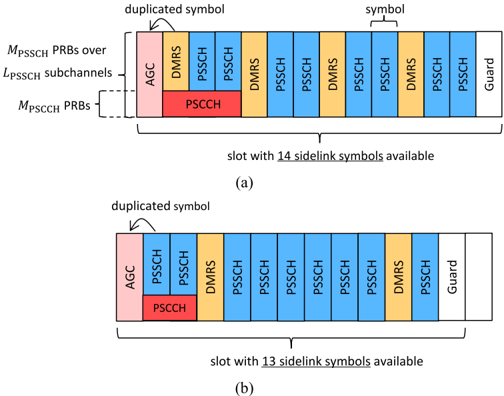
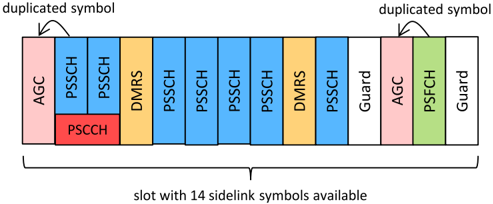
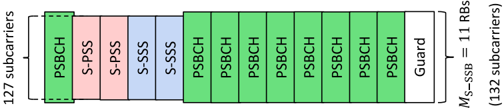
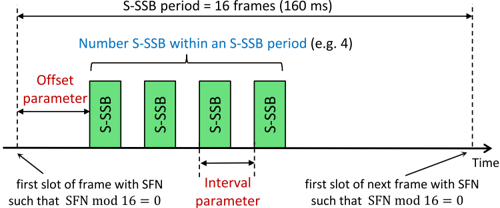













Verification
Claims the paper makes
The claims and statistics of this paper haven’t been checked yet.
Free: it reads the open-access text and checks the first 5 claims that cite a source we can check. Create a free account to check every claim.
Claims other papers make about this one
Each is checked against this paper’s own text: does it say what the citing paper says it does?
The source backs part of the claim, not all of it — or backs it for a different population, condition or comparison.
In the citing paper
“Advanced C-V2X applications demand transmission latencies of a few milliseconds and 99.999% reliability [2].”
From Explainable AI-Aided Feature Selection and Model Reduction for DRL-Based V2X Resource Allocation (2025) · cites this paper as [2]
Experimental — accuracy not yet measuredThe source backs part of the claim, not all of it — or backs it for a different population, condition or comparison.
In the citing paper
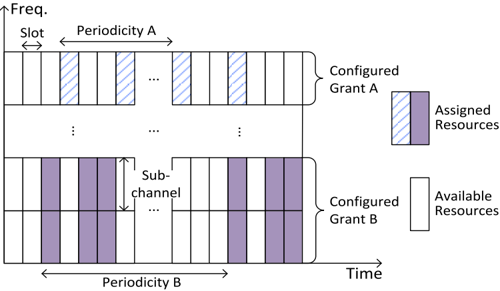
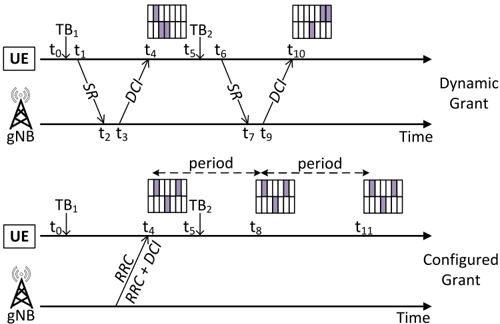
“Configured Grant Type 2 is used for periodic services with a scheduling timeline similar to dynamic scheduling in 5G-V2X sidelink communication.”
From Towards 6G V2X Sidelink: Survey of Resource Allocation—Mathematical Formulations, Challenges, and Proposed Solutions (2024) · cites this paper as [18]
Experimental — accuracy not yet measuredThe source backs part of the claim, not all of it — or backs it for a different population, condition or comparison.
In the citing paper
“To address the challenges posed by such scenarios, 5G-V2X introduces resource re-evaluation and pre-emption mechanisms in Mode B resource allocation [91], [18].”
From Towards 6G V2X Sidelink: Survey of Resource Allocation—Mathematical Formulations, Challenges, and Proposed Solutions (2024) · cites this paper as [18]
Experimental — accuracy not yet measuredThe cited source says what the claim attributes to it.
In the citing paper
“Configured Grant Type 1 is mainly used for periodic traffic in 5G-V2X sidelink communication.”
From Towards 6G V2X Sidelink: Survey of Resource Allocation—Mathematical Formulations, Challenges, and Proposed Solutions (2024) · cites this paper as [18]
The cited source says what the claim attributes to it.
In the citing paper
“Currently, the NR-V2X sidelink has been standardized by 3GPP to support low-latency high-reliability direct communication.”
From Reinforcement Learning-Based Resource Allocation Scheme of NR-V2X Sidelink for Joint Communication and Sensing (2025) · cites this paper as [4]
Self-check
Percentages, sums and reported differences re-computed from the paper’s own numbers.
The self-check needs the paper’s full text.
Citations
Cites
Dedicated Short-Range Communications (DSRC) Standards in the United States
Kenney, J. B. (2011) · Proceedings of the IEEE · doi:10.1109/jproc.2011.2132790 · Cited by 2,366
Polyphase codes with good periodic correlation properties (Corresp.)
Chu, D. (1972) · IEEE Transactions on Information Theory · doi:10.1109/tit.1972.1054840 · Cited by 1,730
Polyphase codes with good periodic correlation properties
Chu, D. C. (1972) · IEEE Transactions on Information Theory · Cited by 999
Vehicle-to-Everything (v2x) Services Supported by LTE-Based Systems and 5G
Chen, S., Hu, J., Shi, Y., Peng, Y., Fang, J., Zhao, R., & Zhao, L. (2017) · IEEE Communications Standards Magazine · doi:10.1109/mcomstd.2017.1700015 · Cited by 921
5G NR: the Next Generation Wireless Access Technology
(2018) · Elsevier eBooks · doi:10.1016/c2017-0-01347-2 · Cited by 876
An overview of 3GPP device-to-device proximity services
Lin, X., Andrews, J., Ghosh, A., & Ratasuk, R. (2014) · IEEE Communications Magazine · doi:10.1109/mcom.2014.6807945 · Cited by 798
Molina-Masegosa, R., & Gozalvez, J. (2017) · IEEE Vehicular Technology Magazine · doi:10.1109/mvt.2017.2752798 · Cited by 755
Taxonomy and Definitions for Terms Related to On-Road Motor Vehicle Automated Driving Systems
On-Road Automated Driving (ORAD) Committee (2017) · doi:10.4271/j3016_201401 · Cited by 675
Generalized chirp-like polyphase sequences with optimum correlation properties
Popovic, B. M. (1992) · IEEE Transactions on Information Theory · doi:10.1109/18.144727 · Cited by 419
Impact of Vehicles as Obstacles in Vehicular Ad Hoc Networks
Boban, M., Vinhoza, T. T. V., Ferreira, M., Barros, J., & Tonguz, O. K. (2011) · IEEE Journal on Selected Areas in Communications · doi:10.1109/jsac.2011.110103 · Cited by 351
Self-citation
Research works printed but not linked: 48
- 33. SA WG2, Study on Architectural Enhancements for 5G Multicast- Broadcast Services, document SP-190625, TSG SA Meeting #85, 3GPP, Sophia Antipolis, France, Sep. 2019.
- 101. 3GPP MCC Support, Final Report of 3GPP TSG RAN WG1 #AH_1901 V1.0.0, document 3GPP TSG RAN WG1 Meeting #96, 3GPP, Taipei, Taiwan, Mar. 2019.
- 100. WID on 5G V2X With NR Sidelink, document RP-200129 3GPP TSG RAN Meeting #87e, LG Electron., Seoul, South Korea, Mar. 2020.
- 50. J. Schlienz and A. Roessler, "Device to device communication in LTE," Rhode & Schwarz, Munich, Germany, White Paper, 2015.
- 57. Huawei, Sidelink Physical Layer Structure for NR V2X, document R1-1910054 3GPP TSG RAN WG1 Meeting #98bis, HiSilicon, Chongqing, China, Oct. 2019.
- 56. 3GPP MCC Support, Final Report of 3GPP TSG RAN WG1 #98bis V2.0.0, document TSG RAN WG1 Meeting #98bis, 3GPP, Chongqing, China, Oct. 2019.
- 55. 3GPP MCC Support, Draft Report of 3GPP TSG RAN WG1 #99 V0.1.0, document TSG RAN WG1 Meeting #99, 3GPP, Reno, NV, USA, Nov. 2019.
- 54. 3GPP MCC Support, Final Report of 3GPP TSG RAN WG1 #100bis- e V1.0.0, document TSG RAN WG1 Meeting #101-e, 3GPP, Sophia Antipolis, France, Jun. 2020.
- 40. J. Campos, Understanding the 5G NR Physical Layer, Keysight Technol., Santa Rosa, CA, USA, Nov. 2017.
- 5. F. Perry, "Overview of DSRC messages and performance require- ments," in Proc. UFTI DSRC Other Commun. Options Transp. Connectivity Workshop, 2017.
- 8. 3GPP, New SI Proposal: Study on Evaluation Methodology of New V2X Use Cases for LTE and NR, document RP-170837 TSG RAN Meeting #75, 3GPP, Dubrovnik, Croatia, Mar. 2017.
- 49. 3GPP MCC Support, Final Report of 3GPP TSG RAN WG1 #100-e V2.0.0, document TSG RAN WG1 Meeting #100bis-e, 3GPP, Sophia Antipolis, France, Apr. 2020.
- 9. New SID: Study on NR V2X, document RP-181480, 3GPP TSG RAN Meeting #80, 3GPP, Sophia Antipolis, France, Jun. 2018.
- 46. Final Report of 3GPP TSG RAN WG1 #101-e, 3GPP, Sophia Antipolis, France, Aug. 2020.
- 48. 3GPP MCC Support, Final Report of 3GPP TSG RAN WG1 #AH_1901 V1.0.0, document TSG RAN WG1 Meeting #96, 3GPP, Taipei, Taiwan, Mar. 2019.
- 47. 3GPP MCC Support, Final Report of 3GPP TSG RAN WG1 #95 v1.0.0, document TSG RAN WG1 Meeting #95, 3GPP, Sophia Antipolis, France, Nov. 2019.
- 44. Summary of RAN1 Agreements/Working Assumptions in WI 5G V2X With NR Sidelink, document R1-1913601, 3GPP TSG RAN WG1 Meeting #99, LG Electron., Reno, NV, USA, Nov. 2019.
- 127. A. E. Fernandez et al., "5GCAR scenarios, use cases, requirements and KPIs," in Proc. 5th Gener. Commun. Autom. Res. Innov., 2017, pp. 37-39.
- 126. New Work Item on NR Support of Multicast and Broadcast Services, document RP-193248 3GPP TSG RAN Meeting #86, Huawei, Sitges, Spain, Dec. 2019.
- 125. Revised SID: Study on NR Sidelink Relay, document RP-201474 3GPP TSG RAN Meeting #89e, 3GPP, Sophia Antipolis, France, Sep. 2020.
- 72. Huawei, Remaining Details of Physical Layer Procedures for Sidelink, document R1-2001555 3GPP TSG RAN WG1 Meeting #100e-bis, HiSilicon, Singapore, Apr. 2020.
- 77. Discussion on V2X Physical Layer Procedure, document R1-1906558 3GPP TSG RAN WG1 Meeting #97, MediaTek, Inc., Reno, NV, USA, May 2019.
- 64. Huawei, Remaining Details of Sidelink Synchronization Mechanisms, document R1-2001553, TSG RAN WG1 Meeting #100bis-e, 3GPP, Sophia Antipolis, France, Apr. 2020.
- 65. Sidelink Synchronization Mechanism, document R1-1911421 3GPP TSG RAN WG1 Meeting #98bis, VIVO, Dongguan, China, Oct. 2019.
- 67. Huawei, Sidelink Discovery for NR V2X, document R1-1903068 3GPP TSG RAN WG1 Meeting #96, HiSilicon, Athens, Greece, Mar. 2019.
- 68. Final Report of 3GPP TSG RAN WG1 #96 V2.0.0, document 3GPP TSG RAN WG1 Meeting #96, 3GPP MCC Support, Athens, Greece, Mar. 2019.
- 2. C2C-CC Manifesto, Car 2 Car Commun. Consortium, Braunschweig, Germany, 2007.
- 1. CAMP Vehicle Safety Communications Consortium, "Vehicle safety communications project: Task 3 final report: Identify intelligent vehicle safety applications enabled by DSRC," Nat. Highway Traffic Safety Admin., U.S. Dept. Transp., Washington, DC, USA, 2005.
- 96. Status Report to TSG (WI NR Mobility Enhancements), document RP- 192278 3GPP TSG RAN Meeting #85, Intel Corporat., Sitges, Spain, Sep. 2019.
- 94. Huawei, NR Uu and LTE Uu Support and Enhancement for Advanced V2X Use Cases, document R1-1812212 3GPP TSG RAN WG1 Meeting #95, HiSilicon, Spokane, WA, USA, Nov. 2018.
- 92. Analysis of NR Uu Support for Advanced V2X Use Cases, document R1-1810777 3GPP TSG RAN WG1 Meeting #94bis, Intel Corporat., Chengdu, China, Oct. 2018.
- 102. Report of 3GPP TSG RAN WG2 #105bis, document 3GPP TSG RAN WG2 Meeting #105bis, ETSI MCC, Xi'an, China, Apr. 2019.
- 111. Huawei, Sidelink Synchronization Mechanisms for NR V2X, document R1-1911885 3GPP TSG RAN WG1 Meeting #99, HiSilicon, Reno, NV, USA, Nov. 2019.
- 112. Study on Scenarios and Requirements of In-Coverage, Partial Coverage, and Out-of-Coverage Positioning Use Cases, document RP- 201384 3GPP TSG RAN Meeting #88e, LG Electron., Seoul, South Korea, Jul. 2020.
- 110. New WID on NR Sidelink Enhancement, document RP-193257 3GPP TSG RAN Meeting #86, LG Electron., Sitges, Spain, Dec. 2019.
- 98. Samsung Electronic, Introduction of T312 in NR, document R2- 1911445 3GPP TSG RAN WG2 Meeting #107, Qualcomm Inc., Prague, CZ, USA, Aug. 2019.
- 95. Status Report to TSG (WI NR Mobility Enhancements), document RP- 192533 3GPP TSG RAN Meeting #86, Intel Corporat., Sitges, Spain, Dec. 2019.
- 10. LG Electronics, New WID on 5G V2X With NR Sidelink, document RP-190766 3GPP TSG RAN Meeting #83, Huawei, Shenzhen, China, Mar. 2019.
- 13. 5GAA. White Paper C-V2X Use Cases: Methodology, Examples and Service Level Requirements. Accessed: Jun. 2019. [Online]. Available: https://5gaa.org/wp-content/uploads/2019/07/5GAA_191906 _WP_CV2X_UCs_v1.pdf
- 117. 117Summary of Email Discussion on Rel-17 Sidelink Enhancement, docu- ment RP-192745 3GPP TSG RAN Meeting #86, LG Electron., Sitges, Spain, Dec. 2019.
- 119. 'Miscellaneous Issues on Resource Allocation, 3GPP R1-1908914 TSG RAN WG1 Meeting #98, Ericsson, Prague, CZ, USA, Aug. 2019.
- 116. Discussion on Resource Allocation for Mode 2, document R1-1912588 3GPP TSG RAN WG1 Meeting #99, LG Electron., Reno, NV, USA, Nov. 2019.
- 120. Dynamic Sidelink Bi-Mode Transmission Under GNB Configuration, document R1-1912080 3GPP TSG RAN WG1 Meeting #99, Fujitsu, Reno, NV, USA, May 2019.
- 121. Resource Allocation for Mode-2 Transmissions, document R1-1910534 3GPP TSG RAN WG1 Meeting #98bis, Ericsson, Chongqing, China, Oct. 2019.
- 122. Geographic Information Based Dynamic TFRP Resource Selection Procedure in NR-V2X, document R1-1905375 3GPP TSG RAN WG1 Meeting #96bis, Fujitsu, Xian, China, Apr. 2019.
- 123. Huawei, Sidelink Resource Allocation Mode 2 for NR V2X, document R1-1911884 3GPP TSG RAN WG1 Meeting #99, HiSilicon, Reno, NV, USA, Nov. 2019.
- 2020, Summary of [108#50][V2X] Feature List and UE Caps
- 87. Huawei, Running CR to TS 38.331 for 5G V2X With NR Sidelink, doc- ument R2-1915983 3GPP TSG RAN WG2 Meeting #108, HiSilicon, Reno, NV, USA, Nov. 2019.
Cited by
Items 101–200 of 1,000
Machine Learning for Disseminating Cooperative Awareness Messages in Cellular V2V Communications
(2022) · doi:10.1109/tvt.2022.3170982 · Cited by 31
Raviglione, F., Carletti, C. M. R., Malinverno, M., Casetti, C., & Chiasserini, C. F. (2024) · Computer Communications · doi:10.1016/j.comcom.2024.01.022 · Cited by 31
“In the C-V2X Semi-Persistent Scheduling (SPS) mechanism, it represents the periodicity at which a vehicle is expected to reserve the same resources for a number of consecutive transmissions [45].”
BackgroundShah, G., Zaman, M., Saifuddin, M., Toghi, B., & Fallah, Y. P. (2024) · Automotive Innovation · doi:10.1007/s42154-023-00277-6 · Cited by 36
3GPP Evolution from 5G to 6G: A 10-Year Retrospective
Lin, X. (2025) · Telecom · doi:10.3390/telecom6020032 · Cited by 40
Slamnik–Kriještorac, N., Yilma, G. M., Liebsch, M., Yousaf, F. Z., & Márquez-Barja, J. M. (2021) · IEEE Transactions on Mobile Computing · doi:10.1109/tmc.2021.3118058 · Cited by 36
“ered by internet gateways in case of DSRC [14], and communication only with the vehicles in close proximity in case of PC5 [14], [15], [16], [17], it is challenging to cope with high mobility of vehicles on the highways, and to handle the use cases that require extended awareness that spans multiple administrative dom…”
Lee, Y., Lee, J.-H., & Ko, Y. (2022) · IEEE Access · doi:10.1109/access.2022.3181152 · Cited by 31
“W ITNESSING an exponential growth of the number of connected machines, unprecedented requirements are expected across wireless communications [1]–[3].”
BackgroundFiczere, D., Varga, P., Wippelhauser, A., Hejazi, H., Csernyava, O., Kovács, A., & Hegedűs, C. (2023) · Sensors · doi:10.3390/s23167031 · Cited by 31
“While keeping the full backward compatibility with Release 14, Release 15 introduced the following advancements [123] Release 16 was introduced in 2021.”
BackgroundHow does 5G NR V2X Mode 2 Handle Aperiodic Packets and Variable Packet Sizes?
Molina-Galan, A., Coll-Perales, B., Lusvarghi, L., Gozalvez, J., & Merani, M. L. (2022) · 2022 IEEE 23rd International Conference on High Performance Switching and Routing (HPSR) · doi:10.1109/hpsr54439.2022.9831314 · Cited by 30
“3GPP has published in Release 16 the 5G NR V2X standard that represents the first 5G NR (New Radio) release that supports sidelink (SL) or direct V2V (Vehicle-to-Vehicle) communications [1].”
BackgroundMethodSelf-citationPlatoon Partition and Resource Allocation for Ultra-Reliable V2X Networks
Chai, G., Wu, W., Yang, Q., Qin, M., Wu, Y. J., & Yu, F. R. (2023) · IEEE Transactions on Vehicular Technology · doi:10.1109/tvt.2023.3303195 · Cited by 30
“Coincidentally, the V2V links can provide the promising connections to guarantee the reliability requirement of intra-platoon communication [10].”
InfluentialA comparative analysis of the semi-persistent and dynamic scheduling schemes in NR-V2X mode 2
Lusvarghi, L., Molina-Galan, A., Coll-Perales, B., Gozalvez, J., & Merani, M. L. (2023) · Vehicular Communications · doi:10.1016/j.vehcom.2023.100628 · Cited by 29
Self-citationEnergy-Efficient Cellular-Connected UAV Swarm Control Optimization
Su, Y., Zhou, H. X., Deng, Y., & Döhler, M. (2023) · IEEE Transactions on Wireless Communications · doi:10.1109/twc.2023.3314701 · Cited by 30
“…due to having the following features: 1) there is ACK/NACK mechanism in D2D unicast mode, which can guarantee the stringent reliability requirement [14]; 2) the link adaption is supported in the D2D unicast mode, where the Modulation and Coding Scheme (MCS) can be dynamically adjusted based on the…”
BackgroundTowards 6G vehicular networks: Vision, technologies, and open challenges
Lang, P., Tian, D., Han, X., Zhang, P., Duan, X., Zhou, J., & Leung, V. C. M. (2024) · Computer Networks · doi:10.1016/j.comnet.2024.110916 · Cited by 37
Elloumi, M., Hassan, M. Z., & Kaddoum, G. (2025) · IEEE Transactions on Network and Service Management · doi:10.1109/tnsm.2025.3541977 · Cited by 29
“In the context of spectrum sharing and interference management in dynamic IoV networks, our work thus stands out from existing literature on RRM management [15], [16], [17], [18], [19], [20], [21], [22] and proactive resource optimization [24], [25], [26] in vehicular networks.”
InfluentialFukatsu, R., & Sakaguchi, K. (2021) · Sensors · doi:10.3390/s21082659 · Cited by 35
“5GAA defines multiple groups based on the use cases and groups defined by 3GPP and presents requirements in multiple use case scenarios for C-V2X (Cellular-V2X) [9–11].”
MethodMulti-Hop Task Routing in Vehicle-Assisted Collaborative Edge Computing
Deng, Y., Zhang, H., Chen, X., & Fang, Y. M. (2023) · IEEE Transactions on Vehicular Technology · doi:10.1109/tvt.2023.3312142 · Cited by 29
“Notably, the Third Generation Partnership Project (3GPP) has identified new study and work items for New Radio (NR) Vehicle-to-Everything (V2X) side-link (SL) communication within Release 17, proposing the concept of MD relaying to extend coverage range [22].”
BackgroundOn the Impact of Re-Evaluation in 5G NR V2X Mode 2
Molina-Galan, A., Lusvarghi, L., Coll-Perales, B., Gozalvez, J., & Merani, M. L. (2024) · IEEE Transactions on Vehicular Technology · doi:10.1109/tvt.2023.3318235 · Cited by 28
Self-citationKumar, G. (2024) · CPSS Transactions on Power Electronics and Applications · doi:10.24295/cpsstpea.2023.00042 · Cited by 39
Lin, Y., Xiao, L., Tao, Y., Zhang, Y., Shu, F., & Li, J. (2025) · IEEE Transactions on Wireless Communications · doi:10.1109/twc.2025.3547377 · Cited by 31
“…sophistication of vehicles has led to the proliferation of computation-intensive and delay-sensitive services via vehicle-to-everything (V2X) communication, including vehicle-to-infrastructure (V2I), vehicle-to-vehicle (V2V), vehicle-to-pedestrian (V2P) and vehicle-to-network (V2N) [3], [4].”
Low-Complexity Resource Allocation for Dense Cellular Vehicle-to-Everything (C-V2X) Communications
Bahonar, M. H., Omidi, M. J., & Yanıkömeroğlu, H. (2021) · IEEE Open Journal of the Communications Society · doi:10.1109/ojcoms.2021.3135290 · Cited by 28
“V2X communications in the unlicensed band have limited usage due to their short-range coverage and the fact that QoS requirements of all links may not always be guaranteed [6].”
Packet Header Compression: A Principle-Based Survey of Standards and Recent Research Studies
Tömösközi, M., Reisslein, M., & Fitzek, F. H. P. (2022) · IEEE Communications Surveys & Tutorials · doi:10.1109/comst.2022.3144473 · Cited by 35
5G Advanced: Sidelink Evolution
Ganesan, K. (2023) · IEEE Communications Standards Magazine · doi:10.1109/mcomstd.0007.2200057 · Cited by 28
“Sidelink MAC Control Element (MAC-CE), designed to carry aperiodic SL Channel State Information report from RX UE to TX UE, contains information related to Channel Quality Information for link adaptation and Rank Indicator to enable more than one layer transmission [8].”
BackgroundFalse message detection in Internet of Vehicle through machine learning and vehicle consensus
Zhang, Y., Cheong, C., Li, S., Cao, Y., Zhang, X., & Liu, D. (2024) · Information Processing & Management · doi:10.1016/j.ipm.2024.103827 · Cited by 28
Resource Allocation in V2X Networks: From Classical Optimization to Machine Learning-Based Solutions
Parvini, M., Schulz, P., & Fettweis, G. (2024) · IEEE Open Journal of the Communications Society · doi:10.1109/ojcoms.2024.3380509 · Cited by 27
“T HE emergence of cellular vehicle-to-everything (V2X) communication technologies can be considered as one of the crucial leaps to facilitate intelligent transportation systems and autonomous driving [1].”
BackgroundAbdi, B., Mirzaei, S., Adl, M., Hidajat, S., & Emadi, A. (2024) · IEEE Transactions on Intelligent Transportation Systems · doi:10.1109/tits.2024.3518063 · Cited by 34
“Numerous scholarly articles [66], [69], [70], [71] have extensively explored the technology’s diverse use cases and potential applications.”
Industry 4.0 and smart manufacturing
Mourtzis, D. (2024) · Elsevier eBooks · doi:10.1016/b978-0-443-13924-6.00002-8 · Cited by 34
Sidelink 5G-V2X for Integrated Sensing and Communication: the Impact of Resource Allocation
Bartoletti, S., Decarli, N., & Masini, B. M. (2022) · 2022 IEEE International Conference on Communications Workshops (ICC Workshops) · doi:10.1109/iccworkshops53468.2022.9814586 · Cited by 26
Rolich, A., Turcanu, I., Vinel, A. V., & Baiocchi, A. (2024) · Computer Networks · doi:10.1016/j.comnet.2024.110503 · Cited by 26
“Comprehensive overviews of 5G NR-V2X, describing its physical layer design and resource allocation mechanisms, as well as its two operation modes (Mode 1 and Mode 2), are provided in [20–23].”
MethodKhan, N., & Çöleri, S. (2024) · IEEE Transactions on Vehicular Technology · doi:10.1109/tvt.2024.3424398 · Cited by 28
“Additionally, advanced URLLC-based V2X use cases (e.g., teleoperated driving and vehicle platooning) often rely on V2I links for remote control [24], [25].”
BackgroundMultiagent Deep-Reinforcement-Learning-Based Cooperative Perception and Computation in VEC
Zhao, L., Li, L., Tan, Z., Hawbani, A., He, Q., & Liu, Z. (2025) · IEEE Internet of Things Journal · doi:10.1109/jiot.2025.3546915 · Cited by 29
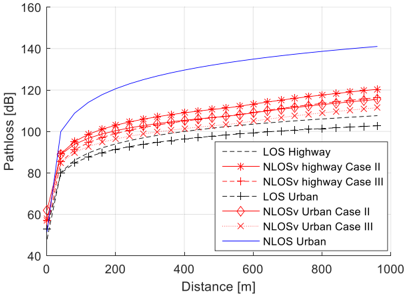
“…remains stable within the t time slot, the distance at time t is expressed as (5), where Loc n ( t ) is the location of user CAV n ( Beyond LoS and non-LoS (NLoS) channel states, we have also incorporated the non-LoS vehicle (NLoSv) state in accordance with the 3GPP NR V2X 37.885 standard [40].”
InfluentialIbrahim, A. M. A., Chen, Z., Wang, Y., Eljailany, H. A., & Ipaye, A. A. (2024) · Applied Sciences · doi:10.3390/app14020531 · Cited by 26
Multi-Agent DRL-Based Two-Timescale Resource Allocation for Network Slicing in V2X Communications
Lu, B., Wu, Y., Qian, L., Zhou, S., Zhang, H., & Lu, R. (2024) · IEEE Transactions on Network and Service Management · doi:10.1109/tnsm.2024.3454758 · Cited by 25
“With full connections between vehicles, pedestrians and networks, IoV enables various emerging Vehicle-to-Everything (V2X) applications, such as autonomous driving, cooperative collision avoidance and entertainment [2].”
Rossi, M., Jin, L., Ferrario, A. M., Somma, M. D., Buonanno, A., Papadimitriou, C. N., Morch, A. Z., Graditi, G., & Comodi, G. (2024) · Energies · doi:10.3390/en17194813 · Cited by 25
Reliability Enhancement for V2V Communications: via AF Relay Versus via Passive RIS
Zhou, M., Wu, F., Wang, K., Sun, Y., Liu, L., Mumtaz, S., Guizani, M., & Niyato, D. T. (2024) · IEEE Transactions on Communications · doi:10.1109/tcomm.2024.3492052 · Cited by 25
“T O MEET the global demand for a smarter and safer transportation system, vehicle-to-everything (V2X) is deemed as one of the key technologies [1].”
C-V2X Centralized Resource Allocation with Spectrum Re-Partitioning in Highway Scenario
Sabeeh, S., Wesołowski, K., & Sroka, P. (2022) · Electronics · doi:10.3390/electronics11020279 · Cited by 26
“A 100 ms interval with the RC range [5, 15] is proposed as the simulation time step (CAM interval) and RC range according to standard [36], which is proposed for Mode 4 as the maximum allowed latency.”
MethodResource allocation for Vehicle‐to‐Everything communications: A survey
Brahmi, I., Koubaa, H., & Zarai, F. (2022) · IET Networks · doi:10.1049/ntw2.12078 · Cited by 28
Stefanovic, C. M., Armada, A. G., & Costa‐Pérez, X. (2022) · IEEE Open Journal of the Communications Society · doi:10.1109/ojcoms.2022.3224835 · Cited by 25
“Indeed, vehicle-to-everything (V2X) 5G New Radio (NR) release 16 introduces the stochastic model for channel characterization in V2X communications where a path-loss formula is dependent on LOS, N-LOS and N-LOSv conditions [67].”
BackgroundA Layer Selection Optimizer for Communication-Efficient Decentralized Federated Deep Learning
Barbieri, L., Savazzi, S., & Nicoli, M. (2023) · IEEE Access · doi:10.1109/access.2023.3251571 · Cited by 26
Sidelink Evolution Toward 5G-A/6G Future Considerations for Standardization of Group Communications
Shrivastava, R., Hegde, S., & Blume, O. (2023) · IEEE Communications Standards Magazine · doi:10.1109/mcomstd.0003.2200050 · Cited by 25
“V2X Group Management”
Optimal Resource Allocation for Random Multiple Access Oriented SCMA-V2X Networks
Zhao, B. W., Liu, J., Mao, B., & Li, S. (2023) · IEEE Transactions on Vehicular Technology · doi:10.1109/tvt.2023.3262274 · Cited by 25
“In the past a few years, there have been lots of research works to address the challenges of V2X communications in terms of physical layer structure, synchronization, security, resource allocation, and so on [6], [7].”
BackgroundChen, R., Ning, J., Lei, Y., Hui, Y., & Cheng, N. (2023) · IEEE Open Journal of Intelligent Transportation Systems · doi:10.1109/ojits.2023.3279264 · Cited by 25
“5G NR V2X is designed to complement LTE V2X [32], which enables the exchange of sensor data between vehicles, RSUs, devices of pedestrians, and V2X application servers [33].”
MethodDu, H., Leng, S., He, J., Xiong, K., & Zhou, L. (2023) · Digital Communications and Networks · doi:10.1016/j.dcan.2023.06.002 · Cited by 25
Target Positioning Accuracy of V2X Sidelink Joint Communication and Sensing
Giovannetti, C., Decarli, N., Bartoletti, S., Stirling-Gallacher, R. A., & Masini, B. M. (2023) · IEEE Wireless Communications Letters · doi:10.1109/lwc.2023.3346937 · Cited by 26
“…measurements (e.g., angle estimation or ranging) represent a huge opportunity for device-based positioning, thanks to the smaller path loss between nearby UEs (compared with the downlink path loss), lower latency, as well as the possibility to use distributed antennas or arrays [4], [5], [6], [7].”
BackgroundMethodA Middleware Protocol for Time-Critical Wireless Communication of Large Data Samples
Peeck, J., Möstl, M., Ishigooka, T., & Ernst, R. (2021) · IEEE Real-Time Systems Symposium (RTSS) · doi:10.1109/rtss52674.2021.00013 · Cited by 24
“After the timeout the writer receives an additional NACK 12 , due to the highest FSN sent within 9 , forcing an unnecessary retransmission 13 .”
BackgroundSecurity Risks and Designs in the Connected Vehicle Ecosystem: In-Vehicle and Edge Platforms
Vincenzi, M. D., Moore, J. M., Smith, B., Sarma, S. E., & Matteucci, I. (2024) · IEEE Open Journal of Vehicular Technology · doi:10.1109/ojvt.2024.3524088 · Cited by 24
“In particular, cellular V2X (C-V2X) communication based on the new 5G radio (NR) shows promise [24].”
MuSLi: A multi sensor LiDAR detection for C-V2X networks
Giuliano, R., Vegni, A. M., Loscrì, V., Innocenti, E., Vizzarri, A., & Mazzenga, F. (2022) · Computer Networks · doi:10.1016/j.comnet.2022.109514 · Cited by 23
A review of Doherty power amplifier and load modulated balanced amplifier for 5G technology
Makhsuci, S., Navidi, S. M., Sanduleanu, M., & Ismail, M. (2023) · International Journal of Circuit Theory and Applications · doi:10.1002/cta.3521 · Cited by 23
“High PAPR in 5G transmitters (TX) can impair TX average PAE and cause overheating difficulties.(2,8,9) Signals can be delivered with high data rates in a limited frequency spectrum by using complex modulation methods.”
BackgroundPerformance Analysis of Coordinated Interference Mitigation Approach for Automotive Radar
Wang, Y., Zhang, Q., Wei, Z., Lin, Y., & Feng, Z. (2023) · IEEE Internet of Things Journal · doi:10.1109/jiot.2023.3244566 · Cited by 23
“The information sharing protocol among multiple radars depends on a sensing-based semi-persistent scheduling (SPS) scheme, during which vehicles access the control channel for packets transmission by announcing the reservation of the selected subchannels [47], [48].”
BackgroundDeep Reinforcement Learning Assisted Beam Tracking and Data Transmission for 5G V2X Networks
Ye, J., & Gharavi, H. (2023) · IEEE Transactions on Intelligent Transportation Systems · doi:10.1109/tits.2023.3272548 · Cited by 29
“Based on the configuration in [1], [39], and”
BackgroundInfluentialZhou, T. Y., Li, C., Zhang, W., Ai, B., Liu, L., & Liang, Y. (2024) · IEEE Internet of Things Journal · doi:10.1109/jiot.2024.3352116 · Cited by 23
“To satisfy the requirement of higher automation levels and advanced use cases, fifth-generation new radio-V2X (5G-V2X) is gradually replacing the long-term evolution-V2X [1], [2], [3], [4].”
BackgroundRadarVerses in Metaverses: A CPSI-Based Architecture for 6S Radar Systems in CPSS
Liu, Y., Shen, Y., Tian, Y., Ai, Y., Tian, B., Wu, E., & Chen, L. F. (2022) · IEEE Transactions on Systems Man and Cybernetics Systems · doi:10.1109/tsmc.2022.3228590 · Cited by 22
“Advanced communication technology, such as 5G [81], provides technical support for real-time interaction in RadarVerses.”
BackgroundReview and Perspectives on the Audit of Vehicle-to-Everything Communications
Zidi, C., Sondi, P., Mitton, N., Wahl, M., & Meddahi, A. (2023) · IEEE Access · doi:10.1109/access.2023.3301182 · Cited by 27
“Reference [50] proposes a tutorial on 5G NR-V2X communications and notably explains the coexistence mechanisms between 5G NR-V2X and LTE-V2X.”
BackgroundLatency-aware V2X Operation Mode Coordination in Vehicular Network Slicing
Fardad, M., Muntean, G., & Tal, I. (2023) · IEEE Vehicular Technology Conference · doi:10.1109/vtc2023-spring57618.2023.10200069 · Cited by 23
“This is a crucial feature of V2V communications and is supported in two modes: mode 1, where SL resources are scheduled by the cellular infrastructure in a centralized way; and mode 2, in which vehicles autonomously select the SL transmission resources based on a sensing mechanism on the configured resource pools [6].”
BackgroundZhao, Y., Ju, C., Wang, D., Liu, N., Guan, L., & Xie, P. (2023) · IEEE Communications Letters · doi:10.1109/lcomm.2023.3344475 · Cited by 22
“…in the time-frequency two-dimensional fading channels, particularly under high dynamic fading conditions, traditional SNR estimation methods exhibit significant deviation in the normalized MSE, failing to meet the requirements of 5G New Radio (NR) non-terrestrial network (NTN) channels [12].”
BackgroundLink Level Analysis of NR V2X Sidelink Communications
Lusvarghi, L., Coll-Perales, B., Gozálvez, J., & Merani, M. L. (2024) · IEEE Internet of Things Journal · doi:10.1109/jiot.2024.3402551 · Cited by 29
“In addition, NR V2X SL exhibits relevant differences at the PHY layer with respect to 5G NR uplink (UL) and downlink (DL) communications [3].”
BackgroundSelf-citationSparse Code Multiple Access Assisted Resource Allocation for 5G V2X Communications
Shi, Z., & Liu, J. (2022) · IEEE Transactions on Communications · doi:10.1109/tcomm.2022.3197605 · Cited by 21
“Mode 2 no longer needs BS to allocate resources; instead, the vehicle directly selects resources from the pre-configured resource pool [13].”
BackgroundTrappey, A. J. C., Wei, A. Y. E., Chen, N. K. T., Li, K.-A., Hung, L. P., & Trappey, C. V. (2022) · Journal of Informetrics · doi:10.1016/j.joi.2022.101354 · Cited by 22
Banitalebi, N., Azmi, P., Mokari, N., Arani, A. H., & Yanıkömeroğlu, H. (2022) · IEEE Open Journal of the Communications Society · doi:10.1109/ojcoms.2022.3211340 · Cited by 23
“Q-learning method is selected for solving the resource allocation problem, which in turn leads to find an optimal policy in the sense of maximizing the expected value of the total reward function for the considered system model [7].”
MethodReiher, L., Lampe, B., Woopen, T., van Kempen, R., Beemelmanns, T., & Eckstein, L. (2022) · International Conference on Electrical, Computer, Communications and Mechatronics Engineering (ICECCME) · doi:10.1109/iceccme55909.2022.9987813 · Cited by 24
“While earlier concepts based on 4G usually processed small data such as object lists remotely [8], 5G also allows to process raw sensor data [9] such as images and point clouds.”
Background5G V2X Performance Comparison for Different Channel Coding Schemes and Propagation Models
Chatzoulis, D., Chaikalis, C., Kosmanos, D., Anagnostou, K. E., & Karetsos, G. T. (2023) · Sensors · doi:10.3390/s23052436 · Cited by 21
“It focuses on enhancing V2X reliability, latency, capacity and flexibility and it also targets advanced use cases, such as platooning, extended sensors, advanced driving and remote driving [10].”
BackgroundChen, Y., Wang, Y., Guo, X., Han, Z., & Zhang, P. (2023) · IEEE Journal on Selected Areas in Communications · doi:10.1109/jsac.2023.3288262 · Cited by 22
Shi, L., Bao, F., Liu, Y., Li, H., Zhu, T., Liu, H., Yu, J., Qiao, Y., Zhu, C., & Xu, J. Z. (2023) · Langmuir · doi:10.1021/acs.langmuir.3c01307 · Cited by 21
OTFCS-Modulated Waveform Design for Joint Grant-Free Random Access and Positioning in C-V2X
Ma, Y., Ma, G., Ai, B., Liu, J., Wang, N., & Zhong, Z. D. (2023) · IEEE Journal on Selected Areas in Communications · doi:10.1109/jsac.2023.3322796 · Cited by 22
“The commercial deployment of cellular systems, such as the fifth generation (5G) communication system, provides a foundation for the intelligent evolution of IoV [2].”
BackgroundLinsalata, F., Moro, E., Gjeci, F., Magarini, M., Spagnolini, U., & Capone, A. (2024) · IEEE Transactions on Vehicular Technology · doi:10.1109/tvt.2024.3355202 · Cited by 21
“Most of such applications require large data exchange among CAVs that are in close proximity to each other, pushing towards the usage of high frequencies Frequency Range 2 (FR2) range for guaranteeing high data rate and available bandwidth [1], [2], [3].”
BackgroundAslam, A. M., Chaudhary, R., Bhardwaj, A., Kumar, N., & Buyya, R. (2025) · Journal of Network and Computer Applications · doi:10.1016/j.jnca.2025.104138 · Cited by 24
Explainable AI-Aided Feature Selection and Model Reduction for DRL-Based V2X Resource Allocation
Khan, N., Abdallah, A., Celik, A., Eltawil, A. M., & Coleri, S. (2025) · IEEE Transactions on Communications · doi:10.1109/tcomm.2025.3554655 · Cited by 20
“V2N links support high data rate applications (e.g., video streaming, location tracking, map updates) via cellular interfaces using the Uu interface of 5G new radio (NR) [2].”
InfluentialNR Sidelink Performance Evaluation for Enhanced 5G-V2X Services
Tabassum, M., Bastos, F. H., Oliveira, A., & Klautau, A. (2023) · Vehicles · doi:10.3390/vehicles5040092 · Cited by 20
A Scalable Mean-Field MARL Framework for Multi-Objective V2X Resource Allocation
Zhang, X., Zhang, H., Tang, H., Liang, L., Cheng, L., Chen, X., Ding, W., & Zhang, X.-P. S. (2024) · IEEE Transactions on Intelligent Vehicles · doi:10.1109/tiv.2024.3422506 · Cited by 23
“Moreover, V2X applications encompass a wide range of QoS requirements, from safety-critical applications demanding low-latency and high reliability to less time-sensitive infotainment services [11].”
Blockchain-based Federated Approach for Privacy-Preserved IoT-enabled Smart Vehicular Networks
Singh, S. K., Park, L., & Park, J. H. (2022) · International Conference on Information and Communication Technology Convergence (ICTC) · doi:10.1109/ictc55196.2022.9952835 · Cited by 20
“Vehicles to Everything (V2X) is a communication in which vehicles can connect to everything worldwide, utilize many valuable human services, including entertainment, weather prediction, route maps, and others, and communicate with different smart vehicular networks [3].”
BackgroundImpact of Persistence on the Age of Information in 5G NR-V2X Sidelink Communications
Rolich, A., Turcanu, I., Vinel, A. V., & Baiocchi, A. (2023) · Mediterranean Communication and Computer Networking Conference (MedComNet) · doi:10.1109/medcomnet58619.2023.10168874 · Cited by 21
“Comprehensive overviews of 5G NR-V2X, describing its physical layer design and resource allocation mechanisms, as well as its two operation modes (Mode 1 and Mode 2), are provided in [13] and [14].”
BackgroundShankar, R. (2023) · International Journal of Communication Systems · doi:10.1002/dac.5585 · Cited by 20
Remote ID for separation provision and multi-agent navigation
Vinogradov, E. A., Kumar, A., Minucci, F., Pollin, S., & Natalizio, E. (2023) · IEEE/AIAA Digital Avionics Systems Conference (DASC) · doi:10.1109/dasc58513.2023.10311133 · Cited by 20
“Additionally, a comparison of various wireless communication technologies [12], [24]–[27] is presented in Fig.”
BackgroundZamfirescu, C., Iugulescu, R., Crăciunescu, R., Vulpe, A., Li, F. Y., & Halunga, S. V. (2023) · Vehicular Communications · doi:10.1016/j.vehcom.2023.100691 · Cited by 27
Ali, G. G. M. N., Sadat, M. N., Miah, S., Sharief, S. A., & Wang, Y. (2024) · Future Internet · doi:10.3390/fi16010021 · Cited by 23
Song, S., Zhang, Z., Wu, Q., Fan, P., & Fan, Q. (2024) · Sensors · doi:10.3390/s24134338 · Cited by 29
“As pointed out in [24], the development of SL in NR-V2X is to supplement and expand the SL communication in LTE-V2X.”
BackgroundIntegrating Cybersecurity in V2X: A Review of Simulation Environments
Gularte, K. H. M., da Costa, J. P. C. L., Vargas, J. A. R., Silva, A., Santos, G. A., Yu-ming, W., Müller, C. A., Lipps, C., de Sousa, R. T., Filho, W. D. B. V., et al. (2024) · IEEE Access · doi:10.1109/access.2024.3504404 · Cited by 23
“To understand these capabilities in detail, Table 1 [5] illustrates the range of communication types encompassed by V2X, categorized into specific groups [6], [7], [8], [9], [10], [11], [12], [13].”
On the Performance Analysis of V2N Mixed RF and Hybrid FSO/RF Communication System
Sandeep, V., Gurjar, D. S., Yadav, S., Pattanayak, P., & Jiang, Y. (2022) · IEEE photonics journal · doi:10.1109/jphot.2022.3223972 · Cited by 21
“The existing radio access technologies (RATs) for vehicular communication are DSRC and cellular-V2X (C-V2X) [27], [28], [29], [30], [31].”
BackgroundLazăr, R.-G., Păucă, O., Maxim, A., & Caruntu, C. F. (2023) · Sensors · doi:10.3390/s23177576 · Cited by 21
“Moreover, from the point of view of time, the channel is divided into sub-frames of 1 ms [112].”
BackgroundDong, Z., Zhu, X., Jiang, Y., Zeng, H., Wei, Z., Zheng, F., & Leung, K.-C. (2022) · IEEE Transactions on Vehicular Technology · doi:10.1109/tvt.2022.3190518 · Cited by 23
“With the emergence of the fifth generation (5G) communications, C-V2X has evolved to 5G-V2X [5], which can support many advanced use cases, e.”
BackgroundInvestigation of 5G and 4G V2V Communication Channel Performance Under Severe Weather
Liu, J., Nazeri, A., Zhao, C., Abuhdima, E., Comert, G., Huang, C., & Pisu, P. (2022) · IEEE International Conference on Wireless for Space and Extreme Environments (WiSEE) · doi:10.1109/wisee49342.2022.9926867 · Cited by 19
“There are several differences between 5G mm-Wave and 4G LTE V2V channels [16]; we only consider the frequency, bandwidth, and numerology to simplify the problem.”
BackgroundKim, D.-H., Castellanos, M. R., & Heath, R. W. (2023) · IEEE Transactions on Vehicular Technology · doi:10.1109/tvt.2023.3274763 · Cited by 23
“We assume stationarity in the joint process of channel and blockage in both scenarios, which is commonly used in vehicular channel modeling [2].”
BackgroundMethodAbdelHakeem, S. A., & Kim, H. (2023) · Journal of King Saud University - Computer and Information Sciences · doi:10.1016/j.jksuci.2023.101638 · Cited by 21
“The standardization efforts for 5G-V2X communication are driven by organizations such as the 3rd Generation Partnership Project (3GPP) (Garcia et al., 2021; Sa˘glam and Bahtiyar, 2019; Hakeem et al., 2019).”
Beam management optimization for V2V communications based on deep reinforcement learning
Ye, J., & Ge, X. (2023) · Scientific Reports · doi:10.1038/s41598-023-47769-3 · Cited by 19
Mir, Z. H., Dreyer, N., Kürner, T., & Filali, F. (2022) · Future Generation Computer Systems · doi:10.1016/j.future.2024.07.002 · Cited by 19
Adaptive Digital Twin Migration in Vehicular Edge Computing and Networks
Mou, F., Lou, J., Tang, Z., Wu, Y., Weijia Jia, B., Zhang, Y., & Zhao, W. (2024) · IEEE Transactions on Vehicular Technology · doi:10.1109/tvt.2024.3492349 · Cited by 19
“The coverage radius of each RSU reaches up to 500 meters according to the C-V2X standard [44], [45].”
MCS Analysis for 5G-NR V2X Sidelink Broadcast Communication
Yan, J., & Härri, J. (2022) · IEEE Intelligent Vehicles Symposium · doi:10.1109/iv51971.2022.9827311 · Cited by 19
“Most V2X services are based on broadcast communication and on ad-hoc (infrastructure-less) resource allocation ([1]).”
Background6G V2X Technologies and Orchestrated Sensing for Autonomous DrivingPreprint
Mizmizi, M., Brambilla, M., Tagliaferri, D., Mazzucco, C., Debbah, M. A., Mach, T., Simeone, R., Mandelli, S., Frascolla, V., Lombardi, R., et al. (2021) · arXiv (Cornell University) · doi:10.48550/arxiv.2106.16146 · Cited by 19
“This is thanks to an ultrareliable low-latency communication (URLLC) which is crucial to enable cooperative perception and maneuvering functionalities [4].”
BackgroundOptimize Semi-Persistent Scheduling in NR-V2X: An Age-of-Information Perspective
Cao, L., Yin, H., Wei, R., & Zhang, L. (2022) · 2022 IEEE Wireless Communications and Networking Conference (WCNC) · doi:10.1109/wcnc51071.2022.9771765 · Cited by 18
“In particular, NR-V2X Mode 2 provides high flexibility for RRI values ranging from integer 1 to 100 ms, different from C-V2X Mode 4 where RRI values can be only 20, 50 and 100 ms [12] 1 .”
BackgroundGeneralized Multi-Hop NR Sidelink Relay for Future V2X Communication
Fu, Q., & Liu, J. (2024) · IEEE/ACM Transactions on Networking · doi:10.1109/tnet.2023.3327754 · Cited by 18
“Given the advantages of low latency, high capability, and strong resilience to interference, NR sidelink utilizes the PC5 interface and can be flexibly adopted for Vehicle-to-Vehicle (V2V), Vehicle-to-Infrastructure (V2I), and Vehicle-to-Pedestrian (V2P) communications [3].”
Cui, J., Cao, X., Wang, S., Wu, X., & Ge, G. (2025) · IEEE Transactions on Vehicular Technology · doi:10.1109/tvt.2025.3549448 · Cited by 18
Federated Multiagent Reinforcement Learning for Resource Allocation in NR-V2X Mode 2
Saad, M. M., Tariq, M. A., Ajmal, M., Kim, D., & Srivastava, G. (2025) · IEEE Internet of Things Journal · doi:10.1109/jiot.2025.3555195 · Cited by 19
“However, it is important to note that NR-V2X sidelink communications are designed to complement, rather than replace, C-V2X sidelink communications [4], [5].”
Next‐generation wireless communication technologies for improved disaster response and management
Song, H., & Chung, J. (2025) · ETRI Journal · doi:10.4218/etrij.2024-0546 · Cited by 18
An Overview of 3GPP Release 17 & 18 Advancements in the Context of V2X Technology
Saad, M. M., Tariq, M. A., Seo, J., & Kim, D. (2023) · International Conference on Artificial Intelligence in Information and Communication (ICAIIC) · doi:10.1109/icaiic57133.2023.10067121 · Cited by 30
“17 introduced the PSFCH to improve the reliability of V2X-based communication [10].”
MethodMulti-Task Communication Resource Allocation for MIMO-Based Vehicular Fog Computing
Zhu, C., Xie, X., Zhang, R., Li, R., Zhu, B., & Bu, X. (2023) · IEEE Transactions on Vehicular Technology · doi:10.1109/tvt.2023.3311011 · Cited by 18
“To guarantee the transmission data rate, we set the effective communication distance of a v-client to 100 meters [49].”
MethodAdvancing O-RAN to Facilitate Intelligence in V2X
Moro, E., Linsalata, F., Magarini, M., Spagnolini, U., & Capone, A. (2025) · IEEE Network · doi:10.1109/mnet.2025.3553581 · Cited by 18
“Dynamic resource allocation, based on continuous monitoring, is vital for V2X in such environments [4], [7].”
InfluentialFu, J., Qin, X., Huang, Y., Tang, L., & Liu, Y. (2022) · Sensors · doi:10.3390/s22051874 · Cited by 19
“On the other hand, in mode 4, the user selects the spectrum resource with sensing channel measurements, the level of interference that will be experienced if the sensing user transmits in the corresponding spectrum resource [31].”
BackgroundSelection of Time Headway in Connected and Autonomous Vehicle Platoons Under Noisy V2V Communication
Ma, G., Pagilla, P. R., & Darbha, S. (2024) · IEEE Transactions on Intelligent Transportation Systems · doi:10.1109/tits.2024.3498701 · Cited by 17
“Recently, the benefits of employing advanced vehicular communication technologies and modern communication protocols have been expounded in great detail in the literature; for example, Ded-icated Short Range Communication (DSRC) [5], Long Term Evolution (LTE) [6], 5G [7], and V2V communication [8].”
BackgroundAoki, S., Yonezawa, T., Kawaguchi, N., Steenkiste, P., & Rajkumar, R. (2022) · IEEE Internet of Things Magazine · doi:10.1109/iotm.001.2100143 · Cited by 17
“In fact, the European Tele-communications Standards Institute (ETSI) and 3rd Generation Partnership Project (3GPP) [6] have launched proposals for the standardization of cooperative or collective perception.”
Internet-of-Things (IoT) Platform for Road Energy Efficiency Monitoring
Skar, A., Vestergaard, A., Pour, S. M., & Pettinari, M. (2023) · Sensors · doi:10.3390/s23052756 · Cited by 17
“This trend is facilitated by the increasing use of Internet-of-Things (IoT) devices [20] and 5G communication technology [21,22].”
BackgroundOkpok, M., & Kihei, B. (2023) · Electronics · doi:10.3390/electronics12204310 · Cited by 20
Huang, R., Wen, W., Chen, X., Zhou, Z., Chen, Q., & Dong, C. (2023) · IEEE Transactions on Vehicular Technology · doi:10.1109/tvt.2023.3327073 · Cited by 18
“Additionally, due to the adoption of short data packet transmission in our scenario, the control signaling overhead of the device is greatly saved, significantly reducing the likelihood of connection conflicts among multiple devices [48].”
Background
Metadata
- Authors
- Garcia, M. H. C., Molina-Galan, A., Boban, M., Gozalvez, J., Coll-Perales, B., Şahin, T., & Kousaridas, A.
- Affiliations
- Munich Research Center, Huawei Technologies Duesseldorf GmbH, Munich, Germany
- Universitat de Miguel Hernández d'Elx (ES)
- Huawei German Research Center (DE)
- UWICORE Laboratory, Universidad Miguel Hernandez de Elche, Elche, Spain
- ORCID
- Venue
- IEEE Communications Surveys & Tutorials
- Published
- 2021
- Volume
- 23
- Issue
- 3
- Pages
- 1972-2026
- ISSN
- 1553-877X (ISSN-L)
- 2373-745X
- OpenAlex
- W3126365018
- Semantic Scholar
- 356f84acfb52e20722e9306d8919aabef7e1d18f
- Cited by
- 975
- References
- 35
- Citations by year
- 2026: 133 · 2025: 196 · 2024: 223 · 2023: 239 · 2022: 141 · 2021: 43
- FWCI
- 47.50
- Type
- journal article
- Language
- en
- Open access
- hybrid
- doi.org
- Locations
- IEEE Communications Surveys & Tutorials (publishedVersion, cc-by)
- arXiv (Cornell University) (submittedVersion)
- arXiv (Cornell University) (cc-by)
- Funders
- UWICORE Laboratory, Universidad Miguel Hernandez de Elche
- Ministerio de Ciencia e Innovación (MCI), AEI, and FEDER funds through the Project (TEC2017-88612-R)
- Ministerio de Universidades (FPU18/00691, IJC2018-036862-I)
- Topics
- Physical Sciences › Engineering › Electrical and Electronic Engineering › Vehicular Ad Hoc Networks (VANETs)
- Physical Sciences › Engineering › Control and Systems Engineering › Traffic control and management
- Physical Sciences › Engineering › Media Technology › Telecommunications and Broadcasting Technologies
- Keywords
- 5G NR, vehicle-to-everything communication, 3GPP Release 16, sidelink, connected and automated driving, resource allocation, quality of service management, vehicle-to-network communication, physical layer, mobility management, system architecture, simulation methods
About these checks
Registry, retraction, Cites and statistics results are computed, not judged, with one exception: a printed reference that no index lists is read once by a model before it counts as a citation error. Claims are extracted by a model and kept only when their quote appears verbatim in the text; each cited source is then checked, with a model’s help, for whether it says what the claim relies on. Those verdicts can be wrong — read the claim’s quote and the cited source before relying on one.
Statistics and arithmetic are recomputed, not judged.
Confidence bands are shown only for fields calibrated on our annotated test set. None is calibrated yet, so no band is shown.
What counts as a claim ›How we measure confidence ›How we check this ›
Are you an author, or do you see a problem with this page? Request a review
Data sources
Bibliographic data: Semantic Scholar, OpenAlex, Crossref.
Contains information from the Semantic Scholar Academic Graph Datasets, made available under the ODC Attribution License (ODC-BY 1.0).
Semantic Scholar’s data is described in: Kinney, R., et al. (2023). The Semantic Scholar Open Data Platform. arXiv:2301.10140.
