

A Tutorial on 5G NR V2X Communications
Open accessThe DOI matches its Crossref record; 34 of the 35 references it cites were found in a registry or an index.
Abstract
The Third Generation Partnership Project (3GPP) has recently published its Release 16 that includes the first Vehicle-to-Everything (V2X) standard based on the 5G New Radio (NR) air interface. 5G NR V2X introduces advanced functionalities on top of the 5G NR air interface to support connected and automated driving use cases with stringent requirements. This article presents an in-depth tutorial of the 3GPP Release 16 5G NR V2X standard for V2X communications, with a particular focus on the sidelink, since it is the most significant part of 5G NR V2X. The main part of the paper is an in-depth treatment of the key aspects of 5G NR V2X: the physical layer, the resource allocation, the quality of service management, the enhancements introduced to the Uu interface and the mobility management for V2N (Vehicle to Network) communications, as well as the co-existence mechanisms between 5G NR V2X and LTE V2X. We also review the use cases, the system architecture, and describe the evaluation methodology and simulation assumptions for 5G NR V2X. Finally, we provide an outlook on possible 5G NR V2X enhancements, including those identified within Release 17.
Overview
The claims and statistics of this paper haven’t been checked yet.
Free: it reads the open-access text and checks the first 5 claims that cite a source we can check. Create a free account to check every claim.
Integrity signals
Registry
Cites
Statistics
Figures













Verification
Claims the paper makes
The claims and statistics of this paper haven’t been checked yet.
Free: it reads the open-access text and checks the first 5 claims that cite a source we can check. Create a free account to check every claim.
Claims other papers make about this one
Each is checked against this paper’s own text: does it say what the citing paper says it does?
The source backs part of the claim, not all of it — or backs it for a different population, condition or comparison.
In the citing paper
“Advanced C-V2X applications demand transmission latencies of a few milliseconds and 99.999% reliability [2].”
From Explainable AI-Aided Feature Selection and Model Reduction for DRL-Based V2X Resource Allocation (2025) · cites this paper as [2]
Experimental — accuracy not yet measuredThe source backs part of the claim, not all of it — or backs it for a different population, condition or comparison.
In the citing paper
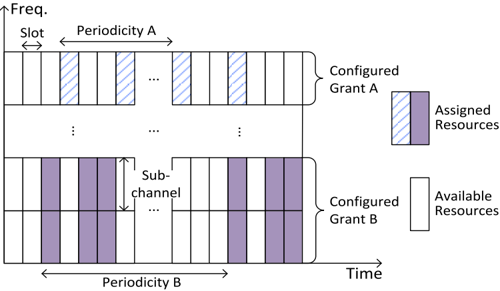
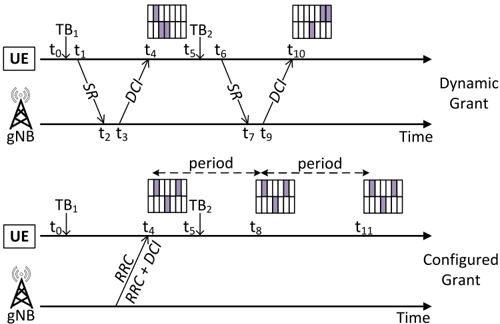
“Configured Grant Type 2 is used for periodic services with a scheduling timeline similar to dynamic scheduling in 5G-V2X sidelink communication.”
From Towards 6G V2X Sidelink: Survey of Resource Allocation—Mathematical Formulations, Challenges, and Proposed Solutions (2024) · cites this paper as [18]
Experimental — accuracy not yet measuredThe source backs part of the claim, not all of it — or backs it for a different population, condition or comparison.
In the citing paper
“To address the challenges posed by such scenarios, 5G-V2X introduces resource re-evaluation and pre-emption mechanisms in Mode B resource allocation [91], [18].”
From Towards 6G V2X Sidelink: Survey of Resource Allocation—Mathematical Formulations, Challenges, and Proposed Solutions (2024) · cites this paper as [18]
Experimental — accuracy not yet measuredThe cited source says what the claim attributes to it.
In the citing paper
“Configured Grant Type 1 is mainly used for periodic traffic in 5G-V2X sidelink communication.”
From Towards 6G V2X Sidelink: Survey of Resource Allocation—Mathematical Formulations, Challenges, and Proposed Solutions (2024) · cites this paper as [18]
The cited source says what the claim attributes to it.
In the citing paper
“Currently, the NR-V2X sidelink has been standardized by 3GPP to support low-latency high-reliability direct communication.”
From Reinforcement Learning-Based Resource Allocation Scheme of NR-V2X Sidelink for Joint Communication and Sensing (2025) · cites this paper as [4]
Self-check
Percentages, sums and reported differences re-computed from the paper’s own numbers.
The self-check needs the paper’s full text.
Citations
Cites
Dedicated Short-Range Communications (DSRC) Standards in the United States
Kenney, J. B. (2011) · Proceedings of the IEEE · doi:10.1109/jproc.2011.2132790 · Cited by 2,366
Polyphase codes with good periodic correlation properties (Corresp.)
Chu, D. (1972) · IEEE Transactions on Information Theory · doi:10.1109/tit.1972.1054840 · Cited by 1,730
Polyphase codes with good periodic correlation properties
Chu, D. C. (1972) · IEEE Transactions on Information Theory · Cited by 999
Vehicle-to-Everything (v2x) Services Supported by LTE-Based Systems and 5G
Chen, S., Hu, J., Shi, Y., Peng, Y., Fang, J., Zhao, R., & Zhao, L. (2017) · IEEE Communications Standards Magazine · doi:10.1109/mcomstd.2017.1700015 · Cited by 921
5G NR: the Next Generation Wireless Access Technology
(2018) · Elsevier eBooks · doi:10.1016/c2017-0-01347-2 · Cited by 876
An overview of 3GPP device-to-device proximity services
Lin, X., Andrews, J., Ghosh, A., & Ratasuk, R. (2014) · IEEE Communications Magazine · doi:10.1109/mcom.2014.6807945 · Cited by 798
Molina-Masegosa, R., & Gozalvez, J. (2017) · IEEE Vehicular Technology Magazine · doi:10.1109/mvt.2017.2752798 · Cited by 755
Taxonomy and Definitions for Terms Related to On-Road Motor Vehicle Automated Driving Systems
On-Road Automated Driving (ORAD) Committee (2017) · doi:10.4271/j3016_201401 · Cited by 675
Generalized chirp-like polyphase sequences with optimum correlation properties
Popovic, B. M. (1992) · IEEE Transactions on Information Theory · doi:10.1109/18.144727 · Cited by 419
Impact of Vehicles as Obstacles in Vehicular Ad Hoc Networks
Boban, M., Vinhoza, T. T. V., Ferreira, M., Barros, J., & Tonguz, O. K. (2011) · IEEE Journal on Selected Areas in Communications · doi:10.1109/jsac.2011.110103 · Cited by 351
Self-citation
Research works printed but not linked: 48
- 33. SA WG2, Study on Architectural Enhancements for 5G Multicast- Broadcast Services, document SP-190625, TSG SA Meeting #85, 3GPP, Sophia Antipolis, France, Sep. 2019.
- 101. 3GPP MCC Support, Final Report of 3GPP TSG RAN WG1 #AH_1901 V1.0.0, document 3GPP TSG RAN WG1 Meeting #96, 3GPP, Taipei, Taiwan, Mar. 2019.
- 100. WID on 5G V2X With NR Sidelink, document RP-200129 3GPP TSG RAN Meeting #87e, LG Electron., Seoul, South Korea, Mar. 2020.
- 50. J. Schlienz and A. Roessler, "Device to device communication in LTE," Rhode & Schwarz, Munich, Germany, White Paper, 2015.
- 57. Huawei, Sidelink Physical Layer Structure for NR V2X, document R1-1910054 3GPP TSG RAN WG1 Meeting #98bis, HiSilicon, Chongqing, China, Oct. 2019.
- 56. 3GPP MCC Support, Final Report of 3GPP TSG RAN WG1 #98bis V2.0.0, document TSG RAN WG1 Meeting #98bis, 3GPP, Chongqing, China, Oct. 2019.
- 55. 3GPP MCC Support, Draft Report of 3GPP TSG RAN WG1 #99 V0.1.0, document TSG RAN WG1 Meeting #99, 3GPP, Reno, NV, USA, Nov. 2019.
- 54. 3GPP MCC Support, Final Report of 3GPP TSG RAN WG1 #100bis- e V1.0.0, document TSG RAN WG1 Meeting #101-e, 3GPP, Sophia Antipolis, France, Jun. 2020.
- 40. J. Campos, Understanding the 5G NR Physical Layer, Keysight Technol., Santa Rosa, CA, USA, Nov. 2017.
- 5. F. Perry, "Overview of DSRC messages and performance require- ments," in Proc. UFTI DSRC Other Commun. Options Transp. Connectivity Workshop, 2017.
- 8. 3GPP, New SI Proposal: Study on Evaluation Methodology of New V2X Use Cases for LTE and NR, document RP-170837 TSG RAN Meeting #75, 3GPP, Dubrovnik, Croatia, Mar. 2017.
- 49. 3GPP MCC Support, Final Report of 3GPP TSG RAN WG1 #100-e V2.0.0, document TSG RAN WG1 Meeting #100bis-e, 3GPP, Sophia Antipolis, France, Apr. 2020.
- 9. New SID: Study on NR V2X, document RP-181480, 3GPP TSG RAN Meeting #80, 3GPP, Sophia Antipolis, France, Jun. 2018.
- 46. Final Report of 3GPP TSG RAN WG1 #101-e, 3GPP, Sophia Antipolis, France, Aug. 2020.
- 48. 3GPP MCC Support, Final Report of 3GPP TSG RAN WG1 #AH_1901 V1.0.0, document TSG RAN WG1 Meeting #96, 3GPP, Taipei, Taiwan, Mar. 2019.
- 47. 3GPP MCC Support, Final Report of 3GPP TSG RAN WG1 #95 v1.0.0, document TSG RAN WG1 Meeting #95, 3GPP, Sophia Antipolis, France, Nov. 2019.
- 44. Summary of RAN1 Agreements/Working Assumptions in WI 5G V2X With NR Sidelink, document R1-1913601, 3GPP TSG RAN WG1 Meeting #99, LG Electron., Reno, NV, USA, Nov. 2019.
- 127. A. E. Fernandez et al., "5GCAR scenarios, use cases, requirements and KPIs," in Proc. 5th Gener. Commun. Autom. Res. Innov., 2017, pp. 37-39.
- 126. New Work Item on NR Support of Multicast and Broadcast Services, document RP-193248 3GPP TSG RAN Meeting #86, Huawei, Sitges, Spain, Dec. 2019.
- 125. Revised SID: Study on NR Sidelink Relay, document RP-201474 3GPP TSG RAN Meeting #89e, 3GPP, Sophia Antipolis, France, Sep. 2020.
- 72. Huawei, Remaining Details of Physical Layer Procedures for Sidelink, document R1-2001555 3GPP TSG RAN WG1 Meeting #100e-bis, HiSilicon, Singapore, Apr. 2020.
- 77. Discussion on V2X Physical Layer Procedure, document R1-1906558 3GPP TSG RAN WG1 Meeting #97, MediaTek, Inc., Reno, NV, USA, May 2019.
- 64. Huawei, Remaining Details of Sidelink Synchronization Mechanisms, document R1-2001553, TSG RAN WG1 Meeting #100bis-e, 3GPP, Sophia Antipolis, France, Apr. 2020.
- 65. Sidelink Synchronization Mechanism, document R1-1911421 3GPP TSG RAN WG1 Meeting #98bis, VIVO, Dongguan, China, Oct. 2019.
- 67. Huawei, Sidelink Discovery for NR V2X, document R1-1903068 3GPP TSG RAN WG1 Meeting #96, HiSilicon, Athens, Greece, Mar. 2019.
- 68. Final Report of 3GPP TSG RAN WG1 #96 V2.0.0, document 3GPP TSG RAN WG1 Meeting #96, 3GPP MCC Support, Athens, Greece, Mar. 2019.
- 2. C2C-CC Manifesto, Car 2 Car Commun. Consortium, Braunschweig, Germany, 2007.
- 1. CAMP Vehicle Safety Communications Consortium, "Vehicle safety communications project: Task 3 final report: Identify intelligent vehicle safety applications enabled by DSRC," Nat. Highway Traffic Safety Admin., U.S. Dept. Transp., Washington, DC, USA, 2005.
- 96. Status Report to TSG (WI NR Mobility Enhancements), document RP- 192278 3GPP TSG RAN Meeting #85, Intel Corporat., Sitges, Spain, Sep. 2019.
- 94. Huawei, NR Uu and LTE Uu Support and Enhancement for Advanced V2X Use Cases, document R1-1812212 3GPP TSG RAN WG1 Meeting #95, HiSilicon, Spokane, WA, USA, Nov. 2018.
- 92. Analysis of NR Uu Support for Advanced V2X Use Cases, document R1-1810777 3GPP TSG RAN WG1 Meeting #94bis, Intel Corporat., Chengdu, China, Oct. 2018.
- 102. Report of 3GPP TSG RAN WG2 #105bis, document 3GPP TSG RAN WG2 Meeting #105bis, ETSI MCC, Xi'an, China, Apr. 2019.
- 111. Huawei, Sidelink Synchronization Mechanisms for NR V2X, document R1-1911885 3GPP TSG RAN WG1 Meeting #99, HiSilicon, Reno, NV, USA, Nov. 2019.
- 112. Study on Scenarios and Requirements of In-Coverage, Partial Coverage, and Out-of-Coverage Positioning Use Cases, document RP- 201384 3GPP TSG RAN Meeting #88e, LG Electron., Seoul, South Korea, Jul. 2020.
- 110. New WID on NR Sidelink Enhancement, document RP-193257 3GPP TSG RAN Meeting #86, LG Electron., Sitges, Spain, Dec. 2019.
- 98. Samsung Electronic, Introduction of T312 in NR, document R2- 1911445 3GPP TSG RAN WG2 Meeting #107, Qualcomm Inc., Prague, CZ, USA, Aug. 2019.
- 95. Status Report to TSG (WI NR Mobility Enhancements), document RP- 192533 3GPP TSG RAN Meeting #86, Intel Corporat., Sitges, Spain, Dec. 2019.
- 10. LG Electronics, New WID on 5G V2X With NR Sidelink, document RP-190766 3GPP TSG RAN Meeting #83, Huawei, Shenzhen, China, Mar. 2019.
- 13. 5GAA. White Paper C-V2X Use Cases: Methodology, Examples and Service Level Requirements. Accessed: Jun. 2019. [Online]. Available: https://5gaa.org/wp-content/uploads/2019/07/5GAA_191906 _WP_CV2X_UCs_v1.pdf
- 117. 117Summary of Email Discussion on Rel-17 Sidelink Enhancement, docu- ment RP-192745 3GPP TSG RAN Meeting #86, LG Electron., Sitges, Spain, Dec. 2019.
- 119. 'Miscellaneous Issues on Resource Allocation, 3GPP R1-1908914 TSG RAN WG1 Meeting #98, Ericsson, Prague, CZ, USA, Aug. 2019.
- 116. Discussion on Resource Allocation for Mode 2, document R1-1912588 3GPP TSG RAN WG1 Meeting #99, LG Electron., Reno, NV, USA, Nov. 2019.
- 120. Dynamic Sidelink Bi-Mode Transmission Under GNB Configuration, document R1-1912080 3GPP TSG RAN WG1 Meeting #99, Fujitsu, Reno, NV, USA, May 2019.
- 121. Resource Allocation for Mode-2 Transmissions, document R1-1910534 3GPP TSG RAN WG1 Meeting #98bis, Ericsson, Chongqing, China, Oct. 2019.
- 122. Geographic Information Based Dynamic TFRP Resource Selection Procedure in NR-V2X, document R1-1905375 3GPP TSG RAN WG1 Meeting #96bis, Fujitsu, Xian, China, Apr. 2019.
- 123. Huawei, Sidelink Resource Allocation Mode 2 for NR V2X, document R1-1911884 3GPP TSG RAN WG1 Meeting #99, HiSilicon, Reno, NV, USA, Nov. 2019.
- 2020, Summary of [108#50][V2X] Feature List and UE Caps
- 87. Huawei, Running CR to TS 38.331 for 5G V2X With NR Sidelink, doc- ument R2-1915983 3GPP TSG RAN WG2 Meeting #108, HiSilicon, Reno, NV, USA, Nov. 2019.
Cited by
Items 401–500 of 1,000
Ma, G., Pagilla, P. R., & Darbha, S. (2025) · IEEE Transactions on Intelligent Transportation Systems · doi:10.1109/tits.2025.3553812 · Cited by 7
“…of employing advanced vehicular communication technologies and modern communication protocols have been expounded in great detail in recent literature; for example, Dedicated Short Range Communication (DSRC) [2], Long Term Evolution (LTE) [3], 5G [4], Vehicle-to-Vehicle (V2V) communication [5].”
Intelligent Edge-Embedded Technologies for Digitising Industry
Vermesan, O., & Nava, M. D. (2022) · doi:10.13052/rp-9788770226103 · Cited by 7
C-V2X based Offloading Strategy in Multi-Tier Vehicular Edge Computing System
Feng, W., Lin, S., Zhang, N., Wang, G., Ai, B., & Cai, L. (2022) · Globecom · doi:10.1109/globecom48099.2022.10001050 · Cited by 7
“…other vehicles through the LTE or NR PC5 interfaces while using the LTE or NR Uu interface to communicate with BSs. 3GPP Release 14 proposes a semi-persistent scheduling (SPS) algorithm based on the channel sensing in mode 4 in LTE V2X [13], and Release 16 further supplements it in mode 2 [14].”
BackgroundMethodCluster-Based Radio Resource Management in Dynamic Vehicular Networks
Huang, J., Cui, H., & Chen, C. (2022) · IEEE Access · doi:10.1109/access.2022.3169496 · Cited by 7
“Other simulation parameters are listed in Table 4 [20], [24].”
BackgroundGeospatial Cognitive Networking Protocols and Sensing Algorithms for 5G NR Beamforming
Stevens, B., & Younis, M. (2022) · IEEE Transactions on Cognitive Communications and Networking · doi:10.1109/tccn.2022.3204536 · Cited by 9
“Additionally, 5G NR hopes to leverage Sidelink for both device-to-device (D2D) [13] and vehicle-to-everything (V2X) [14] communication so that”
BackgroundPerformance evaluation of 5G NR sidelink for V2X scenarios
Elgarhy, O., Yener, O., & Alam, M. M. (2022) · Biennial Baltic Electronics Conference (BEC) · doi:10.1109/bec56180.2022.9935591 · Cited by 7
“tant aspects for the 5G NR V2X can be found in [7].”
BackgroundNext-G Wireless: Learning from 5G Techno-Economics to Inform Next Generation Wireless TechnologiesPreprint
Oughton, E. J., & Lehr, W. H. (2021) · SSRN Electronic Journal · doi:10.2139/ssrn.3898099 · Cited by 7
“, 2020), transport and logistics (Ashraf et al., 2020; Garcia et al., 2021), healthcare, live events (Hoeschele et al.”
A Survey on Performance, Current and Future Usage of Vehicle-To-Everything Communication StandardsPreprint
Dettinger, F., Weiß, M., Dittler, D., Stümpfle, J., Artelt, M., & Weyrich, M. (2024) · arXiv (Cornell University) · doi:10.48550/arxiv.2410.10264 · Cited by 12
“Each of them uses specific communication technologies with their own capabilities, protocol stacks, and supported use cases [3 – 5].”
BackgroundMethodInfluentialRe-Evaluation Strategies for 5G NR V2X Communications
Molina-Galan, A., Coll-Perales, B., & Gozalvez, J. (2022) · 2022 IEEE 96th Vehicular Technology Conference (VTC2022-Fall) · doi:10.1109/vtc2022-fall57202.2022.10012842 · Cited by 6
“This is the first standard based on the 5G NR (New Radio) radio interface that supports sidelink (SL) or direct Vehicle-to-Vehicle (V2V) communications [1].”
BackgroundSelf-citationKar, S., Mishra, P., & Wang, K. (2025) · EURASIP Journal on Wireless Communications and Networking · doi:10.1186/s13638-025-02488-3 · Cited by 6
“The 5G networks need to address the growing demands for high throughputs, and reliable low latency communication under various mobility scenarios [6–9].”
Graph-Based Federated Multiagent DRL for Semantic and Intent-Aware V2X Communication
Singh, P., Hazarika, B., & Huang, W.-J. (2025) · IEEE Internet of Things Journal · doi:10.1109/jiot.2025.3616381 · Cited by 6
“For example, Garcia et al. [6] analyze standardization aspects, Sehla et al. [7] focus on performance evaluations under dense tra ffi c, and Ashraf et al. [8] investigate latency and reliability trade-o ff s in real deployments.”
Cooperative Safety Intelligence Over V2X Networks: A Survey
Zhang, J., Xu, Q., Li, Z., Wu, Y., Xu, C., & Li, K. (2026) · IEEE Communications Surveys & Tutorials · doi:10.1109/comst.2026.3723946 · Cited by 8
“Temporal alignment is maintained through network-distributed clocks: 5G NR V2X Release 16 introduces the Network Time Distribution Service (NTDS), achieving microsecond-level synchronization via GNSS time or IEEE 1588 PTP [65].”
Emerging Communication Technologies for V2X: Standards and Protocols
Kabalcı, Y., & Mutlu, U. (2023) · Power systems · doi:10.1007/978-3-031-38506-3_12 · Cited by 6
DRL-Based Availability-Aware Migration of a MEC Service
Sarah, A., Nencioni, G., & Khan, M. I. (2024) · IEEE Open Journal of the Communications Society · doi:10.1109/ojcoms.2024.3443514 · Cited by 6
“The service payload μ PL for transmitting and receiving the service is 32 KB [48].”
BackgroundTian, B., Yang, J., Zhang, C., Hao, X., Shi, M., Wang, S., Yang, Z., Chen, L., Zhao, Y., & Ge, S. (2024) · IEEE Transactions on Intelligent Vehicles · doi:10.1109/tiv.2024.3450609 · Cited by 6
“The informationcollectedisthensharedwithintelligentonboard unitsthroughcommunicationtechnologiessuchas5G[36],[37], cellular[38],andothers.”
Vehicle-to-Everything (V2X) Communications in Unlicensed Spectrum Can Be Safe and Efficient
Peha, J. M., Jin, Z., & de Koo, W. (2024) · IEEE Access · doi:10.1109/access.2024.3508595 · Cited by 6
Wang, D., Xu, H., Guo, J., Dai, L., & Zhang, L. (2025) · Electronics · doi:10.3390/electronics14050952 · Cited by 6
“Additionally, we assume that EV drivers utilize vehicle-to-network (V2N) technology to provide data on their highway itinerary and battery states [28,29].”
Advancing NR-V2X: Evaluating Mode 2 Performance Through Analytical Modeling and Simulations
Elsharief, M., Sabuj, S. R., Jeong, N. S., & Jo, H. (2025) · IEEE Access · doi:10.1109/access.2025.3596946 · Cited by 6
“If RRI 100 ms, the range can be randomly set as [5 C , 15 C ], where C = 100 / max ( 20 , RRI ) [13].”
InfluentialPlanning smart link-based geofences for urban sustainability via speed limit management
Lu, W., Luo, D., Yi, Z., Rui, Y., & Ran, B. (2025) · Transportation Research Part D Transport and Environment · doi:10.1016/j.trd.2025.104950 · Cited by 6
A Selective Re-Evaluation Mechanism for 5G NR V2X Mode 2 Communications
Molina-Galan, A., Gozálvez, J., & Coll-Perales, B. (2025) · IEEE Transactions on Vehicular Technology · doi:10.1109/tvt.2025.3597549 · Cited by 7
“We consider the 3GPP 5 km highway scenario with 3 lanes in each direction [4], vehicles driving at 70 km/h, and vehicle densities of 50 veh/km and 100 veh/km. Vehicles generate TBs following the 3GPP aperiodic and periodic traffic models [2].”
Self-citationPerformance Analysis and Security Preservation of DSRC in V2X Networks
Sohail, M. S., Portomauro, G., Gaggero, G. B., Patrone, F., & Marchese, M. (2025) · Electronics · doi:10.3390/electronics14193786 · Cited by 6
Online Service Request Duplicating for Vehicular Applications
Li, Q., Ma, X., Zhou, A., Joo, C., & Wang, S. (2022) · IEEE Transactions on Mobile Computing · doi:10.1109/tmc.2022.3148170 · Cited by 6
“The Vehicle-to-EN transmission rate is uniformly distributed in [0.25, 10] Mbps [41].”
MethodInfluentialOptimal Sensing Time Design in ISAC-Enabled Vehicular Networks
Bai, Z., Hou, F., & Shan, H. (2023) · IEEE/CIC International Conference on Communications in China (ICCC) · doi:10.1109/iccc57788.2023.10233349 · Cited by 6
“Especially, 3GPP Release 16 has developed the 5G New Radio (NR)-based vehicle sidelink standard, which allows direct communication among vehicles, guaranteeing the research of Vehicleto-Vehicle (V2V)-related technologies [5].”
BackgroundMikami, M., & Yoshino, H. (2023) · IEICE Transactions on Communications · doi:10.1587/transcom.2023wwp0007 · Cited by 6
ADAS and 5G/6G-V2X Implementation for Sustainable and Intelligent Transport
Jouini, A., Hidouri, D., & Adnen, C. (2023) · Mediterranean Microwave Symposium · doi:10.1109/mms59938.2023.10421061 · Cited by 6
“At the heart of these technologies is C-V2X (Cellular Vehicle-to-Everything)[9], a versatile solution allowing vehicles to communicate not only with each other (V2V) [11] but also with the infrastructure (V2I) and vulnerable road users.”
BackgroundA Systematic Literature Review in Distributed Resource Allocation for C-V2X
Al-Najjar, A. N., Rasid, M. F. A., Hashim, F., Ahmad, F. A., & Jamalipour, A. (2024) · Ingénierie des systèmes d information · doi:10.18280/isi.290301 · Cited by 8
“However, to address these new use cases of NR-V2X, 3GPP has improved the SB-SPS algorithm used in mode 4 of LTE-V2X communication by proposing several potential solutions [9].”
InfluentialBolufé, S., Silva, J. F., Azurdia-Meza, C. A., Soto, I., & Céspedes, S. (2024) · IEEE Access · doi:10.1109/access.2024.3442230 · Cited by 6
“In C-V2X, vehicles can operate outside network coverage by autonomously selecting their communication resources [8], [12].”
BackgroundInfluentialFan, P., Chen, X., Zhao, J., Lu, N., & Wang, P. (2024) · IEEE International Conference on Mobile Ad-Hoc and Sensor Systems (MASS) · doi:10.1109/mass62177.2024.00029 · Cited by 7
“At the same time, the simulation experiments refer to the 3GPP C-V2X simulation guide [15].”
A Survey on Deep Multi-Task Learning in Connected Autonomous Vehicles
Wang, J., Pourpanah, F., Wu, Q. M. J., & Zhang, N. (2026) · IEEE Communications Surveys & Tutorials · doi:10.1109/comst.2026.3699223 · Cited by 7
“Specifically, through cooperative perception, V2X communication complements onboard sensing by providing a more comprehensive understanding of the driving environment [4], [5], [6].”
Analysis of BER, FER in the coexistence scenario of 4G LTE and 5G NR
Ray, J. K., Bera, R., Sil, S., & Alfred, Q. M. (2021) · International Conference on Signal Processing, Computing and Control (ISPCC) · doi:10.1109/ispcc53510.2021.9609477 · Cited by 6
ROS2-based Small-Scale Development Platform for CCAM Research Demonstrators
Pohlmann, J., Matthé, M., Kronauer, T., Auerbach, P., & Fettweis, G. P. (2022) · IEEE Vehicular Technology Conference · doi:10.1109/vtc2022-spring54318.2022.9860981 · Cited by 6
“[7 ] Q3 The physical dimensions of computation and communication components should not exceed 14x20x6cm (WxLxH) to fit a car of scale 1:10.”
BackgroundGour, R., Yadav, S., Purohit, N., & Meshram, R. H. (2022) · IEEE Conference on Information and Communication Technology (CICT) · doi:10.1109/cict56698.2022.9997987 · Cited by 6
“, in the future generation wireless networks [1], [2].”
BackgroundCentralized Resource Allocation Latency of SideLink Communication in NR V2X
Sabeeh, S. (2022) · IEEE Vehicular Technology Conference · doi:10.1109/vtc2022-fall57202.2022.10013012 · Cited by 6
“delay that can cause high processing consumption in resource selection [7].”
BackgroundZhang, W., Zhou, T. Y., & Liu, L. (2023) · IEEE Wireless Communications and Networking Conference · doi:10.1109/wcnc55385.2023.10118782 · Cited by 6
“With the wide application of 5G technology, the V2X communication technology has been evolving from long-term evolution-V2X (LTE-V2X) to 5G new radio-V2X (5G-V2X/NR-V2X) [1-3] in order to support higher automation levels.”
BackgroundAn Error Protection Protocol for the Multicast Transmission of Data Samples in V2X Applications
Bendrick, A., Peeck, J., & Ernst, R. (2023) · ACM Transactions on Cyber-Physical Systems · doi:10.1145/3617126 · Cited by 8
“In contrast, 5G-based C-V2X provides an acknowledgement-based hybrid automatic repeat request (HARQ) mechanism with up to 32 retransmissions for multicast that can be used for retransmissions [4, 13, 24].”
Impacts of Vehicle-to-Everything Enabled Applications: Literature Review of Existing Studies
Du, J., Ahn, K., Farag, M., & Rakha, H. A. (2023) · Computer Networks and Communications · doi:10.37256/cnc.1120232115 · Cited by 11
Enhanced C-V2X Mode-4 With Virtual Cell, Resource Usage Bitmap, and Smart Roaming
Ali, M., Hwang, H., & Kim, Y. (2023) · IEEE Access · doi:10.1109/access.2023.3341915 · Cited by 7
“The intelligent transportation system (ITS) is expected to provide more efficient and safe driving [1] in which vehicle-to-everything (V2X) plays an important role in connected vehicle communications [2].”
BackgroundMa, G., Pagilla, P. R., & Darbha, S. (2023) · IEEE International Conference on Intelligent Transportation Systems (ITSC) · doi:10.1109/itsc57777.2023.10422550 · Cited by 6
“…through the use of modern communication protocols such as dedicated short range communications (DSRC) [1], long term evolution (LTE) [2], 5G [3], which underpin the advanced vehicular communication technologies, e.g., vehicle-to-vehicle (V2V) communication [4], advanced developments towards…”
BackgroundSECURITY OF AUTONOMOUS VEHICLES: 5G IOV (INTERNET OF VEHICLES) ENVIRONMENT
Saber, O., & Mazri, T. (2022) · The international archives of the photogrammetry, remote sensing and spatial information sciences/International archives of the photogrammetry, remote sensing and spatial information sciences · doi:10.5194/isprs-archives-xlviii-4-w3-2022-157-2022 · Cited by 6
“(Garcia et al., 2021).”
Towards a TEE-based V2V Protocol for Connected and Autonomous Vehicles
Jangid, M. K., & Lin, Z. (2022) · International Workshop on Automotive and Autonomous Vehicle Security (AutoSec) · doi:10.14722/autosec.2022.23044 · Cited by 6
“We observed that both protocol latencies are closer to the defined limits of 100-150 milliseconds [18], [32].”
BackgroundOn the impact of numerology in NR V2X Mode 2 with sensing and no-sensing resource selectionPreprint
Ali, Z., Lagén, S., & Giupponi, L. (2021) · arXiv (Cornell University) · doi:10.48550/arxiv.2106.15303 · Cited by 6
“Overviews of the standardization activities and NR V2X design principles in 3GPP Release 16 are provided in [9]–[12].”
MethodNR Sidelink Mode 2 in Unlicensed Bands: Throughput Model and Validation
Weerackody, V., Yin, H., & Roy, S. (2025) · IEEE Transactions on Communications · doi:10.1109/tcomm.2024.3435554 · Cited by 5
Federated Learning for Pedestrian Detection in Vehicular Networks
Kumec, F. E., Reyhanoglu, A., Kar, E., Turan, B., Çöleri, S., Bennis, M., Elgabli, A., Gündüz, D., & Karaagac, S. (2023) · IEEE International Black Sea Conference on Communications and Networking · doi:10.1109/blackseacom58138.2023.10299783 · Cited by 6
“Connected vehicles exchange data by using communication technologies such as C-V2X [1] and IEEE802.”
MethodPoster: Evaluating the Potential of Mode 2(b) Resource Allocation in NR V2X Sidelink
Nikooroo, M., Estrada-Jiménez, J. C., Machalek, A., Härri, J., Engel, T., & Turcanu, I. (2024) · IEEE Vehicular Networking Conference (VNC) · doi:10.1109/vnc61989.2024.10575999 · Cited by 5
“NR V2X SL mode 2(a) with autonomous resource selection represents one of the standardized iterations of this technology, allowing nodes to automatically select optimal resources for communication based on current traffic and environmental conditions [2].”
Paiva, A., Freitas, W. C., Antonioli, R. P., Silva, Y. C. B., & Fodor, G. (2025) · IEEE Transactions on Vehicular Technology · doi:10.1109/tvt.2025.3533969 · Cited by 5
Collaborative Perception Against Data Fabrication Attacks in Vehicular Networks
Lin, Z., Xiao, L., Chen, H., & Lv, Z. (2025) · IEEE Transactions on Mobile Computing · doi:10.1109/tmc.2025.3571013 · Cited by 5
Abboud, M. B., Drissi, M., Baala, O., & Allio, S. (2025) · Computer Communications · doi:10.1016/j.comcom.2025.108254 · Cited by 7
Montaño, M., & Cajo, R. (2025) · IEEE Vehicular Networking Conference (VNC) · doi:10.1109/vnc64509.2025.11054161 · Cited by 6
Look Before Switch: Sensing-Assisted Handover in 5G NR V2I Networks
Li, Y., Liu, F., Xiong, H., Wang, Z., Narengerile, & Masouros, C. (2025) · IEEE Transactions on Mobile Computing · doi:10.1109/tmc.2025.3647295 · Cited by 5
“Prior work on handover in NR and V2X systems has primarily focused on communication-only approaches, relying on metrics like Reference Signal Received Power (RSRP) or Reference Signal Received Quality (RSRQ) to trigger handover decisions [13], [14].”
Yang, H. J., Lee, H., Shim, K., Kwak, J., Kim, H., Kim, D. S., Ngo, K. A., Ryu, S., Choi, J., Kim, Y., et al. (2026) · IEEE Communications Surveys & Tutorials · doi:10.1109/comst.2026.3683120 · Cited by 9
“2) Comparison Among V2X, M2M, and R2X: V2X communications is a paradigm to facilitate data exchange between vehicles and their surroundings [118].”
Huang, Y., Chennakesavula, P., & Wu, J. (2023) · IEEE Vehicular Technology Conference · doi:10.1109/vtc2023-spring57618.2023.10199752 · Cited by 5
“These intelligent vehicles can improve their perception capabilities and strengthen their decision-making if vehicles exchange information about what they sense using a promising technology namely, vehicle-to-everything (V2X) communications [2].”
BackgroundDeep Neural Networks for Cooperative Lidar Localization in Vehicular Networks
Barbieri, L., Brambilla, M., & Nicoli, M. (2023) · International Conference on Communications · doi:10.1109/icc45041.2023.10278689 · Cited by 5
“GNSS augmentation strategies have been proposed by exploring multiple in-vehicle sensors [4], side soft-information on the driving environment [5] or location data extracted from Vehicle-to-Everything (V2X) communications [6] such as 5G and beyond [7], [8].”
BackgroundLAMP: A latency-aware MAC protocol for joint scheduling of CAM and DENM traffic over 5G-NR sidelink
Daw, S., Kar, A., Chintapalli, V. R., Tamma, B. R., & Siva Ram Murthy, C. (2024) · Computer Communications · doi:10.1016/j.comcom.2024.01.011 · Cited by 6
Examining Internet of Things (IoT) Devices: A Comprehensive Analysis
Viktor, P., & Fodor, M. (2024) · IEEE World Symposium on Applied Machine Intelligence and Informatics (SAMI) · doi:10.1109/sami60510.2024.10432812 · Cited by 5
“Despite the challenges, the potential benefits of 5G are substantial, requiring the implementation of proper security measures and protocols. into necessary security features and implementation guidelines[29][30].”
BackgroundWang, D., Mohite, P. B., Zhou, Q., Qiu, A., & Schotten, H. D. (2023) · IEEE Conference on Standards for Communications and Networking · doi:10.1109/cscn60443.2023.10453216 · Cited by 5
“NR V2X Mode 2 operates similarly to LTE V2X Mode 4, which utilizes the Semi-Persistent Scheduling (SPS) scheme for resource scheduling [15].”
Method5G Sidelink Positioning in 3GPP Release 18 and Release 19
Le, T.-K., Wagner, S., & Kaltenberger, F. (2023) · IEEE Conference on Standards for Communications and Networking · doi:10.1109/cscn60443.2023.10453143 · Cited by 5
Time-efficient detection of false position attack in 5G and beyond vehicular networks
Djaidja, T. E. T., Brik, B., Boualouache, A., Senouci, S., & Ghamri-Doudane, Y. M. (2024) · Computer Networks · doi:10.1016/j.comnet.2024.110461 · Cited by 5
Evaluation of UAV-Based ISAC SAR Imaging: Methods and Performances
Manzoni, M., Moro, S., Linsalata, F., Polisano, M. G., Guarnieri, A. M., & Tebaldini, S. (2024) · IEEE Radar Conference (RadarConf) · doi:10.1109/radarconf2458775.2024.10548165 · Cited by 5
“The existing communication legacy waveform is Orthogonal Frequency Division Multiplexing (OFDM) [11], chosen for its resilience to wireless channel impairments and its versatile design in both the time and frequency domains.”
BackgroundMethodInfluentialSanada, K., Hatano, H., & Mori, K. (2024) · International Conference on Communications · doi:10.1109/icc51166.2024.10622860 · Cited by 6
“1 When the number of sub-channels N sc is zero, Pr( Y 3 ) = 0 because the current resource is excluded from the candidates [16].”
BackgroundHighly Concurrent Data Processing Design for 5G C-V2X Intelligent Transportation Systems (ITS)
Liu, B., Chen, W., Sheng, Z., Barakat, A., & Guan, Y. L. (2024) · IEEE/CIC International Conference on Communications in China (ICCC) · doi:10.1109/iccc62479.2024.10682013 · Cited by 5
“It is not until Rel.16 [8] that 3GPP begins to develop the initial Cellular Vehicle-to-Everything (C-V2X) Sidelink standard based on 5G New Radio (NR).”
BackgroundMin-Max Decoding Error Probability Oriented Beamforming for Downlink Multiuser URLLC Systems
Shen, H., Li, Z., Xu, W., Zhu, P., Gong, S., & Zhao, C. (2024) · IEEE Transactions on Communications · doi:10.1109/tcomm.2024.3506951 · Cited by 7
“For example, considering a vehicle-to-everything (V2X) communication system operating at 5.9 GHz band [25], the coherence time of a vehicle moving at 100 kilometers per hour (km/h) is around 0.3 ms, 1 which is shorter than the length of the 5G mini-slot [27] specified for URLLC, i.e., 0.5 ms.”
InfluentialIndulekha, K. P., & Venkatesh, T. G. (2024) · IEEE International Conference on Advanced Networks and Telecommunications Systems · doi:10.1109/ants63515.2024.10898772 · Cited by 5
“V2X enables efficient real-time communication among vehicles, roadside infrastructure, and pedestrians, enhancing traffic safety and enabling time-bound Internet of Things (IoT) operations [1].”
Enhancing safe mobility through V2V communication: a focus on short-range performance with UWB
Rodrigues, R. L., & Santhosh, K. V. (2025) · Discover Applied Sciences · doi:10.1007/s42452-025-06928-z · Cited by 5
A Resilience Perspective on C-V2X Communication Networks Under Imperfect CSI
Shui, T., Saad, W., & Chen, M. (2025) · International Conference on Communications · doi:10.1109/icc52391.2025.11161575 · Cited by 5
“3GPP Release 16 [1] launched 5G new radio (NR) C-V2X technology to enable heterogeneous vehicular communications using pervasive cellular base stations (BSs).”
The Efficient Mobile Management Based on Metaheuristic Algorithm for Internet of Vehicle
Huang, S., Chen, S.-S., Chen, M., Chang, Y., & Chao, H. (2022) · Sensors · doi:10.3390/s22031140 · Cited by 5
“They are vehicle to vehicle (V2V), vehicle to infrastructure (V2I), and vehicle to pedestrian (V2P), respectively [7].”
BackgroundJoint Communication and Sensing in 5G-V2X Vehicular Networks
Decarli, N., Bartoletti, S., & Masini, B. M. (2022) · IEEE Mediterranean Electrotechnical Conference (MELECON) · doi:10.1109/melecon53508.2022.9843013 · Cited by 8
Overcoming Directional Deafness in High Frequency Sidelink Communications
Srivastava, A. K., Goyal, S., Salim, U., Liu, P., Pragada, R. V., & Panwar, S. S. (2022) · IEEE Vehicular Technology Conference · doi:10.1109/vtc2022-spring54318.2022.9860351 · Cited by 5
“Not explicitly stated to keep the exposition simple, inherent in this optimization is also the transmit power optimization which needs to follow the rules for SL operation [4].”
BackgroundMethodConformal Metasurfaces for Recovering Dynamic Blockage in Vehicular Systems
Mizmizi, M., Tagliaferri, D., Khosronejad, M., Resteghini, L., Gentili, G. G., Draghi, L., & Spagnolini, U. (2022) · Globecom · doi:10.1109/globecom48099.2022.10001090 · Cited by 5
“However, for V2V links, the CSI outdates rapidly [15], making the state-ofthe-art solutions inefficient or even impractical.”
BackgroundD2D-Based Cellular-Connected UAV Swarm Control Optimization via Graph-Aware DRL
Su, Y., Zhou, H. X., & Deng, Y. (2022) · Globecom · doi:10.1109/globecom48099.2022.10001506 · Cited by 5
“However, the D2D broadcast mode has the inherent disadvantages as follows: 1) there is no ACK/NACK mechanism in D2D broadcast mode, which cannot guarantee the stringent reliability requirement [10]; 2) the link adaption is not supported in the D2D broadcast mode, where the Modulation and Coding Scheme (MCS) cannot be…”
BackgroundManias, D. M., Chouman, A., Al‐Dulaimi, A., & Shami, A. A. (2023) · IEEE Internet of Things Magazine · doi:10.1109/iotm.001.2300035 · Cited by 5
“The characteristics of the V2X applications are consistent with the characteristics of the advanced 3GPP use case groups [12], whereas the characteristics of the infotainment applications are consistent with the characteristics outlined in our previous work [13].”
ResultKim, J., Choi, E., & Park, N. (2024) · Mathematics · doi:10.3390/math12132073 · Cited by 5
A proposal on a Connected Automated Mobility (CAM) communication system for (U)AVs
Charpentier, V., Slamnik–Kriještorac, N., Márquez-Barja, J. M., & Costa, C. (2022) · International Conference on Information Technology for Social Good (GoodIT) · doi:10.1145/3524458.3547256 · Cited by 5
Coexistence of 5G Sidelink Communication and 5G Sidelink Positioning
Panzner, B., Şahin, T., & Keshavamurthy, P. (2022) · International Symposium ELMAR (ELMAR) · doi:10.1109/elmar55880.2022.9899798 · Cited by 5
“NR sidelink [3] is essentially the evolution of D2D communication into the 5G ecosystem enabling a wide variety of advanced road safety and automation services defined in [4].”
BackgroundSelf-citationDRIVE-B5G: A Flexible and Scalable Platform Testbed for B5G-V2X Networks
Djaidja, T. E. T., Brik, B., Boualouache, A., Senouci, S., & Ghamri-Doudane, Y. M. (2022) · Globecom · doi:10.1109/globecom48099.2022.10001231 · Cited by 5
“As a future work, we plan to extend our platform to consider other vertical industries, such as Internet of things and drone networks.”
BackgroundStrengthening network slicing for Industrial Internet with deep reinforcement learning
Tan, Y., Wang, J., & Liu, J. (2023) · Digital Communications and Networks · doi:10.1016/j.dcan.2023.06.009 · Cited by 5
C-V2X Link Decision with Machine Learning
Sokmaz, Ö., & Yazar, A. (2023) · International Conference on Smart Applications, Communications and Networking (SmartNets) · doi:10.1109/smartnets58706.2023.10215916 · Cited by 5
“Two operation modes are analyzed with different perspectives in [7].”
BackgroundEnhanced 5G Sidelink Ranging Based on Carrier Aggregation
Rasp, F., Eberlein, E., Perner, B., Roth-Mandutz, E., & Hipp, S. (2023) · International Conference on Indoor Positioning and Indoor Navigation · doi:10.1109/ipin57070.2023.10332548 · Cited by 5
“Inter-vehicular data transmissions and measurements can be performed using direct communication on the 5G Sidelink (SL) (PC5 interface)[3].”
MethodPerformance Evaluation of 5G New Radio V2X Sidelink for Coexisting Traffic
Guerra, J., Luís, M., & Rito, P. (2025) · IEEE Access · doi:10.1109/access.2025.3590868 · Cited by 4
“These are used by receiving UEs and carry information regarding the successful or unsuccessful reception of a message, and occur every 1, 2 or 4 slot(s), depending on the PSFCH period defined [16].”
InfluentialExploring NR-V2X Dynamic Grant Limitations for Aperiodic Traffic
McCarthy, B., & O’Driscoll, A. (2022) · Proceedings of the 8th International Conference on Vehicle Technology and Intelligent Transport Systems · doi:10.5220/0010937500003191 · Cited by 4
“More information relating to NR-V2X PHY changes can be found in (Garcia et al., 2021).”
BackgroundQin, X., Zhang, Z., Meng, C., Dong, R., Xiong, K., & Fan, P. (2025) · Network · doi:10.3390/network5020012 · Cited by 4
SEE-V2X: C-V2X Direct Communication Dataset: An Application-Centric Approach
Mo, R., Wu, B., Tan, Z., & Qiu, H. (2025) · ACM Conference on Embedded Networked Sensor Systems (SenSys) · doi:10.1145/3715014.3722077 · Cited by 4
Li, M., Wan, X., Wu, J., Yan, M., & He, H. (2025) · IEEE Transactions on Intelligent Transportation Systems · doi:10.1109/tits.2025.3578209 · Cited by 4
“Specifically, RL excels by dynamically interacting with the environment, creating effective mappings between scenarios and behaviors, and optimizing decision-making processes through extensive information exchange and reward-based learning [8], [9], [10].”
Blockchain‐Based Trust Federated Learning Framework for Iov Security
Haddaji, A., Ayed, S., & Fourati, L. C. (2025) · Transactions on Emerging Telecommunications Technologies · doi:10.1002/ett.70239 · Cited by 4
Reliable multi-RAT connectivity in urban V2X architectures: An experimental campaign
Bréhon–Grataloup, L., Kacimi, R., & Beylot, A. (2025) · Ad Hoc Networks · doi:10.1016/j.adhoc.2025.104007 · Cited by 4
Assessing the Adequacy of MQTT and ZeroMQ for 5G-Enabled V2X Networks
Timalsina, A., Khatiwoda, N. R., Dawadi, B. R., Bohora, A., Joshi, S. R., Calafate, C. T., & Manzoni, P. (2025) · Electronics · doi:10.3390/electronics14224509 · Cited by 4
Considerations on the Impact of Communication Delays on Safety in Cooperative Automated Driving
Matsumoto, S., Alparslan, O., & Sato, K. (2025) · International Journal of Intelligent Transportation Systems Research · doi:10.1007/s13177-025-00594-6 · Cited by 4
Zheng, Y., Nguyen, L. D., & Duong, T. Q. (2026) · IEEE Internet of Things Journal · doi:10.1109/jiot.2025.3650400 · Cited by 4
“Building on foundational research in platoon communications [3], [6], our model integrates the distributed resource allocation of Mode 4 [39] and urban scenarios [40], [41].”
Zhu, M. X., Lyu, Y., & Han, C. (2025) · Globecom · doi:10.1109/globecom59602.2025.11431707 · Cited by 4
“V2X encompasses a wide range of scenarios, including in-vehicle, vehicle-to-vehicle (V2V), and vehicle-to-infrastructure (V2I) communications [5].”
Lamichhane, B. R., Aueawatthanaphisut, A., Srijuntongsiri, G., & Horanont, T. (2026) · Array · doi:10.1016/j.array.2026.100784 · Cited by 4
A systematic review of handover optimization techniques in 5G self-organizing networks
Munir, M. U., Ahmedy, I., Azzuhri, S. R., Raj, B., Noor, R. M., & Ali, I. (2026) · ICT Express · doi:10.1016/j.icte.2026.03.020 · Cited by 4
RadioMapMotion: A Dataset and Benchmark for Proactive Spatio-Temporal Radio Environment Prediction
Cheng, N., Jia, H., Wang, X., Peng, H., Sun, R., & Zhou, C. (2026) · IEEE Transactions on Cognitive Communications and Networking · doi:10.1109/tccn.2026.3685413 · Cited by 5
“Realizing this vision fundamentally depends on the concept of the digital twin (DT) [5], which entails constructing a high-fidelity and virtual replica of the physical network and its surrounding environment, including dynamic vehicle-to-everything (V2X) communication scenarios [6], [7], [8], [9].”
Ji, M., Wu, Q., Fan, P., Zhang, C., Cheng, N., Chen, W., & Letaief, K. B. (2026) · IEEE Transactions on Mobile Computing · doi:10.1109/tmc.2026.3700664 · Cited by 4
“In IoV scenarios, vehicles acquire information services from roadside units (RSUs) or base stations (BSs) through vehicle-to-infrastructure (V2I) communication, and share real-time traf-fic data via vehicle-to-vehicle (V2V) communication [3], [4].”
Radar-Communication Integration System based on PMCW Radar using Zadoff-Chu Sequence
Umehira, M., Fujii, K., & Okumura, Y. (2023) · Asia-Pacific Conference on Communications (APCC) · doi:10.1109/apcc60132.2023.10460647 · Cited by 4
“In addition, ITS (Intelligent Transportation System) using V2X (Vehicular to X) communications is expected to improve the efficiency, safety and amenity of transportations [2][3].”
MethodSynchronized Lossfree Reconfiguration of Safety-Critical V2X Streaming Applications
Bendrick, A., Tappe, D., Stöhrmann, D., & Ernst, R. (2024) · IEEE Transactions on Vehicular Technology · doi:10.1109/tvt.2024.3415119 · Cited by 5
“Base stations assign resources to packet transmissions only based on per-packet QoS requirements [20].”
BackgroundEnhanced C-V2X Mode-3 with Smart Handover and Wide-area Propagation of Emergency Warnings
Ali, M., Hwang, H., & Kim, Y. (2024) · IEEE/IFIP Network Operations and Management Symposium (NOMS) · doi:10.1109/noms59830.2024.10575861 · Cited by 4
“Vehicle-to-vehicle (V2V) communication is a key enabler for intelligent transportation system (ITS), which provides more efficient and safer driving experiences [1].”
BackgroundHu, W., Wang, H., & Wang, J. (2024) · IEEE Transactions on Intelligent Transportation Systems · doi:10.1109/tits.2024.3428570 · Cited by 4
“Despite 5G’s capabilities for low-latency services [20], ensuring reliable V2V communication within a platoon under these uncertain conditions poses a major challenge, complicating interference management in these networks.”
BackgroundNing, P., Wang, H., Tang, T., Zhang, J., Chen, C., Niyato, D. T., & Yu, F. R. (2024) · IEEE Transactions on Communications · doi:10.1109/tcomm.2024.3507640 · Cited by 4
“Next, since source RSU holds all covered E2E links information, it regulates the activated relay E2E link and allocates RBs and transmission power to the relay E2E link transmitter in Phase 2 by using Mode 1 configured grant schemes [6].”
A Lightweight QoS-Aware Resource Allocation Method for NR-V2X Networks
Saxena, C., Mukherjee, D., Thakur, K. P., Behera, S., & Palit, B. (2025) · International Conference on Communication Systems & Networks (COMSNETS) · doi:10.1109/comsnets63942.2025.10885627 · Cited by 4
“To cater to the diverse QoS requirements of CUEs, VUEs, and BUEs [1, 2], we have used the multi-numerology based OFDMA frame structure of 5G.”
SymJam: Symbiotic Jamming Attacks on NR-V2X
Talukder, M., & Xie, J. L. (2024) · Globecom · doi:10.1109/globecom52923.2024.10901590 · Cited by 4
Wang, X., Zhang, K., Xi, Z., Xu, D., Wang, W., Bao, J. C., Zhou, K., Li, J., Li, J., Zhou, T., et al. (2025) · Applied Materials Today · doi:10.1016/j.apmt.2025.102711 · Cited by 6
Metadata
- Authors
- Garcia, M. H. C., Molina-Galan, A., Boban, M., Gozalvez, J., Coll-Perales, B., Şahin, T., & Kousaridas, A.
- Affiliations
- Munich Research Center, Huawei Technologies Duesseldorf GmbH, Munich, Germany
- Universitat de Miguel Hernández d'Elx (ES)
- Huawei German Research Center (DE)
- UWICORE Laboratory, Universidad Miguel Hernandez de Elche, Elche, Spain
- ORCID
- Venue
- IEEE Communications Surveys & Tutorials
- Published
- 2021
- Volume
- 23
- Issue
- 3
- Pages
- 1972-2026
- ISSN
- 1553-877X (ISSN-L)
- 2373-745X
- OpenAlex
- W3126365018
- Semantic Scholar
- 356f84acfb52e20722e9306d8919aabef7e1d18f
- Cited by
- 975
- References
- 35
- Citations by year
- 2026: 133 · 2025: 196 · 2024: 223 · 2023: 239 · 2022: 141 · 2021: 43
- FWCI
- 47.50
- Type
- journal article
- Language
- en
- Open access
- hybrid
- doi.org
- Locations
- IEEE Communications Surveys & Tutorials (publishedVersion, cc-by)
- arXiv (Cornell University) (submittedVersion)
- arXiv (Cornell University) (cc-by)
- Funders
- UWICORE Laboratory, Universidad Miguel Hernandez de Elche
- Ministerio de Ciencia e Innovación (MCI), AEI, and FEDER funds through the Project (TEC2017-88612-R)
- Ministerio de Universidades (FPU18/00691, IJC2018-036862-I)
- Topics
- Physical Sciences › Engineering › Electrical and Electronic Engineering › Vehicular Ad Hoc Networks (VANETs)
- Physical Sciences › Engineering › Control and Systems Engineering › Traffic control and management
- Physical Sciences › Engineering › Media Technology › Telecommunications and Broadcasting Technologies
- Keywords
- 5G NR, vehicle-to-everything communication, 3GPP Release 16, sidelink, connected and automated driving, resource allocation, quality of service management, vehicle-to-network communication, physical layer, mobility management, system architecture, simulation methods
About these checks
Registry, retraction, Cites and statistics results are computed, not judged, with one exception: a printed reference that no index lists is read once by a model before it counts as a citation error. Claims are extracted by a model and kept only when their quote appears verbatim in the text; each cited source is then checked, with a model’s help, for whether it says what the claim relies on. Those verdicts can be wrong — read the claim’s quote and the cited source before relying on one.
Statistics and arithmetic are recomputed, not judged.
Confidence bands are shown only for fields calibrated on our annotated test set. None is calibrated yet, so no band is shown.
What counts as a claim ›How we measure confidence ›How we check this ›
Are you an author, or do you see a problem with this page? Request a review
Data sources
Bibliographic data: Semantic Scholar, OpenAlex, Crossref.
Contains information from the Semantic Scholar Academic Graph Datasets, made available under the ODC Attribution License (ODC-BY 1.0).
Semantic Scholar’s data is described in: Kinney, R., et al. (2023). The Semantic Scholar Open Data Platform. arXiv:2301.10140.
