

The DOI matches its Crossref record; 168 of the 168 references it cites were found in a registry or an index.
Early Archean origin of Photosystem II
Open accessPublished version of a preprint
Abstract
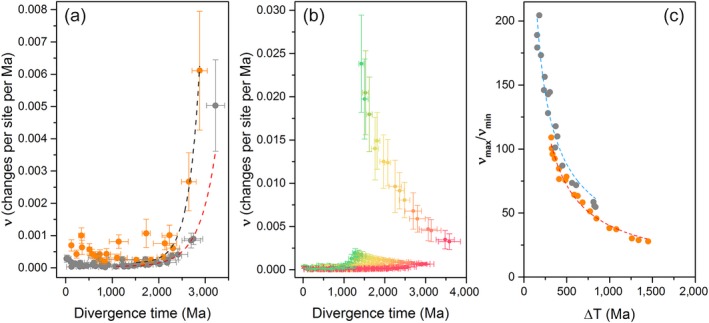
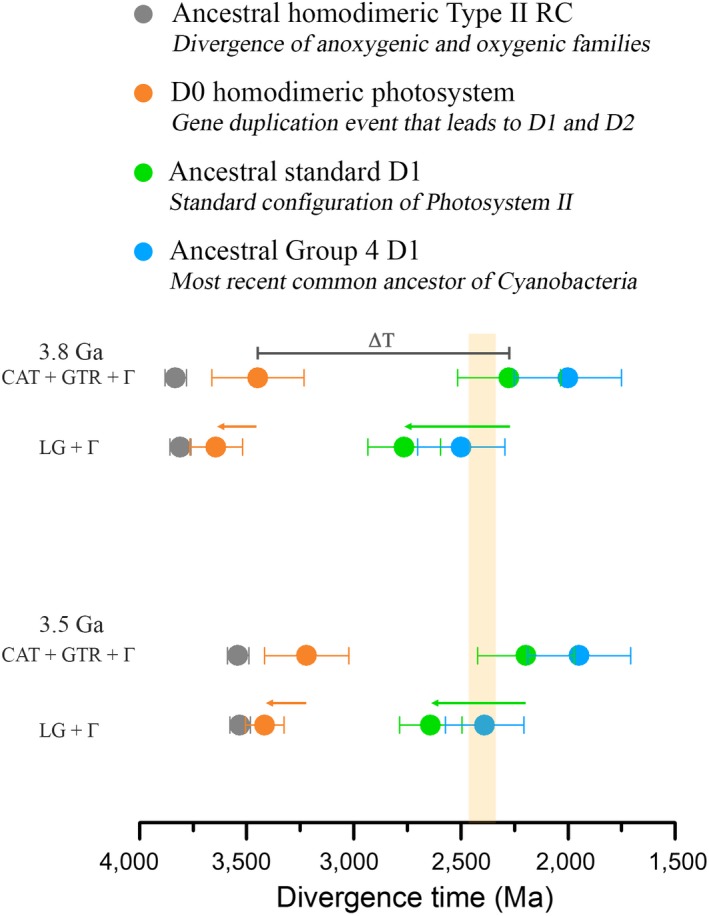
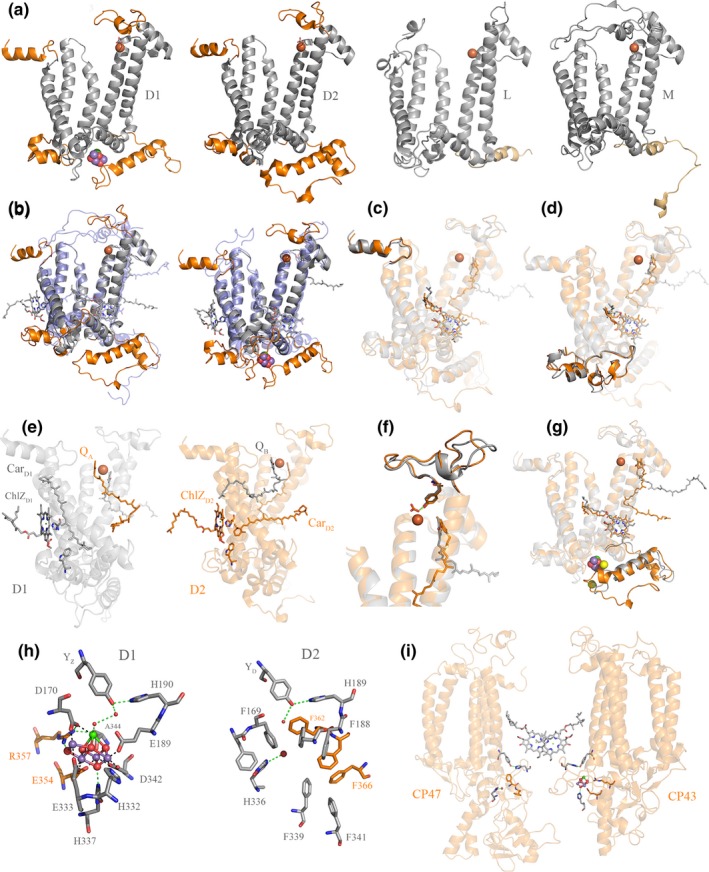
Photosystem II is a photochemical reaction center that catalyzes the light-driven oxidation of water to molecular oxygen. Water oxidation is the distinctive photochemical reaction that permitted the evolution of oxygenic photosynthesis and the eventual rise of eukaryotes. At what point during the history of life an ancestral photosystem evolved the capacity to oxidize water still remains unknown. Here, we study the evolution of the core reaction center proteins of Photosystem II using sequence and structural comparisons in combination with Bayesian relaxed molecular clocks. Our results indicate that a homodimeric photosystem with sufficient oxidizing power to split water had already appeared in the early Archean about a billion years before the most recent common ancestor of all described Cyanobacteria capable of oxygenic photosynthesis, and well before the diversification of some of the known groups of anoxygenic photosynthetic bacteria. Based on a structural and functional rationale, we hypothesize that this early Archean photosystem was capable of water oxidation to oxygen and had already evolved protection mechanisms against the formation of reactive oxygen species. This would place primordial forms of oxygenic photosynthesis at a very early stage in the evolutionary history of life.
Overview
The claims and statistics of this paper haven’t been checked yet.
Run the check — free, no account needed. It reads the open-access text and checks the sources it cites.
Integrity signals
Registry
Cites
Statistics
Figures
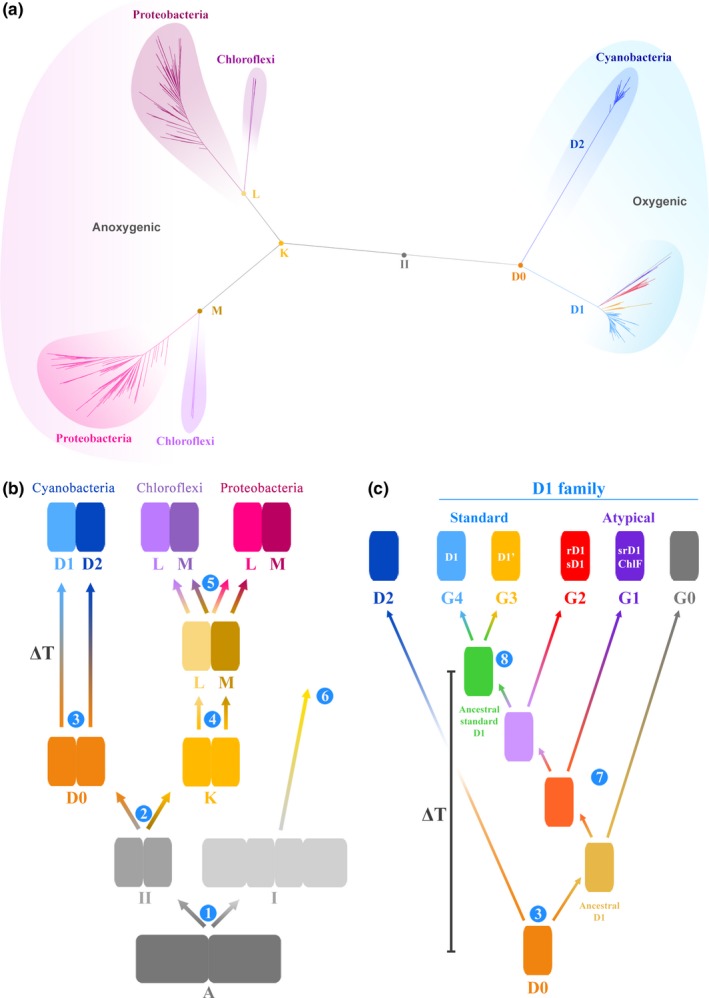
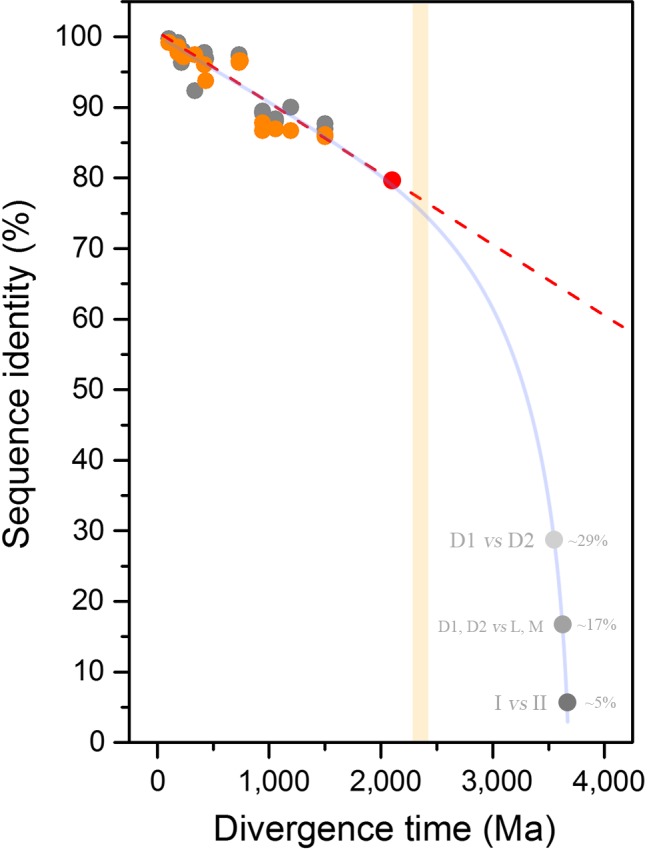
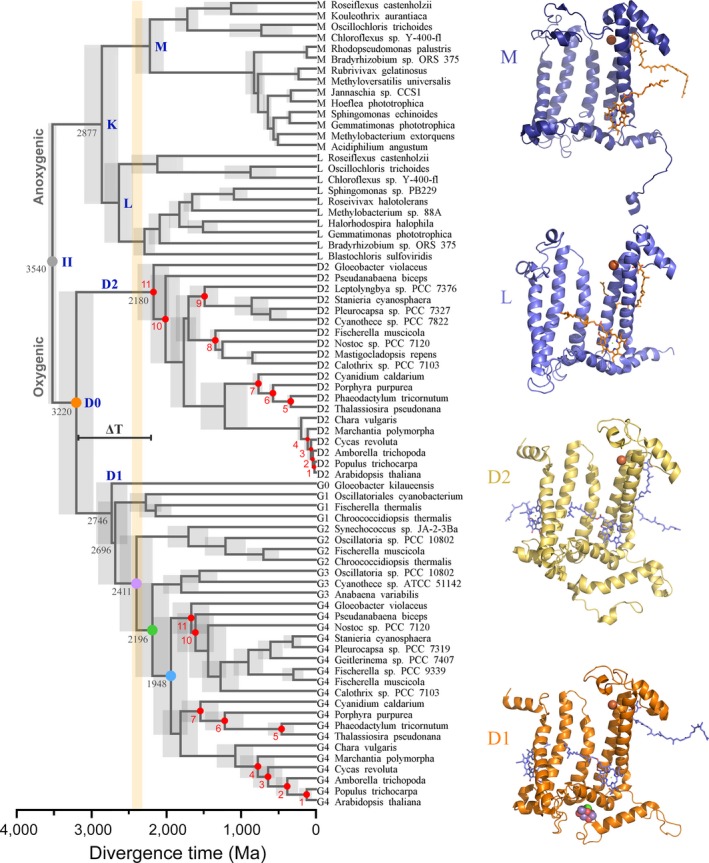
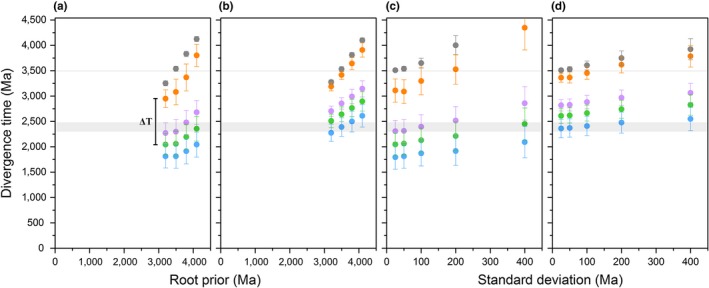
Verification
Claims the paper makes
The claims and statistics of this paper haven’t been checked yet.
Run the check — free, no account needed. It reads the open-access text and checks the sources it cites.
Claims other papers make about this one
Each is checked against this paper’s own text: does it say what the citing paper says it does?
The source backs part of the claim, not all of it — or backs it for a different population, condition or comparison.
In the citing paper
“While some argue that oxygenic photosynthesis evolved only 50 to 100 Ma before the GOE (115), most studies suggest an earlier Paleoarchean or Mesoarchean age [e.g., (3, 118, 119)].”
From The Archean atmosphere (2020) · cites this paper as [118]
Experimental — accuracy not yet measured
Self-check
Percentages, sums and reported differences re-computed from the paper’s own numbers.
The self-check needs the paper’s full text.
Citations
Cites
Guindon, S., Dufayard, J.-F., Lefort, V., Anisimova, M., Hordijk, W., & Gascuel, O. (2010) · Systematic Biology · doi:10.1093/sysbio/syq010 · Cited by 18,376
Fast, scalable generation of high-quality protein multiple sequence alignments using Clustal Omega
Sievers, F., Wilm, A., Dineen, D., Gibson, T., Karplus, K., Li, W.-Z., Lopez, R., McWilliam, H., Remmert, M., Söding, J., et al. (2011) · Molecular Systems Biology · doi:10.1038/msb.2011.75 · Cited by 15,576
The Evolutionary Fate and Consequences of Duplicate Genes
Lynch, M., & Conery, J. S. (2000) · Science · doi:10.1126/science.290.5494.1151 · Cited by 4,988
Crystal structure of oxygen-evolving photosystem II at a resolution of 1.9 Å
Umena, Y., Kawakami, K., Shen, J., & Kamiya, N. (2011) · Nature · doi:10.1038/nature09913 · Cited by 3,920
Architecture of the Photosynthetic Oxygen-Evolving Center
Ferreira, K. N., Iverson, T. M., Maghlaoui, K., Barber, J. P., & Iwata, S. (2004) · Science · doi:10.1126/science.1093087 · Cited by 3,330
The rise of oxygen in Earth's early ocean and atmosphere
Lyons, T. W., Reinhard, C. T., & Planavsky, N. J. (2014) · Nature · doi:10.1038/nature13068 · Cited by 2,810
Photoinhibition of Photosystem II. Inactivation, protein damage and turnover
Aro, E., Virgin, I., & Andersson, B. (1993) · Biochimica et Biophysica Acta (BBA) - Bioenergetics · doi:10.1016/0005-2728(93)90134-2 · Cited by 2,387
Artificial photosynthesis for solar water-splitting
Tachibana, Y., Vayssières, L., & Durrant, J. R. (2012) · Nature Photonics · doi:10.1038/nphoton.2012.175 · Cited by 2,096
Towards complete cofactor arrangement in the 3.0 Å resolution structure of photosystem II
Loll, B., Kern, J. F., Saenger, W., Zouni, A., & Biesiadka, J. (2005) · Nature · doi:10.1038/nature04224 · Cited by 1,867
A Bayesian Mixture Model for Across-Site Heterogeneities in the Amino-Acid Replacement Process
Lartillot, N., & Philippe, H. (2004) · Molecular Biology and Evolution · doi:10.1093/molbev/msh112 · Cited by 1,516
Dating the rise of atmospheric oxygen
Bekker, A., Holland, H. D., Wang, P.-L., Rumble, D., Stein, H. J., Hannah, J. L., Coetzee, L. L., & Beukes, N. J. (2004) · Nature · doi:10.1038/nature02260 · Cited by 1,435
The evolution of gene duplications: classifying and distinguishing between models
Innan, H., & Kondrashov, F. A. (2010) · Nature Reviews Genetics · doi:10.1038/nrg2689 · Cited by 1,338
PhyloBayes 3: a Bayesian software package for phylogenetic reconstruction and molecular dating
Lartillot, N., Lepage, T., & Blanquart, S. (2009) · Bioinformatics · doi:10.1093/bioinformatics/btp368 · Cited by 1,297
Yang, Z., & Rannala, B. H. (2005) · Molecular Biology and Evolution · doi:10.1093/molbev/msj024 · Cited by 917
A 3,800-million-year isotopic record of life from carbon in sedimentary rocks
Schidlowski, M. (1988) · Nature · doi:10.1038/333313a0 · Cited by 830
Influenza vaccine: The challenge of antigenic drift
Carrat, F., & Flahault, A. (2007) · Vaccine · doi:10.1016/j.vaccine.2007.07.027 · Cited by 704
13 C-Depleted Carbon Microparticles in >3700-Ma Sea-Floor Sedimentary Rocks from West Greenland
Rosing, M. T. (1999) · Science · doi:10.1126/science.283.5402.674 · Cited by 699
Atmospheric oxygenation three billion years ago
Crowe, S. A., Døssing, L. N., Beukes, N. J., Bau, M., Kruger, S. J., Frei, R., & Canfield, D. E. (2013) · Nature · doi:10.1038/nature12426 · Cited by 640
Performance of a divergence time estimation method under a probabilistic model of rate evolution.
Kishino, H., Thorne, J. L., & Bruno, W. J. (2001) · Molecular Biology and Evolution · doi:10.1093/oxfordjournals.molbev.a003811 · Cited by 633
Deisenhofer, J., & Michel, H. (1989) · The EMBO Journal · doi:10.1002/j.1460-2075.1989.tb08338.x · Cited by 630
Evidence for oxygenic photosynthesis half a billion years before the Great Oxidation Event
Planavsky, N. J., Asael, D., Hofmann, A., Reinhard, C. T., Lalonde, S. V., Knudsen, A., Wang, X., Ossa Ossa, F., Pecoits, E., Smith, A. J. B., et al. (2014) · Nature Geoscience · doi:10.1038/ngeo2122 · Cited by 615 · cited 2×
“On the other hand, if ΔT is large: Several hundred million years or more for example, then the earliest stages in the evolution of oxygenic photosynthesis could significantly predate the GOE as suggested by some geochemical (Mukhopadhyay et al., 2014; Planavsky et al., 2014; Satkoski, Beukes, Li, Beard, & Johnson, 201…”
BackgroundSinglet oxygen production in photosystem II and related protection mechanism
Krieger‐Liszkay, A., Fufezan, C., & Trebst, A. (2008) · Photosynthesis Research · doi:10.1007/s11120-008-9349-3 · Cited by 572
Recent advances in understanding the assembly and repair of photosystem II
Nixon, P. J., Michoux, F., Yu, J., Boehm, M., & Komenda, J. (2010) · Annals of Botany · doi:10.1093/aob/mcq059 · Cited by 566
A general comparison of relaxed molecular clock models
Lepage, T., Bryant, D., Philippe, H., & Lartillot, N. (2007) · Molecular Biology and Evolution · doi:10.1093/molbev/msm193 · Cited by 546
Photosynthetic microbial mats in the 3,416-Myr-old ocean
Tice, M. M., & Lowe, D. R. (2004) · Nature · doi:10.1038/nature02888 · Cited by 545
Biomarker evidence for green and purple sulphur bacteria in a stratified Palaeoproterozoic sea
Brocks, J. J., Love, G. D., Summons, R. E., Knoll, A. H., Logan, G. A., & Bowden, S. A. (2005) · Nature · doi:10.1038/nature04068 · Cited by 541
Unicellular Cyanobacterium Symbiotic with a Single-Celled Eukaryotic Alga
Thompson, A., Foster, R. A., Krupke, A., Carter, B. J., Musat, N., Vaulot, D., Kuypers, M. M. M., & Zehr, J. P. (2012) · Science · doi:10.1126/science.1222700 · Cited by 536
Origin and early evolution of photosynthesis
Blankenship, R. E. (1992) · Photosynthesis Research · doi:10.1007/bf00039173 · Cited by 505
A photosynthetic alveolate closely related to apicomplexan parasites
Moore, R. B., Oborník, M., Janouškovec, J., Chrudimský, T., Vancová, M., Green, D. H., Wright, S. W., Davies, N. W., Bolch, C. J. S., Heimann, K., et al. (2008) · Nature · doi:10.1038/nature06635 · Cited by 476
Tomitani, A., Knoll, A. H., Cavanaugh, C. M., & Ohno, T. (2006) · Proceedings of the National Academy of Sciences · doi:10.1073/pnas.0600999103 · Cited by 468
Evolution of the diatoms: insights from fossil, biological and molecular data
Sims, P. A., Mann, D. G., & MEDLIN, L. K. (2006) · Phycologia · doi:10.2216/05-22.1 · Cited by 465
Evolution of Oxygenic Photosynthesis
Fischer, W. W., Hemp, J., & Johnson, J. E. (2016) · Annual Review of Earth and Planetary Sciences · doi:10.1146/annurev-earth-060313-054810 · Cited by 438
Integrated genomic and fossil evidence illuminates life’s early evolution and eukaryote origin
Betts, H. C., Puttick, M. N., Clark, J. W., Williams, T. A., Donoghue, P. C. J., & Pisani, D. (2018) · Nature Ecology & Evolution · doi:10.1038/s41559-018-0644-x · Cited by 437
Dau, H., & Zaharieva, I. (2009) · Accounts of Chemical Research · doi:10.1021/ar900225y · Cited by 423
Rapid evolutionary innovation during an Archaean genetic expansion
David, L. A., & Alm, E. J. (2010) · Nature · doi:10.1038/nature09649 · Cited by 420
Determining divergence times with a protein clock: Update and reevaluation
Feng, D.-F., Cho, G. S., & Doolittle, R. F. (1997) · Proceedings of the National Academy of Sciences · doi:10.1073/pnas.94.24.13028 · Cited by 416
Photosystem II Assembly: From Cyanobacteria to Plants
Nickelsen, J., & Rengstl, B. (2013) · Annual Review of Plant Biology · doi:10.1146/annurev-arplant-050312-120124 · Cited by 386
On the origins of oxygenic photosynthesis and aerobic respiration in Cyanobacteria
Soo, R. M., Hemp, J., Parks, D. H., Fischer, W. W., & Hugenholtz, P. (2017) · Science · doi:10.1126/science.aal3794 · Cited by 383
Schirrmeister, B. E., de Vos, J. M., Antonelli, A., & Bagheri, H. C. (2013) · Proceedings of the National Academy of Sciences · doi:10.1073/pnas.1209927110 · Cited by 372
Molecular‐clock methods for estimating evolutionary rates and timescales
Ho, S. Y. W., & Duchêne, S. (2014) · Molecular Ecology · doi:10.1111/mec.12953 · Cited by 369
Charge separation in Photosystem II: A comparative and evolutionary overview
Cardona, T., Sedoud, A., Cox, N. J., & Rutherford, A. W. (2011) · Biochimica et Biophysica Acta (BBA) - Bioenergetics · doi:10.1016/j.bbabio.2011.07.012 · Cited by 365
Self-citationEstablishing a time‐scale for plant evolution
Clarke, J. T., Warnock, R. C. M., & Donoghue, P. C. J. (2011) · New Phytologist · doi:10.1111/j.1469-8137.2011.03794.x · Cited by 353
Duda, T. F., & Palumbi, S. R. (1999) · Proceedings of the National Academy of Sciences · doi:10.1073/pnas.96.12.6820 · Cited by 335
Early photosynthetic eukaryotes inhabited low-salinity habitats
Sánchez‐Baracaldo, P., Raven, J. A., Pisani, D., & Knoll, A. H. (2017) · Proceedings of the National Academy of Sciences · doi:10.1073/pnas.1620089114 · Cited by 332
Self-citationCyanobacteria and the Great Oxidation Event: evidence from genes and fossils
Schirrmeister, B. E., Gugger, M., & Donoghue, P. C. J. (2015) · Palaeontology · doi:10.1111/pala.12178 · Cited by 304
An Expanded Genomic Representation of the Phylum Cyanobacteria
Soo, R. M., Skennerton, C. T., Sekiguchi, Y., Imelfort, M., Paech, S. J., Dennis, P. G., Steen, J. A., Parks, D. H., Tyson, G. W., & Hugenholtz, P. (2014) · Genome Biology and Evolution · doi:10.1093/gbe/evu073 · Cited by 304
Photochemistry beyond the red limit in chlorophyll f–containing photosystems
Nürnberg, D. J., Morton, J., Santabarbara, S., Telfer, A., Joliot, P. A., Antonaru, L. A., Ruban, A. V., Cardona, T., Krausz, E., Boussac, A., et al. (2018) · Science · doi:10.1126/science.aar8313 · Cited by 301
Self-citationBLANK, C. E., & SÁNCHEZ‐BARACALDO, P. (2010) · Geobiology · doi:10.1111/j.1472-4669.2009.00220.x · Cited by 298
Self-citationPrecambrian paleosols and atmospheric CO2 levels
Sheldon, N. D. (2006) · Precambrian Research · doi:10.1016/j.precamres.2006.02.004 · Cited by 296
Bengtson, S., Sallstedt, T., Belivanova, V., & Whitehouse, M. (2017) · PLOS Biology · doi:10.1371/journal.pbio.2000735 · Cited by 284
U-rich Archaean sea-floor sediments from Greenland – indications of >3700 Ma oxygenic photosynthesis
Rosing, M. T., & Frei, R. (2003) · Earth and Planetary Science Letters · doi:10.1016/s0012-821x(03)00609-5 · Cited by 281
Photosystem II, the water-splitting enzyme
Rutherford, A. W. (1989) · Trends in Biochemical Sciences · doi:10.1016/0968-0004(89)90032-7 · Cited by 278
Self-citationRutherford, A. W., Osyczka, A., & Rappaport, F. (2012) · FEBS Letters · doi:10.1016/j.febslet.2011.12.039 · Cited by 272
Self-citationAssembling and maintaining the Photosystem II complex in chloroplasts and cyanobacteria
Komenda, J., Sobotka, R., & Nixon, P. J. (2012) · Current Opinion in Plant Biology · doi:10.1016/j.pbi.2012.01.017 · Cited by 265
Bukh, J., Pietschmann, T., Lohmann, V., Krieger, N., Faulk, K. N., Engle, R. E., Govindarajan, S., Shapiro, M., Claire, M. S., & Bartenschlager, R. F. W. (2002) · Proceedings of the National Academy of Sciences · doi:10.1073/pnas.212532699 · Cited by 264
Zeng, Y., Feng, F., Medová, H., Dean, J., & Koblížek, M. (2014) · Proceedings of the National Academy of Sciences · doi:10.1073/pnas.1400295111 · Cited by 247
Rapid emergence of subaerial landmasses and onset of a modern hydrologic cycle 2.5 billion years ago
Bindeman, I. N., Zakharov, D., Palandri, J. L., Greber, N. D., Dauphas, N., Retallack, G. J., Hofmann, A., Lackey, J. S., & Bekker, A. (2018) · Nature · doi:10.1038/s41586-018-0131-1 · Cited by 239
Manganese-oxidizing photosynthesis before the rise of cyanobacteria
Johnson, J. E., Webb, S. M., Thomas, K., Ono, S., Kirschvink, J. L., & Fischer, W. W. (2013) · Proceedings of the National Academy of Sciences · doi:10.1073/pnas.1305530110 · Cited by 238
What is β–carotene doing in the photosystem II reaction centre?
Telfer, A. (2002) · Philosophical Transactions of the Royal Society B Biological Sciences · doi:10.1098/rstb.2002.1139 · Cited by 228
Structure of the LH1–RC complex from Thermochromatium tepidum at 3.0 Å
Niwa, S., Yu, L.-J., Takeda, K., Hirano, Y., Kawakami, T., Wang‐Otomo, Z., & Miki, K. (2014) · Nature · doi:10.1038/nature13197 · Cited by 218
Precise age of Bangiomorpha pubescens dates the origin of eukaryotic photosynthesis
Gibson, T. M., Shih, P. M., Cumming, V. M., Fischer, W. W., Crockford, P. W., Hodgskiss, M. S. W., Wörndle, S., Creaser, R. A., Rainbird, R. H., Skulski, T. M., et al. (2018) · Geology · doi:10.1130/g39829.1 · Cited by 217
Schopf, J. W., Kitajima, K., Spicuzza, M. J., Kudryavtsev, A. B., & Valley, J. W. (2017) · Proceedings of the National Academy of Sciences · doi:10.1073/pnas.1718063115 · Cited by 211
Janus-faced charge recombinations in photosystem II photoinhibition
Vass, I., & Cser, K. (2009) · Trends in Plant Science · doi:10.1016/j.tplants.2009.01.009 · Cited by 211
Origin of marine planktonic cyanobacteria
Sánchez‐Baracaldo, P. (2015) · Scientific Reports · doi:10.1038/srep17418 · Cited by 208
Self-citationLight-dependent chlorophyll f synthase is a highly divergent paralog of PsbA of photosystem II
Ho, M., Shen, G., Canniffe, D. P., Zhao, C., & Bryant, D. A. (2016) · Science · doi:10.1126/science.aaf9178 · Cited by 207
Photosynthetic reaction centres: variations on a common structural theme?
Nitschke, W., & Rutherford, A. W. (1991) · Trends in Biochemical Sciences · doi:10.1016/0968-0004(91)90095-d · Cited by 205
Self-citationDivergence time estimates and the evolution of major lineages in the florideophyte red algae
Yang, E. C., Boo, S. M., Bhattacharya, D., Saunders, G. W., Knoll, A. H., Fredericq, S., Graf, L., & Yoon, H. S. (2016) · Scientific Reports · doi:10.1038/srep21361 · Cited by 200
Pulse radiolytic measurement of redox potentials: the tyrosine and tryptophan radicals
DeFelippis, M. R., Murthy, C. P., Faraggi, M., & Klapper, M. H. (1989) · Biochemistry · doi:10.1021/bi00437a049 · Cited by 192
Debus, R. J. (2001) · Biochimica et Biophysica Acta (BBA) - Bioenergetics · doi:10.1016/s0005-2728(00)00221-8 · Cited by 189
Lancaster, C. R. D., & Michel, H. (1997) · Structure · doi:10.1016/s0969-2126(97)00285-2 · Cited by 188
Johnson, G. N., Rutherford, A. W., & Krieger‐Liszkay, A. (1995) · Biochimica et Biophysica Acta (BBA) - Bioenergetics · doi:10.1016/0005-2728(95)00003-2 · Cited by 184
Self-citationDutton, P. L., LEIGH, J. S. J., & Seibert, M. (1972) · Biochemical and Biophysical Research Communications · doi:10.1016/s0006-291x(72)80153-0 · Cited by 183
Evolution of photosystem I – from symmetry through pseudosymmetry to asymmetry
Shem, A. B., Frolow, F., & Nelson, N. (2004) · FEBS Letters · doi:10.1016/s0014-5793(04)00360-6 · Cited by 180
Xiao, S., Knoll, A. H., Yuan, X., & Pueschel, C. M. (2004) · American Journal of Botany · doi:10.3732/ajb.91.2.214 · Cited by 180
Czaja, A. D., Johnson, C. M., Beard, B. L., Roden, E. E., Li, W., & Moorbath, S. (2013) · Earth and Planetary Science Letters · doi:10.1016/j.epsl.2012.12.025 · Cited by 179
Carotenoid Oxidation in Photosystem II
Hanley, J., Deligiannakis, Y. G., Pascal, A. A., Faller, P., & Rutherford, A. W. (1999) · Biochemistry · doi:10.1021/bi990633u · Cited by 179
Self-citationStructure of a symmetric photosynthetic reaction center–photosystem
Gisriel, C. J., Sarrou, I., Ferlez, B. H., Golbeck, J. H., Redding, K., & Fromme, R. (2017) · Science · doi:10.1126/science.aan5611 · Cited by 175
Crown group Oxyphotobacteria postdate the rise of oxygen
Shih, P. M., Hemp, J., Ward, L. M., Matzke, N. J., & Fischer, W. W. (2016) · Geobiology · doi:10.1111/gbi.12200 · Cited by 174
.beta.-Carotene Quenches Singlet Oxygen Formed by Isolated Photosystem II Reaction Centers
Telfer, A., Dhami, S., Bishop, S. M., Phillips, D., & Barber, J. P. (1994) · Biochemistry · doi:10.1021/bi00252a013 · Cited by 172
DeFelippis, M. R., Murthy, C. P., Broitman, F., Weinraub, D., Faraggi, M., & Klapper, M. H. (1991) · The Journal of Physical Chemistry · doi:10.1021/j100161a081 · Cited by 171
Morphological record of oxygenic photosynthesis in conical stromatolites
Bosak, T., Liang, B., Sim, M. S., & Petroff, A. P. (2009) · Proceedings of the National Academy of Sciences · doi:10.1073/pnas.0900885106 · Cited by 166
Cyanobacterial evolution during the Precambrian
Schirrmeister, B. E., Sánchez‐Baracaldo, P., & Wacey, D. (2016) · International Journal of Astrobiology · doi:10.1017/s1473550415000579 · Cited by 165
Self-citationEarly cyanobacterial fossil record: preservation, palaeoenvironments and identification
Golubić, S., & Lee, S.-J. (1999) · European Journal of Phycology · doi:10.1080/09670269910001736402 · Cited by 163
A late methanogen origin for molybdenum-dependent nitrogenase
BOYD, E. S., ANBAR, A. D., MILLER, S., HAMILTON, T. L., LAVIN, M., & PETERS, J. W. (2011) · Geobiology · doi:10.1111/j.1472-4669.2011.00278.x · Cited by 161
Dating the cyanobacterial ancestor of the chloroplast
Falcón, L. I., Magallón, S., & Castillo, A. (2010) · The ISME Journal · doi:10.1038/ismej.2010.2 · Cited by 159
A redox-stratified ocean 3.2 billion years ago
Satkoski, A. M., Beukes, N. J., Li, W., Beard, B. L., & Johnson, C. M. (2015) · Earth and Planetary Science Letters · doi:10.1016/j.epsl.2015.08.007 · Cited by 152
Shih, P. M., & Matzke, N. J. (2013) · Proceedings of the National Academy of Sciences · doi:10.1073/pnas.1305813110 · Cited by 151
Bicarbonate-induced redox tuning in Photosystem II for regulation and protection
Brinkert, K., Causmaecker, S. D., Krieger‐Liszkay, A., Fantuzzi, A., & Rutherford, A. W. (2016) · Proceedings of the National Academy of Sciences · doi:10.1073/pnas.1608862113 · Cited by 150
Self-citationSequence Analysis of the D1 and D2 Reaction Center Proteins of Photosystem II
Svensson, B. G., Vass, I., & Styring, S. (1991) · Zeitschrift für Naturforschung C · doi:10.1515/znc-1991-9-1008 · Cited by 140
How carotenoids protect bacterial photosynthesis
Cogdell, R. J., Howard, T. D., Bittl, R., Schlodder, E., Geisenheimer, I., & Lubitz, W. (2000) · Philosophical Transactions of the Royal Society B Biological Sciences · doi:10.1098/rstb.2000.0696 · Cited by 134
Identification of an Archean marine oxygen oasis
Riding, R., Fralick, P., & Liang, L. (2014) · Precambrian Research · doi:10.1016/j.precamres.2014.06.017 · Cited by 132
Shih, P. M., Ward, L. M., & Fischer, W. W. (2017) · Proceedings of the National Academy of Sciences · doi:10.1073/pnas.1710798114 · Cited by 132
Origin and Evolution of Water Oxidation before the Last Common Ancestor of the Cyanobacteria
Cardona, T., Murray, J. W., & Rutherford, A. W. (2015) · Molecular Biology and Evolution · doi:10.1093/molbev/msv024 · Cited by 130
Self-citationPaleoproterozoic sterol biosynthesis and the rise of oxygen
Gold, D. A., Caron, A., Fournier, G. P., & Summons, R. E. (2017) · Nature · doi:10.1038/nature21412 · Cited by 129
A light-induced spin-polarized triplet detected by EPR in Photosystem II reaction centers
Rutherford, A. W., Paterson, D. R., & Mullet, J. E. (1981) · Biochimica et Biophysica Acta (BBA) - Bioenergetics · doi:10.1016/0005-2728(81)90020-7 · Cited by 128
Self-citationOxygenation of the Archean atmosphere: New paleosol constraints from eastern India
Mukhopadhyay, J., Crowley, Q., Ghosh, S., Ghosh, G. K., Chakrabarti, K., Mishra, B., Heron, K., & Bose, S. (2014) · Geology · doi:10.1130/g36091.1 · Cited by 126
Photosystem II: evolutionary perspectives
Rutherford, A. W., & Faller, P. (2003) · Philosophical Transactions of the Royal Society B Biological Sciences · doi:10.1098/rstb.2002.1186 · Cited by 121
Self-citationIshikita, H., Saenger, W., Biesiadka, J., Loll, B., & Knapp, E. (2006) · Proceedings of the National Academy of Sciences · doi:10.1073/pnas.0601446103 · Cited by 121
Proterozoic photosynthesis – a critical review
Butterfield, N. J. F. (2015) · Palaeontology · doi:10.1111/pala.12211 · Cited by 120
Sadekar, S., Raymond, J., & Blankenship, R. E. (2006) · Molecular Biology and Evolution · doi:10.1093/molbev/msl079 · Cited by 114
Timescales of Oxygenation Following the Evolution of Oxygenic Photosynthesis
Ward, L. M., Kirschvink, J. L., & Fischer, W. W. (2015) · Origins of Life and Evolution of Biospheres · doi:10.1007/s11084-015-9460-3 · Cited by 112
Evolution of oxygenic photosynthesis: genome-wide analysis of the OEC extrinsic proteins.
Rivas, J. D. L., Balsera, M., & Barber, J. (2004) · Trends in Plant Science · doi:10.1016/j.tplants.2003.11.007 · Cited by 111
Nakayama, T., Kamikawa, R., Tanifuji, G., Kashiyama, Y., Ohkouchi, N., Archibald, J., & Inagaki, Y. (2014) · Proceedings of the National Academy of Sciences of the United States of America · doi:10.1073/pnas.1405222111 · Cited by 111
The extrinsic proteins of photosystem II: update
Roose, J. L., Frankel, L. K., Mummadisetti, M. P., & Bricker, T. (2016) · Planta · doi:10.1007/s00425-015-2462-6 · Cited by 110
A fresh look at the evolution and diversification of photochemical reaction centers
Cardona, T. (2014) · Photosynthesis Research · doi:10.1007/s11120-014-0065-x · Cited by 108
Self-citationThe Timetree of Prokaryotes: New Insights into Their Evolution and Speciation
Marin, J., Battistuzzi, F. U., Brown, A. C., & Hedges, S. B. (2016) · Molecular Biology and Evolution · doi:10.1093/molbev/msw245 · Cited by 104
Mesoproterozoic Archaeoellipsoidès : akinetes of heterocystous cyanobacteria
Golubić, S., Sergeev, V. N., & Knoll, A. H. (1995) · Lethaia · doi:10.1111/j.1502-3931.1995.tb01817.x · Cited by 102
Origin and evolution of biological energy conversion
Lecocq, A. L. (1997) · Biochimie · doi:10.1016/s0300-9084(97)87627-4 · Cited by 101
Ultraviolet Radiation and the Photobiology of Earth's Early Oceans
Cockell, C. S. (2000) · Origins of Life and Evolution of Biospheres · doi:10.1023/a:1006765405786 · Cited by 100
Oxidative elemental cycling under the low O2 Eoarchean atmosphere
Frei, R., Crowe, S. A., Bau, M., Polat, A., Fowle, D. A., & Døssing, L. N. (2016) · Scientific Reports · doi:10.1038/srep21058 · Cited by 94
Earth’s early O2 cycle suppressed by primitive continents
Smit, M., & Mezger, K. (2017) · Nature Geoscience · doi:10.1038/ngeo3030 · Cited by 91
Komenda, J., Tichý, M., Prášil, O., Knoppová, J., Kuviková, S., de Vries, R., & Nixon, P. J. (2007) · The Plant Cell · doi:10.1105/tpc.107.053868 · Cited by 90
Water in Photosystem II: Structural, functional and mechanistic considerations
Linke, K., & Ho, F. M. (2013) · Biochimica et Biophysica Acta (BBA) - Bioenergetics · doi:10.1016/j.bbabio.2013.08.003 · Cited by 87
Murray, J. W. (2011) · Photosynthesis Research · doi:10.1007/s11120-011-9714-5 · Cited by 85
Protein interactions limit the rate of evolution of photosynthetic genes in cyanobacteria.
Shi, T., Bibby, T., Jiang, L., Irwin, A., & Falkowski, P. (2005) · Molecular biology and evolution · doi:10.1093/molbev/msi216 · Cited by 84
Dating phototrophic microbial lineages with reticulate gene histories
Magnabosco, C., Moore, K. R., Wolfe, J. M., & Fournier, G. P. (2018) · Geobiology · doi:10.1111/gbi.12273 · Cited by 83
Cornejo‐Castillo, F. M., Cabello, A. M., Salazar, G., Sánchez‐Baracaldo, P., Lima‐Mendez, G., Hingamp, P., Alberti, A., Sunagawa, S., Peer Bork, B., de Vargas, C., et al. (2016) · Nature Communications · doi:10.1038/ncomms11071 · Cited by 83
Self-citationRapid evolution of immunoglobulin superfamily C2 domains expressed in immune system cells
Hughes, A. (1997) · Molecular Biology and Evolution · doi:10.1093/oxfordjournals.molbev.a025694 · Cited by 82
Komenda, J., Lupı́nková, L., & Kopecký, J. (2002) · European Journal of Biochemistry · doi:10.1046/j.0014-2956.2001.02693.x · Cited by 81
Popelková, H., & Yocum, C. F. (2011) · Journal of Photochemistry and Photobiology B Biology · doi:10.1016/j.jphotobiol.2011.01.015 · Cited by 81
Dobáková, M., Tichý, M., & Komenda, J. (2007) · PLANT PHYSIOLOGY · doi:10.1104/pp.107.107805 · Cited by 80
The reaction center of photosystem II studied with polarized fluorescence spectroscopy
Kwa, S. L. S., Newell, W. R., van Grondelle, R., & Dekker, J. P. (1992) · Biochimica et Biophysica Acta (BBA) - Bioenergetics · doi:10.1016/0005-2728(92)90027-y · Cited by 79
Paleobiological Perspectives on Early Microbial EvolutionPreprint
Knoll, A. H. (2015) · Cold Spring Harbor Perspectives in Biology · doi:10.1101/cshperspect.a018093 · Cited by 78
KNOLL, A. H., WÖRNDLE, S., & KAH, L. C. (2013) · Palaios · doi:10.2110/palo.2013.p13-005r · Cited by 78
Havig, J. R., Hamilton, T. L., Bachan, A., & Kump, L. R. (2017) · Earth-Science Reviews · doi:10.1016/j.earscirev.2017.06.014 · Cited by 78
[Proterozoic history and present state of cyanobacteria].
Sergeev, V. N., Герасименко, Л. М., & Zavarzin, G. A. (2002) · PubMed · Cited by 77
Chlorophyll Triplet States Associated with Photosystem II of Thylakoids
Santabarbara, S., Bordignon, E., Jennings, R. C., & Carbonera, D. (2002) · Biochemistry · doi:10.1021/bi0201163 · Cited by 74
Orf, G. S., Gisriel, C. J., & Redding, K. (2018) · Photosynthesis Research · doi:10.1007/s11120-018-0503-2 · Cited by 73
Cytosine deamination and the precipitous decline of spontaneous mutation during Earth's history
Lewis, C. A., Crayle, J. I., Zhou, S., Swanstrom, R. I., & Wolfenden, R. V. (2016) · Proceedings of the National Academy of Sciences · doi:10.1073/pnas.1607580113 · Cited by 71
Lifetimes of photosystem I and II proteins in the cyanobacterium Synechocystis sp. PCC 6803
Yao, D. C. I., Brune, D. C., & Vermaas, W. F. J. (2011) · FEBS Letters · doi:10.1016/j.febslet.2011.12.010 · Cited by 69
Noguchi, T., Mitsuka, T., & Inoue, Y. (1994) · FEBS Letters · doi:10.1016/0014-5793(94)01263-6 · Cited by 68
A Mesoarchean shift in uranium isotope systematics
Wang, X., Planavsky, N. J., Hofmann, A., Saupe, E. E., Corte, B. P. D., Philippot, P., Lalonde, S. V., Jemison, N., Zou, H., Ossa, F. O., et al. (2018) · Geochimica et Cosmochimica Acta · doi:10.1016/j.gca.2018.07.024 · Cited by 67
Side-Path Electron Donors: Cytochrome b559, Chlorophyll Z and β-Carotene
Faller, P., Fufezan, C., & Rutherford, A. W. (2005) · Advances in photosynthesis and respiration · doi:10.1007/1-4020-4254-x_16 · Cited by 62
Self-citationDelaney, E. K., & Hoekstra, H. E. (2008) · Current Biology · doi:10.1016/j.cub.2008.03.019 · Cited by 62
The roles of the extrinsic subunits in Photosystem II as revealed by EPR
Franzén, L., Hansson, Ö., & Andréasson, L. (1985) · Biochimica et Biophysica Acta (BBA) - Bioenergetics · doi:10.1016/0005-2728(85)90040-4 · Cited by 61
Accessibility controls selective degradation of photosystem II subunits by FtsH protease
Krynická, V., Shao, S., Nixon, P. J., & Komenda, J. (2015) · Nature Plants · doi:10.1038/nplants.2015.168 · Cited by 56
Cañestro, C., Albalat, R., Hjelmqvist, L., Godoy, L., Jörnvall, H., & Gonzàlez‐Duarte, R. (2002) · Journal of Molecular Evolution · doi:10.1007/s00239-001-0020-2 · Cited by 55
Ravin, N. V., Gruzdev, E. V., Beletsky, A. V., Mazur, A. M., Prokhortchouk, E., Filyushin, M. A., Kochieva, E. Z., Kadnikov, V. V., Mardanov, A. V., & Георгиевич, С. К. (2016) · BMC Plant Biology · doi:10.1186/s12870-016-0929-7 · Cited by 55
Tsukatani, Y., Romberger, S. P., Golbeck, J. H., & Bryant, D. A. (2011) · Journal of Biological Chemistry · doi:10.1074/jbc.m111.323329 · Cited by 54
Cardona, T. (2016) · Frontiers in Plant Science · doi:10.3389/fpls.2016.00257 · Cited by 51
Self-citationMolecular Phylogenetics of a Protein Repair Methyltransferase
Kagan, R. M., McFadden, H. J., McFadden, P. N., O’Connor, C. M., & Clarke, S. G. (1997) · Comparative Biochemistry and Physiology Part B Biochemistry and Molecular Biology · doi:10.1016/s0305-0491(96)00333-1 · Cited by 50
Grassineau, N. V., Abell, P. I., Appel, P. W. U., Lowry, D. C., & Nisbet, E. G. (2006) · Geological Society of America eBooks · doi:10.1130/2006.1198(02 · Cited by 47
Melø, T. B., Frigaard, N., Matsuura, K., & Naqvi, K. R. (2000) · Spectrochimica Acta Part A Molecular and Biomolecular Spectroscopy · doi:10.1016/s1386-1425(00)00289-4 · Cited by 46
Early Archean origin of heterodimeric Photosystem I
Cardona, T. (2018) · Heliyon · doi:10.1016/j.heliyon.2018.e00548 · Cited by 44
Self-citationStamatakis, K., Tsimilli‐Michael, M., & Papageorgiou, G. C. (2014) · Plant Physiology and Biochemistry · doi:10.1016/j.plaphy.2014.01.014 · Cited by 40
Beanland, T. J. (1990) · Journal of Theoretical Biology · doi:10.1016/s0022-5193(05)80487-4 · Cited by 39
Wegener, K. M., Nagarajan, A., & Pakrasi, H. B. (2014) · Journal of Biological Chemistry · doi:10.1074/jbc.m114.604124 · Cited by 38
Sallstedt, T., Bengtson, S., Broman, C., Crill, P., & Canfield, D. E. (2018) · Geobiology · doi:10.1111/gbi.12274 · Cited by 36
Triplet Exciton Formation as a Novel Photoprotection Mechanism in Chlorosomes of Chlorobium tepidum
Kim, H., Li, H., Maresca, J. A., Bryant, D. A., & Savikhin, S. (2007) · Biophysical Journal · doi:10.1529/biophysj.106.103556 · Cited by 36
Qu, Y., Zhu, S., Whitehouse, M. J., Engdahl, A., & McLoughlin, N. (2017) · Precambrian Research · doi:10.1016/j.precamres.2017.11.004 · Cited by 36
Lince, M. T., & Vermaas, W. F. J. (1998) · European Journal of Biochemistry · doi:10.1046/j.1432-1327.1998.2560595.x · Cited by 34
Aguileta, G., Bielawski, J. P., & Yang, Z. (2006) · Gene · doi:10.1016/j.gene.2006.04.019 · Cited by 31
Ruffle, S. V. (2001) · PLANT PHYSIOLOGY · doi:10.1104/pp.127.2.633 · Cited by 30
Duplications and functional divergence of ADP-glucose pyrophosphorylase genes in plants
Georgelis, N., Braun, E. L., & Hannah, L. C. (2008) · BMC Evolutionary Biology · doi:10.1186/1471-2148-8-232 · Cited by 30
Early emergence of the FtsH proteases involved in photosystem II repair
Shao, S., Cardona, T., & Nixon, P. J. (2018) · Photosynthetica · doi:10.1007/s11099-018-0769-9 · Cited by 29
Self-citationHamilton, M. L., Franco, E., Deák, Z., Schlodder, E., Vass, I., & Nixon, P. J. (2014) · Plant and Cell Physiology · doi:10.1093/pcp/pcu070 · Cited by 29
Keren, N., Ohad, I., Rutherford, A. W., Drepper, F., & Krieger‐Liszkay, A. (2000) · Photosynthesis Research · doi:10.1023/a:1006435530817 · Cited by 27
Self-citationLong-Term Asymmetrical Acceleration of Protein Evolution after Gene Duplication
Pich, O., & Kondrashov, F. A. (2014) · Genome Biology and Evolution · doi:10.1093/gbe/evu159 · Cited by 27
A New Scoring Function and Associated Statistical Significance for Structure Alignment by CE
Jia, Y., Dewey, T. G., Shindyalov, I. N., & Bourne, P. E. (2004) · Journal of Computational Biology · doi:10.1089/cmb.2004.11.787 · Cited by 26
Photosystem II is a Chimera of Reaction Centers
Cardona, T. (2017) · Journal of Molecular Evolution · doi:10.1007/s00239-017-9784-x · Cited by 23
Self-citationSharma, P. P., & Wheeler, W. C. (2014) · Frontiers in Zoology · doi:10.1186/s12983-014-0057-x · Cited by 20
Nutman, A. P., Bennett, V. C., & Friend, C. R. L. (2017) · Geoscience Frontiers · doi:10.1016/j.gsf.2017.02.008 · Cited by 20
Sugiura, M., Nakamura, M., Koyama, K., & Boussac, A. (2014) · Biochimica et Biophysica Acta (BBA) - Bioenergetics · doi:10.1016/j.bbabio.2014.11.009 · Cited by 16
Nisbet, E. G., & Fowler, C. M. R. (2013) · Elsevier eBooks · doi:10.1016/b978-0-08-095975-7.00801-9 · Cited by 15
Anoxygenic Type‐I Photosystems and Evolution of Photosynthetic Reaction Centers
Hohmann‐Marriott, M. F., & Blankenship, R. E. (2008) · doi:10.1002/9783527623464.ch13 · Cited by 12
Early cyanobacterial fossil record: preservation, palaeoenvironments and identification
Golubić, S., & SEONG-JOO, L. (1999) · European Journal of Phycology · doi:10.1017/s0967026299002279 · Cited by 11
Evolutionary Features and Intracellular Behavior of the PRTB Protein
Matsunami, M., Yoshioka, T., Minoura, T., Okano, Y., & Muto, Y. (2011) · Biochemical Genetics · doi:10.1007/s10528-011-9422-z · Cited by 3
Collins, A. G. (2000) · doi:10.1666/0094-8373(2000)026
Research works printed but not linked: 1
- 10.1104/pp.010245 · DOI
Cited by
Sorted by citations
Catling, D. C., & Zahnle, K. J. (2020) · Science Advances · doi:10.1126/sciadv.aax1420 · Cited by 568
Plant carotenoids: recent advances and future perspectives
Sun, T., Rao, S., Zhou, X., & Li, L. (2022) · Molecular Horticulture · doi:10.1186/s43897-022-00023-2 · Cited by 581
Global geographical and historical overview of cyanotoxin distribution and cyanobacterial poisonings
Svirčev, Z. B., Lalić, D., Savić, G. B., Tokodi, N., Drobac, D., Chen, L., Meriluoto, J. A. O., & Codd, G. A. (2019) · Archives of Toxicology · doi:10.1007/s00204-019-02524-4 · Cited by 423
On the origin of oxygenic photosynthesis and Cyanobacteria
Sánchez‐Baracaldo, P., & Cardona, T. (2019) · New Phytologist · doi:10.1111/nph.16249 · Cited by 290
Self-citationCyanobacteria and biogeochemical cycles through Earth history
Sánchez-Baracaldo, P., Bianchini, G., Wilson, J. D., & Knoll, A. H. (2022) · Trends in Microbiology · doi:10.1016/j.tim.2021.05.008 · Cited by 279
Self-citation
Metadata
- Authors
- Cardona, T., Sánchez‐Baracaldo, P., Rutherford, A. W., & Larkum, A. W.
- Affiliations
- Imperial College London (GB)
- University of Bristol (GB)
- University of Technology Sydney (AU)
- Corresponding author
- Cardona, Tanai
- Venue
- Geobiology
- Publisher
- Wiley
- Published
- 2018-11-09
- Volume
- 17
- Issue
- 2
- Pages
- 127-150
- ISSN
- 1472-4669 (ISSN-L)
- 1472-4677
- PMC
- PMC6492235
- OpenAlex
- W2900344826
- Cited by
- 144
- References
- 168
- Citations by year
- 2026: 12 · 2025: 21 · 2024: 23 · 2023: 13 · 2022: 22 · 2021: 17 · 2020: 14 · 2019: 18 · 2018: 4
- FWCI
- 4.69
- Type
- journal article
- Language
- en
- Open access
- hybrid
- doi.org
- Licence
- Locations
- Geobiology (publishedVersion, cc-by)
- bioRxiv (Cold Spring Harbor Laboratory) (acceptedVersion, cc-by)
- Europe PMC (PubMed Central) (publishedVersion, cc-by)
- PubMed Central (publishedVersion, cc-by)
- PubMed (publishedVersion)
- Bristol Research (University of Bristol) (publishedVersion, cc-by)
- UTS ePRESS (University of Technology Sydney) (submittedVersion)
- Spiral (Imperial College London) (submittedVersion, other-oa)
- Funders
- Imperial College London
- Leverhulme Trust (RPG‐2017‐223)
- Royal Society
- Biotechnology and Biological Sciences Research Council (BB/K002627/1, BB/L011206/1)
- Topics
- Life Sciences › Biochemistry, Genetics and Molecular Biology › Molecular Biology › Photosynthetic Processes and Mechanisms
- Life Sciences › Agricultural and Biological Sciences › Ecology, Evolution, Behavior and Systematics › Protist diversity and phylogeny
- Life Sciences › Biochemistry, Genetics and Molecular Biology › Biochemistry › Metalloenzymes and iron-sulfur proteins
- Keywords
- photosystem II, water oxidation, oxygenic photosynthesis, Archean, evolution of photosynthesis, cyanobacteria, anoxygenic photosynthetic bacteria, reaction center proteins, reactive oxygen species, eukaryotic origin
- MeSH terms
- Cyanobacteria, Bacterial Proteins, Bayes Theorem, Photosynthesis, Phylogeny, Evolution, Molecular, Photosystem II Protein Complex
About these checks
Registry, retraction, Cites and statistics results are computed, not judged, with one exception: a printed reference that no index lists is read once by a model before it counts as a citation error. Claims are extracted by a model and kept only when their quote appears verbatim in the text; each cited source is then checked, with a model’s help, for whether it says what the claim relies on. Those verdicts can be wrong — read the claim’s quote and the cited source before relying on one.
Statistics and arithmetic are recomputed, not judged.
Confidence bands are shown only for fields calibrated on our annotated test set. None is calibrated yet, so no band is shown.
What counts as a claim ›How we measure confidence ›How we check this ›
Are you an author, or do you see a problem with this page? Request a review
