

The DOI matches its Crossref record; 70 of the 70 references it cites were found in a registry or an index.
Deep neural network processing of DEER data
Open accessAbstract
Deep neural networks successfully solve Fredholm equations and extract molecular-scale distance distributions from EPR data.
Overview
The claims and statistics of this paper haven’t been checked yet.
Free: it reads the open-access text and checks the first 5 claims that cite a source we can check. Create a free account to check every claim.
Integrity signals
Registry
Cites
Statistics
Figures


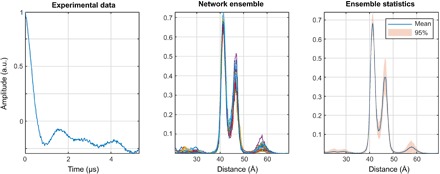
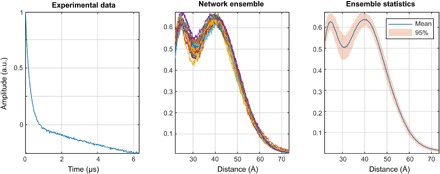
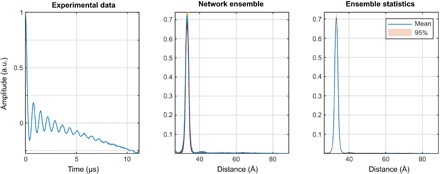
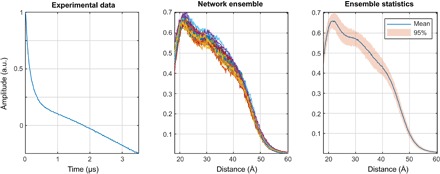
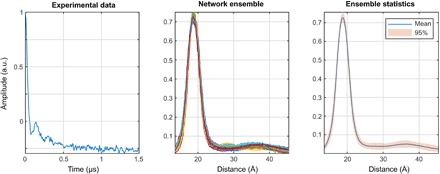

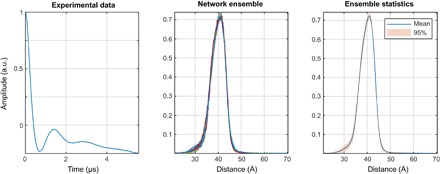
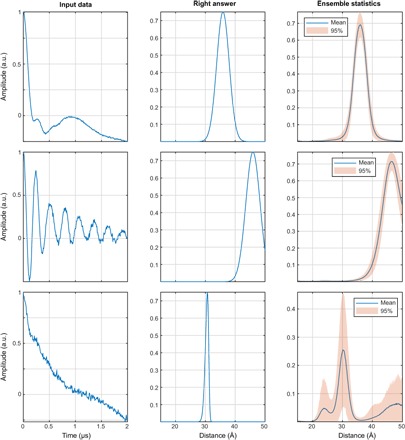
Verification
Claims the paper makes
The claims and statistics of this paper haven’t been checked yet.
Free: it reads the open-access text and checks the first 5 claims that cite a source we can check. Create a free account to check every claim.
Self-check
Percentages, sums and reported differences re-computed from the paper’s own numbers.
The self-check needs the paper’s full text.
Citations
Cites
Multilayer feedforward networks are universal approximators
Hornik, K., Stinchcombe, M., & White, H. (1989) · Neural Networks · doi:10.1016/0893-6080(89)90020-8 · Cited by 21,728 · cited 3×
“Multilayer feedforward networks are known to be universal approximators ( 46 ), but the present case is particularly appealing because the required network is likely to be quite small.”
BackgroundInfluentialA logical calculus of the ideas immanent in nervous activity
McCulloch, W. S., & Pitts, W. (1943) · The Bulletin of Mathematical Biophysics · doi:10.1007/bf02478259 · Cited by 18,566
Multilayer feedforward networks are universal approximators
HornikK., StinchcombeM., & WhiteH. (1989) · Neural Networks · doi:10.5555/70405.70408 · Cited by 9,081
A general regression neural network
Specht, D. F. (1991) · IEEE Transactions on Neural Networks · doi:10.1109/72.97934 · Cited by 4,492
On the approximate realization of continuous mappings by neural networks
Funahashi, K.-I. (1989) · Neural Networks · doi:10.1016/0893-6080(89)90003-8 · Cited by 4,206
A scaled conjugate gradient algorithm for fast supervised learning
Møller, M. F. (1993) · Neural Networks · doi:10.1016/s0893-6080(05)80056-5 · Cited by 4,052
A direct adaptive method for faster backpropagation learning: the RPROP algorithm
Riedmiller, M., & Braun, H. (2002) · IEEE International Conference on Neural Networks · doi:10.1109/icnn.1993.298623 · Cited by 3,917 · cited 2×
“Neural network training requires a library of inputs and their corresponding outputs covering a range that is representative of all possibilities ( 48 , 49 , 59 ).”
BackgroundMethodAnalysis of Discrete Ill-Posed Problems by Means of the L-Curve
Hansen, P. C. (1992) · SIAM Review · doi:10.1137/1034115 · Cited by 3,903
Universal approximation bounds for superpositions of a sigmoidal function
Barron, A. R. (1993) · IEEE Transactions on Information Theory · doi:10.1109/18.256500 · Cited by 2,804
Dead-Time Free Measurement of Dipole–Dipole Interactions between Electron Spins
Pannier, M., Veit, S., Godt, A., Jeschke, G., & Spiess, H. W. (2000) · Journal of Magnetic Resonance · doi:10.1006/jmre.1999.1944 · Cited by 1,056 · cited 5×
“Godt, Co-conformational distribution of nanosized [2]catenanes determined by pulse EPR measurements.”
BackgroundInfluentialSelf-citation
Research works printed but not linked: 2
- A. D. Milov, K. M. Salikhov, M. D. Shirov, Use of the double resonance in electron spin echo method for the study of paramagnetic center spatial distribution in solids. Fizika Tverdogo Tela 23, 975–982 (1981).
- 10.1002/1521-3927(20020301)23:4<227::aid-marc227>3.0.co;2-d · doi:10.1002/1521-3927(20020301)23:4<227::aid-marc227>3.0.co;2-d
Cited by
Benchmark Test and Guidelines for DEER/PELDOR Experiments on Nitroxide-Labeled Biomolecules
Schiemann, O., Heubach, C. A., Abdullin, D., Ackermann, K., Azarkh, M., Bagryanskaya, E. G., Drescher, M., Endeward, B., Freed, J. H., Galazzo, L., et al. (2021) · Journal of the American Chemical Society · doi:10.1021/jacs.1c07371 · Cited by 247
Self-citationStructural heterogeneity of α-synuclein fibrils amplified from patient brain extracts
Strohäker, T., Jung, B. C., Liou, S.-H., Fernandez, C. O., Riedel, D., Becker, S., Halliday, G. M., Bennati, M., Kim, W. S., Lee, S.-J., et al. (2019) · Nature Communications · doi:10.1038/s41467-019-13564-w · Cited by 223
Fábregas Ibáñez, L., Jeschke, G., & Stoll, S. (2020) · Magnetic Resonance · doi:10.5194/mr-1-209-2020 · Cited by 160
Self-citationAccelerated Nuclear Magnetic Resonance Spectroscopy with Deep Learning
Qu, X., Huang, Y., Lu, H., Qiu, T., Guo, D., Agback, T., Orekhov, V., & Chen, Z. (2019) · Angewandte Chemie International Edition · doi:10.1002/anie.201908162 · Cited by 158
Structural insights into α-synuclein monomer–fibril interactions
Kumari, P., Ghosh, D., Vanas, A., Fleischmann, Y., Wiegand, T., Jeschke, G., Riek, R., & Eichmann, C. (2021) · Proceedings of the National Academy of Sciences · doi:10.1073/pnas.2012171118 · Cited by 150
“Background decay was corrected using DEERNet (generic) (53) after time traces were cropped to remove overlap artifacts.”
Self-citationIn-Cell Structural Biology by NMR: The Benefits of the Atomic Scale
Theillet, F. (2022) · Chemical Reviews · doi:10.1021/acs.chemrev.1c00937 · Cited by 136
Using Deep Neural Networks to Reconstruct Non-uniformly Sampled NMR Spectra
Hansen, D. F. (2019) · Journal of Biomolecular NMR · doi:10.1007/s10858-019-00265-1 · Cited by 107
Karunanithy, G., & Hansen, D. F. (2021) · Journal of Biomolecular NMR · doi:10.1007/s10858-021-00366-w · Cited by 92
“Deep neural networks provide a relatively easily method for giving a measure of confidence by training and deploying an ensemble of networks and measuring the variation in their outputs, as was done in the deep neural network processing of DEER data (Worswick et al. 2018).”
MethodDeconvolution of 1D NMR spectra: A deep learning-based approach
Schmid, N., Bruderer, S., Paruzzo, F. M., Fischetti, G., Toscano, G., Graf, D., Fey, M., Henrici, A., Ziebart, V., Heitmann, B., et al. (2022) · Journal of Magnetic Resonance · doi:10.1016/j.jmr.2022.107357 · Cited by 91
Lindorff-Larsen, K., & Kragelund, B. B. (2021) · Journal of Molecular Biology · doi:10.1016/j.jmb.2021.167196 · Cited by 85
“Similarly, a deep neural network based approach has been developed to process and extract structural information from electron paramagnetic resonance (EPR) experiments.(100) Finally, a neural network was recently trained using quantum calculations to predict data from infrared absorption spectroscopy.”
MethodOptimal Tikhonov regularization for DEER spectroscopy
Edwards, T. H., & Stoll, S. (2018) · Journal of Magnetic Resonance · doi:10.1016/j.jmr.2018.01.021 · Cited by 93
“There exist several different approaches for extracting distance distributions from DEER data: Tikhonov regularization [4–7], Gaussian mixture models [8–10], Tikhonov regularization postprocessed with Gaussians [11,12], Tikhonov regularization combined with maximum entropy [13], Bayesian inference (based upon Tikhonov…”
MethodThe ABC transporter MsbA adopts the wide inward-open conformation in E. coli cells
Galazzo, L., Meier, G., Januliene, D., Parey, K., Vecchis, D. D., Striednig, B., Hilbi, H., Schäfer, L. V., Kuprov, I., Moeller, A., et al. (2022) · Science Advances · doi:10.1126/sciadv.abn6845 · Cited by 81
Self-citationAntiviral signalling by a cyclic nucleotide activated CRISPR protease
Rouillon, C., Schneberger, N., Chi, H., Blumenstock, K., Da Vela, S., Ackermann, K., Moecking, J., Peter, M. F., Boenigk, W., Seifert, R., et al. (2023) · Nature · doi:10.1038/s41586-022-05571-7 · Cited by 66
Meyer, A., Sebastian Dechert, B., Dey, S., Höbartner, C., & Bennati, M. (2019) · Angewandte Chemie International Edition · doi:10.1002/anie.201908584 · Cited by 64
Tesei, G., Martins, J. M. D. S., Kunze, M. B. A., Wang, Y., Crehuet, R., & Lindorff‐Larsen, K. (2021) · PLoS Computational Biology · doi:10.1371/journal.pcbi.1008551 · Cited by 63
“120 The dipolar modulation signal can be back-calculated from the distance distribution, 121 P (r), via the following integral [38] 122”
Cross-validation of distance measurements in proteins by PELDOR/DEER and single-molecule FRET
Peter, M. F., Gebhardt, C., Mächtel, R., Muñoz, G. G. M., Glaenzer, J., Narducci, A., Thomas, G. H., Cordes, T., & Hagelueken, G. (2022) · Nature Communications · doi:10.1038/s41467-022-31945-6 · Cited by 62
Accelerated Nuclear Magnetic Resonance Spectroscopy with Deep Learning
Qu, X., Huang, Y., Lu, H., Qiu, T., Guo, D., Agback, T., Orekhov, V., & Chen, Z. (2019) · Angewandte Chemie · doi:10.1002/ange.201908162 · Cited by 60
In-Cell Double Electron–Electron Resonance at Nanomolar Protein Concentrations
Kucher, S., Elsner, C., Safonova, M., Maffini, S., & Bordignon, E. (2021) · The Journal of Physical Chemistry Letters · doi:10.1021/acs.jpclett.1c00048 · Cited by 61
Galazzo, L., & Bordignon, E. (2022) · Progress in Nuclear Magnetic Resonance Spectroscopy · doi:10.1016/j.pnmrs.2022.11.001 · Cited by 59
Using Deep Learning to Understand and Mitigate the Qubit Noise Environment
Wise, D. F., Morton, J. J. L., & Dhomkar, S. (2021) · PRX Quantum · doi:10.1103/prxquantum.2.010316 · Cited by 56
Peptide-RNA Coacervates as a Cradle for the Evolution of Folded Domains
Seal, M., Weil‐Ktorza, O., Despotović, D., Tawfik, D. S., Levy, Y., Metanis, N., Longo, L. M., & Goldfarb, D. (2022) · Journal of the American Chemical Society · doi:10.1021/jacs.2c03819 · Cited by 49
Structural basis of peptidoglycan synthesis by E. coli RodA-PBP2 complex
Nygaard, R., Graham, C. L. B., Dufrisne, M. B., Colburn, J. D., Pepe, J. G., Hydorn, M. A., Corradi, S., Brown, C. M., Ashraf, K. U., Vickery, O. N., et al. (2023) · Nature Communications · doi:10.1038/s41467-023-40483-8 · Cited by 50
“Accumulation times were typically between 12 and 36hours, with a dipolar evolution time between 3 and 3.5ms. Dipolar evolution data were processed using DEERAnalysis 61 with Gaussian model fi tting or the DEERNet neural network plugin 62 .”
Characteristics of Gd(III) spin labels for the study of protein conformations
Giannoulis, A., Ben‐Ishay, Y., & Goldfarb, D. (2021) · Methods in enzymology on CD-ROM/Methods in enzymology · doi:10.1016/bs.mie.2021.01.040 · Cited by 45
Neural networks in pulsed dipolar spectroscopy: A practical guide
Keeley, J., Choudhury, T., Galazzo, L., Bordignon, E., Feintuch, A., Goldfarb, D., Russell, H., Taylor, M. J., Lovett, J. E., Eggeling, A., et al. (2022) · Journal of Magnetic Resonance · doi:10.1016/j.jmr.2022.107186 · Cited by 44
“The architecture of the original DEERNet [29,30] did not respect the physical requirement for asymptotic linearity of the DEER data processing problem – all activation functions were sigmoidal or logsig-moidal.”
BackgroundMethodInfluentialSelf-citationMeyer, A., Kehl, A., Cui, C., Reichardt, F. A. K., Hecker, F., Funk, L.-M., Ghosh, M. K., Pan, K., Urlaub, H., Tittmann, K., et al. (2022) · Journal of the American Chemical Society · doi:10.1021/jacs.2c02906 · Cited by 38
Magnesium induced structural reorganization in the active site of adenylate kinase
Nam, K., Thodika, A. R. A., Tischlik, S., Phoeurk, C., Nagy, T. M., Schierholz, L., Ådén, J., Rogne, P., Drescher, M., Sauer-Eriksson, A. E., et al. (2024) · Science Advances · doi:10.1126/sciadv.ado5504 · Cited by 37
“Shown distance distribution was evaluated with the integrated deep neural network DEER-Net (Generic) with uncertainties depicted as shaded areas for the 95% confidence intervals ( 90 ).”
MethodLong-range distance determination in fully deuterated RNA with pulsed EPR spectroscopy
Endeward, B., Hu, Y., Bai, G., Liu, G., Prisner, T. F., & Fang, X. (2021) · Biophysical Journal · doi:10.1016/j.bpj.2021.12.007 · Cited by 36
EPR of site-directed spin-labeled proteins: A powerful tool to study structural flexibility
García‐Rubio, I. (2020) · Archives of Biochemistry and Biophysics · doi:10.1016/j.abb.2020.108323 · Cited by 33
Pure Isotropic Proton NMR Spectra in Solids using Deep Learning
Cordova, M., Moutzouri, P., de Almeida, B. S., Torodii, D., & Emsley, L. (2022) · Angewandte Chemie International Edition · doi:10.1002/anie.202216607 · Cited by 36
Pulse EPR in biological systems – Beyond the expert’s courtyard
Goldfarb, D. (2019) · Journal of Magnetic Resonance · doi:10.1016/j.jmr.2019.07.038 · Cited by 32
Casto, J., Mandato, A., Hofmann, L., Yakobov, I., Ghosh, S., Ruthstein, S., & Saxena, S. (2022) · Chemical Science · doi:10.1039/d1sc06563g · Cited by 32
Neural network interpretation using descrambler groups
Amey, J. L., Keeley, J., Choudhury, T., & Kuprov, I. (2021) · Proceedings of the National Academy of Sciences · doi:10.1073/pnas.2016917118 · Cited by 32
“f wiretapping the network at a particular layer then consists of inserting a unit operator PP1 before or after the weight matrix: 1 11 1 11 nn k k nn k k FF F or FFF YW PPW WX YWPPW WX (2) and maximising or minimising such a function of PW WXk F11 or PW WXFFkk11 as would quantify the features forming the basis of the…”
MethodInfluentialSelf-citationHustedt, E. J., Stein, R. A., & Mchaourab, H. S. (2021) · The Journal of General Physiology · doi:10.1085/jgp.201711954 · Cited by 30
EPR Spectroscopy Provides New Insights into Complex Biological Reaction Mechanisms
Hofmann, L., & Ruthstein, S. (2022) · The Journal of Physical Chemistry B · doi:10.1021/acs.jpcb.2c05235 · Cited by 30
Walke, G. R., Aupič, J., Kashoua, H., Janoš, P., Meron, S., Shenberger, Y., Qasem, Z., Gevorkyan‐Airapetov, L., Magistrato, A., & Ruthstein, S. (2022) · Biophysical Journal · doi:10.1016/j.bpj.2022.02.033 · Cited by 28
“Both Tikhonov regularization (the regularization parameter was carefully chosen based on the best fit of the time domain and the L-curve) and DeerNet were used to analyze the data (25).”
MethodInfluentialIn cell Gd 3+ -based site-directed spin labeling and EPR spectroscopy of eGFP
Kucher, S., Korneev, S., Klare, J. P., Klose, D., & Steinhoff, H. (2020) · Physical Chemistry Chemical Physics · doi:10.1039/d0cp01930e · Cited by 28
Shukla, V. K., Karunanithy, G., Vallurupalli, P., & Hansen, D. F. (2024) · Science Advances · doi:10.1126/sciadv.adr2155 · Cited by 27
“Key to the success of these networks has been the ability to simulate an arbitrary amount of realistic training data ( 29 , 34 ), overcoming problems of overfitting and data bottlenecks that often beset these models.”
Ketter, S., Dajka, M., Rogozhnikova, O. Y., Dobrynin, S. A., Tormyshev, V. M., Bagryanskaya, E. G., & Joseph, B. (2022) · Journal of Magnetic Resonance Open · doi:10.1016/j.jmro.2022.100041 · Cited by 27
Karunanithy, G., Shukla, V. K., & Hansen, D. F. (2024) · Nature Communications · doi:10.1038/s41467-024-49378-8 · Cited by 26
“The 2D HSQC spectrum of MSG used as input for FID-Net was recorded on a uniformly [ 13 C, 15 N]-labelled sample using a standard pulse programme with presaturation on a Bruker 800 MHz Avance III spectrometer equipped with Z-gradient triple-resonance TCI cryop-robe at 310K and running Topspin 3.6.3.”
InfluentialCRISPR antiphage defence mediated by the cyclic nucleotide-binding membrane protein Csx23
Grüschow, S., McQuarrie, S., Ackermann, K., McMahon, S., Bode, B. E., Gloster, T. M., & White, M. F. (2024) · Nucleic Acids Research · doi:10.1093/nar/gkae167 · Cited by 25
del Alamo, D., Jagessar, K. L., Meiler, J., & Mchaourab, H. S. (2021) · PLoS Computational Biology · doi:10.1371/journal.pcbi.1009107 · Cited by 25
“Distributions were also obtained using Tikhonov regularization with an L-curve criterion with default settings, as well as the generic DeerNet neural network ensemble, using DeerAnalysis2019b[46].”
MethodInfluentialKetter, S., & Joseph, B. (2023) · Journal of the American Chemical Society · doi:10.1021/jacs.2c10080 · Cited by 24
Sweger, S. R., Pribitzer, S., & Stoll, S. (2020) · The Journal of Physical Chemistry A · doi:10.1021/acs.jpca.0c05026 · Cited by 23
Nilaweera, T. D., Nyenhuis, D. A., & Cafiso, D. S. (2021) · eLife · doi:10.7554/elife.68548 · Cited by 23
Gopinath, A., & Joseph, B. (2021) · Angewandte Chemie International Edition · doi:10.1002/anie.202113448 · Cited by 23
Orthogonal spin labeling and pulsed dipolar spectroscopy for protein studies
Galazzo, L., Teucher, M., & Bordignon, E. (2022) · Methods in enzymology on CD-ROM/Methods in enzymology · doi:10.1016/bs.mie.2022.02.004 · Cited by 23
Rapid Simulation of Unprocessed DEER Decay Data for Protein Fold Prediction
del Alamo, D., Tessmer, M. H., Stein, R. A., Feix, J. B., Mchaourab, H. S., & Meiler, J. (2019) · Biophysical Journal · doi:10.1016/j.bpj.2019.12.011 · Cited by 24
A Comparison of Cysteine-Conjugated Nitroxide Spin Labels for Pulse Dipolar EPR Spectroscopy
Ackermann, K., Chapman, A., & Bode, B. E. (2021) · Molecules · doi:10.3390/molecules26247534 · Cited by 22
DEER Data Analysis Software: A Comparative Guide
Russell, H., Cura, R., & Lovett, J. E. (2022) · Frontiers in Molecular Biosciences · doi:10.3389/fmolb.2022.915167 · Cited by 22
“DEERNet uses deep neural networks to extract distance distributions in a single step, without the need for background fi tting (Worswick et al., 2018).”
MethodActivation of Csm6 ribonuclease by cyclic nucleotide binding: in an emergency, twist to open
McQuarrie, S., Athukoralage, J. S., McMahon, S. A., Graham, S., Ackermann, K., Bode, B. E., White, M. F., & Gloster, T. M. (2023) · Nucleic Acids Research · doi:10.1093/nar/gkad739 · Cited by 22
An optimal acquisition scheme for Q-band EPR distance measurements using Cu 2+ -based protein labels
Bogetti, X., Hasanbasri, Z., Hunter, H. R., & Saxena, S. (2022) · Physical Chemistry Chemical Physics · doi:10.1039/d2cp01032a · Cited by 22
Pulse dipolar EPR for determining nanomolar binding affinities
Ackermann, K., Wort, J. L., & Bode, B. E. (2022) · Chemical Communications · doi:10.1039/d2cc02360a · Cited by 21
Heubach, C. A., Hasanbasri, Z., Abdullin, D., Reuter, A., Korzekwa, B., Saxena, S., & Schiemann, O. (2023) · Chemistry - A European Journal · doi:10.1002/chem.202302541 · Cited by 21
Jeschke, G. (2019) · Journal of Magnetic Resonance · doi:10.1016/j.jmr.2019.07.008 · Cited by 19
Self-citationGeneral regularization framework for DEER spectroscopy
Ibáñez, L. F., & Jeschke, G. (2019) · Journal of Magnetic Resonance · doi:10.1016/j.jmr.2019.01.008 · Cited by 19
Self-citationYakobov, I., Mandato, A., Hofmann, L., Singewald, K., Shenberger, Y., Gevorkyan‐Airapetov, L., Saxena, S., & Ruthstein, S. (2022) · Protein Science · doi:10.1002/pro.4309 · Cited by 19
“The data were analyzed using the DeerAnalysis 2019 program23 and DEERNet.24”
MethodBücker, D., Sickinger, A., Perez, J. D. R., Oestringer, M., Mecking, S., & Drescher, M. (2019) · Journal of the American Chemical Society · doi:10.1021/jacs.9b11404 · Cited by 18
Gonda, I., Sorrentino, S., Galazzo, L., Lichti, N. P., Arnold, F. M., Mehdipour, A. R., Bordignon, E., & Seeger, M. A. (2025) · Nature Communications · doi:10.1038/s41467-024-55136-7 · Cited by 17
“The shot repetition time (SRT) was set to 3 ms. Data were analyzed using the latest version of DEERNet 53 available for Spinach 54 .”
Two‐dimensional Pure Isotropic Proton Solid State NMR
Moutzouri, P., Cordova, M., de Almeida, B. S., Torodii, D., & Emsley, L. (2023) · Angewandte Chemie International Edition · doi:10.1002/anie.202301963 · Cited by 17
Assafa, T. E., Nandi, S., Śmiłowicz, D., Galazzo, L., Teucher, M., Elsner, C., Pütz, S., Bleicken, S., Robin, A. Y., Westphal, D., et al. (2020) · Structure · doi:10.1016/j.str.2020.09.002 · Cited by 18
Kubatova, N., Schmidt, T. H., Schwieters, C. D., & Clore, G. M. (2023) · Proceedings of the National Academy of Sciences · doi:10.1073/pnas.2221036120 · Cited by 16
“Importantly, the P ( r ) distributions obtained by model-free validated Tikhonov regularization (DeerLab) (37) and deep neural network analysis [DeerNet (45, 46)], and by model-dependent Gaussian fitting [DD/GLADDvu (47, 48)] are fully consistent with one another (Fig.”
Gopinath, A., Rath, T., Morgner, N., & Joseph, B. (2024) · PNAS Nexus · doi:10.1093/pnasnexus/pgae019 · Cited by 20
“Data analysis was performed using the DeerAnalysis 2022, DeerNet, or the DeerLab program as specified (52, 59, 60).”
Ackermann, K., Heubach, C. A., Schiemann, O., & Bode, B. E. (2024) · The Journal of Physical Chemistry Letters · doi:10.1021/acs.jpclett.3c03311 · Cited by 16
Characterization of Weak Protein Domain Structure by Spin-Label Distance Distributions
Ritsch, I., Hofer, L. E., Lehmann, E., Emmanouilidis, L., Yulikov, M., Allain, F. H. ‐., & Jeschke, G. (2021) · Frontiers in Molecular Biosciences · doi:10.3389/fmolb.2021.636599 · Cited by 16
“, 2015), or by training a neural network for a restrained set of distance distributions (Worswick et al., 2018).”
BackgroundSelf-citationCompactness regularization in the analysis of dipolar EPR spectroscopy data
Ibáñez, L. F., Jeschke, G., & Stoll, S. (2022) · Journal of Magnetic Resonance · doi:10.1016/j.jmr.2022.107218 · Cited by 19
“Data analysis with neural networks [18] introduces prior information based on the nature of the network’s training set.”
Self-citationBogetti, X., Bogetti, A. T., Casto, J., Rule, G. S., Chong, L. T., & Saxena, S. (2023) · Protein Science · doi:10.1002/pro.4770 · Cited by 16
Nuclear Magnetic Resonance and Artificial Intelligence
Kühn, S., de Jesus, R. P., & Borges, R. M. (2024) · Encyclopedia · doi:10.3390/encyclopedia4040102 · Cited by 16
“Spinach also uses deep learning techniques, e.g., to interpret double electron–electron resonance (DEER) data [35] or to assign protein NMR signals [36].”
A DNA unwinding equilibrium serves as a checkpoint for CRISPR-Cas12a target discrimination
Singh, J. K., Liu, K. G., Allen, A., Jiang, W., & Qin, P. Z. (2023) · Nucleic Acids Research · doi:10.1093/nar/gkad636 · Cited by 15
Remmel, L., Meyer, A., Ackermann, K., Hagelueken, G., Bennati, M., & Bode, B. E. (2024) · Angewandte Chemie International Edition · doi:10.1002/anie.202411241 · Cited by 15
Quantifying Polypeptoid Conformational Landscapes through Integrated Experiment and Simulation
Jiao, S., DeStefano, A. J., Monroe, J. I., Barry, M. E., Sherck, N. J., Casey, T. M., Segalman, R. A., Han, S., & Shell, M. S. (2021) · Macromolecules · doi:10.1021/acs.macromol.1c00550 · Cited by 16
The use of EPR spectroscopy to study transcription mechanisms
Hofmann, L., Mandato, A., Saxena, S., & Ruthstein, S. (2022) · Biophysical Reviews · doi:10.1007/s12551-022-01004-x · Cited by 15
“2020), DEERNet (Worswick et al.”
InfluentialA new 13C trityl-based spin label enables the use of DEER for distance measurements
Hasanbasri, Z., Poncelet, M., Hunter, H. R., Driesschaert, B., & Saxena, S. (2022) · Journal of Magnetic Resonance · doi:10.1016/j.jmr.2022.107363 · Cited by 15
Impact of Cellular Crowding on Protein Structural Dynamics Investigated by EPR Spectroscopy
Pierro, A., Bonucci, A., Magalon, A., Belle, V., & Mileo, E. (2024) · Chemical Reviews · doi:10.1021/acs.chemrev.3c00951 · Cited by 14
Sahu, I. D., & Lorigan, G. A. (2021) · Biophysica · doi:10.3390/biophysica1020009 · Cited by 14
“and has been incorporated as options into Spinach and DeerAnalysis packages [103].”
MethodProtein Modeling with DEER Spectroscopy
Tessmer, M. H., & Stoll, S. (2024) · Annual Review of Biophysics · doi:10.1146/annurev-biophys-030524-013431 · Cited by 13
Nguyen, D., Abdullin, D., Heubach, C. A., Pfaffeneder, T., Nguyen, A., Heine, A., Reuter, K., Diederich, F., Schiemann, O., & Klebe, G. (2021) · Angewandte Chemie International Edition · doi:10.1002/anie.202108179 · Cited by 13
Efficient sampling of molecular orientations for Cu( ii )-based DEER on protein labels
Hasanbasri, Z., Moriglioni, N. A., & Saxena, S. (2023) · Physical Chemistry Chemical Physics · doi:10.1039/d3cp00404j · Cited by 13
Keller, K., Ritsch, I., Hintz, H., Hülsmann, M., Qi, M., Breitgoff, F. D., Klose, D., Polyhach, Y. O., Yulikov, M., Godt, A., et al. (2020) · Physical Chemistry Chemical Physics · doi:10.1039/d0cp03105d · Cited by 13
Self-citationMultistate kinetics of the syringe-like injection mechanism of Tc toxins
Ng’ang’a, P. N., Folz, J., Kucher, S., Roderer, D., Xu, Y., Sitsel, O., Belyy, A., Prumbaum, D., Kühnemuth, R., Assafa, T. E., et al. (2025) · Science Advances · doi:10.1126/sciadv.adr2019 · Cited by 12
“DEER data were analyzed using Tikhonov regularization or Neural-Net tool ( 46 ) with the generic set in DeerAnalysis2019 ( 47 ) according to the guidelines ( 48 ).”
Conducting a three-pulse DEER experiment without dead time: A review
Dzuba, S. A. (2023) · Journal of Magnetic Resonance Open · doi:10.1016/j.jmro.2023.100100 · Cited by 12
Taguchi, A. T., Evans, E. D., Dikanov, S. A., & Griffin, R. G. (2019) · The Journal of Physical Chemistry Letters · doi:10.1021/acs.jpclett.8b03797 · Cited by 13
In-Cell DEER Spectroscopy of Nanodisc-Delivered Membrane Proteins in Living Cell Membranes
Cheng, C.-C., Tsai, R., Lin, C.-K., Tan, K., Kalendra, V., Šimėnas, M., Lin, C., & Chiang, Y. (2024) · JACS Au · doi:10.1021/jacsau.4c00702 · Cited by 11
Site-selective generation of lanthanoid binding sites on proteins using 4-fluoro-2,6-dicyanopyridine
Tharayil, S. M., Mahawaththa, M. C., Feintuch, A., Maļeckis, A., Ullrich, S., Morewood, R., Maxwell, M. J., Huber, T., Nitsche, C., Goldfarb, D., et al. (2022) · Magnetic Resonance · doi:10.5194/mr-3-169-2022 · Cited by 11
“DEER traces were also analysed with DeerNet (Worswick et al., 2018) through the DeerAnalysis interface.”
MethodMandato, A., Hasanbasri, Z., & Saxena, S. (2023) · The Journal of Physical Chemistry Letters · doi:10.1021/acs.jpclett.3c02372 · Cited by 11
Endogenous Cu(II) Labeling for Distance Measurements on Proteins by EPR
Hunter, H. R., Kankati, S., Hasanbasri, Z., & Saxena, S. (2024) · Chemistry - A European Journal · doi:10.1002/chem.202403160 · Cited by 11
Enhanced sensitivity for pulse dipolar EPR spectroscopy using variable-time RIDME
Wort, J. L., Ackermann, K., Giannoulis, A., & Bode, B. E. (2023) · Journal of Magnetic Resonance · doi:10.1016/j.jmr.2023.107460 · Cited by 11
Dynamic basis of lipopolysaccharide export by LptB2FGC
Dajka, M., Rath, T., Morgner, N., & Joseph, B. (2024) · eLife · doi:10.7554/elife.99338.3 · Cited by 10
EPR spectroscopic characterisation of native Cu II -binding sites in human serum albumin
Ackermann, K., Wu, D., Stewart, A. J., & Bode, B. E. (2024) · Dalton Transactions · doi:10.1039/d4dt00892h · Cited by 10
Luo, S., Wohl, S., Zheng, W., & Yang, S. (2023) · Biomolecules · doi:10.3390/biom13030530 · Cited by 10
Revealing the DNA Binding Modes of CsoR by EPR Spectroscopy
Igbaria‐Jaber, Y., Hofmann, L., Gevorkyan‐Airapetov, L., Shenberger, Y., & Ruthstein, S. (2023) · ACS Omega · doi:10.1021/acsomega.3c06336 · Cited by 10
Teucher, M., Qi, M., Cati, N., Hintz, H., Godt, A., & Bordignon, E. (2020) · Magnetic Resonance · doi:10.5194/mr-1-285-2020 · Cited by 10
“The recently introduced neural network analysis of DEER data (Worswick et al., 2018) allows direct analysis of primary DEER time traces, providing distance distributions with an uncertainty estimate based on variations in the fits of multiple networks.”
MethodIzmailov, S. A., Rabdano, S. O., Hasanbasri, Z., Podkorytov, I. S., Saxena, S., & Skrynnikov, N. R. (2020) · Scientific Reports · doi:10.1038/s41598-019-56750-y · Cited by 10
Huang, Y., Gao, Y., Tu, Z., Agback, T., Orekhov, V., Hyberts, S. G., Wagner, G., Lin, Y., Chen, Z., Guo, D., et al. (2025) · Science Advances · doi:10.1126/sciadv.adw8122 · Cited by 9
3D relaxation-assisted separation of wideline solid-state NMR patterns for achieving site resolution
Altenhof, A. R., Jaroszewicz, M. J., Frydman, L., & Schurko, R. W. (2022) · Physical Chemistry Chemical Physics · doi:10.1039/d2cp00910b · Cited by 9
Barber-Zucker, S., Hall, J., Froes, A. V. T. D. V., Kolusheva, S., MacMillan, F., & Zarivach, R. (2020) · Journal of Biological Chemistry · doi:10.1074/jbc.ra120.014145 · Cited by 9
“Fitting of all dipolar evolutions and subsequent distance distributions were calculated with DEERNet (Worswick et al., 2018).”
MethodМатвеева, А. Г., Syryamina, V. N., Nekrasov, V. M., & Bowman, M. K. (2021) · Physical Chemistry Chemical Physics · doi:10.1039/d1cp00705j · Cited by 9
Bulygin, K. N., Timofeev, I. O., Malygin, A. A., Graifer, D. M., Meschaninova, M. I., Venyaminova, A. G., Krumkacheva, O. A., Fedin, M. V., FROLOVA, L. Y., Karpova, G. G., et al. (2021) · Computational and Structural Biotechnology Journal · doi:10.1016/j.csbj.2021.08.024 · Cited by 9
“regularization [26] and deep neural network [27] embedded in DeerAnalysis2019 and multi-gaussian Monte Carlo approach [13].”
MethodLi, Y., Liu, Y., Singh, J. K., Tangprasertchai, N. S., Trivedi, R., Fang, Y. H., & Qin, P. Z. (2022) · The CRISPR Journal · doi:10.1089/crispr.2021.0100 · Cited by 9
“…at PAM-distal sites of + 17 and they induce partial unwinding and support Furthermore, analyzing the DEER trace using Consensus DEER Analyzer, 34 which carries out automatic data analysis using a neural network approach different from that of LongDistances, 32 also revealed a major…”
Belyaeva, J., & Elgeti, M. (2024) · eLife · doi:10.7554/elife.99770 · Cited by 8
Casto, J., Bogetti, X., Hunter, H. R., Hasanbasri, Z., & Saxena, S. (2023) · Journal of Magnetic Resonance · doi:10.1016/j.jmr.2023.107413 · Cited by 8
Metadata
- Authors
- Worswick, S. G., Spencer, J. A., Jeschke, G., & Kuprov, I.
- Affiliations
- University of Southampton (GB)
- ETH Zurich (CH)
- Corresponding author
- Kuprov, Ilya
- Venue
- Science Advances
- Published
- 2018-08-03
- Volume
- 4
- Issue
- 8
- Pages
- eaat5218-eaat5218
- ISSN
- 2375-2548 (ISSN-L)
- PMC
- PMC6108566
- OpenAlex
- W2888649302
- Semantic Scholar
- ec65776701840f1806d48e77ed4d7837e220e480
- Cited by
- 212
- References
- 70
- Citations by year
- 2026: 13 · 2025: 26 · 2024: 33 · 2023: 36 · 2022: 47 · 2021: 30 · 2020: 11 · 2019: 15 · 2018: 1
- FWCI
- 7.44
- Type
- journal article
- Language
- en
- Open access
- gold
- doi.org
- Licence
- cc-by
- Locations
- Science Advances (publishedVersion, cc-by)
- Europe PMC (PubMed Central) (publishedVersion, cc-by)
- PubMed Central (publishedVersion, cc-by)
- PubMed (publishedVersion)
- ePrints Soton (University of Southampton) (submittedVersion)
- Repository for Publications and Research Data (ETH Zurich) (submittedVersion, cc-by)
- ETH Zürich Research Collection (cc-by)
- Funders
- Engineering and Physical Sciences Research Council (EP/N006895/1)
- Topics
- Physical Sciences › Chemistry › Spectroscopy › Electron Spin Resonance Studies
- Physical Sciences › Materials Science › Electronic, Optical and Magnetic Materials › Magnetism in coordination complexes
- Physical Sciences › Chemistry › Spectroscopy › Advanced NMR Techniques and Applications
- Keywords
- double electron-electron resonance, artificial neural networks, model-independent analysis, distance distribution, exchange interaction, synthetic training data, uncertainty estimation, PELDOR, spinach
About these checks
Registry, retraction, Cites and statistics results are computed, not judged, with one exception: a printed reference that no index lists is read once by a model before it counts as a citation error. Claims are extracted by a model and kept only when their quote appears verbatim in the text; each cited source is then checked, with a model’s help, for whether it says what the claim relies on. Those verdicts can be wrong — read the claim’s quote and the cited source before relying on one.
Statistics and arithmetic are recomputed, not judged.
Confidence bands are shown only for fields calibrated on our annotated test set. None is calibrated yet, so no band is shown.
What counts as a claim ›How we measure confidence ›How we check this ›
Are you an author, or do you see a problem with this page? Request a review
Data sources
Bibliographic data: Semantic Scholar, OpenAlex, Crossref.
Contains information from the Semantic Scholar Academic Graph Datasets, made available under the ODC Attribution License (ODC-BY 1.0).
Semantic Scholar’s data is described in: Kinney, R., et al. (2023). The Semantic Scholar Open Data Platform. arXiv:2301.10140.
