

Genome-Wide Identification of Acinetobacter baumannii Genes Necessary for Persistence in the Lung
Open accessThe DOI matches its Crossref record; 54 of the 55 references it cites were found in a registry or an index.
Abstract
UNLABELLED: Acinetobacter baumannii is a Gram-negative bacterium that causes diseases such as pneumonia, bacteremia, and soft tissue infections in hospitalized patients. Relatively little is known about how A. baumannii causes these infections. Thus, we used insertion sequencing (INSeq), a combination of transposon mutagenesis and massively parallel next-generation sequencing, to identify novel virulence factors of A. baumannii. To this end, we generated a random transposon mutant library containing 150,000 unique insertions in A. baumannii strain ATCC 17978. The INSeq analysis identified 453 genes required for growth in rich medium. The library was then used in a murine pneumonia model, and the relative levels of abundance of mutants before and after selection in the mouse were compared. When genes required for growth in rich medium were removed from the analysis, 157 genes were identified as necessary for persistence in the mouse lung. Several of these encode known virulence factors of A. baumannii, such as OmpA and ZnuB, which validated our approach. A large number of the genes identified were predicted to be involved in amino acid and nucleotide metabolism and transport. Other genes were predicted to encode an integration host factor, a transmembrane lipoprotein, and proteins involved in stress response and efflux pumps. Very few genes, when disrupted, resulted in an increase in A. baumannii numbers during host infection. The INSeq approach identified a number of novel virulence determinants of A. baumannii, which are candidate targets for therapeutic interventions. IMPORTANCE: A. baumannii has emerged as a frequent cause of serious infections in hospitals and community settings. Due to increasing antibiotic resistance, alternative approaches, such as antivirulence strategies, are desperately needed to fight A. baumannii infections. Thorough knowledge of A. baumannii pathogenicity is essential for such approaches but is currently lacking. With the increasingly widespread use of massively parallel sequencing, a class of techniques known as transposon insertion sequencing has been developed to perform comprehensive virulence screens of bacterial genomes in vivo. We have applied one of these approaches (INSeq) to uncover novel virulence factors in A. baumannii. We identified several such factors, including those predicted to encode amino acid and nucleotide metabolism proteins, an integration host factor protein, stress response factors, and efflux pumps. These results greatly expand the number of A. baumannii virulence factors and uncover potential targets for antivirulence treatments.
Overview
The claims and statistics of this paper haven’t been checked yet.
Free: it reads the open-access text and checks the first 5 claims that cite a source we can check. Create a free account to check every claim.
Integrity signals
Registry
Cites
Statistics
Figures
Verification
Claims the paper makes
The claims and statistics of this paper haven’t been checked yet.
Free: it reads the open-access text and checks the first 5 claims that cite a source we can check. Create a free account to check every claim.
Claims other papers make about this one
Each is checked against this paper’s own text: does it say what the citing paper says it does?
The source backs part of the claim, not all of it — or backs it for a different population, condition or comparison.
In the citing paper
“In addition to B. abortus and S. aureus, the advent of whole genome in vivo analysis of mutants using techniques such as transposon-sequencing and signature tagged mutagenesis has highlighted the role of heme synthesis.”
From Heme Synthesis and Acquisition in Bacterial Pathogens (2016) · cites this paper as [97]
Experimental — accuracy not yet measuredThe cited source says what the claim attributes to it.
In the citing paper
“In these infections, genes with marked mutations that are recovered at a lower frequency from the infected tissue relative to growth in vitro are considered important to infection.”
From Heme Synthesis and Acquisition in Bacterial Pathogens (2016) · cites this paper as [97]
In the citing paper
“Transposon mutants lacking hemE in Acinetobacter baumannii were less effective at colonizing the murine lung [97].”
From Heme Synthesis and Acquisition in Bacterial Pathogens (2016) · cites this paper as [97]
Self-check
Percentages, sums and reported differences re-computed from the paper’s own numbers.
The self-check needs the paper’s full text.
Citations
Cites
The COG database: an updated version includes eukaryotes
Tatusov, R. L., Fedorova, N. D., Jackson, J. D., Jacobs, A. R., Kiryutin, B., Koonin, E. V., Krylov, D. M., Mazumder, R., Mekhedov, S. L., Nikolskaya, A. N., et al. (2003) · BMC Bioinformatics · doi:10.1186/1471-2105-4-41 · Cited by 4,430 · cited 1×
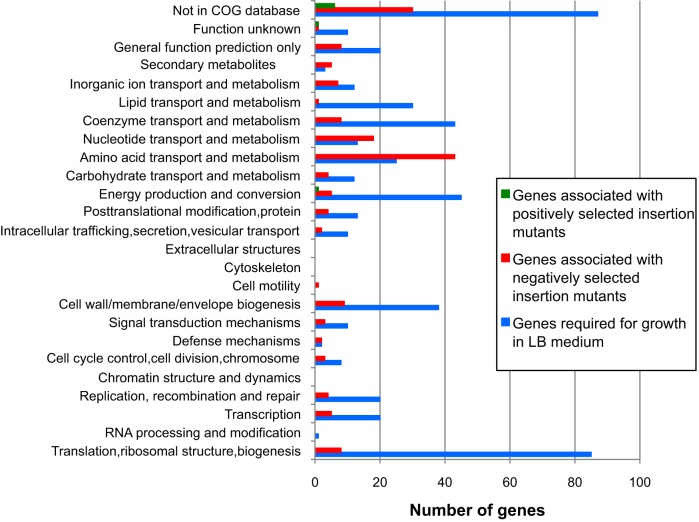
“We functionally categorized genes essential for growth in rich medium, as well as genes that positively and negatively impacted persistence in vivo, based on the Clusters of Orthologous Groups (COG) classifications (19).”
BackgroundACETYLORNITHINASE OF ESCHERICHIA COLI: PARTIAL PURIFICATION AND SOME PROPERTIES
Vogel, H. J., & Bonner, D. M. (1956) · Journal of Biological Chemistry · doi:10.1016/s0021-9258(18)65874-0 · Cited by 3,991
Oxidative stress in bacteria and protein damage by reactive oxygen species.
Cabiscol, E., Tamarit, J., & Ros, J. (2000) · Estudis Romànics (Institut d'Estudis Catalans) · Cited by 1,832
mini-Tn7 insertion in bacteria with single attTn7 sites: example Pseudomonas aeruginosa
Choi, K.-H., & Schweizer, H. P. (2006) · Nature Protocols · doi:10.1038/nprot.2006.24 · Cited by 879
Identifying Genetic Determinants Needed to Establish a Human Gut Symbiont in Its Habitat
Goodman, A. L., McNulty, N. P., Zhao, Y., Leip, D., Mitra, R. D., Lozupone, C. A., Knight, R., & Gordon, J. I. (2009) · Cell Host & Microbe · doi:10.1016/j.chom.2009.08.003 · Cited by 731 · cited 2×
“baumannii transposon insertion library appropriate for the INSeq analysis (14).”
BackgroundMethodAcinetobacter baumannii: human infections, factors contributing to pathogenesis and animal models
McConnell, M. J., Actis, L., & Pachón, J. (2013) · FEMS Microbiology Reviews · doi:10.1111/j.1574-6976.2012.00344.x · Cited by 540 · cited 1×
“wounded military personnel and in community settings (1).”
BackgroundEfflux-Mediated Antibiotic Resistance in Acinetobacter spp
Coyne, S., Courvalin, P., & Périchon, B. (2011) · Antimicrobial Agents and Chemotherapy · doi:10.1128/aac.01388-10 · Cited by 505 · cited 2×
“A. baumannii produces a large number of efflux pumps, including members of the resistance nodulation division (RND) family, the ATP-binding cassette (ABC) superfamily, and the major facilitator superfamily (MFS) (39).”
Transposon insertion sequencing: a new tool for systems-level analysis of microorganisms
van Opijnen, T., & Camilli, A. (2013) · Nature Reviews Microbiology · doi:10.1038/nrmicro3033 · Cited by 494
Large-Scale Identification of Virulence Genes from Streptococcus pneumoniae
Polissi, A., Pontiggia, A., Feger, G., Altieri, M., Mottl, H., Ferrari, L., & Simon, D. (1998) · Infection and Immunity · doi:10.1128/iai.66.12.5620-5629.1998 · Cited by 437
Gawronski, J. D., Wong, S. M. S., Giannoukos, G., Ward, D. V., & Akerley, B. J. (2009) · Proceedings of the National Academy of Sciences · doi:10.1073/pnas.0906627106 · Cited by 371
Cited by
The Challenge of Efflux-Mediated Antibiotic Resistance in Gram-Negative Bacteria
Li, X.-Z., Plésiat, P., & Nikaido, H. (2015) · Clinical Microbiology Reviews · doi:10.1128/cmr.00117-14 · Cited by 1,614
Clinical and Pathophysiological Overview of Acinetobacter Infections: a Century of Challenges
Wong, D., Nielsen, T. B., Bonomo, R. A., Pantapalangkoor, P., Luna, B., & Spellberg, B. (2017) · Clinical Microbiology Reviews · doi:10.1128/cmr.00058-16 · Cited by 1,170
Uncovering the mechanisms of Acinetobacter baumannii virulence
Harding, C. M., Hennon, S. W., & Feldman, M. F. (2018) · Nature Reviews Microbiology · doi:10.1038/nrmicro.2017.148 · Cited by 1,026
Lee, C.-R., Lee, J. H., Park, M., Park, K. S., Bae, I. K., Kim, Y. B., Cha, C.-J., Jeong, B. C., & Lee, S. H. (2017) · Frontiers in Cellular and Infection Microbiology · doi:10.3389/fcimb.2017.00055 · Cited by 1,016
Different drugs for bad bugs: antivirulence strategies in the age of antibiotic resistance
Dickey, S. W., Cheung, G. Y. C., & Otto, M. (2017) · Nature Reviews Drug Discovery · doi:10.1038/nrd.2017.23 · Cited by 799
ESKAPEing the labyrinth of antibacterial discovery
Tommasi, R., Brown, D. G., Walkup, G. K., Manchester, J. I., & Miller, A. A. (2015) · Nature Reviews Drug Discovery · doi:10.1038/nrd4572 · Cited by 608
Antibiotic Modulation of Capsular Exopolysaccharide and Virulence in Acinetobacter baumannii
Geisinger, E., & Isberg, R. R. (2015) · PLOS Pathogens · doi:10.1371/journal.ppat.1004691 · Cited by 548
Heme Synthesis and Acquisition in Bacterial Pathogens
Choby, J. E., & Skaar, E. P. (2016) · Journal of Molecular Biology · doi:10.1016/j.jmb.2016.03.018 · Cited by 343
The Mechanisms of Disease Caused by Acinetobacter baumannii
Morris, F. C., Dexter, C., Kostoulias, X., Uddin, M. I., & Peleg, A. Y. (2019) · Frontiers in Microbiology · doi:10.3389/fmicb.2019.01601 · Cited by 360
Acinetobacter baumannii: Evolution of Antimicrobial Resistance—Treatment Options
Murray, G., Peleg, A., & Doi, Y. (2015) · Seminars in Respiratory and Critical Care Medicine · doi:10.1055/s-0034-1398388 · Cited by 316
“49 Several mutants were individually analyzed and found to be attenuated in the mouse.”
BackgroundResources for Genetic and Genomic Analysis of Emerging Pathogen Acinetobacter baumannii
Gallagher, L. A., Ramage, E., Weiss, E. J., Radey, M., Hayden, H. S., Held, K. G., Huse, H. K., Zurawski, D. V., Brittnacher, M. J., & Manoil, C. (2015) · Journal of Bacteriology · doi:10.1128/jb.00131-15 · Cited by 291
“baumannii (ATCC 17978), and about three-quarters of the orthologues were found to be essential using a Tn-seq procedure different from the procedures used here (31) (see Fig.”
MethodDEG 15, an update of the Database of Essential Genes that includes built-in analysis tools
Luo, H., Lin, Y., Liu, T., Lai, F.-L., Zhang, C.-T., Gao, F., & Zhang, R. (2021) · Nucleic Acids Research · doi:10.1093/nar/gkaa917 · Cited by 271
“For instance, by using Tnseq, a large number of non-coding genomic elements have been determined in Acinetobacter baumannii (24), Brevundimonas subvibrioides (25), Escherichia coli O157:H7 (26), Mycobacterium tuberculosis (27), Mycoplasma pneumonia (28), Salmonella entericaserovar Typhimurium (29), Sphingomonas wittic…”
BackgroundBacWGSTdb, a database for genotyping and source tracking bacterial pathogens
Ruan, Z., & Feng, Y. (2016) · Nucleic Acids Research · doi:10.1093/nar/gkv1004 · Cited by 180
Genome-wide screen identifies host colonization determinants in a bacterial gut symbiont
Powell, J. E., Leonard, S. P., Kwong, W. K., Engel, P., & Moran, N. A. (2016) · Proceedings of the National Academy of Sciences · doi:10.1073/pnas.1610856113 · Cited by 175
Fitness cost of antibiotic susceptibility during bacterial infection
Roux, D., Danilchanka, O., Guillard, T., Cattoir, V., Aschard, H., Fu, Y., Angoulvant, F., Messika, J., Ricard, J.-D., Mekalanos, J. J., et al. (2015) · Science Translational Medicine · doi:10.1126/scitranslmed.aab1621 · Cited by 169
“A recent report (18) used the TnSeq approach to describe the A.”
MethodGebhardt, M. J., Gallagher, L. A., Jacobson, R. K., Usacheva, E. A., Peterson, L. R., Zurawski, D. V., & Shuman, H. A. (2015) · mBio · doi:10.1128/mbio.01660-15 · Cited by 148
“In light of these observations; we propose that the bfmRS TCS has a broader role beyond the mediation of biofilm formation.”
BackgroundMethodInfluentialNucleotide biosynthesis: the base of bacterial pathogenesis
Goncheva, M. I., Chin, D., & Heinrichs, D. E. (2022) · Trends in Microbiology · doi:10.1016/j.tim.2021.12.007 · Cited by 153
Host-Microbe Protein Interactions during Bacterial Infection
Schweppe, D. K., Harding, C., Chavez, J. D., Wu, X., Ramage, E., Singh, P. K., Manoil, C., & Bruce, J. E. (2015) · Chemistry & Biology · doi:10.1016/j.chembiol.2015.09.015 · Cited by 135
“baumannii genes determined to be essential for bacterial persistence in the murine lung (Wang et al., 2014).”
BackgroundMethodBacterial genome sequencing in clinical microbiology: a pathogen-oriented review
Tagini, F., & Greub, G. (2017) · European Journal of Clinical Microbiology & Infectious Diseases · doi:10.1007/s10096-017-3024-6 · Cited by 153
“baumannii infections, and helps the development of new therapeutic approaches [129, 130].”
BackgroundVenanzio, G. D., Flores‐Mireles, A. L., Calix, J. J., Haurat, M. F., Scott, N. E., Palmer, L. D., Potter, R. F., Hibbing, M. E., Friedman, L. E., Wang, B., et al. (2019) · Nature Communications · doi:10.1038/s41467-019-10706-y · Cited by 136
Pathogenic Acinetobacter: from the Cell Surface to Infinity and Beyond
Weber, B. S., Harding, C. M., & Feldman, M. F. (2015) · Journal of Bacteriology · doi:10.1128/jb.00906-15 · Cited by 144
“Although the carbohydrate structures produced by different strains are highly variable, functional studies have shown that capsule production is essential for Acinetobacter survival during infection and growth in serum (32, 46, 50, 51).”
BackgroundSemenec, L., Cain, A. K., Dawson, C. J., Liu, Q., Dinh, H., Lott, H., Penesyan, A., Maharjan, R. P., Short, F. L., Hassan, K. A., et al. (2023) · Nature Communications · doi:10.1038/s41467-023-36252-2 · Cited by 133
Geisinger, E., Huo, W., Hernandez-Bird, J., & Isberg, R. R. (2019) · Annual Review of Microbiology · doi:10.1146/annurev-micro-020518-115714 · Cited by 129
Geisinger, E., Mortman, N. J., Vargas-Cuebas, G. G., Tai, A., & Isberg, R. R. (2018) · PLoS Pathogens · doi:10.1371/journal.ppat.1007030 · Cited by 128
“genomic transposon mutant pool, consistent with the BfmR-controlled regulatory network playing a central role in the disease process [11].”
BackgroundFarrow, J. M., Wells, G., & Pesci, E. C. (2018) · PLoS ONE · doi:10.1371/journal.pone.0205638 · Cited by 110
Genetic Regulation of Virulence and Antibiotic Resistance in Acinetobacter baumannii
Kröger, C., Kary, S. C., Schauer, K., & Cameron, A. D. S. (2016) · Genes · doi:10.3390/genes8010012 · Cited by 112
“Prediction of gene function suggested involvement of A1S_2122 in methionine synthesis [128].”
BackgroundInfluentialThe Secrets of Acinetobacter Secretion
Weber, B. S., Kinsella, R. L., Harding, C. M., & Feldman, M. F. (2017) · Trends in Microbiology · doi:10.1016/j.tim.2017.01.005 · Cited by 110
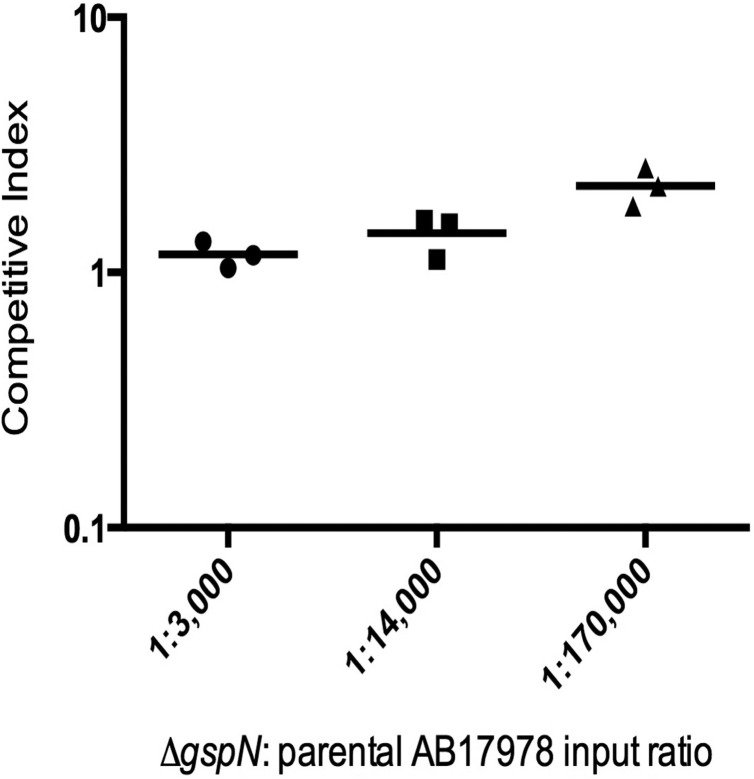
“baumannii mutant lacking gspN was not defective for virulence in a mouse model of pneumonia [25].”
BackgroundYoon, E.-J., Balloy, V., Fiette, L., Chignard, M., Courvalin, P. M., & Grillot‐Courvalin, C. (2016) · mBio · doi:10.1128/mbio.00697-16 · Cited by 94
“Insertion in two genes (A1S_1649 and A1S_1801) predicted to encode RND efflux pump determinants resulted in a decrease in the fitness of the mutants in mice (23).”
BackgroundAcinetobacter baumannii Genes Required for Bacterial Survival during Bloodstream Infection
Subashchandrabose, S., Smith, S., DeOrnellas, V., Crepin, S., Kole, M., Zahdeh, C., & Mobley, H. L. T. (2016) · mSphere · doi:10.1128/msphere.00013-15 · Cited by 93
“Recently, a similar approach was used to detect fitness genes in A. baumannii in a mouse model of pneumonia (29).”
InfluentialShames, S. R., Liu, L., Havey, J. C., Schofield, W. B., Goodman, A. L., & Roy, C. R. (2017) · Proceedings of the National Academy of Sciences · doi:10.1073/pnas.1708553114 · Cited by 96
The Response Regulator BfmR Is a Potential Drug Target for Acinetobacter baumannii
Russo, T. A., Manohar, A., Beanan, J. M., Olson, R., MacDonald, U., Graham, J., & Umland, T. C. (2016) · mSphere · doi:10.1128/msphere.00082-16 · Cited by 101
“Since inactivation of BfmR resulted in loss of viability and was essential in vivo (24) and important for in vivo pathogenicity in a murine pneumonia model (30), its successful targeting may result in even greater efficacy than that observed for antimicrobials targeting QseC.”
BackgroundAcinetobacter baumannii OmpA Is a Selective Antibiotic Permeant Porin
Iyer, R., Moussa, S. H., Durand-Réville, T. F., Tommasi, R., & Miller, A. A. (2017) · ACS Infectious Diseases · doi:10.1021/acsinfecdis.7b00168 · Cited by 98
Tipton, K. A., Chin, C., Farokhyfar, M., Weiss, D. S., & Rather, P. N. (2018) · Antimicrobial Agents and Chemotherapy · doi:10.1128/aac.01188-18 · Cited by 87
Douglass, M. V., McLean, A. B., & Trent, M. S. (2022) · PLoS Genetics · doi:10.1371/journal.pgen.1010096 · Cited by 85
Harding, C. M., Kinsella, R. L., Palmer, L. D., Skaar, E. P., & Feldman, M. F. (2016) · PLoS Pathogens · doi:10.1371/journal.ppat.1005391 · Cited by 91
“Many studies focusing on Acinetobacter pathobiology have utilized a similar murine pneumonia model of infection and also observed differences of around 2 logs; however, these mutants had defects in two-component regulatory systems, metabolism, and/or stress responses, all of which could have more pronounced global eff…”
BackgroundLaw, S. K. K., & Tan, H. S. (2022) · Microbiological Research · doi:10.1016/j.micres.2022.127032 · Cited by 91
Where are we with monoclonal antibodies for multidrug-resistant infections?
McConnell, M. J. (2019) · Drug Discovery Today · doi:10.1016/j.drudis.2019.03.002 · Cited by 84
Mendes, S. R. M., Combo, S. I., Allain, T., Domingues, S., Buret, A. G., & Silva, G. (2023) · European Journal of Clinical Microbiology & Infectious Diseases · doi:10.1007/s10096-023-04677-8 · Cited by 102
“The A . baumannii BfmRS system is strongly associated with virulence and in the transcriptional regulation of the k locus, which is responsible for exopolysaccharide production in the presence of sub-MICs of antibiotics such as chloramphenicol and erythromycin [205, 206].”
BackgroundThe abaI/abaR Quorum Sensing System Effects on Pathogenicity in Acinetobacter baumannii
Sun, X., Ni, Z., Tang, J., Ding, Y., Wang, X., & Li, F. (2021) · Frontiers in Microbiology · doi:10.3389/fmicb.2021.679241 · Cited by 92
Citrobacter freundii fitness during bloodstream infection
Anderson, M. T., Mitchell, L. A., Zhao, L., & Mobley, H. L. T. (2018) · Scientific Reports · doi:10.1038/s41598-018-30196-0 · Cited by 75
Shadan, A., Pathak, A., Ma, Y., Pathania, R., & Singh, R. P. (2023) · Frontiers in Cellular and Infection Microbiology · doi:10.3389/fcimb.2023.1053968 · Cited by 88
“, 2016), and fitness in the animal host (Wang et al., 2014) were observed in bacterial strains lacking BfmR.”
BackgroundCentrality in the host–pathogen interactome is associated with pathogen fitness during infection
Asensio, N. C., Giner, E. M., de Groot, N. S., & Torrent, M. (2017) · Nature Communications · doi:10.1038/ncomms14092 · Cited by 73
Acinetobacter Metabolism in Infection and Antimicrobial Resistance
Ren, X., & Palmer, L. D. (2023) · Infection and Immunity · doi:10.1128/iai.00433-22 · Cited by 81
“ing that amino acids are limited in the host environment (27).”
BackgroundLaar, T. A. V., Chen, T., You, T., & Leung, K. P. (2015) · Antimicrobial Agents and Chemotherapy · doi:10.1128/aac.04581-14 · Cited by 74
Kröger, C., MacKenzie, K. D., Alshabib, E. Y., Kirzinger, M. W. B., Suchan, D. M., Chao, T., Akulova, V., Miranda-CasoLuengo, A. A., Monzon, V., Conway, T., et al. (2018) · Nucleic Acids Research · doi:10.1093/nar/gky603 · Cited by 78
Transposon sequencing: methods and expanding applications
Kwon, Y. M., Ricke, S. C., & Mandal, R. K. (2015) · Applied Microbiology and Biotechnology · doi:10.1007/s00253-015-7037-8 · Cited by 76
“Persistent infection in the mouse lung (Wang et al. 2014)”
Bai, J., Dai, Y., Farinha, A., Tang, A. Y., Syal, S., Vargas-Cuebas, G. G., Surujon, D., Isberg, R. R., van Opijnen, T., & Geisinger, E. (2021) · Journal of Bacteriology · doi:10.1128/jb.00565-20 · Cited by 68
“This set of genes corresponded well with candidate essential genes identified in previous Tn-seq studies with the same strain (19) and”
BackgroundResultBacterial catabolism of indole-3-acetic acid
Laird, T. S., Flores, N., & Leveau, J. H. J. (2020) · Applied Microbiology and Biotechnology · doi:10.1007/s00253-020-10938-9 · Cited by 70
“However, iac genes were not essential for survival of A. baumannii ATCC 17978 in a mouse pneumonia model (Wang et al. 2014) and all iac genes except for iacR were downregulated in a mouse septicemia model (Murray et al. 2017).”
BackgroundSánchez-Encinales, V., Álvarez‐Marín, R., Pachón-Ibáñez, M. E., Fernández-Cuenca, F., Pascual, Á., Garnacho‐Montero, J., Martı́nez-Martı́nez, L., Vilà, J., Tomás, M., Cisneros, J. M., et al. (2017) · The Journal of Infectious Diseases · doi:10.1093/infdis/jix010 · Cited by 62
Zhang, X., de Maat, V., Prieto, A. M. G., Prajsnar, T. K., Bayjanov, J. R., de Been, M., Rogers, M. R. C., Bonten, M. J. M., Mesnage, S., Willems, R. J. L., et al. (2017) · BMC Genomics · doi:10.1186/s12864-017-4299-9 · Cited by 64
Toward the Rational Design of Carbapenem Uptake in Pseudomonas aeruginosa
Isabella, V. M., Campbell, A. J., Manchester, J. I., Sylvester, M. A., Nayar, A. S., Ferguson, K. E., Tommasi, R., & Miller, A. A. (2015) · Chemistry & Biology · doi:10.1016/j.chembiol.2015.03.018 · Cited by 71
“…reserved 537 (van Opijnen et al., 2014) that is currently being used to evaluate fitness and/or virulence determinants in a wide variety of bacterial pathogens (see for example Subashchandrabose et al., 2013; Palace et al., 2014; Wang et al., 2014), including P. aeruginosa (Skurnik et al., 2013).”
BackgroundExploring the Antimicrobial Action of Quaternary Amines against Acinetobacter baumannii
Knauf, G. A., Cunningham, A. L., Kazi, M. I., Riddington, I. M., Crofts, A. A., Cattoir, V., Trent, M. S., & Davies, B. W. (2018) · mBio · doi:10.1128/mbio.02394-17 · Cited by 70
“Nonessential genes were identified for Tn-seq analysis based on previous results (60).”
Targeting the ATP synthase in bacterial and fungal pathogens: beyond Mycobacterium tuberculosis
Vestergaard, M. R., Bald, D., & Ingmer, H. (2022) · Journal of Global Antimicrobial Resistance · doi:10.1016/j.jgar.2022.01.026 · Cited by 66
Bacterial hydrophilins promote pathogen desiccation tolerance
Green, E. R., Fakhoury, J. N., Monteith, A. J., Pi, H., Giedroc, D. P., & Skaar, E. P. (2022) · Cell Host & Microbe · doi:10.1016/j.chom.2022.03.019 · Cited by 60
The Acinetobacter baumannii Znu System Overcomes Host-Imposed Nutrient Zinc Limitation
Hesse, L. E., Lonergan, Z. R., Beavers, W. N., & Skaar, E. P. (2019) · Infection and Immunity · doi:10.1128/iai.00746-19 · Cited by 59
“(39) used insertion sequencing to determine genes important for A.”
MethodAcinetobacter baumannii Regulates Its Stress Responses via the BfmRS Two-Component Regulatory System
Palethorpe, S., Farrow, J. M., Wells, G., Milton, M. E., Actis, L. A., Cavanagh, J., & Pesci, E. C. (2021) · Journal of Bacteriology · doi:10.1128/jb.00494-21 · Cited by 66
“baumannii’s survival in a murine pneumonia model (28).”
BackgroundChakravarty, B. (2020) · Molecular Biology Reports · doi:10.1007/s11033-020-05389-4 · Cited by 73
“baumannii strain identified seven regulatory proteins required for virulence [81] whereas transposon-screening showed virulence and resistance genes appear to be co-regulated in response to antibiotic and environmental stress [82].”
BackgroundA Comprehensive Overview of Online Resources to Identify and Predict Bacterial Essential Genes
Peng, C., Lin, Y., Luo, H., & Gao, F. (2017) · Frontiers in Microbiology · doi:10.3389/fmicb.2017.02331 · Cited by 69
Krasauskas, R., Skerniškytė, J., Armalytė, J., & Sužiedėlienė, E. (2019) · BMC Microbiology · doi:10.1186/s12866-019-1621-5 · Cited by 55
“[7], for growth in human ascites fluid and for serum”
Ohneck, E. J., Arivett, B. A., Fiester, S. E., Wood, C. R., Metz, M. L., Simeone, G. M., & Actis, L. A. (2018) · PLoS ONE · doi:10.1371/journal.pone.0190599 · Cited by 58
Haurat, M. F., Scott, N. E., Di Venanzio, G., Lopez, J., Pluvinage, B., Boraston, A. B., Ferracane, M. J., & Feldman, M. F. (2020) · mBio · doi:10.1128/mbio.02033-20 · Cited by 53
“Although the 61 T2SS machinery is conserved across Acinetobacter spp, the effector repertoire is diverse 62 and varies from strain to strain (7, 9, 10) 63”
BackgroundCardiolipin aids in lipopolysaccharide transport to the gram-negative outer membrane
Douglass, M. V., Cléon, F., & Trent, M. S. (2021) · Proceedings of the National Academy of Sciences · doi:10.1073/pnas.2018329118 · Cited by 53
Mohamad, F., Alzahrani, R. R., Alsaadi, A., Alrfaei, B. M., Yassin, A. E. B., Alkhulaifi, M. M., & Halwani, M. (2023) · Infection and Drug Resistance · doi:10.2147/idr.s380883 · Cited by 58
Carfrae, L. A., MacNair, C. R., Brown, C. M., Tsai, C. N., Weber, B. S., Zlitni, S., Rao, V. N., Chun, J., Junop, M. S., Coombes, B. K., et al. (2019) · Nature Microbiology · doi:10.1038/s41564-019-0595-2 · Cited by 57
Balibar, C. J., & Grabowicz, M. (2015) · Antimicrobial Agents and Chemotherapy · doi:10.1128/aac.01747-15 · Cited by 61
Type I pili, CsuA/B and FimA induce a protective immune response against Acinetobacter baumannii
Ramezanalizadeh, F., Owlia, P., & Rasooli, I. (2020) · Vaccine · doi:10.1016/j.vaccine.2020.06.052 · Cited by 55
Gutierrez, M. G., Yoder-Himes, D. R., & Warawa, J. M. (2015) · Frontiers in Cellular and Infection Microbiology · doi:10.3389/fcimb.2015.00078 · Cited by 52
“This is consistent also with the previous use of small groups of animals (3–4 animals) to perform pooled in vivo Tn-seq analysis, and such study design has successfully resolved the detection of virulence systems for other bacterial pathogens (Skurnik et al., 2013a,b; Wang et al., 2014).”
ResultGene fitness landscape of group A streptococcus during necrotizing myositis
Zhu, L., Olsen, R. J., Beres, S. B., Eraso, J. M., Saavedra, M. O., Kubiak, S. L., Cantu, C. C., Jenkins, L., Charbonneau, A. R. L., Waller, A. S., et al. (2019) · Journal of Clinical Investigation · doi:10.1172/jci124994 · Cited by 51
Hullahalli, K., & Waldor, M. K. (2021) · eLife · doi:10.7554/elife.70910 · Cited by 46
Modulating Pathogenesis with Mobile-CRISPRi
Qu, J., Prasad, N. K., Yu, M. A., Chen, S., Lyden, A., Herrera, N., Silvis, M. R., Crawford, E. D., Looney, M. R., Peters, J. M., et al. (2019) · Journal of Bacteriology · doi:10.1128/jb.00304-19 · Cited by 48
Waack, U., Warnock, M., Yee, A., Huttinger, Z. M., Smith, S. N., Kumar, A., Deroux, A., Ginsburg, D., Mobley, H. L. T., Lawrence, D. A., et al. (2018) · mBio · doi:10.1128/mbio.01606-18 · Cited by 49
2-Hydroxylation of Acinetobacter baumannii Lipid A Contributes to Virulence
Bartholomew, T. L., Kidd, T. J., Sá‐Pessoa, J., Conde-Álvarez, R., & Bengoechea, J. A. (2019) · Infection and Immunity · doi:10.1128/iai.00066-19 · Cited by 51
“Moreover, there is good correlation between virulence in G. mellonella and that in the mouse model (26, 27).”
Wijers, C. D. M., Pham, L., Menon, S., Boyd, K. L., Noel, H. R., Skaar, E. P., Gaddy, J. A., Palmer, L. D., & Noto, M. J. (2021) · Infection and Immunity · doi:10.1128/iai.00454-21 · Cited by 48
McCarthy, A. J., Stabler, R. A., & Taylor, P. W. (2018) · Journal of Bacteriology · doi:10.1128/jb.00698-17 · Cited by 49
“moniae (28) and Acinetobacter baumannii (29) lung persistence, systemic and mucosal survival of Pseudomonas aeruginosa (30), and spleen colonization in the mouse by uropathogenic E.”
BackgroundCharacterization and Transcriptome Analysis of Acinetobacter baumannii Persister Cells
Alkasir, R., Ma, Y., Liu, F., Li, J., Lv, N., Xue, Y., Hu, Y., & Zhu, B. (2018) · Microbial Drug Resistance · doi:10.1089/mdr.2017.0341 · Cited by 50
“37 The level of persistence is related to the antibacterial concentration used.”
CryoEM Reveals the Complexity and Diversity of ATP Synthases
Courbon, G. M., & Rubinstein, J. L. (2022) · Frontiers in Microbiology · doi:10.3389/fmicb.2022.864006 · Cited by 51
Importance of Core Genome Functions for an Extreme Antibiotic Resistance Trait
Gallagher, L. A., Lee, S. A., & Manoil, C. (2017) · mBio · doi:10.1128/mbio.01655-17 · Cited by 48
“Thus, it is critical to validate Tn-seq phenotypes with quantitative assays of individual mutants (15).”
BackgroundCrépin, S., Ottosen, E. N., Peters, K., Smith, S. N., Himpsl, S. D., Vollmer, W., & Mobley, H. L. T. (2018) · Molecular Microbiology · doi:10.1111/mmi.14000 · Cited by 52
“…fitness factors identified in our study with other transposon-based screening, 109- and 46- genes were common to the ATCC17978 strain identified in the pneumonia (Wang et al., 2014) and bacteremia (Subashchandrabose et al., 2016) models of infection respectively (Supporting Information Table S5).”
BackgroundResultInfluentialAmbrosi, C., Scribano, D., Aleandri, M., Zagaglia, C., Francesco, L. D., Putignani, L., & Palamara, A. T. (2017) · Frontiers in Microbiology · doi:10.3389/fmicb.2017.01977 · Cited by 43
“Noteworthy, 157 genes were identified as necessary for survival in the ATCC 17978 reference strain using a murine model of pneumonia (Wang et al., 2014).”
BackgroundPresta, L., Bosi, E., Mansouri, L., Dijkshoorn, L., Fani, R., & Fondi, M. (2017) · Scientific Reports · doi:10.1038/s41598-017-03416-2 · Cited by 47
High-throughput bacterial functional genomics in the sequencing era
Gray, A. N., Koo, B., Shiver, A. L., Peters, J. M., Osadnik, H., & Gross, C. A. (2015) · Current Opinion in Microbiology · doi:10.1016/j.mib.2015.07.012 · Cited by 45
Analysis of colony phase variation switch in Acinetobacter baumannii clinical isolates
Ahmad, I., Karah, N., Nadeem, A., Wai, S. N., & Uhlin, B. E. (2019) · PLoS ONE · doi:10.1371/journal.pone.0210082 · Cited by 54
Zhu, Y., Zhao, J., Maifiah, M. H. M., Velkov, T., Schreiber, F., & Li, J. (2019) · mSystems · doi:10.1128/msystems.00157-18 · Cited by 44
“baumannii AB5075 (35) and transposon library for ATCC 17978 (36) were employed as references to assess the prediction accuracy.”
BackgroundMethodMartinez, J., Fernandez, J. S., Liu, C., Hoard, A., Mendoza, A. M., Nakanouchi, J., Rodman, N., Courville, R., Tuttobene, M. R., López, C., et al. (2019) · Scientific Reports · doi:10.1038/s41598-019-53847-2 · Cited by 40
“Considering the importance of A. baumannii as one of the leading causes of hospital-acquired pneumonia20,21, Wang et al. (2014), using the A. baumannii strain ATCC 17978 and a murine pneumonia model, created a random transposon mutant library and identified that 157 genes were necessary for A.…”
MethodA journey into the regulatory secrets of the de novo purine nucleotide biosynthesis
Ayoub, N., Gedeon, A., & Munier‐Lehmann, H. (2024) · Frontiers in Pharmacology · doi:10.3389/fphar.2024.1329011 · Cited by 48
Rumbo‐Feal, S., Pérez, A., Ramelot, T. A., Álvarez-Fraga, L., Vallejo, J. A., Beceiro, A., Ohneck, E. J., Arivett, B. A., Merino, M., Fiester, S. E., et al. (2017) · Frontiers in Cellular and Infection Microbiology · doi:10.3389/fcimb.2017.00108 · Cited by 48
“…containing 150,000 unique insertion derivatives, which included insertions in all components of the A1S_0112-A1S_0119 operon, showed that, in contrast to our observations, mutations within this operon did not affect the persistence of 17978 in the lungs of infected animals (Wang et al., 2014).”
ResultThe sensor kinase BfmS controls production of outer membrane vesicles in Acinetobacter baumannii
Kim, S. Y., Kim, M., Kim, S. I., Son, J. H., Kim, S., Lee, Y. C., Shin, M., Oh, M. H., & Lee, J. C. (2019) · BMC Microbiology · doi:10.1186/s12866-019-1679-0 · Cited by 41
Novel Genes Required for Surface-Associated Motility in Acinetobacter baumannii
Blaschke, U., Skiebe, E., & Wilharm, G. (2021) · Current Microbiology · doi:10.1007/s00284-021-02407-x · Cited by 46
“baumannii, inactivation of carB caused significantly decreased persistence in a mouse pneumonia model [56].”
BackgroundInfluentialCardona, S. T., Choy, M., & Hogan, A. M. (2017) · The Journal of Membrane Biology · doi:10.1007/s00232-017-9995-5 · Cited by 41
Kim, G.-L., Hooven, T. A., Norambuena, J., Li, B., Boyd, J. M., Yang, J. H., & Parker, D. (2021) · mBio · doi:10.1128/mbio.00814-21 · Cited by 38
“A screen of the genetic requirements for Acinetobacter baumannii (41) in the airway identified a large metabolic requirement analogous to that observed in this study, including nucleotide transport and metabolism and purine metabolism.”
BackgroundMethionine Limitation Impairs Pathogen Expansion and Biofilm Formation Capacity
Jochim, A., Shi, T., Belikova, D., Schwarz, S., Peschel, A., & Heilbronner, S. (2019) · Applied and Environmental Microbiology · doi:10.1128/aem.00177-19 · Cited by 44
Tug of war betweenAcinetobacter baumanniiand host immune responses
Li, F.-J., Starrs, L. M., & Burgio, G. (2018) · Pathogens and Disease · doi:10.1093/femspd/ftz004 · Cited by 41
Elhosseiny, N. M., Elhezawy, N. B., & Attia, A. S. (2018) · Microbial Pathogenesis · doi:10.1016/j.micpath.2018.12.039 · Cited by 36
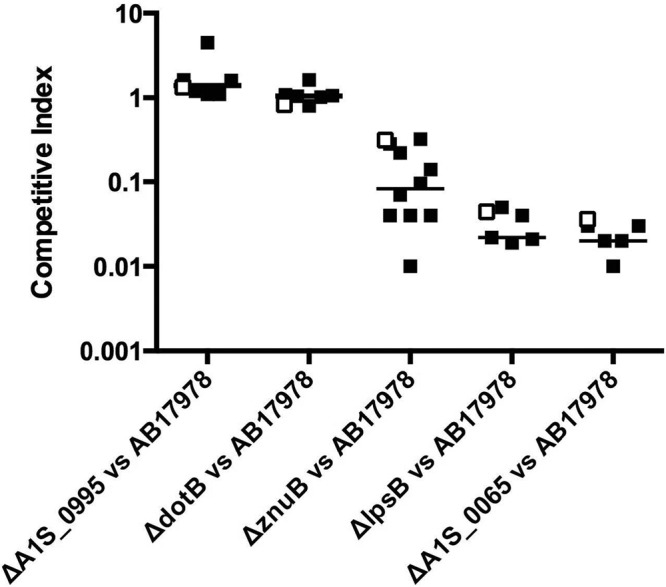
“A competitive infection model was developed as previously described with slight modifications [25].”
MethodMicroevolution in the major outer membrane protein OmpA of Acinetobacter baumannii
Viale, A. M., & Evans, B. A. (2020) · Microbial Genomics · doi:10.1099/mgen.0.000381 · Cited by 37
“infected patients and experimentally-infected mice, and to bind antimicrobial peptides via 99 the ELs (14-22, 37).”
Islam, N., Kazi, M. I., Kang, K. N., Biboy, J., Gray, J., Ahmed, F., Schargel, R. D., Boutte, C. C., Dörr, T., Vollmer, W., et al. (2022) · mBio · doi:10.1128/mbio.01001-22 · Cited by 35
“Transposon sequencing was performed as described previously (20, 42, 48, 81).”
MethodPerry, B. J., & Yost, C. K. (2014) · BMC Microbiology · doi:10.1186/s12866-014-0298-z · Cited by 46
“Both approaches have been applied to several species of bacteria to investigate genes involved in colonization of hosts [12-14], resistance to antibiotics [15], characterizing metabolic pathways [16,17], deducing core essential genomes [18-24], and recently, examining genes involved in colonizing soil environments [7].”
BackgroundZhang, W., Zhou, H., Jiang, Y., He, J., Yao, Y., Wang, J., Liu, X., Leptihn, S., Hua, X., & Yu, Y. (2022) · Frontiers in Immunology · doi:10.3389/fimmu.2022.927955 · Cited by 37
“In vivo experiments showed that the presence of OmpA increased the bacterial load in the blood, while inducing serious lung pathological changes, in infected mice (7).”
BackgroundWaack, U., Johnson, T. L., Chedid, K., Xi, C., Simmons, L. A., Mobley, H. L. T., & Sandkvist, M. (2017) · Frontiers in Cellular and Infection Microbiology · doi:10.3389/fcimb.2017.00380 · Cited by 35
“(B) Cells from overnight cultures were washed and incubated as above with Factor B deficient, C1q deficient, or heat-inactivated serum. n = 3, ***p < 0.001 by Student t-test. survival of A. baumannii in a mouse model of pneumonia (Wang et al., 2014).”
MethodInfluentialShan, W., Kan, J., Cai, X., & Yin, M. (2022) · Microbiological Research · doi:10.1016/j.micres.2022.127057 · Cited by 35
Identifying targets for antibiotic development using omics technologies
Pulido, M. R., García‐Quintanilla, M., Gil-Marqués, M. L., & McConnell, M. J. (2015) · Drug Discovery Today · doi:10.1016/j.drudis.2015.11.014 · Cited by 40
Metadata
- Authors
- Wang, N., Ozer, E. A., Mandel, M. J., & Hauser, A. R.
- Affiliations
- Northwestern University (US)
- Corresponding author
- Hauser, Alan R.
- Venue
- mBio
- Publisher
- American Society for Microbiology
- Published
- 2014-07
- Volume
- 5
- Issue
- 3
- Pages
- e01163-14
- ISSN
- 2150-7511 (ISSN-L)
- 2161-2129
- PMC
- PMC4049102
- OpenAlex
- W2127028391
- Cited by
- 234
- References
- 55
- Citations by year
- 2026: 12 · 2025: 11 · 2024: 14 · 2023: 23 · 2022: 29 · 2021: 21 · 2020: 19 · 2019: 30 · 2018: 20 · 2017: 22 · 2016: 11 · 2015: 20 · 2014: 2
- FWCI
- 8.36
- Type
- journal article
- Language
- en
- Open access
- gold
- doi.org
- Licence
- cc-by-nc-sa
- creativecommons.org/licenses/by-nc-sa/3.0/ (vor)
- journals.asm.org/non-commercial-tdm-license (tdm)
- Locations
- mBio (publishedVersion, cc-by-nc-sa)
- Europe PMC (PubMed Central) (publishedVersion, cc-by-nc-sa)
- PubMed Central (publishedVersion, cc-by-nc-sa)
- PubMed (publishedVersion)
- DOAJ (DOAJ: Directory of Open Access Journals) (submittedVersion, cc-by-sa)
- Funders
- National Institute of Allergy and Infectious Diseases (R01AI099269, AI04831, R01AI053674, AI075191, R21AI088286, AI 053674, AI088286, R01AI075191, AI099269)
- Topics
- Health Sciences › Medicine › Microbiology (medical) › Antibiotic Resistance in Bacteria
- Life Sciences › Biochemistry, Genetics and Molecular Biology › Genetics › Bacterial Genetics and Biotechnology
- Health Sciences › Medicine › Microbiology (medical) › Infections and bacterial resistance
- Keywords
- Acinetobacter baumannii, virulence factors, murine pneumonia model, transposon sequencing, transposon mutant library, efflux pumps, stress response, integration host factor, anti-virulence strategies, OmpA, antibiotic resistance, nosocomial infections
- MeSH terms
- Acinetobacter Infections, Amino Acids, Animals, Disease Models, Animal, DNA Transposable Elements, Female, Genes, Bacterial, Lipopolysaccharides, Mutation, Nucleotides, Pneumonia, Stress, Physiological, Virulence, Reproducibility of Results, Gene Library, Bacterial Capsules, Genome, Bacterial, Virulence Factors, Acinetobacter baumannii, Mice, Genome-Wide Association Study, High-Throughput Nucleotide Sequencing
About these checks
Registry, retraction, Cites and statistics results are computed, not judged, with one exception: a printed reference that no index lists is read once by a model before it counts as a citation error. Claims are extracted by a model and kept only when their quote appears verbatim in the text; each cited source is then checked, with a model’s help, for whether it says what the claim relies on. Those verdicts can be wrong — read the claim’s quote and the cited source before relying on one.
Statistics and arithmetic are recomputed, not judged.
Confidence bands are shown only for fields calibrated on our annotated test set. None is calibrated yet, so no band is shown.
What counts as a claim ›How we measure confidence ›How we check this ›
Are you an author, or do you see a problem with this page? Request a review
Data sources
Bibliographic data: Semantic Scholar, OpenAlex, Crossref.
Contains information from the Semantic Scholar Academic Graph Datasets, made available under the ODC Attribution License (ODC-BY 1.0).
Semantic Scholar’s data is described in: Kinney, R., et al. (2023). The Semantic Scholar Open Data Platform. arXiv:2301.10140.
