

Making the Leap from Research Laboratory to Clinic: Challenges and Opportunities for Next-Generation Sequencing in Infectious Disease Diagnostics
Open accessThe DOI matches its Crossref record; 30 of the 30 references it cites were found in a registry or an index.
Abstract
Next-generation DNA sequencing (NGS) has progressed enormously over the past decade, transforming genomic analysis and opening up many new opportunities for applications in clinical microbiology laboratories. The impact of NGS on microbiology has been revolutionary, with new microbial genomic sequences being generated daily, leading to the development of large databases of genomes and gene sequences. The ability to analyze microbial communities without culturing organisms has created the ever-growing field of metagenomics and microbiome analysis and has generated significant new insights into the relation between host and microbe. The medical literature contains many examples of how this new technology can be used for infectious disease diagnostics and pathogen analysis. The implementation of NGS in medical practice has been a slow process due to various challenges such as clinical trials, lack of applicable regulatory guidelines, and the adaptation of the technology to the clinical environment. In April 2015, the American Academy of Microbiology (AAM) convened a colloquium to begin to define these issues, and in this document, we present some of the concepts that were generated from these discussions.
Overview
The claims and statistics of this paper haven’t been checked yet.
Free: it reads the open-access text and checks the first 5 claims that cite a source we can check. Create a free account to check every claim.
Integrity signals
Registry
Cites
Statistics
Figures
Verification
Claims the paper makes
The claims and statistics of this paper haven’t been checked yet.
Free: it reads the open-access text and checks the first 5 claims that cite a source we can check. Create a free account to check every claim.
Claims other papers make about this one
Each is checked against this paper’s own text: does it say what the citing paper says it does?
In the citing paper
“Larger and more complete databases containing publicly deposited sequences such as the National Center for Biotechnology Information (NCBI) Nucleotide database are more comprehensive but also contain more errors than curated, more limited databases such as FDA-ARGOS91,113 or the FDA Reference Viral Database (RVDB)114.”
From Clinical metagenomics (2019) · cites this paper as [113]
Self-check
Percentages, sums and reported differences re-computed from the paper’s own numbers.
The self-check needs the paper’s full text.
Citations
Cites
A human gut microbial gene catalogue established by metagenomic sequencing
MetaHIT Consortium, Qin, J., Li, R., Raes, J., Arumugam, M., Burgdorf, K. S., Manichanh, C., Nielsen, T., Pons, N., Levenez, F., et al. (2010) · Nature · doi:10.1038/nature08821 · Cited by 11,624
Genome sequencing in microfabricated high-density picolitre reactors
Margulies, M., Egholm, M., Altman, W. E., Attiya, S., Bader, J. S., Bemben, L. A., Berka, J., Braverman, M. S., Chen, Y.-J., Chen, Z., et al. (2005) · Nature · doi:10.1038/nature03959 · Cited by 7,693
Obesity alters gut microbial ecology
Ley, R. E., Bäckhed, F., Turnbaugh, P., Lozupone, C. A., Knight, R. D., & Gordon, J. I. (2005) · Proceedings of the National Academy of Sciences · doi:10.1073/pnas.0504978102 · Cited by 6,176
Gut flora metabolism of phosphatidylcholine promotes cardiovascular disease
Wang, Z., Klipfell, E., Bennett, B. J., Koeth, R., Levison, B. S., DuGar, B., Feldstein, A. E., Britt, E. B., Fu, X., Chung, Y.-M., et al. (2011) · Nature · doi:10.1038/nature09922 · Cited by 5,597
Comparison of Next-Generation Sequencing Systems
Liu, L., Li, Y., Li, S., Hu, N., He, Y., Pong, R., Lin, D., Lu, L., & Law, M. (2012) · Journal of Biomedicine and Biotechnology · doi:10.1155/2012/251364 · Cited by 1,533 · cited 1×
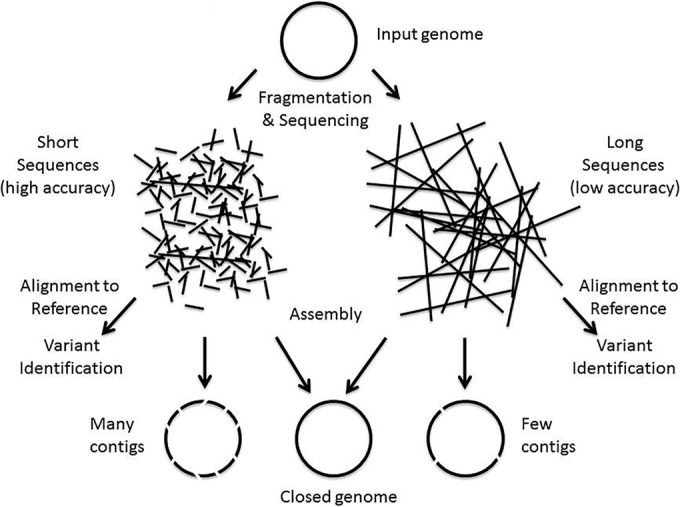
“The first commercial NGS platform, the GS20 sequencer from 454 Life Sciences, which was originally released in 2005 (1, 2), resulted in a more than 100-fold increase in the amount of microbial genomic sequence data produced in a day compared to preceding instruments.”
Hybrid error correction and de novo assembly of single-molecule sequencing reads
Koren, S., Schatz, M. C., Walenz, B. P., Martin, J., Howard, J. T., Ganapathy, G., Wang, Z., Rasko, D. A., McCombie, W. R., Jarvis, E. D., et al. (2012) · Nature Biotechnology · doi:10.1038/nbt.2280 · Cited by 1,011 · cited 1×
“To obtain a complete sequence without gaps, one often uses both short and long reads to combine the strengths of these various sequencing approaches (24).”
BackgroundActionable Diagnosis of Neuroleptospirosis by Next-Generation Sequencing
Wilson, M. R., Naccache, S. N., Samayoa, E., Biagtan, M., Bashir, H., Yu, G., Salamat, S. M., Somasekar, S., Federman, S., Miller, S., et al. (2014) · New England Journal of Medicine · doi:10.1056/nejmoa1401268 · Cited by 977 · cited 2×
“In one case, 38 different diagnostic tests had been conducted and failed to yield an actionable answer before a single NGS assay was performed, which identified the pathogen (4).”
BackgroundACMG clinical laboratory standards for next-generation sequencing
Rehm, H. L., Bale, S. J., Bayrak-Toydemir, P., Berg, J. S., Brown, K. K., Deignan, J. L., Friez, M. J., Funke, B. H., Hegde, M. R., & Lyon, E. (2013) · Genetics in Medicine · doi:10.1038/gim.2013.92 · Cited by 907
Snitkin, E. S., Zelazny, A. M., Thomas, P. J., Stock, F., Program, N. C. S., Henderson, D. K., Palmore, T. N., & Segre, J. A. (2012) · Science Translational Medicine · doi:10.1126/scitranslmed.3004129 · Cited by 863 · cited 1×
“siella pneumoniae infections (13), among many others.”
Origins of the E. coli Strain Causing an Outbreak of Hemolytic–Uremic Syndrome in Germany
Rasko, D. A., Webster, D. R., Sahl, J. W., Bashir, A., Boisen, N., Scheutz, F., Paxinos, E. E., Sebra, R., Chin, C.-S., Iliopoulos, D., et al. (2011) · New England Journal of Medicine · doi:10.1056/nejmoa1106920 · Cited by 823 · cited 2×
“For example, WGS using NGS technology was applied to investigate an outbreak of hemolytic-uremic syndrome caused by an unusual strain of Escherichia coli in Germany (10), the origins of the 2010 Haitian Vibrio cholerae epidemic (11), a series of methicillin-resistant Staphylococcus aureus infections in a neonatal inte…”
Background
Research works printed but not linked: 4
- GenomeWeb 7 8 2015 CDC earmarks $2.3 million for NGS, bioinformatic approaches to combat infectious disease. GenomeWeb, New York, NY https://www.genomeweb.com/research-funding/cdc-earmarks-23m-ngs-bioinformatic-approaches-combat-infectious-disease.
- US Food and Drug Administration 11 7 2014 Public workshop—advancing regulatory science for high throughput sequencing devices for microbial identification and detection of antimicrobial resistance markers, April 1, 2014. US Food and Drug Administration, Silver Spring, MD http://www.fda.gov/MedicalDevices/NewsEvents/WorkshopsConferences/ucm386967.htm.
- US Food and Drug Administration 11 12 2013 FDA database for regulatory grade microbial sequences (FDA-ARGOS): supporting development and validation of infectious disease Dx tests. National Center for Biotechnology Information, Bethesda, MD http://www.ncbi.nlm.nih.gov/bioproject/231221.
- Sichtig H 2014 High-throughput sequencing technologies for microbial identification and detection of antimicrobial resistance markers, p 1– 21. In FDA Public Workshop on High Throughput Sequencing Devices in Microbial Diagnostics. US Food and Drug Administration, Silver Spring, MD.
Cited by
Items 101–200 of 382
Sekyere, J. O. (2025) · MicrobiologyOpen · doi:10.1002/mbo3.70104 · Cited by 33
“• Develop open ‐ source, regulator ‐ ready pipelines that auto ‐ update AMR databases while maintaining locked versions for accreditation (Goldberg et al. 2015).”
Duan, J., Gao, J., Liu, Q., Sun, M., Liu, Y., Tan, Y., & Lihua, X. (2022) · Frontiers in Medicine · doi:10.3389/fmed.2022.812698 · Cited by 34
Xiao, Y., Liu, M., Wu, H.-W., Xu, D., Zhang, W., & Zhao, R. (2023) · Infection and Drug Resistance · doi:10.2147/idr.s401707 · Cited by 31
“20,24,25 Our study confirmed the unique advantage of mNGS in identifying nontuberculous mycobacteria, M. tuberculosis, C. psittaci, O. tsutsugamushi, Aspergillus , and P. jirovecii .”
Mintzer, V., Moran‐Gilad, J., & Simon‐Tuval, T. (2019) · Clinical Microbiology and Infection · doi:10.1016/j.cmi.2019.04.019 · Cited by 35
Sun, W., Lu, Z., & Yan, L. (2020) · International Journal of Infectious Diseases · doi:10.1016/j.ijid.2020.11.165 · Cited by 31
The Next Big Thing? Next-Generation Sequencing of Microbial Cell-Free DNA Using the Karius Test
Morales, M. M. (2021) · Clinical Microbiology Newsletter · doi:10.1016/j.clinmicnews.2021.04.003 · Cited by 32
The Early Diagnosis of Scrub Typhus by Metagenomic Next-Generation Sequencing
Liu, X., Zhang, Y., Zhang, J., Lou, Z., Xia, H., & Lu, Z. (2021) · Frontiers in Public Health · doi:10.3389/fpubh.2021.755228 · Cited by 31
“It demonstrated a better ability in the diagnosis of infections by rare, novel, and complex pathogens (21).”
BackgroundMethodInfluentialLi, N., Ma, X., Zhou, J., Deng, J., Gu, C., Fei, C., Cao, L., Zhang, Q., & Tao, F. (2022) · Journal of Clinical Laboratory Analysis · doi:10.1002/jcla.24498 · Cited by 31
An Overview of Diagnostic and Management Strategies for Talaromycosis, an Underrated Disease
Zaongo, S. D., Zhang, F., & Chen, Y. (2023) · Journal of Fungi · doi:10.3390/jof9060647 · Cited by 35
“This powerful tool can simultaneously identify bacteria, fungi, viruses, and parasites with both high efficiency and high sensitivity [56,57].”
BackgroundKan, C.-M., Tsang, H. F., Pei, X. M., Ng, S. S. M., Yim, A. K., Yu, A. C.-S., & Wong, S. C. C. (2024) · International Journal of Molecular Sciences · doi:10.3390/ijms25063333 · Cited by 32
“In each matrix, the limits of detection (LODs) for reference microorganisms should be determined [209].”
BackgroundWang, Y., Chen, T., Zhang, S., Zhang, L., Li, Q., Lv, Q., Kong, D., Jiang, H., Ren, Y., Jiang, Y., et al. (2023) · Journal of Translational Medicine · doi:10.1186/s12967-023-04562-0 · Cited by 28
“It is especially suitable for rare, novel, and atypical etiologies of complicated infectious diseases, as well as the molecular diagnosis of polymicrobial infections [3, 9, 10].”
BackgroundXu, H., Hu, X., Wang, W., Chen, H., Yu, F., Zhang, X., Zheng, W., & Han, K. (2022) · Infection and Drug Resistance · doi:10.2147/idr.s365757 · Cited by 28
“It is capable of detecting multiple pathogens simultaneously without bias and can identify rare or unexpected pathogens.(18,19) The mNGS assay has been used to identify pathogens from various infectious diseases in different body parts.”
MethodTang, X., Wang, N., Liu, G., Tan, H., Li, A., Gao, Y., Yao, M., Wang, N., Jing, H.-D., Di, Q., et al. (2023) · BMC Infectious Diseases · doi:10.1186/s12879-023-08283-z · Cited by 28
“Due to its sensitivity, speed, and costeffectiveness, mNGS has the potential for routine use in diagnostics, and may even partly replace the traditional paradigm of serial tests [25].”
BackgroundMetagenomic and clinical microbiology
Amrane, S., & Lagier, J. (2018) · Human Microbiome Journal · doi:10.1016/j.humic.2018.06.001 · Cited by 28
Qian, L., Shi, Y., Li, F., Wang, Y., Ma, M., Zhang, Y., Shao, Y. W., Zheng, G., & Zhang, G. (2020) · Frontiers in Microbiology · doi:10.3389/fmicb.2020.596175 · Cited by 31
“Those findings highlighted the outstanding advantage of mNGS, in that it does not rely on a priori selection of targeted pathogens, but rather, it detects several potential infectious agents in a single assay (Goldberg et al., 2015).”
BackgroundJiao, M., Deng, X., Yang, H., Dong, J., Lv, J., & Li, F. (2021) · Frontiers in Medicine · doi:10.3389/fmed.2021.669552 · Cited by 27
“Metagenomic next-generation sequencing (mNGS) is a new approach with characteristics of high sensitivity, rapid detection and less affected by prior antibiotics usage (23, 24).”
BackgroundMethodWang, D., Fang, S., Hu, X., Xu, Q., Chu, X., Mei, X., & Xie, W. (2022) · Frontiers in Microbiology · doi:10.3389/fmicb.2022.913405 · Cited by 30
“Metagenomic next-generation sequencing (mNGS) is a new diagnostic method that can help detect a large amount of complex and rare pathogens quickly and accurately (Goldberg et al., 2015; Westblade et al., 2016).”
BackgroundMethodAnalysis of Negative Results of Metagenomics Next-Generation Sequencing in Clinical Practice
Qian, M., Zhu, B., Zhan, Y., Wang, L., Shen, Q., Zhang, M., Yue, L., Wu, D., Chen, H., Wang, X., et al. (2022) · Frontiers in Cellular and Infection Microbiology · doi:10.3389/fcimb.2022.892076 · Cited by 27
Next-generation DNA sequencing offers diagnostic advantages over traditional culture testing
Damerum, A., Malka, S., Lofgren, N. T. W., Vecere, G., & Krumbeck, J. A. (2023) · American Journal of Veterinary Research · doi:10.2460/ajvr.23.03.0054 · Cited by 29
D’Souza, R., Pinto, N. A., Hwang, I.-S., Cho, Y. L., Yong, D., Choi, J.-R., Lee, K., & Chong, Y. (2017) · PeerJ · doi:10.7717/peerj.2896 · Cited by 38
“71 Rapid development in the field of massive parallel sequencing (MPS) has enabled the clinical 72 microbiology laboratory to gain better insights into understanding the bacterial resistance 73 (Goldberg et al. 2015; Koser et al. 2012; Koser et al. 2014).”
BackgroundResultTranslational metagenomics and the human resistome: confronting the menace of the new millennium
Willmann, M., & Peter, S. (2016) · Journal of Molecular Medicine · doi:10.1007/s00109-016-1478-0 · Cited by 25
“Non-culture-based approaches such as metagenomics can overcome these common limitations [19, 20].”
BackgroundPneumocystis Jirovecii Pneumonia Diagnosis via Metagenomic Next-Generation Sequencing
Lu, X., Zhang, J., Ma, W., Xing, L., Ning, H., & Yao, M. (2022) · Frontiers in Medicine · doi:10.3389/fmed.2022.812005 · Cited by 25
Jiao, M., Ma, X., Li, Y., Wang, H., Liu, Y., Guo, W., & Lv, J. (2022) · Frontiers in Cellular and Infection Microbiology · doi:10.3389/fcimb.2022.894678 · Cited by 28
Wu, C., Yu, X., Gai, W., Liu, Y., Qi, Y., Zheng, Y., Zhang, N., Cai, X., Li, G., & Chen, B. (2023) · Biochemical and Biophysical Research Communications · doi:10.1016/j.bbrc.2023.10.011 · Cited by 25
Liu, Y., Qin, S.-B., Lan, C., Huang, Q., Zhang, P., & Cao, W. (2024) · International Journal of Infectious Diseases · doi:10.1016/j.ijid.2024.106996 · Cited by 26
Next Generation Sequencing in Clinical and Public Health Microbiology
MacCannell, D. (2016) · Clinical Microbiology Newsletter · doi:10.1016/j.clinmicnews.2016.10.001 · Cited by 26
Diagnosis of Periprosthetic Infection: Recent Developments
Wasterlain, A. S., Goswami, K., Ghasemi, S. A., & Parvizi, J. (2020) · Journal of Bone and Joint Surgery · doi:10.2106/jbjs.19.00598 · Cited by 24
Dong, Y., Chen, Q., Tian, B., Li, J., Li, J., & Hu, Z. (2023) · Infection and Drug Resistance · doi:10.2147/idr.s387134 · Cited by 26
“mNGS another notable ascendency is a promising and robust technique for the diagnosis of infectious disease because a comprehensive spectrum of potential causative microorganisms —viruses, bacteria, fungi, and parasites — can be identified in a single assay.(23) That is, when a patient is underwent concurrent infectio…”
MethodImmunologic biomarkers for bacterial meningitis
Yekani, M., & Memar, M. Y. (2023) · Clinica Chimica Acta · doi:10.1016/j.cca.2023.117470 · Cited by 28
Next-Generation Sequencing for Pathogen Identification in Infected Foot Ulcers
Choi, Y.-J., Oda, E., Waldman, O. V., Sajda, T., Beck, C. A., & Oh, I. C. (2021) · Foot & Ankle Orthopaedics · doi:10.1177/24730114211026933 · Cited by 27
“It is highly sensitive and is able to sequence and quantify an entire bacterial genome in a given sample.(5,6,16) Its application in pathogen identification in PJI after hip, knee, or shoulder arthroplasty has been explored.”
BackgroundMethodDonor-derived infections in solid organ transplant patients: toward a holistic approach
Benamu, E., Wolfe, C. R., & Montoya, J. G. (2017) · Current Opinion in Infectious Diseases · doi:10.1097/qco.0000000000000377 · Cited by 24
Use of Metagenomic Next-Generation Sequencing in the Clinical Microbiology Laboratory
Stratton, C. W., Schutzbank, T. E., & Tang, Y. (2021) · Journal of Molecular Diagnostics · doi:10.1016/j.jmoldx.2021.09.003 · Cited by 25
Guo, Y., Yang, Y.-L., Xu, M., Shi, G., Zhou, J., Zhang, J., & Li, H. (2022) · Frontiers in Cellular and Infection Microbiology · doi:10.3389/fcimb.2022.856845 · Cited by 23
Pallerla, S. R., Dong, D. V., Linh, L. T. K., Son, T. V., Quyen, D. T., Hoan, P. Q., Trung, N. T., The, N. T., Rüter, J., Boutin, S., et al. (2022) · Annals of Clinical Microbiology and Antimicrobials · doi:10.1186/s12941-022-00530-6 · Cited by 23
Chen, Y., Wang, J., & Niu, T. (2024) · BMC Infectious Diseases · doi:10.1186/s12879-024-09073-x · Cited by 23
“The advantages of mNGS include faster, more comprehensive and more accurate data analysis, especially in the detection of specific pathogens [7, 39].”
BackgroundCausative Microbes in Host-Microbiome Interactions
Britton, G. J., & Faith, J. J. (2021) · Annual Review of Microbiology · doi:10.1146/annurev-micro-041321-042402 · Cited by 23
Novel Applications of Metagenomics for Detection of Tickborne Pathogens
Rodino, K. G., & Pritt, B. S. (2021) · Clinical Chemistry · doi:10.1093/clinchem/hvab228 · Cited by 24
Adhikary, K., Banerjee, A., Sarkar, R., Banerjee, R., Chowdhury, S. R., Ganguly, K., & Karak, P. (2025) · Journal of the Neurological Sciences · doi:10.1016/j.jns.2025.123410 · Cited by 24
Opportunistic infections complicating immunotherapy for non‐small cell lung cancer
Liu, Z., Liu, T., Zhang, X., Si, X., Wang, H., Zhang, J., Huang, H. F., Sun, X., Wang, J., Wang, M., et al. (2020) · Thoracic Cancer · doi:10.1111/1759-7714.13422 · Cited by 23
Lian, Q., Chen, A., Zhang, J., Guan, W., Xu, X., Wei, B., Huang, D., He, J., & Ju, C. (2021) · BMC Pulmonary Medicine · doi:10.1186/s12890-021-01723-z · Cited by 22
“High-throughput next-generation sequencing (HTNGS) is a new pathogen detection technology that allows thousands to billions of DNA fragments to be sequenced simultaneously and independently, enabling a fast and high positive rate for pathogen identification [9, 10].”
BackgroundDuan, W., Yang, Y., Zhao, J., Yan, T., & Tian, X. (2022) · Frontiers in Public Health · doi:10.3389/fpubh.2022.901549 · Cited by 23
Liao, J., Yang, Z., He, Y., Wei, J., Luo, R., Liu, E., & Zang, N. (2022) · Frontiers in Pediatrics · doi:10.3389/fped.2022.949817 · Cited by 20
Larkin, P. M. K., Multani, A., Beaird, O. E., Dayo, A. J., Fishbein, G. A., & Yang, S. (2020) · Journal of Fungi · doi:10.3390/jof6030106 · Cited by 23
“Currently, one biggest limitation for the clinical application of microbial NGS testing is the lack of availability and standardizations [96,98].”
BackgroundCameron, A., Bohrhunter, J. L., Taffner, S. M., Malek, A., & Pecora, N. (2020) · Clinics in Laboratory Medicine · doi:10.1016/j.cll.2020.08.003 · Cited by 22
Liao, H., Zhang, Y., Guo, W., Wang, X., Wang, H., Ye, H., Wu, K., Zhang, Y., Guo, L., Zhu, Y., et al. (2021) · mSystems · doi:10.1128/msystems.00049-21 · Cited by 21
Zhang, S., Wu, G., Shi, Y., Liu, T., Xu, L., Dai, Y., Chang, W., & Ma, X. (2022) · Frontiers in Cellular and Infection Microbiology · doi:10.3389/fcimb.2022.979086 · Cited by 21
“Recently, metagenomic next-generation sequencing (mNGS) has emerged as an unbiased technology that allows the simultaneous identification of all microorganisms in a single clinical sample (Goldberg et al., 2015; Miao et al., 2018; Miller et al., 2019).”
BackgroundXu, Y., Jiang, Y., Wang, Y., Meng, F., Qin, W., & Lin, Y. (2023) · Frontiers in Cellular and Infection Microbiology · doi:10.3389/fcimb.2023.1220943 · Cited by 19
“Moreover, the advent of rapid mNGS has extended its applications from laboratory research to clinical diagnostics (Goldberg et al., 2015). mNGS has been used mainly to diagnose emerging pathogens and rare infectious diseases (Yao et al., 2016).”
Pathogenic Detection by Metagenomic next-generation Sequencing in Spinal Infections
Yin, C., Cong, Y., Wang, H., Wang, D., Yang, X., Wang, X., & Wang, T. (2024) · Spine · doi:10.1097/brs.0000000000005148 · Cited by 21
Metagenomic Next-Generation Sequencing in Clinical Microbiology
Watts, G. S., & Hurwitz, B. L. (2020) · Clinical Microbiology Newsletter · doi:10.1016/j.clinmicnews.2020.03.004 · Cited by 19
Cao, J., & Zhu, X. (2020) · Journal of NeuroVirology · doi:10.1007/s13365-020-00885-6 · Cited by 20
Zhang, Y., Wei, E., Niu, J., Yan, K., Zhang, M., Yuan, W., Fang, X., & Jia, P. (2024) · Frontiers in Cellular and Infection Microbiology · doi:10.3389/fcimb.2024.1368165 · Cited by 18
Chen, H., Li, J., Yan, S., Sun, H., Tan, C., Liu, M., Liu, K., Zhang, H., Zou, M., & Xiao, X. (2021) · PeerJ · doi:10.7717/peerj.11699 · Cited by 22
“In view of these giant advantages, shotgun metagenomic sequencing technology might probably become a routine method in the near future, partly taking the place of conventional culture (Goldberg et al., 2015).”
BackgroundXing, X., Yu, S., Zhang, J., Tan, R., Ma, Y., Tian, X., Wang, R.-F., Yao, G.-E., Cui, F., Gui, Q., et al. (2021) · Frontiers in Microbiology · doi:10.3389/fmicb.2021.787863 · Cited by 17
Wang, Y., Wu, Y., Cao, L., & Niu, W.-Q. (2024) · Frontiers in Microbiology · doi:10.3389/fmicb.2024.1357372 · Cited by 21
Chen, Q., Chen, X., Mo, P., Chen, L., Du, Q., Hu, W., Jiang, Q., Zhang, Z., Zhang, Y., Guo, Q., et al. (2024) · Frontiers in Microbiology · doi:10.3389/fmicb.2024.1421660 · Cited by 18
Wang, J., Ye, J., Yang, L., Chen, X., Fang, H., Liu, Z., Xia, G., Zhang, Y., & Zhang, Z. (2022) · BMC Infectious Diseases · doi:10.1186/s12879-022-07729-0 · Cited by 16
“It is a non-priori and non-biased detection method that enables the identification of all potential causes in a single test [9, 10].”
BackgroundWang, N., Zhao, C.-L., Tang, C., & Wang, L. (2022) · Infection and Drug Resistance · doi:10.2147/idr.s371740 · Cited by 16
“An expert consensus in China also noted that mNGS has a high clinical value because of its diagnostic accuracy and the short time needed, which is especially suitable for the pathogenic diagnosis of critical and difficult infections.(15) Recently, Zhang et al(16) performed simultaneous myeloscopy and mNGS in five pati…”
BackgroundPapa, A., Kotrotsiou, T., Papadopoulou, E., Reusken, C. B. E. M., GeurtsvanKessel, C. H., & Koopmans, M. (2016) · Expert Review of Anti-infective Therapy · doi:10.1080/14787210.2016.1215914 · Cited by 17
Xu, J. X., Yu, Y., Lv, J., Yang, S., Wu, J., Chen, J., & Peng, W. (2021) · Annals of Transplantation · doi:10.12659/aot.931059 · Cited by 15
Strengths and caveats of identifying resistance genes from whole genome sequencing data
Forde, B. M., Oliveira, D. M. P. D., Falconer, C., Graves, B., & Harris, P. N. A. (2021) · Expert Review of Anti-infective Therapy · doi:10.1080/14787210.2022.2013806 · Cited by 16
“best approach to validation for the purposes of accreditation [137,139].”
BackgroundTowards Integrated Management of Dengue in Mumbai
Paradkar, P. N., Sahasrabudhe, P. R., Sawant, M. G., Mukherjee, S., & Blasdell, K. R. (2021) · Viruses · doi:10.3390/v13122436 · Cited by 17
“In recent times, NGS platforms have moved from research studies to routine use in the clinical microbiology laboratory [94,95], especially in well-resourced settings.”
BackgroundCapina, R. E., Li, K., Kearney, L., Vandamme, A., Harrigan, P. R., & Laethem, K. V. (2020) · Viruses · doi:10.3390/v12060645 · Cited by 15
Pathogen and Antibody Identification in Children with Encephalitis in Myanmar
Galardi, M. M., Sowa, G. M., Crockett, C. D., Rudock, R., Smith, A. E., Shwe, E. E., San, T., Linn, K., Aye, A. M. M., Ramachandran, P. S., et al. (2023) · Annals of Neurology · doi:10.1002/ana.26560 · Cited by 14
Wang, Y., Guo, X.-T., Zhu, M.-Y., Mao, Y.-C., Xu, X., Hua, Y., Xu, L., Jiang, L.-H., Zhao, C.-Y., Zhang, X., et al. (2023) · Frontiers in Cellular and Infection Microbiology · doi:10.3389/fcimb.2023.1104858 · Cited by 14
Baillie, V. L., Madhi, S. A., Ahyong, V., & Olwagen, C. P. (2023) · Nature Communications · doi:10.1038/s41467-023-40958-8 · Cited by 14
“…sequencing (mNGS) has the potential to provide a more granular understanding of the role of different pathogens in the causal pathway to death, as it is not biased to only identifying pre-selected targets, and is able to identify viruses, bacteria, fungi, and parasites in a single assay 5 – 7 .”
Protoblock - A biological standard for formalin fixed samples
Bueso, Y. F., Walker, S. P., Hogan, G. E., Claesson, M. J., & Tangney, M. (2020) · Microbiome · doi:10.1186/s40168-020-00901-1 · Cited by 15
“The Protoblock also educated on bias introduced by the bacterial lysis strategy included in the sample prep used (an impact that has been well documented) [48, 49].”
BackgroundMetagenomic Approaches for Detecting Viral Diversity in Water Environments
McCall, C., & Xagoraraki, I. (2019) · Journal of Environmental Engineering · doi:10.1061/(asce)ee.1943-7870.0001548 · Cited by 14
Nguyen, M., Long, S. W., McDermott, P. F., Olsen, R. J., Olson, R., Stevens, R. L., Tyson, G. H., Zhao, S., & Davis, J. J. (2018) · bioRxiv (Cold Spring Harbor Laboratory) · doi:10.1101/380782 · Cited by 17
Next-Generation Diagnostics for Pathogens
Wilkes, R. P. (2023) · Veterinary Clinics of North America Food Animal Practice · doi:10.1016/j.cvfa.2022.09.003 · Cited by 13
Haegeman, A., Foucart, Y., Jonghe, K. D., Goedefroit, T., Rwahnih, M. A., Boonham, N., Candresse, T., Gaafar, Y. Z. A., Hurtado‐Gonzales, O. P., Zwitter, Z. K., et al. (2023) · Plants · doi:10.3390/plants12112139 · Cited by 18
“Many different applications of metagenomics exist, and, not surprisingly, its potential for diagnostic applications increased tremendously [2,3], especially when traditional targeted diagnostic tests fail.”
BackgroundErsoy, S. C., Rose, W. E., Patel, R., Proctor, R. A., Chambers, H. F. “., Harrison, E. M., Pak, Y., & Bayer, A. S. (2021) · Antibiotics · doi:10.3390/antibiotics10091089 · Cited by 13
Jiang, X., Yan, J., Huang, H., Ai, L., Yu, X., Zhong, P., Chen, Y., Liang, Z., Qiu, W., Huang, H., et al. (2023) · Frontiers in Genetics · doi:10.3389/fgene.2023.1266990 · Cited by 13
Lipof, J. S., Jones, C. M. C., Daiss, J. L., & Oh, I. C. (2021) · Journal of Orthopaedic Research® · doi:10.1002/jor.25001 · Cited by 13
Highly multiplexed targeted sequencing strategy for infectious disease surveillance
Hernández-Neuta, I., Magoulopoulou, A., Pineiro, F., Lisby, J. G., Gulberg, M., & Nilsson, M. F. (2023) · BMC Biotechnology · doi:10.1186/s12896-023-00804-7 · Cited by 12
“However, these methods present a limited sensitivity as a consequence of the low concentration of microbial pathogens in most clinical samples, which biases any target amplification towards the host DNA [7].”
BackgroundMaleki, A., Zamirnasta, M., Taherikalani, M., Pakzad, I., Mohammadi, J., Krůtová, M., Kouhsari, E., & Sadeghifard, N. (2020) · Microbial Pathogenesis · doi:10.1016/j.micpath.2020.104115 · Cited by 12
Goswami, K., Tipton, C., Clarkson, S., Chang, G., Tan, T. L., Fram, B., Chisari, E., Sobol, K., Natoli, R. M., Conway, J. D., et al. (2022) · Journal of Orthopaedic Trauma · doi:10.1097/bot.0000000000002305 · Cited by 12
Mastriani, E., Bienes, K. M., Wong, G., & Berthet, N. (2022) · Viruses · doi:10.3390/v14061260 · Cited by 13
“Clinical metagenomics (CMg) is a method of choice for detecting and identifying infectious etiologies [6,7].”
MethodTian, X., Duan, W., Zhang, X., Wu, X., Zhang, C., Wang, Z., Cao, G., Gu, Y., Shao, F., & Yan, T. (2022) · Frontiers in Public Health · doi:10.3389/fpubh.2022.888064 · Cited by 14
“mNGS showed promising values in the rapid diagnosis of clinical infections, and can be applied in transplantation (14).”
BackgroundYang, H., He, X.-J., Nie, J.-M., Guan, S.-S., Chen, Y., & Liu, M. (2022) · AIDS Research and Therapy · doi:10.1186/s12981-022-00468-x · Cited by 12
Bian, W., Xie, Y., Shang, Y., Zhao, L., Yang, Z., Ma, X., He, Y., Yu, W., Xi, W., Yang, D., et al. (2023) · BMC Infectious Diseases · doi:10.1186/s12879-023-08580-7 · Cited by 11
“Due to its high sensitivity, it has become increasingly popular in recent years [8] and can be used to identify different pathogens involved in infectious diseases [10, 11].”
BackgroundZhang, Z., Liu, T., Ming, M., Shen, M., Zhang, Y., Chen, H., Chen, W., Tao, J., Wang, Y., Liu, J., et al. (2024) · BMC Pulmonary Medicine · doi:10.1186/s12890-024-03135-1 · Cited by 11
“…traditional detection methods, mNGS emerges as an effective tool for the early diagnosis of PJP, which can detect multiple pathogens simultaneously with high throughput [35], and offer the added advantage of facilitating translation of findings into meaningful alterations in clinical management.”
A sensitivity analysis of methodological variables associated with microbiome measurements
Forry, S. P., Servetas, S. L., Dootz, J. N., Hunter, M. E., Kralj, J. G., Filliben, J. J., & Jackson, S. A. (2025) · Microbiology Spectrum · doi:10.1128/spectrum.00696-24 · Cited by 11
“It was notable that the improved comparability (reduced method bias) between protocols was observed for all five stool samples, even samples 1, 2, 4, and 5 that were not included in the Parameter Effect calculations.”
Santra, K., Clark, K. D., Maity, N., Petrich, J. W., & Anderson, J. L. (2018) · The Journal of Physical Chemistry B · doi:10.1021/acs.jpcb.8b05580 · Cited by 11
CircRNAs in the tumor microenvironment: new frontiers in cancer progression and therapy
Guo, Y., Gong, Y., Wu, M., Ji, M., Xie, F., Chen, H., Niu, H., & Tang, C. (2025) · Critical Reviews in Oncology/Hematology · doi:10.1016/j.critrevonc.2025.104754 · Cited by 10
Deng, L., Li, Q., Hu, W., Chen, X., Chen, T., Song, S., Mo, P., Zou, S., Zhang, Y., Gao, S., et al. (2023) · Scientific Reports · doi:10.1038/s41598-023-31974-1 · Cited by 10
Zhou, L., Zou, X., Yong, Y., & Hu, Q. (2024) · BMJ Open · doi:10.1136/bmjopen-2023-080904 · Cited by 10
“15 Non-respiratory samples, such as CSF, have fewer bacteria and may, therefore, result in less contamination during the test.”
BackgroundZheng, X., Zou, W., Zou, S., Ye, J., Bao, Z., & Song, Y. (2025) · Immunology · doi:10.1111/imm.13911 · Cited by 10
“On the other hand, mNGS, as a high-throughput sequencing method, directly detects the nucleic acids of pathogens in samples and can identify a comprehensive pathogen-detection spectrum in a single assay, including viruses, bacteria, fungi and parasites [24].”
Caboche, S., Even, G., Loywick, A., Audebert, C., & Hot, D. (2017) · Genome biology · doi:10.1186/s13059-017-1367-z · Cited by 10
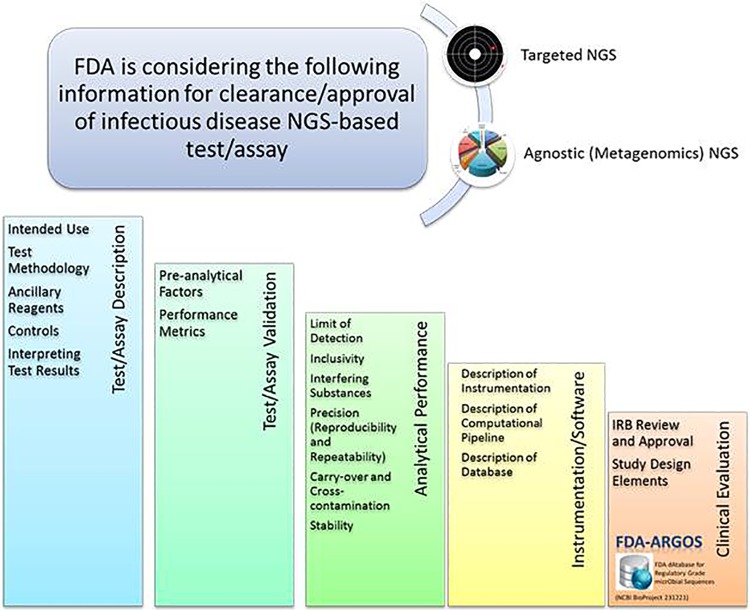
“The Food and Drug Administration (FDA) is developing concepts for validation of HTS tests for infectious disease diagnostics and the detection of antimicrobial resistance and virulence markers [5], representing a milestone for HTS-based diagnostics.”
BackgroundAlleweldt, F., Kara, Ş., OSINSKI, A., van Baal, P. H. M., Kellerborg, K., Aarestrup, F. M., & Koopmans, M. (2017) · Scientific and Technical Review (World Organisation for Animal Health) · doi:10.20506/rst.36.1.2631 · Cited by 10
Zhang, X., Li, Y., Yin, J., Xi, B., Wang, N., & Zhang, Y. (2022) · Frontiers in Cellular and Infection Microbiology · doi:10.3389/fcimb.2022.888398 · Cited by 12
“Next-generation sequencing (NGS) has showed a constant improvement in recent decades with its continuous improvements and use in clinical settings, providing a powerful tool for success in medical practice (Goldberg et al., 2015; Wilson et al., 2019; Tang et al., 2021).”
BackgroundMethodSu, R. J., Yan, H., Li, N., Ding, T., Li, B., Xie, Y., Gao, C., Li, X., & Wang, C. (2022) · Frontiers in Immunology · doi:10.3389/fimmu.2022.939057 · Cited by 10
Central nervous system infection caused by Mycobacterium houstonense: A case report
Wang, L., Wang, F., Yang, C. H., & Luo, F. (2022) · Frontiers in Neurology · doi:10.3389/fneur.2022.908086 · Cited by 10
Rapid detection of human herpes virus by next-generation sequencing in a patient with encephalitis
Zhang, Y., Hong, K., Zou, Y., & Bu, H. (2019) · Virology Journal · doi:10.1186/s12985-019-1205-x · Cited by 10
Gao, N., Yin, J., Niu, N., Hao, W., Chen, X., & Yang, T. (2025) · Frontiers in Cellular and Infection Microbiology · doi:10.3389/fcimb.2025.1593818 · Cited by 10
Li, X., Du, H., Song, Z., Wang, H., & Long, X. (2022) · Frontiers in Medicine · doi:10.3389/fmed.2022.840910 · Cited by 11
Xu, J., Huang, Q., Yu, J., Liu, S., Yang, Z., Wang, F., Shi, Y., Li, E., Li, Z., & Xiao, Y. (2022) · Infection and Drug Resistance · doi:10.2147/idr.s350047 · Cited by 10
Chen, Y., Mao, L., Lai, D., Xu, W., Zhang, Y., Wu, S., Yang, D., Zhao, S., Liu, Z., Xiao, Y., et al. (2023) · Frontiers in Cellular and Infection Microbiology · doi:10.3389/fcimb.2022.1001607 · Cited by 10
“Compared with the NGS, nanopore sequencing technology has the following advantages (Goldberg et al., 2015; Sedlazeck et al., 2018): 1 shorter time from sampling to results, 2 simpler TABLE 2 Demographic and clinical characteristics of the 94 pediatric pneumonia patients.”
MethodZhang, X., Yao, X., Chen, H., Han, D., & Yang, M. (2024) · Future Microbiology · doi:10.1080/17460913.2024.2363632 · Cited by 9
Xie, J., & Zhu, Z. (2021) · Journal of International Medical Research · doi:10.1177/03000605211032793 · Cited by 9
“It quickly and objectively detects many different pathogenic microorganisms (including viruses, bacteria, and fungi) in clinical samples without the need for specific amplification.(14,15) It is therefore especially suited to the diagnosis of acute and critical cases and difficult infections.”
BackgroundLi, T., Chen, Y., Lin, J., Lin, W., Zhang, W., Dong, H., Cai, S.-X., & Meng, Y. (2022) · World Journal of Clinical Cases · doi:10.12998/wjcc.v10.i28.10120 · Cited by 9
Metadata
- Authors
- Goldberg, B., Sichtig, H., Geyer, C., Ledeboer, N., & Weinstock, G. M.
- Affiliations
- Children's National (US)
- United States Food and Drug Administration (US)
- American Society for Microbiology (US)
- Medical College of Wisconsin (US)
- The Jackson Laboratory for Genomic Medicine (US)
- Corresponding author
- Weinstock, George M.
- Venue
- mBio
- Publisher
- American Society for Microbiology
- Published
- 2015-12-31
- Volume
- 6
- Issue
- 6
- Pages
- e01888-15
- ISSN
- 2150-7511 (ISSN-L)
- 2161-2129
- PMC
- PMC4669390
- OpenAlex
- W2239037555
- Cited by
- 360
- References
- 30
- Citations by year
- 2026: 19 · 2025: 38 · 2024: 38 · 2023: 47 · 2022: 56 · 2021: 42 · 2020: 34 · 2019: 27 · 2018: 17 · 2017: 26 · 2016: 16
- FWCI
- 1.95
- Type
- journal article
- Language
- en
- Open access
- gold
- doi.org
- Licence
- cc-by-nc-sa
- creativecommons.org/licenses/by-nc-sa/3.0/ (vor)
- journals.asm.org/non-commercial-tdm-license (tdm)
- Locations
- mBio (publishedVersion, cc-by-nc-sa)
- Europe PMC (PubMed Central) (publishedVersion, cc-by-nc-sa)
- PubMed Central (publishedVersion, cc-by-nc-sa)
- PubMed (publishedVersion)
- DOAJ (DOAJ: Directory of Open Access Journals) (submittedVersion, cc-by-sa)
- The Mouseion at the JAXlibrary (Jackson Laboratory) (submittedVersion)
- Topics
- Health Sciences › Medicine › Microbiology (medical) › Bacterial Identification and Susceptibility Testing
- Life Sciences › Biochemistry, Genetics and Molecular Biology › Molecular Biology › Genomics and Phylogenetic Studies
- Life Sciences › Biochemistry, Genetics and Molecular Biology › Genetics › Genomics and Rare Diseases
- Keywords
- next-generation sequencing, infectious disease diagnostics, clinical microbiology, metagenomics, microbiome analysis, pathogen genomics, clinical implementation, regulatory guidelines, clinical trials, host-microbe interactions
- MeSH terms
- Communicable Diseases, Microbiological Techniques, Societies, Scientific, United States, Molecular Diagnostic Techniques, High-Throughput Nucleotide Sequencing
About these checks
Registry, retraction, Cites and statistics results are computed, not judged, with one exception: a printed reference that no index lists is read once by a model before it counts as a citation error. Claims are extracted by a model and kept only when their quote appears verbatim in the text; each cited source is then checked, with a model’s help, for whether it says what the claim relies on. Those verdicts can be wrong — read the claim’s quote and the cited source before relying on one.
Statistics and arithmetic are recomputed, not judged.
Confidence bands are shown only for fields calibrated on our annotated test set. None is calibrated yet, so no band is shown.
What counts as a claim ›How we measure confidence ›How we check this ›
Are you an author, or do you see a problem with this page? Request a review
Data sources
Bibliographic data: Semantic Scholar, OpenAlex, Crossref.
Contains information from the Semantic Scholar Academic Graph Datasets, made available under the ODC Attribution License (ODC-BY 1.0).
Semantic Scholar’s data is described in: Kinney, R., et al. (2023). The Semantic Scholar Open Data Platform. arXiv:2301.10140.
