

Making the Leap from Research Laboratory to Clinic: Challenges and Opportunities for Next-Generation Sequencing in Infectious Disease Diagnostics
Open accessThe DOI matches its Crossref record; 30 of the 30 references it cites were found in a registry or an index.
Abstract
Next-generation DNA sequencing (NGS) has progressed enormously over the past decade, transforming genomic analysis and opening up many new opportunities for applications in clinical microbiology laboratories. The impact of NGS on microbiology has been revolutionary, with new microbial genomic sequences being generated daily, leading to the development of large databases of genomes and gene sequences. The ability to analyze microbial communities without culturing organisms has created the ever-growing field of metagenomics and microbiome analysis and has generated significant new insights into the relation between host and microbe. The medical literature contains many examples of how this new technology can be used for infectious disease diagnostics and pathogen analysis. The implementation of NGS in medical practice has been a slow process due to various challenges such as clinical trials, lack of applicable regulatory guidelines, and the adaptation of the technology to the clinical environment. In April 2015, the American Academy of Microbiology (AAM) convened a colloquium to begin to define these issues, and in this document, we present some of the concepts that were generated from these discussions.
Overview
The claims and statistics of this paper haven’t been checked yet.
Free: it reads the open-access text and checks the first 5 claims that cite a source we can check. Create a free account to check every claim.
Integrity signals
Registry
Cites
Statistics
Figures
Verification
Claims the paper makes
The claims and statistics of this paper haven’t been checked yet.
Free: it reads the open-access text and checks the first 5 claims that cite a source we can check. Create a free account to check every claim.
Claims other papers make about this one
Each is checked against this paper’s own text: does it say what the citing paper says it does?
In the citing paper
“Larger and more complete databases containing publicly deposited sequences such as the National Center for Biotechnology Information (NCBI) Nucleotide database are more comprehensive but also contain more errors than curated, more limited databases such as FDA-ARGOS91,113 or the FDA Reference Viral Database (RVDB)114.”
From Clinical metagenomics (2019) · cites this paper as [113]
Self-check
Percentages, sums and reported differences re-computed from the paper’s own numbers.
The self-check needs the paper’s full text.
Citations
Cites
A human gut microbial gene catalogue established by metagenomic sequencing
MetaHIT Consortium, Qin, J., Li, R., Raes, J., Arumugam, M., Burgdorf, K. S., Manichanh, C., Nielsen, T., Pons, N., Levenez, F., et al. (2010) · Nature · doi:10.1038/nature08821 · Cited by 11,624
Genome sequencing in microfabricated high-density picolitre reactors
Margulies, M., Egholm, M., Altman, W. E., Attiya, S., Bader, J. S., Bemben, L. A., Berka, J., Braverman, M. S., Chen, Y.-J., Chen, Z., et al. (2005) · Nature · doi:10.1038/nature03959 · Cited by 7,693
Obesity alters gut microbial ecology
Ley, R. E., Bäckhed, F., Turnbaugh, P., Lozupone, C. A., Knight, R. D., & Gordon, J. I. (2005) · Proceedings of the National Academy of Sciences · doi:10.1073/pnas.0504978102 · Cited by 6,176
Gut flora metabolism of phosphatidylcholine promotes cardiovascular disease
Wang, Z., Klipfell, E., Bennett, B. J., Koeth, R., Levison, B. S., DuGar, B., Feldstein, A. E., Britt, E. B., Fu, X., Chung, Y.-M., et al. (2011) · Nature · doi:10.1038/nature09922 · Cited by 5,597
Comparison of Next-Generation Sequencing Systems
Liu, L., Li, Y., Li, S., Hu, N., He, Y., Pong, R., Lin, D., Lu, L., & Law, M. (2012) · Journal of Biomedicine and Biotechnology · doi:10.1155/2012/251364 · Cited by 1,533 · cited 1×
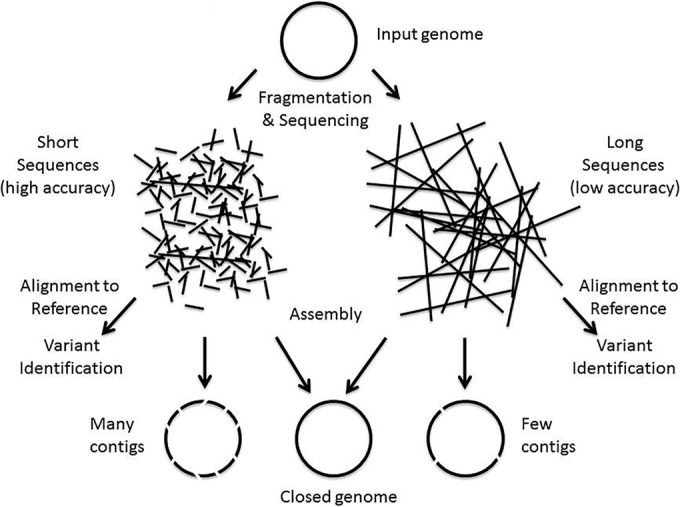
“The first commercial NGS platform, the GS20 sequencer from 454 Life Sciences, which was originally released in 2005 (1, 2), resulted in a more than 100-fold increase in the amount of microbial genomic sequence data produced in a day compared to preceding instruments.”
Hybrid error correction and de novo assembly of single-molecule sequencing reads
Koren, S., Schatz, M. C., Walenz, B. P., Martin, J., Howard, J. T., Ganapathy, G., Wang, Z., Rasko, D. A., McCombie, W. R., Jarvis, E. D., et al. (2012) · Nature Biotechnology · doi:10.1038/nbt.2280 · Cited by 1,011 · cited 1×
“To obtain a complete sequence without gaps, one often uses both short and long reads to combine the strengths of these various sequencing approaches (24).”
BackgroundActionable Diagnosis of Neuroleptospirosis by Next-Generation Sequencing
Wilson, M. R., Naccache, S. N., Samayoa, E., Biagtan, M., Bashir, H., Yu, G., Salamat, S. M., Somasekar, S., Federman, S., Miller, S., et al. (2014) · New England Journal of Medicine · doi:10.1056/nejmoa1401268 · Cited by 977 · cited 2×
“In one case, 38 different diagnostic tests had been conducted and failed to yield an actionable answer before a single NGS assay was performed, which identified the pathogen (4).”
BackgroundACMG clinical laboratory standards for next-generation sequencing
Rehm, H. L., Bale, S. J., Bayrak-Toydemir, P., Berg, J. S., Brown, K. K., Deignan, J. L., Friez, M. J., Funke, B. H., Hegde, M. R., & Lyon, E. (2013) · Genetics in Medicine · doi:10.1038/gim.2013.92 · Cited by 907
Snitkin, E. S., Zelazny, A. M., Thomas, P. J., Stock, F., Program, N. C. S., Henderson, D. K., Palmore, T. N., & Segre, J. A. (2012) · Science Translational Medicine · doi:10.1126/scitranslmed.3004129 · Cited by 863 · cited 1×
“siella pneumoniae infections (13), among many others.”
Origins of the E. coli Strain Causing an Outbreak of Hemolytic–Uremic Syndrome in Germany
Rasko, D. A., Webster, D. R., Sahl, J. W., Bashir, A., Boisen, N., Scheutz, F., Paxinos, E. E., Sebra, R., Chin, C.-S., Iliopoulos, D., et al. (2011) · New England Journal of Medicine · doi:10.1056/nejmoa1106920 · Cited by 823 · cited 2×
“For example, WGS using NGS technology was applied to investigate an outbreak of hemolytic-uremic syndrome caused by an unusual strain of Escherichia coli in Germany (10), the origins of the 2010 Haitian Vibrio cholerae epidemic (11), a series of methicillin-resistant Staphylococcus aureus infections in a neonatal inte…”
Background
Research works printed but not linked: 4
- GenomeWeb 7 8 2015 CDC earmarks $2.3 million for NGS, bioinformatic approaches to combat infectious disease. GenomeWeb, New York, NY https://www.genomeweb.com/research-funding/cdc-earmarks-23m-ngs-bioinformatic-approaches-combat-infectious-disease.
- US Food and Drug Administration 11 7 2014 Public workshop—advancing regulatory science for high throughput sequencing devices for microbial identification and detection of antimicrobial resistance markers, April 1, 2014. US Food and Drug Administration, Silver Spring, MD http://www.fda.gov/MedicalDevices/NewsEvents/WorkshopsConferences/ucm386967.htm.
- US Food and Drug Administration 11 12 2013 FDA database for regulatory grade microbial sequences (FDA-ARGOS): supporting development and validation of infectious disease Dx tests. National Center for Biotechnology Information, Bethesda, MD http://www.ncbi.nlm.nih.gov/bioproject/231221.
- Sichtig H 2014 High-throughput sequencing technologies for microbial identification and detection of antimicrobial resistance markers, p 1– 21. In FDA Public Workshop on High Throughput Sequencing Devices in Microbial Diagnostics. US Food and Drug Administration, Silver Spring, MD.
Cited by
Chiu, C. Y., & Miller, S. A. (2019) · Nature Reviews Genetics · doi:10.1038/s41576-019-0113-7 · Cited by 1,620
Clinical Metagenomic Sequencing for Diagnosis of Meningitis and Encephalitis
Wilson, M. R., Sample, H. A., Zorn, K. C., Arevalo, S., Yu, G., Neuhaus, J., Federman, S., Stryke, D., Briggs, B., Langelier, C., et al. (2019) · New England Journal of Medicine · doi:10.1056/nejmoa1803396 · Cited by 1,067
Miao, Q., Ma, Y., Wang, Q., Pan, J., Zhang, Y., Jin, W., Yao, Y., Su, Y., Huang, Y., Wang, M., et al. (2018) · Clinical Infectious Diseases · doi:10.1093/cid/ciy693 · Cited by 871
Simner, P. J., Miller, S., & Carroll, K. C. (2018) · Clinical Infectious Diseases · doi:10.1093/cid/cix881 · Cited by 821
“We refer the reader to other publications on this topic that summarize common terms and approaches used in DNA sequence analysis [10], the different NGS technologies [11–13], and the various NGS methods, bioinformatics tools [14] and clinical applications [10, 15].”
MethodMiller, S., Naccache, S. N., Samayoa, E., Messacar, K., Arevalo, S., Federman, S., Stryke, D., Pham, E., Fung, B., Bolosky, W. J., et al. (2019) · Genome Research · doi:10.1101/gr.238170.118 · Cited by 572
“Metagenomic next-generation sequencing (mNGS) provides a comprehensive method by which nearly all potential pathogens – viruses, bacteria, fungi, and parasites – can be accurately identified in a single assay (Goldberg et al. 2015; Chiu and Miller 2016).”
MethodMiller, S., Naccache, S., Samayoa, E., Messacar, K., Arevalo, S., Federman, S., Stryke, D., Pham, E., Fung, B., Bolosky, W., et al. (2018) · doi:10.1101/330381 · Cited by 583
Helicobacter pylori infection and antibiotic resistance — from biology to clinical implications
Tshibangu-Kabamba, E., & Yamaoka, Y. (2021) · Nature Reviews Gastroenterology & Hepatology · doi:10.1038/s41575-021-00449-x · Cited by 517
Validation of Metagenomic Next-Generation Sequencing Tests for Universal Pathogen Detection
Schlaberg, R., Chiu, C. Y., Miller, S., Procop, G. W., Weinstock, G., the Professional Practice Committee and Committee on Laboratory Practices of the American Society for Microbiology, & the Microbiology Resource Committee of the College of American Pathologists (2017) · Archives of Pathology & Laboratory Medicine · doi:10.5858/arpa.2016-0539-ra · Cited by 550
Self-citationGenome-Based Prediction of Bacterial Antibiotic Resistance
Su, M., Satola, S. W., & Read, T. D. (2019) · Journal of Clinical Microbiology · doi:10.1128/jcm.01405-18 · Cited by 369
mNGS in clinical microbiology laboratories: on the road to maturity
Han, D., Li, Z., Li, R., Tan, P., Zhang, R., & Li, J. (2019) · Critical Reviews in Microbiology · doi:10.1080/1040841x.2019.1681933 · Cited by 361
“subject to the regulations from CLIA, ISO15189, CAP, European directive 98/79/EC or others) perfectly applicable to the validation of clinical metagenomics workflows; the details are discussed elsewhere (Goldberg et al. 2015; Gargis et al. 2016; Dekker 2018; Rupp e and Schrenzel 2018).”
BackgroundMethodInfluentialSichtig, H., Minogue, T., Yan, Y., Stefan, C., Hall, A., Tallon, L., Sadzewicz, L., Nadendla, S., Klimke, W., Hatcher, E., et al. (2019) · Nature Communications · doi:10.1038/s41467-019-11306-6 · Cited by 321
Self-citationNguyen, M., Long, S. W., McDermott, P. F., Olsen, R. J., Olson, R., Stevens, R. L., Tyson, G. H., Zhao, S., & Davis, J. J. (2019) · Journal of Clinical Microbiology · doi:10.1128/jcm.01260-18 · Cited by 293
Petersen, L. M., Martin, I. W., Moschetti, W. E., Kershaw, C. M., & Tsongalis, G. J. (2019) · Journal of Clinical Microbiology · doi:10.1128/jcm.01315-19 · Cited by 254
“method directly from patient specimens (1, 2).”
BackgroundParize, P., Muth, E., Richaud, C., Gratigny, M., Pilmis, B., Lamamy, A., Mainardi, J.-L., Cheval, J., de Visser, L., Jagorel, F., et al. (2017) · Clinical Microbiology and Infection · doi:10.1016/j.cmi.2017.02.006 · Cited by 198
Developing an in silico minimum inhibitory concentration panel test for Klebsiella pneumoniae
Nguyen, M., Brettin, T., Long, S. W., Musser, J. M., Olsen, R. J., Olson, R., Shukla, M., Stevens, R. L., Xia, F., Yoo, H., et al. (2018) · Scientific Reports · doi:10.1038/s41598-017-18972-w · Cited by 191
Street, T. L., Sanderson, N. D., Atkins, B. L., Brent, A. J., Cole, K., Foster, D., McNally, M. A., Oakley, S., Peto, L., Taylor, A., et al. (2017) · Journal of Clinical Microbiology · doi:10.1128/jcm.00462-17 · Cited by 184
Metagenomics for neurological infections — expanding our imagination
Ramachandran, P. S., & Wilson, M. R. (2020) · Nature Reviews Neurology · doi:10.1038/s41582-020-0374-y · Cited by 176
Xing, X.-W., Zhang, J.-T., Ma, Y.-B., He, M.-W., Yao, G.-E., Wang, W., Qi, X.-K., Chen, X.-Y., Wu, L., Wang, X.-L., et al. (2020) · Frontiers in Cellular and Infection Microbiology · doi:10.3389/fcimb.2020.00088 · Cited by 171
“Metagenomic next-generation sequencing (mNGS), a novel and promising approach, allows simultaneous and unbiased identification of all microorganisms in human samples (Goldberg et al., 2015; Forbes et al., 2017).”
BackgroundThe Gut Microbiome as a Reservoir for Antimicrobial Resistance
Anthony, W. E., Burnham, C.-A. D., Dantas, G., & Kwon, J. H. (2021) · The Journal of Infectious Diseases · doi:10.1093/infdis/jiaa497 · Cited by 170
Goswami, K., Parvizi, J., & Maxwell Courtney, P. (2018) · Current Reviews in Musculoskeletal Medicine · doi:10.1007/s12178-018-9513-0 · Cited by 164
Ansari, S., & Yamaoka, Y. (2022) · Clinical Microbiology Reviews · doi:10.1128/cmr.00258-21 · Cited by 180
From the Pipeline to the Bedside: Advances and Challenges in Clinical Metagenomics
Chiang, A. D., & Dekker, J. P. (2019) · The Journal of Infectious Diseases · doi:10.1093/infdis/jiz151 · Cited by 177
A clinician's guide to microbiome analysis
Claesson, M. J., Clooney, A. G., & O'Toole, P. W. (2017) · Nature Reviews Gastroenterology & Hepatology · doi:10.1038/nrgastro.2017.97 · Cited by 153
Comparison of microbial DNA enrichment tools for metagenomic whole genome sequencing
Thoendel, M., Jeraldo, P. R., Greenwood-Quaintance, K. E., Yao, J. Z., Chia, N., Hanssen, A. D., Abdel, M. P., & Patel, R. (2016) · Journal of Microbiological Methods · doi:10.1016/j.mimet.2016.05.022 · Cited by 150
“…causative organisms that are difficult to find by conventional methods in an unbiased way, as well as provide insight into the characteristics important for clinical management, such as antibiotic resistance and virulence, has garnered great interest in clinical medicine (Goldberg et al., 2015).”
Recent trends in molecular diagnostics of yeast infections: from PCR to NGS
Consortium OPATHY, Arastehfar, A., Boekhout, T., Butler, G., De Cesare, G. B., Dolk, E., Gabaldón, T., Hafez, A., Hube, B., Hagen, F., et al. (2019) · FEMS Microbiology Reviews · doi:10.1093/femsre/fuz015 · Cited by 131
“Therefore, despite the limitations described here, attempts have been made to implement NGS facilities for clinical usage (Goldberg et al. 2015).”
BackgroundChen, Y., Feng, W., Ye, K., Guo, L., Xia, H., Guan, Y., Chai, L., Shi, W., Zhai, C., Wang, J., et al. (2021) · Frontiers in Cellular and Infection Microbiology · doi:10.3389/fcimb.2021.541092 · Cited by 164
“mNGS provides a wide range of microbial profiles independent of the priori selection of targeted pathogens and is able to detect many potential infectious agents in a single assay (Goldberg et al., 2015).”
BackgroundMethodGargis, A. S., Kalman, L. V., & Lubin, I. M. (2016) · Journal of Clinical Microbiology · doi:10.1128/jcm.00949-16 · Cited by 151
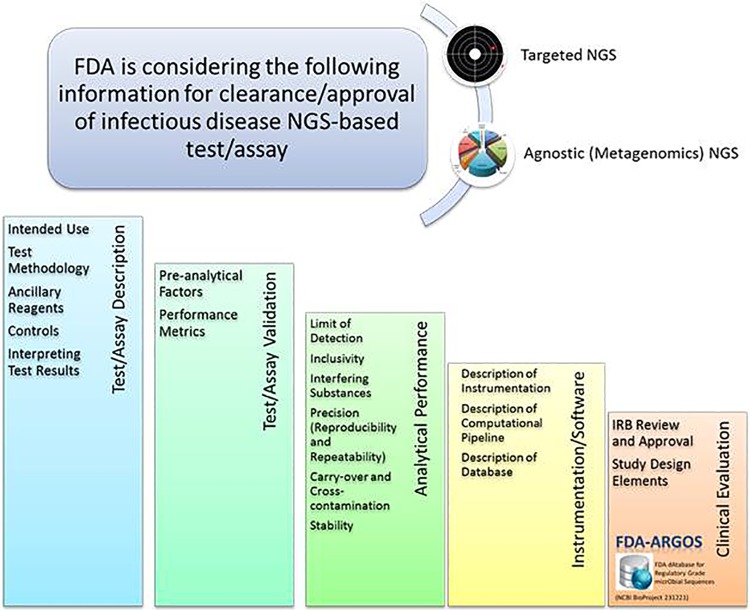
“The FDA is beginning to evaluate the critical components for the clearance/approval of infectious disease NGS-based assays, particularly for pathogen identification and detection of antimicrobial resistance markers, and it has published both a discussion paper and draft guidance describing the current considerations f…”
BackgroundHardwick, S. A., Chen, W. Y., Wong, T., Madala, B. S., Deveson, I. W., Ongley, S. E., Santini, N. S., Marcellin, E., Smith, M. A., Nielsen, L. K., et al. (2018) · Nature Communications · doi:10.1038/s41467-018-05555-0 · Cited by 148
Bacterial-Host Interactions: Physiology and Pathophysiology of Respiratory Infection
Håkansson, A., Orihuela, C. J., & Bogaert, D. (2018) · Physiological Reviews · doi:10.1152/physrev.00040.2016 · Cited by 142
Sardi, S. I., Somasekar, S., Naccache, S. N., Bandeira, A. C., Tauro, L. B., Campos, G. S., & Chiu, C. Y. (2016) · Journal of Clinical Microbiology · doi:10.1128/jcm.00877-16 · Cited by 140
Diagnostic Stewardship: Opportunity for a Laboratory–Infectious Diseases Partnership
Patel, R., & Fang, F. C. (2018) · Clinical Infectious Diseases · doi:10.1093/cid/ciy077 · Cited by 127
Kalbian, I. L., Park, J.-W., Goswami, K., Lee, Y., Parvizi, J., & Koo, K. (2020) · International Orthopaedics · doi:10.1007/s00264-020-04627-5 · Cited by 124
“This technique compares the microbial DNA sequences present in a sample against comprehensive curated library databases containing all known pathogens in a matter of hours [46, 47].”
MethodBacterial keratitis: identifying the areas of clinical uncertainty
Tuft, S. J., Somerville, T. F., Li, J.-P. O., Neal, T. J., De, S. K., Horsburgh, M. J., Fothergill, J. L., Foulkes, D. M., & Kaye, S. B. (2021) · Progress in Retinal and Eye Research · doi:10.1016/j.preteyeres.2021.101031 · Cited by 118
Genomics for Emerging Pathogen Identification and Monitoring: Prospects and Obstacles
Vashisht, V., Vashisht, A., Mondal, A. K., Farmaha, J. K., Alptekin, A., Singh, H., Ahluwalia, P. K., Srinivas, A., & Kolhe, R. B. (2023) · BioMedInformatics · doi:10.3390/biomedinformatics3040069 · Cited by 135
Chen, S., Kang, Y., Li, D., & Li, Z. (2022) · International Journal of Infectious Diseases · doi:10.1016/j.ijid.2022.07.054 · Cited by 121
Miller, S. A., Chiu, C. Y., Rodino, K. G., & Miller, M. B. (2019) · Journal of Clinical Microbiology · doi:10.1128/jcm.01739-19 · Cited by 109
“Furthermore, the clinical 53 benefits of mNGS patient testing for aiding in the diagnosis of neurological infections and 54 informing treatment decisions have already been demonstrated in a prospective, multi-site 55 diagnostic trial (2).”
BackgroundMethodInfection control in the new age of genomic epidemiology
Tang, P., Croxen, M. A., Hasan, M. R., Hsiao, W., & Hoang, L. (2017) · American Journal of Infection Control · doi:10.1016/j.ajic.2016.05.015 · Cited by 131
Wang, S., Chen, Y., Wang, D., Wu, Y., Zhao, D., Zhang, J., Xie, H., Gong, Y., Sun, R., Nie, X., et al. (2019) · Frontiers in Microbiology · doi:10.3389/fmicb.2019.01993 · Cited by 107
“Therefore, mNGS has the potential to identify any pathogen in CSF from patients with brain infection to facilitate differential diagnosis (Barzon et al., 2011; Wylie et al., 2013; Chan et al., 2014; Goldberg et al., 2015).”
BackgroundZakhour, J., Haddad, S. F., Kerbage, A., Wertheim, H. F. L., Tattevin, P., Voß, A., Ünal, S., Ouédraogo, A., & Kanj, S. S. (2023) · International Journal of Antimicrobial Agents · doi:10.1016/j.ijantimicag.2023.106816 · Cited by 101
Park, S. Y., Chang, E. J., Ledeboer, N. A., Messacar, K., Lindner, M. S., Venkatasubrahmanyam, S., Bercovici, S., Wilber, J. C., Lay, M. J., Perkins, B. A., et al. (2023) · Journal of Clinical Microbiology · doi:10.1128/jcm.01855-22 · Cited by 96
“genera remain undiscovered or undescribed (54, 55).”
Self-citationReadXplorer 2—detailed read mapping analysis and visualization from one single source
Hilker, R., Stadermann, K. B., Schwengers, O., Anisiforov, E., Jaenicke, S., Weißhaar, B., Zimmermann, T., & Goesmann, A. (2016) · Bioinformatics · doi:10.1093/bioinformatics/btw541 · Cited by 105
“Nowadays NGS has a broader scope as ever and is currently entering the field of clinical microbiology for infectious disease diagnostics and epidemiology (Buchan and Ledeboer, 2014; Goldberg et al., 2015).”
BackgroundMethodKozyreva, V. K., Truong, C.-L., Greninger, A. L., Crandall, J., Mukhopadhyay, R., & Chaturvedi, V. (2017) · Journal of Clinical Microbiology · doi:10.1128/jcm.00361-17 · Cited by 98
“A few other groups have also highlighted the challenges and solutions for the implementation of WGS in clinical and public health microbiology laboratories (21, 42).”
Integrating Advanced Molecular Technologies into Public Health
GWINN, M. L., MacCannell, D., & KHABBAZ, R. F. (2016) · Journal of Clinical Microbiology · doi:10.1128/jcm.01967-16 · Cited by 95
Fang, X., Mei, Q., Fan, X., Zhu, C., Yang, T., Zhang, L., Geng, S., & Pan, A. (2020) · Frontiers in Microbiology · doi:10.3389/fmicb.2020.599756 · Cited by 96
Kanellakis, N. I., Wrightson, J., Gerry, S., Ilott, N. E., Corcoran, J. P., Bedawi, E. O., Asciak, R., Nezhentsev, A., Sundaralingam, A., Hallifax, R., et al. (2022) · The Lancet Microbe · doi:10.1016/s2666-5247(21)00327-x · Cited by 94
Rentschler, S., Kaiser, L., & Deigner, H. (2021) · International Journal of Molecular Sciences · doi:10.3390/ijms22010456 · Cited by 92
Thoendel, M., Jeraldo, P., Greenwood‐Quaintance, K. E., Yao, J. Z., Chia, N., Hanssen, A. D., Abdel, M. P., & Patel, R. (2017) · Journal of Clinical Microbiology · doi:10.1128/jcm.02402-16 · Cited by 89
Laboratory diagnosis of central nervous system infection
He, T., Kaplan, S., Kamboj, M., & Tang, Y.-W. (2016) · Current Infectious Disease Reports · doi:10.1007/s11908-016-0545-6 · Cited by 81
Practical Guidance for Clinical Microbiology Laboratories: Diagnosis of Ocular Infections
Leal, S. M., Rodino, K. G., Fowler, W. C., & Gilligan, P. H. (2021) · Clinical Microbiology Reviews · doi:10.1128/cmr.00070-19 · Cited by 91
Xie, G., Zhao, B., Wang, X., Bao, L., Xu, Y., Ren, X., Ji, J., He, T., & Zhao, H. (2021) · Infectious Diseases and Therapy · doi:10.1007/s40121-021-00476-w · Cited by 80
“detectable pathogens (all pathogens including bacteria, fungi, viruses, and parasites can be simultaneously identified by a single assay), simple sample-processing, is less affected by prior antibiotic use, and has semiquantitative value in follow-up [3].”
BackgroundGenomics of antibiotic‐resistance prediction in Pseudomonas aeruginosa
Jeukens, J., Freschi, L., Kukavica‐Ibrulj, I., Emond‐Rheault, J., Tucker, N. P., & Levesque, R. C. (2019) · Annals of the New York Academy of Sciences · doi:10.1111/nyas.13358 · Cited by 73
Current Guideline for Diagnosis of Periprosthetic Joint Infection: A Review Article
Kim, S., & Cho, Y. J. (2021) · Hip & Pelvis · doi:10.5371/hp.2021.33.1.11 · Cited by 77
Geng, S., Mei, Q., Zhu, C., Fang, X., Yang, T., Zhang, L., Fan, X., & Pan, A. (2020) · International Journal of Infectious Diseases · doi:10.1016/j.ijid.2020.11.166 · Cited by 82
Diagnosis and Treatment of Culture-Negative Periprosthetic Joint Infection
Goh, G. S.-H., & Parvizi, J. (2022) · The Journal of Arthroplasty · doi:10.1016/j.arth.2022.01.061 · Cited by 76
Park, K. H., Greenwood‐Quaintance, K. E., Uhl, J. R., Cunningham, S. A., Chia, N., Jeraldo, P., Sampathkumar, P., Nelson, H., & Patel, R. (2017) · PLoS ONE · doi:10.1371/journal.pone.0179003 · Cited by 74
Chen, J., Zhao, Y., Shang, Y., Lin, Z., Xu, G., Bai, B., Zheng, J., Li, P., Mao, Y., Deng, Q., et al. (2020) · Journal of Medical Microbiology · doi:10.1099/jmm.0.001259 · Cited by 66
GenomeTrakr proficiency testing for foodborne pathogen surveillance: an exercise from 2015
Timme, R., Rand, H. A., Leon, M. S., Hoffmann, M., Strain, E. A., Allard, M. W., Roberson, D., & Baugher, J. D. (2018) · Microbial Genomics · doi:10.1099/mgen.0.000185 · Cited by 66
Ma, L., Jakobiec, F. A., & Dryja, T. P. (2019) · Seminars in Ophthalmology · doi:10.1080/08820538.2019.1620800 · Cited by 63
Antibiotic Resistance Diagnosis in ESKAPE Pathogens—A Review on Proteomic Perspective
Kalpana, S., Lin, W.-Y., Wang, Y.-C., Fu, Y., Lakshmi, A. M., & Wang, H. (2023) · Diagnostics · doi:10.3390/diagnostics13061014 · Cited by 65
Exploring the Hospital Microbiome by High-Resolution 16S rRNA Profiling
Rampelotto, P. H., Sereia, A. F. R., de Oliveira, L. F. V., & Margis, R. (2019) · International Journal of Molecular Sciences · doi:10.3390/ijms20123099 · Cited by 64
Whole genome sequencing ofMycobacterium tuberculosis
Cabibbe, A. M., Walker, T. M., Niemann, S., & Cirillo, D. M. (2018) · European Respiratory Journal · doi:10.1183/13993003.01163-2018 · Cited by 58
Tshibangu‐Kabamba, E., Ngoma-Kisoko, P. D. J., Tuan, V. P., Matsumoto, T., Akada, J. K., Kido, Y., Tshimpi, A. W., Kashala, P. T., Ahuka‐Mundeke, S., Ngoyi, D. M., et al. (2020) · Microorganisms · doi:10.3390/microorganisms8060887 · Cited by 61
“However, beyond the challenge of analyzing high-throughput data arising from NGS, there is still a need for the standardization of WGS approaches and pipelines that are in use for detecting AMR-related determinants [10,12,14,16].”
BackgroundWang, X., Stelzer‐Braid, S., Scotch, M., & Rawlinson, W. D. (2022) · Reviews in Medical Virology · doi:10.1002/rmv.2375 · Cited by 54
Nanopore sequencing technology and its application in plant virus diagnostics
Sun, K., Liu, Y., Zhou, X., Yin, C., Zhang, P., Yang, Q., Mao, L., Shentu, X., & Yu, X. (2022) · Frontiers in Microbiology · doi:10.3389/fmicb.2022.939666 · Cited by 65
“NGS employs sequencing by synthesis, which determines the DNA sequences by capturing markers on newly-synthesized nucleotides (Goldberg et al., 2015).”
Liu, J., Zhang, Q., Dong, Y., Yin, J., & Qiu, Y. (2022) · Scientific Reports · doi:10.1038/s41598-022-25314-y · Cited by 55
Tao, Y., Yan, H., Liu, Y., Zhang, F., Luo, L., Zhou, Y., An, K., Yang, R., Yang, B., Xu, T., et al. (2022) · Clinical Chemistry · doi:10.1093/clinchem/hvac067 · Cited by 57
Advantage of precision metagenomics for urinary tract infection diagnostics
Almas, S., Carpenter, R. E., Rowan, C., Tamrakar, V. K., Bishop, J., & Sharma, R. (2023) · Frontiers in Cellular and Infection Microbiology · doi:10.3389/fcimb.2023.1221289 · Cited by 53
“Yet, despite the paradigm shift to genotyping for diagnosing infectious disease, adoption of the technology by clinicians appears slow (Goldberg et al., 2015).”
BackgroundInfluentialStatus and potential of bacterial genomics for public health practice: a scoping review
Goethem, N. V., Descamps, T., Devleesschauwer, B., Roosens, N. H. C., BOON, N. A. M., Oyen, H. J. V., & Robert, A. R. (2019) · Implementation Science · doi:10.1186/s13012-019-0930-2 · Cited by 51
Chen, S., Zhu, Q., Xiao, Y., Wu, C., Jiang, Z., Liu, L., & Qu, J. (2021) · The Clinical Respiratory Journal · doi:10.1111/crj.13369 · Cited by 56
16S rRNA gene sequencing for bacterial identification and infectious disease diagnosis
Li, M., Han, Q., Wang, N., Wang, T., You, X.-M., Zhang, S., Zhang, C.-C., Shi, Y.-Q., Qiao, P.-Z., Man, C.-L., et al. (2024) · Biochemical and Biophysical Research Communications · doi:10.1016/j.bbrc.2024.150974 · Cited by 47
Clinical Evaluation of a Metagenomics-Based Assay for Pneumonia Management
Zhan, Y., Xu, T., He, F., Guan, W., Li, Z., Li, S., Xie, M., Li, X., Chen, R., Cheng, L., et al. (2021) · Frontiers in Microbiology · doi:10.3389/fmicb.2021.751073 · Cited by 51
Chen, M., Chang, C., Chiang-Ni, C., Hsieh, P., Shih, H., Ueng, S. W., & Chang, Y. (2019) · Bone and Joint Research · doi:10.1302/2046-3758.88.bjr-2019-0003.r2 · Cited by 46
Liu, L., Sun, B., Ying, W., Liu, D., Wang, Y., Sun, J., Wang, W., Yang, M., Hui, X., Zhou, Q., et al. (2022) · Frontiers in Cellular and Infection Microbiology · doi:10.3389/fcimb.2022.987692 · Cited by 46
Jia, K., Huang, S., Shen, C., Li, H., Zhang, Z., Wang, L., Zhao, G., Wu, Z., Lin, Y., Xia, H., et al. (2023) · Frontiers in Cellular and Infection Microbiology · doi:10.3389/fcimb.2023.1119020 · Cited by 49
“Metagenomic nextgeneration sequencing (mNGS) is an emerging pathogen detection technology, capable of identifying all microbial genomic sequences in clinical specimens within 24 hours, and is an unbiased method that can theoretically detect any microorganism, especially in the detection of Mycobacterium tuberculosis,…”
BackgroundClinical metagenomics for infectious corneal ulcers: Rags to riches?
Ung, L., Bispo, P. J. M., Doan, T. A., Gelder, R. N. V., Gilmore, M. S., Lietman, T. M., Margolis, T. P., Zegans, M. E., Lee, C. S., & Chodosh, J. (2019) · The Ocular Surface · doi:10.1016/j.jtos.2019.10.007 · Cited by 47
McGann, P., Bunin, J. L., Snesrud, E. C., Singh, S. K., Maybank, R. A., Ong, A., Kwak, Y. I., Seronello, S., Clifford, R., Hinkle, M. K., et al. (2016) · Diagnostic Microbiology and Infectious Disease · doi:10.1016/j.diagmicrobio.2016.04.020 · Cited by 47
Lavezzo, E., Barzon, L., Toppo, S., & Palù, G. (2016) · Expert Review of Molecular Diagnostics · doi:10.1080/14737159.2016.1217158 · Cited by 51
“While NGS is now widely used in research for a variety of applications, its use in medical diagnostics is still in its infancy and is hindered by multiple aspects such as costs, possibility of automation, establishment of consolidated analysis pipelines, and lack of validation and quality control measures [46].”
BackgroundAssess drug-resistance phenotypes, not just genotypes
Piddock, L. J. V. (2016) · Nature Microbiology · doi:10.1038/nmicrobiol.2016.120 · Cited by 42
Presence of Human Hepegivirus-1 in a Cohort of People Who Inject Drugs
Kandathil, A. J., Breitwieser, F. P., Sachithanandham, J., Robinson, M. L., Mehta, S. H., Timp, W., Salzberg, S. L., Thomas, D. L., & Balagopal, A. (2017) · Annals of Internal Medicine · doi:10.7326/m17-0085 · Cited by 42
Wang, S., Ai, J., Cui, P., Zhu, Y., Wu, H., & Zhang, W. (2020) · Annals of Translational Medicine · doi:10.21037/atm.2020.01.30 · Cited by 43
“The pathogens obtained by NGS could not always lead to clinical manifestation (4,8).”
BackgroundMethodValizadehAslani, T., Zhao, Z., Sokhansanj, B. A., & ROSEN, G. L. (2020) · Biology · doi:10.3390/biology9110365 · Cited by 48
“Not requiring gene assembly makes nucleotide k-mers an interesting option for clinical AMR prediction, where next generation sequencing technologies can be used for predicting AMR in real-time without using the culture-based methods [119,120].”
BackgroundMicrobial genomics and antimicrobial susceptibility testing
Dunne, W. M., Jaillard, M., Rochas, O., & van Belkum, A. (2017) · Expert Review of Molecular Diagnostics · doi:10.1080/14737159.2017.1283220 · Cited by 44
“Technical reviews on next-generation sequencing (NGS) describe the versatility of the methodology while simultaneously surveying the many practical applications [6,7,21,22].”
BackgroundWang, G., Long, J., Zhuang, Y., Leng, X., Zhang, Y., Liu, L., Fu, J., Chen, Y., Li, C., Zhou, Y., et al. (2023) · The Spine Journal · doi:10.1016/j.spinee.2023.02.001 · Cited by 38
Therapeutic Phage Monitoring: A Review
Bosco, K., Lynch, S. A., Sandaradura, I., & Khatami, A. (2023) · Clinical Infectious Diseases · doi:10.1093/cid/ciad497 · Cited by 39
Djiman, T. A., Biguezoton, A. S., & Saegerman, C. (2024) · Pathogens · doi:10.3390/pathogens13080697 · Cited by 40
“For instance, after amplifying relevant loci, sequencing of these amplicons should be carried out [34,134,136].”
BackgroundGoswami, K., & Parvizi, J. (2019) · Expert Review of Molecular Diagnostics · doi:10.1080/14737159.2020.1707080 · Cited by 38
“Culturing, gram staining, and biochemical tests are traditional assays that currently consume the manpower of clinical microbiology laboratories [23].”
BackgroundHasan, M. R., Sundararaju, S., Tang, P., Tsui, K.-M., Lopez, A. P., Janahi, M., Tan, R., & Tilley, P. (2020) · Scientific Reports · doi:10.1038/s41598-020-68159-z · Cited by 37
“has shown promise for detecting pathogens in clinical samples(8).”
BackgroundProspective Evaluation of a Rapid Clinical Metagenomics Test for Bacterial Pneumonia
Mu, S., Hu, L., Zhang, Y., Liu, Y., Cui, X., Zou, X., Wang, Y., Lu, B., Zhou, S., Liang, X., et al. (2021) · Frontiers in Cellular and Infection Microbiology · doi:10.2139/ssrn.3779202 · Cited by 46
Optimal specimen type for accurate diagnosis of infectious peripheral pulmonary lesions by mNGS
Wang, Q., Wu, B., Yang, D., Yang, C., Jin, Z., Cao, J., & Feng, J. (2020) · BMC Pulmonary Medicine · doi:10.1186/s12890-020-01298-1 · Cited by 36
Diagnosing Periprosthetic Joint Infection: a Scoping Review
Gazendam, A., Wood, T. J., Tushinski, D. M., & Bali, K. (2022) · Current Reviews in Musculoskeletal Medicine · doi:10.1007/s12178-022-09751-w · Cited by 40
Zhou, Y., Zhong, Z., Hu, S., Wang, J., Deng, Y., Li, X., Chen, X., Li, X., Tang, Y., Li, X., et al. (2022) · Antimicrobial Agents and Chemotherapy · doi:10.1128/aac.02188-21 · Cited by 43
“Recently, whole-genome sequencing (WGS) has been widely applied to discover new antibiotic resistance loci and even as a partial replacement for traditional antibiotic susceptibility testing (18, 19).”
BackgroundHao, L., Wen, P., Song, W. D., Zhang, B.-F., Wu, Y., Zhang, Y., Ma, T., & Qiu, Y. (2023) · Scientific Reports · doi:10.1038/s41598-023-35215-3 · Cited by 35
“Several studies reported that the positive detection rate of mNGS in PJIs was 87.5–92.5% 31–33 and that in the samples having negative culture results was 81.8% 29 , similar to the results of the present study.”
InfluentialGut microbiota and their influence in brain cancer milieu
BharathwajChetty, B., Kumar, A., Deevi, P. I., Abbas, M., Alqahtani, A., Liang, L., Sethi, G., Liu, L., & Kunnumakkara, A. B. (2025) · Journal of Neuroinflammation · doi:10.1186/s12974-025-03434-2 · Cited by 35
“The utilisation of metage-nomics within clinical settings for disease diagnosis has seen a marked increase, attributable to its capacity for culture-independent identification [263].”
Liu, H., Zhang, Y., Chen, G., Sun, S., Wang, J., Chen, F., Liu, C., & Zhuang, Q. (2022) · Frontiers in Medicine · doi:10.3389/fmed.2022.807174 · Cited by 41
Zhang, L., Chen, T., Wang, Y., Zhang, S., Lv, Q., Kong, D., Jiang, H., Zheng, Y., Ren, Y., Huang, W., et al. (2022) · Frontiers in Cellular and Infection Microbiology · doi:10.3389/fcimb.2022.919903 · Cited by 38
“molecular diagnosis of polymicrobial infections (Goldberg et al., 2015; Cummings et al., 2016; Gu et al., 2019).”
Prevention and detection of prosthetic temporomandibular joint infections—update
Mercuri, L. G. (2018) · International Journal of Oral and Maxillofacial Surgery · doi:10.1016/j.ijom.2018.09.011 · Cited by 36
Chen, J., Zhang, R., Liu, L., Qi, T., Wang, Z., Song, W., Tang, Y., Sun, J., Liu, D., Lin, Y., et al. (2021) · International Journal of Infectious Diseases · doi:10.1016/j.ijid.2021.04.057 · Cited by 36
Al‐Qahtani, S. M., Shati, A. A., Alqahtani, Y. A., & Ali, A. S. (2022) · Frontiers in Pediatrics · doi:10.3389/fped.2022.923125 · Cited by 39
The Role of Biomarkers for the Diagnosis of Implant-Related Infections in Orthopaedics and Trauma
Alvand, A., Rezapoor, M., & Parvizi, J. (2017) · Advances in experimental medicine and biology · doi:10.1007/5584_2017_11 · Cited by 33
Beyond cells – The virome in the human holobiont
García-López, R., Pérez‐Brocal, V., & Moyá, A. (2019) · Microbial Cell · doi:10.15698/mic2019.09.689 · Cited by 34
“Due to the limitations inherent to their particular technical approaches, each of the next-generation sequencing platforms (second and third generation) has certain key differences when it comes to performance but all of them generate usable datasets and together, they provide the robust and reproducible benchmark for…”
Metadata
- Authors
- Goldberg, B., Sichtig, H., Geyer, C., Ledeboer, N., & Weinstock, G. M.
- Affiliations
- Children's National (US)
- United States Food and Drug Administration (US)
- American Society for Microbiology (US)
- Medical College of Wisconsin (US)
- The Jackson Laboratory for Genomic Medicine (US)
- Corresponding author
- Weinstock, George M.
- Venue
- mBio
- Publisher
- American Society for Microbiology
- Published
- 2015-12-31
- Volume
- 6
- Issue
- 6
- Pages
- e01888-15
- ISSN
- 2150-7511 (ISSN-L)
- 2161-2129
- PMC
- PMC4669390
- OpenAlex
- W2239037555
- Cited by
- 360
- References
- 30
- Citations by year
- 2026: 19 · 2025: 38 · 2024: 38 · 2023: 47 · 2022: 56 · 2021: 42 · 2020: 34 · 2019: 27 · 2018: 17 · 2017: 26 · 2016: 16
- FWCI
- 1.95
- Type
- journal article
- Language
- en
- Open access
- gold
- doi.org
- Licence
- cc-by-nc-sa
- creativecommons.org/licenses/by-nc-sa/3.0/ (vor)
- journals.asm.org/non-commercial-tdm-license (tdm)
- Locations
- mBio (publishedVersion, cc-by-nc-sa)
- Europe PMC (PubMed Central) (publishedVersion, cc-by-nc-sa)
- PubMed Central (publishedVersion, cc-by-nc-sa)
- PubMed (publishedVersion)
- DOAJ (DOAJ: Directory of Open Access Journals) (submittedVersion, cc-by-sa)
- The Mouseion at the JAXlibrary (Jackson Laboratory) (submittedVersion)
- Topics
- Health Sciences › Medicine › Microbiology (medical) › Bacterial Identification and Susceptibility Testing
- Life Sciences › Biochemistry, Genetics and Molecular Biology › Molecular Biology › Genomics and Phylogenetic Studies
- Life Sciences › Biochemistry, Genetics and Molecular Biology › Genetics › Genomics and Rare Diseases
- Keywords
- next-generation sequencing, infectious disease diagnostics, clinical microbiology, metagenomics, microbiome analysis, pathogen genomics, clinical implementation, regulatory guidelines, clinical trials, host-microbe interactions
- MeSH terms
- Communicable Diseases, Microbiological Techniques, Societies, Scientific, United States, Molecular Diagnostic Techniques, High-Throughput Nucleotide Sequencing
About these checks
Registry, retraction, Cites and statistics results are computed, not judged, with one exception: a printed reference that no index lists is read once by a model before it counts as a citation error. Claims are extracted by a model and kept only when their quote appears verbatim in the text; each cited source is then checked, with a model’s help, for whether it says what the claim relies on. Those verdicts can be wrong — read the claim’s quote and the cited source before relying on one.
Statistics and arithmetic are recomputed, not judged.
Confidence bands are shown only for fields calibrated on our annotated test set. None is calibrated yet, so no band is shown.
What counts as a claim ›How we measure confidence ›How we check this ›
Are you an author, or do you see a problem with this page? Request a review
Data sources
Bibliographic data: Semantic Scholar, OpenAlex, Crossref.
Contains information from the Semantic Scholar Academic Graph Datasets, made available under the ODC Attribution License (ODC-BY 1.0).
Semantic Scholar’s data is described in: Kinney, R., et al. (2023). The Semantic Scholar Open Data Platform. arXiv:2301.10140.
