

Potential Role of Lysine Acetylation in Antibiotic Resistance of Escherichia coli
Open accessThe DOI matches its Crossref record; 60 of the 60 references it cites were found in a registry or an index.
Abstract
The misuse of antibiotics has resulted in the emergence of many antibiotic-resistant strains which seriously threaten human health. Protein post-translational modifications, especially acetylation, tightly control bacterial metabolism.
Overview
The claims and statistics of this paper haven’t been checked yet.
Free: it reads the open-access text and checks the first 5 claims that cite a source we can check. Create a free account to check every claim.
Integrity signals
Registry
Cites
Statistics
Figures
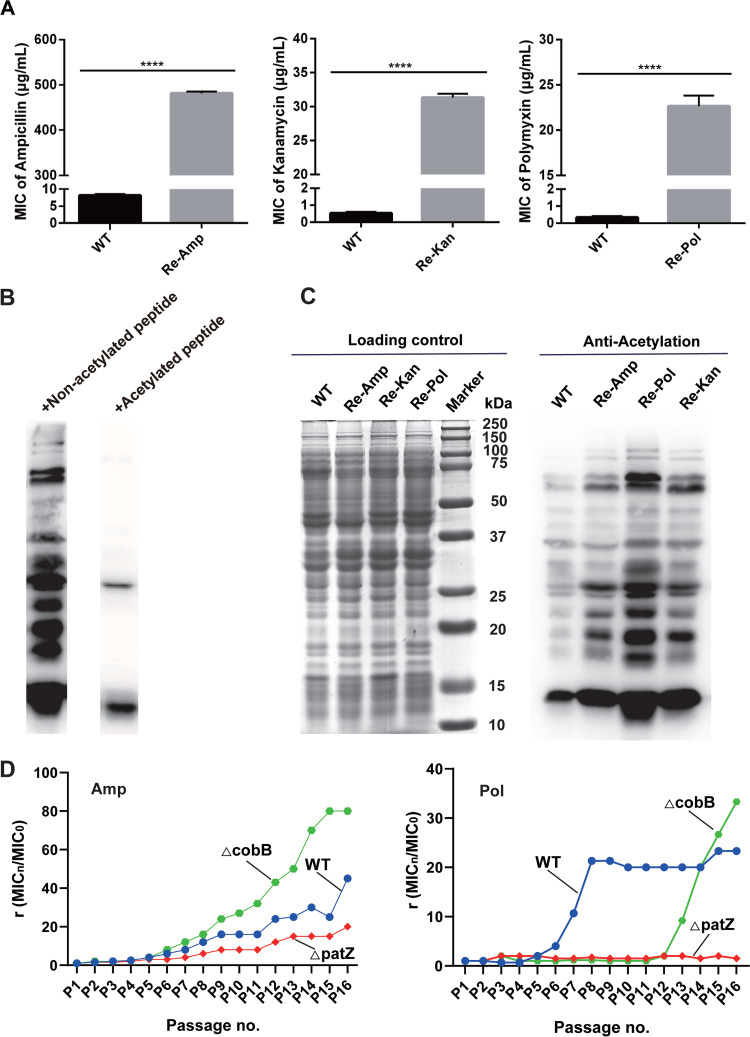
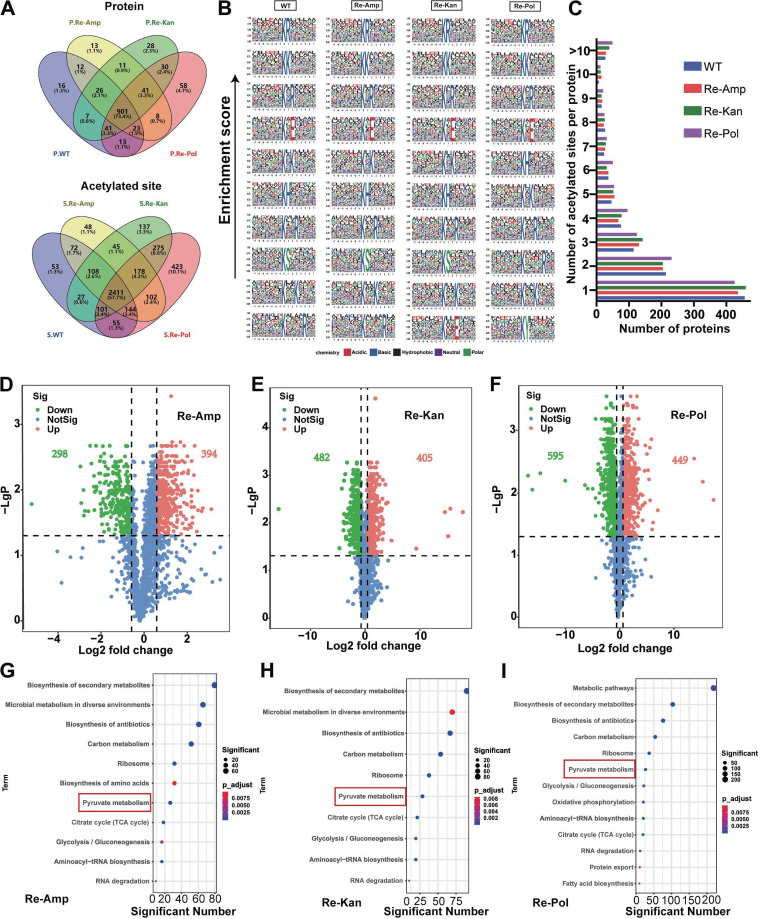
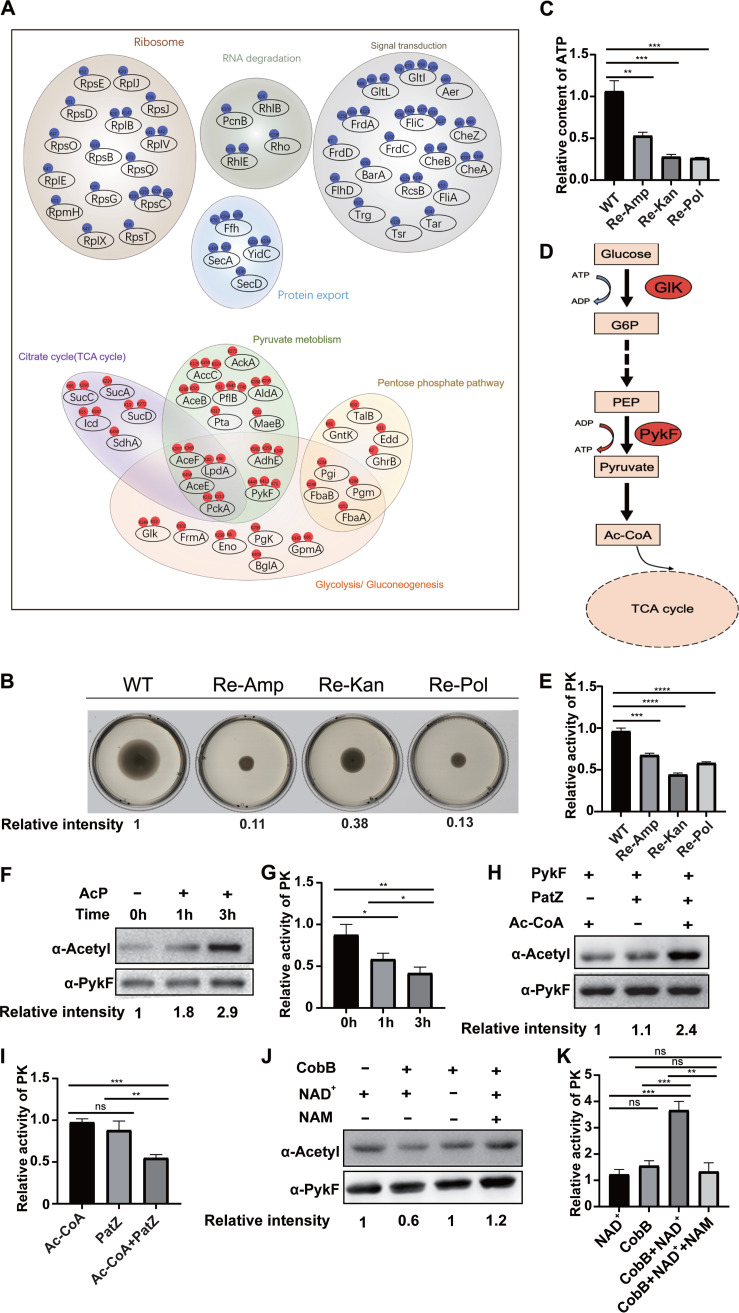
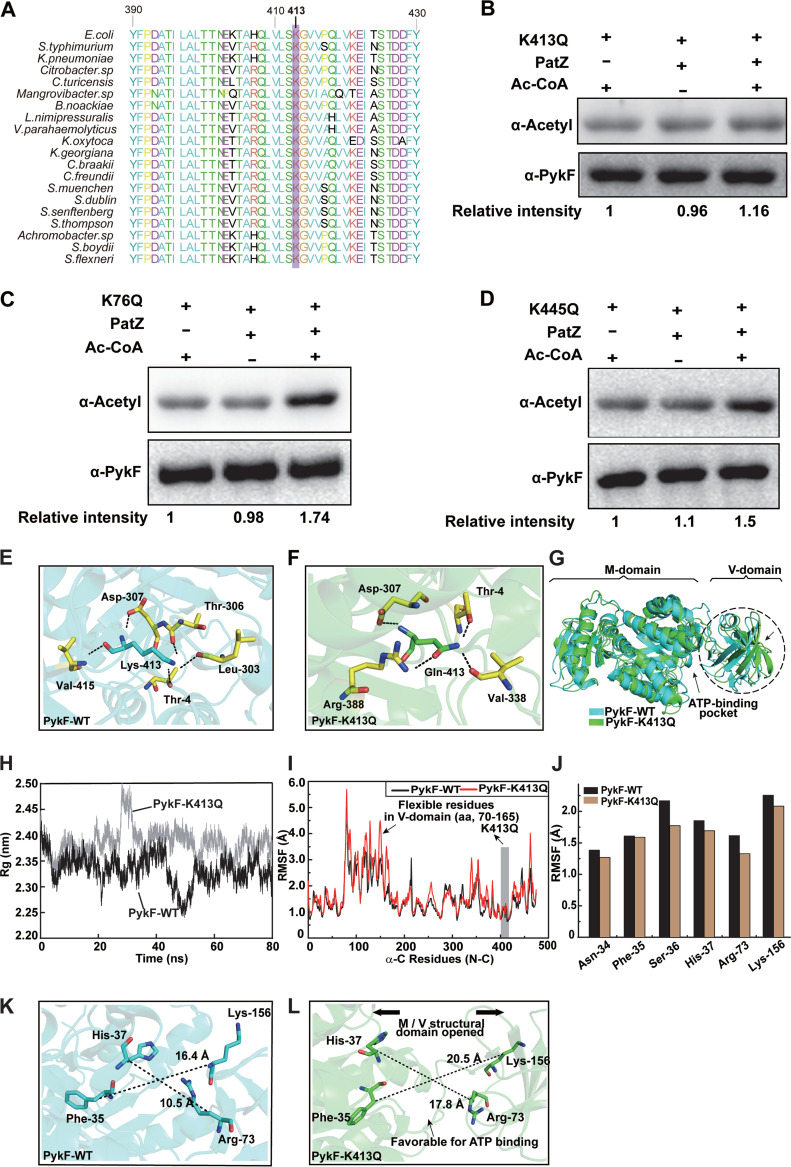
Verification
Claims the paper makes
The claims and statistics of this paper haven’t been checked yet.
Free: it reads the open-access text and checks the first 5 claims that cite a source we can check. Create a free account to check every claim.
Claims other papers make about this one
Each is checked against this paper’s own text: does it say what the citing paper says it does?
The cited source says what the claim attributes to it.
In the citing paper
“For example, deacetylation of the K413 site of pyruvate kinase in Escherichia coli enhances enzyme activity, leading to increased bacterial energy metabolism and restored sensitivity of antibiotic-resistant strains to ampicillin, kanamycin, and polymyxin B (42).”
From Potential role of lysine acetylation in the stepwise adaptation of Candida albicans to fluconazole (2025) · cites this paper as [42]
Self-check
Percentages, sums and reported differences re-computed from the paper’s own numbers.
The self-check needs the paper’s full text.
Citations
Cites
Conesa, A., Götz, S., García-Gómez, J. M., Terol, J., Talón, M., & Robles, M. (2005) · Bioinformatics · doi:10.1093/bioinformatics/bti610 · Cited by 11,495
The Pfam protein families database: towards a more sustainable future
Finn, R. D., Coggill, P., Eberhardt, R. Y., Eddy, S. R., Mistry, J., Mitchell, A. L., Potter, S. C., Punta, M., Qureshi, M., Sangrador-Vegas, A., et al. (2016) · Nucleic Acids Research · doi:10.1093/nar/gkv1344 · Cited by 5,975
Metabolic regulation of gene expression by histone lactylation
Zhang, D., Tang, Z., Huang, H., Zhou, G., Cui, C., Weng, Y., Liu, W., Kim, S., Lee, S., Perez-Neut, M., et al. (2019) · Nature · doi:10.1038/s41586-019-1678-1 · Cited by 4,371 · cited 1×
“The competition experiment was performed in accordance with a previously described method (53).”
MethodDetermination of minimum inhibitory concentrations
Andrews, J. M. (2001) · Journal of Antimicrobial Chemotherapy · doi:10.1093/jac/48.suppl_1.5 · Cited by 4,129 · cited 12×
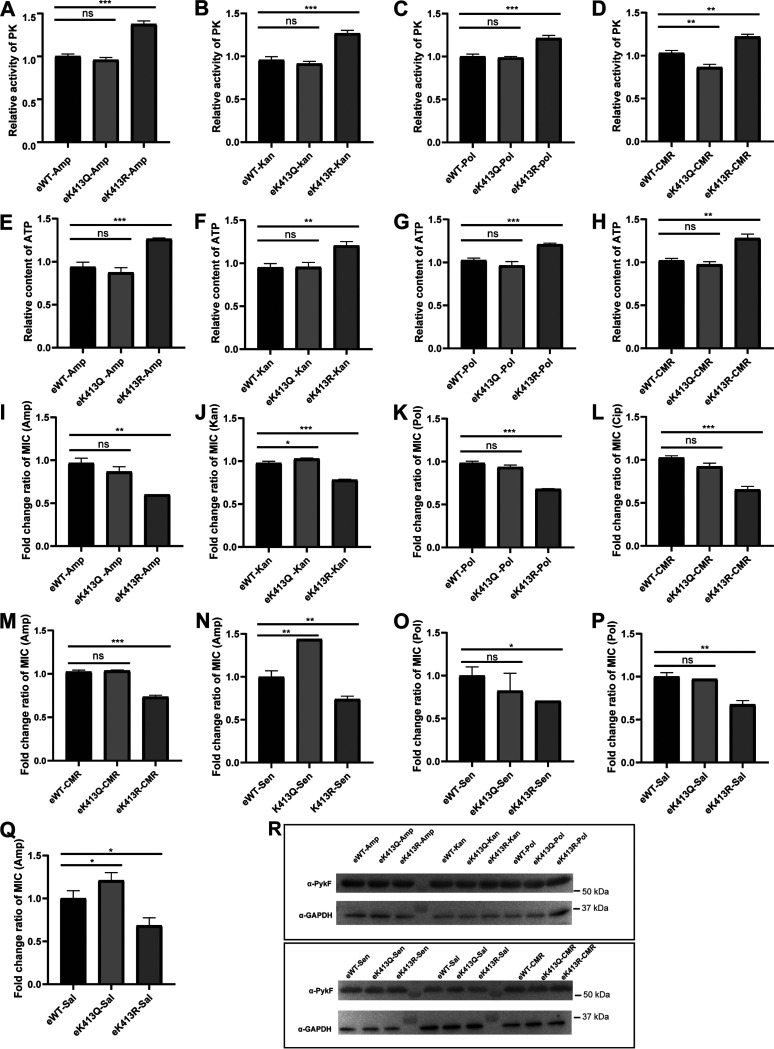
“(P to Q) MIC changes of Salmonella with wild-type or mutant PykF to ampicillin and polymyxin.”
BackgroundInfluentialHidron, A. I., Edwards, J. R., Patel, J., Horan, T. C., Sievert, D. M., Pollock, D. A., Fridkin, S. K., & National Healthcare Safety Network Team and Participating National Healthcare Safety Network Facilities (2008) · Infection Control & Hospital Epidemiology · doi:10.1086/591861 · Cited by 3,724
2016 update of the PRIDE database and its related tools
Vizcaíno, J. A., Csordas, A., del-Toro, N., Dianes, J. A., Griss, J., Lavidas, I., Mayer, G., Perez-Riverol, Y., Reisinger, F., Ternent, T., et al. (2016) · Nucleic Acids Research · doi:10.1093/nar/gkv1145 · Cited by 3,451 · cited 1×
“The mass spectrometry proteomics data have been deposited to the ProteomeXchange Consortium via the PRIDE (60) partner repository with the data set identifier PXD030283.”
MethodSubstrate and Functional Diversity of Lysine Acetylation Revealed by a Proteomics Survey
Kim, S. C., Sprung, R., Chen, Y., Xu, Y., Ball, H., Pei, J., Cheng, T., Kho, Y., Xiao, H., Xiao, L., et al. (2006) · Molecular Cell · doi:10.1016/j.molcel.2006.06.026 · Cited by 1,487
Mechanisms of polymyxin resistance: acquired and intrinsic resistance in bacteria
Olaitan, A. O., Morand, S., & Rolain, J.-M. (2014) · Frontiers in Microbiology · doi:10.3389/fmicb.2014.00643 · Cited by 1,395 · cited 1×
“structural change in the 30S subunit to resist kanamycin (3, 4), and structural alteration of lipid A to combat polymyxin B (5, 6).”
BackgroundMultigene editing in the Escherichia coli genome via the CRISPR-Cas9 system
Jiang, Y., Chen, B., Duan, C., Sun, B., Yang, J., & Yang, S. (2015) · Applied and Environmental Microbiology · doi:10.1128/aem.04023-14 · Cited by 1,362 · cited 1×
“Knockout of pykF was accomplished by methods resembling those used in the Keio knockout collection (56, 57).”
MethodAntibiotic efficacy is linked to bacterial cellular respiration
Lobritz, M. A., Belenky, P., Porter, C. B. M., Gutierrez, A., Yang, J. H., Schwarz, E. G., Dwyer, D. J., Khalil, A. S., & Collins, J. J. (2015) · Proceedings of the National Academy of Sciences · doi:10.1073/pnas.1509743112 · Cited by 773 · cited 1×
“Under the pressure of antibiotics, bacteria can gradually adapt to the environment by regulating their physiological state, thus obtaining drug resistance (42, 43).”
Background
Cited by
Post-translational modifications in drug resistance
Miao, C., Huang, Y., Zhang, C., Wang, X., Wang, B., Zhou, X., Song, Y., Wu, P., Chen, Z., & Feng, Y. (2024) · Drug Resistance Updates · doi:10.1016/j.drup.2024.101173 · Cited by 82
Bacterial protein acetylation: mechanisms, functions, and methods for study
Rizo, J., & Encarnación-Guevara, S. (2024) · Frontiers in Cellular and Infection Microbiology · doi:10.3389/fcimb.2024.1408947 · Cited by 39
“Also, the KEGG analysis of lysine acetylation shows enrichment of this post-translational modi fi cation in different metabolic processes such as the TCA cycle, pyruvate metabolism, and glycolysis (Fang et al., 2022).”
BackgroundFu, Y., Zhang, L., Song, H., Liao, J., Li, L., Jiang, W., Wu, X., & Wang, G. (2022) · Antibiotics · doi:10.3390/antibiotics11070841 · Cited by 16
Transcriptomic analyses of Vibrio parahaemolyticus under the phenyllactic acid stress
Lin, Y., Fang, M., Liu, J., Zhang, Y., & Yu, Y. (2024) · Applied Microbiology and Biotechnology · doi:10.1007/s00253-024-13024-6 · Cited by 14
YjgM is a crotonyltransferase critical for polymyxin resistance of Escherichia coli
Zhuang, J., Liu, S., Du, G., Fang, Z., Wu, J., Li, N., Zhong, T., Xu, J., He, Q., & Sun, X. (2024) · Cell Reports · doi:10.1016/j.celrep.2024.114161 · Cited by 14
Self-citationQiu, N., Liu, W., & Zhang, X. (2025) · Frontiers in Cellular and Infection Microbiology · doi:10.3389/fcimb.2025.1582003 · Cited by 12
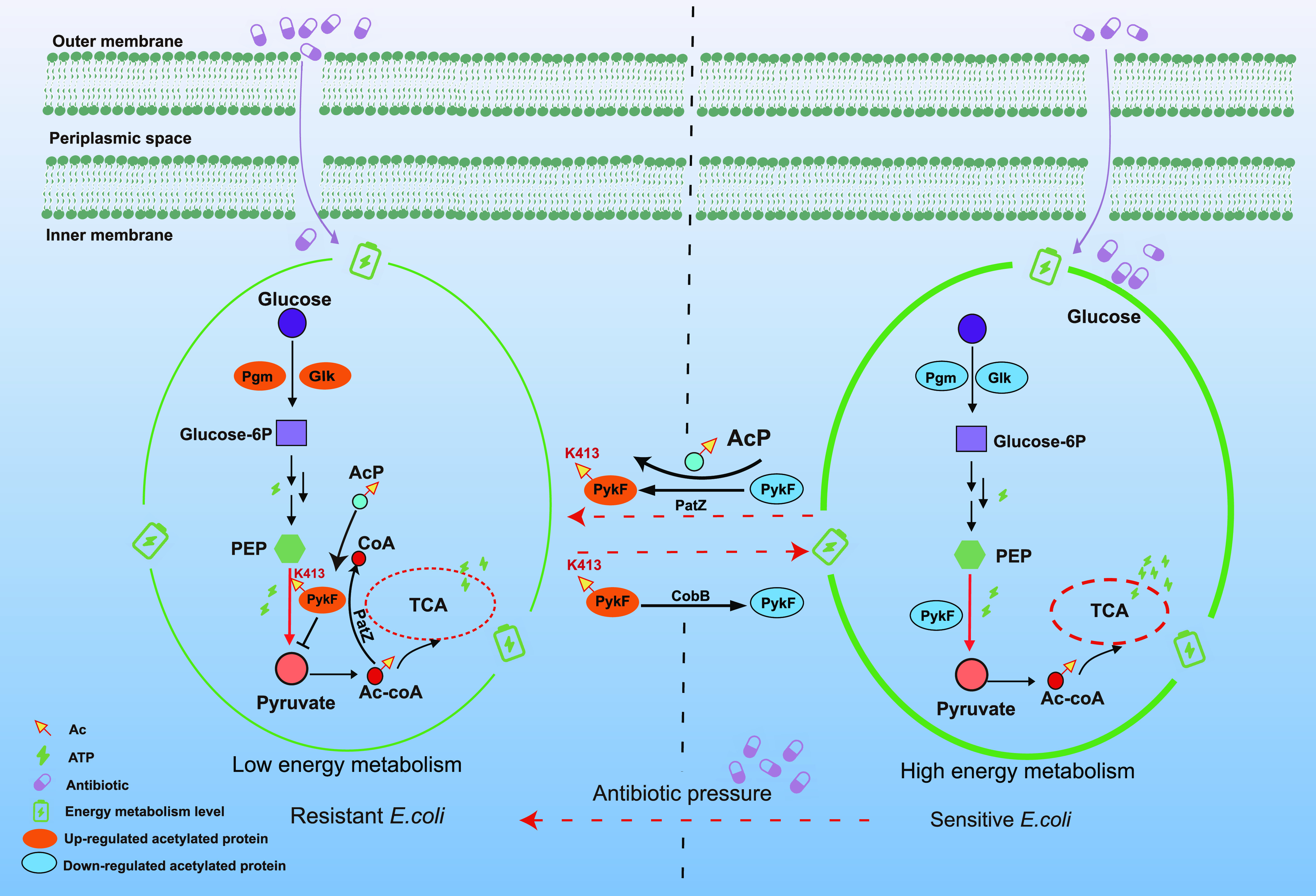
“Deacetylation can change the conformation of its ATP-binding site, restoring enzyme activity and increasing energy production, thus enhancing the sensitivity of drug-resistant strains to antibiotics (Fang et al., 2022).”
α-Ketoglutarate downregulates thiosulphate metabolism to enhance antibiotic killing
Peng, L.-T., Tian, S.-Q., Guo, W.-X., Chen, X.-W., Wu, J.-H., Liu, Y.-L., & Peng, B. (2024) · International Journal of Antimicrobial Agents · doi:10.1016/j.ijantimicag.2024.107214 · Cited by 11
Chen, X., Lei, W., Meng, H., Jiang, Y., Zhang, S., Chen, H., Du, M., & Xue, X. (2023) · Frontiers in Immunology · doi:10.3389/fimmu.2023.1161642 · Cited by 8
“Drug resistance is significantly influenced by acetylation and deacetylation (24), phosphorylation and dephosphorylation (25), succinylation and desuccinylation (26), and glycosylation and deglycosylation (27).”
BackgroundHeydaryan, K. (2026) · Journal of Sol-Gel Science and Technology · doi:10.1007/s10971-025-07051-6 · Cited by 8
Peng, B., Li, H., & Peng, X. (2024) · Expert Review of Proteomics · doi:10.1080/14789450.2024.2413439 · Cited by 7
“Conversely, deacetylation at Lys413 of pyruvate kinase enhances its enzymatic activity through a conformational change at its ATP-binding site, thereby increasing the antibiotic susceptibility of these strains [80].”
Feng, M., Yi, X., Feng, Y., He, F., Xiao, Z., & Yao, H. (2024) · Heliyon · doi:10.1016/j.heliyon.2024.e35326 · Cited by 6
“A latest study manifested a common resistant mechanism among different antibiotic-resistant strains, that is acetylation of the key metabolic enzyme PykF reduces energy metabolism of Escherichia coli to regulate antibiotic resistance [23].”
BackgroundMethodInfluentialZhang, S., Wang, J., Yu, R., Liu, H., Liu, S., Luo, K., Lei, J., Han, B., Chen, Y., Han, S., et al. (2024) · Current Research in Microbial Sciences · doi:10.1016/j.crmicr.2024.100332 · Cited by 6
“They are also confirmed to positively regulate bacterial motility (Casta ˜ no-Cerezo et al., 2014; Lammers, 2021; Fang et al., 2022).”
Self-citationYi, X., Feng, M., He, F., Xiao, Z., Wang, Y., Wang, S., & Yao, H. (2024) · Journal of Global Antimicrobial Resistance · doi:10.1016/j.jgar.2024.07.020 · Cited by 5
Acetylomics reveals an extensive acetylation diversity within Pseudomonas aeruginosa
Broeckaert, N., Longin, H., Hendrix, H., Smet, J. D., Franz‐Wachtel, M., Maček, B., van Noort, V., & Lavigne, R. (2024) · microLife · doi:10.1093/femsml/uqae018 · Cited by 4
“…et al. 2018 , Umehara et al. 2018 , VanDrisse and Escalante-Semerena 2018 , Yang et al. 2018 , Gao et al. 2019 , Kim et al. 2020 , Komine-Abe et al. 2021 , Singh et al. 2021 , Barlow and Tsai 2022 , Cai et al. 2022 , Fang et al. 2022 , Luu et al. 2022 , Di et al. 2023 ) ( Supplementary Table S3 ).”
BackgroundInfluentialTao, R., Tian, C., Su, T., Cai, R., Song, D., Zhao, N. R., Lei, Y., Jiao, Z., & Guo, G. (2025) · Frontiers in Cellular and Infection Microbiology · doi:10.3389/fcimb.2025.1634825 · Cited by 4
“The motility assay refers to the theory of (Fang et al., 2022).”
Stojowska‐Swędrzyńska, K., Kuczyńska‐Wiśnik, D., & Laskowska, E. (2024) · Molecules · doi:10.3390/molecules29020383 · Cited by 4
“To answer the question of whether protein acetylation and aggregation may affect persister formation [40–42], we next exposed the tested E. coli strains to ofloxacin treatment.”
BackgroundInfluentialLysine succinylome analysis of MRSA reveals critical roles in energy metabolism and virulence
Zhu, X., Min, H., Tang, Y., & Gao, M. (2025) · Letters in Applied Microbiology · doi:10.1093/lambio/ovaf004 · Cited by 3
Bian, Y., Zhi-hong, H., Wang, R., Xie, S., Sun, Y., Liu, T., Ma, S., Liu, B., Tan, M., & Xu, J. (2025) · Journal of Proteomics · doi:10.1016/j.jprot.2025.105419 · Cited by 3
Crotonylation driving Streptococcus pneumoniae adaption and virulence
Li, N., Zhuang, J., Wu, J., Xue, Z., Xu, J., Fang, Z., Zheng, Y.-D., Liu, Y., Yang, Y.-P., Ye, X., et al. (2025) · Journal of Advanced Research · doi:10.1016/j.jare.2025.06.045 · Cited by 3
“Additionally, we investigated the lysine acetylome in S.pn and E. coli and its role in regulating virulence and drug resistance [12,31].”
Self-citationGenetics and humoral responses of the immune system to Aspergillus fumigatus
Sanya, D. R. A., Jayachandran, K., & Onésime, D. (2025) · Molecular Immunology · doi:10.1016/j.molimm.2025.06.007 · Cited by 3
Lei, D., Cao, L., Zhong, T., He, Q., & Sun, X. (2023) · Journal of Antimicrobial Chemotherapy · doi:10.1093/jac/dkad171 · Cited by 3
Self-citationWoodland, B., Chowdhury, P. R., O’Rourke, M. B., & Padula, M. P. (2025) · Talanta · doi:10.1016/j.talanta.2025.128480 · Cited by 2
Fossen, E. M. V., Stephenson, M., Frank, A., Akella, S., Wooldridge, R., Wilson, A. J., You, Y., Nakayasu, E. S., Egbert, R. G., & Elmore, J. R. (2025) · bioRxiv (Cold Spring Harbor Laboratory) · doi:10.1101/2025.04.14.648644 · Cited by 2
Wang, H., Li, Y., You, J., Feng, N., Wang, D., Su, Y., & Feng, X. (2025) · Animal Microbiome · doi:10.1186/s42523-025-00393-0 · Cited by 1
“Lysine acetylation exerts a dual regulatory role in Escherichia coli by negatively impacting bacterial metabolism modulating antibiotic-resistance and in�uencing bacterial motility [50].”
Intracellular acetyl phosphate modulates Escherichia coli pyruvate metabolism
Zhang, L., Shi, H., Liu, Z., Gu, J., & Deng, J. (2025) · Acta Biochimica et Biophysica Sinica · doi:10.3724/abbs.2025068 · Cited by 1
“CobB - mediated deacetylation was performed using an optimized method based on a previous report [24], with slight modifications.”
Zhang, X., Dong, J., Wang, B., Chen, L., Gong, Z., Yang, J., Shu, G., & Ning, Q. (2026) · PLoS ONE · doi:10.1371/journal.pone.0337557 · Cited by 1
“Furthermore, Fang et al. reported that deacetylation of Lys413 on pyruvate kinase enhanced its catalytic efficiency, thereby elevating bacterial energy metabolism and increasing the susceptibility of resistant strains to antibiotics [14].”
Proteomic Insights into Antimicrobial Resistance Mechanisms in Human-Associated Bacterial Pathogens
Babele, P., Singh, P., Pant, A., Chawla, M., & Das, B. (2026) · Microbial Ecology · doi:10.1007/s00248-026-02770-x · Cited by 1
“Quantitative acetylome analysis in ampicillin, kanamycin, and polymyxin B-resistant E. coli indicated that lysine acetylation can negatively impact central metabolism while promoting motility, suggesting complex trade-offs between fitness, stress adaptation, and resistance [26].”
Potential role of lysine acetylation in the stepwise adaptation of Candida albicans to fluconazole
Song, N., Huang, Y., Zhou, X., Li, D., Liu, W., & Li, X. (2025) · Microbiology Spectrum · doi:10.1128/spectrum.02797-24
The Effect of the Lysine Acetylation Modification of ClpP on the Virulence of Vibrio alginolyticus
Wang, S., Jiang, Y., Zhang, W., Wei, Y., Xiao, X., Wei, Z., Wen, X., Dong, Y., Jian, J., Wang, N., et al. (2024) · Molecules · doi:10.3390/molecules29174278
“It is involved in basic physiological functions such as antibiotic resistance [6], adaptability [7] and virulence [8].”
BackgroundAcetylation of Proteins in Bacteria as a Method of Regulation of Cell Metabolism
Plekhanova, N. S., Altman, I. B., Livshits, V. A., Yurkova, M. S., & Fedorov, A. N. (2024) · Applied Biochemistry and Microbiology · doi:10.1134/s0003683824700030
Breysse, E., Stephenson, M., Frank, A., Akella, S., Wooldridge, R., Wilson, A. J., You, Y., Nakayasu, E. S., Egbert, R. G., & Elmore, J. R. (2025) · OSTI OAI (U.S. Department of Energy Office of Scientific and Technical Information) · doi:10.2172/3000299
Zheng, H., Lin, X., Xie, Q., Liao, Y., Yu, Y., Tang, S., & Wu, X. (2025) · SSRN Electronic Journal · doi:10.2139/ssrn.5763950
Epidemiological coverage and mechanisms of antimicrobial resistance: a globalized view
Singh, I., Sharma, D., Dhiman, S., & Singh, B. N. (2025) · Elsevier eBooks · doi:10.1016/b978-0-443-33072-8.00002-9
Antechokinetics, the kinetics of antimicrobial resistance molecules
Baquero, F., Cantón, R., Gama, J. A., & Rodríguez-Beltrán, J. (2026) · Frontiers in Pharmacology · doi:10.3389/fphar.2026.1792355
“However, this effect appears to be more related to changes in cellular metabolic activity than to modifying the resistance molecule (Fang et al., 2022).”
Huang, W., Liang, J., Chan, P., Liu, Z. H., & Guo, L. (2026) · Microorganisms · doi:10.3390/microorganisms14050965
“Lysine acetylation is currently one of the most widespread forms of post-translational protein modification known in bacteria, which is involved in various regulatory processes such as bacterial transcription, translation, metabolism, and stress responses [70–72].”
Liu, Y., Wang, Z., Qiu, J., wu, H., Wu, J., Zhong, T., Zheng, Y., Li, N., Yang, Y., Sun, Z., et al. (2026) · Research Square · doi:10.21203/rs.3.rs-8837885/v1
Self-citationSun, M., Zhao, Q., Zhou, C., Liu, C., Yang, B., Bu, J., Li, R., Bian, J., Niu, X., Hu, J., et al. (2026) · Frontiers in Microbiology · doi:10.3389/fmicb.2026.1823773
Cardona-Echavarría, M. C., & Fernández‐Velasco, D. A. (2026) · International Journal of Biological Macromolecules · doi:10.1016/j.ijbiomac.2026.153861
Fan, L., Wu, J., Zhang, Z., Cai, L., Su, Y., Fei, J., & Ye, G. (2026) · International Journal of Antimicrobial Agents · doi:10.1016/j.ijantimicag.2026.107989
Self-citationWu, J., Yang, X., Zhang, W., & Sun, X. (2026) · Biochemical Pharmacology · doi:10.1016/j.bcp.2026.118485
Self-citationPost-translational modifications in bacteria: From identification to function
Dale, A. L., White, M. Y., & Cordwell, S. J. (2026) · Cell chemical biology · doi:10.1016/j.chembiol.2026.08.018
Identification of atypical Escherichia coli as hidden reservoir of tet(X4)-positive IncX1 plasmid
Zhang, J., Wu, K., Du, M., Xie, D., Xu, L., Peng, H., Zhou, Y., Lei, C., Wang, H., & Yang, X. (2026) · Microbial Pathogenesis · doi:10.1016/j.micpath.2026.108886
Li, J., Wang, H., Wang, Y., Lu, H., Geng, J., Hu, Y., Wang, H., Xia, F., & 邹明祥 (2026) · Scientific Reports · doi:10.1038/s41598-026-77725-w
Metadata
- Authors
- Fang, Z., Lai, F., Cao, K., Zhang, Z., Cao, L., Liu, S., Duan, Y., Yin, X., Ge, R., He, Q.-Y., & Sun, X.
- Affiliations
- Jinan University (CN)
- Guangdong Medical College (CN)
- Sun Yat-sen University (CN)
- Corresponding author
- Ge, Ruiguang
- He, Qing-Yu
- Sun, Xuesong
- Venue
- mSystems
- Publisher
- American Society for Microbiology
- Published
- 2022-12-20
- Volume
- 7
- Issue
- 6
- Pages
- e0064922-e0064922
- ISSN
- 2379-5077 (ISSN-L)
- PMC
- PMC9765299
- OpenAlex
- W4307299956
- Cited by
- 40
- References
- 60
- Citations by year
- 2026: 10 · 2025: 13 · 2024: 14 · 2023: 2 · 2022: 1
- FWCI
- 4.52
- Type
- journal article
- Language
- en
- Open access
- gold
- doi.org
- Licence
- cc-by
- creativecommons.org/licenses/by/4.0/ (vor)
- journals.asm.org/non-commercial-tdm-license (tdm)
- Locations
- mSystems (publishedVersion, cc-by)
- PubMed Central (publishedVersion, cc-by)
- PubMed (publishedVersion)
- DOAJ (DOAJ: Directory of Open Access Journals) (submittedVersion, cc-by-sa)
- Funders
- National Natural Science Foundation of China (21977037, 21571082)
- Natural Science Foundation of Guangdong Province (2022A1515010674)
- National Key R&D program of China (2017YFA0505100)
- Bureau of Science and Information Technology of Guangzhou Municipality | Guangzhou Science and Technology Program key projects (201607010228)
- Topics
- Life Sciences › Biochemistry, Genetics and Molecular Biology › Genetics › Bacterial Genetics and Biotechnology
- Health Sciences › Medicine › Microbiology (medical) › Antibiotic Resistance in Bacteria
- Life Sciences › Immunology and Microbiology › Microbiology › Escherichia coli research studies
- Keywords
- lysine acetylation, antibiotic resistance, Escherichia coli, post-translational modification, bacterial motility, energy metabolism, deacetylation, antibacterial drug development
- MeSH terms
- Lysine Acetyltransferases, Acetylation, Anti-Bacterial Agents, Drug Resistance, Microbial, Escherichia coli, Humans, Lysine, Protein Processing, Post-Translational, Pyruvate Kinase
About these checks
Registry, retraction, Cites and statistics results are computed, not judged, with one exception: a printed reference that no index lists is read once by a model before it counts as a citation error. Claims are extracted by a model and kept only when their quote appears verbatim in the text; each cited source is then checked, with a model’s help, for whether it says what the claim relies on. Those verdicts can be wrong — read the claim’s quote and the cited source before relying on one.
Statistics and arithmetic are recomputed, not judged.
Confidence bands are shown only for fields calibrated on our annotated test set. None is calibrated yet, so no band is shown.
What counts as a claim ›How we measure confidence ›How we check this ›
Are you an author, or do you see a problem with this page? Request a review
Data sources
Bibliographic data: Semantic Scholar, OpenAlex, Crossref.
Contains information from the Semantic Scholar Academic Graph Datasets, made available under the ODC Attribution License (ODC-BY 1.0).
Semantic Scholar’s data is described in: Kinney, R., et al. (2023). The Semantic Scholar Open Data Platform. arXiv:2301.10140.
