

Effects and dose–response relationships of resistance training on physical performance in youth athletes: a systematic review and meta-analysis
Open accessThe DOI matches its Crossref record; 89 of the 90 references it cites were found in a registry or an index.
Abstract
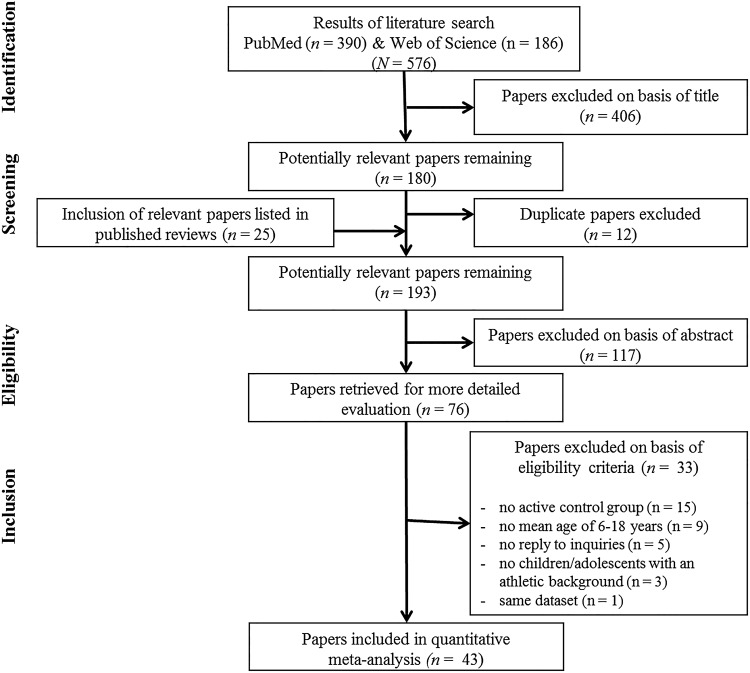
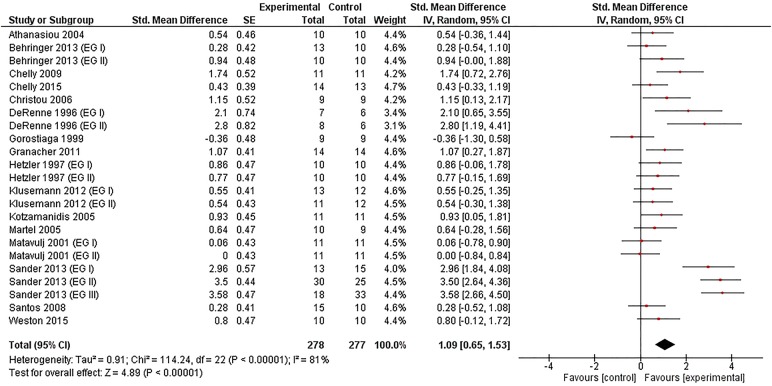
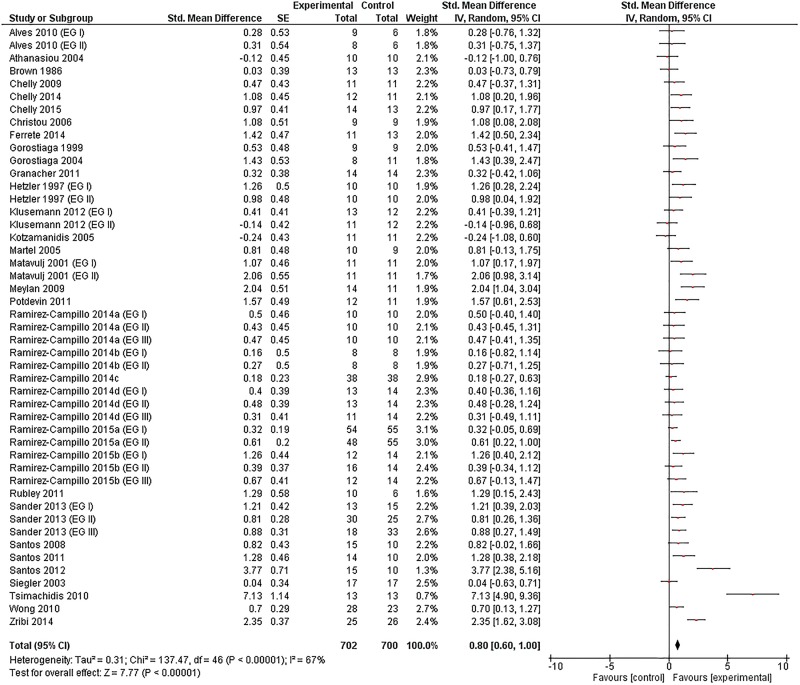
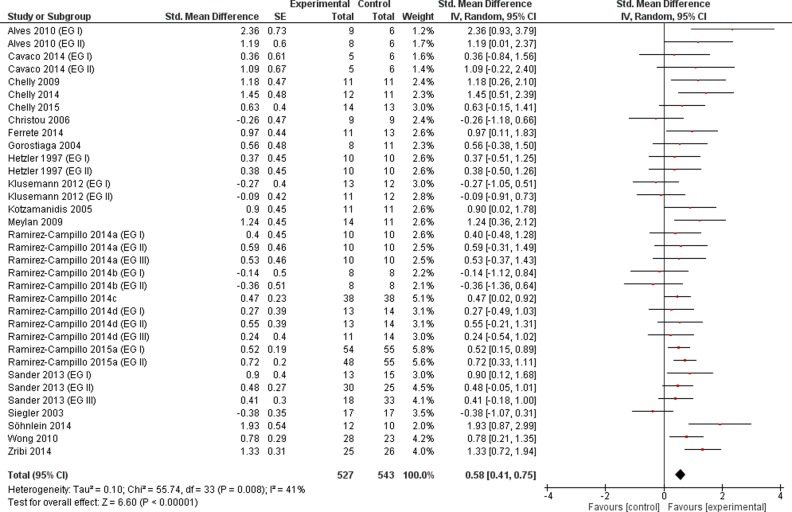
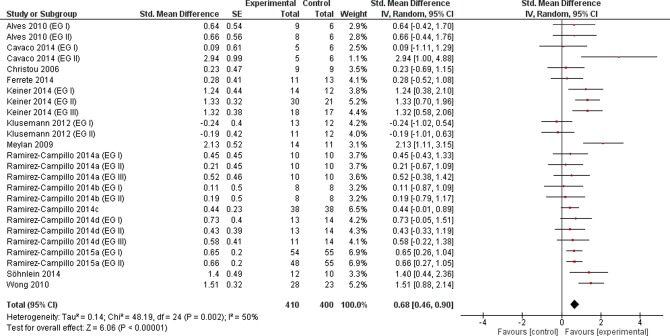
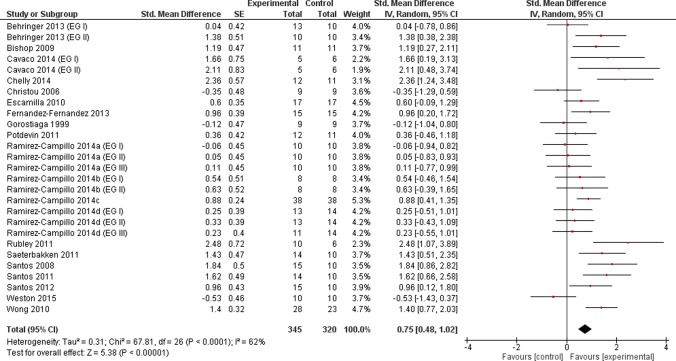
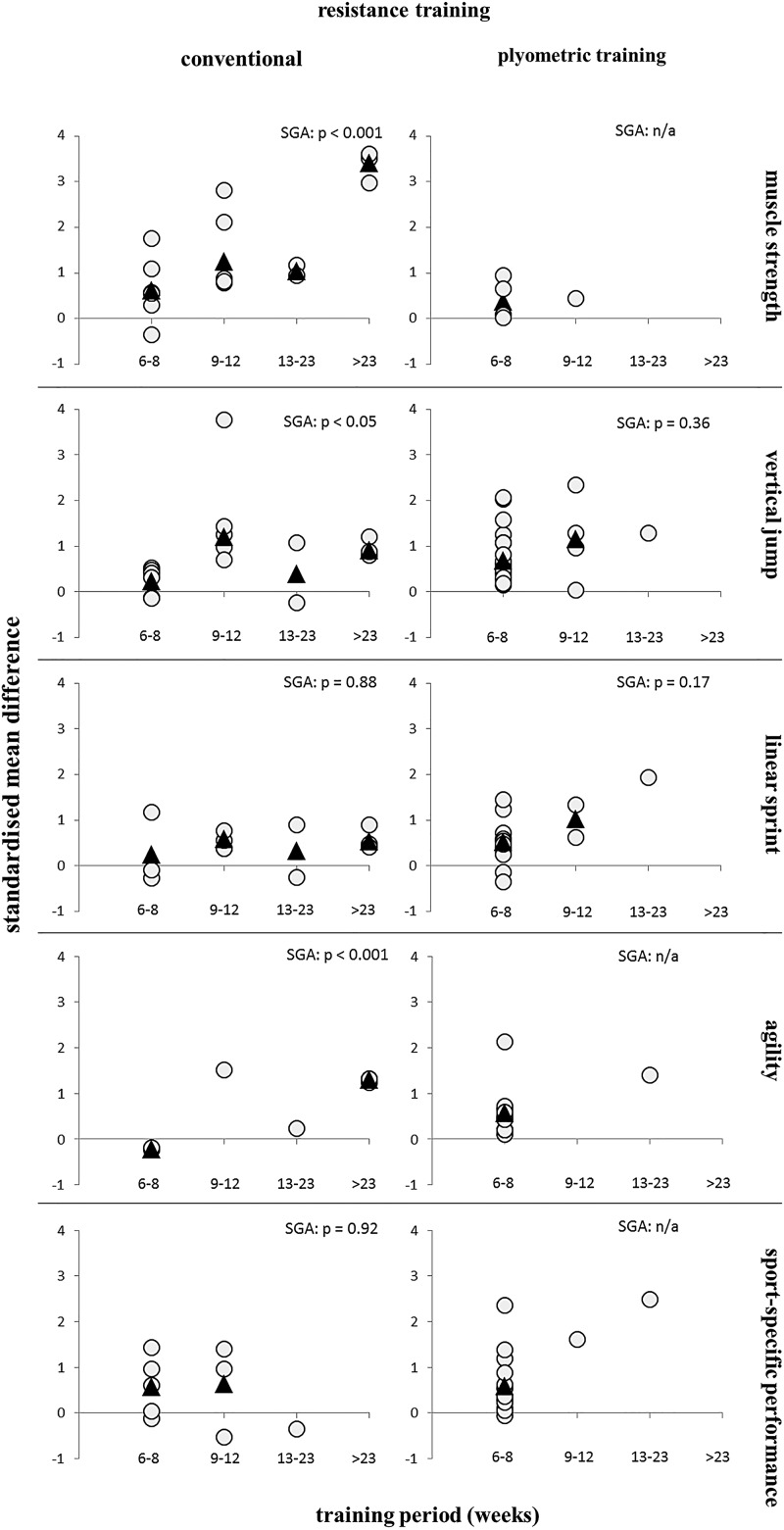
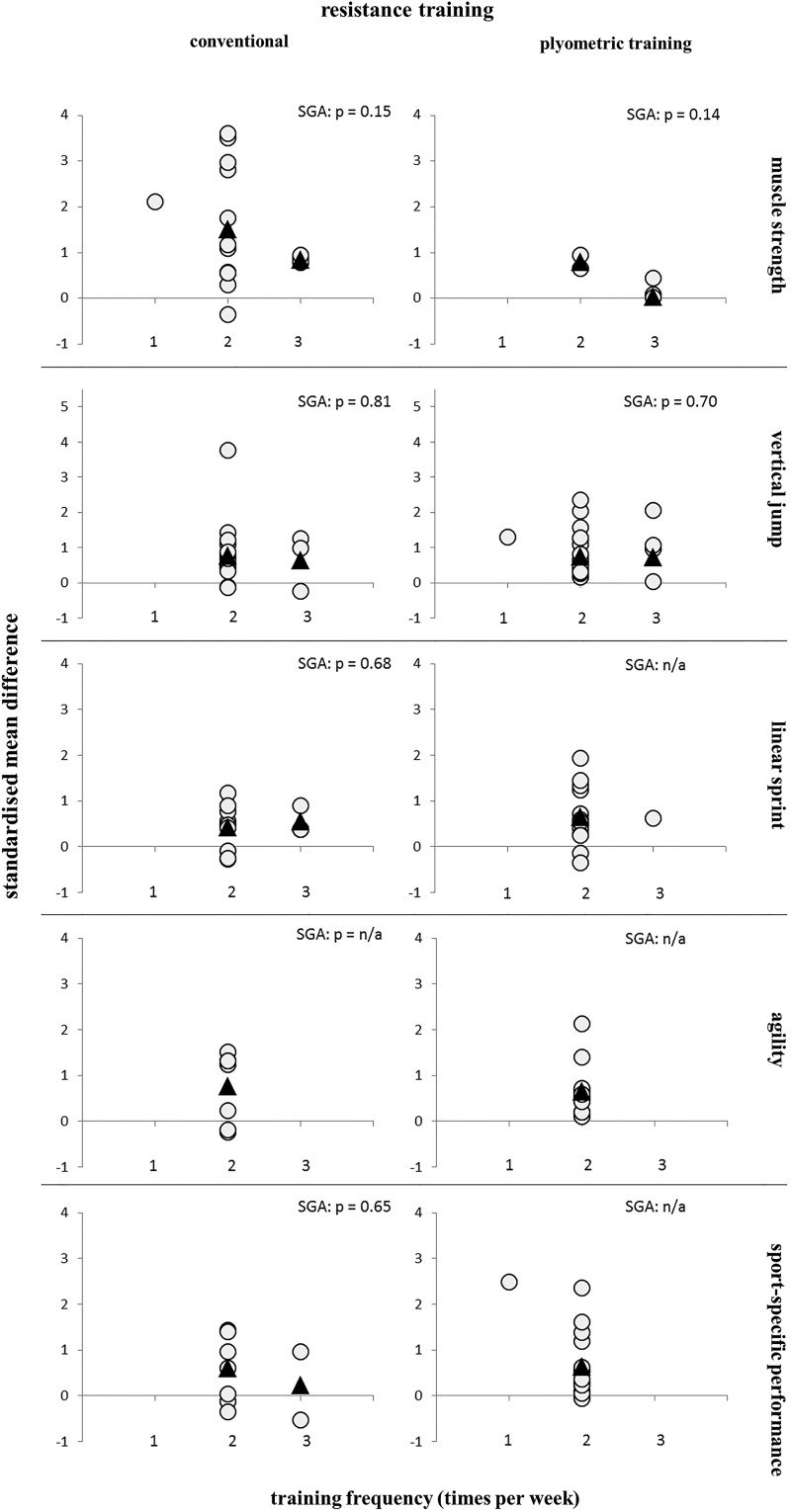
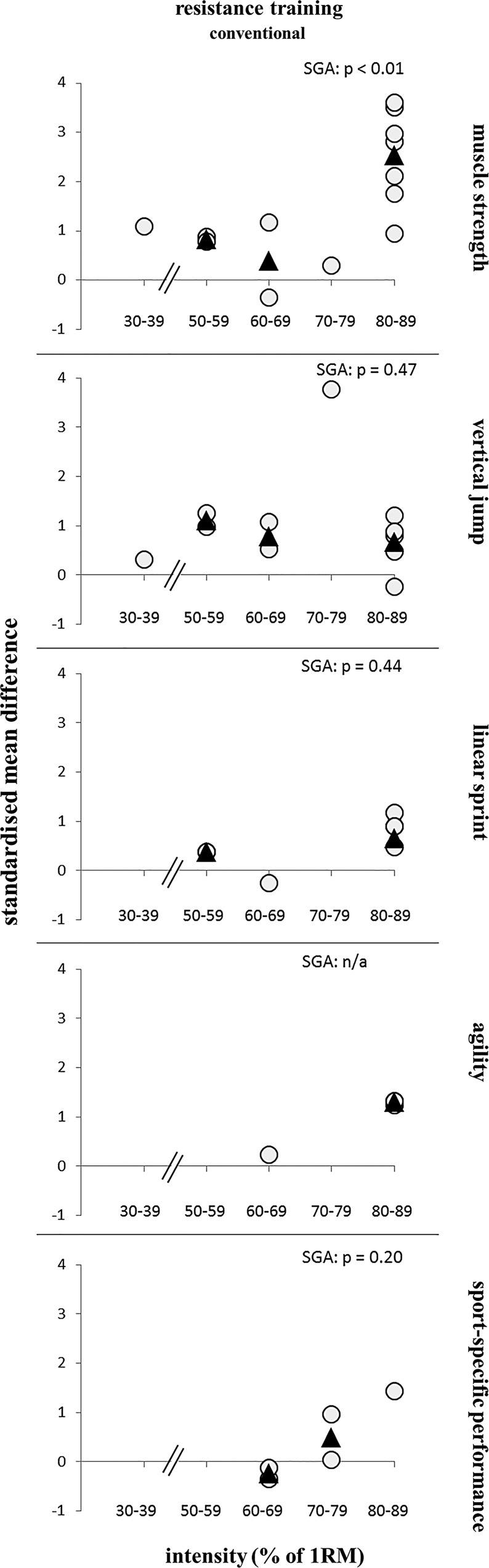
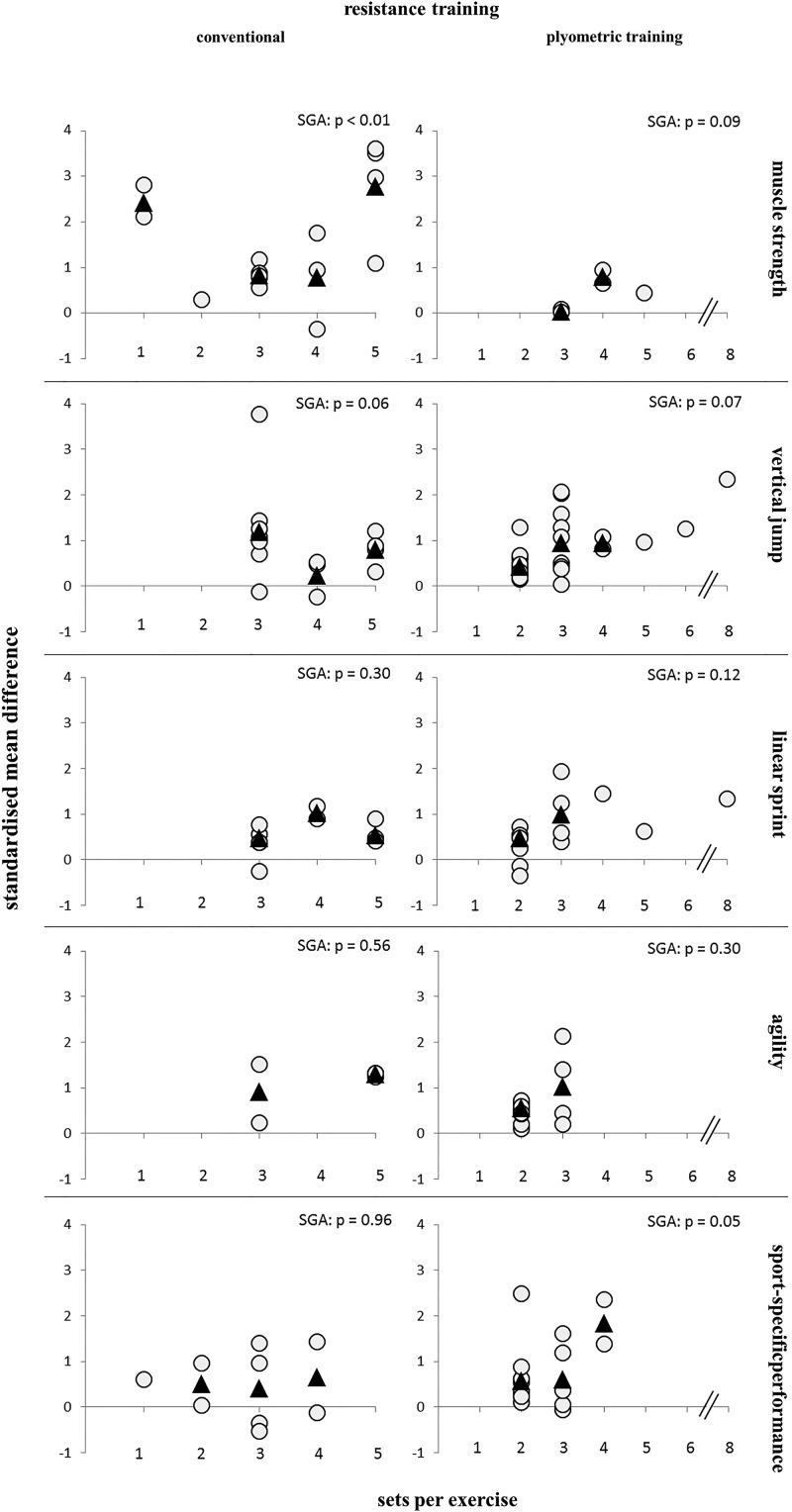
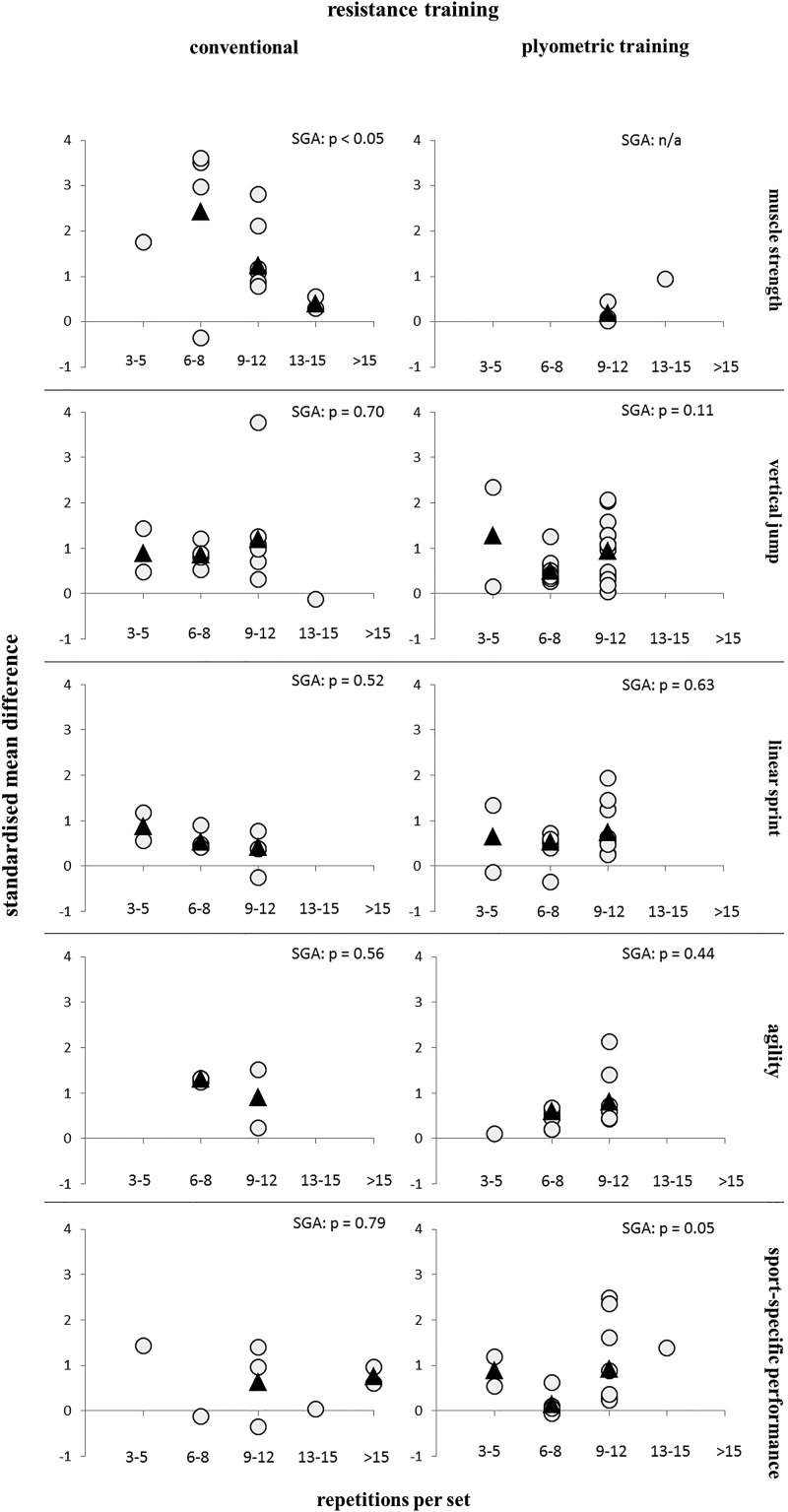
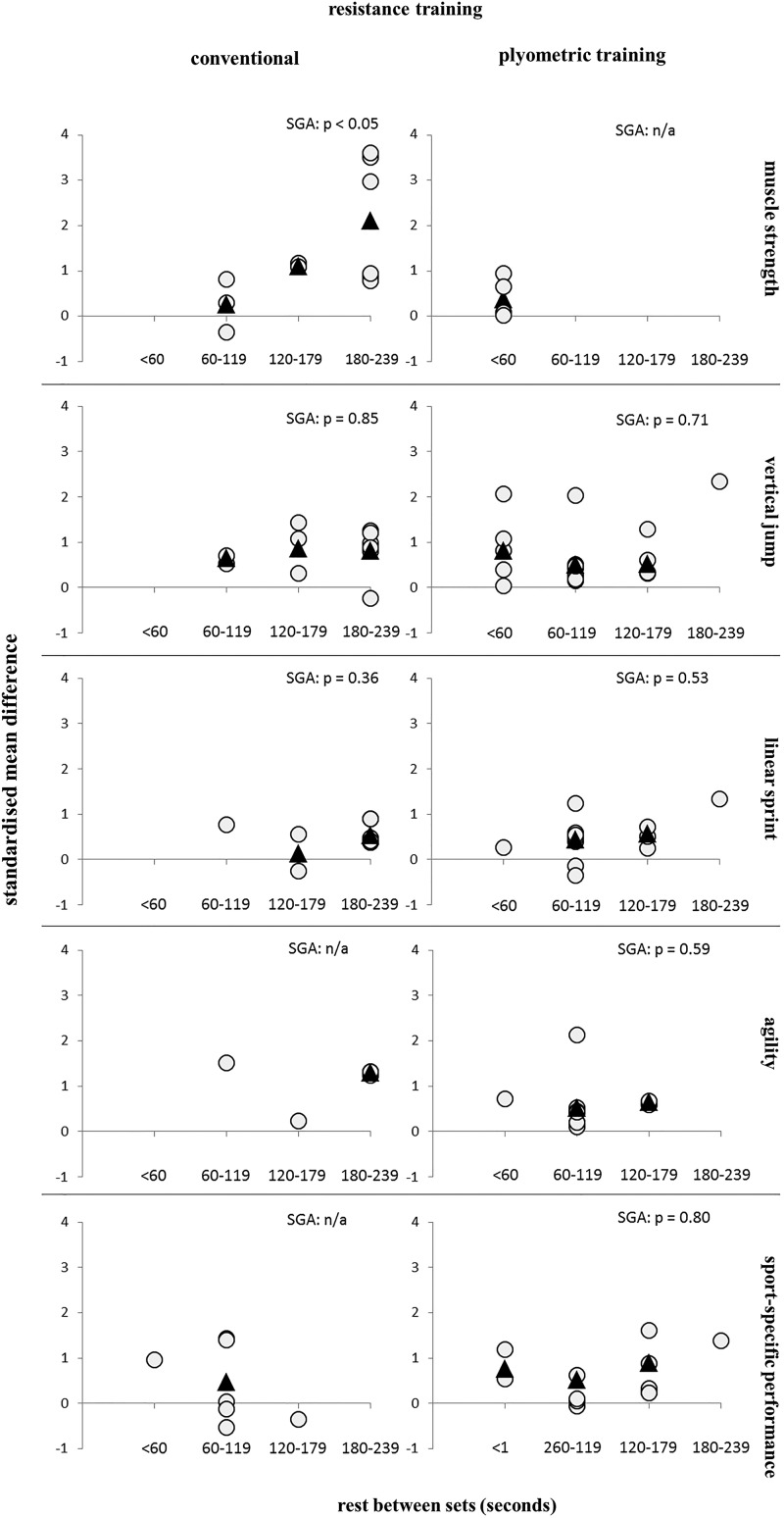
Objectives: To quantify age, sex, sport and training type-specific effects of resistance training on physical performance, and to characterise dose–response relationships of resistance training parameters that could maximise gains in physical performance in youth athletes. Design: Systematic review and meta-analysis of intervention studies. Data sources: Studies were identified by systematic literature search in the databases PubMed and Web of Science (1985–2015). Weighted mean standardised mean differences (SMD wm) were calculated using random-effects models. Eligibility criteria for selecting studies: Only studies with an active control group were included if these investigated the effects of resistance training in youth athletes (6–18 years) and tested at least one physical performance measure. Results: 43 studies met the inclusion criteria. Our analyses revealed moderate effects of resistance training on muscle strength and vertical jump performance (SMD wm 0.8–1.09), and small effects on linear sprint, agility and sport-specific performance (SMD wm 0.58–0.75). Effects were moderated by sex and resistance training type. Independently computed dose–response relationships for resistance training parameters revealed that a training period of >23 weeks, 5 sets/exercise, 6–8 repetitions/set, a training intensity of 80–89% of 1 repetition maximum (RM), and 3–4 min rest between sets were most effective to improve muscle strength (SMD wm 2.09–3.40). Summary/conclusions: Resistance training is an effective method to enhance muscle strength and jump performance in youth athletes, moderated by sex and resistance training type. Dose–response relationships for key training parameters indicate that youth coaches should primarily implement resistance training programmes with fewer repetitions and higher intensities to improve physical performance measures of youth athletes.
Overview
The claims and statistics of this paper haven’t been checked yet.
Free: it reads the open-access text and checks the first 5 claims that cite a source we can check. Create a free account to check every claim.
Integrity signals
Registry
Cites
Statistics
Figures
Verification
Claims the paper makes
The claims and statistics of this paper haven’t been checked yet.
Free: it reads the open-access text and checks the first 5 claims that cite a source we can check. Create a free account to check every claim.
Claims other papers make about this one
Each is checked against this paper’s own text: does it say what the citing paper says it does?
In the citing paper
“The increased training exposure would have allowed for a longer period for training adaptations to manifest [89, 90], ultimately leading to greater training improvements in strength, power and speed.”
From Comparison of weightlifting, traditional resistance training and plyometrics on strength, power and speed: a systematic review with meta-analysis. (2022) · cites this paper as [90]
In the citing paper
“In addition, the participants in the study were adolescent boys”
From Comparison of weightlifting, traditional resistance training and plyometrics on strength, power and speed: a systematic review with meta-analysis. (2022) · cites this paper as [90]
In the citing paper
“The training intervention duration employed in the study was 28 weeks [59], which may have resulted in more pronounced improvements in measures of power compared with the other studies included in the WLT versus TRT analysis that implemented shorter training durations (median training duration: 8 weeks, range 6–28) [90].”
From Comparison of weightlifting, traditional resistance training and plyometrics on strength, power and speed: a systematic review with meta-analysis. (2022) · cites this paper as [90]
Self-check
Percentages, sums and reported differences re-computed from the paper’s own numbers.
The self-check needs the paper’s full text.
Citations
Cites
Liberati, A., Altman, D. G., Tetzlaff, J., Mulrow, C., Gøtzsche, P. C., Ioannidis, J. P. A., Clarke, M., Devereaux, P. J., Kleijnen, J., & Moher, D. (2009) · PLoS Medicine · doi:10.1371/journal.pmed.1000100 · Cited by 28,164
Liberati, A., Altman, D. G., Tetzlaff, J., Mulrow, C., Gotzsche, P. C., Ioannidis, J. P. A., Clarke, M., Devereaux, P. J., Kleijnen, J., & Moher, D. (2009) · BMJ · doi:10.1136/bmj.b2700 · Cited by 17,648
Statistical Methods for Meta-Analysis
Wasserman, S., Hedges, L. V., & Olkin, I. (1988) · Journal of Educational Statistics · doi:10.2307/1164953 · Cited by 10,326
Reliability of the PEDro Scale for Rating Quality of Randomized Controlled Trials
Maher, C. G., Sherrington, C., Herbert, R. D., Moseley, A. M., & Elkins, M. (2003) · Physical Therapy · doi:10.1093/ptj/83.8.713 · Cited by 4,808 · cited 1×
“28”
Progression Models in Resistance Training for Healthy Adults
(2009) · Medicine & Science in Sports & Exercise · doi:10.1249/mss.0b013e3181915670 · Cited by 4,332
Progression Models in Resistance Training for Healthy Adults
(2002) · Medicine and Science in Sports and Exercise · doi:10.1097/00005768-200202000-00027 · Cited by 2,979
Fundamentals of Resistance Training: Progression and Exercise Prescription
KRAEMER, W. J., & RATAMESS, N. A. (2004) · Medicine & Science in Sports & Exercise · doi:10.1249/01.mss.0000121945.36635.61 · Cited by 1,992
Faigenbaum, A. D., Kraemer, W. J., Blimkie, C. J. R., Jeffreys, I., Micheli, L. J., Nitka, M., & Rowland, T. W. (2009) · Journal of Strength and Conditioning Research · doi:10.1519/jsc.0b013e31819df407 · Cited by 1,209
RHEA, M. R. (2004) · Journal of Strength and Conditioning Research · doi:10.1519/00124278-200411000-00040 · Cited by 1,069 · cited 1×
“30 According to a scale for determining the magnitude of effect sizes in strength training research for individuals who have been consistently training for 1 – 5 years, 32 we interpreted SMD wm as: trivial (<0.35); small (0.35 – 0.79); moderate (0.80 – 1.50); large ( ≥ 1.50).”
BackgroundInfluentialInternational Olympic Committee consensus statement on youth athletic development
Bergeron, M. F., Mountjoy, M., Armstrong, N., Chia, M., Côté, J., Emery, C. A., Faigenbaum, A., Hall, G., Kriemler, S., Léglise, M., et al. (2015) · British Journal of Sports Medicine · doi:10.1136/bjsports-2015-094962 · Cited by 881
Research works printed but not linked: 6
- Higgings JPT, Green S Cochrane handbook for systematic review of interventions version 5.1.0. Collaboration SMGoTC, 2010: 1– 11.
- Deeks JJ, Higgings JPT Statistical algorithms in Review Manager 5. 2010.
- Athanasiou N, Tsamourtzis E, Salonikidis K Entwicklung und Trainierbarkeit der Kraft bei Basketballspielern im vorpubertären Alter. Leistungssport 2006; 1: 48– 52.
- Buskies W, Boeckh-Behrens W-U Probleme bei der Steuerung der Trainingsintensität im Krafttraining auf der Basis von Maximalkrafttests. Leistungssport 1999; 3: 4– 8.
- Karp JR Muscle fibre types and training. Track Coach 2001; 155: 4943– 6.
- Marschall F, Fröhlich M Überprüfung des Zusammenhangs von Maximalkraft und maximaler Wiederholungszahl bei deduzierten submaximalen Intensitäten. Deutsche Zeit Sportmed 1999; 50: 311– 15.
Cited by
Items 101–200 of 411
Thiele, D., Prieske, O., Lesinski, M., & Granacher, U. (2020) · Frontiers in Physiology · doi:10.3389/fphys.2020.00888 · Cited by 30
Self-citationSammoud, S., Bouguezzi, R., Ramírez‐Campillo, R., Negra, Y., Prieske, O., Moran, J., & Chaabène, H. (2021) · Journal of Sports Sciences · doi:10.1080/02640414.2021.1976570 · Cited by 31
“We hypothesised that PT using free weights would induce larger improvements on measures of physical fitness compared with PJT in pre-PHV male soccer players (Lesinski et al., 2016; Negra et al., 2016).”
MethodSelf-citationSacot, A., López‐Ros, V., Prats‐Puig, A., Escosa, J., Barretina, J., & Calleja-González, J. (2022) · International Journal of Environmental Research and Public Health · doi:10.3390/ijerph19159642 · Cited by 28
“Other studies suggest that strength levels were more developed in U-14 [32,88], however, muscular power development is more evident in the adolescence due to changes related to PHV [32,89,90].”
BackgroundResultInfluentialUthoff, A. M., Oliver, J. L., CRONIN, J. W., Winwood, P., Harrison, C. B., & Lee, J. E. (2019) · The Journal of Strength and Conditioning Research · doi:10.1519/jsc.0000000000003093 · Cited by 24
“, 80–89% of 1 RM) (18), should be considered when loading RS.”
BackgroundWang, K., Zhu, Y., Wong, S. H., Chen, Y., Siu, P. M., Baker, J. S., & Sun, F. (2021) · Journal of Sports Sciences · doi:10.1080/02640414.2021.1964800 · Cited by 24
“In addition, to verify the dose–response relationships of each HIIT variable, subcategories with the effect size value within training variables were extracted (Borde et al., 2015; Lesinski et al., 2016).”
MethodFalces-Prieto, M., de Villarreal-Sáez, E. S., González, J. R., González-Férnandez, F. T., Clemente, F. M., Bădicu, G., & Murawska‐Ciałowicz, E. (2021) · Frontiers in Physiology · doi:10.3389/fphys.2021.771684 · Cited by 28
Dobbs, I. J., Oliver, J. L., Wong, M. A., Moore, I. S., & Lloyd, R. S. (2020) · The Journal of Strength and Conditioning Research · doi:10.1519/jsc.0000000000003467 · Cited by 30
“Existing evidence suggests that more mature athletes have a greater response to strength training than immature athletes (29), with recent meta-analytical data showing that resistance training elicited greater strength adaptations in circa- and post-PHV boys after only 4 weeks of training compared with those who were…”
BackgroundResultInfluentialMattes, K., Wollesen, B., & Manzer, S. (2017) · The Journal of Strength and Conditioning Research · doi:10.1519/jsc.0000000000002183 · Cited by 24
Lloyd, R. S., Dobbs, I. J., Wong, M. A., Moore, I. S., & Oliver, J. L. (2021) · Sports Health A Multidisciplinary Approach · doi:10.1177/19417381211050005 · Cited by 24
Karagianni, K., Donti, Ο., Katsikas, C., & Bogdanis, G. C. (2020) · Sports · doi:10.3390/sports8080104 · Cited by 25
“strength and jumping performance in youth athletes, and especially in adolescents, with boys improving more than girls [13,14].”
BackgroundSeasonal Effects of Strength Endurance vs. Power Training in Young Female Soccer Athletes
Lesinski, M., Prieske, O., Chaabène, H., & Granacher, U. (2020) · The Journal of Strength and Conditioning Research · doi:10.1519/jsc.0000000000003564 · Cited by 25
“This is in accordance with findings from a systematic review with meta-analysis on the effects of RT on measures of physical fitness and sport-specific performance in young athletes aged 6–18 years (17).”
BackgroundResultSelf-citationDobbs, I. J., Oliver, J. L., Wong, M. A., Moore, I. S., Myer, G. D., & Lloyd, R. S. (2019) · The Journal of Strength and Conditioning Research · doi:10.1519/jsc.0000000000003210 · Cited by 23
“In addition, the magnitude of associations between motor competency and other fitness qualities such as muscle strength (28), sprint speed (25,29), and lower-body power (15,29) seem to increase from childhood into adolescence (37).”
(2020) · International Journal of Exercise Science · doi:10.70252/luxa7451 · Cited by 2
“Resistance training (RT) is widely accepted as a safe and effective method to increase muscle mass (MM), strength, and power, as well as athletic performance in adults (30), children, and adolescents (19).”
BackgroundThe Potentiating Response to Accentuated Eccentric Loading in Professional Football Players
Godwin, M., Fearnett, T., & Newman, M. A. J. (2021) · Sports · doi:10.3390/sports9120160 · Cited by 22
“The use of multiple repetitions has been shown as a moderator in submaximal PAPE interventions [50].”
BackgroundZhang, X., Feng, S., & Li, H. (2023) · Healthcare · doi:10.3390/healthcare11030337 · Cited by 22
“These are the inherent limitations of such a research approach [54,55].”
BackgroundZhang, X., Li, H., Feng, S., & Su, S. (2023) · International Journal of Sports Medicine · doi:10.1055/a-2095-8254 · Cited by 22
“Theoreti - cally, manipulating training variables is essential and critical for maximizing training gains [15].”
BackgroundPractical Strategies for Integrating Strength and Conditioning Into Early Specialization Sports
Moeskops, S., Oliver, J. L., Read, P. J., Cronin, J. B., Myer, G. D., & Lloyd, R. S. (2021) · Strength and conditioning journal · doi:10.1519/ssc.0000000000000665 · Cited by 26
Sex and Gender Differences in Pediatric Knee Injuries
Edison, B. R., Pandya, N. K., Patel, N. M., & Carter, C. W. (2022) · Clinics in Sports Medicine · doi:10.1016/j.csm.2022.06.002 · Cited by 22
Özsu, İ. (2018) · Journal of Education and Training Studies · doi:10.11114/jets.v6i12a.3887 · Cited by 28
“, 1993), motor skills such as jumping (Lesinski et al., 2016) and increases bone development, facilitating weight control (Faigenbaum, 2007; Myer and Wall, 2006), improves body composition (Faigenbaum et al.”
BackgroundJin, G., Jin, Y., Zhang, H., Fu, X., Yang, Y., & Lin, S.-C. (2024) · Frontiers in Physiology · doi:10.3389/fphys.2024.1406518 · Cited by 21
Lau, R., & Mukherjee, S. (2023) · Sports Medicine and Health Science · doi:10.1016/j.smhs.2023.03.001 · Cited by 24
Strength and conditioning in adolescent female athletes
Sommi, C. P., Gill, F., Trojan, J. D., & Mulcahey, M. K. (2018) · The Physician and Sportsmedicine · doi:10.1080/00913847.2018.1486677 · Cited by 24
“However, only 5 of 43 studies that met inclusion criteria for their meta-analysis focused on adolescent female athletes [16].”
BackgroundMethodInfluentialInfluence of overweight and obesity on the strength of childhood
Castillo-Rodríguez, A., Fernández‐García, J. C., & Onetti-Onetti, W. (2019) · Nutrición Hospitalaria · doi:10.20960/nh.02596 · Cited by 20
Jansson, D., Lindberg, A.-S., Lundberg, E., Domellöf, M., & Theos, A. (2022) · Sports Medicine - Open · doi:10.1186/s40798-022-00471-6 · Cited by 22
The Promise of Youth Resistance Training
Faigenbaum, A. D., & Geisler, S. (2021) · B&G Bewegungstherapie und Gesundheitssport · doi:10.1055/a-1378-3385 · Cited by 23
Changes in Sprint-Related Outcomes During a Period of Systematic Training in a Girls' Soccer Academy
Wright, M., & Atkinson, G. (2017) · The Journal of Strength and Conditioning Research · doi:10.1519/jsc.0000000000002055 · Cited by 20
Clemente, F. M., Scanlan, A. T., Ramírez‐Campillo, R., Martinho, D., Thapa, R. K., Chamari, K., Silva, R., Moran, J., Sarmento, H., Xu, Q., et al. (2025) · Sports Medicine - Open · doi:10.1186/s40798-025-00952-4 · Cited by 21
“Biological differences such as hormonal fluctuations, muscle mass distribution, fat composition, and cardiovascular responses mean that male and female players may respond to training loads in distinct ways [65].”
Effect of somatic maturity on the aerobic and anaerobic adaptations to sprint interval training
Beyer, K. S., Stout, J. R., Redd, M. J., Baker, K. M., Church, D. D., Bergstrom, H. C., Hoffman, J. R., & Fukuda, D. H. (2020) · Physiological Reports · doi:10.14814/phy2.14426 · Cited by 22
“However, a recent meta-analysis reported no significant effect of maturity on strength, power, sprint, or agility adaptations to resistance training (Lesinski et al., 2016).”
BackgroundGarcía, D. M., Chirosa-Ríos, L., Perea, Á. R., Ulloa-Díaz, D., Jerez‐Mayorga, D., & Ríos, I. J. C. (2021) · International Journal of Sports Science & Coaching · doi:10.1177/17479541211002977 · Cited by 21
Considerations and Guidelines on Athletic Development for Youth Gaelic Athletic Association Players
Duggan, J. D., Moody, J. A., Byrne, P. J., McGahan, J. H., & Kirszenstein, L. (2021) · Strength and conditioning journal · doi:10.1519/ssc.0000000000000638 · Cited by 20
González‐García, J., Latella, C., Aguilar‐Navarro, M., & Romero‐Moraleda, B. (2022) · International Journal of Sports Medicine · doi:10.1055/a-1898-4888 · Cited by 20
“While the application of long-term resistance training has been shown to improve athletic performance [1, 2], an opportunity to transiently improve performance with resistance exercises also exists [3].”
BackgroundA Brief History of Pediatric Exercise Physiology
Falk, B., Klentrou, P., Armstrong, N., Rowland, T., & Kemper, H. C. G. (2017) · Pediatric Exercise Science · doi:10.1123/pes.2017-0246 · Cited by 19
Are Young Athletes Strong Enough for Sport? DREAM On
Faigenbaum, A. D., MacDonald, J. P., & Haff, G. G. (2019) · Current Sports Medicine Reports · doi:10.1249/jsr.0000000000000554 · Cited by 21
“Greater strength reserves can enhance neuromuscular fitness, improve athletic performance, and reduce sport injury risk (3,24,25).”
BackgroundKozinc, Ž., & Šarabon, N. (2021) · Measurement in Physical Education and Exercise Science · doi:10.1080/1091367x.2021.1937176 · Cited by 18
“Therefore, it is not surprising that lower-limb resistance training improves vertical jump performance (Asadi et al., 2017; Lesinski et al., 2016).”
BackgroundValappil, I. N. K., Govindasamy, K., Vasanthi, G., Elayaraja, M., Clark, C. C. T., Parpa, K., Katanić, B., Uysal, H. Ş., Zouhal, H., & Granacher, U. (2025) · Sports Medicine · doi:10.1007/s40279-025-02346-8 · Cited by 18
“…higher training frequency could accelerate neuromuscular adaptations [23], older players may respond differently due to greater training experience and physical maturity, and the performance level of a player may impact on the capacity to translate training stimuli into performance gains [30].”
Self-citationAgeberg, E., Bunke, S., Linnéll, J., & Moesch, K. (2024) · BMC Sports Science Medicine and Rehabilitation · doi:10.1186/s13102-023-00800-6 · Cited by 19
“We developed strength training informed by knowledge that such training is effective in improving muscle strength and functional performance in youth athletes [31], and that muscle strength enhances efficiency of movement and athletic performance and may reduce the risk of injury [32, 33].”
MethodWhy should the Next Generation of Youth Guidelines Prioritize Vigorous Physical Activity?
Chaabène, H., Markov, A., & Schega, L. (2024) · Sports Medicine - Open · doi:10.1186/s40798-024-00754-0 · Cited by 17
“Accumulating evidence indicates that vigorous PA is more appealing than low or moderate activity to improve various physical fitness [38, 55, 70, 73] and health factors [11, 17, 18, 55] in youth ( Fig.”
BackgroundIntentionally Slow Concentric Velocity Resistance Exercise and Strength Adaptations: A Meta-Analysis
Hermes, M. J., & Fry, A. C. (2023) · The Journal of Strength and Conditioning Research · doi:10.1519/jsc.0000000000004490 · Cited by 18
“Increases in strength can be beneficial across a spectrum of populations, correlatingwell with tasks ranging fromactivities of daily living to athletic performance (38).”
BackgroundExpert’s Choice: 2018’s Most Exciting Research in the Field of Pediatric Exercise Science
Eliakim, A., Falk, B., Armstrong, N., Baptista, F., Behm, D. G., Dror, N., Faigenbaum, A. D., Janz, K. F., Jürimäe, J., McGowan, A. L., et al. (2019) · Pediatric Exercise Science · doi:10.1123/pes.2019-0010 · Cited by 16
Resisted Sled Training for Young Athletes: When to Push and Pull
Cahill, M. J., Cronin, J. B., Oliver, J. L., Clark, K. P., Lloyd, R. S., & Cross, M. R. (2020) · Strength and conditioning journal · doi:10.1519/ssc.0000000000000555 · Cited by 19
“This multimodal developmental approach to training can provide a platform for pre-PHV athletes to advance to more complex tasks and specialized strength variations at higher intensities (12,17,20).”
BackgroundQipo, O., Gajauskaitė, G., Vints, W. A. J., Levin, O., Masiulis, N., & Bautmans, I. (2025) · Ageing Research Reviews · doi:10.1016/j.arr.2025.102917 · Cited by 15
Michailidis, Y. (2022) · Applied Sciences · doi:10.3390/app122211803 · Cited by 15
“In addition, the level of biological maturation seems to affect the effectiveness of training [52,53].”
BackgroundShort-Term Effects of Resistance Training Modalities on Performance Measures in Male Adolescents
Winwood, P., & Buckley, J. J. (2017) · The Journal of Strength and Conditioning Research · doi:10.1519/jsc.0000000000001992 · Cited by 19
Integrating Resistance Training Into High School Curriculum
Pichardo, A. W., Oliver, J. L., Harrison, C. B., Maulder, P. S., & Lloyd, R. S. (2018) · Strength and conditioning journal · doi:10.1519/ssc.0000000000000412 · Cited by 16
“The long-term structured approach needed for athletic development is supported by the NSCA position statement (50), several meta-analyses (4,49) and athletic development models (2,21,52), and a commentary on multiyear planning for the high school athlete (38).”
BackgroundInfluentialNeuromuscular training for preventing knee injuries in female team athletes: a meta-analysis
Gu, J., Zhang, R., Zhang, Y., & Shaharudin, S. (2025) · Annals of Medicine · doi:10.1080/07853890.2025.2581891 · Cited by 17
“Although NMT has been widely studied, most evidence on its ‘dose’ derives from mixed-sex cohorts rather than female-specific samples [14–16].”
Pino-Mulero, V., Soriano, M. A., Giuliano, F., & González‐García, J. (2024) · Biology of Sport · doi:10.5114/biolsport.2025.139082 · Cited by 14
“…has been demonstrated that the implementation of long-term resistance and resisted sprint training enhances jumping, acceleration and sprinting [8, 9], there also exists an opportunity to acutely enhance performance through conditioning activities (CA) [10, 11], especially in athletes with higher…”
BackgroundVanaclocha-Amat, P., Faigenbaum, A. D., Molina‐García, J., & Villa‐González, E. (2025) · Contemporary Clinical Trials · doi:10.1016/j.cct.2024.107805 · Cited by 14
Uzelac-Šćiran, T., Šarabon, N., & Mikulić, P. (2020) · PubMed Central · Cited by 26
Raising the Young Athlete: Training and Injury Prevention Strategies
Bank, N. C., Hecht, C., Karimi, A., El-Abtah, M. E., Huang, L., & Mistovich, R. J. (2022) · Journal of the Pediatric Orthopaedic Society of North America · doi:10.55275/jposna-2022-0037 · Cited by 18
Domroes, T., Weidlich, K., Böhm, S., Arampatzis, A., & Mersmann, F. (2023) · Scandinavian Journal of Medicine and Science in Sports · doi:10.1111/sms.14483 · Cited by 14
“28 With respect to tendon adaptation, sparse data suggest that tendon hypertrophy with chronic mechanical loading as well as collagen synthesis rate after acute exercise seem to be attenuated in women.”
BackgroundResistance Exercise and Youth: Survival of the Strongest
Faigenbaum, A. D. (2017) · Pediatric Exercise Science · doi:10.1123/pes.2016-0262 · Cited by 17
“Lesinski and colleagues present a systematic review and meta-analysis of the extant literature on the doseresponse relationships of resistance training on physical performance in young athletes (11).”
BackgroundTaking A Long-Term Approach to the Development of Weightlifting Ability in Young Athletes
Morris, S. J., Oliver, J. L., Pedley, J. S., Haff, G. G., & Lloyd, R. S. (2020) · Strength and conditioning journal · doi:10.1519/ssc.0000000000000608 · Cited by 19
“Once the athlete has achieved technical mastery, heavier loads ($80% of 1RM) can be used to improve strength (31,81).”
BackgroundMethodSousa, H., Abade, E., Maia, F., Costa, J. A., & Marcelino, R. (2025) · Sport Sciences for Health · doi:10.1007/s11332-024-01310-9 · Cited by 15
“It is well established that male and female youth athletes (13–18 years) show similar resistance training related gains in vertical jumping performance [56].”
A Coach's Dozen: An Update on Building Healthy, Strong, and Resilient Young Athletes
Faigenbaum, A. D., & Meadors, L. (2017) · Strength and conditioning journal · doi:10.1519/ssc.0000000000000282 · Cited by 17
Wu, F., Callisaya, M. L., Wills, K. E., Laslett, L. L., Jones, G., & Winzenberg, T. M. (2017) · Journal of Bone and Mineral Research · doi:10.1002/jbmr.3103 · Cited by 13
“There are effective interventions of improving muscle strength, of which, resistance training has been shown to be effective throughout lifetime((36-40)).”
BackgroundWestblad, N., Petré, H., Kårström, A., Psilander, N., & Björklund, G. (2021) · International Journal of Environmental Research and Public Health · doi:10.3390/ijerph18073479 · Cited by 17
“A previous study suggested that an exercise load between 80 and 89% of the 1RM is suitable for increasing muscle strength in youth athletes [5].”
BackgroundSánchez-Sánchez, J., Ramírez‐Campillo, R., Petisco, C., Nakamura, F. Y., & Hernández, D. (2021) · Kinesiology · doi:10.26582/k.53.2.6 · Cited by 12
Barillas, S. R., Oliver, J. L., Lloyd, R. S., & Pedley, J. S. (2022) · The Journal of Strength and Conditioning Research · doi:10.1519/jsc.0000000000004307 · Cited by 12
“The literature suggests that young athletes participating in structured training programs can develop their force, velocity, and power generating capacities to a greater extent than their nontrained counterparts (3,4,10,16,21,22,29).”
InfluentialQin, Y., Chen, H., Liu, X., Wu, J., & Zhang, Y. (2022) · Frontiers in Public Health · doi:10.3389/fpubh.2022.982062 · Cited by 13
Fossmo, J. E., & van den Tillaar, R. (2022) · Sports · doi:10.3390/sports10100148 · Cited by 19
“It would be reasonable to conclude that a higher training dose at 80–89% of 1-RM for young athletes is required in order to develop maximal strength [104].”
BackgroundDuarte, M. A. D. S., Gaya, A. R., Mello, J. B., Faigenbaum, A. D., García‐Hermoso, A., & López‐Gil, J. F. (2024) · Acta Paediatrica · doi:10.1111/apa.17126 · Cited by 12
Gala, K. S., Desai, V. K., Liu, N., Omer, E. M., & McClave, S. A. (2020) · Current Nutrition Reports · doi:10.1007/s13668-020-00334-0 · Cited by 12
Impact of specialized physical training programs on physical fitness in athletes
Siramaneerat, I., & Chaowilai, C. (2020) · Journal of Human Sport and Exercise · doi:10.14198/jhse.2022.172.18 · Cited by 14
“Moreover, Lesinski et al. (2016) found that the training program that uses free weights is most effective for increasing strength in young athletes Therefore, in assessing the impact of training on various physical fitness measures, it should focus on one type of training, such as free weight…”
BackgroundMueller, S., Mueller, J., Stoll, J., & Mayer, F. (2022) · Frontiers in Physiology · doi:10.3389/fphys.2022.802315 · Cited by 16
Wang, H., Ma, B., Wang, G., Wang, P., Long, H., Niu, S., Dong, C., Zhang, H., Zhao, Z., Ma, Q., et al. (2023) · Journal of Geriatric Physical Therapy · doi:10.1519/jpt.0000000000000394 · Cited by 13
Children’s Sprint and Jump Performance after Plyometric-Jump Training: A Systematic Review
Wu, H., Li, S., Lai, J., Bian, W., Ramírez‐Campillo, R., de Villarrea, E. S., & Zhao, Q. (2024) · Journal of Sports Science and Medicine · doi:10.52082/jssm.2025.52 · Cited by 13
Effects of 8-week complex and resistance training on strength and power in adolescent long jumpers
Shen, X., Li, H., Yan, K., Zhang, S., & Li, L. (2025) · Scientific Reports · doi:10.1038/s41598-025-05800-9 · Cited by 13
Warneke, K., Freundorfer, P., Plöschberger, G., Behm, D. G., Konrad, A., & Schmidt, T. (2024) · Frontiers in Physiology · doi:10.3389/fphys.2024.1372689 · Cited by 14
Li, Z., Qi, Y., Chen, X., Li, J., Zhang, J., Li, P., & Zhou, Z. (2024) · Scandinavian Journal of Medicine and Science in Sports · doi:10.1111/sms.14764 · Cited by 14
“Should a study have exclusively utilized alternative assessments, we incorporated those tests into our quantitative analyses that bore the greatest similarity to those previously described, particularly in terms of their temporal and spatial configurations [28].”
Relationship Between Linear Running and Change of Direction Performances of Male Soccer Players
Çınarlı, F. S., Kafkas, A. Ş., & Kafkas, M. E. (2018) · Turkish Journal of Sport and Exercise · doi:10.15314/tsed.418840 · Cited by 18
“In addition, agility speed is mostly affected by movement capability, sprinting speed, and muscular power (14).”
BackgroundDíaz-Hidalgo, S., Ranchal‐Sánchez, A., & Jurado‐Castro, J. M. (2024) · Sports · doi:10.3390/sports12030067 · Cited by 10
Menstrual Cycle Phase-Based Strength and Conditioning Training for Elite Team Sport Female Athletes
Moore, S. R., Bruinvels, G., & Smith‐Ryan, A. E. (2024) · Strength and conditioning journal · doi:10.1519/ssc.0000000000000879 · Cited by 11
ÖZTÜRK, B., Adigüzel, N. S., Koç, M., Karaçam, A., Canlı, U., Engin, H., Orhan, B. E., Bartík, P., Šagát, P., Pérez, J., et al. (2025) · Applied Sciences · doi:10.3390/app15031282 · Cited by 14
Li, C., Chen, L., & Zhang, Q. (2025) · Frontiers in Physiology · doi:10.3389/fphys.2025.1711992 · Cited by 11
Painelli, V. D. S. (2023) · Journal of Science in Sport and Exercise · doi:10.1007/s42978-023-00251-y · Cited by 11
Huang, J., Hortobágyi, T., Dos’Santos, T., Shi, Y., Que, Y., Lin, J., Su, Y., & Li, W. (2024) · PeerJ · doi:10.7717/peerj.18047 · Cited by 10
“It is well documented that resistance training and plyometric training effectively improve neuromuscular and athletic performance ( Asadi et al., 2016 ; Fyfe, Hamilton & Daly, 2022 ; Lesinski, Prieske & Granacher, 2016 ).”
BackgroundShaw, J., Gould, Z. I., Oliver, J. L., & Lloyd, R. S. (2024) · The Journal of Strength and Conditioning Research · doi:10.1519/jsc.0000000000004753 · Cited by 11
“…to identify and develop young prospective players (28), and the beneficial effects that resistance training offers to sport-specific performance (14), there is a distinct lack of research that has investigated the effects of strength and conditioning interventions on golf swing performance in…”
BackgroundFunctional Characteristics and Coping Strategies among Rugby Athletes: A Cluster Analysis Approach
Sapuppo, W., Giacconi, D., Monda, V., Messina, A., Allocca, S., Chieffi, S., Ricci, M., Villano, I., Saccenti, D., Mineo, C. M., et al. (2024) · Journal of Personalized Medicine · doi:10.3390/jpm14030292 · Cited by 9
Govindasamy, K., Gogoi, H., Jebabli, N., Bediri, S. M., Aljahni, M. A., Parpa, K., Clark, C. C. T., Granacher, U., & Zouhal, H. (2024) · BMC Sports Science Medicine and Rehabilitation · doi:10.1186/s13102-024-00894-6 · Cited by 13
“Previous research showed that resistance training using the own body mass was effective to enhance muscular strength and sport-specific performance [20].”
BackgroundSelf-citationMoeskops, S., Oliver, J. L., Radnor, J. M., Haff, G. G., Myer, G. D., Ramachandran, A. K., Kember, L. S., Pedley, J. S., & Lloyd, R. S. (2024) · The Journal of Strength and Conditioning Research · doi:10.1519/jsc.0000000000004856 · Cited by 10
“85% of one repetition maximum) to achieve larger increases in muscular strength in youth (26).”
Liu, Y., Xu, M., Wang, L., Li, M., Li, M., & Mu, S. (2025) · Lipids in Health and Disease · doi:10.1186/s12944-025-02446-4 · Cited by 9
“In a prior dose-response study, a positive correlation was found between the visceral adiposity index (VAI) and PhenoAgeAccel when the VAI value was below 10.543, but this association became nonsignificant when the VAI exceeded this threshold [30].”
InfluentialQuadriceps muscle volume positively contributes to ACL volume
Shultz, S. J., Schmitz, R. J., Kulas, A. S., Labban, J. D., & Wang, H. (2021) · Journal of Orthopaedic Research® · doi:10.1002/jor.24989 · Cited by 9
“4 years) when females still have considerable capacity for muscular adaptations.(49) In support of this premise, a systematic review of ACL prevention programs based on age, sex, and program components reported a greater reduction in ACL injury risk when programs targeted middle school and high school athletes; and th…”
BackgroundImpact of perturbation-based balance training on dynamic stability in university basketball players
Choudhary, P. K., Choudhary, S., Rajpoot, Y. S., Harod, R., & Kumar, S. (2025) · Physical Education of Students · doi:10.15561/20755279.2025.0204 · Cited by 9
“These stimuli created varied physiological stresses, leading to specific neural and muscular adaptations [29].”
Strength and Conditioning for Adolescent Endurance Runners
Blagrove, R. C., Howe, L., Howatson, G., & Hayes, P. R. (2018) · Strength and conditioning journal · doi:10.1519/ssc.0000000000000425 · Cited by 9
“Specifically, compared to sport-only training, various forms of ST augment improvements in maximal strength, explosive strength, muscular endurance, sprint speed, agility test time, tennis serve velocity, kicking velocity, throwing velocity, and general motor skills (10, 40, 41, 46).”
BackgroundInfluentialMovement Competency Training Delivery: At School or Online? A Pilot Study of High-School Athletes
Rogers, S. A., Hassmén, P., Roberts, A. H., Alcock, A., Gilleard, W., & Warmenhoven, J. (2020) · Sports · doi:10.3390/sports8040039 · Cited by 9
“It is well accepted that responses to training are influenced by the intensity, frequency, and volume of training in youth [18].”
Li, R., Chee, C. S., Kahar, J. B. A., Kamalden, T. F. T., Yang, K., & Gao, Z. (2025) · Journal of Human Kinetics · doi:10.5114/jhk/195726 · Cited by 7
“Additionally, high-intensity RT (HI-RT) activates the hamstring muscle function and improves motor performance of driving muscles (Granacher et al., 2016; Harries et al., 2012; Lesinski et al., 2016; Rosenberger et al., 2017; Skalski et al., 2024).”
Valle-Muñoz, V. M., Saucedo‐Araujo, R. G., Brand, C., Martins, C., Henrique, R. D. S., Gaya, A. R., López‐Gil, J. F., Faigenbaum, A. D., Barranco-Ruíz, Y., & Villa‐González, E. (2025) · Journal of Public Health · doi:10.1007/s10389-025-02533-x · Cited by 9
Ferrini, M., Asián-Clemente, J. A., Bagattini, G., & Suarez-Arrones, L. J. (2025) · Applied Sciences · doi:10.3390/app152111505 · Cited by 9
Abderrahman, A. B., Aloui, A., Jebabli, N., Salhi, I., Khalfoun, J., Omar, M., Clark, C. C. T., Ungurean, B. C., Granacher, U., & Zouhal, H. (2024) · Sports · doi:10.3390/sports12110290 · Cited by 7
Self-citationDomroes, T., Weidlich, K., Böhm, S., Mersmann, F., & Arampatzis, A. (2025) · Sports Medicine - Open · doi:10.1186/s40798-025-00817-w · Cited by 8
Concurrent Training in Children and Adolescents
Gäbler, M., & Granacher, U. (2018) · Springer eBooks · doi:10.1007/978-3-319-75547-2_17 · Cited by 7
Self-citationKolokythas, N., Metsios, G. S., Galloway, S. M., Allen, N., & Wyon, M. A. (2023) · Journal of Dance Medicine & Science · doi:10.1177/1089313x231198421 · Cited by 7
Strength Training Intensity and Volume Affect Performance of Young Kayakers/Canoeists
Gäbler, M., Berberyan, H. S., Prieske, O., Elferink-Gemser, M. T., Hortobágyi, T., Warnke, T., & Granacher, U. (2021) · Frontiers in Physiology · doi:10.3389/fphys.2021.686744 · Cited by 9
Self-citationThe Relationship between Resistance Training Frequency and Muscle Quality in Adolescents
Naimo, M. A., & Gu, J. K. (2022) · International Journal of Environmental Research and Public Health · doi:10.3390/ijerph19138099 · Cited by 9
Costilla, M., Casals, C., Marín-Galindo, A., Sixto, A. S., Muñoz‐López, A., Sañudo, B., Corral‐Pérez, J., & Ponce‐González, J. G. (2023) · The Journal of Strength and Conditioning Research · doi:10.1519/jsc.0000000000004430 · Cited by 7
“Resistance training (RT) has been shown to improve health outcomes and disease prevention (1) and is a key factor in enhancing sports performance (13).”
BackgroundChanges in Sprinting and Jumping Performance During Preseason in Professional Basketball Players
de Pedro-Múñez, Á., Álvarez‐Yates, T., Serrano-Gómez, V., & García-García, Ó. (2025) · Journal of Functional Morphology and Kinesiology · doi:10.3390/jfmk10030339 · Cited by 10
“Additionally, Lesinski et al. [43] similarly reported that while strength training leads to moderate improvements in strength and jump, its impact on linear sprinting, particularly top speed, tends to be modest, suggesting a lower training sensitivity of maximal velocity compared to other…”
Tan, H., Yan, Z., Shao, C., & Lin, Y. (2026) · Frontiers in Physiology · doi:10.3389/fphys.2026.1769079 · Cited by 6
“For instance, studies by Lesinski et al. (2016), Slimani et al. (2018) emphasized the role of resistance training in augmenting muscle strength, which serves as a foundation for explosive power.”
Homeyer, D., Memaran, N., Kück, M., Grams, L., von der Born, J., Bauer, E., Schwalba, M., Kerling, A., von Maltzahn, N., Albrecht, A. A., et al. (2023) · International Journal of Environmental Research and Public Health · doi:10.3390/ijerph20064764 · Cited by 6
“This result could be due to the fact that building additional strength, such as jumping power, may require a longer intervention period and higher intensity [43].”
BackgroundTakeuchi, K., Inoue, H., Fujiwara, M., Shimizu, T., Nagai, C., Mizuno, K., & Nakamura, M. (2025) · Frontiers in Sports and Active Living · doi:10.3389/fspor.2024.1483972 · Cited by 6
Gråstén, A., Forsman, H., & Watt, A. P. (2018) · International Journal of Sports Science & Coaching · doi:10.1177/1747954118787656 · Cited by 8
“Considering a great variation between players in aerobic endurance test, it is important to note that practicing a particular functional skill may also help players to learn other skills.(57,58) A strength of the present study was the longitudinal data collection across two measurement points.”
BackgroundResult
Metadata
- Authors
- Lesinski, M., Prieske, O., & Granacher, U.
- Affiliations
- University of Potsdam (DE)
- Corresponding author
- Lesinski, Melanie
- Venue
- British Journal of Sports Medicine
- Publisher
- BMJ
- Published
- 2016-02-05
- Volume
- 50
- Issue
- 13
- Pages
- 781-795
- ISSN
- 0306-3674 (ISSN-L)
- 1473-0480
- PMC
- PMC4941165
- OpenAlex
- W2264859628
- Semantic Scholar
- 31c76a70ee724cb1f0f3872c3230c72447031fd5
- Cited by
- 364
- References
- 90
- Citations by year
- 2026: 42 · 2025: 46 · 2024: 37 · 2023: 38 · 2022: 41 · 2021: 41 · 2020: 38 · 2019: 22 · 2018: 28 · 2017: 22 · 2016: 9
- FWCI
- 4.30
- Type
- journal article
- Language
- en
- Open access
- hybrid
- doi.org
- Licence
- cc-by-nc
- Locations
- British Journal of Sports Medicine (publishedVersion, cc-by-nc)
- PubMed Central (publishedVersion, cc-by-nc)
- PubMed (publishedVersion)
- publish.UP (University of Potsdam) (submittedVersion)
- HighWire Press Open Archive (submittedVersion)
- Funders
- Bundesinstitut für Sportwissenschaft (ZMVI1‐081901 14‐18)
- Topics
- Health Sciences › Medicine › Orthopedics and Sports Medicine › Sports Performance and Training
- Health Sciences › Health Professions › Physical Therapy, Sports Therapy and Rehabilitation › Physical Education and Training Studies
- Social Sciences › Psychology › Developmental and Educational Psychology › Sport Psychology and Performance
- Keywords
- resistance training, youth athletes, physical performance, muscle strength, vertical jump, sprint performance, agility, dose-response relationship, training parameters, sex differences, exercise intensity, training duration
- MeSH terms
- Adolescent, Child, Female, Humans, Male, Muscle Strength, Athletic Performance, Resistance Training, Athletes
About these checks
Registry, retraction, Cites and statistics results are computed, not judged, with one exception: a printed reference that no index lists is read once by a model before it counts as a citation error. Claims are extracted by a model and kept only when their quote appears verbatim in the text; each cited source is then checked, with a model’s help, for whether it says what the claim relies on. Those verdicts can be wrong — read the claim’s quote and the cited source before relying on one.
Statistics and arithmetic are recomputed, not judged.
Confidence bands are shown only for fields calibrated on our annotated test set. None is calibrated yet, so no band is shown.
What counts as a claim ›How we measure confidence ›How we check this ›
Are you an author, or do you see a problem with this page? Request a review
Data sources
Bibliographic data: Semantic Scholar, OpenAlex, Crossref.
Contains information from the Semantic Scholar Academic Graph Datasets, made available under the ODC Attribution License (ODC-BY 1.0).
Semantic Scholar’s data is described in: Kinney, R., et al. (2023). The Semantic Scholar Open Data Platform. arXiv:2301.10140.
