

Effects and dose–response relationships of resistance training on physical performance in youth athletes: a systematic review and meta-analysis
Open accessThe DOI matches its Crossref record; 89 of the 90 references it cites were found in a registry or an index.
Abstract
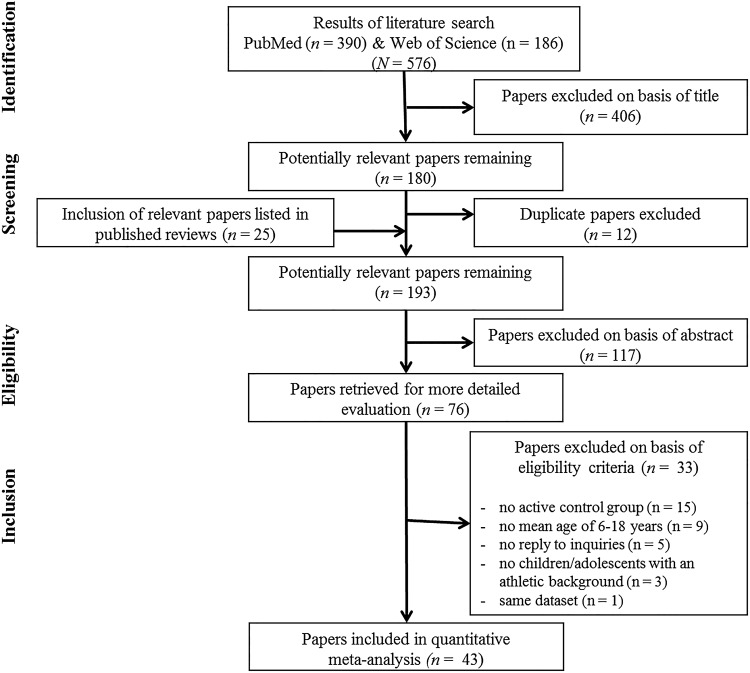
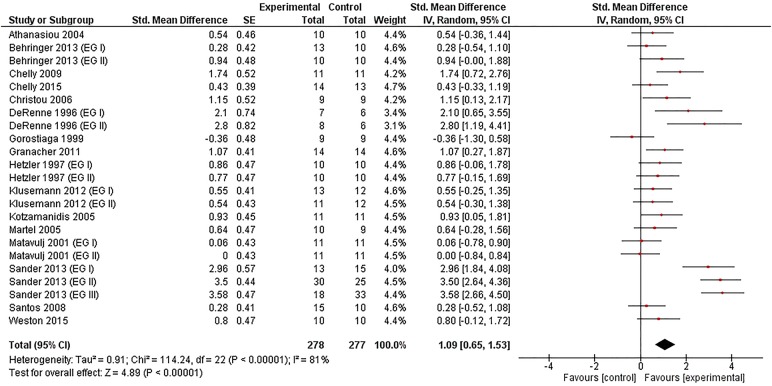
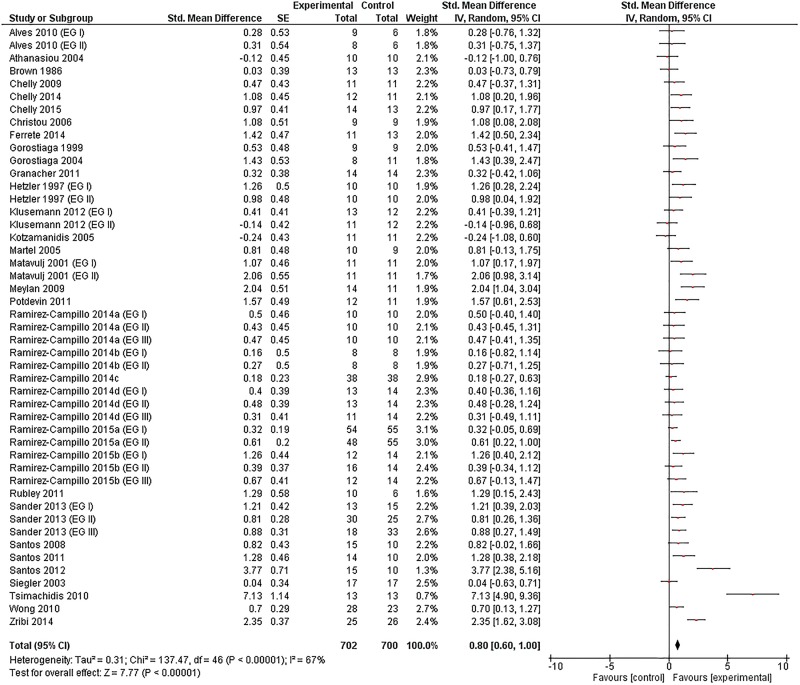
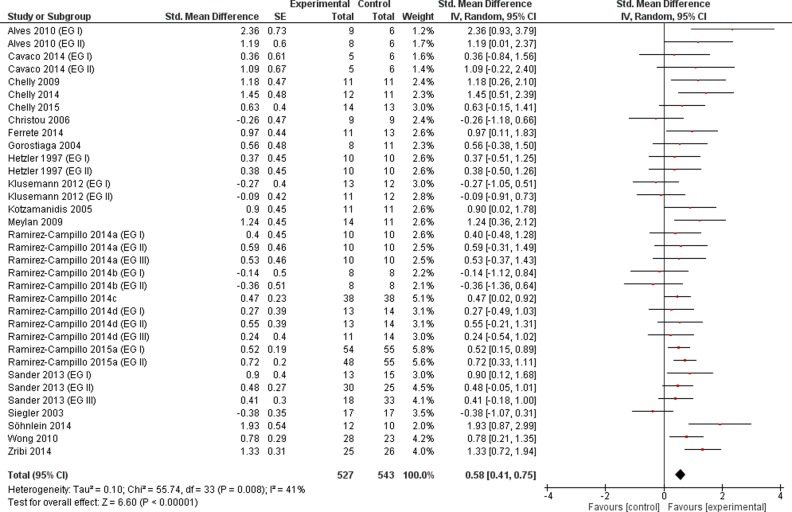
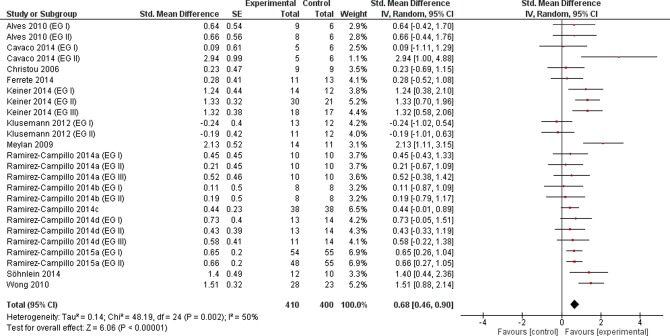
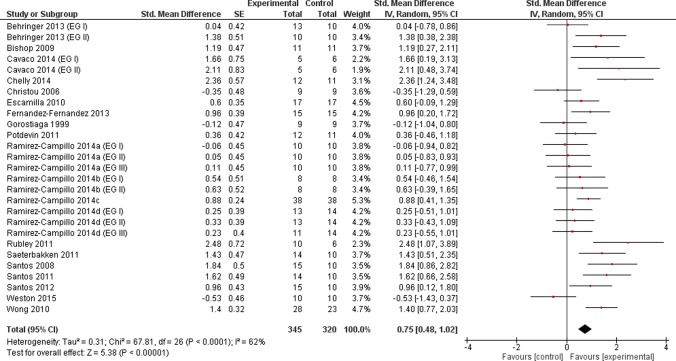
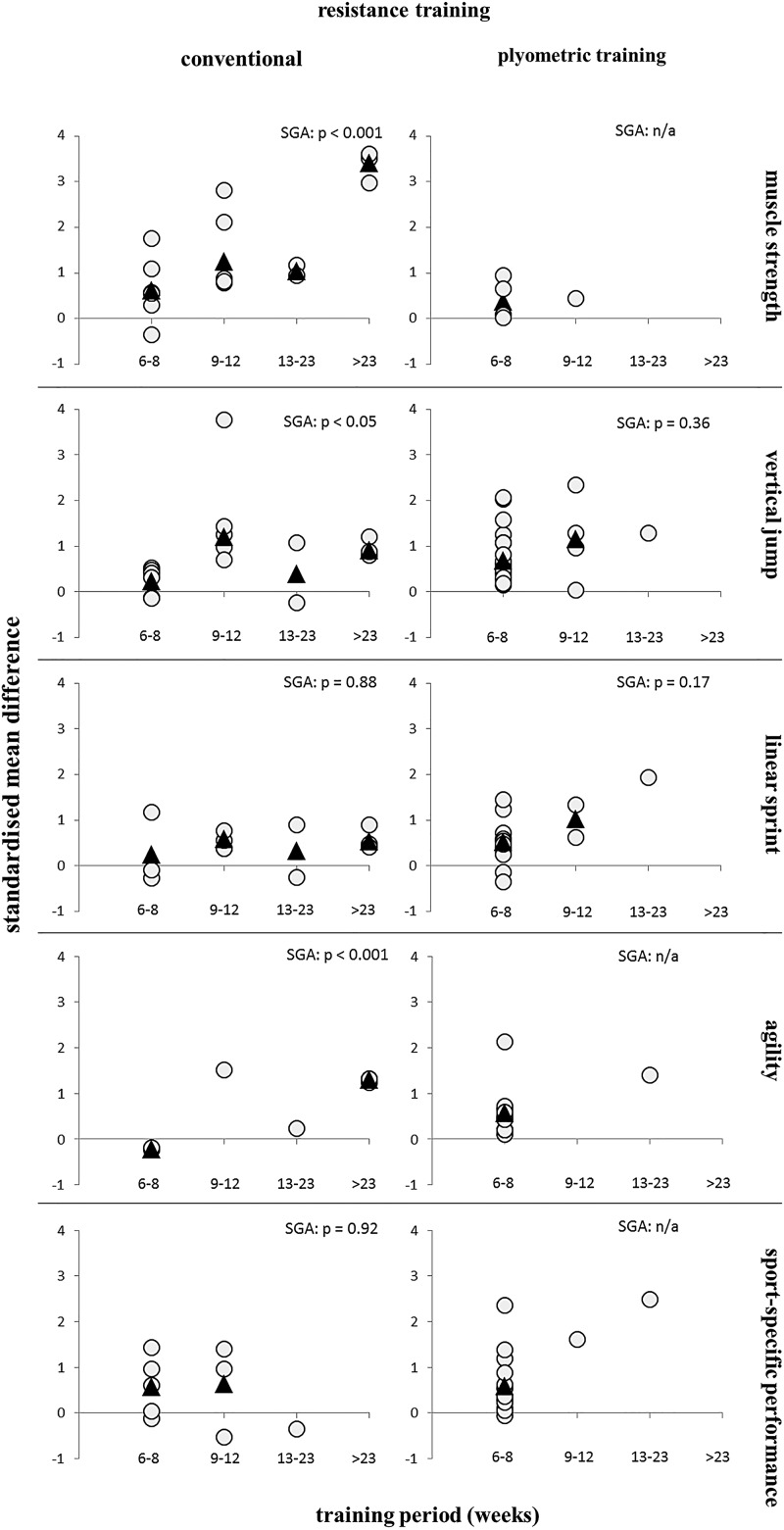
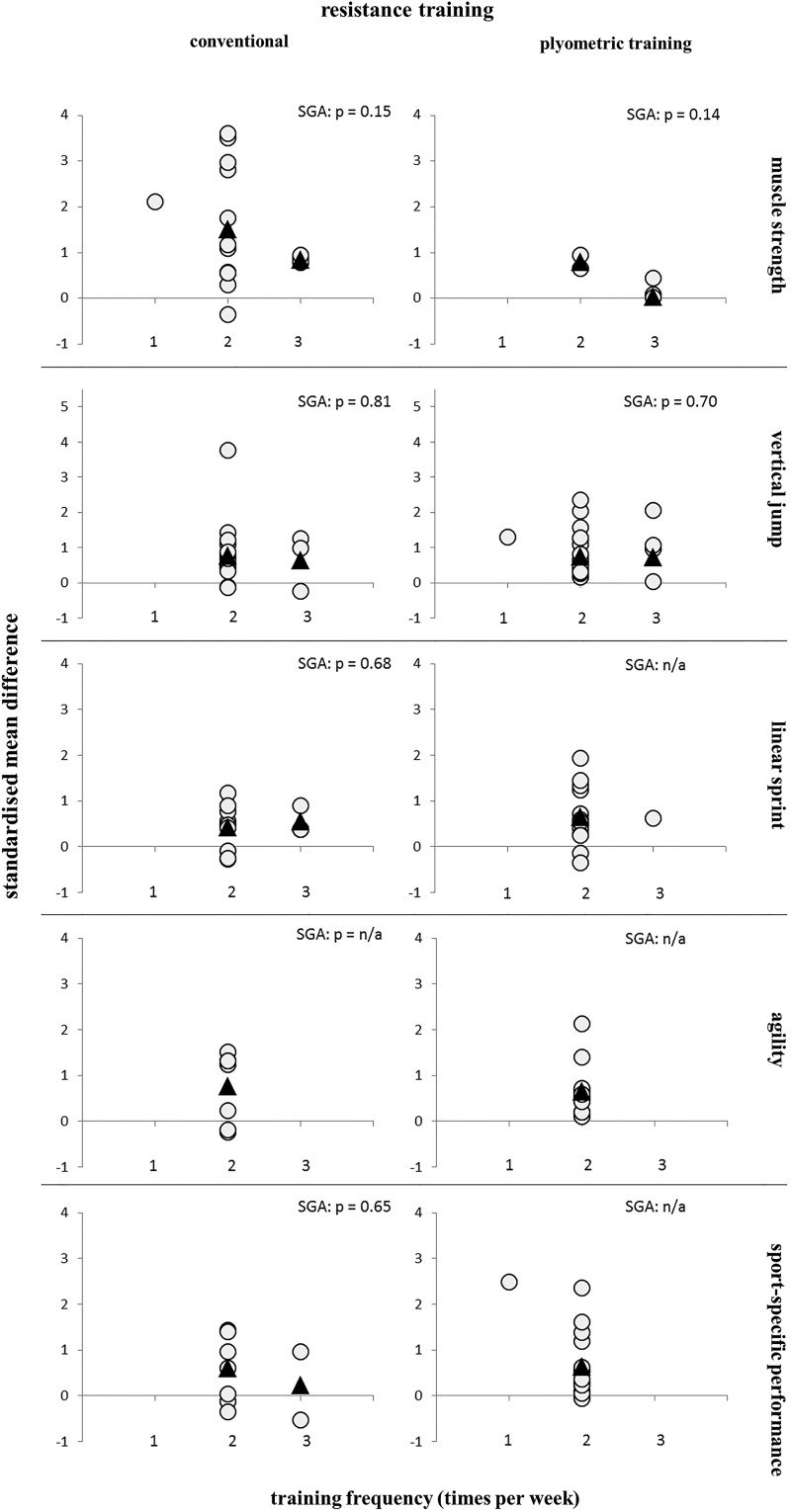
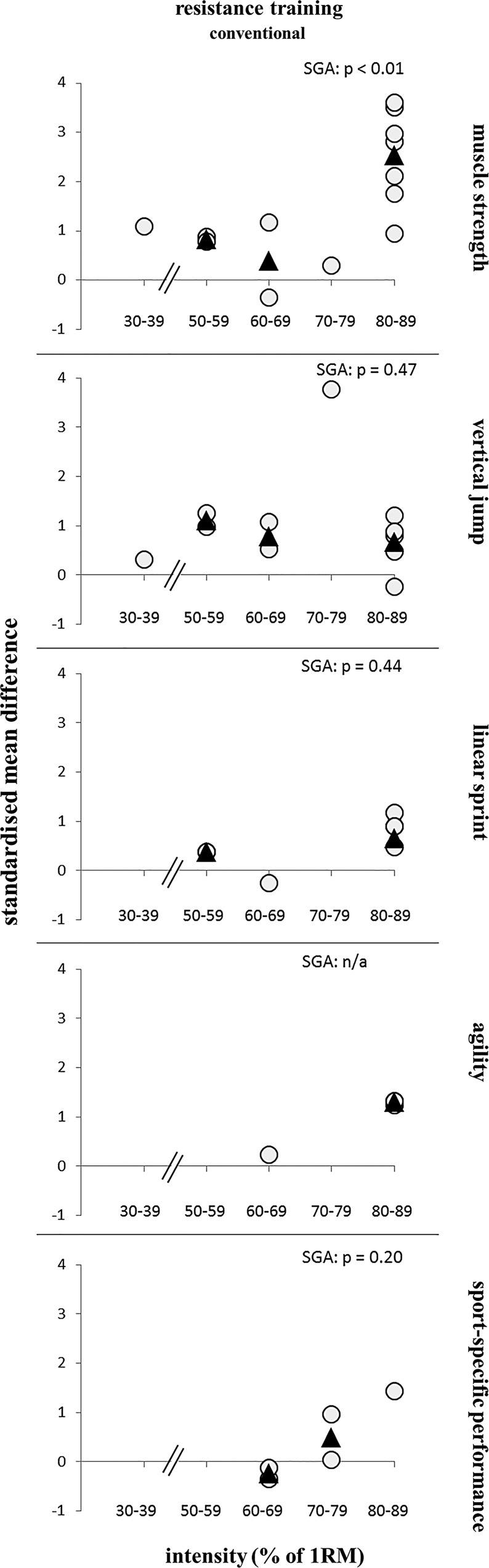
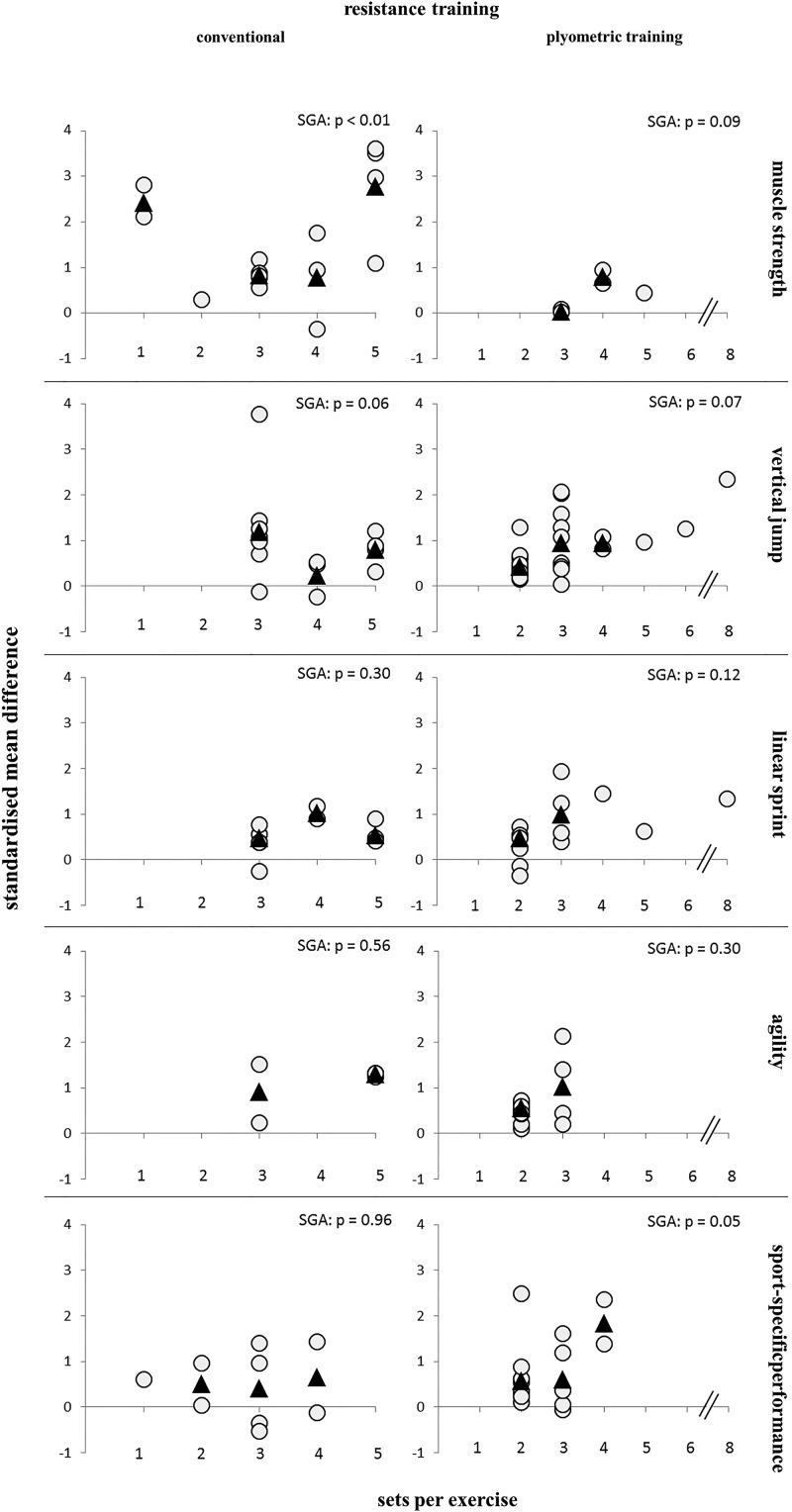
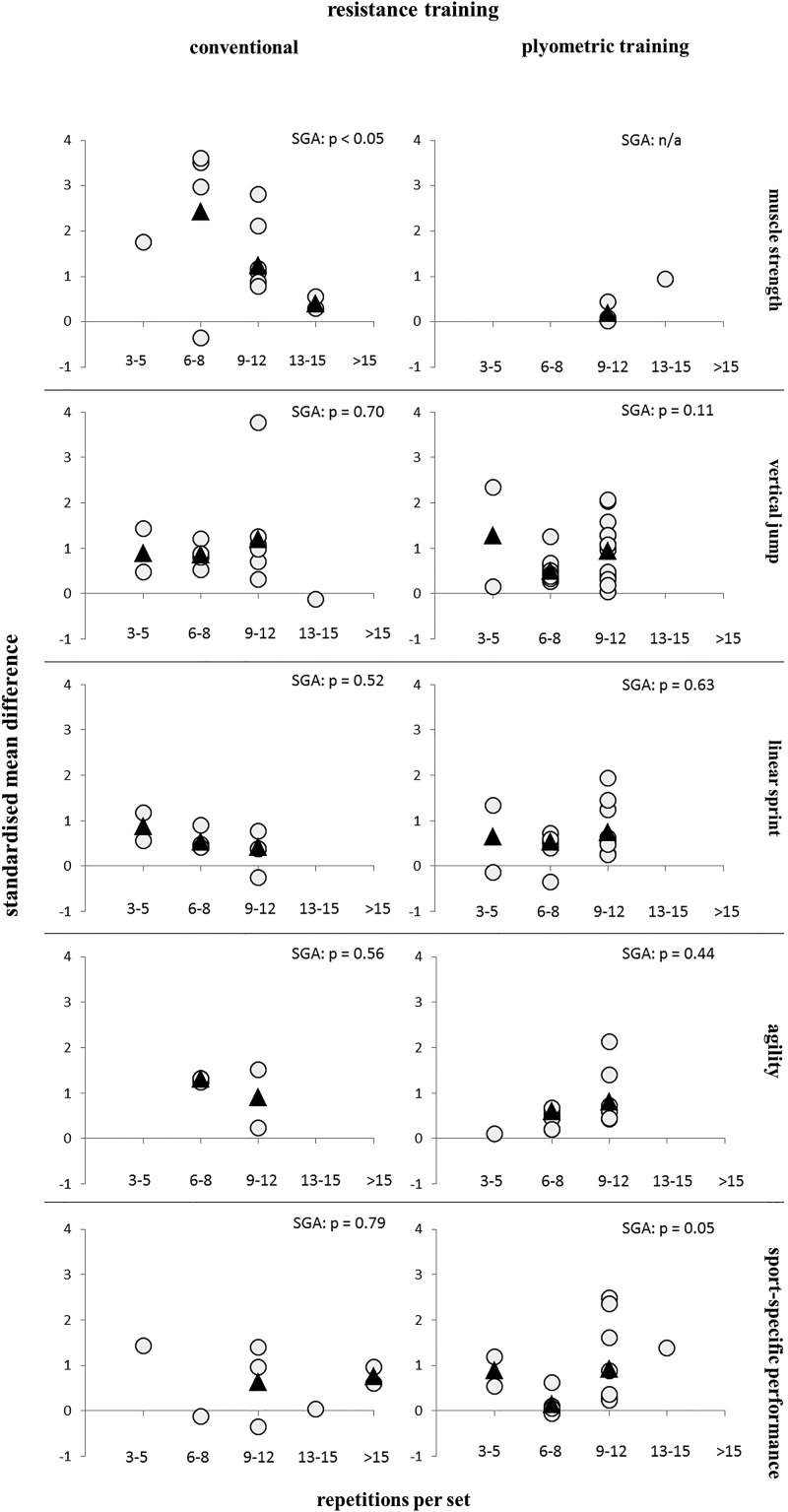
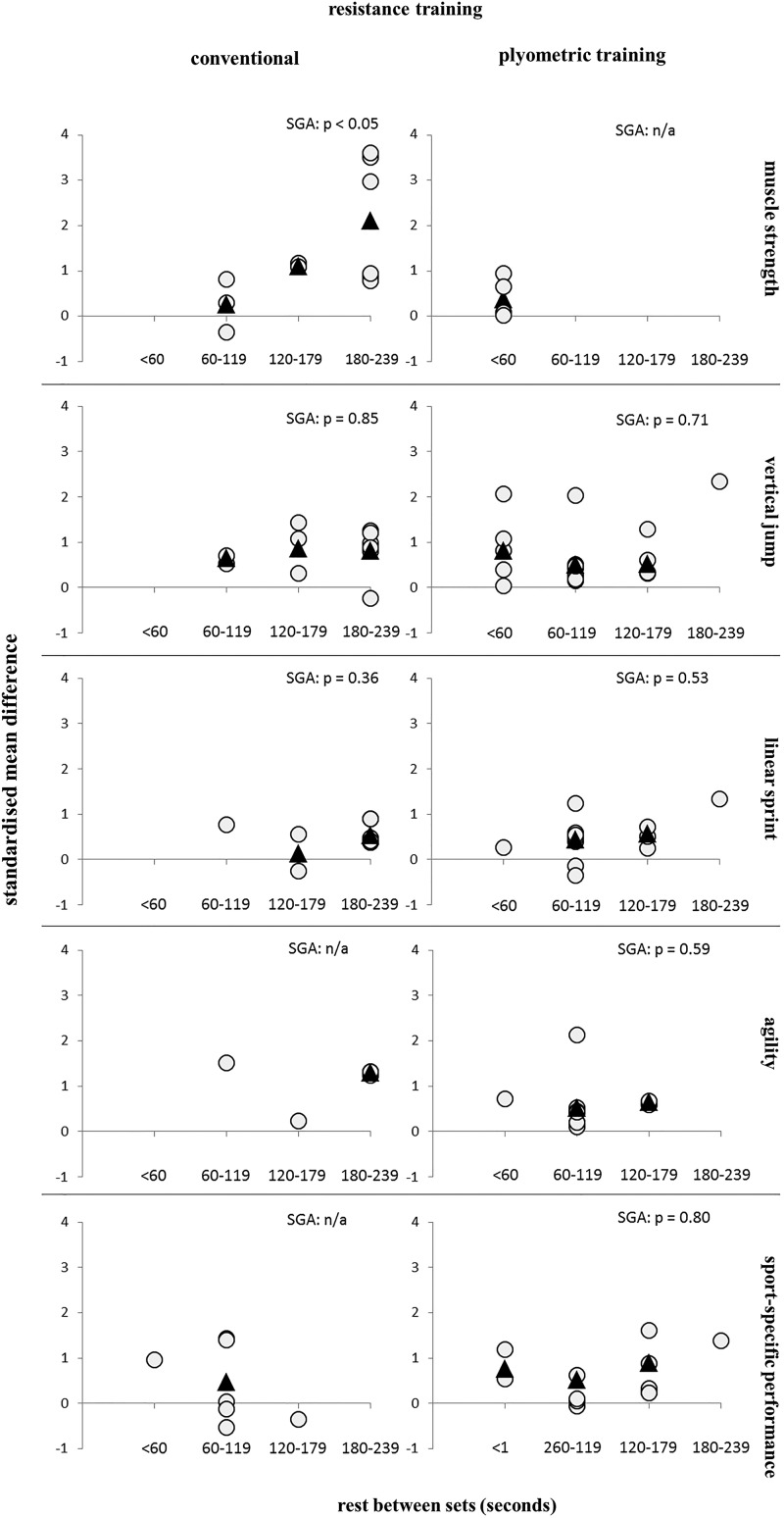
Objectives: To quantify age, sex, sport and training type-specific effects of resistance training on physical performance, and to characterise dose–response relationships of resistance training parameters that could maximise gains in physical performance in youth athletes. Design: Systematic review and meta-analysis of intervention studies. Data sources: Studies were identified by systematic literature search in the databases PubMed and Web of Science (1985–2015). Weighted mean standardised mean differences (SMD wm) were calculated using random-effects models. Eligibility criteria for selecting studies: Only studies with an active control group were included if these investigated the effects of resistance training in youth athletes (6–18 years) and tested at least one physical performance measure. Results: 43 studies met the inclusion criteria. Our analyses revealed moderate effects of resistance training on muscle strength and vertical jump performance (SMD wm 0.8–1.09), and small effects on linear sprint, agility and sport-specific performance (SMD wm 0.58–0.75). Effects were moderated by sex and resistance training type. Independently computed dose–response relationships for resistance training parameters revealed that a training period of >23 weeks, 5 sets/exercise, 6–8 repetitions/set, a training intensity of 80–89% of 1 repetition maximum (RM), and 3–4 min rest between sets were most effective to improve muscle strength (SMD wm 2.09–3.40). Summary/conclusions: Resistance training is an effective method to enhance muscle strength and jump performance in youth athletes, moderated by sex and resistance training type. Dose–response relationships for key training parameters indicate that youth coaches should primarily implement resistance training programmes with fewer repetitions and higher intensities to improve physical performance measures of youth athletes.
Overview
The claims and statistics of this paper haven’t been checked yet.
Free: it reads the open-access text and checks the first 5 claims that cite a source we can check. Create a free account to check every claim.
Integrity signals
Registry
Cites
Statistics
Figures
Verification
Claims the paper makes
The claims and statistics of this paper haven’t been checked yet.
Free: it reads the open-access text and checks the first 5 claims that cite a source we can check. Create a free account to check every claim.
Claims other papers make about this one
Each is checked against this paper’s own text: does it say what the citing paper says it does?
In the citing paper
“The increased training exposure would have allowed for a longer period for training adaptations to manifest [89, 90], ultimately leading to greater training improvements in strength, power and speed.”
From Comparison of weightlifting, traditional resistance training and plyometrics on strength, power and speed: a systematic review with meta-analysis. (2022) · cites this paper as [90]
In the citing paper
“In addition, the participants in the study were adolescent boys”
From Comparison of weightlifting, traditional resistance training and plyometrics on strength, power and speed: a systematic review with meta-analysis. (2022) · cites this paper as [90]
In the citing paper
“The training intervention duration employed in the study was 28 weeks [59], which may have resulted in more pronounced improvements in measures of power compared with the other studies included in the WLT versus TRT analysis that implemented shorter training durations (median training duration: 8 weeks, range 6–28) [90].”
From Comparison of weightlifting, traditional resistance training and plyometrics on strength, power and speed: a systematic review with meta-analysis. (2022) · cites this paper as [90]
Self-check
Percentages, sums and reported differences re-computed from the paper’s own numbers.
The self-check needs the paper’s full text.
Citations
Cites
Liberati, A., Altman, D. G., Tetzlaff, J., Mulrow, C., Gøtzsche, P. C., Ioannidis, J. P. A., Clarke, M., Devereaux, P. J., Kleijnen, J., & Moher, D. (2009) · PLoS Medicine · doi:10.1371/journal.pmed.1000100 · Cited by 28,164
Liberati, A., Altman, D. G., Tetzlaff, J., Mulrow, C., Gotzsche, P. C., Ioannidis, J. P. A., Clarke, M., Devereaux, P. J., Kleijnen, J., & Moher, D. (2009) · BMJ · doi:10.1136/bmj.b2700 · Cited by 17,648
Statistical Methods for Meta-Analysis
Wasserman, S., Hedges, L. V., & Olkin, I. (1988) · Journal of Educational Statistics · doi:10.2307/1164953 · Cited by 10,326
Reliability of the PEDro Scale for Rating Quality of Randomized Controlled Trials
Maher, C. G., Sherrington, C., Herbert, R. D., Moseley, A. M., & Elkins, M. (2003) · Physical Therapy · doi:10.1093/ptj/83.8.713 · Cited by 4,808 · cited 1×
“28”
Progression Models in Resistance Training for Healthy Adults
(2009) · Medicine & Science in Sports & Exercise · doi:10.1249/mss.0b013e3181915670 · Cited by 4,332
Progression Models in Resistance Training for Healthy Adults
(2002) · Medicine and Science in Sports and Exercise · doi:10.1097/00005768-200202000-00027 · Cited by 2,979
Fundamentals of Resistance Training: Progression and Exercise Prescription
KRAEMER, W. J., & RATAMESS, N. A. (2004) · Medicine & Science in Sports & Exercise · doi:10.1249/01.mss.0000121945.36635.61 · Cited by 1,992
Faigenbaum, A. D., Kraemer, W. J., Blimkie, C. J. R., Jeffreys, I., Micheli, L. J., Nitka, M., & Rowland, T. W. (2009) · Journal of Strength and Conditioning Research · doi:10.1519/jsc.0b013e31819df407 · Cited by 1,209
RHEA, M. R. (2004) · Journal of Strength and Conditioning Research · doi:10.1519/00124278-200411000-00040 · Cited by 1,069 · cited 1×
“30 According to a scale for determining the magnitude of effect sizes in strength training research for individuals who have been consistently training for 1 – 5 years, 32 we interpreted SMD wm as: trivial (<0.35); small (0.35 – 0.79); moderate (0.80 – 1.50); large ( ≥ 1.50).”
BackgroundInfluentialInternational Olympic Committee consensus statement on youth athletic development
Bergeron, M. F., Mountjoy, M., Armstrong, N., Chia, M., Côté, J., Emery, C. A., Faigenbaum, A., Hall, G., Kriemler, S., Léglise, M., et al. (2015) · British Journal of Sports Medicine · doi:10.1136/bjsports-2015-094962 · Cited by 881
Research works printed but not linked: 6
- Higgings JPT, Green S Cochrane handbook for systematic review of interventions version 5.1.0. Collaboration SMGoTC, 2010: 1– 11.
- Deeks JJ, Higgings JPT Statistical algorithms in Review Manager 5. 2010.
- Athanasiou N, Tsamourtzis E, Salonikidis K Entwicklung und Trainierbarkeit der Kraft bei Basketballspielern im vorpubertären Alter. Leistungssport 2006; 1: 48– 52.
- Buskies W, Boeckh-Behrens W-U Probleme bei der Steuerung der Trainingsintensität im Krafttraining auf der Basis von Maximalkrafttests. Leistungssport 1999; 3: 4– 8.
- Karp JR Muscle fibre types and training. Track Coach 2001; 155: 4943– 6.
- Marschall F, Fröhlich M Überprüfung des Zusammenhangs von Maximalkraft und maximaler Wiederholungszahl bei deduzierten submaximalen Intensitäten. Deutsche Zeit Sportmed 1999; 50: 311– 15.
Cited by
Resistance Training for Children and Adolescents
Stricker, P. R., Faigenbaum, A. D., McCambridge, T. M., COUNCIL ON SPORTS MEDICINE AND FITNESS, LaBella, C. R., Brooks, M. A., Canty, G., Diamond, A. B., Hennrikus, W., Logan, K., et al. (2020) · Pediatrics · doi:10.1542/peds.2020-1011 · Cited by 418
Granacher, U., Lesinski, M., Büsch, D., Muehlbauer, T., Prieske, O., Puta, C., Gollhofer, A., & Behm, D. G. (2016) · Frontiers in Physiology · doi:10.3389/fphys.2016.00164 · Cited by 298
“Lesinski et al. (2016) recently conducted a systematic review and meta-analysis on the effects of RT on measures of muscular fitness and physical performance in youth athletes aged 6 to 18 years.”
BackgroundMethodResultInfluentialSelf-citationThe 2017 Dutch Physical Activity Guidelines
Committee Dutch Physical Activity Guidelines 2017, Weggemans, R. M., Backx, F. J. G., Borghouts, L., Chinapaw, M., Hopman, M. T. E., Koster, A., Kremers, S., van Loon, L. J. C., May, A., et al. (2018) · International Journal of Behavioral Nutrition and Physical Activity · doi:10.1186/s12966-018-0661-9 · Cited by 227
Brinlee, A. W., Dickenson, S. B., Hunter-Giordano, A., & Snyder-Mackler, L. (2022) · Sports Health A Multidisciplinary Approach · doi:10.1177/19417381211056873 · Cited by 212
Prieske, O., Behrens, M., Chaabene, H., Granacher, U., & Maffiuletti, N. A. (2020) · Sports Medicine · doi:10.1007/s40279-020-01300-0 · Cited by 139
Self-citationRamirez-Campillo, R., Álvarez, C., García-Hermoso, A., Ramírez-Vélez, R., Gentil, P., Asadi, A., Chaabene, H., Moran, J., Meylan, C., García-de-Alcaraz, A., et al. (2018) · Sports Medicine · doi:10.1007/s40279-018-0870-z · Cited by 175
“This corroborates the findings of some meta-analyses [27, 303], yet contrasts with those of others [28–30].”
ResultSelf-citationRamírez‐Campillo, R., Castillo, D., González, J. R., Moran, J., de Villarreal, E. S., & Lloyd, R. S. (2020) · Sports Medicine · doi:10.1007/s40279-020-01337-1 · Cited by 185
“In general, coaches have traditionally been cautious of higher training intensities; however, this prescription variable is crucial for long-term PJT programs [35, 116, 117].”
BackgroundMoran, J., Sandercock, G. R. H., Ramírez-Campillo, R., Meylan, C., Collison, J., & Parry, D. A. (2017) · Journal of Sports Sciences · doi:10.1080/02640414.2016.1209306 · Cited by 161
“Those that have implicitly addressed the issue (Behringer et al., 2011, 2010; Lesinski et al., 2016) have treated it only as a categorical moderator variable with boys and girls analysed in the same subgroups, making any conclusions largely redundant.”
BackgroundResultInfluentialOliver, J. L., Ramachandran, A. K., Singh, U., Ramírez‐Campillo, R., & Lloyd, R. S. (2023) · Sports Medicine · doi:10.1007/s40279-023-01944-8 · Cited by 177
“Nevertheless, the total sample size was similar to notable meta-analyses that have investigated the effects of resistance training in youth athletes across sports [41], and in the general population of children and adolescents [38].”
BackgroundResultGäbler, M., Prieske, O., Hortobágyi, T., & Granacher, U. (2018) · Frontiers in Physiology · doi:10.3389/fphys.2018.01057 · Cited by 161
“Recommendations Based on present and past data (Faigenbaum et al., 2016; Lesinski et al., 2016), we recommend that practitioners and coaches include both ST and ET to increase endurance performance in young athletes and to improve physical fitness in non-athletic youth.”
BackgroundMethodSelf-citationFaude, O., Rößler, R., Petushek, E. J., Roth, R., Zahner, L., & Donath, L. (2017) · Frontiers in Physiology · doi:10.3389/fphys.2017.00791 · Cited by 157
“Moreover, there is consistent evidence that age and sex affect injury risk (Emery, 2003; Frisch et al., 2009; Faude et al., 2013) and that training dose determines the size of training adaptations to neuromuscular training programs (Lesinski et al., 2015, 2016).”
BackgroundKumar, N. T. A., Oliver, J. L., Lloyd, R. S., Pedley, J. S., & Radnor, J. M. (2021) · Sports · doi:10.3390/sports9050059 · Cited by 148
“The research showed that the most effective training prescription for strength gains required longer periods of training (>23 weeks), the use of heavier loads (80–90% of 1 repetition maximum) and greater training volumes (5 sets of 6-8 repetitions) [150].”
BackgroundResistance Training in Youth: Laying the Foundation for Injury Prevention and Physical Literacy
Zwolski, C. M., Quatman‐Yates, C. C., & Paterno, M. V. (2017) · Sports Health A Multidisciplinary Approach · doi:10.1177/1941738117704153 · Cited by 152
“Interestingly, less active youth may actually find themselves at an advantage with regard to trainability compared with their athletic peers because great initial enhancements of motor performance skills are found in young, untrained subjects after a resistance training intervention.(12,71,116) By the same token, a re…”
BackgroundResultMoran, J., SANDERCOCK, G. R. H., Ramírez‐Campillo, R., Clark, C. C. T., Fernandes, J. F. T., & Drury, B. (2018) · Sports Medicine · doi:10.1007/s40279-018-0914-4 · Cited by 141
Resistance training for children and adolescents
Myers, A. M., Beam, N. W., & Fakhoury, J. D. (2017) · Translational Pediatrics · doi:10.21037/tp.2017.04.01 · Cited by 102
Ramírez‐Campillo, R., Moran, J., Chaabène, H., Granacher, U., Behm, D. G., García‐Hermoso, A., & Izquierdo, M. (2020) · Scandinavian Journal of Medicine and Science in Sports · doi:10.1111/sms.13633 · Cited by 132
Self-citationFree-Weight Resistance Training in Youth Athletes: A Narrative Review
McQuilliam, S. J., Clark, D. R., Erskine, R. M., & Brownlee, T. E. (2020) · Sports Medicine · doi:10.1007/s40279-020-01307-7 · Cited by 144
Peitz, M., Behringer, M., & Granacher, U. (2018) · PLoS ONE · doi:10.1371/journal.pone.0205525 · Cited by 144
Self-citationSæterbakken, A. H., Stien, N., Andersen, V. S., Scott, S., Cumming, K. T., Behm, D. G., Granacher, U., & Prieske, O. (2022) · Sports Medicine · doi:10.1007/s40279-021-01637-0 · Cited by 126
Self-citationMcKinlay, B. J., Wallace, P. J., Dotan, R., Long, D., Tokuno, C. D., Gabriel, D. A., & Falk, B. (2018) · The Journal of Strength and Conditioning Research · doi:10.1519/jsc.0000000000002428 · Cited by 127
Moran, J., Clark, C. C. T., Ramírez‐Campillo, R., Davies, M. J., & Drury, B. (2018) · The Journal of Strength and Conditioning Research · doi:10.1519/jsc.0000000000002768 · Cited by 117
Sequencing Effects of Neuromuscular Training on Physical Fitness in Youth Elite Tennis Players
Fernández-Fernández, J., Granacher, U., Rivas, D. S., Sarabia, J. M., Hernández‐Davó, J. L., & Moya‐Ramón, M. (2017) · The Journal of Strength and Conditioning Research · doi:10.1519/jsc.0000000000002319 · Cited by 115
Self-citationRamírez‐Campillo, R., Sánchez-Sánchez, J., Romero‐Moraleda, B., Yanci, J., García‐Hermoso, A., & Clemente, F. M. (2020) · Journal of Sports Sciences · doi:10.1080/02640414.2020.1745503 · Cited by 114
“Indeed, a recent review (Lesinski et al., 2016) that applied the PEDro scale found that only 4 of 43 resistance training studies were able to meet the associated criteria, potentially preventing a meta-analysis occurring in the first instance.”
BackgroundIndividual Response to Different Forms of Resistance Training in School-Aged Boys
Radnor, J. M., Lloyd, R. S., & Oliver, J. L. (2016) · The Journal of Strength and Conditioning Research · doi:10.1519/jsc.0000000000001527 · Cited by 118
“Research has shown that responses to resistance training are influenced by the intensity, frequency, and volume of training in both children and adults (2,16,30).”
BackgroundMorris, S. J., Oliver, J. L., Pedley, J. S., Haff, G. G., & Lloyd, R. S. (2022) · Sports Medicine · doi:10.1007/s40279-021-01627-2 · Cited by 103
“The training intervention duration employed in the study was 28 weeks [59], which may have resulted in more pronounced improvements in measures of power compared with the other studies included in the WLT versus TRT analysis that implemented shorter training durations (median training duration: 8 weeks, range 6–28) [9…”
BackgroundResultAbed, F., Hammami, R., Moran, J., Borji, R., Sahli, S., & Rebai, H. (2018) · The Journal of Strength and Conditioning Research · doi:10.1519/jsc.0000000000002461 · Cited by 117
Physiological Adaptations following Resistance Training in Youth Athletes—A Narrative Review
Legerlotz, K., Marzilger, R., Böhm, S., & Arampatzis, A. (2016) · Pediatric Exercise Science · doi:10.1123/pes.2016-0023 · Cited by 106
Hooren, B. V., & Croix, M. D. S. (2020) · Strength and conditioning journal · doi:10.1519/ssc.0000000000000545 · Cited by 123
“Athlete development models also provide few guidelines on the characteristics of the training method, although this may also influence the effectiveness of training (29,43 16).”
Vicens‐Bordas, J., Esteve, E., Vanmeerhaeghe, A. F., Bandholm, T., & Thorborg, K. (2017) · Journal of science and medicine in sport · doi:10.1016/j.jsams.2017.10.006 · Cited by 112
Lesinski, M., Herz, M., Schmelcher, A., & Granacher, U. (2020) · Sports Medicine · doi:10.1007/s40279-020-01327-3 · Cited by 106
Self-citationCao, S., Liu, J., Wang, Z., & Soh, K. G. (2024) · Frontiers in Physiology · doi:10.3389/fphys.2024.1391394 · Cited by 86
Chaabène, H., Prieske, O., Moran, J., Negra, Y., Attia, A., & Granacher, U. (2020) · Sports Medicine · doi:10.1007/s40279-020-01293-w · Cited by 91
Self-citationPallarés, J. G., Hernández‐Belmonte, A., Martínez‐Cava, A., Vetrovsky, T., Steffl, M., & Courel‐Ibáñez, J. (2021) · Scandinavian Journal of Medicine & Science in Sports · doi:10.1111/sms.14006 · Cited by 80
Making a Strong Case for Prioritizing Muscular Fitness in Youth Physical Activity Guidelines
Faigenbaum, A. D., MacDonald, J. P., Stracciolini, A., & Rebullido, T. R. (2020) · Current Sports Medicine Reports · doi:10.1249/jsr.0000000000000784 · Cited by 85
Bogdanis, G. C., Donti, Ο., Papia, A., Donti, A., Apostolidis, N. G., & Sands, W. A. (2019) · Sports · doi:10.3390/sports7050116 · Cited by 96
“Age, maturation, and task complexity influence plyometric training effectiveness [9,10].”
BackgroundEffects of Balance Training on Physical Fitness in Youth and Young Athletes: A Narrative Review
Gebel, A., Prieske, O., Behm, D. G., & Granacher, U. (2020) · Strength and conditioning journal · doi:10.1519/ssc.0000000000000548 · Cited by 77
“, muscular fitness, cardiorespiratory endurance, and muscle strength) primarily results in health benefits, it also improves physical performance (43).”
BackgroundSelf-citationCahill, M. J., Oliver, J. L., Cronin, J. B., Clark, K. P., Cross, M. R., Lloyd, R. S., & Lee, J. E. (2020) · The Journal of Strength and Conditioning Research · doi:10.1519/jsc.0000000000003770 · Cited by 72
“Subsequently, a meta-analysis concluded that resistance training at heavier loads produced greater gains in strength, speed, and power (14) in young athletes, which may reflect the considerable potential of youth athletes to improve force production (13,32).”
BackgroundWithin- and Between-Session Reliability of the Isometric Midthigh Pull in Young Female Athletes
Moeskops, S., Oliver, J. L., Read, P. J., Cronin, J. B., Myer, G. D., Haff, G. G., & Lloyd, R. S. (2018) · The Journal of Strength and Conditioning Research · doi:10.1519/jsc.0000000000002566 · Cited by 76
Donath, L., Roth, R., Zahner, L., & Faude, O. (2016) · Sports Medicine · doi:10.1007/s40279-016-0631-9 · Cited by 67
“, injury prevention and sports performance) [2, 3].”
Hopper, A. J., Haff, E. E., Joyce, C., Lloyd, R. S., & Haff, G. G. (2017) · Frontiers in Physiology · doi:10.3389/fphys.2017.00883 · Cited by 78
“A meta-analysis by Lesinski et al. (2016) revealed youth athletes respond better to high intensity (80–89% of 1RM) resistance training for improving muscular strength in comparison to lower training intensities (<79% of 1RM).”
BackgroundCahill, M. J., Oliver, J. L., Cronin, J. B., Clark, K. P., Cross, M. R., & Lloyd, R. S. (2019) · Sports · doi:10.3390/sports7050119 · Cited by 67
“[28] suggested that practitioners should emphasize higher intensities and force dominant capabilities of young athletes.”
BackgroundThe Effect of a Neuromuscular vs. Dynamic Warm-up on Physical Performance in Young Tennis Players
Fernández-Fernández, J., Tormo, J. V. G., Ruano, F. J. S.-R., Teixeira, A. S., Nakamura, F. Y., Granacher, U., & Rivas, D. S. (2020) · The Journal of Strength and Conditioning Research · doi:10.1519/jsc.0000000000003703 · Cited by 80
“Both groups probably obtained positive benefits from this additional training stimulus because the connection between strength training and motor performance skills is well known, especially at young ages (8,30).”
BackgroundSelf-citationPérez-Olea, J. I., Valenzuela, P. L., Aponte, C., & Izquierdo, M. (2017) · The Journal of Strength and Conditioning Research · doi:10.1519/jsc.0000000000002037 · Cited by 78
Collins, H., Booth, J. N., Duncan, A., & Fawkner, S. G. (2019) · Sports Medicine - Open · doi:10.1186/s40798-019-0188-x · Cited by 81
Donti, Ο., Konrad, A., Panidi, I., Dinas, P. C., & Bogdanis, G. C. (2022) · Sports Medicine - Open · doi:10.1186/s40798-022-00476-1 · Cited by 72
“Muscular strength and power, speed, agility, mobility, and flexibility are central fitness components in all the long-term athlete development models [3, 5, 6].”
BackgroundHopper, A. J., Haff, E. E., Barley, O. R., Joyce, C., Lloyd, R. S., & Haff, G. G. (2017) · The Journal of Strength and Conditioning Research · doi:10.1519/jsc.0000000000001794 · Cited by 73
The Physiological Demands of Youth Artistic Gymnastics: Applications to Strength and Conditioning
Moeskops, S., Oliver, J. L., Read, P. J., Cronin, J. B., Myer, G. D., & Lloyd, R. S. (2018) · Strength and conditioning journal · doi:10.1519/ssc.0000000000000404 · Cited by 81
Vlachopoulos, D., BARKER, A. R., Ubago‐Guisado, E., Williams, C. A., & Gracia‐Marco, L. (2018) · Archives of Osteoporosis · doi:10.1007/s11657-018-0543-4 · Cited by 64
Thiele, D., Prieske, O., Chaabene, H., & Granacher, U. (2020) · Journal of Sports Sciences · doi:10.1080/02640414.2020.1745502 · Cited by 53
“For the largest ST-induced performance gains (e.g., maximal strength) it was postulated that ST intervention periods should last ten weeks and more (Lesinski et al., 2016; Lawton et al., 2011).”
BackgroundResultInfluentialSelf-citationVitale, J. A., Torre, A. L., Banfi, G., & Bonato, M. (2018) · The Journal of Strength and Conditioning Research · doi:10.1519/jsc.0000000000002478 · Cited by 66
Lindberg, K., Solberg, P. A., Rønnestad, B. R., Frank, M. T., Larsen, T. M., Abusdal, G., Berntsen, S., Paulsen, G., Sveen, O., Seynnes, O., et al. (2021) · Scandinavian Journal of Medicine and Science in Sports · doi:10.1111/sms.14044 · Cited by 60
Pastor, A. S., García-Sánchez, C., Nieto, M. M., & de la Rubia, A. (2023) · International Journal of Environmental Research and Public Health · doi:10.3390/ijerph20064833 · Cited by 63
Cahill, M. J., Oliver, J. L., Cronin, J. B., Clark, K. P., Cross, M. R., & Lloyd, R. S. (2019) · Scandinavian Journal of Medicine and Science in Sports · doi:10.1111/sms.13600 · Cited by 60
Iliopsoas the Hidden Muscle: Anatomy, Diagnosis, and Treatment
Lifshitz, L., Sela, S. B., Gal, N., Martin, R. L., & Klar, M. F. (2020) · Current Sports Medicine Reports · doi:10.1249/jsr.0000000000000723 · Cited by 59
“The literature recommends 3 to 5 or 9 to 12 repetitions per set with 3 or 4 sets per exercise (38,39).”
BackgroundPrieske, O., Dalager, T., Herz, M., Hortobágyi, T., Sjøgaard, G., Søgaard, K., & Granacher, U. (2019) · Sports Medicine · doi:10.1007/s40279-019-01179-6 · Cited by 59
“A template from previous systematic reviews and meta analyses of our research group was used to extract data [20, 21].”
MethodSelf-citationWu, C., Xu, Y., Chen, Z., Cao, Y., Ke-hong, Y., & Huang, C. X. (2021) · International Journal of Environmental Research and Public Health · doi:10.3390/ijerph18189640 · Cited by 61
“Furthermore, if a study reported progressive training, the mean training time, frequency, and intensity were computed [22].”
BackgroundOrange, S. T., Hritz, A., Pearson, L. T., Jeffries, O., Jones, T. W. A., & Steele, J. (2022) · Journal of Sports Sciences · doi:10.1080/02640414.2022.2059320 · Cited by 61
“…be small, given that the traditional training methods, such as using a %1RM, have consistently been shown to be effective for improving muscle function (Comfort et al., 2012; Lesinski et al., 2016; Orange, Madden et al., 2020; Peterson et al., 2010; Speranza et al., 2016; Thiele et al., 2020).”
BackgroundValidity and reliability of the Muscular Fitness Test to evaluate body strength-resistance
Ojeda, Á. H., Maliqueo, S. A. G., & Barahona-Fuentes, G. D. F. (2020) · Apunts Sports Medicine · doi:10.1016/j.apunsm.2020.08.002 · Cited by 57
Slimani, M., Paravlic, A. H., & Granacher, U. (2018) · Frontiers in Physiology · doi:10.3389/fphys.2018.01155 · Cited by 62
“The results of the current study and previous meta-analyses (Lesinski et al., 2016; Behm et al., 2017) can be explained by age-specific physiological characteristics, particularly the distribution of skeletal muscle mass and fiber type, which are important prerequisites for the generation of muscular power.”
ResultSelf-citationFraser, B. J., Blizzard, L., Tomkinson, G. R., Lycett, K., Wake, M. A., Burgner, D. P., Ranganathan, S., Juonala, M., Dwyer, T., Venn, A., et al. (2018) · Journal of Sports Sciences · doi:10.1080/02640414.2018.1523672 · Cited by 53
Weightlifting for Children and Adolescents: A Narrative Review
Pierce, K. C., Hornsby, W. G., & Stone, M. H. (2021) · Sports Health A Multidisciplinary Approach · doi:10.1177/19417381211056094 · Cited by 61
“Among children, gains in maximum strength and related characteristics are typically smaller than adolescents, particularly late adolescents, and the gains among all 3 groups do reflect some substantial sex differences.(13,67,68) Qualitative adaptations resulting from strength training for younger athletes are largely…”
BackgroundResultPichardo, A. W., Oliver, J. L., Harrison, C. B., Maulder, P. S., Lloyd, R. S., & Kandoi, R. (2019) · The Journal of Strength and Conditioning Research · doi:10.1519/jsc.0000000000003108 · Cited by 59
“However, to promote long-term changes in performance and realize greater magnitudes of traininginduced neuromuscular adaptation, participants will need to progressively overload and train with relatively higher resistance training intensities (17).”
BackgroundTagawa, R., Watanabe, D., Ito, K., Otsuyama, T., Nakayama, K., Sanbongi, C., & Miyachi, M. (2022) · Sports Medicine - Open · doi:10.1186/s40798-022-00508-w · Cited by 45
May the Force Be with Youth: Foundational Strength for Lifelong Development
Faigenbaum, A. D., Ratamess, N. A., Kang, J., Bush, J. A., & Rebullido, T. R. (2023) · Current Sports Medicine Reports · doi:10.1249/jsr.0000000000001122 · Cited by 48
Performance - and health-related benefits of youth resistance training
Chaabène, H., Lesinski, M., Behm, D. G., & Granacher, U. (2020) · Sports Orthopaedics and Traumatology · doi:10.1016/j.orthtr.2020.05.001 · Cited by 48
Self-citationEntrenamiento de la fuerza en niños y adolescentes: beneficios, riesgos y recomendaciones
(2018) · Archivos Argentinos de Pediatria · doi:10.5546/aap.2018.s82 · Cited by 73
Resistance Exercise for the Prevention and Treatment of Pediatric Dynapenia
Faigenbaum, A. D., Rebullido, T. R., Peña, J., & Chulvi‐Medrano, I. (2019) · Journal of Science in Sport and Exercise · doi:10.1007/s42978-019-00038-0 · Cited by 46
Hammami, R., Gené‐Morales, J., Abed, F., Selmi, M. A., Moran, J., Colado, J. C., & Rebai, H. H. (2021) · Biology of Sport · doi:10.5114/biolsport.2021.101601 · Cited by 41
Chaouachi, M., Granacher, U., Makhlouf, I., Hammami, R., Behm, D. G., & Chaouachi, A. (2017) · PubMed Central · Cited by 61
Self-citationPullen, B. J., Oliver, J. L., Lloyd, R. S., & Knight, C. J. (2020) · Sports · doi:10.3390/sports8100138 · Cited by 43
“[63] the authors identified the dose-response of training interventions in youths that maximise muscular strength adaptations to be much longer in duration (>23 weeks).”
BackgroundPaterno, A., Polsinelli, G., & Federico, B. (2024) · Frontiers in Physiology · doi:10.3389/fphys.2024.1352305 · Cited by 44
Chaabène, H., Ramírez‐Campillo, R., Moran, J., Schega, L., Prieske, O., Sandau, I., Negra, Y., & Behrens, M. (2025) · Sports Medicine · doi:10.1007/s40279-025-02240-3 · Cited by 39
“For instance, Lesinski et al. [197] in a systematic review with meta-analysis of 43 original studies indicated that RT generated large effects on proxies of muscle strength in trained youth.”
Self-citationNew Insights Into the Development of Maximal Sprint Speed in Male Youth
Meyers, R. W., Oliver, J. L., Hughes, M. G., Lloyd, R. S., & Cronin, J. B. (2017) · Strength and conditioning journal · doi:10.1519/ssc.0000000000000290 · Cited by 48
Squat and Bench Press Force-Velocity Profiling in Male and Female Adolescent Rugby Players
Alonso-Aubin, D. A., Chulvi‐Medrano, I., Cortell-Tormo, J. M., Picón-Martínez, M., Rebullido, T. R., & Faigenbaum, A. D. (2019) · The Journal of Strength and Conditioning Research · doi:10.1519/jsc.0000000000003336 · Cited by 38
“(21) compared the sex- and age-related effects of resistance training on muscular power and found a slightly lower effect in children (men #13 years; women #11 years) (effect size [ES] 5 0.”
BackgroundKhazaei, L., Parnow, A., & Amani-Shalamzari, S. (2023) · BMC Sports Science Medicine and Rehabilitation · doi:10.1186/s13102-023-00754-9 · Cited by 37
Maturation-Related Differences in Adaptations to Resistance Training in Young Male Swimmers
Moran, J., SANDERCOCK, G. R. H., Ramírez‐Campillo, R., Wooller, J.-J., Logothetis, S., Schoenmakers, P. P. J. M., & Parry, D. A. (2017) · The Journal of Strength and Conditioning Research · doi:10.1519/jsc.0000000000001780 · Cited by 42
“Furthermore, quantifying resistance training loads is a difficult task (30), and several methods have been proposed (10,35).”
BackgroundMethodDevelopment of the Youth Athlete
Armstrong, N. (2018) · Routledge eBooks · doi:10.4324/9781315453057 · Cited by 51
Morawietz, C., & Muehlbauer, T. (2021) · Frontiers in Sports and Active Living · doi:10.3389/fspor.2021.664640 · Cited by 37
Gavanda, S., Geisler, S., Quittmann, O. J., & Schiffer, T. (2019) · International Journal of Sports Physiology and Performance · doi:10.1123/ijspp.2018-0609 · Cited by 34
Tønnesen, R., Schwarz, P., Hovind, P. H., & Jensen, L. T. (2016) · European Journal of Applied Physiology · doi:10.1007/s00421-016-3383-1 · Cited by 39
“2014) and resistance training (BorbaPinheiro et al. 2016; Lesinski et al. 2016) are important for building and maintaining bone density.”
BackgroundDeng, N., Soh, K. G., Abdullah, B., Huang, D., Sun, H., & Xiao, W. (2023) · Frontiers in Physiology · doi:10.3389/fphys.2023.1234114 · Cited by 40
Sharma, H. B., & Kailashiya, J. (2017) · The Journal of Strength and Conditioning Research · doi:10.1519/jsc.0000000000002212 · Cited by 39
RESISTANCE TRAINING FOR KIDS: Right from the Start
Faigenbaum, A. D., & McFarland, J. E. (2016) · ACSMʼs Health & Fitness Journal · doi:10.1249/fit.0000000000000236 · Cited by 49
“For technically competent youth with high levels of muscular strength, more advanced programs will be needed to optimize training adaptations (11,19).”
BackgroundPotential Roles of Exercise-Induced Plasma Metabolites Linking Exercise to Health Benefits
Yang, Y. R., & Kwon, K. (2020) · Frontiers in Physiology · doi:10.3389/fphys.2020.602748 · Cited by 36
Chaabène, H., Negra, Y., Sammoud, S., Moran, J., Ramírez‐Campillo, R., Granacher, U., & Prieske, O. (2021) · International Journal of Sports Physiology and Performance · doi:10.1123/ijspp.2020-0765 · Cited by 35
Self-citationMoeskops, S., Oliver, J. L., Read, P. J., HAFF, G. G., Myer, G. D., & Lloyd, R. S. (2022) · Medicine & Science in Sports & Exercise · doi:10.1249/mss.0000000000002862 · Cited by 32
Moeskops, S., Read, P. J., Oliver, J. L., & Lloyd, R. S. (2018) · Sports · doi:10.3390/sports6040128 · Cited by 36
“6–8 repetitions per set, a training intensity of 80%–89% of 1 RM [49].”
BackgroundEccentric Resistance Training in Youth: Perspectives for Long-Term Athletic Development
Drury, B., Ratel, S., Clark, C. C. T., Fernandes, J. F. T., Moran, J., & Behm, D. G. (2019) · Journal of Functional Morphology and Kinesiology · doi:10.3390/jfmk4040070 · Cited by 35
“For example, recent meta-analyses on the use of RT in youth athletes have provided important information detailing the role of RT variables [20] as well as the different methods that can be used to improve strength, power and speed [21].”
MethodChaabène, H., Markov, A., Prieske, O., Moran, J., Behrens, M., Negra, Y., Ramírez‐Campillo, R., Koch, U., & Mkaouer, B. (2022) · International Journal of Environmental Research and Public Health · doi:10.3390/ijerph19127061 · Cited by 34
“However, that study did not include any recommendations that inform the training prescription to enhance CoD performance [13].”
BackgroundMethodInfluentialSelf-citationPeitz, M., Behringer, M., & Granacher, U. (2018) · PLoS ONE · doi:10.1371/journal.pone.0207641 · Cited by 30
Self-citationRepetitions in reserve vs. maximum effort resistance training programs in youth female athletes
Arede, J., Vaz, R., Gonzalo‐Skok, Ó., Balsalobre‐Fernández, C., Varela-Olalla, D., Madruga‐Parera, M., & Leite, N. M. C. (2020) · The Journal of Sports Medicine and Physical Fitness · doi:10.23736/s0022-4707.20.10907-1 · Cited by 31
Speed agility trends in children according to growth
Giuriato, M., Codella, R., Lovecchio, N., Pellino, V. C., Vandoni, M., & Nevill, A. M. (2021) · Annals of Human Biology · doi:10.1080/03014460.2021.1928285 · Cited by 31
“The lower outcomes might be justified by the complex nature of these qualities, with various determinants contributing to the performance level (Lesinski et al. 2016).”
BackgroundShultz, S. J., Cruz, M. R., CASEY, E. K., Dompier, T. P., Ford, K. R., Pietrosimone, B., Schmitz, R. J., & Taylor, J. B. (2022) · Journal of Athletic Training · doi:10.4085/1062-6050-0038.22 · Cited by 34
Murphy, A., Burgess, K., Hall, A. J., Aspe, R., & Swinton, P. A. (2023) · The Journal of Strength and Conditioning Research · doi:10.1519/jsc.0000000000004440 · Cited by 31
“was restricted to reduce any pre-post difference in sprint performance that may be because of changes in the early biological maturation status occurring during the intervention period (38,42).”
BackgroundSheng-tao, Y., Zhang, P., Sevilla-Sánchez, M., Zhou, D., Cao, J., He, J., Gao, B., & Carballeira, E. (2022) · Frontiers in Physiology · doi:10.3389/fphys.2022.852693 · Cited by 33
Guillem, C. M., Loaiza-Betancur, A. F., Rebullido, T. R., Faigenbaum, A. D., & Chulvi‐Medrano, I. (2020) · International Journal of Environmental Research and Public Health · doi:10.3390/ijerph17217900 · Cited by 31
Luo, H., Zhu, X., Nasharuddin, N. A., Kamalden, T. F. T., & Xiang, C. (2025) · Journal of Sports Science and Medicine · doi:10.52082/jssm.2025.406 · Cited by 40
McQuilliam, S. J., Clark, D. R., Erskine, R. M., & Brownlee, T. E. (2023) · The Journal of Strength and Conditioning Research · doi:10.1519/jsc.0000000000004387 · Cited by 27
“(18) have resulted in increases in soccerspecific athletic actions.”
BackgroundRamírez‐Campillo, R., Álvarez, C., García‐Hermoso, A., Keogh, J., García‐Pinillos, F., Pereira, L. A., & Loturco, I. (2020) · International Journal of Sports Science & Coaching · doi:10.1177/1747954120928932 · Cited by 29
Yuan, Q., Deng, N., & Soh, K. G. (2025) · BMC Sports Science Medicine and Rehabilitation · doi:10.1186/s13102-025-01059-9 · Cited by 32
Metadata
- Authors
- Lesinski, M., Prieske, O., & Granacher, U.
- Affiliations
- University of Potsdam (DE)
- Corresponding author
- Lesinski, Melanie
- Venue
- British Journal of Sports Medicine
- Publisher
- BMJ
- Published
- 2016-02-05
- Volume
- 50
- Issue
- 13
- Pages
- 781-795
- ISSN
- 0306-3674 (ISSN-L)
- 1473-0480
- PMC
- PMC4941165
- OpenAlex
- W2264859628
- Semantic Scholar
- 31c76a70ee724cb1f0f3872c3230c72447031fd5
- Cited by
- 364
- References
- 90
- Citations by year
- 2026: 42 · 2025: 46 · 2024: 37 · 2023: 38 · 2022: 41 · 2021: 41 · 2020: 38 · 2019: 22 · 2018: 28 · 2017: 22 · 2016: 9
- FWCI
- 4.30
- Type
- journal article
- Language
- en
- Open access
- hybrid
- doi.org
- Licence
- cc-by-nc
- Locations
- British Journal of Sports Medicine (publishedVersion, cc-by-nc)
- PubMed Central (publishedVersion, cc-by-nc)
- PubMed (publishedVersion)
- publish.UP (University of Potsdam) (submittedVersion)
- HighWire Press Open Archive (submittedVersion)
- Funders
- Bundesinstitut für Sportwissenschaft (ZMVI1‐081901 14‐18)
- Topics
- Health Sciences › Medicine › Orthopedics and Sports Medicine › Sports Performance and Training
- Health Sciences › Health Professions › Physical Therapy, Sports Therapy and Rehabilitation › Physical Education and Training Studies
- Social Sciences › Psychology › Developmental and Educational Psychology › Sport Psychology and Performance
- Keywords
- resistance training, youth athletes, physical performance, muscle strength, vertical jump, sprint performance, agility, dose-response relationship, training parameters, sex differences, exercise intensity, training duration
- MeSH terms
- Adolescent, Child, Female, Humans, Male, Muscle Strength, Athletic Performance, Resistance Training, Athletes
About these checks
Registry, retraction, Cites and statistics results are computed, not judged, with one exception: a printed reference that no index lists is read once by a model before it counts as a citation error. Claims are extracted by a model and kept only when their quote appears verbatim in the text; each cited source is then checked, with a model’s help, for whether it says what the claim relies on. Those verdicts can be wrong — read the claim’s quote and the cited source before relying on one.
Statistics and arithmetic are recomputed, not judged.
Confidence bands are shown only for fields calibrated on our annotated test set. None is calibrated yet, so no band is shown.
What counts as a claim ›How we measure confidence ›How we check this ›
Are you an author, or do you see a problem with this page? Request a review
Data sources
Bibliographic data: Semantic Scholar, OpenAlex, Crossref.
Contains information from the Semantic Scholar Academic Graph Datasets, made available under the ODC Attribution License (ODC-BY 1.0).
Semantic Scholar’s data is described in: Kinney, R., et al. (2023). The Semantic Scholar Open Data Platform. arXiv:2301.10140.
