

Effects and dose–response relationships of resistance training on physical performance in youth athletes: a systematic review and meta-analysis
Open accessThe DOI matches its Crossref record; 89 of the 90 references it cites were found in a registry or an index.
Abstract
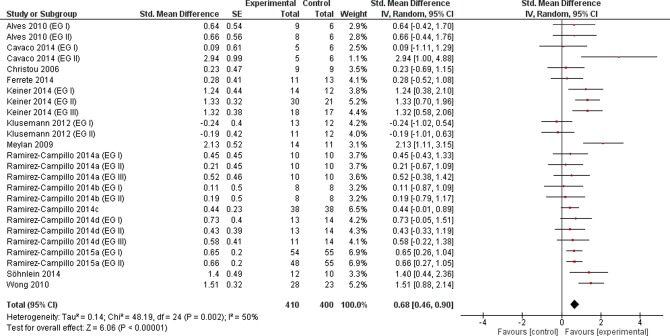
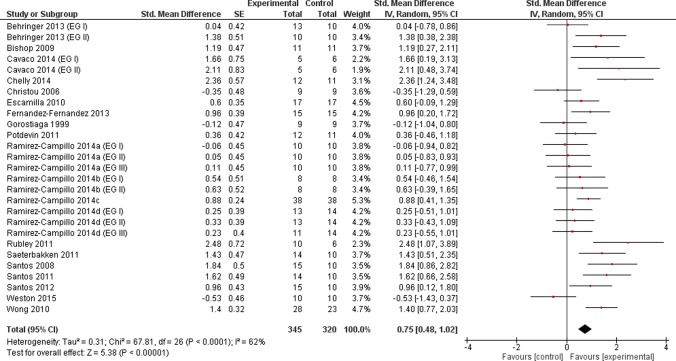
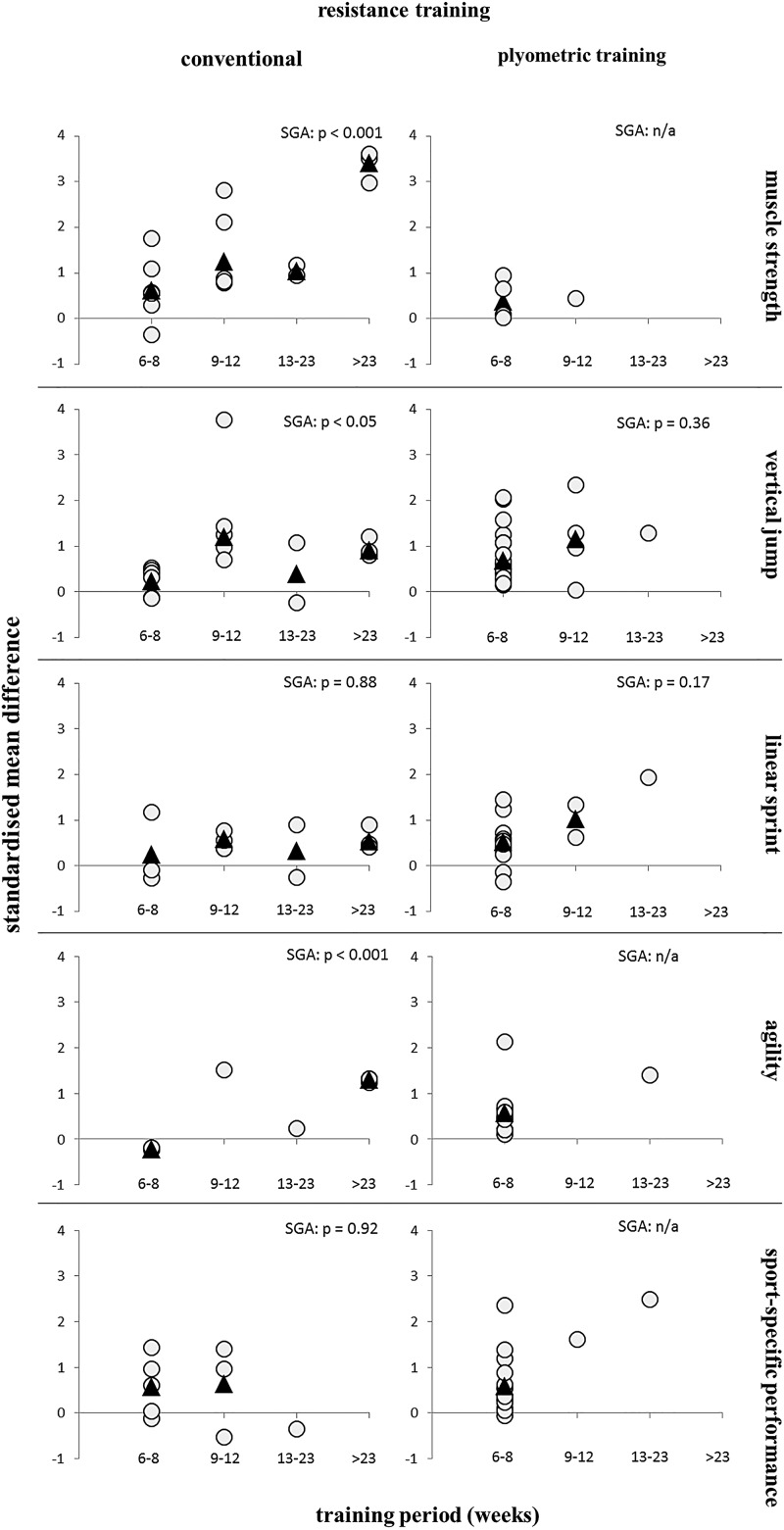
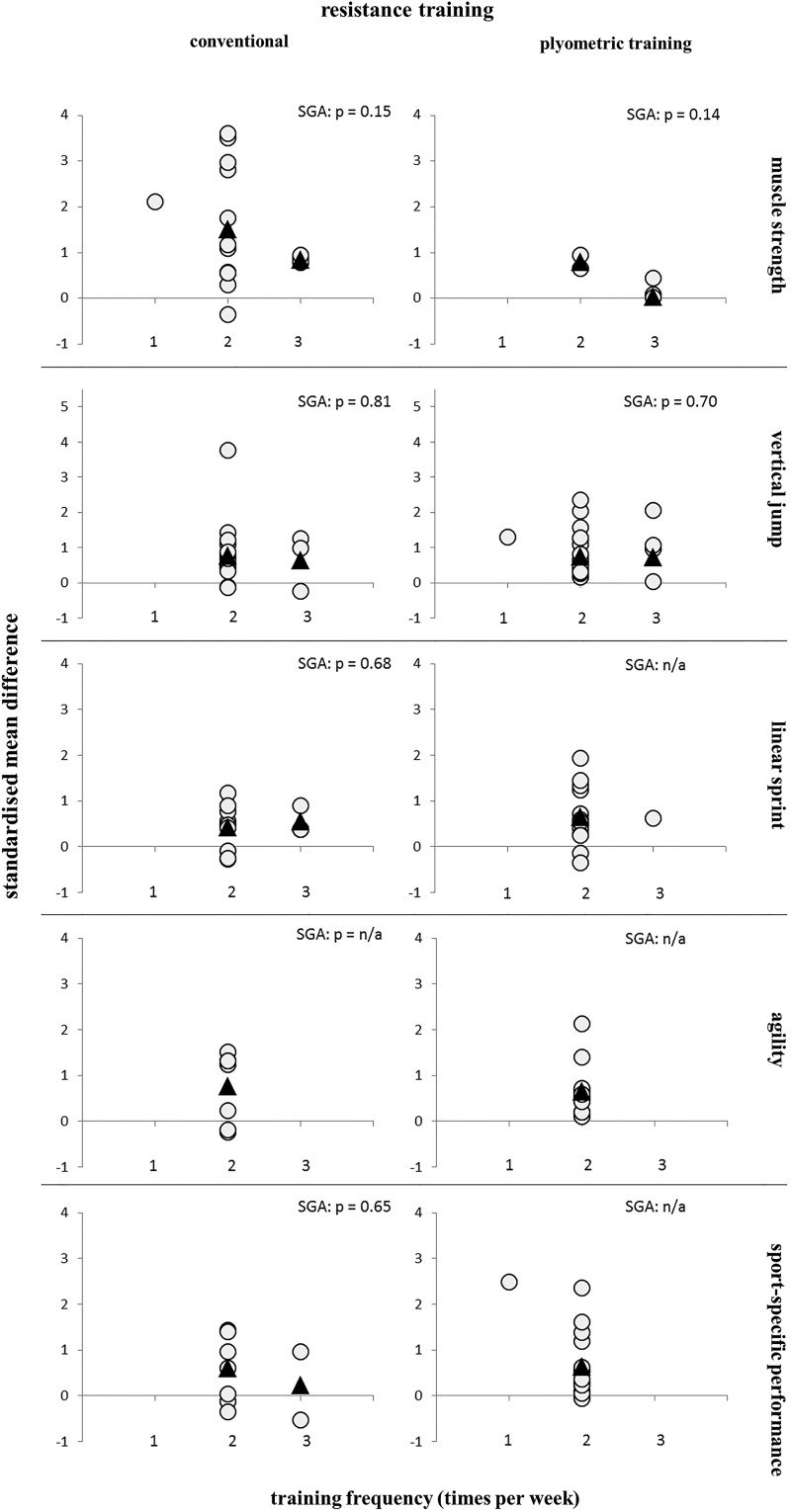
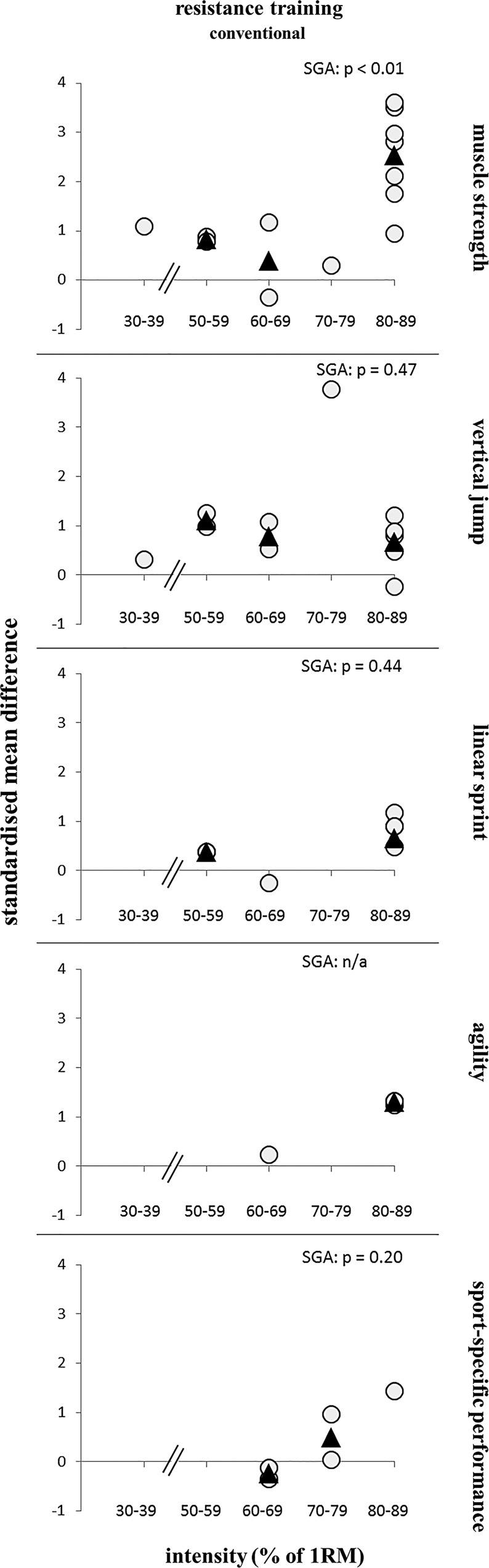
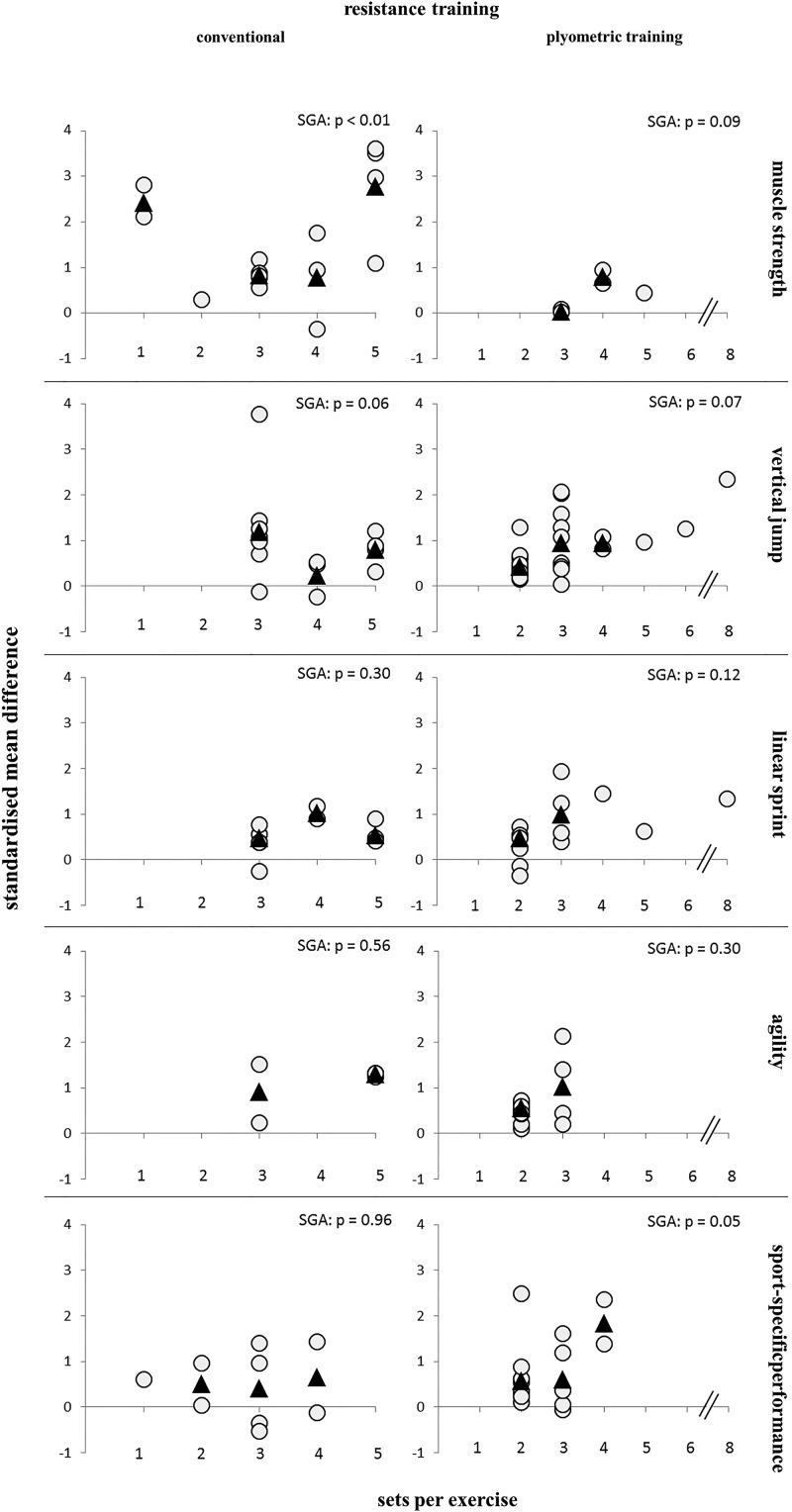
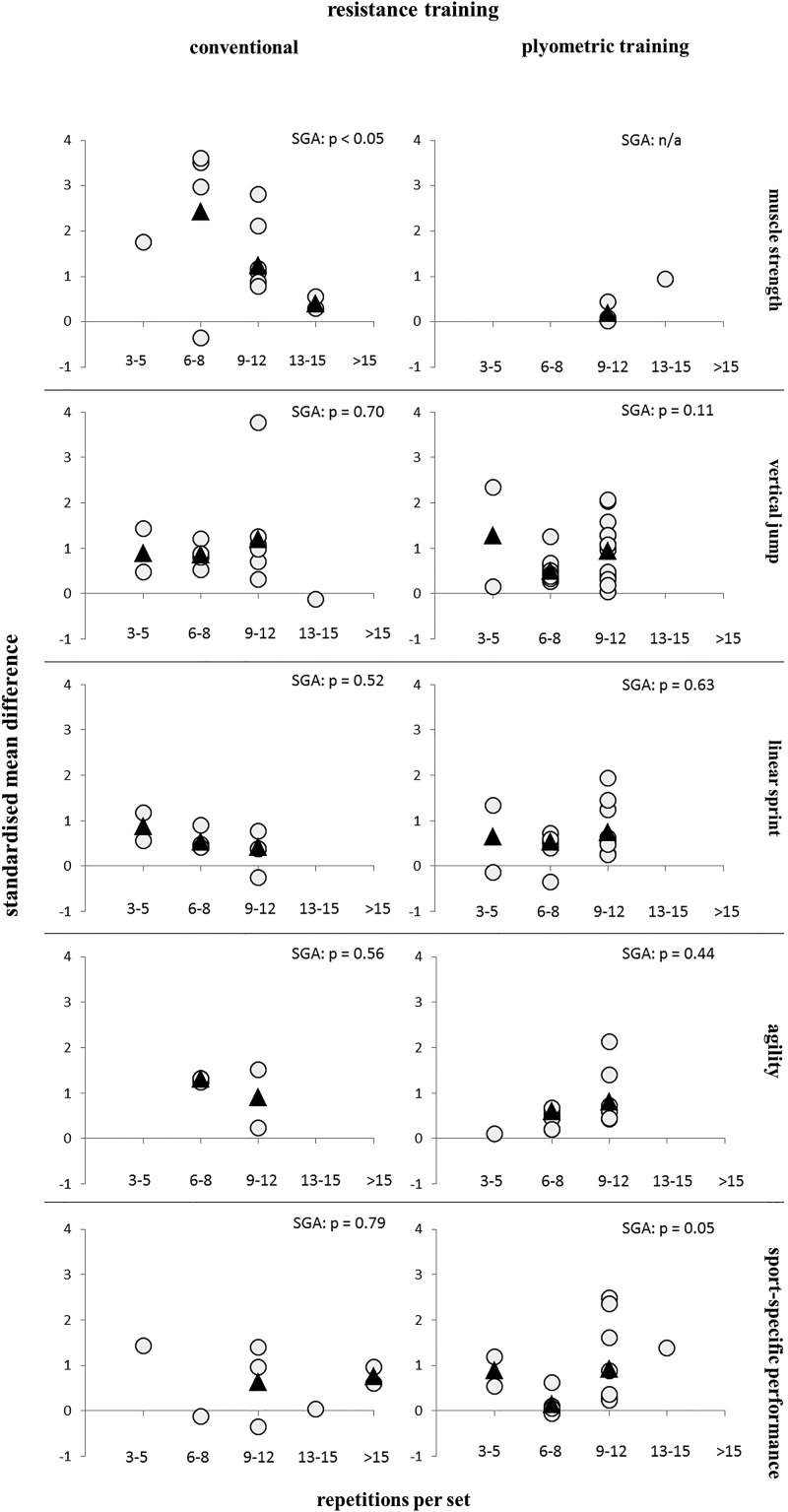
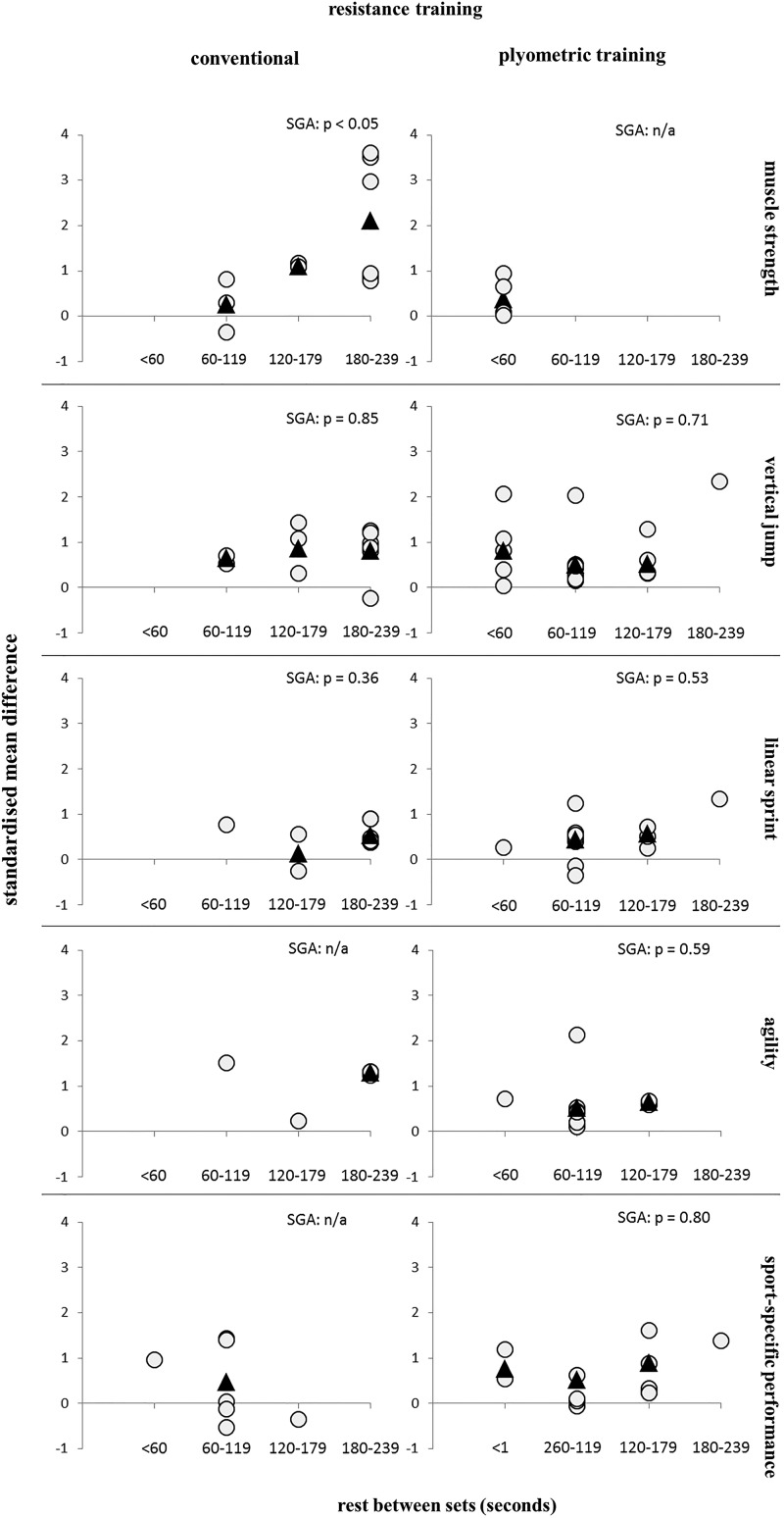
Objectives: To quantify age, sex, sport and training type-specific effects of resistance training on physical performance, and to characterise dose–response relationships of resistance training parameters that could maximise gains in physical performance in youth athletes. Design: Systematic review and meta-analysis of intervention studies. Data sources: Studies were identified by systematic literature search in the databases PubMed and Web of Science (1985–2015). Weighted mean standardised mean differences (SMD wm) were calculated using random-effects models. Eligibility criteria for selecting studies: Only studies with an active control group were included if these investigated the effects of resistance training in youth athletes (6–18 years) and tested at least one physical performance measure. Results: 43 studies met the inclusion criteria. Our analyses revealed moderate effects of resistance training on muscle strength and vertical jump performance (SMD wm 0.8–1.09), and small effects on linear sprint, agility and sport-specific performance (SMD wm 0.58–0.75). Effects were moderated by sex and resistance training type. Independently computed dose–response relationships for resistance training parameters revealed that a training period of >23 weeks, 5 sets/exercise, 6–8 repetitions/set, a training intensity of 80–89% of 1 repetition maximum (RM), and 3–4 min rest between sets were most effective to improve muscle strength (SMD wm 2.09–3.40). Summary/conclusions: Resistance training is an effective method to enhance muscle strength and jump performance in youth athletes, moderated by sex and resistance training type. Dose–response relationships for key training parameters indicate that youth coaches should primarily implement resistance training programmes with fewer repetitions and higher intensities to improve physical performance measures of youth athletes.
Overview
The claims and statistics of this paper haven’t been checked yet.
Free: it reads the open-access text and checks the first 5 claims that cite a source we can check. Create a free account to check every claim.
Integrity signals
Registry
Cites
Statistics
Figures
Verification
Claims the paper makes
The claims and statistics of this paper haven’t been checked yet.
Free: it reads the open-access text and checks the first 5 claims that cite a source we can check. Create a free account to check every claim.
Claims other papers make about this one
Each is checked against this paper’s own text: does it say what the citing paper says it does?
In the citing paper
“The increased training exposure would have allowed for a longer period for training adaptations to manifest [89, 90], ultimately leading to greater training improvements in strength, power and speed.”
From Comparison of weightlifting, traditional resistance training and plyometrics on strength, power and speed: a systematic review with meta-analysis. (2022) · cites this paper as [90]
In the citing paper
“In addition, the participants in the study were adolescent boys”
From Comparison of weightlifting, traditional resistance training and plyometrics on strength, power and speed: a systematic review with meta-analysis. (2022) · cites this paper as [90]
In the citing paper
“The training intervention duration employed in the study was 28 weeks [59], which may have resulted in more pronounced improvements in measures of power compared with the other studies included in the WLT versus TRT analysis that implemented shorter training durations (median training duration: 8 weeks, range 6–28) [90].”
From Comparison of weightlifting, traditional resistance training and plyometrics on strength, power and speed: a systematic review with meta-analysis. (2022) · cites this paper as [90]
Self-check
Percentages, sums and reported differences re-computed from the paper’s own numbers.
The self-check needs the paper’s full text.
Citations
Cites
Liberati, A., Altman, D. G., Tetzlaff, J., Mulrow, C., Gøtzsche, P. C., Ioannidis, J. P. A., Clarke, M., Devereaux, P. J., Kleijnen, J., & Moher, D. (2009) · PLoS Medicine · doi:10.1371/journal.pmed.1000100 · Cited by 28,164
Liberati, A., Altman, D. G., Tetzlaff, J., Mulrow, C., Gotzsche, P. C., Ioannidis, J. P. A., Clarke, M., Devereaux, P. J., Kleijnen, J., & Moher, D. (2009) · BMJ · doi:10.1136/bmj.b2700 · Cited by 17,648
Statistical Methods for Meta-Analysis
Wasserman, S., Hedges, L. V., & Olkin, I. (1988) · Journal of Educational Statistics · doi:10.2307/1164953 · Cited by 10,326
Reliability of the PEDro Scale for Rating Quality of Randomized Controlled Trials
Maher, C. G., Sherrington, C., Herbert, R. D., Moseley, A. M., & Elkins, M. (2003) · Physical Therapy · doi:10.1093/ptj/83.8.713 · Cited by 4,808 · cited 1×
“28”
Progression Models in Resistance Training for Healthy Adults
(2009) · Medicine & Science in Sports & Exercise · doi:10.1249/mss.0b013e3181915670 · Cited by 4,332
Progression Models in Resistance Training for Healthy Adults
(2002) · Medicine and Science in Sports and Exercise · doi:10.1097/00005768-200202000-00027 · Cited by 2,979
Fundamentals of Resistance Training: Progression and Exercise Prescription
KRAEMER, W. J., & RATAMESS, N. A. (2004) · Medicine & Science in Sports & Exercise · doi:10.1249/01.mss.0000121945.36635.61 · Cited by 1,992
Faigenbaum, A. D., Kraemer, W. J., Blimkie, C. J. R., Jeffreys, I., Micheli, L. J., Nitka, M., & Rowland, T. W. (2009) · Journal of Strength and Conditioning Research · doi:10.1519/jsc.0b013e31819df407 · Cited by 1,209
RHEA, M. R. (2004) · Journal of Strength and Conditioning Research · doi:10.1519/00124278-200411000-00040 · Cited by 1,069 · cited 1×
“30 According to a scale for determining the magnitude of effect sizes in strength training research for individuals who have been consistently training for 1 – 5 years, 32 we interpreted SMD wm as: trivial (<0.35); small (0.35 – 0.79); moderate (0.80 – 1.50); large ( ≥ 1.50).”
BackgroundInfluentialInternational Olympic Committee consensus statement on youth athletic development
Bergeron, M. F., Mountjoy, M., Armstrong, N., Chia, M., Côté, J., Emery, C. A., Faigenbaum, A., Hall, G., Kriemler, S., Léglise, M., et al. (2015) · British Journal of Sports Medicine · doi:10.1136/bjsports-2015-094962 · Cited by 881
Research works printed but not linked: 6
- Higgings JPT, Green S Cochrane handbook for systematic review of interventions version 5.1.0. Collaboration SMGoTC, 2010: 1– 11.
- Deeks JJ, Higgings JPT Statistical algorithms in Review Manager 5. 2010.
- Athanasiou N, Tsamourtzis E, Salonikidis K Entwicklung und Trainierbarkeit der Kraft bei Basketballspielern im vorpubertären Alter. Leistungssport 2006; 1: 48– 52.
- Buskies W, Boeckh-Behrens W-U Probleme bei der Steuerung der Trainingsintensität im Krafttraining auf der Basis von Maximalkrafttests. Leistungssport 1999; 3: 4– 8.
- Karp JR Muscle fibre types and training. Track Coach 2001; 155: 4943– 6.
- Marschall F, Fröhlich M Überprüfung des Zusammenhangs von Maximalkraft und maximaler Wiederholungszahl bei deduzierten submaximalen Intensitäten. Deutsche Zeit Sportmed 1999; 50: 311– 15.
Cited by
Items 201–300 of 411
Lee, A. C., Sankaravel, M., & Chen, Z. X. (2023) · Physical Education Theory and Methodology · doi:10.17309/tmfv.2023.1.03 · Cited by 6
Lanier, K. V., Killian, C. M., & Burnett, R. (2021) · Journal of Physical Education Recreation & Dance · doi:10.1080/07303084.2021.1896401 · Cited by 7
“…training on physical performance in youth athletes found that “long lasting conventional [resistance training] (>23 training weeks) resulted in more pronounced improvements in muscle strength and agility as compared with shorter training periods ( 23 weeks)” (Lesinski et al., 2016, p. 786).”
BackgroundSekine, Y., & Hirose, N. (2021) · Pediatric Exercise Science · doi:10.1123/pes.2020-0170 · Cited by 7
(Evidenzbasierte) Trainingsprinzipien
Donath, L., & Faude, O. (2019) · Springer eBooks · doi:10.1007/978-3-662-53386-4_45-1 · Cited by 6
Miras‐Moreno, S., Weakley, J. J. S., Martínez-Zafra, L. M., & Pérez‐Castilla, A. (2025) · Sports Health A Multidisciplinary Approach · doi:10.1177/19417381251316216 · Cited by 6
“1,25 Nevertheless, to optimize the benefits of RT, precise adjustments of key training variables such as volume (eg, repetitions) or lifting velocity, are essential.”
Bartolomei, S., Beato, M., & Coratella, G. (2025) · Journal of Functional Morphology and Kinesiology · doi:10.3390/jfmk10020145 · Cited by 5
“Similarly, at least 2 min recovery is suggested to optimize the jumping, sprinting, and COD ability [94].”
InfluentialScientific trends and emerging topics in youth female soccer: A bibliometric perspective
Mainer-Pardos, E., Gonzalo‐Skok, Ó., Nobarı, H., & Roso-Moliner, A. (2025) · Apunts Sports Medicine · doi:10.1016/j.apunsm.2025.100503 · Cited by 5
Effect of complex training on lower limb strength and running economy in adolescent distance runners
Yu, S., Zhou, S., Peng, D., & Jie, D. (2025) · Frontiers in Physiology · doi:10.3389/fphys.2025.1718150 · Cited by 5
Vanaclocha-Amat, P., Faigenbaum, A. D., Molina‐García, J., & Villa‐González, E. (2026) · Psychology of sport and exercise · doi:10.1016/j.psychsport.2026.103100 · Cited by 5
Development of the Muscular and Skeletal System During Adolescence
Ledergerber, R., Schumann, M., & Roth, R. (2026) · Advances in experimental medicine and biology · doi:10.1007/978-981-95-7000-3_2 · Cited by 5
AL-Nemr, A. (2022) · Applied Neuropsychology Child · doi:10.1080/21622965.2022.2159408 · Cited by 8
“All resistance training participants must be physically and mentally ready to understand pediatric resistance exercise guidelines and tolerate the load of the training program (Lesinski et al., 2016).”
Eisenmann, J. C., Hettler, J., & Till, K. (2024) · Pediatric Exercise Science · doi:10.1123/pes.2024-0015 · Cited by 5
Kadota, M., Nakamura, M., Yoshida, R., & Takeuchi, K. (2024) · Frontiers in Sports and Active Living · doi:10.3389/fspor.2024.1497979 · Cited by 5
ODABAŞ, İ., GÜLER, M. L., & GÜNAY, A. (2022) · Turkiye Klinikleri Journal of Sports Sciences · doi:10.5336/sportsci.2021-86032 · Cited by 5
Jerez‐Mayorga, D., Torres-Banduc, M. A., Ríos, L. J. C., & Ríos, I. J. C. (2023) · Nutrición Hospitalaria · doi:10.20960/nh.04551 · Cited by 9
“It has been stated that gender (8) and age (9) modulate the effects of strength training on physical and muscle performance.”
McGowan, J., Reid, D. A., & Caldwell, J. (2017) · Physical Therapy Reviews · doi:10.1080/10833196.2017.1364541 · Cited by 5
Altan, E., Seide, S. E., Bayram, İ., Gizzi, L., Ertan, H., & Röhrle, O. (2020) · Frontiers in Sports and Active Living · doi:10.3389/fspor.2020.518148 · Cited by 5
Mariscal, S. L., Gómez, Á. R., Suarez-Arrones, L. J., & Ortega‐Becerra, M. (2023) · Sustainability · doi:10.3390/su151914575 · Cited by 4
Zhu, X., Luo, H., Xiang, C., Zhao, J., Liu, Y., Zhang, H., & Kamalden, T. F. T. (2025) · BMC Sports Science Medicine and Rehabilitation · doi:10.1186/s13102-025-01412-y · Cited by 5
“For adolescent athletes, engaging in appropriate ST can not only increase One-repetition maximum (1RM) but also improve neuromuscular control, ultimately optimizing their athletic performance [83].”
Bousselmi, M., Zouita, A., Darragi, M., Karamti, H. M., Zouita, S., Coso, J. D., Hmid, A. B., Hackney, A. C., Granacher, U., & Zouhal, H. (2026) · Sports · doi:10.3390/sports14040136 · Cited by 4
“Evidence shows enhancements in muscle strength [5], speed [15], and vertical jump performance [16,17] in youth [16] and adult players [15].”
Self-citationAlim, A., Tomoliyus, T., Hariono, A., Widodo, H., & Fajri, K. (2024) · doi:10.56984/8zg2ef8z0j · Cited by 4
Bouguezzi, R., Negra, Y., Sammoud, S., Uthoff, A. M., Moran, J., Behrens, M., & Chaabène, H. (2024) · The Journal of Strength and Conditioning Research · doi:10.1519/jsc.0000000000004859 · Cited by 4
“…and plyometrics) have been demonstrated to develop, strength, speed, and power in soccer players, albeit at different improvement magnitudes (19,22), task-specific and innovative training approaches have shown greater potential for transfer across the spectrum of athletic performance (41).”
Cobley, S. P., Javet, M., Abbott, S., Fox‐Harding, C., Bested, S. R., Hackett, D. A., & Romann, M. (2025) · Journal of Sports Sciences · doi:10.1080/02640414.2025.2496098 · Cited by 4
“Within physiologically focused literature, meta-analytical studies have both shown a dose-response relationship between resistance training and physical performance, with female athletes reporting larger training-induced improvements relative to males (Lesinski et al., 2016).”
Navarro-Patón, R., Ferreiro, M. C., Muiño-Piñeiro, M., & Mecías‐Calvo, M. (2025) · Sports · doi:10.3390/sports13070217 · Cited by 4
“This finding is consistent with previous studies indicating that continuous running-based interventions without an explosive strength component have a limited impact on this capacity [26,27].”
Szyszka, P., & Czaplicki, A. (2021) · The Journal of Strength and Conditioning Research · doi:10.1519/jsc.0000000000004086 · Cited by 5
“This observation is in line with the reports of other authors, indicating that further improvement in these exercises requires appropriate changes in the training program and a gradual increase in strength training intensity (9,23).”
(2019) · International Journal of Engineering and Advanced Technology · doi:10.35940/ijeat.f8176.088619 · Cited by 4
“More recent studies showed the superiority of performing multiple sets [7, 8].”
BackgroundLong-term athletic development
Lloyd, R. S., & Oliver, J. L. (2023) · Oxford University Press eBooks · doi:10.1093/med/9780192843968.003.0041 · Cited by 7
The Effect of Resistance Band Exercises on Strength Parameters in Pubertal Soccer Players
Coşkun, T., Gürses, V. V., & Yaşar, O. M. (2025) · Spor Bilimleri Araştırmaları Dergisi · doi:10.25307/jssr.1624410 · Cited by 5
Granacher, U., Goebel, R. T., Behm, D. G., & Büsch, D. (2018) · Springer eBooks · doi:10.1007/978-3-662-55892-8_37 · Cited by 5
Self-citationTraining im Kindes- und Jugendalter
Ferrauti, A., Stadtmann, T., Ulbricht, A., & Kappenstein, J. (2020) · Springer eBooks · doi:10.1007/978-3-662-58227-5_10 · Cited by 6
Morris, R. O., Myers, T., Emmonds, S., Singleton, D., & Till, K. (2021) · Journal of Science in Sport and Exercise · doi:10.1007/s42978-020-00087-w · Cited by 4
Resistance Training for Children and Adolescents
Villa‐González, E., & Faigenbaum, A. D. (2021) · Lecture notes in bioengineering · doi:10.1007/978-3-030-81989-7_17 · Cited by 4
Fröhlich, M., & KEMMLER, W. K. (2023) · Springer eBooks · doi:10.1007/978-3-662-53410-6_46 · Cited by 5
García‐Ramos, A. (2025) · Applied Sciences · doi:10.3390/app152010874 · Cited by 3
Wang, Q., Zhong, J., Bao, H., & Wang, Y. (2026) · Journal of Sports Sciences · doi:10.1080/02640414.2025.2604965 · Cited by 5
“…working memory (Russo & Ottoboni, 2019); 3) Physical Performance: Evaluates physical attributes including strength, explosive power, and endurance (Lesinski et al., 2016; Nuccio et al., 2017); 4) Technical Performance: Assesses the speed, accuracy, and stability of sport-specific technical…”
Koźlenia, D., Szafraniec, R., Jarosz, J., Mazur, L., & Domaradzki, J. (2026) · Healthcare · doi:10.3390/healthcare14020161 · Cited by 3
“In addition, dose–response recommendations for youth resistance training indicate that higher intensities and appropriately structured loading are required to elicit further improvements in physical fitness [48,49].”
Poon, E. T., Iu, J. C.-K., Franklin, B. A., Phillips, S. M., Lubans, D. R., Schoenfeld, B. J., Smith, J. J., Kennedy, S. G., Wong, P.-S., & Batrakoulis, A. (2026) · Obesity Reviews · doi:10.1111/obr.70171 · Cited by 3
Rosario, M. G., Keitel, K., & Meyer, J. (2021) · International Journal of Physical Education Fitness and Sports · doi:10.34256/ijpefs21310 · Cited by 3
“This training technique can use elastic bands, plyometrics, free weights, and training machines [5].”
MethodMurray, J. A., Esformes, J. I., Byrne, P. J., & Moody, J. A. (2024) · Pediatric Exercise Science · doi:10.1123/pes.2023-0071 · Cited by 3
Lee, T., Ko, B.-J., Chang, C.-H., & Cheng, I.-S. (2024) · Children · doi:10.3390/children11101177 · Cited by 5
“Additionally, it provides for a superior replication of sporting actions [12].”
BackgroundStrength and Conditioning Society (SCS) 7th Annual Meeting, Murcia, Spain, 2024
Alcaráz, P. E., Spyrou, K., Blazevich, A. J., Freitas, T. T., Marín-Cascales, E., & Manzanares, A. (2025) · Sports · doi:10.3390/sports13050137 · Cited by 3
Lyristakis, P., Wundersitz, D. W. T., Cousins, S. D., Huynh, M., Zadow, E. K., & Gordon, B. A. (2026) · Sports Medicine · doi:10.1007/s40279-026-02432-5 · Cited by 3
Fröhlich, M., & KEMMLER, W. K. (2019) · Springer eBooks · doi:10.1007/978-3-662-53386-4_46-1 · Cited by 8
Trindade, T. B., Neto, L. D. O., Pita, J. C. N., Tavares, V. D. D. O., Dantas, P. M. S., Schoenfeld, B. J., & Prestes, J. (2020) · Frontiers in Physiology · doi:10.3389/fphys.2020.00769 · Cited by 3
Equipment and Training Devices
Sánchez-Sánchez, J., & Fernandez, A. R. (2021) · Lecture notes in bioengineering · doi:10.1007/978-3-030-81989-7_4 · Cited by 4
Incidencia del entrenamiento de fuerza en la población infantojuvenil: revisión sistemática
Fernández, D. M., Somarriba, M. M., & Picabea, J. M. (2021) · MLS Sport Research · doi:10.54716/mlssr.v1i2.739 · Cited by 3
The effects of Four-Week plyometric training on delaying muscle fatigue in youth rowers
Chang, C.-H., Chen, C.-Y., & Lau, H.-T. (2025) · Scientific Reports · doi:10.1038/s41598-025-09673-w · Cited by 4
Sánchez, J. A., Ruiz-Orellana, L., Ríos, L. J. C., Zapata, R. E. L., Viviescas, B. J. B., Ríos, I. J. C., Perea, Á. R., & Morenas‐Aguilar, M. D. (2023) · E-balonmano com Journal Sports Science · doi:10.17398/1885-7019.19.107 · Cited by 5
The influence of age, growth and maturation upon maximal sprint speed in male youth
Meyers, R. W. (2016) · Figshare · doi:10.25401/cardiffmet.20286765 · Cited by 5
Comment on: “Effects of Plyometric Training on Physical Performance: An Umbrella Review”
Ramírez‐Campillo, R., Afonso, J. R., Moran, J., Behm, D. G., & Granacher, U. (2023) · Sports Medicine - Open · doi:10.1186/s40798-023-00595-3 · Cited by 5
Self-citationPhysiological assessment and monitoring of elite youth athletes
Armstrong, N., & BARKER, A. R. (2023) · Oxford University Press eBooks · doi:10.1093/med/9780192843968.003.0040 · Cited by 2
Sekine, Y. (2024) · Pediatric Exercise Science · doi:10.1123/pes.2024-0052 · Cited by 2
Os benefícios do treinamento resistido em escolares: uma revisão integrativa
de Jesus, J. A., Reis, T. M., Viana, J. A., Boaventura, A. B. C. D. F., & da Silva, M. R. F. (2024) · Research Society and Development · doi:10.33448/rsd-v13i12.47566 · Cited by 3
Zoffoli, L., Zanuso, S., & Biscarini, A. (2025) · Bioengineering · doi:10.3390/bioengineering12030292 · Cited by 2
“…have been studied [2], the widespread availability of free weights, weight-stack machines, and plate-loaded machines, which offer a wide range of constant and variable resistances, has led to the extensive use of gravitational resistance in sports [3], fitness [4], and rehabilitation [5].”
Chung, B.-C., Bing, W., & Kim, D. (2025) · Applied Sciences · doi:10.3390/app152212010 · Cited by 2
KOCAKULAK, N. A., & Esenkaya, H. (2026) · BMC Sports Science Medicine and Rehabilitation · doi:10.1186/s13102-026-01622-y · Cited by 2
“For instance, some research indicates that higher-intensity, low-repetition training programs are more effective for improving the physical performance metrics of elite athletes [8].”
Ji, Y., Wang, B., & Yang, Q. (2026) · Scientific Reports · doi:10.1038/s41598-026-46144-2 · Cited by 2
Rodriguez-Fernandez, K., Trejo-Trejo, M., Pineda-Espejel, H. A., Chavez-Guevara, I. A., & Ramos‐Jiménez, A. (2026) · Sports · doi:10.3390/sports14070267 · Cited by 2
“This potentiated state enhances RFD and peak power and may yield greater chronic adaptation than resistance or plyometric training alone [7,8], and meta-analyses confirm that combined training improves jumping, sprinting, and change-of-direction performance in youth athletes [8,9].”
An Examination of Loading Profiles for Youth Athletes Performing the Hang Power Clean
Mehls, K. D., Martinez, S. C., Edwards, C., & Independent Researcher, N. A. (2022) · Montenegrin Journal of Sports Science and Medicine · doi:10.26773/mjssm.220308 · Cited by 2
Rutkowski, S., Wrzeciono, A., Czech, O., Rutkowska, A., & Szczegielniak, J. (2022) · International Journal of Environmental Research and Public Health · doi:10.3390/ijerph19084830 · Cited by 2
“In an attempt to decrease the risk of injury, balance improvement exercises are part of different training programs for professional athletes [13].”
BackgroundFonseca, L. B., Aidar, F. J., de Matos, D. G., Barros, N. D. A., de Souza, R. F., Oliveira, A. S., dos Santos, J. L., Cabral, B. G. D. A. T., Marçal, A. C., & Reis, V. M. (2022) · Revista Brasileira de Medicina do Esporte · doi:10.1590/1517-869220222804227912 · Cited by 3
Haksever, B. (2021) · European journal of human movement · doi:10.21134/eurjhm.2021.47.8 · Cited by 2
(Evidenzbasierte) Trainingsprinzipien
Donath, L., & Faude, O. (2023) · Springer eBooks · doi:10.1007/978-3-662-53410-6_45 · Cited by 2
Reporting of Adverse Events in Muscle Strengthening Interventions in Youth: A Systematic Review
Mack, D. E., Anzovino, D., Sanderson, M., Dotan, R., & Falk, B. (2023) · Pediatric Exercise Science · doi:10.1123/pes.2021-0145 · Cited by 2
“There is compelling evidence that sustained engagement in MST is associated with improved physical and psychological health (11,15) fi tness adaptations (15,18,20) and performance enhancement (5,37,40) in children and adolescents.”
BackgroundHow Can Muscle-Strengthening Activities Be Promoted in School Settings?
Cox, A. (2024) · Springer eBooks · doi:10.1007/978-3-031-65595-1_15 · Cited by 2
Bouguezzi, R., Negra, Y., Sammoud, S., & Chaabène, H. (2025) · Journal of Functional Morphology and Kinesiology · doi:10.3390/jfmk10030260 · Cited by 2
“Resistance training is now a fundamental component of athletic conditioning [1–3], including for youth athletes [4,5].”
Resistance Training in Children and Young Adults: A Critical Review
Shenouda, R., Wilson, M. D., & Fletcher, S. (2016) · International Journal of Applied Exercise Physiology · doi:10.26655/ijaep.v5i4.94 · Cited by 5
Bubanj, S., Mitković, M., Gašić, T., Mazic, S. D., Stanković, R., Radovanović, D. S., Obradović, B., Šekeljić, G., Stamatović, M., Markovic, J. N., et al. (2018) · Acta Facultatis Medicae Naissensis · doi:10.2478/afmnai-2018-0022 · Cited by 2
“Lesinski M, Prieske O, & Granacher U. Effects and dose-response relationships of resistance training on physical performance in youth athletes: a systematic review and meta-analysis.”
BackgroundDeveloping speed qualities in youth athletes
Wilson, J., Sup, M., Wilson, M., Maillet, M.-A., & Mekary, S. (2020) · Elsevier eBooks · doi:10.1016/b978-0-7020-7489-9.00033-8 · Cited by 3
Treinamento de resistência em escolares: Uma Revisão Integrativa
Pinto, N. V., & Pereira, R. C. (2021) · Research Society and Development · doi:10.33448/rsd-v10i3.13697 · Cited by 6
The skeletal muscle phenotype of children with Neurofibromatosis Type 1 - A clinical perspective.
Chinoy, A., Vassallo, G., Burkitt‐Wright, E., Eelloo, J., West, S., Hupton, E., Galloway, P., Pilkington, A., Padidela, R., & Mughal, Z. (2022) · PubMed Central · Cited by 7
Kubo, J., TAMAKI, K., & Arikawa, H. (2022) · Journal of Physical Education and Sport · doi:10.7752/jpes.2022.07223 · Cited by 4
Editorial: Adaptations to Advanced Resistance Training Strategies in Youth and Adult Athletes
Prieske, O., Chaabène, H., Moran, J., & Sæterbakken, A. H. (2022) · Frontiers in Physiology · doi:10.3389/fphys.2022.888118 · Cited by 2
“, injury prevention) in young, as well as adult athletes (Faigenbaum et al., 2016; Lesinski et al., 2016; Moran et al., 2016; Lauersen et al., 2018; Chaabene et al., 2020; Saeterbakken et al., 2022).”
BackgroundSelf-citationEnhancing clarity and methodological rigor in umbrella reviews
Abdullah, A., Saeed, H., & Ahmad, M. H. (2024) · Annals of Medicine and Surgery · doi:10.1097/ms9.0000000000002536 · Cited by 4
Lima, L. E. D. M., Miguel, H., Moriggi, R., SILVA, R. P. D., Nogueira, H. S., de Brito-Neto, J. G., & Guedes, D. P. (2021) · Multidisciplinary Reviews · doi:10.29327/multi.2021008 · Cited by 1
Amjad, S., Hafeez, T., Javed, H., & Azfar, H. (2024) · Journal of Health and Rehabilitation Research · doi:10.61919/jhrr.v4i1.198 · Cited by 2
Li, R., Chee, C. S., Kahar, J. B. A., Kamalden, T. F. T., Yang, K., & Gao, Z. (2025) · Journal of Human Kinetics · doi:10.5114/jhk/204824 · Cited by 2
Correa, G. S., Rathbone, E. N., Lorimer, A. V., Eastwood, A., & Keogh, J. (2025) · Journal of Sports Sciences · doi:10.1080/02640414.2025.2555111 · Cited by 1
“Literature shows a highly individualised rate of performance change within common sex-and puberty-driven trends in adolescents undergoing endurance and resistance training (Lesinski et al., 2016; Papai et al., 2022; Plank et al., 2005).”
Bartkowiak, S., Kozieł, S. M., Krzykała, M., Karpowicz, K., Konarski, J. M., & Malak, B. (2025) · The Journal of Strength and Conditioning Research · doi:10.1519/jsc.0000000000005259 · Cited by 1
“However, this finding is not consistently supported across the literature, because only 1 meta-analysis has demonstrated significant sex differences in strength training effects (2,27,28).”
Developing a Repetition-Based Inter-Set Rest Adjustment Method in Resistance Training
Zhang, X., Chen, Z., Li, H., Weakley, J. J. S., Li, Z., & García‐Ramos, A. (2026) · Sports Health A Multidisciplinary Approach · doi:10.1177/19417381251398823 · Cited by 1
Effect of specific conditioning training on selected physicalcomponents of football players
Anand, T. P., Abraham, J. J., & Mathew, T. A. (2025) · Scientiarum: A multidisciplinary journal · doi:10.54646/sapars.2025.23 · Cited by 1
Educational Trends in Sports Sciences
Băltarețu, C., Costache, B., & Iacobini, A. (2026) · International Journal of Education Leadership Artificial Intelligence Computing Business Life Sciences and Society · doi:10.65222/viral.2026.2.7.27 · Cited by 1
“Progressive overload remains a foundational principle of resistance training adaptation (Howe et al., 2017; Lesinski et al., 2016).”
Gültekinler, B. D., & Tunay, V. B. (2026) · BMC Sports Science Medicine and Rehabilitation · doi:10.1186/s13102-026-01611-1 · Cited by 1
“Although the direction of causality has not been established, this relationship indicates that athletes with higher levels of physical performance tend to achieve superior rowing outcomes [4, 5].”
Mendoza, M. F., Anzelmo, M. A., Suan, N. M., Fourchy, M.-C., & Lavie, C. J. (2026) · Current Cardiology Reports · doi:10.1007/s11886-026-02348-6 · Cited by 1
“Lesinski et al. [ 39] reported large effects on MusS (Hedges g = 1.09; 95% CI 0.89–1.29; p < 0.001) and moderate effects on local mus - cle endurance (g = 0.45; 95% CI 0.28–0.62; p < 0.001).”
InfluentialTao, M., Yin, M., Zhong, Y., Xu, K., Zhu, C., Deng, J., Song, Y., Lyu, M., Chen, Z., Nassis, G. P., et al. (2026) · International Journal of Sports Science & Coaching · doi:10.1177/17479541261428779 · Cited by 1
“Although Lesinski et al. 21 reviewed the effects of training types on athletic performance, they explicitly stated they did not examine the independent contribution of training frequency as a speci fi c variable.”
Darragi, M., Zouita, A., Bousselmi, M., Kerir, A., Karamti, H. M., Saeidi, A., Hackney, A. C., Granacher, U., & Zouhal, H. (2026) · BMC Sports Science Medicine and Rehabilitation · doi:10.1186/s13102-026-01855-x · Cited by 1
“A meta-analysis revealed that young athletes of any age or sex might benefit from ST [12], although a subsequent systematic review suggested that absolute increases in muscle strength are greater during or after PHV than before PHV [13].”
InfluentialSelf-citationChappell, A., Dissanayake, D., Ho, C., Jepson, B., & Kilgour, G. M. (2026) · Physical & Occupational Therapy In Pediatrics · doi:10.1080/01942638.2026.2709457 · Cited by 1
Mou, H., Huang, J., Chen, J., Wen, T., & Wu, R. (2026) · BMC Sports Science Medicine and Rehabilitation · doi:10.1186/s13102-026-01971-8 · Cited by 1
Wrzeciono, A., Czech, O., Szary, P., & Rutkowski, S. (2021) · Slovak Journal of Sport Science · doi:10.24040/sjss.2020.6.2.16-22 · Cited by 1
Diagnostik und Training von Kraft und Schnelligkeit
Büsch, D., & Granacher, U. (2021) · Springer eBooks · doi:10.1007/978-3-662-61588-1_6 · Cited by 1
Self-citationBogiatzidis, E., Ispyrlidis, I., Gourgoulis, V., Bogiatzidou, A., Chatzinikolaou, A., Mantzouranis, N. I., & Smilios, I. (2022) · Central European Journal of Sport Sciences and Medicine · doi:10.18276/cej.2022.1-04 · Cited by 1
Nagovitsyn, R., Kudryavtsev, M. D., Osipov, A., Єрмаков, С., & Potop, V. (2019) · Journal of Physical Education and Sport · doi:10.7752/jpes.2019.s6340 · Cited by 2
Effect of resistance training mainly depends on mechanical activation of fast-twitch fiber
Hatanaka, S., & Ishii, N. (2022) · The Journal of Physical Fitness and Sports Medicine · doi:10.7600/jpfsm.11.295 · Cited by 4
Basharat, A., Qamar, M. M., Javaid, M., Ali, S., Basharat, S., & Ali, M. (2021) · Journal of Liaquat University of Medical & Health Sciences · doi:10.22442/jlumhs.2021.00847 · Cited by 1
Modelling Front and Back Squat Record Scores in Long-Term Training of Young Weightlifters
Szyszka, P., Zielińska-Stubińska, W., & Chwaluk, A. (2022) · Polish Journal of Sport and Tourism · doi:10.2478/pjst-2022-0021 · Cited by 1
Faigenbaum, A. D., & Lloyd, R. S. (2023) · Oxford University Press eBooks · doi:10.1093/med/9780192843968.003.0035 · Cited by 1
Development and training of speed and agility
Oliver, J. L., & Lloyd, R. S. (2023) · Oxford University Press eBooks · doi:10.1093/med/9780192843968.003.0033 · Cited by 1
Non-specific and ski-specific performance development in peri-pubertal cross-country skiers
Zoppirolli, C., Modena, R., Bortolan, L., Schena, F. F., & Pellegrini, B. (2023) · European Journal of Applied Physiology · doi:10.1007/s00421-023-05372-4 · Cited by 1
“On the other hand, protocols based on muscle hypertrophy were found to be beneficial mainly after puberty, due to additional and increased circulating levels of growth and gonadic hormones (Lesinski et al. 2016).”
InfluentialJump-to-Box exercise has an increasing effect on jumping ability in adolescents
Hendrik, H., Ramba, Y., Arpandjaman, A., & Kapoor, G. (2023) · Sports medicine research and practice · doi:10.47529/2223-2524.2023.3.8 · Cited by 1
邵, 宇., & 朱, 俊. (2024) · 体能科学 · doi:10.33142/jscs.v4i1.11464 · Cited by 1
Metadata
- Authors
- Lesinski, M., Prieske, O., & Granacher, U.
- Affiliations
- University of Potsdam (DE)
- Corresponding author
- Lesinski, Melanie
- Venue
- British Journal of Sports Medicine
- Publisher
- BMJ
- Published
- 2016-02-05
- Volume
- 50
- Issue
- 13
- Pages
- 781-795
- ISSN
- 0306-3674 (ISSN-L)
- 1473-0480
- PMC
- PMC4941165
- OpenAlex
- W2264859628
- Semantic Scholar
- 31c76a70ee724cb1f0f3872c3230c72447031fd5
- Cited by
- 364
- References
- 90
- Citations by year
- 2026: 42 · 2025: 46 · 2024: 37 · 2023: 38 · 2022: 41 · 2021: 41 · 2020: 38 · 2019: 22 · 2018: 28 · 2017: 22 · 2016: 9
- FWCI
- 4.30
- Type
- journal article
- Language
- en
- Open access
- hybrid
- doi.org
- Licence
- cc-by-nc
- Locations
- British Journal of Sports Medicine (publishedVersion, cc-by-nc)
- PubMed Central (publishedVersion, cc-by-nc)
- PubMed (publishedVersion)
- publish.UP (University of Potsdam) (submittedVersion)
- HighWire Press Open Archive (submittedVersion)
- Funders
- Bundesinstitut für Sportwissenschaft (ZMVI1‐081901 14‐18)
- Topics
- Health Sciences › Medicine › Orthopedics and Sports Medicine › Sports Performance and Training
- Health Sciences › Health Professions › Physical Therapy, Sports Therapy and Rehabilitation › Physical Education and Training Studies
- Social Sciences › Psychology › Developmental and Educational Psychology › Sport Psychology and Performance
- Keywords
- resistance training, youth athletes, physical performance, muscle strength, vertical jump, sprint performance, agility, dose-response relationship, training parameters, sex differences, exercise intensity, training duration
- MeSH terms
- Adolescent, Child, Female, Humans, Male, Muscle Strength, Athletic Performance, Resistance Training, Athletes
About these checks
Registry, retraction, Cites and statistics results are computed, not judged, with one exception: a printed reference that no index lists is read once by a model before it counts as a citation error. Claims are extracted by a model and kept only when their quote appears verbatim in the text; each cited source is then checked, with a model’s help, for whether it says what the claim relies on. Those verdicts can be wrong — read the claim’s quote and the cited source before relying on one.
Statistics and arithmetic are recomputed, not judged.
Confidence bands are shown only for fields calibrated on our annotated test set. None is calibrated yet, so no band is shown.
What counts as a claim ›How we measure confidence ›How we check this ›
Are you an author, or do you see a problem with this page? Request a review
Data sources
Bibliographic data: Semantic Scholar, OpenAlex, Crossref.
Contains information from the Semantic Scholar Academic Graph Datasets, made available under the ODC Attribution License (ODC-BY 1.0).
Semantic Scholar’s data is described in: Kinney, R., et al. (2023). The Semantic Scholar Open Data Platform. arXiv:2301.10140.
