

Community health workers for pandemic response: a rapid evidence synthesis
Open accessPublished version of a preprint
The DOI matches its Crossref record; 51 of the 51 references it cites were found in a registry or an index.
Abstract
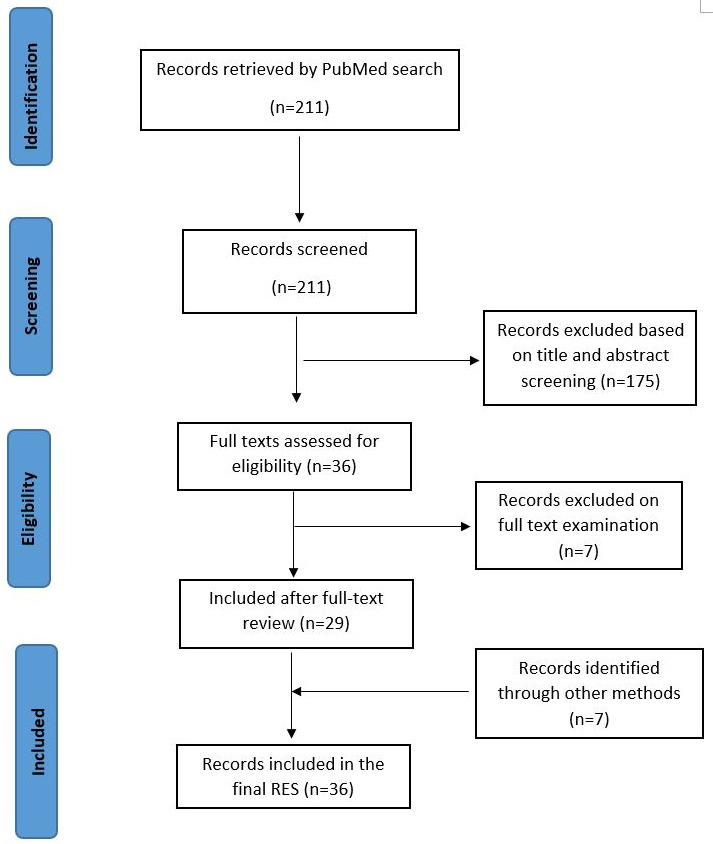
Introduction: Coronavirus disease (COVID-19), affects 213 countries or territories globally. We received a request from National Health Systems Resource Centre, a public agency in India, to conduct rapid evidence synthesis (RES) on community health workers (CHWs) for COVID-19 prevention and control in 3 days. Methods: We searched PubMed, websites of ministries (n=3), public agencies (n=6), multilateral institutions (n=3), COVID-19 resource aggregators (n=5) and preprints (n=1) (without language restrictions) for articles on CHWs in pandemics. Two reviewers screened the records independently with a third reviewer resolving disagreements. One reviewer extracted data with another reviewer cross-checking it. A framework on CHW performance in primary healthcare not specific to pandemic was used to guide data extraction and narrative analysis. Results: We retrieved 211 records and finally included 36 articles. Most of the evidence was from low-and middle-income countries with well-established CHW programmes. Evidence from CHW programmes initiated during pandemics and for CHW involvement in pandemic response in high-income countries was scant. CHW roles and tasks change substantially during pandemics. Clear guidance, training for changed roles and definition of what constitutes essential activities (ie, those that must to be sustained) is required. Most common additional activities during pandemics were community awareness, engagement and sensitisation (including for countering stigma) and contact tracing. CHWs were reported to be involved in all aspects of contact tracing - this was reported to affect routine service delivery. CHWs have often been stigmatised or been socially ostracised during pandemics. Providing PPE, housing allowance, equal training opportunities, transportation allowance, improving salaries (paid on time and for a broad range of services) and awards in high-profile public events contributed to better recruitment and retention. We also created inventories of resources with guiding notes on guidelines for health workers (n=24), self-isolation in the community (n=10) and information, education and counselling materials on COVID-19 (n=16). Conclusions: CHWs play a critical role in pandemics. It is important to ensure role clarity, training, supportive supervision, as well as their work satisfaction, health and well-being. More implementation research on CHWs in pandemics is required.
Overview
The claims and statistics of this paper haven’t been checked yet.
Free: it reads the open-access text and checks the first 5 claims that cite a source we can check. Create a free account to check every claim.
Integrity signals
Registry
Cites
Statistics
Figures
Verification
Claims the paper makes
The claims and statistics of this paper haven’t been checked yet.
Free: it reads the open-access text and checks the first 5 claims that cite a source we can check. Create a free account to check every claim.
Claims other papers make about this one
Each is checked against this paper’s own text: does it say what the citing paper says it does?
The source backs part of the claim, not all of it — or backs it for a different population, condition or comparison.
In the citing paper
“Training of CHWs on basic technological skills such as the use of digital megaphones and robocalls for health education, SMS for data collection, and voice call for a consultation, will help accelerate the response to the Covid-19 pandemic [7].”
From Equipping community health workers with digital tools for pandemic response in LMICs (2021) · cites this paper as [7]
Experimental — accuracy not yet measuredThe check wasn’t confident either way, so it gives no verdict — never disputed.
In the citing paper
“In Mozambique [7], upSCALE digital platform has been adapted to support CHWs to respond to COVID-19.”
From Equipping community health workers with digital tools for pandemic response in LMICs (2021) · cites this paper as [7]
Experimental — accuracy not yet measured
Self-check
Percentages, sums and reported differences re-computed from the paper’s own numbers.
The self-check needs the paper’s full text.
Citations
Cites
PRISMA Extension for Scoping Reviews (PRISMA-ScR): Checklist and Explanation
Tricco, A. C., Lillie, E., Zarin, W., O'Brien, K. K., Colquhoun, H., Levac, D., Moher, D., Peters, M. D. J., Horsley, T., Weeks, L., et al. (2018) · Annals of Internal Medicine · doi:10.7326/m18-0850 · Cited by 43,565 · cited 1×
“There are no reporting guidelines specifically for rapid evidence synthesis, so we used the PRISMA checklist for scoping reviews.(5) The PRISMA checklist is presented in Appendix 1.”
Supporting the health care workforce during the COVID-19 global epidemic
Adams, J. G., & Walls, R. M. (2020) · JAMA · doi:10.1001/jama.2020.3972 · Cited by 1,498 · cited 1×
“…(n=11) 7–17 followed by descriptive cross-sectional studies (n=9), 18–26 pretest and post-test studies (n=6), 27–32 literature reviews (n=3), 33–35 mixed-methods studies (n=2), 36 37 guidelines (n=2), 38 39 one systematic review, 40 one randomised controlled trial 41 and one case report.”
Scott, K., Beckham, S. W., Gross, M., Pariyo, G., Rao, K. D., Cometto, G., & Perry, H. B. (2018) · Human Resources for Health · doi:10.1186/s12960-018-0304-x · Cited by 732 · cited 1×
“54 Performance-based incentives (financial or in-kind) leads to CHWs focusing more on tasks that are remuner-ated.”
Jaskiewicz, W., & Tulenko, K. (2012) · Human Resources for Health · doi:10.1186/1478-4491-10-38 · Cited by 381 · cited 1×
“planned by the United Kingdom(47) is not well understood, but considerable challenges might be expected considering the larger body of literature around community trust, and systems integration being critical for success.(48-51)”
The health impact of the 2014–15 Ebola outbreak
Elston, J. W. T., Cartwright, C., Ndumbi, P., & Wright, J. (2017) · Public Health · doi:10.1016/j.puhe.2016.10.020 · Cited by 362 · cited 1×
“health owing to disruption in routine service delivery.(43-45) Disruption in supply-chain,”
BackgroundInterventions targeting mental health self-stigma: A review and comparison.
Yanos, P. T., Lucksted, A., Drapalski, A. L., Roe, D., & Lysaker, P. (2015) · Psychiatric Rehabilitation Journal · doi:10.1037/prj0000100 · Cited by 351
Roles and Functions of Community Health Workers in Primary Care
Hartzler, A. L., Tuzzio, L., Hsu, C., & Wagner, E. H. (2018) · The Annals of Family Medicine · doi:10.1370/afm.2208 · Cited by 310 · cited 1×
“Community health workers (CHWs) constitute a significant frontline health workforce in many countries(3) and can potentially play an important role in control and prevention of COVID-19.”
Cometto, G., Ford, N., Pfaffman-Zambruni, J., Akl, E. A., Lehmann, U., McPake, B., Ballard, M., Kok, M., Najafizada, M., Olaniran, A., et al. (2018) · The Lancet Global Health · doi:10.1016/s2214-109x(18)30482-0 · Cited by 268 · cited 1×
“More broadly, recognition as staff and moving towards a base salary structure in alignment with the 2018 WHO recommendation against a performance-based incentive structure 55 during a pandemic should be planned.”
Healthcare workers' attitudes to working during pandemic influenza: a qualitative study
Ives, J., Greenfield, S., Parry, J. M., Draper, H., Gratus, C., Petts, J. I., Sorell, T., & Wilson, S. (2009) · BMC Public Health · doi:10.1186/1471-2458-9-56 · Cited by 250 · cited 2×
“Honesty, transparency of communication and reciprocity of information with CHWs was noted to be beneficial (9, 14, 21).”
National UK programme of community health workers for COVID-19 response
Haines, A., de Barros, E. F., Berlin, A., Heymann, D. L., & Harris, M. J. (2020) · The Lancet · doi:10.1016/s0140-6736(20)30735-2 · Cited by 237
Research works printed but not linked: 2
- WHO Who guideline on health policy and system support to optimize community health worker programmes Geneva: World Health organization 2018. Available: https://apps.who.int/iris/bitstream/handle/10665/275474/9789241550369-eng.pdf 30431747
- WHO Communicating Risk in Public Health Emergencies: A WHO Guideline for Emergency Risk Communication (ERC) policy and practice Geneva: World Health Organisation 2017. Available: https://apps.who.int/iris/bitstream/handle/10665/259807/9789241550208-eng.pdf;jsessionid=5C8DB861A3900CA529331F4C724C3218?sequence=2 31059213
Cited by
The Lancet Commission on lessons for the future from the COVID-19 pandemic
Sachs, J. D., Karim, S. S. A., Aknin, L., Allen, J., Brosbøl, K., Colombo, F., Barron, G. C., Espinosa, M. F., Gaspar, V., Gaviria, A., et al. (2022) · The Lancet · doi:10.1016/s0140-6736(22)01585-9 · Cited by 842
Haakenstad, A., Irvine, C. M. S., Knight, M., Bintz, C., Aravkin, A. Y., Zheng, P., Gupta, V., Abrigo, M. R. M., Abushouk, A. I., Adebayo, O. M., et al. (2022) · The Lancet · doi:10.1016/s0140-6736(22)00532-3 · Cited by 434
Atenção primária à saúde em tempos de COVID-19: o que fazer?
Medina, M. G., Giovanella, L., Bousquat, A., Mendonça, M. H. M. D., & Aquino, R. (2020) · Cadernos de Saúde Pública · doi:10.1590/0102-311x00149720 · Cited by 256
Taylor, S., Landry, C. A., Rachor, G. S., Paluszek, M. M., & Asmundson, G. J. G. (2020) · Journal of Anxiety Disorders · doi:10.1016/j.janxdis.2020.102289 · Cited by 302
Health care workers’ experiences during the COVID-19 pandemic: a scoping review
Chemali, S., Mari-Sáez, A., El Bcheraoui, C., & Weishaar, H. (2022) · Human Resources for Health · doi:10.1186/s12960-022-00724-1 · Cited by 225
Maciel, F. B. M., dos Santos, H. L. P. C., Carneiro, R. A. D. S., de Souza, E. A., Prado, N. M. D. B. L., & Teixeira, C. F. (2020) · Ciência & Saúde Coletiva · doi:10.1590/1413-812320202510.2.28102020 · Cited by 287
Equipping community health workers with digital tools for pandemic response in LMICs
Feroz, A. S., Khoja, A., & Saleem, S. (2021) · Archives of Public Health · doi:10.1186/s13690-020-00513-z · Cited by 177
Yadav, U. N., Rayamajhee, B., Mistry, S. K., Parsekar, S. S., & Mishra, S. K. (2020) · Frontiers in Public Health · doi:10.3389/fpubh.2020.00508 · Cited by 164
Worsley‐Tonks, K. E. L., Bender, J. B., Deem, S. L., Ferguson, A. W., Fèvre, E. M., Martins, D. J., Muloi, D. M., Murray, S., Mutinda, M., OGADA, D. L., et al. (2022) · The Lancet Global Health · doi:10.1016/s2214-109x(22)00031-6 · Cited by 180
Garcini, L. M., Rosenfeld, J., Kneese, G., Bondurant, R. G., & Kanzler, K. E. (2021) · Health & Social Care in the Community · doi:10.1111/hsc.13402 · Cited by 126
Salve, S., Raven, J., Das, P., Srinivasan, S., Adiba, K., Hayee, M., Olisenekwu, G., & Gooding, K. (2023) · PLOS Global Public Health · doi:10.1371/journal.pgph.0001447 · Cited by 119
Sun, Y., Song, H., Liu, H., Mao, F., Sun, X., & Cao, F. (2020) · International Journal of Social Psychiatry · doi:10.1177/0020764020972131 · Cited by 85
“Community health workers is a significant portion of frontline health workers, and the capacity to prevent and control virus transmission at community level is especially important to prevail over infectious diseases (Bhaumik et al., 2020).”
BackgroundCommunity surveillance of COVID-19 by village health volunteers, Thailand
Kaweenuttayanon, N., Pattanarattanamolee, R., Sorncha, N., & Nakahara, S. (2021) · Bulletin of the World Health Organization · doi:10.2471/blt.20.274308 · Cited by 76
mHealth Interventions to Improve Cancer Screening and Early Detection: Scoping Review of Reviews
Schliemann, D., Tan, M., Hoe, W. M. K., Mohan, D., Taib, N. A. M., Donnelly, M., & Su, T. T. (2022) · Journal of Medical Internet Research · doi:10.2196/36316 · Cited by 68
“A recent review found that CHWs play a critical role, particularly during pandemics, in community engagement [77].”
BackgroundMistry, S. K., Harris‐Roxas, B., Yadav, U. N., Shabnam, S., Rawal, L. B., & Harris, M. (2021) · Frontiers in Public Health · doi:10.3389/fpubh.2021.666753 · Cited by 57
“It is also important that CHWs are offered psychosocial support, non-performance-based allowances, additional transport allowances, childcare support and so forth to ensure their active participation and reduced stigmatization and isolation (83).”
BackgroundOlateju, Z., Olufunlayo, T. F., MacArthur, C., Leung, C., & Taylor, B. (2022) · PLoS ONE · doi:10.1371/journal.pone.0265092 · Cited by 64
“They provide care such as antenatal services, HIV and TB management, maternal, neonatal and child services and routine immunisation [9,13].”
BackgroundInfluentialBezbaruah, S., Wallace, P., Zakoji, M., Perera, W. L. P., & Kato, M. (2021) · WHO South-East Asia Journal of Public Health · doi:10.4103/2224-3151.309872 · Cited by 67
Marchi, M., Magarini, F. M., Chiarenza, A., Galeazzi, G. M., Paloma, V., Garrido, R., Ioannidi, E., Vassilikou, K., de Matos, M. G., Gaspar, T., et al. (2022) · BMC Public Health · doi:10.1186/s12889-022-13370-y · Cited by 56
“An option may be to exploit mediating figures, such as the Community Health Workers, that have been confirmed to foster the access to care of migrants in the host country [62], and to reduce the social stigma by the host population [63].”
BackgroundCombating the COVID-19 infodemic: a three-level approach for low and middle-income countries
Dash, S., Parray, A. A., Freitas, L. D., Mithu, M. I. H., Rahman, M. M., Aarthy, R., & Pandya, A. (2021) · BMJ Global Health · doi:10.1136/bmjgh-2020-004671 · Cited by 61
Quaglio, G., Tognon, F., Finos, L., Bome, D., Sesay, S., Kebbie, A., Di Gennaro, F., Camara, B. S., Marotta, C., Pisani, V., et al. (2019) · BMJ Open · doi:10.1136/bmjopen-2019-029093 · Cited by 49
Community health workers and non-clinical patient navigators: A critical COVID-19 pandemic workforce
Wells, K. J., Dwyer, A. J., Calhoun, E., & Valverde, P. (2021) · Preventive Medicine · doi:10.1016/j.ypmed.2021.106464 · Cited by 49
“Furthermore, shifting efforts of existing CHWs/NPNs to COVID-19 could increase stigmatization and reduce trust in these workers (Bhaumik et al., 2020).”
BackgroundEdelman, A., Marten, R., Montenegro, H., Sheikh, K., Barkley, S., Ghaffar, A., Dalil, S., & Topp, S. M. (2021) · Health Policy and Planning · doi:10.1093/heapol/czab075 · Cited by 54
Community health workers at the dawn of a new era: 3. Programme governance
Lewin, S. A., Lehmann, U., & Perry, H. B. (2021) · Health Research Policy and Systems · doi:10.1186/s12961-021-00749-3 · Cited by 50
“The awareness of the potential of CHWs to address many critical gaps in health systems across settings, together with the COVID-19 pandemic and the critical role of CHWs for the pandemic response [7], is arguably creating a new era for national CHW programmes.”
BackgroundPeiris, D., Sharma, M., Praveen, D., Bitton, A., Bresick, G. F., Coffman, M., Dodd, R., El‐Jardali, F., Fadlallah, R., Flinkenflögel, M., et al. (2021) · WHO South-East Asia Journal of Public Health · doi:10.4103/2224-3151.309867 · Cited by 39
Agentes Comunitárias de Saúde: o que dizem os estudos internacionais?
Méllo, L. M. B. D. D. E., dos Santos, R. C., & de Albuquerque, P. C. (2023) · Ciência & Saúde Coletiva · doi:10.1590/1413-81232023282.12222022 · Cited by 54
Rämgård, M., Ramji, R., Kottorp, A., & Forss, K. S. (2023) · BMC Public Health · doi:10.1186/s12889-022-14936-6 · Cited by 37
“According to Bhaumik and colleagues, community health workers (CHWs) played a critical role in the pandemic [26].”
BackgroundProtecting Indian health workforce during the COVID-19 pandemic
Behera, D., Praveen, D., & Behera, M. R. (2020) · Journal of Family Medicine and Primary Care · doi:10.4103/jfmpc.jfmpc_925_20 · Cited by 34
“[34] However, lack of appropriate training, inadequate provision of PPE kits, stigmatization and even physical abuse have been reported to the community health workers in many Low- and Middle-Income Countries (LMICs).[35] Not only this poses heightened risk of CHWs for contracting COVID-19, but also of experiencing so…”
BackgroundOtu, A. A., Okuzu, O., Effa, E., Ebenso, B., Ameh, S., Nihalani, N., Onwusaka, O., Tawose, T., Olayinka, A., & Walley, J. D. (2021) · Therapeutic Advances in Infectious Disease · doi:10.1177/20499361211040704 · Cited by 41
Michelle, F., & Lotta, G. (2020) · Archives of Family Medicine and General Practice · doi:10.36959/577/492 · Cited by 31
“Some current papers have pointed out the potentially important work of CHWs in the face of the coronavirus pandemic [9,13-16].”
Sripad, P., Casseus, A., Kennedy, S., Isaac, B., Vissières, K., Warren, C., & Ternier, R. (2021) · Journal of Global Health · doi:10.7189/jogh.11.07004 · Cited by 29
Herrera, C. A., Báscolo, E., Uribe, M. V., Houghton, N., Bennett, S., Castro, M. C., Massuda, A., Bauhoff, S., Kain, M. K. C., Figueroa, J. P., et al. (2025) · The Lancet Regional Health - Americas · doi:10.1016/j.lana.2025.101240 · Cited by 38
COVID-19 pandemisinde görev yapan sağlık çalışanlarında anksiyete belirtileri ve uykusuzluk
Ataç, Ö., Sezerol, M. A., Taşçı, Y., & Hayran, O. (2020) · Türkiye Halk Sağlığı Dergisi · doi:10.20518/tjph.767187 · Cited by 27
Avula, R., Nguyen, P. H., Ashok, S., Bajaj, S., Kachwaha, S., Pant, A., Walia, M., Singh, A. P., Paul, A., Singh, A., et al. (2022) · PLoS ONE · doi:10.1371/journal.pone.0269674 · Cited by 28
“In the context of the challenges imposed by COVID-19, where FLWs are performing additional COVID-19 duties, it is imperative that they receive the necessary support including PPE, psychosocial support, travel and other allowances [36].”
BackgroundSingh, A., & Singh, V. K. (2022) · Turyzm/Tourism · doi:10.18778/0867-5856.32.2.02 · Cited by 27
“In this study context, the pandemic response plan has an insignificant impact on employee retention as regards the structural model which is a very interesting finding from the study and is in contradiction to many existing studies e.g. Bhaumik et al. (2020).”
ResultNdulue, O. I., Chukka, A., & Naslund, J. A. (2024) · Global Health Journal · doi:10.1016/j.glohj.2024.11.007 · Cited by 29
Dodd, W., Brubacher, L. J., Kipp, A., Wyngaarden, S., Haldane, V. E., Ferrolino, H., Wilson, K., Servano, D., Lau, L. L., & Wei, X. (2022) · Social Science & Medicine · doi:10.1016/j.socscimed.2022.115222 · Cited by 26
“…to bolster government-led emergency response efforts, such as coordinating humanitarian relief, communicating public health messaging within local jurisdictions, and supporting illness prevention and case management in communities (Cai et al., 2021; Dodd et al., 2021a; Osuteye et al., 2021).”
Oliver, J. R., Ferdinand, A. S., Kaufman, J., Allard, N. L., Danchin, M. H., & Gibney, K. B. (2024) · BMC Health Services Research · doi:10.1186/s12913-024-11165-y · Cited by 25
“Drivers of CHW job satisfaction include holding a role which their community respects, recognition of their work, personal growth and career opportunities [4, 34].”
BackgroundResultHaregu, T., Delobelle, P., Shrestha, A., Jeemon, P., Thankappan, K. R., Ganeshkumar, P., Schouw, D. D., Ramalingam, A., Issaka, A., Cao, Y., et al. (2024) · Health Policy and Planning · doi:10.1093/heapol/czae049 · Cited by 28
“The roles of CHWs shifted substantially during the pandemic (Bhaumik et al ., 2020).”
BackgroundValeriani, G., Vuković, I. S., Bersani, F. S., Diman, A. S., Ghorbani, A., & Mollica, R. F. (2022) · Population Health Management · doi:10.1089/pop.2021.0364 · Cited by 27
“60 In addition, during the COVID-19 pandemic, CHWs have continued playing a huge role in providing essential health care services and COVID-19–related health care to communities.”
Roy, S., Kennedy, S., Hossain, S., Warren, C., & Sripad, P. (2022) · Global Health Science and Practice · doi:10.9745/ghsp-d-21-00761 · Cited by 23
“, contact tracing, monitoring care for new diseases).(4) With the emergence of the global COVID-19 pandemic, CHWs have been at the forefront of the response.”
BackgroundNgongo, N., Dereje, N., Teriaky, M. E., Fallah, M. P., Shaweno, T., Abdulaziz, M., Raji, T., Guwani, J. M., Foláyan, M. O., Ndembi, N., et al. (2024) · PLOS Global Public Health · doi:10.1371/journal.pgph.0003727 · Cited by 23
Rajbangshi, P. R., Nambiar, D., & Srivastava, A. (2021) · BMC Health Services Research · doi:10.1186/s12913-021-06780-y · Cited by 21
Self-citationYakubu, K., Musoke, D., Chikaphupha, K. R., Chase-Vilchez, A., Maulik, P. K., & Joshi, R. (2022) · Comprehensive Psychiatry · doi:10.1016/j.comppsych.2022.152300 · Cited by 22
“Participants included program implementers and support staff from organisations that work with CHWs [11], CHWs [3], and academics/researchers with expertise in health workforce and health systems [12].”
BackgroundAdams, W. E., Rogers, E. S., Edwards, J. P., Lord, E. M., McKnight, L., & Barbone, M. (2021) · Psychiatric Services · doi:10.1176/appi.ps.202000915 · Cited by 22
Chengo, R., Esho, T. C., Kuria, S., Kimani, S. T., Indalo, D., Kamanzi, L., Mouhammed, B., Wabwire, A., Camara, K., Kapsandui, T., et al. (2022) · Journal of Primary Care & Community Health · doi:10.1177/21501319211073415 · Cited by 21
Using telehealth to support community health workers in Uganda during COVID-19: a mixed-method study
Kok, M. O., Terra, T., Tweheyo, R., van der Hoeven, M., Ponce, M. C., van Furth, A. M., & Rutebemberwa, E. (2023) · BMC Health Services Research · doi:10.1186/s12913-023-09217-w · Cited by 20
“In addition to informing them, a way had to be found to support the CHWs during the pandemic and continue to supply them with essential health products [12, 17].”
BackgroundSujarwoto, S., Holipah, H., & Maharani, A. (2022) · International Journal of Environmental Research and Public Health · doi:10.3390/ijerph19074287 · Cited by 19
“During the pandemic, community health workers have been playing a key role in health promotion programs [61].”
BackgroundGarg, S., Dewangan, M., Nanda, P., Krishnendhu, C., Sahu, A., & Xalxo, L. (2022) · BMC Health Services Research · doi:10.1186/s12913-022-08424-1 · Cited by 21
França, C. D. J., Nunes, C. A., Vilasbôas, A. L. Q., Aleluia, Í. R. S., Aquino, R., Nunes, F. G. D. S., & Prado, N. M. D. B. L. (2023) · Ciência & Saúde Coletiva · doi:10.1590/1413-81232023285.18422022 · Cited by 19
“Em outro estudo brasileiro 35 , os autores su-geriram que diante da incerteza sobre quanto tempo durará essa emergência sanitária e do pa-pel vital que os ACS desempenham no sistema de saúde brasileiro, os gestores de saúde e a so-ciedade precisam dar maior atenção a esses pro-fissionais para melhorar a eficácia da re…”
BackgroundInfluentialAgentes Comunitárias de Saúde na pandemia de Covid-19: scoping review
Méllo, L. M. B. D. D. E., dos Santos, R. C., & de Albuquerque, P. C. (2022) · Saúde em Debate · doi:10.1590/0103-11042022e125 · Cited by 24
Gupta, H., & Kayande, R. A. (2023) · Indian Journal of Pharmaceutical Education and Research · doi:10.5530/ijper.57.2.74 · Cited by 18
Udeagu, C.-C. N., Huang, J. S., Misra, K., Terilli, T., Ramos, Y., Alexander, M., Kim, C., Madad, S., Williams, R., Bethala, S., et al. (2022) · Public Health Reports · doi:10.1177/00333549221110833 · Cited by 17
Nyagah, L. M., Bangura, S., Omar, O. A., Karanja, M. J., Mirza, M. A., Shajib, H., Njiru, H. N., Mengistu, K., & Malik, S. M. M. R. (2023) · Frontiers in Public Health · doi:10.3389/fpubh.2023.1215620 · Cited by 19
Kallon, L. H., Raven, J., Wurie, H. R., & Mansour, W. (2023) · BMC Health Services Research · doi:10.1186/s12913-023-10272-6 · Cited by 19
“Generally, supply chain, logistics, and supporting super-vision for CHWs have all been disrupted during the pandemic response and therefore, CHWs felt unsupported by the health systems [5].”
BackgroundChen, K. L., Brozen, M., Rollman, J. E., Ward, T., Norris, K., Gregory, K. D., & Zimmerman, F. J. (2020) · eScholarship (California Digital Library) · doi:10.17610/t6rk5n · Cited by 22
Kanzler, K. E., Kilpela, L. S., Pugh, J., Garcini, L. M., Gaspard, C. S., Aikens, J. E., Reynero, E., Tsevat, J., Lopez, E. S., Johnson‐Esparza, Y., et al. (2021) · BMJ Open · doi:10.1136/bmjopen-2020-044012 · Cited by 19
Mantell, J. E., Masvawure, T. B., Zech, J. M., Reidy, W. J., Msukwa, M., Glenshaw, M. T., Grund, J. M., Williams, D., Pitt, B., & Rabkin, M. (2022) · PLoS ONE · doi:10.1371/journal.pone.0266445 · Cited by 19
Baldé, H., Geurts, B., Fischer, H.-T., Menelik-Obbarius, S., Kaba, I., Merhi, V. N. A. L., Stein, K., Diaconu, V., Bahr, T., Weishaar, H. B., et al. (2024) · BMC Public Health · doi:10.1186/s12889-024-20181-w · Cited by 15
“Third, community engagement and the mobilization and continuous involvement of CHWs are key in maintaining trust and promoting ownership of response measures [10, 52, 62, 63].”
BackgroundGadsden, T., Maharani, A., Sujarwoto, S., Kusumo, B. E., Jan, S., & Palagyi, A. (2022) · SSM - Population Health · doi:10.1016/j.ssmph.2022.101141 · Cited by 20
“Community health workers (CHWs) possess a range of attributes that make them an important component of the primary health care response to the COVID-19 pandemic (Ballard et al., 2020; Bhaumik et al., 2020; Peretz et al., 2020; Rahman et al., 2021; World Health Organization & UNICEF, 2021).”
Tehrani, S. O., & Perkins, D. D. (2022) · COVID · doi:10.3390/covid2060053 · Cited by 20
Tehrani, S. O., & Perkins, D. D. (2022) · Vaccines · doi:10.3390/vaccines10081343 · Cited by 15
“Various studies have determined that CHW awareness, monitoring, and reporting may be enhanced by disease outbreak knowledge and skills [16,95,96].”
BackgroundGore, M., Kawade, A., Smith, P., Pinnock, H., Juvekar, S., & RESPIRE Collaboration (2022) · Journal of Global Health · doi:10.7189/jogh.12.05052 · Cited by 14
Ahmed, T., Musarrat, P., & Kabir, Z. N. (2023) · BMC Health Services Research · doi:10.1186/s12913-023-09643-w · Cited by 14
Kaseje, N. C., Ranganathan, M., Magadi, M. A., Oria, K., & Haines, A. (2024) · Global Health Action · doi:10.1080/16549716.2023.2292385 · Cited by 17
“These findings align with those of Bhaumik et al. who found that CHWs played a critical role during pandemics by participating in community engagement and contact tracing activities [10].”
BackgroundResultZulu, J. M., Silumbwe, A., Munakampe, M. N., Chavula, M. P., Mulubwa, C., Sirili, N. S., Zulu, W., Michelo, C., & Tetui, M. (2025) · BMC Family Practice · doi:10.1186/s12875-025-02853-7 · Cited by 17
“In Brazil and India, organized health education and orientation were both implemented and recommended as part of the initial pandemic response [22].”
Who could be One Health Activist at the community level?: A case for India
Yasobant, S., Bruchhausen, W., Saxena, D. B., Memon, F. Z., & Falkenberg, T. (2021) · Human Resources for Health · doi:10.1186/s12960-021-00558-3 · Cited by 15
Byrd-Williams, C. E., Ewing, M., Rosenthal, E. L., John, J. A. S., Menking, P., Redondo, F., & Sieswerda, S. (2021) · Frontiers in Public Health · doi:10.3389/fpubh.2021.689946 · Cited by 14
Feroz, A. S., Valliani, K., Khwaja, H., & Karim, S. (2021) · BMJ Open · doi:10.1136/bmjopen-2021-053871 · Cited by 15
Stigma toward healthcare providers from patients during COVID‐19 era in Jordan
Abuhammad, S., Alzoubi, K., Al-azzam, S., Alshogran, O. Y., Ikhrewish, R. E., Amer, Z. W. B., & Suliman, M. M. (2022) · Public Health Nursing · doi:10.1111/phn.13071 · Cited by 14
“A clear, sensible public education campaign about the public’s risks by interacting with HCP is necessary (Bhaumik et al., 2020).”
BackgroundJiménez, D. J., Gomez, O. B., Meraz, R., Pollitt, A. M., Evans, L. A., Lee, N., Ignacio, M., Garcia, K., Redondo, R., Redondo, F., et al. (2023) · Frontiers in Public Health · doi:10.3389/fpubh.2023.1072808 · Cited by 14
Mpox and healthcare workers — a minireview of our present knowledge
Saied, A. A., Chandran, D., Chakraborty, S., Emran, T. B., & Dhama, K. (2023) · The Egyptian Journal of Internal Medicine · doi:10.1186/s43162-023-00233-0 · Cited by 14
“The increase of mpox infections in rural regions might be stopped, and the disease might be contained for longer if healthcare personnel was introduced and educated early on [62, 63].”
BackgroundMusoke, D., Lubega, G. B., Twesigye, B., Nakachwa, B., Brown, M. O., & Gibson, L. M. (2024) · BMC Family Practice · doi:10.1186/s12875-024-02522-1 · Cited by 14
“Previous studies have also reported increased confidence among CHWs to educate communities after various capacity building initiatives [39, 46].”
BackgroundResultSripad, P., Gottert, A., Abuya, T., Casseus, A., Hossain, S., Agarwal, S., & Warren, C. (2022) · PLOS Global Public Health · doi:10.1371/journal.pgph.0000595 · Cited by 13
“How does this impact the established trust between the CHWs and the communities they serve? Are CHWs able to maintain a health systems accountability to and trust of the community? How do risk calculations embedded in trusting relationships shift or withstand the pandemic’s shock to the health system? A rapid evidence…”
BackgroundHealth system response to COVID-19 among primary health care units in Ethiopia: A qualitative study
Mitike, G., Nigatu, F., Wolka, E., Defar, A., Tessema, M., & Nigussie, T. (2023) · PLoS ONE · doi:10.1371/journal.pone.0281628 · Cited by 13
Namuhani, N., Babirye, Z., Monje, F., Salawu, M. M., Bosonkie, M. M., Bello, S., Kabwama, S. N., Egbende, L., Bamgboye, E. A., Tusubira, A. K., et al. (2024) · BMC Family Practice · doi:10.1186/s12875-024-02531-0 · Cited by 13
“A previous study suggested that financial incentives increase motivation in CHWs [21].”
BackgroundGottert, A., Abuya, T., Hossain, S., Casseus, A., Warren, C., & Sripad, P. (2021) · Journal of Global Health Reports · doi:10.29392/001c.24944 · Cited by 13
Salehi, A. M., Khazaei, S., Masumi, M., Shavandi, F., Kavand, M., Jenabi, E., & Khatiban, M. (2021) · Emergency Medicine International · doi:10.1155/2021/9613443 · Cited by 14
“[22] 2020 2020 Identifying CHWS’ principal roles, issues, obstacles, and activators to respond to the pandemic PubMed, 18 websites of different government ministries (India, Australia, and Singapore), public health agencies (from China, US, South Africa, UK, Hong Kong, and Australia), multinational agencies (WHO, Euro…”
Dhaliwal, B. K., Singh, S., Sullivan, L., Banerjee, P., Seth, R., Sengupta, P., Bhattacharjee, I., Mehta, K., Reddy, K. S., & Shet, A. (2021) · Journal of Global Health · doi:10.7189/jogh.11.03107 · Cited by 14
The “Corona Warriors”? Community health workers in the governance of India's COVID-19 response
Nichols, C. E., Jalali, F., & Fischer, H. W. (2022) · Political Geography · doi:10.1016/j.polgeo.2022.102770 · Cited by 15
“when supervisors hint at future benefits and these are not realized, there is a strong demotivating impact and increased likelihood of attrition (Bhaumik et al., 2020; Ormel et al., 2019).”
Raven, J., Arjyal, A., Baral, S., Chand, O., Hawkins, K., Kallon, L. H., Mansour, W., Parajuli, A., Than, K. K., Wurie, H. R., et al. (2022) · Social Sciences · doi:10.3390/socsci11090415 · Cited by 14
“Sci. 2022, 11, 415 2 of 21 work satisfaction, health and well‑being as crucial to the pandemic response as well as the need for more research focusing on gender and equity (Bhaumik et al. 2020).”
BackgroundRyan, R. E., Silke, C., Parkhill, A., Virgona, A., Merner, B., Hurley, S., Walsh, L., de Moel‐Mandel, C., Schonfeld, L., Edwards, A., et al. (2023) · Cochrane Database of Systematic Reviews · doi:10.1002/14651858.cd015144 · Cited by 14
Cummings, P., Baker, K. K., Appell, L. H., Rios, M. D., Diekema, D. J., Kitzmann, T., Marroquin, N., Raymond, G., & Carvour, M. L. (2025) · International Journal for Equity in Health · doi:10.1186/s12939-025-02433-2 · Cited by 13
“Incorporating anthropological or ethnographic approaches can also strengthen decision-making processes during these emergencies [51].”
An Umbrella Review of the Work and Health Impacts of Working in an Epidemic/Pandemic Environment
Fan, J. K., Senthanar, S., Macpherson, R. A., Sharpe, K., Peters, C., Koehoorn, M. W., & McLeod, C. (2021) · International Journal of Environmental Research and Public Health · doi:10.3390/ijerph18136828 · Cited by 13
“While the efficacy of certain types of PPE and disinfection procedures were not the focus of this umbrella review, a substantial number of worker populations suggested that major PPE shortages interfered with a healthy working environment.”
BackgroundInfluentialCaldichoury, N., García-Roncallo, P., Saldías, C., Zurita, B., Castellanos, C., Herrera-Pino, J., Soto-Añari, M., Porto, M. F., Quispe-Rodríguez, I., Florez, Y., et al. (2025) · Revista Colombiana de Psiquiatría · doi:10.1016/j.rcp.2023.04.010 · Cited by 11
“Rangos clínicos (48;49): Leve 191 (24,8) 166 (21,9) 209 (23,8) 868 (57,3) 197 (23,6) 226 (33,1) Moderado 487 (53,3) 490 (64,7) 552 (62,8) 428 (28,2) 539 (64,7) 393 (57,5) Severo 91 (11,8) 101 (13,3) 118 (13,4) 220 (14,5) 97 (11,6) 64 (9,4) Depresión (PHQ-9) 9,21 ± 5,80 9,12 ± 6,11 8,95 ± 5,57 8,31 ± 5,72 8,87 ± 5,59 8…”
InfluentialSamsamshariat, T., Madhivanan, P., Prada, A. R. F., Moya, E. M., Meza, G., Reinders, S., & Blas, M. M. (2023) · BMJ Global Health · doi:10.1136/bmjgh-2023-012727 · Cited by 15
“Global investment in CHW programmes has the potential to increase healthcare access and delivery in pandemic and non-pandemic settings.”
BackgroundVieira‐Meyer, A. P. G. F., Forte, F. D. S., Guimarães, J. M. X., Farias, S. F., de Oliveira, A. L. S., Dias, M. S. D. A., Monteiro, C. F. D. S., Júnior, F. J. G. D. S., Morais, A. P. P., Moreira, M. R. C., et al. (2023) · Cadernos de Saúde Pública · doi:10.1590/0102-311xen007223 · Cited by 11
Malatji, H., Griffiths, F. E., & Goudge, J. (2024) · PLOS Global Public Health · doi:10.1371/journal.pgph.0002226 · Cited by 17
Allender, S. E., Gaskin, C. J., Becker, D., Jackson, M., Orellana, L., Hayward, J., Bell, C., Nichols, M. S., Brown, V., Hillenaar, M., et al. (2024) · Public Health · doi:10.1016/j.puhe.2024.10.015 · Cited by 11
Hameed, W., Avan, B. I., Feroz, A. S., Khan, B., Fatmi, Z., Jafri, H., Wassan, M. A., & Siddiqi, S. (2022) · BMJ Open · doi:10.1136/bmjopen-2022-065941 · Cited by 10
Owusu, I., Adu, C., Aboagye, R. G., Mpangah, R. A., Acheampong, G. K., Akyereko, E., Bonsu, E. O., & Peprah, P. (2023) · Health Promotion Perspectives · doi:10.34172/hpp.2023.25 · Cited by 12
Kaseje, N. C., Oruenjo, K., Kaseje, D., Ranganathan, M., Tanner, M., & Haines, A. (2024) · PLOS Global Public Health · doi:10.1371/journal.pgph.0003036 · Cited by 11
Oosthuizen, S. J., Bergh, A., Silver, A., Malatji, R., Mfolo, V., & Botha, T. (2022) · African Journal of Primary Health Care & Family Medicine · doi:10.4102/phcfm.v14i1.3034 · Cited by 11
Community Health Workers in Time of Crisis: A COVID-19 Case Study
Stevenson, M., Norrbom, C., Savela, M., Xiong, Y. L., Lee, T. F., García, C., Winstead, O., Northrop, M., & Sandy, M. G. (2022) · Journal of Humanistic Psychology · doi:10.1177/00221678221132718 · Cited by 10
“The COVID-19 pandemic accelerated the use of existing CHWs and inspired the development of new programs (e.g., Bhaumik et al., 2020).”
BackgroundMethodKeegan, C. N., Johnston, C. A., Cardenas, V. J., & Vaughan, E. M. (2020) · Journal of Personalized Medicine · doi:10.3390/jpm10030121 · Cited by 12
“(CHWs), or promotores de salud, are local individuals who assist in connecting the healthcare system to local residents and have been an integral part of caring for low-income and minority populations [7,8].”
BackgroundSelf-management of patients with chronic diseases during COVID 1: a narrative review
Ghotbi, T., Salami, J., Kalteh, E. A., & Ghelichi-Ghojogh, M. (2022) · Journal of preventive medicine and hygiene · doi:10.15167/2421-4248/jpmh2021.62.4.2132 · Cited by 14
“2020 [43] Analysis of the responsibilities of the healthcare team during the COVID epidemic Review Healthcare team Change in functions and responsibilities of the healthcare team during the corona epidemic compared to other epidemics showed that the responsibility of the healthcare team has been increased”
BackgroundCuen, A. J., Kante, A., Tsemo, S., & Djoudalbaye, B. (2022) · African Journal of AIDS Research · doi:10.2989/16085906.2022.2103005 · Cited by 12
“…such as the Ebola response in West Africa (Abramowitz et al., 2015; Oosterhoff & Wilkinson, 2015; Gillespie et al., 2016; Pronyk et al., 2016; Boyce & Katz, 2019; Parker et al., 2019; Bhaumik et al., 2020; Raven et al., 2020; Richards et al., 2020; Tsai et al., 2020; Mayhew et al., 2022).”
BackgroundSeptiono, W., Siagian, F. P., Lazuardi, L., Handayani, S., & Prasetyo, S. (2025) · Global Health Action · doi:10.1080/16549716.2025.2547438 · Cited by 9
“CHW is the key success of conducting surveillance during the COVID-19 pandemic as demonstrated in Bhaumik’s study [22].”
Dutta, U., Sachan, A., Premkumar, M., Gupta, T., Sahoo, S., Grover, S., Sharma, S., Lakshmi, P. V. M., Talati, S., Biswal, M., et al. (2021) · BMJ Open · doi:10.1136/bmjopen-2020-043837 · Cited by 11
Sania, A., Alam, A. N., Alamgir, A. S. M., Andrecka, J., Brum, E., Chadwick, F., Chowdhury, T., Hasan, Z., Hill, D. L., Khan, F. I., et al. (2022) · BMJ Open · doi:10.1136/bmjopen-2022-060832 · Cited by 9
Kang, B., Barnett, D. J., Chhipa, U.-E.-A., Mehmood, A., Afzal, B., Razzak, J., & Asad, N. (2023) · Disaster Medicine and Public Health Preparedness · doi:10.1017/dmp.2023.126 · Cited by 9
“55 Therefore, we urge employers to establish evidence-informed plans that delineate what responsibilities HCWs need to fulfill, what resources and services are offered (eg, family care, transportation aid), and how their rights will be protected (eg, workplace safety) during a crisis.”
Background
Metadata
- Authors
- Bhaumik, S., Moola, S., Tyagi, J., Nambiar, D., & Kakoti, M.
- Affiliations
- UNSW Sydney (AU)
- George Institute for Global Health (IN)
- Manipal Academy of Higher Education (IN)
- Corresponding author
- Bhaumik, Soumyadeep
- Venue
- BMJ Global Health
- Publisher
- BMJ
- Published
- 2020-06
- Volume
- 5
- Issue
- 6
- Pages
- e002769
- ISSN
- 2059-7908 (ISSN-L)
- PMC
- PMC7292038
- OpenAlex
- W3034130239
- Semantic Scholar
- fda3644f0983ba52968a9ed7ef9cbde5302d81e1
- Cited by
- 233
- References
- 51
- Citations by year
- 2026: 16 · 2025: 27 · 2024: 36 · 2023: 47 · 2022: 54 · 2021: 39 · 2020: 13
- FWCI
- 7.29
- Type
- journal article
- Language
- en
- Open access
- gold
- doi.org
- Locations
- BMJ Global Health (publishedVersion, cc-by)
- medRxiv (acceptedVersion, cc-by-nc)
- PubMed Central (publishedVersion, cc-by)
- PubMed (publishedVersion)
- DOAJ (DOAJ: Directory of Open Access Journals) (submittedVersion, cc-by-sa)
- Greater South Information System
- Funders
- Alliance for Health Policy and Systems Research
- Topics
- Health Sciences › Health Professions › General Health Professions › Healthcare Systems and Challenges
- Health Sciences › Medicine › Public Health, Environmental and Occupational Health › Public Health Policies and Education
- Health Sciences › Medicine › Public Health, Environmental and Occupational Health › Global Health Workforce Issues
- Keywords
- community health workers, COVID-19 pandemic response, contact tracing, stigma, primary care, supportive supervision, CHW training, low- and middle-income countries, healthcare worker well-being
- MeSH terms
- Betacoronavirus, COVID-19, SARS-CoV-2, Community Health Workers, Community Health Services, Decision Making, Humans, India, Pneumonia, Viral, Occupational Health, Coronavirus Infections, Professional Role, Pandemics
About these checks
Registry, retraction, Cites and statistics results are computed, not judged, with one exception: a printed reference that no index lists is read once by a model before it counts as a citation error. Claims are extracted by a model and kept only when their quote appears verbatim in the text; each cited source is then checked, with a model’s help, for whether it says what the claim relies on. Those verdicts can be wrong — read the claim’s quote and the cited source before relying on one.
Statistics and arithmetic are recomputed, not judged.
Confidence bands are shown only for fields calibrated on our annotated test set. None is calibrated yet, so no band is shown.
What counts as a claim ›How we measure confidence ›How we check this ›
Are you an author, or do you see a problem with this page? Request a review
Data sources
Bibliographic data: Semantic Scholar, OpenAlex, Crossref.
Contains information from the Semantic Scholar Academic Graph Datasets, made available under the ODC Attribution License (ODC-BY 1.0).
Semantic Scholar’s data is described in: Kinney, R., et al. (2023). The Semantic Scholar Open Data Platform. arXiv:2301.10140.
