

Reducing patient mortality, length of stay and readmissions through machine learning-based sepsis prediction in the emergency department, intensive care unit and hospital floor units
Open accessThe DOI matches its Crossref record; 27 of the 27 references it cites were found in a registry or an index.
Abstract
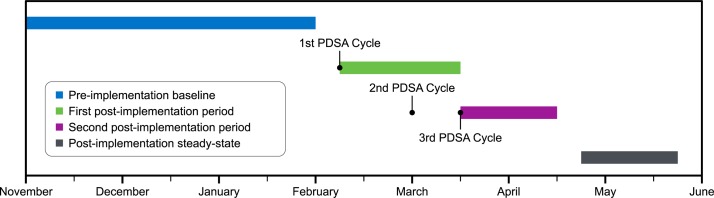
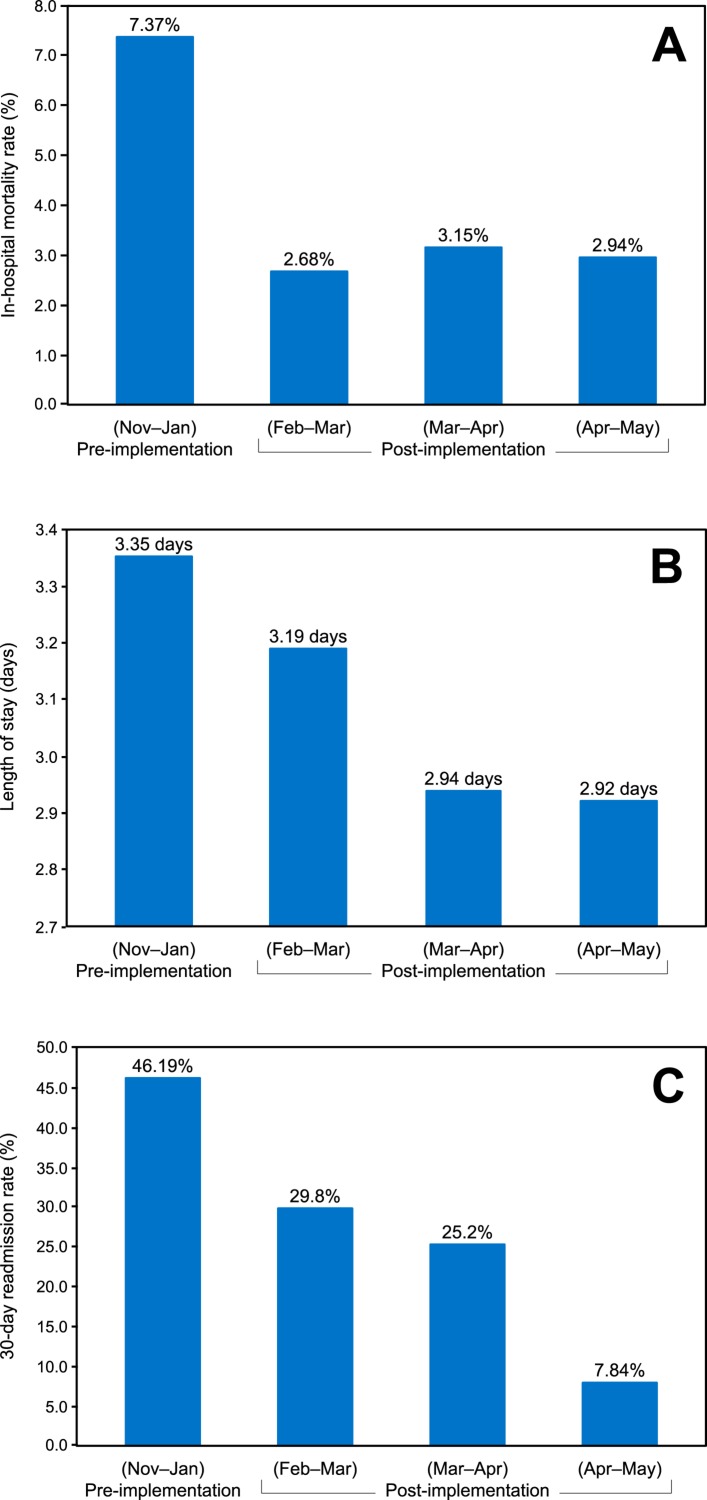
Introduction: Sepsis management is a challenge for hospitals nationwide, as severe sepsis carries high mortality rates and costs the US healthcare system billions of dollars each year. It has been shown that early intervention for patients with severe sepsis and septic shock is associated with higher rates of survival. The Cape Regional Medical Center (CRMC) aimed to improve sepsis-related patient outcomes through a revised sepsis management approach. Methods: In collaboration with Dascena, CRMC formed a quality improvement team to implement a machine learning-based sepsis prediction algorithm to identify patients with sepsis earlier. Previously, CRMC assessed all patients for sepsis using twice-daily systemic inflammatory response syndrome screenings, but desired improvements. The quality improvement team worked to implement a machine learning-based algorithm, collect and incorporate feedback, and tailor the system to current hospital workflow. Results: Relative to the pre-implementation period, the post-implementation period sepsis-related in-hospital mortality rate decreased by 60.24%, sepsis-related hospital length of stay decreased by 9.55% and sepsis-related 30-day readmission rate decreased by 50.14%. Conclusion: The machine learning-based sepsis prediction algorithm improved patient outcomes at CRMC.
Overview
The claims and statistics of this paper haven’t been checked yet.
Free: it reads the open-access text and checks the first 5 claims that cite a source we can check. Create a free account to check every claim.
Integrity signals
Registry
Cites
Statistics
Figures
Verification
Claims the paper makes
The claims and statistics of this paper haven’t been checked yet.
Free: it reads the open-access text and checks the first 5 claims that cite a source we can check. Create a free account to check every claim.
Claims other papers make about this one
Each is checked against this paper’s own text: does it say what the citing paper says it does?
The source backs part of the claim, not all of it — or backs it for a different population, condition or comparison.
In the citing paper
“Three papers using their own hospital data reported inquiries for data sharing were possible [28, 32, 35], two papers reported data would not be shared [25, 31].”
From Machine learning for the prediction of sepsis: a systematic review and meta-analysis of diagnostic test accuracy (2020) · cites this paper as [31]
Experimental — accuracy not yet measuredThe source backs part of the claim, not all of it — or backs it for a different population, condition or comparison.
In the citing paper
“Sepsis-related in hospital mortality rate decreased by 60.24% (p < 0.001)”
From Moving from bytes to bedside: a systematic review on the use of artificial intelligence in the intensive care unit (2021) · cites this paper as [28]
Experimental — accuracy not yet measuredThe cited source says what the claim attributes to it.
In the citing paper
“All 9 papers34,44,46,50,52,58–61 reported decreased mortality, be that all-cause, sepsis-related or both, although this was statistically significant only for 5 studies”
From Deployment of machine learning algorithms to predict sepsis: systematic review and application of the SALIENT clinical AI implementation framework (2023) · cites this paper as [59]
The cited source says what the claim attributes to it.
In the citing paper
“The interventional studies included two pre-post implementation studies (in-hospital) [30, 31] and one ICU randomized controlled trial [32].”
From Machine learning for the prediction of sepsis: a systematic review and meta-analysis of diagnostic test accuracy (2020) · cites this paper as [31]
The cited source says what the claim attributes to it.
In the citing paper
“Only three interventional studies have been identified in this review, which were carried out in different clinical settings and show mixed results [31, 32, 51].”
From Machine learning for the prediction of sepsis: a systematic review and meta-analysis of diagnostic test accuracy (2020) · cites this paper as [31]
2 more claims about this paper
Create a free account to see every claim other papers make about this one.
Self-check
Percentages, sums and reported differences re-computed from the paper’s own numbers.
The self-check needs the paper’s full text.
Citations
Cites
The third international consensus definitions for sepsis and septic shock (Sepsis-3).
Singer, M., Deutschman, C. S., Seymour, C. W., Shankar-Hari, M., Annane, D., Bauer, M., Bellomo, R., Bernard, G. R., Chiche, J.-D., Coopersmith, C. M., et al. (2016) · JAMA · doi:10.1001/jama.2016.0287 · Cited by 28,250 · cited 2×
“background Severe sepsis is characterised by organ failure and carries a mortality rate of over 10%, and the escalation to septic shock presents with refractory hypotension and a mortality rate near 40%.(7) Despite the high frequency and the poor associated outcomes of sepsis, the heterogeneity of both infection types…”
BackgroundMethodBone, R. C., Balk, R. A., Cerra, F. B., Dellinger, R. P., Fein, A. M., Knaus, W. A., Schein, R. M. H., & Sibbald, W. J. (1992) · Chest · doi:10.1378/chest.101.6.1644 · Cited by 13,198
Vincent, J. L., Moreno, R., Takala, J., Willatts, S., De Mendonça, A., Bruining, H., Reinhart, C. K., Suter, P. M., & Thijs, L. G. (1996) · Intensive Care Medicine · doi:10.1007/bf01709751 · Cited by 11,674
Angus, D. C., Linde-Zwirble, W. T., Lidicker, J., Clermont, G., Carcillo, J., & Pinsky, M. R. (2001) · Critical Care Medicine · doi:10.1097/00003246-200107000-00002 · Cited by 8,503
Kumar, A., Roberts, D., Wood, K. E., Light, B., Parrillo, J. E., Sharma, S., Suppes, R., Feinstein, D., Zanotti, S., Taiberg, L., et al. (2006) · Critical Care Medicine · doi:10.1097/01.ccm.0000217961.75225.e9 · Cited by 6,109
Seymour, C. W., Liu, V. X., Iwashyna, T. J., Brunkhorst, F. M., Rea, T. D., Scherag, A., Rubenfeld, G., Kahn, J. M., Shankar-Hari, M., Singer, M., et al. (2016) · JAMA · doi:10.1001/jama.2016.0288 · Cited by 3,939 · cited 1×
“Even consensus definitions of clinical sepsis presentation are difficult to achieve, as indicated by the recent proposed redefinitions of the stages of sepsis (sepsis −3).(8) However, it has been shown in several studies that early recognition of sepsis, and compliance with sepsis treatment bundles, can lead to a redu…”
BackgroundFleischmann, C., Scherag, A., Adhikari, N. K. J., Hartog, C. S., Tsaganos, T., Schlattmann, P., Angus, D. C., & Reinhart, K. (2016) · American Journal of Respiratory and Critical Care Medicine · doi:10.1164/rccm.201504-0781oc · Cited by 3,548 · cited 1×
“Problem Sepsis, a dysregulated host response to infection, is a serious health concern globally.(1) In the USA alone, more than 750 000 individuals are afflicted annually,(2) with a cost of over $20 billion per year.”
BackgroundThe natural history of the systemic inflammatory response syndrome (SIRS). A prospective study
Rangel-Frausto, M. S. (1995) · JAMA · doi:10.1001/jama.273.2.117 · Cited by 2,104
Validation of a modified Early Warning Score in medical admissions
Subbe, C. P. (2001) · QJM · doi:10.1093/qjmed/94.10.521 · Cited by 1,762
A targeted real-time early warning score (TREWScore) for septic shock.
Henry, K. E., Hager, D. N., Pronovost, P. J., & Saria, S. (2015) · Science Translational Medicine · doi:10.1126/scitranslmed.aab3719 · Cited by 598 · cited 1×
“14 Other prior works applying machine learning algorithms to the EHR in the detection or prediction of sepsis include the retrospective studies of Henry et al 16 and Nachimuthu and Haug, 17 and the pilot studies of Sawyer et al .”
Method
Research works printed but not linked: 1
- Singer M, Deutschman CS, Seymour CW, et al The third international consensus definitions for Sepsis and Septic Shock (sepsis-3). JAMA 2016; 315: 801– 10. doi:10.1001/jama.2016.0287 26903338 PMC4968574 · DOI · Paper page
Cited by
Artificial intelligence, bias and clinical safety
Challen, R., Denny, J., Pitt, M., Gompels, L., Edwards, T., & Tsaneva-Atanasova, K. (2019) · BMJ Quality & Safety · doi:10.1136/bmjqs-2018-008370 · Cited by 956
“…is notable however that the sepsis detection system mentioned above 20 has been successfully tested in the different context of a community hospital 5 despite being trained in intensive care, a potential distributional shift, and thus shows some capability of adaptation through ‘transfer learning’.”
Fleuren, L. M., Klausch, T. L. T., Zwager, C. L., Schoonmade, L. J., Guo, T., Roggeveen, L. F., Swart, E. L., Girbes, A. R. J., Thoral, P., Ercole, A., et al. (2020) · Intensive Care Medicine · doi:10.1007/s00134-019-05872-y · Cited by 755
Peiffer-Smadja, N., Rawson, T. M., Ahmad, R., Buchard, A., Georgiou, P., Lescure, F.-X., Birgand, G., & Holmes, A. H. (2020) · Clinical Microbiology and Infection · doi:10.1016/j.cmi.2019.09.009 · Cited by 561
Role of Artificial Intelligence Applications in Real-Life Clinical Practice: Systematic Review
Yin, J., Ngiam, K. Y., & Teo, H. H. (2021) · Journal of Medical Internet Research · doi:10.2196/25759 · Cited by 419
Adams, R., Henry, K. E., Sridharan, A., Soleimani, H., Zhan, A., Rawat, N., Johnson, L., Hager, D. N., Cosgrove, S. E., Markowski, A., et al. (2022) · Nature Medicine · doi:10.1038/s41591-022-01894-0 · Cited by 365
“However, few studies have reported on clinical implementations of these models 11,16,17 .”
BackgroundEmerging Technologies for Molecular Diagnosis of Sepsis
Sinha, M., Jupe, J., Mack, H., Coleman, T. P., Lawrence, S. M., & Fraley, S. I. (2018) · Clinical Microbiology Reviews · doi:10.1128/cmr.00089-17 · Cited by 331
van de Sande, D., van Genderen, M. E., Huiskens, J., Gommers, D., & van Bommel, J. (2021) · Intensive Care Medicine · doi:10.1007/s00134-021-06446-7 · Cited by 279
Giannini, H. M., Ginestra, J. C., Chivers, C., Draugelis, M., Hanish, A., Schweickert, W. D., Fuchs, B. D., Meadows, L., Lynch, M., Donnelly, P. J., et al. (2019) · Critical Care Medicine · doi:10.1097/ccm.0000000000003891 · Cited by 269
Theodosiou, A. A., & Read, R. C. (2023) · Journal of Infection · doi:10.1016/j.jinf.2023.07.006 · Cited by 237
Early Prediction of Sepsis in the ICU Using Machine Learning: A Systematic Review
Moor, M., Rieck, B., Horn, M., Jutzeler, C. R., & Borgwardt, K. (2021) · Frontiers in Medicine · doi:10.3389/fmed.2021.607952 · Cited by 231
“2 Study characteristics Of the 22 included studies, 21 employed solely retrospective analyses, while 1 study used both retrospective and prospective analyses [McCoy and Das, 2017].”
BackgroundHirani, R., Noruzi, K., Khuram, H., Hussaini, A. S., Aifuwa, E. I., Ely, K. E., Lewis, J. M., Gabr, A. E., Smiley, A., Tiwari, R. K., et al. (2024) · Life · doi:10.3390/life14050557 · Cited by 210
“While studies demonstrate AI’s potential to enhance patient outcomes, issues persist, including a lack of standardization in reporting findings, limited comparison to current care practices, and the potential for unsafe recommendations [170–173].”
Nair, M., Svedberg, P., Larsson, I., & Nygren, J. M. (2024) · PLOS ONE · doi:10.1371/journal.pone.0305949 · Cited by 179
Ellahham, S., Ellahham, N., & Simsekler, M. C. E. (2020) · American Journal of Medical Quality · doi:10.1177/1062860619878515 · Cited by 177
Barton, C., Chettipally, U., Zhou, Y., Jiang, Z., Lynn-Palevsky, A., Le, S., Calvert, J., & Das, R. (2019) · Computers in Biology and Medicine · doi:10.1016/j.compbiomed.2019.04.027 · Cited by 175
Self-citationImpact of a deep learning sepsis prediction model on quality of care and survival
Boussina, A., Shashikumar, S. P., Malhotra, A., Owens, R. L., El-Kareh, R., Longhurst, C. A., Quintero, K., Donahue, A., Chan, T. C., Nemati, S., et al. (2024) · npj Digital Medicine · doi:10.1038/s41746-023-00986-6 · Cited by 170
Integrating a Machine Learning System Into Clinical Workflows: Qualitative Study
Sandhu, S., Lin, A. L., Brajer, N., Sperling, J., Ratliff, W., Bedoya, A. D., Balu, S., O'Brien, C., & Sendak, M. P. (2020) · Journal of Medical Internet Research · doi:10.2196/22421 · Cited by 168
Ginestra, J. C., Giannini, H. M., Schweickert, W. D., Meadows, L., Lynch, M. J., Pavan, K., Chivers, C. J., Draugelis, M., Donnelly, P. J., Fuchs, B. D., et al. (2019) · Critical Care Medicine · doi:10.1097/ccm.0000000000003803 · Cited by 159
Mohamadlou, H., Lynn-Palevsky, A., Barton, C., Chettipally, U., Shieh, L., Calvert, J., Saber, N. R., & Das, R. (2018) · Canadian Journal of Kidney Health and Disease · doi:10.1177/2054358118776326 · Cited by 158
Self-citationHenry, K. E., Adams, R., Parent, C., Soleimani, H., Sridharan, A., Johnson, L., Hager, D. N., Cosgrove, S. E., Markowski, A., Klein, E. Y., et al. (2022) · Nature Medicine · doi:10.1038/s41591-022-01895-z · Cited by 144
“A subset of these have shown impact on treatment processes 44,46,47 but all relied on dedicated staff to manage the high alert volumes and false alarm rates.”
BackgroundChomutare, T., Tejedor, M., Svenning, T. O., Marco-Ruiz, L., Tayefi, M., Lind, K., Godtliebsen, F., Moen, A., Ismail, L., Makhlysheva, A., et al. (2022) · International Journal of Environmental Research and Public Health · doi:10.3390/ijerph192316359 · Cited by 142
APPRAISE-AI Tool for Quantitative Evaluation of AI Studies for Clinical Decision Support
Kwong, J. C. C., Khondker, A., Lajkosz, K., McDermott, M. B. A., Frigola, X. B., McCradden, M. D., Mamdani, M., Kulkarni, G. S., & Johnson, A. E. W. (2023) · JAMA Network Open · doi:10.1001/jamanetworkopen.2023.35377 · Cited by 142
Implementation frameworks for end-to-end clinical AI: derivation of the SALIENT framework
van der Vegt, A. H., Scott, I. A., Dermawan, K., Schnetler, R. J., Kalke, V. R., & Lane, P. J. (2023) · Journal of the American Medical Informatics Association · doi:10.1093/jamia/ocad088 · Cited by 109
Strategies for improving physician documentation in the emergency department: a systematic review
Lorenzetti, D. L., Quan, H., Lucyk, K., Cunningham, C., Hennessy, D., Jiang, J., & Beck, C. A. (2018) · BMC Emergency Medicine · doi:10.1186/s12873-018-0188-z · Cited by 101
Botha, N. N., Segbedzi, C. E., Dumahasi, V. K., Maneen, S., Kodom, R. V., Tsedze, I. S., Akoto, L. A., Atsu, F. S., Lasim, O. U., & Ansah, E. W. (2024) · Archives of Public Health · doi:10.1186/s13690-024-01414-1 · Cited by 95
Applying machine learning to continuously monitored physiological data
Rush, B., Celi, L. A., & Stone, D. J. (2019) · Journal of Clinical Monitoring and Computing · doi:10.1007/s10877-018-0219-z · Cited by 93
Brave New World of Artificial Intelligence: Its Use in Antimicrobial Stewardship—A Systematic Review
Pinto-de-Sá, R., Sousa‐Pinto, B., & Costa‐de‐Oliveira, S. (2024) · Antibiotics · doi:10.3390/antibiotics13040307 · Cited by 87
Uffen, J. W., Oosterheert, J. J., Schweitzer, V. A., Thursky, K., Kaasjager, K. A. H., & Ekkelenkamp, M. B. (2020) · Clinical Microbiology and Infection · doi:10.1016/j.cmi.2020.02.022 · Cited by 87
On classifying sepsis heterogeneity in the ICU: insight using machine learning
Ibrahim, Z. M., Wu, H., Hamoud, A., Stappen, L., Dobson, R., & Agarossi, A. (2020) · Journal of the American Medical Informatics Association · doi:10.1093/jamia/ocz211 · Cited by 81
Burdick, H., Pino, E., Gabel-Comeau, D., McCoy, A., Gu, C., Roberts, J., Le, S., Slote, J., Pellegrini, E., Green-Saxena, A., et al. (2020) · BMJ Health & Care Informatics · doi:10.1136/bmjhci-2019-100109 · Cited by 80
Self-citationSurvival prediction of patients with sepsis from age, sex, and septic episode number alone
Chicco, D., & Jurman, G. (2020) · Scientific Reports · doi:10.1038/s41598-020-73558-3 · Cited by 79
Artificial intelligence and telemedicine in anesthesia: potential and problems
Bellini, V., Valente, M., Gaddi, A. V., Pelosi, P. P., & Bignami, E. G. (2022) · Minerva Anestesiologica · doi:10.23736/s0375-9393.21.16241-8 · Cited by 79
Developing neural network models for early detection of cardiac arrest in emergency department
Jang, D., Kim, J., Jo, Y. H., Lee, J. H., Hwang, J. E., Park, S. M., Lee, D. K., Park, I., Kim, D., & Chang, H. (2019) · The American Journal of Emergency Medicine · doi:10.1016/j.ajem.2019.04.006 · Cited by 77
Tarabichi, Y., Cheng, A., Bar-Shain, D., McCrate, B. M., Reese, L. H., Emerman, C., Siff, J., Wang, C., Kaelber, D. C., Watts, B., et al. (2022) · Critical Care Medicine · doi:10.1097/ccm.0000000000005267 · Cited by 76
Zając, H. D., Li, D., Dai, X., Carlsen, J. F., Kensing, F., & Andersen, T. O. (2023) · ACM Transactions on Computer-Human Interaction · doi:10.1145/3582430 · Cited by 74
Machine learning in patient flow: a review
El-Bouri, R., Taylor, T., Youssef, A., Zhu, T., & Clifton, D. A. (2021) · Progress in Biomedical Engineering · doi:10.1088/2516-1091/abddc5 · Cited by 73
van der Vegt, A. H., Scott, I. A., Dermawan, K., Schnetler, R. J., Kalke, V. R., & Lane, P. J. (2023) · Journal of the American Medical Informatics Association · doi:10.1093/jamia/ocad075 · Cited by 72
“Group (B) supported multiple alerts for the same patient, but incorporated a snooze feature to suppress alerts within 6 h of the first alert.(59,61) Whether to include more information about what caused alerts, versus just firing alerts alone (D20) had implications as to how the algorithm was trained.”
BackgroundMethodInfluentialEffectiveness of automated alerting system compared to usual care for the management of sepsis
Zhang, Z., Chen, L., Xu, P., Wang, Q., Zhang, J., Chen, K., Clements, C. M., Celi, L. A., Herasevich, V., & Hong, Y. (2022) · npj Digital Medicine · doi:10.1038/s41746-022-00650-5 · Cited by 69
Guo, F., Zhu, X., Wu, Z., Zhu, L., Wu, J., & Zhang, F. (2022) · Journal of Translational Medicine · doi:10.1186/s12967-022-03469-6 · Cited by 68
Valik, J. K., Ward, L., Tanushi, H., Johansson, A. F., Färnert, A., Mogensen, M. L., Pickering, B. W., Herasevich, V., Dalianis, H., Henriksson, A., et al. (2023) · Scientific Reports · doi:10.1038/s41598-023-38858-4 · Cited by 68
Exploring Artificial Intelligence in Anesthesia: A Primer on Ethics, and Clinical Applications
Cascella, M., Tracey, M. C., Petrucci, E., & Bignami, E. G. (2023) · Surgeries · doi:10.3390/surgeries4020027 · Cited by 67
Yadgarov, M. Y., Landoni, G., Бондоевич, Б. Л., Polyakov, P. A., Kadantseva, K., Smirnova, A. V., Kuznetsov, I. V., Shemetova, M. M., Yakovlev, A. А., & Likhvantsev, V. V. (2024) · Frontiers in Medicine · doi:10.3389/fmed.2024.1491358 · Cited by 67
Early Detection of Sepsis With Machine Learning Techniques: A Brief Clinical Perspective
Giacobbe, D. R., Signori, A., Del Puente, F., Mora, S., Carmisciano, L., Briano, F., Vena, A., Ball, L., Robba, C., Pelosi, P., et al. (2021) · Frontiers in Medicine · doi:10.3389/fmed.2021.617486 · Cited by 65
Digital Alerting and Outcomes in Patients With Sepsis: Systematic Review and Meta-Analysis
Joshi, M., Ashrafian, H., Arora, S., Khan, S. N., Cooke, G., & Darzi, A. W. (2019) · Journal of Medical Internet Research · doi:10.2196/15166 · Cited by 64
Preti, L. M., Ardito, V., Compagni, A., Petracca, F., & Cappellaro, G. (2024) · Journal of Medical Internet Research · doi:10.2196/55897 · Cited by 62
“Implementation teams were observed as well in the form of quality improvement teams [34], AI governance committees [40,46,63], or interdisciplinary teams of HCPs, software engineers, developers, IT specialists, and other figures [46,51,55,64].”
Burdick, H., Pino, E., Gabel-Comeau, D., Gu, C., Roberts, J., Le, S., Slote, J., Saber, N., Pellegrini, E., Green‐Saxena, A., et al. (2020) · BMC Medical Informatics and Decision Making · doi:10.1186/s12911-020-01284-x · Cited by 59
Self-citationShashikumar, S. P., Mohammadi, S., Krishnamoorthy, R., Patel, A., Wardi, G., Ahn, J. C., Singh, K., Aronoff-Spencer, E. S., & Nemati, S. (2025) · npj Digital Medicine · doi:10.1038/s41746-025-01689-w · Cited by 59
Nair, M., Nygren, J., Nilsén, P., Gama, F., Neher, M., Larsson, I., & Svedberg, P. (2025) · Frontiers in Digital Health · doi:10.3389/fdgth.2025.1550459 · Cited by 50
AI in the Intensive Care Unit: Up-to-Date Review
Nguyen, D., Ngo, B., & vanSonnenberg, E. (2020) · Journal of Intensive Care Medicine · doi:10.1177/0885066620956620 · Cited by 49
Petersson, L., Vincent, K., Svedberg, P., Nygren, J., & Larsson, I. (2023) · Digital Health · doi:10.1177/20552076231206588 · Cited by 50
Wulff, A., Montag, S., Marschollek, M., & Jack, T. (2019) · Methods of Information in Medicine · doi:10.1055/s-0039-1695717 · Cited by 47
Karnuta, J. M., Navarro, S. M., Haeberle, H. S., Helm, J. M., Kamath, A. F., Schaffer, J. L., Krebs, V. E., & Ramkumar, P. N. (2019) · The Journal of Arthroplasty · doi:10.1016/j.arth.2019.05.048 · Cited by 43
A Review of Predictive Analytics Solutions for Sepsis Patients
Teng, A. K., & Wilcox, A. B. (2020) · Applied Clinical Informatics · doi:10.1055/s-0040-1710525 · Cited by 41
Kijpaisalratana, N., Saoraya, J., Nhuboonkaew, P., Vongkulbhisan, K., & Musikatavorn, K. (2024) · Internal and Emergency Medicine · doi:10.1007/s11739-024-03535-5 · Cited by 40
van der Meijden, S. L., de Hond, A. A. H., Thoral, P. J., Steyerberg, E. W., Kant, I. M. J., Cinà, G., & Arbous, M. S. (2023) · JMIR Human Factors · doi:10.2196/39114 · Cited by 39
“These insights may enhance successful implementation in this high-stakes decision-making environment, as clinician input is important throughout the implementation process to enhance successful implementation and ultimately improve patient outcomes [23].”
BackgroundMachine-Learning-Based Laboratory Developed Test for the Diagnosis of Sepsis in High-Risk Patients
Calvert, J. S., Saber, N., Hoffman, J. L., & Das, R. (2019) · Diagnostics · doi:10.3390/diagnostics9010020 · Cited by 36
Self-citationEnhancing Infection Control in ICUS Through AI: A Literature Review
Godbole, A. A., Paras, P., Mehra, M., Banerjee, S., Roy, P., Deb, N., & Jagtap, S. (2025) · Health Science Reports · doi:10.1002/hsr2.70288 · Cited by 35
Lin, P.-C., Chen, K.-T., Chen, H.-C., Islam, M. M., & Lin, M. (2021) · Journal of Personalized Medicine · doi:10.3390/jpm11111055 · Cited by 35
Liu, Z., Khojandi, A., Li, X., Mohammed, A., Davis, R. L., & Kamaleswaran, R. (2022) · INFORMS journal on computing · doi:10.1287/ijoc.2022.1176 · Cited by 34
Baral, S., Alsadoon, A., Prasad, P. W. C., Aloussi, S. A., & Alsadoon, O. H. (2021) · Multimedia Tools and Applications · doi:10.1007/s11042-021-11176-5 · Cited by 34
Modern perioperative medicine – past, present, and future
Dean, H., Carter, F., & Francis, N. K. (2019) · Innovative Surgical Sciences · doi:10.1515/iss-2019-0014 · Cited by 33
Fahey, C. A., Wei, L., Njau, P., Shabani, S., Kwilasa, S., Maokola, W. M., Packel, L. J., Zheng, Z., Wang, J., & McCoy, S. I. (2022) · PLOS Global Public Health · doi:10.1371/journal.pgph.0000720 · Cited by 32
Machine Learning in Cardiology—Ensuring Clinical Impact Lives Up to the Hype
Russak, A. J., Chaudhry, F., Freitas, J. K. D., Baron, G., Chaudhry, F. F., Bienstock, S., Paranjpe, I., Vaid, A., Ali, M., Zhao, S., et al. (2020) · Journal of Cardiovascular Pharmacology and Therapeutics · doi:10.1177/1074248420928651 · Cited by 31
Machine learning-based clinical decision support for infection risk prediction
Feng, T., Noren, D. P., Kulkarni, C., Mariani, S., Zhao, C. Y., Ghosh, E., Swearingen, D., Frassica, J. J., McFarlane, D. C., & Conroy, B. (2023) · Frontiers in Medicine · doi:10.3389/fmed.2023.1213411 · Cited by 29
Transferability and interpretability of the sepsis prediction models in the intensive care unit
Chen, Q., Li, R., Lin, C., Lai, C., Chen, D., Qu, H., Huang, Y., Lu, W., Tang, Y., & Li, L. (2022) · BMC Medical Informatics and Decision Making · doi:10.1186/s12911-022-02090-3 · Cited by 28
Herasevich, S., Lipatov, K., Pinevich, Y., Lindroth, H. L., Tekin, A., Herasevich, V., Pickering, B. W., & Barwise, A. K. (2022) · Critical Care Medicine · doi:10.1097/ccm.0000000000005554 · Cited by 23
Yang, A. C., Ma, W.-M., Chiang, D.-H., Liao, Y.-Z., Lai, H.-Y., Lin, S.-C., Liu, M.-C., Wen, K. X., Lin, T.-H., Tsai, W.-X., et al. (2025) · Intelligence-Based Medicine · doi:10.1016/j.ibmed.2025.100242 · Cited by 23
Shrestha, U., Alsadoon, A., Prasad, P. W. C., Aloussi, S. A., & Alsadoon, O. H. (2021) · Multimedia Tools and Applications · doi:10.1007/s11042-021-10725-2 · Cited by 22
Liu, Z., Khojandi, A., Mohammed, A., Li, X., Chinthala, L. K., Davis, R. L., & Kamaleswaran, R. (2021) · Computers in Biology and Medicine · doi:10.1016/j.compbiomed.2021.104255 · Cited by 21
The role of artificial intelligence in sepsis in the Emergency Department: a narrative review
Chua, M. T., Boon, Y., Lee, Z. Y., Kok, J. J., Lim, C. K. W., Cheung, N. M. T., Yong, L. P. X., & Kuan, W. S. (2025) · Annals of Translational Medicine · doi:10.21037/atm-24-150 · Cited by 21
Enhancing sepsis management through machine learning techniques: A review
Ocampo-Quintero, N., Vidal-Cortés, P., del Río Carbajo, L., Fdez-Riverola, F., Reboiro-Jato, M., & Glez-Peña, D. (2022) · Medicina Intensiva · doi:10.1016/j.medin.2020.04.003 · Cited by 20
Harnessing AI for advancing pathogenic microbiology: a bibliometric and topic modeling approach
Tian, T., Zhang, X., Zhang, F., Huang, X. C., Li, M., Quan, Z.-W., Wang, W., Lei, J., Wang, Y., Liu, Y., et al. (2024) · Frontiers in Microbiology · doi:10.3389/fmicb.2024.1510139 · Cited by 20
Botha, N. N., Ansah, E. W., Segbedzi, C. E., Dumahasi, V. K., Maneen, S., Kodom, R. V., Tsedze, I. S., Akoto, L. A., & Atsu, F. S. (2024) · BMC Digital Health · doi:10.1186/s44247-024-00091-y · Cited by 20
Desai, M. D., Tootooni, M. S., & Bobay, K. L. (2022) · Applied Clinical Informatics · doi:10.1055/s-0042-1742369 · Cited by 19
Machine Learning for Early Outcome Prediction in Septic Patients in the Emergency Department
Greco, M., Caruso, P. F., Spano, S., Citterio, G., Desai, A., Molteni, A., Aceto, R., Costantini, E., Voza, A., & Cecconi, M. (2023) · Algorithms · doi:10.3390/a16020076 · Cited by 18
Shen, J., Chetty, S. C., Shokouhi, S., Maharjan, J., Chuba, Y., Calvert, J. S., & Mao, Q. (2022) · Thrombosis Research · doi:10.1016/j.thromres.2022.05.016 · Cited by 18
Topiwala, R., Patel, K., Twigg, J., Rhule, J., & Meisenberg, B. (2019) · Critical Care Explorations · doi:10.1097/cce.0000000000000046 · Cited by 16
Wong, C. W., Chen, C., Rossi, L. A., Abila, M., Munu, J., Nakamura, R., & Eftekhari, Z. (2021) · JCO Clinical Cancer Informatics · doi:10.1200/cci.20.00127 · Cited by 15
Identification of Risk Factors and Prediction of Sepsis in Pregnancy Using Machine Learning Methods
Kopanitsa, G., Metsker, O., Paskoshev, D. D., & Greschischeva, S. (2021) · Procedia Computer Science · doi:10.1016/j.procs.2021.10.040 · Cited by 15
Detection of sepsis during emergency department triage using machine learningPreprint
Ivanov, O., Molander, K., Dunne, R., Liu, S., Brecher, D., Masek, K., Lewis, E., Wolf, L. A., Travers, D. A., Delaney, D., et al. (2022) · arXiv (Cornell University) · doi:10.48550/arxiv.2204.07657 · Cited by 15
Prediction of Readmission Following Sepsis Using Social Determinants of Health
Amrollahi, F., Kennis, B., Shashikumar, S. P., Malhotra, A., Taylor, S. P., Ford, J., Rodriguez, A., Weston, J., Maheshwary, R. R., Nemati, S., et al. (2024) · Critical Care Explorations · doi:10.1097/cce.0000000000001099 · Cited by 14
Bansal, N., & Morris, J. (2019) · International Journal of Clinical Pharmacy · doi:10.1007/s11096-019-00888-2 · Cited by 14
Precision medicine in anesthesiology
Jalilian, L., & Cannesson, M. (2020) · International Anesthesiology Clinics · doi:10.1097/aia.0000000000000297 · Cited by 13
Gale, B., & Hall, K. K. (2020) · Journal of Patient Safety · doi:10.1097/pts.0000000000000750 · Cited by 13
SMOTE-TOMEK: A Hybrid Sampling-Based Ensemble Learning Approach for Sepsis Prediction
Kumar, M. R., Natteshan, N. V. S., Avanija, J., Madhavi, K. R., Charan, N., & Kushal, V. (2023) · International Conference on Edge Computing and Applications (ICECAA) · doi:10.1109/icecaa58104.2023.10212208 · Cited by 12
Wan, Y.-K. J., Wright, M. C., McFarland, M. M., Dishman, D., Nies, M. A., Rush, A., Madaras-Kelly, K., Jeppesen, A., & Del Fiol, G. (2023) · Journal of the American Medical Informatics Association · doi:10.1093/jamia/ocad203 · Cited by 11
Enhancing sepsis management through machine learning techniques: A review
Ocampo-Quintero, N., Vidal, P., Carbajo, L. D. R., Fdez‐Riverola, F., Reboiro‐Jato, M., & Glez‐Peña, D. (2022) · Medicina Intensiva (English Edition) · doi:10.1016/j.medine.2020.04.015 · Cited by 11
Chen, Y., Chirikov, V., Marston, X. L., Yang, J., Qiu, H., Xie, J., Sun, N., Gu, C., Dong, P., & Gao, X. Y. (2023) · Journal of health economics and outcomes research · doi:10.36469/jheor.2020.12698 · Cited by 11
Effect of a Sepsis Prediction Algorithm on Patient Mortality, Length of Stay, and ReadmissionPreprint
Burdick, H., Pino, E., Gabel-Comeau, D., McCoy, A., Gu, C., Roberts, J., Slote, J., Saber, N., Hoffman, J. L., & Das, R. (2018) · bioRxiv (Cold Spring Harbor Laboratory) · doi:10.1101/457465 · Cited by 9
Self-citationSEPRES: Intensive Care Unit Clinical Data Integration System to Predict Sepsis
Chen, Q., Li, R., Lin, C., Lai, C., Huang, Y., Lu, W., & Li, L. (2022) · Applied Clinical Informatics · doi:10.1055/a-1990-3037 · Cited by 9
Schnetler, R. J., van der Vegt, A. H., Kalke, V. R., Lane, P., & Scott, I. A. (2025) · BMJ Quality & Safety · doi:10.1136/bmjqs-2024-018328 · Cited by 9
Precision medicine for the treatment of sepsis: recent advances and future prospects
Palma, P., & Rello, J. (2019) · Expert Review of Precision Medicine and Drug Development · doi:10.1080/23808993.2019.1626714 · Cited by 9
Benchmarking Predictive Models in Electronic Health Records: Sepsis Length of Stay Prediction
Alsinglawi, B. S., Alnajjar, F., Mubin, O., Novoa, M., Karajeh, O., & Darwish, O. (2020) · Advances in intelligent systems and computing · doi:10.1007/978-3-030-44041-1_24 · Cited by 9
Bray, C., & Kennedy, C. (2020) · Journal of the American Association of Nurse Practitioners · doi:10.1097/jxx.0000000000000436 · Cited by 9
van der Vegt, A. H., Campbell, V. K., Webb, R. T., Venkatesh, B., Lane, P. J., Wilks, K. M., McPhail, S., Rice, M., Isaacs, T., Abdel‐Hafez, A., et al. (2025) · Journal of the American Medical Informatics Association · doi:10.1093/jamia/ocaf192 · Cited by 8
Al-Juhani, A. A., Desoky, R. M., Iskander, Z., Alshehri, K., Alshehri, A., Almuhaimid, A. A., Alharbi, N. L., Mominah, R. H., Al-Humoud, F. M., & Desoky, A. (2025) · Cureus · doi:10.7759/cureus.89882 · Cited by 8
The NHS digital clinical safety strategy
Neves, A. L. (2021) · BMJ · doi:10.1136/bmj.n2981 · Cited by 8
Implementation of machine learning in emergency departments: A systematic review
Hosseini, B., Patel, A., Landes, M., Vaillancourt, S., Mamdani, M. M., Maruthananth, K., Matharu, N., Pathan, Z., Sivapragasam, K., Ruangsomboon, O., et al. (2026) · Digital Health · doi:10.1177/20552076251411209 · Cited by 8
The Case for Virtual Sepsis Surveillance and Intervention
Davis, C., Faruki, A., Breyer, D., Cumbler, E., Fisher, B., Hassell, A., Hess, S., Pierce, R. G., Wiler, J. L., & Zane, R. D. (2022) · Telemedicine Journal and e-Health · doi:10.1089/tmj.2020.0513 · Cited by 8
Readmissions in Sepsis Survivors: Discharge Setting Risks
Hartley, P., Pelkmans, J. L., Lott, C., Higgins, M. K., Chen, X., Reinhardt, A., Zhang, Y., & Wood, K. (2024) · American Journal of Critical Care · doi:10.4037/ajcc2024947 · Cited by 7
Cheng, C.-Y., Hsu, T.-H., Hung, Y.-L., Hsu, T.-Y., Cheng, F.-J., Pan, H.-Y., Lin, C. R., & Chiu, I.-M. (2026) · BMC Emergency Medicine · doi:10.1186/s12873-025-01464-w · Cited by 7
Metadata
- Authors
- McCoy, A., & Das, R.
- Affiliations
- Cape Regional Medical Center, Cape May Court House, New Jersey, USA
- Dascena (United States) (US)
- Corresponding author
- Das, Ritankar
- ORCID
- Das, Ritankar
- Venue
- BMJ Open Quality
- Publisher
- BMJ
- Published
- 2017-10
- Volume
- 6
- Issue
- 2
- Pages
- e000158
- ISSN
- 2399-6641 (ISSN-L)
- PMC
- PMC5699136
- OpenAlex
- W2766207659
- Cited by
- 148
- References
- 27
- Citations by year
- 2026: 8 · 2025: 12 · 2024: 22 · 2023: 15 · 2022: 28 · 2021: 23 · 2020: 18 · 2019: 17 · 2018: 5
- FWCI
- 8.56
- Type
- journal article
- Language
- en
- Open access
- gold
- doi.org
- Licence
- cc-by-nc
- Locations
- BMJ Open Quality (publishedVersion, cc-by-nc)
- Europe PMC (PubMed Central) (publishedVersion, cc-by-nc)
- PubMed Central (publishedVersion, cc-by-nc)
- PubMed (publishedVersion)
- Topics
- Health Sciences › Medicine › Critical Care and Intensive Care Medicine › Sepsis Diagnosis and Treatment
- Physical Sciences › Computer Science › Artificial Intelligence › Machine Learning in Healthcare
- Health Sciences › Medicine › Nephrology › Acute Kidney Injury Research
- Keywords
- sepsis prediction, machine learning, sepsis treatment, septic shock, in-hospital mortality, length of hospital stay, hospital readmission, early intervention, quality improvement, emergency department, intensive care unit, hospital workflow
About these checks
Registry, retraction, Cites and statistics results are computed, not judged, with one exception: a printed reference that no index lists is read once by a model before it counts as a citation error. Claims are extracted by a model and kept only when their quote appears verbatim in the text; each cited source is then checked, with a model’s help, for whether it says what the claim relies on. Those verdicts can be wrong — read the claim’s quote and the cited source before relying on one.
Statistics and arithmetic are recomputed, not judged.
Confidence bands are shown only for fields calibrated on our annotated test set. None is calibrated yet, so no band is shown.
What counts as a claim ›How we measure confidence ›How we check this ›
Are you an author, or do you see a problem with this page? Request a review
Data sources
Bibliographic data: Semantic Scholar, OpenAlex, Crossref.
Contains information from the Semantic Scholar Academic Graph Datasets, made available under the ODC Attribution License (ODC-BY 1.0).
Semantic Scholar’s data is described in: Kinney, R., et al. (2023). The Semantic Scholar Open Data Platform. arXiv:2301.10140.
