

Effectiveness of mindfulness-based interventions on the well-being of healthcare workers: a systematic review and meta-analysis
Open accessThe DOI matches its Crossref record; 61 of the 67 references it cites were found in a registry or an index; 6 of the 8 sources its claims cite were checked for support.
Abstract
Background: Growing evidence attests to the efficacy of mindfulness-based interventions (MBIs), but their effectiveness for healthcare workers remains uncertain. Aims: To evaluate the evidence for MBIs in improving healthcare workers' psychological well-being. Methods: A systematic literature search was conducted on Medline, Embase, Cumulative Index for Nursing and Allied Health Literature, PsycINFO and Cochrane Central Register of Controlled Trials up to 31 August 2022 using the keywords 'healthcare worker', 'doctor', 'nurse', 'allied health', 'mindfulness', 'wellness', 'workshop' and 'program'. Randomised controlled trials with a defined MBI focusing on healthcare workers and quantitative outcome measures related to subjective or psychological well-being were eligible for inclusion. R V.4.0.3 was used for data analysis, with the standardised mean difference as the primary outcome, employing DerSimonian and Laird's random effects model. Grading of Recommendations, Assessment, Development and Evaluation framework was used to evaluate the quality of evidence. Cochrane's Risk of Bias 2 tool was used to assess the risk of bias in the included studies. Results: A total of 27 studies with 2506 participants were included, mostly from the USA, involving various healthcare professions. MBIs such as stress reduction programmes, apps, meditation and training showed small to large effects on anxiety, burnout, stress, depression, psychological distress and job strain outcomes of the participants. Positive effects were also seen in self-compassion, empathy, mindfulness and well-being. However, long-term outcomes (1 month or longer postintervention) varied, and the effects were not consistently sustained. Conclusions: MBIs offer short-term benefits in reducing stress-related symptoms in healthcare workers. The review also highlights limitations such as intervention heterogeneity, reduced power in specific subgroup analyses and variable study quality. PROSPERO registration number: CRD42022353340.
Overview
CoChat Summary
## TL;DR
This systematic review and meta-analysis found that mindfulness-based interventions (MBIs) can improve healthcare workers’ well-being, especially in the short term. Effects were more consistent for stress-related outcomes than for burnout, depression, or self-compassion over longer follow-up.
## Key findings
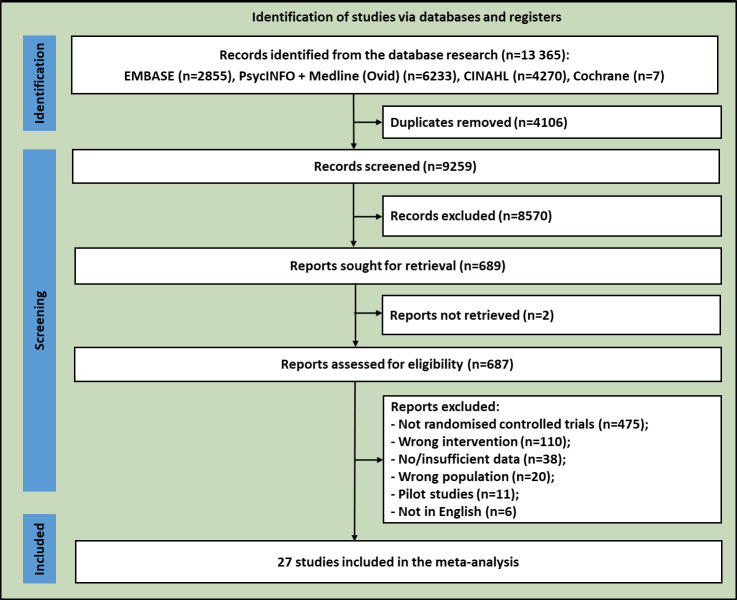
- The review included 27 studies with 2506 participants; the initial search yielded 13,365 studies, 9259 were screened after duplicates were removed, and 687 full texts were reviewed.
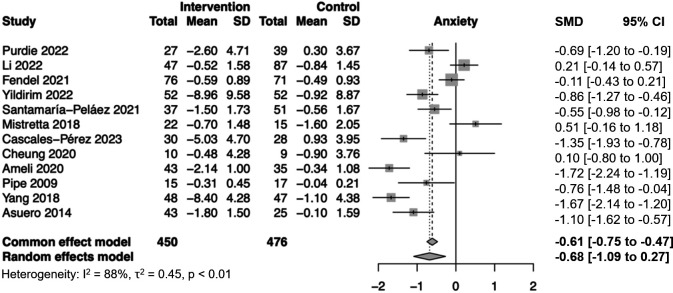
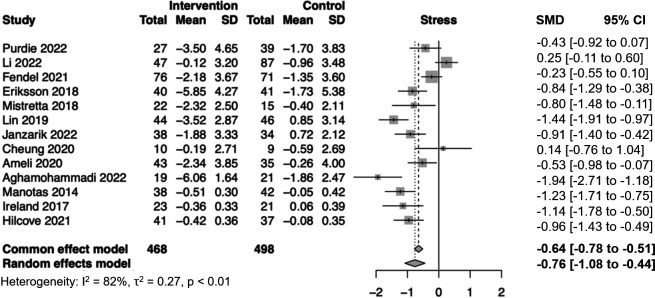
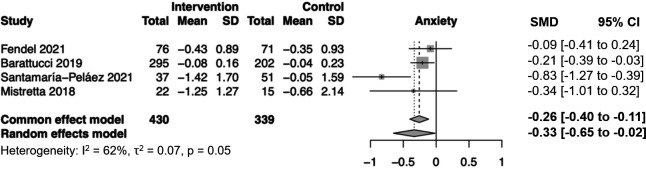
- In the short term (<1 month postintervention), MBIs showed significant benefits for anxiety (SMD −0.68), burnout (SMD −0.44), stress (SMD −0.76), depression (SMD −0.50), psychological distress (SMD −0.85), and job strain (SMD −0.49).
- Short-term improvements were also seen in self-compassion (SMD 0.86), mindfulness (SMD 0.92), and positive well-being (SMD 0.55); resilience was not significant short term (SMD 0.29, p=0.221).
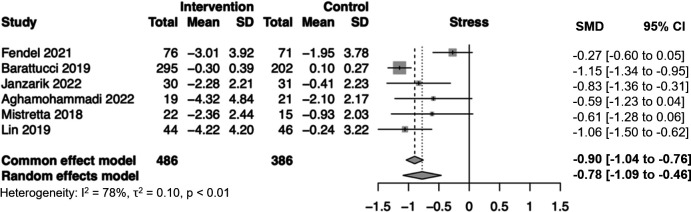
- Longer-term effects (≥1 month) were significant for positive well-being (SMD 0.87), resilience (SMD 0.45), stress (SMD −0.78), and anxiety (SMD −0.33), but not for burnout, depression, or self-compassion.
## Methods
- Systematic review and meta-analysis of randomised controlled trials of defined MBIs in healthcare workers, with quantitative outcomes related to subjective or psychological well-being; protocol registered in PROSPERO (CRD42022353340) and conducted per PRISMA.
- Searched Medline, Embase, CINAHL, PsycINFO, and CENTRAL from inception to 31 August 2022; only English-language original RCTs were included, and pilot/feasibility studies were excluded.
- Used standardised mean difference as the primary effect size in a random-effects model (DerSimonian and Laird); assessed risk of bias with RoB 2 and evidence certainty with GRADE; conducted subgroup analyses by occupation and delivery mode, plus leave-one-out sensitivity analyses.
## Limitations
- The paper states that there was intervention heterogeneity, reduced power in specific subgroup analyses, and variable study quality.
- It also notes that follow-up was often only short term, so it is unclear whether effects are sustained over time.
- Evident from the text: many studies had high heterogeneity in outcomes (with some I2 as high as 88%), and the evidence base was concentrated in the USA and Europe, with few Asian studies, which limits generalisability.
Model-written summary. Check it against the paper before relying on it.
Integrity signals
Registry
Cites
Statistics
Figures
Verification
Claims the paper makes
3 Valid · 1 Not valid · 1 Not checked · 45 Own results and interpretations
Every source the paper cites for this claim was checked and supports it.
In the paper
“Organisation-directed interventions that directly target workplace risk factors have also proven effective in reducing burnout,53”
§ Effectiveness of mindfulness-based interventions on the well-being of healthcare workers: a systematic review and meta-analysis > Discussion > Main findings
What the sources say
- Supportedcites [53] Panagioti M, Panagopoulou E, Bower P, et al. Controlled interventions to reduce burnout in physicians: a systematic review and meta-analysis. JAMA Intern Med 2017; 177: 195– 205. 10.1001/jamainternmed.2016.7674 27918798 source
The Types of Interventions results section reports organization-directed interventions as 'associated with medium significant reductions in burnout (SMD = −0.45; 95% CI, −0.62 to −0.28)', with effects significantly larger than physician-directed ones, and the Conclusions and Summary of Main Findings sections repeat that physicians gain benefits 'especially from organization-directed interventions'. The Eligibility Criteria section defines those interventions as changes 'in the resources, the working environment, and/or work tasks to decrease stress', which matches the claim's 'directly target workplace risk factors'. The only qualifier the citing sentence omits is the paper's own caveat (Implications section) that the low quality of the evidence 'does not allow firm practical recommendations' and that effects were modest in absolute terms (~3 points on emotional exhaustion). (LLM, conf=0.82)
boostedstates a cause- Asserted: passes — The authors put it forward as true.
- Checkable: passes — It can be checked against evidence.
- Load-bearing: unclear — It is unclear whether the paper’s conclusions depend on it.
- Based: passes — The paper gives a reason why it holds.
- Supported
A result the paper reports from its own data — it cites no other source for it, so there is none to check. The quote shows it is in the paper.
In the paper
“mindfulness (SMD=0.92, 95% CI: 0.48 to 1.37, p<0.001, I2=81%)”
§ Effectiveness of mindfulness-based interventions on the well-being of healthcare workers: a systematic review and meta-analysis > Results > Characteristics of interventions
plainstates a cause- Asserted: passes — The authors put it forward as true.
- Checkable: passes — It can be checked against evidence.
- Load-bearing: passes — The paper’s conclusions depend on it.
- Based: passes — The paper gives a reason why it holds.
A result the paper reports from its own data — it cites no other source for it, so there is none to check. The quote shows it is in the paper.
In the paper
“stress (SMD=−0.76, 95% CI: −1.08 to −0.44, p<0.001, I2=82%)”
§ Effectiveness of mindfulness-based interventions on the well-being of healthcare workers: a systematic review and meta-analysis > Results > Characteristics of interventions
plainstates a cause- Asserted: passes — The authors put it forward as true.
- Checkable: passes — It can be checked against evidence.
- Load-bearing: passes — The paper’s conclusions depend on it.
- Based: passes — The paper gives a reason why it holds.
A result the paper reports from its own data — it cites no other source for it, so there is none to check. The quote shows it is in the paper.
In the paper
“resilience (SMD=0.45, 95% CI: 0.06 to 0.83, p=0.023, I2=53%)”
§ Effectiveness of mindfulness-based interventions on the well-being of healthcare workers: a systematic review and meta-analysis > Results > Characteristics of interventions
plainstates a cause- Asserted: passes — The authors put it forward as true.
- Checkable: passes — It can be checked against evidence.
- Load-bearing: passes — The paper’s conclusions depend on it.
- Based: passes — The paper gives a reason why it holds.
A result the paper reports from its own data — it cites no other source for it, so there is none to check. The quote shows it is in the paper.
In the paper
“burnout (SMD=−0.44, 95% CI: −0.74 to −0.13, p=0.005, I2=69%)”
§ Effectiveness of mindfulness-based interventions on the well-being of healthcare workers: a systematic review and meta-analysis > Results > Characteristics of interventions
plainstates a cause- Asserted: passes — The authors put it forward as true.
- Checkable: passes — It can be checked against evidence.
- Load-bearing: passes — The paper’s conclusions depend on it.
- Based: passes — The paper gives a reason why it holds.
27 more claims
Create a free account to see all 50 claims and every source verdict.
- Probably not a substantial claim. 3
- It may state two separate claims as one. 8
- The quote only partly states this claim. 9
Citations
Cites
The PRISMA 2020 statement: An updated guideline for reporting systematic reviews
Page, M. J., McKenzie, J. E., Bossuyt, P. M., Boutron, I., Hoffmann, T. C., Mulrow, C. D., Shamseer, L., Tetzlaff, J. M., Akl, E. A., Brennan, S. E., et al. (2021) · BMJ · doi:10.1136/bmj.n71 · Cited by 108,283
Meta-analysis in clinical trials
DerSimonian, R., & Laird, N. (1986) · Controlled Clinical Trials · doi:10.1016/0197-2456(86)90046-2 · Cited by 39,552 · cited 1×
“22 Heterogeneity was quantified using Cochran’s Q test and I 2 statistics.”
MethodRoB 2: a revised tool for assessing risk of bias in randomised trials
Sterne, J. A. C., Savović, J., Page, M. J., Elbers, R. G., Blencowe, N. S., Boutron, I., Cates, C. J., Cheng, H.-Y., Corbett, M. S., Eldridge, S. M., et al. (2019) · BMJ · doi:10.1136/bmj.l4898 · Cited by 34,787
Distribution Theory for Glass's Estimator of Effect Size and Related Estimators
Hedges, L. V. (1981) · Journal of Educational Statistics · doi:10.2307/1164588 · Cited by 5,695 · cited 1×
“To account for any different units of analysis, continuous data were pooled with standardised mean difference (SMD), 19 expressed as Hedges’ g. 20 For effect sizes, SMD thresholds of 0.2, 0.5 and 0.8 represented small, moderate and large effect sizes, respectively.”
MethodInfluentialShapiro, S. L., Carlson, L. E., Astin, J. A., & Freedman, B. (2006) · Journal of Clinical Psychology · doi:10.1002/jclp.20237 · Cited by 4,002
Mindfulness practice leads to increases in regional brain gray matter density
Hölzel, B. K., Carmody, J., Vangel, M., Congleton, C., Yerramsetti, S. M., Gard, T., & Lazar, S. W. (2011) · Psychiatry Research: Neuroimaging · doi:10.1016/j.pscychresns.2010.08.006 · Cited by 1,914 · cited 1×
“At present, there is notable heterogeneity in the types of interventions and the populations they target, leading to varied effectiveness across different groups.”
BackgroundControlled Interventions to Reduce Burnout in Physicians: A Systematic Review and Meta-analysis
Panagioti, M., Panagopoulou, E., Bower, P., Lewith, G., Kontopantelis, E., Chew-Graham, C., Dawson, S., van Marwijk, H., Geraghty, K., & Esmail, A. (2017) · JAMA Internal Medicine · doi:10.1001/jamainternmed.2016.7674 · Cited by 1,395 · cited 1×
“58 Similarly, a majority of included articles in this review focused solely on physicians or nurses, and there is a paucity of research literature on the effectiveness of”
BackgroundA narrative review on burnout experienced by medical students and residents
Dyrbye, L., & Shanafelt, T. (2016) · Medical Education · doi:10.1111/medu.12927 · Cited by 1,134
The Effects of Mindfulness Meditation: A Meta-Analysis
Eberth, J., & Sedlmeier, P. (2012) · Mindfulness · doi:10.1007/s12671-012-0101-x · Cited by 791 · cited 2×
“11 The techniques may also help individuals cultivate compassion, kindness and acceptance towards themselves and others.”
BackgroundBurnout in Healthcare Workers: Prevalence, Impact and Preventative Strategies
De Hert, S. (2020) · Local and Regional Anesthesia · doi:10.2147/lra.s240564 · Cited by 746
Cited by
Ong, T. S. K., Goh, C., Tan, E., Sivanathan, K. A., Tang, A. S. P., Tan, H. K., & Ng, Q. X. (2025) · Journal of Healthcare Leadership · doi:10.2147/jhl.s526565 · Cited by 55
“31 The structured nature of these programs ensures that participants receive targeted coping strategies, unlike peer support models, which generally rely more on informal emotional validation.”
InfluentialSelf-citationvon Lützow, U., Neuendorf, N. L., & Scherr, S. (2025) · BMJ Mental Health · doi:10.1136/bmjment-2025-301641 · Cited by 29
“achieve effectiveness comparable to in-person formats such as workshops and classes, 7 underscoring their promise as accessible therapeutic options.”
Artificial intelligence in bioinformatics: a survey
Jiang, J., Li, Y., Cao, S., Shan, Y., Liu, Y., Fei, T., Yu, Y., Feng, Y., Li, Y., Li, Y., et al. (2025) · Briefings in Bioinformatics · doi:10.1093/bib/bbaf576 · Cited by 35
“We conduct a structured literature search following PRISMA guidelines [30], with the screening workf low summarized in Fig.”
Strengths use and thriving at work among nurses: a latent profile and mediation analysis
Wu, J., Shen, Z., Ouyang, Z., Xiang, Y., Ding, R., Liao, Y., & Chen, L. (2025) · BMC Nursing · doi:10.1186/s12912-025-02715-8 · Cited by 15
Burnout and the Brain—A Mechanistic Review of Magnetic Resonance Imaging (MRI) Studies
Chmiel, J., & Kurpas, D. (2025) · International Journal of Molecular Sciences · doi:10.3390/ijms26178379 · Cited by 16
“…short-term reductions in burnout (most consistently on emotional exhaustion), alongside gains in well-being, resilience, and perceived stress, with benefits sometimes persisting to medium-term follow-up despite heterogeneity in trial quality and delivery (in-person vs. Digital) [243–245].”
Self-Compassion Intervention Programs for Nurses: A Scoping Review
Bian, J., Chen, F., Fang, S., & Wang, Y. (2025) · Healthcare · doi:10.3390/healthcare13020177 · Cited by 19
“Systematic reviews of interventions aimed at improving the mental health of healthcare professionals indicate that most strategies focus on enhancing mindfulness levels, with relatively few studies targeting self-compassion as the primary intervention ob-jective [18,19].”
Ng, J. Y., Kochhar, J., & Cramer, H. (2024) · Frontiers in Psychiatry · doi:10.3389/fpsyt.2024.1416803 · Cited by 9
Wu, Y., Ban, Y., Pan, G., Yao, M., Liu, L., Chen, T., & Wu, H. L. (2025) · BMC Psychiatry · doi:10.1186/s12888-025-06967-1 · Cited by 16
“A meta-analysis revealed that mindfulness-based training such as stress reduction programs, apps, meditation and training, had small to large effects on anxiety symptoms, burnout, stress, depression symptoms, psychological distress and job strain outcomes in the healthcare population [14].”
Wang, H., Wang, H., Kwok, J. Y. Y., Tang, S., & Sun, M. (2025) · Journal of Affective Disorders · doi:10.1016/j.jad.2025.04.029 · Cited by 15
McCarren, L., & Kuoppamäki, S. (2025) · JMIR Human Factors · doi:10.2196/67533 · Cited by 13
“In medical and clinical research, MBIs describe the use of mindfulness training in order to promote health and treat and prevent health-related conditions [6].”
D’Antoni, F., Matiz, A., & Crescentini, C. (2025) · Healthcare · doi:10.3390/healthcare13020092 · Cited by 12
“In response to this need, several programs have been developed to mitigate CF, including mindfulness-based interventions, resilience training, and psychoeducational and reflective practices [31–36].”
Houchens, N., Greene, M. T., Sen, S., Harry, E. M., Ratz, D., Fowler, K. E., & Saint, S. K. (2025) · BMJ Quality & Safety · doi:10.1136/bmjqs-2025-018813 · Cited by 8
“24 50 51 However, results regarding levels of burnout and resilience were mixed, and feasibility was a challenge.”
A systematic review of the mindful sport performance enhancement program
Minkler, T. O., Oparina, E., & Kostrna, J. R. (2025) · International Review of Sport and Exercise Psychology · doi:10.1080/1750984x.2025.2521774 · Cited by 11
Petrie, K., Gregory, M., Collins, D., Gayed, A., Sanatkar, S., Dean, K., Deady, M., & Harvey, S. B. (2025) · Nature Mental Health · doi:10.1038/s44220-025-00450-2 · Cited by 6
Peccoralo, L. A., de Guillebon, E., Clifton, E., He, C., Kaplan, S., Deshpande, R., Kaplan, C. A., Pietrzak, R. H., Charney, D. S., & Ripp, J. A. (2024) · Work · doi:10.1177/10519815241290607 · Cited by 12
“42,44 Individual and group coaching programs have also demonstrated modest improvements in physician well-being and may be viable investments for health care institutions.”
Dry eye disease and psychosomatics—benefits of mind-body therapy for dry eye disease
Zhao, C., & Li, X. (2025) · Frontiers in Medicine · doi:10.3389/fmed.2025.1600258 · Cited by 5
Lee, S., Cunningham, B., Childers, M., Yefimova, M., Kim, H., Hoffmann, T., & Lebares, C. C. (2025) · Applied Nursing Research · doi:10.1016/j.apnr.2025.151965 · Cited by 10
Mindfulness, engagement, and happiness pathway:Unlocking the power of lower self-esteem✰
Tewari, D., Sengupta, S., Jaiswal, A., Shahid, S., & Kumar, M. (2026) · International Journal of Project Management · doi:10.1016/j.ijproman.2026.102864 · Cited by 4
Bailey, A., Tao, H., & Sawyer, A. T. (2025) · Healthcare · doi:10.3390/healthcare13182369 · Cited by 8
Self-compassion interventions for nursing students: A scoping review
Inuwa, A., & Esmaeilzadeh, S. (2025) · Nurse Education in Practice · doi:10.1016/j.nepr.2025.104556 · Cited by 5
Quintao, G., Leite, N. C. T., Pang, N. T. P., Koh, E. B. Y., Woo, J. M., Sabri, M. A. R., Wan, K. M., Hadi, N. M. N., Tan, M. G., Kamu, A., et al. (2025) · Discover Mental Health · doi:10.1007/s44192-025-00253-y · Cited by 3
“Mindfulness-based interventions have been effectively implemented among mental health professionals in high-stress settings, demonstrating reductions in emotional exhaustion, depression, and anxiety [1, 22].”
Gaskin, J., Li, W. W., van Eijk, L., & Sarnyai, Z. (2025) · Police Practice and Research · doi:10.1080/15614263.2025.2506647 · Cited by 11
“Other meta-analytic reviews evaluating MBIs in other comparable high-stress populations (Ong et al., 2024; Rogerson et al., 2024), have also found small and/or non-significant effects on stress.”
The relationship between mindfulness and burnout in physicians
Huang, F., Lei, J., Zhang, C., & Li, X. (2025) · BMC Medical Education · doi:10.1186/s12909-025-06923-3 · Cited by 6
“Previous research has shown that suitable mindfulness interventions can effectively enhance physicians’ mindfulness levels and thus reduce psychological symptoms and burnout [50].”
González, E. Q., Perugini, M. L. L., Delgado-Abella, L. E., Arenas, J., & Demarzo, M. (2024) · Frontiers in Psychology · doi:10.3389/fpsyg.2024.1470695 · Cited by 9
Hajibandeh, S., Bowman, C. R., Hajibandeh, S., Luton, O., Lebares, C. C., Egan, R. J., & Lewis, W. G. (2025) · World Journal of Surgery · doi:10.1002/wjs.12606 · Cited by 4
Han, J.-H., Lee, M., Cha, C., & Baek, G. (2025) · Healthcare · doi:10.3390/healthcare13243253 · Cited by 3
“This finding aligns with previous research demonstrating the effectiveness of mindfulness interventions in HPs [59,64].”
Khanal, M. K., Saunders, P., Nguyen, K., Hatmi, M. A., Asiri, H. M. A., Shahin, W., Millar, R., Karimi, L., & de Courten, B. V. (2026) · Health Psychology Review · doi:10.1080/17437199.2026.2652892 · Cited by 4
Sampedro, C. S., Fernández‐Peña, R., Ruiz-Pellón, N., Martín-Melón, R., & Ortego, C. (2026) · Nursing Outlook · doi:10.1016/j.outlook.2026.102715 · Cited by 9
Ghaith, A., Alshirbini, M. H., & Ma, H. (2025) · EuroMed Journal of Business · doi:10.1108/emjb-11-2024-0316 · Cited by 4
Villalón, F., Hirmas, A., Mundt, A. P., & Quiroz, D. (2025) · General Hospital Psychiatry · doi:10.1016/j.genhosppsych.2025.09.012 · Cited by 6
Lin, H., Deng, C., Xie, Z., Zeng, W., Li, Y., & Hao, Y. (2025) · BMC Psychology · doi:10.1186/s40359-025-03206-w · Cited by 2
“We hold a viewpoint that this approach assumes a conceptual overlap between general psychological well-being and job-specific well-being, a linkage supported by evidence positing that holistic well-being permeates domain-specific experiences [58].”
Lai, W., Yang, L., Ko, H., Su, H.-C., & Wu, L. (2025) · Complementary Therapies in Clinical Practice · doi:10.1016/j.ctcp.2025.102017 · Cited by 2
Mental health, self-compassion, and compassion fatigue in physicians: a cross-sectional study
Tekin, S. B., Ay, A. M., & Kenar, A. N. İ. (2025) · Scientific Reports · doi:10.1038/s41598-025-03628-x · Cited by 9
“To increase self-compassion in physicians, mindfulness and related training should be provided, and to decrease compassion fatigue, working conditions should be regulated and solutions should be developed at the administrative and political policy level to increase physician welfare 11,34–36 .”
Zhindón, M. D. R. R., Ontaneda, M. P., Otero, P., Jiménez, D. O., Blanco, V., & Vázquez, F. L. (2025) · Journal of Clinical Medicine · doi:10.3390/jcm14072465 · Cited by 7
“Specifically, mindfulness-based interventions, such as meditation or stress reduction programs, have demonstrated benefits for healthcare workers in terms of ameliorating burnout-related symptoms [71].”
Mindfulness for the Mental Health of Working Women: How Effective Is It and What Are the Challenges?
Hapsari, R. K. M. (2025) · Indigenous Jurnal Ilmiah Psikologi · doi:10.23917/indigenous.v10i1.11733 · Cited by 3
Pandya, S. P. (2025) · Personal Relationships · doi:10.1111/pere.70002 · Cited by 6
“Mindfulness-based interventions are increasingly gaining prominence within positive psychology frameworks (Malboeuf-Hurtubise et al. 2018; Ong et al. 2024) and particularly so in married couple-oriented programs (Napoli 2018; Pacini et al. 2023).”
Rueda, A., Martin, J., Parkington, K. B., Perivolaris, A., Teferra, B. G., Lee, G. H., Tassone, V. K., Lin, Q., Ivanov, M., Darnell, B. C., et al. (2026) · JMIR Formative Research · doi:10.2196/77818 · Cited by 1
“The short-term reductions in weekly stress and anxiety at 2 weeks post intervention are consistent with meta-analyses showing that mindfulness-based and psychoeducational interventions yield small but significant improvements in HCWs’ mental health [10,57].”
A Pilot Randomized Controlled Trial of a Mindful Attention Training Workshop for Firefighters
Lebeaut, A., Zegel, M., Buser, S. J., & Vujanovic, A. A. (2026) · Occupational Health · doi:10.3390/occuphealth1020017 · Cited by 1
“…and meta-analytic reviews suggest that these effects of mindfulness-based interventions are often small-to-moderate and may vary in their durability over time, although many studies lack the long-term follow-up needed to capture distal intervention effects and face high rates of attrition [19–21].”
Friend, A. T., Anthony, B. F., Granger, R., Brioc, I., Hartfiel, N., & Edwards, R. T. (2026) · Behavioral Sciences · doi:10.3390/bs16020194 · Cited by 2
“…and wellbeing outcomes and favourable SROI ratios, supporting evidence that mindfulness-based interventions can be delivered and tailored to the practical constraints of different organisations without diminishing therapeutic effect (Ong et al., 2024; Sos & Melton, 2023; H. Taylor et al., 2022).”
Self-awareness, Mindfulness, and Social Work Practice
Maddock, A., Althobity, T. S. M., & McGuigan, K. (2026) · Clinical Social Work Journal · doi:10.1007/s10615-026-01028-w · Cited by 2
“…which draw on learning from existing standardised programmes but see these protocols refined and adapted to reflect specific occupational needs of social workers and organisational characteristics of social work organisations is growing (Maddock et al., 2023 , 2024a , b ; Ong et al., 2024 ).”
Baldaccini, S. (2025) · HEGEL - HEpato-GastroEntérologie Libérale · doi:10.3917/heg.154.0027 · Cited by 1
The Ripple Effect: Applying Positive Psychology Principles in Debriefing to Transform Team Culture
Kessler, D. O., Feingold, J., Elkin, R., Dubé, M. M., & Reid, J. (2025) · Cureus · doi:10.7759/cureus.98971 · Cited by 1
“Beyond conceptual models, positive psychology researchers have designed and tested intentional activities aimed at cultivating well-being known as positive psychology interventions (PPIs) [11-16] (see Table 1 ).”
Why mindfulness matters in musculoskeletal therapies: a narrative review
Bablis, P., Day, R. R., Bablis, S., & Pollard, H. P. (2025) · Frontiers in Psychology · doi:10.3389/fpsyg.2025.1518141 · Cited by 2
Zhang, J., Zhou, H., Wang, Y., & Yang, X. (2025) · Teaching and Learning in Medicine · doi:10.1080/10401334.2025.2565647 · Cited by 1
“Notably, recent research indicates that even short-term MBIs can yield significant benefits for teachers and healthcare workers (Taylor et al., 2021; Ong et al., 2024).”
Reyes, A. T., Fudolig, M. A., Brock, A., Sharma, M., & Evangelista, L. S. (2025) · Issues in Mental Health Nursing · doi:10.1080/01612840.2025.2556448 · Cited by 2
“Additionally, enhancing mindfulness through MBIs has been shown to improve PTSD-related outcomes among healthcare workers, including reduction in stress and avoidance behaviours (Ficarra, 2024; Li et al., 2023; Ong et al., 2024).”
Reducing healthcare burnout through meditation: benefits and challenges
Varnika, F., Rajasekaran, D., Pilaniya, A., Aggarwal, K., Virmani, M., Gupta, A., & Jain, R. (2025) · Cogent Mental Health · doi:10.1080/28324765.2025.2477699 · Cited by 2
“Recent meta analyses provide evidence that mindfulness-based interventions can improve the well-being of healthcare professionals sooner (Ong et al., 2024), associated with meaningful reductions in burnout, resulting in lower scores for emotional exhaustion and depersonalization and higher scores…”
Antão, H. S., Sacadura‐Leite, E., Aguiar, P. M. V., Góis, C., Marques, J., Pombo›, S., & Figueira, M. L. (2024) · Frontiers in Psychiatry · doi:10.3389/fpsyt.2024.1425792 · Cited by 3
Prevost, V., Tran, T., Clarisse, B., Leconte, A., Fernette, M., Grandazzi, G., & Gouriot, M. (2026) · Integrative Cancer Therapies · doi:10.1177/15347354261439128 · Cited by 1
“26,27 In response to the need for healthcare organisations to reduce burnout in oncology, the European Society for Medical Oncology (ESMO) Resilience Task Force (RTF) recently provided recommendations in which mindfulness is considered relevant for the optimised management of well-being at personal…”
Actions Reported by Physicians With Large Improvements in Burnout and Professional Fulfillment
Shanafelt, T. D., Makowski, M. S., Hale, B., Carlasare, L. E., Menon, N., Shapiro, A., Wang, H., Tutty, M., Trockel, M., & Sinsky, C. A. (2026) · JAMA Network Open · doi:10.1001/jamanetworkopen.2026.35986 · Cited by 1
Crossen, K., Eastwood, B., & Rossaak, J. I. (2026) · Journal of Primary Health Care · doi:10.1071/hc26126
McPhillips, M., Kwon, M., Watach, A. J., Wai, M., Salemo, C., Sawyer, A. M., & Blumenthal, N. P. (2026) · Nurse Educator · doi:10.1097/nne.0000000000002324
Mendes, R. S. D. O., & Mendes, W. C. (2026) · Revista Contemporânea · doi:10.56083/rcv6n9-030
Yu, F., Chu, G., Smith, M., & Fernandez, R. S. (2026) · International Journal of Applied Positive Psychology · doi:10.1007/s41042-026-00328-3
“This finding aligns with a systematic review (Ong et al., 2024 ), which concluded that MBIs reduced stress and burnout within a short period and that their long-term effects warrant further study.”
Sasaki, N., Inoue, A., Iida, M., Watanabe, K., Kobayashi, Y., Sakuraya, A., Eguchi, H., Tsuno, K., Komase, Y., Otsuka, Y., et al. (2026) · JMIR mhealth and uhealth · doi:10.2196/74272 · Cited by 2
“Systematic reviews have shown the effectiveness of face-to-face mindfulness interventions in improving the mental health of HCWs, including individuals with depression, anxiety [9, 10], and emotional exhaustion [11], as well as in promoting their well-being [12].”
Kaya, E., EKİNCİ, N., Aslan, İ., Gómez-Salgado, J. C., Fekih‐Romdhane, F., Laranjeira, C., & Yıldırım, M. (2026) · Healthcare · doi:10.3390/healthcare14162541
“…encompassing 27 studies and more than 2500 healthcare professionals reported that mindfulness-based interventions produced significant short-term reductions in stress, anxiety, burnout, and psychological distress, with small-to-moderate effect sizes across multiple well-being outcomes [81].”
Tran, T., Lee, S., Lee, S. S., Martin, A., & Gewirtz, A. H. (2026) · Prevention Science · doi:10.1007/s11121-026-01957-5 · Cited by 1
Kurosawa, T., Adachi, K., & Takizawa, R. (2026) · Applied Psychology Health and Well-Being · doi:10.1111/aphw.70201
“Consistent with previous studies (e.g., Kotera & van Gordon, 2021; Ong et al., 2024), the secondary weekly analyses in this study indicated a reduction in negative affect within the SCM group, supporting the idea that self-compassion elements may help lessen emotional reactivity to negative…”
Lin, Y.-C., Wu, C., Tseng, T. A., Jimba, M., Lin, G., & Chang, Y. (2026) · Applied Nursing Research · doi:10.1016/j.apnr.2026.152125 · Cited by 1
Supervisors in Residential Care for Older Adults, Compassion Fatigue, and Leadership Self-Efficacy
Pandya, S. P. (2026) · Research on Social Work Practice · doi:10.1177/10497315261466594
Song, Y., Jiang, W., 庄敏, & Yue, J. (2026) · Journal of PeriAnesthesia Nursing · doi:10.1016/j.jopan.2026.06.008 · Cited by 1
Czyz, W., Borowiec, A., Markiewicz, W., Karpiński, M., Marusińska, M., Wojciechowski, J., Kolawa, S., Pilecka, J., Ostruszka, N., & Parzniewski, M. (2026) · International Journal of Innovative Technologies in Social Science · doi:10.31435/ijitss.2(50).2026.5855
“For the most part, they work: they're reliable at lowering general stress and anxiety (Larsson et al., 2025; Aye et al., 2024; Deriglazov et al., 2025; Ong et al., 2024; Bégin et al., 2022; Agarwal et al., 2024; Taylor et al., 2022).”
Tang, Y. H., Kong, D., Zhou, J., Li, Y., Li, S., & Pu, C. (2026) · Frontiers in Public Health · doi:10.3389/fpubh.2026.1835612
Greene, M. T., Houchens, N., Sheffield, V. M., Kulkarni, P. A., Fowler, K. E., Clive, D., Harrod, M., Quinn, M., Trautner, B. W., & Saint, S. K. (2026) · BMJ Quality & Safety · doi:10.1136/bmjqs-2025-019980
“34 In one randomised trial of a 7.5-hour programme for healthcare professionals, participants exhibited reductions in stress and anxiety and increases in state mindfulness and self-care immediately postintervention, although some gains (eg, positive affect, self-care) were not sustained at…”
InfluentialŻyła, M., Parol, Z., Ustaszewska, A., Oszczypała, A., Potempa, A., Petkow, M., Prorok, L., Lipska, K., Szyszkowska, M., & Strojek, Z. (2026) · International Journal of Innovative Technologies in Social Science · doi:10.31435/ijitss.2(50).2026.5653
“A 2024 meta-analysis incorporating 27 distinct studies and over 2,500 active clinical participants demonstrated the short-term efficacy of MBIs [20].”
InfluentialZhang, Q.-Q., Liang, L., Chen, K.-P., & Zhu, W.-J. (2026) · World Journal of Psychiatry · doi:10.5498/wjp.117682
Montoya, F. V., González, S. N., Salinas-Layana, A., & Pizarro-Ruiz, J. P. (2026) · Healthcare · doi:10.3390/healthcare14111512
“Recent studies have supported the utility of MBIs as ideal strategies for well-being care [29,30].”
Tremblay, L., Gordon, W. V., & Elander, J. (2026) · Mindfulness · doi:10.1007/s12671-026-02872-0 · Cited by 1
“It shows good internal consistency ( α as approximately 0.84) and test-retest reliability, correlating positively with distress and negatively with well-being (Bond et al., 2011; Ong et al., 2024).”
InfluentialSosyal Hizmet Örgütlerinde Stres Yönetiminin Çalışan Verimliliğine Etkisi
KARATAŞ, A., & Tekin, Z. (2026) · Verimlilik dergisi · doi:10.51551/verimlilik.1776906
Mindfulness Meditation Yoga Mantra and Spiritual Practices for Mental Well-Being
Ohri, K., & Dutta, H. (2026) · IGI Global eBooks · doi:10.4018/979-8-3373-4187-3.ch002 · Cited by 1
Zhang, D., Chen, Y., Jia, Y., Liao, Q., Huang, L., & Yi, S. (2026) · Humanities and Social Sciences Communications · doi:10.1057/s41599-026-07029-x · Cited by 1
“…maintain psychological balance in high-stress work environments and adopt more adaptive coping strategies by enhancing emotional awareness, improving cognitive fl exibility, and reducing avoidance and over-identi fi cation with negative experiences (Li 2019, Perez et al. 2022, Ong et al. 2024).”
Kanda, J., & Rani, R. (2026) · Emerald Group Publishing Limited eBooks · doi:10.1108/978-1-83708-156-120261014
Nur, K. R. M., Asmaningrum, N., Wijaya, D., Kurniawan, D. E., & Rondhianto, R. (2026) · Journal of Applied Nursing and Health · doi:10.55018/janh.v8i1.529
Patel, N., Shah, D., Kataria, L., Bhatt, J., Raval, D., & Kalathiya, P. M. (2026) · Journal of Psychosexual Health · doi:10.1177/26318318261424101
Nieto-Jalil, J. M., & Sánchez, U. O. (2026) · IEEE World Engineering Education Conference (EDUNINE) · doi:10.1109/edunine62390.2026.11546839
Tariang, B., & Ahmed, N. (2026) · Odisha Journal of Psychiatry · doi:10.4103/ojp.ojp_26_25
The abstraction habituation model of knowledge worker burnout
Meaden, J. (2026) · Frontiers in Psychology · doi:10.3389/fpsyg.2026.1763376
Queirolo, L., Annalisa, B., Tommaso, C., Otello, M., Facco, E., Zanette, G., Stellini, E., & Navalesi, P. (2026) · Research Square · doi:10.21203/rs.3.rs-8555017/v1
Abbes, I., & Amari, F. (2026) · Sustainability · doi:10.3390/su18010518 · Cited by 1
The medical professions and their mental and physical well-being
May, S., & Darkow, R. (2026) · Elsevier eBooks · doi:10.1016/b978-0-443-28842-5.00010-7
(2026) · Elsevier eBooks · doi:10.1016/b978-0-443-29821-9.16001-7
Psychological stress, mild cognitive impairment, and Alzheimer’s disease
Reddy, N. K., Mohanty, V., Surendra, K., & Sumitha, E. (2026) · International review of neurobiology · doi:10.1016/bs.irn.2026.08.029
Stress and burnout syndrome in healthcare personnel: diagnosis and prevention strategies
Álvares, D. M. O., Guzmán, M. H. F., Sarria, J. J. G., Guzmán, L. H. F., & Hoyos, M. L. B. (2026) · Salud Ciencia y Tecnología · doi:10.56294/saludcyt20262571
Ahluwalia, S. C., Bandini, J. I., Timmins, G. T., Bialas, A., Meredith, L. S., & Gidengil, C. A. (2025) · Journal of Healthcare Management · doi:10.1097/jhm-d-24-00182
Mindfulness meditation as a tool for enhancing recovery and reducing burnout in elite tennis players
Liao, M. (2025) · Frontiers in Psychology · doi:10.3389/fpsyg.2025.1661724 · Cited by 2
Reangsing, C., Punsuwun, S., & Wongsuraprakit, S. (2025) · Journal of Integrative and Complementary Medicine · doi:10.1089/jicm.2024.0943 · Cited by 1
Holt, K. L. (2025) · International journal of medical and health research. · doi:10.61424/ijmhr.v3i3.364
Méditation, narrativité et neurosciences
Tison, F. (2025) · Pratique Neurologique - FMC · doi:10.1016/j.praneu.2025.04.005
Villalón, F., Hirmas, A., Mundt, A. P., et al. (2025) · SSRN Electronic Journal · doi:10.2139/ssrn.5365081
Zamora, C. A. (2024) · Academic Radiology · doi:10.1016/j.acra.2024.11.066
Kwon, C. (2024) · Healthcare · doi:10.3390/healthcare12222238 · Cited by 1
“This finding is consistent with those of a previous study on the benefits of mindfulness interventions for healthcare professionals [23].”
Wang, R., Ding, Y., Shen, Y., et al. (2024) · Research Square · doi:10.21203/rs.3.rs-5261425/v1
Metadata
- Authors
- Ong, N. Y., Teo, F. J. J., Ee, J. Z. Y., Yau, C. E., Thumboo, J., Tan, H. K., & Ng, Q. X.
- Affiliations
- National University of Singapore (SG)
- SingHealth (SG)
- Corresponding author
- Ng, Qin Xiang
- Venue
- General Psychiatry
- Publisher
- Wiley
- Published
- 2024-05-07
- Volume
- 37
- Issue
- 3
- Pages
- e101115-e101115
- ISSN
- 2096-5923 (ISSN-L)
- 2517-729X
- PMC
- PMC11086195
- OpenAlex
- W4396746676
- Cited by
- 93
- References
- 67
- Citations by year
- 2026: 44 · 2025: 42 · 2024: 7
- FWCI
- 8.19
- Type
- journal article
- Language
- en
- Open access
- diamond
- doi.org
- Licence
- cc-by-nc
- creativecommons.org/licenses/by-nc/4.0/ (vor)
- doi.wiley.com/10.1002/tdm_license_1.1 (tdm)
- creativecommons.org/licenses/by-nc/4.0/ (unspecified)
- Locations
- General Psychiatry (publishedVersion, cc-by-nc)
- PubMed Central (publishedVersion, cc-by-nc)
- PubMed (publishedVersion)
- DOAJ (DOAJ: Directory of Open Access Journals) (submittedVersion)
- Topics
- Social Sciences › Psychology › Clinical Psychology › Mindfulness and Compassion Interventions
- Health Sciences › Health Professions › General Health Professions › Healthcare professionals’ stress and burnout
- Social Sciences › Psychology › Social Psychology › Stress and Burnout Research
- Keywords
- mindfulness-based interventions, healthcare workers, psychological well-being, burnout, stress, anxiety, depression, psychological distress, job strain, self-compassion, empathy, meditation, long-term intervention effects
About these checks
Registry, retraction, Cites and statistics results are computed, not judged, with one exception: a printed reference that no index lists is read once by a model before it counts as a citation error. Claims are extracted by a model and kept only when their quote appears verbatim in the text; each cited source is then checked, with a model’s help, for whether it says what the claim relies on. Those verdicts can be wrong — read the claim’s quote and the cited source before relying on one.
The claim verdicts this report counts are experimental: their accuracy is not yet measured.
A language model drew the claims from the paper on 2026-10-10, under version 3 of the claim definition (model deepseek-v4.1-flash, prompt extract-v3).
A second model labelled each claim on 2026-10-10 (model jev-1.13-20260917, definition revision gold-guideline-v0.2).
Cited sources are checked with a language model’s help (qwen3.8-omni-flash).
Statistics and arithmetic are recomputed, not judged.
Confidence bands are shown only for fields calibrated on our annotated test set. None is calibrated yet, so no band is shown.
What counts as a claim ›How we measure confidence ›How we check this ›
Are you an author, or do you see a problem with this page? Request a review
Data sources
Bibliographic data: Semantic Scholar, OpenAlex, Crossref.
Contains information from the Semantic Scholar Academic Graph Datasets, made available under the ODC Attribution License (ODC-BY 1.0).
Semantic Scholar’s data is described in: Kinney, R., et al. (2023). The Semantic Scholar Open Data Platform. arXiv:2301.10140.
