

Role of brain imaging in disorders of brain–gut interaction: a Rome Working Team Report
Open accessThe DOI matches its Crossref record; 174 of the 176 references it cites were found in a registry or an index.
Abstract
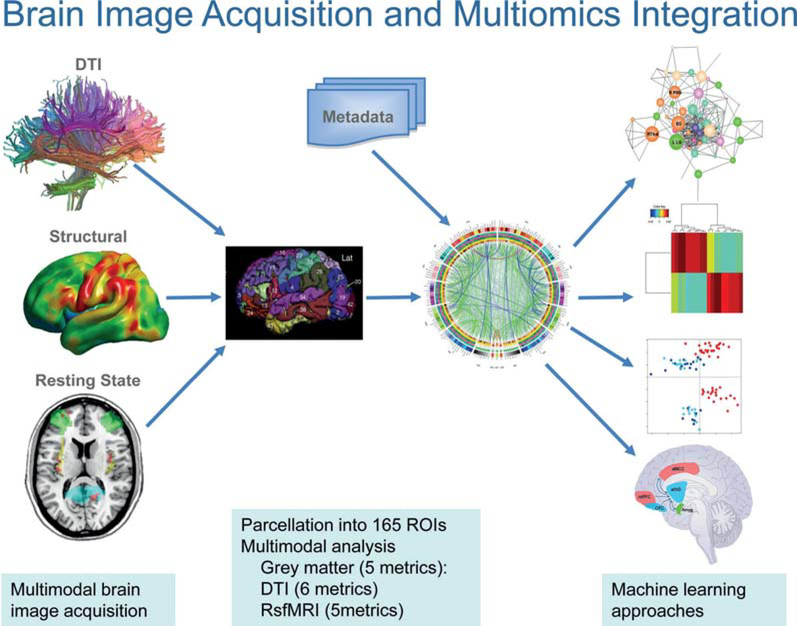
Imaging of the living human brain is a powerful tool to probe the interactions between brain, gut and microbiome in health and in disorders of brain–gut interactions, in particular IBS. While altered signals from the viscera contribute to clinical symptoms, the brain integrates these interoceptive signals with emotional, cognitive and memory related inputs in a non-linear fashion to produce symptoms. Tremendous progress has occurred in the development of new imaging techniques that look at structural, functional and metabolic properties of brain regions and networks. Standardisation in image acquisition and advances in computational approaches has made it possible to study large data sets of imaging studies, identify network properties and integrate them with non-imaging data. These approaches are beginning to generate brain signatures in IBS that share some features with those obtained in other often overlapping chronic pain disorders such as urological pelvic pain syndromes and vulvodynia, suggesting shared mechanisms. Despite this progress, the identification of preclinical vulnerability factors and outcome predictors has been slow. To overcome current obstacles, the creation of consortia and the generation of standardised multisite repositories for brain imaging and metadata from multisite studies are required.
Overview
The claims and statistics of this paper haven’t been checked yet.
Free: it reads the open-access text and checks the first 5 claims that cite a source we can check. Create a free account to check every claim.
Integrity signals
Registry
Cites
Statistics
Figures
Verification
Claims the paper makes
The claims and statistics of this paper haven’t been checked yet.
Free: it reads the open-access text and checks the first 5 claims that cite a source we can check. Create a free account to check every claim.
Claims other papers make about this one
Each is checked against this paper’s own text: does it say what the citing paper says it does?
The cited source says what the claim attributes to it.
In the citing paper
“Symptoms are generated by interoceptive signals from the gut, and memories of such signals, and are modulated by emotional (anxiety, depression), cognitive (attention, beliefs and expectation) and motivational factors.33”
From British Society of Gastroenterology guidelines on the management of irritable bowel syndrome (2021) · cites this paper as [33]
Self-check
Percentages, sums and reported differences re-computed from the paper’s own numbers.
The self-check needs the paper’s full text.
Citations
Cites
Complex brain networks: graph theoretical analysis of structural and functional systems
Bullmore, E., & Sporns, O. (2009) · Nature Reviews Neuroscience · doi:10.1038/nrn2575 · Cited by 11,820
Complex network measures of brain connectivity: Uses and interpretations
Rubinov, M., & Sporns, O. (2010) · NeuroImage · doi:10.1016/j.neuroimage.2009.10.003 · Cited by 11,522
The Brain's Default Network: Anatomy, Function, and Relevance to Disease
Buckner, R. L., Andrews‐Hanna, J. R., & Schacter, D. L. (2008) · Annals of the New York Academy of Sciences · doi:10.1196/annals.1440.011 · Cited by 9,761
Dissociable intrinsic connectivity networks for salience processing and executive control
Seeley, W. W., Menon, V., Schatzberg, A. F., Keller, J., Glover, G. H., Kenna, H., Reiss, A. L., & Greicius, M. D. (2007) · The Journal of Neuroscience · doi:10.1523/jneurosci.5587-06.2007 · Cited by 7,426
Functional connectivity in the resting brain: a network analysis of the default mode hypothesis
Greicius, M. D., Krasnow, B., Reiss, A. L., & Menon, V. (2003) · Proceedings of the National Academy of Sciences · doi:10.1073/pnas.0135058100 · Cited by 6,358
The WU-Minn Human Connectome Project: An overview
Van Essen, D. C., Smith, S. M., Barch, D. M., Behrens, T. E. J., Yacoub, E., & Ugurbil, K. (2013) · NeuroImage · doi:10.1016/j.neuroimage.2013.05.041 · Cited by 5,651
The minimal preprocessing pipelines for the Human Connectome Project
Glasser, M. F., Sotiropoulos, S. N., Wilson, J. A., Coalson, T. S., Fischl, B., Andersson, J. L., Xu, J., Jbabdi, S., Webster, M., Polimeni, J. R., et al. (2013) · NeuroImage · doi:10.1016/j.neuroimage.2013.04.127 · Cited by 5,253
The economy of brain network organization
Bullmore, E., & Sporns, O. (2012) · Nature Reviews Neuroscience · doi:10.1038/nrn3214 · Cited by 3,284
TREM2 Variants in Alzheimer's Disease
Guerreiro, R., Wojtas, A., Bras, J., Carrasquillo, M., Rogaeva, E., Majounie, E., Cruchaga, C., Sassi, C., Kauwe, J. S. K., Younkin, S., et al. (2013) · New England Journal of Medicine · doi:10.1056/nejmoa1211851 · Cited by 3,020
Structure and function of the brain serotonin system
Jacobs, B. L., & Azmitia, E. C. (1992) · Physiological Reviews · doi:10.1152/physrev.1992.72.1.165 · Cited by 2,576
Research works printed but not linked: 2
- Gupta A, Kilpatrick L, Labus J, Early Adverse Life Events and Resting State Neural Networks in Patients With Chronic Abdominal Pain. Psychosom Med 2014; 76: 404– 12. 25003944 PMC4113723 · DOI · Paper page
- Hong JY, Kilpatrick LA, Labus JS, Sex and disease-related alterations of anterior insula functional connectivity in chronic abdominal pain. J Neurosci 2014; 34: 14252– 9. 25339739 PMC4205551 · DOI · Paper page
Cited by
The microbiota-gut-brain axis: from motility to mood
Margolis, K. G., Cryan, J. F., & Mayer, E. A. (2021) · Gastroenterology · doi:10.1053/j.gastro.2020.10.066 · Cited by 999
Mayer, E. A., Nance, K., & Chen, S. (2022) · Annual Review of Medicine · doi:10.1146/annurev-med-042320-014032 · Cited by 813
Self-citationFunctional gastrointestinal disorders: advances in understanding and management
Black, C. J., Drossman, D. A., Talley, N. J., Ruddy, J., & Ford, A. C. (2020) · The Lancet · doi:10.1016/s0140-6736(20)32115-2 · Cited by 605
British Society of Gastroenterology guidelines on the management of irritable bowel syndrome
Vasant, D. H., Paine, P. A., Black, C. J., Houghton, L. A., Everitt, H. A., Corsetti, M., Agrawal, A., Aziz, I., Farmer, A. D., Eugenicos, M. P., et al. (2021) · Gut · doi:10.1136/gutjnl-2021-324598 · Cited by 592
The neurobiology of irritable bowel syndrome
Mayer, E. A., Ryu, H. J., & Bhatt, R. R. (2023) · Molecular Psychiatry · doi:10.1038/s41380-023-01972-w · Cited by 257
“• The ACC is a main hub of the salience network found to be highly implicated in IBS pathophysiology [33, 53].”
BackgroundInfluentialSelf-citationDiseases, Disorders, and Comorbidities of Interoception
Bonaz, B., Lane, R. D., Oshinsky, M. L., Kenny, P. J., Sinha, R., Mayer, E. A., & Critchley, H. D. (2021) · Trends in Neurosciences · doi:10.1016/j.tins.2020.09.009 · Cited by 260
Self-citationA Rome Working Team Report on Brain-Gut Behavior Therapies for Disorders of Gut-Brain Interaction
Keefer, L., Ballou, S. K., Drossman, D. A., Ringstrom, G., Elsenbruch, S., & Ljótsson, B. (2022) · Gastroenterology · doi:10.1053/j.gastro.2021.09.015 · Cited by 213
“The brain processing of sensory information arising from the viscera involves multiple subcortical and cortical brain regions 51 and is referred to as central mediation or central processing.”
BackgroundSelf-citationSasso, J. M., Ammar, R. M., Tenchov, R., Lemmel, S., Kelber, O., Grieswelle, M., & Zhou, Q. A. (2023) · ACS Chemical Neuroscience · doi:10.1021/acschemneuro.3c00127 · Cited by 204
Labanski, A., Langhorst, J., Engler, H., & Elsenbruch, S. (2020) · Psychoneuroendocrinology · doi:10.1016/j.psyneuen.2019.104501 · Cited by 200
Self-citationPsychological comorbidity in gastrointestinal diseases: Update on the brain-gut-microbiome axis
Person, H., & Keefer, L. (2021) · Progress in Neuro-Psychopharmacology and Biological Psychiatry · doi:10.1016/j.pnpbp.2020.110209 · Cited by 158
“More recently, characterization of brain circuitry in DGBI has advanced to include network analysis, where large scale structural and functional networks are compared to clinical and other biological parameters (Mayer et al., 2019).”
BackgroundGut bless you: The microbiota-gut-brain axis in irritable bowel syndrome
Hillestad, E. M. R., van der Meeren, A., Nagaraja, B. H., Bjørsvik, B. R., Haleem, N., Benítez‐Páez, A., Sanz, Y., Hausken, T., Lied, G. A., Lundervold, A., et al. (2022) · World Journal of Gastroenterology · doi:10.3748/wjg.v28.i4.412 · Cited by 169
Sex- and Gender-Related Differences in Common Functional Gastroenterologic Disorders
Narayanan, S. P., Anderson, B., & Bharucha, A. E. (2021) · Mayo Clinic Proceedings · doi:10.1016/j.mayocp.2020.10.004 · Cited by 131
Blood–Brain Barrier Dysfunction in the Pathogenesis of Major Depressive Disorder
Wu, S., Yin, Y., & Du, L. (2021) · Cellular and Molecular Neurobiology · doi:10.1007/s10571-021-01153-9 · Cited by 137
Neurotransmitter Dysfunction in Irritable Bowel Syndrome: Emerging Approaches for Management
Gros, M., Gros, B., Mesonero, J. E., & Latorre, E. (2021) · Journal of Clinical Medicine · doi:10.3390/jcm10153429 · Cited by 127
“Recent studies have reported alterations in brain networks and networks of interacting systems in the gut in IBS patients, evidencing a potential role of neurotransmitters on IBS pathophysiology [4].”
BackgroundJacobs, J. P., Gupta, A., Bhatt, R. R., Brawer, J., Gao, K., Tillisch, K., Lagishetty, V., Firth, R. S., Gudleski, G. D., Ellingson, B. M., et al. (2021) · Microbiome · doi:10.1186/s40168-021-01188-6 · Cited by 140
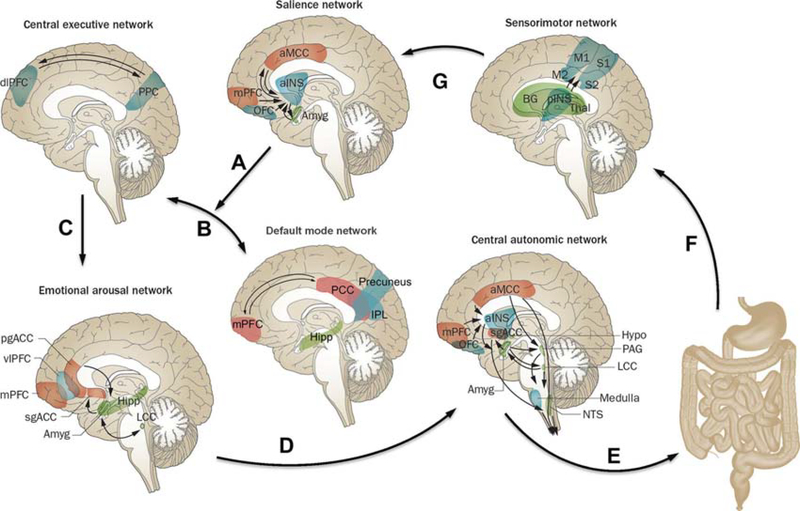
“A body of evidence supports the presence of anatomical and functional connectivity alterations in brain networks in IBS patients related to emotional arousal, salience assessment, sensorimotor, and brainstem function (reviewed in [8]).”
BackgroundSelf-citationMachine learning and artificial intelligence in neuroscience: A primer for researchers
Badrulhisham, F., Pogatzki-Zahn, E. M., Segelcke, D., Spisák, T., & Vollert, J. (2023) · Brain Behavior and Immunity · doi:10.1016/j.bbi.2023.11.005 · Cited by 127
“However, current studies often suffer from low reporting quality, and the complex nature of data involved calls for the creation of larger, multi-site consortia to generate reliable, high-quality, multi-dimensional data of high external validity (Mayer et al., 2019).”
A Meta-analysis of Gut Microbiota in Children with Autism
Andreo-Martínez, P., Rubio-Aparicio, M., Sánchez-Meca, J., Veas, A., & Martínez-González, A. E. (2022) · Journal of Autism and Developmental Disorders · doi:10.1007/s10803-021-05002-y · Cited by 96
A biological framework for emotional dysregulation in alcohol misuse: from gut to brain
Carbia, C., Lannoy, S., Maurage, P., López‐Caneda, E., O’Riordan, K. J., Dinan, T. G., & Cryan, J. F. (2020) · Molecular Psychiatry · doi:10.1038/s41380-020-00970-6 · Cited by 89
Cai, H., Wang, C., Qian, Y., Zhang, S., Zhang, C., Zhao, W., Zhang, T., Zhang, B., Chen, J., Liu, S., et al. (2021) · Human Brain Mapping · doi:10.1002/hbm.25419 · Cited by 80
“Advances in neuroimaging and microbiome sequencing techniques have made it increasingly feasible to probe the interactions between the brain, gut, and microbiome in healthy and clinical populations (De Santis, Moratal, & Canals, 2019; Liu, Peng, Zhang, Wang, & Luo, 2019; Mayer et al., 2019).”
MethodInnovations in acute and chronic pain biomarkers: enhancing diagnosis and personalized therapy
Mackey, S., Aghaeepour, N., Gaudilliere, B. L., Kao, M. J., Kaptan, M., Lannon, E. W., Pfyffer, D., & Weber, K. A., II (2025) · Regional Anesthesia & Pain Medicine · doi:10.1136/rapm-2024-106030 · Cited by 86
“49 ► Genetic : Over the past 20 years, research has focused on uncovering the genetic underpinnings of pain.”
Mouraux, A., Bannister, K., Becker, S., Finn, D. P., Pickering, G. P., Pogatzki-Zahn, E. M., & Graven‐Nielsen, T. (2021) · European Journal of Pain · doi:10.1002/ejp.1730 · Cited by 69
Disorders of Gut–Brain Interaction and the Rome V Process
Drossman, D. A., Chang, L., & Tack, J. F. (2026) · Gastroenterology · doi:10.1053/j.gastro.2026.02.014 · Cited by 96
Zhu, J., Wang, C., Qian, Y., Cai, H., Zhang, S., Zhang, C., Zhao, W., Zhang, T., Zhang, B., Chen, J., et al. (2021) · Progress in Neuro-Psychopharmacology and Biological Psychiatry · doi:10.1016/j.pnpbp.2021.110468 · Cited by 54
Intestinal Permeability in Disorders of Gut–Brain Interaction: From Bench to Bedside
Grover, M., Vanuytsel, T., & Chang, L. (2024) · Gastroenterology · doi:10.1053/j.gastro.2024.08.033 · Cited by 54
Norlin, A.-K., Walter, S., Icenhour, A., Keita, Å. V., Elsenbruch, S., Bednarska, O., Jones, M. P., Simon, R., & Engström, M. (2021) · Brain, Behavior, and Immunity · doi:10.1016/j.bbi.2020.11.035 · Cited by 39
Self-citationLatest Insights on the Pathogenesis of Irritable Bowel Syndrome
Videlock, E. J., & Chang, L. (2021) · Gastroenterology Clinics of North America · doi:10.1016/j.gtc.2021.04.002 · Cited by 45
Shin, A., & Kashyap, P. (2023) · Gut Microbes · doi:10.1080/19490976.2023.2195792 · Cited by 41
Global Research Trends in Irritable Bowel Syndrome: A Bibliometric and Visualized Study
Zhang, T., Ma, X., Tian, W., Zhang, J., Wei, Y., Zhang, B., Wang, F., & Tang, X. (2022) · Frontiers in Medicine · doi:10.3389/fmed.2022.922063 · Cited by 47
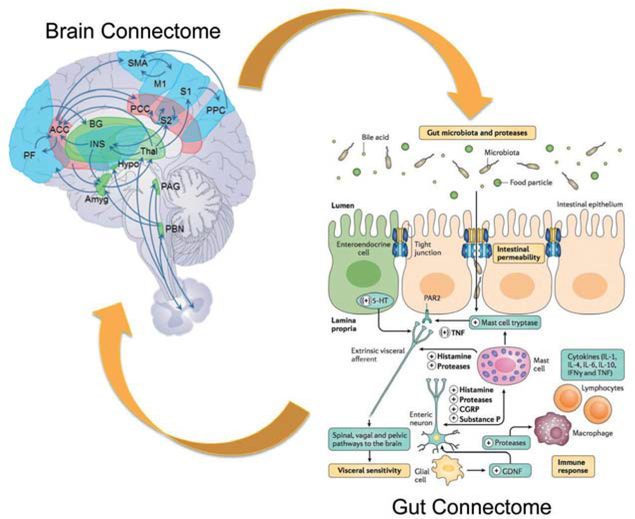
“In a new perspective on disorders of the BGM-axis, brain networks (brain connectome) and networks of gut cells and microbiota (gut connectome) are integrated, leading to a significant increase in studies that have combined gut microbiota and neuroimaging to investigate IBS pathophysiology (109).”
BackgroundMao, C., Chen, F. R., Huo, J. H., Zhang, L., Zhang, G. R., Zhang, B., & Zhou, X. Q. (2020) · Human Brain Mapping · doi:10.1002/hbm.25038 · Cited by 33
“…and functional alterations in multiple brain regions, including the anterior cingulate cortex, amygdala, insula, prefrontal cortex, hippocampus, and so forth (Fukudo & Kanazawa, 2011; Labus et al., 2014; Mayer et al., 2019; Qi, Liu, Ke, Xu, Ye, et al., 2016; Qi, Liu, Ke, Xu, Zhong, et al., 2016).”
Osadchiy, V., Mayer, E. A., Gao, K., Labus, J. S., Naliboff, B. D., Tillisch, K., Chang, L., Jacobs, J. P., Hsiao, E. Y., & Gupta, A. (2020) · Translational Psychiatry · doi:10.1038/s41398-020-01071-2 · Cited by 38
Self-citationHechler, T. (2020) · Pain · doi:10.1097/j.pain.0000000000002099 · Cited by 32
Lackner, J. M., & Jaccard, J. J. (2021) · Journal of Consulting and Clinical Psychology · doi:10.1037/ccp0000648 · Cited by 33
Zein, S. A., Karakatsanis, N. A., Conti, M., & Nehmeh, S. A. (2020) · IEEE Transactions on Radiation and Plasma Medical Sciences · doi:10.1109/trpms.2020.3034676 · Cited by 29
“One major limitation of clinical PET systems is their relatively short axial field of view (AFOV), typically <26 cm [2]–[7], hindering many applications that require simultaneous imaging of distant organs, such as imaging of the brain-heart axis [8], brain-gut axis [9], whole body kinetic parameters [10], etc.”
BackgroundChen, X., Guo, Y., Lu, X., Qi, L., Xu, K., Chen, Y., Li, G., Ding, J., & Li, J. (2021) · Frontiers in Neuroscience · doi:10.3389/fnins.2021.721822 · Cited by 32
Porcelli, P., De Carne, M., & Leandro, G. (2020) · General Hospital Psychiatry · doi:10.1016/j.genhosppsych.2020.03.004 · Cited by 26
Benson, S., Labrenz, F., Kotulla, S., Brotte, L., Rödder, P., Tebbe, B., Theysohn, N., Engler, H., & Elsenbruch, S. (2023) · Brain Behavior and Immunity · doi:10.1016/j.bbi.2023.06.005 · Cited by 36
Self-citationThe vagus nerve mediates the stomach-brain coherence in rats
Cao, J., Wang, X., Chen, J., Zhang, N., & Liu, Z. (2022) · NeuroImage · doi:10.1016/j.neuroimage.2022.119628 · Cited by 25
“Levinthal and Strick, 2020; Browning and Travagli, 2014; Holtmann and Talley, 2014), which includes neural circuits and pathways in both peripheral and central nervous systems (Powley et al., 2019; Mayer et al., 2019; Rebollo et al., 2021).”
BackgroundBerentsen, B., Bharath, H. N., Teige, E. P., Lied, G. A., Lundervold, A. J., Lundervold, K., Steinsvik, E. K., Hillestad, E. M. R., Valeur, J., Brønstad, I., et al. (2020) · Medicine · doi:10.1097/md.0000000000021950 · Cited by 29
Self-citationKano, M., Grinsvall, C., Ran, Q., Dupont, P. J., Morishita, J., Muratsubaki, T., Mugikura, S., Ly, H. G., Törnblom, H., Ljungberg, M., et al. (2020) · Scientific Reports · doi:10.1038/s41598-020-67048-9 · Cited by 24
Aberrant functional brain network dynamics in patients with functional constipation
Yin, T., He, Z., Ma, P., Sun, R., Xie, K., Liu, T., Chen, L., Chen, J., Hou, L., Teng, Y., et al. (2021) · Human Brain Mapping · doi:10.1002/hbm.25663 · Cited by 24
“Several studies have demonstrated that FCon patients had atypical static functional connectivity between regions in the CC and DM (Icenhour et al., 2017; Jin et al., 2019; Mayer et al., 2019).”
BackgroundInfluentialSubstance Use and Addiction Affect More Than the Brain: the Promise of Neurocardiac Interventions
Eddie, D., Price, J. L., Bates, M. E., & Buckman, J. F. (2021) · Current Addiction Reports · doi:10.1007/s40429-021-00379-3 · Cited by 24
Gallas, S., Knaz, H., Methnani, J., Kanzali, M. M., Koukane, A., Bedoui, M. H., & Latiri, I. (2022) · Libyan Journal of Medicine · doi:10.1080/19932820.2022.2082029 · Cited by 30
Yin, T., He, Z., Chen, Y., Sun, R., Yin, S., Jin, L., Yang, Y., Liu, X., Ma, P., Qu, Y., et al. (2022) · Cerebral Cortex · doi:10.1093/cercor/bhac288 · Cited by 24
Owusu, J. T., Sibelli, A., Moss-Morris, R. E., van Tilburg, M. A. L., Levy, R. L., & Oser, M. L. (2021) · Neurogastroenterology & Motility · doi:10.1111/nmo.14108 · Cited by 23
Bhatt, R. R., Gupta, A., Labus, J. S., Liu, X. C., Vora, P. P., Stains, J., Naliboff, B. D., & Mayer, E. A. (2021) · Molecular Psychiatry · doi:10.1038/s41380-021-01375-9 · Cited by 22
Self-citationEvenepoel, M., Daniëls, N., Moerkerke, M., de Vliet, M. V., Prinsen, J., Tuerlinckx, E., Steyaert, J. G., Boets, B., Alaerts, K., & Joossens, M. (2024) · Brain Behavior & Immunity - Health · doi:10.1016/j.bbih.2024.100801 · Cited by 26
“Overall, these associations between gut microbiome and autism characteristics are suggested to be linked to alterations in communication along the gut-brain axis, which allows bidirectional interaction between the microbiome and neural processes (Mayer et al., 2019).”
BackgroundFecal bacteria and short‐chain fatty acids in irritable bowel syndrome: Relations to subtype
Teige, E. S., Hillestad, E. M. R., Steinsvik, E. K., Brønstad, I., Lundervold, A., Lundervold, A. J., Valeur, J., Hausken, T., Berentsen, B., & Lied, G. A. (2024) · Neurogastroenterology & Motility · doi:10.1111/nmo.14854 · Cited by 27
“However, fecal metabolites have previously been shown to be the main driver for separation between patients with IBS-D and IBS-C.”
InfluentialAltered Resting Brain Functions in Patients With Irritable Bowel Syndrome: A Systematic Review
Yu, Z., Liu, L., Lai, Y., Tian, Z., Yang, L., Zhang, Q., Liang, F., Yu, S., & Zheng, Q. (2022) · Frontiers in Human Neuroscience · doi:10.3389/fnhum.2022.851586 · Cited by 22
Impact of Enteric Nervous Cells on Irritable Bowel Syndrome: Potential Treatment Options
Pastras, P., Aggeletopoulou, I., & Triantos, C. K. (2024) · Microorganisms · doi:10.3390/microorganisms12102036 · Cited by 20
“These signals, along with the memories associated with them, contribute to the generation of IBS symptoms [21].”
BackgroundMuthulingam, J. A., Hansen, T. M., Drewes, A. M., Olesen, S. S., & Frøkjær, J. B. (2020) · Clinical Neurophysiology · doi:10.1016/j.clinph.2020.01.016 · Cited by 19
Zhang, G., Zhang, T., Cao, Z., Tao, Z., Wan, T., Yao, M., Su, X., & Wei, W. (2022) · Frontiers in Neuroscience · doi:10.3389/fnins.2022.918701 · Cited by 21
“At present, the available proof has attested the important role of braingut peptides (including neurotransmitters and GI hormones) in regulating the MGB axis on IBS-D pathophysiology, in consideration that many physiological manifestations such as GI motility abnormalities, visceral paresthesias, central disorders, an…”
BackgroundZhang, L., Wang, R., Chen, Y., Yang, P., Bai, T., Song, J., & Hou, X. (2022) · Life Sciences · doi:10.1016/j.lfs.2022.120419 · Cited by 18
Pediatric Functional Abdominal Pain Disorders following COVID-19
Stepan, M. D., Cioboată, R., Vintilescu, Ş. B., Vasile, C. M., Osman, A., Ciolofan, M. S., Popescu, M., Petrovici, I. L., & Zavate, A. C. (2022) · Life · doi:10.3390/life12040509 · Cited by 15
“FGIDs affect 5–20% of the general population and have a multifactorial etiology, including a broader group of clinical entities represented by functional abdominal pain disorders (FAPD), along with vomiting, aerophagia, constipation, and incontinence [4,9].”
BackgroundImaging Brain Mechanisms of Functional Somatic Syndromes: Potential as a Biomarker?
Kano, M., Oudenhove, L. V., Dupont, P. J., Wager, T. D., & Fukudo, S. (2020) · The Tohoku Journal of Experimental Medicine · doi:10.1620/tjem.250.137 · Cited by 20
Öhlmann, H., Koenen, L. R., Labrenz, F., Engler, H., Theysohn, N., Langhorst, J., & Elsenbruch, S. (2021) · Frontiers in Neurology · doi:10.3389/fneur.2021.733035 · Cited by 18
Self-citationMartínez‐González, A. E., Cervin, M., & Pérez-Sánchez, S. (2024) · Digestive and Liver Disease · doi:10.1016/j.dld.2024.05.019 · Cited by 17
“The test-retest reliability of the total score was high (ICC [2] = 0.74 [0.65–0.80], n = 265; Spearman’s rho = 0.90, p < .001).”
BackgroundInfluentialSex-specific brain microstructural reorganization in irritable bowel syndrome
Labus, J. S., Wang, C., Mayer, E. A., Gupta, A., Oughourlian, T. C., Kilpatrick, L. A., Tillisch, K., Chang, L., Naliboff, B. D., & Ellingson, B. M. (2022) · Pain · doi:10.1097/j.pain.0000000000002699 · Cited by 13
Self-citationDiet–microbial cross–talk underlying increased visceral perception
Palma, G. D., Reed, D. E., & Berčík, P. (2023) · Gut Microbes · doi:10.1080/19490976.2023.2166780 · Cited by 21
“This may include increased activation of neurons within the dorsal horn of the spinal cord,(20) increased synaptic transmission of ascending pathways or decreased inhibition of descending pathways within the spinal cord,(21) or changes in processing of sensory input within the brain.(22) In this review, however, we wi…”
BackgroundDiao, Z., Xu, W., Guo, D., Zhang, J., Zhang, R., Liu, F., Hu, Y., & Ma, Y. (2023) · Medicine · doi:10.1097/md.0000000000034802 · Cited by 19
“[50] In addition, pain can aggravate depression and anxiety through the pain matrix in the brain region.[51] The gut-brain axis theory[52–54] study found that gut microbiota is closely related to emotional factors such as stress, anxiety, and depression.”
BackgroundAltered voxel-based and surface-based morphometry in inflammatory bowel disease
Kornelsen, J., McIver, T. A., Uddin, M. N., Figley, C. R., Marrie, R. A., Patel, R., Fisk, J. D., Carter, S., Graff, L. A., Mazerolle, E. L., et al. (2023) · Brain Research Bulletin · doi:10.1016/j.brainresbull.2023.110771 · Cited by 13
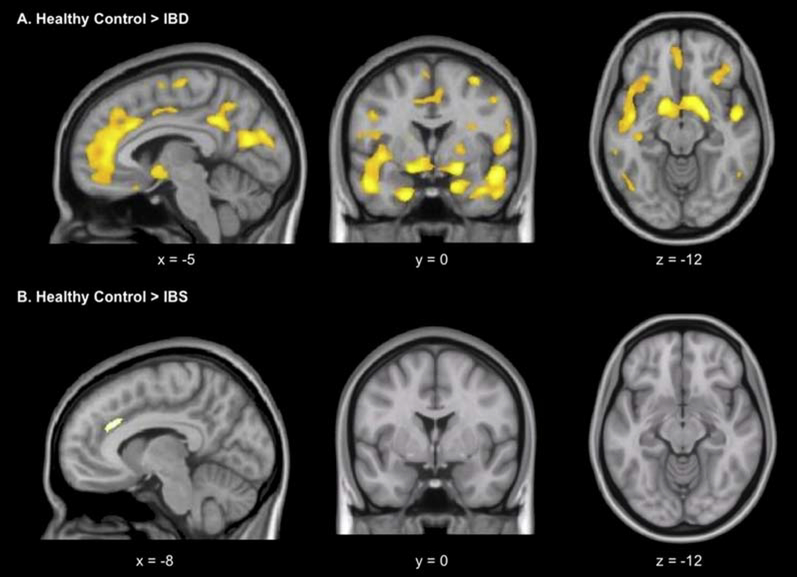
“Gaining a better understanding of how the brains of persons with IBD differ from the healthy population may elucidate mechanisms underlying IBD (Mayer et al., 2019) and identify potential therapeutic targets.”
Vasilev, G., Miteva, D., Gulinac, M., Chervenkov, L., Kitanova, M., & Velikova, T. V. (2024) · Gastroenterology Insights · doi:10.3390/gastroent15030041 · Cited by 14
“MRI allows the assessment of brain white matter, brain topology and gray matter morphometry, and also depicts anatomical and functional connectivity [120].”
BackgroundGravina, A. G., Pellegrino, R., Palladino, G., Mazzarella, C., Federico, P., Arboretto, G., D'Onofrio, R., Olivieri, S., Zagaria, G., Durante, T., et al. (2023) · Brain-Apparatus Communication A Journal of Bacomics · doi:10.1080/27706710.2023.2181101 · Cited by 13
Biopsychosocial Aspects of Adult and Pediatric Disorders of Gut–Brain Interaction
Elsenbruch, S., Ballou, S., Keefer, L., Murphy, T., Oudenhove, L. V., van Tilburg, M. A. L., Vasant, D. H., & Levy, R. L. (2026) · Gastroenterology · doi:10.1053/j.gastro.2026.02.009 · Cited by 21
Self-citationChen, J., Zhang, Y., Barandouzi, Z. A., Xu, W., Feng, B., Chon, K. H., Santos, M., Starkweather, A. R., & Cong, X. S. (2022) · Clinical Journal of Pain · doi:10.1097/ajp.0000000000001046 · Cited by 13
Singh, P., Sayuk, G. S., Rosenbaum, D. P., Edelstein, S. A., Kozuka, K., & Chang, L. (2024) · Clinical and Experimental Gastroenterology · doi:10.2147/ceg.s454526 · Cited by 14
“32,33 Transient receptor potential cation channel subfamily V member 1 (TRPV1) is expressed in nociceptive sensory neurons of the gastrointestinal tract 34,35 and plays a role in sensing stimuli such as heat and the presence of capsaicin.”
Beckers, A. B., Oudenhove, L. V., Weerts, Z. Z. R. M., Jacobs, H. I. L., Priovoulos, N., Poser, B. A., Ivanov, D., Gholamrezaei, A., Aziz, Q., Elsenbruch, S., et al. (2021) · Pain · doi:10.1097/j.pain.0000000000002538 · Cited by 13
“symptom.(21) The perception of visceral pain requires integration of interoceptive signals with emotional–cognitive inputs in the brain, which occurs in a nonlinear fashion.”
Self-citationDunlap, L. J., Jaccard, J. J., & Lackner, J. M. (2021) · Annals of Behavioral Medicine · doi:10.1093/abm/kaaa119 · Cited by 11
“The combination of these factors can lead to alterations in the structure and function of several brain networks (including those governing salience detection, emotional arousal, and sensorimotor processing) [4] and in bidirectional brain–gut interactions, resulting in characteristic symptoms [3].”
BackgroundMuthulingam, J. A., Hansen, T. M., Olesen, S. S., Drewes, A. M., & Frøkjær, J. B. (2021) · Neuromodulation Technology at the Neural Interface · doi:10.1111/ner.13482 · Cited by 13
Zanchi, C., Pintaldi, S., Leo, G. D., Ronfani, L., Zamagni, G., Viel, M., Barbi, E., & Cozzi, G. (2021) · Children · doi:10.3390/children8100838 · Cited by 13
“evidence that there are several areas of abnormal brain activity in patients with FGIDs associated with visceral hypersensitivity, anxiety and depression [4,6,7].”
BackgroundZhan, T., Dong, Z., Yi, L., Zhang, Y., Sun, H., Zhang, H.-Q., Wang, J., Chen, Y., Huang, Y., & Xu, S. (2022) · Frontiers in Cellular Neuroscience · doi:10.3389/fncel.2022.922750 · Cited by 11
“Some brain regions regulating visceral pain, such as the anterior cingulate cortex (ACC), insular cortex (IC), hippocampus, amygdala, and prefrontal cortex, are also involved in anxiety modulation (Elsenbruch et al., 2010; Mayer et al., 2019; Yi et al., 2019; Liu et al., 2020).”
BackgroundÖhlmann, H., Lanters, L. R., Theysohn, N., Langhorst, J., Engler, H., Icenhour, A., & Elsenbruch, S. (2023) · Journal of Crohn s and Colitis · doi:10.1093/ecco-jcc/jjad080 · Cited by 13
“3 Hence, based on previous symptom experience and learning, somatic pain may comprise a higher threat value and greater salience in IBD than in IBS, where visceral pain is the defining symptom.”
BackgroundInfluentialSelf-citationYin, T., Qu, Y., Mao, Y., Zhang, P., Ma, P., He, Z., Sun, R., Jin, L., Chen, Y., Yin, S., et al. (2023) · Human Brain Mapping · doi:10.1002/hbm.26449 · Cited by 10
“Evidence from neuroimaging studies has informed that disruption of the connectivity patterns of brain networks involved in central processing and modulation of FDrelated symptoms is an important central pathological characteristic of FD patients (Mayer et al., 2019).”
BackgroundUegWeek 2020 Poster Presentations
de Pierola, L. B. F., Nyssen, O. P., Cosme, Á., Bordin, D. S., Tepeš, B., Aísa, Á. P., Vaira, D., Álvarez, M. C., Fernández, M. C., Lerang, F., et al. (2020) · United European Gastroenterology Journal · doi:10.1177/2050640620927345 · Cited by 12
Yin, T., Sun, R., He, Z., Chen, Y., Yin, S., Liu, X., Jin, L., Ma, P., Zhang, T., Huang, L., et al. (2021) · Cerebral Cortex · doi:10.1093/cercor/bhab419 · Cited by 10
Managing pain in irritable bowel syndrome: current perspectives and best practice
Algera, J. P., Lövdahl, J., Sjölund, J., Tornkvist, N. T., & Törnblom, H. (2023) · Expert Review of Gastroenterology & Hepatology · doi:10.1080/17474124.2023.2242775 · Cited by 13
“…terminates in the dorsal column of the spinal cord, the second order afferent neuron projects to the thalamus and the mid-brain, and the third order neuron signaling is part of a network integration of gut sensory information, which affects variability in the experience and reporting of pain [27].”
Aulenkamp, J., Icenhour, A., & Elsenbruch, S. (2023) · Frontiers in Psychiatry · doi:10.3389/fpsyt.2023.1270189 · Cited by 11
Self-citationLinsalata, M., Prospero, L., Riezzo, G., Orlando, A., D’Attoma, B., Ignazzi, A., & Russo, F. (2022) · Neurogastroenterology & Motility · doi:10.1111/nmo.14512 · Cited by 8
Coluzzi, F., Zeboudj, L., Scerpa, M. S., Giorgio, A., Blasi, R. D., Malcangio, M., & Rocco, M. (2025) · International Journal of Molecular Sciences · doi:10.3390/ijms262411861 · Cited by 8
“Functional brain imaging in IBS has helped gathering information about pathophysiology, treatment efficacy and biologically based patient subgroups [87].”
Li, F., Bai, S., Liu, Y., Chen, Z., Zhao, S., Ding, Z., Xie, F., Xu, Y., Yue, L., Zhang, H., et al. (2026) · Cell Reports Medicine · doi:10.1016/j.xcrm.2026.102629 · Cited by 11
“62,63 Intriguingly, the left colon and rectosigmoid junction exert a significant influence compared to the right colon, according to Figures 5C and 5D.”
Respiratory rhythm affects recalibration of body ownership
Kosuge, M., Honma, M., Masaoka, Y., Kosuge, S., Nakayama, M., Kamijo, S., Shikama, Y., & Izumizaki, M. (2023) · Scientific Reports · doi:10.1038/s41598-023-28158-2 · Cited by 10
Billing, J., Berentsen, B., Lundervold, A., Hillestad, E. M. R., Lied, G. A., Hausken, T., & Lundervold, A. J. (2023) · Scandinavian Journal of Gastroenterology · doi:10.1080/00365521.2023.2256916 · Cited by 10
Osadchuk, M. A., Svistunov, A. А., Kireeva, N. V., & Osadchuk, M. M. (2020) · Terapevticheskii arkhiv · doi:10.26442/00403660.2020.02.000458 · Cited by 8
“При этом следует подчеркнуть, что для всех хронических болевых расстройств, сопровождавших ФЖКЗ (СРК, ФД, функциональный болевой синдром в животе), перевод объективных сигналов кишечника и желудка в субъективные симптомы носит нелинейный характер [46].”
Xiang, Y., Yu, J., Li, Y., Cong, J., Wang, C., Fan, R., Wang, W., Zhou, L., Xu, C., Li, Y., et al. (2023) · Frontiers in Neuroscience · doi:10.3389/fnins.2023.1241993 · Cited by 6
“According to the gut-brain axis hypothesis, the limbic system is a critical component of the gut-brain axis (Mayer et al., 2019).”
BackgroundInfluentialBajaj, J. S., Brenner, D. M., Cai, Q., Cash, B. D., Crowell, M. D., DiBaise, J. K., Gallegos-Orozco, J. F., Gardner, T. B., Gyawali, C. P., Ha, C. Y., et al. (2020) · The American Journal of Gastroenterology · doi:10.14309/ajg.0000000000000709 · Cited by 6
Chen, Z., Zhou, T., Li, Y., Li, T., Ding, Z., & Liu, L. (2023) · Brain Sciences · doi:10.3390/brainsci13111595 · Cited by 5
“Patients with stress-associated visceral pain showed aberrations in brain activity, as evidenced by functional MRI studies [30]. hypersensitivity in adult mice and enhanced mast cells activation in the PVN, intra-PVN administration with mast cell stabilizer alleviated visceral hypersensitivity .”
BackgroundTang, R., Jin, Y., Xu, K., Wu, L., Chen, X., Guo, Y., Li, G., & Li, J. (2025) · Brain Imaging and Behavior · doi:10.1007/s11682-024-00964-w · Cited by 8
“Mayer et al. propose that IBS-related symptoms involve abnormalities in the interaction of relevant brain regions within and between multiple brain networks (Mayer et al., 2019).”
Human colonic EVs induce murine enteric neuroplasticity via the lncRNA GAS5/miR-23/NMDA NR2B axis
Zhou, Q., Yang, L., Verne, Z. T., Zhang, B. B., Fields, J. Z., Thacker, A. T., & Verne, G. N. (2025) · JCI Insight · doi:10.1172/jci.insight.178631 · Cited by 5
Ceulemans, M., Wauters, L. I., Broeders, B., Schol, J., de Bruaene, C. V., den Houte, K. V., Balsiger, L. M., Oudenhove, L. V., Tack, J. F., & Vanuytsel, T. (2025) · Clinical and Translational Gastroenterology · doi:10.14309/ctg.0000000000000938 · Cited by 5
“The recent Rome Global Epidemiology study is the largest and most comprehensive single e ff ort so far to assess the prevalence and impact of overlapping DGBI, a ff ecting one-third of the patients with a DGBI (6), thereby con fi rming previous results obtained in 3 Western countries (30).”
InfluentialXu, Z., Ning, F., Zhang, X., Wang, Q., Zhang, Y., Guo, Y., & Jia, H. (2024) · Frontiers in Neuroscience · doi:10.3389/fnins.2024.1398412 · Cited by 6
The interactions between gut and brain in gastrointestinal disorders
Blaga, T. S., Dumitrascu, D. L., Pop, A., & Grad, S. (2021) · Elsevier eBooks · doi:10.1016/b978-0-12-821927-0.00008-5 · Cited by 5
Teng, Y., Tao, S., Chen, J., Zhang, F., Guo, Y., Ying, R., Wang, Y., Liu, Y., Zeng, H., Xie, K., et al. (2025) · Scientific Reports · doi:10.1038/s41598-025-04088-z · Cited by 8
Martínez‐González, A. E., Cervin, M., Piqueras, J. A., Infante-Cañete, L., & Pérez-Sánchez, S. (2024) · Children · doi:10.3390/children11121562 · Cited by 7
“Further, these variables are all related to the “gut–microbiota–brain axis” [18–21].”
Wang, Y., Sun, M., Ni, X., Tian, T., Liu, L., Li, X., Xu, T., Zhou, S., Chen, J., Liang, F., et al. (2021) · Evidence-based Complementary and Alternative Medicine · doi:10.1155/2021/5676718 · Cited by 5
“Research on an integrative model for gut-brain interaction disorders has confirmed that the mediation in gut-to-brain communication and brain-togut communication is performed by different pathways [21].”
BackgroundDisruption of the brain–esophagus axis in obese patients with heartburn
Ribeiro, M., Forcelini, C. M., Navarini, D., Soder, R. B., & Fornari, F. (2022) · Diseases of the Esophagus · doi:10.1093/dote/doac021 · Cited by 4
Kano, M., & Fukudo, S. (2023) · Elsevier eBooks · doi:10.1016/b978-0-12-820480-1.00036-x · Cited by 6
Brain Morphometry and Cognitive Features in the Prediction of Irritable Bowel Syndrome
Lundervold, A., Bjørsvik, B., Billing, J., Berentsen, B., Lied, G. A., Steinsvik, E. K., Hausken, T., Pfabigan, D. M., & Lundervold, A. J. (2025) · Diagnostics · doi:10.3390/diagnostics15040470 · Cited by 4
“This network perspective gained particular relevance for understanding IBS through Mayer et al.’s [18] seminal paper in 2015, which proposed that alterations in brain networks could directly influence multiple cognitive domains in IBS patients (see also [19]).”
Biological Psychology, as it appears today: Tribute to the past, embrace of the future
Ritz, T., & Dien, J. (2023) · Biological Psychology · doi:10.1016/j.biopsycho.2023.108542 · Cited by 3
The relation between gut microbiota, brain structure and cognitive function in metabolic syndrome
Zhao, W., Zhou, X., Cai, H., Tang, T. A., Shen, Y., Sun, Z., Zhu, J., & Yu, Y. (2025) · Brain Behavior and Immunity · doi:10.1016/j.bbi.2025.106209 · Cited by 5
The pathophysiology of gut–brain connection
Scalese, G., & Severi, C. (2021) · Elsevier eBooks · doi:10.1016/b978-0-12-821927-0.00001-2 · Cited by 2
The Role of the Nurse in the Management of Irritable Bowel Syndrome: a narrative review
Ruggiero, L., Andretta, V., Soldaini, C., Fricano, I., Mancusi, M., Sellitti, A., Vastarella, J., & Santonicola, A. (2023) · Translational Medicine UniSa · doi:10.37825/2239-9747.1043 · Cited by 3
“…neuron that terminates in the dorsal column of the spinal cord; the second-order afferent neuron projects to the thalamus and midbrain, and the third-order neuron is part of a network of integration of gut sensory information, which affects the variability of pain experience and signalling [19].”
Metadata
- Authors
- Mayer, E. A., Labus, J., Aziz, Q., Tracey, I., Kilpatrick, L., Elsenbruch, S., Schweinhardt, P., Van Oudenhove, L., & Borsook, D.
- Affiliations
- University of California, Los Angeles (US)
- Queen Mary University of London (GB)
- University of North Carolina at Pembroke (US)
- Essen University Hospital (DE)
- McGill University (CA)
- Translational Research in GastroIntestinal Disorders, KU Leuven Department of Clinical and Experimental Medicine, University of Leuven, Leuven, Belgium
- Harvard University (US)
- Corresponding author
- Mayer, Emeran A
- ORCID
- Venue
- Gut
- Publisher
- BMJ
- Published
- 2019-06-07
- Volume
- 68
- Issue
- 9
- Pages
- 1701-1715
- ISSN
- 0017-5749 (ISSN-L)
- 1468-3288
- PMC
- PMC6999847
- OpenAlex
- W2955883382
- Semantic Scholar
- b2d6f549154d02433d60714d20ec6da5ab72a89b
- Cited by
- 138
- References
- 176
- Citations by year
- 2026: 13 · 2025: 18 · 2024: 13 · 2023: 24 · 2022: 18 · 2021: 29 · 2020: 21 · 2019: 1
- FWCI
- 3.13
- Type
- journal article
- Language
- en
- Open access
- hybrid
- doi.org
- Licence
- cc-by-nc
- Locations
- Gut (publishedVersion, cc-by-nc)
- PubMed (publishedVersion)
- PubMed Central (acceptedVersion, cc-by-nc)
- Lirias (KU Leuven) (submittedVersion, cc-by-nc)
- eScholarship (California Digital Library) (submittedVersion)
- eScholarship (California Digital Library) (submittedVersion, cc-by-nc)
- HighWire Press Open Archive (submittedVersion)
- Funders
- National Institute of Diabetes and Digestive and Kidney Diseases (DK048351, R01DK048351, DK 064539, DK096606, P50DK064539, R01DK096606)
- Topics
- Health Sciences › Medicine › Gastroenterology › Gastrointestinal motility and disorders
- Life Sciences › Neuroscience › Cognitive Neuroscience › Functional Brain Connectivity Studies
- Health Sciences › Medicine › Psychiatry and Mental health › Psychosomatic Disorders and Their Treatments
- Keywords
- neuroimaging, brain-gut interaction, irritable bowel syndrome, gut microbiota, interoception, brain signatures, chronic pain, pelvic pain syndrome, vulvodynia, brain networks, prognostic factors
- MeSH terms
- Big Data, Brain, Humans, Nerve Net, Sex Characteristics, Irritable Bowel Syndrome, Neuroimaging
About these checks
Registry, retraction, Cites and statistics results are computed, not judged, with one exception: a printed reference that no index lists is read once by a model before it counts as a citation error. Claims are extracted by a model and kept only when their quote appears verbatim in the text; each cited source is then checked, with a model’s help, for whether it says what the claim relies on. Those verdicts can be wrong — read the claim’s quote and the cited source before relying on one.
Statistics and arithmetic are recomputed, not judged.
Confidence bands are shown only for fields calibrated on our annotated test set. None is calibrated yet, so no band is shown.
What counts as a claim ›How we measure confidence ›How we check this ›
Are you an author, or do you see a problem with this page? Request a review
Data sources
Bibliographic data: Semantic Scholar, OpenAlex, Crossref.
Contains information from the Semantic Scholar Academic Graph Datasets, made available under the ODC Attribution License (ODC-BY 1.0).
Semantic Scholar’s data is described in: Kinney, R., et al. (2023). The Semantic Scholar Open Data Platform. arXiv:2301.10140.
