

Roseburia intestinalis generated butyrate boosts anti-PD-1 efficacy in colorectal cancer by activating cytotoxic CD8 + T cells
Open accessThe DOI matches its Crossref record; 38 of the 38 references it cites were found in a registry or an index.
Abstract
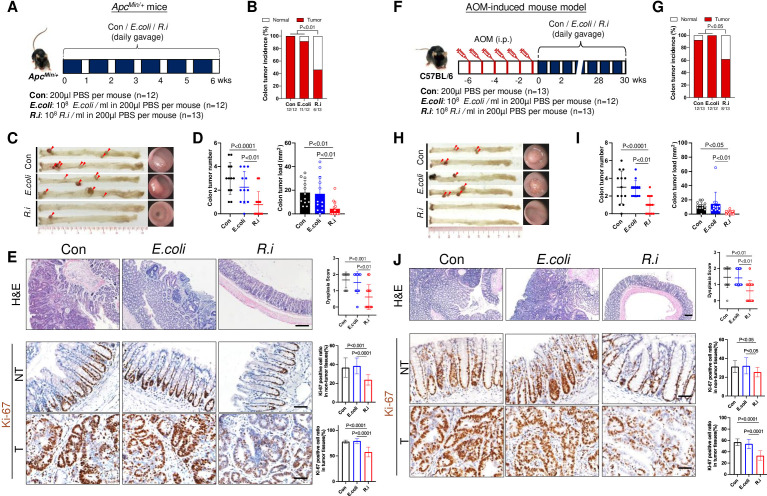
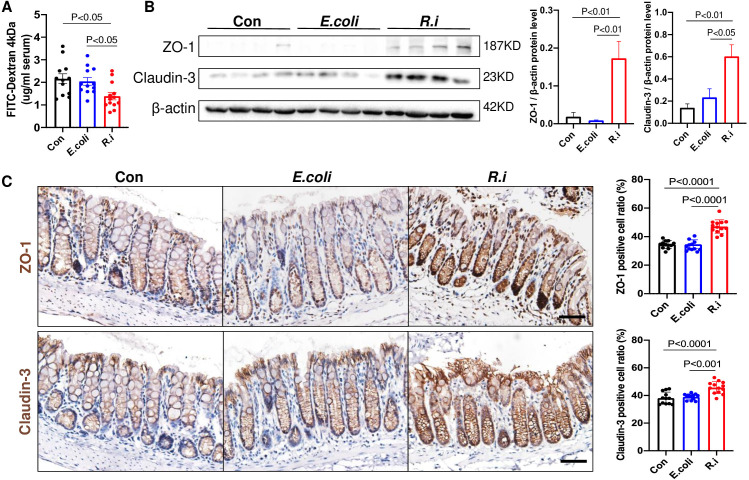
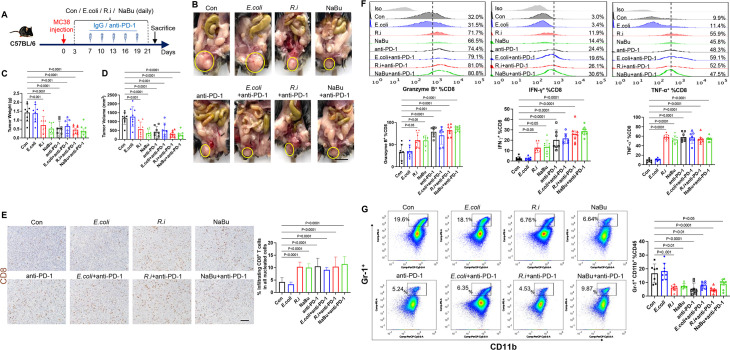
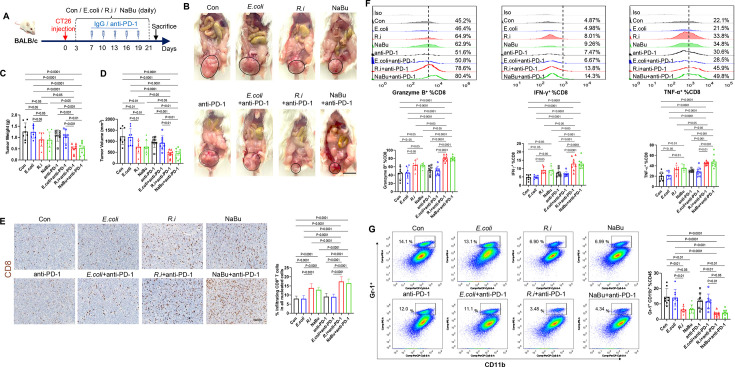
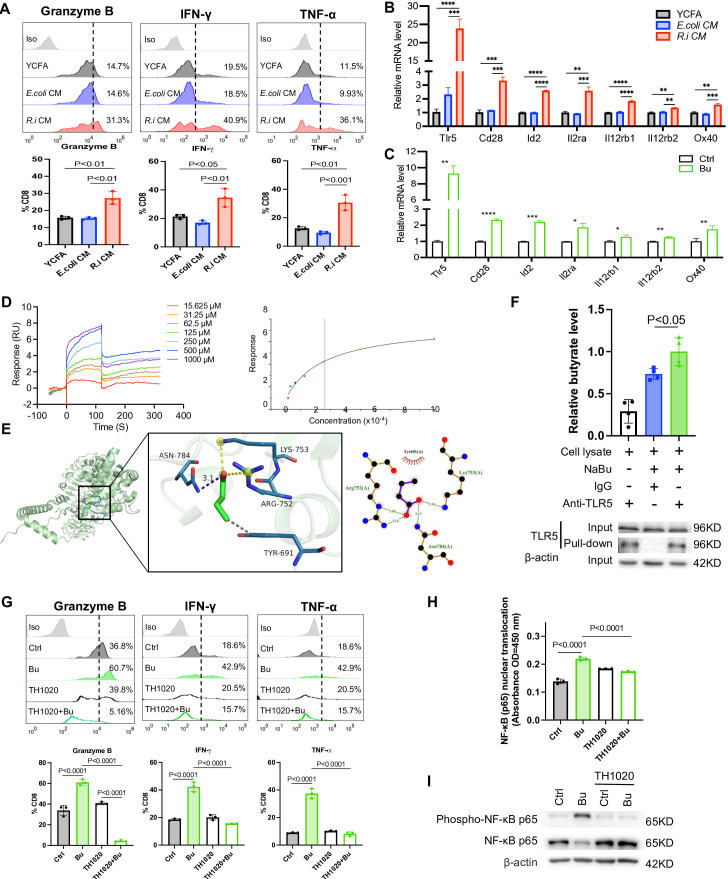
Objective: Roseburia intestinalis is a probiotic species that can suppress intestinal inflammation by producing metabolites. We aimed to study the role of R. intestinalis in colorectal tumourigenesis and immunotherapy. Design: R. intestinalis abundance was evaluated in stools of patients with colorectal cancer (CRC) (n=444) and healthy controls (n=575). The effects of R. intestinalis were studied in Apc Min/+ or azoxymethane (AOM)-induced CRC mouse models, and in syngeneic mouse xenograft models of CT26 (microsatellite instability (MSI)-low) or MC38 (MSI-high). The change of immune landscape was evaluated by multicolour flow cytometry and immunohistochemistry staining. Metabolites were profiled by metabolomic profiling. Results: R. intestinalis was significantly depleted in stools of patients with CRC compared with healthy controls. R. intestinalis administration significantly inhibited tumour formation in Apc Min/+ mice, which was confirmed in mice with AOM-induced CRC. R. intestinalis restored gut barrier function as indicated by improved intestinal permeability and enhanced expression of tight junction proteins. Butyrate was identified as the functional metabolite generated by R. intestinalis. R. intestinalis or butyrate suppressed tumour growth by inducing cytotoxic granzyme B + , interferon (IFN)-γ + and tumour necrosis factor (TNF)-α + CD8 + T cells in orthotopic mouse models of MC38 or CT26. R. intestinalis or butyrate also significantly improved antiprogrammed cell death protein 1 (anti-PD-1) efficacy in mice bearing MSI-low CT26 tumours. Mechanistically, butyrate directly bound to toll-like receptor 5 (TLR5) receptor on CD8 + T cells to induce its activity through activating nuclear factor kappa B (NF-κB) signalling. Conclusion: R. intestinalis protects against colorectal tumourigenesis by producing butyrate, which could also improve anti-PD-1 efficacy by inducing functional CD8 + T cells. R. intestinalis is a potential adjuvant to augment anti-PD-1 efficacy against CRC.
Overview
The claims and statistics of this paper haven’t been checked yet.
Free: it reads the open-access text and checks the first 5 claims that cite a source we can check. Create a free account to check every claim.
Integrity signals
Registry
Cites
Statistics
Figures
Verification
Claims the paper makes
The claims and statistics of this paper haven’t been checked yet.
Free: it reads the open-access text and checks the first 5 claims that cite a source we can check. Create a free account to check every claim.
Claims other papers make about this one
Each is checked against this paper’s own text: does it say what the citing paper says it does?
The source backs part of the claim, not all of it — or backs it for a different population, condition or comparison.
In the citing paper
“They can enhance PD‑1 blockade when administered orally (drinking water or gavage) at physiologically relevant concentrations.148–150”
From Gut dysbiosis in oncology: a risk factor for immunoresistance (2026) · doi:10.1038/s41422-025-01212-6 · cites this paper as [150]
Experimental — accuracy not yet measuredThe source backs part of the claim, not all of it — or backs it for a different population, condition or comparison.
In the citing paper
“Selective metabolites produced by distinct intestinal bacteria modulate cancer immunosurveillance in extraintestinal tumors.”
From Impact of the ONCOBIOME network in cancer microbiome research (2025) · cites this paper as [69]
Experimental — accuracy not yet measuredThe cited source says what the claim attributes to it.
In the citing paper
“the production of gut microbial metabolites (polyamines 58,65-67 , short-chain fatty acids [68][69][70][71] , indoles [72][73][74][75] , vitamins [76][77][78][79] , bile acids 80,81 ) that impact the cancer-immunity dialog.”
From Impact of the ONCOBIOME network in cancer microbiome research (2025) · cites this paper as [69]
Self-check
Percentages, sums and reported differences re-computed from the paper’s own numbers.
The self-check needs the paper’s full text.
Citations
Cites
Trott, O., & Olson, A. J. (2010) · Journal of Computational Chemistry · doi:10.1002/jcc.21334 · Cited by 38,412 · cited 1×
“MGLTools 1.5.6 from AutoDock Vina 1.1.2 programme was used for processing TLR5, 14 while AutoDock was used for docking analysis.”
InfluentialSiegel, R. L., Miller, K. D., Fuchs, H. E., & Jemal, A. (2022) · CA: A Cancer Journal for Clinicians · doi:10.3322/caac.21708 · Cited by 17,196
Safety and activity of anti-PD-L1 antibody in patients with advanced cancer
Brahmer, J. R., Tykodi, S. S., Chow, L. Q. M., Hwu, W.-J., Topalian, S. L., Hwu, P., Drake, C. G., Camacho, L. H., Kauh, J., Odunsi, K., et al. (2012) · New England Journal of Medicine · doi:10.1056/nejmoa1200694 · Cited by 7,945
From Dietary Fiber to Host Physiology: Short-Chain Fatty Acids as Key Bacterial Metabolites
Koh, A., De Vadder, F., Kovatcheva-Datchary, P., & Bäckhed, F. (2016) · Cell · doi:10.1016/j.cell.2016.05.041 · Cited by 7,070
Mismatch repair deficiency predicts response of solid tumors to PD-1 blockade
Le, D. T., Durham, J. N., Smith, K. N., Wang, H., Bartlett, B. R., Aulakh, L. K., Lu, S., Kemberling, H., Wilt, C., Luber, B. S., et al. (2017) · Science · doi:10.1126/science.aan6733 · Cited by 6,645
LigPlot+: Multiple Ligand–Protein Interaction Diagrams for Drug Discovery
Laskowski, R. A., & Swindells, M. B. (2011) · Journal of Chemical Information and Modeling · doi:10.1021/ci200227u · Cited by 6,471
Gut microbiome influences efficacy of PD-1-based immunotherapy against epithelial tumors
Routy, B., Le Chatelier, E., Derosa, L., Duong, C. P. M., Alou, M. T., Daillère, R., Fluckiger, A., Messaoudene, M., Rauber, C., Roberti, M. P., et al. (2018) · Science · doi:10.1126/science.aan3706 · Cited by 5,671
The innate immune response to bacterial flagellin is mediated by Toll-like receptor 5
Hayashi, F., Smith, K. D., Ozinsky, A., Hawn, T. R., Yi, E. C., Goodlett, D. R., Eng, J. K., Akira, S., Underhill, D. M., & Aderem, A. (2001) · Nature · doi:10.1038/35074106 · Cited by 3,601 · cited 1×
“TLR5 is a receptor expressed on epithelial and immune cells specifically recognising flagellin on bacteria, 36 whereas currently there is a lack of studies reporting its interaction with microbial metabolites.”
Anticancer immunotherapy by CTLA-4 blockade relies on the gut microbiota
Vétizou, M., Pitt, J. M., Daillère, R., Lepage, P., Waldschmitt, N., Flament, C., Rusakiewicz, S., Routy, B., Roberti, M. P., Duong, C. P. M., et al. (2015) · Science · doi:10.1126/science.aad1329 · Cited by 3,488
Microsatellite Instability in Colorectal Cancer
Boland, C. R., & Goel, A. (2010) · Gastroenterology · doi:10.1053/j.gastro.2009.12.064 · Cited by 2,456
Commensal Bacteria Control Cancer Response to Therapy by Modulating the Tumor Microenvironment
Iida, N., Dzutsev, A., Stewart, C. A., Smith, L., Bouladoux, N., Weingarten, R. A., Molina, D. A., Salcedo, R., Back, T., Cramer, S., et al. (2013) · Science · doi:10.1126/science.1240527 · Cited by 2,251
Yachida, S., Mizutani, S., Shiroma, H., Shiba, S., Nakajima, T., Sakamoto, T., Watanabe, H., Masuda, K., Nishimoto, Y., Kubo, M., et al. (2019) · Nature Medicine · doi:10.1038/s41591-019-0458-7 · Cited by 1,429 · cited 1×
“19 We also confirmed the depletion of R. intestinalis in our in-house CRC cohort.”
Potential of fecal microbiota for early-stage detection of colorectal cancer
Zeller, G., Tap, J., Voigt, A. Y., Sunagawa, S., Kultima, J. R., Costea, P. I., Amiot, A., Böhm, J., Brunetti, F., Habermann, N., et al. (2014) · Molecular Systems Biology · doi:10.15252/msb.20145645 · Cited by 1,375
Wirbel, J., Pyl, P. T., Kartal, E., Zych, K., Kashani, A., Milanese, A., Fleck, J. S., Voigt, A. Y., Palleja, A., Ponnudurai, R., et al. (2019) · Nature Medicine · doi:10.1038/s41591-019-0406-6 · Cited by 1,373
Structural segregation of gut microbiota between colorectal cancer patients and healthy volunteers
Wang, T., Cai, G., Qiu, Y., Fei, N., Zhang, M., Pang, X., Jia, W., Cai, S., & Zhao, L. (2012) · The ISME Journal · doi:10.1038/ismej.2011.109 · Cited by 1,287 · cited 1×
“10 Meanwhile, several butyrate-producing bacteria such as Roseburia were depleted in patients with CRC. 10 In particular, Roseburia intestinalis , a Gram-positive, obligate anaerobic, butyrate-producing bacterium, was first isolated from human faeces in 2002, 11 and its metabolites have been shown…”
Yu, J., Feng, Q., Wong, S. H., Zhang, D., Liang, Q. Y., Qin, Y., Tang, L., Zhao, H., Stenvang, J., Li, Y., et al. (2017) · Gut · doi:10.1136/gutjnl-2015-309800 · Cited by 1,253
Self-citationDonohoe, D. R., Collins, L. B., Wali, A., Bigler, R., Sun, W., & Bultman, S. J. (2012) · Molecular Cell · doi:10.1016/j.molcel.2012.08.033 · Cited by 993 · cited 1×
“For instance, butyrate could epigenetically act as a histone deacetylase inhibitor to inhibit tumour cell proliferation, 30 while Clostridium butyrium , the major butyrate producer in the human gut, dampens CRC development by downregulating the oncogenic WNT signalling pathway.”
Microsatellite Instability as a Biomarker for PD-1 Blockade
Dudley, J. C., Lin, M.-T., Le, D. T., & Eshleman, J. R. (2016) · Clinical Cancer Research · doi:10.1158/1078-0432.ccr-15-1678 · Cited by 931
He, Y., Fu, L., Li, Y., Wang, W., Gong, M., Zhang, J., Dong, X., Huang, J., Wang, Q., Mackay, C. R., et al. (2021) · Cell Metabolism · doi:10.1016/j.cmet.2021.03.002 · Cited by 729
Derosa, L., Routy, B., Thomas, A. M., Iebba, V., Zalcman, G., Friard, S., Mazieres, J., Audigier-Valette, C., Moro-Sibilot, D., Goldwasser, F., et al. (2022) · Nature Medicine · doi:10.1038/s41591-021-01655-5 · Cited by 685
Benefits of short-chain fatty acids and their receptors in inflammation and carcinogenesis
Sivaprakasam, S., Prasad, P. D., & Singh, N. (2016) · Pharmacology & Therapeutics · doi:10.1016/j.pharmthera.2016.04.007 · Cited by 571 · cited 1×
“35 However, we observed that their expressions on CD8 + T cells are not altered by butyrate.”
Anticancer effects of the microbiome and its products
Zitvogel, L., Daillère, R., Roberti, M. P., Routy, B., & Kroemer, G. (2017) · Nature Reviews Microbiology · doi:10.1038/nrmicro.2017.44 · Cited by 538 · cited 13×
“Collectively, our findings suggested that R. intestinalis and its metabolite butyrate have potential clinical impact in improving immunotherapy efficacy in patients with CRC.”
InfluentialBertocchi, A., Carloni, S., Ravenda, P. S., Bertalot, G., Spadoni, I., Lo Cascio, A., Gandini, S., Lizier, M., Braga, D., Asnicar, F., et al. (2021) · Cancer Cell · doi:10.1016/j.ccell.2021.03.004 · Cited by 515 · cited 1×
“27 Consistently, our results revealed the impairment of gut barrier in CRC mice, whereas R. intestinalis supplementation could significantly improve gut barrier integrity (figure 2).”
Chen, D., Jin, D., Huang, S., Wu, J., Xu, M., Liu, T., Dong, W., Liu, X., Wang, S., Zhong, W., et al. (2020) · Cancer Letters · doi:10.1016/j.canlet.2019.11.019 · Cited by 495 · cited 1×
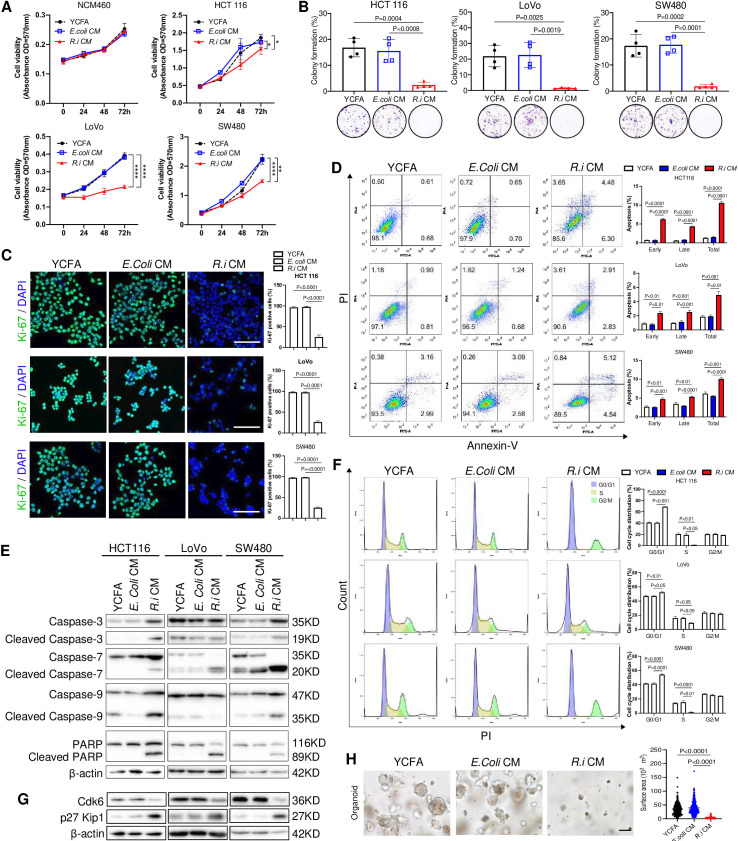
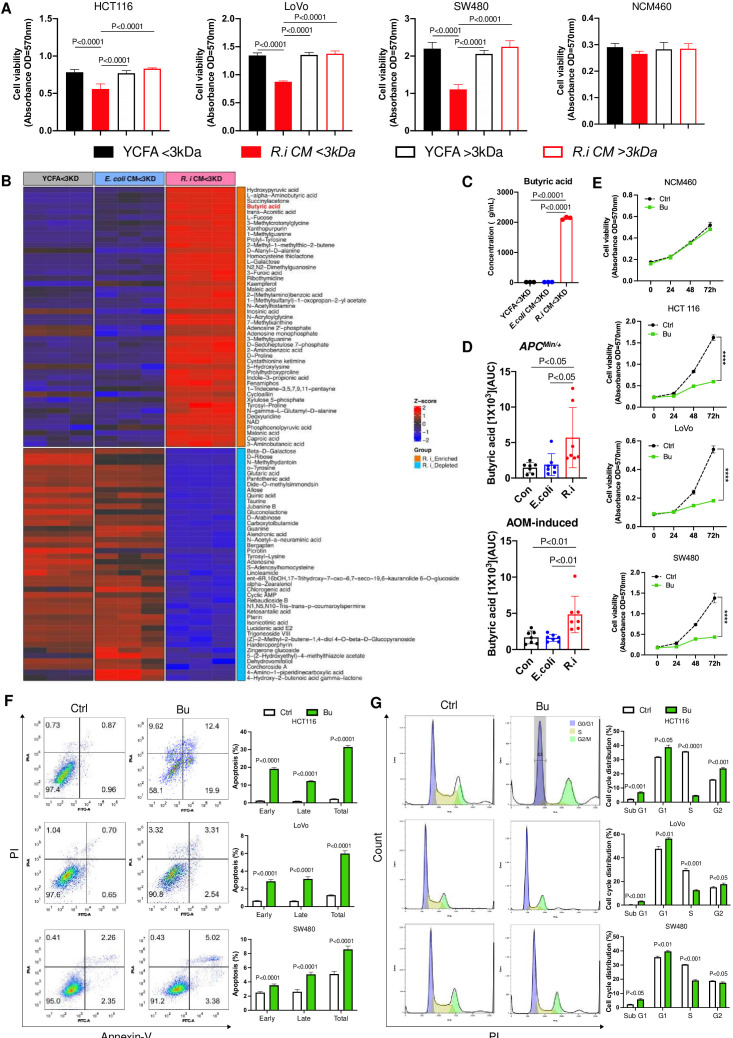
“31 In this study, our results clearly revealed that R. intestinalis is a butyrate-producing bacteria, and its derived butyrate could facilitate the direct killing of tumour cells with minimal effects on normal colon epithelial cells.”
Roseburia intestinalis: A Beneficial Gut Organism From the Discoveries in Genus and Species
Nie, K., Ma, K., Luo, W., Shen, Z., Yang, Z., Xiao, M., Tong, T., Yang, Y., & Wang, X. (2021) · Frontiers in Cellular and Infection Microbiology · doi:10.3389/fcimb.2021.757718 · Cited by 494 · cited 1×
“12 These data prompted us to investigate whether R. intestinalis and its metabolites could contribute to the suppression of colorectal tumourigenesis as well as improving immunotherapy efficacy against CRC.”
Nomura, M., Nagatomo, R., Doi, K., Shimizu, J., Baba, K., Saito, T., Matsumoto, S., Inoue, K., & Muto, M. (2020) · JAMA Network Open · doi:10.1001/jamanetworkopen.2020.2895 · Cited by 396 · cited 1×
“32 We therefore tested the correlation between R. intestinalis or butyrate and anti- PD-1 therapy in two orthotopic mouse models bearing tumours with different CRC subtypes (MSI-high or MSS).”
Duncan, S. H., Hold, G. L., Barcenilla, A., Stewart, C. S., & Flint, H. J. (2002) · International Journal of Systematic and Evolutionary Microbiology · doi:10.1099/00207713-52-5-1615 · Cited by 367 · cited 1×
“…bacteria such as Roseburia were depleted in patients with CRC. 10 In particular, Roseburia intestinalis , a Gram-positive, obligate anaerobic, butyrate-producing bacterium, was first isolated from human faeces in 2002, 11 and its metabolites have been shown to prevent intestinal inflammation.”
Metabolic signaling in T cells
Shyer, J. A., Flavell, R. A., & Bailis, W. (2020) · Cell Research · doi:10.1038/s41422-020-0379-5 · Cited by 332
Computer Review of ChemDraw Ultra 12.0
Cousins, K. R. (2011) · Journal of the American Chemical Society · doi:10.1021/ja204075s · Cited by 297
Sugimura, N., Li, Q., Chu, E. S. H., Lau, H. C. H., Fong, W., Liu, W., Liang, C., Nakatsu, G., Su, A. C. Y., Coker, O. O., et al. (2022) · Gut · doi:10.1136/gutjnl-2020-323951 · Cited by 286
Self-citationCoker, O. O., Liu, C., Wu, W. K. K., Wong, S. H., Jia, W., Sung, J. J. Y., & Yu, J. (2022) · Microbiome · doi:10.1186/s40168-021-01208-5 · Cited by 255 · cited 3×
“…tumourigenesis in human patients with CRC. Metabolomic profiling was performed on human faecal samples from our in-house cohort with 118 patients with CRC and 128 healthy controls, 20 which confirmed the significant depletion of butyric acid in patients with CRC (online supplemental figure 9A).”
InfluentialSelf-citationStreptococcus thermophilus Inhibits Colorectal Tumorigenesis Through Secreting β-Galactosidase
Li, Q., Hu, W., Liu, W.-X., Zhao, L.-Y., Huang, D., Liu, X.-D., Chan, H., Zhang, Y., Zeng, J.-D., Coker, O. O., et al. (2021) · Gastroenterology · doi:10.1053/j.gastro.2020.09.003 · Cited by 250 · cited 1×
“Some of them exhibit anti-CRC effects by secreting protein derivatives, 28 while the others including R. intestinalis , produce metabolites to abolish colorectal tumourigenesis.”
Self-citationPlasticity in programming of effector and memory CD8+ T‐cell formation
Arens, R., & Schoenberger, S. P. (2010) · Immunological Reviews · doi:10.1111/j.0105-2896.2010.00899.x · Cited by 207
Immunotherapy efficacy on mismatch repair-deficient colorectal cancer: From bench to bedside
Lizardo, D. Y., Kuang, C., Hao, S., Yu, J., Huang, Y., & Zhang, L. (2020) · Biochimica et Biophysica Acta (BBA) - Reviews on Cancer · doi:10.1016/j.bbcan.2020.188447 · Cited by 205
Self-citationDuncan, S. H. (2002) · INTERNATIONAL JOURNAL OF SYSTEMATIC AND EVOLUTIONARY MICROBIOLOGY · doi:10.1099/ijs.0.02143-0 · Cited by 148
Roseburia intestinalis stimulates TLR5-dependent intestinal immunity against Crohn's disease
Shen, Z., Luo, W., Tan, B., Nie, K., Deng, M., Wu, S., Xiao, M., Wu, X., Meng, X., Tong, T., et al. (2022) · EBioMedicine · doi:10.1016/j.ebiom.2022.104285 · Cited by 106
Microbial short-chain fatty acids: a strategy to tune adoptive T cell therapy
Rangan, P., & Mondino, A. (2022) · Journal for ImmunoTherapy of Cancer · doi:10.1136/jitc-2021-004147 · Cited by 104
Dynamic Post-Transcriptional Events Governing CD8+ T Cell Homeostasis and Effector Function
Salerno, F., Turner, M., & Wolkers, M. C. (2020) · Trends in Immunology · doi:10.1016/j.it.2020.01.001 · Cited by 66
Cited by
Ma, Z., Zuo, T., Frey, N., & Rangrez, A. Y. (2024) · Signal Transduction and Targeted Therapy · doi:10.1038/s41392-024-01946-6 · Cited by 259
Fusobacterium nucleatum facilitates anti-PD-1 therapy in microsatellite stable colorectal cancer
Wang, X., Fang, Y., Liang, W., Wong, C. C., Qin, H., Gao, Y., Liang, M., Song, L., Zhang, Y., Fan, M., et al. (2024) · Cancer Cell · doi:10.1016/j.ccell.2024.08.019 · Cited by 247
Self-citationModulating gut microbiome in cancer immunotherapy: Harnessing microbes to enhance treatment efficacy
Kang, X., Lau, H. C.-H., & Yu, J. Q. (2024) · Cell Reports Medicine · doi:10.1016/j.xcrm.2024.101478 · Cited by 197
“26 Other strains of Clostri-diales , including Eubacterium hallii , Faecalibacterium prausnitzii , and Anaerostipes caccae , have been shown to enhance CD8 + T cell activation and their infiltration into tumors, thereby improving the efficacy of anti-PD-1 therapy in solid tumors.”
BackgroundSelf-citationLiu, Y., Wong, C. C., Ding, Y., Gao, M., Wen, J., Lau, H. C.-H., Cheung, A. H. K., Huang, D., Huang, H., & Yu, J. Q. (2024) · Nature Microbiology · doi:10.1038/s41564-024-01695-w · Cited by 152
“Several metabolites such as trimethylamine N-oxide and short-chain fatty acids secreted by intratumoral bacteria have been shown to modulate CD8 + T cell immunity 32–35 .”
Self-citationCancer metastasis: Molecular mechanisms and clinical perspectives
Khan, S. U., Fatima, K., Malik, F. A., Kalkavan, H., & Wani, A. (2023) · Pharmacology & Therapeutics · doi:10.1016/j.pharmthera.2023.108522 · Cited by 133
Metadata
- Authors
- Kang, X., Liu, C., Ding, Y., Ni, Y., Ji, F., Lau, H. C. H., Jiang, L., Sung, J. J., Wong, S. H., & Yu, J.
- Affiliations
- Chinese University of Hong Kong (HK)
- Department of Anatomical and Cellular Pathology, Faculty of Medicine, The Chinese University of Hong Kong, Shatin, Hong Kong
- Nanyang Technological University (SG)
- Corresponding author
- Yu, Jun
- ORCID
- Venue
- Gut
- Publisher
- BMJ
- Published
- 2023-07-25
- Volume
- 72
- Issue
- 11
- Pages
- 2112-2122
- ISSN
- 0017-5749 (ISSN-L)
- 1468-3288
- PMC
- PMC10579466
- OpenAlex
- W4385232541
- Cited by
- 394
- References
- 38
- Citations by year
- 2026: 144 · 2025: 178 · 2024: 68 · 2023: 4
- FWCI
- 35.11
- Type
- journal article
- Language
- en
- Open access
- hybrid
- doi.org
- Licence
- Locations
- Gut (publishedVersion, cc-by-nc)
- PubMed Central (publishedVersion, cc-by-nc)
- PubMed (publishedVersion)
- DR-NTU (Nanyang Technological University) (submittedVersion, cc-by-nc)
- HighWire Press Open Archive (submittedVersion)
- Funders
- Shenzhen-Hong Kong-Macao Science and Technology Program (Category C) Shenzhen (SGDX20210823103535016)
- Centre for Microbiome Medicine and Wang Lee Wah Memorial Fund (Not Applicable, N/A)
- Vice-Chancellor’s Discretionary Fund Chinese University of Hong Kong (4930775)
- RGC Research Impact Fund Hong Kong (R4032-21F)
- Research Talent Hub-Innovation and Technology Fund Hong Kong (ITS/177/21FP)
- NTU Start Up Grant (021281-00001, 021337-00001)
- Singapore Ministry of Health’s National Medical Research Council Clinician Scientist Individual Research Grant (MOH-CIRG23jan-0001)
- Topics
- Life Sciences › Biochemistry, Genetics and Molecular Biology › Molecular Biology › Gut microbiota and health
- Health Sciences › Medicine › Oncology › Cancer Immunotherapy and Biomarkers
- Life Sciences › Agricultural and Biological Sciences › Food Science › Probiotics and Fermented Foods
- Keywords
- Roseburia intestinalis, butyrate, colorectal cancer, anti-PD-1 therapy, CD8+ T cells, TLR5, NF-κB signaling, intestinal barrier, intestinal permeability, tight junctions, tumor immunology, probiotics, tumor microenvironment, microsatellite instability, ApcMin/+ mice
- MeSH terms
- Eubacteriales, Clostridiales, Animals, Butyrates, Cell Transformation, Neoplastic, Humans, Colorectal Neoplasms, CD8-Positive T-Lymphocytes, Mice, Carcinogenesis
About these checks
Registry, retraction, Cites and statistics results are computed, not judged, with one exception: a printed reference that no index lists is read once by a model before it counts as a citation error. Claims are extracted by a model and kept only when their quote appears verbatim in the text; each cited source is then checked, with a model’s help, for whether it says what the claim relies on. Those verdicts can be wrong — read the claim’s quote and the cited source before relying on one.
Statistics and arithmetic are recomputed, not judged.
Confidence bands are shown only for fields calibrated on our annotated test set. None is calibrated yet, so no band is shown.
What counts as a claim ›How we measure confidence ›How we check this ›
Are you an author, or do you see a problem with this page? Request a review
Data sources
Bibliographic data: Semantic Scholar, OpenAlex, Crossref.
Contains information from the Semantic Scholar Academic Graph Datasets, made available under the ODC Attribution License (ODC-BY 1.0).
Semantic Scholar’s data is described in: Kinney, R., et al. (2023). The Semantic Scholar Open Data Platform. arXiv:2301.10140.
