

Roseburia intestinalis generated butyrate boosts anti-PD-1 efficacy in colorectal cancer by activating cytotoxic CD8 + T cells
Open accessThe DOI matches its Crossref record; 38 of the 38 references it cites were found in a registry or an index.
Abstract
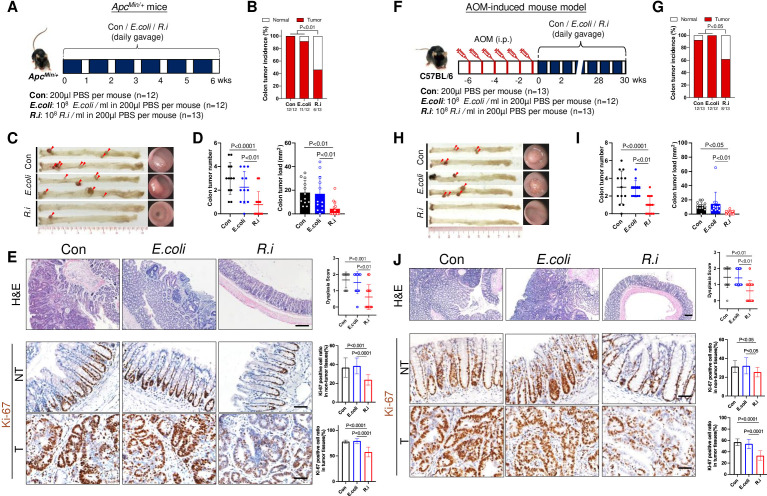
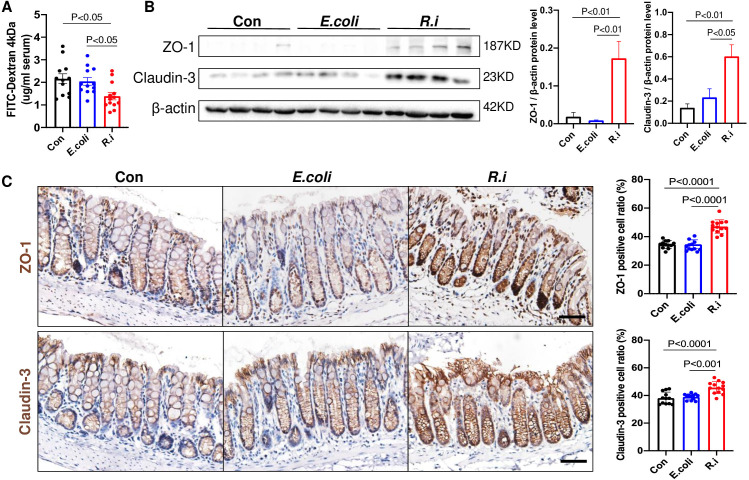
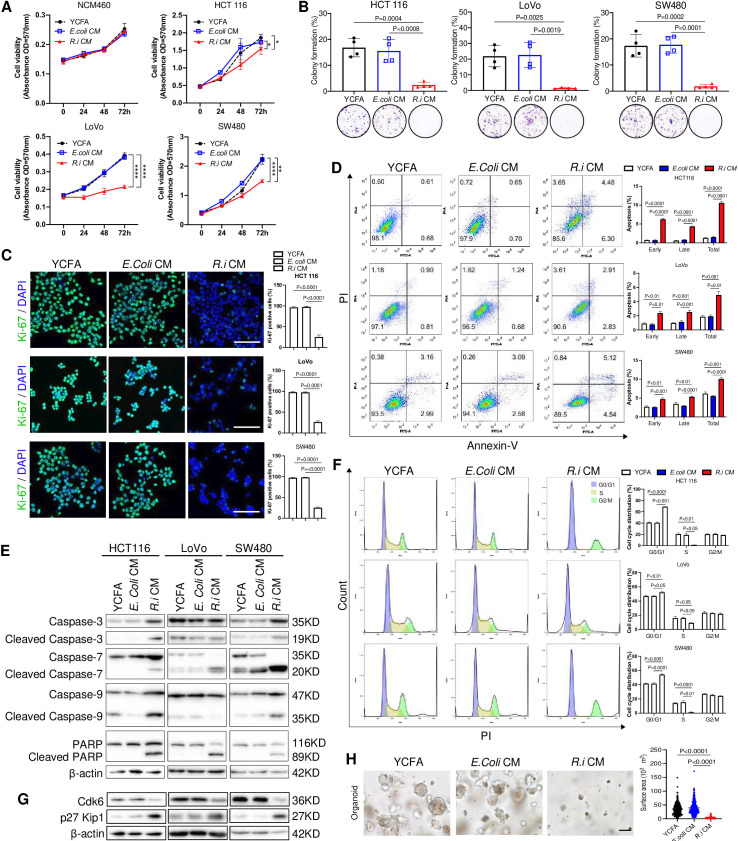
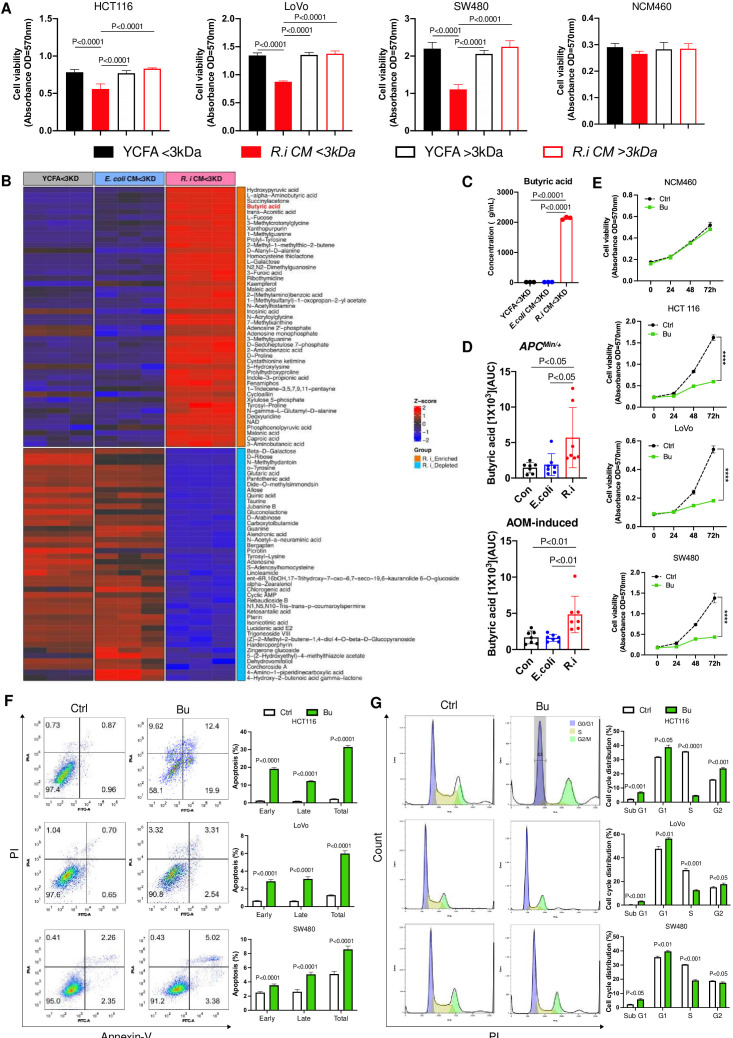
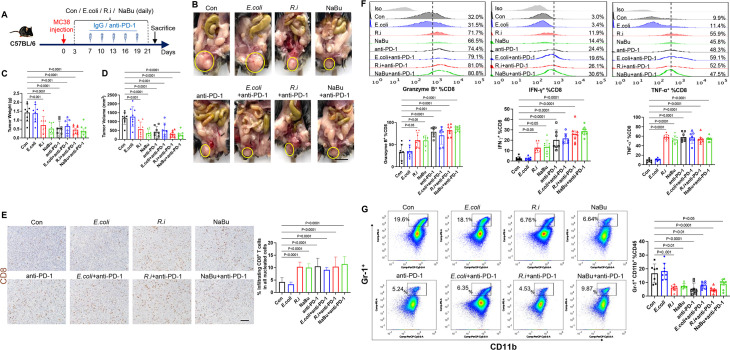
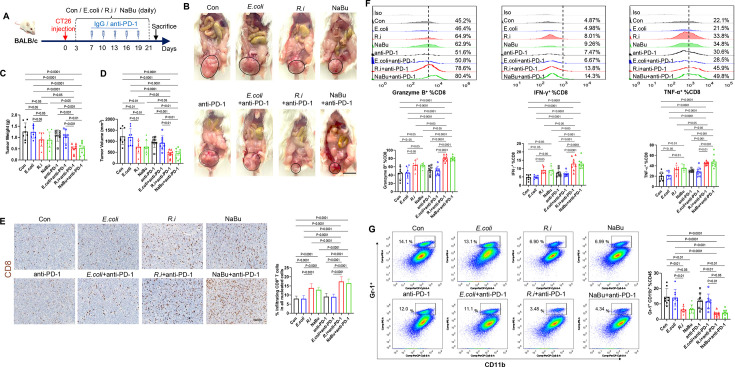
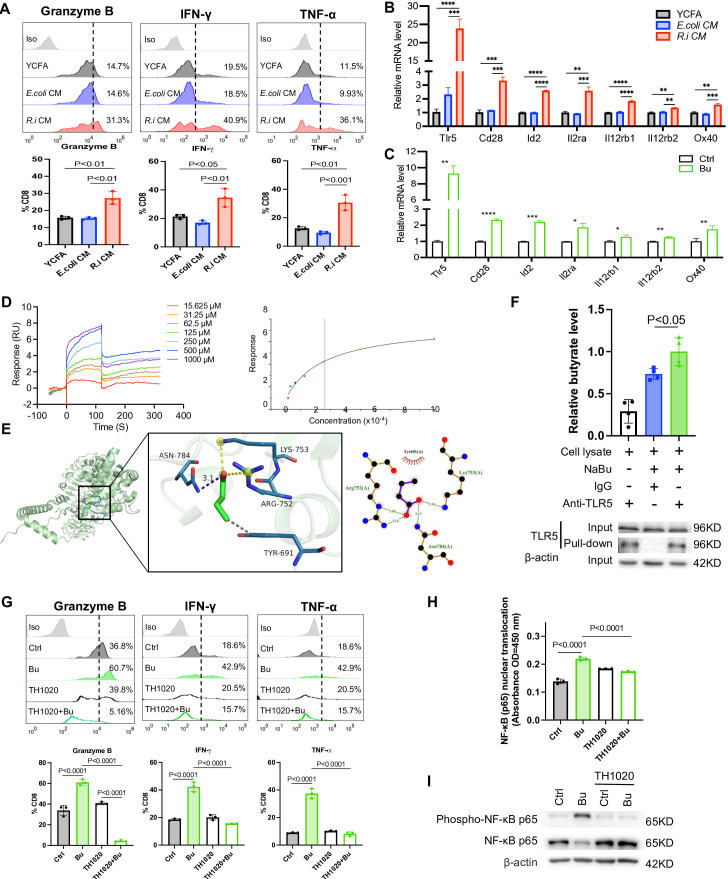
Objective: Roseburia intestinalis is a probiotic species that can suppress intestinal inflammation by producing metabolites. We aimed to study the role of R. intestinalis in colorectal tumourigenesis and immunotherapy. Design: R. intestinalis abundance was evaluated in stools of patients with colorectal cancer (CRC) (n=444) and healthy controls (n=575). The effects of R. intestinalis were studied in Apc Min/+ or azoxymethane (AOM)-induced CRC mouse models, and in syngeneic mouse xenograft models of CT26 (microsatellite instability (MSI)-low) or MC38 (MSI-high). The change of immune landscape was evaluated by multicolour flow cytometry and immunohistochemistry staining. Metabolites were profiled by metabolomic profiling. Results: R. intestinalis was significantly depleted in stools of patients with CRC compared with healthy controls. R. intestinalis administration significantly inhibited tumour formation in Apc Min/+ mice, which was confirmed in mice with AOM-induced CRC. R. intestinalis restored gut barrier function as indicated by improved intestinal permeability and enhanced expression of tight junction proteins. Butyrate was identified as the functional metabolite generated by R. intestinalis. R. intestinalis or butyrate suppressed tumour growth by inducing cytotoxic granzyme B + , interferon (IFN)-γ + and tumour necrosis factor (TNF)-α + CD8 + T cells in orthotopic mouse models of MC38 or CT26. R. intestinalis or butyrate also significantly improved antiprogrammed cell death protein 1 (anti-PD-1) efficacy in mice bearing MSI-low CT26 tumours. Mechanistically, butyrate directly bound to toll-like receptor 5 (TLR5) receptor on CD8 + T cells to induce its activity through activating nuclear factor kappa B (NF-κB) signalling. Conclusion: R. intestinalis protects against colorectal tumourigenesis by producing butyrate, which could also improve anti-PD-1 efficacy by inducing functional CD8 + T cells. R. intestinalis is a potential adjuvant to augment anti-PD-1 efficacy against CRC.
Overview
The claims and statistics of this paper haven’t been checked yet.
Free: it reads the open-access text and checks the first 5 claims that cite a source we can check. Create a free account to check every claim.
Integrity signals
Registry
Cites
Statistics
Figures
Verification
Claims the paper makes
The claims and statistics of this paper haven’t been checked yet.
Free: it reads the open-access text and checks the first 5 claims that cite a source we can check. Create a free account to check every claim.
Claims other papers make about this one
Each is checked against this paper’s own text: does it say what the citing paper says it does?
The source backs part of the claim, not all of it — or backs it for a different population, condition or comparison.
In the citing paper
“They can enhance PD‑1 blockade when administered orally (drinking water or gavage) at physiologically relevant concentrations.148–150”
From Gut dysbiosis in oncology: a risk factor for immunoresistance (2026) · doi:10.1038/s41422-025-01212-6 · cites this paper as [150]
Experimental — accuracy not yet measuredThe source backs part of the claim, not all of it — or backs it for a different population, condition or comparison.
In the citing paper
“Selective metabolites produced by distinct intestinal bacteria modulate cancer immunosurveillance in extraintestinal tumors.”
From Impact of the ONCOBIOME network in cancer microbiome research (2025) · cites this paper as [69]
Experimental — accuracy not yet measuredThe cited source says what the claim attributes to it.
In the citing paper
“the production of gut microbial metabolites (polyamines 58,65-67 , short-chain fatty acids [68][69][70][71] , indoles [72][73][74][75] , vitamins [76][77][78][79] , bile acids 80,81 ) that impact the cancer-immunity dialog.”
From Impact of the ONCOBIOME network in cancer microbiome research (2025) · cites this paper as [69]
Self-check
Percentages, sums and reported differences re-computed from the paper’s own numbers.
The self-check needs the paper’s full text.
Citations
Cites
Trott, O., & Olson, A. J. (2010) · Journal of Computational Chemistry · doi:10.1002/jcc.21334 · Cited by 38,412 · cited 1×
“MGLTools 1.5.6 from AutoDock Vina 1.1.2 programme was used for processing TLR5, 14 while AutoDock was used for docking analysis.”
InfluentialSiegel, R. L., Miller, K. D., Fuchs, H. E., & Jemal, A. (2022) · CA: A Cancer Journal for Clinicians · doi:10.3322/caac.21708 · Cited by 17,196
Safety and activity of anti-PD-L1 antibody in patients with advanced cancer
Brahmer, J. R., Tykodi, S. S., Chow, L. Q. M., Hwu, W.-J., Topalian, S. L., Hwu, P., Drake, C. G., Camacho, L. H., Kauh, J., Odunsi, K., et al. (2012) · New England Journal of Medicine · doi:10.1056/nejmoa1200694 · Cited by 7,945
From Dietary Fiber to Host Physiology: Short-Chain Fatty Acids as Key Bacterial Metabolites
Koh, A., De Vadder, F., Kovatcheva-Datchary, P., & Bäckhed, F. (2016) · Cell · doi:10.1016/j.cell.2016.05.041 · Cited by 7,070
Mismatch repair deficiency predicts response of solid tumors to PD-1 blockade
Le, D. T., Durham, J. N., Smith, K. N., Wang, H., Bartlett, B. R., Aulakh, L. K., Lu, S., Kemberling, H., Wilt, C., Luber, B. S., et al. (2017) · Science · doi:10.1126/science.aan6733 · Cited by 6,645
LigPlot+: Multiple Ligand–Protein Interaction Diagrams for Drug Discovery
Laskowski, R. A., & Swindells, M. B. (2011) · Journal of Chemical Information and Modeling · doi:10.1021/ci200227u · Cited by 6,471
Gut microbiome influences efficacy of PD-1-based immunotherapy against epithelial tumors
Routy, B., Le Chatelier, E., Derosa, L., Duong, C. P. M., Alou, M. T., Daillère, R., Fluckiger, A., Messaoudene, M., Rauber, C., Roberti, M. P., et al. (2018) · Science · doi:10.1126/science.aan3706 · Cited by 5,671
The innate immune response to bacterial flagellin is mediated by Toll-like receptor 5
Hayashi, F., Smith, K. D., Ozinsky, A., Hawn, T. R., Yi, E. C., Goodlett, D. R., Eng, J. K., Akira, S., Underhill, D. M., & Aderem, A. (2001) · Nature · doi:10.1038/35074106 · Cited by 3,601 · cited 1×
“TLR5 is a receptor expressed on epithelial and immune cells specifically recognising flagellin on bacteria, 36 whereas currently there is a lack of studies reporting its interaction with microbial metabolites.”
Anticancer immunotherapy by CTLA-4 blockade relies on the gut microbiota
Vétizou, M., Pitt, J. M., Daillère, R., Lepage, P., Waldschmitt, N., Flament, C., Rusakiewicz, S., Routy, B., Roberti, M. P., Duong, C. P. M., et al. (2015) · Science · doi:10.1126/science.aad1329 · Cited by 3,488
Microsatellite Instability in Colorectal Cancer
Boland, C. R., & Goel, A. (2010) · Gastroenterology · doi:10.1053/j.gastro.2009.12.064 · Cited by 2,456
Cited by
Ma, Z., Zuo, T., Frey, N., & Rangrez, A. Y. (2024) · Signal Transduction and Targeted Therapy · doi:10.1038/s41392-024-01946-6 · Cited by 259
Fusobacterium nucleatum facilitates anti-PD-1 therapy in microsatellite stable colorectal cancer
Wang, X., Fang, Y., Liang, W., Wong, C. C., Qin, H., Gao, Y., Liang, M., Song, L., Zhang, Y., Fan, M., et al. (2024) · Cancer Cell · doi:10.1016/j.ccell.2024.08.019 · Cited by 247
Self-citationModulating gut microbiome in cancer immunotherapy: Harnessing microbes to enhance treatment efficacy
Kang, X., Lau, H. C.-H., & Yu, J. Q. (2024) · Cell Reports Medicine · doi:10.1016/j.xcrm.2024.101478 · Cited by 197
“26 Other strains of Clostri-diales , including Eubacterium hallii , Faecalibacterium prausnitzii , and Anaerostipes caccae , have been shown to enhance CD8 + T cell activation and their infiltration into tumors, thereby improving the efficacy of anti-PD-1 therapy in solid tumors.”
BackgroundSelf-citationLiu, Y., Wong, C. C., Ding, Y., Gao, M., Wen, J., Lau, H. C.-H., Cheung, A. H. K., Huang, D., Huang, H., & Yu, J. Q. (2024) · Nature Microbiology · doi:10.1038/s41564-024-01695-w · Cited by 152
“Several metabolites such as trimethylamine N-oxide and short-chain fatty acids secreted by intratumoral bacteria have been shown to modulate CD8 + T cell immunity 32–35 .”
Self-citationCancer metastasis: Molecular mechanisms and clinical perspectives
Khan, S. U., Fatima, K., Malik, F. A., Kalkavan, H., & Wani, A. (2023) · Pharmacology & Therapeutics · doi:10.1016/j.pharmthera.2023.108522 · Cited by 133
The gut microbiota in cancer immunity and immunotherapy
Xie, M., Li, X., Lau, H. C.-H., & Yu, J. (2025) · Cellular and Molecular Immunology · doi:10.1038/s41423-025-01326-2 · Cited by 139
Self-citationThe gut microbiome and cancer: from tumorigenesis to therapy
Nobels, A., van Marcke, C., Jordan, B. F., Hul, M. V., & Cani, P. D. (2025) · Nature Metabolism · doi:10.1038/s42255-025-01287-w · Cited by 137
Xie, M., Yuan, K., Zhang, Y., Zhang, Y., Zhang, R., Gao, J., Wei, W., Jiang, L., Li, T., Ding, Y., et al. (2025) · Cancer Cell · doi:10.1016/j.ccell.2025.07.012 · Cited by 98
Self-citationThe impact of gut microbial short-chain fatty acids on colorectal cancer development and prevention
Thulasinathan, B., Suvilesh, K. N., Maram, S., Grossmann, E. M., Ghouri, Y. A., Teixeiro, E., Chan, J., Kaifi, J. T., & Rachagani, S. (2025) · Gut Microbes · doi:10.1080/19490976.2025.2483780 · Cited by 93
The gut microbiome and cancer response to immune checkpoint inhibitors
Gazzaniga, F. S., & Kasper, D. L. (2025) · Journal of Clinical Investigation · doi:10.1172/jci184321 · Cited by 92
Su, A. C. Y., Ding, X. Q., Lau, H. C.-H., Kang, X., Li, Q., Wang, X., Liu, Y., Jiang, L., Lu, Y., Liu, W., et al. (2024) · Gut · doi:10.1136/gutjnl-2023-330835 · Cited by 82
Self-citationBeyond the Gut: The intratumoral microbiome's influence on tumorigenesis and treatment response
Zhang, H., Fu, L., Leiliang, X., Qu, C., Wu, W., Wen, R., Huang, N., He, Q., Cheng, Q., Liu, G., et al. (2024) · 癌症:英文版 · doi:10.1002/cac2.12597 · Cited by 78
Zhong, H., Jiang, J., Hussain, M., Zhang, H., Ling, C., & Guan, R. (2025) · Advanced Science · doi:10.1002/advs.202500304 · Cited by 84
Lin, Y., Xie, M., Lau, H. C.-H., Zeng, R., Zhang, R., Wang, L., Li, Q., Wang, Y., Chen, D., Jiang, L., et al. (2024) · Med · doi:10.1016/j.medj.2024.10.007 · Cited by 83
Self-citationMa, Z., Wang, Z., Cao, J., Dong, Y., & Chen, Y. (2025) · Gut Microbes · doi:10.1080/19490976.2025.2560019 · Cited by 78
Propionate and butyrate counteract renal damage and progression to chronic kidney disease
Corte-Iglesias, V., Sáiz, M. L., Andrade-Lopez, A. C., Salazar, N., Bernet, C. R., Martín-Martín, C., Martínez-Borra, J., Lozano, J. J., Aransay, A. M., Díaz‐Corte, C., et al. (2024) · Nephrology Dialysis Transplantation · doi:10.1093/ndt/gfae118 · Cited by 68
“SCFAs are key to maintaining the integrity of the intestinal barrier and can modulate immune system activation, reduce systemic inflammation and counteract the production of uraemic toxins produced by proteolytic bacteria, among other activities [19 –23 ].”
Long-distance microbial mechanisms impacting cancer immunosurveillance
Zitvogel, L., Fidelle, M., & Kroemer, G. (2024) · Immunity · doi:10.1016/j.immuni.2024.07.020 · Cited by 58
Liu, X., Lu, B., Tang, H. T., Jia, X., Zhou, Q., Zeng, Y., Gao, X., Chen, M., Xu, Y., Wang, M., et al. (2024) · EBioMedicine · doi:10.1016/j.ebiom.2024.105427 · Cited by 58
Microbiota-derived metabolites: Key modulators of cancer immunotherapies
Perl, M., Fante, M. A., Herfeld, K., Scherer, J. N., Poeck, H., & Orberg, E. T. (2025) · Med · doi:10.1016/j.medj.2025.100773 · Cited by 66
“84 In contrast, a study examining anti-CTLA-4 (ipilimumab ) in n = 40 patients with metastatic melanoma found that serum levels of butyric and propionic acids were inversely correlated with PFS and OS.”
Probiotics: Shaping the gut immunological responses
Filidou, E., Kandilogiannakis, L., Shrewsbury, A. D., Kolios, G. C., & Kotzampassi, K. E. (2024) · World Journal of Gastroenterology · doi:10.3748/wjg.v30.i15.2096 · Cited by 58
“Kang et al [74] showed that R. intestinalis may favor cytotoxic CD8 + T cell populations during colorectal cancer, and thus boost the immune system towards fighting tumorous cells[74].”
Gut Microbiota and Colorectal Cancer: A Balance Between Risk and Protection
Ionescu, V. A., Diaconu, C. C., Gheorghe, G., Mihai, M.-M., Diaconu, C. C., Bostan, M., & Bleoţu, C. (2025) · International Journal of Molecular Sciences · doi:10.3390/ijms26083733 · Cited by 62
“Moreover, Roseburia intestinalis and butyrate significantly enhanced the efficacy of anti-PD-1 therapy in mice bearing MSI-low tumors [187].”
InfluentialSaint-Martin, V., Guillory, V., Chollot, M., Fleurot, I., Kut, E., Roesch, F., Caballero, I., Helloin, E., Chambellon, É., Ferguson, B. J., et al. (2024) · Communications Biology · doi:10.1038/s42003-024-06815-0 · Cited by 58
Bai, C., Luo, H., He, B., Liu, X., Lv, D., Zhang, X., Su, K., Zheng, S., Lü, J., Wang, C., et al. (2025) · Signal Transduction and Targeted Therapy · doi:10.1038/s41392-025-02159-1 · Cited by 61
“59 We further fi nd that the capacity of butyrate blocking tumor growth under psychological stress in immune-de fi ciency mice is less than the effect in immune-competent mice (data not shown), suggesting butyrate might regulate anti-tumor immunity in mediating stress-induced cancer progression.”
Self-citationGao, Y., Tan, Y.-J., & Fang, J. (2025) · Nature Reviews Clinical Oncology · doi:10.1038/s41571-025-01026-w · Cited by 55
Lu, S., Wang, C., Ma, J., & Wang, Y. (2024) · Frontiers in Immunology · doi:10.3389/fimmu.2024.1456030 · Cited by 56
Singh, H., Balusamy, S. R., Sukweenadhi, J., Saravanan, M., Mohanprasanth, A., Mijakovic̀, I., & Singh, P. (2025) · Journal of Nanobiotechnology · doi:10.1186/s12951-025-03712-4 · Cited by 51
Gut microbiota–derived metabolites in immunomodulation and gastrointestinal cancer immunotherapy
Luo, W., Li, R., Pan, C., & Luo, C. (2025) · Frontiers in Immunology · doi:10.3389/fimmu.2025.1710880 · Cited by 59
Gut microbial metabolites: Shaping future diagnosis and treatment against gastrointestinal cancer
Gou, H., Zeng, R., Lau, H. C.-H., & Yu, J. Q. (2024) · Pharmacological Research · doi:10.1016/j.phrs.2024.107373 · Cited by 51
Self-citationGut microbial metabolites in cancer immunomodulation
Liu, H., Xiong, X., Zhu, W., Wang, S., Huang, W.-C., Zhu, G., Xu, H., & Yang, L. (2025) · Molecular Cancer · doi:10.1186/s12943-025-02521-5 · Cited by 62
Yang, M., Jiang, Z., Zhou, L., Chen, N., He, H., Li, W., Yu, Z., Jiao, S., Song, D., Wang, Y., et al. (2025) · Gut Microbes · doi:10.1080/19490976.2025.2486512 · Cited by 45
Xie, Q., Liu, X., Liu, R., Pan, J., & Liang, J. (2024) · Molecular Cancer · doi:10.1186/s12943-024-02166-w · Cited by 49
“The underlying mechanism is involved that butyrate directly bound to TLR5 on CD8 + T cells, which activated NF-κB signaling pathway [67].”
De-coding the complex role of microbial metabolites in cancer
Escriva, P. P., Bernardino, C. C. T., & Letellier, E. (2025) · Cell Reports · doi:10.1016/j.celrep.2025.115358 · Cited by 54
Fang, Z., Yang, X., & Shang, L. (2025) · Science Advances · doi:10.1126/sciadv.adt2131 · Cited by 46
Rong, X., & Shu, Q. (2024) · International Journal of Biological Macromolecules · doi:10.1016/j.ijbiomac.2024.134959 · Cited by 43
Zong, G., Deng, R., Pan, Y., Liu, M., Zhu, H., Tao, R., Shan, Y., Wei, Z., & Lu, Y. (2025) · International Journal of Biological Macromolecules · doi:10.1016/j.ijbiomac.2025.142015 · Cited by 49
Bachem, A., Clarke, M. V., Kong, G., Tarasova, I., Dryburgh, L., Kosack, L., Lee, A. R., Newland, L. G. M., Wagner, T., Bawden, E., et al. (2025) · Immunity · doi:10.1016/j.immuni.2025.10.004 · Cited by 52
Gut microbial metabolites in cancer therapy
Song, P., Peng, Z., & Guo, X. (2025) · Trends in Endocrinology & Metabolism · doi:10.1016/j.tem.2024.06.016 · Cited by 38
Probiotics intervention in colorectal cancer: From traditional approaches to novel strategies
Ha, S., Zhang, X., & Yu, J. Q. (2023) · Chinese Medical Journal · doi:10.1097/cm9.0000000000002955 · Cited by 45
Self-citationChen, C., Su, Q., Zi, M., Hua, X., & Zhang, Z. (2025) · npj Biofilms and Microbiomes · doi:10.1038/s41522-025-00818-3 · Cited by 51
Optimizing Cancer Treatment Through Gut Microbiome Modulation
Kim, K., Lee, M., Shin, Y., Lee, Y., & Kim, T. J. (2025) · Cancers · doi:10.3390/cancers17071252 · Cited by 40
“This effect appears to be driven by increased intratumoral CD8 + T cell infiltration, resulting in reduced tumor burden [16].”
Lu, Y., Yuan, H., Liang, S., Li, D., Jiang, P., Wang, X., Zhang, K., & Liu, D. (2025) · Frontiers in Immunology · doi:10.3389/fimmu.2025.1603658 · Cited by 45
Long, J., Wang, J., Xiao, C., You, F., Jiang, Y., & Li, X. (2024) · Cell Communication and Signaling · doi:10.1186/s12964-024-01831-3 · Cited by 35
Chen, N., Chan, C. K., Khan, F. U., Makhijani, P., Valentino, T. R., Winer, S., Luk, C. T., & Winer, D. A. (2026) · Ageing Research Reviews · doi:10.1016/j.arr.2026.103036 · Cited by 42
Antioxidant Role of Probiotics in Inflammation-Induced Colorectal Cancer
Hamamah, S., Lobiuc, A., & Covașă, M. (2024) · International Journal of Molecular Sciences · doi:10.3390/ijms25169026 · Cited by 36
“Additionally, pro-biotics and gut microbiota have also been shown to assist in cancer chemotherapy and immunotherapy [126,237,238,251].”
BackgroundResultHua, D., Yang, Q., Li, X., Zhou, X., Kang, Y., Zhao, Y., Wu, D., Zhang, Z., Li, B., Wang, X., et al. (2025) · mSystems · doi:10.1128/msystems.01567-24 · Cited by 44
Zhou, H., Zhuang, Y.-P., Liang, Y., Chen, H., Qiu, W., Xu, H., & Zhou, H. (2025) · Food & Function · doi:10.1039/d4fo04045g · Cited by 40
Intestinal dysbiosis and colorectal cancer
Kang, Z., Jiang, S., Fang, J., & Chen, H. (2025) · Chinese Medical Journal · doi:10.1097/cm9.0000000000003617 · Cited by 38
Disentangling the molecular mystery of tumour–microbiota interactions: Microbial metabolites
Duan, Y.-W., Dai, J.-H., Lu, Y.-Q., Qiao, H., & Liu, N. (2024) · Clinical and Translational Medicine · doi:10.1002/ctm2.70093 · Cited by 31
Deng, P., Dong, X., Wu, Z., Hou, X., Mao, L., Guo, J., Zhao, W., Peng, C., Zhang, Z., & Peng, L. (2024) · Molecules · doi:10.3390/molecules29081898 · Cited by 28
Hu, S., Heng, H., Yang, F., Wang, M., Liu, G., Xiang, Y., & Miao, H. (2025) · Frontiers in Immunology · doi:10.3389/fimmu.2025.1735873 · Cited by 33
Lu, H., Xu, P., Sun, G., Chen, B., Zheng, Y., Zhang, J., & Wang, G. (2024) · The Science of The Total Environment · doi:10.1016/j.scitotenv.2024.176802 · Cited by 30
The Gut‒Liver Axis in Liver Disease: Molecular Mechanisms and Therapeutic Targets
Chen, Z., Liao, S., Wu, S., Chen, S., Tang, Q., Zhou, L., Li, X., Hu, H., Xu, J., Zhang, A., et al. (2025) · MedComm · doi:10.1002/mco2.70458 · Cited by 34
Sun, X., Zhou, C. L., Ju, M., Feng, W., Guo, Z., Qi, C., Yang, K., & Xiao, R. (2024) · Nutrients · doi:10.3390/nu16091288 · Cited by 26
Gut dysbiosis in oncology: a risk factor for immunoresistance
(2026) · doi:10.1038/s41422-025-01212-6 · Cited by 24
Liu, N., Yan, M., Lü, C., Tao, Q., Wu, J., Zhou, Z., Chen, J., Chen, X., & Peng, C. (2024) · Biomaterials · doi:10.1016/j.biomaterials.2024.122815 · Cited by 26
Impact of the ONCOBIOME network in cancer microbiome research
Zitvogel, L., Derosa, L., Routy, B., Loibl, S., Heinzerling, L., de Vries, I. J. M., Engstrand, L., ONCOBIOME Network, Silva, C. A. C., Barbieri, D., et al. (2025) · Nature Medicine · doi:10.1038/s41591-025-03608-8 · Cited by 23
Lim, M. Y., Hong, S., & Nam, Y. (2025) · Frontiers in Immunology · doi:10.3389/fimmu.2024.1512683 · Cited by 27
Harnessing Gut Microbiota for Biomimetic Innovations in Health and Biotechnology
Beltrán-Velasco, A. I., & Clemente‐Suárez, V. J. (2025) · Biomimetics · doi:10.3390/biomimetics10020073 · Cited by 33
“For instance, Roseburia intestinalis and Eubacterium rectale have been observed to be efficient producers of butyrate, a substance that exhibits anti-inflammatory properties [46].”
Hwang, D., Chong, E. G., Li, Y., Li, Y., & Roh, K. (2025) · Frontiers in Endocrinology · doi:10.3389/fendo.2025.1553655 · Cited by 31
Gaskarth, D., Fan, S., Highton, A. J., & Kemp, R. A. (2025) · Frontiers in Medicine · doi:10.3389/fmed.2025.1577906 · Cited by 29
Guo, L., Yi, J., Zhang, A., Zheng, X., Wang, M., Fan, Y., Kong, X., & Meng, J. (2025) · Phytomedicine · doi:10.1016/j.phymed.2025.157312 · Cited by 32
Ren, P., Yue, H., Tang, Q., Wang, Y., & Xue, C. (2024) · International Immunopharmacology · doi:10.1016/j.intimp.2024.111553 · Cited by 25
Remodeling the tumor dormancy ecosystem to prevent recurrence and metastasis
Liang, Y., Chen, W., Zhang, Y., & Li, L. (2026) · Signal Transduction and Targeted Therapy · doi:10.1038/s41392-025-02328-2 · Cited by 36
Microbiome modulation of tumorigenesis and immune responses
Chen, Y., Fang, Y., Lyu, Z., Tian, Y., Niu, S., Li, Y.-R., & Yang, L. (2026) · Journal of Biomedical Science · doi:10.1186/s12929-025-01208-9 · Cited by 30
Gut microbiota and immunosenescence in cancer
Xu, Y., He, C., Xi, Y., Zhang, Y., & Bai, Y. (2024) · Seminars in Cancer Biology · doi:10.1016/j.semcancer.2024.07.004 · Cited by 24
Gut microbiota-derived isovaleric acid ameliorates influenza virus infection via gut-lung axis
Xing, J.-H., Niu, T., Yu, T., Zou, B., Fan, S., Wang, C., Shi, C., Zhang, D.-X., Wang, N., Jiang, Y., et al. (2025) · npj Biofilms and Microbiomes · doi:10.1038/s41522-025-00753-3 · Cited by 27
“Buty-rate from R. intestinalis enhances anti-PD-1 ef fi cacy by inducing functional CD8 T cells in colorectal cancer prevention 46 , while microbiota-derived propionate regulates intestinal cholesterol metabolism and immune responses 47 .”
Bifidobacterium boosts anti-PD-1 effectiveness through JAK pathway in hepatocellular carcinoma
Huo, R., Xu, Q.-G., You, Y., Chen, Y., Su, G.-J., Yang, K.-R., Xiao, Y.-P., Zhong, X., Li, Y.-J., Sun, P., et al. (2025) · npj Precision Oncology · doi:10.1038/s41698-025-00960-3 · Cited by 26
Host–microbe interaction-mediated resistance to DSS-induced inflammatory enteritis in sheep
Yan, S., Du, R., Yao, W., Zhang, H., Xue, Y., Teligun, Li, Y., Bao, H., Zhao, Y., Cao, S., et al. (2024) · Microbiome · doi:10.1186/s40168-024-01932-8 · Cited by 29
“One of them is Roseburia bacteria, whose metabolites have been shown to prevent intestinal inflammation in 2002 as a gram-positive bacteria and obligate anaerobic, butyrate-producing bacterium which was first isolated from human feces [7].”
BackgroundLee, S., & Lee, I. (2024) · Gut Microbes · doi:10.1080/19490976.2024.2375679 · Cited by 25
Role of gut microbiome in suppression of cancers
Xu, Y., Gao, Z., Liu, J., Yang, Q., & Xu, S. (2025) · Gut Microbes · doi:10.1080/19490976.2025.2495183 · Cited by 21
“97 In addition, lacto-bacillus has been shown to inhibit the proliferation of cancer cells in vitro and reduce tumor formation rates in animal models through the modulation of gut microbiota and metabolites.”
The gut microbiome modulate response to immunotherapy in cancer
Jiang, S., Kang, Z., Chen, Y., & Fang, J. (2024) · Science China Life Sciences · doi:10.1007/s11427-023-2634-7 · Cited by 22
“Roseburia intestinalis and its metabolite butyrate induce cytotoxic granzyme B + , IFN-γ + and TNF-α + CD8 + T cells to inhibit CRC tumorigenesis and enhance the efficacy of PD-1 inhibitors (Kang et al., 2023).”
Probiotics Exert Gut Immunomodulatory Effects by Regulating the Expression of Host miRNAs
Li, W., Zeng, Y., Zhong, J., Hu, Y., Xiong, X., Zhou, Y., & Li, F. (2025) · Probiotics and Antimicrobial Proteins · doi:10.1007/s12602-024-10443-9 · Cited by 25
Gut microbiota in cancer initiation, development and therapy
Zhang, R., Zhang, X., Lau, H. C.-H., & Yu, J. Q. (2024) · Science China Life Sciences · doi:10.1007/s11427-024-2831-x · Cited by 19
“This dual effect occurs because butyrate binds directly to the TLR5 receptor on CD8 + T cells, activating NF-κ B signaling (Kang et al., 2023).”
Self-citationThe gut microbiome enhances breast cancer immunotherapy following bariatric surgery
Bohm, M. S., Joseph, S. C., Sipe, L. M., Kim, M., Leathem, C. T., Mims, T. S., Willis, N., Tanveer, U. A., Elasy, J. H., Grey, E. W., et al. (2025) · JCI Insight · doi:10.1172/jci.insight.187683 · Cited by 22
“Previous work identified either specific microbes or certain microbially derived metabolites that mediate an improved response to ICB, including Bacteroides spp., Bifidobacterium spp., and Lactobacillus spp., as well as metabolites such as indole derivatives and SCFAs (28, 49–53).”
Molecular Mechanisms of Probiotic Action Against Gastrointestinal Cancers
Thoda, C., & Touraki, M. (2025) · International Journal of Molecular Sciences · doi:10.3390/ijms26167857 · Cited by 26
Gronich, N., Geva‐Zatorsky, N., Herren, R., Kelly, L., Cohen, Z., Zhou, H., Chen, Y. H., Shah, K., Robinson‐Catala, T. A., Frisby, G., et al. (2025) · Clinical Pharmacology & Therapeutics · doi:10.1002/cpt.70066 · Cited by 26
“69 While these findings highlight promising avenues for leveraging the gut microbiome to enhance immunotherapy, challenges remain in identifying universally applicable bacterial signatures and understanding the underlying mechanisms of pharmacomicrobiome interactions.”
Tissue-resident microbiota impacts colorectal cancer progression and prognosis
Shi, Z., Ren, H., Lin, C., Li, F., Wu, M., Yang, F., Luo, T., Nunes, L., Isaksson, A., Hammarström, K., et al. (2025) · Nature Communications · doi:10.1038/s41467-025-67047-2 · Cited by 27
Zhang, F., Li, M., Zhou, H., Zhong, X., Zhang, Z., Meng, X., Jiang, Y., Wang, T., & Li, N. (2025) · Frontiers in Immunology · doi:10.3389/fimmu.2025.1674163 · Cited by 21
Han, B., Chai, Q., Chen, Q., Liu, M., Wang, T., Zhang, Y., Li, Z., Chen, Z., Li, B.-W., Li, X., et al. (2025) · mSystems · doi:10.1128/msystems.00692-25 · Cited by 27
Lee, C., Lee, S., & Yoo, W. (2024) · The Journal of Microbiology · doi:10.1007/s12275-024-00123-2 · Cited by 21
“…et al., 2002; Wibowo et al., 2023; Wilson et al., 2019; Wu et al., 2007; Xu et al., 2020; Yang et al., 2017), whereas some of them, such as L. acidophilus , R. intestinalis , and B. adolescentis inhibit tumorigenesis in the colon (Chen et al., 2012; Kang et al., 2023; Lee et al., 2008) (Table 1).”
Zhou, Z., Zheng, J., Lu, Y., Mai, Z., Lin, Y., Lin, P., Zheng, Y., Chen, X., Xu, R., Zhao, X., et al. (2024) · Experimental Hematology and Oncology · doi:10.1186/s40164-024-00575-7 · Cited by 20
“This suggests potential therapeutic benefits of Roseburia intestinalis and its metabolite butyrate as adjuvants in CRC treatment strategies [80].”
BackgroundZhang, L., Kang, X., Wang, T., Yu, X., Liang, M., Jiang, J., Qi, J., & Li, W. (2025) · Angewandte Chemie International Edition · doi:10.1002/anie.202504684 · Cited by 20
Self-citationWang, Y., Xiao, S., Yu, W., Han, B. R., & Guo, G. F. (2025) · Journal of Hematology & Oncology · doi:10.1186/s13045-025-01766-3 · Cited by 26
“For example, Akker-mansia muciniphila [74], Bifidobacterium [75–77], and Faecalibacterium prausnitzii [78] can enhance antitumor immunity through metabolic products such as short-chain fatty acids (SCFAs) and immunomodulation [10].”
Jin, X., Wu, Z., Chen, H., Liu, W., Gu, F., & Li, J. (2024) · International Journal of Molecular Sciences · doi:10.3390/ijms252212432 · Cited by 19
Xu, Y., Wang, Y., Song, T., Li, X., Zhou, H., Chaibou, O. Z., Wang, B., & Li, H. (2024) · Food & Function · doi:10.1039/d4fo02452d · Cited by 18
Xiong, S., Jiang, J., Wan, F., Tan, D., Zheng, H., Xue, H., Hang, Y., Yang, L., & Su, Y. (2024) · Antioxidants · doi:10.3390/antiox13040441 · Cited by 16
“Roseburia , a butyrate-producing probiotic, could suppress intestinal inflammation through metabolites [55].”
BackgroundGut microbiota — bidirectional modulator: role in inflammatory bowel disease and colorectal cancer
Cui, X., Li, C., Zhong, J., Liu, Y., Xiao, P., Liu, C., Zhao, M., & Yang, W. (2025) · Frontiers in Immunology · doi:10.3389/fimmu.2025.1523584 · Cited by 17
“This bacterium can directly bind the butyric acid it produces to Toll-like receptor 5 (TLR5) on CD8+ T cells, activating the TLR5-dependent NF-k B pathway to enhance the function of cytotoxic CD8+ T cells, thereby exerting anti-tumor effects and enhancing the ef fi cacy of anti-PD-1 therapy (116).”
Self-citationDeng, M., Li, X., Wu, H., Xue, D., Wang, Y., Guo, R., Cui, Y., Jin, C., luo, F., & Li, H. (2025) · BMC Gastroenterology · doi:10.1186/s12876-025-03968-y · Cited by 24
“In the study by Kang et al. [31], Roseburia intestinalis was found to have a low abundance in the fecal microbiota of CRC patients.”
Sophocarpine suppresses MAPK-mediated inflammation by restoring gut microbiota in colorectal cancer
Liu, X., Li, Y., Yuan, C., Zhao, Y., Zhou, L. M., Yan, Y., Ren, J., & Liu, Q. (2025) · Phytomedicine · doi:10.1016/j.phymed.2025.156833 · Cited by 16
Zhou, P., Zhang, W., Liao, Y., Zhai, Z., Lu, S., Jiang, S., Hu, W., & Gong, W. (2025) · International Journal of Surgery · doi:10.1097/js9.0000000000002573 · Cited by 18
Crosstalk Between Microbiome and Ferroptosis in Diseases: From Mechanism to Therapy
Ding, S., Lei, Y., Zhao, Z., Li, X., Lang, J., Zhang, J., Li, Y., Zhang, C., & Dai, D. (2025) · Comprehensive physiology · doi:10.1002/cph4.70042 · Cited by 17
“Oral probiotics can reverse elevated Bacteroidaceae and ferroptosis, ultimately alleviating hematopoietic damage (Kang et al. 2023).”
Chen, J., Gao, Y., Chen, Y., Wang, Q., Zhang, Y., Huang, Y., Xian, X., Zhou, D., Zhou, H., Liu, R., et al. (2025) · Cell Reports Medicine · doi:10.1016/j.xcrm.2025.102306 · Cited by 23
“36,50,53,54 Nevertheless, recent studies have proposed the opposite role of SCFAs.”
La, S., Abaidullah, M., Li, H., Cui, Y., Liu, B., & Shi, Y. (2025) · Nutrients · doi:10.3390/nu17183001 · Cited by 15
“The distinguishing features in the CON group were the high abundance of previously reported commensals [39], including s__Lachnospiraceae_bacterium , s__Roseburia_sp__CAG_10041_57 , s__Eubacterium_plexicaudatum , s__Roseburia _sp__ 1XD42 _ 69, and s_Acetatifactor_muris .”
He, Y., Peng, K., Tan, J., Hao, Y., Zhang, S., Gao, C., & Li, L. (2025) · Nutrients · doi:10.3390/nu17223552 · Cited by 16
Microbial metabolites in tumor epigenetic regulation
Zhang, W., Zhang, H., Liao, Y., Jiang, S., Zhang, H., Huang, C., Song, Z., Zhao, R., Lü, P., Kang, X., et al. (2026) · iMeta · doi:10.1002/imt2.70115 · Cited by 20
Self-citationYang, C., Zhao, L., Lin, Y., Wang, S., Ye, Y., & Shen, Z. (2023) · Critical Reviews in Oncology/Hematology · doi:10.1016/j.critrevonc.2023.104204 · Cited by 17
Huang, Y., Zhang, Y., Wu, K., Tan, X., Lan, T., & Wang, G. (2024) · Molecules · doi:10.3390/molecules29112663 · Cited by 16
“…been implicated in the pathogenesis of several diseases, such as infectious and noninfectious chronic liver disease, autism, cancer, depression, inflammatory bowel disease, irritable bowel syndrome, type 2 diabetes, colorectal cancer, atherosclerosis, obesity, and chronic kidney disease [48–52].”
BackgroundChang, Q.-M., Mao, H.-R., Feng, J.-F., Rao, L., Tang, W., Zhang, Z.-P., & Hu, Z.-Q. (2025) · Biochemical Pharmacology · doi:10.1016/j.bcp.2025.116927 · Cited by 14
The oncomicrobiome: New insights into microorganisms in cancer
Ma, Y., Chen, T., Sun, T., Dilinuer, D., & Xiao, Y. (2024) · Microbial Pathogenesis · doi:10.1016/j.micpath.2024.107091 · Cited by 16
Yang, Y. P., Guo, Y., Ding, Y., Li, J., Liang, L., Shi, D., Li, X., & Ma, Y. (2025) · Cell Reports Medicine · doi:10.1016/j.xcrm.2025.102234 · Cited by 19
“37 On the other hand, it could act on the epigenetic-modi-fying enzyme histone deacetylase 3 to control tuft cell dynamics and indirectly regulate intestinal type 2 immunity.”
Self-citation
Metadata
- Authors
- Kang, X., Liu, C., Ding, Y., Ni, Y., Ji, F., Lau, H. C. H., Jiang, L., Sung, J. J., Wong, S. H., & Yu, J.
- Affiliations
- Chinese University of Hong Kong (HK)
- Department of Anatomical and Cellular Pathology, Faculty of Medicine, The Chinese University of Hong Kong, Shatin, Hong Kong
- Nanyang Technological University (SG)
- Corresponding author
- Yu, Jun
- ORCID
- Venue
- Gut
- Publisher
- BMJ
- Published
- 2023-07-25
- Volume
- 72
- Issue
- 11
- Pages
- 2112-2122
- ISSN
- 0017-5749 (ISSN-L)
- 1468-3288
- PMC
- PMC10579466
- OpenAlex
- W4385232541
- Cited by
- 394
- References
- 38
- Citations by year
- 2026: 144 · 2025: 178 · 2024: 68 · 2023: 4
- FWCI
- 35.11
- Type
- journal article
- Language
- en
- Open access
- hybrid
- doi.org
- Licence
- Locations
- Gut (publishedVersion, cc-by-nc)
- PubMed Central (publishedVersion, cc-by-nc)
- PubMed (publishedVersion)
- DR-NTU (Nanyang Technological University) (submittedVersion, cc-by-nc)
- HighWire Press Open Archive (submittedVersion)
- Funders
- Shenzhen-Hong Kong-Macao Science and Technology Program (Category C) Shenzhen (SGDX20210823103535016)
- Centre for Microbiome Medicine and Wang Lee Wah Memorial Fund (Not Applicable, N/A)
- Vice-Chancellor’s Discretionary Fund Chinese University of Hong Kong (4930775)
- RGC Research Impact Fund Hong Kong (R4032-21F)
- Research Talent Hub-Innovation and Technology Fund Hong Kong (ITS/177/21FP)
- NTU Start Up Grant (021281-00001, 021337-00001)
- Singapore Ministry of Health’s National Medical Research Council Clinician Scientist Individual Research Grant (MOH-CIRG23jan-0001)
- Topics
- Life Sciences › Biochemistry, Genetics and Molecular Biology › Molecular Biology › Gut microbiota and health
- Health Sciences › Medicine › Oncology › Cancer Immunotherapy and Biomarkers
- Life Sciences › Agricultural and Biological Sciences › Food Science › Probiotics and Fermented Foods
- Keywords
- Roseburia intestinalis, butyrate, colorectal cancer, anti-PD-1 therapy, CD8+ T cells, TLR5, NF-κB signaling, intestinal barrier, intestinal permeability, tight junctions, tumor immunology, probiotics, tumor microenvironment, microsatellite instability, ApcMin/+ mice
- MeSH terms
- Eubacteriales, Clostridiales, Animals, Butyrates, Cell Transformation, Neoplastic, Humans, Colorectal Neoplasms, CD8-Positive T-Lymphocytes, Mice, Carcinogenesis
About these checks
Registry, retraction, Cites and statistics results are computed, not judged, with one exception: a printed reference that no index lists is read once by a model before it counts as a citation error. Claims are extracted by a model and kept only when their quote appears verbatim in the text; each cited source is then checked, with a model’s help, for whether it says what the claim relies on. Those verdicts can be wrong — read the claim’s quote and the cited source before relying on one.
Statistics and arithmetic are recomputed, not judged.
Confidence bands are shown only for fields calibrated on our annotated test set. None is calibrated yet, so no band is shown.
What counts as a claim ›How we measure confidence ›How we check this ›
Are you an author, or do you see a problem with this page? Request a review
Data sources
Bibliographic data: Semantic Scholar, OpenAlex, Crossref.
Contains information from the Semantic Scholar Academic Graph Datasets, made available under the ODC Attribution License (ODC-BY 1.0).
Semantic Scholar’s data is described in: Kinney, R., et al. (2023). The Semantic Scholar Open Data Platform. arXiv:2301.10140.
