

High rates of non-adherence to antihypertensive treatment revealed by high-performance liquid chromatography-tandem mass spectrometry (HP LC-MS/MS) urine analysis
Open accessThe DOI matches its Crossref record; 23 of the 23 references it cites were found in a registry or an index.
Abstract
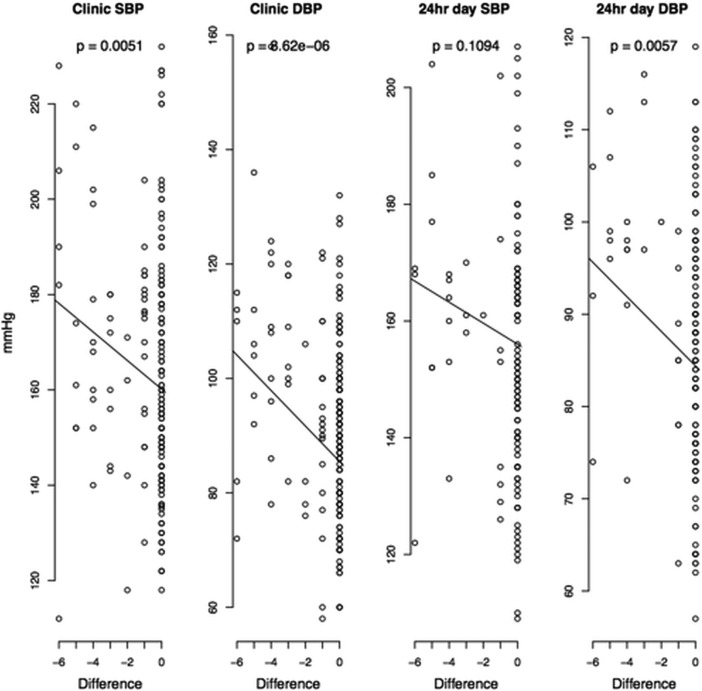
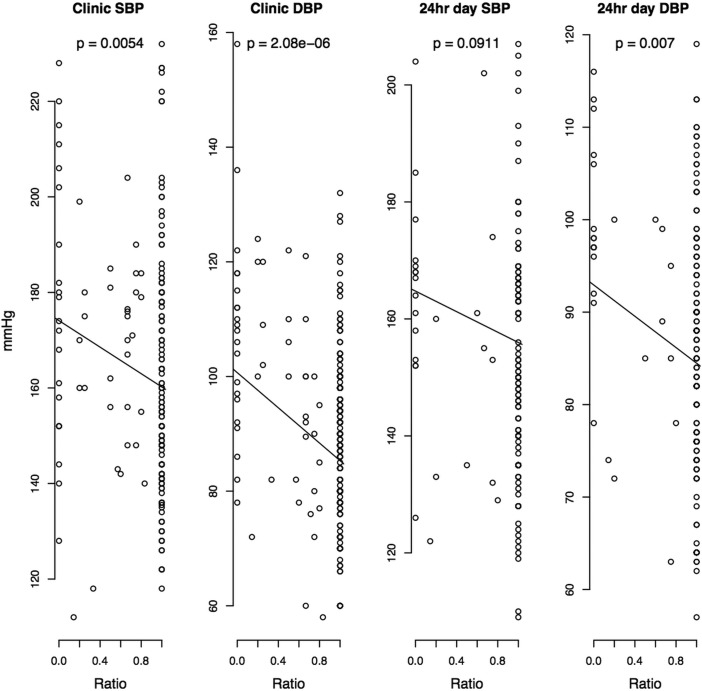
Objectives: Non-adherence to therapy is an important cause of suboptimal blood pressure control but few practical tools exist to accurately and routinely detect it. We used a simple urine-based assay to evaluate the prevalence of antihypertensive treatment non-adherence and its impact on blood pressure in a specialist hypertension centre. Methods: 208 hypertensive patients (125 new referrals, 66 follow-up patients with inadequate blood pressure control and 17 renal denervation referrals) underwent assessment of antihypertensive drug intake using high-performance liquid chromatography-tandem mass spectrometry (HP LC-MS/MS) urine analysis at the time of clinical appointment. A total of 40 most commonly prescribed antihypertensive medications (or their metabolites) were screened for in spot urine samples. Results: Overall, 25% of patients were totally or partially non-adherent to antihypertensive treatment (total non-adherence 10.1%, partial non-adherence 14.9%). The highest prevalence of partial and total non-adherence was among follow-up patients with inadequate blood pressure control (28.8%) and those referred for consideration of renal denervation (23.5%), respectively. There was a linear relationship between blood pressure and the numerical difference in detected/prescribed antihypertensive medications—every unit increase in this difference was associated with 3.0 (1.1) mm Hg, 3.1 (0.7) mm Hg and 1.9 (0.7) mm Hg increase in adjusted clinic systolic blood pressure, clinic diastolic blood pressure (DBP) and 24 h mean daytime DBP (p=0.0051, p=8.62×10 −6 , p=0.0057), respectively. Conclusions: Non-adherence to blood pressure lowering therapy is common, particularly in patients with suboptimal blood pressure control and those referred for renal denervation. HP LC-MS/MS urine analysis could be used to exclude non-adherence and better stratify further investigations and intervention.
Overview
The claims and statistics of this paper haven’t been checked yet.
Free: it reads the open-access text and checks the first 5 claims that cite a source we can check. Create a free account to check every claim.
Integrity signals
Registry
Cites
Statistics
Figures
Verification
Claims the paper makes
The claims and statistics of this paper haven’t been checked yet.
Free: it reads the open-access text and checks the first 5 claims that cite a source we can check. Create a free account to check every claim.
Claims other papers make about this one
Each is checked against this paper’s own text: does it say what the citing paper says it does?
The source backs part of the claim, not all of it — or backs it for a different population, condition or comparison.
In the citing paper
“Nonadherence to antihypertensive treatment affects 10%-80% of hypertensive patients and is one of the key drivers of suboptimal BP control. 75-77”
From 2020 International Society of Hypertension Global Hypertension Practice Guidelines (2020) · cites this paper as [75]
Experimental — accuracy not yet measured
Self-check
Percentages, sums and reported differences re-computed from the paper’s own numbers.
The self-check needs the paper’s full text.
Citations
Cites
Krum, H., Schlaich, M., Whitbourn, R., Sobotka, P. A., Sadowski, J., Bartus, K., Kapelak, B., Walton, A., Sievert, H., Thambar, S., et al. (2009) · The Lancet · doi:10.1016/s0140-6736(09)60566-3 · Cited by 2,108
Vrijens, B., Vincze, G., Kristanto, P., Urquhart, J., & Burnier, M. (2008) · BMJ · doi:10.1136/bmj.39553.670231.25 · Cited by 863
Mazzaglia, G., Ambrosioni, E., Alacqua, M., Filippi, A., Sessa, E., Immordino, V., Borghi, C., Brignoli, O., Caputi, A. P., Cricelli, C., et al. (2009) · Circulation · doi:10.1161/circulationaha.108.830299 · Cited by 637
Resistant hypertension? Assessment of adherence by toxicological urine analysis
Jung, O., Gechter, J. L., Wunder, C., Paulke, A., Bartel, C., Geiger, H., & Toennes, S. W. (2013) · Journal of Hypertension · doi:10.1097/hjh.0b013e32835e2286 · Cited by 474
Better compliance to antihypertensive medications reduces cardiovascular risk
Corrao, G., Parodi, A., Nicotra, F., Zambon, A., Merlino, L., Cesana, G., & Mancia, G. (2011) · Journal of Hypertension · doi:10.1097/hjh.0b013e328342ca97 · Cited by 367
ESH Position Paper: Renal denervation – an interventional therapy of resistant hypertension
Schmieder, R. E., Redon, J., Grassi, G., Kjeldsen, S. E., Mancia, G., Narkiewicz, K., Parati, G., Ruilope, L., van de Borne, P., & Tsioufis, C. (2012) · Journal of Hypertension · doi:10.1097/hjh.0b013e328352ce78 · Cited by 241
Mahfoud, F., Lüscher, T. F., Andersson, B., Baumgartner, I., Cifkova, R., DiMario, C., Doevendans, P., Fagard, R., Fajadet, J., Komajda, M., et al. (2013) · European Heart Journal · doi:10.1093/eurheartj/eht154 · Cited by 236
Self-citationMyat, A., Redwood, S. R., Qureshi Ayesha, C., Spertus, J. A., Williams, B., Liu, X., & 杜昕 (2013) · doi:10.1136/bmj.j.issn.1007-9742.2013.16.140 · Cited by 158
Self-citationFrom compliance to concordance in diabetes
Chatterjee, J. S. (2006) · Journal of Medical Ethics · doi:10.1136/jme.2005.012138 · Cited by 127
Cited by
Items 101–200 of 457
Getenet, A., Tesfa, M., Ferede, A., & Molla, Y. (2019) · JRSM Cardiovascular Disease · doi:10.1177/2048004019892758 · Cited by 35
“HTN is a modifiable cardiovascular risk factor, in which early detection, proper management and control of BP can avoid long-term complications by using appropriate treatment plan.(3,4) Strong evidence from randomized controlled trials has revealed that the treatment of high BP significantly decreases cardiovascular d…”
BackgroundTanna, S., Ogwu, J., & Lawson, G. (2020) · Clinical Chemistry and Laboratory Medicine (CCLM) · doi:10.1515/cclm-2019-0820 · Cited by 34
Savarese, G., Lindberg, F., Cannata, A. N., Adamo, M., Ambrosio, G., Ameri, P., Anker, M. S., Bäck, M., Bayés‐Genís, A., Gal, T. B., et al. (2025) · European Journal of Heart Failure · doi:10.1002/ejhf.70090 · Cited by 33
Nocebo and the potential harm of ‘high risk’ labelling: a scoping review
Symon, A., Williams, B., Adelasoye, Q. A., & Cheyne, H. (2015) · Journal of Advanced Nursing · doi:10.1111/jan.12637 · Cited by 35
Self-citationPatel, P., Gupta, P., Burns, A., Suwaidan, A. A., Cole, R., Lane, D., Seidu, S., & Khunti, K. (2019) · Diabetes Care · doi:10.2337/dc18-1453 · Cited by 32
Self-citationDetection of Nonadherence to Antihypertensive Treatment by Measurements of Serum Drug Concentrations
Bergland, O. U., Halvorsen, L. V., Søraas, C. L., Hjørnholm, U., Kjær, V. N., Rognstad, S., Brobak, K. M., Aune, A., Olsen, E., Fauchald, Y. M., et al. (2021) · Hypertension · doi:10.1161/hypertensionaha.121.17514 · Cited by 32
Velasco, A., Chung, O., Raza, F. S., Pandey, A., Brinker, S., Arbique, D., Price, A. L., Lotan, Y., Das, S. R., & Vongpatanasin, W. (2015) · Journal of Clinical Hypertension · doi:10.1111/jch.12570 · Cited by 32
Adherence to Treatment in Hypertension
Villalva, C. M., Álvarez, X. L. L., Mondelo, T. G., Fachado, A. A., & Cubiella, J. (2016) · Advances in experimental medicine and biology · doi:10.1007/5584_2016_77 · Cited by 32
“The use of liquid chromatography-mass spectrometry analysis for antihypertensive drugs in urine analysis can detect low compliance in patients with refractory hypertension (Jung et al. 2013; Tomaszewski et al. 2014).”
MethodZannad, F. M., Stough, W. G., Mahfoud, F., Bakris, G. L., Kjeldsen, S. E., Kieval, R. S., Haller, H. G., Yared, N., Ferrari, G. M. D., Piña, I. L., et al. (2014) · Hypertension · doi:10.1161/hypertensionaha.114.04057 · Cited by 31
“5%).(68) Fadl Elmula et al(69) studied the effect of renal denervation versus clinically adjusted drug therapy in patients with confirmed treatment resistant hypertension.”
BackgroundLittle, R., Cartwright, E. J., Neyses, L., & Austin, C. (2016) · Pharmacology & Therapeutics · doi:10.1016/j.pharmthera.2016.01.013 · Cited by 34
Kang, G. C.-Y. (2022) · Digital Health · doi:10.1177/20552076221089725 · Cited by 31
Epstein, M., & Duprez, D. A. (2016) · The American Journal of Medicine · doi:10.1016/j.amjmed.2016.01.039 · Cited by 32
Rohla, M., Nahler, A., Lambert, T., Reiter, C. G., Gammer, V., Grund, M., Blessberger, H., Kammler, J., Kypta, A., Saleh, K., et al. (2015) · Journal of Hypertension · doi:10.1097/hjh.0000000000000764 · Cited by 31
“Indeed, 34–57% of patients taking 4–5 antihypertensive drugs were nonadherent to therapy, as detected by mass spectrometry urine analysis [10].”
BackgroundMcNaughton, C. D., Brown, N. J., Rothman, R. L., Liu, D., Kabagambe, E. K., Levy, P. D., Self, W. H., Storrow, A. B., Collins, S. P., & Roumie, C. L. (2017) · Hypertension · doi:10.1161/hypertensionaha.117.09659 · Cited by 31
Narayan, H., & Webb, D. J. (2016) · Current Hypertension Reports · doi:10.1007/s11906-016-0643-8 · Cited by 31
Deep Brain Stimulation for the Treatment of Resistant Hypertension
O'Callaghan, E., McBryde, F., Burchell, A., Ratcliffe, L., Nicolae, L., Gillbe, I., Carr, D., Hart, E., Nightingale, A., Patel, N. K., et al. (2014) · Current Hypertension Reports · doi:10.1007/s11906-014-0493-1 · Cited by 27
An Overview of Metabolic Phenotyping in Blood Pressure Research
Tzoulaki, I., Iliou, A., Mikros, E., & Elliott, P. (2018) · Current Hypertension Reports · doi:10.1007/s11906-018-0877-8 · Cited by 31
Lane, D., Patel, P., Khunti, K., & Gupta, P. (2019) · Patient Preference and Adherence · doi:10.2147/ppa.s162215 · Cited by 29
Self-citationBeernink, J. M., Oosterwijk, M. M., Khunti, K., Gupta, P., Patel, P., van Boven, J. F. M., Heerspink, H. J. L., Bakker, S. J. L., Navis, G. J., Nijboer, R. M., et al. (2021) · Diabetes Care · doi:10.2337/dc20-2533 · Cited by 29
Self-citationChazova, I. E., Михайловна, Ч. Н., Blinova, N. V., Владимировна, А. А., Alekseeva, T. A., Ambatiello, L. G., Balanova, Y. А., Bragina, A. E., Danilov, N. M., Drapkina, O. M., et al. (2024) · Systemic Hypertension · doi:10.38109/2075-082x-2024-4-5-109 · Cited by 28
Treatment of Hypertension: A Review
Goit, L. N., & Yang, S. (2019) · Yangtze Medicine · doi:10.4236/ym.2019.32011 · Cited by 28
Bochkareva, E., Кронидовна, Б. Е., Ким, И. В., Васильевна, К. А., Drapkina, O. M., Leon, D. A., & McKee, M. (2019) · Archives of Public Health · doi:10.1186/s13690-019-0366-9 · Cited by 28
Overgaauw, N., Alsma, J., Brink, A., Hameli, E., Bahmany, S., Peeters, L. E. J., van den Meiracker, A. H., Schuit, S. C. E., Koch, B. C. P., & Versmissen, J. (2018) · Journal of Hypertension · doi:10.1097/hjh.0000000000002005 · Cited by 30
Resistant hypertension-defining the scope of the problem
Chia, R. C., Pandey, A., & Vongpatanasin, W. (2019) · Progress in Cardiovascular Diseases · doi:10.1016/j.pcad.2019.12.006 · Cited by 28
Quantification of 21 antihypertensive drugs in serum using UHPLC-MS/MS
Gundersen, P. O. M., Helland, A., Spigset, O., & Hegstad, S. (2018) · Journal of Chromatography B · doi:10.1016/j.jchromb.2018.04.038 · Cited by 27
Evaluating the carotid bodies and renal nerves as therapeutic targets for hypertension
McBryde, F. D., Hart, E. C., Ramchandra, R., & Paton, J. F. R. (2016) · Autonomic Neuroscience · doi:10.1016/j.autneu.2016.08.002 · Cited by 28
Personalized medicine and treatment approaches in hypertension: current perspectives
Byrd, J. B. (2016) · Integrated Blood Pressure Control · doi:10.2147/ibpc.s74320 · Cited by 28
Faconti, L., George, J., Partridge, S., Maniero, C., Sathyanarayanan, A., Kulkarni, S., Kapil, V., Petrosino, A., Lewis, P., McCormack, T., et al. (2024) · Journal of Human Hypertension · doi:10.1038/s41371-024-00983-6 · Cited by 26
“Studies of non-adherence using objective measures of drugs or metabolites in blood or urine [31] have consistently shown very high rates of non-adherence (around 50”
InfluentialEffect of the physical activity program on the treatment of resistant hypertension in primary care
Kruk, P., & Nowicki, M. P. (2018) · Primary Health Care Research & Development · doi:10.1017/s1463423618000154 · Cited by 27
“It is estimated that as many as 25% of patients may fail to observe systematically the drug regimen (Tomaszewski et al ., 2014).”
Corrêa, N. B., de Faria, A. P., Ritter, A. M. V., Sabbatini, A. R., Almeida, A. R., Brunelli, V., Calhoun, D. A., Moreno, H., & Modolo, R. (2016) · Journal of the American Society of Hypertension · doi:10.1016/j.jash.2016.03.194 · Cited by 26
The Future of “Omics” in Hypertension
Currie, G. E., & Delles, C. (2016) · Canadian Journal of Cardiology · doi:10.1016/j.cjca.2016.11.023 · Cited by 26
Hayes, P., Casey, M., Glynn, L. G., Molloy, G. J., Durand, H., O'Brien, E. T., Dolan, E., Das, K., Newell, J., Finn, D. P., et al. (2019) · British Journal of General Practice · doi:10.3399/bjgp19x705077 · Cited by 25
Pucci, M., & Martin, U. (2016) · Journal of Human Hypertension · doi:10.1038/jhh.2016.69 · Cited by 24
Thompson, D., Mackay, T., Matthews, M., Edwards, J., Peters, N. S., & Connolly, S. B. (2017) · JMIR mhealth and uhealth · doi:10.2196/mhealth.6998 · Cited by 24
“Urinary drug metabolite assays have shown some promise in hypertension management but can be confounded by “white coat adherence” and do not necessarily reflect longitudinal medication taking [4,5].”
BackgroundSilveira, L. C. J., Maria, M. D., Dickson, V. V., Ávila, C. W., Rabelo, E. R., & Vellone, E. (2020) · Heart & Lung · doi:10.1016/j.hrtlng.2020.02.048 · Cited by 24
Simpson, J., Jackson, C. E., Haig, C. E., Jhund, P. S., Tomaszewski, M., Gardner, R. S., Tsorlalis, Y., Petrie, M. C., McMurray, J. J. V., Squire, I. B., et al. (2020) · European Heart Journal - Cardiovascular Pharmacotherapy · doi:10.1093/ehjcvp/pvaa071 · Cited by 24
“The techniques used have been described previously.(11) Each urine sample was analysed twice, in positive and negative ion mode.”
MethodInfluentialSelf-citationResistant Hypertension: Where are We Now and Where Do We Go from Here?
Pathan, M. K., & Cohen, D. L. (2020) · Integrated Blood Pressure Control · doi:10.2147/ibpc.s223334 · Cited by 24
Heart rate is a useful marker of adherence to beta-blocker treatment in hypertension
Kociánová, E., Václavík, J., Tomková, J., Ondra, P., Jarkovský, J., Benešová, K., Václavík, T., Kamasova, M., & Táborský, M. (2017) · Blood Pressure · doi:10.1080/08037051.2017.1346458 · Cited by 24
ROSANO, T. G., Ohouo, P. Y., & Wood, M. (2017) · Journal of Analytical Toxicology · doi:10.1093/jat/bkx035 · Cited by 23
Adherence to antihypertensive therapy and therapeutic dosage of antihypertensive drugs
Rabbia, F., Fulcheri, C., Monaco, S. D., Covella, M., Perlo, E., Pappaccogli, M., & Veglio, F. (2016) · High Blood Pressure & Cardiovascular Prevention · doi:10.1007/s40292-016-0158-z · Cited by 23
Application of omics in hypertension and resistant hypertension
Guo, J., Guo, X., Sun, Y., Li, Z., & Jia, P. (2022) · Hypertension Research · doi:10.1038/s41440-022-00885-5 · Cited by 23
“In addition, several studies have demonstrated the utility of metabolomic approaches in monitoring adherence to antihypertensive therapy [64, 65].”
BackgroundMurad, H. A. S., Basheikh, M. A., Zayed, M. A., Albeladi, R. S., & Alsayed, Y. (2022) · International Journal of General Medicine · doi:10.2147/ijgm.s376926 · Cited by 22
Resistant Hypertension: Diagnosis and Management
Nagarajan, N., & Jalal, D. I. (2019) · Advances in Chronic Kidney Disease · doi:10.1053/j.ackd.2019.03.002 · Cited by 22
Resistant Hypertension Updated Guidelines
Chernova, I., & Krishnan, N. (2019) · Current Cardiology Reports · doi:10.1007/s11886-019-1209-6 · Cited by 23
Tertiary work-up of apparent treatment-resistant hypertension
Heimark, S., Eskås, P. A., Mariampillai, J. E., Larstorp, A. C. K., Høieggen, A., & Elmula, F. E. M. F. (2016) · Blood Pressure · doi:10.3109/08037051.2016.1172865 · Cited by 22
Renal denervation in the era of HTN-3. Comprehensive review and glimpse into the future
Silva, J., Costa, M. A. D. S., Gersh, B. J., & Gonçalves, L. M. M. (2016) · Journal of the American Society of Hypertension · doi:10.1016/j.jash.2016.05.009 · Cited by 21
Adherence to anti-hypertensive medication in pregnancy
Helou, A., Stewart, K., & George, J. (2021) · Pregnancy Hypertension · doi:10.1016/j.preghy.2021.06.002 · Cited by 21
Assessment of treatment adherence among hypertensive patients in a coastal area of Karnataka, India
Mallya, S. D., Kumar, A., Kamath, A., Shetty, A., Sravan, T., & Mishra, S. (2016) · International Journal of Community Medicine and Public Health · doi:10.18203/2394-6040.ijcmph20162185 · Cited by 21
Baroreflex activation therapy systems: current status and future prospects
Seravalle, G., Dell’Oro, R., & Grassi, G. M. (2019) · Expert Review of Medical Devices · doi:10.1080/17434440.2019.1697230 · Cited by 20
Johannsen, J.-O., Reuter, H., Hoffmann, F., Blaich, C., Wiesen, M. H. J., Streichert, T., & Müller, C. (2018) · Journal of Pharmaceutical and Biomedical Analysis · doi:10.1016/j.jpba.2018.11.002 · Cited by 20
Masked Uncontrolled Hypertension Is Not Attributable to Medication Nonadherence
Siddiqui, M., Judd, E. K., Dudenbostel, T., Zhang, B., Gupta, P., Tomaszewski, M., Patel, P., Oparil, S., & Calhoun, D. A. (2019) · Hypertension · doi:10.1161/hypertensionaha.119.13258 · Cited by 21
Self-citationPicton, C., Loughrey, C., & Webb, A. (2016) · Clinical Medicine · doi:10.7861/clinmedicine.16-5-470 · Cited by 20
Resistant hypertension in times of changing definitions and treatment recommendations
Nazarzadeh, M., Pinho-Gomes, A.-C., & Rahimi, K. (2019) · Heart · doi:10.1136/heartjnl-2018-313786 · Cited by 19
Curneen, J. M. G., Rabbitt, L., Browne, D. P., O'Donoghue, D. F., Al-Ansari, Y. A., Harhen, B., Ghríofa, A. N., Ferguson, J. P., McEvoy, J. W., Lappin, D. W. P., et al. (2022) · British Journal of Clinical Pharmacology · doi:10.1111/bcp.15292 · Cited by 19
Shuey, M. M., Gandelman, J. S., Chung, C. P., Nian, H., Yu, C., Denny, J. C., & Brown, N. J. (2018) · BMJ Open · doi:10.1136/bmjopen-2018-021640 · Cited by 20
Wunder, C., Persu, A., Lengelé, J., Georges, C. M. G., Renkin, J. P., Pasquet, A., Carlier, M., Zhang, Z., Staessen, J. A., & The European Network Coordinating Research on Renal Denervation (ENCOReD), S. W. T. (2019) · Blood Pressure · doi:10.1080/08037051.2019.1599814 · Cited by 19
“In other studies this was more graded like full-compliance (100% of the medication detected), partial compliance (at most 1 substance not detected) and total noncompliance (no medication detected) [10,14].”
BackgroundRitscher, S., Hoyer, M., Georges, C. M. G., Wunder, C., Wallemacq, P. E., Persu, A., Obermüller, N., & Toennes, S. W. (2020) · PLoS ONE · doi:10.1371/journal.pone.0237383 · Cited by 19
“An improvement of the urine method could be the inclusion of further metabolites [28], but the present approach of evaluating serum concentrations appears superior in targeting the specific active drugs and may lead to a better assessment of drug adherence in general.”
MethodLauder, L., Ewen, S., Kunz, M., Richter, L. H. J., Jacobs, C. M., Kindermann, I., Böhm, M., Meyer, M. R., & Mahfoud, F. (2020) · Journal of the American Heart Association · doi:10.1161/jaha.119.014180 · Cited by 19
Byrne, J. L., Dallosso, H. M., Rogers, S., Gray, L. J., Waheed, G., Patel, P., Gupta, P., Doherty, Y., Davies, M. J., & Khunti, K. (2020) · BMC Medicine · doi:10.1186/s12916-020-01664-0 · Cited by 18
Self-citationAL‐Hashimi, N. N., Al-Degs, Y. S., Momany, E. M. A., El‐Sheikh, A. H., Alqudah, A. M., Oqal, M. K., & Abdelghani, J. I. (2022) · Talanta Open · doi:10.1016/j.talo.2022.100140 · Cited by 18
Lewis, P., George, J., Kapil, V., Poulter, N. R., Partridge, S., Goodman, J., Faconti, L., McCormack, T., & Wilkinson, I. B. (2024) · Journal of Human Hypertension · doi:10.1038/s41371-023-00882-2 · Cited by 17
“testing, where available [7]).”
The Future of Renal Denervation in Resistant Hypertension
Nathan, S., & Bakris, G. L. (2014) · Current Hypertension Reports · doi:10.1007/s11906-014-0494-0 · Cited by 18
Sheppard, J. P., Albasri, A., Gupta, P., Patel, P., Khunti, K., Martin, U., McManus, R. J., & Hobbs, R. F. (2021) · Journal of Human Hypertension · doi:10.1038/s41371-021-00646-w · Cited by 17
Self-citationBakris, G. L., Zhao, L., Kupfer, S., Juhász, A., Hisada, M., Lloyd, E., & Oparil, S. (2018) · Journal of Clinical Hypertension · doi:10.1111/jch.13230 · Cited by 18
The separation and identification of the residual antigenic fragments in soy protein hydrolysates
Bu, G., Huang, T., & Li, T. (2020) · Journal of Food Biochemistry · doi:10.1111/jfbc.13144 · Cited by 16
Spikes, T. A., Higgins, M. K., Lewis, T. T., & Dunbar, S. B. (2020) · The Journal of Cardiovascular Nursing · doi:10.1097/jcn.0000000000000671 · Cited by 16
Sinnott, S., Smeeth, L. L., Williamson, E., Perel, P., Nitsch, D., Tomlinson, L. A., & Douglas, I. (2019) · Pharmacoepidemiology and Drug Safety · doi:10.1002/pds.4808 · Cited by 16
Williams, B., MacDonald, T. M., Caulfield, M. J., Cruickshank, J. K., McInnes, G. T., Sever, P., Webb, D. J., Salsbury, J., Morant, S. V., Ford, I., et al. (2015) · BMJ Open · doi:10.1136/bmjopen-2015-008951 · Cited by 16
Self-citationIdentifying poor adherence to antihypertensive medications in patients with resistant hypertension
Mackenzie, I. S., & MacDonald, T. M. (2018) · British Journal of Clinical Pharmacology · doi:10.1111/bcp.13806 · Cited by 17
Oppezzo, M., Knox, M., Skan, J., Chieng, A., Crouch, M. C., Aikens, R. C., Benowitz, N. L., Schnellbaecher, M., & Prochaska, J. J. (2022) · International Journal of Environmental Research and Public Health · doi:10.3390/ijerph19169885 · Cited by 15
Elmula, F. E. M. F., Larstorp, A. C. K., Kjeldsen, S. E., Persu, A., Jin, Y., & Staessen, J. A. (2015) · Frontiers in Physiology · doi:10.3389/fphys.2015.00009 · Cited by 15
Cardiovascular Medication Stability in Urine for Non-Adherence Screening by LC–MS-MS
Burns, A. D., Lane, D., Cole, R., Patel, P., & Gupta, P. (2018) · Journal of Analytical Toxicology · doi:10.1093/jat/bky090 · Cited by 15
Self-citationKably, B., Billaud, E. M., Boutouyrie, P., & Azizi, M. (2020) · Current Hypertension Reports · doi:10.1007/s11906-020-01105-6 · Cited by 15
Mahapatra, R., Kaliyappan, A., Chinnakali, P., Nandeesha, H., Ramkumar, G., & Bammigatti, C. (2021) · Cureus · doi:10.7759/cureus.18779 · Cited by 16
“Tomaszewsk et al reported higher rates of 25% of nonadherence among patients with uncontrolled hypertension from the UK [15].”
BackgroundByrne, J. L., Dallosso, H. M., Rogers, S., Gray, L. J., Waheed, G., Patel, P., Gupta, P., Doherty, Y., Davies, M. J., & Khunti, K. (2018) · JMIR Research Protocols · doi:10.2196/11289 · Cited by 14
“This method has already been used successfully to show poor adherence to antihypertensive medication [45].”
Self-citationFerat, L. R., Forrest, R., Sehmi, K., Santos, R. D., Stewart, D., Boulton, A. J. M., Jiménez, B. Y., Riley, P., Burger, D. E., Jones, E. S. W., et al. (2021) · Global Heart · doi:10.5334/gh.1077 · Cited by 14
Self-citationChen, K., Wu, Z., Shi, R., Wang, Q., Yuan, X., Wu, G., Shi, G., Li, C., & Chen, T. (2023) · Diabetes Research and Clinical Practice · doi:10.1016/j.diabres.2023.110600 · Cited by 14
Definitive Drug and Metabolite Screening in Urine by UPLC–MS-MS Using a Novel Calibration Technique
ROSANO, T. G., Ohouo, P. Y., LeQue, J. J., Freeto, S. M., & Wood, M. (2016) · Journal of Analytical Toxicology · doi:10.1093/jat/bkw050 · Cited by 14
Wagmann, L., Vollmer, A. C., Lauder, L., Mahfoud, F., & Meyer, M. R. (2021) · Molecules · doi:10.3390/molecules26051495 · Cited by 14
Renal denervation in treatment-resistant hypertension: a reappraisal
Persu, A., Jin, Y., Elmula, F. E. M. F., Renkin, J. P., Høieggen, A., Kjeldsen, S. E., & Staessen, J. A. (2015) · Current Opinion in Pharmacology · doi:10.1016/j.coph.2014.12.013 · Cited by 13
Clinical Diagnosis and Management of Resistant Hypertension
Tsioufis, C. P., Kasiakogias, A., & Tousoulis, D. M. (2016) · European Cardiology Review · doi:10.15420/ecr.2016:1:2 · Cited by 13
White, W. B., Bisognano, J. D., Calhoun, D. A., Townsend, R. R., Aronow, H. D., Bhatt, D. L., & Bakris, G. L. (2014) · Cited by 13
Kotsis, F., Schultheiß, U. T., Wuttke, M., Schlosser, P., Mielke, J., Becker, M. S., Oefner, P. J., Karoly, E. D., Mohney, R. P., Eckardt, K., et al. (2021) · Journal of the American Society of Nephrology · doi:10.1681/asn.2021010063 · Cited by 14
“9%) nonadherence rates for 40 antihypertensive medications, defined as complete absence of any drug or of fewer drugs than prescribed, respectively.(40) In our study, we reported different measures of agreement (sensitivity, specificity, accuracy), provided information for both individual substances and drug groups, a…”
BackgroundControversies in Hypertension V: Resistant and Refractory Hypertension
Filippone, E. J., Naccarelli, G. V., & Foy, A. (2023) · The American Journal of Medicine · doi:10.1016/j.amjmed.2023.09.015 · Cited by 14
Resistant hypertension: challenges in everyday practice
Stolarz‐Skrzypek, K., & Czarnecka, D. (2023) · Polskie Archiwum Medycyny Wewnętrznej · doi:10.20452/pamw.16624 · Cited by 13
Nogueira‐Silva, L., Sá‐Sousa, A., Lima, M. J., Monteiro, A., Himmelfarb, C. D., & Fonseca, J. (2016) · Revista Portuguesa de Cardiologia · doi:10.1016/j.repc.2015.07.013 · Cited by 13
Hamdidouche, I., Gosse, P., Crémer, A., Lorthioir, A., Delsart, P., Courand, P., Denolle, T., Halimi, J., Girerd, X. J., Ormezzano, O., et al. (2019) · Hypertension · doi:10.1161/hypertensionaha.119.13520 · Cited by 13
Ritscher, S., Georges, C. M. G., Wunder, C., Wallemacq, P. E., Persu, A., & Toennes, S. W. (2020) · Blood Pressure · doi:10.1080/08037051.2020.1763775 · Cited by 13
Blood pressure pharmacogenomics: gazing into a misty crystal ball
Menni, C. (2015) · Journal of Hypertension · doi:10.1097/hjh.0000000000000574 · Cited by 13
“There are multiple reasons for variable response to antihypertensive drugs and the preeminent reason is nonadherence to medications, with studies showing that up to 53% of patients with uncontrolled hypertension were nonadherent to treatments [4,5].”
BackgroundRenal Denervation to Treat Hypertension: A Clinical State-of-the-Art Review
Sharp, A. S. P., & Fisher, N. D. L. (2025) · American Journal of Hypertension · doi:10.1093/ajh/hpaf134 · Cited by 13
Kassavou, A., Mirzaei, V., Shpendi, S., Brimicombe, J. D., Chauhan, J., Bhattacharya, D., Naughton, F., Hardeman, W., Eborall, H., Emmenis, M. V., et al. (2021) · Scientific Reports · doi:10.1038/s41598-021-88170-2 · Cited by 12
Self-citation[Doctor-patient relationship and therapeutic adherence in patients with arterial hypertension].
Peña-Valenzuela, A. N., Ruiz-Cervantes, W., Barrios-Olán, C., & Chávez-Aguilasocho, A. I. (2023) · PubMed Central · Cited by 12
Denicolò, S., Reinstadler, V., Keller, F., Thöni, S., Eder, S., Heerspink, H. J. L., Rosivall, L., Więcek, A., Mark, P. B., Perco, P., et al. (2024) · Diabetologia · doi:10.1007/s00125-024-06149-w · Cited by 12
“This definition has been previously used in other studies [7, 8, 10–12].”
ResultDrug Adherence in Hypertension
Burnier, M. (2015) · Springer eBooks · doi:10.1007/978-3-319-15961-4_43 · Cited by 12
Jones, E. S. W., Lesosky, M., Blockman, M., Castel, S., Decloedt, E. H., Schwager, S. L. U., Sturrock, E. D., Wiesner, L., & Rayner, B. L. (2017) · South African Medical Journal · doi:10.7196/samj.2017.v107i10.12268 · Cited by 12
Medication adherence and non-adherence in arterial hypertension: a narrative review
Tomasino, C., & Tomasino, M. (2025) · Exploration of Medicine · doi:10.37349/emed.2025.1001276 · Cited by 11
Refractory Hypertension: a Narrative Systematic Review with Emphasis on Prognosis
Bacan, G., Ribeiro-Silva, A., Oliveira, V. A., Cardoso, C. R. L., & Salles, G. F. (2022) · Current Hypertension Reports · doi:10.1007/s11906-022-01165-w · Cited by 11
Quantifying adherence to antihypertensive medication for chronic hypertension during pregnancy
Webster, L., Reed, K. I., Myers, J., Burns, A., Gupta, P., Patel, P., Wiesender, C., Seed, P. T., Nelson‐Piercy, C., & Chappell, L. C. (2019) · Pregnancy Hypertension · doi:10.1016/j.preghy.2019.05.004 · Cited by 11
“High-performance liquid chromatography-tandem mass spectrometry instrumentation (LCMS/MS) represents a novel technique that can be utilized as a direct method for assessing adherence to antihypertensive treatment; plasma or urine can be analysed to detect metabolites of a wide range of antihypertensive agents.(8) This…”
MethodSelf-citationPelouch, R., Voříšek, V., Furmanová, V., & Solař, M. (2019) · Acta Medica (Hradec Kralove Czech Republic) · doi:10.14712/18059694.2019.46 · Cited by 11
Central Arteriovenous Anastomosis for Hypertension: It is Not All About Sympathomodulation
Brier, T., Jain, A., & Lobo, M. D. (2015) · Future Cardiology · doi:10.2217/fca.15.34 · Cited by 11
Metadata
- Authors
- Tomaszewski, M., White, C., Patel, P., Masca, N., Damani, R., Hepworth, J., Samani, N. J., Gupta, P., Madira, W., Stanley, A., & Williams, B.
- Affiliations
- University of Leicester (GB)
- University Hospitals of Leicester NHS Trust (GB)
- National Institute for Health and Care Research (GB)
- Corresponding author
- Tomaszewski, Maciej
- Venue
- Heart
- Publisher
- BMJ
- Published
- 2014-04-02
- Volume
- 100
- Issue
- 11
- Pages
- 855-861
- ISSN
- 1355-6037 (ISSN-L)
- 1468-201X
- PMC
- PMC4033175
- OpenAlex
- W2156249907
- Semantic Scholar
- fb1faa3a9c03d5a9ae2c007e7b040603fd826618
- Cited by
- 404
- References
- 23
- Citations by year
- 2026: 20 · 2025: 14 · 2024: 24 · 2023: 30 · 2022: 24 · 2021: 28 · 2020: 36 · 2019: 40 · 2018: 43 · 2017: 33 · 2016: 50 · 2015: 42 · 2014: 19
- FWCI
- 49.27
- Type
- journal article
- Language
- en
- Open access
- hybrid
- doi.org
- Licence
- cc-by-nc
- Locations
- Heart (publishedVersion, cc-by-nc)
- Europe PMC (PubMed Central) (publishedVersion, cc-by-nc)
- PubMed Central (publishedVersion, cc-by-nc)
- PubMed (publishedVersion)
- UCL Discovery (University College London) (submittedVersion)
- Figshare (submittedVersion, cc-by)
- Leicester Research Archive (University of Leicester) (submittedVersion, cc-by-nc)
- HighWire Press Open Archive (submittedVersion)
- Research Explorer (The University of Manchester) (submittedVersion)
- Funders
- National Institute for Health and Care Research (NF-SI-0611-10170)
- British Heart Foundation
- University College London
- Topics
- Health Sciences › Medicine › Family Practice › Medication Adherence and Compliance
- Health Sciences › Medicine › Cardiology and Cardiovascular Medicine › Blood Pressure and Hypertension Studies
- Health Sciences › Health Professions › Pharmacy › Pharmacy and Medical Practices
- Keywords
- medication non-adherence, antihypertensive drugs, hypertension, urine drug testing, spot urine, blood pressure control, renal denervation, drug metabolites
- MeSH terms
- Antihypertensive Agents, Blood Pressure, Chromatography, Liquid, Female, Follow-Up Studies, Humans, Hypertension, Male, Middle Aged, Patient Compliance, Reproducibility of Results, Urinalysis, Tandem Mass Spectrometry
About these checks
Registry, retraction, Cites and statistics results are computed, not judged, with one exception: a printed reference that no index lists is read once by a model before it counts as a citation error. Claims are extracted by a model and kept only when their quote appears verbatim in the text; each cited source is then checked, with a model’s help, for whether it says what the claim relies on. Those verdicts can be wrong — read the claim’s quote and the cited source before relying on one.
Statistics and arithmetic are recomputed, not judged.
Confidence bands are shown only for fields calibrated on our annotated test set. None is calibrated yet, so no band is shown.
What counts as a claim ›How we measure confidence ›How we check this ›
Are you an author, or do you see a problem with this page? Request a review
Data sources
Bibliographic data: Semantic Scholar, OpenAlex, Crossref.
Contains information from the Semantic Scholar Academic Graph Datasets, made available under the ODC Attribution License (ODC-BY 1.0).
Semantic Scholar’s data is described in: Kinney, R., et al. (2023). The Semantic Scholar Open Data Platform. arXiv:2301.10140.
