

High rates of non-adherence to antihypertensive treatment revealed by high-performance liquid chromatography-tandem mass spectrometry (HP LC-MS/MS) urine analysis
Open accessThe DOI matches its Crossref record; 23 of the 23 references it cites were found in a registry or an index.
Abstract
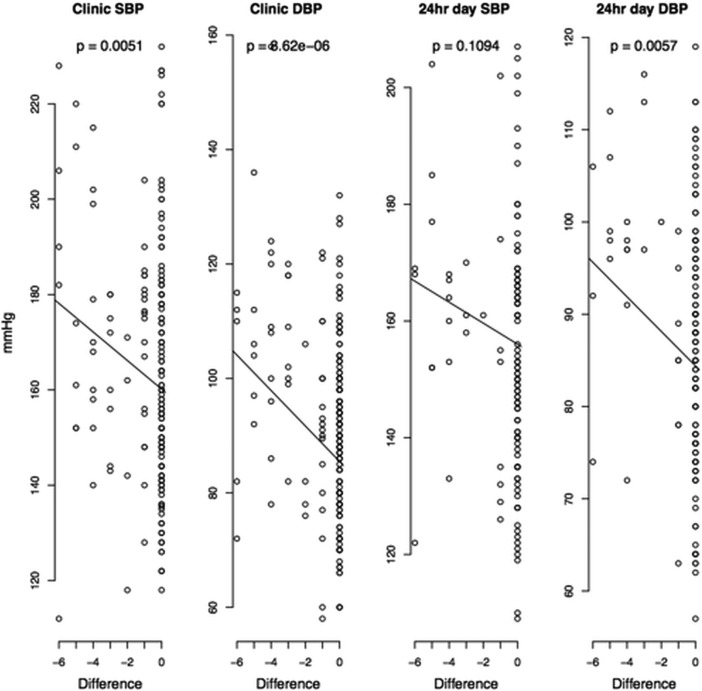
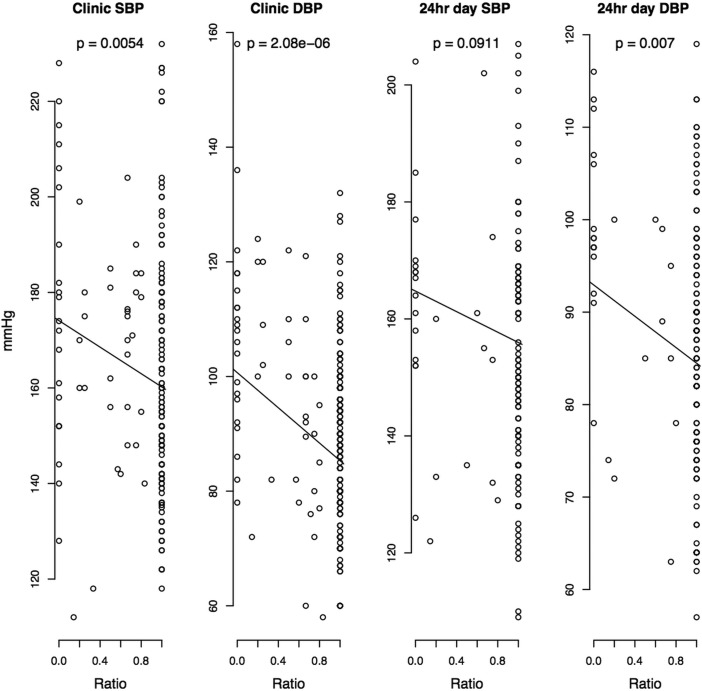
Objectives: Non-adherence to therapy is an important cause of suboptimal blood pressure control but few practical tools exist to accurately and routinely detect it. We used a simple urine-based assay to evaluate the prevalence of antihypertensive treatment non-adherence and its impact on blood pressure in a specialist hypertension centre. Methods: 208 hypertensive patients (125 new referrals, 66 follow-up patients with inadequate blood pressure control and 17 renal denervation referrals) underwent assessment of antihypertensive drug intake using high-performance liquid chromatography-tandem mass spectrometry (HP LC-MS/MS) urine analysis at the time of clinical appointment. A total of 40 most commonly prescribed antihypertensive medications (or their metabolites) were screened for in spot urine samples. Results: Overall, 25% of patients were totally or partially non-adherent to antihypertensive treatment (total non-adherence 10.1%, partial non-adherence 14.9%). The highest prevalence of partial and total non-adherence was among follow-up patients with inadequate blood pressure control (28.8%) and those referred for consideration of renal denervation (23.5%), respectively. There was a linear relationship between blood pressure and the numerical difference in detected/prescribed antihypertensive medications—every unit increase in this difference was associated with 3.0 (1.1) mm Hg, 3.1 (0.7) mm Hg and 1.9 (0.7) mm Hg increase in adjusted clinic systolic blood pressure, clinic diastolic blood pressure (DBP) and 24 h mean daytime DBP (p=0.0051, p=8.62×10 −6 , p=0.0057), respectively. Conclusions: Non-adherence to blood pressure lowering therapy is common, particularly in patients with suboptimal blood pressure control and those referred for renal denervation. HP LC-MS/MS urine analysis could be used to exclude non-adherence and better stratify further investigations and intervention.
Overview
The claims and statistics of this paper haven’t been checked yet.
Free: it reads the open-access text and checks the first 5 claims that cite a source we can check. Create a free account to check every claim.
Integrity signals
Registry
Cites
Statistics
Figures
Verification
Claims the paper makes
The claims and statistics of this paper haven’t been checked yet.
Free: it reads the open-access text and checks the first 5 claims that cite a source we can check. Create a free account to check every claim.
Claims other papers make about this one
Each is checked against this paper’s own text: does it say what the citing paper says it does?
The source backs part of the claim, not all of it — or backs it for a different population, condition or comparison.
In the citing paper
“Nonadherence to antihypertensive treatment affects 10%-80% of hypertensive patients and is one of the key drivers of suboptimal BP control. 75-77”
From 2020 International Society of Hypertension Global Hypertension Practice Guidelines (2020) · cites this paper as [75]
Experimental — accuracy not yet measured
Self-check
Percentages, sums and reported differences re-computed from the paper’s own numbers.
The self-check needs the paper’s full text.
Citations
Cites
Krum, H., Schlaich, M., Whitbourn, R., Sobotka, P. A., Sadowski, J., Bartus, K., Kapelak, B., Walton, A., Sievert, H., Thambar, S., et al. (2009) · The Lancet · doi:10.1016/s0140-6736(09)60566-3 · Cited by 2,108
Vrijens, B., Vincze, G., Kristanto, P., Urquhart, J., & Burnier, M. (2008) · BMJ · doi:10.1136/bmj.39553.670231.25 · Cited by 863
Mazzaglia, G., Ambrosioni, E., Alacqua, M., Filippi, A., Sessa, E., Immordino, V., Borghi, C., Brignoli, O., Caputi, A. P., Cricelli, C., et al. (2009) · Circulation · doi:10.1161/circulationaha.108.830299 · Cited by 637
Resistant hypertension? Assessment of adherence by toxicological urine analysis
Jung, O., Gechter, J. L., Wunder, C., Paulke, A., Bartel, C., Geiger, H., & Toennes, S. W. (2013) · Journal of Hypertension · doi:10.1097/hjh.0b013e32835e2286 · Cited by 474
Better compliance to antihypertensive medications reduces cardiovascular risk
Corrao, G., Parodi, A., Nicotra, F., Zambon, A., Merlino, L., Cesana, G., & Mancia, G. (2011) · Journal of Hypertension · doi:10.1097/hjh.0b013e328342ca97 · Cited by 367
ESH Position Paper: Renal denervation – an interventional therapy of resistant hypertension
Schmieder, R. E., Redon, J., Grassi, G., Kjeldsen, S. E., Mancia, G., Narkiewicz, K., Parati, G., Ruilope, L., van de Borne, P., & Tsioufis, C. (2012) · Journal of Hypertension · doi:10.1097/hjh.0b013e328352ce78 · Cited by 241
Mahfoud, F., Lüscher, T. F., Andersson, B., Baumgartner, I., Cifkova, R., DiMario, C., Doevendans, P., Fagard, R., Fajadet, J., Komajda, M., et al. (2013) · European Heart Journal · doi:10.1093/eurheartj/eht154 · Cited by 236
Self-citationMyat, A., Redwood, S. R., Qureshi Ayesha, C., Spertus, J. A., Williams, B., Liu, X., & 杜昕 (2013) · doi:10.1136/bmj.j.issn.1007-9742.2013.16.140 · Cited by 158
Self-citationFrom compliance to concordance in diabetes
Chatterjee, J. S. (2006) · Journal of Medical Ethics · doi:10.1136/jme.2005.012138 · Cited by 127
Cited by
Items 301–400 of 457
Using Multi-Theory Model to Predict Low Salt Intake - Nigerian Adults with Hypertension
Dokun-Mowete, C. A. (2017) · ScholarWorks (Walden University) · Cited by 3
Oliveira, I. M. (2018) · Digital Library of Theses and Dissertations (Universidade de São Paulo) · doi:10.11606/d.6.2018.tde-17042018-100831 · Cited by 3
Ali, W. E., & Bakris, G. L. (2018) · European Heart Journal · doi:10.1093/eurheartj/ehy500 · Cited by 3
Azizi, M., Lorthioir, A., & Amar, L. (2023) · Elsevier eBooks · doi:10.1016/b978-0-323-88369-6.00047-5 · Cited by 2
Recent advances in field effect transistor biosensors for drug screening applications
Chao, L., Liang, Y. J., & Hu, X. (2025) · The Analyst · doi:10.1039/d5an00206k · Cited by 2
Navigating medication adherence in chronic diseases
Uchmanowicz, I., Jędrzejczyk, M., Jakubiak, G. K., Chłopaś‐Konowałek, A., Iovino, P., Aldossary, H. M., Piwowar, A., Uchmanowicz, B., Lomper, K., Gonos, J., et al. (2026) · Advances in Clinical and Experimental Medicine · doi:10.17219/acem/219664 · Cited by 2
2026 International Society of Hypertension Global Hypertension Practice Guidelines
Stergiou, G. S., Kario, K., Aristizábal, D., Beheiry, H., Cho, M.-C., Colombari, D. S. A., Itoh, H., Jafar, T. H., Jones, E., Li, Y., et al. (2026) · Journal of Hypertension · doi:10.1097/hjh.0000000000004451 · Cited by 3
Self-citationImpact of drug adherence on blood pressure response to alcohol-mediated renal denervation
Persu, A., Maes, F., Toennes, S. W., Ritscher, S., Georges, C. M. G., Wallemacq, P. E., Haratani, N., Parise, H., Fischell, T. A., Lauder, L., et al. (2022) · Blood Pressure · doi:10.1080/08037051.2022.2074367 · Cited by 2
“Non-adherence to prescribed antihypertensive medication is a major challenge in the treatment of hypertension [16], particularly in patients with apparently treatment-resistant hypertension (ATRH) [17,18].”
BackgroundInfluentialRecent Advances in Therapeutic Approach for Hypertension to Improve Cardiac Health
Akhter, M. S., & Ahmad, Q. (2024) · IntechOpen eBooks · doi:10.5772/intechopen.111841 · Cited by 3
Reuter, H., Beige, J., Halbach, M., Wallbach, M., Mader, N., Zenker, D., Hennig, G., Mahfoud, F., Schlieper, G., Schwenger, V., et al. (2019) · Der Nephrologe · doi:10.1007/s11560-018-0308-5 · Cited by 2
Vachulová, A. (2019) · Vnitřní lékařství · doi:10.36290/vnl.2019.129 · Cited by 2
“Takmer polovica pacientov s rezistentnou hypertenziou užívala len < 1 z predpísaných liekov [15,16,17,18].”
BackgroundHameed, M. A., & Dasgupta, I. (2016) · Advances in experimental medicine and biology · doi:10.1007/5584_2016_148 · Cited by 2
“Reliable methods are now available to test adherence to antihypertensives using urine samples (Lawson et al. 2016; Tomaszewski et al. 2014) which have confirmed that up to 50 % of patients with TRH are partially or completely non-adherent (Jung et al.”
MethodВасильевна, Л. М. (2022) · Consilium Medicum · doi:10.26442/20751753.2022.10.201872 · Cited by 2
Ali, A. H., Mughal, A. F., Ahmad, S., Abbas, S., Mumtaz, A., & Ahmed, I. (2023) · Elsevier eBooks · doi:10.1016/b978-0-323-90113-0.00008-0 · Cited by 2
Pilon, M., Hindi, J., St‐Jean, I., Jutras, M., Meloche, M., Mongrain, I., Lagacé, C., Vázquez, K. N., Provost, S., Perreault, L. L., et al. (2024) · European Journal of Clinical Pharmacology · doi:10.1007/s00228-024-03786-3 · Cited by 2
“[53, 54] We used a similar approach to explain regional differences in spironolactone efficacy in the multicenter, placebo controlled, TOPCAT trial [55].”
McEvoy, J. W., McCarthy, C. P., Brouwers, S., & Others, A. (2025) · HYPERTENSION · doi:10.22141/2224-1485.17.4.2024.372 · Cited by 2
Lambert, T., Nahler, A., Reiter, C. G., Gammer, V., Blessberger, H., Kammler, J., Grund, M., Saleh, K., Schwarz, S., & Steinwender, C. (2015) · Catheterization and Cardiovascular Interventions · doi:10.1002/ccd.26030 · Cited by 2
A Woman With Treatment-Resistant Hypertension
Currie, G., Delles, C., Touyz, R. M., Staessen, J. A., Dominiczak, A. F., Jennings, G., & Wang, J.-G. (2015) · Hypertension · doi:10.1161/hypertensionaha.115.06756 · Cited by 2
Lambert, T., Nahler, A., Rohla, M., Reiter, C. G., Grund, M., Kammler, J., Blessberger, H., Kypta, A., Kellermair, J., Schwarz, S., et al. (2016) · International Journal of Cardiology · doi:10.1016/j.ijcard.2016.06.110 · Cited by 2
Systolic Blood Pressure Determinants
Das, R. N. (2017) · Annals of Clinical Hypertension · doi:10.29328/journal.ach.1001004 · Cited by 2
Assessment of adherence to drug treatment and affecting factors among hypertensive patients
Yakar, B., Karaca, A. A., & Önalan, E. (2019) · Family practice and palliative care · doi:10.22391/fppc.609576 · Cited by 2
Approach to Resistant Hypertension from Cardiology and Nephrology Standpoints
Laffin, L. J., & Bakris, G. L. (2021) · Cardiology Clinics · doi:10.1016/j.ccl.2021.04.006 · Cited by 2
Zhang, J., & Meltzer, D. O. (2023) · Medical Care · doi:10.1097/mlr.0000000000001894 · Cited by 2
Psychosocial Correlates of Medication Adherence Among College-Aged Women
Strainge, L. (2018) · OpenCommons - UConn (University of Connecticut) · Cited by 2
Petramala, L., Olmati, F., Galassi, M., Marinelli, C., Concistrè, A., Pergolini, M., Lucia, P. N., D’Ermo, G., Costi, U., VINCENTIS, G. D., et al. (2017) · Italian Journal of Medicine · doi:10.4081/itjm.2017.885 · Cited by 1
Scalable strategies for improving adherence in adults with hypertension—review
Egan, B. M. (2025) · Exploration of Medicine · doi:10.37349/emed.2025.1001298 · Cited by 1
Brockmeyer, M., Chernyak, N., Dröge, D., Wessel, H., Parco, C., Hoss, A., Vargas, K. G., Lin, Y., Rickert, A., Ritz, S., et al. (2026) · BMC Cardiovascular Disorders · doi:10.1186/s12872-025-05475-0 · Cited by 1
“However, drug intake was not verified or tested in volunteers and therefore, information on diagnostic accuracy is lacking from these studies [15–18].”
Renal denervation revisited: is patient selection the missing link between failure and success?
Shahverdi, E., Herda, L. R., Manouchehri, R., Shahi, S., & Lange, M. (2026) · Clinical Hypertension · doi:10.5646/ch.2026.32.e20 · Cited by 1
“Medication non-adherence is increasingly recognized as a dominant driver of uncontrolled and apparently resistant hypertension [4,5,28].”
InfluentialRenal denervation for resistant hypertension: no
Taddei, S., Canto, E. D., & Bruno, R. M. (2016) · Internal and Emergency Medicine · doi:10.1007/s11739-016-1428-4 · Cited by 1
“tension clinic for RDN, with about 23 % being partially or totally non- compliant with BP-lowering drugs prescription [11].”
Tvilsom effekt av renal denervering
Mariampillai, J. E., Elmula, F. E. M. F., Hoffmann, P., Sørensen, H., Høieggen, A., & Kjeldsen, S. E. (2014) · Tidsskrift for Den norske legeforening · doi:10.4045/tidsskr.14.0900 · Cited by 1
Application of Bioanalytical Methods to Assess Medication Adherence in Clinical Settings
Tanna, S., & Lawson, G. (2016) · Elsevier eBooks · doi:10.1016/b978-0-12-805463-5.00004-3 · Cited by 1
Serumkonsentrasjonsmåling av blodtrykksmedisiner ved behandlingsresistent hypertensjon
Edvardsen, F., Øien, C. M. M., & Helland, A. (2016) · Tidsskrift for Den norske legeforening · doi:10.4045/tidsskr.16.0713 · Cited by 1
Taler, S. J. (2020) · Nephrology Self-Assessment Program · doi:10.1681/nsap.2020.19.1.3 · Cited by 1
Podzolkov, V. I., Bragina, A. E., & Rodionova, Y. N. (2020) · Rational Pharmacotherapy in Cardiology · doi:10.20996/1819-6446-2020-06-05 · Cited by 1
Tactics of antihypertensive therapy during COVID-19 pandemic
Podzolkov, V. I., Bragina, A. E., Rodionova, Y. N., Bragina, G. I., & Bykova, E. E. (2021) · Terapevticheskii arkhiv · doi:10.26442/00403660.2021.09.201015 · Cited by 1
“Increasing the number of antihypertensive drugs decreases adherence to therapy (adapted from [41]).”
BackgroundBobrie, G., Amar, L., Faucon, A., Madjalian, A.-M., & Azizi, M. (2017) · Elsevier eBooks · doi:10.1016/b978-0-323-42973-3.00043-3 · Cited by 1
Renal denervation as a management strategy for hypertension: current evidence and recommendations
Kiuchi, M. G., Carnagarin, R., Nolde, J. M., Lugo‐Gavidia, L. M., Ward, N. C., & Schlaich, M. P. (2021) · Expert Review of Cardiovascular Therapy · doi:10.1080/14779072.2021.1965878 · Cited by 1
“concept study (35), the evidence for safety and efficacy of RDN in both drug-naïve and treated hypertensive patient cohorts will likely be considered strong enough to warrant recommendation of RDN as an alternative approach to lower BP in patients with”
BackgroundMethodTratamiento farmacológico y no farmacológico. Adherencia e inercia terapéutica
(2022) · Farmacéuticos Comunitarios · doi:10.33620/fc.2173-9218.(2022).hta.004 · Cited by 1
Rahmawaty, A., Pratiwi, Y., Lina, R. N., Wijaya, H. M., Palupi, D. A., & Hidayati, R. (2023) · Community Medicine and Education Journal · doi:10.37275/cmej.v4i1.289 · Cited by 1
Guerra, E. H., Arellanos, L. R. B., & Ibáñez, C. P. B. (2023) · Salud UIS · doi:10.18273/saluduis.55.e:23052 · Cited by 1
Cheema, E. U. (2026) · Warwick Research Archive Portal (University of Warwick) · doi:10.82444/warw.33711793 · Cited by 1
Caffeine: A Not So Stiff Drink
Joyner, M. J. (2018) · Mayo Clinic Proceedings · doi:10.1016/j.mayocp.2018.03.018 · Cited by 1
Psychosoziale Determinanten der Therapieadhärenz bei Patienten mit arteriellem Hypertonus
Lowin, E. (2018) · eDiss (Georg-August-Universität Göttingen) · doi:10.53846/goediss-6984 · Cited by 1
Cost-Utility of an Objective Biochemical Measure to Improve Adherence to Antihypertensive Treatment
Egan, B. M., & Rudisill, C. (2018) · Hypertension · doi:10.1161/hypertensionaha.118.11301 · Cited by 1
Hori, P. C. A. (2018) · Digital Library of Theses and Dissertations (Universidade de São Paulo) · doi:10.11606/d.5.2018.tde-07112018-093940 · Cited by 1
Observance des traitements antihypertenseurs : méthodologie et aspect clinique
Hamdidouche, I. (2017) · theses.fr (ABES) · doi:10.70675/a6951b2bzc6ddz44d6zb091z1ca3a9e425e1 · Cited by 1
Hypertension treatment – why aren't we doing better?
Lewis, P. (2014) · Prescriber · doi:10.1002/psb.1242
Managing hypertension and meeting targets
Lewis, P. (2015) · Prescriber · doi:10.1002/psb.1381
Renal sympathetic denervation for resistant hypertension: a transiently sustained placebo effect?
Purvis, T., Shipman, K. E., Watkin, R. W., Freedman, J., Crowe, P., & Dasgupta, I. (2014) · Journal of Human Hypertension · doi:10.1038/jhh.2014.102
Teller, D. C. E. (2015) · Universitätsbibliothek der FU Berlin Hochschulschriftenstelle u. Dokumentenserver · doi:10.17169/refubium-7396
En oppdatering på renal denervasjon som behandling av terapiresistent hypertensjon
Mariampillai, J. E. (2014) · NVA (Nasjonalt vitenarkiv)
Problem of resistant arterial hypertension in the family doctor practice
Korzh, O. (2015) · Shidnoevropejskij zurnal vnutrisnoi ta simejnoi medicini · doi:10.15407/internalmed2015.02.026
Resistant Hypertension: A Real Entity Requiring Special Treatment?
Taddei, S., & Bruno, R. M. (2016) · European Cardiology Review · doi:10.15420/ecr.2016.11.1
“Non-adherence to BP-lowering therapy, detected by high performance liquid chromatography-tandem mass spectrometry urine analysis, is common, particularly in patients with suboptimal BP control and those referred for renal denervation to a tertiary hypertension clinic.(22) Ambulatory BP monitoring after witnessed drug…”
BackgroundAdherence to Medications in Uncontrolled Hypertension
Burnier, M., & Wuerzner, G. (2016) · Updates in hypertension and cardiovascular protection · doi:10.1007/978-3-319-34141-5_11
Kinnell, A., Cole, R., Thakrar, R., Smith, P. R., Patel, P., & Gupta, P. (2016) · Journal of Analytical Toxicology · doi:10.1093/jat/bkw094
Self-citationLawson, A. J., Shipman, K. E., George, S. A., & Dasgupta, I. (2016) · Journal of Analytical Toxicology · doi:10.1093/jat/bkw097
Kot, A. M., Gorczyca−Michta, I., Biernacka, E., & Wożakowska−Kapłon, B. (2016) · Folia Cardiologica · doi:10.5603/fc.2016.0016
Shima, R., & Razak, A. (2016) · University of Malaya Students Repository · Cited by 1
RAS peptide profiles in arterial hypertension
Stoller, A. (2017) · edoc (University of Basel) · doi:10.5451/unibas-006755166
Atkin, L. (2017) · University of Huddersfield Repository (University of Huddersfield)
Drug Adherence in Resistant Hypertension
Hamdidouche, I., Jullien, V., Laurent, S., & Azizi, M. (2018) · Updates in hypertension and cardiovascular protection · doi:10.1007/978-3-319-76593-8_14
(Prediction of long-term renal denervation efficacy)
Kvasnička, J., Lambert, L., Waldauf, P., Zelinka, T., Petrák, O., Štrauch, B., Holaj, R., Indra, T., Krátká, Z., Klímová, J., et al. (2018) · Cor et Vasa · doi:10.1016/j.crvasa.2018.09.007
Arps, K. E., & McEvoy, J. W. (2018) · Elsevier eBooks · doi:10.1016/b978-0-323-54835-9.00003-x
Циклическая вольтамперометрия в анализе фармпрепаратов антигипертензивого действия мини-обзор
Дмитриевич, А. С., Зарифовна, Н. Г., & Маркиэлович, А. Д. (2017) · CyberLeninK (CyberLeninka)
Otsu, Y., Kai, M., Suematsu, Y., Kiyomi, F., Saku, K., Kamimura, H., & Miura, S.-I. (2019) · Medicine · doi:10.1097/md.0000000000015188
“The detection of drug markers and/or metabolites is more trustworthy,([12,31]) but these methods are not practical in daily practice because they are cumbersome and expensive.”
BackgroundPourquoi, comment et où dose-t-on les antihypertenseurs en 2019 ?
Bouhanick, B., Fonquernie, P., Bedue, I., Schavgoulidze, A., & Gandia, P. (2019) · Therapies · doi:10.1016/j.therap.2019.05.002
Impact of Food Insecurity on the Management of Illness in Wayne County, Ohio
Paul, B. C. (2019) · ScholarWorks (Walden University)
Hayes, P. (2019) · Arrow@dit (Dublin Institute of Technology) · doi:10.13025/17373
Trial designs and the evaluation of interventions for stable angina
Thompson, D. (2018) · Spiral (Imperial College London) · doi:10.25560/66163
How to recognize a non-adherent chronic heart failure patient?
Pelouch, R., Voříšek, V., Furmanová, V., & Solař, M. (2019) · Intervenční a akutní kardiologie · doi:10.36290/kar.2019.033
“Klinický přínos a spolehlivost této metody byly ověřeny především ve studiích se zdánlivě rezistentními hypertoniky (10, 11, 12, 13, 14, 15, 16, 17).”
Alsieni, M. (2019) · Enlighten: Theses (The University of Glasgow) · doi:10.5525/gla.thesis.76767
Evaluation of Medication Adherence through the use of Home Assisted Telemanagement
Ngameduru, K. E. (2019) · ScholarWorks (Walden University)
Ali, W. E., & Bakris, G. L. (2020) · Hypertension · doi:10.1161/hypertensionaha.119.14528
“In 2 separate studies where adherence to BP medications was assessed by checking urine metabolites only 45% of patients were taking their prescribed medications.(13,14) A recent The opinions expressed in this article are not necessarily those of the American Heart Association.”
BackgroundPredicting the Severity of Illness and Outcomes in the Emergency Department
Alsma, J. (2019) · RePub (Erasmus University Rotterdam)
Left ventricular filling pressure, diastolic function, and heart rate
Lancellotti, P. (2017) · ORBi (University of Liège)
Renal Denervation: Physiology, Scope, and Current Evidence
Kiuchi, M. G., & Schlaich, M. P. (2020) · Springer eBooks · doi:10.1007/978-3-030-45414-2_21
New strategies for the management of patients with difficult-to-control hypertension
van Kleef, M. E. A. M. (2020) · Utrecht University Repository (Utrecht University) · doi:10.33540/262
Some characteristics of patients with myelodysplastic syndrome
Lipilkin, P. V., Shatokhin, Y. V., & Мацуга, А. А. (2020) · Medical Herald of the South of Russia · doi:10.21886/2219-8075-2020-11-4-32-42
Gohlisch, C. (2017) · Universitätsbibliothek der FU Berlin Hochschulschriftenstelle u. Dokumentenserver · doi:10.17169/refubium-5654
Florensa, C., & Roqué, X. (2021) · Culture & History Digital Journal · doi:10.3989/chdj.2021.003 · Cited by 1
Leuschner, M. (2019) · UpSpace Institutional Repository (University of Pretoria)
[Hypoparathyroidism--classification, differential diagnosis, and therapy].
Honjo, A., Suematsu, T., Kuroda, M., & Takeda, R. (1982) · PubMed
Identifying Resistant Hypertension in the Population: The Devil Is in the Details
Salvador, V. D., & Bakris, G. L. (2022) · Canadian Journal of Cardiology · doi:10.1016/j.cjca.2021.12.020
Kario, K. (2022) · Wiley eBooks · doi:10.1002/9781119799412.refs
Therapieadhärenz und Arzneimittelwechselwirkungen bei Patienten mit hypertensiver Krise
Lach, N. (2021) · eDiss (Georg-August-Universität Göttingen) · doi:10.53846/goediss-8605
Nogueira‐Silva, L., Sá‐Sousa, A., Lima, M. J., Monteiro, A., Himmelfarb, C. D., & Fonseca, J. (2016) · Revista Portuguesa de Cardiologia (English Edition) · doi:10.1016/j.repce.2015.07.018
Linden, B. (2014) · British Journal of Cardiac Nursing · doi:10.12968/bjca.2014.9.7.322
Impact of medication adherence on the efficacy of Baroreflex activation therapy
Schäfer, A.-K. C., Müller, D., Born, E., Mühlhaus, M., Lüders, S., Wallbach, M., & Koziolek, M. J. (2022) · Journal of Clinical Hypertension · doi:10.1111/jch.14540
Management of Blood Pressure Control: At the Cutting Edge
McEvoy, L. (2015) · EMJ Cardiology · doi:10.33590/emjcardiol/10311935
Sirenko, Y., & Rekovets, О. L. (2023) · HYPERTENSION · doi:10.22141/2224-1485.16.1-2.2023.345
Devices for the treatment of arterial hypertension
Głuszek, J., & Kosicka, T. M. (2023) · Postępy Higieny i Medycyny Doświadczalnej · doi:10.2478/ahem-2023-0004
DIFFERENT METHODS OF ADHERENCE TO THERAPY IN PATIENTS WITH RESISTANT HYPERTENSION (PILOT STUDY)
Rekovets, О. L., & Sirenko, Y. (2023) · Clinical & experimental pathology · doi:10.24061/1727-4338.xxii.1.83.2023.05
Castillo, M. L. A., Angamarca, G. P. A., & Vasquez, D. F. P. (2023) · Ciencia Latina Revista Científica Multidisciplinar · doi:10.37811/cl_rcm.v7i4.7547
Relationship between Functional Capacity and Medication Adherence in Heart Failure
Jelínek, L., Modrák, M., Ramík, Z., Štos, L., Pavlů, L., Václavík, J., & Sovová, E. (2023) · Cor et Vasa · doi:10.33678/cor.2023.064
Application of Metabolomics for the Discovery of Potent Antimicrobials from Plants
Barathe, P., Reddy, S. M. L., Kaur, K., Shriram, V., & Kumar, V. (2024) · Springer eBooks · doi:10.1007/978-981-99-7261-6_8
Drug Adherence in Hypertension Management
Lane, D., Burnier, M., & Gupta, P. (2023) · Springer eBooks · doi:10.1007/978-3-031-38934-4_23
Self-citationHemodynamics of the Human Body
Tombak, A. (2024) · IntechOpen eBooks · doi:10.5772/intechopen.107680
Metadata
- Authors
- Tomaszewski, M., White, C., Patel, P., Masca, N., Damani, R., Hepworth, J., Samani, N. J., Gupta, P., Madira, W., Stanley, A., & Williams, B.
- Affiliations
- University of Leicester (GB)
- University Hospitals of Leicester NHS Trust (GB)
- National Institute for Health and Care Research (GB)
- Corresponding author
- Tomaszewski, Maciej
- Venue
- Heart
- Publisher
- BMJ
- Published
- 2014-04-02
- Volume
- 100
- Issue
- 11
- Pages
- 855-861
- ISSN
- 1355-6037 (ISSN-L)
- 1468-201X
- PMC
- PMC4033175
- OpenAlex
- W2156249907
- Semantic Scholar
- fb1faa3a9c03d5a9ae2c007e7b040603fd826618
- Cited by
- 404
- References
- 23
- Citations by year
- 2026: 20 · 2025: 14 · 2024: 24 · 2023: 30 · 2022: 24 · 2021: 28 · 2020: 36 · 2019: 40 · 2018: 43 · 2017: 33 · 2016: 50 · 2015: 42 · 2014: 19
- FWCI
- 49.27
- Type
- journal article
- Language
- en
- Open access
- hybrid
- doi.org
- Licence
- cc-by-nc
- Locations
- Heart (publishedVersion, cc-by-nc)
- Europe PMC (PubMed Central) (publishedVersion, cc-by-nc)
- PubMed Central (publishedVersion, cc-by-nc)
- PubMed (publishedVersion)
- UCL Discovery (University College London) (submittedVersion)
- Figshare (submittedVersion, cc-by)
- Leicester Research Archive (University of Leicester) (submittedVersion, cc-by-nc)
- HighWire Press Open Archive (submittedVersion)
- Research Explorer (The University of Manchester) (submittedVersion)
- Funders
- National Institute for Health and Care Research (NF-SI-0611-10170)
- British Heart Foundation
- University College London
- Topics
- Health Sciences › Medicine › Family Practice › Medication Adherence and Compliance
- Health Sciences › Medicine › Cardiology and Cardiovascular Medicine › Blood Pressure and Hypertension Studies
- Health Sciences › Health Professions › Pharmacy › Pharmacy and Medical Practices
- Keywords
- medication non-adherence, antihypertensive drugs, hypertension, urine drug testing, spot urine, blood pressure control, renal denervation, drug metabolites
- MeSH terms
- Antihypertensive Agents, Blood Pressure, Chromatography, Liquid, Female, Follow-Up Studies, Humans, Hypertension, Male, Middle Aged, Patient Compliance, Reproducibility of Results, Urinalysis, Tandem Mass Spectrometry
About these checks
Registry, retraction, Cites and statistics results are computed, not judged, with one exception: a printed reference that no index lists is read once by a model before it counts as a citation error. Claims are extracted by a model and kept only when their quote appears verbatim in the text; each cited source is then checked, with a model’s help, for whether it says what the claim relies on. Those verdicts can be wrong — read the claim’s quote and the cited source before relying on one.
Statistics and arithmetic are recomputed, not judged.
Confidence bands are shown only for fields calibrated on our annotated test set. None is calibrated yet, so no band is shown.
What counts as a claim ›How we measure confidence ›How we check this ›
Are you an author, or do you see a problem with this page? Request a review
Data sources
Bibliographic data: Semantic Scholar, OpenAlex, Crossref.
Contains information from the Semantic Scholar Academic Graph Datasets, made available under the ODC Attribution License (ODC-BY 1.0).
Semantic Scholar’s data is described in: Kinney, R., et al. (2023). The Semantic Scholar Open Data Platform. arXiv:2301.10140.
