

High rates of non-adherence to antihypertensive treatment revealed by high-performance liquid chromatography-tandem mass spectrometry (HP LC-MS/MS) urine analysis
Open accessThe DOI matches its Crossref record; 23 of the 23 references it cites were found in a registry or an index.
Abstract
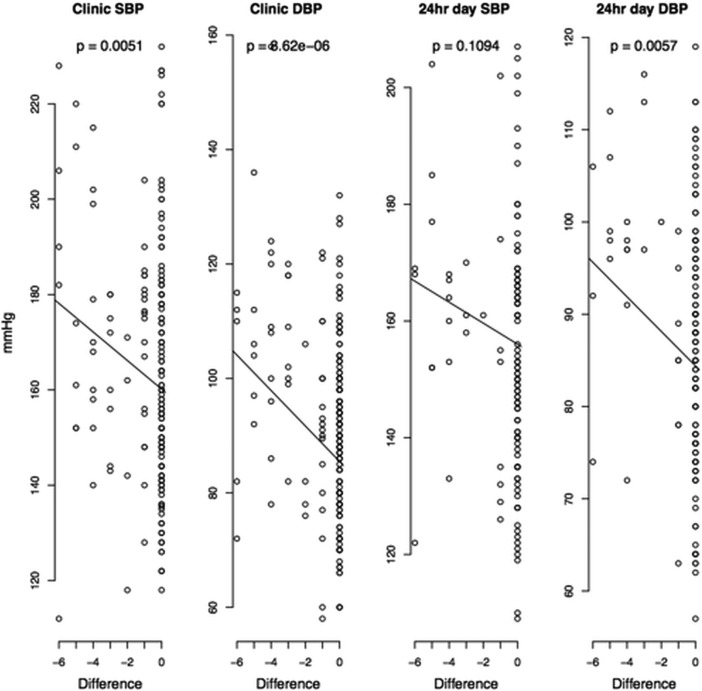
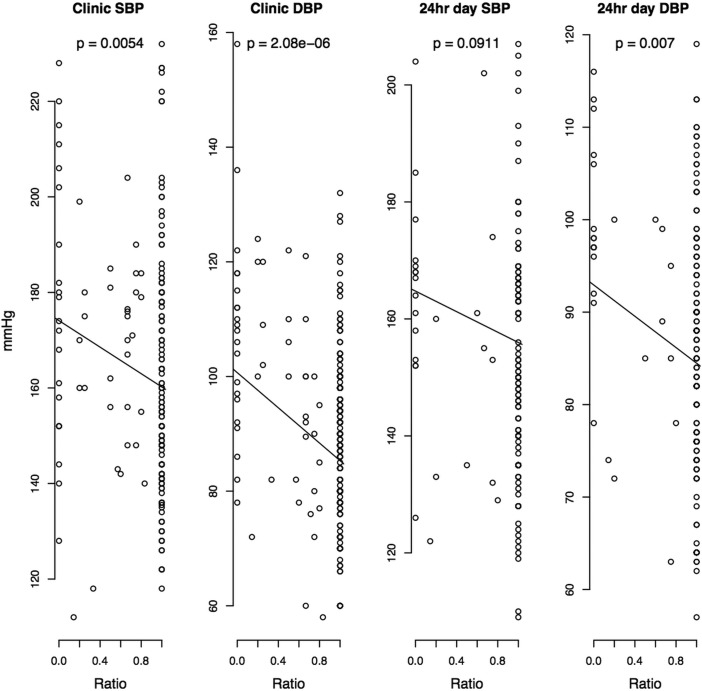
Objectives: Non-adherence to therapy is an important cause of suboptimal blood pressure control but few practical tools exist to accurately and routinely detect it. We used a simple urine-based assay to evaluate the prevalence of antihypertensive treatment non-adherence and its impact on blood pressure in a specialist hypertension centre. Methods: 208 hypertensive patients (125 new referrals, 66 follow-up patients with inadequate blood pressure control and 17 renal denervation referrals) underwent assessment of antihypertensive drug intake using high-performance liquid chromatography-tandem mass spectrometry (HP LC-MS/MS) urine analysis at the time of clinical appointment. A total of 40 most commonly prescribed antihypertensive medications (or their metabolites) were screened for in spot urine samples. Results: Overall, 25% of patients were totally or partially non-adherent to antihypertensive treatment (total non-adherence 10.1%, partial non-adherence 14.9%). The highest prevalence of partial and total non-adherence was among follow-up patients with inadequate blood pressure control (28.8%) and those referred for consideration of renal denervation (23.5%), respectively. There was a linear relationship between blood pressure and the numerical difference in detected/prescribed antihypertensive medications—every unit increase in this difference was associated with 3.0 (1.1) mm Hg, 3.1 (0.7) mm Hg and 1.9 (0.7) mm Hg increase in adjusted clinic systolic blood pressure, clinic diastolic blood pressure (DBP) and 24 h mean daytime DBP (p=0.0051, p=8.62×10 −6 , p=0.0057), respectively. Conclusions: Non-adherence to blood pressure lowering therapy is common, particularly in patients with suboptimal blood pressure control and those referred for renal denervation. HP LC-MS/MS urine analysis could be used to exclude non-adherence and better stratify further investigations and intervention.
Overview
The claims and statistics of this paper haven’t been checked yet.
Free: it reads the open-access text and checks the first 5 claims that cite a source we can check. Create a free account to check every claim.
Integrity signals
Registry
Cites
Statistics
Figures
Verification
Claims the paper makes
The claims and statistics of this paper haven’t been checked yet.
Free: it reads the open-access text and checks the first 5 claims that cite a source we can check. Create a free account to check every claim.
Claims other papers make about this one
Each is checked against this paper’s own text: does it say what the citing paper says it does?
The source backs part of the claim, not all of it — or backs it for a different population, condition or comparison.
In the citing paper
“Nonadherence to antihypertensive treatment affects 10%-80% of hypertensive patients and is one of the key drivers of suboptimal BP control. 75-77”
From 2020 International Society of Hypertension Global Hypertension Practice Guidelines (2020) · cites this paper as [75]
Experimental — accuracy not yet measured
Self-check
Percentages, sums and reported differences re-computed from the paper’s own numbers.
The self-check needs the paper’s full text.
Citations
Cites
Krum, H., Schlaich, M., Whitbourn, R., Sobotka, P. A., Sadowski, J., Bartus, K., Kapelak, B., Walton, A., Sievert, H., Thambar, S., et al. (2009) · The Lancet · doi:10.1016/s0140-6736(09)60566-3 · Cited by 2,108
Vrijens, B., Vincze, G., Kristanto, P., Urquhart, J., & Burnier, M. (2008) · BMJ · doi:10.1136/bmj.39553.670231.25 · Cited by 863
Mazzaglia, G., Ambrosioni, E., Alacqua, M., Filippi, A., Sessa, E., Immordino, V., Borghi, C., Brignoli, O., Caputi, A. P., Cricelli, C., et al. (2009) · Circulation · doi:10.1161/circulationaha.108.830299 · Cited by 637
Resistant hypertension? Assessment of adherence by toxicological urine analysis
Jung, O., Gechter, J. L., Wunder, C., Paulke, A., Bartel, C., Geiger, H., & Toennes, S. W. (2013) · Journal of Hypertension · doi:10.1097/hjh.0b013e32835e2286 · Cited by 474
Better compliance to antihypertensive medications reduces cardiovascular risk
Corrao, G., Parodi, A., Nicotra, F., Zambon, A., Merlino, L., Cesana, G., & Mancia, G. (2011) · Journal of Hypertension · doi:10.1097/hjh.0b013e328342ca97 · Cited by 367
ESH Position Paper: Renal denervation – an interventional therapy of resistant hypertension
Schmieder, R. E., Redon, J., Grassi, G., Kjeldsen, S. E., Mancia, G., Narkiewicz, K., Parati, G., Ruilope, L., van de Borne, P., & Tsioufis, C. (2012) · Journal of Hypertension · doi:10.1097/hjh.0b013e328352ce78 · Cited by 241
Mahfoud, F., Lüscher, T. F., Andersson, B., Baumgartner, I., Cifkova, R., DiMario, C., Doevendans, P., Fagard, R., Fajadet, J., Komajda, M., et al. (2013) · European Heart Journal · doi:10.1093/eurheartj/eht154 · Cited by 236
Self-citationMyat, A., Redwood, S. R., Qureshi Ayesha, C., Spertus, J. A., Williams, B., Liu, X., & 杜昕 (2013) · doi:10.1136/bmj.j.issn.1007-9742.2013.16.140 · Cited by 158
Self-citationFrom compliance to concordance in diabetes
Chatterjee, J. S. (2006) · Journal of Medical Ethics · doi:10.1136/jme.2005.012138 · Cited by 127
Cited by
Items 201–300 of 457
Ott, C., Mahfoud, F., Schmid, A., Ewen, S., Toennes, S. W., Meyer, M. R., Helfer, A. G., Maurer, H. H., Ditting, T., Veelken, R., et al. (2016) · Journal of Hypertension · doi:10.1097/hjh.0000000000001110 · Cited by 10
Ratcliffe, L. E. K., Pijacka, W., McBryde, F. D., Abdala, A. P., Moraes, D. J. A., Sobotka, P. A., Hart, E. C., Narkiewicz, K., Nightingale, A. K., & Paton, J. F. R. (2014) · The Journal of Physiology · doi:10.1113/jphysiol.2013.268227 · Cited by 10
Burnier, M., & Wuerzner, G. (2015) · Journal of Hypertension · doi:10.1097/hjh.0000000000000759 · Cited by 10
Current analytical methods to monitor type 2 diabetes medication in biological samples
Rakusanova, S., & Čajka, T. (2022) · TrAC Trends in Analytical Chemistry · doi:10.1016/j.trac.2022.116831 · Cited by 10
Renal Denervation for Resistant Hypertension
Reddy, V. Y., & Olin, J. W. (2014) · Journal of the American College of Cardiology · doi:10.1016/j.jacc.2014.07.947 · Cited by 10
Kjeldsen, S. E., & Os, I. (2014) · Journal of Hypertension · doi:10.1097/hjh.0000000000000385 · Cited by 10
Maiolino, G., Azzolini, M., & Rossi, G. P. (2015) · Frontiers in Cardiovascular Medicine · doi:10.3389/fcvm.2015.00003 · Cited by 9
“The latter can be secondary to: (1) poor office BP measurement technique, (2) “white-coat” effect, which encompasses up to 40% of patients with uncontrolled BP (4), (3) non-adherence to the prescribed therapy [30–40% of subjects (7, 8)], or (4) a suboptimal anti-hypertensive regimen, owed to inappropriate drug associa…”
BackgroundDirectly Observed Therapy in Hypertension (DOT-HTN)
Hjørnholm, U., Aamodt, M., Larstorp, A. C. K., Elmula, F. E. M. F., Høieggen, A., Andersen, M. H., & Kjeldsen, S. E. (2018) · Updates in hypertension and cardiovascular protection · doi:10.1007/978-3-319-76593-8_6 · Cited by 9
Jama, H. A., Kaye, D. M., & Marques, F. Z. (2018) · Circulation Research · doi:10.1161/circresaha.118.313792 · Cited by 9
“to 53% of patients have been found to be nonadherent to their prescribed antihypertensive medication.(19,20) This would have a major impact in the analyses reported by Jackson et al(2) and”
BackgroundShould All Patients with Resistant Hypertension Receive Spironolactone?
Rosa, J., Zelinka, T., Petrák, O., Štrauch, B., Holaj, R., & Widimsky, J., Jr. (2016) · Current Hypertension Reports · doi:10.1007/s11906-016-0690-1 · Cited by 8
Effective antihypertensive therapy: focus on adherence management
Бунова, С. С., Жернакова, Н. И., Fedorin, M. M., Skirdenko, Y. P., & Osipova, O. A. (2020) · CARDIOVASCULAR THERAPY AND PREVENTION · doi:10.15829/1728-8800-2020-2663 · Cited by 8
“Известно, что более половины случаев “резистентных” АГ связаны именно с недостаточной приверженностью [7, 9].”
Kjeldsen, S. E., Elmula, F. E. M. F., Os, I., Persu, A., Jin, Y., & Staessen, J. A. (2015) · European Heart Journal - Cardiovascular Pharmacotherapy · doi:10.1093/ehjcvp/pvu009 · Cited by 8
Feasibility of catheter ablation renal denervation in “mild” resistant hypertension
Chen, S., Kiuchi, M. G., Acou, W., Derndorfer, M., Wang, J., Li, R., Κόλλιας, Γ., Martinek, M., Kiuchi, T., Pürerfellner, H., et al. (2017) · Journal of Clinical Hypertension · doi:10.1111/jch.12988 · Cited by 8
Measurements of Antihypertensive Medications in Blood and Urine
Gupta, P., Patel, P., & Tomaszewski, M. (2018) · Updates in hypertension and cardiovascular protection · doi:10.1007/978-3-319-76593-8_4 · Cited by 8
Self-citationHjørnholm, U., Larstorp, A. C. K., Andersen, M. H., & Høieggen, A. (2019) · Blood Pressure · doi:10.1080/08037051.2019.1633907 · Cited by 8
Olsen, L. K., Kamper, A., Svendsen, J. H., & Feldt‐Rasmussen, B. (2015) · European Journal of Internal Medicine · doi:10.1016/j.ejim.2015.01.009 · Cited by 8
Jaglińska, K., Polak, B., Klimek-Turek, A., Fornal, E., Stachniuk, A., Trzpil, A., Błaszczyk, R. T., & Wysokiński, A. P. (2023) · Molecules · doi:10.3390/molecules28052213 · Cited by 8
Pedretti, R. F. E., Craenenbroeck, E. M. V., Vrints, C., Ambrosetti, M., Kurpas, D., Vassiliou, V. S., Bäck, M., Moholdt, T. T., Sionís, A., Wilhelm, M., et al. (2026) · European Journal of Preventive Cardiology · doi:10.1093/eurjpc/zwag236 · Cited by 7
Бочкарева, Е. В., Кронидовна, Б. Е., Ким, И. В., Васильевна, К. А., & Drapkina, O. M. (2020) · Rational Pharmacotherapy in Cardiology · doi:10.20996/1819-6446-2020-10-20 · Cited by 7
Petruzzelli, M., Taylor, K., Koo, B., & Mj, B. (2016) · Hypertension · doi:10.1161/hypertensionaha.116.07433 · Cited by 7
Halvorsen, L. V., Bergland, O. U., Søraas, C. L., Larstorp, A. C. K., Hjørnholm, U., Kjær, V. N., Kringen, M. K., Clasen, P. E., Haldsrud, R., Kjeldsen, S. E., et al. (2022) · Journal of the American Heart Association · doi:10.1161/jaha.121.025879 · Cited by 7
“7,23 Because of the retrospective design of our study with limited information of steady-state status, we chose a very strict cutoff for nondetection as described in Data S1.”
Peeters, L. E. J., Kappers, M. H. W., Boersma, E. H., Massey, E. K., van Dijk, L., van Gelder, T., Koch, B. C. P., & Versmissen, J. (2023) · BMC Cardiovascular Disorders · doi:10.1186/s12872-023-03114-0 · Cited by 7
“Although this is an objective and reliable method to determine non-adherence, the use in clinical practice is still limited [7, 9, 10, 22].”
Methode-Health education for patients and health professionals in the field of vascular disease
Louche, C. D. D., Shea, J., Park, S., Nicola, M., Lawson, J., Charles, E., & Pouncey, A. L. (2024) · Seminars in Vascular Surgery · doi:10.1053/j.semvascsurg.2024.08.001 · Cited by 7
Nonadherence in patients with hypertensive emergency or hypertensive urgency
Krämer, B. K., Krämer, R. M., Benck, U., & Krüger, B. (2018) · Journal of Clinical Hypertension · doi:10.1111/jch.13442 · Cited by 7
Annadi, A. M., Shoheib, R., & Mohamed, A. A. (2020) · Egyptian Journal of Chemistry · doi:10.21608/ejchem.2020.18176.2116 · Cited by 7
Thompson, D. M., Al-Lamee, R. K., Foley, M. J., Dehbi, H., Thom, S., Davies, J. E., Francis, D. P., Patel, P., Gupta, P., & ORBITA Investigators (2021) · Pharmacology Research & Perspectives · doi:10.1002/prp2.710 · Cited by 7
Self-citationHypertension risk factors who underwent dobutamine stress echocardiography
Das, R. N. (2016) · Interventional Cardiology · doi:10.4172/ica.1000683 · Cited by 7
Present and Future of Interventional Treatment of Resistant Hypertension
Yoruk, A., Tankut, S. S., Gassler, J. P., & Bisognano, J. D. (2017) · Current Hypertension Reports · doi:10.1007/s11906-017-0702-9 · Cited by 7
Burnier, M. (2024) · Expert Review of Pharmacoeconomics & Outcomes Research · doi:10.1080/14737167.2024.2363401 · Cited by 6
Hameed, M. A., Pucci, M., Martin, U., Watkin, R. W., Doshi, S. N., Freedman, J., Riley, P. L., Townend, J., Crowe, P., Lipkin, G. W., et al. (2015) · Journal of Clinical Hypertension · doi:10.1111/jch.12713 · Cited by 6
“Future trials on RDN should make use of direct methods such as urine antihypertensive drug assays, which have now been developed and are in routine clinical use.(26,27) The Global SYMPLICITY Registry is the largest data set of patients treated with RDN.”
MethodOpportunities and Challenges for Analytical Chemistry in the Assessment of Medication Adherence
Tanna, S., & Lawson, G. (2016) · Elsevier eBooks · doi:10.1016/b978-0-12-805463-5.00002-x · Cited by 6
Howard, J. P., Patel, H. C., Shun-Shin, M. J., Mourad, J., Blacher, J., Mahfoud, F., Zeller, T., Weber, M. A., & Francis, D. P. (2015) · Journal of Hypertension · doi:10.1097/hjh.0000000000000708 · Cited by 6
“In principle, this could be arranged as a handful of daily outpatient visits with medical or nursing supervision and documentation of medications, perhaps confirmed by urine sampling [35].”
BackgroundLiu, C., Du, J.-Z., Rao, C., Zhang, H., Liu, H., Zhao, Y., Yang, L., Li, X., Li, J., Wang, J., et al. (2018) · Chinese Medical Journal · doi:10.4103/0366-6999.233767 · Cited by 6
“medications or their metabolites; results will be used for confirmation of self‐reported medication adherence.[59]”
BackgroundA Review on Hypertension: Practice and Diagnosis
Islam, M., Chaudhuri, I., Islam, M. S., & Kamrujjaman, M. (2023) · Journal of Biology and Life Science · doi:10.5296/jbls.v14i2.20848 · Cited by 6
Multiple drug-intolerant hypertension: a case series utilising a novel-treatment algorithm
Saxena, M., Antoniou, S., Hamedi, N., Robinson, P. J., Singh, H., Mukhtar, O., Kapil, V., & Lobo, M. D. (2016) · British Journal of General Practice · doi:10.3399/bjgp16x684709 · Cited by 6
Serum drug levels to diagnose non-adherence in acute decompensated heart failure
Solař, M., Pelouch, R., Voříšek, V., Furmanová, V., & Ceral, J. (2016) · Biomedical Papers · doi:10.5507/bp.2016.031 · Cited by 6
Dangers of Overly Aggressive Blood Pressure Control
Rahman, F., & McEvoy, J. W. (2018) · Current Cardiology Reports · doi:10.1007/s11886-018-1063-y · Cited by 6
Renal Denervation After Symplicity HTN-3 – Back to Basics. Review of the Evidence
Persu, A., Elmula, F. E. M. F., Jin, Y., Os, I., Kjeldsen, S. E., & Staessen, J. A. (2014) · European Cardiology Review · doi:10.15420/ecr.2014.9.2.110 · Cited by 6
The Setback of Renal Denervation Should Not Backfire on Sympathetic Overactivity in Hypertension ∗
Kjeldsen, S. E., Elmula, F. E. M. F., & Persu, A. (2015) · Journal of the American College of Cardiology · doi:10.1016/j.jacc.2015.01.038 · Cited by 6
Methods for Assessing the Adherence to Medical Devices
Johnson, L. M., Swarner, S., van der Straten, A., & Rothrock, G. D. (2016) · doi:10.3768/rtipress.2016.mr.0036.1610 · Cited by 6
“For example, direct methods have been employed to analyze adherence to antihypertensive treatment using urine samples (Tomaszewski et al., 2014) and adherence to antiretroviral medications using plasma (Duong et al.”
MethodChemical adherence testing in the clinical management of hypertension: a scoping review
Rabbitt, L., Curneen, J. M. G., Dennedy, M. C., & Molloy, G. J. (2024) · Frontiers in Pharmacology · doi:10.3389/fphar.2024.1452464 · Cited by 5
Renna, N. F., Ramirez, E. I., Vissani, S., Farez, B. G., Camaño, B., Alcorta, M., Diez, E. R., & Ramirez, J. (2025) · Journal of Hypertension · doi:10.1097/hjh.0000000000004023 · Cited by 5
“In conclusion, improving adherence in hypertensive patients requires a multifaceted approach.”
Wadhwani, A., Khasbage, S. U., Zade, S. R., Singh, M. P., Keche, Y. N., & Ahire, P. M. (2026) · Cureus · doi:10.7759/cureus.104160 · Cited by 6
“Medication nonadherence contributes to apparent RH in over 30% of cases [7], and the white-coat effect, characterized by persistently elevated office readings despite normal out-of-office measurements, occurs in 20-30% of this population [8].”
Nazareth, J., Adebayo, A., Fahad, M., Karim, H., Pan, D., Sze, S., Martin, C., Minhas, J. S., Bernieh, D., Osman, H., et al. (2024) · HIV Medicine · doi:10.1111/hiv.13715 · Cited by 5
Self-citationSeixas, A. A., Ravenell, J. E., Williams, N. J., Williams, S. K., Zizi, F., Ogedegbe, G. G., & Jean‐Louis, G. (2015) · Journal of Human Hypertension · doi:10.1038/jhh.2015.78 · Cited by 5
Sweeney, M., Cole, G. D., Pabari, P., Hadjiphilippou, S., Tayal, U., Mayet, J., Chapman, N., & Plymen, C. M. (2021) · ESC Heart Failure · doi:10.1002/ehf2.13284 · Cited by 5
Mielke, J., Trucks-Jansen, H., Schurmann, C., Kotsis, F., Köttgen, A., Schneider, M. P., Eckardt, K., GCKD Investigators, Kotsis, F., Köttgen, A., et al. (2022) · Journal of Human Hypertension · doi:10.1038/s41371-022-00701-0 · Cited by 5
High non-adherence rates to secondary prevention by chemical adherence testing in patients with TIA
Lane, D., Beishon, L., Sharma, V., Salim, F., Sze, S., Timmins, M. A., Robinson, T. G., Eveson, D., Mistri, A. K., Patel, P., et al. (2022) · Journal of Stroke and Cerebrovascular Diseases · doi:10.1016/j.jstrokecerebrovasdis.2022.106665 · Cited by 5
Self-citationRecent advances in the management of resistant hypertension
Manolis, A. J., Kallistratos, M. S., Doumas, M. N., Pagoni, S., & Poulimenos, L. E. (2015) · F1000Prime Reports · doi:10.12703/p7-03 · Cited by 5
Urinary Excretion Levels of MMX-Mesalazine as a Tool to Assess Non- Adherence
Römkens, T. E. H., Salomon, J., & Peters, W. H. M. (2015) · Pharmaceutica Analytica Acta · doi:10.4172/2153-2435.1000443 · Cited by 5
Resistant hypertension: a therapeutic challenge
Brandani, L. (2018) · Journal of Clinical Hypertension · doi:10.1111/jch.13144 · Cited by 6
Collier, D., Juhász, A., Agabiti‐Rosei, E., Lloyd, E., Hisada, M., Zhao, L., Kupfer, S., & Caulfield, M. J. (2018) · Journal of Clinical Hypertension · doi:10.1111/jch.13376 · Cited by 5
Wang, Y., Wang, J. W., Wang, Y., Yang, B., Du, A., Kong, Z., Chen, M., & Wang, J. (2021) · Journal of Cardiovascular Pharmacology · doi:10.1097/fjc.0000000000001105 · Cited by 5
A practical approach to assessment of non-adherence to antihypertensive treatment
Kociánová, E., Táborský, M., & Václavík, J. (2023) · Journal of Hypertension · doi:10.1097/hjh.0000000000003492 · Cited by 5
Effects of Blood Pressure Control in Cardiovascular Prevention
Artom, N., Vecchié, A., & Pende, A. (2016) · Current Pharmaceutical Design · doi:10.2174/1381612822666160822145446 · Cited by 5
“Two other studies tested the adherence by toxicological urine analysis on samples collected on the day of the clinical visit [99, 100].”
Jordan, A. N., Anning, C., Wilkes, L., Ball, C., Pamphilon, N., Clark, C. E., Bellenger, N. G., Shore, A. C., Sharp, A. S. P., & Valderas, J. M. (2022) · Health and Quality of Life Outcomes · doi:10.1186/s12955-022-01943-9 · Cited by 5
Gottwald‐Hostalek, U., & Sun, N. (2023) · Current Medical Research and Opinion · doi:10.1080/03007995.2023.2165812 · Cited by 5
Resistant Hypertension: A Refractory Disease or Refractory Patient
Sternlicht, H., & Bakris, G. L. (2017) · Hypertension · doi:10.1161/hypertensionaha.117.08924 · Cited by 5
Specialist hypertension clinics: an essential pathway but under-resourced
McCormack, T., Partridge, S., & Wilkinson, I. B. (2024) · British Journal of General Practice · doi:10.3399/bjgp24x736390 · Cited by 5
Bommishetty, V. S., & Kumbhar, S. (2020) · International Journal of Community Medicine and Public Health · doi:10.18203/2394-6040.ijcmph20203933 · Cited by 4
Kably, B., Billaud, E. M., Derobertmasure, A., Blanchard, A., Boutouyrie, P., & Azizi, M. (2021) · Journal of Hypertension · doi:10.1097/hjh.0000000000003018 · Cited by 4
Harrison, M. A., Marfo, A. F. A., Buabeng, K. O., Annan, A., Nelson, F., Boateng, D. P., Nkansah, F. A., Aboagye, G. O., & Ankrah, D. (2023) · Health Science Reports · doi:10.1002/hsr2.1185 · Cited by 4
Gunkel, S., Schötzau, A., & Fluri, F. (2023) · Scientific Reports · doi:10.1038/s41598-023-49502-6 · Cited by 4
“Although all patients have been recommended to take continuously antihypertensive drugs, adherence of drug intake is low; nearly a quarter of patients are non-adherent to their cardiovascular medicaments 40–42 .”
BackgroundMedical Measures in Hypertensives Considered Resistant
Elmula, F. E. M. F., Mariampillai, J. E., Heimark, S., Kjeldsen, S. E., & Burnier, M. (2023) · American Journal of Hypertension · doi:10.1093/ajh/hpad118 · Cited by 4
“44 We believe these values may be useful for clinicians or departments seeking to utilize CAT in of difficult-to-control hyper-tensives and have replicated the serum reference ranges in Table 3.”
BackgroundMorrissey, E. C., O’Grady, L., Murphy, P. J., Byrne, M., Casey, M., Doheny, H. C., Dolan, E., Duane, S., Durand, H., Gillespie, P., et al. (2024) · BMC Family Practice · doi:10.1186/s12875-024-02635-7 · Cited by 4
Self-citationAl-Ani, A., Suleimani, Y. M. A., Ritscher, S., Toennes, S. W., Al‐Hashar, A., Al-Zakwani, I. S., Za’abi, M. A., & Al-Hashmi, K. (2024) · Journal of Hypertension · doi:10.1097/hjh.0000000000003917 · Cited by 4
“LC–MS/MS is a reliable and cost-effective method for testing frequently prescribed antihypertensive medications (or their metabolites) [11,12].”
Resistant Hypertension: An Incurable Disease or Just a Challenge For Our Medical Skill?
Pilla, M. D., Bruno, R. M., & Taddei, S. (2016) · High Blood Pressure & Cardiovascular Prevention · doi:10.1007/s40292-016-0159-y · Cited by 4
Management of resistant hypertension
Hasan, M. A., Stewart, M. H., Lavie, C. J., & Ventura, H. O. (2019) · Current Opinion in Cardiology · doi:10.1097/hco.0000000000000635 · Cited by 4
Kichou, B., Henine, N., Himeur, Y., Kichou, L., Saïd, M. A., Mazeghrane, A., & Hammouche, A. (2019) · Annales de Cardiologie et d Angéiologie · doi:10.1016/j.ancard.2019.07.002 · Cited by 6
Clarification of the Correct Nomenclature of the Amino Metabolite of Clonazolam: 8-Aminoclonazolam
Maskell, P., Parks, C., Button, J., Liu, H., & McKeown, D. A. (2020) · Journal of Analytical Toxicology · doi:10.1093/jat/bkaa169 · Cited by 4
Metabolomics, Proteomics, and Genomics
Wang, Z., & Yu, B. (2018) · Elsevier eBooks · doi:10.1016/b978-0-323-54835-9.00015-6 · Cited by 4
Adherence to taking medicines as a basis for prevention of cardiovascular diseases
Napalkov, D. A., & Sokolova, A. A. (2019) · Meditsinskiy sovet = Medical Council · doi:10.21518/2079-701x-2019-5-54-59 · Cited by 4
Doctor-Patient Communication and Increasing Patient Adherence
Gidron, Y. (2019) · Springer eBooks · doi:10.1007/978-3-030-18893-1_3 · Cited by 4
Jordan, A. N., Anning, C., Wilkes, L., Ball, C., Pamphilon, N., Clark, C. E., Bellenger, N. G., Shore, A. C., & Sharp, A. S. P. (2019) · Journal of Human Hypertension · doi:10.1038/s41371-019-0272-1 · Cited by 5
“A further study used the same method to determine an adherence rate of 75% in patients referred to a secondary care hypertension clinic, though the sample was a heterogeneous group of participants, including new referrals from primary care together with some patients with resistant hypertension under consideration for…”
MethodMuntner, P., & Tanner, R. M. (2024) · American Journal of Hypertension · doi:10.1093/ajh/hpae075 · Cited by 4
Yerasi, C., Baker, N. C., Jonnalagadda, A. K., Torguson, R., Singh, S., Vies, J., & Waksman, R. (2015) · Journal of the American Society of Hypertension · doi:10.1016/j.jash.2015.10.002 · Cited by 6
Alalaqi, A. (2019) · DMU Open Research Archive (De Montfort University) · Cited by 4
Tomaszewski, M., Gupta, P., Chowienczyk, P., Leurent, B., Hames-Fathi, S., Lenzi, L., Faconti, L., Abrams, S. M. L., George, M. J., Buchanan, H., et al. (2026) · The Lancet Primary Care · doi:10.1016/j.lanprc.2026.100154 · Cited by 3
“When compared with our previous cross-sectional studies, 7,11,12 we also had a lower rate of baseline non-adherence, possibly because non-adherent patients are less likely to consent and participate.”
InfluentialSelf-citationUpdate on advanced interventional neuromodulatory approaches to lower blood pressure
Kiuchi, M. G., Carnagarin, R., Schultz, C. J., Shetty, S. V., Ward, N. C., Santos, C. E. R., & Schlaich, M. P. (2023) · Heart · doi:10.1136/heartjnl-2022-321499 · Cited by 3
Wang, Q., Feng, Z., Shi, C., Lyu, X., & Fan, D. (2024) · Journal of Food Science · doi:10.1111/1750-3841.17156 · Cited by 3
Greechan, P. L., Koh, R. G. L., & Yoo, P. B. (2025) · Bioelectronic Medicine · doi:10.1186/s42234-025-00181-w · Cited by 3
“It is estimated that up to 25% of hypertensive patients are non-adherent to medications (Tomaszewski et al. 2014), and neurodegenerative disease patients exhibit even lower adherence rates due to cognitive impairment (Shin and Habermann 2016).”
Васильевич, И. М., Emelyanov, I. V., & Конради, А. О. (2025) · Rational Pharmacotherapy in Cardiology · doi:10.20996/1819-6446-2025-3192 · Cited by 3
Raising the Bar in Renal Sympathetic Denervation Research and Reporting
Lee, J., & Turner, J. R. (2015) · Journal of Clinical Hypertension · doi:10.1111/jch.12666 · Cited by 3
Schrader, J., & Lüders, S. (2015) · Der Internist · doi:10.1007/s00108-014-3644-1 · Cited by 3
Hypertension Risk Factors of Shock Patients
Rn, D. (2016) · Health Care Current Reviews · doi:10.4172/2375-4273.1000177 · Cited by 3
Hypertension and Hypercholesterolemia: is it Time for Anti-«Lipitensive» Therapy?
Kobalava, Z. D., & Кохан, Е. В. (2020) · Rational Pharmacotherapy in Cardiology · doi:10.20996/1819-6446-2020-09-01 · Cited by 3
Mobed, A., Gholami, S., Tahavvori, A., Ghazi, F., Masoumi, Z., Alipourfard, I., Naderian, R., & Mohammadzadeh, M. (2023) · Heliyon · doi:10.1016/j.heliyon.2023.e19467 · Cited by 3
“Accordingly, high-performance liquid chromatography-tandem mass spectrometry (HP-LC-MS/MS) was applied for the determination of AHTDs in another work [23].”
MethodDesideri, G., Cipelli, R., Pegoraro, V., Ripellino, C., Miroddi, M., Meto, S., Gori, M., & Fabrizzi, P. (2024) · Current Medical Research and Opinion · doi:10.1080/03007995.2024.2328652 · Cited by 3
“Notably, some studies have high-lighted a strong and inverse correlation between adherence and the number of pills prescribed 14,15 .”
BackgroundUrine Concentration Does Not Affect Biochemical Testing for Non-adherence
Burns, A. D., Alghamadi, R., Iqbal, A., Davies, T. J., Lane, D., Patel, P., & Gupta, P. (2020) · Journal of Analytical Toxicology · doi:10.1093/jat/bkaa192 · Cited by 3
Self-citationManagement of adherence-based treatment. Consensus document – clinical guidelines. English version
Nikolaev, N., Martynov, A., Skirdenko, Y. P., Anisimov, V. N., Vasilieva, I. A., Vinogradov, O. I., Vinogradov, O. I., Лазебник, Л. Б., & Poddubnaya, I. V. (2021) · Medical news of the North Caucasus · doi:10.14300/mnnc.2021.16029 · Cited by 3
Social determinants of blood pressure control in a middle-income country in Latin America
Zanuzzi, M., Garzon, M. E., Cornavaca, M. T., Bernabeu, F., Albertini, R. A., Ellena, G., & Romero, C. A. (2023) · Journal of Biosocial Science · doi:10.1017/s0021932023000044 · Cited by 3
Level of hypertension treatment adherence during pandemic
Petkova, V. B., Peneva, A., Andreevska, K., Hristov, Е., Grekova, D., Тодорова, А., Tsvetkova, A., & Dimitrov, M. V. (2023) · Pharmacia · doi:10.3897/pharmacia.70.e109440 · Cited by 3
Morrissey, E. C., Harney, O., Hogan, M., Murphy, P. J., O’Grady, L., Byrne, M., Casey, M., Duane, S., Durand, H., Hayes, P., et al. (2024) · Health Psychology and Behavioral Medicine · doi:10.1080/21642850.2024.2404038 · Cited by 3
“…with medication taking, or ‘poor adherence’ are very common in hypertension, with rates between 30% – 50% (Hameed & Dasgupta, 2019; Lawson et al., 2020; Tomaszewski et al., 2014; Vrijens et al., 2017) Improving how antihypertensive medications are used has the potential to quickly reduce BP and…”
Device-Directed Therapy for Resistant Hypertension
Tankut, S. S., Yoruk, A., & Bisognano, J. D. (2017) · Cardiology Clinics · doi:10.1016/j.ccl.2016.12.007 · Cited by 3
Dosage des médicaments antihypertenseurs en France en 2019 et observance
Bouhanick, B., Vaisse, B., Schavgoulidze, A., & Gandia, P. (2019) · La Presse Médicale · doi:10.1016/j.lpm.2019.08.009 · Cited by 3
Kapil, V., & Lobo, M. D. (2014) · Medicine · doi:10.1016/j.mpmed.2014.06.004 · Cited by 3
Investigation and management of adult hypertension
Ng, F. L., & Lobo, M. D. (2018) · Heart · doi:10.1136/heartjnl-2017-311443 · Cited by 3
Hosohata, K., Inada, A., Oyama, S., Doi, T., Niinomi, I., Wakabayashi, T., Uchida, M., Iwanaga, K., & Matsuoka, H. (2020) · Clinical Medicine Insights Case Reports · doi:10.1177/1179547620904884 · Cited by 3
Factors Associated With Medication Adherence in Vascular Surgery Patients
Minami, H. R., Zemela, M. S., Ring, A. C., Williams, M. S., & Smeds, M. R. (2020) · Vascular and Endovascular Surgery · doi:10.1177/1538574420941300 · Cited by 3
Прихильність до лікування в пацієнтів з резистентною артеріальною гіпертензією
Rekovets, О. L., & Sirenko, Y. (2023) · Ukrainian Journal of Cardiology · doi:10.31928/2664-4479-2023.1-2.3039 · Cited by 3
Metadata
- Authors
- Tomaszewski, M., White, C., Patel, P., Masca, N., Damani, R., Hepworth, J., Samani, N. J., Gupta, P., Madira, W., Stanley, A., & Williams, B.
- Affiliations
- University of Leicester (GB)
- University Hospitals of Leicester NHS Trust (GB)
- National Institute for Health and Care Research (GB)
- Corresponding author
- Tomaszewski, Maciej
- Venue
- Heart
- Publisher
- BMJ
- Published
- 2014-04-02
- Volume
- 100
- Issue
- 11
- Pages
- 855-861
- ISSN
- 1355-6037 (ISSN-L)
- 1468-201X
- PMC
- PMC4033175
- OpenAlex
- W2156249907
- Semantic Scholar
- fb1faa3a9c03d5a9ae2c007e7b040603fd826618
- Cited by
- 404
- References
- 23
- Citations by year
- 2026: 20 · 2025: 14 · 2024: 24 · 2023: 30 · 2022: 24 · 2021: 28 · 2020: 36 · 2019: 40 · 2018: 43 · 2017: 33 · 2016: 50 · 2015: 42 · 2014: 19
- FWCI
- 49.27
- Type
- journal article
- Language
- en
- Open access
- hybrid
- doi.org
- Licence
- cc-by-nc
- Locations
- Heart (publishedVersion, cc-by-nc)
- Europe PMC (PubMed Central) (publishedVersion, cc-by-nc)
- PubMed Central (publishedVersion, cc-by-nc)
- PubMed (publishedVersion)
- UCL Discovery (University College London) (submittedVersion)
- Figshare (submittedVersion, cc-by)
- Leicester Research Archive (University of Leicester) (submittedVersion, cc-by-nc)
- HighWire Press Open Archive (submittedVersion)
- Research Explorer (The University of Manchester) (submittedVersion)
- Funders
- National Institute for Health and Care Research (NF-SI-0611-10170)
- British Heart Foundation
- University College London
- Topics
- Health Sciences › Medicine › Family Practice › Medication Adherence and Compliance
- Health Sciences › Medicine › Cardiology and Cardiovascular Medicine › Blood Pressure and Hypertension Studies
- Health Sciences › Health Professions › Pharmacy › Pharmacy and Medical Practices
- Keywords
- medication non-adherence, antihypertensive drugs, hypertension, urine drug testing, spot urine, blood pressure control, renal denervation, drug metabolites
- MeSH terms
- Antihypertensive Agents, Blood Pressure, Chromatography, Liquid, Female, Follow-Up Studies, Humans, Hypertension, Male, Middle Aged, Patient Compliance, Reproducibility of Results, Urinalysis, Tandem Mass Spectrometry
About these checks
Registry, retraction, Cites and statistics results are computed, not judged, with one exception: a printed reference that no index lists is read once by a model before it counts as a citation error. Claims are extracted by a model and kept only when their quote appears verbatim in the text; each cited source is then checked, with a model’s help, for whether it says what the claim relies on. Those verdicts can be wrong — read the claim’s quote and the cited source before relying on one.
Statistics and arithmetic are recomputed, not judged.
Confidence bands are shown only for fields calibrated on our annotated test set. None is calibrated yet, so no band is shown.
What counts as a claim ›How we measure confidence ›How we check this ›
Are you an author, or do you see a problem with this page? Request a review
Data sources
Bibliographic data: Semantic Scholar, OpenAlex, Crossref.
Contains information from the Semantic Scholar Academic Graph Datasets, made available under the ODC Attribution License (ODC-BY 1.0).
Semantic Scholar’s data is described in: Kinney, R., et al. (2023). The Semantic Scholar Open Data Platform. arXiv:2301.10140.
