

Phagocytic function of tumor-associated macrophages as a key determinant of tumor progression control: a review
Open accessThe DOI matches its Crossref record; 105 of the 108 references it cites were found in a registry or an index.
Abstract
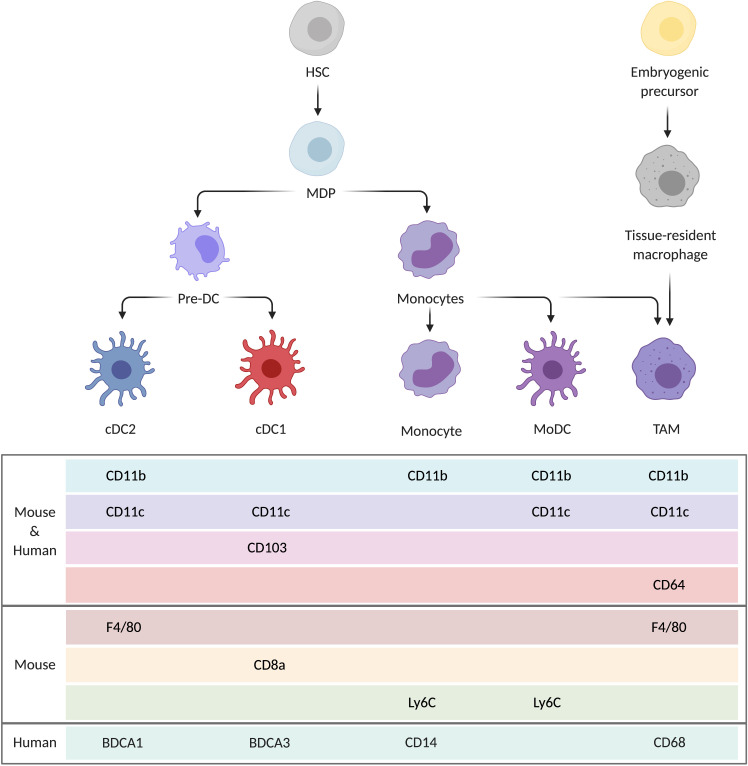
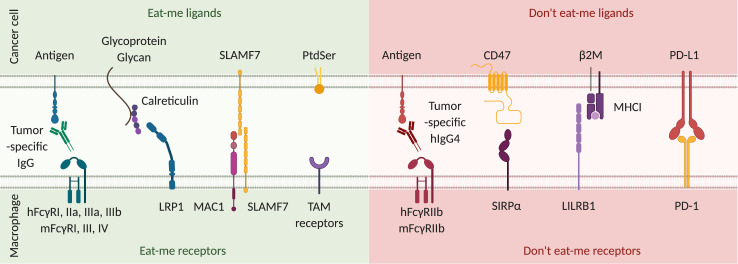
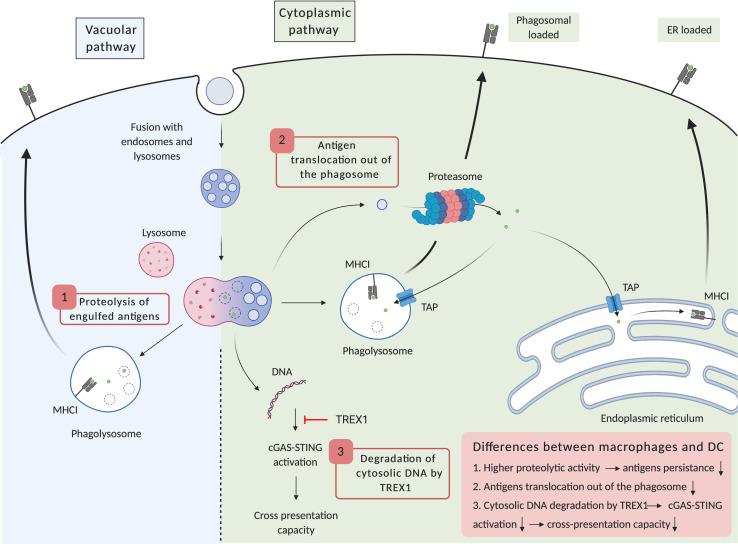
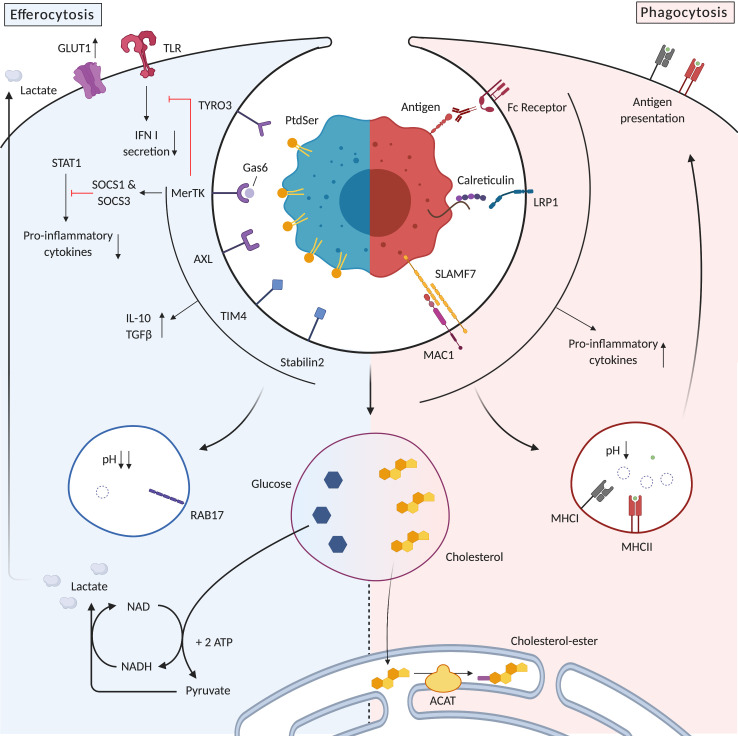
Tumor-associated macrophage (TAM) phagocytic activity is emerging as a new mechanism to harness for cancer treatment. Currently, many approaches are investigated at the preclinical level and some modalities have now reached clinical trials, including the targeting of the phagocytosis inhibitor CD47. The rationale for increasing TAM phagocytic activity is to improve innate anticancer immunity, and to promote T-cell mediated adaptive immune responses. In this context, a clear understanding of the impact of TAM phagocytosis on both innate and adaptive immunity is critical. Indeed, uncertainties persist regarding the capacity of TAM to present tumor antigens to CD8 T cells by cross-presentation. This process is critical for an optimal cytotoxic T-cell immune response and can be mediated by dendritic cells but also potentially by macrophages. In addition, the engulfment of cancer cells affects TAM functionality, as apoptotic cell uptake (a process termed efferocytosis) promotes macrophage anti-inflammatory functions. Because of the abundance of TAM in most solid tumors and the common use of apoptosis inducers such as radiotherapy to treat patients with cancer, efferocytosis potentially affects the overall immune balance within the tumor microenvironment (TME). In this review, we will discuss how cancer cell phagocytosis by TAM impacts antitumor immunity. First, we will focus on the potential of the phagocytic activity of TAM per se to control tumor progression. Second, we will examine the potential of TAM to act as antigen presenting cells for tumor specific CD8 T cells, considering the different characteristics of this process in the tumor tissue and at the molecular level. Finally, we will see how phagocytosis and efferocytosis affect TAM functionality and how these mechanisms impact on antitumor immunity. A better understanding of these aspects will enable us to better predict and interpret the consequences of cancer therapies on the immune status of the TME. Future cancer treatment regimens can thereby be designed to not only impact directly on cancer cells, but also to favorably modulate TAM phagocytic activity to benefit from the potential of this central immune player to achieve more potent therapeutic efficacy.
Overview
The claims and statistics of this paper haven’t been checked yet.
Free: it reads the open-access text and checks the first 5 claims that cite a source we can check. Create a free account to check every claim.
Integrity signals
Registry
Cites
Statistics
Figures
Verification
Claims the paper makes
The claims and statistics of this paper haven’t been checked yet.
Free: it reads the open-access text and checks the first 5 claims that cite a source we can check. Create a free account to check every claim.
Claims other papers make about this one
Each is checked against this paper’s own text: does it say what the citing paper says it does?
The source backs part of the claim, not all of it — or backs it for a different population, condition or comparison.
In the citing paper
“Moreover, the phagocytic role of TAMs can be harnessed to concentrate cytotoxic drugs in the TME [85, 86].”
From Tumor microenvironment signaling and therapeutics in cancer progression (2023) · cites this paper as [85]
Experimental — accuracy not yet measured
Self-check
Percentages, sums and reported differences re-computed from the paper’s own numbers.
The self-check needs the paper’s full text.
Citations
Cites
Oncology meets immunology: the cancer-immunity cycle.
Chen, D. S., & Mellman, I. (2013) · Immunity · doi:10.1016/j.immuni.2013.07.012 · Cited by 6,929
Tumour-associated macrophages as treatment targets in oncology
Mantovani, A., Marchesi, F., Malesci, A., Laghi, L., & Allavena, P. (2017) · Nature Reviews Clinical Oncology · doi:10.1038/nrclinonc.2016.217 · Cited by 4,033
Macrophage plasticity and interaction with lymphocyte subsets: cancer as a paradigm
Biswas, S. K., & Mantovani, A. (2010) · Nature Immunology · doi:10.1038/ni.1937 · Cited by 3,840
Fadok, V. A., Bratton, D. L., Konowal, A., Freed, P. W., Westcott, J. Y., & Henson, P. M. (1998) · Journal of Clinical Investigation · doi:10.1172/jci1112 · Cited by 3,166
The prognostic landscape of genes and infiltrating immune cells across human cancers
Gentles, A. J., Newman, A. M., Liu, C. L., Bratman, S. V., Feng, W., Kim, D., Nair, V. S., Xu, Y., Khuong, A., Hoang, C. D., et al. (2015) · Nature Medicine · doi:10.1038/nm.3909 · Cited by 3,118
Clonal neoantigens elicit T cell immunoreactivity and sensitivity to immune checkpoint blockade
McGranahan, N., Furness, A. J. S., Rosenthal, R., Ramskov, S., Lyngaa, R., Saini, S. K., Jamal-Hanjani, M., Wilson, G. A., Birkbak, N. J., Hiley, C. T., et al. (2016) · Science · doi:10.1126/science.aaf1490 · Cited by 3,065
Functional Polarization of Tumour-Associated Macrophages by Tumour-Derived Lactic Acid
Colegio, O. R., Chu, N.-Q., Szabo, A. L., Chu, T., Rhebergen, A. M., Jairam, V., Cyrus, N., Brokowski, C. E., Eisenbarth, S. C., Phillips, G. M., et al. (2014) · Nature · doi:10.1038/nature13490 · Cited by 3,046
Macrophages as regulators of tumour immunity and immunotherapy
DeNardo, D. G., & Ruffell, B. (2019) · Nature Reviews Immunology · doi:10.1038/s41577-019-0127-6 · Cited by 2,528
Dendritic cells acquire antigen from apoptotic cells and induce class I-restricted CTLs
Albert, M. L., Sauter, B., & Bhardwaj, N. (1998) · Nature · doi:10.1038/32183 · Cited by 2,349
The immune contexture in cancer prognosis and treatment
Fridman, W. H., Zitvogel, L., Sautès–Fridman, C., & Kroemer, G. (2017) · Nature Reviews Clinical Oncology · doi:10.1038/nrclinonc.2017.101 · Cited by 2,263
Cited by
The complex role of tumor-infiltrating macrophages
Christofides, A., Strauss, L., Yeo, A., Cao, C., Charest, A., & Boussiotis, V. A. (2022) · Nature Immunology · doi:10.1038/s41590-022-01267-2 · Cited by 849
Identification of neoantigens for individualized therapeutic cancer vaccines
Lang, F., Schrörs, B., Löwer, M., Türeci, Ö., & Sahin, U. (2022) · Nature Reviews Drug Discovery · doi:10.1038/s41573-021-00387-y · Cited by 534
“Antigen uptake by these APCs occurs by mechanisms such as macropinocytosis of soluble antigens 33 , receptor-mediated uptake of apoptotic vesicles by DCs 34 , phagocytosis of tumour cells by tumour-associated macrophages 35 or Fc-receptor-mediated uptake of immune complexes 36,37 .”
BackgroundmRNA-based cancer therapeutics
Liu, C., Shi, Q., Huang, X., Koo, S., Kong, N., & Tao, W. (2023) · Nature Reviews Cancer · doi:10.1038/s41568-023-00586-2 · Cited by 500
Macrophages at the interface of the co-evolving cancer ecosystem
Kloosterman, D. J., & Akkari, L. (2023) · Cell · doi:10.1016/j.cell.2023.02.020 · Cited by 427
Dual roles and therapeutic targeting of tumor-associated macrophages in tumor microenvironments
Xu, J., Ding, L., Mei, J., Hu, Y., Kong, X., Dai, S., Bu, T., Xiao, Q., & Ding, K. (2025) · Signal Transduction and Targeted Therapy · doi:10.1038/s41392-025-02325-5 · Cited by 389
Macrophage Polarity and Disease Control
Kadomoto, S., Izumi, K., & Mizokami, A. (2021) · International Journal of Molecular Sciences · doi:10.3390/ijms23010144 · Cited by 318
“As another approach to TAM regulation, CD47, which signals to avoid phagocytosis from macrophages, could be a target [109].”
BackgroundTumor microenvironment signaling and therapeutics in cancer progression
Goenka, A., Khan, F., Verma, B., Sinha, P., Dmello, C. C., Jogalekar, M. P., Gangadaran, P., & Ahn, B. (2023) · Cancer Communications · doi:10.1002/cac2.12416 · Cited by 323
“Moreover, the phagocytic role of TAMs can be harnessed to concentrate cytotoxic drugs in the TME [85, 86].”
BackgroundEmerging phagocytosis checkpoints in cancer immunotherapy
Liu, Y., Wang, Y., Yang, Y., Weng, L., Wu, Q., Zhang, J., Zhao, P., Fang, L., Shi, Y., & Wang, P. (2023) · Signal Transduction and Targeted Therapy · doi:10.1038/s41392-023-01365-z · Cited by 275
“Regarding metabolic diseases, CD24 binding to Siglec-E is a key inhibitor of obesity-related metabolic dysfunction.298 STC-1 in diseases and the TME STC-1 in cancer and the TME.”
BackgroundInfluentialZhang, P., Rashidi, A., Zhao, J., Silvers, C., Wang, H., Castro, B., Ellingwood, A., Han, Y., Lopez-Rosas, A., Zannikou, M., et al. (2023) · Nature Communications · doi:10.1038/s41467-023-37328-9 · Cited by 234
The tumor microenvironment’s role in the response to immune checkpoint blockade
Aliazis, K., Christofides, A., Shah, R., Yeo, Y. Y., Jiang, S., Charest, A., & Boussiotis, V. A. (2025) · Nature Cancer · doi:10.1038/s43018-025-00986-3 · Cited by 178
“Macrophages are instrumental in this process by mediating phagocytosis and clearance of abnormal cells 15 and by presenting cancer-associated antigens to T cells together with DCs 16 , thereby eliciting CD4 + and CD8 + T cell responses.”
Macrophage polarization in the tumor microenvironment: Emerging roles and therapeutic potentials
Zhang, W., Wang, M., Ji, C., Liu, X., Gu, B., & Dong, T. (2024) · Biomedicine & Pharmacotherapy · doi:10.1016/j.biopha.2024.116930 · Cited by 178
Glial and myeloid heterogeneity in the brain tumour microenvironment
Andersen, B. M., Faust Akl, C., Wheeler, M. A., Chiocca, E. A., Reardon, D. A., & Quintana, F. J. (2021) · Nature Reviews Cancer · doi:10.1038/s41568-021-00397-3 · Cited by 208
Gong, H., Tan, X., Hou, J., Gong, Z., Qin, X., Nie, J., Zhu, H., & Zhong, S. (2024) · International Journal of Biological Macromolecules · doi:10.1016/j.ijbiomac.2024.137232 · Cited by 175
van Elsas, M. J., Middelburg, J., Labrie, C., Roelands, J., Schaap, G., Sluijter, M., Tonea, R., Ovcinnikovs, V., Lloyd, K., Schuurman, J., et al. (2024) · Cancer Cell · doi:10.1016/j.ccell.2024.04.011 · Cited by 163
Glaviano, A., Lau, H., Carter, L. M., Lee, E. H. C., Lam, H. Y., Okina, E., Tan, D. J. J., Tan, W., Ang, H. L., Carbone, D., et al. (2025) · Journal of Hematology & Oncology · doi:10.1186/s13045-024-01634-6 · Cited by 184
Zheng, Y., Han, Y., Sun, Q., & Li, Z. (2022) · Exploration · doi:10.1002/exp.20210166 · Cited by 169
Wang, S., Yan, W., Kong, L., Zuo, S., Wu, J., Zhu, C., Huang, H., He, B., Dong, J., & Wei, J. (2023) · Nature Communications · doi:10.1038/s41467-023-39683-z · Cited by 134
The Role of TRAIL in Apoptosis and Immunosurveillance in Cancer
Pimentel, J. M., Zhou, J., & Wu, G. S. (2023) · Cancers · doi:10.3390/cancers15102752 · Cited by 135
“Previous studies suggest that MPs recognize tumor-associated antigens (TAA) through Fcy or lectin-like receptors, as well as LDL receptor-related protein 1 (LRP1) [147,148].”
BackgroundZhuang, W., Wang, Y., Nie, W., Yao, L., Liang, C., He, J., Zuo, L., Huang, L.-L., & Xie, H. (2023) · Nature Communications · doi:10.1038/s41467-023-37369-0 · Cited by 127
Geller, A. E., Shrestha, R., Woeste, M. R., Guo, H., Hu, X., Ding, C., Andreeva, K., Chariker, J. H., Zhou, M., Tieri, D. A., et al. (2022) · Nature Communications · doi:10.1038/s41467-022-28407-4 · Cited by 130
Cao, X., Chen, J., Li, B., Dang, J., Zhang, W., Zhong, X., Wang, C., Raoof, M., Sun, Z., Yu, J., et al. (2022) · Science Advances · doi:10.1126/sciadv.abl9171 · Cited by 127
“These results reinforced the notion that tumor progression may program TAMs toward a phenotype with an impaired phagocytic ability ( 56 ).”
The next frontier in immunotherapy: potential and challenges of CAR-macrophages
Li, J., Chen, P., & Ma, W. (2024) · Experimental Hematology and Oncology · doi:10.1186/s40164-024-00549-9 · Cited by 121
“This binding triggers phagocytic activity, leading to tumor cell internalization and degradation within pha-golysosomes [111].”
BackgroundA new era of cancer immunotherapy: combining revolutionary technologies for enhanced CAR-M therapy
Li, N., Geng, S., Dong, Z., Jin, Y., Ying, H., Li, H., & Shi, L. (2024) · Molecular Cancer · doi:10.1186/s12943-024-02032-9 · Cited by 121
“Macrophages eliminate and remove internalized pathogens and outdated cellular components through the secretion of reactive oxygen intermediates, reactive nitrogen intermediates, and lysozyme [21].”
BackgroundLiu, X., Hogg, G. D., Zuo, C., Borcherding, N. C., Baer, J. M., Lander, V. E., Kang, L., Knolhoff, B. L., Ahmad, F. F., Osterhout, R. E., et al. (2023) · Cancer Cell · doi:10.1016/j.ccell.2023.04.018 · Cited by 112
Radiation-induced amphiregulin drives tumour metastasis
Piffkó, A., Yang, K., Panda, A., Heide, J., Tesak, K., Wen, C., Zawieracz, K., Wang, L., Naccasha, E. Z., Bugno, J., et al. (2025) · Nature · doi:10.1038/s41586-025-08994-0 · Cited by 118
“The phagocytic activity of MNPs has a central role in tumour control, in both tissue-resident and monocyte-derived cells within the lung tumour microenvironment 29,33 .”
Lu, J., Li, J., Lin, Z., Li, H., Lou, L., Ding, W., Ouyang, S., Wu, Y., Wen, Y., Chen, X., et al. (2023) · Cancer Letters · doi:10.1016/j.canlet.2023.216205 · Cited by 106
SHP-2 and PD-1-SHP-2 signaling regulate myeloid cell differentiation and antitumor responses
Christofides, A., Katopodi, X.-L., Cao, C., Karagkouni, D., Aliazis, K., Yenyuwadee, S., Aksoylar, H., Pal, R., Mahmoud, M. A. A., Strauss, L., et al. (2022) · Nature Immunology · doi:10.1038/s41590-022-01385-x · Cited by 100
Deciphering the role of CD47 in cancer immunotherapy
Liu, Y., Weng, L., Wang, Y., Zhang, J., Wu, Q., Zhao, P., Shi, Y., Wang, P., & Fang, L. (2023) · Journal of Advanced Research · doi:10.1016/j.jare.2023.10.009 · Cited by 91
“CD47 has been treated as an inhibitory signaling receptor for TSP-1 on T cells which can limit T-cell receptor signaling and kill irradiated target cells [187].”
BackgroundTurco, V., Pfleiderer, K., Hunger, J., Horvat, N. K., Jazi, K. K., Schregel, K., Fischer, M. D., Brugnara, G., Jähne, K., Sturm, V. J. F., et al. (2023) · Nature Communications · doi:10.1038/s41467-023-36321-6 · Cited by 91
“Therefore, we propose that during CDNP-R848 treatment, increased ROS production by pro-in fl ammatory macrophages 40,41 in conjunction with the reduced Fig.”
Metabolic reprogramming in the immunosuppression of tumor-associated macrophages
Wang, Y., Wang, D., Yang, L., & Zhang, Y. (2022) · Chinese Medical Journal · doi:10.1097/cm9.0000000000002426 · Cited by 79
Liu, K., Kong, L., Cui, H., Zhang, L., Xin, Q., Zhuang, Y., Guo, C., Yao, Y., Tao, J., Gu, X., et al. (2024) · Cell Reports Medicine · doi:10.1016/j.xcrm.2024.101751 · Cited by 101
Nanotechnology Reprogramming Metabolism for Enhanced Tumor Immunotherapy
Zhou, Y., Yuan, J. T., Xu, K., Li, S., & Liu, Y. (2024) · ACS Nano · doi:10.1021/acsnano.3c11260 · Cited by 80
Shao, S., Miao, H., & Ma, W. (2023) · Frontiers in Immunology · doi:10.3389/fimmu.2023.1295684 · Cited by 70
Immunometabolism of tumor-associated macrophages: A therapeutic perspective
Karimova, A. F., Khalitova, A. R., Suezov, R. V., Markov, N., Mukhamedshina, Y. O., Rizvanov, A. A., Huber, M., Simon, H., & Brichkina, A. I. (2025) · European Journal of Cancer · doi:10.1016/j.ejca.2025.115332 · Cited by 72
Grant, G., & Ferrer, C. M. (2025) · Trends in Cell Biology · doi:10.1016/j.tcb.2025.05.006 · Cited by 73
Wang, S., Kong, L., Wang, L., Zhuang, Y., Guo, C., Zhang, Y., Cui, H., Gu, X., Wu, J., & Jiang, C. (2025) · Journal of Experimental & Clinical Cancer Research · doi:10.1186/s13046-025-03358-y · Cited by 66
“Macrophages and CD8 + T cells play pivotal roles in tumor immunotherapy, and complex interactions exist between them within the tumor microenvironment [33, 58, 59].”
Gao, X., Zhou, S., Qin, Z., Li, D., Zhu, Y., & Ma, D.-N. (2023) · Journal of Translational Medicine · doi:10.1186/s12967-023-03918-w · Cited by 62
“Many studies demonstrated that the infiltration and distribution of TAMs in cancer tissues were significantly associated with prognosis in patients with cancers, including gastric cancer, breast cancer, bladder cancer, prostate cancer, and kidney cancer [23].”
BackgroundThe CD47-SIRPα axis is a promising target for cancer immunotherapies
Hao, Y., Zhou, X., Li, Y., Li, B., & Lei, C. (2023) · International Immunopharmacology · doi:10.1016/j.intimp.2023.110255 · Cited by 61
Design and Characterization of Immune-Stimulating Imidazo[4,5-c]quinoline Antibody-Drug Conjugates
Fang, S., Brems, B. M., Olawode, E. O., Miller, J. T. G., Brooks, T. A., & Tumey, L. N. (2022) · Molecular Pharmaceutics · doi:10.1021/acs.molpharmaceut.2c00392 · Cited by 56
Immune cellular components and signaling pathways in the tumor microenvironment
Yenyuwadee, S., Aliazis, K., Wang, Q., Christofides, A., Shah, R., Patsoukis, N., & Boussiotis, V. A. (2022) · Seminars in Cancer Biology · doi:10.1016/j.semcancer.2022.08.004 · Cited by 56
Zhao, Z., Ju, Q., Ji, J., Li, Y., & Zhao, Y. (2022) · Frontiers in Molecular Biosciences · doi:10.3389/fmolb.2022.842833 · Cited by 63
Lu, X., Xu, Z., Shu, F., Wang, Y., Han, Y., Yang, X., Shi, P., Fan, C., Wang, L., Yu, F., et al. (2024) · Advanced Materials · doi:10.1002/adma.202406758 · Cited by 55
Tumor-Associated Macrophages: Key Players in Triple-Negative Breast Cancer
Qiu, X., Zhao, T., Luo, R., Qiu, R., & Li, Z. (2022) · Frontiers in Oncology · doi:10.3389/fonc.2022.772615 · Cited by 63
Modulation of tumor-associated macrophage activity with radiation therapy: a systematic review
Becherini, C., Lancia, A., Detti, B., Lucidi, S., Scartoni, D., Ingrosso, G., Carnevale, M. G., Roghi, M., Bertini, N., Orsatti, C., et al. (2023) · Strahlentherapie und Onkologie · doi:10.1007/s00066-023-02097-3 · Cited by 59
“Moreover, during radiochemotherapy treatment, there is an increased release of apoptotic tumor cells which favors activation of the efferocytosis pathway, which promotes anti-inflammatory function [69].”
BackgroundTumor monocyte content predicts immunochemotherapy outcomes in esophageal adenocarcinoma
Carroll, T. M., Chadwick, J. A., Owen, R. P., White, M. J., Kaplinsky, J., Peneva, I., Frangou, A., Xie, P. F., Chang, J., Roth, A. J. L., et al. (2023) · Cancer Cell · doi:10.1016/j.ccell.2023.06.006 · Cited by 60
Therapeutic modulation of APP-CD74 axis can activate phagocytosis of TAMs in GBM
Ma, C., Chen, J., Ji, J., Zheng, Y., Liu, Y., Wang, J., Chen, T., Chen, H., Chen, Z., Zhou, Q., et al. (2024) · Biochimica et Biophysica Acta (BBA) - Molecular Basis of Disease · doi:10.1016/j.bbadis.2024.167449 · Cited by 54
Tumor associated macrophages in esophageal squamous carcinoma: Promising therapeutic implications
Zhang, J., Dong, Y., Di, S., Xie, S., Fan, B., & Gong, T. (2023) · Biomedicine & Pharmacotherapy · doi:10.1016/j.biopha.2023.115610 · Cited by 51
Wilmouth, J., Olabe, J., García-García, D., Lucas, C., Guiton, R., Roucher‐Boulez, F., Dufour, D., Damon‐Soubeyrand, C., Sahut‐Barnola, I., Pointud, J., et al. (2022) · Science Advances · doi:10.1126/sciadv.add0422 · Cited by 50
Tumor associated macrophage in HPV+ tumors: Between immunosuppression and inflammation
Gorvel, L., & Olive, D. (2022) · Seminars in Immunology · doi:10.1016/j.smim.2022.101671 · Cited by 51
Wang, L., Wang, W., Hu, D., Liang, Y., Liu, Z., Zhong, T., & Wang, X. (2024) · Frontiers in Immunology · doi:10.3389/fimmu.2024.1346587 · Cited by 50
“According to studies, TAM is an M2 phenotype implicated in tumor angiogenesis, proliferation, and metastasis (68).”
Yi, J., Ye, Z., Xu, H., Zhang, H., Cao, H., Li, X., Wang, T., Dong, C., Du, Y., Dong, S., et al. (2024) · Phytomedicine · doi:10.1016/j.phymed.2024.156137 · Cited by 46
Guo, R., Wang, R., Zhang, W., Li, Y., Wang, Y., Wang, H., Li, X., & Song, J. (2025) · Cancer Control · doi:10.1177/10732748251316604 · Cited by 43
Myeloid effector cells in cancer
Schol, P. J., van Elsas, M. J., Middelburg, J., Twilhaar, M. K. N., van Hall, T., van der Sluis, T. C., & van der Burg, S. H. (2024) · Cancer Cell · doi:10.1016/j.ccell.2024.11.002 · Cited by 43
Improving the therapeutic efficacy of oncolytic viruses for cancer: targeting macrophages
Shen, Z., Liu, X., Guixiang, F., Na, J., Liu, Q., Lin, F., Zhang, Z., & Zhong, L. (2023) · Journal of Translational Medicine · doi:10.1186/s12967-023-04709-z · Cited by 41
“Activation of TAMs to produce phagocytic activity is a novel mechanism of tumor killing [80], which can be activated by oncolytic virus treatment.”
BackgroundZhou, X., Li, D., Xia, S., Ma, X., Li, R., Mu, Y., Liu, Z., Zhang, L., Zhou, Q., Zhuo, W., et al. (2023) · Journal of Controlled Release · doi:10.1016/j.jconrel.2023.12.018 · Cited by 39
Luo, X., Gong, H.-B., Li, Z.-C., Li, D., Li, Z., Sun, J., Yan, C., Huang, R.-T., Feng, Y., Chen, S., et al. (2024) · Cell Death and Differentiation · doi:10.1038/s41418-024-01351-0 · Cited by 38
“Effective phagocytosis of tumor cells depends on recognition between phagocytic receptors on the macrophages and “ eat me ” signals on the tumor cell surface that enable engulfment of the tumor cells by the macrophages [7, 8].”
Song, J., Liu, Q., Han, L., Song, T., Huang, S., Zhang, X., He, Q., Liang, C., Zhu, S., & Xiong, B. (2023) · Journal of Experimental & Clinical Cancer Research · doi:10.1186/s13046-023-02887-8 · Cited by 38
“TAMs are mainly categorized into classically activated macrophages (M1 phenotype) and alternatively activated macrophages (M2 phenotype) [10].”
BackgroundZhou, X., Yan, Z., Hou, J., Zhang, L., Chen, Z., Gao, C., Ahmad, N. H., Guo, M., Wang, W., Han, T., et al. (2024) · Oncogene · doi:10.1038/s41388-023-02923-z · Cited by 38
“…have reported that the phagocytic activity of TAMs was suf fi cient to eradicate tumor cells, but the cancer cells were capable of evading attack by macrophages through the so called “ don ’ t eat me ” signals, including the overexpression of CD47, PD-L1, β 2-microglobulin (B2M), and CD24 [11 – 15].”
BackgroundTan, P., Li, M., Liu, Z., Li, T., Zhao, L., & Fu, W. (2022) · Frontiers in Pharmacology · doi:10.3389/fphar.2022.937413 · Cited by 37
Jiang, M., Cui, H., Liu, Z., Zhou, X., Zhang, L., Cao, L., & Wang, M. (2022) · Cells · doi:10.3390/cells11244106 · Cited by 37
“In recent years, further understanding of the tumor microenvironment has led research to discover that tumors are infiltrated with a large number of procancer immune cells, such as TAMs, mostly manifesting as M2-type macrophages, in addition to beneficial antitumor immune cells [10].”
BackgroundQiu, Y., Lu, G., Li, N., Hu, Y., Tan, H., & Jiang, C. (2024) · Frontiers in Immunology · doi:10.3389/fimmu.2024.1327281 · Cited by 36
“The number of TAMs in fi ltrated is associated with the tumor ’ s pathological stage and lymph node metastasis (103 – 105).”
BackgroundLiu, Y., Xue, R., Duan, X., Shang, X., Wang, M., Wang, F., Zhu, L., Zhang, L., Ge, X., Zhao, X., et al. (2023) · Life Sciences · doi:10.1016/j.lfs.2023.121790 · Cited by 34
Hussain, Z., Bertran, T., Finetti, P., Lohmann, E., Mamessier, É., Bidaut, G., Bertucci, F., Rêgo, M. J. B. D. M., & Tomasini, R. (2024) · Cell Communication and Signaling · doi:10.1186/s12964-023-01388-7 · Cited by 34
“Efferocytosis, the engulfment of apoptotic cells, has been found to induce a tolerogenic phenotype in macrophages [28].”
BackgroundLiu, H., Lv, Z., Zhang, G., Yan, Z., Bai, S., Dong, D. F., & Wang, K. (2024) · Journal of Experimental & Clinical Cancer Research · doi:10.1186/s13046-024-03164-y · Cited by 35
“In addition, macrophages have significant functions in tissue repair and homeostasis maintenance [8, 9], with considerable functional plasticity and flexibility, enabling them to adapt to different signaling factors and tissue environments [10].”
BackgroundHan, Q., Wang, M., Dong, X., Wei, F., Luo, Y., & Sun, X. (2022) · Frontiers in Immunology · doi:10.3389/fimmu.2022.985815 · Cited by 37
Liu, Q., Chen, Y., An, P., Rahman, K., Luan, X., & Zhang, H. (2022) · Phytomedicine · doi:10.1016/j.phymed.2022.154612 · Cited by 33
Blocking CD47-SIRPα Signal Axis as Promising Immunotherapy in Ovarian Cancer
Luo, X., Shen, Y., Huang, W., Bao, Y., Mo, J., Yao, L., & Yuan, L. (2023) · Cancer Control · doi:10.1177/10732748231159706 · Cited by 32
“Moreover, further research is necessary to clarify the roles of other pro-phagocytic molecules, including SLAMF and PtdSer, during the CD47-SIRPα axis blockade.(62,79) Third, inhibition of the CD47-SIRPα axis bridges innate and adaptive immunity.”
BackgroundQuarato, E. R., Salama, N., Li, A. J., Smith, C. O., Zhang, J., Kawano, Y., McArthur, M. J., Liesveld, J. L., Becker, M. W., Elliott, M. R., et al. (2023) · Cell Death and Disease · doi:10.1038/s41419-023-05931-9 · Cited by 33
Targeting HDAC6 improves anti-CD47 immunotherapy
Gracia-Hernandez, M., Yende, A. S., Gajendran, N., Alahmadi, Z., Li, X., Munoz, Z., Tan, K., Noonepalle, S. K. R., Shibata, M., & Villagra, A. (2024) · Journal of Experimental & Clinical Cancer Research · doi:10.1186/s13046-024-02982-4 · Cited by 31
“It is unclear whether the decrease in tumor growth observed upon CD47 blockade in melanoma models is dependent or independent of T cells (49, 60–61).”
BackgroundTan, S., Zhou, F., & Wu, X. (2025) · International Journal of Molecular Sciences · doi:10.3390/ijms26125583 · Cited by 209
“Lactate secreted by tumor cells and CAFs impairs the function of tumor immune cells and promotes the recruitment of immunosuppressive cells such as M2 macrophages and Tregs [100].”
Moreno-Mendieta, S. A., Guillén, D., Vasquez-Martínez, N., Hernández‐Pando, R., Sánchez, S., & Rodríguez-Sanoja, R. (2022) · Pharmaceutical Research · doi:10.1007/s11095-022-03301-2 · Cited by 30
Understanding the complexity of tumor-associated macrophages: Druggable and therapeutic insights
Li, A.-Q., Huang, F., Talaiti, S., Yang, X. Y., Bi, H., & Fang, J. (2025) · Acta Pharmaceutica Sinica B · doi:10.1016/j.apsb.2025.07.021 · Cited by 31
“Conversely, TAMs can directly mediate the phagocytosis of cancer cells, or interact with innate and adaptive immune cells to promote cytotoxic killing of tumor cells 6 (Fig.”
Engineering Macrophages via Nanotechnology and Genetic Manipulation for Cancer Therapy
Ding, X., Sun, X., Cai, H., Wu, L., Liu, Y., Zhao, Y., Zhou, D., Yu, G., & Zhou, X. (2022) · Frontiers in Oncology · doi:10.3389/fonc.2021.786913 · Cited by 31
Liotti, F., Marotta, M., Melillo, R. M., & Prevete, N. (2022) · Cancers · doi:10.3390/cancers14143333 · Cited by 32
“The most abundant innate immune cells infiltrating tumors are neutrophils and macrophages, which sometimes act against cancer cells through cytotoxic and phagocytic activities, while in other contexts they sustain tumor growth through the production of mediators hijacked by cancer cells to favor their spread [66].”
BackgroundKohlhepp, M. S., Liu, H., Tacke, F., & Guillot, A. (2023) · Frontiers in Molecular Biosciences · doi:10.3389/fmolb.2023.1129831 · Cited by 27
Espinoza, F. I., Tankov, S., Chliate, S., Couto, J. P., Marinari, E., Vermeil, T., Lecoultre, M., Harane, N. E., Dutoit, V., Migliorini, D., et al. (2025) · Cellular and Molecular Life Sciences · doi:10.1007/s00018-025-05642-8 · Cited by 27
“…dual ICB re-invigorates exhausted T cells, favoring the possibilities for TAMs to present or cross-present tumor-derived antigens to CD4 + and CD8 + T cells and promote local T-cell re-activation and tumor control [12 , 57]. since human GBM is generally unresponsive to this therapeutic modality.”
Self-citationIDH-mutant gliomas arise from glial progenitor cells harboring the initial driver mutation
Park, J. W., Kwak, J., Kim, K. W., Jung, S., Nam, C. H., Kim, H. J., Lee, S. M., Choi, C., Ahn, Y., Park, J., et al. (2026) · Science · doi:10.1126/science.adt0559 · Cited by 28
The Metabolic Features of Tumor-Associated Macrophages: Opportunities for Immunotherapy?
Mojsilović, S. S., Mojsilović, S. B., Villar, V. H., & Santibanez, J. F. (2021) · Analytical Cellular Pathology · doi:10.1155/2021/5523055 · Cited by 28
FOLR2+ macrophages in cancer: allies or enemies
Jiang, D., Xiao, R., Bai, J., Wang, X., Fang, Y., Liu, J., Wang, X., Cui, M., You, L., & Zhao, Y. (2025) · Cell Communication and Signaling · doi:10.1186/s12964-025-02257-1 · Cited by 27
“In accordance to this, these macrophages serve as a first line of defense in early tumorigenesis by engulfing phagocytotic bodies or tumor-released antigens, and subsequently presenting neoantigens onto their cell surface [83].”
Oncolytic virus and tumor-associated macrophage interactions in cancer immunotherapy
Lecoultre, M., Walker, P. R., & Helali, A. E. (2024) · Clinical and Experimental Medicine · doi:10.1007/s10238-024-01443-8 · Cited by 27
“However, the presentation of phagocytosed antigens to CD8 T cells on MHC-I through cross-presentation is still controversial [76].”
BackgroundSelf-citationThe role of type I interferon signaling in myeloid anti-tumor immunity
Meyer, S. P., Bauer, R., Brüne, B., & Schmid, T. (2025) · Frontiers in Immunology · doi:10.3389/fimmu.2025.1547466 · Cited by 26
Wang, H., Nie, H., Zhao, X., Chen, K., Peng, C., Zhang, X., Guo, H., Chen, Y., Yang, X., Wang, D., et al. (2025) · Cell Death and Disease · doi:10.1038/s41419-025-07960-y · Cited by 23
Lin, Z., Lu, M., Lo, H.-C., Chang, C.-C., Tseng, A.-J., Chao, C., & Lin, T. (2023) · International Journal of Biological Macromolecules · doi:10.1016/j.ijbiomac.2023.124144 · Cited by 23
Tsomidis, I., Tsakou, A., Voumvouraki, A., & Kouroumalis, E. (2026) · Biomedicines · doi:10.3390/biomedicines14010151 · Cited by 25
Wang, Y., Li, G., Su, J., Liu, Y., Zhang, X., Zhang, G., Wu, Z., Li, J., Wang, X., Zhang, Y., et al. (2025) · Small · doi:10.1002/smll.202406839 · Cited by 23
Apoptotic cell-derived metabolites in efferocytosis-mediated resolution of inflammation
Mao, Y. (2021) · Cytokine & Growth Factor Reviews · doi:10.1016/j.cytogfr.2021.10.002 · Cited by 23
Mendoza‐Reinoso, V., Schnepp, P. M., Baek, D. Y., Rubin, J. R., Schipani, E., Keller, E. T., McCauley, L. K., & Roca, H. (2022) · Cells · doi:10.3390/cells11233712 · Cited by 23
“The process of clearing apoptotic cancer cells by macrophages, known as efferocytosis, commonly occurs during tumor progression and fuels the bone-metastatic growth of cancer cells via subsequent pro-inflammatory and immunosuppressive activity [1,2].”
BackgroundZhang, J., Chen, F., Li, Y., Duan, Q.-J., Wu, C., Zheng, S.-J., Leong, K. W., Shao, D., & Du, J. (2023) · Nano Today · doi:10.1016/j.nantod.2023.102039 · Cited by 21
Lin, H., Tam, P. K. H., & Deng, C. (2025) · International Journal of Biological Sciences · doi:10.7150/ijbs.115932 · Cited by 20
“…presentation[12], (3) chemokine production to recruit CD8 + T cells[13], (4) immune checkpoint modulation [e.g., programmed death receptor 1 (PD-1), programmed death ligand 1 (PD-L1), and B7-H3 (CD276)][12, 14, 15], and (5) metabolism modulation (e.g., arginine, glucose, and lactate)[14-16].”
CAR Beyond αβ T Cells: Unleashing NK Cells, Macrophages, and γδ T Lymphocytes Against Solid Tumors
Xian, Y., & Wen, L. (2025) · Vaccines · doi:10.3390/vaccines13060654 · Cited by 22
“Phagocytosis of TAMs has been elucidated to be a key determinant of tumor metastasis and is closely associated with TME [53].”
Immuno-oncology-microbiome axis of gastrointestinal malignancy
Lin, Q., Guan, S.-W., & Yu, H. (2023) · World Journal of Gastrointestinal Oncology · doi:10.4251/wjgo.v15.i5.757 · Cited by 28
Kang, Z., Zhao, Y., Qiu, R. S. Q., Chen, D., Zheng, Q., Xue, X., Xu, N., & Wei, Y. (2024) · Cancer Immunology Immunotherapy · doi:10.1007/s00262-024-03633-5 · Cited by 21
“The human prostate tumor microenvironment consists of various stromal cells or extracellular matrix, including prostate epithelial cells, myoepithelial cells, fibroblasts, pericytes, endothelial cells, immune cells, adipocytes, neuronal cells, and neuroendocrine cells [7].”
BackgroundMethodInfluentialYang, L., Shao, Y., Zhang, Z., Li, Y., Wang, F., & Yu, H. (2025) · Biochimica et Biophysica Acta (BBA) - Reviews on Cancer · doi:10.1016/j.bbcan.2025.189411 · Cited by 20
Li, C., Liu, Y., Li, D., Wang, Q., Zhou, S. Y., Zhang, H., Wang, Y., He, Z., Liu, H., & Sun, J. (2022) · Theranostics · doi:10.7150/thno.72310 · Cited by 19
“As shown in Figure 2E, both the weakly basic hydrogel matrix (BSA& Tetra-PEG-SS) and PQ912 could promote the Theranostics 2022, Vol. 12, Issue 10 https://www.thno.org 4587 polarization of TAMs to M1 type, and the effect became more significant when treated together.”
BackgroundInfluentialJiang, K., Liu, H., Chen, X., Wang, Z., Wang, X., Gu, X., Tong, Y., Ba, X., Yu, H., Wu, J., et al. (2025) · International Journal of Nanomedicine · doi:10.2147/ijn.s513207 · Cited by 19
“9 Alterations within the TME result in immunosuppression and facilitate immune evasion, thereby limiting the efficacy of immunotherapy and promoting tumor progression and metastasis.”
Macrophages: sentinels, warriors, and healers
Bernier, E., Bartnicki, E., & Khanna, K. M. (2025) · Human Molecular Genetics · doi:10.1093/hmg/ddaf087 · Cited by 20
CD206 modulates the role of M2 macrophages in the origin of metastatic tumors
Li, H. Y., Miao, Y.-Q., Suo, L., Wang, X., Mao, Y., Zhang, X.-H., Zhou, N., Tian, J.-R., Yu, X., Wang, T.-X., et al. (2024) · Journal of Cancer · doi:10.7150/jca.91944 · Cited by 19
“Current cancer treatments such as radio-chemotherapy yield large numbers of apoptotic tumor cells [32].”
BackgroundSong, Q., Javid, A., Zhang, G., & Li, Y. (2021) · Frontiers in Immunology · doi:10.3389/fimmu.2021.701485 · Cited by 18
“Although the capacity as antigen-presenting cells (APCs) is weaker than the dendritic cells (DCs), tumor-associated macrophages (TAMs) could re-activate primed T cells by cross-presenting tumor antigens in the tumor microenvironment (TME) rather than in the draining lymph node, thereby contributing to the adaptive imm…”
BackgroundIn situ hydrogel enhances non-efferocytic phagocytosis for post-surgical tumor treatment
Lyu, J., Liu, H., Chen, L., Liu, C., Tao, J., Yao, Y., Li, L., Huang, Y., & Zhou, Z. (2023) · Journal of Controlled Release · doi:10.1016/j.jconrel.2023.09.041 · Cited by 18
Gulia, S., Chandra, P., & Das, A. (2023) · Cell Biochemistry and Biophysics · doi:10.1007/s12013-023-01179-4 · Cited by 17
“In this situation, TRAIL contributes to a reduction in the number of Tregs while simultaneously increasing the number of CD8 + CTLs [348].”
Background
Metadata
- Authors
- Lecoultre, M., Dutoit, V., & Walker, P. R.
- Affiliations
- University of Geneva (CH)
- Corresponding author
- Walker, Paul R
- Venue
- Journal for ImmunoTherapy of Cancer
- Publisher
- BMJ
- Published
- 2020-12
- Volume
- 8
- Issue
- 2
- Pages
- e001408
- ISSN
- 2051-1426 (ISSN-L)
- PMC
- PMC7747550
- OpenAlex
- W3112396245
- Cited by
- 223
- References
- 108
- Citations by year
- 2026: 24 · 2025: 54 · 2024: 49 · 2023: 52 · 2022: 34 · 2021: 10
- FWCI
- 2.34
- Type
- journal article
- Language
- en
- Open access
- gold
- doi.org
- Licence
- Locations
- Journal for ImmunoTherapy of Cancer (publishedVersion, cc-by-nc)
- PubMed Central (publishedVersion, cc-by-nc)
- PubMed (publishedVersion)
- Archive ouverte UNIGE (University of Geneva) (publishedVersion, other-oa)
- DOAJ (DOAJ: Directory of Open Access Journals) (submittedVersion, cc-by-sa)
- Archive ouverte UNIGE (University of Geneva) (submittedVersion, cc-by-nc)
- Funders
- Association Frédéric Fellay
- Fonds Lionel Perrier
- Topics
- Life Sciences › Immunology and Microbiology › Immunology › Phagocytosis and Immune Regulation
- Life Sciences › Immunology and Microbiology › Immunology › Immune cells in cancer
- Life Sciences › Immunology and Microbiology › Immunology › Immunotherapy and Immune Responses
- Keywords
- tumor-associated macrophages, phagocytosis, efferocytosis, CD47, tumor microenvironment, cross-presentation, antigen presentation, CD8+ T cells, innate immunity, adaptive immunity, antitumor immunity, tumor progression, macrophage polarization
- MeSH terms
- Humans, Macrophages, Phagocytosis, Disease Progression, Tumor Microenvironment
About these checks
Registry, retraction, Cites and statistics results are computed, not judged, with one exception: a printed reference that no index lists is read once by a model before it counts as a citation error. Claims are extracted by a model and kept only when their quote appears verbatim in the text; each cited source is then checked, with a model’s help, for whether it says what the claim relies on. Those verdicts can be wrong — read the claim’s quote and the cited source before relying on one.
Statistics and arithmetic are recomputed, not judged.
Confidence bands are shown only for fields calibrated on our annotated test set. None is calibrated yet, so no band is shown.
What counts as a claim ›How we measure confidence ›How we check this ›
Are you an author, or do you see a problem with this page? Request a review
Data sources
Bibliographic data: Semantic Scholar, OpenAlex, Crossref.
Contains information from the Semantic Scholar Academic Graph Datasets, made available under the ODC Attribution License (ODC-BY 1.0).
Semantic Scholar’s data is described in: Kinney, R., et al. (2023). The Semantic Scholar Open Data Platform. arXiv:2301.10140.
