

IGF1 receptor inhibition amplifies the effects of cancer drugs by autophagy and immune-dependent mechanisms
Open accessThe DOI matches its Crossref record; 64 of the 64 references it cites were found in a registry or an index.
Abstract
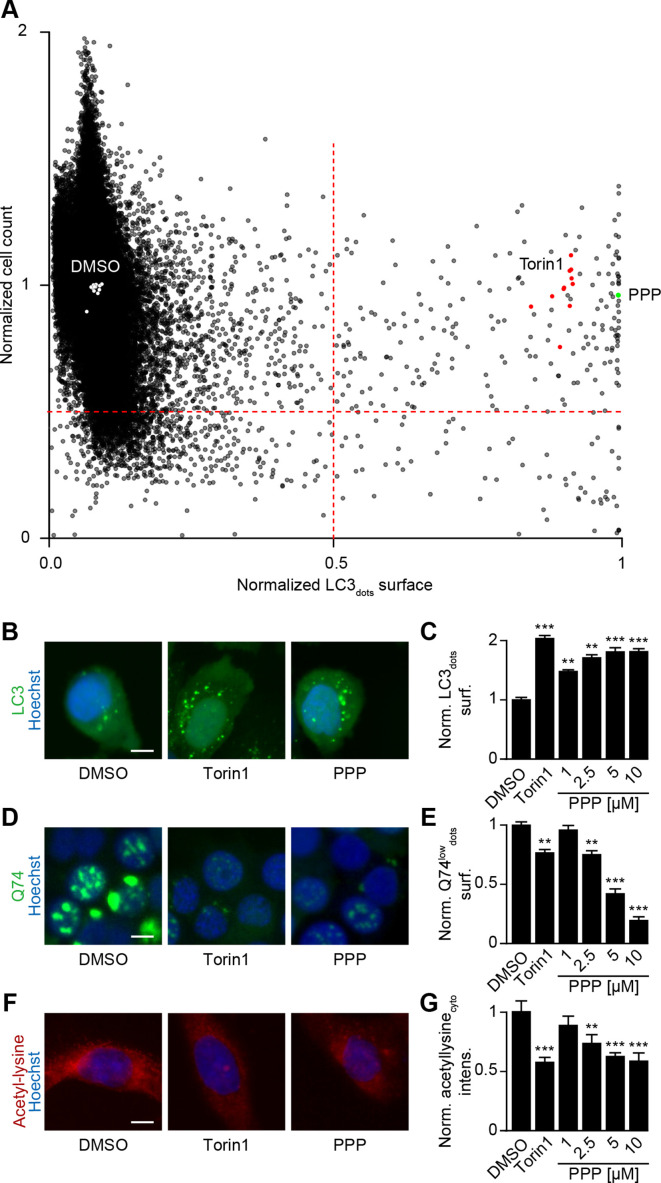
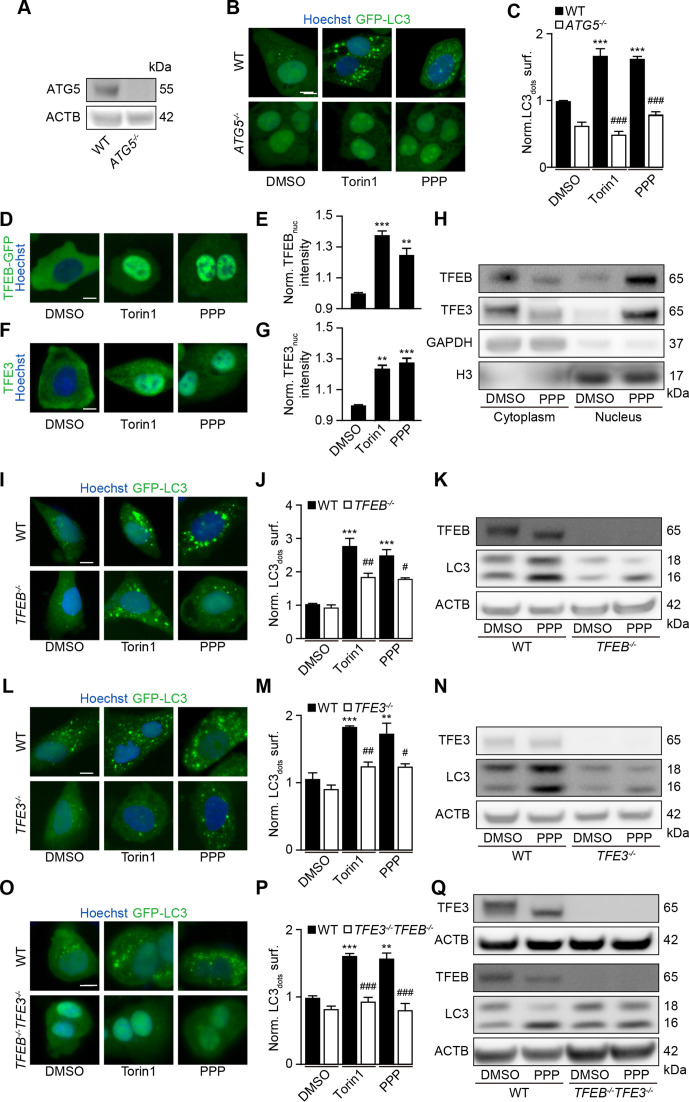
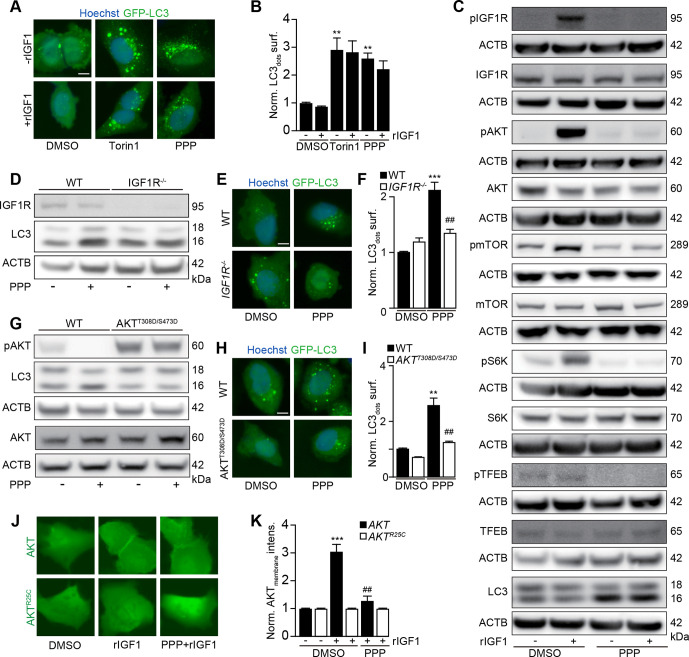
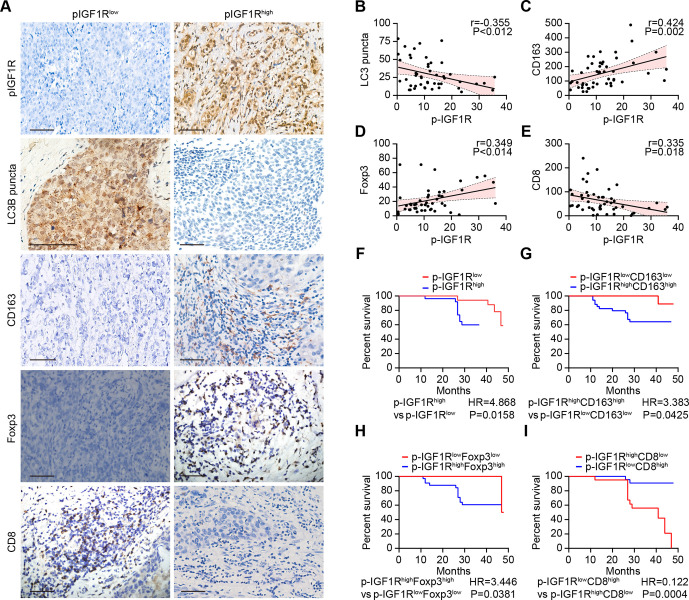
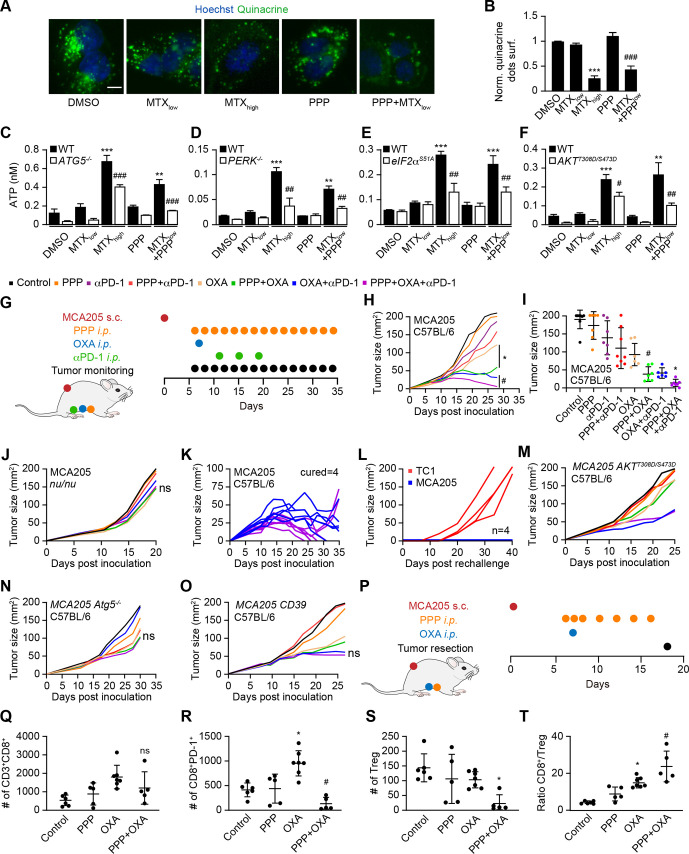
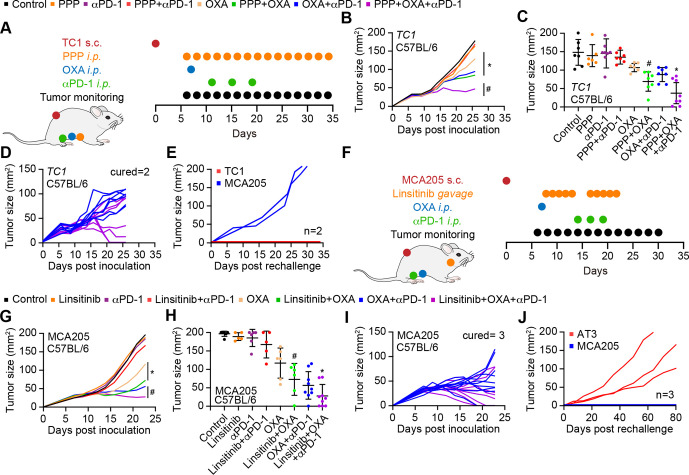
BACKGROUND: Pharmacological autophagy enhancement constitutes a preclinically validated strategy for preventing or treating most major age-associated diseases. Driven by this consideration, we performed a high-content/high-throughput screen on 65 000 distinct compounds on a robotized fluorescence microscopy platform to identify novel autophagy inducers. RESULTS: Here, we report the discovery of picropodophyllin (PPP) as a potent inducer of autophagic flux that acts on-target, as an inhibitor of the tyrosine kinase activity of the insulin-like growth factor-1 receptor (IGF1R). Thus, PPP lost its autophagy-stimulatory activity in cells engineered to lack IGF1R or to express a constitutively active AKT serine/threonine kinase 1 (AKT1) mutant. When administered to cancer-bearing mice, PPP improved the therapeutic efficacy of chemoimmunotherapy with a combination of immunogenic cytotoxicants and programmed cell death 1 (PDCD1, better known as PD-1) blockade. These PPP effects were lost when tumors were rendered PPP-insensitive or autophagy-incompetent. In combination with chemotherapy, PPP enhanced the infiltration of tumors by cytotoxic T lymphocytes, while reducing regulatory T cells. In human triple-negative breast cancer patients, the activating phosphorylation of IGF1R correlated with inhibited autophagy, an unfavorable local immune profile, and poor prognosis. CONCLUSION: Altogether, these results suggest that IGF1R may constitute a novel and druggable therapeutic target for the treatment of cancer in conjunction with chemoimmunotherapies.
Overview
The claims and statistics of this paper haven’t been checked yet.
Free: it reads the open-access text and checks the first 5 claims that cite a source we can check. Create a free account to check every claim.
Integrity signals
Registry
Cites
Statistics
Figures
Verification
Claims the paper makes
The claims and statistics of this paper haven’t been checked yet.
Free: it reads the open-access text and checks the first 5 claims that cite a source we can check. Create a free account to check every claim.
Claims other papers make about this one
Each is checked against this paper’s own text: does it say what the citing paper says it does?
The cited source says what the claim attributes to it.
In the citing paper
“Moreover, pharmacological inhibition of IGF1R improves anticancer immunosurveillance, 217”
From Meta-hallmarks of aging and cancer (2023) · cites this paper as [217]
The cited source says what the claim attributes to it.
In the citing paper
“Moreover, enzymatic inhibition of IGF1R with tyrosine kinase inhibitors improves anticancer immunosurveillance requiring autophagy induction in malignant cells 142 .”
From Hallmarks of aging: An expanding universe (2023) · cites this paper as [142]
Self-check
Percentages, sums and reported differences re-computed from the paper’s own numbers.
The self-check needs the paper’s full text.
Citations
Cites
Autophagy and the Integrated Stress Response
Kroemer, G., Mariño, G., & Levine, B. (2010) · Molecular Cell · doi:10.1016/j.molcel.2010.09.023 · Cited by 3,506
Self-citationExtending Healthy Life Span—From Yeast to Humans
Fontana, L., Partridge, L., & Longo, V. D. (2010) · Science · doi:10.1126/science.1172539 · Cited by 3,023
Guidelines for the use and interpretation of assays for monitoring autophagy (4th edition) 1
Klionsky, D. J., Abdel-Aziz, A. K., Abdelfatah, S., Abdellatif, M., Abdoli, A., Abel, S., Abeliovich, H., Abildgaard, M. H., Abudu, Y. P., Acevedo-Arozena, A., et al. (2021) · Autophagy · doi:10.1080/15548627.2020.1797280 · Cited by 2,897
Self-citationAutophagy modulation as a potential therapeutic target for diverse diseases
Rubinsztein, D. C., Codogno, P., & Levine, B. (2012) · Nature Reviews Drug Discovery · doi:10.1038/nrd3802 · Cited by 1,437 · cited 1×
“5 6 In the context of cancer, autophagy plays an ambiguous role.”
Autophagy-Dependent Anticancer Immune Responses Induced by Chemotherapeutic Agents in Mice
Michaud, M., Martins, I., Sukkurwala, A. Q., Adjemian, S., Ma, Y., Pellegatti, P., Shen, S., Kepp, O., Scoazec, M., Mignot, G., et al. (2011) · Science · doi:10.1126/science.1208347 · Cited by 1,377
Self-citationVarghese, F., Bukhari, A. B., Malhotra, R., & De, A. (2014) · PLoS ONE · doi:10.1371/journal.pone.0096801 · Cited by 1,318
Autophagy promotes immune evasion of pancreatic cancer by degrading MHC-I
Yamamoto, K., Venida, A., Yano, J., Biancur, D. E., Kakiuchi, M., Gupta, S., Sohn, A. S. W., Mukhopadhyay, S., Lin, E. Y., Parker, S. J., et al. (2020) · Nature · doi:10.1038/s41586-020-2229-5 · Cited by 1,240
Autophagy in malignant transformation and cancer progression
Galluzzi, L., Pietrocola, F., Bravo‐San Pedro, J. M., Amaravadi, R. K., Baehrecke, E. H., Cecconi, F., Codogno, P., Debnath, J., Gewirtz, D. A., Karantza, V., et al. (2015) · The EMBO Journal · doi:10.15252/embj.201490784 · Cited by 1,182
Self-citationMetabolic control of autophagy
Galluzzi, L., Pietrocola, F., Levine, B., & Kroemer, G. (2014) · Cell · doi:10.1016/j.cell.2014.11.006 · Cited by 855
Self-citationRecent insights into the function of autophagy in cancer
Amaravadi, R., Kimmelman, A. C., & White, E. (2016) · Genes & Development · doi:10.1101/gad.287524.116 · Cited by 813
Cited by
Hallmarks of aging: An expanding universe
López-Otín, C., Blasco, M. A., Partridge, L., Serrano, M., & Kroemer, G. (2023) · Cell · doi:10.1016/j.cell.2022.11.001 · Cited by 6,549
Self-citationThe hallmarks of cancer immune evasion
Galassi, C., Chan, T. A., Vitale, I., & Galluzzi, L. (2024) · Cancer Cell · doi:10.1016/j.ccell.2024.09.010 · Cited by 565
Targeting immunogenic cell stress and death for cancer therapy
Galluzzi, L., Guilbaud, E., Schmidt, D., Kroemer, G., & Marincola, F. M. (2024) · Nature Reviews Drug Discovery · doi:10.1038/s41573-024-00920-9 · Cited by 538
“In line with this notion, autophagy inhibition downstream of insulin-like growth factor 1 receptor (IGF1R) hyperactivation is a poor prognostic marker coupled with signs of deficient immunosurveillance in breast cancer 130 .”
Self-citationMeta-hallmarks of aging and cancer
López-Otín, C., Pietrocola, F., Roiz-Valle, D., Galluzzi, L., & Kroemer, G. (2023) · Cell Metabolism · doi:10.1016/j.cmet.2022.11.001 · Cited by 529
Self-citationDietary regulation in health and disease
Wu, Q., Gao, Z.-J., Yu, X., & Wang, P. (2022) · Signal Transduction and Targeted Therapy · doi:10.1038/s41392-022-01104-w · Cited by 176
Self-citationLiu, H., Tang, L. Y., Li, Y., Xie, W., Zhang, L., Tang, H., Xiao, T., Yang, H., Gu, W., Wang, H., et al. (2024) · Molecular Cancer · doi:10.1186/s12943-023-01928-2 · Cited by 165
“Cytokines and chemokines, such as TGF-β and LMP1, within the TME have been reported as potential targets to enhance therapeutic efficacy and overcome immunotherapy resistance [241, 242].”
BackgroundSelf-citationThe signaling landscape of insulin-like growth factor 1
Khan, M. Z., Zugaza, J. L., & Torres‐Alemán, I. (2024) · Journal of Biological Chemistry · doi:10.1016/j.jbc.2024.108047 · Cited by 133
Terrisse, S., Goubet, A.-G., Ueda, K., Thomas, A. M., Quiniou, V., Thelemaque, C., Dunsmore, G., Clave, E., Gamat-Huber, M., Yonekura, S., et al. (2022) · Journal for ImmunoTherapy of Cancer · doi:10.1136/jitc-2021-004191 · Cited by 80
Self-citationExtracellular vesicles and immunogenic stress in cancer
Wu, Q., Zhang, H., Sun, S., Wang, L., & Sun, S. (2021) · Cell Death and Disease · doi:10.1038/s41419-021-04171-z · Cited by 76
Self-citationThe inducible role of autophagy in cell death: emerging evidence and future perspectives
Huang, X., Yan, H., Xu, Z., Yang, B., Luo, P., & He, Q. (2025) · Cell Communication and Signaling · doi:10.1186/s12964-025-02135-w · Cited by 75
“IGF1R inhibitors such as picropodophyllin and linsitinib, are other potent autophagy inducers that increase the release of ATP and enhance chemotherapy-induced ICD in U2OS, MCA204, and TC1 cells [187, 188].”
Bodywide ecological interventions on cancer
Kroemer, G., McQuade, J. L., Mérad, M., André, F., & Zitvogel, L. (2023) · Nature Medicine · doi:10.1038/s41591-022-02193-4 · Cited by 57
Self-citationCancer cell death: Cell-autonomous and immunogenic dimensions
Galluzzi, L., Kepp, O., Zitvogel, L., Tang, D., & Kroemer, G. (2025) · Cancer Cell · doi:10.1016/j.ccell.2025.12.005 · Cited by 77
Self-citationAdipose tissue macrophages: implications for obesity-associated cancer
Li, B., Sun, S., Li, J.-J., Yuan, J.-P., Sun, S., & Wu, Q. (2023) · Military Medical Research · doi:10.1186/s40779-022-00437-5 · Cited by 64
Self-citationPotential role of gut microbiota in prostate cancer: immunity, metabolites, pathways of action?
Zha, C., Peng, Z., Huang, K., Tang, K., Wang, Q., Zhu, L. J., Che, B., Li, W., Xu, S., Huang, T., et al. (2023) · Frontiers in Oncology · doi:10.3389/fonc.2023.1196217 · Cited by 51
Reinforcing the immunogenic cell death to enhance cancer immunotherapy efficacy
Yu, S., Xiao, H., Ma, L., Zhang, J., & Zhang, J. (2023) · Biochimica et Biophysica Acta (BBA) - Reviews on Cancer · doi:10.1016/j.bbcan.2023.188946 · Cited by 53
Jiang, J., & Ying, H. (2022) · Journal of Experimental & Clinical Cancer Research · doi:10.1186/s13046-022-02457-4 · Cited by 50
Advances of podophyllotoxin and its derivatives: Patterns and mechanisms
Shi, R.-J., Fan, H., Yu, X., Tang, Y., Jiang, J., & Liang, X. (2022) · Biochemical Pharmacology · doi:10.1016/j.bcp.2022.115039 · Cited by 43
Wang, J., Shao, F., Yu, Q., Ye, L., Wusiman, D., Wu, R., Tuo, Z., Wang, Z., Li, D., Cho, W. C. S., et al. (2025) · Research · doi:10.34133/research.0612 · Cited by 72
“Modulating IIS activity through interventions such as inhibition of IGF1R extends lifespan and improves healthspan in animal models, while also enhancing anticancer immunosurveillance [ 2 , 313 , 314 ].”
KLF5 inhibition potentiates anti-PD1 efficacy by enhancing CD8 + T-cell-dependent antitumor immunity
Wu, Q., Liu, Z., Gao, Z., Luo, Y., Li, F., Yang, C., Wang, T., Meng, X., Chen, H., Li, J., et al. (2023) · Theranostics · doi:10.7150/thno.82182 · Cited by 44
“Absolute counts of leukocytes and tumor cells were normalized considering the following parameters: weight of the harvested tumor and total volume of the dissociated tumor cell suspension (cell concentration typically set to 250 mg/mL in PBS), proportion of the whole cell suspension and proportion of the cell suspensi…”
MethodSelf-citationRegulation of autophagy fires up the cold tumor microenvironment to improve cancer immunotherapy
Jin, Z., Sun, X., Wang, Y., Zhou, C., Yang, H., & Zhou, S. (2022) · Frontiers in Immunology · doi:10.3389/fimmu.2022.1018903 · Cited by 40
“Impair NK-mediated killing Uterine corpus endometrial carcinoma Downregulate co-stimulatory receptors in NK cell Immune inhibition (92)”
BackgroundScience-Driven Nutritional Interventions for the Prevention and Treatment of Cancer
Montégut, L., de Cabo, R., Zitvogel, L., & Kroemer, G. (2022) · Cancer Discovery · doi:10.1158/2159-8290.cd-22-0504 · Cited by 38
Self-citationHashemi, M., Paskeh, M. D. A., Orouei, S., Abbasi, P., Khorrami, R., Dehghanpour, A., Esmaeili, N., Ghahremanzade, A., Zandieh, M. A., Peymani, M., et al. (2023) · Biomedicine & Pharmacotherapy · doi:10.1016/j.biopha.2023.114546 · Cited by 39
Immunogenic cell death (ICD) enhancers—Drugs that enhance the perception of ICD by dendritic cells
Liu, P., Zhao, L., Zitvogel, L., Kepp, O., & Kroemer, G. (2023) · Immunological Reviews · doi:10.1111/imr.13269 · Cited by 45
Self-citationPellegrino, M., Secli, V., D’Amico, S., Petrilli, L. L., Caforio, M., Folgiero, V., Tumino, N., Vacca, P., Vinci, M., Fruci, D., et al. (2024) · Frontiers in Immunology · doi:10.3389/fimmu.2024.1356321 · Cited by 37
Targeting anticancer immunity in oral cancer: Drugs, products, and nanoparticles
Qin, L., & Wu, J. (2023) · Environmental Research · doi:10.1016/j.envres.2023.116751 · Cited by 30
Autophagy induction by IGF1R inhibition with picropodophyllin and linsitinib
Wu, Q., Tian, A.-L., Kroemer, G., & Kepp, O. (2021) · Autophagy · doi:10.1080/15548627.2021.1936934 · Cited by 29
Self-citationNatural Activators of Autophagy
Pavlova, J. A., Guseva, E. A., Донцова, О. А., & Владимирович, С. П. (2024) · Biochemistry (Moscow) · doi:10.1134/s0006297924010012 · Cited by 28
Ren, Y., Song, J., Li, X., & Luo, N. (2022) · International Journal of Molecular Sciences · doi:10.3390/ijms23168878 · Cited by 24
“Therefore, IGF1R inhibitors will provide new options for immunotherapy of TNBC [81].”
BackgroundCrizotinib and ceritinib trigger immunogenic cell death via on-target effects
Petrazzuolo, A., Pérez-Lanzón, M., Liu, P., Maiuri, M. C., & Kroemer, G. (2021) · OncoImmunology · doi:10.1080/2162402x.2021.1973197 · Cited by 21
Self-citationSingle-cell analysis of white adipose tissue reveals the tumor-promoting adipocyte subtypes
Liu, S.-Q., Chen, D.-Y., Li, B., Gao, Z., Feng, H.-F., Yu, X., Liu, Z., Wang, Y., Li, W., Sun, S., et al. (2023) · Journal of Translational Medicine · doi:10.1186/s12967-023-04256-7 · Cited by 25
Self-citationBenzodiazepines compromise the outcome of cancer immunotherapy
Montégut, L., Derosa, L., Messaoudene, M., Chen, H., Lambertucci, F., Routy, B., Zitvogel, L., Martins, I., & Kroemer, G. (2024) · OncoImmunology · doi:10.1080/2162402x.2024.2413719 · Cited by 18
Self-citationVinciguerra, G. L. R., Capece, M., Bonetti, L. R., Nigita, G., Calore, F., Rentsch, S., Magistri, P., Ballarin, R., Benedetto, F. D., Distefano, R., et al. (2024) · Signal Transduction and Targeted Therapy · doi:10.1038/s41392-024-01740-4 · Cited by 21
“45 On the other hand, the fact that PDAC cells reduced the autophagic fl ux when exposed to nutrient shortage may appear controversial, considering that autophagy represents an alternative source of nutrients for starved PDAC cells, fueling tumor growth.”
Boosting the immunotherapy response by nutritional interventions
Zitvogel, L., & Kroemer, G. (2022) · Journal of Clinical Investigation · doi:10.1172/jci161483 · Cited by 20
Self-citationPang, J.-L., Xu, L.-S., Zhao, Q., Niu, W.-W., Rong, X.-Y., Li, S., & Li, X. (2022) · Frontiers in Pharmacology · doi:10.3389/fphar.2022.1000377 · Cited by 18
“Autophagy occurs when intracellular components, including organelles, are engulfed by autophagosomes and subsequently fuse with lysosomes to digest the functional luminal material (Wu et al., 2021).”
BackgroundAn, Y., Zhao, F., Jia, H., Meng, S., Zhang, Z., Li, S., & Zhao, J. (2025) · Discover Oncology · doi:10.1007/s12672-025-01789-9 · Cited by 17
Oleanolic Acid Slows Down Aging Through IGF-1 Affecting the PI3K/AKT/mTOR Signaling Pathway
Xu, Y., Wei, J., Wang, W., Mao, Z., Wang, D., Zhang, T., & Zhang, P. (2025) · Molecules · doi:10.3390/molecules30030740 · Cited by 16
Zhang, W., Liu, S., Hou, Y., Xu, S., An, J., Lee, K., Miao, Q., Wang, N., Wang, Y., & Ma, M. (2025) · Journal of Controlled Release · doi:10.1016/j.jconrel.2025.01.065 · Cited by 14
Li, W., Huang, C., Ma, Q. L., Tang, Y., Zhang, X., Zhang, L., Zhao, H., Miyagishi, M., Kasim, V., & Wu, S. (2024) · Oncogene · doi:10.1038/s41388-024-03058-5 · Cited by 17
“Inhibiting IGF1R inhibition ampli fi es the effects of anti-tumor drugs by autophagy and immune-dependent mechanisms [41].”
Silencing of PFKFB3 protects podocytes against high glucose‑induced injury by inducing autophagy
Zhu, Z., Liu, Q., Sun, J., Bao, Z., & Wang, W. (2021) · Molecular Medicine Reports · doi:10.3892/mmr.2021.12405 · Cited by 13
Kumar, S., & Chaudhri, S. (2024) · Pathology - Research and Practice · doi:10.1016/j.prp.2024.155620 · Cited by 20
Liu, L., Liang, C., Zhuo, C., Huiyun, J., Ye, H., Ruan, T., Jiao, S., Jiang, S., Zhang, Y., & Li, X. (2022) · Medical Oncology · doi:10.1007/s12032-021-01592-w · Cited by 11
Looi, C.-K., Gan, L.-L., Sim, W., Hii, L., Chung, F. F., Leong, C., Lim, W., & Mai, C. (2022) · Cancers · doi:10.3390/cancers14153709 · Cited by 12
“The perturbational class identified in our study, namely PI3K inhibitors [49], mTOR inhibitors [50], IGF-1 inhibitors [51], JAK inhibitors [52], DNA dependent protein kinase inhibitors [53], HDAC inhibitors [54], and FLT3 inhibitors [55], were also reported to mediate immune modulation in various cancers.”
BackgroundIGF-1R inhibitors in cancer: A review of available evidence and future outlook
Güven, D. C., Ahmed, J., Stephen, B., & Naing, A. (2025) · Critical Reviews in Oncology/Hematology · doi:10.1016/j.critrevonc.2025.104809 · Cited by 13
Macrolide antibiotics activate the integrated stress response and promote tumor proliferation
Yu, X., Tian, A.-L., Wang, P., Li, J., Wu, J., Li, B., Liu, Z., Liu, S., Gao, Z., Sun, S., et al. (2023) · Cell Stress · doi:10.15698/cst2023.04.278 · Cited by 15
Self-citationSípos, F., Barta, B. B., Simon, Á., Nagy, L., Dankó, T., Raffay, R. E., Petővári, G., Zsiros, V., Wichmann, B., Sebestyén, A. R., et al. (2022) · Pathology & Oncology Research · doi:10.3389/pore.2022.1610322 · Cited by 9
Prognosis and therapeutic significance of IGF-1R-related signaling pathway gene signature in glioma
Liu, Z., Yang, L., Wu, W., Chen, Z., Xie, Z., Shi, D., Cai, N., & Zhuo, S. (2024) · Frontiers in Cell and Developmental Biology · doi:10.3389/fcell.2024.1375030 · Cited by 13
Tian, Q., Zhang, Q., Wang, B., Qian, Y., & Liu, F. (2025) · Discover Oncology · doi:10.1007/s12672-025-02890-9 · Cited by 8
“Picropodophyllin (PPP) is a specific inhibitor of the IGF1R [15, 16].”
The Ambiguous Role of HMGB1 Across the Hallmarks of Aging: A Narrative Review
Ning, M., Liang, Y., Zhang, L., Wang, F., & He, L. (2025) · Clinical Interventions in Aging · doi:10.2147/cia.s550572 · Cited by 8
Autophagy modulation in cancer
Guilbaud, E., Ryan, K. M., Green, D. R., & Galluzzi, L. (2026) · Nature Reviews Drug Discovery · doi:10.1038/s41573-026-01449-9 · Cited by 15
“Similar findings have also been documented in the same experimental setting by combining ICD induction by oxaliplatin with a pharmacological IGF1R inhibitor and a PD-1 blocker 267 .”
Jiang, A., Wu, X., Wang, D., Wang, A., Dong, K., Liu, B., Qu, L., Luo, P., Wang, J., Tong, Q., et al. (2022) · Frontiers in Immunology · doi:10.3389/fimmu.2022.935595 · Cited by 9
“found that IGF1 receptor inhibitor amplified the effects of cancer drugs by autophagy and immune-dependent mechanisms (32).”
BackgroundAutophagy-inducing nutritional interventions in experimental and clinical oncology
Hofer, S. J., Kroemer, G., & Kepp, O. (2022) · International review of cytology · doi:10.1016/bs.ircmb.2022.08.003 · Cited by 10
Self-citationIdentification of autophagy-associated circRNAs in sepsis-induced cardiomyopathy of mice
Zheng, M., Lou, J., Fan, Y., Fu, C., Mao, X., Li, X., Zhong, K. L., Lu, L., Wang, L., Chen, Y., et al. (2023) · Scientific Reports · doi:10.1038/s41598-023-38998-7 · Cited by 10
Song, X., & Li, J. (2022) · Evidence-based Complementary and Alternative Medicine · doi:10.1155/2022/9942373 · Cited by 9
“IGF1R signaling negatively impacts immune surveillance in breast cancer patients, as evidenced by IGF1R phosphorylation resulting in slight CD8+ CTL infiltration, significant infiltration of FOXP3+ regulatory Tcells, immunosuppressive CD163+macrophages, and poor prognosis [67].”
BackgroundFasting and fasting-mimicking conditions in the cancer immunotherapy era
Pío, R., Senent, Y., Tavira, B., & Ajona, D. (2024) · Journal of Physiology and Biochemistry · doi:10.1007/s13105-024-01020-3 · Cited by 13
Extracellular Interactors of the IGF System: Impact on Cancer Hallmarks and Therapeutic Approaches
Mancarella, C., Morrione, A., & Scotlandi, K. (2024) · International Journal of Molecular Sciences · doi:10.3390/ijms25115915 · Cited by 8
“Other evidence indicated that the IGF1R inhibitor PPP affected autophagy and improved the therapeutic efficacy of PD-1 blockade in cancer-bearing mice, underscoring the capacity of the IGF1R antagonist to enhance chemoimmunotherapy efficacy in preclinical models [87].”
BackgroundMeeting Report: Aging Research and Drug Discovery
Meron, E., Thaysen, M., Angeli, S., Antebi, A., Barzilai, N., Baur, J. A., Bekker‐Jensen, S., Birkisdóttir, M. B., Bischof, E. Y., Bruening, J., et al. (2022) · Aging · doi:10.18632/aging.203859 · Cited by 9
“Additionally, caloric restriction mimetics can be used in the treatment of diseases such as cancer; here the Kroemer group showed that the IGF1R inhibitor picropodophyllin enhance the efficacy of chemoimmunotherapy by stimulating immunosurveillance in mice [24, 25].”
BackgroundSelf-citationHuang, X., Qiu, W., Kong, Y., Ou, Q., Mao, Q., Fang, Y., Fan, Z., Wu, J., Lu, X., Gu, W., et al. (2025) · MedComm · doi:10.1002/mco2.70324 · Cited by 7
Liu, M., Yan, W., Chen, D., Luo, J., Dai, L., Chen, H., & Chen, K. (2022) · Biology · doi:10.3390/biology11111575 · Cited by 6
“[37] found that IGF-I R inhibitor combined with oxaliplatin and PD-1 inhibitor significantly inhibited “cold tumor” growth while increasing CTL infiltration and decreasing Treg infiltration within a tumor.”
BackgroundJu, G., Zeng, K., Lu, L., Diao, H., Wang, H., Li, X., & Zhou, T. (2023) · PubMed Central · Cited by 4
Faruqui, T., Akhtar, A., Showket, F., Dar, M. J., & Akhter, Y. (2025) · Journal of Cellular Biochemistry · doi:10.1002/jcb.70008 · Cited by 3
“PPP can induce autophagy and enhance the effects of chemoimmunotherapy in cancer models [6].”
Niu, Y., Miao, Y., Wan, W., Wang, Q., Ma, Y., Pan, M., Ma, B., & Wei, Q. (2025) · Stress Biology · doi:10.1007/s44154-024-00197-3 · Cited by 5
“It is reported that inhibition of IGF1R promotes excessive autophagy (Wu et al. 2021; Zhou et al. 2016), which can lead to autophagic cell death (ACD) or Type-II programmed cell death (Denton & Kumar 2019).”
Immunogenic cell death as a cornerstone for combination therapies with immune checkpoint blockade
Niu, Y., Zhu, S., Fu, K., Lai, Y. Y., Pan, C., Yang, Y., Li, S., Wang, X., To, K. F., Wang, F., et al. (2026) · Molecular Cancer · doi:10.1186/s12943-026-02663-0 · Cited by 7
“For instance, in breast cancer, hyperactivation of insulin-like growth factor 1 receptor signaling, which suppresses autophagy, is linked to poor clinical outcomes and weakened antitumor immune responses [199].”
The Dual Role of Autophagy in Cancer: Mechanisms and Therapeutic Strategies
Gao, X.-Z., Qin, Y., Wan, H., Lu, G. X., & Shen, H. (2026) · MedComm – Oncology · doi:10.1002/mog2.70064 · Cited by 3
An inherent T cell-activating mRNA delivery carrier for in vivo CAR T generation
Cao, Q., Yao, Y., Zheng, W., Liu, H., Jiang, M., Xie, D., Zhang, S., Su, P., Yuan, H., Chen, X. S., et al. (2026) · Nature Materials · doi:10.1038/s41563-026-02675-7 · Cited by 7
Self-citationWang, R., Liu, G., Wang, K., Pan, Z., Pei, Z., & Hu, X. (2025) · Frontiers in Cell and Developmental Biology · doi:10.3389/fcell.2025.1515681 · Cited by 4
Fasting and cancer responses to therapy
Pedro, J. M. B., & Pietrocola, F. (2022) · International review of cytology · doi:10.1016/bs.ircmb.2022.08.002 · Cited by 6
Wang, Y., Dong, X., Tao, S., Chen, Q., Chen, Y., Zhang, L., Shi, Y., He, Z., Yu, L., & Wang, C. (2025) · Frontiers in Oncology · doi:10.3389/fonc.2025.1540426 · Cited by 3
IGF1R inhibition and PD-1 blockade improve anti-tumor immune response in epithelial ovarian cancer
Somri-Gannam, L., Meisel-Sharon, S., Hantisteanu, S., Bar-Noy, T., Sigal, E., Groisman, G. M., Hallak, M., Werner, H., & Bruchim, I. (2024) · Frontiers in Oncology · doi:10.3389/fonc.2024.1410447 · Cited by 4
Zhang, R., Yang, Y., Li, X., Jiao, C., Lou, M., Mi, W., Mao‐Ying, Q., Chu, Y., & Wang, Y.-Q. (2024) · Cancer Letters · doi:10.1016/j.canlet.2024.217399 · Cited by 3
Liao, F., Chen, Y., Wu, Q., Wen, J., Chen, X., Wang, W., Xu, D., & Liu, M. (2021) · Biochemical and Biophysical Research Communications · doi:10.1016/j.bbrc.2021.09.029 · Cited by 2
Self-citationNatural activators of autophagy
Pavlova, J. A., Guseva, E. A., Донцова, О. А., & Владимирович, С. П. (2024) · Biochemistry (Moscow) · doi:10.31857/10.31857/s0320972524010018 · Cited by 4
Lu, T., Zou, S.-Y., Dong, C., Jiang, S.-Y., Luo, J., Liu, X.-Y., Yang, Q.-X., Fu-xing, L., Han, N., Lu, C.-N., et al. (2026) · Biochimica et Biophysica Acta (BBA) - Reviews on Cancer · doi:10.1016/j.bbcan.2026.189657 · Cited by 1
A Fluorescence-Microscopic System for Monitoring the Turnover of the Autophagic Substrate p62/SQSTM1
Jin, H., Wu, Q., Kroemer, G., & Kepp, O. (2022) · Methods in molecular biology · doi:10.1007/978-1-0716-2553-8_7 · Cited by 1
Self-citationJwaziri, A. K., Esghaei, M., Niya, M. H. K., Mehrjoo, M., Sayah, H. A., & Keyvani, H. (2023) · Immunopathologia Persa · doi:10.34172/ipp.2023.40575 · Cited by 1
“This tight association between autophagy flux and the immune system highlights clinical applications for immunotherapy or other immune systemrelated therapeutic approaches (9,10).”
BackgroundThe advent of precision nutrigeroscience in cancer: from clinic towards molecular biology
Gao, Z., Liu, Y., Cui, Y., Han, Y., Cao, K., & Wu, Q. (2025) · Journal of Advanced Research · doi:10.1016/j.jare.2025.08.034 · Cited by 2
Self-citationCellular senescence as a quality parameter in chronological aging
Rodea, S., & Eduvigis Solórzano, N. (2023) · Acta Bioclínica · doi:10.53766/acbio/2023.13.26.13
IGF1R is protective in pneumococcal pneumoniaPreprint
Felten, M., Alves, L. G. T., Letsiou, E., Alfaro‐Arnedo, E., Piñeiro‐Hermida, S., López, I. P., Dietert, K., Firsching, T., Gruber, A. D., Fatykhova, D., et al. (2024) · bioRxiv (Cold Spring Harbor Laboratory) · doi:10.1101/2024.09.11.612370
Assessing spheroid viability in high throughput
Forveille, S., Doffe, F., Leduc, M., Kroemer, G., & Kepp, O. (2025) · Methods in cell biology · doi:10.1016/bs.mcb.2025.09.004
Self-citationTian, A.-L. (2022) · theses.fr (ABES) · doi:10.70675/bf82f2b6zc957z4d06z9332zd8b7d5ba24a4
Self-citationYang, L., Feng, J., He, W., & Huang, Y. (2026) · Phytomedicine · doi:10.1016/j.phymed.2026.158571
Understanding extracellular vesicles in antiaging
Ahmad, P., Estrin, N. E., Sculean, A., & Miron, R. J. (2026) · Periodontology 2000 · doi:10.1111/prd.70070
Bhatt, P., Chaudhari, H., Prajapati, P., Dhote, H. S. A., & Rani, S. (2026) · Elsevier eBooks · doi:10.1016/b978-0-443-33206-7.00001-7
Liu, R., Chen, X., Li, H.-M., Zhao, W., Zhong, J., & Ya-jie Tang, A. (2026) · Biochemical Pharmacology · doi:10.1016/j.bcp.2026.118524
Metadata
- Authors
- Wu, Q., Tian, A.-L., Li, B., Leduc, M., Forveille, S., Hamley, P., Galloway, W., Xie, W., Liu, P., Zhao, L., Zhang, S., Hui, P., Madeo, F., Tu, Y., Kepp, O., & Kroemer, G.
- Affiliations
- Inserm (FR)
- Renmin Hospital of Wuhan University (CN)
- Samsara Therapeutics Ltd, Oxford, UK
- Centre de Recherche des Cordeliers, Equipe labellisée par la Ligue contre le cancer, Université de Paris, Sorbonne Université, Inserm U1138, Institut Universitaire de France, Paris, France
- University of Graz (AT)
- Karolinska University Hospital (SE)
- Corresponding author
- Tu, Yi
- Kepp, Oliver
- Kroemer, Guido
- ORCID
- Venue
- Journal for ImmunoTherapy of Cancer
- Publisher
- BMJ
- Published
- 2021-06
- Volume
- 9
- Issue
- 6
- Pages
- e002722
- ISSN
- 2051-1426 (ISSN-L)
- PMC
- PMC8204183
- OpenAlex
- W3166418545
- Cited by
- 83
- References
- 64
- Citations by year
- 2026: 9 · 2025: 16 · 2024: 17 · 2023: 16 · 2022: 20 · 2021: 5
- FWCI
- 10.45
- Type
- journal article
- Language
- en
- Open access
- gold
- doi.org
- Licence
- Locations
- Journal for ImmunoTherapy of Cancer (publishedVersion, cc-by-nc)
- PubMed Central (publishedVersion, cc-by-nc)
- PubMed (publishedVersion)
- HAL (submittedVersion, other-oa)
- DOAJ (DOAJ: Directory of Open Access Journals) (submittedVersion, cc-by-sa)
- Funders
- Association pour la recherche sur le cancer
- BioTechMed
- University of Graz (Fast4Health)
- Université Paris-Saclay, Plateforme Imagerie
- Île de France (DIM Elicit)
- Ligue Contre le Cancer
- Natural Science Foundation of Hubei Province (2020CFA026)
- Agence National de la Recherche (Projets blancs)
- European Union
- Fondation pour la Recherche Médicale
- High-end Foreign Expert Program in China (GDW20171100085)
- Fondation Carrefour
- IdEx Université de Paris ANR (18-IDEX-0001)
- Labex (ANR-18-IDEX-0001)
- Austrian Federal Ministry of Education, Science and Research (BMWFW-80.109/0001-WF/V/3b/2015))
- Austrian Science Fund (W1226, P27893, P29203,P29262,P31727, SFB LIPOTOX F3007 & F3012)
- Chinese Scholarship Council
- AMMICa (US23/CNRS UMS3655)
- Association Ruban Rose
- Canceropôle Île de France
- Elior
- Equipex Onco-Pheno-Screen
- European Joint Program on Rare Disease
- Gustave Roussy (Odyssea)
- European Union Horizon 2020 Projects (Oncobiome and Crimson)
- Institut National Du Cancer
- INSERM
- Institut Universitaire de France
- RHU Torino Lumière
- Seerave Foundation
- SIRIC Stratified Oncology Cell DNA Repair and Tumor Immune Elimination
- SIRIC Cancer Research and Personalized Medicine
- NAWI Granz (BioHealth)
- BioTechMed-Graz (EPIAge)
- Topics
- Life Sciences › Biochemistry, Genetics and Molecular Biology › Cell Biology › Autophagy in Disease and Therapy
- Health Sciences › Medicine › Oncology › Cancer Immunotherapy and Biomarkers
- Health Sciences › Medicine › Endocrinology, Diabetes and Metabolism › Growth Hormone and Insulin-like Growth Factors
- Keywords
- IGF-1 receptor, picropodophyllin, autophagy, AKT1, chemoimmunotherapy, anti-PD-1 therapy, regulatory T cells, triple-negative breast cancer, combination cancer therapy, autophagy enhancers
- MeSH terms
- Animals, Antineoplastic Agents, Autophagy, Female, Humans, Receptor, IGF Type 1, Mice
About these checks
Registry, retraction, Cites and statistics results are computed, not judged, with one exception: a printed reference that no index lists is read once by a model before it counts as a citation error. Claims are extracted by a model and kept only when their quote appears verbatim in the text; each cited source is then checked, with a model’s help, for whether it says what the claim relies on. Those verdicts can be wrong — read the claim’s quote and the cited source before relying on one.
Statistics and arithmetic are recomputed, not judged.
Confidence bands are shown only for fields calibrated on our annotated test set. None is calibrated yet, so no band is shown.
What counts as a claim ›How we measure confidence ›How we check this ›
Are you an author, or do you see a problem with this page? Request a review
Data sources
Bibliographic data: Semantic Scholar, OpenAlex, Crossref.
Contains information from the Semantic Scholar Academic Graph Datasets, made available under the ODC Attribution License (ODC-BY 1.0).
Semantic Scholar’s data is described in: Kinney, R., et al. (2023). The Semantic Scholar Open Data Platform. arXiv:2301.10140.
