

Iron and the Pathophysiology of Diabetes
Open accessThe DOI matches its Crossref record; 157 of the 157 references it cites were found in a registry or an index.
Abstract
High iron is a risk factor for type 2 diabetes mellitus (T2DM) and affects most of its cardinal features: decreased insulin secretion, insulin resistance, and increased hepatic gluconeogenesis. This is true across the normal range of tissue iron levels and in pathologic iron overload. Because of iron's central role in metabolic processes (e.g., fuel oxidation) and metabolic regulation (e.g., hypoxia sensing), iron levels participate in determining metabolic rates, gluconeogenesis, fuel choice, insulin action, and adipocyte phenotype. The risk of diabetes related to iron is evident in most or all tissues that determine diabetes phenotypes, with the adipocyte, beta cell, and liver playing central roles. Molecular mechanisms for these effects are diverse, although there may be integrative pathways at play. Elucidating these pathways has implications not only for diabetes prevention and treatment, but also for the pathogenesis of other diseases that are, like T2DM, associated with aging, nutrition, and iron.
Overview
The claims and statistics of this paper haven’t been checked yet.
Free: it reads the open-access text and checks the first 5 claims that cite a source we can check. Create a free account to check every claim.
Integrity signals
Registry
Cites
Statistics
Figures
Verification
Claims the paper makes
The claims and statistics of this paper haven’t been checked yet.
Free: it reads the open-access text and checks the first 5 claims that cite a source we can check. Create a free account to check every claim.
Claims other papers make about this one
Each is checked against this paper’s own text: does it say what the citing paper says it does?
The cited source says what the claim attributes to it.
In the citing paper
“Moreover, high iron is a risk factor for T2DM (16), and biomarkers are used to assess iron homeostasis.”
From Biological variation in serum thyroid, iron metabolism, and plasma bone metabolism biomarkers in patients with type 2 diabetes mellitus (2025) · cites this paper as [16]
Self-check
Percentages, sums and reported differences re-computed from the paper’s own numbers.
The self-check needs the paper’s full text.
Citations
Cites
Ferroptosis: An Iron-Dependent Form of Nonapoptotic Cell Death
Dixon, S. J., Lemberg, K. M., Lamprecht, M. R., Skouta, R., Zaitsev, E. M., Gleason, C. E., Patel, D. N., Bauer, A. J., Cantley, A. M., Yang, W. S., et al. (2012) · Cell · doi:10.1016/j.cell.2012.03.042 · Cited by 18,691 · cited 1×
“In addition to its antioxidant role, GSH is also central to iron trafficking and many irondependent pathways such as iron-sulfur cluster synthesis (51) and triggering ferroptosis (52), an iron-dependent noncaspase-mediated cell death pathway that involves GSH-dependent GPx and lipid oxidation.”
BackgroundPositional cloning of the mouse obese gene and its human homologue
Zhang, Y., Proenca, R., Maffei, M., Barone, M., Leopold, L., & Friedman, J. M. (1994) · Nature · doi:10.1038/372425a0 · Cited by 13,419
Ferroptosis: A Regulated Cell Death Nexus Linking Metabolism, Redox Biology, and Disease
Stockwell, B. R., Friedmann Angeli, J. P., Bayir, H., Bush, A. I., Conrad, M., Dixon, S. J., Fulda, S., Gascón, S., Hatzios, S. K., Kagan, V. E., et al. (2017) · Cell · doi:10.1016/j.cell.2017.09.021 · Cited by 7,695
(1992) · Applied Ergonomics · doi:10.1016/0003-6870(92)90318-p · Cited by 5,737
Wiederschain, G. Y. (2009) · Biochemistry (Moscow) · doi:10.1134/s0006297909090156 · Cited by 4,083
Hypoxia-inducible factors in physiology and medicine
Semenza, G. L. (2012) · Cell · doi:10.1016/j.cell.2012.01.021 · Cited by 3,645
Hypoxia-inducible factors and the response to hypoxic stress
Majmundar, A. J., Wong, W. J., & Simon, M. C. (2010) · Molecular Cell · doi:10.1016/j.molcel.2010.09.022 · Cited by 2,380
Diet–microbiota interactions as moderators of human metabolism
Sonnenburg, J. L., & Bäckhed, F. (2016) · Nature · doi:10.1038/nature18846 · Cited by 2,257
AdipoQ Is a Novel Adipose-specific Gene Dysregulated in Obesity
Hu, E., Liang, P., & Spiegelman, B. M. (1996) · Journal of Biological Chemistry · doi:10.1074/jbc.271.18.10697 · Cited by 2,238 · cited 1×
“For example, adipocyte tissue functions as an endocrine organ producing key hormones such as leptin (70) and adiponectin (71), whose key roles in metabolic regulation have been recendy reviewed (72, 73).”
BackgroundInflammation in obesity, diabetes, and related disorders
Rohm, T. V., Meier, D. T., Olefsky, J. M., & Donath, M. Y. (2022) · Immunity · doi:10.1016/j.immuni.2021.12.013 · Cited by 2,066
Research works printed but not linked: 2
- 10.1089/ars.2017.7132 · DOI · Paper page
- Zachara N, Akimoto Y, Hart GW. 2015. The O-GlcNAc modification. In Essentials of Glycobiology, ed. Varld A, Cummings RD, Esko JD, Stanley P, Hart GW,, pp. 239– 51. Cold Spring Harbor, NY: Cold Spring Harbor Lab. Press
Cited by
Items 101–161 of 161
Rah, B., Rafiq, R., Sharafain, J., Muhammad, J. S., Taneera, J., & Hamad, M. A. (2025) · Reviews in Endocrine and Metabolic Disorders · doi:10.1007/s11154-025-09997-y · Cited by 6
Lin, Y., Chen, Y., Liu, J., Li, M., Tang, Y., Zhao, J., & Zhang, Y. (2025) · Frontiers in Nutrition · doi:10.3389/fnut.2025.1617256 · Cited by 3
“Iron, as an indispensable trace element, plays a pivotal role in modulating metabolic rate, gluconeogenesis, insulin sensitivity, and adipocyte phenotype (9).”
Xun, H., Ma, L., Feng, B., Ma, Y., Zhao, Y. X., Wang, F., Li, L., Zhao, Y., & Fan, L. (2025) · Biological Trace Element Research · doi:10.1007/s12011-025-04867-9 · Cited by 1
Increased levels of systemic iron content in adult-onset interleukin-6 knockout mice
Zhang, F., Zhang, C., Luo, Q., Li, J., Qiu, X., & Qian, Z. (2025) · Redox Report · doi:10.1080/13510002.2025.2602306 · Cited by 3
“Iron overload induces altered fat metabolism and leptin decrease, even regulates the hepatic glucose production and insulin sensitivity [37].”
Exploring the effect of gut flora on atrial fibrillation based on epidemiological history
Wang, C., Shen, M., Zhao, Y., Xu, Z., Huang, Y., & Xiang, H. (2025) · Frontiers in Cardiovascular Medicine · doi:10.3389/fcvm.2025.1655007 · Cited by 1
“In addition gut flora-associated iron overload increases susceptibility to type 2 diabetes by reducing insulin secretion, promoting insulin resistance and facilitating hepatic gluconeogenesis (69).”
Bădulescu, O. V., Tudor, R. C., Filip, N., Bordeianu, G., Ciocoiu, M., Bararu‐Bojan, I., Vladeanu, M. C., Frăsinariu, O. E., Barbosu, L.-I., & Tesoi, D. F. (2025) · Physiology · doi:10.5772/intechopen.1012950 · Cited by 2
Kaldarkhan, D., Nuskabayeva, G. O., Nurdinov, N. S., Saruarov, Y. G., Tatykayeva, U. B., Oshibayeva, A., & Sadykova, K. (2026) · Medicina · doi:10.3390/medicina62030589 · Cited by 1
“Mechanis-tically, iron overload impairs insulin secretion through direct injury to pancreatic β -cells and promotes insulin resistance, with effects observed across the spectrum from hereditary hemochromatosis to dysmetabolic iron overload in metabolic syndrome [13,14].”
Zhang, J., Shu, Q.-P., Tang, Y., Liu, H., Zhang, C., Chen, X., & Li, S. (2026) · Antioxidants · doi:10.3390/antiox15081025 · Cited by 1
“T2DM accounts for 90–95% of all diabetes cases and represents the primary driver of the growing global diabetes burden [2].”
Obesity and Iron Metabolism: Mechanisms, Status Assessment, and Clinical Implications
Aguree, S., & Meng, X. (2026) · Current Obesity Reports · doi:10.1007/s13679-026-00753-0 · Cited by 2
Ali, H. A., Abbasi, M. H., Akhtar, T., Arif, A., Anjum, M., Fatima, S., Mehmood, R., Farooq, A., Sheikh, N., & Khawar, M. B. (2024) · Biochemical Genetics · doi:10.1007/s10528-024-10871-w · Cited by 2
“The kidney plays a pivotal role in releasing proteins essential for maintaining iron balance within renal cells and regulating systemic iron levels (Li et al. 2021; Harrison et al. 2023).”
Chen, X., Fu, Y., Si, H., Li, W., Yang, W., & Xiao, W. L. (2025) · BMC Endocrine Disorders · doi:10.1186/s12902-025-01926-z · Cited by 1
“Several novel pathogeneses have raised that the abnormal homeostasis of trace elements including iron may associate with the progression of DR [6].”
Mahapatra, C., Adam, S., & Gaidhane, P. (2024) · IEEE India Conference · doi:10.1109/indicon63790.2024.10958412 · Cited by 1
“These findings highlight the need for effective glucose management to prevent SCD. Elevated blood glucose levels are common in both type 1 and type 2 diabetes, typically due to inadequate insulin production [13, 14], and type 2 diabetes is particularly linked to a higher risk of SCA [15].”
Luo, C., Peng, F., Ning, X., Tang, C., Liang, L., Yang, M., Zhang, Y., Guan, K., Liang, Z., & Peng, P. (2025) · Abdominal Radiology · doi:10.1007/s00261-025-04995-9 · Cited by 1
ZIP13 regulates lipid metabolism by changing intracellular iron and zinc balancePreprint
Fukunaka, A., Tanaka, G., Kimura, T., Hengphasatporn, K., Saito, D., Shigeta, M., Shibata, H., Ichinose, T., Abe, I., Shimura, M., et al. (2024) · bioRxiv (Cold Spring Harbor Laboratory) · doi:10.1101/2024.07.03.601606 · Cited by 1
Wang, X., Zhang, M., Liu, Z., Li, C., Li, Y., Huang, H., He, H., & Yu, X. (2025) · Frontiers in Endocrinology · doi:10.3389/fendo.2025.1506664
“Moreover, high iron is a risk factor for T2DM (16), and biomarkers are used to assess iron homeostasis.”
Lorenzo, F., Das, S. K., Harrison, A., SINK, S. T., & McClain, D. A. (2023) · Preprints.org · doi:10.20944/preprints202308.2142.v1
Self-citationUrsachen, Klinik und Folgen der Insulinresistenz bei Typ-2-Diabetes
Xourafa, G., & Roden, M. (2024) · Die Diabetologie · doi:10.1007/s11428-024-01155-3 · Cited by 1
“…(DIOS [„dysmetabolic iron overload syndrome“]) nach Erythrozyten-transfusionen, der durch Akkumulation von Eisen in Adipozyten, Makrophagen und hepatischen Kupffer-Zellen sowie Hyperferritinämie bei normalen zirkulie-renden Eisenspiegeln gekennzeichnet ist und zur MASLD beitragen soll [15].”
song, J., Wu, Y., Ma, Y., He, J., Zhu, S., Tang, Y., Tang, J., Hu, M., Hu, L., Zhang, L., et al. (2024) · SSRN Electronic Journal · doi:10.2139/ssrn.4805459
Weimer, P., Mews, C., Lühmann, D., & Kloppe, T. (2024) · Zeitschrift für Allgemeinmedizin · doi:10.1007/s44266-024-00279-5
“GleichzeitighabenStudienge-zeigt,dasseinEisenüberschussmitderEnt-wicklungeinesDM2assoziiertseinkönnte, bzw. dass sich die Blutzuckerstabilität bei Patient:innen mit DM2 durch eine redu-zierte Eisenzufuhr erhöht [8, 24].”
Mwakalesi, A. J., & Nehemia, A. (2024) · Royal Society of Chemistry eBooks · doi:10.1039/9781837673711-00203
Study of Serum Levels of Copper, Iron and Zinc in Type II Diabetes Mellitus Patients
Dutt, R. K. (2024) · African Journal of Biomedical Research · doi:10.53555/ajbr.v27i4s.4751
Conway, B. N., Pratte, K., Bowler, R. P., Young, K. A., Kinney, G. L., Austin, E. E., Li, Y., McClain, D. A., Hokanson, J. E., & Crapo, J. D. (2024) · Diabetes Metabolic Syndrome and Obesity · doi:10.2147/dmso.s492124 · Cited by 1
Self-citationTYPE 1 DIABETES IN TRANSFUSION-DEPENDENT BETA-THALASSEMIA MAJOR A CASE SERIES
Nanda, B. C., Majhi, C., & Hati, T. (2024) · Student s Journal of Health Research Africa · doi:10.51168/sjhrafrica.v5i12.1483
Meloni, A., Restaino, G., Positano, V., Pistoia, L., Keilberg, P., Santodirocco, M., Spasiano, A., Casini, T., Serra, M., Marco, E. D., et al. (2025) · Diagnostics · doi:10.3390/diagnostics15050568 · Cited by 1
“This sequence of pathological changes culminates in impaired insulin secretion and the eventual onset of diabetes mellitus (DM) [19–21].”
Impact of Iron Overload on the Endocrine System
Morrison, A., & Levy, M. J. (2025) · doi:10.1002/9781394210916.ch23
Nyiramana Mukamurera, P. (2025) · Research Invention Journal of Scientific and Experimental Sciences · doi:10.59298/rijses/2025/528692
Biochemical perspectives of environmental factors impacting metabolic dysregulation
Akash, M. S. H., & Rehman, K. (2025) · Elsevier eBooks · doi:10.1016/b978-0-443-36312-2.00014-0
Farheen, H., Bibi, N., Shabbir, J., Amanat, T., Mehmood, Z., & Imtiaz, I. (2025) · Journal of Turkish Sleep Medicine · doi:10.4274/jtsm.galenos.2025.18199
Chen, X., Wang, Y., Qian, X., Xu, Q., Zhang, M., Su, Y. A., Huang, Q., Zhou, N., & Zhou, W. (2025) · Nutrition Journal · doi:10.1186/s12937-025-01215-4
Hu, W., Xu, C., Chen, Y., Li, J., Xiao, Y., Zhang, R., Qian, J., & Liu, Y. (2026) · Endocrine and Metabolic Science · doi:10.1016/j.endmts.2026.100310
Xing, B., Yu, J., Liu, Y., Gao, Q., Chen, X., He, S., Ping, F., Xu, L., Li, W., Zhang, H., et al. (2025) · Biological Trace Element Research · doi:10.1007/s12011-025-04915-4
Wang, D., Ye, H., Liu, S., Duan, H., Ma, Q., Yao, N., Gui, Z., Yu, G., Liu, L., Wan, H., et al. (2024) · Figshare · doi:10.6084/m9.figshare.26231229
Zhu, H. P., Zhao, S., Liu, J., & Xie, J. (2025) · Research Square · doi:10.21203/rs.3.rs-8325034/v1
Salivary Metal Ions as Potential Biomarkers for Diabetes: An Observational Study
Ding, Z., Ming, J., Dai, H., Chen, L., Guo, B., Li, W., Zhao, X., Zhao, H., & Xu, H. Y. (2026) · International Journal of Dentistry · doi:10.1155/ijod/9224685
“Based on this study and previous research, salivary Fe and Mn are believed to be closely associated with the biological mechanisms of diabetes, including oxidative stress, in fl ammation, metabolic regulation, and signaling pathways [60, 61].”
Sandra, N., Magaji, S., Iliemene, U. D., & Anunobi, O. O. (2026) · Tropical Journal of Natural Product Research · doi:10.26538/tjnpr/v10i1.62
Мусина, Н. Н., Zima, A. P., Budeeva, S. V., Slavkina, Y. S., Петрухина, Д. А., Rodionova, O. V., Alibiev, D. E., Сергеевна, Т. О., & Саприна, Т. В. (2026) · Obesity and metabolism · doi:10.14341/omet13129
Zheng, W., Chen, Z., Chen, H., Pan, Y., & Chen, J. (2026) · Journal of International Medical Research · doi:10.1177/03000605261418830
Tissue Iron Predicts Metformin Responsiveness in a Mouse Model and in Humans with Type 2 Diabetes
HARRISON, A. V., Usoh, C. O., SINK, S. T., Jain, S., BERRY-PRICE, H., LORENZO, F., & McClain, D. A. (2026) · Diabetes Metabolic Syndrome and Obesity · doi:10.2147/dmso.s580024
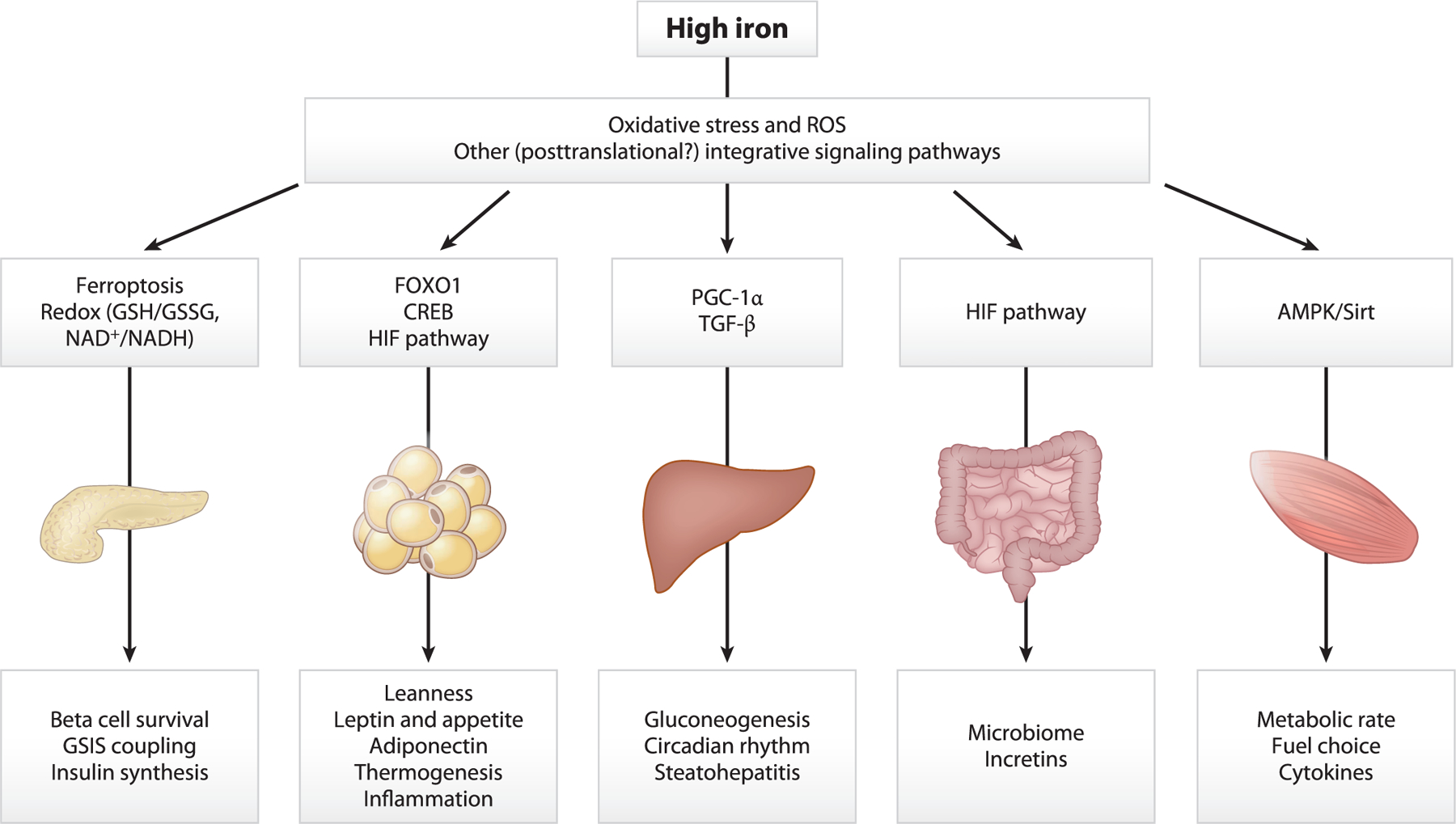
“Likewise, iron exerts its actions on metabolism through multiple pathways, 14 so the interactions of iron, metformin and O-GlcNAc on glycemia represent an integration of many individual effects that is neither monotonic nor the result of a single sequential pathway.”
InfluentialSelf-citationXiao, X., Liu, B., Xiong, Y., Wangchen, Z., Bao, W., Rong, S., Chen, M., Du, Y., Snetselaar, L., & Xu, G. (2026) · Journal of the Academy of Nutrition and Dietetics · doi:10.1016/j.jand.2026.156328
Rasheed, H., Zaman, S., AHMED, S., Ahsan, S., Bashir, S., & Ahmed, D. (2026) · Journal of Rawalpindi Medical College · doi:10.37939/jrmc.v30i1.2996
郭辉, Liu, S., Li, W., Feng, Y., Zhang, P., Li, C., Bai, S., 杨媛媛, Chen, X., Wang, S., et al. (2026) · Environmental Research · doi:10.1016/j.envres.2026.124508
Su, X., Du, Y., Yang, Y., Zhao, Y., Zhao, H., Xie, J., Shan, Z., Wang, M., Huang, Z., Fu, W., et al. (2026) · Journal of Diabetes Research · doi:10.1155/jdr/8023146
“Stable blood glucose levels are controlled by the liver [40].”
Mora‐Gonzalez, D., Moreno‐Cabañas, A., García, L. G., Cobo‐Cuenca, A. I., Muñoz‐Turrillas, M. D. C., Mora‐Rodríguez, R., & Morales‐Palomo, F. (2026) · BMC Nursing · doi:10.1186/s12912-026-04662-4
“Diseases that involve disturbances in iron metabolism also share insulin resistance [37].”
Impact of Iron Metabolism Disorders on Post-Renal Transplantation Complications
刘, 晓. (2026) · Journal of Clinical Personalized Medicine · doi:10.12677/jcpm.2026.52166
Zhan, Y., Zhang, H., Guo, T., Qin, H., Huang, L., Wu, N., Wang, J., Xu, M., Wang, J., Li, M., et al. (2026) · International Journal of Biological Macromolecules · doi:10.1016/j.ijbiomac.2026.152182
Iron Metabolism and Adipose Tissue Homeostasis: Emerging Perspectives for Obesity Intervention
Wang, B., Dong, X., Sun, M., Xie, Y., Akakuru, O. U., Li, C. G., Qin, J., & Lv, H. (2026) · Antioxidants and Redox Signaling · doi:10.1177/15230864261443818 · Cited by 1
“Adipose tissue has emerged as a key hub linking iron dysregulation to obesity and acts as an iron sensor and storage site (Aguree et al., 2023; Guglielmi et al., 2015; Qiu et al., 2024; Harrison et al., 2023).”
Dietary Guidelines for 2025-2030—Reply
Mozaffarian, D. (2026) · JAMA · doi:10.1001/jama.2026.2885
Liang, D., Liu, C. A., & Zhang, X. (2026) · Food, Nutrition and Health. · doi:10.1007/s44403-026-00060-5
Introductory Chapter: Fundamentals of Human Iron Metabolism – An Overview
Jeremiah, Z. A. (2026) · Physiology · doi:10.5772/intechopen.1014160
Ma, Z.-S., Mo, Z.-W., Cao, H.-Y., Liu, Y.-F., Kang, Y.-T., Chen, J.-Y., Lyu, C.-Y., Chen, L., Ou, Z., Li, Y., et al. (2026) · Journal of Lipid Research · doi:10.1016/j.jlr.2026.101090
Huang, M., Jiang, W. X., Yan-yan, W., QIN, Y., Dai, L., Qu, X., Wang, S., & Zhang, M. J. (2026) · Biological Trace Element Research · doi:10.1007/s12011-026-05215-1
“Iron is an essential trace element in human physiology and plays a crucial role in maintaining normal β-cell func - tion [ 35 ].”
Bashar, F., Ibrahim, K. G., Abbas, A. Y., Bello, M. B., Imam, M. U., & Zubair, A. M. (2026) · Biological Trace Element Research · doi:10.1007/s12011-026-05259-3
“ID is a well-established driver of oxidative stress and has been heavily implicated in the pathogenesis of metabolic disorders [ 14].”
Zeng, W., Wang, J., Xu, Y., Shuzhou, W., Chen, C., Zhang, S., Hu, B., & Ye, J. (2026) · Frontiers in Immunology · doi:10.3389/fimmu.2026.1874855
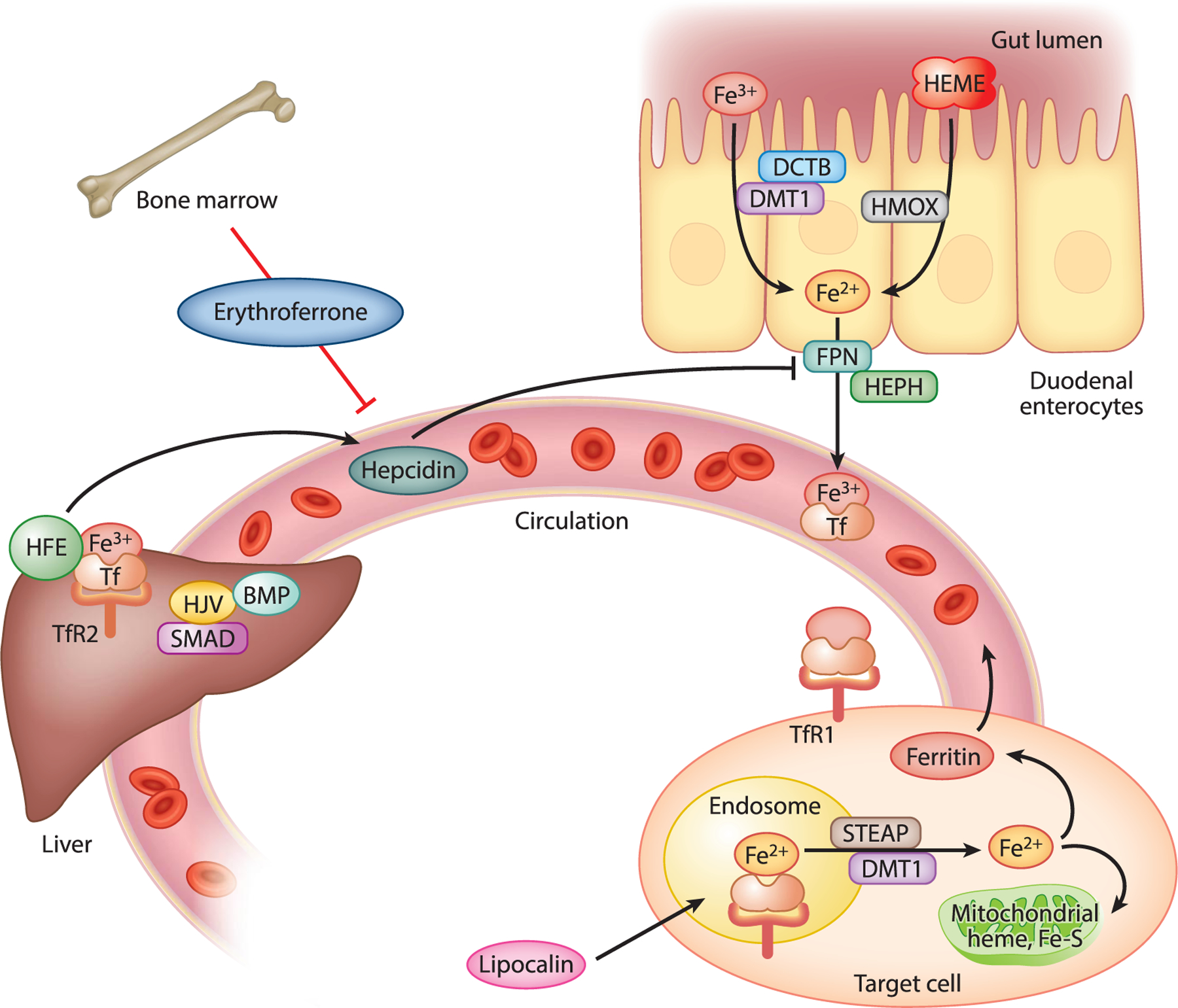
“The liver is the central organ regulating systemic iron metabolism, synthesizing hepcidin and transferrin (30).”
Comparison of methods for in vivo and ex vivo quantification of iron in murine brain tumors
Veenstra, J. L., Schwartz, S. A., Speth, J. P., Geise, J. B., Grier, T., Zaugg, C. J., Jiang, Z., Riffell, J. J., Ames-Majeski, T. P., Specht, A. J., et al. (2026) · PLoS ONE · doi:10.1371/journal.pone.0356378
Duman, T. T., Tel, B. M. A., Bilgin, S., Ture, S., Ulus, R., & Aktaş, G. (2026) · Current Medical Research and Opinion · doi:10.1080/03007995.2026.2717472
Meng, J., Luo, J., Huang, J., & Huang, X. (2026) · Archives of Medical Science · doi:10.5114/aoms/224768
Fadil, M. M., & Zaidan, N. K. (2026) · Biomeditsinskaya Khimiya · doi:10.18097/pbmce0054
Liu, W., Li, S., Zeng, Y., Dai, W., Peng, J., Wang, X., Chen, Q., Li, W., Du, D., Lu, S., et al. (2026) · Research Square · doi:10.21203/rs.3.rs-10772120/v1
Metabolism as a missing link between diabetes, tuberculosis, and drug resistance?
Brake, J., Veeken, L. D., Lestari, B. W., van Ingen, J., Fortune, S. M., Ehrt, S., Gouzy, A., & van Crevel, R. (2026) · The Lancet Microbe · doi:10.1016/j.lanmic.2026.101523
Hong, L., Wan, S., Shi, W., Song, J., Shi, W., Wang, F., Xiong, Y., Liu, J., 施达, Chen, P., et al. (2026) · Redox Biology · doi:10.1016/j.redox.2026.104434
Yang, Y., & Fang, B. (2026) · Journal of the Royal Society of New Zealand · doi:10.1002/snz2.70088
Metadata
- Authors
- Harrison, A. V., Lorenzo, F. R., & McClain, D. A.
- Affiliations
- Wake Forest University Health Sciences (US)
- W. G. (Bill) Hefner VA Medical Center (US)
- Corresponding author
- McClain, Donald A.
- ORCID
- McClain, Donald A.
- Venue
- Annual Review of Physiology
- Publisher
- Annual Reviews
- Published
- 2023-02-10
- Volume
- 85
- Issue
- 1
- Pages
- 339-362
- ISSN
- 0066-4278 (ISSN-L)
- 1545-1585
- PMC
- PMC10161568
- OpenAlex
- W4296805679
- Cited by
- 161
- References
- 157
- Citations by year
- 2026: 38 · 2025: 53 · 2024: 56 · 2023: 13
- FWCI
- 5.47
- Type
- journal article
- Language
- en
- Open access
- hybrid
- doi.org
- Locations
- Annual Review of Physiology (publishedVersion, cc-by)
- PubMed (publishedVersion)
- PubMed Central (acceptedVersion, cc-by)
- Funders
- U.S. Department of Veterans Affairs (I01 BX005109, I01 BX001140)
- National Institutes of Health (UL1TR001420)
- National Institute of Diabetes and Digestive and Kidney Diseases (R01DK119913, P30DK124723)
- National Center for Advancing Translational Sciences
- Topics
- Health Sciences › Medicine › Hematology › Iron Metabolism and Disorders
- Health Sciences › Nursing › Nutrition and Dietetics › Trace Elements in Health
- Health Sciences › Medicine › Genetics (clinical) › Hemoglobinopathies and Related Disorders
- Keywords
- iron, type 2 diabetes, iron overload, insulin secretion, insulin resistance, hepatic gluconeogenesis, adipocytes, pancreatic beta cells, hypoxia sensing, fuel oxidation, iron metabolism, aging
- MeSH terms
- Diabetes Mellitus, Type 2, Humans, Insulin Resistance, Iron, Liver, Iron Overload
About these checks
Registry, retraction, Cites and statistics results are computed, not judged, with one exception: a printed reference that no index lists is read once by a model before it counts as a citation error. Claims are extracted by a model and kept only when their quote appears verbatim in the text; each cited source is then checked, with a model’s help, for whether it says what the claim relies on. Those verdicts can be wrong — read the claim’s quote and the cited source before relying on one.
Statistics and arithmetic are recomputed, not judged.
Confidence bands are shown only for fields calibrated on our annotated test set. None is calibrated yet, so no band is shown.
What counts as a claim ›How we measure confidence ›How we check this ›
Are you an author, or do you see a problem with this page? Request a review
Data sources
Bibliographic data: Semantic Scholar, OpenAlex, Crossref.
Contains information from the Semantic Scholar Academic Graph Datasets, made available under the ODC Attribution License (ODC-BY 1.0).
Semantic Scholar’s data is described in: Kinney, R., et al. (2023). The Semantic Scholar Open Data Platform. arXiv:2301.10140.
