

Response Mechanisms of Bacterial Degraders to Environmental Contaminants on the Level of Cell Walls and Cytoplasmic Membrane
Open accessThe DOI matches its Crossref record; 149 of the 150 references it cites were found in a registry or an index, and 1 are not checked yet.
Abstract
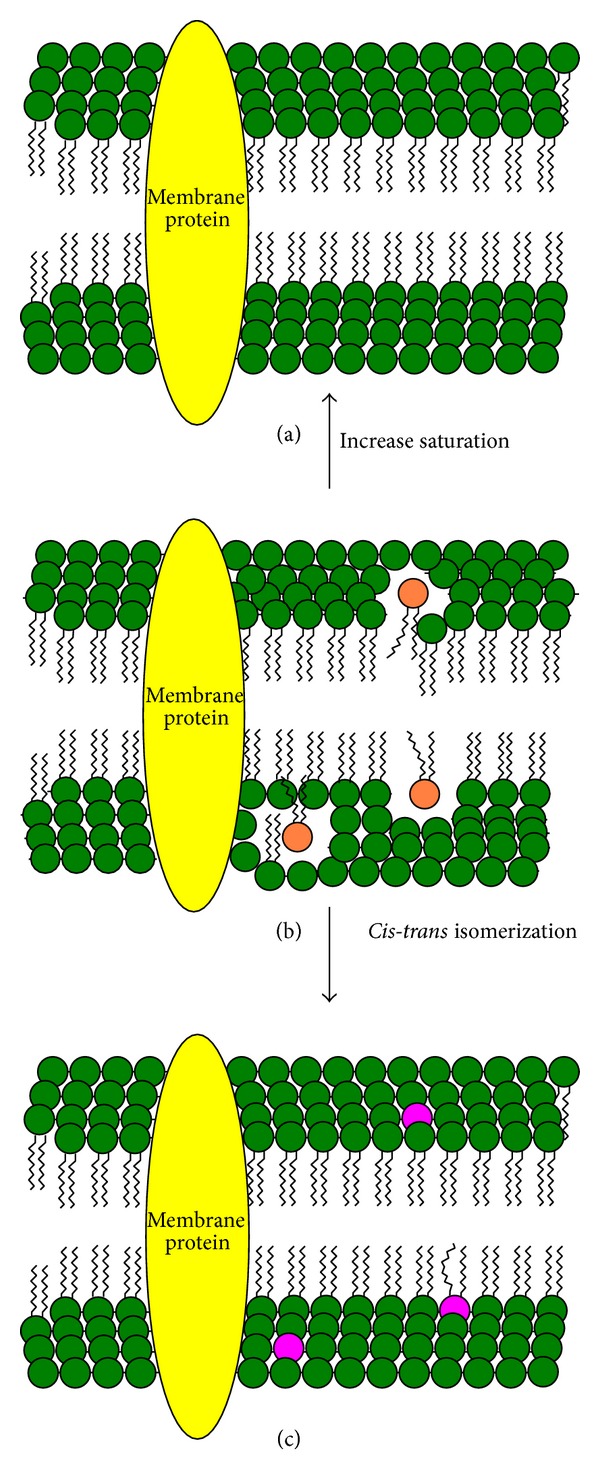
Bacterial strains living in the environment must cope with the toxic compounds originating from humans production. Surface bacterial structures, cell wall and cytoplasmic membrane, surround each bacterial cell and create selective barriers between the cell interior and the outside world. They are a first site of contact between the cell and toxic compounds. Organic pollutants are able to penetrate into cytoplasmic membrane and affect membrane physiological functions. Bacteria had to evolve adaptation mechanisms to counteract the damage originated from toxic contaminants and to prevent their accumulation in cell. This review deals with various adaptation mechanisms of bacterial cell concerning primarily the changes in cytoplasmic membrane and cell wall. Cell adaptation maintains the membrane fluidity status and ratio between bilayer/nonbilayer phospholipids as well as the efflux of toxic compounds, protein repair mechanisms, and degradation of contaminants. Low energy consumption of cell adaptation is required to provide other physiological functions. Bacteria able to survive in toxic environment could help us to clean contaminated areas when they are used in bioremediation technologies.
Overview
The claims and statistics of this paper haven’t been checked yet.
Free: it reads the open-access text and checks the first 5 claims that cite a source we can check. Create a free account to check every claim.
Integrity signals
Registry
Cites
Statistics
Figures
Verification
Claims the paper makes
The claims and statistics of this paper haven’t been checked yet.
Free: it reads the open-access text and checks the first 5 claims that cite a source we can check. Create a free account to check every claim.
Claims other papers make about this one
Each is checked against this paper’s own text: does it say what the citing paper says it does?
The source backs part of the claim, not all of it — or backs it for a different population, condition or comparison.
In the citing paper
“Elevated production of CPFAs in the presence of environmental contaminants is apparently a common response in several bacterial species, including Rhodococcus species (Murínová and Dercová, 2014).”
From A stable isotope assay with 13C-labeled polyethylene to investigate plastic mineralization mediated by Rhodococcus ruber (2023) · cites this paper as Murínová and Dercová, 2014
Experimental — accuracy not yet measuredThe source backs part of the claim, not all of it — or backs it for a different population, condition or comparison.
In the citing paper
“Cyclopropane, unsaturated, and methyl branched FAs change the packing of the lipid bilayer and lead to a higher membrane fluidity, yet CPFAs also induce a higher degree of order than unsaturated FAs (Murínová and Dercová, 2014;Poger and Mark, 2015).”
From A stable isotope assay with 13C-labeled polyethylene to investigate plastic mineralization mediated by Rhodococcus ruber (2023) · cites this paper as Murínová and Dercová, 2014
Experimental — accuracy not yet measured
Self-check
Percentages, sums and reported differences re-computed from the paper’s own numbers.
The self-check needs the paper’s full text.
Citations
Cites
Evidence for the Formation of Symmetric and Asymmetric DLPC-DAPC Lipid Bilayer Domains
Ritter, M., Schmidt, S., Jakab, M., Paulmichl, M., & Henderson, R. (2013) · Cellular Physiology and Biochemistry · doi:10.1159/000350122 · Cited by 3,923
Mechanisms of membrane toxicity of hydrocarbons
Sikkema, J., de Bont, J. A., & Poolman, B. (1995) · Microbiological Reviews · doi:10.1128/mr.59.2.201-222.1995 · Cited by 2,685 · cited 3×
“The barrier properties of the cytoplasmicmembrane are of special importance for the energy transduction of the cell [19].”
BackgroundModel Systems, Lipid Rafts, and Cell Membranes
Simons, K., & Vaz, W. L. C. (2004) · Annual Review of Biophysics and Biomolecular Structure · doi:10.1146/annurev.biophys.32.110601.141803 · Cited by 1,670
Biological Functions and Biogenesis of Secreted Bacterial Outer Membrane Vesicles
Kulp, A., & Kuehn, M. J. (2010) · Annual Review of Microbiology · doi:10.1146/annurev.micro.091208.073413 · Cited by 1,533 · cited 1×
“The adaptation of outer membrane is also connected with the formation of outer membrane vesicles [129].”
BackgroundIso- and anteiso-fatty acids in bacteria: biosynthesis, function, and taxonomic significance
Kaneda, T. (1991) · Microbiological Reviews · doi:10.1128/mmbr.55.2.288-302.1991 · Cited by 1,464 · cited 2×
“[10, 13, 38, 72, 73].”
Biochemistry of Lipids, Lipoproteins and Membranes
(2021) · Elsevier eBooks · doi:10.1016/c2020-0-00089-7 · Cited by 1,400
Antimicrobial herb and spice compounds in food
Tajkarimi, M. M., Ibrahim, S. A., & Cliver, D. O. (2010) · Food Control · doi:10.1016/j.foodcont.2010.02.003 · Cited by 1,378 · cited 1×
“Contrast effect was observed in the presence of synthetic terpenes (carvone and limonene) which correspond with other papers [144–148].”
ResultInteractions of cyclic hydrocarbons with biological membranes.
Sikkema, J., de Bont, J. A., & Poolman, B. (1994) · Journal of Biological Chemistry · doi:10.1016/s0021-9258(17)37154-5 · Cited by 1,200 · cited 4×
“This leakage causes a lowering in the proton-motive force and leads to an impairment in the energy conservation [20, 21].”
BackgroundInfluentialProton-dependent multidrug efflux systems
Paulsen, I. T., Brown, M. H., & Skurray, R. A. (1996) · Microbiological Reviews · doi:10.1128/mmbr.60.4.575-608.1996 · Cited by 1,198
Modulation of natural killer cell activity by viruses
Lisnić, V. J., Krmpotić, A., & Jonjić, S. (2010) · Current Opinion in Microbiology · doi:10.1016/j.mib.2010.05.011 · Cited by 1,003
Research works printed but not linked: 5
- Čertík M Breierová E Adaptation responses of yeasts to environmental stress Chemical Letters 2002 96 154 160
- Čertík M Dercová K Sejáková Z Finďová M Jakubík T Effect of polyaromatic hydrocarbons (PAHs) on the membrane lipids of bacterial cell Biologia 2003 58 6 1111 1117
- Torres S Pera SLM Pandey A Castro GR Rao LV Pandey A Larroche C Dussap CG Study on the effects of organic solvent stress on Bacillus lichenifomis S-86 Current Topics on Bioprocesses in Food Industry 2009 New Delhi, India Asiatech Publishers 1 13
- Fernandes P Marques MPC Carvalho F de Carvalho CCCR Carter RE Organic-solvent tolerant gram-positive bacteria: applications and mechanisms of tolerance Organic Solvents: Properties, Toxocoty, and Industrial Effects 2011 New York, NY, USA Nova Science 89 104
- Benz R Ghuysen JM Hakenbeck R Uptake of solutes through bacterial outer membranes Bacterial Cell Wall 1994 Amsterdam, The Netherlands Elsevier Science BV. 397 420
Cited by
Electrospinning and Electrospun Nanofibers: Methods, Materials, and Applications
Xue, J., Wu, T., Dai, Y., & Xia, Y. (2019) · Chemical Reviews · doi:10.1021/acs.chemrev.8b00593 · Cited by 5,015
Bacterial survival strategies and responses under heavy metal stress: a comprehensive overview
Pal, A., Bhattacharjee, S., Saha, J., Sarkar, M., & Mandal, P. (2022) · Critical Reviews in Microbiology · doi:10.1080/1040841x.2021.1970512 · Cited by 277
Weaning Stress Perturbs Gut Microbiome and Its Metabolic Profile in Piglets
Li, Y., Guo, Y., Wen, Z., Jiang, X., Ma, X., & Han, X. (2018) · Scientific Reports · doi:10.1038/s41598-018-33649-8 · Cited by 197
Gravouil, K., Ferru-Clément, R., Colas, S., Helye, R., Kadri, L., Bourdeau, L., Moumen, B., Mercier, A., & Ferreira, T. (2017) · Environmental Science & Technology · doi:10.1021/acs.est.7b00846 · Cited by 158
Yoon, Y., Lee, H., Lee, S., Kim, S., & Choi, K. (2015) · Food Research International · doi:10.1016/j.foodres.2015.03.016 · Cited by 160
Żur, J., Wojcieszyńska, D., Hupert-Kocurek, K., Marchlewicz, A., & Guzik, U. (2018) · Chemosphere · doi:10.1016/j.chemosphere.2018.04.179 · Cited by 156
Wastewater Treatment Engineering
Samer, M. (2015) · InTech eBooks · doi:10.5772/59384 · Cited by 145
Wang, L., Zeng, X., Wang, M., Brennan, C. S., & Gong, D. (2017) · Biochimica et Biophysica Acta (BBA) - Biomembranes · doi:10.1016/j.bbamem.2017.11.007 · Cited by 144
Production and functionality of exopolysaccharides in bacteria exposed to a toxic metal environment
Mathivanan, K., Chandirika, J. U., Mathimani, T., Rajaram, R., Annadurai, G., & Yin, H. (2020) · Ecotoxicology and Environmental Safety · doi:10.1016/j.ecoenv.2020.111567 · Cited by 139
Defois, C., Ratel, J., Garrait, G., Denis, S., Goff, O. L., Talvas, J., Mosoni, P., Engel, E., & Peyret, P. (2018) · Scientific Reports · doi:10.1038/s41598-018-29376-9 · Cited by 134
Imron, M. F., Kurniawan, S. B., & Abdullah, S. R. S. (2021) · Sustainable Environment Research · doi:10.1186/s42834-021-00088-6 · Cited by 106
“Murinova S, Dercova K. Response mechanisms of bacterial degraders to environmental contaminants on the level of cell walls and cytoplasmic membrane.”
ResultGomes, I. B., Simões, M. V., & Simões, L. C. (2016) · The Science of The Total Environment · doi:10.1016/j.scitotenv.2016.04.136 · Cited by 96
Reitermayer, D., Kafka, T. A., Lenz, C. A., & Vogel, R. F. (2018) · BMC Microbiology · doi:10.1186/s12866-018-1203-y · Cited by 92
Goudriaan, M., Morales, V. H., van der Meer, M. T. J., Mets, A., Ndhlovu, R. T., van Heerwaarden, J., Simon, S., Heuer, V. B., Hinrichs, K.-U., & Niemann, H. (2023) · Marine Pollution Bulletin · doi:10.1016/j.marpolbul.2022.114369 · Cited by 88
Synergistic biodegradation of phenanthrene and fluoranthene by mixed bacterial cultures
Patel, A. B., Singh, S., Patel, A., Jain, K. R., Amin, S., & Madamwar, D. (2019) · Bioresource Technology · doi:10.1016/j.biortech.2019.03.097 · Cited by 83
Defois, C., Ratel, J., Denis, S., Batut, B., Beugnot, R., Peyretaillade, É., Engel, E., & Peyret, P. (2017) · Frontiers in Microbiology · doi:10.3389/fmicb.2017.01562 · Cited by 81
Metabolic Engineering of Microorganisms to Produce Pyruvate and Derived Compounds
Luo, Q., Ding, N., Liu, Y., Zhang, H., Fang, Y., & Yin, L. (2023) · Molecules · doi:10.3390/molecules28031418 · Cited by 78
Raman Deuterium Isotope Probing Reveals Microbial Metabolism at the Single-Cell Level
Xu, J., Zhu, D., Ibrahim, A. D., Allen, C. C. R., Gibson, C. M., Fowler, P. W., Song, Y., & Huang, W. E. (2017) · Analytical Chemistry · doi:10.1021/acs.analchem.7b03461 · Cited by 77
Duraisamy, P., Sekar, J., Arunkumar, A. D., & Prabavathy, V. R. (2020) · Frontiers in Microbiology · doi:10.3389/fmicb.2020.01573 · Cited by 71
Shahryari, S., Zahiri, H. S., Haghbeen, K., Adrian, L., & Noghabi, K. A. (2018) · Ecotoxicology and Environmental Safety · doi:10.1016/j.ecoenv.2018.08.051 · Cited by 70
Chen, C., Zhao, G., Chen, W., & Guo, B. (2015) · Applied and Environmental Microbiology · doi:10.1128/aem.02426-15 · Cited by 68
“The most important adaptive microbial response to stress exposure, in addition to the synthesis of specific proteins, is related to changes in the fatty acid (FA) composition of the membrane (13).”
BackgroundKotchaplai, P., Khan, E., & Vangnai, A. S. (2017) · Environmental Science & Technology · doi:10.1021/acs.est.7b00736 · Cited by 64
Rocha, T. M., Marcelino, P. R. F., da Costa, R. A. M., Ribeaux, D. R., Barbosa, F. G., & da Silva, S. S. (2024) · Sustainability · doi:10.3390/su16031076 · Cited by 64
“…and proteins [79]; (II) the fluidization of the cell membrane, which alters the balance between anchored saturated and unsaturated fatty acids [80,81]; (III) increasing the exchange of charge between the anchored molecules and thus opening pores and channels that, in turn, favor greater…”
Presentato, A., Piacenza, E., Scurria, A., Albanese, L., Zabini, F., Meneguzzo, F., Nuzzo, D., Pagliaro, M., Martino, D. F. C., Alduina, R., et al. (2020) · Antibiotics · doi:10.3390/antibiotics9090586 · Cited by 63
Xue, X., Gao, N., & Xu, F. (2022) · Environmental Pollution · doi:10.1016/j.envpol.2022.120397 · Cited by 62
Metabolic impact of persistent organic pollutants on gut microbiota
Tian, Y., Gui, W., Rimal, B., Koo, I., Smith, P. B. W., Nichols, R. G., Cai, J., Liu, Q., & Patterson, A. D. (2020) · Gut Microbes · doi:10.1080/19490976.2020.1848209 · Cited by 59
“An increase in lipid saturation is the most common mechanism used to modulate membrane fluidity, which helps cells survive under long-term adverse conditions.(34,35) Consistently, our data showed that PCB 153 exposure resulted in an increased ratio of bacterial saturated to unsaturated fatty acids and significantly ch…”
BackgroundWang, D., Zhang, M., Huang, J., Zhou, R., Jin, Y., & Wu, C. (2020) · Journal of Microbiology and Biotechnology · doi:10.4014/jmb.1904.04006 · Cited by 56
“Murínová and Dercová [39] have revealed that in the presence of unfavorable compounds such as toxic agents, cell membrane fluidity decreases to prevent the entry of these toxic compounds into the cells.”
BackgroundBorowik, A., Wyszkowska, J., Kucharski, M., & Kucharski, J. (2019) · International Journal of Environmental Research and Public Health · doi:10.3390/ijerph16142474 · Cited by 55
“These changes lead to modifications of protein conformation associated with membranes and of proton pumps [69].”
BackgroundNoszczyńska, M., Chodór, M., Jałowiecki, Ł., & Piotrowska‐Seget, Z. (2020) · Biodegradation · doi:10.1007/s10532-020-09919-6 · Cited by 55
New Synthetic Nitro-Pyrrolomycins as Promising Antibacterial and Anticancer Agents
Raimondi, M. V., Presentato, A., Petri, G. L., Buttacavoli, M., Ribaudo, A., De, V., Alduina, R., & Cancemi, P. (2020) · Antibiotics · doi:10.3390/antibiotics9060292 · Cited by 54
A dynamin‐like protein involved in bacterial cell membrane surveillance under environmental stress
Sawant, P., Eißenberger, K., Karier, L., Mascher, T., & Bramkamp, M. (2015) · Environmental Microbiology · doi:10.1111/1462-2920.13110 · Cited by 52
Yang, W., Gao, X., Wu, Y., Wan, L., Lu, C., Huang, J., Chen, H., Yang, Y.-Z., Ding, H., & Zhang, W. (2020) · Environmental Toxicology and Pharmacology · doi:10.1016/j.etap.2020.103517 · Cited by 51
Santos, I. C., Smuts, J. P., Choi, W.-S., Kim, Y.-H., Kim, S. B., & Schug, K. A. (2018) · Talanta · doi:10.1016/j.talanta.2018.01.074 · Cited by 50
Botta, C., Acquadro, A., Greppi, A., Barchi, L., Bertolino, M., Cocolin, L., & Rantsiou, K. (2017) · Scientific Reports · doi:10.1038/s41598-017-16186-8 · Cited by 51
Inhibitory mechanisms of promising antimicrobials from plant byproducts: A review
Qian, M., Ismail, B. B., He, Q., Zhang, X., Yang, Z., Ding, T., Ye, X., Liu, D., & Guo, M. (2023) · Comprehensive Reviews in Food Science and Food Safety · doi:10.1111/1541-4337.13152 · Cited by 47
Soares-Castro, P., Soares, F., & Santos, P. M. (2020) · Molecules · doi:10.3390/molecules26010091 · Cited by 49
“The increase in saturated acyl chains leads to a denser membrane packing, thereby improving the tolerance towards organic compounds [31,32].”
BackgroundPoudel, S., Giannone, R. J., Rodríguez‐Barranco, M., Raman, B., Martin, M. Z., Engle, N. L., Mielenz, J. R., Nookaew, I., Brown, S. D., Tschaplinski, T. J., et al. (2017) · Biotechnology for Biofuels · doi:10.1186/s13068-016-0697-5 · Cited by 44
“bacteria adapt to inhibitors such as these by changing the fatty acid composition of their membrane lipids [32, 33].”
BackgroundHermon, L., Denonfoux, J., Hellal, J., Joulian, C., Ferreira, S., Vuilleumier, S., & Imfeld, G. (2018) · Water Research · doi:10.1016/j.watres.2018.05.057 · Cited by 43
Leareng, S. K., Ubomba‐Jaswa, E., & Musee, N. (2020) · Environmental Science Nano · doi:10.1039/c9en00585d · Cited by 42
Qu, Z., Zhang, L., Hou, R., Ma, X., Yu, J., Zhang, W., & Zhuang, C. (2021) · Chemico-Biological Interactions · doi:10.1016/j.cbi.2021.109496 · Cited by 42
Lactobacillus paracasei A13 and High-Pressure Homogenization Stress Response
Siroli, L., Braschi, G., Rossi, S., Gottardi, D., Patrignani, F., & Lanciotti, R. (2020) · Microorganisms · doi:10.3390/microorganisms8030439 · Cited by 40
Zhao, D., Wang, S., Hu, Y., Liu, X., Tao, J., Sagratini, G., & Xiang, Q. (2022) · LWT · doi:10.1016/j.lwt.2022.113449 · Cited by 40
Antifungal and Plant Growth–Promoting Bacillus under Saline Stress Modify their Membrane Composition
Rojas-Solís, D., Vences‐Guzmán, M. Á., Sohlenkamp, C., & Santoyo, G. (2020) · Journal of soil science and plant nutrition · doi:10.1007/s42729-020-00246-6 · Cited by 39
Microbial fouling in water treatment plants
Shukla, S. K., Khan, A., & Rao, T. S. (2020) · Elsevier eBooks · doi:10.1016/b978-0-12-820084-1.00023-5 · Cited by 41
Wu, S., Wu, Y., Cao, B., Huang, Q., & Cai, P. (2021) · Critical Reviews in Environmental Science and Technology · doi:10.1080/10643389.2021.1892015 · Cited by 39
Liu, X., Yao, T., Chai, J., & Han, J. (2023) · Journal of Agricultural and Food Chemistry · doi:10.1021/acs.jafc.3c05002 · Cited by 38
Méndez, V., Sepúlveda, M., Izquierdo-Fiallo, K., Macaya, C. C., Esparza-Correa, T., Báez‐Matus, X., Durán, R. E., Levicán, G. J., & Seeger, M. (2025) · FEMS Microbiology Reviews · doi:10.1093/femsre/fuaf021 · Cited by 39
“Ho w e v er, a specific taxon of Gr am-positiv e bacteria called My-colata ( Rhodococcus , Mycobacterium , Nocardia , Corynebacterium , Gor-donia , Dietzia , Skermania , and Tsukamurella ) is extr emel y r esistant to toxic hydrophobic compounds (Murínová and Dercová 2014 , Méndez et al. 2022b ).”
Rojas-Solís, D., Vences‐Guzmán, M. Á., Sohlenkamp, C., & Santoyo, G. (2020) · Current Microbiology · doi:10.1007/s00284-020-02069-1 · Cited by 38
Rovida, A. F. D. S., Costa, G. A., Santos, M. I., Silva, C. R., de Freitas, P. N. N., de Oliveira, E. P., Pileggi, S. A. V., Olchanheski, R. L., & Pileggi, M. (2021) · Frontiers in Microbiology · doi:10.3389/fmicb.2021.673211 · Cited by 37
“D (Moretto et al., 2017; Meena et al., 2020), atrazine, diuron (Moretto et al., 2017) and mesotrione (Du et al., 2018), by triazines in groundwater (Mauffret et al., 2017), and atrazine, glyphosate, malathion, carbaryl, and permethrin in container aquatic habitats (Muturi et al., 2017).”
BackgroundThe impact of phenanthrene on membrane phospholipids and its biodegradation by Sphingopyxis soli
Shon, J. C., Noh, Y. J., Kwon, Y. S., Kim, J. H., Wu, Z., & Seo, J. (2020) · Ecotoxicology and Environmental Safety · doi:10.1016/j.ecoenv.2020.110254 · Cited by 36
Zhao, S., & He, J. (2018) · FEMS Microbiology Ecology · doi:10.1093/femsec/fiy209 · Cited by 36
Mitchell, S. L., Hudson-Smith, N. V., Cahill, M. S., Reynolds, B. N., Frand, S. D., Green, C. M., Wang, C., Hang, M. N., Hernandez, R. T., Hamers, R. J., et al. (2019) · Chemical Science · doi:10.1039/c9sc01942a · Cited by 34
Ли, Б., Zheng, K., Lü, J., Zeng, D., Xiang, Q., & Ma, Y. (2022) · Journal of Food Measurement & Characterization · doi:10.1007/s11694-022-01393-3 · Cited by 34
Water Stress-Driven Changes in Bacterial Cell Surface Properties
Karagulyan, M., Goebel, M., Diehl, D., Quba, A. A. A., Kästner, M., Bachmann, J., Wick, L. Y., Schaumann, G. E., & Miltner, A. (2022) · Applied and Environmental Microbiology · doi:10.1128/aem.00732-22 · Cited by 33
“Variations in changes in CSH can be best attributed to the different cell wall compositions of different strains, their susceptibility to environmental conditions, and their initial physiological state (53, 54).”
BackgroundFelczak, A., Bernat, P., Różalska, S., & Lisowska, K. (2016) · Environmental Science and Pollution Research · doi:10.1007/s11356-016-6116-4 · Cited by 32
Hąc-Wydro, K., Połeć, K., & Broniatowski, M. (2018) · Journal of Molecular Liquids · doi:10.1016/j.molliq.2018.12.020 · Cited by 31
Prione, L. P., Olchanheski, L. R., Tullio, L. D., Santo, B. C. E., Reche, P. M., Martins, P. F., Carvalho, G., Demiate, I. M., Pileggi, S. A. V., Dourado, M. N., et al. (2016) · AMB Express · doi:10.1186/s13568-016-0240-x · Cited by 31
“Changes in the conformation of saturated and unsaturated fatty acids of the plasma membrane could be considered a protective mechanism by bacteria in contact with herbicides (Murínová and Dercová 2014; Segura et al. 1999).”
Ferdush, J., Rahman, M. M., Parvez, M. M. H., Mohotadi, M. A. A., & Uddin, M. N. (2025) · Nanomaterials · doi:10.3390/nano15191507 · Cited by 31
Luchini, A., Cavasso, D., Rădulescu, A., D’Errico, G., Paduano, L., & Vitiello, G. (2021) · Langmuir · doi:10.1021/acs.langmuir.1c00981 · Cited by 30
Oxidative stress and protection against it in bacteria
Maslovska, O., Komplikevych, S., & Hnatush, S. О. (2023) · Studia Biologica · doi:10.30970/sbi.1702.716 · Cited by 29
Michalska, J., Greń, I., Żur, J., Wasilkowski, D., & Mrozik, A. (2019) · Water · doi:10.3390/w11081539 · Cited by 29
“Furthermore, a gradual increase in the saturation of fatty acids in bacterial membrane along with an increase of pollutant concentration could be associated with the stimulation of cyclopropane fatty acid formation by some bacterial strains [85].”
BackgroundNatural products in the treatment of diabetic foot infection
Nazari, M., Shokoohizadeh, L., & Taheri, M. (2025) · European journal of medical research · doi:10.1186/s40001-024-02255-y · Cited by 28
Suarez, E. E. A., Jalil, M. E. R., Fernández‐Baldo, M. A., & Cuozzo, S. A. (2025) · Environmental Science Nano · doi:10.1039/d4en00424h · Cited by 28
Aspects of silver tolerance in bacteria: infrared spectral changes and epigenetic clues
Gurbanov, R., Özek, N. Ş., Tunçer, S., Severcan, F., & Gozen, A. G. (2018) · Journal of Biophotonics · doi:10.1002/jbio.201700252 · Cited by 27
Rahayu, Y. S. (2019) · Indonesian Journal of Science and Technology · doi:10.17509/ijost.v4i1.14923 · Cited by 27
“Bac- teria that have an ability to survive in toxic environment could be used as an agent that clean contaminated areas through bioreme- diation technologies (Murinova and Dercova, 2014).”
BackgroundLee, C. E., Messer, L. F., Holland, S. I., Gutiérrez, T., Quilliam, R. S., & Surget, S. M. (2023) · Critical Reviews in Environmental Science and Technology · doi:10.1080/10643389.2023.2224182 · Cited by 26
“It is also unlikely that plastic biodegradation significantly influences plasti-sphere formation as metabolism is reduced upon binding to plastic (Miao et al., 2020; Murínová & Dercová, 2014).”
BackgroundInfluentialDercová, K., Murínová, S., Dudášová, H., Lászlová, K., & Horváthová, H. (2019) · IntechOpen eBooks · doi:10.5772/intechopen.79646 · Cited by 26
“Only a minority of bacterial strains contain PC in their membrane [16].”
BackgroundSelf-citationFatima, T., & Arora, N. K. (2023) · Environmental and Experimental Botany · doi:10.1016/j.envexpbot.2023.105418 · Cited by 25
Transcriptional regulation of organohalide pollutant utilisation in bacteria
Maucourt, B., Vuilleumier, S., & Bringel, F. (2020) · FEMS Microbiology Reviews · doi:10.1093/femsre/fuaa002 · Cited by 25
“potentially affecting the proton-motive force (Murínová and Dercová, 2014).”
BackgroundRughöft, S., Jehmlich, N., Gutiérrez, T., & Kleindienst, S. (2020) · Microorganisms · doi:10.3390/microorganisms9010003 · Cited by 25
“The proteins we detected from strain TT1 corroborate this, since enzymes assigned to the metabolism of benzoates, xylenes, naphthalene, phenols, and cycloaliphatic HCs were found in highest abundances in the WAF treatments.”
BackgroundInfluentialKrainoi, A., Poomputsa, K., Kalkornsurapranee, E., Johns, J., Songtipya, L., Nip, R. L., & Nakaramontri, Y. (2021) · eXPRESS Polymer Letters · doi:10.3144/expresspolymlett.2021.87 · Cited by 25
“…the cytoplasmic area of bacteria, it has not only from the ZnO np , but also from the solubilized Zn ++ present in the rubber matrix as well as the dissolution of ZnO np with the medium including bacteria (particularly the cytoplasm which consists of 80% water) [52–55], as shown in Figure 13b ii .”
Pacífico, C., Fernandes, P. C. D. B., & de Carvalho, C. C. C. R. (2018) · Frontiers in Microbiology · doi:10.3389/fmicb.2018.00961 · Cited by 24
“Some strains are even very efficient in degrading compounds that are regarded as toxic and lethal, such as toluene, by most bacterial cells (de Carvalho et al., 2007; Murínova and Dercová, 2014).”
BackgroundScreening of Efficient Phenol-Degrading Bacteria and Analysis of Their Degradation Characteristics
Chen, S., & Sun, L. (2023) · Sustainability · doi:10.3390/su15086788 · Cited by 22
Walczak‐Skierska, J., Ludwiczak, A., Sibińska, E., & Pomastowski, P. (2024) · ACS Omega · doi:10.1021/acsomega.4c03778 · Cited by 22
Microbial Responses to Pollution—Ecotoxicology: Introducing the Different Biological Levels
Cravo‐Laureau, C., Lauga, B., Cagnon, C., & Duran, R. (2017) · Springer eBooks · doi:10.1007/978-3-319-61795-4_4 · Cited by 22
Stolarek, P., Różalska, S., & Bernat, P. (2018) · Biochimica et Biophysica Acta (BBA) - Biomembranes · doi:10.1016/j.bbamem.2018.06.007 · Cited by 23
Ma, M., Wu, Y., Song, J., Li, Y., Sun, L., Xiao, Y., Liu, J., Hu, Z., & Zeng, B. (2025) · Food Control · doi:10.1016/j.foodcont.2025.111267 · Cited by 21
Hybrid nanofibers opportunities and frontiers – A review
Kanjwal, M. A., & Ghaferi, A. A. A. (2022) · Journal of environmental chemical engineering · doi:10.1016/j.jece.2022.108850 · Cited by 21
Radicals and Dormant Species in Biology and Polymer Chemistry
Chatgilialoglu, C., Ferreri, C., & Matyjaszewski, K. A. (2015) · ChemPlusChem · doi:10.1002/cplu.201500271 · Cited by 22
Wang, Q., Buchanan, R. L., & Tikekar, R. V. (2019) · Food Control · doi:10.1016/j.foodcont.2019.106723 · Cited by 21
Sato, J., Tomita, A., Sonoda, T., & Miyamoto, T. (2022) · Journal of Applied Microbiology · doi:10.1111/jam.15690 · Cited by 21
“This physicochemical property of cell membrane could be different depending on the fatty acid composition, their chain length and phospholipid composition (Murinová & Dercová, 2014).”
BackgroundEffects of Ultrafine Bubbles on Gram-Negative Bacteria: Inhibition or Selection?
Luu, T. Q., Truong, P. N. H., Zitzmann, K., & Nguyen, K. T. (2019) · Langmuir · doi:10.1021/acs.langmuir.9b02641 · Cited by 20
Mandal, R. K., Jiang, T., & Kwon, Y. M. (2021) · Microbiology Spectrum · doi:10.1128/spectrum.00155-21 · Cited by 20
Analysis of bacteria stress responses to contaminants derived from shale energy extraction
Santos, I. C., Chaumette, A., Smuts, J. P., Hildenbrand, Z. L., & Schug, K. A. (2019) · Environmental Science Processes & Impacts · doi:10.1039/c8em00338f · Cited by 20
Environmentally Relevant Concentration of Bisphenol S Shows Slight Effects on SIHUMIx
Schäpe, S. S., Krause, J. L., Masanetz, R. K., Riesbeck, S., Starke, R., Rolle-Kampczyk, U. E., Eberlein, C., Heipieper, H. J., Herberth, G., von Bergen�, M., et al. (2020) · Microorganisms · doi:10.3390/microorganisms8091436 · Cited by 20
“As the change in fatty acid saturation is known as a long term adaptation, fatty acid composition at the last days after the begin of the exposure were compared [54].”
BackgroundQiao, F., Wang, S., He, J., Hung, W., Ma, X., Gong, P., Li, J., Sun, T., Souza, C. D., Zhang, L., et al. (2024) · Food Chemistry · doi:10.1016/j.foodchem.2024.140336 · Cited by 18
Unconventional membrane lipid biosynthesis in X anthomonas campestris
Aktas, M., & Narberhaus, F. (2015) · Environmental Microbiology · doi:10.1111/1462-2920.12956 · Cited by 18
Yasir, M. W., Capozzi, S. L., Kjellerup, B. V., Mahmood, S., Mahmood, T., & Khalid, A. (2021) · International Biodeterioration & Biodegradation · doi:10.1016/j.ibiod.2021.105249 · Cited by 18
Comparative metabolic analysis of the adaptive Candida tropicalis to furfural stress response
Wang, L., Qi, A., Liu, J., Shen, Y. M., & Wang, J. (2022) · Chemical Engineering Science · doi:10.1016/j.ces.2022.118348 · Cited by 17
Leandro, M. R., Andrade, L. F., Vespoli, L. D. S., Moreira, J., Pimentel, V. R., Soares, F. S., Passamani, L. Z., Silveira, V., & Filho, G. A. D. S. (2020) · Research in Microbiology · doi:10.1016/j.resmic.2020.09.005 · Cited by 17
Ma, L., Chen, L., Chou, K. C., & Lu, X. (2021) · Applied and Environmental Microbiology · doi:10.1128/aem.00388-21 · Cited by 17
“The alterations in membrane composition were previously reported as one of the most important adaptive mechanisms in bacteria when exposed to toxic compounds (48).”
BackgroundAnaerobic biotransformation mechanism of marine toxin domoic acid
Du, M., Li, Z., Wang, J., Wang, F., Zan, S., & Gu, C. (2021) · Journal of Hazardous Materials · doi:10.1016/j.jhazmat.2021.126798 · Cited by 17
Rojas-Solís, D., Vences‐Guzmán, M. Á., Sohlenkamp, C., & Santoyo, G. (2022) · Microbiological Research · doi:10.1016/j.micres.2022.127295 · Cited by 17
Biodegradation of Hydrophobic Polycyclic Aromatic Hydrocarbons
Ali, D. C., & Wang, Z. (2021) · Environmental and microbial biotechnology · doi:10.1007/978-981-15-6607-3_6 · Cited by 17
Gonçalves, A. S. C., Fernandes, J. R., Saavedra, M. J., Guimarães, N., Pereira, C. C., Simões, M. V., & Borges, A. D. S. (2025) · Photodiagnosis and Photodynamic Therapy · doi:10.1016/j.pdpdt.2025.104514 · Cited by 16
Mawad, A. M. M., Albasri, H. M., Shalkami, A. S., Alamri, S., & Hashem, M. (2021) · Environmental Technology & Innovation · doi:10.1016/j.eti.2021.101942 · Cited by 16
Sreelatha, S., Kumar, N., & Sarojam, R. (2022) · Frontiers in Microbiology · doi:10.3389/fmicb.2022.1085113 · Cited by 16
“Alteration in the composition of fatty acids, which in turn affects membrane fluidity, is an important adaptive response of bacteria against membrane active compounds (Murínová and Dercová, 2014).”
BackgroundComparing Sediment Microbiomes in Contaminated and Pristine Wetlands along the Coast of Yucatan
Navarrete-Euan, H., Rodríguez-Escamilla, Z., Pérez‐Rueda, E., Escalante-Herrera, K. S., & Martínez‐Núñez, M. A. (2021) · Microorganisms · doi:10.3390/microorganisms9040877 · Cited by 16
“Modifications of the bacterial membrane have been reported as a mechanism to deal with contamination of the environment inhabited by bacteria, since it is a first site of contact between the cell and toxic compounds [52].”
BackgroundMonica, G. L., Gallo, A., Bono, A., Alamia, F., Lauria, A., Alduina, R., & Martorana, A. (2024) · Molecules · doi:10.3390/molecules30010028 · Cited by 15
Transporter drives the biosorption of heavy metals by Stenotrophomonas rhizophila JC1
Sun, S., Zhang, K., Wu, Y., Ning, Z. H., Wang, Y., Chen, J., & Leng, F. (2022) · Environmental Science and Pollution Research · doi:10.1007/s11356-022-18900-0 · Cited by 15
Metadata
- Authors
- Murínová, S., & Dercová, K.
- Affiliations
- Slovak University of Technology in Bratislava (SK)
- Department of Biochemical Technology, Faculty of Chemical and Food Technology, Institute of Biotechnology and Food Science, Slovak University of Technology, Radlinského 9, 812 37 Bratislava, Slovakia
- Corresponding author
- Murínová, Slavomíra
- Venue
- International Journal of Microbiology
- Publisher
- Wiley
- Published
- 2014
- Volume
- 2014
- Pages
- 1-16
- ISSN
- 1687-918X (ISSN-L)
- 1687-9198
- PMC
- PMC4099092
- OpenAlex
- W2170830249
- Semantic Scholar
- f14ee89010cf26f3acb0cd138b6f622358057019
- Cited by
- 224
- References
- 150
- Citations by year
- 2026: 13 · 2025: 30 · 2024: 19 · 2023: 25 · 2022: 25 · 2021: 20 · 2020: 25 · 2019: 17 · 2018: 19 · 2017: 16 · 2016: 7 · 2015: 6 · 2014: 1
- FWCI
- 0.76
- Type
- journal article
- Language
- en
- Open access
- gold
- doi.org
- Locations
- International Journal of Microbiology (publishedVersion, cc-by)
- Europe PMC (PubMed Central) (publishedVersion, cc-by)
- PubMed Central (publishedVersion, cc-by)
- PubMed (publishedVersion)
- DOAJ (DOAJ: Directory of Open Access Journals) (submittedVersion, cc-by-sa)
- Funders
- Scientific Grant Agency of the Ministry of Education, Science, and Sport of Slovak Republic VEGA (1/0734/12, APVV-0656-12)
- Slovak Research and Development Agency (1/0734/12, APVV-0656-12)
- Topics
- Physical Sciences › Environmental Science › Pollution › Microbial bioremediation and biosurfactants
- Life Sciences › Biochemistry, Genetics and Molecular Biology › Genetics › Bacterial Genetics and Biotechnology
- Life Sciences › Biochemistry, Genetics and Molecular Biology › Molecular Biology › Lipid Membrane Structure and Behavior
- Keywords
- bacterial biodegradation, environmental pollutants, cell wall, plasma membrane, membrane fluidity, phospholipid composition, efflux pumps, protein repair, membrane damage, bioremediation, organic pollutants, bacterial adaptation
About these checks
Registry, retraction, Cites and statistics results are computed, not judged, with one exception: a printed reference that no index lists is read once by a model before it counts as a citation error. Claims are extracted by a model and kept only when their quote appears verbatim in the text; each cited source is then checked, with a model’s help, for whether it says what the claim relies on. Those verdicts can be wrong — read the claim’s quote and the cited source before relying on one.
Statistics and arithmetic are recomputed, not judged.
Confidence bands are shown only for fields calibrated on our annotated test set. None is calibrated yet, so no band is shown.
What counts as a claim ›How we measure confidence ›How we check this ›
Are you an author, or do you see a problem with this page? Request a review
Data sources
Bibliographic data: Semantic Scholar, OpenAlex, Crossref.
Contains information from the Semantic Scholar Academic Graph Datasets, made available under the ODC Attribution License (ODC-BY 1.0).
Semantic Scholar’s data is described in: Kinney, R., et al. (2023). The Semantic Scholar Open Data Platform. arXiv:2301.10140.
