

Response Mechanisms of Bacterial Degraders to Environmental Contaminants on the Level of Cell Walls and Cytoplasmic Membrane
Open accessThe DOI matches its Crossref record; 149 of the 150 references it cites were found in a registry or an index, and 1 are not checked yet.
Abstract
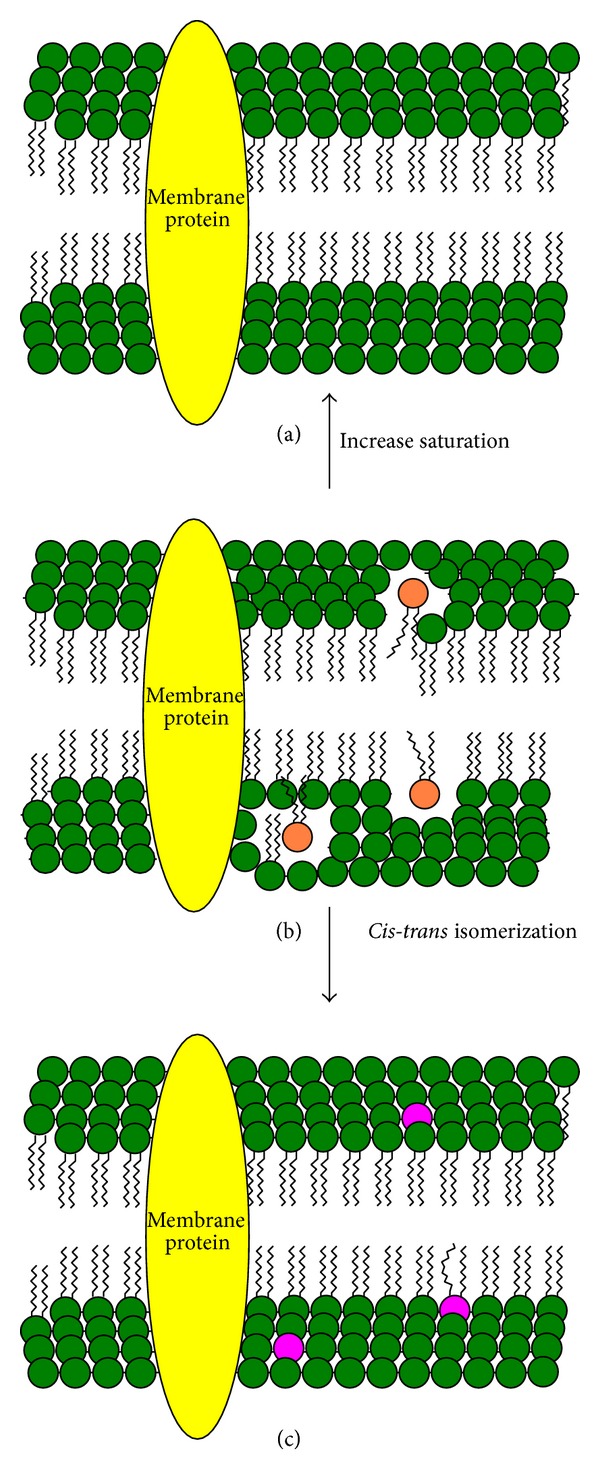
Bacterial strains living in the environment must cope with the toxic compounds originating from humans production. Surface bacterial structures, cell wall and cytoplasmic membrane, surround each bacterial cell and create selective barriers between the cell interior and the outside world. They are a first site of contact between the cell and toxic compounds. Organic pollutants are able to penetrate into cytoplasmic membrane and affect membrane physiological functions. Bacteria had to evolve adaptation mechanisms to counteract the damage originated from toxic contaminants and to prevent their accumulation in cell. This review deals with various adaptation mechanisms of bacterial cell concerning primarily the changes in cytoplasmic membrane and cell wall. Cell adaptation maintains the membrane fluidity status and ratio between bilayer/nonbilayer phospholipids as well as the efflux of toxic compounds, protein repair mechanisms, and degradation of contaminants. Low energy consumption of cell adaptation is required to provide other physiological functions. Bacteria able to survive in toxic environment could help us to clean contaminated areas when they are used in bioremediation technologies.
Overview
The claims and statistics of this paper haven’t been checked yet.
Free: it reads the open-access text and checks the first 5 claims that cite a source we can check. Create a free account to check every claim.
Integrity signals
Registry
Cites
Statistics
Figures
Verification
Claims the paper makes
The claims and statistics of this paper haven’t been checked yet.
Free: it reads the open-access text and checks the first 5 claims that cite a source we can check. Create a free account to check every claim.
Claims other papers make about this one
Each is checked against this paper’s own text: does it say what the citing paper says it does?
The source backs part of the claim, not all of it — or backs it for a different population, condition or comparison.
In the citing paper
“Elevated production of CPFAs in the presence of environmental contaminants is apparently a common response in several bacterial species, including Rhodococcus species (Murínová and Dercová, 2014).”
From A stable isotope assay with 13C-labeled polyethylene to investigate plastic mineralization mediated by Rhodococcus ruber (2023) · cites this paper as Murínová and Dercová, 2014
Experimental — accuracy not yet measuredThe source backs part of the claim, not all of it — or backs it for a different population, condition or comparison.
In the citing paper
“Cyclopropane, unsaturated, and methyl branched FAs change the packing of the lipid bilayer and lead to a higher membrane fluidity, yet CPFAs also induce a higher degree of order than unsaturated FAs (Murínová and Dercová, 2014;Poger and Mark, 2015).”
From A stable isotope assay with 13C-labeled polyethylene to investigate plastic mineralization mediated by Rhodococcus ruber (2023) · cites this paper as Murínová and Dercová, 2014
Experimental — accuracy not yet measured
Self-check
Percentages, sums and reported differences re-computed from the paper’s own numbers.
The self-check needs the paper’s full text.
Citations
Cites
Evidence for the Formation of Symmetric and Asymmetric DLPC-DAPC Lipid Bilayer Domains
Ritter, M., Schmidt, S., Jakab, M., Paulmichl, M., & Henderson, R. (2013) · Cellular Physiology and Biochemistry · doi:10.1159/000350122 · Cited by 3,923
Mechanisms of membrane toxicity of hydrocarbons
Sikkema, J., de Bont, J. A., & Poolman, B. (1995) · Microbiological Reviews · doi:10.1128/mr.59.2.201-222.1995 · Cited by 2,685 · cited 3×
“The barrier properties of the cytoplasmicmembrane are of special importance for the energy transduction of the cell [19].”
BackgroundModel Systems, Lipid Rafts, and Cell Membranes
Simons, K., & Vaz, W. L. C. (2004) · Annual Review of Biophysics and Biomolecular Structure · doi:10.1146/annurev.biophys.32.110601.141803 · Cited by 1,670
Biological Functions and Biogenesis of Secreted Bacterial Outer Membrane Vesicles
Kulp, A., & Kuehn, M. J. (2010) · Annual Review of Microbiology · doi:10.1146/annurev.micro.091208.073413 · Cited by 1,533 · cited 1×
“The adaptation of outer membrane is also connected with the formation of outer membrane vesicles [129].”
BackgroundIso- and anteiso-fatty acids in bacteria: biosynthesis, function, and taxonomic significance
Kaneda, T. (1991) · Microbiological Reviews · doi:10.1128/mmbr.55.2.288-302.1991 · Cited by 1,464 · cited 2×
“[10, 13, 38, 72, 73].”
Biochemistry of Lipids, Lipoproteins and Membranes
(2021) · Elsevier eBooks · doi:10.1016/c2020-0-00089-7 · Cited by 1,400
Antimicrobial herb and spice compounds in food
Tajkarimi, M. M., Ibrahim, S. A., & Cliver, D. O. (2010) · Food Control · doi:10.1016/j.foodcont.2010.02.003 · Cited by 1,378 · cited 1×
“Contrast effect was observed in the presence of synthetic terpenes (carvone and limonene) which correspond with other papers [144–148].”
ResultInteractions of cyclic hydrocarbons with biological membranes.
Sikkema, J., de Bont, J. A., & Poolman, B. (1994) · Journal of Biological Chemistry · doi:10.1016/s0021-9258(17)37154-5 · Cited by 1,200 · cited 4×
“This leakage causes a lowering in the proton-motive force and leads to an impairment in the energy conservation [20, 21].”
BackgroundInfluentialProton-dependent multidrug efflux systems
Paulsen, I. T., Brown, M. H., & Skurray, R. A. (1996) · Microbiological Reviews · doi:10.1128/mmbr.60.4.575-608.1996 · Cited by 1,198
Modulation of natural killer cell activity by viruses
Lisnić, V. J., Krmpotić, A., & Jonjić, S. (2010) · Current Opinion in Microbiology · doi:10.1016/j.mib.2010.05.011 · Cited by 1,003
Hazel, J. (1990) · Progress in Lipid Research · doi:10.1016/0163-7827(90)90002-3 · Cited by 999
Mechanisms of Solvent Tolerance in Gram-Negative Bacteria
Ramos, J. L., Duque, E., Gallegos, M.-T., Godoy, P., Ramos-González, M. I., Rojas, A., Terán, W., & Segura, A. (2002) · Annual Review of Microbiology · doi:10.1146/annurev.micro.56.012302.161038 · Cited by 791 · cited 2×
“As mentioned above, an opposite effect occurs in the presence of polar ethanol [68].”
BackgroundLipid bilayer thickness varies linearly with acyl chain length in fluid phosphatidylcholine vesicles
Lewis, B. A., & Engelman, D. M. (1983) · Journal of Molecular Biology · doi:10.1016/s0022-2836(83)80007-2 · Cited by 789 · cited 1×
“The bilayers of lipids are barriers to the flow of polar molecules [15]; (4) membranes contain specific proteins, which mediate distinctive functions of particular membranes.”
BackgroundBeales, N. (2004) · Comprehensive Reviews in Food Science and Food Safety · doi:10.1111/j.1541-4337.2004.tb00057.x · Cited by 739
Frontiers in Microbiology: From Antibiotics to AIDS
(1987) · Springer eBooks · doi:10.1007/978-94-009-3353-8 · Cited by 664
Mycolic Acids: Structures, Biosynthesis, and Beyond
Marrakchi, H., Lanéelle, M.-A., & Daffé, M. (2014) · Chemistry & Biology · doi:10.1016/j.chembiol.2013.11.011 · Cited by 623 · cited 1×
“This covalently assembled complex is responsible for the cell surface hydrophobicity and impermeability [110–112].”
BackgroundCyclopropane ring formation in membrane lipids of bacteria.
Grogan, D. W., & Cronan, J. E. (1997) · Microbiology and molecular biology reviews : MMBR · doi:10.1128/.61.4.429-441.1997 · Cited by 610 · cited 1×
“It is thought that the primary function of cyclopropane fatty acids formation is to change chemical properties of the membrane without changes of physical properties [70].”
BackgroundAdaptation mechanisms of microorganisms to the toxic effects of organic solvents on membranes
Weber, F. J., & de Bont, J. A. M. (1996) · Biochimica et Biophysica Acta (BBA) - Reviews on Biomembranes · doi:10.1016/s0304-4157(96)00010-x · Cited by 515 · cited 8×
“Weber and de Bont [45] characterized the transition from the ordered phase (gel) into disordered phase (liquidcrystalline) (T”
BackgroundResultInfluentialMechanisms of resistance of whole cells to toxic organic solvents
Heipieper, H. J., Weber, F. J., Sikkema, J., Keweloh, H., & de Bont, J. A. M. (1994) · Trends in Biotechnology · doi:10.1016/0167-7799(94)90029-9 · Cited by 484 · cited 3×
“75 concentration of toxic compound leads to the highest increase in membrane saturation [3, 38].”
BackgroundPhospholipid fatty acid - A bioindicator of environment monitoring and assessment in soil ecosystem
Kaur, A., Chaudhary, A., Kaur, A., Choudhary, R., & Kaushik, R. (2005) · Cited by 475
Effect of selected environmental and physico-chemical factors on bacterial cytoplasmic membranes
Denich, T. J., Beaudette, L. A., Lee, H., & Trevors, J. T. (2003) · Journal of Microbiological Methods · doi:10.1016/s0167-7012(02)00155-0 · Cited by 439
Lipids in membrane protein structures
Palsdottir, H., & Hunte, C. (2004) · Biochimica et Biophysica Acta (BBA) - Biomembranes · doi:10.1016/j.bbamem.2004.06.012 · Cited by 424 · cited 1×
“a value (>8) and may have implications for the distribution of the proton-motive force in energy-converting membranes [80, 81].”
BackgroundCardiolipin: a proton trap for oxidative phosphorylation
Haines, T. H., & Dencher, N. A. (2002) · FEBS Letters · doi:10.1016/s0014-5793(02)03292-1 · Cited by 405 · cited 1×
“a value (>8) and may have implications for the distribution of the proton-motive force in energy-converting membranes [80, 81].”
BackgroundHeipieper, H. J., Diefenbach, R., & Keweloh, H. (1992) · Applied and Environmental Microbiology · doi:10.1128/aem.58.6.1847-1852.1992 · Cited by 402
Interactions between biofilms and the environment
Beveridge, T. (1997) · FEMS Microbiology Reviews · doi:10.1016/s0168-6445(97)00012-0 · Cited by 399 · cited 2×
“In addition, an important function of membrane vesicles release is their involvement in biofilm formation [132].”
BackgroundSpecial delivery: vesicle trafficking in prokaryotes
Mashburn‐Warren, L. M., & Whiteley, M. (2006) · Molecular Microbiology · doi:10.1111/j.1365-2958.2006.05272.x · Cited by 391 · cited 1×
“Membrane vesicles play an important role in interspecies communication [130] and the delivery of proteins, toxins, and DNA.”
BackgroundSchlame, M. (2008) · Journal of Lipid Research · doi:10.1194/jlr.r700018-jlr200 · Cited by 388
Bacteria tolerant to organic solvents
Isken, S., & de Bont, J. A. M. (1998) · Extremophiles · doi:10.1007/s007920050065 · Cited by 354 · cited 2×
“Other proteins called porins allow nonspecific diffusion, necessary for the nutrient and water influx [87, 115].”
BackgroundGeneral stress response of Bacillus subtilis and other bacteria
Hecker, M., & Völker, U. (2001) · Advances in Microbial Physiology · doi:10.1016/s0065-2911(01)44011-2 · Cited by 328 · cited 2×
“Expression regulation of the stress proteins was reviewed by Hecker and Völker [105].”
BackgroundOccurrence and Biocatalytic Potential of Carbohydrate Oxidases
van Hellemond, E. W., Leferink, N. G. H., Heuts, D. P. H. M., Fraaije, M. W., & van Berkel, W. J. H. (2006) · Advances in Applied Microbiology · doi:10.1016/s0065-2164(06)60002-6 · Cited by 325
Effects of three stabilizing agents—Proline, betaine, and trehalose—on membrane phospholipids
Rudolph, A. S., Crowe, J. H., & Crowe, L. M. (1986) · Archives of Biochemistry and Biophysics · doi:10.1016/0003-9861(86)90197-9 · Cited by 292 · cited 1×
“These solutes were found in cell of stress survived microorganisms because of their ability to protect cell against low temperatures with their effect on lipid ordering and membrane fluidity [125–127].”
BackgroundDecolorization of ion-exchange effluents derived from sugar-mill operations by Bjerkandera sp.BOS55
Moreira, M. T., Palma, C., Feijoo, G., & Lema, J. M. (1997) · International Biodeterioration & Biodegradation · doi:10.1016/s0964-8305(97)00044-9 · Cited by 291
Heipieper, H. J., Meinhardt, F., & Segura, A. (2003) · FEMS Microbiology Letters · doi:10.1016/s0378-1097(03)00792-4 · Cited by 287
Mechanisms for Solvent Tolerance in Bacteria
Ramos, J. L., Duque, E., Rodríguez-Herva, J.-J., Godoy, P., Haïdour, A., Reyes, F., & Fernández-Barrero, A. (1997) · Journal of Biological Chemistry · doi:10.1074/jbc.272.7.3887 · Cited by 263 · cited 4×
“Another adaptation to long-term exposure to toxic solvent can be achieved with efflux pumps or increased biosynthesis and changes in phospholipids that support the adaptation and repair mechanisms [76].”
BackgroundInfluentialRojas, A., Duque, E., Mosqueda, G., Golden, G., Hurtado, A., Ramos, J. L., & Segura, A. (2001) · Journal of Bacteriology · doi:10.1128/jb.183.13.3967-3973.2001 · Cited by 255 · cited 2×
“[89] described that some of the efflux pumps act on a restricted range of substrates.”
BackgroundHeipieper, H. J., & de Bont, J. A. (1994) · Applied and Environmental Microbiology · doi:10.1128/aem.60.12.4440-4444.1994 · Cited by 246 · cited 2×
“The observations confirmed that cis-trans isomerase is constitutively present, does not require ATP or other cofactors including NAD(P)H and glutathione, and works in the absence of de novo synthesis of lipids [20, 49, 59, 60].”
BackgroundMakin, S. A., & Beveridge, T. J. (1996) · Microbiology · doi:10.1099/13500872-142-2-299 · Cited by 246
Trans unsaturated fatty acids in bacteria
Keweloh, H., & Heipieper, H. J. (1996) · Lipids · doi:10.1007/bf02522611 · Cited by 240 · cited 2×
“The cis configuration of the acyl chain has a nonmovable bend of 30, which causes steric hindrance and disturbs the highly ordered fatty acid package [51].”
BackgroundCardiolipin and the osmotic stress responses of bacteria
Romantsov, T., Guan, Z., & Wood, J. M. (2009) · Biochimica et Biophysica Acta (BBA) - Biomembranes · doi:10.1016/j.bbamem.2009.06.010 · Cited by 238 · cited 1×
“[75].”
Insights into Pseudomonas putida KT2440 response to phenol‐induced stress by quantitative proteomics
Santos, P. M., Benndorf, D., & Sá‐Correia, I. (2004) · PROTEOMICS · doi:10.1002/pmic.200300793 · Cited by 226
RND multidrug efflux pumps: what are they good for?
Alvarez-Ortega, C., Olivares, J., & Martínez, J. L. (2013) · Frontiers in Microbiology · doi:10.3389/fmicb.2013.00007 · Cited by 226
Tyagi, A. K., & Malik, A. (2011) · Food Control · doi:10.1016/j.foodcont.2011.04.002 · Cited by 220 · cited 1×
“Contrast effect was observed in the presence of synthetic terpenes (carvone and limonene) which correspond with other papers [144–148].”
ResultLipids and membrane protein structures
HUNTE, C., & RICHERS, S. (2008) · Current Opinion in Structural Biology · doi:10.1016/j.sbi.2008.03.008 · Cited by 196 · cited 1×
“This decreases membrane fluidity because of the hindrance of lipid motion with proteins [94].”
BackgroundWeber, F. J., Isken, S., & de Bont, J. A. M. (1994) · Microbiology · doi:10.1099/13500872-140-8-2013 · Cited by 196
Mechanisms of multidrug transporters
Bolhuis, H. (1997) · FEMS Microbiology Reviews · doi:10.1016/s0168-6445(97)00051-x · Cited by 188
Antibacterial activity and chemical composition of 20 Eucalyptus species’ essential oils
Elaissi, A., Salah, K. H., Mabrouk, S., Larbi, K. M., Chemli, R., & Harzallah-Skhiri, F. (2011) · Food Chemistry · doi:10.1016/j.foodchem.2011.05.100 · Cited by 181 · cited 1×
“Contrast effect was observed in the presence of synthetic terpenes (carvone and limonene) which correspond with other papers [144–148].”
ResultSegura, A., Godoy, P., van Dillewijn, P., Hurtado, A., Arroyo, N., Santacruz, S., & Ramos, J.-L. (2005) · Journal of Bacteriology · doi:10.1128/jb.187.17.5937-5945.2005 · Cited by 180 · cited 1×
“[108].”
Solvent tolerance in bacteria: role of efflux pumps and cross-resistance with antibiotics
Fernandes, P. C. D. B., Ferreira, B. S., & Cabral, J. M. S. (2003) · International Journal of Antimicrobial Agents · doi:10.1016/s0924-8579(03)00209-7 · Cited by 175 · cited 1×
“The decrease of cell hydrophobicity generally leads to lower cell availability toward lipophilic contaminants and diminished permeability [84].”
BackgroundInvolvement of the cis/trans Isomerase Cti in Solvent Resistance of Pseudomonas putida DOT-T1E
Junker, F., & Ramos, J. L. (1999) · Journal of Bacteriology · doi:10.1128/jb.181.18.5693-5700.1999 · Cited by 170 · cited 2×
“An example of such pump is TtfDEF pump from Pseudomonas putida DOT-T1E, which extrudes only toluene and styrene.”
BackgroundOrganic solvent adaptation of Gram positive bacteria: Applications and biotechnological potentials
Torres, S., Pandey, A., & Castro, G. R. (2011) · Biotechnology Advances · doi:10.1016/j.biotechadv.2011.04.002 · Cited by 170 · cited 1×
“This factor controls the production of bmrUR operon in G Bacillus subtilis necessary for the production of multidrug efflux proteins [33].”
BackgroundWITHOLT, B., DESMET, M., KINGMA, J., VANBEILEN, J., KOK, M., LAGEVEEN, R., & EGGINK, G. (1990) · Trends in Biotechnology · doi:10.1016/0167-7799(90)90133-i · Cited by 166
Heipieper, H. J., Meulenbeld, G., van Oirschot, Q., & de Bont, J. (1996) · Applied and Environmental Microbiology · doi:10.1128/aem.62.8.2773-2777.1996 · Cited by 164
Phospholipid modifications in bacteria
Cronan, J. E. (2002) · Current Opinion in Microbiology · doi:10.1016/s1369-5274(02)00297-7 · Cited by 163
Functional roles of lipids in membranes
Dowhan, W., Bogdanov, M., & Mileykovskaya, E. (2008) · Biochemistry of Lipids, Lipoproteins and Membranes · doi:10.1016/b978-044453219-0.50003-9 · Cited by 162
The Role of Lipid Domains in Bacterial Cell Processes
Barák, I., & Muchová, K. (2013) · International Journal of Molecular Sciences · doi:10.3390/ijms14024050 · Cited by 156 · cited 2×
“The lipid components of the membrane form a barrier to the transport of molecules, while protein components act as transport structures of pumps and channels that allow selected molecules to circulate into and out of the cell [9].”
BackgroundNeumann, G., Veeranagouda, Y., Karegoudar, T. B., Sahin, �., M�usezahl, I., Kabelitz, N., Kappelmeyer, U., & Heipieper, H. J. (2005) · Extremophiles · doi:10.1007/s00792-005-0431-x · Cited by 153 · cited 1×
“Changes in cell morphology in the presence of toxic compounds were observed in G [134] as well as in G bacteria [30].”
BackgroundPinkart, H. C., Wolfram, J. W., Rogers, R., & White, D. C. (1996) · Applied and Environmental Microbiology · doi:10.1128/aem.62.3.1129-1132.1996 · Cited by 150 · cited 1×
“LPS molecules with highmolecular weight were replaced by lower weight bands to adapt to o-xylene [114].”
BackgroundShabala, L., & Ross, T. (2008) · Research in Microbiology · doi:10.1016/j.resmic.2008.04.011 · Cited by 149
Phenol-induced membrane changes in free and immobilized Escherichia coli
Keweloh, H., Weyrauch, G., & Rehm, H. J. (1990) · Applied Microbiology and Biotechnology · doi:10.1007/bf00170572 · Cited by 149 · cited 1×
“coli [109].”
de Carvalho, C. C. C. R., Wick, L. Y., & Heipieper, H. J. (2009) · Applied Microbiology and Biotechnology · doi:10.1007/s00253-008-1809-3 · Cited by 147
Effect of Some Environmental Factors on the Content and Composition of Microbial Membrane Lipids
Šajbidor, J. (1997) · Critical Reviews in Biotechnology · doi:10.3109/07388559709146608 · Cited by 146
Active efflux of toluene in a solvent-resistant bacterium
Isken, S., & de Bont, J. A. (1996) · Journal of Bacteriology · doi:10.1128/jb.178.20.6056-6058.1996 · Cited by 145 · cited 1×
“The adaptation to solvents does not only enhance the resistance to other solvents but also enhances the resistance to heavy metals and antibiotics [124].”
BackgroundThe Role of Transport Mechanisms in Mycobacterium Tuberculosis Drug Resistance and Tolerance
Sarathy, J. P., Dartois, V. A., & Lee, E. J. D. (2012) · Pharmaceuticals · doi:10.3390/ph5111210 · Cited by 138
Jurkiewicz, P., Olżyńska, A., Cwiklik, L., Conte, E., Jungwirth, P., Megli, F. M., & Hof, M. (2012) · Biochimica et Biophysica Acta (BBA) - Biomembranes · doi:10.1016/j.bbamem.2012.05.020 · Cited by 138 · cited 1×
“…and Food Science, Slovak University of Technology, Radlinského 9, 812 37 Bratislava, Slovakia 2Water Research Institute, Nábrežie arm. gen. L. Svobodu 5, 812 49 Bratislava, Slovakia Correspondence should be addressed to Slavomı́ra Muŕınová; slavomira.murinova@gmail.com Received 14 February…”
Kabelitz, N., Santos, P. M., & Heipieper, H. J. (2003) · FEMS Microbiology Letters · doi:10.1016/s0378-1097(03)00103-4 · Cited by 137
Diefenbach, R., Heipieper, H. J., & Keweloh, H. (1992) · Applied Microbiology and Biotechnology · doi:10.1007/bf00170090 · Cited by 131 · cited 1×
“) and environmental factors (salinity, pressure, and temperature) [6, 24, 48, 64–67].”
Adaptation of Rhodococcus erythropolis cells for growth and bioremediation under extreme conditions
de Carvalho, C. C. C. R. (2011) · Research in Microbiology · doi:10.1016/j.resmic.2011.11.003 · Cited by 131
Hernandez, B. S., Koh, S., de Chial, M., & Focht, D. D. (1997) · Biodegradation · doi:10.1023/a:1008255218432 · Cited by 129
Cell surface properties of organic solvent-tolerant mutants of Escherichia coli K-12
Aono, R., & Kobayashi, H. (1997) · Applied and Environmental Microbiology · doi:10.1128/aem.63.9.3637-3642.1997 · Cited by 127
Keweloh, H., Diefenbach, R., & Rehm, H.-J. (1991) · Archives of Microbiology · doi:10.1007/bf00245334 · Cited by 126 · cited 1×
“The increasing degree of membrane lipid saturation is one of the major adaptive mechanisms of bacteria cells to the presence of many aromatic compounds [3, 43, 44].”
BackgroundMultiple responses of Gram‐negative bacteria to organic solvents
Segura, A., Duque, E., Mosqueda, G., Ramos, J. L., & Junker, F. (1999) · Environmental Microbiology · doi:10.1046/j.1462-2920.1999.00033.x · Cited by 123 · cited 5×
“compounds and, thus, can act as cell protection [39, 113].”
BackgroundInfluentialCell envelope composition and organisation in the genus Rhodococcus
Sutcliffe, I. C. (1998) · Antonie van Leeuwenhoek · doi:10.1023/a:1001747726820 · Cited by 116 · cited 1×
“This covalently assembled complex is responsible for the cell surface hydrophobicity and impermeability [110–112].”
BackgroundNovel Toluene Elimination System in a Toluene-Tolerant Microorganism
Kobayashi, H., Uematsu, K., Hirayama, H., & Horikoshi, K. (2000) · Journal of Bacteriology · doi:10.1128/jb.182.22.6451-6455.2000 · Cited by 114 · cited 1×
“[131] discussed the possibility of toluenecontainingmembrane vesicles as an adaptationmechanism to transport toxic compounds away from the cells.”
BackgroundRepair, refold, recycle: how bacteria can deal with spontaneous and environmental damage to proteins
Visick, J. E., & Clarke, S. G. (1995) · Molecular Microbiology · doi:10.1111/j.1365-2958.1995.tb02311.x · Cited by 114
Fischer, J., Kappelmeyer, U., Kästner, M., Schauer, F., & Heipieper, H. J. (2010) · International Biodeterioration & Biodegradation · doi:10.1016/j.ibiod.2010.03.007 · Cited by 111
Bernal, P., Muñoz‐Rojas, J., Hurtado, A., Ramos, J. L., & Segura, A. (2007) · Environmental Microbiology · doi:10.1111/j.1462-2920.2006.01236.x · Cited by 105 · cited 1×
“Recent studies confirmed that bacteria with CL synthase deficiency are more vulnerable to osmotic stress and organic solvents [82].”
BackgroundDrug sensitivity and environmental adaptation of myocobacterial cell wall components
Barry, C. E., & Mdluli, K. E. (1996) · Trends in Microbiology · doi:10.1016/0966-842x(96)10031-7 · Cited by 102 · cited 1×
“This covalently assembled complex is responsible for the cell surface hydrophobicity and impermeability [110–112].”
BackgroundSolvent Stress Response of the Denitrifying Bacterium “ Aromatoleum aromaticum ” Strain EbN1
Trautwein, K., Kühner, S., Wöhlbrand, L., Halder, T. M., Kuchta, K., Steinbüchel, A., & Rabus, R. (2008) · Applied and Environmental Microbiology · doi:10.1128/aem.02381-07 · Cited by 97 · cited 1×
“28]; however, some papers describing Gram-positive (G) aerobic [29–36] and anaerobic bacteria are also available [37, 38].”
BackgroundPedrotta, V., & Witholt, B. (1999) · Journal of Bacteriology · doi:10.1128/jb.181.10.3256-3261.1999 · Cited by 94
Progress in the analysis of membrane protein structure and function
Werten, P. J. L., Remigy, H., de Groot, B. L., Fotiadis, D., Philippsen, A., Stahlberg, H., Grubmüller, H., & Engel, A. H. (2002) · FEBS Letters · doi:10.1016/s0014-5793(02)03290-8 · Cited by 90 · cited 3×
“Membrane potential plays a key role in transport, energy conversion, and excitability [13, 14, 16, 17].”
BackgroundNielsen, L. E., Kadavy, D. R., Rajagopal, S., Drijber, R., & Nickerson, K. W. (2005) · Applied and Environmental Microbiology · doi:10.1128/aem.71.9.5171-5176.2005 · Cited by 89
Baumgarten, T., Vazquez, J., Bastisch, C., Véron, W., Feuilloley, M. G. J., Nietzsche, S., Wick, L. Y., & Heipieper, H. J. (2011) · Applied Microbiology and Biotechnology · doi:10.1007/s00253-011-3442-9 · Cited by 88
Mechanism of cis-trans Isomerization of Unsaturated Fatty Acids in Pseudomonas putida
von Wallbrunn, A., Richnow, H. H., Neumann, G., Meinhardt, F., & Heipieper, H. J. (2003) · Journal of Bacteriology · doi:10.1128/jb.185.5.1730-1733.2003 · Cited by 88 · cited 1×
“Moreover, comparison of the amino acid sequences of the seven known Cti proteins identified it as heme containing protein [55].”
BackgroundEffect of Aromatic Compounds on Cellular Fatty Acid Composition of Rhodococcus opacus
Tsitko, I. V., Zaitsev, G. M., Lobanok, A. G., & Salkinoja-Salonen, M. S. (1999) · Applied and Environmental Microbiology · doi:10.1128/aem.65.2.853-855.1999 · Cited by 85 · cited 1×
“The abundance of branched fatty acids in FAMEs profiles obtained from contaminated environment strains is significantly higher compared to control samples [26, 71].”
BackgroundThermodynamic and mechanical properties of model mitochondrial membranes
Nichols-Smith, S., Teh, S., & Kuhl, T. L. (2004) · Biochimica et Biophysica Acta (BBA) - Biomembranes · doi:10.1016/j.bbamem.2004.02.002 · Cited by 84 · cited 1×
“Even small amounts of CL decrease the lateral interaction within the monolayer leaflet, which decreases the energy required to stretch the membrane and could favor the creation of membrane folds [79].”
BackgroundProteins induced in Escherichia coli by benzoic acid
Lambert, L. A., Abshire, K., Blankenhorn, D., & Slonczewski, J. L. (1997) · Journal of Bacteriology · doi:10.1128/jb.179.23.7595-7599.1997 · Cited by 80 · cited 1×
“coli with aromatic compounds, such as 2,4-dinitrophenol (DNP) and benzoate, has been reported [102, 103].”
BackgroundAdaptation of Escherichia coli to the uncoupler of oxidative phosphorylation 2,4-dinitrophenol
Gage, D. J., & Neidhardt, F. C. (1993) · Journal of Bacteriology · doi:10.1128/jb.175.21.7105-7108.1993 · Cited by 80 · cited 1×
“coli with aromatic compounds, such as 2,4-dinitrophenol (DNP) and benzoate, has been reported [102, 103].”
BackgroundPerly, B., Smith, I. C. P., & Jarrell, H. C. (1985) · Biochemistry · doi:10.1021/bi00325a038 · Cited by 80 · cited 1×
“[69] described poorly packing cyclopropane fatty acids into the acyl chain array of the phospholipid bilayer compared to unsaturated fatty acids.”
BackgroundUnell, M., Kabelitz, N., Jansson, J. K., & Heipieper, H. J. (2006) · FEMS Microbiology Letters · doi:10.1111/j.1574-6968.2006.00502.x · Cited by 76 · cited 1×
“of membrane and diminish incorporation of the pollutants into membrane structures [28, 62, 73].”
BackgroundAerobic bacterial degradation of polycyclic aromatic hydrocarbons (PAHs) and its kinetic aspects
Baboshin, M. A., & Golovleva, L. A. (2012) · Microbiology · doi:10.1134/s0026261712060021 · Cited by 76
Lavanchy, P. M., Agulló, L., Hernández, M., & Seeger, M. (2007) · Archives of Microbiology · doi:10.1007/s00203-007-0247-4 · Cited by 74
Effects of 2,2′,5,5′-tetrachlorobiphenyl and biphenyl on cell membranes of Ralstonia eutropha H850
Kim, I. S., Lee, H., & Trevors, J. T. (2001) · FEMS Microbiology Letters · doi:10.1111/j.1574-6968.2001.tb10686.x · Cited by 70
Chiou, R. Y. ‐., Phillips, R. D., Zhao, P., Doyle, M. P., & Beuchat, L. R. (2004) · Applied and Environmental Microbiology · doi:10.1128/aem.70.4.2204-2210.2004 · Cited by 68 · cited 1×
“This mechanismwas observed in Escherichia coli in the presence of ethanol [50].”
BackgroundMrozik, A., Łabużek, S., & Piotrowska‐Seget, Z. (2005) · Microbiological Research · doi:10.1016/j.micres.2004.11.001 · Cited by 67 · cited 5×
“Increase in saturation of membrane phospholipids in the presence of toxic organic compounds has been described in several publications [25, 26, 40, 41].”
BackgroundInfluentialMendez, M., Rodríguez, R., Ruiz, J., Morales-Adame, D., Castillo, F., Hernández-Castillo, F. D., & Aguilar, C. N. (2011) · Industrial Crops and Products · doi:10.1016/j.indcrop.2011.07.017 · Cited by 66
Pepi, M., Heipieper, H. J., Fischer, J., Ruta, M., Volterrani, M., & Focardi, S. E. (2008) · Extremophiles · doi:10.1007/s00792-008-0147-9 · Cited by 63
Segura, A., Rojas, A., Hurtado, A., Huertas, M. J., & Ramos, J. L. (2003) · Extremophiles · doi:10.1007/s00792-003-0331-x · Cited by 63 · cited 1×
“[91].”
Chávez, F. P., Gordillo, F., & Jerez, C. A. (2006) · Biotechnology Advances · doi:10.1016/j.biotechadv.2005.11.007 · Cited by 62 · cited 1×
“Some microorganisms that are capable of utilization of hydrophobic contaminants produce biosurfactants and extracellular mucor to increase bioavailability of such unique carbon sources [119].”
BackgroundAgulló, L., Cámara, B., MartÃnez, P., Latorre, V., & Seeger, M. (2006) · FEMS Microbiology Letters · doi:10.1111/j.1574-6968.2006.00554.x · Cited by 61
In vitro antimycoplasmal activity of citrus bergamia essential oil and its major components
Furneri, P. M., Mondello, L., Mandalari, G., Paolino, D., Dugo, P., Garozzo, A., & Bisignano, G. (2012) · European Journal of Medicinal Chemistry · doi:10.1016/j.ejmech.2012.03.005 · Cited by 61 · cited 1×
“Contrast effect was observed in the presence of synthetic terpenes (carvone and limonene) which correspond with other papers [144–148].”
ResultChanges in whole cell-derived fatty acids induced by naphthalene in bacteria from genus Pseudomonas
Mrozik, A., Piotrowska-Seget, Z., & Łabużek, S. (2004) · Microbiological Research · doi:10.1016/j.micres.2004.02.001 · Cited by 60 · cited 2×
“Other authors demonstrated the decrease of the production of these fatty acids after the incorporation of toxic compounds into cultivation media [26, 42, 68].”
BackgroundDe Carvalho, C. C. C. R., Da Cruz, A. A. R. L., Pons, M., Pinheiro, H. M. R. V., Cabral, J. M. S., Da Fonseca, M. M. R., Ferreira, B. S., & Fernandes, P. (2004) · Microscopy Research and Technique · doi:10.1002/jemt.20061 · Cited by 60
Microbial Growth on Dichlorobiphenyls Chlorinated on Both Rings as a Sole Carbon and Energy Source
Kim, S., & Picardal, F. W. (2001) · Applied and Environmental Microbiology · doi:10.1128/aem.67.4.1953-1955.2001 · Cited by 58 · cited 1×
“However, some of the adapted microorganisms are able to use the hydrophobic solvents as energy source [117].”
BackgroundIsolation and characterization of novel organic solvent-tolerant bacteria
Zahir, Z., Seed, K. D., & Dennis, J. J. (2005) · Extremophiles · doi:10.1007/s00792-005-0483-y · Cited by 55 · cited 1×
“G bacteria showed filamentous growth, increased cell volume, formation of endospores [32], and production of unusual extracellular capsule [135].”
BackgroundRhamnolipid biosurfactants decrease the toxicity of chlorinated phenols toPseudomonas putidaDOT-T1E
Chrzanowski, Ł., Wick, L. Y., Meulenkamp, R., Kästner, M., & Heipieper, H. J. (2009) · Letters in Applied Microbiology · doi:10.1111/j.1472-765x.2009.02611.x · Cited by 55 · cited 1×
“These solutes were found in cell of stress survived microorganisms because of their ability to protect cell against low temperatures with their effect on lipid ordering and membrane fluidity [125–127].”
BackgroundOh, H. Y., Lee, J. O., & Kim, O. B. (2012) · Applied Microbiology and Biotechnology · doi:10.1007/s00253-012-4463-8 · Cited by 55
Duldhardt, I., Gaebel, J., Chrzanowski, Ł., Nijenhuis, I., Härtig, C., Schauer, F., & Heipieper, H. J. (2010) · Microbial Biotechnology · doi:10.1111/j.1751-7915.2009.00124.x · Cited by 52
Hossain, S. T., Mallick, I., & Mukherjee, S. K. (2012) · Ecotoxicology and Environmental Safety · doi:10.1016/j.ecoenv.2012.09.017 · Cited by 52 · cited 1×
“Another known response of bacterial cells is the production and overexpression of stress proteins [96–101].”
BackgroundProteomic analysis of the benzoate degradation pathway in Acinetobacter sp. KS-1
Kim, S. I., Song, S.-Y., Kim, K.-W., Ho, E.-M., & Oh, K. (2003) · Research in Microbiology · doi:10.1016/j.resmic.2003.09.003 · Cited by 52
Adaptation of Rhodococcus erythropolis cells to high concentrations of toluene
de Carvalho, C. C. C. R., Fatal, V., Alves, S. S., & da Fonseca, M. M. R. (2007) · Applied Microbiology and Biotechnology · doi:10.1007/s00253-007-1103-9 · Cited by 52
Diefenbach, R., & Keweloh, H. (1994) · Archives of Microbiology · doi:10.1007/bf00264384 · Cited by 51
Morita, N., Shibahara, A., Yamamoto, K., Shinkai, K., Kajimoto, G., & Okuyama, H. (1993) · Journal of Bacteriology · doi:10.1128/jb.175.3.916-918.1993 · Cited by 50 · cited 1×
“The observations confirmed that cis-trans isomerase is constitutively present, does not require ATP or other cofactors including NAD(P)H and glutathione, and works in the absence of de novo synthesis of lipids [20, 49, 59, 60].”
BackgroundHoltwick, R., Keweloh, H., & Meinhardt, F. (1999) · Applied and Environmental Microbiology · doi:10.1128/aem.65.6.2644-2649.1999 · Cited by 49 · cited 2×
“In most bacteria, the cis-trans isomerization is conducted by the transformation of oleic and vaccenic acids to their trans isomers in consequence of the high prevalence of the acids in cytoplasmic membrane [54].”
BackgroundEffect of chlorophenols on the membrane lipids of bacterial cells
Dercová, K., Čertík, M., Mal'ová, A., & Sejáková, Z. S. (2004) · International Biodeterioration & Biodegradation · doi:10.1016/j.ibiod.2004.01.002 · Cited by 48 · cited 1×
“Increase in saturation of membrane phospholipids in the presence of toxic organic compounds has been described in several publications [25, 26, 40, 41].”
BackgroundSelf-citationPacking behaviour of two predominant anionic phospholipids of bacterial cytoplasmic membranes
Prossnigg, F., Hickel, A., Pabst, G., & Lohner, K. (2010) · Biophysical Chemistry · doi:10.1016/j.bpc.2010.04.004 · Cited by 45 · cited 1×
“It may reflect a requirement for enhancement of the structural integrity of cytoplasmic membrane or for the support of stress related increases in energy transduction [78].”
BackgroundDuldhardt, I., Nijenhuis, I., Schauer, F., & Heipieper, H. J. (2007) · Applied Microbiology and Biotechnology · doi:10.1007/s00253-007-1179-2 · Cited by 44 · cited 1×
“The growth rate of anaerobic bacteria is much slower compared to that of the aerobic; therefore, the adaptation mechanisms take more time and these bacteria are sensitive to organic compounds to a higher extent than aerobic bacteria [74].”
BackgroundJohnson, D. R., Coronado, E., Moreno‐Forero, S. K., Heipieper, H. J., & van der Meer, J. (2011) · BMC Microbiology · doi:10.1186/1471-2180-11-250 · Cited by 42 · cited 1×
“These solutes were found in cell of stress survived microorganisms because of their ability to protect cell against low temperatures with their effect on lipid ordering and membrane fluidity [125–127].”
BackgroundCho, Y.-S., Park, S.-H., Kim, C.-K., & Oh, K. (2000) · Current Microbiology · doi:10.1007/s002840010087 · Cited by 38
Heipieper, H. J., de Waard, P., Meer, P., Killian, J. A., Isken, S., de Bont, J. A. M., Eggink, G., & de Wolf, F. A. (2001) · Applied Microbiology and Biotechnology · doi:10.1007/s002530100808 · Cited by 38 · cited 1×
“That is the reason why only fatty acids with cis double bond in specific depth of membrane can reach the active site of isomerase [56].”
BackgroundEffects of plant terpenes on biodegradation of polychlorinated biphenyls (PCBs)
Dudášová, H., Lukáčová, L., Murínová, S., & Dercová, K. (2012) · International Biodeterioration & Biodegradation · doi:10.1016/j.ibiod.2012.01.003 · Cited by 37 · cited 1×
“Many studies described the stimulation effect of ivy leaves, pine needles [139],”
BackgroundSelf-citationGutiérrez, J. A., Nichols, P. D., & Couperwhite, I. (1999) · FEMS Microbiology Letters · doi:10.1111/j.1574-6968.1999.tb13664.x · Cited by 37
A Century of Thinking About Cell Membranes
Weer, P. D. (2000) · Annual Review of Physiology · doi:10.1146/annurev.physiol.62.1.919 · Cited by 37 · cited 3×
“The mass ratio of lipids to proteins ranges from 1 : 4 to 4 : 1 [14];”
BackgroundMrozik, A., Cycoń, M., & Piotrowska‐Seget, Z. (2009) · International Biodeterioration & Biodegradation · doi:10.1016/j.ibiod.2009.11.002 · Cited by 36
Changes in Membrane Fatty Acid Composition of Pseudomonas aeruginosa in Response to UV-C Radiations
Ghorbal, S. K. B., Chatti, A., Sethom, M. M., Maâlej, L., Mihoub, M., Kefacha, S., Feki, M., Landoulsi, A., & Hassen, A. (2013) · Current Microbiology · doi:10.1007/s00284-013-0342-5 · Cited by 36 · cited 1×
“Most bacteria are resisting the fluidizing effect of hydrophobic compounds by changing their membrane composition to reduce fluidity and to maintain balance between bilayer and nonbilayer forming phospholipids [23].”
BackgroundRunkel, S., Wells, H. C., & Rowley, G. (2013) · Advances in applied microbiology · doi:10.1016/b978-0-12-407678-5.00003-9 · Cited by 36
Yamashita, S., Satoi, M., Iwasa, Y., Honda, K., Sameshima, Y., Ōmasa, T., Kato, J., & Ohtake, H. (2006) · Applied Microbiology and Biotechnology · doi:10.1007/s00253-006-0729-3 · Cited by 35 · cited 1×
“Bacterium increased the cell surface availability for the metabolic process [31].”
BackgroundDiver, J. M., Schollaardt, T., Rabin, H. R., Thorson, C., & Bryan, L. E. (1991) · Antimicrobial Agents and Chemotherapy · doi:10.1128/aac.35.8.1538 · Cited by 35 · cited 1×
“Bacterial resistance toward rather hydrophilic antibiotics is related to the porin mutations [122].”
BackgroundChihib, N., Tierny, Y., Mary, P., & Hornez, J. P. (2005) · International Journal of Food Microbiology · doi:10.1016/j.ijfoodmicro.2004.12.005 · Cited by 33 · cited 1×
“) and environmental factors (salinity, pressure, and temperature) [6, 24, 48, 64–67].”
von Wallbrunn, A., Heipieper, H. J., & Meinhardt, F. (2002) · Applied Microbiology and Biotechnology · doi:10.1007/s00253-002-1080-y · Cited by 33
Halter, D., Casiot, C., Heipieper, H. J., Plewniak, F., Marchal, M., Simon, S., Arsène‐Ploetze, F., & Bertin, P. N. (2011) · Applied Microbiology and Biotechnology · doi:10.1007/s00253-011-3493-y · Cited by 32
The effect of polychlorinated biphenyls (PCBs) on the membrane lipids of Pseudomonas stutzeri
Zorádová, S., Dudášová, H., Lukáčová, L., Dercová, K., & Čertík, M. (2011) · International Biodeterioration & Biodegradation · doi:10.1016/j.ibiod.2011.03.012 · Cited by 30
Self-citationTříska, J., Kuncová, G., Macková, M., Nováková, H., Paasiv́irta, J., Lahtiperä, M., & Vrchotová, N. (2003) · Chemosphere · doi:10.1016/j.chemosphere.2003.08.021 · Cited by 30 · cited 2×
“The usual degradation pathway begins with the incorporation of hydroxyl group into the pollutant structure [1, 95, 136, 137].”
BackgroundDonato, M. M., Jurado, A. S., Antunes-Madeira, M. C., & Madeira, V. M. C. (1997) · Archives of Environmental Contamination and Toxicology · doi:10.1007/s002449900263 · Cited by 29 · cited 1×
“[29] described the effect of DDT on the bacterial strain Bacillus stearothermophilus.”
Backgroundde la Peña, T. C., Redondo, F. J., Fillat, M. F., Lucas, M. M., & Pueyo, J. J. (2013) · Journal of Applied Microbiology · doi:10.1111/jam.12224 · Cited by 28
Gutiérrez, J. (1999) · FEMS Microbiology Letters · doi:10.1016/s0378-1097(99)00238-4 · Cited by 23
Loffhagen, N., Härtig, C., & Babel, W. (2001) · Ecotoxicology and Environmental Safety · doi:10.1006/eesa.2001.2089 · Cited by 22 · cited 1×
“) and environmental factors (salinity, pressure, and temperature) [6, 24, 48, 64–67].”
Biodegradation mechanism of biphenyl by a strain ofPseudomonas stutzeri
Tandlich, R., Vrana, B., Payne, S., Dercová, K., & Baláž, Š. (2011) · Journal of Environmental Science and Health Part A · doi:10.1080/10934529.2011.542383 · Cited by 20 · cited 1×
“Biodegradation has long been seen as a cost-effective and ecological way to eliminate environmental contamination [2].”
BackgroundSelf-citationHeipieper, H. J., Neumann, G., Kabelitz, N., Kästner, M., & Richnow, H. H. (2004) · Applied Microbiology and Biotechnology · doi:10.1007/s00253-004-1734-z · Cited by 19
Cao, L., Gao, Y., Wu, G. H., Li, M., Xu, J., He, J., Li, S., & Hong, Q. (2013) · Journal of Hazardous Materials · doi:10.1016/j.jhazmat.2013.07.019 · Cited by 18
Murínová, S., Dudášová, H., Lukáčová, L., Čertík, M., Šilhárová, K., Vrana, B., & Dercová, K. (2011) · Applied Microbiology and Biotechnology · doi:10.1007/s00253-011-3763-8 · Cited by 17 · cited 2×
“However, we described that some of these compounds are able to diminish bacterial adaptation mechanisms relating to fatty acids composition [138].”
BackgroundSelf-citationBaboshin, M. A., & Golovleva, L. A. (2012) · PubMed · Cited by 16
Bioremediation of Aroclor 1242 by a consortium culture in marine sediment microcosm
Kwon, S., Hong, M.-H., Choi, J.-H., Whang, K.-S., Lee, H.-S., So, J.-S., & Koh, S. (2008) · Biotechnology and Bioprocess Engineering · doi:10.1007/s12257-008-0111-7 · Cited by 15 · cited 1×
“Many studies described the stimulation effect of ivy leaves, pine needles [139], eucalyptus leaves, tangerine, and orange peel [140–142] to the biodegradation of hydrophobic pollutants.”
BackgroundDzantor, E. K., Woolston, J. E., & Momen, B. (2002) · International Journal of Phytoremediation · doi:10.1080/15226510208500088 · Cited by 14 · cited 1×
“Many studies described the stimulation effect of ivy leaves, pine needles [139], eucalyptus leaves, tangerine, and orange peel [140–142] to the biodegradation of hydrophobic pollutants.”
BackgroundDiefenbach, R., & Keweloh, H. (1994) · Archives of Microbiology · doi:10.1007/s002030050112 · Cited by 14
Bacterial cell membrane adaptation responses on stress caused with the environmental pollutants
Murínová, S., & Dercová, K. (2013) · Acta Chimica Slovaca · doi:10.2478/acs-2013-0017 · Cited by 11 · cited 1×
“Potential use of synthetic terpenes and natural matrices containing these compounds in the stimulation of bacterial adaptation was studied in our previous works [28, 138, 143].”
BackgroundSelf-citationKobayashi, T., Ohta, A., & Shibuya, I. (1986) · The Journal of Biochemistry · doi:10.1093/oxfordjournals.jbchem.a135608 · Cited by 10 · cited 1×
“coli showedthat bacterial phospholipids are synthesized exclusively for use in the biogenesis of membranes [11].”
BackgroundFAMEs profiles of phenol-degrading Pseudomonas stutzeri introduced into soil
Mrozik, A., Piotrowska‐Seget, Z., & Łabużek, S. (2008) · International Biodeterioration & Biodegradation · doi:10.1016/j.ibiod.2008.03.009 · Cited by 10 · cited 1×
“) and environmental factors (salinity, pressure, and temperature) [6, 24, 48, 64–67].”
Accumulation and efflux of polychlorinated biphenyls in Escherichia coli
Geng, S., Fang, J., Turner, K. B., Daunert, S., & Wei, Y. (2012) · Analytical and Bioanalytical Chemistry · doi:10.1007/s00216-012-5835-8 · Cited by 5 · cited 1×
“It was found that primary multidrug efflux system AcrAB-TolC facilitated the efflux of hydroxyl-PCBs out of the cells [90].”
BackgroundMuller, F., & Lisa, J. (2006) · VTechWorks (Virginia Tech) · Cited by 4
(2001) · PubMed
Research works printed but not linked: 5
- Čertík M Breierová E Adaptation responses of yeasts to environmental stress Chemical Letters 2002 96 154 160
- Čertík M Dercová K Sejáková Z Finďová M Jakubík T Effect of polyaromatic hydrocarbons (PAHs) on the membrane lipids of bacterial cell Biologia 2003 58 6 1111 1117
- Torres S Pera SLM Pandey A Castro GR Rao LV Pandey A Larroche C Dussap CG Study on the effects of organic solvent stress on Bacillus lichenifomis S-86 Current Topics on Bioprocesses in Food Industry 2009 New Delhi, India Asiatech Publishers 1 13
- Fernandes P Marques MPC Carvalho F de Carvalho CCCR Carter RE Organic-solvent tolerant gram-positive bacteria: applications and mechanisms of tolerance Organic Solvents: Properties, Toxocoty, and Industrial Effects 2011 New York, NY, USA Nova Science 89 104
- Benz R Ghuysen JM Hakenbeck R Uptake of solutes through bacterial outer membranes Bacterial Cell Wall 1994 Amsterdam, The Netherlands Elsevier Science BV. 397 420
Cited by
Electrospinning and Electrospun Nanofibers: Methods, Materials, and Applications
Xue, J., Wu, T., Dai, Y., & Xia, Y. (2019) · Chemical Reviews · doi:10.1021/acs.chemrev.8b00593 · Cited by 5,015
Bacterial survival strategies and responses under heavy metal stress: a comprehensive overview
Pal, A., Bhattacharjee, S., Saha, J., Sarkar, M., & Mandal, P. (2022) · Critical Reviews in Microbiology · doi:10.1080/1040841x.2021.1970512 · Cited by 277
Weaning Stress Perturbs Gut Microbiome and Its Metabolic Profile in Piglets
Li, Y., Guo, Y., Wen, Z., Jiang, X., Ma, X., & Han, X. (2018) · Scientific Reports · doi:10.1038/s41598-018-33649-8 · Cited by 197
Gravouil, K., Ferru-Clément, R., Colas, S., Helye, R., Kadri, L., Bourdeau, L., Moumen, B., Mercier, A., & Ferreira, T. (2017) · Environmental Science & Technology · doi:10.1021/acs.est.7b00846 · Cited by 158
Yoon, Y., Lee, H., Lee, S., Kim, S., & Choi, K. (2015) · Food Research International · doi:10.1016/j.foodres.2015.03.016 · Cited by 160
Metadata
- Authors
- Murínová, S., & Dercová, K.
- Affiliations
- Slovak University of Technology in Bratislava (SK)
- Department of Biochemical Technology, Faculty of Chemical and Food Technology, Institute of Biotechnology and Food Science, Slovak University of Technology, Radlinského 9, 812 37 Bratislava, Slovakia
- Corresponding author
- Murínová, Slavomíra
- Venue
- International Journal of Microbiology
- Publisher
- Wiley
- Published
- 2014
- Volume
- 2014
- Pages
- 1-16
- ISSN
- 1687-918X (ISSN-L)
- 1687-9198
- PMC
- PMC4099092
- OpenAlex
- W2170830249
- Semantic Scholar
- f14ee89010cf26f3acb0cd138b6f622358057019
- Cited by
- 224
- References
- 150
- Citations by year
- 2026: 13 · 2025: 30 · 2024: 19 · 2023: 25 · 2022: 25 · 2021: 20 · 2020: 25 · 2019: 17 · 2018: 19 · 2017: 16 · 2016: 7 · 2015: 6 · 2014: 1
- FWCI
- 0.76
- Type
- journal article
- Language
- en
- Open access
- gold
- doi.org
- Locations
- International Journal of Microbiology (publishedVersion, cc-by)
- Europe PMC (PubMed Central) (publishedVersion, cc-by)
- PubMed Central (publishedVersion, cc-by)
- PubMed (publishedVersion)
- DOAJ (DOAJ: Directory of Open Access Journals) (submittedVersion, cc-by-sa)
- Funders
- Scientific Grant Agency of the Ministry of Education, Science, and Sport of Slovak Republic VEGA (1/0734/12, APVV-0656-12)
- Slovak Research and Development Agency (1/0734/12, APVV-0656-12)
- Topics
- Physical Sciences › Environmental Science › Pollution › Microbial bioremediation and biosurfactants
- Life Sciences › Biochemistry, Genetics and Molecular Biology › Genetics › Bacterial Genetics and Biotechnology
- Life Sciences › Biochemistry, Genetics and Molecular Biology › Molecular Biology › Lipid Membrane Structure and Behavior
- Keywords
- bacterial biodegradation, environmental pollutants, cell wall, plasma membrane, membrane fluidity, phospholipid composition, efflux pumps, protein repair, membrane damage, bioremediation, organic pollutants, bacterial adaptation
About these checks
Registry, retraction, Cites and statistics results are computed, not judged, with one exception: a printed reference that no index lists is read once by a model before it counts as a citation error. Claims are extracted by a model and kept only when their quote appears verbatim in the text; each cited source is then checked, with a model’s help, for whether it says what the claim relies on. Those verdicts can be wrong — read the claim’s quote and the cited source before relying on one.
Statistics and arithmetic are recomputed, not judged.
Confidence bands are shown only for fields calibrated on our annotated test set. None is calibrated yet, so no band is shown.
What counts as a claim ›How we measure confidence ›How we check this ›
Are you an author, or do you see a problem with this page? Request a review
Data sources
Bibliographic data: Semantic Scholar, OpenAlex, Crossref.
Contains information from the Semantic Scholar Academic Graph Datasets, made available under the ODC Attribution License (ODC-BY 1.0).
Semantic Scholar’s data is described in: Kinney, R., et al. (2023). The Semantic Scholar Open Data Platform. arXiv:2301.10140.
