

Mechanism and Treatment Strategy of Osteoporosis after Transplantation
Open accessThe DOI matches its Crossref record; 93 of the 93 references it cites were found in a registry or an index.
Abstract
Osteoporosis (OP) has emerged as a frequent and devastating complication of organ solid transplantation process. Bone loss after organ transplant is related to adverse effects of immunosuppressants on bone remodeling and bone quality. Many factors contribute to the pathogenesis of OP in transplanted patients. Many mechanisms of OP have been deeply approached. Drugs for OP can be generally divided into "bone resorption inhibitors" and "bone formation accelerators," the former hindering bone resorption by osteoclasts and the latter increasing bone formation by osteoblasts. Currently, bisphosphonates, which are bone resorption inhibitors drugs, are more commonly used clinically than others. Using the signaling pathway or implantation bone marrow stem cell provides a novel direction for the treatment of OP, especially OP after transplantation. This review addresses the mechanism of OP and its correlation with organ transplantation, lists prevention and management of bone loss in the transplant recipient, and discusses the recipients of different age and gender.
Overview
The claims and statistics of this paper haven’t been checked yet.
Free: it reads the open-access text and checks the first 5 claims that cite a source we can check. Create a free account to check every claim.
Integrity signals
Registry
Cites
Statistics
Figures
Verification
Claims the paper makes
The claims and statistics of this paper haven’t been checked yet.
Free: it reads the open-access text and checks the first 5 claims that cite a source we can check. Create a free account to check every claim.
Claims other papers make about this one
Each is checked against this paper’s own text: does it say what the citing paper says it does?
In the citing paper
“In addition, sudden activation of bone remodeling may induce the progression of bone diseases [140,141,142,143].”
From Bone diseases in patients with chronic liver disease (2019) · cites this paper as [143]
In the citing paper
“Shortly after LT, during the first three to six months, there is a significant and quantitatively substantial increase in bone turnover which is supported by histomorphometric data [142,143]”
From Bone diseases in patients with chronic liver disease (2019) · cites this paper as [143]
In the citing paper
“In a study comparing bone histology before and after LT, this phase of bone turnover exerted a positive effect on bone turnover [142,143].”
From Bone diseases in patients with chronic liver disease (2019) · cites this paper as [143]
Self-check
Percentages, sums and reported differences re-computed from the paper’s own numbers.
The self-check needs the paper’s full text.
Citations
Cites
Pharmacological interventions for somatoform disorders in adults
Kleinstäuber, M., Witthöft, M., Steffanowski, A., van Marwijk, H., Hiller, W., & Lambert, M. J. (2014) · Cochrane Database of Systematic Reviews · doi:10.1002/14651858.cd010628.pub2 · Cited by 11,335
Induced Pluripotent Stem Cell Lines Derived from Human Somatic Cells
Yu, J., Vodyanik, M. A., Smuga-Otto, K., Antosiewicz-Bourget, J., Frane, J. L., Tian, S., Nie, J., Jonsdottir, G. A., Ruotti, V., Stewart, R., et al. (2007) · Science · doi:10.1126/science.1151526 · Cited by 10,310 · cited 1×
“These induced pluripotent human stem cells were first successfully established from the human in 2007 [61].”
BackgroundMacLeod, A. M. (2009) · Kidney International · Cited by 2,219
KDIGO clinical practice guideline for the care of kidney transplant recipients: a summary
Kasiske, B. L., Zeier, M. G., Chapman, J. R., Craig, J. C., Ekberg, H., Garvey, C. A., Green, M. D., Jha, V., Josephson, M. A., Kiberd, B. A., et al. (2010) · Kidney International · doi:10.1038/ki.2009.377 · Cited by 1,735
Special Issue: KDIGO Clinical Practice Guideline for the Care of Kidney Transplant Recipients
Eckardt, K.-U., Kasiske, B. L., & Zeier, M. G. (2009) · American Journal of Transplantation · doi:10.1111/j.1600-6143.2009.02834.x · Cited by 1,499
Embryonic stem cell trials for macular degeneration: a preliminary report
Schwartz, S. D., Hubschman, J.-P., Heilwell, G., Franco-Cardenas, V., Pan, C. K., Ostrick, R. M., Mickunas, E., Gay, R., Klimanskaya, I., & Lanza, R. (2012) · The Lancet · doi:10.1016/s0140-6736(12)60028-2 · Cited by 1,409 · cited 1×
“A recent report confirmed the efficacious use of ES cells for the replacement of lost tissue, like bone [60].”
BackgroundMatrix-embedded cells control osteoclast formation
Xiong, J., Onal, M., Jilka, R. L., Weinstein, R. S., Manolagas, S. C., & O'Brien, C. A. (2011) · Nature Medicine · doi:10.1038/nm.2448 · Cited by 1,304 · cited 1×
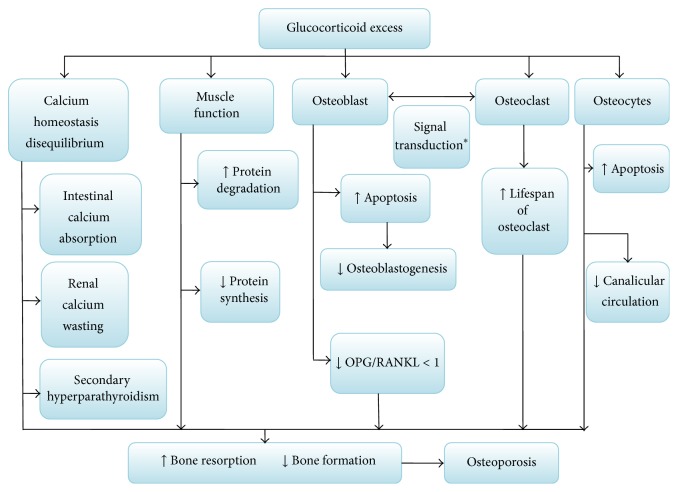
“Several studies [22, 23] indicated that these actions include a decrease in the ratio of OPG/RANKL, which increased bone resorption and reduced bone formation, and also demonstrated that the Wnt signaling pathway may be involved in the GC-induced suppression of OPG.”
BackgroundEckardt, K.-U., & Kasiske, B. L. (2009) · Kidney International · doi:10.1038/ki.2009.188 · Cited by 1,167
Glucocorticoid-induced osteoporosis: pathophysiology and therapy
Canalis, E., Mazziotti, G., Giustina, A., & Bilezikian, J. P. (2007) · Osteoporosis International · doi:10.1007/s00198-007-0394-0 · Cited by 1,114
Bolland, M. J., Avenell, A., Baron, J. A., Grey, A., MacLennan, G. S., Gamble, G. D., & Reid, I. R. (2010) · BMJ · doi:10.1136/bmj.c3691 · Cited by 1,099 · cited 1×
“A daily intake of 1200mg of calcium is recommended for all women with osteoporosis, but high doses of calcium supplementationmay cause increased kidney stone formation [84].”
BackgroundSkeletal remodeling in health and disease
Zaidi, M. (2007) · Nature Medicine · doi:10.1038/nm1593 · Cited by 1,069 · cited 1×
“Bone remodeling, which is mediated by osteoclasts (OC) and osteoblasts (OB) activities, is continuous in the whole life [8].”
BackgroundSingle-dose, placebo-controlled, randomized study of AMG 785, a sclerostin monoclonal antibody
Padhi, D., Jang, G., Stouch, B., Fang, L., & Posvar, E. (2011) · Journal of Bone and Mineral Research · doi:10.1002/jbmr.173 · Cited by 786 · cited 1×
“In a phase I clinical study, a single dose of anti-sclerostin antibody (AMG 785, romosozumab) increased bone density in the hip and spine in postmenopausal women [59].”
BackgroundO’Brien, C. A., Jia, D., Plotkin, L. I., Bellido, T., Powers, C. C., Stewart, S. A., Manolagas, S. C., & Weinstein, R. S. (2004) · Endocrinology · doi:10.1210/en.2003-0990 · Cited by 771 · cited 2×
“With regard to excess GC, it can suppress bone formation through inhibition of osteoblastic gene transcription [21].”
BackgroundTargeting the Wnt/β-Catenin Pathway to Regulate Bone Formation in the Adult Skeleton
Baron, R., & Rawadi, G. (2007) · Endocrinology · doi:10.1210/en.2007-0270 · Cited by 584
The challenge of managing drug interactions in elderly people
Mallet, L., Spinewine, A., & Huang, A. (2007) · The Lancet · doi:10.1016/s0140-6736(07)61092-7 · Cited by 537 · cited 1×
“[89] pointed out the impact of polypharmacy in general and its side effect on mortality and morbidity especially in aged patients.”
BackgroundWells, G. A., Cranney, A., Peterson, J., Boucher, M., Shea, B., Welch, V., Coyle, D., & Tugwell, P. (2008) · Cochrane Database of Systematic Reviews · doi:10.1002/14651858.cd003376.pub3 · Cited by 499 · cited 1×
“potent bisphosphonates like ibandronate, risedronate, and zoledronic acid may be given as infrequent, intermittent administration, which have been lately approved by US Food and Drug Administration [45].”
BackgroundWoodle, E. S., First, M. R., Pirsch, J., Shihab, F., Gaber, A. O., & Van Veldhuisen, P. (2008) · Annals of Surgery · doi:10.1097/sla.0b013e318187d1da · Cited by 474 · cited 1×
“Another trial [69] comparing early (7 days) GC cessation versus longterm, low-dose (5mg/d after 6 months of transplant) GC therapy in 386 renal transplant patients showed that there is no discrepancy in the rate of bone loss at 5 years’ follow-up.”
BackgroundRauch, A., Seitz, S., Baschant, U., Schilling, A. F., Illing, A., Stride, B., Kirilov, M., Mandic, V., Takacz, A., Schmidt-Ullrich, R., et al. (2010) · Cell Metabolism · doi:10.1016/j.cmet.2010.05.005 · Cited by 422 · cited 1×
“GCs act primarily via the GR in bone cells to induce bone loss [27, 28].”
BackgroundOminsky, M. S., Vlasseros, F., Jolette, J., Smith, S. Y., Stouch, B., Doellgast, G., Gong, J., Gao, Y., Cao, J., Graham, K., et al. (2010) · Journal of Bone and Mineral Research · doi:10.1002/jbmr.14 · Cited by 414 · cited 1×
“Antibodies targeting sclerostin increase bone growth in preclinical studies in osteoporotic monkeys [58].”
BackgroundThe Pathogenesis, Epidemiology and Management of Glucocorticoid-Induced Osteoporosis
van Staa, T. P. (2006) · Calcified Tissue International · doi:10.1007/s00223-006-0019-1 · Cited by 260
Physical activity when young provides lifelong benefits to cortical bone size and strength in men
Warden, S. J., Mantila Roosa, S. M., Kersh, M. E., Hurd, A. L., Fleisig, G. S., Pandy, M. G., & Fuchs, R. K. (2014) · Proceedings of the National Academy of Sciences · doi:10.1073/pnas.1321605111 · Cited by 235 · cited 1×
“Physical activity should be encouraged during aging to reduce skeletal structural decay [73].”
BackgroundKneissel, M., Luong-Nguyen, N.-H., Baptist, M., Cortesi, R., Zumstein-Mecker, S., Kossida, S., O'Reilly, T., Lane, H., & Susa, M. (2004) · Bone · doi:10.1016/j.bone.2004.07.013 · Cited by 159 · cited 1×
“Everolimus [38] reduces cancellous bone loss in ovariectomized rats by decreasing osteoclast mediated bone resorption.”
BackgroundPascual, J., Quereda, C., Zamora, J., & Hernández, D. (2004) · Transplantation · doi:10.1097/01.tp.0000140969.43761.1f · Cited by 157 · cited 1×
“But, a randomized controlled trial [66] has shown that GC withdrawal, when carried out weeks to months after renal transplantation, is correlated with an increased risk of acute rejection.”
BackgroundPrevention of glucocorticoid‐induced bone loss in mice by inhibition of RANKL
Hofbauer, L. C., Zeitz, U., Schoppet, M., Skalicky, M., Schüler, C., Stolina, M., Kostenuik, P. J., & Erben, R. G. (2009) · Arthritis & Rheumatism · doi:10.1002/art.24445 · Cited by 132 · cited 11×
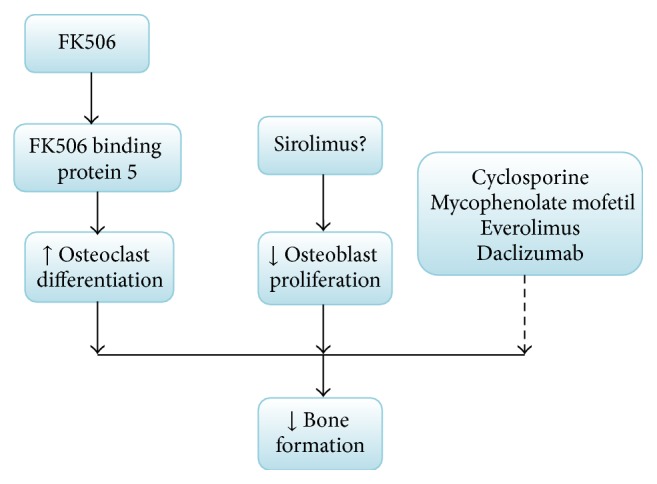
“The murine experiment [34] suggests that FK506 binding protein 5 (FKBP5) messenger RNA (mRNA) in bone marrow can promote osteoclast differentiation by a mechanism distinct from NF-𝜅B activation and might play a role in GIO.”
BackgroundInfluentialApproach to the Patient with Transplantation-Related Bone Loss
Ebeling, P. R. (2009) · The Journal of Clinical Endocrinology & Metabolism · doi:10.1210/jc.2009-0205 · Cited by 128
Tat, S. K., Pelletier, J.-P., Lajeunesse, D., Fahmi, H., Lavigne, M. J. F., & Pelletier, J. (2008) · Clinical and Experimental Rheumatology · Cited by 126
Wang, F., Chung, P., Lin, C., Chen, M., Ke, H.-J., Chang, Y. A., Chen, Y., Wu, S., & Ko, J. (2013) · Arthritis & Rheumatism · doi:10.1002/art.37948 · Cited by 121
New Perspective in Osteoarthritis: The OPG and RANKL System as a Potential Therapeutic Target?
Tat, S. K., Pelletier, J.-P., Velasco, C. R., Padrines, M., & Martel-Pelletier, J. (2009) · The Keio Journal of Medicine · doi:10.2302/kjm.58.29 · Cited by 112
Bone disease after renal transplantation
Malluche, H. H., Monier-Faugere, M.-C., & Herberth, J. (2010) · Nature Reviews Nephrology · doi:10.1038/nrneph.2009.192 · Cited by 110
Dexamethasone promotes osteoclastogenesis by inhibiting osteoprotegerin through multiple levels
Kondo, T., Kitazawa, R., Yamaguchi, A., & Kitazawa, S. (2008) · Journal of Cellular Biochemistry · doi:10.1002/jcb.21414 · Cited by 103 · cited 1×
“Several studies [22, 23] indicated that these actions include a decrease in the ratio of OPG/RANKL, which increased bone resorption and reduced bone formation, and also demonstrated that the Wnt signaling pathway may be involved in the GC-induced suppression of OPG.”
BackgroundSclerostin and DKK1 in postmenopausal osteoporosis treated with denosumab
Gatti, D., Viapiana, O., Fracassi, E., Idolazzi, L., Dartizio, C., Povino, M. R., Adami, S., & Rossini, M. (2012) · Journal of Bone and Mineral Research · doi:10.1002/jbmr.1681 · Cited by 102 · cited 1×
“Numerous studies [64, 65] have also demonstrated that GC is a major contributor to bone loss after transplantation, especially the rapid bone loss that occurs in the first 6–12 months.”
BackgroundShi, C., Qi, J., Huang, P., Jiang, M., Zhou, Q., Zhou, H., Kang, H., Qian, N., Yang, Q., Guo, L., et al. (2014) · Bone · doi:10.1016/j.bone.2014.08.004 · Cited by 94 · cited 10×
“The murine experiment [34] suggests that FK506 binding protein 5 (FKBP5) messenger RNA (mRNA) in bone marrow can promote osteoclast differentiation by a mechanism distinct from NF-𝜅B activation and might play a role in GIO.”
BackgroundInfluentialWestenfeld, R., Schlieper, G., Woltje, M., Gawlik, A., Brandenburg, V., Rutkowski, P., Floege, J., Jahnen-Dechent, W., & Ketteler, M. (2011) · Nephrology Dialysis Transplantation · doi:10.1093/ndt/gfr214 · Cited by 84 · cited 1×
“A recent in vitro study [36] suggests sirolimus might interfere with the proliferation and differentiation of osteoblasts, while a previous research [37] showed SRLwas a “bone sparing immunosuppressant,” and it can increase the ratio of OPG/RANKL and has a potential to counteract deleterious GC effects on the bone.”
BackgroundManagement of mineral and bone disorder after kidney transplantation
Kalantar‐Zadeh, K., Molnar, M. Z., Kovesdy, C. P., Mucsi, I., & Bunnapradist, S. (2012) · Current Opinion in Nephrology & Hypertension · doi:10.1097/mnh.0b013e3283546ee0 · Cited by 83 · cited 1×
“It can theoretically reduce osteoclastic resorption of trabecular structures, but currently the human data is as yet unproven [57].”
BackgroundRisedronate Reduces the Risk of First Vertebral Fracture in Osteoporotic Women
Heaney, R. P., Zizic, T. M., Fogelman, I., Olszynski, W. P., Geusens, P., Kasibhatla, C., Alsayed, N., Isaia, G., Davie, M. W. J., & Chesnut, C. H. (2002) · Osteoporosis International · doi:10.1007/s001980200061 · Cited by 83 · cited 1×
“A research suggested that patients, over the age of 50 years, can receive oral administration of vitamin D in 800 IU, including supplements if necessary [85].”
BackgroundIkeda, K., & Takeshita, S. (2014) · Journal of Bone Metabolism · doi:10.11005/jbm.2014.21.3.163 · Cited by 78 · cited 1×
“An advanced research [11] showed that two important factors, complement component 3a (C3a) and collagen triple helix repeat containing 1 (Cthrc1), establish a bridge between OC and OB.”
BackgroundTherapeutic potential of adipose-derived stromal cells in age-related osteoporosis
Mirsaidi, A., Genelin, K., Vetsch, J. R., Stanger, S., Theiss, F., Lindtner, R. A., von Rechenberg, B., Blauth, M., Müller, R., Kuhn, G. A., et al. (2014) · Biomaterials · doi:10.1016/j.biomaterials.2014.05.016 · Cited by 74 · cited 1×
“Another study [63] also supports the use of ASCs as an autologous cellbased approach for the treatment of osteoporosis.”
ResultOmentin-1 Stimulates Human Osteoblast Proliferation through PI3K/Akt Signal Pathway
Wu, S.-S., Liang, Q.-H., Liu, Y., Cui, R.-R., Yuan, L.-Q., & Liao, E.-Y. (2013) · International Journal of Endocrinology · doi:10.1155/2013/368970 · Cited by 73 · cited 1×
“Recent studies have demonstrated that several new transcription factors or regulators, such as nuclear factor I-C (NFI-C) [12], omentin-1 [13], and Netrin-4 [14], play different regulating roles in osteoblast proliferation and differentiation; moreover, they could also be used as novel therapeutic approach for treatin…”
BackgroundFahrleitner, A., Prenner, G., Leb, G., Tscheliessnigg, K. H., Piswanger-Sölkner, C., Obermayer-Pietsch, B., Portugaller, H. R., Berghold, A., & Dobnig, H. (2003) · Bone · doi:10.1016/s8756-3282(02)00926-2 · Cited by 71 · cited 1×
“A study confirmed that the inseparable correlation between declined serum OPG levels and the relative bone loss has been observed in the early cardiac posttransplantation period, regardless of effective immunosuppressive therapy [39].”
BackgroundSkeletal Diseases in Cushing’s Syndrome: Osteoporosis versus Arthropathy
Kaltsas, G., & Makras, P. (2010) · Neuroendocrinology · doi:10.1159/000314298 · Cited by 71 · cited 1×
“With regard to GC excess, some researches confirmed that it was directly associated with osteoblast and osteocyte apoptosis in a transgenic mouse model of cell-targeted disruption of GC signaling [20, 21].”
BackgroundTreatment of osteopenia and osteoporosis in renal transplant children and adolescents
El-Husseini, A. A., El‐Agroudy, A. E., El-Sayed, M., Sobh, M. A. K., & Ghoneim, M. A. (2004) · Pediatric Transplantation · doi:10.1111/j.1399-3046.2004.00191.x · Cited by 69 · cited 1×
“[78] had demonstrated that treatment of established bone loss with alendronate (5mg/d, oral) is effective in young individuals even after the period of most rapid bone loss has already occurred and also indicated efficacy of intranasal calcitonin (200 IU/day) in the treatment of bone loss in young renal transplant rec…”
BackgroundRauch, A., Gossye, V., Bracke, D., Gevaert, E., Jacques, P., Van Beneden, K., Vandooren, B., Rauner, M., Hofbauer, L. C., Haegeman, G., et al. (2011) · The FASEB Journal · doi:10.1096/fj.10-173393 · Cited by 69
The Role of Falls in Fracture Prediction
Bischoff-Ferrari, H. A. (2011) · Current Osteoporosis Reports · doi:10.1007/s11914-011-0059-y · Cited by 66 · cited 1×
“Additionally, excess GC, through increased protein degradation and decreased protein synthesis, can also adversely affect muscle function; moreover, the riskiness of fragility fractures steadily increases bymuscle weakness [30].”
BackgroundSmerud, K. T., Dolgos, S., Olsen, I. C., Åsberg, A., Sagedal, S., Reisæter, A. V., Midtvedt, K., Pfeffer, P., Ueland, T., Godang, K., et al. (2012) · American Journal of Transplantation · doi:10.1111/j.1600-6143.2012.04233.x · Cited by 65
NFI-C Regulates Osteoblast Differentiation via Control of Osterix Expression
Lee, D., Choung, H., Kim, H., Gronostajski, R. M., Yang, Y., Ryoo, H., Lee, Z. H., Kim, H., Cho, E., & Park, J. (2014) · Stem Cells · doi:10.1002/stem.1733 · Cited by 62 · cited 1×
“Recent studies have demonstrated that several new transcription factors or regulators, such as nuclear factor I-C (NFI-C) [12], omentin-1 [13], and Netrin-4 [14], play different regulating roles in osteoblast proliferation and differentiation; moreover, they could also be used as novel therapeutic approach for treatin…”
BackgroundMarcén, R., Caballero, C., Pascual, J., Teruel, J. L., Tenorio, M., Ocaña, J., Villafruela, J. J., Burgos, F., Fernández, A. M., Muriel, A., et al. (2006) · Transplantation · doi:10.1097/01.tp.0000203557.36884.e3 · Cited by 60
Wnt3a Reestablishes Osteogenic Capacity to Bone Grafts from Aged Animals
Leucht, P., Jiang, J., Cheng, D., Liu, B., Dhamdhere, G. R., Fang, M. Y., Monica, S. D., Urena, J. J., Cole, W., Smith, R. L., et al. (2013) · Journal of Bone and Joint Surgery · doi:10.2106/jbjs.l.01502 · Cited by 60 · cited 1×
“[90] found that human bone marrow loses its osteogenic potential with age and aged bone grafts show a dramatic reduction in Wnt gene expression and Wnt responsiveness.”
BackgroundSclerostin Blood Levels Before and After Kidney Transplantation
Bonani, M., Rodríguez, D., Fehr, T. H., Mohebbi, N., Brockmann, J. G., Blum, M., Graf, N., Frey, D., & Wuthrich, R. P. (2014) · Kidney & Blood Pressure Research · doi:10.1159/000355781 · Cited by 57 · cited 1×
“A research [43] concluded that the rapid reduction of elevated serum sclerostin levels one year after kidney transplantation parallels the improvement of renal function; the normalization of this hormone could contribute to improved bone health after renal transplantation.”
BackgroundEstrogen receptor α36 mediates a bone-sparing effect of 17β-estrodiol in postmenopausal women
Xie, H., Sun, M., Liao, X., Yuan, L., Sheng, Z., Meng, J.-C., Wang, D., Yu, Z.-Y., Zhang, L., Zhou, H., et al. (2010) · Journal of Bone and Mineral Research · doi:10.1002/jbmr.169 · Cited by 56
Treatment of Osteoporosis and Osteopenia in Long‐term Renal Transplant Patients with Alendronate
Cruz, D. N., Brickel, H. M., Wysolmerski, J. J., Gundberg, C. G., Simpson, C. A., Kliger, A. S., Lorber, M. I., Basadonna, G. P., Friedman, A. L., Insogna, K. L., et al. (2002) · American Journal of Transplantation · doi:10.1034/j.1600-6143.2002.020111.x · Cited by 54
Soluble Guanylate Cyclase as a Novel Treatment Target for Osteoporosis
Joshua, J., Schwaerzer, G. K., Kalyanaraman, H., Cory, E., Sah, R. L., Li, M., Vaida, F., Boss, G. R., & Pilz, R. B. (2014) · Endocrinology · doi:10.1210/en.2014-1343 · Cited by 48 · cited 1×
“[86] put forward the fact that cyclic GMP- (cGMP-) elevating agents may have boneprotective effects through nitric oxide/cGMP/protein kinase G (NO/cGMP/PKG) pathway.”
BackgroundAggarwal, R., Lu, J., Kanji, S., Joseph, M., Das, M., Noble, G. J., McMichael, B. K., Agarwal, S., Hart, R. T., Sun, Z., et al. (2012) · PLoS ONE · doi:10.1371/journal.pone.0039365 · Cited by 48
King, C. M., Cobb, M., Collman, D. R., Lagaay, P. M., & Pollard, J. D. (2011) · The Journal of Foot & Ankle Surgery · doi:10.1053/j.jfas.2011.09.007 · Cited by 46
Dorn, L. D., Beal, S. J., Kalkwarf, H. J., Pabst, S., Noll, J. G., & Susman, E. J. (2013) · Journal of Adolescent Health · doi:10.1016/j.jadohealth.2012.10.005 · Cited by 40 · cited 1×
“[72] pointed out that the adolescent smokers are at higher risk for less than optimal bone accrual.”
BackgroundWeekly risedronate in kidney transplant patients with osteopenia
Torregrosa, J., Fuster, D., Pedroso, S., Diekmann, F., Campistol, J. M., Rubí, S., & Oppenheimer, F. (2007) · Transplant International · doi:10.1111/j.1432-2277.2007.00501.x · Cited by 39 · cited 1×
“[52] also found that combination of risedronate (35mg/week, oral administration) and vitaminD as well as calcium (800 IU cholecalciferol and 2500mg of CaCO 3 /d) ameliorates BMD and bone pain in renal transplant recipients with established OP and also improves quality of life.”
BackgroundTorregrosa, J., Fuster, D., Monegal, A., Gentil, M. A., Bravo, J. A., Guirado, L., Muxí, Á., & Cubero, J. (2010) · Osteoporosis International · doi:10.1007/s00198-010-1197-2 · Cited by 39 · cited 1×
“[50] concluded that the administration of 60mg pamidronate should be safe and has less adverse effects.”
BackgroundOpelz, G., & Döhler, B. (2010) · Transplantation · doi:10.1097/tp.0b013e3181fa94d6 · Cited by 39 · cited 2×
“Another study by Opelz and Döhler [83] corroborated the fact that the posttransplant fracture risk was increased for women, especially for women over 60 years of age who had a 5-fold increased risk of hip fracture.”
BackgroundCorey, R. L., Whitaker, M. D., Crowell, M. D., Keddis, M. T., Aqel, B., Balan, V., Byrne, T., Carey, E., Douglas, D. D., Harrison, M. E., et al. (2014) · Clinical Transplantation · doi:10.1111/ctr.12351 · Cited by 38 · cited 1×
“One study has indicated that low vitamin D levels and bone disease are common among patients with end-stage liver disease awaiting liver transplantation [70].”
BackgroundBrandenburg, V. M., Ketteler, M., Heussen, N. M., Politt, D., Frank, R. D., Westenfeld, R., Ittel, T. H., & Floege, J. (2005) · Osteoporosis International · doi:10.1007/s00198-005-1884-6 · Cited by 36 · cited 1×
“[79] have confirmed that low estradiol and high luteotropic hormone (LH) levels correlated with the extent of annual BMD loss (P < 0.”
BackgroundEnoki, Y., Sato, T., Tanaka, S., Iwata, T., Usui, M., Takeda, S., Kokabu, S., Matsumoto, M., Okubo, M., Nakashima, K., et al. (2014) · FEBS Letters · doi:10.1016/j.febslet.2014.05.009 · Cited by 36 · cited 1×
“Recent studies have demonstrated that several new transcription factors or regulators, such as nuclear factor I-C (NFI-C) [12], omentin-1 [13], and Netrin-4 [14], play different regulating roles in osteoblast proliferation and differentiation; moreover, they could also be used as novel therapeutic approach for treatin…”
BackgroundFoley, D. P., Patton, P. R., Meier‐Kriesche, H., Li, Q., Shenkman, B., Fujita, S., Reed, A., Hemming, A. W., Kim, R. D., & Howard, R. J. (2005) · PubMed · Cited by 32
Lekva, T., Ueland, T., Bøyum, H., Evang, J. A., Godang, K., & Bollerslev, J. (2012) · European Journal of Endocrinology · doi:10.1530/eje-11-1082 · Cited by 32 · cited 1×
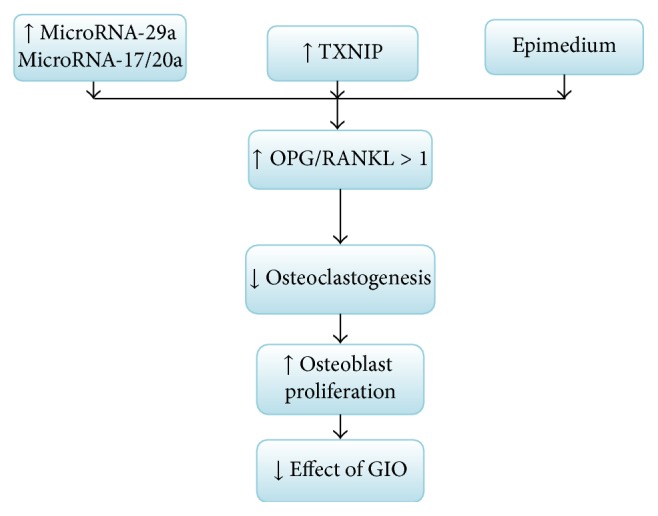
“However, fortunately, OB can partly regulate the detrimental effects of GC; a frontier research [31] indicated that gene encoding TXNIP may increase the ratio of OPG/RANKL to disfavor OB-mediated osteoclastogenesis.”
BackgroundEmerging therapies for the treatment of osteoporosis
Bhutani, G., & Gupta, M. C. (2013) · Journal of Mid-life Health · doi:10.4103/0976-7800.118991 · Cited by 31 · cited 1×
“With the increasing exploitation of new drugs, such as sclerostin inhibitors, bone formation stimulants, αVβ3 integrin antagonists, cathepsin K inhibitor, calcium sensitive receptor antagonist, chloride channel inhibitors, nitrates, and so forth [44], the safety and effectiveness of these agents have attracted attenti…”
BackgroundLong-term care of the heart transplant recipient
Kittleson, M. M., & KOBASHIGAWA, J. A. (2014) · Current Opinion in Organ Transplantation · doi:10.1097/mot.0000000000000117 · Cited by 31
Insights Into the Mechanisms of Sclerostin Action in Regulating Bone Mass Accrual
Williams, B. O. (2013) · Journal of Bone and Mineral Research · doi:10.1002/jbmr.2154 · Cited by 30 · cited 1×
“Wnt-signaling pathway [41, 42] has a central role in regulating bone formation, and sclerostin inhibits bone formation.”
BackgroundNogueira, E., Costa, A. C., Santana, A., Guerra, J. O., Silva, S. M., Mil-Homens, C., & da Costa, A. G. (2011) · Transplantation · doi:10.1097/tp.0b013e3182247b98 · Cited by 30 · cited 1×
“[56] strongly suggest that refractory hypocalcaemia after renal transplantation in patients with low PTH levels can be successfully treated with teriparatide; PTH analog therapy permits earlier suspension of intravenous calcium supplementation and reduces calcitriol requirements.”
BackgroundTetè, S., Vinci, R., Zizzari, V. L., Zara, S., Scala, V. L., Cataldi, A., Gherlone, E. F., & Piattelli, A. (2013) · European Journal of Histochemistry · doi:10.4081/ejh.2013.e10 · Cited by 27 · cited 1×
“Obviously, the OPG/RANKL ratio controls the absorption of osteoclasts on bone; that is to say, the ratio <1 suggests a RANKL predominant activity and bone resorption, while an OPG/RANKL ratio >1 reveals OPG greater activity, and the bone protection process was predominant [24].”
BackgroundHari, P., DeFor, T. E., Vesole, D. H., Bredeson, C., & Burns, L. J. (2013) · Transplantation and Cellular Therapy · doi:10.1016/j.bbmt.2013.06.015 · Cited by 26 · cited 1×
“In amulticenter, phase II, randomized openlabel trial of intravenous zoledronic acid (ZA) (4mg) to prevent BMD loss in adult recipients of allogeneic hematopoietic cell transplantation (alloHCT) with osteopenia before HCT, it had been confirmed that intermittent ZA is effective in preserving long-termbone health in ad…”
BackgroundOsteoporosis after renal transplantation
Dounousi, E. C., Leivaditis, K., Eleftheriadis, T., & Liakopoulos, V. (2014) · International Urology and Nephrology · doi:10.1007/s11255-014-0862-3 · Cited by 25 · cited 1×
“In particular, OP after renal transplantation may thoroughly tend to pass through the process above [7].”
BackgroundOsteoporosis and Related Risk Factors in Renal Transplant Recipients
Ahmadpoor, P., Reisi, S., Makhdoomi, K., Ghafari, A., Sepehrvand, N., & Rahimi, E. (2009) · Transplantation Proceedings · doi:10.1016/j.transproceed.2009.07.018 · Cited by 24 · cited 1×
“[91] showed that a hip or spine Z score of 1 or less had relationship to the total dosage of prednisolone (P < 0.”
BackgroundHofstetter, B., Gamsjaeger, S., Varga, F., Dobnig, H., Stepan, J. J., Petto, H., Pavo, I. J., Klaushofer, K., & Paschalis, E. P. (2014) · Osteoporosis International · doi:10.1007/s00198-014-2814-2 · Cited by 24
Tamminen, I. S., Valta, H., Jalanko, H., Salminen, S. T., Mäyränpää, M. K., Isaksson, H., Kröger, H., & Mäkitie, O. (2014) · Pediatric Nephrology · doi:10.1007/s00467-014-2771-1 · Cited by 22 · cited 1×
“A descriptive study [75] on bone histomorphometric findings pointed out that bone quality (i.”
BackgroundSelective glucocorticoid receptor agonists: Glucocorticoid therapy with no regrets?
Cooper, M. S., Zhou, H., & Seibel, M. J. (2012) · Journal of Bone and Mineral Research · doi:10.1002/jbmr.1753 · Cited by 22
Fábrega, E., Orive, A., García‐Unzueta, M., Amado, J. A., Casafont, F., & Pons‐Romero, F. (2006) · Clinical Transplantation · doi:10.1111/j.1399-0012.2006.00497.x · Cited by 20
Krol, C. G., Dekkers, O. M., Kroon, H. M., Rabelink, T. J., van Hoek, B., & Hamdy, N. A. T. (2014) · The Journal of Clinical Endocrinology & Metabolism · doi:10.1210/jc.2014-1469 · Cited by 20
Immunosuppressant-Related Hip Pain After Orthotopic Liver Transplant
Li, H., He, J.-W., Fu, B., Wang, K., Jiang, N., Wang, G., Zhang, J., Wang, G., Yang, Y., & Chen, G. (2012) · Experimental and Clinical Transplantation · doi:10.6002/ect.2012.0026 · Cited by 17
Early bone mineral density decrease is associated with FSH and LH, not estrogen
Wu, X., Yu, S.-J., Zhang, H., Xie, H., Luo, X., Peng, Y., Yuan, L., Dai, R.-C., Sheng, Z., Liu, S., et al. (2012) · Clinica Chimica Acta · doi:10.1016/j.cca.2012.10.005 · Cited by 17 · cited 1×
“A crosssectional study [81] has shown that the decrease of BMD during the menopause is associated with follicle-stimulating hormone (FSH) and luteinizing hormone (LH) levels, rather than estradiol (E 2 ) in Chinese women.”
BackgroundSelf-citationShah, S. H., Johnston, T. D., Jeon, H., & Ranjan, D. (2006) · Journal of Surgical Research · doi:10.1016/j.jss.2006.04.032 · Cited by 16 · cited 1×
“However, the specific data of GC avoidance or withdrawal protocol are conflicting clinically; one retrospective study [68] showed that all liver transplant patients who received GC >3500mg in the first year have a much higher risk of bone disease than the group of GC <3500mg and that female patients were worse than th…”
BackgroundImpaired Bone Geometry After Heart and Heart-Lung Transplantation in Childhood
Bechtold, S. M., Putzker, S., Birnbaum, J., Schwarz, H., Netz, H., & Pozza, R. D. (2010) · Transplantation · doi:10.1097/tp.0b013e3181f6300b · Cited by 15
Metabolic bone disease after renal transplantation
Haffner, D., & Schüler, U. (2014) · Current Opinion in Pediatrics · doi:10.1097/mop.0000000000000058 · Cited by 15
Effect of Alendronate on Early Bone Loss of Renal Transplant Recipients
Abediazar, S., & Nakhjavani, M. R. J. (2011) · Transplantation Proceedings · doi:10.1016/j.transproceed.2011.01.025 · Cited by 14 · cited 1×
“Abediazar and Nakhjavani [47] have shown that low-dose (30mg) alendronate combined with vitamin D can increase the BMD immediately after renal transplantation.”
BackgroundRicci, P., Tauchmanovà, L., Risitano, A. M., Carella, C., Mazziotti, G., Lombardi, G., Colao, A., Rotoli, B., & Selleri, C. (2006) · Transplantation · doi:10.1097/01.tp.0000244588.42519.72 · Cited by 14
Omidvar, B., Ghorbani, A., Shahbazian, H., Mousavi, S. S. B., Nabavi, S. A., & Alasti, M. (2011) · Iranian Journal of Kidney Diseases · Cited by 13
What is the impact of immunosuppressive treatment on the post-transplant renal osteopathy?
Blaslov, K., Katalinić, L., Kes, P., Spasovski, G. B., Šmalcelj, R., & Bašić‐Jukić, N. (2013) · International Urology and Nephrology · doi:10.1007/s11255-013-0596-7 · Cited by 12
Jeon, H. J., Han, M. A., Jeong, J. C., Kim, Y. J., Kwon, H. Y., Koo, T. Y., Ahn, C., & Yang, J. (2013) · Transplantation Proceedings · doi:10.1016/j.transproceed.2013.08.066 · Cited by 12 · cited 1×
“Also, the recent study [48] put forward the fact that a combination of vitamin D and bisphosphonate is the most effective protocol to improve BMD in renal transplantation recipients, but it also points out that patients who had persistent hyperparathyroidism could not use vitamin D and bisphosphonate only.”
BackgroundThe correlation between renal function and bone mineral density.
Tseng, T. H., Mu, C., & Hsu, C. Y. (2014) · PubMed · Cited by 11
Huang, W., Lee, S., Weng, C., & Lai, P. (2012) · PLoS ONE · doi:10.1371/journal.pone.0048481 · Cited by 11 · cited 1×
“A randomized casecontrol study [46] has shown that the use of alendronate sodium (Fosamax) (70mg per week) for 14 months has a better curative effect without deteriorating renal function.”
BackgroundRole of FK506 binding protein 5 (FKBP5) in osteoclast differentiation
Kimura, M., Nagai, T., Matsushita, R., Hashimoto, A., Miyashita, T., & Hirohata, S. (2012) · Modern Rheumatology · doi:10.1007/s10165-012-0809-4 · Cited by 11
Osteoarticular pain and bone mineral density in renal transplantation
Toro, J., Gentil, M. A., García, R., Alvárez, R., Valdivia, M. Á. P., Roncero, F. G., Pereira, P., Algarra, G., & Mateos, J. (2003) · Transplantation Proceedings · doi:10.1016/s0041-1345(03)00737-1 · Cited by 10 · cited 1×
“[80] pointed out that OP was more frequent among female than male patients.”
BackgroundWang, J., Gao, H., Wang, K., Zhou, R., Li, X., Guo, J., & Lv, H.-C. (2011) · PubMed · Cited by 10
Shimizu, C., Fujita, T., Fuke, Y., Yabuki, M., Kajiwara, M., Hemmi, S., Satomura, A., & Soma, M. (2012) · International Urology and Nephrology · doi:10.1007/s11255-012-0264-3 · Cited by 8 · cited 10×
“The murine experiment [34] suggests that FK506 binding protein 5 (FKBP5) messenger RNA (mRNA) in bone marrow can promote osteoclast differentiation by a mechanism distinct from NF-𝜅B activation and might play a role in GIO.”
BackgroundInfluentialAdult height of three renal transplant patients after growth hormone therapy
Motoyama, O., Hasegawa, A., Kawamura, T., Aikawa, A., & Iitaka, K. (2007) · Clinical and Experimental Nephrology · doi:10.1007/s10157-007-0491-6 · Cited by 5 · cited 1×
“Some studies [77] have indicated that GC withdrawal and recombinant human growth hormone (GH) therapy are helpful for attaining adult height.”
BackgroundTao, H., Yu, M.-C., Yang, H., Yang, C., Qu, R., Dai, J., Yu, L., & Yuan, L. (2011) · PubMed · Cited by 3
Research works printed but not linked: 1
- Ebeling P. R. Approach to the patient with transplantation-related bone loss The Journal of Clinical Endocrinology and Metabolism 2009 94 5 1483 1490 10.1210/jc.2009-0205 2-s2.0-66149146642 19420272 · DOI · Paper page
Cited by
Velleca, A., Shullo, M. A., Dhital, K., Azeka, E., Colvin, M., DePasquale, E., Farrero, M., García-Guereta, L., Jamero, G., Khush, K., et al. (2023) · The Journal of Heart and Lung Transplantation · doi:10.1016/j.healun.2022.10.015 · Cited by 645
Chitosan and gelatin-based electrospun fibers for bone tissue engineering
Ranganathan, S., Balagangadharan, K., & Selvamurugan, N. (2019) · International Journal of Biological Macromolecules · doi:10.1016/j.ijbiomac.2019.04.115 · Cited by 233
Bone diseases in patients with chronic liver disease
Jeong, H., & Kim, D. (2019) · International Journal of Molecular Sciences · doi:10.3390/ijms20174270 · Cited by 113
“Shortly after LT, during the first three to six months, there is a significant and quantitatively substantial increase in bone turnover which is supported by histomorphometric data [142,143] and an early increase in the levels of biochemical markers of bone resorption that exceeds the levels of bone formation markers…”
BackgroundProspect of Stem Cell Therapy and Regenerative Medicine in Osteoporosis
Arjmand, B., Sarvari, M., Alavi-Moghadam, S., Payab, M., Goodarzi, P., Gilany, K., Mehrdad, N., & Larijani, B. A. (2020) · Frontiers in Endocrinology · doi:10.3389/fendo.2020.00430 · Cited by 100
“Although particular protocols are demanded to direct differentiation of embryonic stem cells (ESCs) (from the inner cell mass of a blastocyst) and induced pluripotent stem cells (iPSCs) (embryonic–like stem cells reprogrammed from adult cells) toward the osteoblasts and osteocyte-like cells (bone-forming cells), some…”
BackgroundKim, T.-H., Singh, R. K., Kang, M. S., Kim, J.-H., & Kim, H. (2015) · Acta Biomaterialia · doi:10.1016/j.actbio.2015.09.035 · Cited by 71
Metadata
- Authors
- Song, L., Xie, X.-B., Peng, L.-K., Yu, S.-J., & Peng, Y.-T.
- Affiliations
- Second Xiangya Hospital of Central South University (CN)
- Center of Organ Transplantation, Second Xiangya Hospital of Central South University, Changsha 410011, China
- Department of Respiratory Medicine, Second Xiangya Hospital of Central South University, Changsha 410011, China
- ORCID
- Song, Lei
- Venue
- International Journal of Endocrinology
- Publisher
- Hindawi Limited
- Published
- 2015
- Volume
- 2015
- Pages
- 1-10
- ISSN
- 1687-8337 (ISSN-L)
- 1687-8345
- PMC
- PMC4530234
- OpenAlex
- W2160839386
- Cited by
- 30
- References
- 93
- Citations by year
- 2025: 1 · 2023: 3 · 2022: 3 · 2021: 6 · 2020: 6 · 2019: 5 · 2018: 2 · 2017: 1 · 2016: 2 · 2015: 1
- FWCI
- 0.33
- Type
- journal article
- Language
- en
- Open access
- gold
- doi.org
- Locations
- International Journal of Endocrinology (publishedVersion, cc-by)
- Europe PMC (PubMed Central) (publishedVersion, cc-by)
- PubMed Central (publishedVersion, cc-by)
- PubMed (publishedVersion)
- DOAJ (DOAJ: Directory of Open Access Journals) (submittedVersion, cc-by-sa)
- Topics
- Health Sciences › Medicine › Orthopedics and Sports Medicine › Bone health and osteoporosis research
- Life Sciences › Biochemistry, Genetics and Molecular Biology › Molecular Biology › Bone Metabolism and Diseases
- Health Sciences › Medicine › Oncology › Bone health and treatments
- Keywords
- organ transplantation, immunosuppressants, bone remodeling, bone loss, bisphosphonates, antiresorptive agents, osteoclasts, osteoblasts, bone marrow-derived stem cells, signaling pathways, osteoporosis prevention and treatment, age and gender differences
About these checks
Registry, retraction, Cites and statistics results are computed, not judged, with one exception: a printed reference that no index lists is read once by a model before it counts as a citation error. Claims are extracted by a model and kept only when their quote appears verbatim in the text; each cited source is then checked, with a model’s help, for whether it says what the claim relies on. Those verdicts can be wrong — read the claim’s quote and the cited source before relying on one.
Statistics and arithmetic are recomputed, not judged.
Confidence bands are shown only for fields calibrated on our annotated test set. None is calibrated yet, so no band is shown.
What counts as a claim ›How we measure confidence ›How we check this ›
Are you an author, or do you see a problem with this page? Request a review
Data sources
Bibliographic data: Semantic Scholar, OpenAlex, Crossref.
Contains information from the Semantic Scholar Academic Graph Datasets, made available under the ODC Attribution License (ODC-BY 1.0).
Semantic Scholar’s data is described in: Kinney, R., et al. (2023). The Semantic Scholar Open Data Platform. arXiv:2301.10140.
