

Disrupted Dorsal Mid-Insula Activation During Interoception Across Psychiatric Disorders
Open accessThe DOI matches its Crossref record; 82 of the 82 references it cites were found in a registry or an index.
Abstract
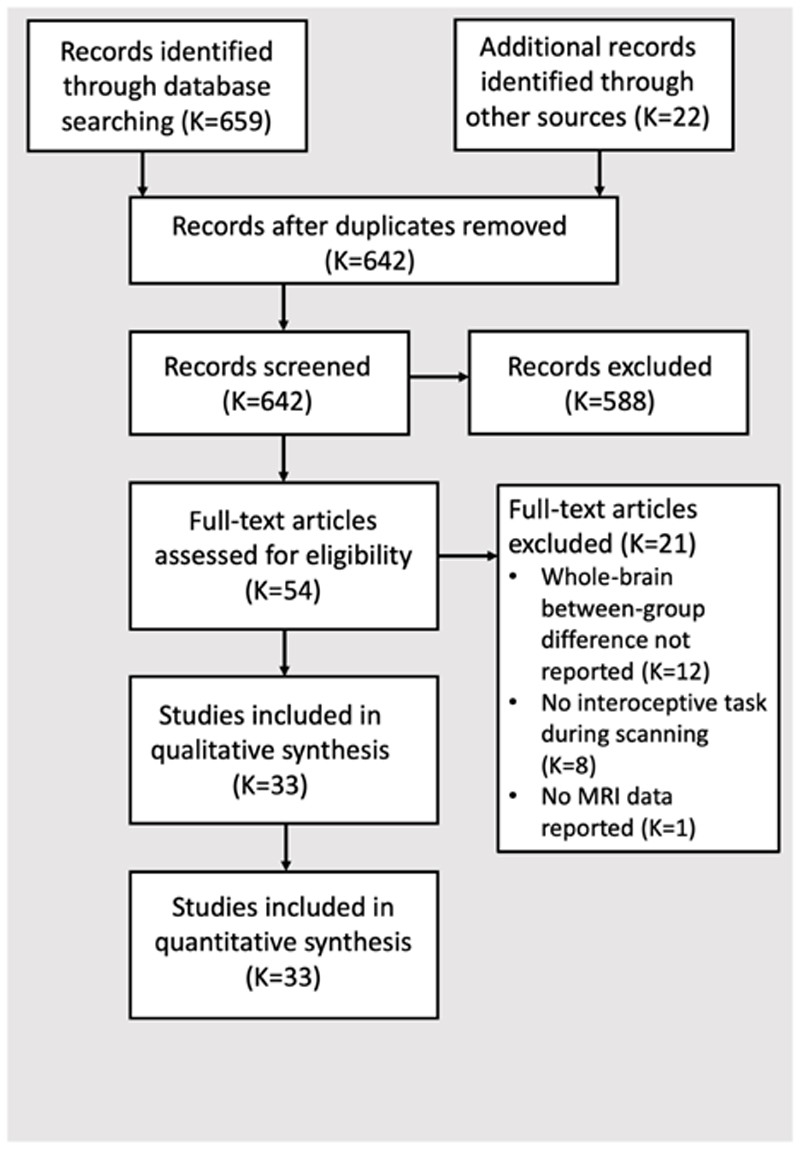
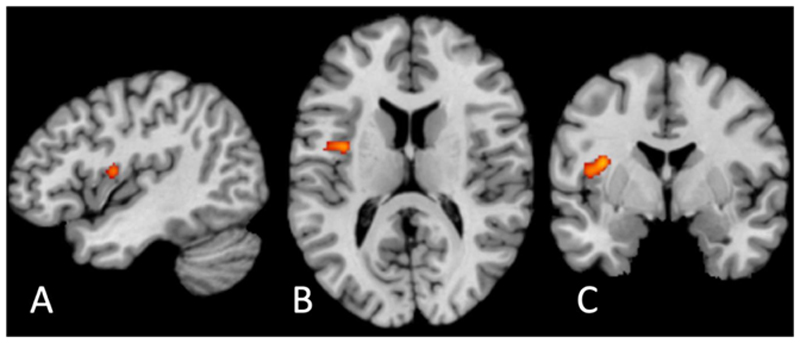
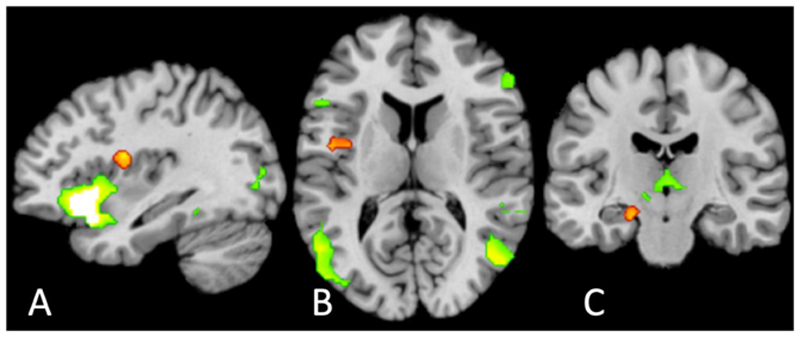
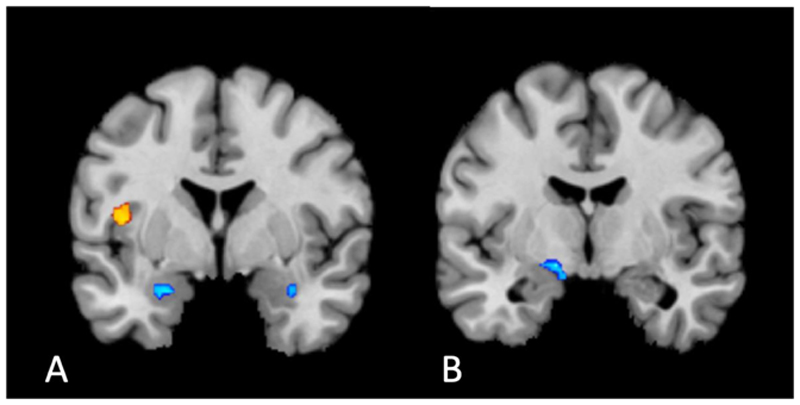
OBJECTIVE: Maintenance of bodily homeostasis relies on interoceptive mechanisms in the brain to predict and regulate bodily state. While altered neural activation during interoception in specific psychiatric disorders has been reported in many studies, it is unclear whether a common neural locus underpins transdiagnostic interoceptive differences. METHODS: The authors conducted a meta-analysis of neuroimaging studies comparing patients with psychiatric disorders with healthy control subjects to identify brain regions exhibiting convergent disrupted activation during interoception. Bibliographic, neuroimaging, and preprint databases through May 2020 were searched. A total of 306 foci from 33 studies were extracted, which included 610 control subjects and 626 patients with schizophrenia, bipolar or unipolar depression, posttraumatic stress disorder, anxiety, eating disorders, or substance use disorders. Data were pooled using a random-effects model implemented by the activation likelihood estimation algorithm. The preregistered primary outcome was the neuroanatomical location of the convergence of peak voxel coordinates. RESULTS: ). Studies directly contributing to the cluster included patients with bipolar disorder, anxiety, major depression, anorexia, and schizophrenia, assessed with task probes including pain, hunger, and interoceptive attention. A series of conjunction analyses against extant meta-analytic data sets revealed that this mid-insula cluster was anatomically distinct from brain regions involved in affective processing and from regions altered by psychological or pharmacological interventions for affective disorders. CONCLUSIONS: These results reveal transdiagnostic, domain-general differences in interoceptive processing in the left dorsal mid-insula. Disrupted mid-insular activation may represent a neural marker of psychopathology and a putative target for novel interventions.
Overview
The claims and statistics of this paper haven’t been checked yet.
Free: it reads the open-access text and checks the first 5 claims that cite a source we can check. Create a free account to check every claim.
Integrity signals
Registry
Cites
Statistics
Figures
Verification
Claims the paper makes
The claims and statistics of this paper haven’t been checked yet.
Free: it reads the open-access text and checks the first 5 claims that cite a source we can check. Create a free account to check every claim.
Claims other papers make about this one
Each is checked against this paper’s own text: does it say what the citing paper says it does?
The source backs part of the claim, not all of it — or backs it for a different population, condition or comparison.
In the citing paper
“The region is also implicated in normal affective processing48–51, and emotional symptomatology in psychiatric disorders52–54, notably anxiety55–57.”
From Beyond bendy joints: number of variant connective tissue features predicts neurodivergent characteristics in hypermobile individuals with anxiety (2026) · cites this paper as [53]
Experimental — accuracy not yet measuredThe source backs part of the claim, not all of it — or backs it for a different population, condition or comparison.
In the citing paper
“The present findings also imply that interoceptive alterations may not reflect a uniform transdiagnostic pattern but instead vary by symptom profile, contrasting the conclusions of Nord et al. [26].”
From Neural correlates of altered interoception in depressive and anxiety disorders: a systematic review and meta-analysis (2026) · cites this paper as [26]
Experimental — accuracy not yet measuredThe cited source says what the claim attributes to it.
In the citing paper
“Moreover, this conceptualization and our insula observations are consistent with findings across several psychiatric disorders [26, 51], supporting the mid-insula as a common locus of disruption.”
From Neural correlates of altered interoception in depressive and anxiety disorders: a systematic review and meta-analysis (2026) · cites this paper as [26]
In the citing paper
“Meta-analytic evidence has shown that disruptions in AIN occur in both bvFTD and psychiatric conditions.91,92”
From Altered spatiotemporal brain dynamics of interoception in behavioural-variant frontotemporal dementia (2025) · cites this paper as [92]
Self-check
Percentages, sums and reported differences re-computed from the paper’s own numbers.
The self-check needs the paper’s full text.
Citations
Cites
Power failure: why small sample size undermines the reliability of neuroscience
Button, K. S., Ioannidis, J. P. A., Mokrysz, C., Nosek, B. A., Flint, J., Robinson, E. S. J., & Munafò, M. R. (2013) · Nature Reviews Neuroscience · doi:10.1038/nrn3475 · Cited by 7,641 · cited 1×
“Lastly, but crucially, many studies included in this meta-analysis, as in the wider neuroscience field (77, 78), are underpowered to detect all but relatively large effect sizes.”
BackgroundInsel, T., Cuthbert, B., Garvey, M., Heinssen, R., Pine, D. S., Quinn, K., Sanislow, C., & Wang, P. (2010) · American Journal of Psychiatry · doi:10.1176/appi.ajp.2010.09091379 · Cited by 7,067 · cited 1×
“In light of the increasing recognition that dimensions of psychopathology cut across traditional nosological boundaries (28, 29), disruptions in interoception may originate from a transdiagnostic perturbation within this neural circuitry.”
How do you feel? Interoception: The sense of the physiological condition of the body
Craig, A. D. (2002) · Nature Reviews Neuroscience · doi:10.1038/nrn894 · Cited by 6,006 · cited 5×
“In contrast, altered activity in the anterior insula might indicate a transdiagnostic disruption in abstract representation of affective state (31), perhaps the aspect of interoceptive processing most strongly implicated in psychopathology (32–34).”
BackgroundInfluentialInteroception: the sense of the physiological condition of the body
(Bud) Craig, A. (2003) · Current Opinion in Neurobiology · doi:10.1016/s0959-4388(03)00090-4 · Cited by 2,556
Eickhoff, S. B., Laird, A. R., Grefkes, C., Wang, L. E., Zilles, K., & Fox, P. T. (2009) · Human Brain Mapping · doi:10.1002/hbm.20718 · Cited by 1,924
Interoceptive inference, emotion, and the embodied self
Seth, A. K. (2013) · Trends in Cognitive Sciences · doi:10.1016/j.tics.2013.09.007 · Cited by 1,816 · cited 3×
“, interoceptive prediction errors) (19, 23, 25, 26).”
BackgroundInteroceptive predictions in the brain
Barrett, L. F., & Simmons, W. K. (2015) · Nature Reviews Neuroscience · doi:10.1038/nrn3950 · Cited by 1,766 · cited 3×
“, interoceptive prediction errors) (19, 23, 25, 26).”
BackgroundBias between MNI and Talairach coordinates analyzed using the ICBM‐152 brain template
Lancaster, J. L., Tordesillas‐Gutiérrez, D., Martinez, M., Salinas, F., Evans, A., Zilles, K., Mazziotta, J. C., & Fox, P. T. (2007) · Human Brain Mapping · doi:10.1002/hbm.20345 · Cited by 1,464 · cited 1×
“All coordinates reported in Talairach space were converted into MNI space (43).”
MethodInteroception and Mental Health: A Roadmap.
Khalsa, S. S., Adolphs, R., Cameron, O. G., Critchley, H. D., Davenport, P. W., Feinstein, J. S., Feusner, J. D., Garfinkel, S. N., Lane, R. D., Mehling, W. E., et al. (2018) · Biological psychiatry. Cognitive neuroscience and neuroimaging · doi:10.1016/j.bpsc.2017.12.004 · Cited by 1,453 · cited 6×
“These dimensions share some features in common, but likely have relatively distinct neural mappings (2, 69).”
BackgroundMethodInfluentialActivation likelihood estimation meta-analysis revisited
Eickhoff, S. B., Bzdok, D., Laird, A. R., Kurth, F., & Fox, P. T. (2012) · NeuroImage · doi:10.1016/j.neuroimage.2011.09.017 · Cited by 1,443 · cited 1×
“The statistical constraints of our meta-analysis approach, which require group differences studies in order to construct a map of convergent ‘different activation’ between groups (41, 45) required us to exclude the large number of studies on interoception Nord et al.”
Method
Research works printed but not linked: 2
- Critchley H Ewing DL Gould van Praag C Transdiagnostic expression of interoceptive abnormalities in psychiatric conditions 2019 Available at SSRN 3487844
- Stephan KE Manjaly ZM Mathys CD Allostatic self-efficacy: a metacognitive theory of dyshomeostasis-induced fatigue and depression Frontiers in human neuroscience 2016 10 550 27895566 PMC5108808
Cited by
Interoceptive pathways to understand and treat mental health conditions
Nord, C. L., & Garfinkel, S. N. (2022) · Trends in Cognitive Sciences · doi:10.1016/j.tics.2022.03.004 · Cited by 199
“found across a range of mental health disorders [11].”
InfluentialSelf-citationAn insula hierarchical network architecture for active interoceptive inference
Fermin, A. S. R., Friston, K., & Yamawaki, S. (2022) · Royal Society Open Science · doi:10.1098/rsos.220226 · Cited by 101
Interoceptive Mechanisms and Emotional Processing
Greenwood, B. M., & Garfinkel, S. N. (2024) · Annual Review of Psychology · doi:10.1146/annurev-psych-020924-125202 · Cited by 103
Heim, N., Bobou, M., Tanzer, M., Jenkinson, P. M., Steinert, C., & Fotopoulou, A. (2023) · Psychiatry and Clinical Neurosciences · doi:10.1111/pcn.13576 · Cited by 61
“12,30,31 Interoceptive processing is multidimensional, ranging from peripheral mechanisms of body physiology to high-order processing of interoceptive signals.”
Functional connectivity gradients of the insula to different cerebral systems
Wang, R., Mo, F., Shen, Y., Song, Y., Cai, H., & Zhu, J. (2022) · Human Brain Mapping · doi:10.1002/hbm.26099 · Cited by 54
“…al., 2022; Sheffield et al., 2020; Xu et al., 2022; Zhu et al., 2015, 2017, 2018, 2020; Zhuo, Zhu, Qin, et al., 2017), depression (Kim & Han, 2021; Nord et al., 2021; Yu et al., 2020; Zhuo, Zhu, Wang, et al., 2017), addiction (Ghahremani et al., 2021; Perez Diaz et al., 2021; Qiu & Wang, 2021;…”
Critchley, H., Sherrill, S. P., Ewing, D. L., van Praag, C. G., Habash‐Bailey, H., Quadt, L., Eccles, J., Meeten, F., Bibby-Jones, A.-M., & Garfinkel, S. N. (2023) · Autonomic Neuroscience · doi:10.1016/j.autneu.2023.103072 · Cited by 46
Mograbi, D. C., Hall, S., Arantes, B., & Huntley, J. D. (2023) · Wiley Interdisciplinary Reviews Cognitive Science · doi:10.1002/wcs.1670 · Cited by 45
Kittleson, A. R., Woodward, N. D., Heckers, S., & Sheffield, J. M. (2024) · Neuroscience & Biobehavioral Reviews · doi:10.1016/j.neubiorev.2024.105643 · Cited by 44
“Of note, this central insula cluster that emerged from meta-analysis of the mid-insula was anatomically and functionally distinct from the anterior or posterior subregions, calling into focus the unique importance of the central insula in schizophrenia pathology (Nord et al., 2021).”
Qi, Z., Wang, J., Gong, J., Su, T., Fu, S., Huang, L., & Wang, Y. (2022) · Journal of Psychiatry and Neuroscience · doi:10.1503/jpn.210111 · Cited by 44
“001 290 Right thalamus (67) Left thalamus (52) 141/141 N”
Non-invasive vagus nerve stimulation conditions increased invigoration and wanting in depression
Ferstl, M., Kühnel, A., Klaus, J., Lin, W. M., & Kroemer, N. B. (2024) · Comprehensive Psychiatry · doi:10.1016/j.comppsych.2024.152488 · Cited by 34
A Primer on Interoception and its Importance in Psychiatry
Nayok, S. B., Sreeraj, V. S., Shivakumar, V., & Venkatasubramanian, G. (2023) · Clinical Psychopharmacology and Neuroscience · doi:10.9758/cpn.2023.21.2.252 · Cited by 34
“cial aspects by forming circuits with the prefrontal cortex, orbitofrontal cortex, and limbic structures [7,31,40].”
BackgroundIronside, M., DeVille, D. C., Kuplicki, R., Burrows, K., Smith, R. S., Teed, A. R., Paulus, M. P., & Khalsa, S. S. (2023) · Frontiers in Behavioral Neuroscience · doi:10.3389/fnbeh.2022.1083357 · Cited by 32
“The insular cortex is a key hub within the neural circuitry implicated in interoception (Berntson and Khalsa, 2021; Nord et al., 2021).”
BackgroundPaulus, M. P., & Khalsa, S. S. (2021) · American Journal of Psychiatry · doi:10.1176/appi.ajp.2021.21060622 · Cited by 31
Roberts, G. M. P., Perry, A., Ridgway, K., Leung, V., Campbell, M. E. J., Lenroot, R., Mitchell, P. B., & Breakspear, M. J. (2022) · American Journal of Psychiatry · doi:10.1176/appi.ajp.21010047 · Cited by 28
Scheffers, M., Coenen, J., Moeijes, J., de Haan, A., van Busschbach, J. T., & Bellemans, T. (2024) · BMC Psychology · doi:10.1186/s40359-024-01553-8 · Cited by 27
“While most studies have been conducted in patients with specific diagnoses, problems in interoceptive awareness might be regarded as a trans-diagnostic factor, a common vulnerability across multiple disorders [10].”
BackgroundFarb, N. A. S., Zuo, Z., & Price, C. J. (2023) · eNeuro · doi:10.1523/eneuro.0088-23.2023 · Cited by 27
“…interoception as the background of consciousness, such as Damasio’s “Proto Self” (Bosse et al., 2008) or “Core Consciousness” (Parvizi and Damasio 2001), and the distinction between a subcortical “Core Self” and higher order representations in the cerebral cortex (Northoff and Panksepp, 2008).”
BackgroundCommon threads: Altered interoceptive processes across affective and anxiety disorders
Saltafossi, M., Heck, D. H., Kluger, D. S., & Varga, S. (2024) · Journal of Affective Disorders · doi:10.1016/j.jad.2024.09.135 · Cited by 27
Impact of serotonergic medication on interoception in major depressive disorder
Burrows, K., DeVille, D. C., Cosgrove, K. T., Kuplicki, R. T., Paulus, M. P., Aupperle, R., Khalsa, S. S., Stewart, J. L., Bodurka, J., Guinjoan, S., et al. (2022) · Biological Psychology · doi:10.1016/j.biopsycho.2022.108286 · Cited by 24
“A recent metaanalysis of neuroimaging studies across psychiatric disorders showed that left midinsula activation was disrupted during interoceptive processing tasks (Nord et al., 2021), a converging finding that is generally consistent with the present result in depressed individuals.”
ResultAn interoceptive model of energy allostasis linking metabolic and mental health
Mehrhof, S. Z., Fleming, H. A., & Nord, C. L. (2025) · Science Advances · doi:10.1126/sciadv.ady4356 · Cited by 25
“This research overwhelmingly suggests that disrupted interoception plays an important role in psychiatric disorders, through alterations in signaling, perception, prediction, or some combination thereof ( 21 , 27 , 28 ).”
Self-citationBurrows, K., Figueroa‐Hall, L. K., Stewart, J. L., Alarbi, A. M., Kuplicki, R., Hannafon, B. N., Tan, C., Risbrough, V. B., McKinney, B. A., Ramesh, R., et al. (2024) · Translational Psychiatry · doi:10.1038/s41398-024-02907-x · Cited by 24
“…identi fi ed blunted activity of the left dorsal mid-insula in patients with MDD relative to healthy individuals across interoceptive awareness paradigms, suggesting that disrupted mid-insular activation may represent a neural marker and a putative target for novel interventions in depression [10].”
A common neural code for representing imagined and inferred tastes
Avery, J. A., Carrington, M., & Martin, A. D. (2022) · Progress in Neurobiology · doi:10.1016/j.pneurobio.2023.102423 · Cited by 20
Trauma, early life stress, and mindfulness in adulthood
Gibson, J. (2024) · BMC Psychology · doi:10.1186/s40359-024-01563-6 · Cited by 21
“…extensive body of literature, it seems plausible that those who scored higher in the awareness and non-reactive or non-judgmental aspect of the assessment tool [1] may be suppressing or minimizing those signals rather than mindfully, non-judgmentally or non-reactively processing them [see also 94].”
BackgroundInfluentialBranham, L. (2024) · Frontiers in Psychology · doi:10.3389/fpsyg.2024.1400655 · Cited by 19
Meditation and interoception: a conceptual framework for the narrative and experiential self
Gibson, J. (2024) · Frontiers in Psychology · doi:10.3389/fpsyg.2024.1393969 · Cited by 19
Functional magnetic resonance imaging of depression: a bibliometrics and meta-analysis
Wang, X., Nie, X., Zhang, F., Wei, Y., Zeng, W., Zhang, Y., & Lin, H. (2024) · Annals of General Psychiatry · doi:10.1186/s12991-024-00525-x · Cited by 18
“Neuroimaging studies report the peak coordinates of activated brain regions Graphical Abstract (i.e., activation peak points, foci) under several contrast conditions [14].”
Aberrant heartbeat-evoked potential in schizophrenia
Koreki, A., Ogyu, K., Miyazaki, T., Takenouchi, K., Matsushita, K., Honda, S., Koizumi, T., Onaya, M., Uchida, H., Mimura, M., et al. (2024) · Progress in Neuro-Psychopharmacology and Biological Psychiatry · doi:10.1016/j.pnpbp.2024.110969 · Cited by 16
Chapter 4. Psychoneuroendocrinology
Sforzini, L., Weston, F. I., & Pariante, C. M. (2024) · American Psychiatric Association Publishing eBooks · doi:10.1176/appi.books.9781615375523.as04 · Cited by 16
The brain in chronic insomnia and anxiety disorder: a combined structural and functional fMRI study
Xu, M., Li, B., Wang, S., Chen, C., Liu, Z., Ji, Y., Liu, K., & Niu, Y. (2024) · Frontiers in Psychiatry · doi:10.3389/fpsyt.2024.1364713 · Cited by 16
“Abnormalities in the insula are prevalent in many mental disorders (44), with anxiety exerting a signi fi cant and persistent impact on insular gray matter volume.”
BackgroundHemispheric divergence of interoceptive processing across psychiatric disordersPreprint
Adamic, E. M., Teed, A. R., Avery, J. A., de la Cruz, F., & Khalsa, S. S. (2024) · eLife · doi:10.7554/elife.92820 · Cited by 16
“…individuals from groups of individuals with anorexia nervosa, anxiety disorders, depression, bipolar disorder, or schizophrenia, across tasks involving the bottom-up modulation of pain, dyspnea, or hunger or the top-down manipulation of interoceptive attention (Nord, Lawson, and Dalgleish 2021).”
Hazelton, J. L., Della Bella, G., Barttfeld, P., Dottori, M., Gonzalez-Gomez, R., Migeot, J., Moguilner, S., Legaz, A., Hernandez, H., Prado, P., et al. (2025) · eBioMedicine · doi:10.1016/j.ebiom.2025.105614 · Cited by 14
“91,92 Moreover, a substantial overlap in symptoms exists between bvFTD and psychiatric conditions, leading to diagnostic delays due to common features.”
Unveiling the interoception impairment in various major depressive disorder stages
Zhou, H., Liu, J., Wu, Y., Huang, Z., Wang, W., Ma, Y., Zhu, H., Zhou, Z., Wang, J., & Jiang, C. (2024) · CNS Neuroscience & Therapeutics · doi:10.1111/cns.14923 · Cited by 13
“22 Moreover, the interoception neural circuitry, centered around the insula, had been proven to couple with peripheral physiological responses such as systemic inflammatory reactions and glucose metabolism, 23,24 contributing to depression-related symptoms like appetite changes, 25 suicidal and…”
BackgroundMartin, S. S., Monica, C. L., Soto, L., & Latocha, V. (2024) · Complementary Therapies in Medicine · doi:10.1016/j.ctim.2024.103073 · Cited by 13
Saramandi, A., Crucianelli, L., Koukoutsakis, A., Nisticò, V., Mavromara, L., Goeta, D., Boido, G., Gonidakis, F., Demartini, B., Bertelli, S., et al. (2024) · Computational Psychiatry · doi:10.5334/cpsy.109 · Cited by 14
“Interoceptive processing alterations have been proposed as a ‘transdiagnostic’ mechanism conferring vulnerability across mental health disorders (Nord et al., 2021), particularly those at the interface with physical health, such as eating disorders (EDs; Bruch, 1962; Jenkinson et al., 2018; Khalsa…”
BackgroundLivermore, J. J. A., Skora, L. I., Adamatzky, K., Garfinkel, S. N., Critchley, H., & Campbell-Meiklejohn, D. K. (2024) · Translational Psychiatry · doi:10.1038/s41398-024-02971-3 · Cited by 13
“…to ordinary interoceptive processing has been promising but limited by the testing of abnormal, painful, visceral sensations in small samples, the study of patient populations with disturbed interoception, absent exteroceptive control conditions, indirect inferences and lack of neural insight [55].”
BackgroundUnderstanding the Value and Limitations of MRI Neuroimaging in Psychiatry
Kalin, N. H. (2021) · American Journal of Psychiatry · doi:10.1176/appi.ajp.2021.21060616 · Cited by 12
Tallon‐Baudry, C., Loescher, M., & Clément, A. (2026) · Trends in Neurosciences · doi:10.1016/j.tins.2026.01.005 · Cited by 12
Structural connectivity of an interoception network in schizophreniaPreprint
Yao, B., Gu, P., Lasagna, C. A., Peltier, S., Taylor, S. F., Tso, I. F., & Thakkar, K. N. (2022) · PsyArXiv (OSF Preprints) · doi:10.1016/j.pscychresns.2023.111636 · Cited by 12
Catanzaro, M. J., Rizzo, S., Kopchick, J. J., Chowdury, A., Rosenberg, D. R., Bubenik, P., & Diwadkar, V. A. (2023) · Neuroinformatics · doi:10.1007/s12021-023-09645-3 · Cited by 10
“…either in disorders of focal brain function, or in studying regional responses in brain structures that are strongly associated with clinically important dimensions (e.g., the amygdala in mood or depression, or the insula in interoception) (Craig, 2011; Nord et al., 2021; Soloff et al., 2017).”
Boccia, M., Raimo, S., Vita, A. D., Teghil, A., & Palermo, L. (2023) · Neuroscience · doi:10.1016/j.neuroscience.2023.04.021 · Cited by 10
“Thus, considering evidence that the left hemisphere may also play a key role in interoceptive (Salvato et al., 2020; Nord et al., 2021) and BR processing (Di Vita et al.”
The American Psychiatric Association Publishing Textbook of Psychopharmacology
Schatzberg, A. F., & Nemeroff, C. B. (2024) · American Psychiatric Association Publishing eBooks · doi:10.1176/appi.books.9781615375523 · Cited by 10
Coates, D., Lewis, S. P., & Burge-Ferrow, G. (2025) · Psychotherapy and Counselling Journal of Australia · doi:10.59158/001c.146359 · Cited by 10
Rootes-Murdy, K., Panta, S. R., Kelly, R., Romero, J., Quidé, Y., Cairns, M. J., Loughland, C. M., Carr, V. J., Catts, S. V., Jablensky, A. V., et al. (2024) · Patterns · doi:10.1016/j.patter.2024.100987 · Cited by 8
“See Table 1 for more details on participant information including age, sex, and diagnostic breakdown from each site and see the supplemental experimental procedures for the participant inclusion and exclusion criteria for each site.”
MethodNeuroimaging aspects of interception in mood disorders: A systematic review
Kandilarova, S., Najar, D., Velkov, N., Stoyanova, D., Zlateva, G., Todorova, A.-A., & Stoyanov, D. (2024) · Journal of Affective Disorders · doi:10.1016/j.jad.2024.09.125 · Cited by 8
Reward contamination in restrictive anorexia nervosa: A meta-analysis of functional MRI studies
Rye, C. S., Amorim, F. E., Ward, L. H. E., & Milton, A. L. (2025) · Pharmacology Biochemistry and Behavior · doi:10.1016/j.pbb.2025.174031 · Cited by 8
Chemis, I. M., Köchli, L., Marino, S., Russell, B. R., Stephan, K. E., & Harrison, O. K. (2025) · Cognitive Affective & Behavioral Neuroscience · doi:10.3758/s13415-025-01328-7 · Cited by 7
Hill, L. (2024) · Journal of Eating Disorders · doi:10.1186/s40337-024-00998-x · Cited by 7
“Errors in inter-oception, one’s ability to experience physical sensations such as taste, satiety, hunger, or pain, highly impact decision-making [76, 77].”
BackgroundQuabs, J., Bittner, N., & Caspers, S. (2025) · Human Brain Mapping · doi:10.1002/hbm.70231 · Cited by 7
Tanzer, M., Bobou, M., Koukoutsakis, A., Saramandi, A., Jenkinson, P. M., Norton, S., Selai, C. E., & Fotopoulou, A. (2025) · Psychotherapy and Psychosomatics · doi:10.1159/000546298 · Cited by 8
“Consequently, there is also an increasing number of psychological [4], pharmacological [5], and stimulation-based [6] interventions aiming to target interoceptive disruptions as a way to reduce mental and physical health symptoms.”
Is anosognosia a delusion, a negative symptom, or a cognitive deficit?
Nasrallah, H. A. (2022) · Current Psychiatry · doi:10.12788/cp.0210 · Cited by 7
Chapter 50. Treatment of Anxiety Disorders
Choi, S., & Stein, M. B. (2024) · American Psychiatric Association Publishing eBooks · doi:10.1176/appi.books.9781615375523.as50 · Cited by 7
Breaking through the mind-body divide: patient priorities for interoception research
Hickman, L., Mackie, G., Longley, B. F., Savage, H. S., Bagley, E., Fleming, H. A., Knight, R., Lau, I. H. W., Whines, A., Garfinkel, S. N., et al. (2025) · EClinicalMedicine · doi:10.1016/j.eclinm.2025.103183 · Cited by 6
Self-citationHabenula contributions to negative self-cognitions
Kung, P., Greaves, M. D., Guerrero-Hreins, E., Harrison, B. J., Davey, C. G., Felmingham, K. L., Carey, H., Sumithran, P., Brown, R. M., Moffat, B. A., et al. (2025) · Nature Communications · doi:10.1038/s41467-025-59611-7 · Cited by 6
“…characterise habenula involvement in negative self-cognitions, future studies could expand the current model by considering additional regions, such as the insula, which is functionally connected to the habenula 38 , and the disruptionofwhichhasbeenimplicatedacrosspsychiatricdisorders 90 .”
Interoception in Eating Disorders
Choquette, E. M., & Khalsa, S. S. (2025) · Oxford University Press eBooks · doi:10.1093/9780197675212.003.0009 · Cited by 7
Cardiac Signals Facilitate the Breakthrough to Awareness of Emotional Stimuli
Öztürk, O. C., McFadyen, J., & Azevedo, R. T. (2025) · Psychophysiology · doi:10.1111/psyp.70168 · Cited by 6
“Together, these streams ensure that the brain dynamically adjusts perception and awareness (Nord et al. 2021).”
Zhang, M., Yang, F., Fan, H., Fan, F., Wang, Z., Xiang, H., Huang, W., Tan, Y., Tan, S., & Hong, L. E. (2022) · Psychiatry Research Neuroimaging · doi:10.1016/j.pscychresns.2022.111535 · Cited by 6
Zonca, V., Marizzoni, M., Saleri, S., Mazzelli, M., Petrillo, G., Benedetto, M. G. D., Cillis, F. D., Riva, M. A., & Cattaneo, A. (2025) · Neurobiology of Stress · doi:10.1016/j.ynstr.2025.100761 · Cited by 5
“Although these brain regions are often linked to aversion and interoception (Mondoloni et al., 2022; Nord et al., 2021), we focus on sociability based on growing evidence supporting their involvement in sociability and associated behaviour, particularly in the context of prenatal stress.”
Banellis, L., Nikolova, N. E., Ehmsen, J. F., Courtin, A. S., Vejlø, M., Tyrer, A., Böhme, R. A., Bavato, F., Hoogervorst, K., Fardo, F., et al. (2026) · Nature Mental Health · doi:10.1038/s44220-026-00688-4 · Cited by 5
“These findings have led to growing interest in interoception as a candidate clinical marker, which proposes interoceptive dysfunction as a core transdiagnostic factor of psychopathology itself 7–9 .”
Liu, D., Lin, C., Sun, Y., Shen, S., Lu, X. J., Chen, Z., Liu, Y., Liu, T., & Li, R. (2024) · Clinical Radiology · doi:10.1016/j.crad.2024.106780 · Cited by 5
Sudo, Y., Kamashita, R., Takamura, T., Hamatani, S., Numata, N., Matsumoto, K., Sato, Y., Hamamoto, Y., Shoji, T., Muratsubaki, T., et al. (2025) · Scientific Reports · doi:10.1038/s41598-025-03641-0 · Cited by 5
Hemispheric divergence of interoceptive processing across psychiatric disorders
Adamic, E. M., Teed, A. R., Avery, J. A., de la Cruz, F., & Khalsa, S. S. (2024) · eLife · doi:10.7554/elife.92820.3 · Cited by 5
Chapter 49. Treatment of Bipolar Disorder
Strakowski, S. M., & Keck, P. E. (2024) · American Psychiatric Association Publishing eBooks · doi:10.1176/appi.books.9781615375523.as49 · Cited by 5
Banellis, L., Nikolova, N. E., Ehmsen, J. F., Courtin, A. S., Vejlø, M., Tyrer, A., Böhme, R. A., Bavato, F., Hoogervorst, K., Fardo, F., et al. (2025) · medRxiv · doi:10.1101/2025.08.25.25334366 · Cited by 6
“This resulted in 10 participants being excluded from metacognitive analyses for the respiratory task, and 96 excluded for cardiac metacognition (see Supplementary Table 2 for descriptive statistics of all task metrics).”
InfluentialCui, H., Wang, J., & Li, C. (2025) · Neuroscience Bulletin · doi:10.1007/s12264-025-01432-1 · Cited by 4
“The diagnoses of these patients included unipolar and bipolar depression, anxiety, anorexia, and schizophrenia, and studies comparing these patients to healthy controls all identified differences located within the mid-insular cluster [53].”
Haarsma, J., & Kok, P. (2025) · Current topics in behavioral neurosciences · doi:10.1007/7854_2025_595 · Cited by 4
Hamidovic, A., Smadi, S., & Davis, J. M. (2023) · Nutrients · doi:10.3390/nu15235000 · Cited by 4
“In fact, a recent meta-analysis [29], evaluating brain regions that exhibit disrupted activation during interoception across different psychiatric conditions, identified altered mid-insula activity as a common, transdiagnostic neural locus for detecting and regulating the body’s internal state, and…”
BackgroundInteroception research 40 years later – Revisiting James Pennebaker’s critique
Ritz, T. (2025) · Biological Psychology · doi:10.1016/j.biopsycho.2025.109069 · Cited by 4
Psychophysiology of mental health
O’Donnell, B. F., Wisner, K., & Hetrick, W. P. (2022) · Elsevier eBooks · doi:10.1016/b978-0-323-91497-0.00067-9 · Cited by 4
Chapter 57. Treatment of Eating Disorders
Agras, W. S. (2024) · American Psychiatric Association Publishing eBooks · doi:10.1176/appi.books.9781615375523.as57 · Cited by 4
Saltafossi, M., Heck, D. H., Kluger, D. S., & Varga, S. (2024) · PsyArXiv (OSF Preprints) · doi:10.31234/osf.io/3d745 · Cited by 4
Disturbances of Interoception in Schizophrenia – Focus on Neuroimaging
Kandilarova, S. (2024) · Journal of Psychophysiology · doi:10.1027/0269-8803/a000335 · Cited by 3
Cao, Z., Xiao, X., Wang, Y., Li, R., Xie, Y., Wu, L., Bi, S., Yang, F., & Wang, Y. (2025) · iScience · doi:10.1016/j.isci.2025.114269 · Cited by 3
Comparative insights into insula structure and function
Charbonneau, J. A., Carp, S. B., Bennett, J. L., Maw, S. M., Moadab, G., Christianson, J. P., Baxter, M. G., & Bliss‐Moreau, E. (2026) · Nature Neuroscience · doi:10.1038/s41593-026-02380-3 · Cited by 3
“Meta-analyses of neuropsychiatric disorders demonstrate changes to insula structure and function in schizophrenia 9 , obsessive compulsive disorder 10 , depression 11 , anorexia 12 and anxiety 13 .”
Chapter 55. Treatment of Alcohol Use Disorder
Mason, B. J., Ritvo, E. C., & Bonci, A. (2024) · American Psychiatric Association Publishing eBooks · doi:10.1176/appi.books.9781615375523.as55 · Cited by 3
Selective interoception impairments and treatment effects in borderline personality disorder
Voelter, J., Postin, D., Müller, C., Roheger, M., Schulz, A., Bekrater‐Bodmann, R., Hurlemann, R., & Scheele, D. (2026) · Translational Psychiatry · doi:10.1038/s41398-026-04414-7 · Cited by 3
“Accordingly, interoception has gained increasing attention in contemporary psychiatric research, and de fi cits in interoception have been observed across various psychiatric disorders [3, 4].”
The Neural Basis of Interoception
Terasawa, Y., & Brewer, R. (2024) · Springer eBooks · doi:10.1007/978-3-031-68521-7_3 · Cited by 3
Direct interoceptive input to the insular cortex shapes learned feeding behaviorPreprint
Zhao, Z., Xu, B., Anthony, S. A., Subramanian, S., Granger, B., Von-Walter, C., Mizrachi, E., Bajpai, D., Tyagi, P., Kidd, M., et al. (2025) · bioRxiv (Cold Spring Harbor Laboratory) · doi:10.1101/2025.05.13.653896 · Cited by 3
A cortical basis for perception of internal gut sensationsPreprint
Rafael-Izhaki, O., Shtiglitz, S., Miller, J., Prilutski, Y., Talpir, I., Lavi, A., & Livneh, Y. (2026) · bioRxiv (Cold Spring Harbor Laboratory) · doi:10.64898/2026.02.11.705298 · Cited by 3
Interoception and Psychopathology
Medford, N., Quadt, L., & Critchley, H. (2024) · Phenomenological Neuropsychiatry · doi:10.1007/978-3-031-38391-5_13 · Cited by 2
Jamieson, A. J., Davey, C. G., Pujol, J., Blanco-Hinojo, L., & Harrison, B. J. (2025) · Psychological Medicine · doi:10.1017/s0033291725000510 · Cited by 2
“Due to expressive suppression involving inhibiting the outward expression of emotional behavior (Gross, 2015), its use may be viewed as an attempt to exert top-down control of interoceptive signals (Nord et al., 2021; Paulus & Stein, 2010).”
Wang, W.-L., Liu, J.-K., Sun, Y., Liu, X., Ma, Y., Gao, X.-Z., Chen, L.-M., Zhou, Z., & Zhou, H. (2024) · World Journal of Psychiatry · doi:10.5498/wjp.v14.i10.1484 · Cited by 2
Zhou, H., Yuan, Y., Zhang, J., Wu, Y., Deng, H., 王亚卿, Gao, X., Liu, X., Wang, X., Yang, D., et al. (2026) · Biological Psychiatry · doi:10.1016/j.biopsych.2026.05.015 · Cited by 2
Chapter 20. Duloxetine, Milnacipran, and Levomilnacipran
Jha, M. K., Mayes, T. L., & Trivedi, M. H. (2024) · American Psychiatric Association Publishing eBooks · doi:10.1176/appi.books.9781615375523.as20 · Cited by 2
Chapter 11. Tricyclic and Tetracyclic Drugs
Nelson, J. (2024) · American Psychiatric Association Publishing eBooks · doi:10.1176/appi.books.9781615375523.as11 · Cited by 2
Gao, K., & Calabrese, J. R. (2024) · American Psychiatric Association Publishing eBooks · doi:10.1176/appi.books.9781615375523.as41 · Cited by 2
Neuroimaging Methods Investigating Anterior Insula Alterations in Schizophrenia and Mood Disorders
Kandilarova, S., & Zlatareva, D. (2023) · Neuromethods · doi:10.1007/978-1-0716-3230-7_11 · Cited by 2
Chapter 63. Psychopharmacology During Pregnancy and Lactation
Newport, D. J., di Scalea, T. L., Richardson, E., Smith, T. L., Scott, N. P., & Stowe, Z. N. (2024) · American Psychiatric Association Publishing eBooks · doi:10.1176/appi.books.9781615375523.as63 · Cited by 2
Almeida, J., Spelber, D., & Smith, T. L. (2024) · American Psychiatric Association Publishing eBooks · doi:10.1176/appi.books.9781615375523.as37 · Cited by 2
Chapter 6. Pharmacokinetics, Pharmacodynamics, and Pharmacogenomics
Goldberg, J. F. (2024) · American Psychiatric Association Publishing eBooks · doi:10.1176/appi.books.9781615375523.as06 · Cited by 2
Chapter 8. Personalized Medicine in Psychiatry
Perna, G., Alciati, A., & Nemeroff, C. B. (2024) · American Psychiatric Association Publishing eBooks · doi:10.1176/appi.books.9781615375523.as08 · Cited by 2
Interoception and Social Cognition in Dementias
Hazelton, J. L., Ibáñez, A. M., & Kumfor, F. (2024) · Springer eBooks · doi:10.1007/978-3-031-32046-0_49-1 · Cited by 2
The Neural Correlates of Autonomic Interoception in a Clinical Sample: Implications for AnxietyPreprint
Grimes, P. Z., Kampoureli, C. N., Rae, C. L., Harrison, N. A., Garfinkel, S. N., Critchley, H., & Eccles, J. (2023) · medRxiv · doi:10.1101/2023.05.25.23290230 · Cited by 2
“Mid-insula is commonly activated in interoceptive neural activations across psychiatric conditions [65].”
BackgroundChapter 25. Classic Antipsychotic Medications
Nasrallah, H. A., & Tandon, R. (2024) · American Psychiatric Association Publishing eBooks · doi:10.1176/appi.books.9781615375523.as25 · Cited by 2
Saramandi, A. (2024) · UCL Discovery (University College London) · Cited by 2
Bednarek, L., Harrison, B. J., Davey, C. G., Steward, T., & Jamieson, A. J. (2026) · European Archives of Psychiatry and Clinical Neuroscience · doi:10.1007/s00406-026-02201-5 · Cited by 1
“The present findings also imply that interoceptive altera - tions may not reflect a uniform transdiagnostic pattern but instead vary by symptom profile, contrasting the conclu - sions of Nord et al. [ 26 ].”
InfluentialChapter 60. Treatment of Child and Adolescent Disorders
Wagner, K., & Pliszka, S. R. (2024) · American Psychiatric Association Publishing eBooks · doi:10.1176/appi.books.9781615375523.as60 · Cited by 1
Chapter 46. Electroconvulsive Therapy and Other Neuromodulation Therapies
McDonald, W. M., Meeks, T. W., McCall, W. V., & Zorumski, C. F. (2024) · American Psychiatric Association Publishing eBooks · doi:10.1176/appi.books.9781615375523.as46 · Cited by 1
Chapter 52. Treatment of Obsessive-Compulsive Disorder
Kayser, R. R., & Simpson, H. B. (2024) · American Psychiatric Association Publishing eBooks · doi:10.1176/appi.books.9781615375523.as52 · Cited by 1
Polyvagal Theory and Interoception-Based Interventions: Approaches to Strengthen Mental Resilience
Demir, M. U. C., & Hasateş, M. C. (2026) · Psikiyatride Guncel Yaklasimlar - Current Approaches in Psychiatry · doi:10.18863/pgy.1609278 · Cited by 1
“Studies suggest that interoceptive deficits may represent a transdiagnostic mechanism in mental disorders (Khalsa et al. 2018, Lafcı Fahrioğlu and İlgi 2019, Brewer et al. 2021, Nord et al. 2021).”
Slovenian validation of multidimensional assessment of Interoceptive Awareness - version 2
Recek, Ž. M., Bohanec, E., Ranc, P., & Žvelc, G. (2026) · Psihologija · doi:10.2298/psi240611026m · Cited by 1
Chapter 14. Citalopram and Escitalopram
Shelton, R. C. (2024) · American Psychiatric Association Publishing eBooks · doi:10.1176/appi.books.9781615375523.as14 · Cited by 1
Metadata
- Authors
- Nord, C. L., Lawson, R. P., & Dalgleish, T.
- Affiliations
- MRC Cognition and Brain Sciences Unit (GB)
- Corresponding author
- Nord, Camilla L.
- Venue
- American Journal of Psychiatry
- Published
- 2021-08-01
- Volume
- 178
- Issue
- 8
- Pages
- 761-770
- ISSN
- 0002-953X (ISSN-L)
- 1535-7228
- PMC
- PMC7613124
- OpenAlex
- W3175568722
- Cited by
- 171
- References
- 82
- Citations by year
- 2026: 13 · 2025: 26 · 2024: 101 · 2023: 16 · 2022: 12 · 2021: 3
- FWCI
- 5.89
- Type
- journal article
- Language
- en
- Open access
- green
- www.ncbi.nlm.nih.gov
- Licence
- cc-by-nc-nd
- Locations
- American Journal of Psychiatry (publishedVersion)
- PubMed (publishedVersion)
- PubMed Central (acceptedVersion, cc-by-nc-nd)
- Apollo (University of Cambridge) (submittedVersion)
- Apollo
- Funders
- Wellcome Trust (206691/Z/17/Z, 206691)
- National Institute for Health and Care Research
- Medical Research Council (MC_UU_00030/12)
- Topics
- Health Sciences › Medicine › Psychiatry and Mental health › Psychosomatic Disorders and Their Treatments
- Life Sciences › Neuroscience › Cognitive Neuroscience › Neural and Behavioral Psychology Studies
- Social Sciences › Psychology › Clinical Psychology › Eating Disorders and Behaviors
- Keywords
- interoception, mental illness, schizophrenia, bipolar disorder, major depressive disorder, post-traumatic stress disorder, anxiety, eating disorders, substance use disorders, interoceptive attention, pain perception, hunger perception
- MeSH terms
- Adolescent, Adult, Mental Disorders, Cerebral Cortex, Humans, Magnetic Resonance Imaging, Neuroimmunomodulation, Biomarkers, Young Adult, Interoception
About these checks
Registry, retraction, Cites and statistics results are computed, not judged, with one exception: a printed reference that no index lists is read once by a model before it counts as a citation error. Claims are extracted by a model and kept only when their quote appears verbatim in the text; each cited source is then checked, with a model’s help, for whether it says what the claim relies on. Those verdicts can be wrong — read the claim’s quote and the cited source before relying on one.
Statistics and arithmetic are recomputed, not judged.
Confidence bands are shown only for fields calibrated on our annotated test set. None is calibrated yet, so no band is shown.
What counts as a claim ›How we measure confidence ›How we check this ›
Are you an author, or do you see a problem with this page? Request a review
Data sources
Bibliographic data: Semantic Scholar, OpenAlex, Crossref.
Contains information from the Semantic Scholar Academic Graph Datasets, made available under the ODC Attribution License (ODC-BY 1.0).
Semantic Scholar’s data is described in: Kinney, R., et al. (2023). The Semantic Scholar Open Data Platform. arXiv:2301.10140.
