

The Stability and Change of Loneliness Across the Life Span: A Meta-Analysis of Longitudinal Studies
Open accessPublished version of a preprint
The DOI matches its Crossref record; 240 of the 244 references it cites were found in a registry or an index.
Abstract
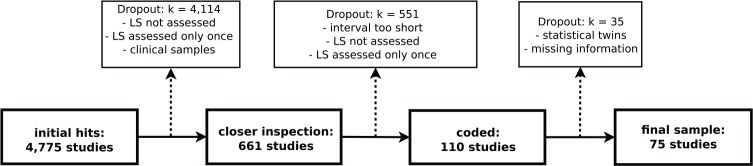
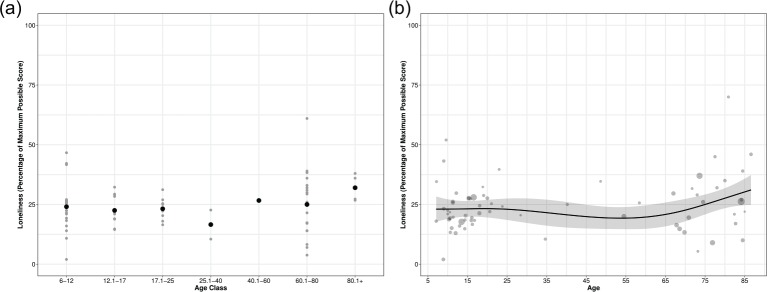
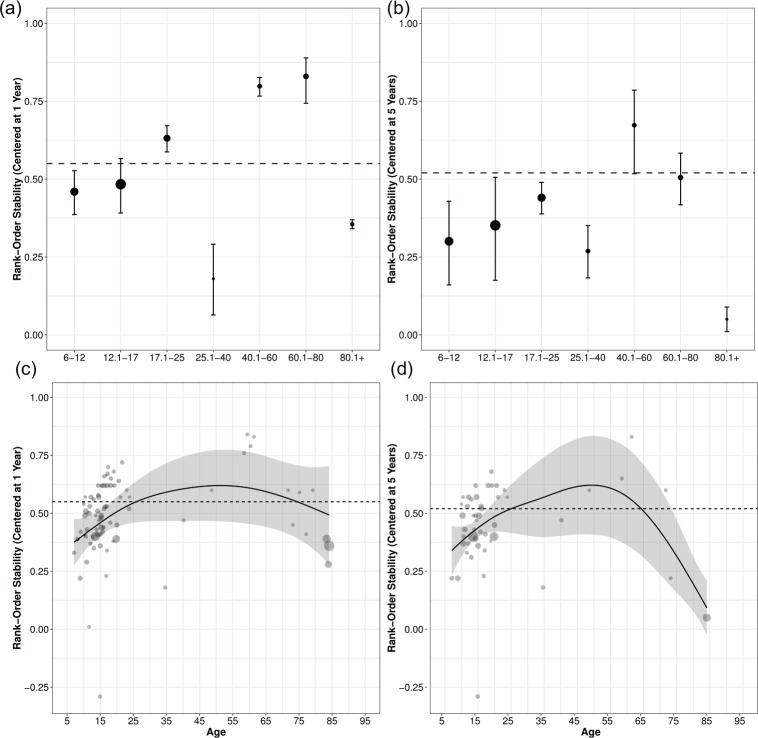
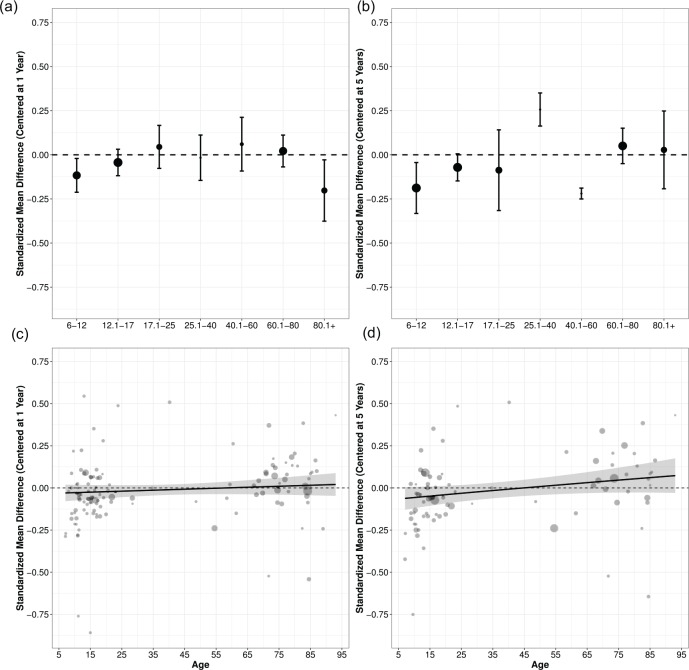
Individuals experience loneliness when they perceive a deficiency in the quality or quantity of their social relationships. In the present meta-analysis, we compiled data from 75 longitudinal studies conducted in Asia, Australia, Europe, and North America ( N = 83, 679) to examine the rank-order and mean-level development of loneliness across the life span. Data were analyzed using two- and three-level meta-analyses and generalized additive mixed models. The results indicate that the rank order of loneliness is as stable as the rank order of personality traits and follows an inverted U-shaped trajectory across the life span. Regarding mean-level development, loneliness was found to decrease throughout childhood and to remain essentially stable from adolescence to oldest old age. Thus, in contrast to other personality characteristics, changes in loneliness are not generally related to age. Implications for theory are discussed.
Overview
The claims and statistics of this paper haven’t been checked yet.
Free: it reads the open-access text and checks the first 5 claims that cite a source we can check. Create a free account to check every claim.
Integrity signals
Registry
Cites
Statistics
Figures
Verification
Claims the paper makes
The claims and statistics of this paper haven’t been checked yet.
Free: it reads the open-access text and checks the first 5 claims that cite a source we can check. Create a free account to check every claim.
Claims other papers make about this one
Each is checked against this paper’s own text: does it say what the citing paper says it does?
The cited source doesn’t support the claim as written.
In the citing paper
“The developmental trajectories of loneliness and negative affect also differ during adolescence (12.1–17 years) and emerging adulthood (17.1–25 years), with feelings of loneliness typically peaking during middle adolescence, whereas negative affect continue to increase between adolescence and young adulthood”
From Adolescent Loneliness and Negative Affect during the COVID-19 Pandemic: The Role of Extraversion and Neuroticism (2023) · cites this paper as Mund et al., 2019
Checked by a reasoning model — may be wrong.
Experimental — accuracy not yet measuredThe source backs part of the claim, not all of it — or backs it for a different population, condition or comparison.
In the citing paper
“It is worth noting that loneliness and negative affect are not commonly understood to be facets of any personality characteristic such as neuroticism”
From Adolescent Loneliness and Negative Affect during the COVID-19 Pandemic: The Role of Extraversion and Neuroticism (2023) · cites this paper as Mund et al., 2019
Experimental — accuracy not yet measuredThe source backs part of the claim, not all of it — or backs it for a different population, condition or comparison.
In the citing paper
“However, a single indicator can be an adequate replacement for a larger scale and is widely used (Mund et al., 2019; Mund et al., 2022).”
From Adolescent Loneliness and Negative Affect during the COVID-19 Pandemic: The Role of Extraversion and Neuroticism (2023) · cites this paper as Mund et al., 2019
Experimental — accuracy not yet measuredThe cited source says what the claim attributes to it.
In the citing paper
“Drawing from a personality psychology perspective, loneliness was expected to be a trait-like personality attribute, given that loneliness has found to be as stable over time as Big Five personality traits (Mund et al., 2019).”
From Adolescent Loneliness and Negative Affect during the COVID-19 Pandemic: The Role of Extraversion and Neuroticism (2023) · cites this paper as Mund et al., 2019
The cited source says what the claim attributes to it.
In the citing paper
“Lastly, some studies find no change in life satisfaction (Baird et al. 2010) or loneliness (Mund et al. 2020) during this period.”
From Patterns of Romantic Relationship Experiences and Psychosocial Adjustment From Adolescence to Young Adulthood (2021) · cites this paper as Mund et al. 2020
1 more claim about this paper
Create a free account to see every claim other papers make about this one.
Self-check
Percentages, sums and reported differences re-computed from the paper’s own numbers.
The self-check needs the paper’s full text.
Citations
Cites
R: A Language and Environment for Statistical Computing
R Core Team (2025) · doi:10.32614/r.manuals · Cited by 352,181
The need to belong: Desire for interpersonal attachments as a fundamental human motivation.
Baumeister, R. F., & Leary, M. R. (1995) · Psychological Bulletin · doi:10.1037//0033-2909.117.3.497 · Cited by 23,245 · cited 2×
“This finding might be due to the universal nature of the challenge to establish close and intimate relationships (Axelrod & Hamilton, 1981; Baumeister & Leary, 1995; Cacioppo, Cacioppo, Cole, et al., 2015).”
BackgroundConducting Meta-Analyses in R with the metafor Package
Viechtbauer, W. (2010) · Journal of Statistical Software · doi:10.18637/jss.v036.i03 · Cited by 20,464 · cited 7×
“As a consequence, we ran FE models that do not allow generalizations to broader populations (Hedges & Vevea, 1998; Konstantopoulos & Hedges, 2009; Viechtbauer, 2010).”
MethodResultInfluentialAxelrod, R., & Hamilton, W. D. (1981) · Science · doi:10.1126/science.7466396 · Cited by 20,065
Handbook of Personality: Theory and Research
Krueger, R. F., & Johnson, W. (2008) · Cited by 7,884
Social Relationships and Health
House, J. S., Landis, K. R., & Umberson, D. (1988) · Science · doi:10.1126/science.3399889 · Cited by 7,073 · cited 1×
“…and neuroanatomical outcomes in humans (Caspi, Harrington, Moffitt, Milne, & Poulton, 2006; HoltLunstad, Smith, Baker, Harris, & Stephenson, 2015; House et al., 1988; Shankar, McMunn, Banks, & Steptoe, 2011; Shankar, McMunn, Demakakos, Hamer, & Steptoe, 2017) and animals (Cacioppo, Capitanio,…”
Journal of social behavior and personality
(1986) · Personality and Individual Differences · doi:10.1016/0191-8869(86)90025-5 · Cited by 6,706
Loneliness and Social Isolation as Risk Factors for Mortality: A Meta-Analytic Review
Holt-Lunstad, J., Smith, T. B., Baker, M., Harris, T., & Stephenson, D. (2015) · Perspectives on Psychological Science · doi:10.1177/1745691614568352 · Cited by 6,043 · cited 2×
“That is, as loneliness has been found to be related to an increased mortality risk (Holt-Lunstad et al., 2015; Luo & Waite, 2014; Patterson & Veenstra, 2010; Shiovitz-Ezra & Ayalon, 2010), individuals with higher or increasing loneliness might have deceased earlier in the course of the primary…”
BackgroundMethodUCLA loneliness scale (version 3): reliability, validity, and factor structure
Russell, D. W. (1996) · Journal of Personality Assessment · doi:10.1207/s15327752jpa6601_2 · Cited by 5,800 · cited 11×
“UCLA = The University of California, Los Angeles Loneliness Scale; LSDQ = Loneliness and Social Dissatisfaction Scale; dJG-LS = de Jong Gierveld Loneliness Scale; LACA = Loneliness and Aloneness Scale for Children and Adolescents. aFor some studies, we could not use the full sample size.”
BackgroundInfluentialThe Revised UCLA Loneliness Scale: concurrent and discriminant validity evidence
Russell, D., Peplau, L. A., & Cutrona, C. E. (1980) · Journal of Personality and Social Psychology · doi:10.1037/0022-3514.39.3.472 · Cited by 5,173 · cited 4×
“Third, we conducted forward searches (Reed & Baxter, 2009; White, 2009) for the articles that have introduced the most influential scales for measuring loneliness, including (a) the LACA (Marcoen & Brumagne, 1985; Marcoen et al., 1987), (b) the LSDQ (Asher et al., 1984; Asher & Wheeler, 1985; Cassidy & Asher, 1992), (…”
BackgroundInfluential
Research works printed but not linked: 8
- *Kochenderfer B. J. (1998). An application of HLM for modeling adjustment growth curves of peer victimized children (Unpublished doctoral dissertation). University of Illinois at Urbana-Champaign.
- *Mayer S. E. (2017). Examining the relationships between chronic stress, HPA axis activity, and depression in a prospective and longitudinal study of medical internship (Doctoral dissertation, University of Michigan). Retrieved from https://deepblue.lib.umich.edu/bitstream/handle/2027.42/137074/stemayer_1.pdf?sequence=1&isAllowed=y
- Perlman D. Peplau L. A. (1981). Toward a social psychology of loneliness. In Duck N. Gilmour R. (Eds.), Personal relationships: Personal relationships in disorder (pp. 31- 56). London, England: Academic Press.
- *Polasky S. A. (2010). Coping with school bullying: An examination of longitudinal effects of coping on peer victimization and adjustment (Doctoral dissertation, Arizona State University). Retrieved from https://repository.asu.edu/attachments/56064/content/Polasky_asu_0010E_10037.pdf
- Raudenbush S. W. (2009). Analyzing effect sizes: Random-effects models. In Cooper H. Hedges L. V. Valentine J. C. (Eds.), The handbook of research synthesis and meta-analysis (2nd ed., pp. 295- 316). New York, NY: SAGE.
- Reed J. G. Baxter P. M. (2009). Using reference databases. In Cooper H. Hedges L. V. Valentine J. C. (Eds.), The handbook of research synthesis and meta-analysis (2nd ed., pp. 73- 101). New York, NY: SAGE.
- Shadish W. R. Haddock C. K. (2009). Combining estimates of effect size. In Cooper H. Hedges L. V. Valentine J. C. (Eds.), The handbook of research synthesis and meta-analysis (2nd ed., pp. 257- 277). New York, NY: SAGE.
- *Tong S. S. (2013). The relationship between early attachment and adolescent risky behaviors with changes in loneliness in a mediating role (Doctoral dissertation, University of Louisville). Retrieved from https://ir.library.louisville.edu/etd/1449/
Cited by
Items 101–200 of 349
The stability of students’ academic achievement in school: A meta-analysis of longitudinal studies
Scherrer, V., Breit, M., & Preckel, F. (2025) · Educational Research Review · doi:10.1016/j.edurev.2025.100687 · Cited by 23
Chen, Y., Xue, H., Nie, Y., Zhou, Y., Ai, S., Liu, Y., Zhang, J., & Liang, Y. Y. (2024) · Journal of Epidemiology and Global Health · doi:10.1007/s44197-024-00243-3 · Cited by 203
“The status of social isolation and loneliness may be dynamic and change over time due to newly occurring stressful life events or personal resilience to distressing events [8].”
BackgroundParlikar, N., Kvaløy, K., Strand, L. B., Espnes, G. A., & Moksnes, U. K. (2023) · BMC Psychiatry · doi:10.1186/s12888-023-05404-5 · Cited by 25
“Regarding the age-related associations, previous studies have found evidence for a U-shaped curve across the life span, with peak loneliness scores during adolescence and old age [30–33].”
ResultDing, X., Shang, B., & Yu, F. (2022) · Religions · doi:10.3390/rel13111085 · Cited by 23
Ito‐Jaeger, S., Vallejos, E. P., Curran, T., & Crawford, P. (2022) · Health Expectations · doi:10.1111/hex.13507 · Cited by 26
Risk factors for loneliness among older people in a Nordic regional context – a longitudinal study
Nyqvist, F., Näsman, M., Hemberg, J. A. V., & Nygård, M. (2021) · Ageing and Society · doi:10.1017/s0144686x21001707 · Cited by 32
“At follow-up, 7 per cent of the sample became lonely, while 4 per cent overcame loneliness, suggesting that loneliness may be a transient experience that fluctuates over time (Mund et al., 2020).”
BackgroundBonar, E. E., Walton, M. A., Carter, P. M., Lin, L. A., Coughlin, L. N., & Goldstick, J. E. (2021) · Addiction Research & Theory · doi:10.1080/16066359.2021.2009466 · Cited by 27
“which has inter- and intra-individual variation over time (Mund et al. 2020).”
BackgroundGerontology in Public Health: A Scoping Review of Current Perspectives and Interventions
Tohit, N. F. M., & Haque, M. (2024) · Cureus · doi:10.7759/cureus.65896 · Cited by 25
Elmer, E. M., van Tilburg, T. G., & Fokkema, T. (2024) · The Journal of Sex Research · doi:10.1080/00224499.2024.2339511 · Cited by 22
“While the relationship between age and loneliness is frequently explored in the general population (Hutten et al., 2022; Mund et al., 2020), it is less frequently examined among sexual mino-rities.”
Understanding loneliness in late life
Huxhold, O., & Fiori, K. L. (2024) · Current Opinion in Psychology · doi:10.1016/j.copsyc.2024.101801 · Cited by 30
Social isolation, loneliness, and the risk of incident type 2 diabetes mellitus by glycemic status
Zhang, Y., Liu, M., Zhou, C., Ye, Z., Zhang, Y., Yang, S., He, P., Gan, X., & Qin, X. (2024) · Diabetes & Metabolism · doi:10.1016/j.diabet.2024.101517 · Cited by 19
Life events, social conditions and residential mobility among older adults
Gillespie, B. J., & Fokkema, T. (2023) · Population Space and Place · doi:10.1002/psp.2706 · Cited by 28
Wang, Y., Jiang, W., & Wu, L. (2023) · BMC Psychiatry · doi:10.1186/s12888-023-04525-1 · Cited by 19
“For example, Luhman & Hawkley (2016) found that the highest level of loneliness was experienced by young adults and the oldest old [12], while other scholars found an inverted U-shaped relationship [13].”
BackgroundGiordano, F., Calaresi, D., Saladino, V., & Verrastro, V. (2025) · Brain Sciences · doi:10.3390/brainsci15010086 · Cited by 21
Bu, F., Bone, J. K., & Fancourt, D. E. (2025) · BMJ Mental Health · doi:10.1136/bmjment-2024-301418 · Cited by 23
“28 Individual well-being measures showed the greatest overall variability.”
How does loneliness “get under the skin” to become biologically embedded?
Freilich, C. D. (2023) · Biodemography and Social Biology · doi:10.1080/19485565.2023.2260742 · Cited by 20
“Like personality traits, traditional lone-liness scales are relatively “trait-like,” that is, have a high rank order stability (Mund, Mund et al. 2020).”
BackgroundInfluentialMatthaeus, H., Godara, M., Silveira, S., Hecht, M., Voelkle, M., & Singer, T. (2024) · International Journal of Environmental Research and Public Health · doi:10.3390/ijerph21050570 · Cited by 15
Wettstein, M., Kornadt, A. E., & Wahl, H. (2022) · Frontiers in Psychiatry · doi:10.3389/fpsyt.2022.902909 · Cited by 21
Serrano-Sánchez, J., Zimmermann, J., & Jonkmann, K. (2021) · International Journal of Intercultural Relations · doi:10.1016/j.ijintrel.2021.03.014 · Cited by 22
Vuorinen, I., Oksanen, A., Savolainen, I., Sirola, A., Kaakinen, M., Paek, H., & Zych, I. (2021) · International Journal of Environmental Research and Public Health · doi:10.3390/ijerph18136973 · Cited by 18
“Loneliness is a subjective feeling in which one’s social relationships are qualitatively or quantitatively deficient [26].”
BackgroundThe gut microbiota and nervous system: Age-defined and age-defying
Madison, A. A., & Kiecolt‐Glaser, J. K. (2021) · Seminars in Cell and Developmental Biology · doi:10.1016/j.semcdb.2020.12.009 · Cited by 19
“Loneliness decreases throughout childhood and remains stable throughout adolescence, midlife, and late life [74].”
BackgroundTorres, Z., Oliver, A., & Tomás, J. M. (2024) · Psychosocial Intervention · doi:10.5093/pi2024a11 · Cited by 22
“This latter assumption could generate inaccurate conclusions and is especially problematic for stable individual psychological constructs such as loneliness (Mund et al., 2020).”
Liu, X., Yue, J., & Yang, Y. (2024) · Journal of Youth and Adolescence · doi:10.1007/s10964-024-01959-y · Cited by 15
Wieczorek, L. L., Humberg, S., Gerstorf, D., & Wagner, J. (2021) · International Journal of Environmental Research and Public Health · doi:10.3390/ijerph182312412 · Cited by 24
“This is consistent with both theory on the co-development of a mature personality and the successful adaption to new social roles [74] and empirical findings on the life-span development of loneliness [59,75].”
BackgroundResultInfluentialLoneliness and Cyberloafing in the Time of COVID-19: A Psychological Perspective
Çolak, M., & Çetin, C. (2021) · International Journal of Contemporary Management · doi:10.2478/ijcm-2021-0002 · Cited by 15
Trajectories of loneliness in later life – Evidence from a 10-year English panel study
Gessa, G. D., Bordone, V., & Arpino, B. (2025) · Social Science & Medicine · doi:10.1016/j.socscimed.2025.117703 · Cited by 17
“These results align with a recent meta-analysis that indicates mean-level stability of loneliness across the life-span (Mund et al., 2020), with findings described as similar to those observed for other personality traits.”
Kang, J. W., Oremus, M., Dubin, J. A., Tyas, S. L., Omenka, C. O., & Golberg, M. (2024) · Archives of Gerontology and Geriatrics · doi:10.1016/j.archger.2024.105483 · Cited by 15
Tapia‐Muñoz, T., Ajnakina, O., Fancourt, D. E., & Steptoe, A. (2023) · European Journal of Personality · doi:10.1177/08902070231206196 · Cited by 21
“While Neuroticism encompasses the inclination to experience negative affect in general, loneliness is the tendency to experience negative affect in social life (Mund et al., 2019).”
InfluentialLee, J., Chang, S. M., Hahm, B., Park, J. E., Seong, S. J., Hong, J. P., Jeon, H. J., An, H., & Kim, B. (2023) · Journal of Korean Medical Science · doi:10.3346/jkms.2023.38.e287 · Cited by 19
Loneliness and screen time usage over a year
MacDonald, K. B., Patte, K. A., Leatherdale, S. T., & Schermer, J. A. (2022) · Journal of Adolescence · doi:10.1002/jad.12024 · Cited by 20
Anyan, F., & Hjemdal, O. (2021) · Journal of Social and Personal Relationships · doi:10.1177/02654075211033035 · Cited by 19
“Recently, it was found that changes in loneliness across the lifespan may be related to individual experiences and cannot be an age-specific phenomenon (Mund et al., 2020).”
BackgroundThe link between social and emotional isolation and dementia in older black and white Brazilians
Wilson, R. S., Capuano, A. W., Sampaio, C., Leurgans, S. E., Barnes, L. L., Farfel, J. M., & Bennett, D. A. (2021) · International Psychogeriatrics · doi:10.1017/s1041610221000673 · Cited by 21
“However, loneliness appears to be relatively stable in adulthood and old age (Mund et al. , 2020) and evidence that lower cognitive function predicts subsequent increase in loneliness has been inconsistent (Wilson et al. , 2007; Donovan et al. , 2017; Yin et al. , 2019).”
Pivodic, L., Burghgraeve, T. D., Twisk, J. W. R., van den Akker, M., Buntinx, F., & den Block, L. V. (2021) · Age and Ageing · doi:10.1093/ageing/afab125 · Cited by 18
Boekhout, J. M., Volders, E., Bolman, C. A. W., de Groot, R. H. M., & Lechner, L. (2021) · Journal of Aging and Health · doi:10.1177/08982643211015027 · Cited by 39
“A recent meta-analysis has shown that loneliness has trait-like features making it a relatively stable sensation for older adults that may stay present fairly long and irrespective of changes in their current circumstances (Mund et al., 2020).”
BackgroundMacchia, L., & Fett, A.-K. J. (2025) · Scientific Reports · doi:10.1038/s41598-025-15151-0 · Cited by 17
“Loneliness has traditionally been viewed as a state that particularly affects individuals in old age 29 .”
The relationships between social internet use, social contact, and loneliness in older adults
Janssen, J. H. M., van Tilburg, T. G., van Ingen, E. J., Corten, R., Peeters, G. M. E. E., & Rikkert, M. G. M. O. (2025) · Scientific Reports · doi:10.1038/s41598-025-09861-8 · Cited by 16
“This is especially relevant for loneliness, which is known to be at least partially trait-like 50 .”
van Tilburg, T. G. (2024) · Public Health · doi:10.1016/j.puhe.2024.10.023 · Cited by 14
Daniel, F., Espírito‐Santo, H., Lemos, L., Guadalupe, S., Barroso, I., Silva, A., & Ferreira, P. L. (2023) · Heliyon · doi:10.1016/j.heliyon.2023.e15948 · Cited by 17
“However, an inverted U-shaped relationship [24,33,34] and a linear decrease [35,36] were also found.”
BackgroundAlone and lonely. The economic cost of solitude for regions in Europe
Burlina, C., & Rodríguez‐Pose, A. (2023) · Environment and Planning A Economy and Space · doi:10.1177/0308518x231169286 · Cited by 34
“Women are also more prone to experience loneliness (Drescher & Schultheiss, 2016; Mund et al., 2020a, 2020b), as their expectations, especially on partner and family relationships, are higher than those of men.”
BackgroundA Developmental Pathway from Early Inhibitory Control to Social Connectedness
Zeytinoglu, S., Morales, S., Henderson, H. A., & Fox, N. A. (2023) · Research on Child and Adolescent Psychopathology · doi:10.1007/s10802-023-01023-6 · Cited by 17
Loneliness Profiles in Adolescence: Associations with Sex and Social Adjustment to the Peer Group
Ribeiro, O., Freitas, M., Rubin, K. H., & dos Santos, A. J. (2022) · Journal of Child and Family Studies · doi:10.1007/s10826-022-02472-1 · Cited by 19
Loneliness in Myanmar’s older population: A mixed-methods investigation
Akhter‐Khan, S. C., Wai, K. M., & Drewelies, J. (2022) · Journal of Cross-Cultural Gerontology · doi:10.1007/s10823-022-09459-x · Cited by 16
Chiao, C., Lin, K.-C., & Chyu, L. (2022) · Frontiers in Psychology · doi:10.3389/fpsyg.2022.794826 · Cited by 16
How loneliness increased among different age groups during COVID-19: a longitudinal analysis
Köster, F., & Lipps, O. (2024) · European Journal of Ageing · doi:10.1007/s10433-023-00798-3 · Cited by 13
“In addition, some studies found entirely different trends of loneliness across age, such as an inverted U-shape, which emphasizes the need for more longitudinal research (Mund et al. 2020; Schnittker 2007; Schultz and Moore 1988).”
BackgroundSurkalim, D. L., Clare, P. J., Eres, R., Gebel, K., Bauman, A. E., & Ding, D. (2023) · The Journals of Gerontology Series B · doi:10.1093/geronb/gbad062 · Cited by 22
“To date, most studies that have examined loneliness relied on one measurement in time (Mund et al., 2019; Theeke, 2009), making it impossible to distinguish between those who sporadically experience loneliness from those who are chronically lonely.”
BackgroundNaughton‐Doe, R., Barke, J., Manchester, H., Willis, P. B., & Wigfield, A. (2022) · Ageing and Society · doi:10.1017/s0144686x2200099x · Cited by 20
“In fact, loneliness has been found to be stable over the lifecourse (Mund et al ., 2020) and recent national and international studies indicate that younger people are more likely to report experiences of loneliness compared to older adults (Office for National Statistics, 2018; Barreto et al .,…”
Hennessey, A., Qualter, P., & Humphrey, N. (2021) · Frontiers in Education · doi:10.3389/feduc.2021.791438 · Cited by 23
“Recent research (Mund et al., 2020) suggests that during childhood there is a reduction in loneliness, and we support that finding here, and this only goes to highlight why interventions such as PATHS are especially timely at this age.”
BackgroundDrewelies, J., Windsor, T. D., Düzel, S., Demuth, I., Wagner, G. G., Lindenberger, U., Gerstorf, D., & Ghisletta, P. (2021) · The Journals of Gerontology Series B · doi:10.1093/geronb/gbab180 · Cited by 11
“In contrast, other studies report relative stability, or only minor forms of increases in both SL and EL (Mund et al., 2020), presumably because older adults focus more on emotionally rewarding relationships, intensify and cherish such contacts, and thus remain emotionally close to others (Carstensen et al.”
BackgroundResultInfluentialKim, E. J., An, J. H., Jung, J. Y., Hahm, B., & Hong, J. P. (2025) · BJPsych Open · doi:10.1192/bjo.2025.60 · Cited by 11
“5,6 Extensive research, including studies on adolescents, has linked loneliness to future mental health issues, with depression emerging as a consistent concern over time.”
Wu, X., Huebner, E. S., & Tian, L. (2024) · Journal of Affective Disorders · doi:10.1016/j.jad.2024.08.228 · Cited by 11
Big Five traits predict between- and within-person variation in loneliness
Shrestha, S., Sigdel, K., Pokharel, M., & Columbus, S. (2024) · European Journal of Personality · doi:10.1177/08902070241239834 · Cited by 16
“Across the lifespan, loneliness exhibits a U-shaped trajectory (Mund et al., 2020).”
Altweck, L., Freund, J., Hahm, S., Schmidt, S., & Tomczyk, S. (2023) · International Journal of Geriatric Psychiatry · doi:10.1002/gps.6045 · Cited by 11
“Following previous research on the influence of sociodemographic background on social network, isolation, and depression, 31–33 we included the following variables in all models: age (years), sex ([0] male, [1] female), education (ISCED ‐ 97 1 : low, moderate [reference], high), and occupational…”
MethodLoneliness and friendship quality in early adolescence: Analyzing bidirectional associations
Geukens, F., Buecker, S., Noortgate, W. V. D., Bijttebier, P., Bosmans, G., Leeuwen, K. G. V., & Goossens, L. (2023) · Current Research in Behavioral Sciences · doi:10.1016/j.crbeha.2023.100132 · Cited by 15
Tsai, T.-Y., Wang, T., Tseng, H., Chen, K. C., Chiu, C., Chen, P. S., & Yang, Y. K. (2022) · Scientific Reports · doi:10.1038/s41598-022-11901-6 · Cited by 12
Gniewosz, G. (2023) · Journal of Youth and Adolescence · doi:10.1007/s10964-023-01808-4 · Cited by 9
“A single indicator for loneliness is typical in large-scale panel surveys (Mund et al., 2019; Mund et al., 2022; Pinquart & Sörensen, 2001) and has been found to be a sufficient method to capture loneliness as compared to multiindicator assessments (see, Mund et al., 2022).”
BackgroundMethodInfluentialDykens, E. M., Roof, E., Hunt-Hawkins, H., & McDonald, C. (2022) · Frontiers in Psychiatry · doi:10.3389/fpsyt.2022.863999 · Cited by 9
“Single-item questions are widely used to assess loneliness in the general population (75) yet have met with some controversy.”
BackgroundKovan, A., Seyrek, A., & Uzun, K. (2025) · Psychiatric Quarterly · doi:10.1007/s11126-025-10217-8 · Cited by 11
Zeng, X., Jiang, Y., Liu, Z., Yang, H., Song, H., Li, C., & Fu, P. (2025) · Journal of the American Heart Association · doi:10.1161/jaha.124.038951 · Cited by 11
“Despite the fact that previous studies indicated that loneliness remained essentially stable from adolescence to oldest old age, 45 and the percentage of persistent and incident social isolation was higher than transient isolation, 44 future studies on the effect of change in social isolation on…”
Loneliness and Mode of Social Contact in Late Life
Zhang, S., Zhou, Z., Fingerman, K. L., & Birditt, K. S. (2024) · The Journals of Gerontology Series B · doi:10.1093/geronb/gbae115 · Cited by 11
Feller, C. M., Ilen, L., Eliez, S., & Schneider, M. (2024) · Autism Research · doi:10.1002/aur.3173 · Cited by 11
“Similarly, research in the general population has shown that levels of loneliness remain relatively stable from adolescence to adulthood (e.g., Mund et al., 2020).”
Son, S., Lee, H., & Jang, Y. (2022) · Journal of Youth and Adolescence · doi:10.1007/s10964-022-01709-y · Cited by 12
“To obtain a more datadriven outcome, generalized additive mixed modeling (GAMM; McKeown & Sneddon, 2014; Mund et al., 2020; Wood, 2006) was fitted to the data.”
MethodNicolaisen, M., Pripp, A. H., & Thorsen, K. (2022) · The International Journal of Aging and Human Development · doi:10.1177/00914150221112292 · Cited by 14
How the home features in young adults’ representations of loneliness: The impact of COVID‐19
Sawyer, I., Fardghassemi, S., & Joffé, H. (2022) · British Journal of Social Psychology · doi:10.1111/bjso.12540 · Cited by 12
Acculturation, adaptation, and loneliness among Cape Verdean immigrants
Neto, J., Quintana‐Orts, C., & Neto, F. F. M. (2022) · International Journal of Intercultural Relations · doi:10.1016/j.ijintrel.2022.01.013 · Cited by 16
Madsen, K. R., Damsgaard, M. T., Petersen, K. J., Qualter, P., & Holstein, B. E. (2025) · BMC Public Health · doi:10.1186/s12889-025-22947-2 · Cited by 11
“In adolescence, the desire to belong and feel accepted is particularly strong; establishing and maintaining satisfying and dependable relations are important but challenging tasks [1, 4, 10, 11].”
Loneliness: A Scoping Review of Reviews From 2001 to 2023
Ell, T., Maehler, D. B., Repke, L., & Momeni, F. (2025) · The Journal of Psychology · doi:10.1080/00223980.2025.2462632 · Cited by 12
Dolz-del-Castellar, B., de la Torre‐Luque, A., Castelletti, C., Francia, L., Rodríguez-Prada, C., Miret, M., Domènech‐Abella, J., Gabarrell‐Pascuet, A., Olaya, B., Haro, J. M., et al. (2025) · Journal of Affective Disorders · doi:10.1016/j.jad.2025.02.084 · Cited by 11
Ong, A. D., Cintron, D. W., Rottenberg, J. A., Panaite, V., Fischer, I. C., Na, P. J., Jeste, D. V., & Pietrzak, R. H. (2024) · The Journals of Gerontology Series B · doi:10.1093/geronb/gbae171 · Cited by 10
“This distribution aligns with previous findings on loneliness in general populations (Mund et al., 2020).”
Sun, Z., Ding, W., Li, J., Jiang, M., Li, W., & Xie, R. (2023) · Family Relations · doi:10.1111/fare.12973 · Cited by 8
Opening the Door of Self-Disclosure: Supporting Adolescents’ Journey From Loneliness to Friendship
Korem, A. (2023) · European Psychologist · doi:10.1027/1016-9040/a000502 · Cited by 10
Loneliness, Depression, and Genetics in the Elderly: Prognostic Factors of a Worse Health Condition?
Delgado‐Losada, M. L., Bouhaben, J., Arroyo‐Pardo, E., Aparicio, A., & López-Parra, A. M. (2022) · International Journal of Environmental Research and Public Health · doi:10.3390/ijerph192315456 · Cited by 17
“It is considered to be one of the concerns in our society due to the fact that it has very negative consequences on people’s quality of life [2,3].”
BackgroundGriffin, S. C., Blakey, S. M., Brant, T. R., Eshera, Y. M., & Calhoun, P. S. (2022) · Clinical Gerontologist · doi:10.1080/07317115.2022.2147115 · Cited by 9
“A meta-analysis by Mund and colleagues reviewed 75 longitudinal studies to show that the rank order of loneliness over the life span is as stable as the rank order of personality traits (Mund et al., 2020).”
BackgroundLay‐Yee, R., Milne, B. J., Clair, V. W., Broad, J., WILKINSON, T. J., Connolly, M. J., Teh, R., Hayman, K., Muru‐Lanning, M., & Kerse, N. M. (2022) · The Journals of Gerontology Series B · doi:10.1093/geronb/gbac087 · Cited by 14
“Further, longitudinal investigation is important to shed light on the dynamics of loneliness and its effects (Mund et al., 2019).”
BackgroundWard, M. D., McGarrigle, C. A., Hever, A. M., O’Mahoney, P., Moynihan, S., Loughran, G., & Kenny, R. A. (2020) · doi:10.38018/tildare.2020-07 · Cited by 21
Mund, M., Maurer, L., Jeronimus, B. F., & Buecker, S. (2025) · Current Opinion in Behavioral Sciences · doi:10.1016/j.cobeha.2025.101574 · Cited by 9
Self-citationSupke, M., Hahlweg, K., Job, A., & Schulz, W. (2025) · Scientific Reports · doi:10.1038/s41598-025-08842-1 · Cited by 9
“A meta-analysis by Mund et al. 50 yielded the following results concerning the stability of loneliness: Interindividual differences in loneliness were observed, with some individuals consistently experiencing higher levels of loneliness compared to others, regardless of the current life…”
Associations of subjective age trajectories with loneliness and stress across adulthood
Kornadt, A. E., Wettstein, M., Lepinteur, A., Vögele, C., & D’Ambrosio, C. (2025) · PLoS ONE · doi:10.1371/journal.pone.0320673 · Cited by 8
Luo, M. S., & Li, L. (2023) · Aging & Mental Health · doi:10.1080/13607863.2023.2214099 · Cited by 7
“For instance, one meta-analysis that compiled data from 75 longitudinal studies conducted in Asia, Australia, Europe, and North America revealed that subjective isolation decreased throughout childhood and then remained essentially stable from adolescence to oldest-old age (Mund et al., 2020).”
BackgroundVerboon, P., Hutten, E., Smeekens, S., & Jongen, E. M. M. (2022) · Journal of Adolescence · doi:10.1002/jad.12042 · Cited by 12
Koerber, S., & Osterhaus, C. (2021) · The Journal of Genetic Psychology · doi:10.1080/00221325.2021.1994913 · Cited by 10
Chamberlain, S. A., Griffith, L. E., Savage, R., Batara, J., Yan, W., & Gruneir, A. (2026) · PLoS ONE · doi:10.1371/journal.pone.0341572 · Cited by 9
Belongingness and loneliness in higher education: a meta-analysis of pre- and post-pandemic trends
Dost, G. (2026) · Frontiers in Psychology · doi:10.3389/fpsyg.2025.1625957 · Cited by 11
Devos, S., Deforche, B. I., Derluyn, I., Bracke, P., & Delaruelle, K. (2025) · International Journal of Intercultural Relations · doi:10.1016/j.ijintrel.2025.102158 · Cited by 6
Lemay, E. P., Cutri, J. N., Or, R. T., Davis, A. J., & Xiao, Z. (2024) · Journal of Personality · doi:10.1111/jopy.12999 · Cited by 7
Predictors of loneliness onset and maintenance in European older adults during the COVID-19 pandemic
Lundmark, V. P., Josefsson, M., & Rieckmann, A. (2023) · Frontiers in Psychology · doi:10.3389/fpsyg.2023.1172552 · Cited by 7
On the relevance of considering temporal dynamics in loneliness research
Scholz, U. (2022) · Applied Psychology Health and Well-Being · doi:10.1111/aphw.12422 · Cited by 7
Schobin, J. (2022) · International Journal of Environmental Research and Public Health · doi:10.3390/ijerph19127428 · Cited by 9
“The evidence on this idea is mixed [11].”
BackgroundLatent Transition Analysis indicates four relatively stable profiles of loneliness in New Zealand
Hammond, M. D., Goulden, L. E., Sibley, C. G., & Milfont, T. L. (2022) · Australian and New Zealand Journal of Public Health · doi:10.1111/1753-6405.13262 · Cited by 9
Chen, J., Zeng, Y., He, W., Yang, J., Xu, D. R., & Li, H. (2022) · Frontiers in Public Health · doi:10.3389/fpubh.2022.836558 · Cited by 8
Primary-school aged children’s understanding and experiences of loneliness: a qualitative enquiry
Cole, A. R., Bond, C., & Qualter, P. (2021) · Pastoral Care in Education · doi:10.1080/02643944.2021.1977993 · Cited by 8
“Ideas about adult loneliness were mixed, with some suggestion that adults lives were different, and so, too, were solutions, highlighting an individual experience and differences due to age, which are supported by the literature (Mund et al., 2020; Rokach, 2000).”
Social media use, loneliness and emotional distress among young people in Europe
d’Hombres, B., Kovačič, M., & Martínez, B. C. (2026) · SSM - Mental Health · doi:10.1016/j.ssmmh.2026.100621 · Cited by 3
Braig, S., Denkinger, M. D., Dallmeier, D., Klenk, J., Rothenbacher, D., & for the ActiFE Study Group (2025) · Aging Clinical and Experimental Research · doi:10.1007/s40520-025-03041-4 · Cited by 6
“Loneliness is prevalent in industrialized countries with the highest burden among young and older adults [1], but results are mixed across age groups [2] and geographic regions [3].”
Jamshidimanesh, M., Hosseini, R. S., & Pezaro, S. (2025) · BMC Geriatrics · doi:10.1186/s12877-025-05889-7 · Cited by 5
“Such social isolation also typically denotes a lack of social interaction [32].”
Hu, W., Feng, X., Cao, W., Li, J., Luo, S., Lin, L., Chen, D., Chen, W., & Guo, V. Y. (2025) · Social Psychiatry and Psychiatric Epidemiology · doi:10.1007/s00127-025-02834-2 · Cited by 5
“A previous meta-analysis has revealed that loneliness levels generally decreased throughout childhood and then stabilized from adolescence through to oldest old age [28].”
Svec, J., Nemmers, N. L., Lee, J.-E., & Hwang, I. (2025) · Aging & Mental Health · doi:10.1080/13607863.2025.2460089 · Cited by 5
“In fact, loneliness is conceptualized as a stable trait, and a recent meta-analysis of longitudinal studies shows stability of loneliness (Mund et al., 2020).”
The Impact of Loneliness on Late-Life Depression and Anxiety During the COVID-19 Pandemic.
Müller, J., Elsaesser, M., Berger, R., Müller, W., Hellmich, M., Zehender, N., Riedel-Heller, S., Bewernick, B., Wagner, M., Frölich, L., et al. (2025) · The American journal of geriatric psychiatry · doi:10.1016/j.jagp.2025.01.003 · Cited by 5
Predicting the Risk of Loneliness in Children and Adolescents: A Machine Learning Study
Zhang, J., Feng, X., Wang, W., Liu, S., Zhang, Q., Wu, D., & Liu, Q. (2024) · Behavioral Sciences · doi:10.3390/bs14100947 · Cited by 6
“More-over, loneliness exhibits a U-shaped trajectory across the lifespan, with a higher prevalence among adolescents [4].”
BackgroundPost-lockdown loneliness and social isolation among French students
Dutertre, E., & Fouillet, C. (2023) · International Journal of Educational Management · doi:10.1108/ijem-03-2023-0119 · Cited by 10
Spiegel, T. J. (2023) · Topoi · doi:10.1007/s11245-023-09937-y · Cited by 9
Skaug, E., Czajkowski, N. O., Waaktaar, T., & Torgersen, S. O. (2022) · Borderline Personality Disorder and Emotion Dysregulation · doi:10.1186/s40479-022-00190-0 · Cited by 12
“Previous studies have shown that both SOC [22, 34] and loneliness [46] are relatively stable constructs across the life span, showing similar rank-order stability as personality traits [17].”
Background
Metadata
- Authors
- Mund, M., Freuding, M. M., Möbius, K., Horn, N., & Neyer, F. J.
- Affiliations
- Friedrich Schiller University Jena (DE)
- Corresponding author
- Mund, Marcus
- Venue
- Personality and Social Psychology Review
- Publisher
- SAGE Publications
- Published
- 2019-06-10
- Volume
- 24
- Issue
- 1
- Pages
- 24-52
- ISSN
- 1088-8683 (ISSN-L)
- 1532-7957
- PMC
- PMC6943963
- OpenAlex
- W2952367993
- Cited by
- 417
- References
- 244
- Citations by year
- 2026: 66 · 2025: 74 · 2024: 68 · 2023: 67 · 2022: 71 · 2021: 49 · 2020: 18 · 2019: 3
- FWCI
- 5.55
- Type
- journal article
- Language
- en
- Open access
- hybrid
- doi.org
- Licence
- cc-by-nc
- journals.sagepub.com/page/policies/text-and-data-mining-license (tdm)
- Locations
- Personality and Social Psychology Review (publishedVersion, cc-by-nc)
- Europe PMC (PubMed Central) (publishedVersion, cc-by-nc)
- PubMed Central (publishedVersion, cc-by-nc)
- PubMed (publishedVersion)
- PsyArXiv (OSF Preprints) (submittedVersion)
- PsyArXiv (OSF Preprints) (submittedVersion, cc-by)
- Topics
- Social Sciences › Psychology › Clinical Psychology › Personality Traits and Psychology
- Social Sciences › Health › Health disparities and outcomes
- Social Sciences › Psychology › Social Psychology › Attachment and Relationship Dynamics
- Keywords
- loneliness, lifespan development, rank-order stability, personality traits, interpersonal relationships, age differences, childhood, adolescence, old age
- MeSH terms
- Age Factors, Humans, Human Development, Interpersonal Relations, Loneliness, Longitudinal Studies, Personality, Personality Development
About these checks
Registry, retraction, Cites and statistics results are computed, not judged, with one exception: a printed reference that no index lists is read once by a model before it counts as a citation error. Claims are extracted by a model and kept only when their quote appears verbatim in the text; each cited source is then checked, with a model’s help, for whether it says what the claim relies on. Those verdicts can be wrong — read the claim’s quote and the cited source before relying on one.
Statistics and arithmetic are recomputed, not judged.
Confidence bands are shown only for fields calibrated on our annotated test set. None is calibrated yet, so no band is shown.
What counts as a claim ›How we measure confidence ›How we check this ›
Are you an author, or do you see a problem with this page? Request a review
Data sources
Bibliographic data: Semantic Scholar, OpenAlex, Crossref.
Contains information from the Semantic Scholar Academic Graph Datasets, made available under the ODC Attribution License (ODC-BY 1.0).
Semantic Scholar’s data is described in: Kinney, R., et al. (2023). The Semantic Scholar Open Data Platform. arXiv:2301.10140.
