

The Stability and Change of Loneliness Across the Life Span: A Meta-Analysis of Longitudinal Studies
Open accessPublished version of a preprint
The DOI matches its Crossref record; 240 of the 244 references it cites were found in a registry or an index.
Abstract
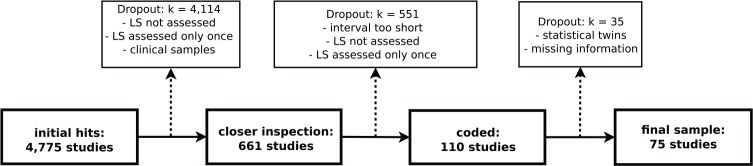
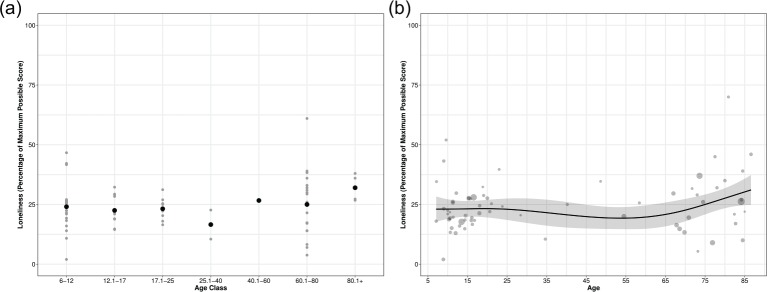
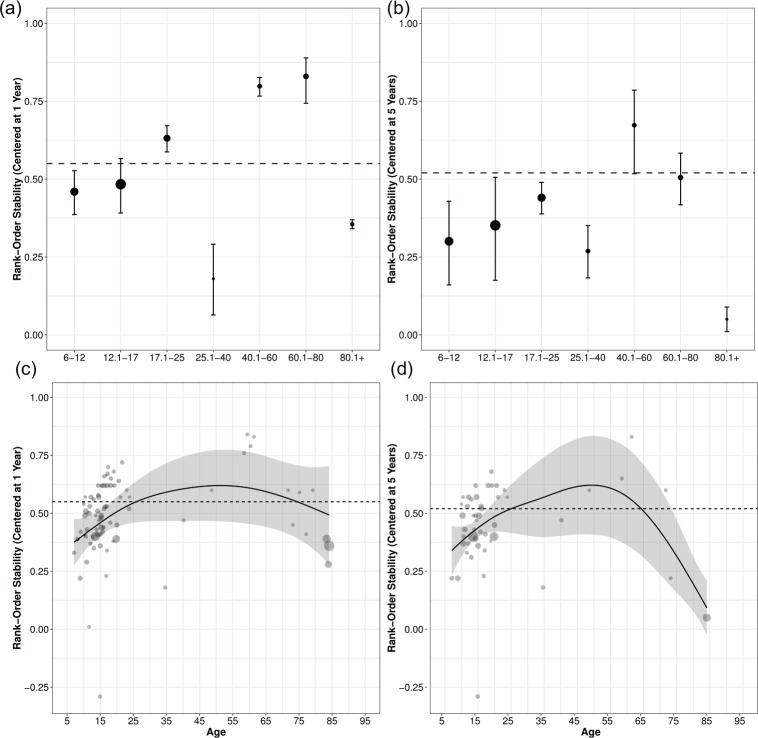
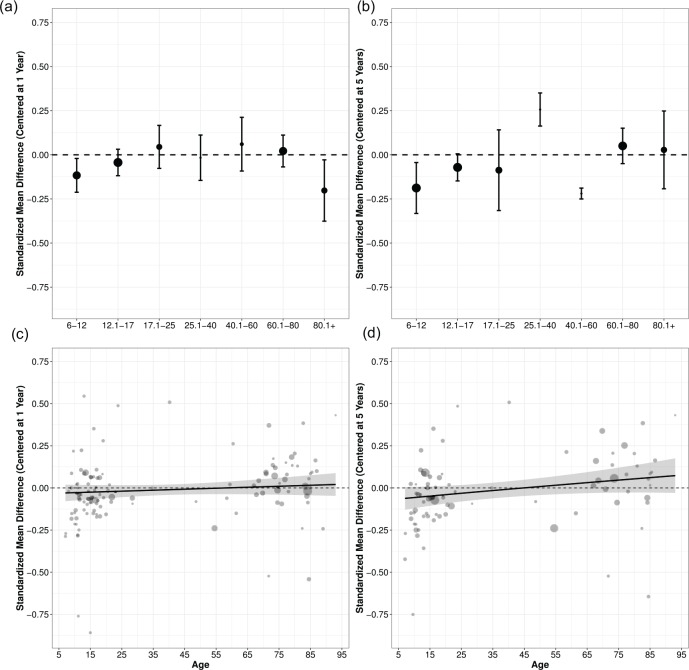
Individuals experience loneliness when they perceive a deficiency in the quality or quantity of their social relationships. In the present meta-analysis, we compiled data from 75 longitudinal studies conducted in Asia, Australia, Europe, and North America ( N = 83, 679) to examine the rank-order and mean-level development of loneliness across the life span. Data were analyzed using two- and three-level meta-analyses and generalized additive mixed models. The results indicate that the rank order of loneliness is as stable as the rank order of personality traits and follows an inverted U-shaped trajectory across the life span. Regarding mean-level development, loneliness was found to decrease throughout childhood and to remain essentially stable from adolescence to oldest old age. Thus, in contrast to other personality characteristics, changes in loneliness are not generally related to age. Implications for theory are discussed.
Overview
The claims and statistics of this paper haven’t been checked yet.
Free: it reads the open-access text and checks the first 5 claims that cite a source we can check. Create a free account to check every claim.
Integrity signals
Registry
Cites
Statistics
Figures
Verification
Claims the paper makes
The claims and statistics of this paper haven’t been checked yet.
Free: it reads the open-access text and checks the first 5 claims that cite a source we can check. Create a free account to check every claim.
Claims other papers make about this one
Each is checked against this paper’s own text: does it say what the citing paper says it does?
The cited source doesn’t support the claim as written.
In the citing paper
“The developmental trajectories of loneliness and negative affect also differ during adolescence (12.1–17 years) and emerging adulthood (17.1–25 years), with feelings of loneliness typically peaking during middle adolescence, whereas negative affect continue to increase between adolescence and young adulthood”
From Adolescent Loneliness and Negative Affect during the COVID-19 Pandemic: The Role of Extraversion and Neuroticism (2023) · cites this paper as Mund et al., 2019
Checked by a reasoning model — may be wrong.
Experimental — accuracy not yet measuredThe source backs part of the claim, not all of it — or backs it for a different population, condition or comparison.
In the citing paper
“It is worth noting that loneliness and negative affect are not commonly understood to be facets of any personality characteristic such as neuroticism”
From Adolescent Loneliness and Negative Affect during the COVID-19 Pandemic: The Role of Extraversion and Neuroticism (2023) · cites this paper as Mund et al., 2019
Experimental — accuracy not yet measuredThe source backs part of the claim, not all of it — or backs it for a different population, condition or comparison.
In the citing paper
“However, a single indicator can be an adequate replacement for a larger scale and is widely used (Mund et al., 2019; Mund et al., 2022).”
From Adolescent Loneliness and Negative Affect during the COVID-19 Pandemic: The Role of Extraversion and Neuroticism (2023) · cites this paper as Mund et al., 2019
Experimental — accuracy not yet measuredThe cited source says what the claim attributes to it.
In the citing paper
“Drawing from a personality psychology perspective, loneliness was expected to be a trait-like personality attribute, given that loneliness has found to be as stable over time as Big Five personality traits (Mund et al., 2019).”
From Adolescent Loneliness and Negative Affect during the COVID-19 Pandemic: The Role of Extraversion and Neuroticism (2023) · cites this paper as Mund et al., 2019
The cited source says what the claim attributes to it.
In the citing paper
“Lastly, some studies find no change in life satisfaction (Baird et al. 2010) or loneliness (Mund et al. 2020) during this period.”
From Patterns of Romantic Relationship Experiences and Psychosocial Adjustment From Adolescence to Young Adulthood (2021) · cites this paper as Mund et al. 2020
1 more claim about this paper
Create a free account to see every claim other papers make about this one.
Self-check
Percentages, sums and reported differences re-computed from the paper’s own numbers.
The self-check needs the paper’s full text.
Citations
Cites
R: A Language and Environment for Statistical Computing
R Core Team (2025) · doi:10.32614/r.manuals · Cited by 352,181
The need to belong: Desire for interpersonal attachments as a fundamental human motivation.
Baumeister, R. F., & Leary, M. R. (1995) · Psychological Bulletin · doi:10.1037//0033-2909.117.3.497 · Cited by 23,245 · cited 2×
“This finding might be due to the universal nature of the challenge to establish close and intimate relationships (Axelrod & Hamilton, 1981; Baumeister & Leary, 1995; Cacioppo, Cacioppo, Cole, et al., 2015).”
BackgroundConducting Meta-Analyses in R with the metafor Package
Viechtbauer, W. (2010) · Journal of Statistical Software · doi:10.18637/jss.v036.i03 · Cited by 20,464 · cited 7×
“As a consequence, we ran FE models that do not allow generalizations to broader populations (Hedges & Vevea, 1998; Konstantopoulos & Hedges, 2009; Viechtbauer, 2010).”
MethodResultInfluentialAxelrod, R., & Hamilton, W. D. (1981) · Science · doi:10.1126/science.7466396 · Cited by 20,065
Handbook of Personality: Theory and Research
Krueger, R. F., & Johnson, W. (2008) · Cited by 7,884
Social Relationships and Health
House, J. S., Landis, K. R., & Umberson, D. (1988) · Science · doi:10.1126/science.3399889 · Cited by 7,073 · cited 1×
“…and neuroanatomical outcomes in humans (Caspi, Harrington, Moffitt, Milne, & Poulton, 2006; HoltLunstad, Smith, Baker, Harris, & Stephenson, 2015; House et al., 1988; Shankar, McMunn, Banks, & Steptoe, 2011; Shankar, McMunn, Demakakos, Hamer, & Steptoe, 2017) and animals (Cacioppo, Capitanio,…”
Journal of social behavior and personality
(1986) · Personality and Individual Differences · doi:10.1016/0191-8869(86)90025-5 · Cited by 6,706
Loneliness and Social Isolation as Risk Factors for Mortality: A Meta-Analytic Review
Holt-Lunstad, J., Smith, T. B., Baker, M., Harris, T., & Stephenson, D. (2015) · Perspectives on Psychological Science · doi:10.1177/1745691614568352 · Cited by 6,043 · cited 2×
“That is, as loneliness has been found to be related to an increased mortality risk (Holt-Lunstad et al., 2015; Luo & Waite, 2014; Patterson & Veenstra, 2010; Shiovitz-Ezra & Ayalon, 2010), individuals with higher or increasing loneliness might have deceased earlier in the course of the primary…”
BackgroundMethodUCLA loneliness scale (version 3): reliability, validity, and factor structure
Russell, D. W. (1996) · Journal of Personality Assessment · doi:10.1207/s15327752jpa6601_2 · Cited by 5,800 · cited 11×
“UCLA = The University of California, Los Angeles Loneliness Scale; LSDQ = Loneliness and Social Dissatisfaction Scale; dJG-LS = de Jong Gierveld Loneliness Scale; LACA = Loneliness and Aloneness Scale for Children and Adolescents. aFor some studies, we could not use the full sample size.”
BackgroundInfluentialThe Revised UCLA Loneliness Scale: concurrent and discriminant validity evidence
Russell, D., Peplau, L. A., & Cutrona, C. E. (1980) · Journal of Personality and Social Psychology · doi:10.1037/0022-3514.39.3.472 · Cited by 5,173 · cited 4×
“Third, we conducted forward searches (Reed & Baxter, 2009; White, 2009) for the articles that have introduced the most influential scales for measuring loneliness, including (a) the LACA (Marcoen & Brumagne, 1985; Marcoen et al., 1987), (b) the LSDQ (Asher et al., 1984; Asher & Wheeler, 1985; Cassidy & Asher, 1992), (…”
BackgroundInfluential
Research works printed but not linked: 8
- *Kochenderfer B. J. (1998). An application of HLM for modeling adjustment growth curves of peer victimized children (Unpublished doctoral dissertation). University of Illinois at Urbana-Champaign.
- *Mayer S. E. (2017). Examining the relationships between chronic stress, HPA axis activity, and depression in a prospective and longitudinal study of medical internship (Doctoral dissertation, University of Michigan). Retrieved from https://deepblue.lib.umich.edu/bitstream/handle/2027.42/137074/stemayer_1.pdf?sequence=1&isAllowed=y
- Perlman D. Peplau L. A. (1981). Toward a social psychology of loneliness. In Duck N. Gilmour R. (Eds.), Personal relationships: Personal relationships in disorder (pp. 31- 56). London, England: Academic Press.
- *Polasky S. A. (2010). Coping with school bullying: An examination of longitudinal effects of coping on peer victimization and adjustment (Doctoral dissertation, Arizona State University). Retrieved from https://repository.asu.edu/attachments/56064/content/Polasky_asu_0010E_10037.pdf
- Raudenbush S. W. (2009). Analyzing effect sizes: Random-effects models. In Cooper H. Hedges L. V. Valentine J. C. (Eds.), The handbook of research synthesis and meta-analysis (2nd ed., pp. 295- 316). New York, NY: SAGE.
- Reed J. G. Baxter P. M. (2009). Using reference databases. In Cooper H. Hedges L. V. Valentine J. C. (Eds.), The handbook of research synthesis and meta-analysis (2nd ed., pp. 73- 101). New York, NY: SAGE.
- Shadish W. R. Haddock C. K. (2009). Combining estimates of effect size. In Cooper H. Hedges L. V. Valentine J. C. (Eds.), The handbook of research synthesis and meta-analysis (2nd ed., pp. 257- 277). New York, NY: SAGE.
- *Tong S. S. (2013). The relationship between early attachment and adolescent risky behaviors with changes in loneliness in a mediating role (Doctoral dissertation, University of Louisville). Retrieved from https://ir.library.louisville.edu/etd/1449/
Cited by
Items 201–300 of 349
Strizhitskaya, O. Y., Petrash, M. D., Ралифовна, М. И., Vartanyan, G., & Shchukin, A. (2021) · International Journal of Environmental Research and Public Health · doi:10.3390/ijerph18189889 · Cited by 8
“Thus, consistent with Mund [8], we suggest that loneliness could be more related to life experiences than to age.”
BackgroundAlone in the COVID‐19 lockdown: An exploratory study
Leary, R., & Asbury, K. (2022) · Analyses of Social Issues and Public Policy · doi:10.1111/asap.12317 · Cited by 9
“Quantitative studies provide evidence for some of the types of loneliness experienced (e.g., Mund et al.2019; see van Tilburg, 2020,), but there are limitations in using closed response itemswhen trying to understand such a complex phenomenon.”
BackgroundWithin‐Individual Variability in Well‐Being Among Emerging Adults
Anker, A. S. T., Andersen, S. H., & Andersen, L. H. (2025) · Journal of Adolescence · doi:10.1002/jad.70019 · Cited by 5
“Here, studies demonstrate a decline in loneliness from childhood to emerging adulthood (Mund et al. 2020) with potential differential individual trajectories (Ladd and Ettekal 2013; Vanhalst et al. 2013).”
Santini, S., Colombo, M. M., Guaita, A., Fabbietti, P., & Casanova, G. (2025) · BMC Geriatrics · doi:10.1186/s12877-025-05678-2 · Cited by 8
Hu, Z., Tang, L., & Zhan, Y. (2025) · Public Health · doi:10.1016/j.puhe.2024.12.048 · Cited by 4
Szabó, Á., Stephens, C. V., & Breheny, M. (2024) · Journal of Aging Studies · doi:10.1016/j.jaging.2024.101263 · Cited by 7
Chan, S. C. Y., Huang, Q. L., Ho, W. S., Chan, R., Yeung, C., Wong, S., & Tsai, M. (2024) · Healthcare · doi:10.3390/healthcare12212158 · Cited by 4
La soledad: asociación con la salud mental en un estudio poblacional
Pérez, E. J. P., León, A. H., Sevilla-Martínez, J., & Zubiaur, E. D. (2023) · Behavioral Psychology/Psicología Conductual · doi:10.51668/bp.8323302n · Cited by 9
“Another meta-analysis study found that the temporal evolution of the feeling of loneliness is represented by an inverted U from childhood, remaining stable with a tendency to decrease from adolescence to old age, at which time it experiences a new increase (Mund et al., 2019).”
BackgroundFuture Directions in Addressing Loneliness Among Older Adults
Cruwys, T. (2023) · Advances in Psychiatry and Behavioral Health · doi:10.1016/j.ypsc.2023.03.008 · Cited by 6
Social contacts and loneliness affect the own age bias for emotional faces
Pizzio, A. P. G., Yankouskaya, A., Alessandri, G., Loreto, S., & Pecchinenda, A. (2022) · Scientific Reports · doi:10.1038/s41598-022-20220-9 · Cited by 4
Estructura factorial y de red de una escala breve de soledad (RULS-6) en adolescentes peruanos
Ramos‐Vera, C., Choquehuanca, J. G., & Serpa‐Barrientos, A. (2022) · Revista de Psicología Clínica con Niños y Adolescentes · doi:10.21134/rpcna.2022.09.2.5 · Cited by 8
Moersdorf, L., Freund, A. M., & Daum, M. M. (2022) · Acta Psychologica · doi:10.1016/j.actpsy.2022.103585 · Cited by 9
Simonsen, S., & Bo, S. (2021) · Journal of Clinical Psychology · doi:10.1002/jclp.23136 · Cited by 5
Assessing the validity of three measures of loneliness through correlations and nomological networks
MacDonald, K. B., & Schermer, J. A. (2025) · Current Research in Behavioral Sciences · doi:10.1016/j.crbeha.2025.100182 · Cited by 7
Castro, M., Alves, H., Moreira, C., Astell-burt, T., Cancela, M., Guilherme, F., & Ribeiro, A. (2026) · Health and Place · doi:10.1016/j.healthplace.2026.103610 · Cited by 3
Smith, G. D., Pau, M. M. L., Lau, C. K. Y., Ho, K. H. M., & Watson, R. A. (2025) · Australian Journal on Ageing · doi:10.1111/ajag.70083 · Cited by 3
“7 Loneliness has been associated with cardiovascular disease, as well as a decline in mental health, suicidal ideation and a reduced health-related quality of life.”
Validation of the de Jong Gierveld Loneliness Scale for college students in Korea
Kim, Y., Kim, K., Murphy, J. L., & Park, A. (2025) · Current Psychology · doi:10.1007/s12144-025-08329-2 · Cited by 3
“Research suggests that loneliness seems more prevalent in Asian countries and populations where social cohesion and collective bonding are culturally emphasized, compared to other individualistic cultures (Luhmann et al., 2023; Mund et al., 2020).”
Savage, R., Sutradhar, R., Luo, J., Strauss, R., Guan, J., Rochon, P. A., Gruneir, A., Sanmartin, C., Goel, V., Rosella, L. C., et al. (2025) · BMJ Open · doi:10.1136/bmjopen-2024-087804 · Cited by 3
Smit, D. H., Rehnberg, J., & Fors, S. (2025) · European Journal of Ageing · doi:10.1007/s10433-025-00846-0 · Cited by 4
“A clear cutoff point for an individual being ‘lonely’ or ‘not lonely’ has yet to be established and most studies merely dichotomize direct loneliness measures (Mund et al. 2020).”
Opariuc‐Dan, C., Maftei, A., & Merlici, I.-A. (2024) · Computers in Human Behavior Reports · doi:10.1016/j.chbr.2024.100530 · Cited by 8
MacNeil, S., Renaud, J., & Gouin, J. (2024) · Journal of Social and Clinical Psychology · doi:10.1521/jscp.2024.43.5.492 · Cited by 3
Kuang, J., Zhang, W., Zhang, H., Lin, N., Fang, J., Song, R., Xin, Z., & Wang, J. (2024) · Psychology Research and Behavior Management · doi:10.2147/prbm.s464848 · Cited by 5
Larson, K. E., Chaturvedi, A., & Tek, B.-A. (2024) · International Journal of Applied Positive Psychology · doi:10.1007/s41042-024-00152-7 · Cited by 3
“Loneliness and social isolation impact individuals across the lifespan and around the world (Mund et al., 2020), thus it is imperative to provide spaces that foster belonging and connectedness for both adolescents and adults.”
Skaug, E., Waaktaar, T., & Torgersen, S. O. (2024) · PLoS ONE · doi:10.1371/journal.pone.0299766 · Cited by 6
Savage, R., Sutradhar, R., Luo, J., Strauss, R., Guan, J., Rochon, P. A., Gruneir, A., Sanmartin, C., Goel, V., Rosella, L., et al. (2024) · Journal of The American Geriatrics Society · doi:10.1111/jgs.18833 · Cited by 3
“49 We expect that more respondents in our sample likely became lonely with time; this misclassification may underestimate the absolute differences in transition risks across levels of loneliness.”
BackgroundNguyen, N. P., Kim, S. Y., Yoo, H. B., & Tran, S. C. (2023) · Psychology and Health · doi:10.1080/08870446.2023.2259929 · Cited by 4
“This implies that although there is some predictive value of loneliness at one point in time for future loneliness to a certain degree (Mund et al., 2020), individuals have the potential to reduce their loneliness through engagement in different modes of psychological interventions (Cacioppo et…”
Emotional Justice as an antidote to loneliness: children's books, listening and connection
Magnet, S., & Dunnington, C.-L. (2022) · Feminist Theory · doi:10.1177/14647001211062746 · Cited by 3
“, 2018), to the elderly and people with disabilities who may have health challenges that inhibit them from maintaining connections, a significant rise in loneliness was well documented even before the start of the pandemic (Bruce et al., 2019; Mund et al., 2019).”
BackgroundA randomised controlled trial of the Nextdoor Kind Challenge: a study protocol
Lim, M. H., Qualter, P., Hennessey, A., Smith, B. J., Argent, T., & Holt‐Lunstad, J. (2021) · BMC Public Health · doi:10.1186/s12889-021-11489-y · Cited by 7
“83 [51, 52] and for a conservative estimate the lowest correlations for each outcome are used.”
BackgroundEvidence on the Robustness of the Links Between Social Relationships and Mortality
Freak‐Poli, R., Jenkins, S. P., Shields, M. A., & Trinh, T. (2026) · Demography · doi:10.2139/ssrn.4949390 · Cited by 2
“Mund et al. (2019, p. 20) note that in terms of stability, loneliness seems to be “situated right in between the poles of stability and change”.”
贺友银, Hu, Y., Song, S., Li, C., & You, J. (2026) · Journal of Youth and Adolescence · doi:10.1007/s10964-026-02377-y · Cited by 2
“A recent meta-analysis of longitudinal studies revealed that loneliness exhibited substantial rank-order and mean-level stabilities in adolescence (Mund et al., 2020).”
Otmar, C. D., & Nagata, J. M. (2026) · SSM - Population Health · doi:10.1016/j.ssmph.2026.101919 · Cited by 3
Ogrin, R., Corsini, N., Scott, J. C., Jarvis, A. L., Robinson, E., Bonell, S., & Lowthian, J. A. (2026) · Frontiers in Public Health · doi:10.3389/fpubh.2026.1761023 · Cited by 2
“Although epidemiological data supported an upward trajectory of loneliness in midlife (32), no corresponding intervention literature was found.”
Smogorzewska, J., Szumski, G., & Grygiel, P. (2025) · Journal of Experimental Child Psychology · doi:10.1016/j.jecp.2025.106446 · Cited by 1
Wang, X., Wei, L., Zhao, P., Zhou, Y., Zhou, W., Yu, J., Chen, H., & Wang, C. (2025) · Social Psychiatry and Psychiatric Epidemiology · doi:10.1007/s00127-025-03021-z · Cited by 2
Domenicucci, R., Carbone, E., Piras, F., & Borella, E. (2025) · Frontiers in Psychology · doi:10.3389/fpsyg.2025.1656626 · Cited by 4
“…in fact indicate that individual differences in terms of loneliness remain relatively stable across the majority of the lifespan (Graham et al., 2024; Mund et al., 2019), with some individuals more predisposed to experiencing loneliness regardless of their environment and life circumstances.”
Acute isolation is associated with increased reward seeking and reward learning in human adolescents
Tomova, L., Towner, E., Thomas, K., Zhang, L., Palminteri, S., & Blakemore, S. (2025) · Communications Psychology · doi:10.1038/s44271-025-00306-6 · Cited by 9
Zhou, J., Zhu, N., Suwada, K., & Toikko, T. (2025) · Psychology Research and Behavior Management · doi:10.2147/prbm.s532794 · Cited by 2
Vacca, M., Zagaria, A., Fiori, V., Lombardo, C., & Ballesio, A. (2025) · Behavioral Sleep Medicine · doi:10.1080/15402002.2025.2498364 · Cited by 2
“This pattern reflects the increasing social and emotional challenges individuals face as they form intimate relationships (Mund et al., 2020).”
Maas, T., Herber-Gast, G.-C. M., Verschuren, W. M. M., & Picavet, H. S. J. (2025) · Journal of Epidemiology & Community Health · doi:10.1136/jech-2024-222099 · Cited by 3
Grygiel, P., Opozda-Suder, S., & Dolata, R. (2025) · Merrill-Palmer quarterly · doi:10.1353/mpq.2025.a979034 · Cited by 2
“Loneliness ID:p0165 is particularly strongly felt during adolescence and older adulthood ( Mund et al., 2020 ).”
Chen, W., & Xiao, B. (2024) · Behavioral Sciences · doi:10.3390/bs14111063 · Cited by 4
“Loneliness occurs when individuals perceive deficiencies in the quantity and/or quality of their social connections [11].”
A project co-created with the community to mitigate loneliness in midlife women
Corsini, N., Dorman, F., Scott, J. C., Wright, A., Turnbull, D. A., Williams, C., Bates, D., Reading, B., Everuss, H., Peng, F., et al. (2024) · Frontiers in Public Health · doi:10.3389/fpubh.2024.1425641 · Cited by 6
“Many studies show that women express feeling all loneliness indicators at higher rates than men (11, 12).”
BackgroundKekkonen, V., Kraav, S., Hintikka, J., Kivimäki, P., Kaarre, O., & Tolmunen, T. (2024) · Current Psychology · doi:10.1007/s12144-024-06275-z · Cited by 3
“Loneliness, however, is a rela - tively stable feature in most people (Mund et al., 2020), and it is not likely that its changes over five years of follow-up 1 3”
Grygiel, P., Dolata, R., & Humenny, G. (2024) · Journal of Social and Personal Relationships · doi:10.1177/02654075241255392 · Cited by 2
“Note that other longitudinal studies also indicate an increase in the stability of peer network positions (Jiang & Cillessen, 2005) and perceptions of the quality of peer relationships (Mund et al., 2020) with age.”
Gallagher, S. M., Creaven, A., Hackett, R. A., O'Connor, D. B., & Howard, S. (2023) · Physiology & Behavior · doi:10.1016/j.physbeh.2023.114452 · Cited by 3
Wang, Z., Wang, L., & Ye, Y. (2023) · Applied Research in Quality of Life · doi:10.1007/s11482-023-10236-2 · Cited by 3
“Approxi - mately 11–20% of youth are estimated to experience occasional loneliness, which can persist during adolescence and onwards (Qualter et al., 2015 ; Mund et al., 2020 ).”
Prevalence of loneliness among older adults in Germany
Wurm, S., Ehrlich, U., Meyer-Wyk, F., & Spuling, S. M. (2023) · PubMed Central · doi:10.25646/11664 · Cited by 2
A systematic review of state loneliness in daily life using intensive longitudinal methods
Xiao, Z., Ozdemir, E., Long, E., Kwong, A. S. F., Robertson, S., Murray, A. L., & Whalley, H. C. (2026) · Clinical Psychology Review · doi:10.1016/j.cpr.2026.102799 · Cited by 1
Wang, X., Ma, H., Heianza, Y., Liang, Z., Franco, O. H., & Qi, L. (2026) · Nature Communications · doi:10.1038/s41467-026-74498-8 · Cited by 1
“A previous meta-analysis suggested that the trajectory of loneliness among middle-aged and older adults remains relatively stable, indicating that a single measurement of loneliness could serve as a valid indicator of long-term exposure 33 .”
Coll‐Planas, L., Masó-Aguado, M., Briones‐Buixassa, L., Morató, A., Méndez, S., Carbó, A., Fuente-Vidal, A., Olivella-Cirici, M., Casajuana, C., Bártová, A., et al. (2026) · The Lancet Regional Health - Europe · doi:10.1016/j.lanepe.2026.101821 · Cited by 1
“12,32 The FiN intervention design recognises the social, environmental, and economic determinants of loneliness.”
Schrempft, S., Baysson, H., Dumont, R., Stringhini, S., Guessous, I., & Nehme, M. (2026) · Public Health · doi:10.1016/j.puhe.2026.106413 · Cited by 1
Sjöblom, J., Schulman, S., Walldén, C., Jern, P., & Antfolk, J. (2026) · Journal of Social and Personal Relationships · doi:10.1177/02654075261451291 · Cited by 1
“Although some recent evidence suggests that young adults report higher loneliness than older adults (Barreto et al., 2021), most studies show a U-shaped pattern in which both younger and older adults report more loneliness than middle-aged adults (Luhmann & Hawkley, 2016; Mund et al., 2020).”
InfluentialLi, C., Wang, H., Yu, J., & Huang, J. (2026) · BMC Geriatrics · doi:10.1186/s12877-026-07448-0 · Cited by 1
“Given that social health is inherently multidimensional and dynamic [2, 28, 29], this reductionist approach fails to capture the diversity of its dimensions and overlooks its temporal fluidity.”
Chai, L. (2026) · Aging & Mental Health · doi:10.1080/13607863.2026.2659780 · Cited by 1
Automatic speech analysis can predict loneliness
Immel, D., Mallick, E., Linz, N., Barton, S., Hurlemann, R., & Scheele, D. (2026) · Scientific Reports · doi:10.1038/s41598-026-45965-5 · Cited by 2
“Additionally, chronic loneliness is a relatively stable construct with trait-like properties 35 .”
Zhou, J., Zhang, Y., & Bai, X. (2026) · Research on Aging · doi:10.1177/01640275261438709 · Cited by 3
The relationship between alexithymia and loneliness: A meta-analysis
Zhou, X., Yang, F., & Ding, T. (2026) · Current Psychology · doi:10.1007/s12144-026-09270-8 · Cited by 2
“The single item is frequently used (Mund et al., 2020).”
Brickau, D., Schaefer, B., & Luhmann, M. (2026) · Journal of Social and Personal Relationships · doi:10.1177/02654075261431896 · Cited by 2
“Previous research has examined changes in loneliness over time (e.g., Graham et al., 2024; Mund, Freuding, et al., 2020; Pagan & Malo, 2024) or in association with life events (e.g., Buecker, Denissen, & Luhmann, 2021; Kapelle & Monden, 2024) and identi fi ed different average loneliness…”
Marttila, E., Koivula, A., Savolainen, I., Sirola, A., & Oksanen, A. (2026) · Media Psychology · doi:10.1080/15213269.2026.2633579 · Cited by 1
Zhou, Z., Liu, C.-X., Zhang, Q.-P., Ji, W., & Kou, Y. (2026) · Emerging Adulthood · doi:10.1177/21676968261428335 · Cited by 1
“Previous research on changes in emotional and social loneliness during emerging adulthood has been relatively scarce (for a review, see Mund et al., 2020).”
Examining the Predictors of Life Satisfaction in College Students With Intellectual Disability
Gaasbeek, E. K. V., & Tassé, M. J. (2026) · Journal of Intellectual Disability Research · doi:10.1111/jir.70090 · Cited by 1
Loneliness and mental health across family constellations in Germany: Evidence of a stable burden
Diabaté, S., Kleinschlömer, P., Kriechel, L., Kleinschrot, L., Mohr, E., & Ludwig‐Walz, H. (2026) · Journal of Affective Disorders Reports · doi:10.1016/j.jadr.2026.101033 · Cited by 1
Lee, J. Y., Kim, H., Kim, J.-W., Kang, H., Ryu, S., Kim, J.-M., Shin, I., & Kim, S.-W. (2026) · Chonnam Medical Journal · doi:10.4068/cmj.2026.62.1.21 · Cited by 1
“As the UCLA Loneliness Scale used in our survey measures trait loneliness, 43 there may have been no change in lone-liness despite social distancing protocols.”
Lu, Y., Wang, Y., Xie, H., Liu, Y., & Ma, W. (2025) · Humanities and Social Sciences Communications · doi:10.1057/s41599-025-06203-x · Cited by 1
“Indeed, loneliness is signi fi cantly higher during emerging adulthood (17.1 – 25 years) than in young adulthood (25 – 40 years) (Mund et al., 2019).”
InfluentialHong, J. A., Alrashed, H., Rice, L., & Sweeney, F. F. (2025) · Exploratory Research in Clinical and Social Pharmacy · doi:10.1016/j.rcsop.2025.100686 · Cited by 1
“This finding is in line with expectations from the literature in terms of the disproportionate burden of loneliness in older age groups, 27,28 as well as being more frequent users of pharmacy services.”
Social network density predicts partisan animosity
Dillion, D., Lewis, K., & Gray, K. J. (2025) · Applied Network Science · doi:10.1007/s41109-025-00742-7 · Cited by 3
Social isolation impacts risk perception but not peer influence in mid-adolescence
Thomas, K., Towner, E., Tomova, L., Chierchia, G., & Blakemore, S. (2025) · Acta Psychologica · doi:10.1016/j.actpsy.2025.105886 · Cited by 3
“…report the highest levels of loneliness across all age groups (Barreto et al., 2021; Shovestul et al., 2020; Twenge et al., 2021, but see Mund et al., 2020), and this tendency has been steadily increasing, with a particularly sharp increase over the past 15 years (Buecker et al., 2021;…”
Objective Social Isolation Predicts Perspective-Taking and Empathic Concern
Gagner, E., Marcoux, A., Tessier, M.-H., & Jackson, P. L. (2025) · Psychological Reports · doi:10.1177/00332941251393658 · Cited by 1
Wang, J., & Dai, Z. (2025) · Schizophrenia Bulletin · doi:10.1093/schbul/sbaf179 · Cited by 2
“However, previous research indicates that loneliness trajectories among older individuals are relatively stable, 45 suggesting that a single assessment can serve as a valid indicator of long-ter m exposure.”
Schönenberg, A., Küstner, A.-L., & Prell, T. (2025) · Aging & Mental Health · doi:10.1080/13607863.2025.2545355 · Cited by 2
“In contrast, people around the age of 70 report some of the lowest loneliness scores across the lifespan (Barreto et al., 2021; Mund et al., 2020).”
Loneliness profiles, attachment security, and friendship quality in adolescence
Ribeiro, O., Veríssimo, M., Rubin, K. H., & dos Santos, A. J. (2025) · European Journal of Developmental Psychology · doi:10.1080/17405629.2025.2533159 · Cited by 2
“However, studies that simultaneously assess social and emotional lone-liness in peer’s context – and how they are present within adolescents – remain scarce (e.g., Mund et al., 2020).”
Best, R., Strough, J., & de Bruin, W. B. (2025) · The International Journal of Aging and Human Development · doi:10.1177/00914150251359473 · Cited by 2
“Yet, a meta-analysis of longitudinal studies conducted prior to the COVID-19 pandemic found that loneliness is also a trait, with some people having a greater tendency to feel lonely than others, regardless of their age or circumstances (Mund et al., 2020).”
Network analysis of loneliness, mental, and physical health in Czech adolescents
Meier, Z., Helvich, J., Fürstová, J., Novák, L., Purova, D., Žídková, R., & Tavel, P. (2025) · Child and Adolescent Psychiatry and Mental Health · doi:10.1186/s13034-025-00884-7 · Cited by 1
Guo, X., Jiao, Y., & Huang, Z. (2025) · Current Psychology · doi:10.1007/s12144-025-07529-0 · Cited by 1
“Mund et al. (2020) suggested that loneliness follows an inverted U-shaped trajectory across the lifespan, peaking in middle age.”
Raio, C. M., Szuhany, K. L., Secmen, A., Mellis, A. M., Chen, A., Adhikari, S., Malgaroli, M., Miron, C. D., Jennings, E. L. M., Simon, N. M., et al. (2024) · Stress and Health · doi:10.1002/smi.3473 · Cited by 4
Strizhitskaya, O., & Murtazina, I. (2024) · The social science · doi:10.3390/socsci13080388 · Cited by 1
Truong, A. K., Keskin, G., & Lougheed, J. P. (2024) · Cognition & Emotion · doi:10.1080/02699931.2024.2333920 · Cited by 3
“It is interesting to consider the accumulating literature on the stability of loneliness across development (Mund et al., 2020) in interpreting our finding that individuals with greater loneliness overall showed weaker within-person associations between remote interactions and daily loneliness than…”
Loneliness and Dementia in Context
Bhardwaj, T., & Donovan, N. J. (2023) · American Journal of Geriatric Psychiatry · doi:10.1016/j.jagp.2023.03.004 · Cited by 1
Scaling Down the PGCM Scale to Assess Views on Ageing More Efficiently: Finding a New Alternative
Doseděl, T., Menšíková, T., & Vidovićová, L. (2020) · International Journal of Environmental Research and Public Health · doi:10.3390/ijerph17249414 · Cited by 1
Sung, P., Chan, A. W.-M., Visaria, A., & Lee, J. M.-L. (2025) · Social Networks · doi:10.1016/j.socnet.2025.12.005 · Cited by 1
Ilinca, S., & Suzuki, E. M. (2021) · Elsevier eBooks · doi:10.1016/b978-0-12-819344-0.00004-1 · Cited by 2
Reed, S. J., & Bohr, J. (2020) · International Journal of Community Well-Being · doi:10.1007/s42413-020-00091-6 · Cited by 30
Sandkühler, K., Thomas, A., Hofer, N. M., Herke, S., Levin, J., Schenk, T., & Loosli, S. V. (2026) · Developmental Review · doi:10.1016/j.dr.2026.101293
Kleinschlömer, P., Ludwig‐Walz, H., Diabaté, S., & Bujard, M. (2026) · BMC Public Health · doi:10.1186/s12889-026-30122-4 · Cited by 1
“The second set captured social relationship variables , repeatedly associated with lower overall loneliness [13, 16, 17, 21, 57].”
InfluentialWidiastuti, N., & Purnamasari, S. E. (2026) · Insight Jurnal Ilmiah Psikologi · doi:10.26486/psikologi.v28i2.5483
“Broader longitudinal evidence indicates that loneliness does not follow a simple monotonic trajectory across adulthood and that developmental patterns vary across individuals and contexts (Mund et al., 2020).”
Angez, M., Chatzipanagiotou, O. P., Ejaz, R., Yuza, K., Charalampous, C. M., Mevawalla, A., Abdulaziz, E., Alizai, Q., & Pawlik, T. M. (2026) · Journal of Geriatric Oncology · doi:10.1016/j.jgo.2026.104652
Einsamkeit im Spannungsfeld zwischen stabiler Eigenschaft und vorübergehendem Zustand
Mund, M. (2026) · Die Psychotherapie · doi:10.1007/s00278-026-00879-5
Self-citationSvec, J., Chu, J., Kim, E., & Hwang, I. (2026) · Aging & Mental Health · doi:10.1080/13607863.2026.2736727
Built Environment and Loneliness Trajectories Among Middle-Aged and Older Adults in China
Li, Z., Lü, Y., Zou, X., Yuan, Q., & Yang, L. (2026) · Journal of Urban Health · doi:10.1007/s11524-026-01129-4
“First, although the single-item measure used in this study is reliable and valid, it may not fully capture potential changes in loneliness and does not distinguish between different dimensions, such as emotional and social loneliness [31].”
InfluentialErnst, M. (2026) · Die Psychotherapie · doi:10.1007/s00278-026-00873-x
Klein, V., Gong, X., Eden, A., & Huskey, R. (2026) · Communication and Change · doi:10.1007/s44382-026-00040-5
“By comparison, depression, anxiety, and loneliness tend to be relatively stable within individuals over time (de Sousa et al., 2025; Hinz et al., 2023; Mund et al., 2020).”
Degen, N. M., & Lang, F. R. (2026) · European Journal of Ageing · doi:10.1007/s10433-026-00951-8
“…years and older), there is evidence of high loneliness prevalence (Kaspar et al. 2023) and mixed evidence regarding age-related change, with some studies suggesting an increase in loneliness in old age (Graham et al. 2024), while others report relative stability across adulthood (Mund et al. 2020).”
Parental Loneliness and Choking Under Social Pressure in Children and Adolescents
Lievore, R., & Mammarella, I. C. (2026) · International Journal of Behavioral Development · doi:10.1177/01650254261482068
A longitudinal study of adolescent loneliness and memory performance in young adulthood
Song, K., Nam, N., & Kim, J. (2026) · Journal of Applied Developmental Psychology · doi:10.1016/j.appdev.2026.101996
Incremental Information from Repeated Loneliness Assessments in Middle-Aged and Older Adults
Qiu, Z., Huang, Y., Kan, J., & Xu, L. (2026) · Healthcare · doi:10.3390/healthcare14183058
“Loneliness changes over time, so one baseline answer cannot distinguish a temporary episode from a persistent state or identify later onset and remission [17].”
How Loneliness, Trust, and Age Shape Evaluations of Human Versus AI‐Based Advisory Services
Newman, K. P., & Schultz, A. E. (2026) · Psychology and Marketing · doi:10.1002/mar.70259
Loecher, N., Russell, K. M., Jones, A. M., Browne, E. K., Barnwell, E., Jones, S. C., Brinkman, T. M., Huang, I.-C., & Webster, R. (2026) · Pediatric Blood & Cancer · doi:10.1002/1545-5017.70614
“Childhood and adolescent cancer survivors (CCS) face heightened risk for loneliness [ 1, 2 ].”
Desatnik, D., Gonen, T. B., Carmel, S., Cohn‐Schwartz, E., Raveis, V. H., Tovel, H., & O’Rourke, N. (2026) · International Psychogeriatrics · doi:10.1016/j.inpsyc.2026.100257 · Cited by 1
Han, X., Malli, M. A., Qualter, P., Barreto, M., Victor, C. R., Cosco, T. D., & Zhou, G. (2026) · PsyCh Journal · doi:10.1002/pchj.70115
“Although loneliness can emerge at any age (Mund et al. 2020), existing literature regarding the relationship between age and loneliness remains notably inconsistent.”
The prevalence and distribution of traumatic events and stressors: Insights from eight countries
Abdalla, S. M., Pickerel, M., Rosenberg, S. B., Banda, B. F., Ettman, C. K., & Galea, S. (2026) · Journal of Traumatic Stress · doi:10.1002/jts.70109
“Previous research has shown mixed findings, some suggesting that loneliness is more prevalent among younger populations (Barreto et al., 2021; Schultz & Moore, 1988) and others indicating it is more common among older adults (Lasgaard et al., 2016; Luhmann & Hawkley, 2016; Mund et al., 2020).”
Metadata
- Authors
- Mund, M., Freuding, M. M., Möbius, K., Horn, N., & Neyer, F. J.
- Affiliations
- Friedrich Schiller University Jena (DE)
- Corresponding author
- Mund, Marcus
- Venue
- Personality and Social Psychology Review
- Publisher
- SAGE Publications
- Published
- 2019-06-10
- Volume
- 24
- Issue
- 1
- Pages
- 24-52
- ISSN
- 1088-8683 (ISSN-L)
- 1532-7957
- PMC
- PMC6943963
- OpenAlex
- W2952367993
- Cited by
- 417
- References
- 244
- Citations by year
- 2026: 66 · 2025: 74 · 2024: 68 · 2023: 67 · 2022: 71 · 2021: 49 · 2020: 18 · 2019: 3
- FWCI
- 5.55
- Type
- journal article
- Language
- en
- Open access
- hybrid
- doi.org
- Licence
- cc-by-nc
- journals.sagepub.com/page/policies/text-and-data-mining-license (tdm)
- Locations
- Personality and Social Psychology Review (publishedVersion, cc-by-nc)
- Europe PMC (PubMed Central) (publishedVersion, cc-by-nc)
- PubMed Central (publishedVersion, cc-by-nc)
- PubMed (publishedVersion)
- PsyArXiv (OSF Preprints) (submittedVersion)
- PsyArXiv (OSF Preprints) (submittedVersion, cc-by)
- Topics
- Social Sciences › Psychology › Clinical Psychology › Personality Traits and Psychology
- Social Sciences › Health › Health disparities and outcomes
- Social Sciences › Psychology › Social Psychology › Attachment and Relationship Dynamics
- Keywords
- loneliness, lifespan development, rank-order stability, personality traits, interpersonal relationships, age differences, childhood, adolescence, old age
- MeSH terms
- Age Factors, Humans, Human Development, Interpersonal Relations, Loneliness, Longitudinal Studies, Personality, Personality Development
About these checks
Registry, retraction, Cites and statistics results are computed, not judged, with one exception: a printed reference that no index lists is read once by a model before it counts as a citation error. Claims are extracted by a model and kept only when their quote appears verbatim in the text; each cited source is then checked, with a model’s help, for whether it says what the claim relies on. Those verdicts can be wrong — read the claim’s quote and the cited source before relying on one.
Statistics and arithmetic are recomputed, not judged.
Confidence bands are shown only for fields calibrated on our annotated test set. None is calibrated yet, so no band is shown.
What counts as a claim ›How we measure confidence ›How we check this ›
Are you an author, or do you see a problem with this page? Request a review
Data sources
Bibliographic data: Semantic Scholar, OpenAlex, Crossref.
Contains information from the Semantic Scholar Academic Graph Datasets, made available under the ODC Attribution License (ODC-BY 1.0).
Semantic Scholar’s data is described in: Kinney, R., et al. (2023). The Semantic Scholar Open Data Platform. arXiv:2301.10140.
