

The Stability and Change of Loneliness Across the Life Span: A Meta-Analysis of Longitudinal Studies
Open accessPublished version of a preprint
The DOI matches its Crossref record; 240 of the 244 references it cites were found in a registry or an index.
Abstract
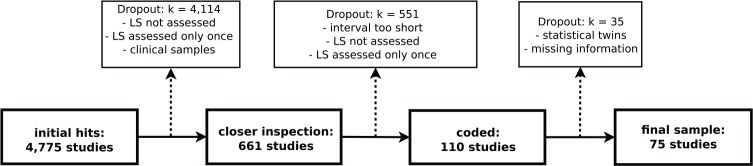
Individuals experience loneliness when they perceive a deficiency in the quality or quantity of their social relationships. In the present meta-analysis, we compiled data from 75 longitudinal studies conducted in Asia, Australia, Europe, and North America ( N = 83, 679) to examine the rank-order and mean-level development of loneliness across the life span. Data were analyzed using two- and three-level meta-analyses and generalized additive mixed models. The results indicate that the rank order of loneliness is as stable as the rank order of personality traits and follows an inverted U-shaped trajectory across the life span. Regarding mean-level development, loneliness was found to decrease throughout childhood and to remain essentially stable from adolescence to oldest old age. Thus, in contrast to other personality characteristics, changes in loneliness are not generally related to age. Implications for theory are discussed.
Overview
The claims and statistics of this paper haven’t been checked yet.
Free: it reads the open-access text and checks the first 5 claims that cite a source we can check. Create a free account to check every claim.
Integrity signals
Registry
Cites
Statistics
Figures
Verification
Claims the paper makes
The claims and statistics of this paper haven’t been checked yet.
Free: it reads the open-access text and checks the first 5 claims that cite a source we can check. Create a free account to check every claim.
Claims other papers make about this one
Each is checked against this paper’s own text: does it say what the citing paper says it does?
The cited source doesn’t support the claim as written.
In the citing paper
“The developmental trajectories of loneliness and negative affect also differ during adolescence (12.1–17 years) and emerging adulthood (17.1–25 years), with feelings of loneliness typically peaking during middle adolescence, whereas negative affect continue to increase between adolescence and young adulthood”
From Adolescent Loneliness and Negative Affect during the COVID-19 Pandemic: The Role of Extraversion and Neuroticism (2023) · cites this paper as Mund et al., 2019
Checked by a reasoning model — may be wrong.
Experimental — accuracy not yet measuredThe source backs part of the claim, not all of it — or backs it for a different population, condition or comparison.
In the citing paper
“It is worth noting that loneliness and negative affect are not commonly understood to be facets of any personality characteristic such as neuroticism”
From Adolescent Loneliness and Negative Affect during the COVID-19 Pandemic: The Role of Extraversion and Neuroticism (2023) · cites this paper as Mund et al., 2019
Experimental — accuracy not yet measuredThe source backs part of the claim, not all of it — or backs it for a different population, condition or comparison.
In the citing paper
“However, a single indicator can be an adequate replacement for a larger scale and is widely used (Mund et al., 2019; Mund et al., 2022).”
From Adolescent Loneliness and Negative Affect during the COVID-19 Pandemic: The Role of Extraversion and Neuroticism (2023) · cites this paper as Mund et al., 2019
Experimental — accuracy not yet measuredThe cited source says what the claim attributes to it.
In the citing paper
“Drawing from a personality psychology perspective, loneliness was expected to be a trait-like personality attribute, given that loneliness has found to be as stable over time as Big Five personality traits (Mund et al., 2019).”
From Adolescent Loneliness and Negative Affect during the COVID-19 Pandemic: The Role of Extraversion and Neuroticism (2023) · cites this paper as Mund et al., 2019
The cited source says what the claim attributes to it.
In the citing paper
“Lastly, some studies find no change in life satisfaction (Baird et al. 2010) or loneliness (Mund et al. 2020) during this period.”
From Patterns of Romantic Relationship Experiences and Psychosocial Adjustment From Adolescence to Young Adulthood (2021) · cites this paper as Mund et al. 2020
1 more claim about this paper
Create a free account to see every claim other papers make about this one.
Self-check
Percentages, sums and reported differences re-computed from the paper’s own numbers.
The self-check needs the paper’s full text.
Citations
Cites
R: A Language and Environment for Statistical Computing
R Core Team (2025) · doi:10.32614/r.manuals · Cited by 352,181
The need to belong: Desire for interpersonal attachments as a fundamental human motivation.
Baumeister, R. F., & Leary, M. R. (1995) · Psychological Bulletin · doi:10.1037//0033-2909.117.3.497 · Cited by 23,245 · cited 2×
“This finding might be due to the universal nature of the challenge to establish close and intimate relationships (Axelrod & Hamilton, 1981; Baumeister & Leary, 1995; Cacioppo, Cacioppo, Cole, et al., 2015).”
BackgroundConducting Meta-Analyses in R with the metafor Package
Viechtbauer, W. (2010) · Journal of Statistical Software · doi:10.18637/jss.v036.i03 · Cited by 20,464 · cited 7×
“As a consequence, we ran FE models that do not allow generalizations to broader populations (Hedges & Vevea, 1998; Konstantopoulos & Hedges, 2009; Viechtbauer, 2010).”
MethodResultInfluentialAxelrod, R., & Hamilton, W. D. (1981) · Science · doi:10.1126/science.7466396 · Cited by 20,065
Handbook of Personality: Theory and Research
Krueger, R. F., & Johnson, W. (2008) · Cited by 7,884
Social Relationships and Health
House, J. S., Landis, K. R., & Umberson, D. (1988) · Science · doi:10.1126/science.3399889 · Cited by 7,073 · cited 1×
“…and neuroanatomical outcomes in humans (Caspi, Harrington, Moffitt, Milne, & Poulton, 2006; HoltLunstad, Smith, Baker, Harris, & Stephenson, 2015; House et al., 1988; Shankar, McMunn, Banks, & Steptoe, 2011; Shankar, McMunn, Demakakos, Hamer, & Steptoe, 2017) and animals (Cacioppo, Capitanio,…”
Journal of social behavior and personality
(1986) · Personality and Individual Differences · doi:10.1016/0191-8869(86)90025-5 · Cited by 6,706
Loneliness and Social Isolation as Risk Factors for Mortality: A Meta-Analytic Review
Holt-Lunstad, J., Smith, T. B., Baker, M., Harris, T., & Stephenson, D. (2015) · Perspectives on Psychological Science · doi:10.1177/1745691614568352 · Cited by 6,043 · cited 2×
“That is, as loneliness has been found to be related to an increased mortality risk (Holt-Lunstad et al., 2015; Luo & Waite, 2014; Patterson & Veenstra, 2010; Shiovitz-Ezra & Ayalon, 2010), individuals with higher or increasing loneliness might have deceased earlier in the course of the primary…”
BackgroundMethodUCLA loneliness scale (version 3): reliability, validity, and factor structure
Russell, D. W. (1996) · Journal of Personality Assessment · doi:10.1207/s15327752jpa6601_2 · Cited by 5,800 · cited 11×
“UCLA = The University of California, Los Angeles Loneliness Scale; LSDQ = Loneliness and Social Dissatisfaction Scale; dJG-LS = de Jong Gierveld Loneliness Scale; LACA = Loneliness and Aloneness Scale for Children and Adolescents. aFor some studies, we could not use the full sample size.”
BackgroundInfluentialThe Revised UCLA Loneliness Scale: concurrent and discriminant validity evidence
Russell, D., Peplau, L. A., & Cutrona, C. E. (1980) · Journal of Personality and Social Psychology · doi:10.1037/0022-3514.39.3.472 · Cited by 5,173 · cited 4×
“Third, we conducted forward searches (Reed & Baxter, 2009; White, 2009) for the articles that have introduced the most influential scales for measuring loneliness, including (a) the LACA (Marcoen & Brumagne, 1985; Marcoen et al., 1987), (b) the LSDQ (Asher et al., 1984; Asher & Wheeler, 1985; Cassidy & Asher, 1992), (…”
BackgroundInfluential
Research works printed but not linked: 8
- *Kochenderfer B. J. (1998). An application of HLM for modeling adjustment growth curves of peer victimized children (Unpublished doctoral dissertation). University of Illinois at Urbana-Champaign.
- *Mayer S. E. (2017). Examining the relationships between chronic stress, HPA axis activity, and depression in a prospective and longitudinal study of medical internship (Doctoral dissertation, University of Michigan). Retrieved from https://deepblue.lib.umich.edu/bitstream/handle/2027.42/137074/stemayer_1.pdf?sequence=1&isAllowed=y
- Perlman D. Peplau L. A. (1981). Toward a social psychology of loneliness. In Duck N. Gilmour R. (Eds.), Personal relationships: Personal relationships in disorder (pp. 31- 56). London, England: Academic Press.
- *Polasky S. A. (2010). Coping with school bullying: An examination of longitudinal effects of coping on peer victimization and adjustment (Doctoral dissertation, Arizona State University). Retrieved from https://repository.asu.edu/attachments/56064/content/Polasky_asu_0010E_10037.pdf
- Raudenbush S. W. (2009). Analyzing effect sizes: Random-effects models. In Cooper H. Hedges L. V. Valentine J. C. (Eds.), The handbook of research synthesis and meta-analysis (2nd ed., pp. 295- 316). New York, NY: SAGE.
- Reed J. G. Baxter P. M. (2009). Using reference databases. In Cooper H. Hedges L. V. Valentine J. C. (Eds.), The handbook of research synthesis and meta-analysis (2nd ed., pp. 73- 101). New York, NY: SAGE.
- Shadish W. R. Haddock C. K. (2009). Combining estimates of effect size. In Cooper H. Hedges L. V. Valentine J. C. (Eds.), The handbook of research synthesis and meta-analysis (2nd ed., pp. 257- 277). New York, NY: SAGE.
- *Tong S. S. (2013). The relationship between early attachment and adolescent risky behaviors with changes in loneliness in a mediating role (Doctoral dissertation, University of Louisville). Retrieved from https://ir.library.louisville.edu/etd/1449/
Cited by
Loneliness Before and During the COVID-19 Pandemic: A Systematic Review with Meta-Analysis
Ernst, M., Niederer, D., Werner, A. M., Czaja, S. J., Mikton, C., Ong, A., Rosen, T., Braehler, E., & Beutel, M. E. (2022) · doi:10.31234/osf.io/wjx5v · Cited by 584
Loneliness before and during the COVID-19 pandemic: A systematic review with meta-analysis.
Ernst, M., Niederer, D., Werner, A. M., Czaja, S. J., Mikton, C., Ong, A. D., Rosen, T., Brähler, E., & Beutel, M. E. (2022) · American Psychologist · doi:10.1037/amp0001005 · Cited by 584
Holt-Lunstad, J. (2022) · Annual Review of Public Health · doi:10.1146/annurev-publhealth-052020-110732 · Cited by 545
Gender differences in loneliness across the lifespan: a meta-analysis
Maes, M., Qualter, P., Vanhalst, J., Van den Noortgate, W., & Goossens, L. (2019) · European Journal of Personality · doi:10.1002/per.2220 · Cited by 405
“…are in line with a metasynthesis including over a hundred metaanalyses on gender differences in different psychological domains, suggesting that gender differences were rather small in most domains, and largely stable across time and cultures (Mund et al., 2019; Zell, Krizan, & Teeter, 2015).”
BackgroundResultLoneliness and the Big Five Personality Traits: A Meta–Analysis
Buecker, S., Maes, M., Denissen, J. J. A., & Luhmann, M. (2020) · European Journal of Personality · doi:10.1002/per.2229 · Cited by 361
“There are ongoing discussions if and to what extent loneliness should be conceptualized as a trait-like characteristic with similar features (i.e. similar heritability, stability, and change across the lifespan) as broader personality traits (Mund et al., 2019).”
BackgroundLoneliness from young adulthood to old age: explaining age differences in loneliness
Hawkley, L. C., Buecker, S., Kaiser, T., & Luhmann, M. (2022) · International Journal of Behavioral Development · doi:10.1177/0165025420971048 · Cited by 281
Buecker, S., Mund, M., Chwastek, S., Sostmann, M., & Luhmann, M. (2021) · Psychological Bulletin · doi:10.1037/bul0000332 · Cited by 277
Self-citationRisk factors for loneliness: A literature review
Barjaková, M., Garnero, A., & d’Hombres, B. (2023) · Social Science & Medicine · doi:10.1016/j.socscimed.2023.116163 · Cited by 240
Zaninotto, P., Iob, E., Demakakos, P., & Steptoe, A. (2022) · JAMA Psychiatry · doi:10.1001/jamapsychiatry.2021.3749 · Cited by 229
Loneliness, social relationships, and mental health in adolescents during the COVID-19 pandemic
Cooper, K., Hards, E., Moltrecht, B., Reynolds, S., Shum, A., McElroy, E., & Loades, M. (2021) · Journal of Affective Disorders · doi:10.1016/j.jad.2021.04.016 · Cited by 213
“Chronic feelings of loneliness remain stable from adolescence onwards (Mund et al., 2020).”
BackgroundLoneliness across time and space
Luhmann, M., Buecker, S., & Rüsberg, M. (2022) · Nature Reviews Psychology · doi:10.1038/s44159-022-00124-1 · Cited by 197
Mund, M., Maes, M., Drewke, P. M., Gutzeit, A., Jaki, I., & Qualter, P. (2023) · Assessment · doi:10.1177/10731911221077227 · Cited by 192
Self-citationvon Soest, T., Luhmann, M., & Gerstorf, D. (2020) · Developmental Psychology · doi:10.1037/dev0001102 · Cited by 210
Development of Loneliness in Midlife and Old Age: Its Nature and Correlates
von Soest, T., Luhmann, M., Hansen, T., & Gerstorf, D. (2020) · Journal of Personality and Social Psychology · doi:10.1037/pspp0000219 · Cited by 145
Exploring the nature and variation of the stigma associated with loneliness
Barreto, M., van Breen, J. A., Victor, C. R., Hammond, C., Eccles, A. M., Richins, M. T., & Qualter, P. (2022) · Journal of Social and Personal Relationships · doi:10.1177/02654075221087190 · Cited by 193
Associations of loneliness with risk of Alzheimer's disease dementia in the Framingham Heart Study
Akhter‐Khan, S. C., Tao, Q., Ang, T. F. A., Itchapurapu, I. S., Alosco, M. L., Mez, J., Piers, R. J., Steffens, D. C., Au, R., & Qiu, W. Q. (2021) · Alzheimer's & Dementia · doi:10.1002/alz.12327 · Cited by 126
Akhter‐Khan, S. C., Prina, M. A., Wong, G. H. Y., Mayston, R., & Li, L. (2022) · Perspectives on Psychological Science · doi:10.1177/17456916221127218 · Cited by 211
“Greater heterogeneity in the development of loneliness in older adults may be due to more fragile environmental niches that may change with impaired health status or the loss of important relationships (Mund et al., 2020).”
BackgroundEmotions and Food Consumption: Emotional Eating Behavior in a European Population
Ljubičić, M., Sarić, M. M., Klarin, I., Rumbak, I., Barić, I. C., Ranilović, J., Dželalija, B., Sarić, A., Nakić, D., Djekic, I. V., et al. (2023) · Foods · doi:10.3390/foods12040872 · Cited by 166
“When an individual perceives a deficiency in social relationships, they may feel lonely [57].”
BackgroundLatikka, R., Hernández, R. R., Lohan, E. S., Rantala, J., Fernández, F. N., Laitinen, A., & Oksanen, A. (2021) · Journal of Medical Internet Research · doi:10.2196/28022 · Cited by 149
Freak‐Poli, R., Ryan, J. L., Tran, T. D., Owen, A. J., Power, J. M., Berk, M., Stocks, N. P., González‐Chica, D. A., Lowthian, J. A., Fisher, J., et al. (2021) · Aging & Mental Health · doi:10.1080/13607863.2021.1940097 · Cited by 133
“Further adding to the conceptualisation of social health, loneliness has been discussed as having two components; social loneliness can be thought of as the subjective lack of social isolation – ‘the quantitative aspect of loneliness, that is, the subjective lack of a broader support network’ (Mund et al., 2020) and e…”
BackgroundDanneel, S., Geukens, F., Maes, M., Bastin, M., Bijttebier, P., Colpin, H., Verschueren, K., & Goossens, L. (2020) · Journal of Youth and Adolescence · doi:10.1007/s10964-020-01315-w · Cited by 89
“The latter finding has been supported by a recent meta-analysis, which showed that loneliness remained relatively stable throughout adolescence (Mund et al. 2020).”
BackgroundResultWu, P., Feng, R., & Zhang, J. (2024) · BMC Psychology · doi:10.1186/s40359-023-01498-4 · Cited by 135
“Mund et al. [20] conducted a meta-analysis of data from 75 longitudinal studies ( N = 83,679) spanning Asia, Australia, Europe, and North America to examine the developmental trajectory of loneliness across the entire lifespan.”
BackgroundInfluentialMatthews, T., Qualter, P., Bryan, B. T., Caspi, A., Danese, A., Moffitt, T. E., Odgers, C. L., Strange, L., & Arseneault, L. (2023) · Development and Psychopathology · doi:10.1017/s0954579421001632 · Cited by 84
“Although the circumstances individuals find themselves in are an important determinant, loneliness has also been argued to be “trait-like” in nature (Mund et al., 2019) and has been shown to be partially under the influence of genetic factors (Goossens et al.”
BackgroundRisk factors of loneliness across the life span
Hutten, E., Jongen, E. M. M., Hajema, K., Ruiter, R. A. C., Hamers, F. J. M., & Bos, A. E. R. (2021) · Journal of Social and Personal Relationships · doi:10.1177/02654075211059193 · Cited by 111
“First, the majority of studies have been conducted among adolescents or older adults leaving middle adulthood relatively understudied (Luhmann & Hawkley, 2016; Mund et al., 2020).”
BackgroundLoneliness as experienced by adolescents and young adults: an explorative qualitative study
Hemberg, J., Östman, L., Korzhina, Y., Groundstroem, H., Nyström, L., & Nyman-Kurkiala, P. (2022) · International Journal of Adolescence and Youth · doi:10.1080/02673843.2022.2109422 · Cited by 75
“Loneliness during adolescence or young adulthood may impact personality (Mund et al., 2019), with especially neuroticism (Buecker et al., 2020; Mund & Neyer, 2018) found to be the strongest correlate of loneliness (Matthews et al., 2022).”
BackgroundEconomic Gradients in Social Health in Britain
Kung, C. S. J., Pudney, S. E., & Shields, M. A. (2021) · Social Science & Medicine · doi:10.1016/j.socscimed.2022.115122 · Cited by 92
“Previous research indicates a reasonably high level of stability in loneliness (Mund et al., 2019), and the empirical persistence rates in Table 1 confirm this.”
Rolandi, E., Vaccaro, R., Abbondanza, S., Casanova, G., Pettinato, L., Colombo, M., & Guaita, A. (2020) · International Journal of Environmental Research and Public Health · doi:10.3390/ijerph17217912 · Cited by 90
“Loneliness is conceptualized as a quite stable trait, with high one-year test–retest reliability [26], and a recent meta-analysis on longitudinal studies shows great stability of loneliness from adolescence to old age [38].”
BackgroundLoneliness in the workplace: a mixed-method systematic review and meta-analysis
Bryan, B. T., Andrews, G., Thompson, K. N., Qualter, P., Matthews, T., & Arseneault, L. (2023) · Occupational Medicine · doi:10.1093/occmed/kqad138 · Cited by 125
“There is evidence that loneliness is trait-like for some people, such that some individuals are more likely to feel lonely across all environments [70], and it is possible that the loneliness measured in the studies included in our review is not specific to the workplace.”
BackgroundMcKenna-Plumley, P. E., Turner, R. N., Yang, K., & Groarke, J. M. (2023) · International Journal of Qualitative Studies on Health and Well-Being · doi:10.1080/17482631.2023.2223868 · Cited by 105
“This may account for the differing prevalence of loneliness at different life stages (Mund et al., 2020, Victor & Yang, 2012).”
BackgroundRethinking Social Relationships in Adulthood: The Differential Investment of Resources Model
Huxhold, O., Fiori, K. L., & Windsor, T. D. (2022) · Personality and Social Psychology Review · doi:10.1177/10888683211067035 · Cited by 110
“A meta-analysis of longitudinal studies (Mund et al., 2019) indicated that changes in loneliness are not related to age.”
BackgroundWard, M., May, P., Normand, C., Kenny, R. A., & Nolan, A. (2021) · Age and Ageing · doi:10.1093/ageing/afab004 · Cited by 81
“The correlation between loneliness and social isolation tends to be weak [2,3,10,15] and the level of agreement or discordance between the two may be important, particularly as loneliness and social isolation relate differently to health outcomes, including mortality [6,10,12,14].”
BackgroundLonely Me, Lonely You: Loneliness and the Longitudinal Course of Relationship Satisfaction
Mund, M., & Johnson, M. D. (2020) · Journal of Happiness Studies · doi:10.1007/s10902-020-00241-9 · Cited by 93
Self-citationMäkiniemi, J.-P., Oksanen, A., & Mäkikangas, A. (2021) · International Journal of Environmental Research and Public Health · doi:10.3390/ijerph18137146 · Cited by 117
“Hence, being by definition a subjective perception or feeling, even people with frequent social contacts may feel lonely, and on the other hand, those with few social contacts may not feel lonely [9].”
BackgroundThe prevalence of chronic and episodic loneliness and social isolation from a longitudinal survey
Lim, M. H., Manera, K., Owen, K., Phongsavan, P., & Smith, B. J. (2023) · Scientific Reports · doi:10.1038/s41598-023-39289-x · Cited by 91
Do We Become More Lonely With Age? A Coordinated Data Analysis of Nine Longitudinal Studies
Graham, E. K., Beck, E. D., Jackson, K., Yoneda, T. B., McGhee, C., Pieramici, L., Atherton, O. E., Luo, J., Willroth, E. C., Steptoe, A., et al. (2024) · Psychological Science · doi:10.1177/09567976241242037 · Cited by 87
“This approach enabled partially replicating and significantly expanding earlier findings of loneliness changes over extensive (up to 27 years) time frames (Mund, Freuding, et al., 2020).”
BackgroundResultInfluentialHettich, N., Entringer, T. M., Kroeger, H., Schmidt, P. S., Tibubos, A. N., Brähler, E., & Beutel, M. E. (2022) · Social Psychiatry and Psychiatric Epidemiology · doi:10.1007/s00127-022-02311-0 · Cited by 85
“This finding is particularly interesting given that the stability of loneliness across the lifespan has been found to be high [35] and loneliness is considered a trait-like characteristic [36].”
BackgroundLoneliness in Emerging Adulthood: A Scoping Review
Kirwan, E. M., Burns, A., O’Súilleabháin, P. S., Summerville, S., McGeehan, M., McMahon, J., Gowda, A., & Creaven, A. (2024) · Adolescent Research Review · doi:10.1007/s40894-024-00240-4 · Cited by 102
“Previous research underscores the importance of identifying the characteristics of emerging adults more likely to develop loneliness and the factors that, when changed, correspond to changes in loneliness (Mund et al., 2020).”
Hansen, T., Nilsen, T. S., Yu, B., Knapstad, M., Skogen, J. C., Vedaa, Ø., & Nes, R. B. (2021) · Scandinavian Journal of Public Health · doi:10.1177/1403494821993711 · Cited by 66
“[28] Mund M, freuding M, Möbius k, et al.”
BackgroundChanging the narrative: Loneliness as a social justice issue
Barreto, M., Doyle, D. M., & Qualter, P. (2024) · Political Psychology · doi:10.1111/pops.12965 · Cited by 93
“…characterizes those who report loneliness as a particular type of person, one who tends to be introverted and neurotic (Buecker et al., 2020; Mund et al., 2020; Teppers et al., 2013), has a negative outlook on life and insecure attachment (Cacioppo et al., 2000), has low self-esteem…”
BackgroundEndocrine and immunomodulatory effects of social isolation and loneliness across adulthood
Zilioli, S., & Jiang, Y. (2021) · Psychoneuroendocrinology · doi:10.1016/j.psyneuen.2021.105194 · Cited by 84
“Loneliness seems to be stable throughout the lifespan (Mund et al., 2020).”
BackgroundGeukens, F., Maes, M., Spithoven, A. W. M., Pouwels, J. L., Danneel, S., Cillessen, A. H. N., van den Berg, Y. H. M., & Goossens, L. (2020) · International Journal of Behavioral Development · doi:10.1177/0165025420958194 · Cited by 84
“A recent meta-analysis on the life-span development of loneliness found indeed that loneliness remained stable throughout adolescence (Mund et al., 2020).”
BackgroundGonzalez Avilés, T., Finn, C., & Neyer, F. J. (2021) · Journal of Youth and Adolescence · doi:10.1007/s10964-020-01350-7 · Cited by 57
Self-citationLoneliness During a Nationwide Lockdown and the Moderating Effect of Extroversion
Entringer, T. M., & Gosling, S. D. (2022) · Social Psychological and Personality Science · doi:10.1177/19485506211037871 · Cited by 55
“Loneliness is an aversive emotional state resulting from a perceived deficiency in the quality or quantity of one’s social relationships (Mund et al., 2020).”
BackgroundOn social health: history, conceptualization, and population patterning
Doyle, D. M., & Link, B. G. (2024) · Health Psychology Review · doi:10.1080/17437199.2024.2314506 · Cited by 77
“…in shaping adult social health outcomes) Research demonstrates that social health also fl uctuates throughout the individual life course (Bliesz-ner, 2006; Ertel et al., 2009; Luong et al., 2011; Mund et al., 2020; Wrzus et al., 2013), just as physical and mental health do (Ben-Shlomo & Kuh, 2002).”
Loneliness increases the risk of type 2 diabetes: a 20 year follow-up – results from the HUNT study
Henriksen, R. E., Nilsen, R. M., & Strandberg, R. B. (2022) · Diabetologia · doi:10.1007/s00125-022-05791-6 · Cited by 65
Landmann, H., & Rohmann, A. (2021) · International Journal of Psychology · doi:10.1002/ijop.12772 · Cited by 83
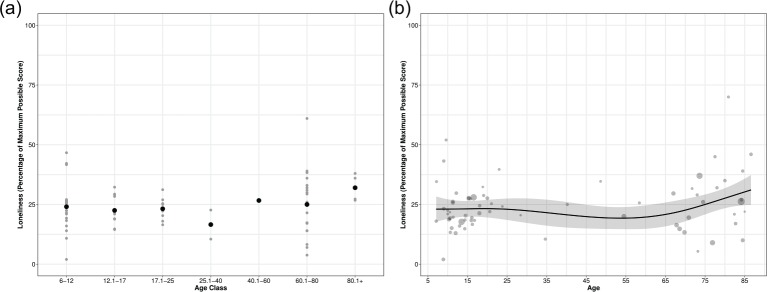
“Loneliness is typically centred on 17–31% of the maximum possible score depending on participants’ age (Mund et al., 2020).”
State loneliness is associated with emotional hypervigilance in daily life: A network analysis
Meng, J., Wang, X., Wei, D., & Qiu, J. (2020) · Personality and Individual Differences · doi:10.1016/j.paid.2020.110154 · Cited by 57
Panayiotou, M., Badcock, J. C., Lim, M. H., Banissy, M. J., & Qualter, P. (2022) · Assessment · doi:10.1177/10731911221119533 · Cited by 66
“Since then, evidence has been scarce, despite the prominence of the measure in establishing age differences or stability in loneliness levels (Luhmann & Hawkley, 2016; Mund et al., 2020; Schultz & Moore, 1988).”
BackgroundEconomic Aspects of Loneliness in Australia
Kung, C. S. J., Kunz, J., & Shields, M. A. (2021) · Australian Economic Review · doi:10.1111/1467-8462.12414 · Cited by 78
Laustsen, L. M., Christiansen, J. A., Maindal, H. T., Plana‐Ripoll, O., & Lasgaard, M. (2023) · Scandinavian Journal of Public Health · doi:10.1177/14034948231151716 · Cited by 55
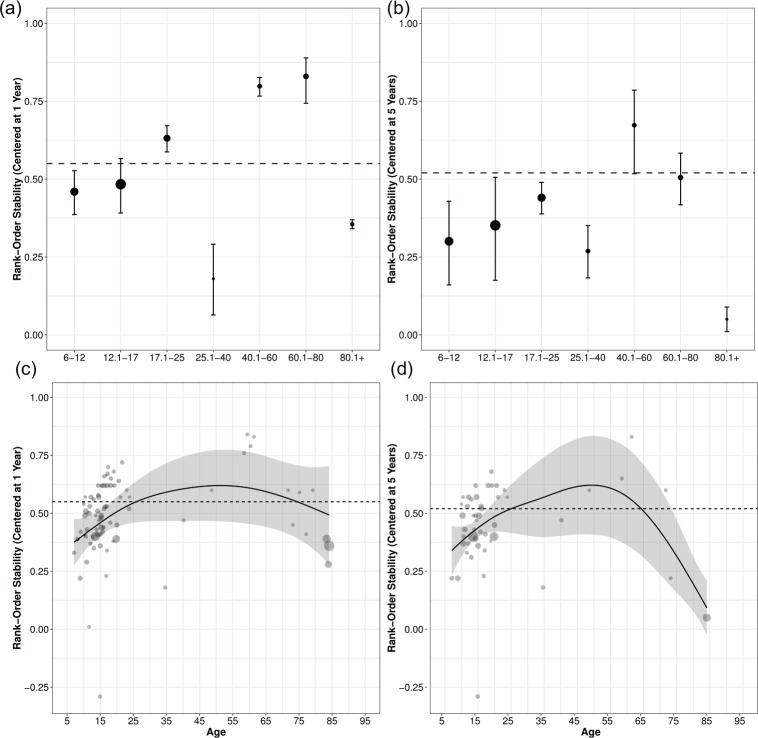
“In contrast, a meta-analysis of longitudinal studies found the stability of interindividual differences in loneliness to be greatest around age 50 and to be lower both in young adulthood and old age [33].”
BackgroundA systematic review of longitudinal risk and protective factors for loneliness in youth
Buecker, S., Petersen, K. J., Neuber, A., Zheng, Y., Hayes, D., & Qualter, P. (2024) · Annals of the New York Academy of Sciences · doi:10.1111/nyas.15266 · Cited by 52
Loneliness in Europe before and during the COVID-19 pandemic
Baarck, J., d’Hombres, B., & Tintori, G. (2022) · Health Policy · doi:10.1016/j.healthpol.2022.09.002 · Cited by 88
Yu, X., Westrick, A. C., & Kobayashi, L. C. (2022) · Alzheimer s & Dementia · doi:10.1002/alz.12734 · Cited by 48
Nicolaisen, M., & Thorsen, K. (2023) · The International Journal of Aging and Human Development · doi:10.1177/00914150231194243 · Cited by 54
“…studies report the prevalence of lone-liness in different age groups, few longitudinal studies have provided insights into stability and change in loneliness across the life span (Mund et al., 2020), and studies of loneliness over time among men and women in different age groups are even fewer.”
BackgroundInfluentialLong, R. M., Terracciano, A., Sutin, A. R., Creaven, A., Gerstorf, D., D’Arcy-Bewick, S., & O’Súilleabháin, P. S. (2022) · Psychosomatic Medicine · doi:10.1097/psy.0000000000001151 · Cited by 58
“These aspects of social health represent distinct constructs (7,8), with research suggesting that the correlation between loneliness and social isolation is weak (9,10).”
BackgroundTapia‐Muñoz, T., Staudinger, U. M., Allel, K., Steptoe, A., Miranda‐Castillo, C., Medina, J. T., & Calvo, E. (2022) · PLoS ONE · doi:10.1371/journal.pone.0274518 · Cited by 56
Oken, B., Kaplan, J., Klee, D., & Gallegos, A. M. (2024) · Frontiers in Human Neuroscience · doi:10.3389/fnhum.2024.1380002 · Cited by 40
d’Huart, D., Seker, S., Bürgin, D., Birkhölzer, M., Boonmann, C., Schmid, M., & Schmeck, K. (2023) · Clinical Psychology Review · doi:10.1016/j.cpr.2023.102284 · Cited by 48
Ward, M. D., Briggs, R., McGarrigle, C. A., Looze, C. D., O’Halloran, A. M., & Kenny, R. A. (2022) · International Journal of Geriatric Psychiatry · doi:10.1002/gps.5856 · Cited by 42
Owner of a lonely heart: The stability of loneliness across the life span.
Mund, M., Lüdtke, O., & Neyer, F. J. (2020) · Journal of Personality and Social Psychology · doi:10.1037/pspp0000262 · Cited by 41
Self-citationFreak-Poli, R., Hu, J., Phyo, A., & Barker, S. (2023) · International Journal of Environmental Research and Public Health · doi:10.3390/ijerph20064853 · Cited by 33
“Emotional loneliness is related to a subjective lack of social support— “described as a subjective feeling of detachment, thereby representing a qualitative aspect of loneliness pertaining to the lack of deep and meaningful relationships” [7,10].”
BackgroundMoksnes, U. K., Bjørnsen, H. N., Ringdal, R., Eilertsen, M. B., & Espnes, G. A. (2022) · Scandinavian Journal of Public Health · doi:10.1177/14034948221081287 · Cited by 48
“[6] Mund M, Freuding MM, Möbius K, et al.”
BackgroundLi, Y., Wang, X., Guo, L., Zhu, L., Shi, J., Wang, W., & Lu, C. (2022) · American Journal of Geriatric Psychiatry · doi:10.1016/j.jagp.2022.12.002 · Cited by 37
Trajectories of Loneliness and Psychosocial Functioning
Hutten, E., Jongen, E. M. M., Verboon, P., Bos, A. E. R., Smeekens, S., & Cillessen, A. H. N. (2021) · Frontiers in Psychology · doi:10.3389/fpsyg.2021.689913 · Cited by 41
Lara, E., Moreno‐Agostino, D., Martín‐María, N., Miret, M., Rico‐Uribe, L. A., Olaya, B., Cabello, M., Haro, J. M., & Ayuso‐Mateos, J. L. (2020) · Social Science & Medicine · doi:10.1016/j.socscimed.2020.113087 · Cited by 37
Schnepf, S. V., Boldrini, M., & Blaskó, Z. (2023) · BMC Public Health · doi:10.1186/s12889-023-16797-z · Cited by 51
“Regarding key demography-related associates, findings on gender (see e.g., [4]; [11]) are inconsistent, probably due to how loneliness is measured.”
BackgroundQi, X., Belsky, D. W., Yang, Y. C., & Wu, B. (2023) · American Journal of Geriatric Psychiatry · doi:10.1016/j.jagp.2023.02.046 · Cited by 45
Schneider, N., Bujard, M., Wolf, C., Gummer, T., Hank, K., & Neyer, F. J. (2021) · Comparative Population Studies · doi:10.12765/cpos-2021-06 · Cited by 66
Self-citationLoneliness in Young People with ADHD: A Systematic Review and Meta-Analysis
Jong, A., Odoi, C. M., Lau, J., & J.Hollocks, M. (2024) · Journal of Attention Disorders · doi:10.1177/10870547241229096 · Cited by 29
“Both levels of loneliness (Mund et al., 2020; Shovestul et al., 2020) and ADHD symptoms tend to change with age (De Rossi et al., 2023).”
BackgroundMadsen, K. R., Damsgaard, M. T., Petersen, K. J., Qualter, P., & Holstein, B. E. (2024) · International Journal of Environmental Research and Public Health · doi:10.3390/ijerph21040414 · Cited by 61
“A recent meta-analysis of longitudinal studies suggested that loneliness tended to remain stable from adolescence to adulthood [10].”
BackgroundSchiltz, H. K., Gohari, D., Park, J., & Lord, C. (2023) · Autism · doi:10.1177/13623613231217337 · Cited by 43
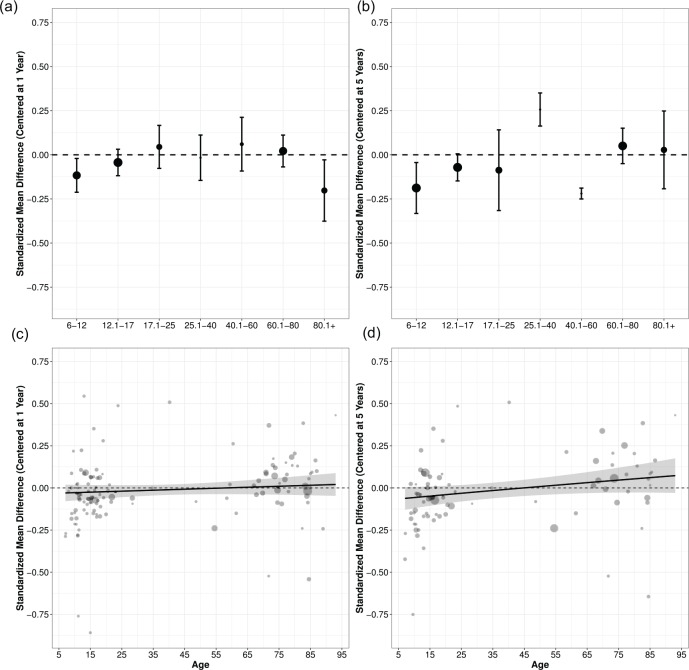
“In the general population, meta-analytic data have shown age-related changes in loneliness; average levels of loneliness have been found to decrease throughout childhood (6–12 years old) and remain relatively stable from teen to old age (through 80 years old) (Mund et al., 2020).”
BackgroundInfluentialLoneliness in Personality Disorders
Reinhard, M. A., Nenov-Matt, T., & Padberg, F. (2022) · Current Psychiatry Reports · doi:10.1007/s11920-022-01368-7 · Cited by 53
Lu, M., Wang, R., Huan, L., Pang, F., & Chen, X. (2021) · Research in Autism · doi:10.1016/j.rasd.2021.101829 · Cited by 38
Aging Successfully: Possible in Principle? Possible for all? Desirable for all?
Wahl, H. (2020) · Integrative Psychological and Behavioral Science · doi:10.1007/s12124-020-09513-8 · Cited by 53
Langenkamp, A. (2023) · Journal of Social and Personal Relationships · doi:10.1177/02654075221144716 · Cited by 27
“Importantly, loneliness as well as perceived societal connectedness and trust beliefs are fairly stable over time (Marien, 2011; Mund et al., 2020).”
BackgroundLippke, S., & Warner, L. M. (2022) · Applied Psychology Health and Well-Being · doi:10.1111/aphw.12420 · Cited by 42
Tan, M., Barkus, E., & Favelle, S. K. (2021) · Cognitive Neuropsychiatry · doi:10.1080/13546805.2021.1960156 · Cited by 30
“Existing literature has established that social support characteristics and social participation varies for different age groups (Child, & Lawton, 2019; Weiner et al., 2016).”
BackgroundMoksnes, U. K., Bjørnsen, H. N., Eilertsen, M. B., & Espnes, G. A. (2021) · Scandinavian Journal of Public Health · doi:10.1177/1403494821997219 · Cited by 30
“Loneliness affects people of all ages and seems to follow an inverted U-shaped trajectory across the lifespan, with elevated levels during adolescence [1,2].”
BackgroundBarton, S., Zovko, A., Müller, C., Krabichler, Q., Schulze, J., Wagner, S., Grinevich, V., Shamay‐Tsoory, S., & Hurlemann, R. (2024) · Neuroscience & Biobehavioral Reviews · doi:10.1016/j.neubiorev.2024.105734 · Cited by 32
“Loneliness is associated with heightened negative emotional experiences during interpersonal interactions (Hawkley and Cacioppo, 2003) and self-reported reductions in relationship satisfaction, increased conflict, and decreased self-disclosure and emotional intimacy (Mund et al., 2020).”
Meneguzzo, P., Terlizzi, S., Maggi, L., & Todisco, P. (2024) · Comprehensive Psychiatry · doi:10.1016/j.comppsych.2024.152493 · Cited by 31
Victor, C., Rippon, I., Barreto, M., Hammond, C., & Qualter, P. (2022) · Archives of gerontology and geriatrics (Print) · doi:10.2139/ssrn.4051210 · Cited by 26
“All these studies confirm that loneliness is experienced by all age groups and is not an experience unique to older adults (Mund et al., 2020).”
BackgroundMatthews, T., Fisher, H. L., Bryan, B. T., Danese, A., Moffitt, T. E., Qualter, P., Verity, L., & Arseneault, L. (2022) · International Journal of Behavioral Development · doi:10.1177/0165025420979357 · Cited by 30
“uk differences in loneliness show similar stability to differences in personality traits, which has led to loneliness being described as trait-like in nature (Mund et al., 2019).”
BackgroundEstimating the prevalence of social and emotional loneliness across the adult lifespan
Manoli, A., McCarthy, J., & Ramsey, R. (2022) · Scientific Reports · doi:10.1038/s41598-022-24084-x · Cited by 36
Lonely in a crowd: loneliness in New Zealand retirement village residents
Boyd, M. L., Calvert, C., Tatton, A., Wu, Z., Bloomfield, K., Broad, J., Hikaka, J., Higgins, A., & Connolly, M. J. (2020) · International Psychogeriatrics · doi:10.1017/s1041610220000393 · Cited by 33
Liang, Y. Y., He, Y., Wang, J., Liu, Y., Ai, S., Feng, H., Zhu, C., Li, H., Zhou, Y., Zhang, J., et al. (2024) · American Journal of Kidney Diseases · doi:10.1053/j.ajkd.2024.05.004 · Cited by 29
“35 Fourth, because the UK Biobank study was unable to capture minor symptoms of DMCs among individuals who had not been hospitalized, the incidence rate of DMCs, especially diabetic retinopathy and diabetic neuropathy, might have been underestimated.”
Proctor, A. S., Barth, A., & Holt‐Lunstad, J. (2023) · Lifestyle Medicine · doi:10.1002/lim2.91 · Cited by 65
Wolska, K., & Creaven, A. (2022) · British Journal of Clinical Psychology · doi:10.1111/bjc.12397 · Cited by 39
Loneliness trajectories over three decades are associated with conspiracist worldviews in midlife
Bierwiaczonek, K., Fluit, S., von Soest, T., Hornsey, M. J., & Kunst, J. R. (2024) · Nature Communications · doi:10.1038/s41467-024-47113-x · Cited by 32
“Overall, consistent with previous research using the same scale 39 and cohort studies in Norway 40 , participants ’ loneliness showed an increasing trajectory between 1992 and 2020 (see Supplementary Information for details).”
Carrasco, P. M., Crespo, D. P., García, A. I. R., Ibáñez, M. L., Rubio, B. M., & Montenegro-Peña, M. (2024) · BMC Psychology · doi:10.1186/s40359-024-01708-7 · Cited by 32
“Loneliness and social isolation (e.g., living alone) are discrepant constructs that are usually only weakly correlated [61].”
BackgroundSeewer, N., Skoko, A., Käll, A., Andersson, G., Luhmann, M., Berger, T., & Krieger, T. (2024) · Scientific Reports · doi:10.1038/s41598-024-57254-0 · Cited by 29
“Loneliness seems not restricted to a specific age group but is prevalent across the lifespan 7–9 .”
BackgroundCaring for People With Dementia Under COVID-19 Restrictions: A Pilot Study on Family Caregivers
Carbone, E., Palumbo, R., Domenico, A. D., Vettor, S., Pavan, G., & Borella, E. (2021) · Frontiers in Aging Neuroscience · doi:10.3389/fnagi.2021.652833 · Cited by 36
“It might be argued that loneliness, which is also conceived as a fairly stable individual characteristic (Mund et al., 2020), has a broadly adverse effect on caregiving (Teahan et al.”
BackgroundLiang, Y. Y., Chen, Y., Feng, H., Xue, H., Nie, Y., Ai, Q. H., Ma, J., Yang, L., Zhang, J., & Ai, S. (2023) · General Psychiatry · doi:10.1136/gpsych-2023-101153 · Cited by 21
“30 Fourth, participants who experienced social isolation were more likely to die alone, thereby not contributing to a known cause of death.”
BackgroundBerger, R., Hurlemann, R., Shamay‐Tsoory, S., Kanterman, A., Brauser, M., Gorni, J., Luhmann, M., Schramm, E., Schultz, J., Philipsen, A., et al. (2024) · Psychotherapy and Psychosomatics · doi:10.1159/000538752 · Cited by 22
“The prevalence of loneliness varies depending on assessment criteria and demographic factors such as age [9, 10], but loneliness has been increasingly recognized as an important sociopolitical and public health issue [11-13].”
BackgroundCOVID-19 lockdowns and changes in loneliness among young people in the U.K.
Kung, C. S. J., Kunz, J., & Shields, M. A. (2023) · Social Science & Medicine · doi:10.1016/j.socscimed.2023.115692 · Cited by 31
Loneliness among older adults in Europe: The relative importance of early and later life conditions
Guthmuller, S. (2022) · PLoS ONE · doi:10.1371/journal.pone.0267562 · Cited by 32
Coughlan, H., Quin, D., O’Brien, K., Healy, C., Deacon, J., Kavanagh, N., Humphries, N., Clarke, M. C., & Cannon, M. D. (2021) · Journal of Medical Internet Research · doi:10.2196/21338 · Cited by 31
“However, other factors such as culture, environment, personality factors, and gender are also implicated in experiences of loneliness [67].”
Leon, M. D. C., Moreira, J. F. G., Saragosa‐Harris, N. M., Waizman, Y. H., Sedykin, A., Peris, T. S., & Silvers, J. A. (2022) · Child Psychiatry & Human Development · doi:10.1007/s10578-022-01416-6 · Cited by 28
“Loneliness is not confined to any particular developmental period but it is particularly prominent in young adulthood, perhaps especially for first-year college students [28, 29].”
BackgroundLoneliness during the COVID-19 pandemic: Evidence from five European countries
Rebechi, A., Lepinteur, A., Clark, A. E., Rohde, N., Vögele, C., & D’Ambrosio, C. (2024) · Economics & Human Biology · doi:10.1016/j.ehb.2024.101427 · Cited by 24
“…as being a significant moderator of other factors (Franssen et al., 2020; Luhmann and Hawkley, 2016; Qualter et al., 2015; Shovestul et al., 2020), with the exception of Mund et al., (2020) who conclude from their meta-analysis of longitudinal analyses that loneliness is stable across adulthood.”
BackgroundThe Risks of Experiencing Severe Loneliness Across Middle and Late Adulthood
Huxhold, O., & Henning, G. (2023) · The Journals of Gerontology Series B · doi:10.1093/geronb/gbad099 · Cited by 36
“Moreover, a recent meta-analysis concluded that there is essentially no association between loneliness and age across adulthood (Mund et al., 2020).”
The stability of students’ academic achievement in school: A meta-analysis of longitudinal studies
Scherrer, V., Breit, M., & Preckel, F. (2025) · Educational Research Review · doi:10.1016/j.edurev.2025.100687 · Cited by 23
Metadata
- Authors
- Mund, M., Freuding, M. M., Möbius, K., Horn, N., & Neyer, F. J.
- Affiliations
- Friedrich Schiller University Jena (DE)
- Corresponding author
- Mund, Marcus
- Venue
- Personality and Social Psychology Review
- Publisher
- SAGE Publications
- Published
- 2019-06-10
- Volume
- 24
- Issue
- 1
- Pages
- 24-52
- ISSN
- 1088-8683 (ISSN-L)
- 1532-7957
- PMC
- PMC6943963
- OpenAlex
- W2952367993
- Cited by
- 417
- References
- 244
- Citations by year
- 2026: 66 · 2025: 74 · 2024: 68 · 2023: 67 · 2022: 71 · 2021: 49 · 2020: 18 · 2019: 3
- FWCI
- 5.55
- Type
- journal article
- Language
- en
- Open access
- hybrid
- doi.org
- Licence
- cc-by-nc
- journals.sagepub.com/page/policies/text-and-data-mining-license (tdm)
- Locations
- Personality and Social Psychology Review (publishedVersion, cc-by-nc)
- Europe PMC (PubMed Central) (publishedVersion, cc-by-nc)
- PubMed Central (publishedVersion, cc-by-nc)
- PubMed (publishedVersion)
- PsyArXiv (OSF Preprints) (submittedVersion)
- PsyArXiv (OSF Preprints) (submittedVersion, cc-by)
- Topics
- Social Sciences › Psychology › Clinical Psychology › Personality Traits and Psychology
- Social Sciences › Health › Health disparities and outcomes
- Social Sciences › Psychology › Social Psychology › Attachment and Relationship Dynamics
- Keywords
- loneliness, lifespan development, rank-order stability, personality traits, interpersonal relationships, age differences, childhood, adolescence, old age
- MeSH terms
- Age Factors, Humans, Human Development, Interpersonal Relations, Loneliness, Longitudinal Studies, Personality, Personality Development
About these checks
Registry, retraction, Cites and statistics results are computed, not judged, with one exception: a printed reference that no index lists is read once by a model before it counts as a citation error. Claims are extracted by a model and kept only when their quote appears verbatim in the text; each cited source is then checked, with a model’s help, for whether it says what the claim relies on. Those verdicts can be wrong — read the claim’s quote and the cited source before relying on one.
Statistics and arithmetic are recomputed, not judged.
Confidence bands are shown only for fields calibrated on our annotated test set. None is calibrated yet, so no band is shown.
What counts as a claim ›How we measure confidence ›How we check this ›
Are you an author, or do you see a problem with this page? Request a review
Data sources
Bibliographic data: Semantic Scholar, OpenAlex, Crossref.
Contains information from the Semantic Scholar Academic Graph Datasets, made available under the ODC Attribution License (ODC-BY 1.0).
Semantic Scholar’s data is described in: Kinney, R., et al. (2023). The Semantic Scholar Open Data Platform. arXiv:2301.10140.
