

The Hamilton Rating Scale for Depression: The making of a “gold standard” and the unmaking of a chronic illness, 1960–1980
Open accessThe DOI matches its Crossref record; 45 of the 45 references it cites were found in a registry or an index.
Abstract
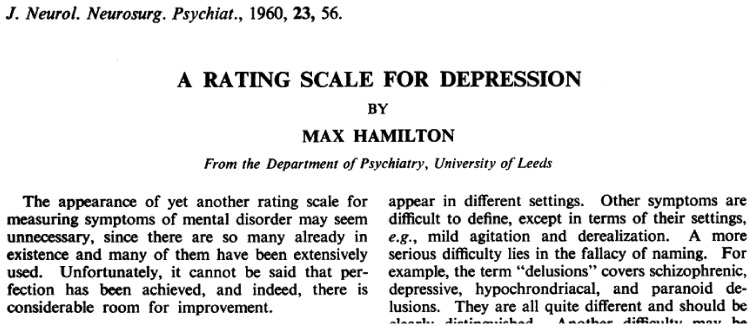
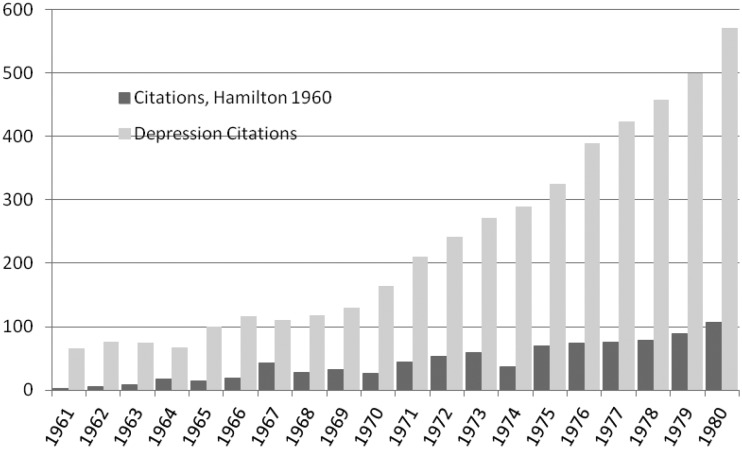
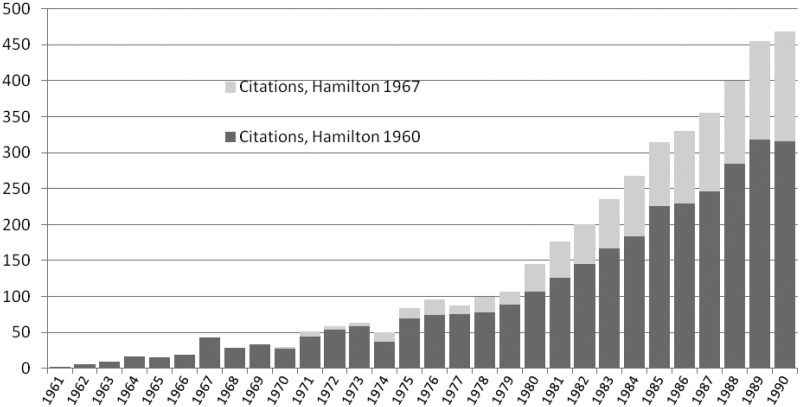
Objectives: To show why and how the Hamilton Rating Scale for Depression became the ‘Gold Standard’ for assessing therapies from the mid-1960s and how it was used to frame depression as a short-term and curable illness rather than a chronic one. Methods: My approach is that of the social construction of knowledge, identifying the interests, institutional contexts and practices that produce knowledge claims and then mapping the social processes of their circulation, validation and acceptance. Results: The circulation and validation of Hamilton Rating Scale for Depression was relatively slow and it became a ‘Gold Standard’ ‘from below’, from an emerging consensus amongst psychiatrists undertaking clinical trials for depression, which from the 1960s were principally with psychopharmaceuticals for short-term illness. Hamilton Rating Scale for Depression, drug trials and the construction of depression as non-chronic were mutually constituted. Discussion: Hamilton Rating Scale for Depression framed depression and its sufferers in new ways, leading psychiatrists to understand illness as a treatable episode, rather than a life course condition. As such, Hamilton Rating Scale for Depression served the interests of psychiatrists and psychiatry in its new era of drug therapy outside the mental hospital. However, Hamilton Rating Scale for Depression was a strange kind of ‘standard’, being quite non-standard in the widely varying ways it was used and the meanings given to its findings.
Overview
The claims and statistics of this paper haven’t been checked yet.
Free: it reads the open-access text and checks the first 5 claims that cite a source we can check. Create a free account to check every claim.
Integrity signals
Registry
Cites
Statistics
Figures
Verification
Claims the paper makes
The claims and statistics of this paper haven’t been checked yet.
Free: it reads the open-access text and checks the first 5 claims that cite a source we can check. Create a free account to check every claim.
Self-check
Percentages, sums and reported differences re-computed from the paper’s own numbers.
The self-check needs the paper’s full text.
Citations
Cites
An inventory for measuring depression
BECK, A. T. (1961) · Archives of General Psychiatry · doi:10.1001/archpsyc.1961.01710120031004 · Cited by 38,032 · cited 2×
“In the 1960s, HRSD had a competitor, the Inventory for Measuring Depression (then ID and now Beck depression inventory (BDI)), proposed by Aaron T Beck at the University of Pennsylvania.26 BDI has proved similarly enduring and also had the advantage of being a ‘first’ and the one against which other scales were calibr…”
MethodHamilton, M. (1960) · Journal of Neurology, Neurosurgery & Psychiatry · doi:10.1136/jnnp.23.1.56 · Cited by 32,817 · cited 11×
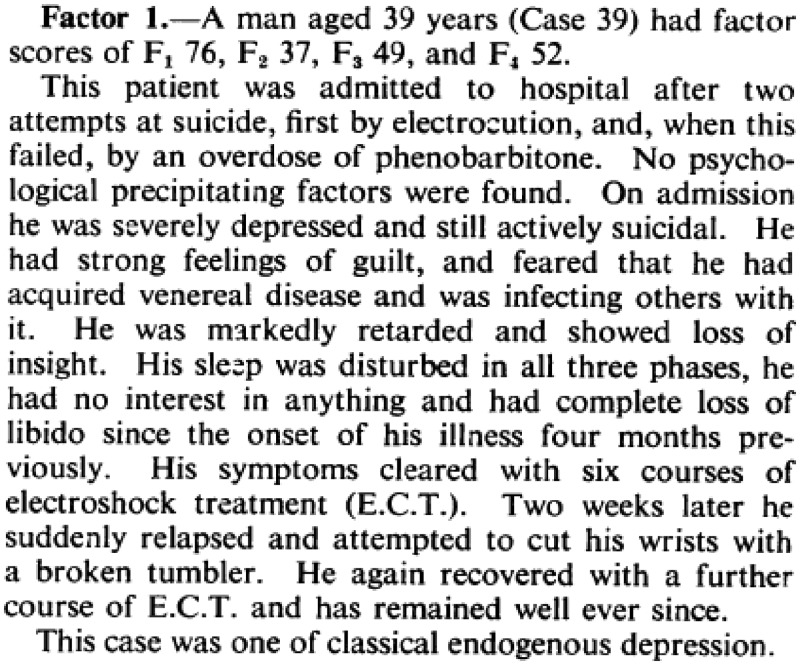
“An example of the case histories and commentaries included in Hamilton’s 1960 paper.(4) 208 Chronic Illness 9(3)”
BackgroundMethodInfluentialThe assessment of anxiety states by rating
HAMILTON, M. (1959) · British Journal of Medical Psychology · doi:10.1111/j.2044-8341.1959.tb00467.x · Cited by 11,455 · cited 1×
“Hamilton had previously spoken on the use of scales in this work on anxiety at the British Psychological Society in 1956.(16) In what became a feature of his publications of scales, he devoted much of the paper to sophisticated statistical testing of reliability and reproducibility.”
MethodDevelopment of a Rating Scale for Primary Depressive Illness
HAMILTON, M. (1967) · British Journal of Social and Clinical Psychology · doi:10.1111/j.2044-8260.1967.tb00530.x · Cited by 8,410 · cited 3×
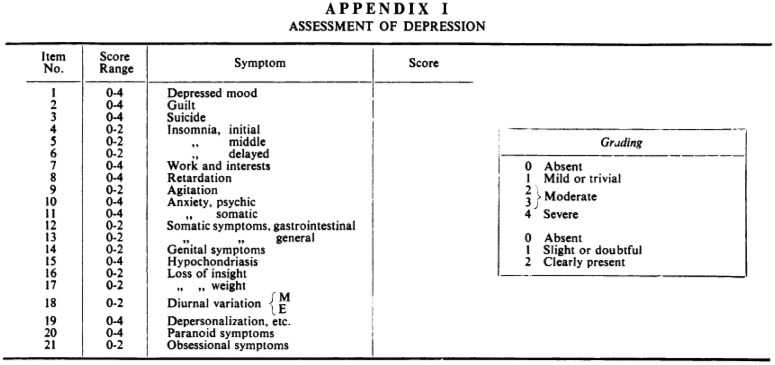
“Weights are given for calculating factor scores, both for rotated as well as unrotated factors.(30)”
BackgroundMethodResultInfluentialScoville, W. B. (1949) · Journal of neurosurgery · doi:10.3171/jns.1949.6.1.0065 · Cited by 7,381
The Hamilton Depression Rating Scale: Has the Gold Standard Become a Lead Weight?
Bagby, R. M., Ryder, A. G., Schuller, D. R., & Marshall, M. B. (2004) · American Journal of Psychiatry · doi:10.1176/appi.ajp.161.12.2163 · Cited by 1,148 · cited 1×
“It has earned the title of the ‘Gold Standard’ for the assessment of depression, though its reign may now be limited.(6) Given its status and influence, it is surprising that it has not been subject of historical enquiry and even authors who are critical of modern psychiatry and its ‘manufacturing of depression’ have…”
BackgroundRush, A. J., Beck, A. T., Kovacs, M., & Hollon, S. (1977) · Cognitive Therapy and Research · doi:10.1007/bf01173502 · Cited by 913 · cited 2×
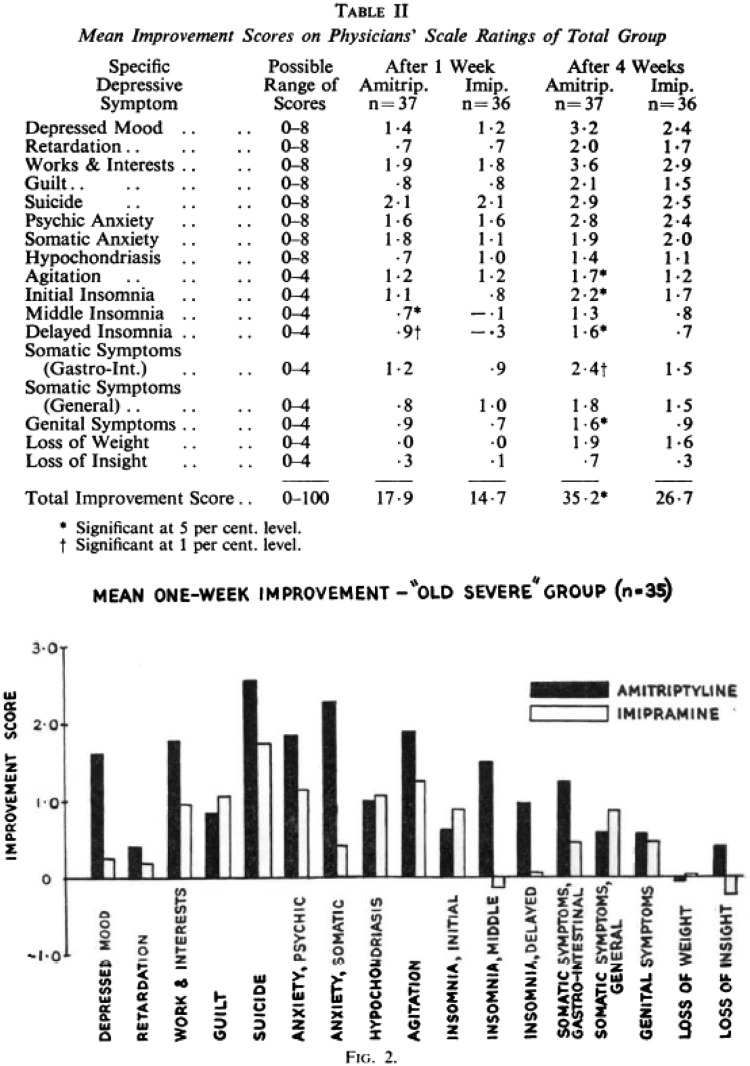
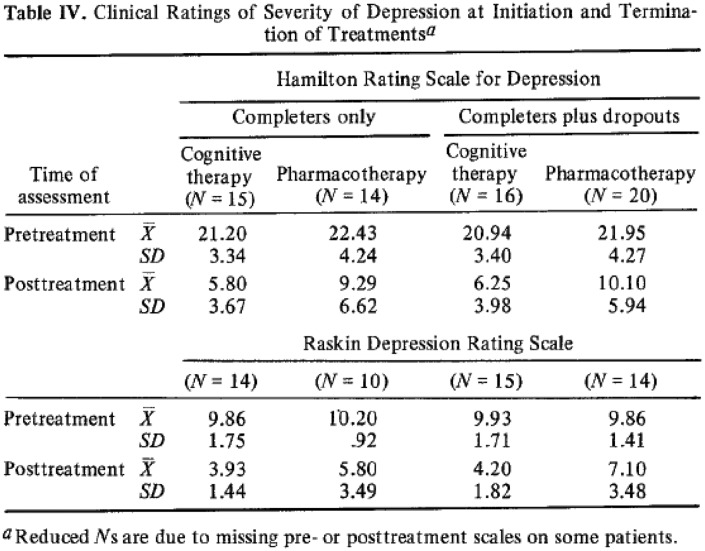
“An example of the reporting outcomes of the use of HRSD with another scale and for different treatments.(33) 214 Chronic Illness 9(3)”
MethodDSM-III and the transformation of American psychiatry: a history
(1993) · American Journal of Psychiatry · doi:10.1176/ajp.150.3.399 · Cited by 628 · cited 1×
“Influenced strongly by Karl Menninger’s assumption that all mental disorders were reducible to ‘the failure of the suffering individual to adapt to his or her environment’, psychiatrists tended to focus on finding underlying mental causes and to interpret these as constitutional and likely to be chronic.(13) DSM-III’s…”
BackgroundDSM-III and the revolution in the classification of mental illness
Mayes, R., & Horwitz, A. V. (2005) · Journal of the History of the Behavioral Sciences · doi:10.1002/jhbs.20103 · Cited by 577
The creation of psychopharmacology
(2002) · Choice Reviews Online · doi:10.5860/choice.40-0332 · Cited by 423
Research works printed but not linked: 2
- 9. Tansey T Review of D Healy, ‘The Antidepressant Era’. Hist Psychiatry 1998; 9: 536– 536
- 14. Rollin RH. Hamilton, Max (1912–1988). Oxford Dictionary of National Biography. Oxford University Press, online ed., September 2010, http://www.oxforddnb.com/view/article/70380 (2004, accessed 16 July 2012)
Cited by
Chen, K., Xu, Y., Chu, A., Ding, D., Liang, X., Nasreddine, Z. S., Dong, Q., Hong, Z., Zhao, Q., & Guo, Q. (2016) · Journal of the American Geriatrics Society · doi:10.1111/jgs.14530 · Cited by 399
“Except for the common inclusion criteria, controls were required to have no cognitive impairment, verified according to no significant impairment in cognitive function or activities of daily living, no memory complaints or memory impairments reported by informants, MMSE score at or above the cutoff,(16) a Modified Hac…”
MethodRusso, A., Silvestro, M., di Clemente, F. S., Trojsi, F., Bisecco, A., Bonavita, S., Tessitore, A., & Tedeschi, G. (2020) · The Journal of Headache and Pain · doi:10.1186/s10194-020-01143-0 · Cited by 140
Huang, L., Chen, K.-L., Lin, B.-Y., Tang, L., Zhao, Q.-H., Lv, Y.-R., & Guo, Q.-H. (2018) · Neuropsychiatric Disease and Treatment · doi:10.2147/ndt.s174293 · Cited by 112
“Moreover, NC should have no memory complaints, no significant impairment in activities of daily living, MMSE score at or above the cutoff,(22) a CDR score of 0,(23) a Modified Hachinski Ischemic Scale (MHIS) score of 4 or less,(25) and a Hamilton Depression Rating Scale (HDRS) score of 12 or less in the past 2 weeks.(…”
The Columbia-Suicide Severity Rating Scale (C-SSRS): Has the "Gold Standard" Become a Liability?
Giddens, J. M., Sheehan, K. H., & Sheehan, D. V. (2014) · Europe PMC (PubMed Central) · Cited by 134
Besteher, B., Gaser, C., Ivanšić, D., Guntinas‐Lichius, O., Dobel, C., & Nenadić, I. (2019) · NeuroImage Clinical · doi:10.1016/j.nicl.2019.101976 · Cited by 79
Vincent, I. M., Daly, R., Courtioux, B., Cattanach, A. M., Biéler, S., Ndung’u, J. M., Bisser, S., & Barrett, M. P. (2016) · PLoS neglected tropical diseases · doi:10.1371/journal.pntd.0005140 · Cited by 56
Systematic Review of Functional MRI Applications for Psychiatric Disease Subtyping
Miranda, L., Paul, R., Pütz, B., Koutsouleris, N., & Müller‐Myhsok, B. (2021) · Frontiers in Psychiatry · doi:10.3389/fpsyt.2021.665536 · Cited by 66
Ritvo, P., Knyahnytska, Y., Pirbaglou, M., Wang, W., Tomlinson, G., Zhao, H., Linklater, R., Bai, S., Kirk, M., Katz, J., et al. (2021) · Journal of Medical Internet Research · doi:10.2196/24380 · Cited by 48
Huang, Y., Huang, L., Wang, Y., Liu, Y., Lo, C. Z., & Guo, Q. (2022) · BMC Geriatrics · doi:10.1186/s12877-022-02853-7 · Cited by 46
Kreuzer, K., Reiter, A., Birkl-Toeglhofer, A. M., Dalkner, N., Mörkl, S., Mairinger, M., Fleischmann, E., Fellendorf, F. T., Platzer, M., Lenger, M., et al. (2022) · Metabolites · doi:10.3390/metabo12080770 · Cited by 46
“Note: SD = Standard Deviation, BDI-II = Beck’s Depression Inventory, HAMD = Hamilton Depression Scale.”
MethodInfluentialComparison of Night, Day and 24 h Motor Activity Data for the Classification of Depressive Episodes
Rodríguez-Ruiz, J. G., Galvan-Tejada, C. E., Zanella-Calzada, L. A., Celaya-Padilla, J. M., Galván-Tejada, J. I., Gamboa-Rosales, H., Luna-García, H., Magallanes‐Quintanar, R., & Soto-Murillo, M. A. (2020) · Diagnostics · doi:10.3390/diagnostics10030162 · Cited by 42
“However, the use and interpretation of these methods depends largely on the ability of the specialist to determine the diagnosis [6,12–14].”
Silvestro, M., Tessitore, A., Orologio, I., Micco, R. D., Tartaglione, L., Trojsi, F., Tedeschi, G., & Russo, A. (2022) · The Journal of Headache and Pain · doi:10.1186/s10194-022-01436-6 · Cited by 41
Cognitive Networks Disarrangement in Patients With Migraine Predicts Cutaneous Allodynia
Russo, A., Silvestro, M., Trojsi, F., Bisecco, A., Micco, R. D., Caiazzo, G., Nardo, F. D., Esposito, F., Tessitore, A., & Tedeschi, G. (2020) · Headache The Journal of Head and Face Pain · doi:10.1111/head.13860 · Cited by 42
Ghosh, P., Balasundaram, S., Sankaran, A., Chandrasekaran, V., Sarkar, S., & Choudhury, S. (2022) · Exploratory Research in Clinical and Social Pharmacy · doi:10.1016/j.rcsop.2022.100178 · Cited by 54
Cui, L., Zhang, Z., Lo, C. Z., & Guo, Q. (2021) · Frontiers in Aging Neuroscience · doi:10.3389/fnagi.2021.684918 · Cited by 34
“…education years >22, more than six education years > 26; Katzman et al., 1988); (2) a Clinical Dementia Rating (CDR) score = 0 (Morris, 1993); (3) Hamilton Depression Rating Scale score of ≤12 (Worboys, 2013); (4) no memory complaints; and (5) no evidence of memory loss provided by the observer.”
BackgroundZhang, Z., Cui, L., Huang, Y., Chen, Y., Li, Y., & Guo, Q. (2021) · Frontiers in Neuroscience · doi:10.3389/fnins.2021.646414 · Cited by 38
Su, H., Sun, X., Li, F., & Guo, Q. (2021) · BMC Geriatrics · doi:10.1186/s12877-021-02383-8 · Cited by 35
Efficacy and tolerability of pharmacotherapy for post-stroke depression: a network meta-analysis
Deng, L., Qiu, S., Yang, Y., Wang, L., Li, Y., Lin, J., Wei, Q., Yang, L., Wang, D., & Liu, M. (2018) · Oncotarget · doi:10.18632/oncotarget.23891 · Cited by 35
“Besides, this objective clinician scoring instrument, mainly based on clinician observations, not only gained popularity among physicians because it is simple to use, but also is well accepted by patients for making them feel that the clinicians are quite familiar with their conditions, including psychological and som…”
BackgroundIs thyroid status associated with cognitive impairment in elderly patients in China?
Hu, Y., Wang, Z., Guo, Q., Cheng, W., & Chen, Y.-W. (2016) · BMC Endocrine Disorders · doi:10.1186/s12902-016-0092-z · Cited by 33
Levchuk, L. A., Meeder, E. M. G., Roschina, O. V., LOONEN, A. J. M., Boiko, A. S., Викторовна, М. Е., Epimakhova, E. V., Losenkov, I. S., Simutkin, G. G., Bokhan, N. A., et al. (2020) · Frontiers in Psychiatry · doi:10.3389/fpsyt.2020.00296 · Cited by 40
Psychometric assessment of mental health in tinnitus patients, depressive and healthy controls
Ivanšić, D., Besteher, B., Palm, J., Guntinas‐Lichius, O., Pantev, C., Nenadić, I., & Dobel, C. (2019) · Psychiatry Research · doi:10.1016/j.psychres.2019.112582 · Cited by 28
Zhang, Y., Li, X., Guo, Y., Zhang, Z., Xu, F., Xiang, N., Qiu, M., Xiao, Q., Wang, P., & Shi, H. (2022) · International Journal of Environmental Research and Public Health · doi:10.3390/ijerph192114335 · Cited by 25
Yang, Z., Yu, R., Cao, Z., Wu, Y., Zhao, X., Xie, Q., Luo, M., & Liu, Y. (2021) · Frontiers in Aging Neuroscience · doi:10.3389/fnagi.2021.625843 · Cited by 25
Pilon, D., Sheehan, J. J., Szukis, H., Morrison, L., Zhdanava, M., Lefèbvre, P., & Joshi, K. (2019) · Journal of Affective Disorders · doi:10.1016/j.jad.2019.04.100 · Cited by 24
Kongcun Town Asymptomatic Intracranial Artery Stenosis study in Shandong, China: cohort profile
Wang, X., Zhao, Y., Ji, X., Sang, S., Shao, S., Yan, P., Li, S., Li, J., Wang, G., Lü, M., et al. (2020) · BMJ Open · doi:10.1136/bmjopen-2019-036454 · Cited by 22
Trends in (not) using scales in major depression: A categorization and clinical orientation
Demyttenaere, K., & Jaspers, L. (2020) · European Psychiatry · doi:10.1192/j.eurpsy.2020.87 · Cited by 32
Vessonen, E. (2020) · Theory & Psychology · doi:10.1177/0959354320945036 · Cited by 24
“Hamilton originally wanted to use his depression measure for this purpose: to classify types of depression and prescribe treatments accordingly (Hamilton & White, 1959; Worboys, 2013).”
MethodYang, Z., Wang, J., Chen, J., Luo, M., Xie, Q., Rong, Y., Wu, Y., Cao, Z., & Liu, Y. (2022) · Neurobiology of Disease · doi:10.1016/j.nbd.2022.105782 · Cited by 19
“…Rating Scale (CDR) (Morris, 1993), the Global Deterioration Scale (GDS) (Reisberg et al., 1982), the activities of daily living assessment (Barberger-Gateau et al., 1992), the Hachinski Ischemic Scale (HIS) (Larson et al., 1989), and the Hamilton Depression Rating Scale (HAM-D) (Worboys, 2013).”
MethodEspinoza-Turcios, E., Gonzales-Romero, R. M., Sosa-Mendoza, C. A., Sierra, M., Ramos, H. N. C., Zambrano, L. I., Pacheco, J. M. A., & Mejia, C. R. (2023) · Frontiers in Psychiatry · doi:10.3389/fpsyt.2023.1116881 · Cited by 18
Checa, A., Castillo, A., Camacho, M., Tapia, W., Hernández, I., & Terán, E. (2020) · AIDS Research and Therapy · doi:10.1186/s12981-020-00303-1 · Cited by 18
Huang, L., Chen, K., Lin, B., Tang, L., Zhao, Q., Li, F., & Guo, Q. (2018) · International Psychogeriatrics · doi:10.1017/s1041610218001230 · Cited by 18
“…memory complaints or memory loss observed, MMSE score ≥ the cutoff (Zhang et al., 1990), a Modified Hachinski Ischemic Scale score of 4 or less (Hachinski et al., 2012), a CDR score of 0 (Morris, 1993), and a Hamilton Depression Rating Scale score of 12 or less in the past 2 weeks (Worboys, 2013).”
BackgroundMethod‘The body says it’: the difficulty of measuring and communicating sensations of breathlessness
Malpass, A., McGuire, C. A., & Macnaughton, J. (2021) · Medical Humanities · doi:10.1136/medhum-2019-011816 · Cited by 24
“Michael Worboys (2013a), “The Hamilton Rating Scale for Depression: The Making of a ’Gold Standard’ and the Unmaking of a Chronic Illness, 1960-1980,” Chronic Illness 9, no. 3: 202–19.”
BackgroundMoritz, S., Schneider, B. C., Peth, J., Arlt, S., & Jelinek, L. (2018) · European Psychiatry · doi:10.1016/j.eurpsy.2018.05.010 · Cited by 19
Wu, S., Yang, K.-J., Liu, W., Malau, I. A., Zailani, H., Chang, C., Huang, S., Chang, J. P., Chiu, W., & Su, K. (2024) · Nutrients · doi:10.3390/nu16213688 · Cited by 20
Yang, Z., Wan, X., Zhao, X., Yu, R., Wu, Y., Cao, Z., Xie, Q., Luo, M., & Liu, Y. (2021) · Quantitative Imaging in Medicine and Surgery · doi:10.21037/qims-20-1254 · Cited by 13
“Quant Imaging Med Surg 2021;11(9):4074-4096 | http://dx.doi.org/10.21037/qims-20-1254 of the MoCA, MMSE, and ADL score after sex-, age-, and education adjustment, CDR score =0, GDS score =2, HIS score <4, and HAMD score <7. aMCI participants met the following criteria by Petersen et al. (44), including (I) memory decl…”
MethodInfluentialUsing deeply time-series semantics to assess depressive symptoms based on clinical interview speech
Li, N., Feng, L., Hu, J., Jiang, L., Wang, J., Han, J., Gan, L., He, Z., & Wang, G. (2023) · Frontiers in Psychiatry · doi:10.3389/fpsyt.2023.1104190 · Cited by 17
Misgar, M. M., & Bhatia, M. P. S. (2024) · Biomedical Signal Processing and Control · doi:10.1016/j.bspc.2024.106000 · Cited by 22
Ng, E., Wong, E. H. Y., Lipsman, N., Nestor, S. M., & Giacobbe, P. (2022) · Journal of Affective Disorders · doi:10.1016/j.jad.2022.09.153 · Cited by 17
Fernandes, J. M. S., Pagani, E., Wenceslau, C. V., Ynoue, L. H., Ferrara, L., & Kerkis, I. (2025) · Stem Cell Research & Therapy · doi:10.1186/s13287-025-04557-2 · Cited by 16
“Depressive symptoms were assessed using the HAM-D [56, 57].”
Ma, X., Wu, D., Mai, Y., Xu, G., Tian, J., & Jiang, G. (2020) · NeuroImage Clinical · doi:10.1016/j.nicl.2020.102439 · Cited by 12
Ji, S., Liu, B., Li, Y., Chen, N., Fu, Y., Shi, J., Zhao, Z., Yao, Z., & Hu, B. (2021) · Psychiatry Research Neuroimaging · doi:10.1016/j.pscychresns.2021.111356 · Cited by 12
Naik, T. D., Tubaki, B. R., & Patankar, D. S. (2022) · Journal of Ayurveda and Integrative Medicine · doi:10.1016/j.jaim.2022.100592 · Cited by 20
David-Sela, T. B., Leibovich, L., Khoury, Y., Hill, C. E., & Zilcha‐Mano, S. (2023) · Psychotherapy Research · doi:10.1080/10503307.2023.2245128 · Cited by 10
“The HRSD is known as a gold standard measure for depression (Cusin et al., 2010; Lamb et al., 2005; Worboys, 2013).”
Berko, A., Bar‐Sella, A., Fisher, H., Sobolev, M., Pollak, J., & Zilcha‐Mano, S. (2022) · Scientific Reports · doi:10.1038/s41598-022-18434-y · Cited by 12
Detection of Depression from IoMT Time Series Data using UMAP features
Misgar, M. M., & Bhatia, M. P. S. (2022) · International Conference on Computing, Communication, and Intelligent Systems (ICCCIS) · doi:10.1109/icccis56430.2022.10037751 · Cited by 11
“But, the reliability of all such techniques relies on the perception of specialists [ 3 ] .”
BackgroundRitvo, P., Daskalakis, Z. J., TOMLINSON, G. A., Ravindran, A. V., Linklater, R., Kirk, M., Knyahnytska, Y., Lee, J. C., Alavi, N., Bai, S., et al. (2019) · JMIR Research Protocols · doi:10.2196/11591 · Cited by 10
“…assess anxiety (Beck Anxiety Inventory) [56], depression (ie, Quick Inventory of Depressive Symptomatology) [57], 24-item Hamilton Depression Rating Scale (HDRS-24; with a blinded interview-rater) [58], mindfulness (5-Facet Mindfulness Questionnaire) [59], and pain (Brief Pain Inventory) [60].”
Psychiatric morbidity among patients suffering from Vitiligo
Kapur, S., Goyal, E., Kumar, A., Puria, A., & Raj, R. (2023) · Industrial Psychiatry Journal · doi:10.4103/ipj.ipj_220_23 · Cited by 8
“[16]”
The Intimate Geographies of Panic Disorder: Parsing Anxiety through Psychopharmacological Dissection
Callard, F. J. (2016) · Osiris · doi:10.1086/688503 · Cited by 11
Felton, J. W., Hailemariam, M., Richie, F. J., Reddy, M. K., Edukere, S., Zlotnick, C., & Johnson, J. E. (2019) · Psychotherapy Research · doi:10.1080/10503307.2019.1587192 · Cited by 12
McGuire, C. A. (2019) · The British Journal for the History of Science · doi:10.1017/s0007087419000232 · Cited by 11
Hamilton depression rating scale: Uses and applications
Renemane, L., & Vrubļevska, J. (2021) · Elsevier eBooks · doi:10.1016/b978-0-12-817933-8.00019-0 · Cited by 12
Identifying and managing depression in patients with coronary artery disease
Pragle, A. S., & Salahshor, S. (2018) · JAAPA · doi:10.1097/01.jaa.0000532111.83132.8b · Cited by 9
Blitz, R., Storck, M., Baune, B. T., Dugas, M., & Opel, N. (2021) · JMIR Mental Health · doi:10.2196/26681 · Cited by 7
“Clinical data from 317 patients was stored in the EHR database; 96.7% (4360/4509) of the scores could be calculated and transferred into the EHR system (Beck’s Depression Inventory [52,53], Big Five Inventory [54], Childhood Trauma Questionnaire [55], Hamilton Depression Scale [56], Narcissistic Admiration and Rivalry…”
MethodInfluentialSulaiman, N. N. Y., Nizam, N. B. M., Noor, N. A. M., Lim, S. M., Ramasamy, K., Alabsi, A. M., & Fareez, I. M. (2025) · Nutritional Neuroscience · doi:10.1080/1028415x.2025.2531357 · Cited by 8
“The HAMD, also known as HDRS [31] is shown to be effective in assessing the core symptoms of depression with greater sensitivity and aims to evaluate the performance of first generations of antidepressants as it emphasizes psychomotor symptoms and the somatization of mood [58].”
Mejri, I., Ouali, U., Gronholm, P. C., Zgueb, Y., Ouertani, A., & Nacef, F. (2023) · Frontiers in Psychiatry · doi:10.3389/fpsyt.2023.1270000 · Cited by 8
Hung, C., Liu, C., Hsu, S., & Yang, C. (2021) · International Journal of Methods in Psychiatric Research · doi:10.1002/mpr.1896 · Cited by 5
Automatically generated smartphone data and subjective stress in healthy individuals – a pilot study
Faurholt‐Jepsen, M., Þórarinsdóttir, H., Vinberg, M., Ullum, H., Frost, M. M., Bardram, J. E., & Kessing, L. V. (2019) · Nordic Journal of Psychiatry · doi:10.1080/08039488.2019.1705904 · Cited by 6
Chatterjee, A., Bala, P. K., Gedam, S., Paul, S., & Goyal, N. (2023) · Aslib Journal of Information Management · doi:10.1108/ajim-10-2022-0468 · Cited by 5
One-year metreleptin in Colombian sisters with congenital leptin deficiency
Yupanqui-Lozno, H., Huertas-Quintero, J. A., Yupanqui-Velazco, M. E., Salinas-Osornio, R. A., Restrepo, C. M., González, A., Nava‐González, E. J., Celis, L. G., Morales, C. N., Hernandez-Escalante, V. M., et al. (2025) · Adipocyte · doi:10.1080/21623945.2025.2508188 · Cited by 7
“The HAM-D [29] is regarded as the ‘gold standard’ for assessing severity of depressive episodes in patients with mood disorders.”
Byrne, D. F., Boland, F., Brannick, S., Carney, R. M., Cuijpers, P. J., Dima, A. L., Freedland, K. E., Guérin, S., Hevey, D., Kathuria, B., et al. (2025) · Journal of Clinical Epidemiology · doi:10.1016/j.jclinepi.2025.111762 · Cited by 6
Shaw, E., Snow, S. J., & Timmermann, C. (2023) · British Journal of Anaesthesia · doi:10.1016/j.bja.2023.04.007 · Cited by 5
Du, Y., Zhao, J., Wang, Y., Han, Y., Deng, L., Jia, H., Zhou, Y., Su, J., & Li, L. (2020) · Evidence-based Complementary and Alternative Medicine · doi:10.1155/2020/7504917 · Cited by 6
“However, research has showed that such a scale is only effective for short-time illnesses and cannot reflect depression as a chronic illness [14].”
BackgroundBeyond the Therapeutic Revolution: Psychopharmaceuticals Crossing the Berlin Wall
Hess, V. (2015) · Mental health in historical perspective · doi:10.1007/978-1-137-49092-6_8 · Cited by 4
Ritvo, P., Gratzer, D., Knyahnytska, Y., Ortiz, A., Walters, C., Katz, J. D., Laposa, J. M., Baldissera, C., Wayne, N., Pfefer-Litman, D., et al. (2022) · JMIR Research Protocols · doi:10.2196/29726 · Cited by 4
“study limitations include the lack of blinding of self-report measures other than the interview-delivered HDRS-17 assessment [41].”
BackgroundMisgar, M. M., & Bhatia, M. P. S. (2024) · Multimedia Tools and Applications · doi:10.1007/s11042-024-19631-9 · Cited by 3
“But, the reliability of all such techniques relies on the perception of specialists [47].”
Delille, E. (2017) · L Évolution Psychiatrique · doi:10.1016/j.evopsy.2017.04.006 · Cited by 3
Non-motor symptoms in patients with Spinocerebellar ataxia type 12
Basu, P., Choudhury, S., Mondal, S. S., Siddique, U., Rahman, S., Ganguly, J., Mukherjee, S., Singh, N., Tiwari, M., & Kumar, H. (2024) · Frontiers in Neurology · doi:10.3389/fneur.2024.1464149 · Cited by 2
Impact of depression and the potential effect of its treatment on semen parameters
El‐Khateeb, E. A., Mohamed, N. M. S., Ghobrial, P. F., & Elhusseiny, R. M. (2023) · Middle East Current Psychiatry · doi:10.1186/s43045-023-00388-0 · Cited by 3
“…according to the diagnostic and statistical manual of mental disorders fifth edition (DSM5) criteria [12, 13] and Hamilton depression rating scale (HAM-D) [14, 15], were recruited from the psychiatry outpatient clinic and then examined at the andrology clinic of Ain-Shams University Hospitals.”
MethodPriya, S. S., Nivedhithaa, S., & Huvaneswari, K. (2017) · Asian Journal of Pharmaceutical and Clinical Research · doi:10.22159/ajpcr.2017.v10i9.19506 · Cited by 2
“Hamilton Rating Scale for depression states that key features of depression include weight loss and reduced appetite [4].”
MethodWang, L., Yuan, Y., Wang, J., Shen, Y., Zhi, Y., Li, J., Wang, M., & Zhang, K. (2019) · PeerJ · doi:10.7717/peerj.7957 · Cited by 2
“Moreover, Hamilton Anxiety Rating Scale (HAMA) (Kummer, Cardoso & Teixeira, 2010), 17-item Hamilton Rating Scale for Depression (HAMD-17) (Worboys, 2013), Apathy Scale (AS) (Leentjens et al.”
MethodInfluentialAggarwal, K. N., Singh, N. R., Bala, N., & Singh, M. (2021) · International Journal of Basic & Clinical Pharmacology · doi:10.18203/2319-2003.ijbcp20211023 · Cited by 1
Standards, scales and chronic illness: A brief introduction
Timmermann, C. (2014) · Chronic Illness · doi:10.1177/1742395312468459 · Cited by 2
Xu, M., Ding, H., Huang, W., Gao, J., & Chen, J. (2025) · Journal of Psychosocial Nursing and Mental Health Services · doi:10.3928/02793695-20250506-01 · Cited by 1
Exercise and Pharmacotherapy for the Treatment of Eating Disorders: A Meta-Analysis
Zhao, Z. (2023) · Lecture Notes in Education Psychology and Public Media · doi:10.54254/2753-7048/2/2022363 · Cited by 1
“…is represented by depression symptom measured by the end of the treatment using the Beck Depression Inventory [23] or Hamilton Depression Scale [24]; the ED symptom variable is represented by binge frequency or the score on Eating Disorder Inventory [25]; BMI values of patients represent the…”
MethodByrne, D. F., Boland, F., Brannick, S., Carney, R. M., Cuijpers, P. J., Dima, A. L., Freedland, K. E., Guérin, S., Hevey, D., Kathuria, B., et al. (2024) · doi:10.31234/osf.io/abgmh · Cited by 1
Brain Based: Understanding Treatment, Evidence and Recovery in Neuroscience and Psychology
Lewenstein, A. D. (2016) · doi:10.14418/wes01.1.1255
“Some have argued that the popularization of the HDRS was facilitated by the concurrent development and testing of tricyclic anti-depressants, as the HDRS was ideally suited to demonstrate the effects of these drugs (Worboys, 2013).”
MethodThe potential role of scales in discriminating unipolar and bipolar depression
Sanches, M. (2018) · Jornal Brasileiro de Psiquiatria · doi:10.1590/0047-2085000000216
Socializing the Gut in Probiotics Experimentation: Calibrating Microbiota and Science Policy
Gruber, D., & Kalin, J. P. (2019) · World Medical & Health Policy · doi:10.1002/wmh3.325
Nurhaeni, H., Dinarti, Suryati, S., & Suwito, J. (2021) · International Journal of Science and Society · doi:10.54783/ijsoc.v3i3.384
McGuire, C. A. (2020) · Manchester University Press eBooks · doi:10.7765/9781526143167.00016
Thase, M. E. (2025) · Psychopharmacology Bulletin · doi:10.64719/pb.4436
Approach of Care among Depression Patients with Coronary Artery Disease: A Literature Review
Mahendra, A. (2021) · Scientia Psychiatrica · doi:10.37275/scipsy.v4i2.115
Moderate or major anxiety and depression versus high alcohol consumption in women in Honduras
Espinoza-Turcios, E., Sosa-Mendoza, C. A., Zambrano, L. I., Ramos, H. N. C., Pacheco, J. M. A., & Mejia, C. R. (2024) · Electronic Journal of General Medicine · doi:10.29333/ejgm/14382 · Cited by 2
“Hamilton depression scale became and remained the “ gold standard ” tool for assessing the severity of depression [14].”
MethodMasaki, C. Ø., Vindbjerg, E., Mortensen, E. L., Bruhn, M., & Carlsson, J. M. (2024) · Journal of Psychiatric Research · doi:10.1016/j.jpsychires.2024.09.011
Depression among Alopecia Areata Patients: Prevalence and associated factors in a Tunisian sample
Faouel, N., Ghariani, N. F., Haouala, A. B., Maghfour, S., Lahoual, M., Mokni, S., Mhalla, A., & DENGUEZLI, M. (2024) · La Tunisie Médicale · doi:10.62438/tunismed.v102i10.5119
罗, 亮. (2025) · Advances in Clinical Medicine · doi:10.12677/acm.2025.151051
Leon J. Saul, Aaron T. Beck, and the story of recovery inside the Beck Depression Inventory
Rosner, R. I. (2025) · History of the Human Sciences · doi:10.1177/09526951251325714
“…historians have yet to delve into the various contexts in which psychiatrists and clinical psychologists were feverishly building scales for psychiatric hospital populations, that is, tests like Wittenborn ’ s (1955) out of Yale and Hamilton ’ s out of Leeds in the UK (Bech, 2009; Worboys, 2012).”
Beyond the Kidneys: Mental Health and Quality of Life Challenges in Chronic Kidney Disease Patients
Dhakad, P. N., Rure, D., Shringirishi, M., & Soni, A. (2025) · Annals of Indian Psychiatry · doi:10.4103/aip.aip_240_25
Silvestro, M., Tessitore, A., Orologio, I., Micco, R. D., Tartaglione, L., Trojsi, F., Tedeschi, G., & Russo, A. (2022) · Figshare · doi:10.6084/m9.figshare.20064434
Silvestro, M., Tessitore, A., Orologio, I., Micco, R. D., Tartaglione, L., Trojsi, F., Tedeschi, G., & Russo, A. (2022) · Figshare · doi:10.6084/m9.figshare.20064431
Fang, L., & Dong, L. (2025) · Journal of Acupuncture and Tuina Science · doi:10.1007/s11726-025-1537-6
“The emotional state before and after treatment was evaluated using the 17-item Hamilton depression scale (HAMD-17) [10] .”
Ji, S., Zhao, S., Tian, Y., Zhang, D., Xia, W., & Yu, H. (2026) · Journal of Psychiatric Research · doi:10.1016/j.jpsychires.2026.02.033
Sun, Z., Sun, X., Cai, Q., Lei, K., Gao, Q., Kang, M., & Shen, Y. (2026) · Frontiers in Endocrinology · doi:10.3389/fendo.2026.1769189
Silvestro, M., Albanese, M., Orologio, I., Iannone, L. F., Pistoia, F., Battistini, S., Avino, G., Petracca, M., Romozzi, M., Ornello, R., et al. (2026) · Toxins · doi:10.3390/toxins18080342
“…migraine-related impact, assessed with the Headache Impact Test (HIT-6) [49,50]; (v) anxiety and depressive symptoms, evaluated using the Hamilton Anxiety Rating Scale (HARS) and Hamilton Depression Rating Scale (HDRS) [51,52]; and (vi) migraine-specific quality of life, assessed with the MSQ v2.”
Roșian, A., Micle, O., Dobjanschi, L., Vicaș, L. G., Muresan, M. E., Dindelegan, C. M., Platona, R. I., Pali, R. G., Florea, D. G., Teușdea, A. C., et al. (2026) · International Journal of Molecular Sciences · doi:10.3390/ijms27188192
“…the BDI-II scale is a self-report instrument grounded in Beck’s cognitive theory, focused on capturing patient’s subjective perceptions and cognitive distortions [20], the HAM-D17 scale is a clinician-administered rating scale that objectively quantifies somatic and behavioral manifestations [21].”
Metadata
- Authors
- Worboys, M.
- Affiliations
- University of Manchester (GB)
- Corresponding author
- Worboys, Michael
- ORCID
- Worboys, Michael
- Venue
- Chronic Illness
- Publisher
- SAGE Publications
- Published
- 2012-11-21
- Volume
- 9
- Issue
- 3
- Pages
- 202-219
- ISSN
- 1742-3953 (ISSN-L)
- 1745-9206
- PMC
- PMC3837544
- OpenAlex
- W2144998526
- Semantic Scholar
- 0376b0251998370ae9e634236094cbb0ce039a1e
- Cited by
- 95
- References
- 45
- Citations by year
- 2026: 4 · 2025: 10 · 2024: 8 · 2023: 9 · 2022: 12 · 2021: 16 · 2020: 11 · 2019: 8 · 2018: 7 · 2017: 2 · 2016: 5 · 2015: 1 · 2014: 2
- FWCI
- 1.09
- Type
- journal article
- Language
- en
- Open access
- hybrid
- doi.org
- Licence
- cc-by-nc
- journals.sagepub.com/page/policies/text-and-data-mining-license (tdm)
- Locations
- Chronic Illness (publishedVersion, cc-by-nc)
- Europe PMC (PubMed Central) (publishedVersion, cc-by-nc)
- PubMed Central (publishedVersion, cc-by-nc)
- PubMed (publishedVersion)
- Research Explorer (The University of Manchester) (publishedVersion, other-oa)
- Funders
- Wellcome Trust (092782)
- Topics
- Social Sciences › Psychology › Clinical Psychology › Historical Psychiatry and Medical Practices
- Social Sciences › Arts and Humanities › Philosophy › Mental Health and Psychiatry
- Social Sciences › Psychology › General Psychology › Academic and Historical Perspectives in Psychology
- Keywords
- Hamilton Depression Rating Scale, depression, psychopharmacology, clinical trials, social construction of knowledge, gold standard, psychopharmacological treatment, history of psychiatry
- MeSH terms
- Chronic Disease, Depressive Disorder, Humans, Terminology as Topic, Psychiatric Status Rating Scales, Psychotropic Drugs, Severity of Illness Index, History, 20th Century
About these checks
Registry, retraction, Cites and statistics results are computed, not judged, with one exception: a printed reference that no index lists is read once by a model before it counts as a citation error. Claims are extracted by a model and kept only when their quote appears verbatim in the text; each cited source is then checked, with a model’s help, for whether it says what the claim relies on. Those verdicts can be wrong — read the claim’s quote and the cited source before relying on one.
Statistics and arithmetic are recomputed, not judged.
Confidence bands are shown only for fields calibrated on our annotated test set. None is calibrated yet, so no band is shown.
What counts as a claim ›How we measure confidence ›How we check this ›
Are you an author, or do you see a problem with this page? Request a review
Data sources
Bibliographic data: Semantic Scholar, OpenAlex, Crossref.
Contains information from the Semantic Scholar Academic Graph Datasets, made available under the ODC Attribution License (ODC-BY 1.0).
Semantic Scholar’s data is described in: Kinney, R., et al. (2023). The Semantic Scholar Open Data Platform. arXiv:2301.10140.
