

GLP-1 receptor agonists: an updated review of head-to-head clinical studies
Open accessThe DOI matches its Crossref record; 27 of the 27 references it cites were found in a registry or an index.
Abstract
Glucagon-like peptide-1 receptor agonists (GLP-1 RA) are attractive options for the treatment of type 2 diabetes (T2D) because they effectively lower A1C and weight while having a low risk of hypoglycemia. Some also have documented cardiovascular benefit. The GLP-1 RA class has grown in the last decade, with several agents available for use in the United States and Europe. Since the efficacy and tolerability, dosing frequency, administration requirements, and cost may vary between agents within the class, each agent may offer unique advantages and disadvantages. Through a review of phase III clinical trials studying dulaglutide, exenatide twice daily, exenatide once weekly, liraglutide, lixisenatide, semaglutide, and oral semaglutide, 14 head-to-head trials were identified that evaluated the safety and efficacy of GLP-1 RA active comparators. The purpose of this review is to provide an analysis of these trials. The GLP-1 RA head-to-head clinical studies have demonstrated that all GLP-1 RA agents are effective therapeutic options at reducing A1C. However, differences exist in terms of magnitude of effect on A1C and weight as well as frequency of adverse effects.
Overview
The claims and statistics of this paper haven’t been checked yet.
Free: it reads the open-access text and checks the first 5 claims that cite a source we can check. Create a free account to check every claim.
Integrity signals
Registry
Cites
Statistics
Figures
Verification
Claims the paper makes
The claims and statistics of this paper haven’t been checked yet.
Free: it reads the open-access text and checks the first 5 claims that cite a source we can check. Create a free account to check every claim.
Claims other papers make about this one
Each is checked against this paper’s own text: does it say what the citing paper says it does?
The source backs part of the claim, not all of it — or backs it for a different population, condition or comparison.
In the citing paper
“The chronic treatment with GLP-1 RAs is able to reduce glycosylated hemoglobin from 0.8% to 1.9%, in relation to molecule and dosage used [23].”
From GLP-1 Receptor Agonists in Non-Alcoholic Fatty Liver Disease: Current Evidence and Future Perspectives (2023) · cites this paper as [23]
Experimental — accuracy not yet measuredThe source backs part of the claim, not all of it — or backs it for a different population, condition or comparison.
In the citing paper
“These GLP-1 analogues are effective insulinotropic agents and successfully suppress glucagon secretion in a glucose-dependent manner.260–261”
From A review of current trends with type 2 diabetes epidemiology, aetiology, pathogenesis, treatments and future perspectives (2021) · cites this paper as [260]
Experimental — accuracy not yet measuredThe cited source says what the claim attributes to it.
In the citing paper
“Of the GLP-1RAs, semaglutide and liraglutide have the most significant effect on weight loss, 2”
From Discontinuing glucagon-like peptide-1 receptor agonists and body habitus: A systematic review and meta-analysis (2025) · cites this paper as [2]
The cited source says what the claim attributes to it.
In the citing paper
“Some GLP1-RA may cause injection site reactions, with an incidence rate varying between 0% and 22% [57].”
From Glucagon-like peptide-1 receptor agonists in diabetic kidney disease: a review of their kidney and heart protection (2023) · cites this paper as [57]
In the citing paper
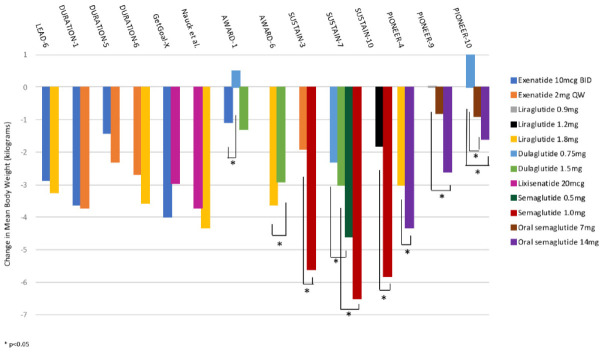
“The effect of treatment with GLP-1 on body weight accounts for a decrease from 1.5 to 6 kg, in relation to the molecule and dosage, with greater effect for semaglutide [23].”
From GLP-1 Receptor Agonists in Non-Alcoholic Fatty Liver Disease: Current Evidence and Future Perspectives (2023) · cites this paper as [23]
1 more claim about this paper
Create a free account to see every claim other papers make about this one.
Self-check
Percentages, sums and reported differences re-computed from the paper’s own numbers.
The self-check needs the paper’s full text.
Citations
Cites
International Diabetes Federation 2017
Carracher, A. M., Marathe, P. H., & Close, K. L. (2018) · Journal of Diabetes · doi:10.1111/1753-0407.12644 · Cited by 13,418
Buse, J. B., Rosenstock, J., Sesti, G., Schmidt, W. E., Montanya, E., Brett, J. H., Zychma, M., & Blonde, L. (2009) · The Lancet · doi:10.1016/s0140-6736(09)60659-0 · Cited by 1,503 · cited 1×
“75 mg QW 39/299 (13) 12/299 (4) 23/299 (8) 4/299 (1) 14”
Drucker, D. J., Buse, J. B., Taylor, K., Kendall, D. M., Trautmann, M., Zhuang, D., & Porter, L. (2008) · The Lancet · doi:10.1016/s0140-6736(08)61206-4 · Cited by 1,070 · cited 2×
“5 mg QW 68/301 (23) 31/301 (10) 43/301 (14) 4/301 (1) 24”
9. Pharmacologic Approaches to Glycemic Treatment: Standards of Medical Care in Diabetes—2021
American Diabetes Association (2021) · Diabetes Care · doi:10.2337/dc21-s009 · Cited by 972
Pratley, R. E., Aroda, V. R., Lingvay, I., Lüdemann, J., Andreassen, C., Navarria, A., & Viljoen, A. (2018) · The Lancet Diabetes & Endocrinology · doi:10.1016/s2213-8587(18)30024-x · Cited by 790
Garber, A. J., Handelsman, Y., Grunberger, G., Einhorn, D., Abrahamson, M. J., Barzilay, J. I., Blonde, L., Bush, M. A., DeFronzo, R. A., Garber, J. R., et al. (2020) · Endocrine Practice · doi:10.4158/cs-2019-0472 · Cited by 598 · cited 1×
“0 mg QW 60/299 (20) 29/299 (10) 53/299 (18) 8/299 (3) 20”
Ahmann, A. J., Capehorn, M., Charpentier, G., Dotta, F., Henkel, E., Lingvay, I., Holst, A. G., Annett, M. P., & Aroda, V. R. (2018) · Diabetes Care · doi:10.2337/dc17-0417 · Cited by 596 · cited 1×
“0 mg QW 63/300 (21) 31/300 (19) 41/300 (14) 6/300 (2) 29”
Pratley, R., Amod, A., Hoff, S. T., Kadowaki, T., Lingvay, I., Nauck, M., Pedersen, K. B., Saugstrup, T., & Meier, J. J. (2019) · The Lancet · doi:10.1016/s0140-6736(19)31271-1 · Cited by 594
Buse, J. B., Nauck, M., Forst, T., Sheu, W. H.-H., Shenouda, S. K., Heilmann, C. R., Hoogwerf, B. J., Gao, A., Boardman, M. K., Fineman, M., et al. (2013) · The Lancet · doi:10.1016/s0140-6736(12)61267-7 · Cited by 565
Dungan, K. M., Povedano, S. T., Forst, T., González, J. G. G., Atisso, C., Sealls, W., & Fahrbach, J. L. (2014) · The Lancet · doi:10.1016/s0140-6736(14)60976-4 · Cited by 486 · cited 2×
“)24 Oral semaglutide 14mg QD 56/285 (20) 25/285 (9) 43/285 (15) Not applicable 31”
Research works printed but not linked: 1
- Mody R Yu M Nepal BK, et al. Dulaglutide has higher adherence and persistence than semaglutide and exenatide QW: 6-month follow-up from US Real-World Data. Paper presented virtually at the 80th American Diabetes Association Scientific Sessions, 12–16 June 2020. Abstract 928-P.
Cited by
Semaglutide and Cardiovascular Outcomes in Obesity without Diabetes
Lincoff, A. M., Brown-Frandsen, K., Colhoun, H. M., Deanfield, J., Emerson, S. S., Esbjerg, S., Hardt-Lindberg, S., Hovingh, G. K., Kahn, S. E., Kushner, R. F., et al. (2023) · New England Journal of Medicine · doi:10.1056/nejmoa2307563 · Cited by 3,236
Glucagon-like peptide 1 receptor agonists: cardiovascular benefits and mechanisms of action
Ussher, J. R., & Drucker, D. J. (2023) · Nature Reviews Cardiology · doi:10.1038/s41569-023-00849-3 · Cited by 577
Reed, J., Bain, S., & Kanamarlapudi, V. (2021) · Diabetes, Metabolic Syndrome and Obesity: Targets and Therapy · doi:10.2147/dmso.s319895 · Cited by 441
Nevola, R., Epifani, R., Imbriani, S., Tortorella, G., Aprea, C., Galiero, R., Rinaldi, L., Marfella, R., & Sasso, F. C. (2023) · International Journal of Molecular Sciences · doi:10.3390/ijms24021703 · Cited by 286
“5 to 6 kg, in relation to the molecule and dosage, with greater effect for semaglutide [23].”
BackgroundWharton, S., Davies, M., Dicker, D., Lingvay, I., Mosenzon, O., Rubino, D. M., & Pedersen, S. D. (2022) · Postgraduate Medicine · doi:10.1080/00325481.2021.2002616 · Cited by 236
“tinuation due to GI AEs are likely to be higher in clinical practice [18].”
BackgroundAnti-Inflammatory Effects of GLP-1 Receptor Activation in the Brain in Neurodegenerative Diseases
Diz-Chaves, Y., Mastoor, Z., Spuch, C., González-Matías, L. C., & Mallo, F. (2022) · International Journal of Molecular Sciences · doi:10.3390/ijms23179583 · Cited by 148
“They are well tolerated, have little and very mild secondary effects, and are suitable to be administered in the long-term as they should be therapeutically used in neuropathology [58].”
BackgroundInfluentialRentzeperi, E., Pegiou, S., Koufakis, T., Grammatiki, M., & Kotsa, K. (2022) · Journal of Personalized Medicine · doi:10.3390/jpm12030454 · Cited by 140
“Nevertheless, possible side effects do exist, and are mainly manifested throughout the GI system consisting of, but not restricted to, nausea, vomiting and diarrhea [25].”
BackgroundWhitley, H. P., Trujillo, J. M., & Neumiller, J. J. (2023) · Clinical Diabetes · doi:10.2337/cd23-0023 · Cited by 132
“(31,32) provided comprehensive analyses of GLP-1 receptor agonist investigations using active comparative treatment arms.”
BackgroundSelf-citationThe benefits of GLP1 receptors in cardiovascular diseases
Ferhatbegović, L., Mršić, D., & Macić-Džanković, A. (2023) · Frontiers in Clinical Diabetes and Healthcare · doi:10.3389/fcdhc.2023.1293926 · Cited by 127
“Several factors should be considered such as magnitude of HbA1c reduction, effect on weight loss and adverse effect rate (34).”
BackgroundMichos, E. D., Bakris, G. L., Rodbard, H. W., & Tuttle, K. R. (2023) · American Journal of Preventive Cardiology · doi:10.1016/j.ajpc.2023.100502 · Cited by 125
“GI side effects generally improve after 2 weeks on therapy [57].”
BackgroundBerg, S., Stickle, H., Rose, S. J., & Nemec, E. C. (2025) · Obesity Reviews · doi:10.1111/obr.13929 · Cited by 111
Harrison, S. A., Frías, J. P., Lucas, K. J., Reiss, G. M., Neff, G. W., Bollepalli, S., Su, Y., Chan, D. C., Tillman, E. J., Moulton, A. W., et al. (2024) · Clinical Gastroenterology and Hepatology · doi:10.1016/j.cgh.2024.02.022 · Cited by 127
Sarcopenia and Diabetes: A Detrimental Liaison of Advancing Age
Lisco, G., Disoteo, O. E., De Tullio, A., De Geronimo, V., Giagulli, V. A., Monzani, F., Jirillo, E., Cozzi, R., Guastamacchia, E., De Pergola, G., et al. (2023) · Nutrients · doi:10.3390/nu16010063 · Cited by 101
“Clinical trials showed that GLP-1RAs, especially long-acting analogs, are potent antihyperglycemic agents and induce significant weight loss without affecting the risk of hypoglycemia [174].”
BackgroundGut hormone co-agonists for the treatment of obesity: from bench to bedside
Nogueiras, R., Nauck, M. A., & Tschöp, M. H. (2023) · Nature Metabolism · doi:10.1038/s42255-023-00812-z · Cited by 102
Muzurović, E. M., Volčanšek, Š., Zibar, K., Janež, A., Mikhailidis, D. P., Rizzo, M., & Mantzoros, C. S. (2022) · Journal of Cardiovascular Pharmacology and Therapeutics · doi:10.1177/10742484221146371 · Cited by 126
“%) with renal disease (eGFR 25-60 mL/min) than the other trials and was the first clearly positive CVOT with an exendin-4-based GLP-1 receptor agonist.198 The FREEDOM (Clinical Impact of ITCA 650 [an injection-free preparation delivering exenatide via a mini osmotic pump placed in the subdermal tissue of the abdominal…”
BackgroundInfluentialMin, J. S., Jo, S. J., Lee, S., Kim, D. Y., Kim, D. H., Lee, C. B., & Bae, S. K. (2025) · Drug Design Development and Therapy · doi:10.2147/dddt.s506957 · Cited by 133
“32,33 However, given the lack of comprehensive reviews in the existing literature on the pharmacokinetics and drug-drug interactions (DDIs) of GLP-1 RAs and a dual GLP-1/GIP RA, we produced this review to consolidate current knowledge and provide a thorough analysis of key considerations in…”
Camaya, I., Donnelly, S., & O’Brien, B. A. (2022) · Journal of Diabetes · doi:10.1111/1753-0407.13252 · Cited by 119
Ren, Q., Chen, S., Chen, X., Niu, S., Yue, L., Pan, X., Li, Z., & Chen, X. (2022) · Drug Design, Development and Therapy · doi:10.2147/dddt.s381546 · Cited by 91
“Available data indicated that Semaglutide has the most significant weight loss effect among GLP-1RAs, but its effect on muscle is unclear.(18) Hence, in this study, we aimed to investigate the effect of Semaglutide on skeletal muscle mass and metabolomics of C57BL/6 mice treated with Semaglutide for 12 weeks, expectin…”
BackgroundLipid remodeling of adipose tissue in metabolic health and disease
Cho, Y. K., Lee, S., Lee, J. R., Doh, J., Park, J., Jung, Y., & Lee, Y. (2023) · Experimental & Molecular Medicine · doi:10.1038/s12276-023-01071-4 · Cited by 109
“Another class of T2D therapeutics is GLP-1 receptor agonists 73 , and their effects on the activation of BAT metabolism have been reported 74 .”
BackgroundGLP-1 agonists for weight loss: pharmacology and clinical implications.
Moore, P. W., Malone, K., VanValkenburg, D., Rando, L. L., Williams, B. C., Matejowsky, H. G., Ahmadzadeh, S., Shekoohi, S., Cornett, E. M., & Kaye, A. D. (2023) · Advances in Therapy · doi:10.1007/s12325-022-02394-w · Cited by 86
“The magnitude of efficacy and tolerability varies extensively among members of the GLP-1 receptor agonist class; therefore, the physician should consider the choice of a drug to manage weight loss while also providing benefits of HbA1c control [21].”
BackgroundCardiovascular Outcomes in Patients With Diabetes and Kidney Disease
Morales, J., & Handelsman, Y. (2023) · Journal of the American College of Cardiology · doi:10.1016/j.jacc.2023.04.052 · Cited by 93
Pan, X., Tan, B., Chin, Y. H., Lee, E. C. Z., Kong, G., Chong, B., Kueh, M., Khoo, C. M., Mehta, A., Majety, P., et al. (2024) · Obesity · doi:10.1002/oby.24002 · Cited by 71
“While there has been limited efficacy in lifestyle changes and existing weight loss medications, new strides have been made in the field, with glucagon-like peptide-1 (GLP-1) receptor agonists, including semaglu-tide and liraglutide, achieving greater success in weight loss [14, 15].”
BackgroundAyoub, M., Chela, H. K., Amin, N. A., Hunter, R., Anwar, J., Tahan, V., & Daglilar, E. S. (2025) · Journal of Clinical Medicine · doi:10.3390/jcm14030944 · Cited by 94
“A list of the previously mentioned trials with the studied GLP-1 RA used in each and their overall benefit is shown in Tables 3 and 4 [53].”
A Comprehensive Review on Weight Loss Associated with Anti-Diabetic Medications
Haddad, F., Dokmak, G., Bader, M., & Karaman, R. (2023) · Life · doi:10.3390/life13041012 · Cited by 79
“Eventually, it was granted approval by the European Medicines Agency (EMA) in 2016 under the trade name AdlyxineTM [159].”
BackgroundChen, C., Zhou, R., Fu, F., & Xiao, J. (2023) · European Psychiatry · doi:10.1192/j.eurpsy.2023.2474 · Cited by 63
Guo, X., Zhou, Z., Lyu, X., Xu, H., Zhu, H., Pan, H., Wang, L., Yang, H., & Gong, F. (2022) · Hormone and Metabolic Research · doi:10.1055/a-1844-1176 · Cited by 59
Aoun, L., Almardini, S., Saliba, F., Haddadin, F., Mourad, O., Jdaidani, J., Morcos, Z., Al Saidi, I., Bou Sanayeh, E., Saliba, S., et al. (2024) · Journal of Clinical & Translational Endocrinology · doi:10.1016/j.jcte.2024.100333 · Cited by 56
“Starting with Liraglutide (Victoza), a GLP-1 analog with a fatty acid added to extend its half-life, requiring once-daily injection [29].”
BackgroundAssociation of Perioperative Glucagon-like Peptide-1 Receptor Agonist Use and Postoperative Outcomes
Aschen, S. Z., Zhang, A., O’Connell, G. M., Salingaros, S., Andy, C., Rohde, C. H., & Spector, J. A. (2024) · Annals of Surgery · doi:10.1097/sla.0000000000006614 · Cited by 73
Ren, Y., Chen, Y., Zheng, W., Kong, W., Liao, Y., Zhang, J., Wang, M., & Zeng, T. (2025) · Diabetes, Obesity and Metabolism · doi:10.1111/dom.16366 · Cited by 59
“118 Regarding weight loss, liraglutide (1.8 mg once daily), exenatide (5 μ g twice daily) and dulaglutide (1.5 mg once a week) show comparable effectiveness in reducing weight in T2DM patients.”
InfluentialDiscovery of ecnoglutide - a novel, long-acting, cAMP-biased glucagon-like peptide-1 (GLP-1) analog
Guo, W., Xu, Z., Zou, H., Li, F., Li, Y., Feng, J., Zhu, Z., Zheng, Q., Zhu, R., Wang, B., et al. (2023) · Molecular Metabolism · doi:10.1016/j.molmet.2023.101762 · Cited by 58
“In the last few years, dulaglutide and semaglutide have become available; these are long-acting GLP-1 analogs with >100hour half-lives and require once weekly injection [3,4].”
BackgroundKong, F., Wu, T., Dai, J., Zhai, Z., Cai, J., Zhu, Z., Xu, Y., & Sun, T. (2023) · Frontiers in Pharmacology · doi:10.3389/fphar.2023.1205207 · Cited by 54
“GLP-1 RAs was originally used to treat type 2 diabetes and currently approved drugs include exenatide, liraglutide, lixisenatide, dulaglutide, semaglutide, albiglutide (discontinued in July 2017), etc., (Trujillo et al., 2021).”
Morató, X., Pytel, V., Jofresa, S., Ruiz, A., & Boada, M. (2022) · International Journal of Molecular Sciences · doi:10.3390/ijms23169305 · Cited by 53
“, liraglutide, semaglutide) are being evaluated for AD in different subcutaneous and oral formulations in MCI and mild AD [203].”
BackgroundGLP-1 receptor agonist-based therapies and cardiovascular risk: a review of mechanisms
Mullur, N., Morissette, A., Morrow, N. M., & Mulvihill, E. E. (2024) · Journal of Endocrinology · doi:10.1530/joe-24-0046 · Cited by 51
Roy, S., Ghosh, A., Majie, A., Karmakar, V., Das, S., Dinda, S. C., Bose, A., & Gorain, B. (2024) · Phytomedicine · doi:10.1016/j.phymed.2024.155638 · Cited by 64
Potential Roles of Glucagon-Like Peptide 1 Receptor Agonists (GLP-1 RAs) in Nondiabetic Populations
Xu, D., Nair, A., Sigston, C., Ho, C., Li, J., Yang, D., Liao, X., Chen, W., Kuang, M., Li, Y., et al. (2022) · Cardiovascular Therapeutics · doi:10.1155/2022/6820377 · Cited by 50
“Additionally, injection site reactions are reported more frequently with long acting than short-acting GLP-1 RAs [67].”
BackgroundTargeting GLP-1 receptors to reduce nicotine use disorder: Preclinical and clinical evidence
Herman, R. J., & Schmidt, H. D. (2024) · Physiology & Behavior · doi:10.1016/j.physbeh.2024.114565 · Cited by 62
Compare And Contrast the Glucagon-like Peptide-1 Receptor Agonists (GLP1RAs)
Latif, W. A., Lambrinos, K. J., & Rodríguez, R. (2021) · StatPearls · Cited by 119
Farokhnia, M., Browning, B. D., Crozier, M. E., Sun, H., Akhlaghi, F., & Leggio, L. (2022) · Addiction Biology · doi:10.1111/adb.13211 · Cited by 46
Tasdemiroglu, Y., Gourdie, R. G., & He, J. (2022) · European Journal of Pharmacology · doi:10.1016/j.ejphar.2022.175192 · Cited by 50
Hedin, K. A., Zhang, H., Kruse, V., Rees, V. E., Bäckhed, F., Greiner, T. U., Vazquez-Uribe, R., & Sommer, M. O. A. (2023) · ACS Synthetic Biology · doi:10.1021/acssynbio.3c00455 · Cited by 46
Krisanapan, P., Suppadungsuk, S., Sanpawithayakul, K., Thongprayoon, C., Pattharanitima, P., Tangpanithandee, S., Mao, M. A., Miao, J., & Cheungpasitporn, W. (2024) · Clinical Kidney Journal · doi:10.1093/ckj/sfae018 · Cited by 50
“Treatment with GLP-1RAs significantly lowered HbA1c levels and reduced the total daily insulin dose in KTRs, consistent with findings in the general population [54 ,59 ,60 ].”
BackgroundResultInfluentialSalazar, C. E., Patil, M. K., Aihie, O., Cruz, N., & Nambudiri, V. E. (2024) · Archives of Dermatological Research · doi:10.1007/s00403-024-02969-3 · Cited by 55
“Clinical trials have shown the effectiveness of GLP-1 agonist as treatments for T2DM; these agents show minimal risk of hypoglycemia while reducing both hemoglobin A1c levels and BMI [2].”
Arvanitakis, K., Koufakis, T., Kotsa, K., & Germanidis, G. S. (2022) · Cancers · doi:10.3390/cancers14194651 · Cited by 63
“However, this percentage might actually be higher in real world settings [91].”
BackgroundHunt, A., Merola, G. P., Carpenter, T., & Jaeggi, A. V. (2024) · Neuroscience & Biobehavioral Reviews · doi:10.1016/j.neubiorev.2024.105603 · Cited by 60
Weight-centric treatment of type 2 diabetes mellitus
Ghusn, W., Hurtado, M. D., & Acosta, A. (2022) · Obesity Pillars · doi:10.1016/j.obpill.2022.100045 · Cited by 40
“GLP-1 agonists increase glucose-dependent insulin secretion, delay gastric emptying, and increasesatiety [85].”
BackgroundPetrovic, A., Igrec, D., Rozac, K., Bojanic, K., Kuna, L., Kolaric, T. O., Mihaljevic, V., Sikora, R., Smolic, R., Glasnovic, M., et al. (2023) · Current Issues in Molecular Biology · doi:10.3390/cimb45060288 · Cited by 41
Cabrera, O., FICORILLI, J. V., Shaw, J., Echeverri, F., Schwede, F., Chepurny, O. G., Leech, C. A., & Holz, G. G. (2021) · Journal of Biological Chemistry · doi:10.1016/j.jbc.2021.101484 · Cited by 45
“Furthermore, their presence in islets may alter the potency and efficacy of glucagon or GLP-1[7-36]amide (GLP-1) when each is administered as a synthetic peptide.”
BackgroundNajafi, S., Bahrami, M., Butler, A. E., & Sahebkar, A. (2022) · British Journal of Clinical Pharmacology · doi:10.1111/bcp.15344 · Cited by 39
“albiglutide [currently off-market due to a decline in sales], onceweekly dulaglutide and once-weekly semaglutide) and one orallyadministered analogue (once-daily semaglutide) have been approved by the Food and Drug Administration (FDA).(9) Besides GLP-1 receptor”
BackgroundLiu, L., Shi, H., Shi, Y., Wang, A., Guo, N., Tao, H., & Nahata, M. C. (2024) · Pharmaceuticals · doi:10.3390/ph17070828 · Cited by 40
“GLP-1 RAs differ in structure, pharmacokinetics, dosing intervals, and administration methods, which could significantly influence their efficacy and tolerability [18].”
BackgroundUrkon, M., Ferencz, E., Szász, J. A., Szabó, M. I. M., Orbán-Kis, K., Szatmári, S., & Nagy, E. E. (2025) · Pharmaceuticals · doi:10.3390/ph18050614 · Cited by 45
“These drugs were designed to stimulate GLP-1R receptors, thus mimicking physiologic GLP-1 actions with advanced stability and therapeutic control [87].”
Permana, H., Yanto, T. A., & Hariyanto, T. I. (2022) · Diabetes & Metabolic Syndrome: Clinical Research & Reviews · doi:10.1016/j.dsx.2022.102640 · Cited by 38
Glucagon-like peptide 1 receptor activation: anti-inflammatory effects in the brain
Diz-Chaves, Y., Mastoor, Z., Spuch, C., Lamas, J. A., González-Matías, L. C., & Mallo, F. (2023) · Neural Regeneration Research · doi:10.4103/1673-5374.389626 · Cited by 46
“However, brainstem PPG neurons do not project to the hippocampus (Llewellyn-Smith et al., 2011) or the olfactory bulb, where GLP-1R has been described (McLean et al., 2021).”
BackgroundLingvay, I., Cheng, A. Y., Levine, J. A., Gomez‐Valderas, E., Allen, S. E., Ranta, K., Torcello‐Gómez, A., & Thieu, V. T. (2023) · Diabetes, Obesity and Metabolism · doi:10.1111/dom.14943 · Cited by 36
“GLP-1 RAs are attractive options because of their efficacy in reducing HbA1c and weight, while being associated with a low risk of hypoglycaemia.(4) It has been hypothesized that targeting both glucose-dependent insulinotropic polypeptide (GIP) and GLP-1 receptors could potentially improve the therapeutic efficacy.”
BackgroundGLP-1 Agonists in Cardiovascular Diseases: Mechanisms, Clinical Evidence, and Emerging Therapies
Yang, H. (2025) · Journal of Clinical Medicine · doi:10.3390/jcm14196758 · Cited by 46
“These are typically dose dependent, occur most frequently upon initiation or dose escalation, and often diminish over time [84].”
Age-Related Cognitive Decline and Dementia: Interface of Microbiome–Immune–Neuronal Interactions
Prajapati, S. K., Jain, S., & Yadav, H. (2025) · The Journals of Gerontology Series A · doi:10.1093/gerona/glaf038 · Cited by 37
Neuroprotective Peptides and New Strategies for Ischemic Stroke Drug Discoveries
Dergunova, L. V., Filippenkov, I. B., Limborska, S. A., & Myasoedov, N. F. (2023) · Genes · doi:10.3390/genes14050953 · Cited by 40
“There are currently seven GLP-1R agonists (GL1-RAs) approved for the treatment of diabetes [73].”
BackgroundGlucagon-Like Peptide 1 Receptor Agonists: A Medication for Obesity Management
Taha, M. B., Yahya, T., Satish, P., Laird, R., Agatston, A. S., Cainzos-Achirica, M., Patel, K. V., & Nasir, K. (2022) · Current Atherosclerosis Reports · doi:10.1007/s11883-022-01041-7 · Cited by 31
Glucagon-Like Peptide 1 Receptor Agonists – Potential Game Changers in the Treatment of Glaucoma?
Mouhammad, Z. A., Vohra, R., Horwitz, A., Thein, A., Andreasen, J. R., Cvenkel, B., Williams, P. A., Azuara‐Blanco, A., & Kolko, M. (2022) · Frontiers in Neuroscience · doi:10.3389/fnins.2022.824054 · Cited by 36
“…al. (2021) GLP-1 receptor agonists: an updated review of head-to-head clinical studies and patients’ persistence of treatment based on estimations by Uzoigwe et al. (2021) Semaglutide Once-Weekly Persistence and Adherence Versus Other GLP-1 RAs in Patients with Type 2 Diabetes in a US Real-World…”
BackgroundMethodTilinca, M. C., Tiucă, R. A., Niculas, C., Varga, A., & Ţilea, I. (2021) · Experimental and Therapeutic Medicine · doi:10.3892/etm.2021.10601 · Cited by 34
“Semaglutide has a similar gastrointestinal safety profile as other GLP‐1 Ras (68,69).”
BackgroundSomani, S. S., Jain, S. S., Sarraju, A., Sandhu, A. T., Hernandez‐Boussard, T., & Rodríguez, F. (2024) · Communications Medicine · doi:10.1038/s43856-024-00566-z · Cited by 36
Kunutsor, S. K., & Seidu, S. (2025) · Drugs · doi:10.1007/s40265-025-02263-0 · Cited by 45
“This ranking emphasizes that short-acting formulations and subcutaneous semaglutide are associated with greater GI tolerability challenges, whereas exenatide ER appears to be more favorable [183].”
Wang, T., Ding, J., Cheng, X., Yang, Q., & Hu, P. (2024) · Frontiers in Pharmacology · doi:10.3389/fphar.2024.1396656 · Cited by 34
Early combination therapy with SGLT2i and GLP ‐1 RA or dual GIP / GLP ‐1 RA in type 2 diabetes
Vale, C., Lourenço, I. M., Jordan, G., Golovaty, I., Torres, H., Moin, T., Buysschaert, M., Neves, J. S., & Bergman, M. (2024) · Diabetes Obesity and Metabolism · doi:10.1111/dom.16077 · Cited by 33
“46,47 While GLP-1 RA are effective drugs for treatment of T2D and obesity, the effects of the dual GIP/GLP-1 RA tirzepatide on glycae-mic control, weight loss, lipid profile and blood pressure are even more marked.”
Glucagon-like-peptide-1 agonist therapy in adults with cystic fibrosis
Park, S., Jain, R., & Mirfakhraee, S. (2024) · Journal of Cystic Fibrosis · doi:10.1016/j.jcf.2024.08.005 · Cited by 26
GLP-1 Receptor Agonists and Coronary Arteries: From Mechanisms to Events
de Mortanges, A. P., Sinaci, E., Salvador, D., Bally, L., Muka, T., Wilhelm, M., & Bano, A. (2022) · Frontiers in Pharmacology · doi:10.3389/fphar.2022.856111 · Cited by 26
Jeon, H., Lee, A.-J., & Ha, K. (2022) · BioChip Journal · doi:10.1007/s13206-022-00057-0 · Cited by 26
“GLP-1 receptor agonists are attractive therapeutic options due to their established efficacy and safety profile, and have been approved for patients with type 2 diabetes and inadequate glycemic control [100, 101].”
BackgroundMohammedi, K., Belhatem, N., Berentzen, T. L., Catarig, A., & Potier, L. (2023) · Diabetes Obesity and Metabolism · doi:10.1111/dom.15045 · Cited by 26
“Glucagon-like peptide-1 receptor agonists (GLP-1RAs), a major class of antidiabetes medications used to treat people with T2D, have proven benefits on glycaemic control and weight loss.(8,9) In addition, cardiovascular outcome trials showed that many GLP-1RAs lower the risk of major adverse cardiovascular events in pe…”
BackgroundDanpanichkul, P., Manosroi, W., Nilsirisuk, T., & Tosukhowong, T. (2024) · Frontiers in Endocrinology · doi:10.3389/fendo.2023.1251798 · Cited by 31
Hallaj, S., Halfpenny, W., Chuter, B., Weinreb, R. N., Baxter, S. L., & Cui, Q. N. (2024) · American Journal of Ophthalmology · doi:10.1016/j.ajo.2024.08.030 · Cited by 29
Allocca, S., Monda, A., Messina, A., Casillo, M., Sapuppo, W., Monda, V., Polito, R., Maio, G. D., Monda, M., & Marra, M. L. (2025) · Healthcare · doi:10.3390/healthcare13121437 · Cited by 38
Muzurović, E. M., Katsiki, N., Volčanšek, Š., Plescia, F., Rizzo, M., & Mantzoros, C. S. (2026) · Metabolism · doi:10.1016/j.metabol.2026.156494 · Cited by 25
Bica, I.-C., Pietroșel, V.-A., Salmen, T., Diaconu, C.-T., Fierbinteanu-Braticevici, C. G., Stoica, R. A., Suceveanu, A., & Stoian, A. P. (2023) · International Journal of Molecular Sciences · doi:10.3390/ijms24087184 · Cited by 27
“Incretin therapy has well-recognized gastrointestinal adverse effects (AE) [77], which may be involved in gut microbiota modulation in patients treated with GLP-1 RA.”
BackgroundAdded Therapeutic Benefit of Top-Selling Brand-name Drugs in Medicare
Egilman, A. C., Rome, B. N., & Kesselheim, A. S. (2023) · JAMA · doi:10.1001/jama.2023.4034 · Cited by 25
Jobanputra, R., Sargeant, J. A., Almaqhawi, A., Ahmad, E., Arsenyadis, F., Webb, D. R., Herring, L. Y., Khunti, K., Davies, M. J., & Yates, T. (2023) · Obesity Reviews · doi:10.1111/obr.13553 · Cited by 22
Variation in responses to incretin therapy: Modifiable and non-modifiable factors
Austin, G. O., & Tomás, A. (2023) · Frontiers in Molecular Biosciences · doi:10.3389/fmolb.2023.1170181 · Cited by 25
“reactions that contribute to therapy discontinuation (Trujillo et al., 2021); this review highlights the current research investigating the modifiable and non-modifiable factors contributing to the ‘nonresponder’ phenotype to incretin therapies.”
BackgroundExpanded LUXendin Color Palette for GLP1R Detection and Visualization In Vitro and In Vivo
Ast, J., Novak, A. N., Podewin, T., Fine, N. H. F., Jones, B. J., Tomás, A., Birke, R., Roßmann, K., Mathes, B., Eichhorst, J., et al. (2022) · JACS Au · doi:10.1021/jacsau.2c00130 · Cited by 25
Gasoyan, H., Alavi, M. H., Zajichek, A., Casacchia, N. J., Jabri, A. A., Bena, J., Feng, X., Wilson, R. L., Corcelles, R., Butsch, W. S., et al. (2025) · Nature Medicine · doi:10.1038/s41591-025-03893-3 · Cited by 28
“With the emergence of data showing that GLP-1 RAs induce clinically meaningful weight loss 16,17 and prevent cardiovascular events 9–12 , it has been suggested that they could potentially replace or obviate the need for metabolic surgery.”
Rossing, P. R., Bain, S. C., Bosch‐Traberg, H., Sokareva, E., Heerspink, H. J. L., Rasmussen, S., & Mellbin, L. (2023) · Cardiovascular Diabetology · doi:10.1186/s12933-023-01949-7 · Cited by 25
“…peptide-1 receptor agonists (GLP-1RAs), including once-weekly (OW) subcutaneous (s.c.) and once-daily (OD) oral formulations of semaglutide, are a well-established treatment option for type 2 diabetes (T2D), with proven beneficial effects on glycated haemoglobin (HbA 1c ) and body weight (BW) [1].”
BackgroundResultThe Efficacy of GLP-1 Agonists in Treating Substance Use Disorder in Patients: A Scoping Review
Shen, M. R., Owusu-Boaitey, K. E., Holsen, L. M., & Suzuki, J. (2024) · Journal of Addiction Medicine · doi:10.1097/adm.0000000000001347 · Cited by 25
Yale, J., Major‐Pedersen, A., Catarig, A., Jain, R., Menzen, M., & Holmes, P. (2024) · Diabetes Obesity and Metabolism · doi:10.1111/dom.15794 · Cited by 21
“…In line with observations from phase 3 RCTs for other GLP-1RAs, the majority of reported AEs with OW semaglutide in this analysis were non-serious, mild to moderate and mainly related to GI disorders 32,36 – 39 ; however the proportion of patients experiencing GI AEs was lower in our analysis (16.3”
InfluentialGlucagon-Like Peptide-1 Agonists: A Practical Overview for Plastic and Reconstructive Surgeons
Stanton, E. W., Manasyan, A., Banerjee, R., Hong, K. M., Koesters, E. C., & Daar, D. A. (2024) · Annals of Plastic Surgery · doi:10.1097/sap.0000000000004089 · Cited by 23
Quagliariello, V., Canale, M. L., Bisceglia, I., Iovine, M., Giordano, V., Giacobbe, I., Scherillo, M., Gabrielli, D., Maurea, C., Barbato, M., et al. (2024) · International Journal of Molecular Sciences · doi:10.3390/ijms252011299 · Cited by 23
Gao, Z., Wei, Y., & Ma, G. (2023) · Journal of Materials Chemistry B · doi:10.1039/d3tb02207b · Cited by 19
Chowdhury, S. R., Sadouki, F., Collins, E., Keen, F., Bhagi, R., Lim, Y. S. J., Cozma, S. L., & Bain, S. C. (2024) · Diabetes Therapy · doi:10.1007/s13300-024-01551-4 · Cited by 19
“Some GLP-1 RAs also have proven cardiovascular (CV) benefits [2, 8].”
Carvalho, J. P. F., Moreno, D. S., & Domingues, L. (2025) · Biotechnology Advances · doi:10.1016/j.biotechadv.2025.108663 · Cited by 22
Acute Pancreatitis in a Patient Taking Semaglutide
Patel, F. S., Gan, A., Chang, K., & Vega, K. J. (2023) · Cureus · doi:10.7759/cureus.43773 · Cited by 31
“Glucagon-like peptide-1 receptor agonists (GLP-1 RAs) are antidiabetic medications that have successfully improved glycemic control in adults with type 2 diabetes mellitus (T2DM), facilitated weight loss, and reduced blood pressure [2-4].”
BackgroundHyperglycemia and Venous Thromboembolism
Panchagnula, N., & Brasher, W. P. (2024) · Diagnostics · doi:10.3390/diagnostics14171994 · Cited by 28
“The main side effects reported in trials Several GLP-1 RAs have become FDA-approved and are popular due to the signi fi cant reduction in HbA1c observed in addition to weight loss. are GI in nature [57].”
BackgroundGLP-1R agonists: recent advances, current gaps, and future challenges
Saran, A., Raisinghani, R., Paliwal, S., & Sharma, S. K. (2025) · Molecular Diversity · doi:10.1007/s11030-025-11195-6 · Cited by 19
“These rates can be even higher in clinical practice, where there is less time and fewer resources devoted to educating patient about possible AEs, providing support for managing side effects, or regularly following up with patients regarding these issues [37].”
InfluentialKalas, M. A., Dang, T. Q., Galura, G. M., Alvarado, L. A., Dwivedi, A. K., Deoker, A., & McCallum, R. W. (2023) · Journal of Investigative Medicine · doi:10.1136/jim-2022-002480 · Cited by 16
O'Brien, J. T., Chouliaras, L., Sultana, J., Taylor, J., Ballard, C. G., on behalf of the RENEWAL Study Group, Aarsland, D., Blanc, F., Boeve, B. F., Brooks, D. J., et al. (2022) · Alzheimer s Research & Therapy · doi:10.1186/s13195-022-01103-7 · Cited by 17
“Ian McKeith, Translational and Clinical Research Institute, Newcastle University, Newcastle upon Tyne, UK Roger Mills, Institute of Psychiatry Psychology and Neuroscience, King’s Col‑ lege London, London, UK; Vincere Consulting, LLC, San Diego, CA, USA.”
BackgroundInfluentialGLP-1 receptor agonists synergistic effects of metabolic reprogramming and cardioprotection
Wang, X., Qi, M., Yang, L., Yang, L., Wang, X., Zhang, F., Cui, Y., Wang, D., Wang, Y., & Lv, W. (2025) · Frontiers in Endocrinology · doi:10.3389/fendo.2025.1614726 · Cited by 20
“GLP-1RAs are hormones secreted by intestinal L cells in the ileum and colon following nutrient intake (73).”
Lyons, S. A., & Beaudry, J. L. (2023) · Endocrinology · doi:10.1210/endocr/bqad153 · Cited by 19
McGill, J. B., Hirsch, I. B., Parkin, C. G., Aleppo, G., Levy, C. J., & Gavin, J. R. (2024) · Diabetes Therapy · doi:10.1007/s13300-024-01569-8 · Cited by 29
“Numerous studies have shown that combined GLP-1 RA/basal insulin therapy provides effective glycemic management and cardiorenal protection, with reduced hypoglycemia risk [31, 33, 34, 67–85].”
BackgroundResultInfluentialTheofilis, P., Vordoni, A., & Kalaitzidis, R. (2022) · Life · doi:10.3390/life12101663 · Cited by 15
Tan, X., Divino, V. M., Amamoo, J. J., Xie, L., Coyle, K. B., Gamble, C. L., Guevarra, M., Paprocki, Y., & King, A. A. (2024) · Clinical Drug Investigation · doi:10.1007/s40261-024-01354-2 · Cited by 16
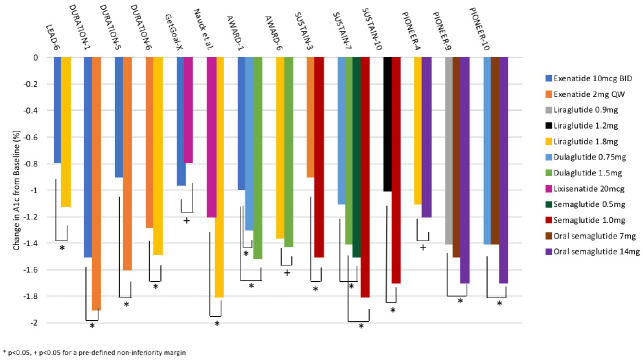
“A review of 14 head-to-head phase 3 trials also found an overall reduction in HbA 1c with OW GLP-1RAs of − 1.1% to − 1.9% across the trials similar to the current study [25].”
InfluentialQaisar, R., Khan, I. U., Rehman, A. U., Iqbal, M. S., Ahmad, F., & Karim, A. (2025) · British Journal of Clinical Pharmacology · doi:10.1002/bcp.70253 · Cited by 20
“5,11 These effects have been most notably observed with agents, such as exendin-4 and lixi-senatide, which exhibit efficient penetration of the blood – brain barrier.”
Ahmad, N., Alruwayyes, A., AlArjani, A., Tawhari, A. M., Aldosri, A., Alahmari, A., & Balaha, M. F. H. (2026) · Medicine · doi:10.1097/md.0000000000047994 · Cited by 18
“[3] Müller et al reported that GLP-1 RAs are effectively used in clinical trials to treat T2D, and numerous GLP-1-based pharmacothera-pies are being tested for the treatment of obesity.”
McEwan, P. C., Baker‐Knight, J., Ásbjörnsdóttir, B., Yi, Y., Fox, A., & Wyn, R. (2022) · The European Journal of Health Economics · doi:10.1007/s10198-022-01470-w · Cited by 16
“Therapies of the GLP-1 RA class are typically administered as once-daily or once-weekly injectables, and are associated with outcomes such as improved blood glucose control, reduced body weight, and cardiovascular benefits [3, 4].”
BackgroundGLP-1 agonists: superior for mind and body in antipsychotic-treated patients?
Horská, K., Kučerová, J., & Skrede, S. (2022) · Trends in Endocrinology and Metabolism · doi:10.1016/j.tem.2022.06.005 · Cited by 14
Liraglutide Protects Against Diastolic Dysfunction and Improves Ventricular Protein Translation
Rutledge, C. A., Enriquez, A., Redding, K., Lopez, M. A., Mullett, S. J., Gelhaus, S. L., Jurczak, M. J., Goetzman, E. S., & Kaufman, B. A. (2023) · Cardiovascular Drugs and Therapy · doi:10.1007/s10557-023-07482-9 · Cited by 13
“Regardless of the source of the elevated circulating amino acids, these findings raise concerns about GLP-1 receptor agonists related to sarcopenia and frailty, particularly given the high prevalence of diastolic dysfunction in the community (55) and the growing use of GLP-1 in weight-loss therapies (56).”
Metadata
- Authors
- Trujillo, J. M., Nuffer, W., & Smith, B. A.
- Affiliations
- University of Colorado Skaggs School of Pharmacy and Pharmaceutical Sciences, Mail Stop C238, 12850 E. Montview Blvd., V20-1222, Aurora, CO 80045, USA
- University of Colorado Skaggs School of Pharmacy and Pharmaceutical Sciences, Aurora, CO, USA
- Corresponding author
- Trujillo, Jennifer M.
- Venue
- Therapeutic Advances in Endocrinology and Metabolism
- Publisher
- SAGE Publications
- Published
- 2021-01
- Volume
- 12
- Pages
- 2042018821997320-2042018821997320
- ISSN
- 2042-0188 (ISSN-L)
- 2042-0196
- PMC
- PMC7953228
- OpenAlex
- W3134100899
- Cited by
- 289
- References
- 27
- Citations by year
- 2026: 43 · 2025: 60 · 2024: 66 · 2023: 65 · 2022: 46 · 2021: 9
- FWCI
- 7.14
- Type
- journal article
- Language
- en
- Open access
- gold
- doi.org
- Licence
- Locations
- Therapeutic Advances in Endocrinology and Metabolism (publishedVersion, cc-by-nc)
- PubMed Central (publishedVersion, cc-by-nc)
- PubMed (publishedVersion)
- DOAJ (DOAJ: Directory of Open Access Journals) (submittedVersion, cc-by-sa)
- Topics
- Health Sciences › Medicine › Endocrinology, Diabetes and Metabolism › Diabetes Treatment and Management
- Health Sciences › Medicine › Endocrinology, Diabetes and Metabolism › Diabetes Management and Research
- Health Sciences › Medicine › Pharmacology (medical) › Pharmacology and Obesity Treatment
- Keywords
- GLP-1 receptor agonists, type 2 diabetes, dulaglutide, exenatide twice daily, exenatide once weekly, liraglutide, lixisenatide, semaglutide, oral semaglutide, weight loss, adverse effects, cardiovascular benefits, drug efficacy and tolerability
About these checks
Registry, retraction, Cites and statistics results are computed, not judged, with one exception: a printed reference that no index lists is read once by a model before it counts as a citation error. Claims are extracted by a model and kept only when their quote appears verbatim in the text; each cited source is then checked, with a model’s help, for whether it says what the claim relies on. Those verdicts can be wrong — read the claim’s quote and the cited source before relying on one.
Statistics and arithmetic are recomputed, not judged.
Confidence bands are shown only for fields calibrated on our annotated test set. None is calibrated yet, so no band is shown.
What counts as a claim ›How we measure confidence ›How we check this ›
Are you an author, or do you see a problem with this page? Request a review
Data sources
Bibliographic data: Semantic Scholar, OpenAlex, Crossref.
Contains information from the Semantic Scholar Academic Graph Datasets, made available under the ODC Attribution License (ODC-BY 1.0).
Semantic Scholar’s data is described in: Kinney, R., et al. (2023). The Semantic Scholar Open Data Platform. arXiv:2301.10140.
