

Artificial Intelligence and Decision-Making in Healthcare: A Thematic Analysis of a Systematic Review of Reviews
Open accessThe DOI matches its Crossref record; 69 of the 69 references it cites were found in a registry or an index; 23 of the 43 sources its claims cite were checked for support.
Abstract
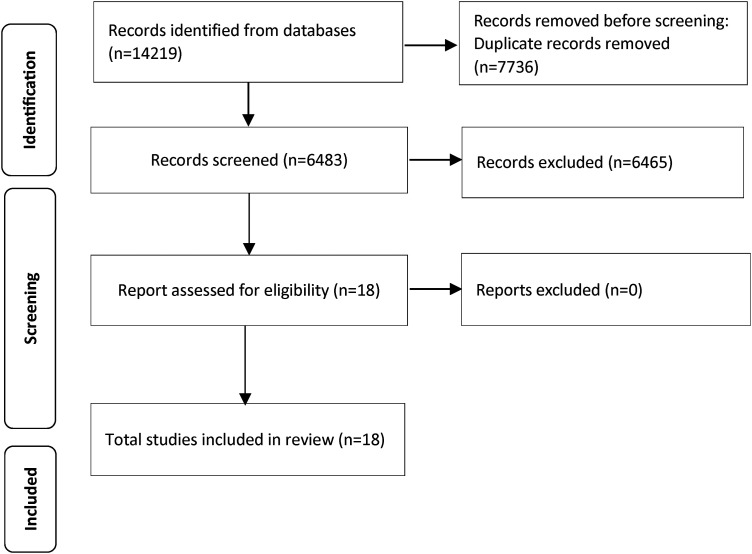
This review of reviews included 18 review articles covering 669 other articles and identified three main themes: clinical decision-making, organizational decision-making, and shared decision-making.
Overview
CoChat Summary
TL;DR
This review-of-reviews mapped how AI is used in healthcare decision-making and found three overarching domains: clinical, organizational, and shared decision-making. Across 18 eligible review articles covering 669 underlying articles, the authors concluded that AI can support faster, more personalized, and more efficient healthcare decisions.
Key findings
- From 14,219 identified records, 18 review articles were eligible for inclusion; together, they covered 669 other articles.
- The thematic analysis identified 3 main themes and 8 subthemes: clinical decision-making, organizational decision-making, and shared decision-making.
- Under clinical decision-making, the subthemes were remote monitoring, computerized interpretation of graphs, and facilitating diagnosis and prognosis.
- Under organizational decision-making and shared decision-making, the subthemes were forecasting administrative and quality indicators, cost-effective solutions for time and resource management, personalized and customized information, patient self-management, and patient medication adherence.
- Quality appraisal using CASP found that all 18 articles scored full marks in “result validity” and “local impact of results,” but none fully met the criterion for inclusion of all important relevant studies; only 6 studies fully met the quality-assessment-of-included-studies criterion.
Methods
- Qualitative review-of-reviews using thematic analysis with an inductive approach.
- Searched PubMed, Scopus, ProQuest, and Cochrane for English-language review articles published from 2000 to 2024; the search was conducted on February 3, 2024 and followed PRISMA 2020.
- Two authors independently screened studies, extracted data, and assessed quality using the CASP Systematic Review Checklist; eligible studies were then synthesized thematically.
Limitations
- The paper states that only English-language studies were included.
- The paper states it did not explore the perspectives or experiences of end-users (patients, providers, managers, or policymakers), so the findings may not capture acceptability, usability, feasibility, or satisfaction.
- Evident from the text: the synthesis is based on review articles only, so it is one step removed from primary studies.
Model-written summary. Check it against the paper before relying on it.
Integrity signals
Registry
Cites
Statistics
Figures
Verification
Claims the paper makes
17 Valid · 4 Not valid · 15 Not checked · 19 Own results and interpretations
The cited sources that could be checked couldn’t confirm or dispute this claim.
In the paper
“The quality of the selected studies was assessed using the Critical Appraisal Skills Program (CASP) for review articles (CASP Systematic Review Checklist). 21”
§ Artificial Intelligence and Decision-Making in Healthcare: A Thematic Analysis of a Systematic Review of Reviews > Materials and Methods > Quality Assessment of Final Articles Using the CASP Checklist
What the sources say
- Could not verifycites [21] Hunt H Pollock A Campbell P Estcourt L Brunton G. An introduction to overviews of reviews: planning a relevant research question and objective for an overview. Syst Rev. 2018; 7(1): 1- 9. 29490699 PMC5831229 sourceExperimental — accuracy not yet measured
The supplied passages are from the References section, and searches of the paper's full-text copy for CASP, the Systematic Review Checklist, and quality assessment of selected reviews found no passage addressing this claim. The copy therefore does not establish that the selected studies were assessed using CASP. (LLM, conf=0.74)
plain- Asserted: passes — The authors put it forward as true.
- Checkable: passes — It can be checked against evidence.
- Load-bearing: passes — The paper’s conclusions depend on it.
- Based: passes — The paper gives a reason why it holds.
- Could not verify
The cited sources support only part of this claim — read each source’s verdict below.
In the paper
“Besides that, AI has shown the capability to streamline the drug prescription process. 31”
§ Artificial Intelligence and Decision-Making in Healthcare: A Thematic Analysis of a Systematic Review of Reviews > Discussion > Clinical Decision-Making
What the sources say
- Partly supportedcites [31] Amin D Garzόn-Orjuela N Garcia Pereira A Parveen S Vornhagen H Vellinga A. Artificial intelligence to improve antibiotic prescribing: a systematic review. Antibiotics (Basel). 2023; 12(8): 1293. doi: 10.3390/antibiotics12081293 37627713 PMC10451640 sourceExperimental — accuracy not yet measured
The Discussion (section 4.1) reports that the reviewed AI studies improved aspects of antibiotic prescribing, including predicting inappropriate prescriptions. But the claim extends that finding to drug prescribing generally and implies a streamlined process; the Abstract says none of the studies evaluated implementation in clinical practice. (LLM, conf=0.86)
plainstates a cause- Asserted: passes — The authors put it forward as true.
- Checkable: passes — It can be checked against evidence.
- Load-bearing: unclear — It is unclear whether the paper’s conclusions depend on it.
- Based: passes — The paper gives a reason why it holds.
- Partly supported
The cited sources support only part of this claim — read each source’s verdict below.
In the paper
“The decisions within the healthcare service delivery system are often based on the physicians’ own opinions. 16”
§ Artificial Intelligence and Decision-Making in Healthcare: A Thematic Analysis of a Systematic Review of Reviews > Introduction
What the sources say
- Partly supportedcites [16] Ozer J Alon G Leykin D Varon J Aharonson-Daniel L Einav S. Culture and personal influences on cardiopulmonary resuscitation—results of international survey. BMC Med Ethics. 2019; 20(1): 102. doi: 10.1186/s12910-019-0439-x 31878920 PMC6933623 sourceExperimental — accuracy not yet measured
The Discussion says that, in the countries studied, most physicians rely on their own judgment when making decisions about CPR without advance directives. The Methods specify that the study examined decisions not to begin resuscitation for an unfamiliar patient. This supports the claim for that clinical situation, but not its broader assertion about decisions throughout healthcare service delivery. (LLM, conf=0.86)
plain- Asserted: passes — The authors put it forward as true.
- Checkable: passes — It can be checked against evidence.
- Load-bearing: passes — The paper’s conclusions depend on it.
- Based: passes — The paper gives a reason why it holds.
- Partly supported
The cited sources that could be checked couldn’t confirm or dispute this claim.
In the paper
“Similarly, AI can help patients with diabetes to manage their blood glucose levels, diet, and exercise using a chatbot that provides education and coaching based on natural language processing and machine learning. 66”
§ Artificial Intelligence and Decision-Making in Healthcare: A Thematic Analysis of a Systematic Review of Reviews > Discussion > Shared Decision-Making
What the sources say
- Could not verifycites [66] Bjerring JC Busch J. Artificial intelligence and patient-centered decision-making. Philos Technol. 2021; 34: 349- 371. sourceExperimental — accuracy not yet measured
The Introduction (page unavailable) mentions machine learning, natural-language processing, and an AI device for diabetic-retinopathy screening. Neither it nor the searched passages addresses a chatbot that coaches patients with diabetes on blood glucose, diet, or exercise (searched: diabetes chatbot, self-management, education, and coaching). (LLM, conf=0.76)
plainstates a cause- Asserted: passes — The authors put it forward as true.
- Checkable: passes — It can be checked against evidence.
- Load-bearing: unclear — It is unclear whether the paper’s conclusions depend on it.
- Based: passes — The paper gives a reason why it holds.
- Could not verify
The cited sources support only part of this claim — read each source’s verdict below.
In the paper
“AI can help classify physical activities and detect abnormal events or behaviors using wearable sensors and cameras. This can help remote-monitor the patients’ mobility, safety, and adherence to treatment plans. 46”
§ Artificial Intelligence and Decision-Making in Healthcare: A Thematic Analysis of a Systematic Review of Reviews > Discussion > Clinical Decision-Making
What the sources say
- Partly supportedcites [46] Briganti G Le Moine O. Artificial intelligence in medicine: today and tomorrow. Front Med (Lausanne). 2020; 7: 27. 32118012 PMC7012990 sourceExperimental — accuracy not yet measured
The Neurology section describes wearable sensors assessing gait and posture and a wearable device detecting seizures during ambulatory monitoring and alerting others, supporting mobility and safety monitoring. The Introduction also links biosensors with monitoring and therapeutic compliance. Our copy does not describe camera-based monitoring or show that these technologies track adherence to treatment plans. (LLM, conf=0.86)
plainstates a possible cause- Asserted: passes — The authors put it forward as true.
- Checkable: passes — It can be checked against evidence.
- Load-bearing: unclear — It is unclear whether the paper’s conclusions depend on it.
- Based: passes — The paper gives a reason why it holds.
- Partly supported
20 more claims · 4 with their cited sources checked
Create a free account to see all 55 claims and to verify the 3 references still open.
- It may state two separate claims as one. 16
- Probably not a substantial claim. 17
- The quote only partly states this claim. 1
Claims other papers make about this one
Each is checked against this paper’s own text: does it say what the citing paper says it does?
The source backs part of the claim, not all of it — or backs it for a different population, condition or comparison.
In the citing paper
“Artificial intelligence (AI) has become increasingly embedded in medical practice over the past decade, enhancing care capabilities from the development of personalized health libraries and innovative patient education strategies to disease screening, diagnostics, and treatment planning [1-4].”
From Empathic AI for Patient-Centered Cancer Care: A Scoping Review of Patient Navigation, Support, and Clinical Practice (2026) · cites this paper as [1]
Experimental — accuracy not yet measuredThe cited source says what the claim attributes to it.
In the citing paper
“Unlike traditional AI applications for clinical decision support (Khosravi et al., 2024), GenAI tools generate original content in real time, enabling adaptive simulations, dialogue-based learning, and automated feedback (Chen et al., 2024).”
From Patterns, advances, and gaps in using ChatGPT and similar technologies in nursing education: A PAGER scoping review (2025) · cites this paper as Khosravi et al., 2024
Citations
Cites
The PRISMA 2020 statement: An updated guideline for reporting systematic reviews
Page, M. J., McKenzie, J. E., Bossuyt, P. M., Boutron, I., Hoffmann, T. C., Mulrow, C. D., Shamseer, L., Tetzlaff, J. M., Akl, E. A., Brennan, S. E., et al. (2021) · BMJ · doi:10.1136/bmj.n71 · Cited by 108,283
Lincoln, Y. S., Guba, E. G., & Pilotta, J. J. (1985) · International Journal of Intercultural Relations · doi:10.1016/0147-1767(85)90062-8 · Cited by 45,787
Dermatologist-level classification of skin cancer with deep neural networks
Esteva, A., Kuprel, B., Novoa, R. A., Ko, J., Swetter, S. M., Blau, H. M., & Thrun, S. (2017) · Nature · doi:10.1038/nature21056 · Cited by 14,362
Page, M. J., Moher, D., Bossuyt, P. M., Boutron, I., Hoffmann, T. C., Mulrow, C. D., Shamseer, L., Tetzlaff, J. M., Akl, E. A., Brennan, S. E., et al. (2021) · BMJ · doi:10.1136/bmj.n160 · Cited by 13,262 · cited 1×
“The Preferred Reporting Items for Systematic Reviews and Meta-Analyses (PRISMA) fl owchart 24 was followed to select the articles for the review.”
MethodMethods for the thematic synthesis of qualitative research in systematic reviews
Thomas, J., & Harden, A. (2008) · BMC Medical Research Methodology · doi:10.1186/1471-2288-8-45 · Cited by 9,312
The PRISMA 2020 statement: an updated guideline for reporting systematic reviews
Page, M. J., McKenzie, J., Bossuyt, P., Boutron, I., Hoffmann, T., mulrow, C., Shamseer, L., Tetzlaff, J., Akl, E., Brennan, S. E., et al. (2020) · doi:10.31222/osf.io/v7gm2_v1 · Cited by 8,090
Gulshan, V., Peng, L., Coram, M., Stumpe, M. C., Wu, D., Narayanaswamy, A., Venugopalan, S., Widner, K., Madams, T., Cuadros, J., et al. (2016) · JAMA · doi:10.1001/jama.2016.17216 · Cited by 7,697 · cited 1×
“…medical imaging use cases, such as detecting mitosis in breast cancer histology images, 10 classifying skin cancer with dermatologist-level accuracy, 11 diagnosing diabetic retinopathy from retinal fundus photographs, 12 and predicting cardiovascular risk factors from retinal fundus photographs.”
MethodThe PRISMA 2020 statement: an updated guideline for reporting systematic reviews
Page, M. J., McKenzie, J., Bossuyt, P., Boutron, I., Hoffmann, T., mulrow, C., Shamseer, L., Tetzlaff, J., Akl, E., Brennan, S. E., et al. (2020) · doi:10.31222/osf.io/v7gm2 · Cited by 5,177
Prediction of cardiovascular risk factors from retinal fundus photographs via deep learning
Poplin, R., Varadarajan, A. V., Blumer, K., Liu, Y., McConnell, M. V., Corrado, G. S., Peng, L., & Webster, D. R. (2018) · Nature Biomedical Engineering · doi:10.1038/s41551-018-0195-0 · Cited by 1,865
Miotto, R., Li, L., Kidd, B. A., & Dudley, J. T. (2016) · Scientific Reports · doi:10.1038/srep26094 · Cited by 1,710
Research works printed but not linked: 2
- Programme CAS. CASP checklist: 10 questions to help you make sense of a systematic review. 2018.
- Organization WH. WHO issues first global report on artificial intelligence (AI) in health and six guiding principles for its design and use. World Health Org. 2021; 28(1).
Cited by
Ethical and legal considerations in healthcare AI: innovation and policy for safe and fair use
Pham, T. (2025) · Royal Society Open Science · doi:10.1098/rsos.241873 · Cited by 261
Rabbani, S. A., El-Tanani, M., Sharma, S., Rabbani, S. S., El-Tanani, Y., Kumar, R., & Saini, M. (2025) · BioMedInformatics · doi:10.3390/biomedinformatics5030037 · Cited by 80
“As these models are further integrated with clinical decision support systems, they hold promise for improving shared decision-making by providing balanced, data-driven summaries of treatment options in accessible formats for both providers and patients [79].”
Integrating Artificial Intelligence into Public Administration: Challenges and Vulnerabilities
Vatamanu, A. F., & Tofan, M. (2025) · Administrative Sciences · doi:10.3390/admsci15040149 · Cited by 190
“Additionally, AI-driven decision support systems enhance the accuracy and timeliness of government decisions by processing large datasets, recognizing patterns, and providing actionable insights (Khosravi et al., 2024).”
Mohammed, S. A. A. Q., Osman, Y. M. M., Ibrahim, A. M., & Shaban, M. (2025) · International Nursing Review · doi:10.1111/inr.70010 · Cited by 105
Özduran, E., Akkoç, İ., Büyükçoban, S., Erkin, Y., & Hancı, V. (2025) · Medicine · doi:10.1097/md.0000000000041780 · Cited by 76
Use of Artificial Intelligence tools in supporting decision-making in hospital management
Alves, M., Seringa, J., Silvestre, T., & Magalhães, T. (2024) · BMC Health Services Research · doi:10.1186/s12913-024-11602-y · Cited by 96
“These challenges under-score the potential impact of AI tools, which can stream-line decision-making processes, optimize resource use, and reduce operational costs [29].”
BackgroundYousefi, F., Dehnavieh, R., Laberge, M., Gagnon, M.-P., Ghaemi, M. M., Nadali, M., & Azizi, N. (2025) · BMC Primary Care · doi:10.1186/s12875-025-02785-2 · Cited by 70
“This technology can improve the quality, efficiency, and effectiveness of healthcare services [35], while it has also posed considerable challenges [11, 36].”
Holistic evaluation of large language models for medical tasks with MedHELM
Bedi, S., Cui, H., Fuentes, M., Unell, A., Wornow, M., Banda, J. M., Kotecha, N., Keyes, T., Mai, Y., Oez, M., et al. (2026) · Nature Medicine · doi:10.1038/s41591-025-04151-2 · Cited by 59
Artificial Intelligence in Nutrition and Dietetics: A Comprehensive Review of Current Research
Panayotova, G. G. (2025) · Healthcare · doi:10.3390/healthcare13202579 · Cited by 76
“Standardization of input-output formats and clinical testing frameworks is therefore crucial for dependable deployment [63,64].”
Vyas, A., Kumar, K., Sharma, A., Verma, D., Bhatia, D. D., Wahi, N., & Yadav, A. K. (2025) · Computers in Biology and Medicine · doi:10.1016/j.compbiomed.2025.110178 · Cited by 53
Perumal, M. K. K., Renuka, R. R., Kumar, S. S., & Natarajan, P. M. (2025) · Frontiers in Oral Health · doi:10.3389/froh.2025.1592428 · Cited by 73
Ethical Challenges in the Integration of Artificial Intelligence in Palliative Care
Adegbesan, A., Akingbola, A., Ojo, O., Jessica, O. U., Alao, U. H., Shagaya, U. N., Adewole, O. A., & Abdullahi, O. (2024) · Journal of Medicine Surgery and Public Health · doi:10.1016/j.glmedi.2024.100158 · Cited by 50
Khan, S. N., Danishuddin, Khan, M. W. A., Guarnera, L., & Akhtar, S. M. F. (2026) · Frontiers in Artificial Intelligence · doi:10.3389/frai.2025.1743921 · Cited by 80
“While AI can automate diagnostics, streamline administrative tasks, and improve patient outcomes, over-reliance on AI poses risks (Khosravi et al., 2024).”
Abositta, A., Adedokun, M. W., & Berberoğlu, A. (2024) · Systems · doi:10.3390/systems12120570 · Cited by 65
AI-driven nanomedicine for cancer theranostics
Tiwari, A., Widodo, Krisnawati, D. I., Chen, C.-Y., & Kuo, T. (2026) · Molecular Cancer · doi:10.1186/s12943-025-02563-9 · Cited by 48
Faizan, M., Han, C., & Lee, S. W. (2025) · Healthcare · doi:10.3390/healthcare13182319 · Cited by 56
“…demonstrated that digital health technologies contribute to sustainable healthcare by enabling the following: • Decentralized care delivery: Moving care closer to patients through remote monitoring and mHealth apps reduces reliance on energy and resource-intensive hospital infrastructure [131].”
Data Ownership in the AI-Powered Integrative Health Care Landscape
Liu, S., & Guo, L. (2024) · JMIR Medical Informatics · doi:10.2196/57754 · Cited by 37
AI-Supported Shared Decision-Making (AI-SDM): Conceptual Framework
As’ad, M., Faran, N., & Joharji, H. (2025) · JMIR AI · doi:10.2196/75866 · Cited by 50
“This advanced AI reasoning is crucial for SDM, aligning with principles of evidence-based practice and precision medicine [7,22].”
Ethics dumping in artificial intelligence
Bélisle-Pipon, J.-C., & Victor, G. (2024) · Frontiers in Artificial Intelligence · doi:10.3389/frai.2024.1426761 · Cited by 26
Vordenberg, S. E., Nichols, J., Marshall, V. D., Weir, K. R., & Dorsch, M. P. (2024) · Journal of Medical Internet Research · doi:10.2196/60794 · Cited by 22
“AI-based AI-based tools are quickly being integrated into health care systems to diagnose diseases, suggest evidence-based treatment plans, and help health care professionals make medical decisions [33-36].”
Adhikari, S., Ahmad, I., Bajracharya, D. C., Khanal, B., Solomon, C., Jayaratne, K., Mamum, K. A. A., Talukder, M. S. H., Shakya, S., Manandhar, S., et al. (2025) · npj Digital Medicine · doi:10.1038/s41746-025-01534-0 · Cited by 33
Smart Microbiomes: How AI Is Revolutionizing Personalized Medicine
Alexandrescu, L., Tofolean, I. T., Condur, L., Tofolean, D. E., Nicoara, A. D., Șerbănescu, L., Rusu, E. E., Twakor, A. N., Dumitru, E., Dumitru, A., et al. (2025) · Bioengineering · doi:10.3390/bioengineering12090944 · Cited by 30
“Machine learning plays a crucial role in modern healthcare, offering diverse approaches to data-driven decision-making [67].”
Artificial intelligence, medications, pharmacogenomics, and ethics
Haga, S. B. (2024) · Pharmacogenomics · doi:10.1080/14622416.2024.2428587 · Cited by 33
Brunyé, T. T., Mitroff, S. R., & Elmore, J. G. (2025) · Journal of the American Medical Informatics Association · doi:10.1093/jamia/ocaf123 · Cited by 32
Ethical boundaries and data‐sharing practices in AI‐enhanced nursing: An Arab perspective
Badawy, W., Helal, M. M. I., Hashim, A., Zinhom, H., & Shaban, M. (2025) · International Nursing Review · doi:10.1111/inr.70013 · Cited by 28
Pepito, J. A., Acaso, N. J., Merioles, R., & Ismael, J. D. (2025) · JMIR Nursing · doi:10.2196/72674 · Cited by 33
Amankwaa, I., Ekpor, E., Cudjoe, D., Kobiah, E., Fuseini, A.-K. J., Diebieri, M., Gyamfi, S., & Brownie, S. (2025) · Nurse Education Today · doi:10.1016/j.nedt.2025.106822 · Cited by 20
Artificial Intelligence in Human Reproduction
Mendizabal‐Ruiz, G., Paredes, O., Álvarez, Á., Gomez, F. J. A., Hernández-Morales, E., González-Sandoval, J., Mendez-Zavala, C., Borrayo, E., & Chávez-Badiola, A. (2024) · Archives of Medical Research · doi:10.1016/j.arcmed.2024.103131 · Cited by 18
Artificial Intelligence in Glioblastoma—Transforming Diagnosis and Treatment
Rončević, A., Koruga, N., Koruga, A. S., & Rončević, R. (2025) · Chinese Neurosurgical Journal · doi:10.1186/s41016-025-00399-2 · Cited by 19
“In recent years, artificial intelligence (AI) has emerged as a transformative tool in preclinical studies and clinical practice, offering outstanding capabilities in large data analysis and pattern recognition, guiding decision-making in healthcare [3].”
Harnessing the power of artificial intelligence for disease-surveillance purposes
Tornimbene, B., Rioja, Z. B. L., Brownstein, J. S., Dunn, A. G., Faye, S., Kong, J. D., Malou, N., Nordon, C., Rader, B. M., & Morgan, O. W. (2025) · BMC Proceedings · doi:10.1186/s12919-025-00320-w · Cited by 27
“Additionally, ensuring seamless collaboration between AI systems and human public health professionals will be crucial to fully leverage the strengths and capabilities of both [8].”
Petersson, L., Ahlborg, M. G., & Westberg, K. H. (2025) · JMIR Mental Health · doi:10.2196/76973 · Cited by 21
“…described as being able to shorten health care journeys, detect deterioration, and alert HCPs. Previous reviews highlight that AI has the potential to support clinical work [18,42], increase the efficiency and effectiveness of processes in health services [43], and enhance decision-making [20].”
Lester, C. A., Rowell, B. E., Zheng, Y., Co, Z., Marshall, V. D., Kim, J. Y., Chen, Q., Kontar, R. A., & Yang, X. J. (2025) · JMIR Medical Informatics · doi:10.2196/64902 · Cited by 27
“Artificial intelligence (AI) is becoming increasingly prevalent in health care with a wide range of applications such as drug development [1], computer-aided diagnosis and detection [2,3], and clinical decision-making [4].”
Enhancing risk management in hospitals: leveraging artificial intelligence for improved outcomes
Guerra, R. (2024) · Italian Journal of Medicine · doi:10.4081/itjm.2024.1721 · Cited by 25
Şengül, T., Bilgiç, Ş., Macit, B., Sevim, F., Alik, S., & Kirkland‐Kyhn, H. (2025) · Nurse Education in Practice · doi:10.1016/j.nepr.2025.104432 · Cited by 21
Pressure Injury Prediction in Intensive Care Units Using Artificial Intelligence: A Scoping Review
Alves, J., Azevedo, R., Marques, A., Encarnação, R., & Alves, P. J. P. (2025) · Nursing Reports · doi:10.3390/nursrep15040126 · Cited by 19
“Furthermore, as suggested by Khosravi et al. [66], incorporating training programs and ongoing education for healthcare teams can strengthen interdisciplinary collaboration and enhance the usability of AI systems.”
Epelde, F. (2024) · Hospitals · doi:10.3390/hospitals1020015 · Cited by 19
“Studies indicate that hospitals implementing AI-driven EWSs for sepsis detection experience lower healthcare costs due to fewer ICU admissions and shorter patient stays, as well as a reduction in the use of high-cost interventions [27,28].”
Meng, L., Li, Z., Xu, L., Wei, F., Ji, H., Zhang, L., Zhu, A., & Zhou, Z. (2026) · Frontiers in Endocrinology · doi:10.3389/fendo.2025.1728293 · Cited by 21
Mazher, K. M. (2025) · Frontiers in Built Environment · doi:10.3389/fbuil.2025.1582475 · Cited by 12
Ghimire, A., & Neupane, M. S. (2024) · BMC Nursing · doi:10.1186/s12912-024-02578-5 · Cited by 16
Diagnostics and Therapy for Malignant Tumors
Tsai, C.-C., Wang, C., Chang, H.-H., Chang, P. T. S., Chang, C., Chu, T. Y., Hsu, P.-C., & Kuo, C. (2024) · Biomedicines · doi:10.3390/biomedicines12122659 · Cited by 15
“Additionally, healthcare providers need training to interpret AI outputs and integrate them into decision making [270].”
AI and shared decision-making: a systematic review
Giorgetti, C., Giorgetti, A., Pelotti, S., & Contissa, G. (2026) · AI & Society · doi:10.1007/s00146-026-02955-5 · Cited by 15
“The advantage of these AI-powered decision aids over traditional ones is that they can be tailored to the individual patient (Khosravi et al. 2024).”
Application of Artificial Intelligence in Pancreatic Cyst Management: A Systematic Review
Lee, D., Jesry, F., MALIEKKAL, J., Goulder, L., Huntly, B., Smith, A. M., & Khaled, Y. S. (2025) · Cancers · doi:10.3390/cancers17152558 · Cited by 12
Ahishakiye, E., Kanobe, F., Taremwa, D., Nantongo, B. A., Nkalubo, L., & Ahimbisibwe, S. (2025) · Discover Applied Sciences · doi:10.1007/s42452-025-06704-z · Cited by 15
“AI-enabled diagnostic technologies not only provide precise and trustworthy disease identification but also facilitate real-time decision support in clinical practice, eventually leading to improved patient outcomes [26].”
AI in Healthcare for Resource Limited Settings: An Exploration and Ethical Evaluation
Zhao, R. C., & Yuan, X. (2025) · International World Wide Web Conference (WWW) · doi:10.1145/3701716.3717747 · Cited by 13
Overcoming the Black Box Challenge: Building Trust in Artificial Intelligence Algorithms in Oncology
Alum, E. U., Egwu, C. K., Manjula, V. S., Ekpang, P. O., Ekpang, J. E., Echegu, D. A., Alum, B. N., & Uti, D. E. (2026) · Technology in Cancer Research & Treatment · doi:10.1177/15330338261434649 · Cited by 12
Mohamed, A., Elasad, A., Fuad, U., Pengas, I. P., Elsayed, A., Bhamidipati, P., & Salib, P. (2025) · Cureus · doi:10.7759/cureus.92280 · Cited by 20
“Future systems will combine imaging analysis, outcome prediction, surgical planning, and rehabilitation monitoring into a unified platform supporting the entire continuum of care [96].”
Mudrik, A., Tsur, A., Nadkarni, G. N., Efros, O., Glicksberg, B. S., Soffer, S., & Klang, E. (2024) · medRxiv · doi:10.1101/2024.08.08.24311699 · Cited by 11
Insights from explainable AI in oesophageal cancer team decisions
Thavanesan, N., Farahi, A., Parfitt, C., Belkhatir, Z., Azim, T., Vallejos, E. P., Walters, Z. S., Ramchurn, S. D., Underwood, T., & Vigneswaran, G. (2024) · Computers in Biology and Medicine · doi:10.1016/j.compbiomed.2024.108978 · Cited by 11
Kuswara, Z., Pasaribu, M., Fitriana, F., & Santoso, R. A. (2024) · Jurnal Ilmu Keuangan dan Perbankan (JIKA) · doi:10.34010/jika.v13i2.12730 · Cited by 35
“In the context of auditing, AI offers the possibility to automate routine tasks, improve data analysis, and strengthen evidence-based decision-making (Aldoseri et al., 2023; Al-Surmi et al., 2022; Dennehy et al., 2023; Khosravi et al., 2024).”
BackgroundHuman-guided collective LLM intelligence for strategic planning via two-stage information retrieval
Kim, S., Ha, J., Lee, H., Park, S., & Cho, S. (2025) · Information Processing & Management · doi:10.1016/j.ipm.2025.104288 · Cited by 17
Artificial Intelligence in Optometry: Current and Future Perspectives
Krishnan, A., Dutta, A., Srivastava, A., Konda, N., & Prakasam, R. K. (2025) · Clinical Optometry · doi:10.2147/opto.s494911 · Cited by 22
Noselli, M., van der Vegt, A. H., Cordeil, M., Campbell, V. K., Wang, A. P., Shetty, A., & Scott, I. A. (2025) · IEEE Journal of Biomedical and Health Informatics · doi:10.1109/jbhi.2025.3572494 · Cited by 7
Taleb, M., & Alibabaei, S. (2026) · BMC Medical Imaging · doi:10.1186/s12880-025-02141-x · Cited by 6
“Artificial intelligence (AI), particularly machine learning, has become crucial in medical analysis and decision-making [11].”
Behavioral Impacts of AI Reliance in Diagnostics: Balancing Automation with Skill Retention
Sunday, O. (2025) · Epidemiology and Health Data Insights · doi:10.63946/ehdi/16894 · Cited by 10
Khosravi, M., Herandi, Y., Far, S. S. T., Vasokolaei, G. R., Nejad, F. S. H., Bouzarjomehri, H., Izadi, R., Zare, Z., Abdollahzade, M., Rahmani, H., et al. (2025) · International Journal of Medical Informatics · doi:10.1016/j.ijmedinf.2025.106019 · Cited by 10
Self-citationGarcia, M. B., de Almeida, R. S., Acut, D. P., Almeida, R., Garcia, P. S., & Stefani, E. (2025) · IGI Global eBooks · doi:10.4018/979-8-3373-1519-5.ch005 · Cited by 9
Role of Artificial Intelligence in Health Care and Research
Mohanasundari, S. K. (2025) · Asian Journal of Nursing Education and Research · doi:10.52711/2349-2996.2025.00025 · Cited by 7
Artificial intelligence in nursing: advancing clinical judgment and decision-making
Vitorino, L. M., Júnior, G. H. Y., & Lopes‐Júnior, L. C. (2025) · Revista Brasileira de Enfermagem · doi:10.1590/0034-7167.2025780401 · Cited by 42
“This approach aims to enhance clinical decision-making while avoiding overreliance on automation (2,7,8) .”
Artificial intelligence in healthcare: A focus on the best practices
Haddiya, I., & Ramdani, S. (2024) · ITM Web of Conferences · doi:10.1051/itmconf/20246902010 · Cited by 8
Applications, image analysis, and interpretation of computer vision in medical imaging
Matsuzaka, Y., & Iyoda, M. (2026) · Frontiers in Radiology · doi:10.3389/fradi.2025.1733003 · Cited by 15
Dhakal, M., Banerjee, M., Pandey, K. K., & Seniya, C. (2026) · Discover Food · doi:10.1007/s44187-025-00777-w · Cited by 9
“Gaps/Research needs identified [48] AI applications in healthcare decision-making spanning clinical, organisational, and shared decision-making domains were studied.”
Artificial intelligence contribution to translation industry: looking back and forward
Shormani, M. Q., & Al-Sohbani, Y. A. Y. (2025) · Discover Artificial Intelligence · doi:10.1007/s44163-025-00487-3 · Cited by 31
“We adopted some notions and techniques from Khosravi et al. [37] to conduct the thematic analysis focusing on such areas as author, year of publication, purpose/aim, methodology, findings, and most importantly the articles’ contribution to ACTI future directions.”
Russ, P. G., Mross, P. M., Kräling, G., Lechner, F., Eldakar, M., Schlicker, N., Bedenbender, S., Brouwer, S., Zantvoort, K., Jerrentrup, A., et al. (2025) · Frontiers in Digital Health · doi:10.3389/fdgth.2025.1657583 · Cited by 6
Kring, T., Prasad, S., Dadi, S., Sokhn, E., & Franzmann, E. J. (2025) · American Journal of Otolaryngology · doi:10.1016/j.amjoto.2025.104710 · Cited by 6
Fahmy, A. M. (2025) · Premier journal of public health. · doi:10.70389/pjph.100021 · Cited by 9
Digital health tools in the management of allergic rhinitis: a systematic review
Alotaibi, A. D., AlQahtani, A. S., Alateeq, M. F., Saleem, M., & Khan, M. S. (2025) · European Archives of Oto-Rhino-Laryngology · doi:10.1007/s00405-025-09526-2 · Cited by 7
AI in practice: Opportunities, obstacles, and outlook
Rogers, J. L., & Baker, M. (2025) · The Nurse Practitioner · doi:10.1097/01.npr.0000000000000326 · Cited by 4
Federico, L. C. M. D., Fusaro, D. D., Coppola, G., Gregori, M., & Durante, S. (2025) · Radiography · doi:10.1016/j.radi.2025.102972 · Cited by 7
RiskPath: Explainable deep learning for multistep biomedical prediction in longitudinal data
de Lacy, N., Ramshaw, M. J., & Lam, W. Y. (2025) · Patterns · doi:10.1016/j.patter.2025.101240 · Cited by 12
A neuromuscular clinician’s primer on machine learning
Yeo, C. J. J., Ramasamy, S., Leong, F.-L., Nag, S., & Simmons, Z. (2025) · Journal of Neuromuscular Diseases · doi:10.1177/22143602251329240 · Cited by 8
Stawarz, K., Gorzelnik, A., Klos, W., Korzon, J., Kissin, F., Bieńkowska‐Pluta, K., Stawarz, G., Rusetska, N., & Zwoliński, J. (2025) · Frontiers in Oncology · doi:10.3389/fonc.2025.1717641 · Cited by 9
Surgical education reimagined: the convergence of learning theories and artificial intelligence
Lee, F., & Wong, S. W. (2025) · BMC Medical Education · doi:10.1186/s12909-025-08039-0 · Cited by 9
“It has already shown success in areas like surgery and dermatology [1, 2].”
An AI-Based Framework for Interpretable Mental Health Literacy Segmentation and Decision Support
Sarode, A., Rani, M. V., Das, B., Shreekantiah, U., & Punia, S. (2025) · IEEE Journal of Biomedical and Health Informatics · doi:10.1109/jbhi.2025.3609786 · Cited by 6
Telestroke management during the Hajj seasons 2023–2024: insights from SEHA Virtual Hospital in KSA
Alsaleh, G. S., Alhomod, A. S., Khan, A. A., & Alzahrani, S. S. (2025) · Frontiers in Neurology · doi:10.3389/fneur.2025.1573275 · Cited by 5
Auf, H., Nygren, J., Lundgren, L. E., Petersson, L., & Svedberg, P. (2025) · Frontiers in Digital Health · doi:10.3389/fdgth.2025.1588759 · Cited by 6
Obeid, N., Lavallée, N., Bradley, A. H. M., & Norris, M. L. (2025) · Journal of Eating Disorders · doi:10.1186/s40337-025-01351-6 · Cited by 8
“…Diagnostic and Statistical Manual of Mental Disorders, Fifth Edition (DSM-5) categories [83], marking significant advancement in the development of tailored treatment approaches [84], early identification of refractory likelihood [85], and the creation of future clinical decision-making tools [86].”
AlGoraini, Y., Alsayyali, M., Alotaibi, O., Almeshawi, I., Alaifan, F., & Alrashed, R. (2025) · Frontiers in Public Health · doi:10.3389/fpubh.2025.1634638 · Cited by 9
Khosravi, M., Izadi, R., Sarvestani, M. A., Bouzarjomehri, H., Marzaleh, M. A., & Ravangard, R. (2025) · Health Informatics Journal · doi:10.1177/14604582251381269 · Cited by 7
Self-citationNavigating challenging patient factors in systemic therapy for head and neck cancer
Szturz, P., Haddad, R. I., Posner, M. R., & Vermorken, J. B. (2025) · The Oncologist · doi:10.1093/oncolo/oyaf035 · Cited by 5
Alotaibi, A. S., Contreras, R., Thakker, N., Mahapatro, A., Jala, S. R. A., Mohanty, E., Devulapally, P., Mirchandani, M., Marsool, M. D. M., Jain, S. M., et al. (2025) · Annals of Medicine and Surgery · doi:10.1097/ms9.0000000000003080 · Cited by 8
“The integration of AI into cardiovascular imaging workflows also has the potential to reduce clinicians’ workloads, allowing them to focus on more complex decision-making processes and patient care [ 28–31 ] .”
He, Z., Yang, L., Li, X., & Du, J. (2025) · EClinicalMedicine · doi:10.1016/j.eclinm.2024.103066 · Cited by 12
Naseri, S., Shukla, S., Hiwale, K., Jagtap, M. M., Gadkari, P. V., Gupta, K., Deshmukh, M., & Sagar, S. (2024) · Cureus · doi:10.7759/cureus.59171 · Cited by 13
“Furthermore, adopting AI in decision-making can elevate healthcare services' caliber, efficiency, and efficacy, ultimately culminating in superior patient outcomes and heightened user satisfaction [58].”
BackgroundInfluentialFlanagan, S., Spurway, C., Jackson, L., Cooper, J. M., Crowe, F. L., Haroon, S. M., Marshall, T., Fitzsimmons, L., Hathaway, E., Nirantharakumar, K., et al. (2026) · Journal of Medical Internet Research · doi:10.2196/87507 · Cited by 3
“In particular, AI tools can be used as part of the consultation process to inform clinician and patient decision-making around diagnoses, planning treatments, and thinking about outcomes, although the use in primary care for the management of patients to date has been limited [10, 11].”
Qunaibi, E. A., Al‐Qaaneh, A. M., Ismail, B. F., Muhidat, H. I., Rageh, F. S., Musallam, N. A., & Fawzy, A. K. (2026) · JMIR Medical Education · doi:10.2196/75534 · Cited by 6
“A limited number of studies have evaluated the effect of AI assistance in clinical settings and demonstrated improvements in the quality, efficiency, and effectiveness of health care services [12,13].”
Pepito, J. A., Babate, F. J., Ismael, J. D., Al‐Jumayile, S. S., & Siddique, M. K. B. (2026) · SAGE Open Nursing · doi:10.1177/23779608261433312 · Cited by 5
“Nurses must critically assess how AI in fl uences judgment, redistributes responsibility, and shapes patient experience, while maintaining professional accountability for advocacy, safety, and ethical care coordination in AI-mediated clinical decision-making (Khosravi et al., 2024).”
Eskandar, K. (2025) · iRadiology · doi:10.1002/ird3.70046 · Cited by 9
Toward clinical translation of AI-Led drug discovery in endometrial cancer
Nguyen, P. K., Luong, T., Bui, X., & Le, N. Q. K. (2025) · Expert Review of Anticancer Therapy · doi:10.1080/14737140.2025.2557602 · Cited by 4
“A previous study that investigated the application of AI in healthcare decision-making emphasizes that prioritizing clinician trust is crucial for the successful implementation of AI-CDSS [154].”
InfluentialArtificial intelligence: Revolutionizing pediatric emergency care - A narrative review
Saha, A., Shukla, A., & Bhaskar, V. (2025) · International Journal of Critical Illness and Injury Science · doi:10.4103/ijciis.ijciis_24_25 · Cited by 2
Revolutionizing Patient Care: AI-Driven Wearable Technology for Continuous Remote Health Monitoring
Bhatia, K., & Hasija, Y. (2025) · International Conference on Cognitive Computing in Engineering, Communications, Sciences and Biomedical Health Informatics (IC3ECSBHI) · doi:10.1109/ic3ecsbhi63591.2025.10990913 · Cited by 3
“For patients with chronic conditions, the device can also recommend tailored advice like taking medication or changing their lifestyle [21].”
Palma, G. D., Scendoni, R., Benedictis, A. D., Tambone, V., & Micco, F. D. (2025) · Open Medicine · doi:10.1515/med-2025-1232 · Cited by 8
Singh, R., & Singh, V. (2024) · Journal of Indian Academy of Forensic Medicine · doi:10.1177/09710973251328785 · Cited by 5
“38 Without such protections, individuals may easily be subjected to discriminatory treatment.”
Hoffmann, T., & Gibson, E. M. (2024) · Patient Education and Counseling · doi:10.1016/j.pec.2024.108484 · Cited by 3
Huang, T., Li, S., Wang, Y., & Liu, W. (2026) · Journal of Medical Internet Research · doi:10.2196/88697 · Cited by 4
“Previous research supports the importance of perceived control in digital mental health systems [79].”
Alrazeeni, D. M., Alharrasi, M., Rony, M. K. K., Halder, C. R., Dhola, F.-T.-J., Aktery, A., & Tama, I. J. (2026) · Discover Public Health · doi:10.1186/s12982-026-01928-9 · Cited by 6
Lee, D., Ju, J., Song, H., & Park, H. (2026) · CHI Conference on Human Factors in Computing Systems · doi:10.1145/3772318.3791249 · Cited by 2
White, B. M., Aitken, G. L., Zink, J. A., Kheirkhah Rahimabad, P., Kumsa, F. A., Hashtarkhani, S., Rashid, R., Kheirinejad, S., Girdwood, T., Brett, C. L., et al. (2026) · JMIR Cancer · doi:10.2196/82336 · Cited by 2
“Artificial intelligence (AI) has become increasingly embedded in medical practice over the past decade, enhancing care capabilities from the development of personalized health libraries and innovative patient education strategies to disease screening, diagnostics, and treatment planning [1-4].”
Sassi, Z., Eickmann, S., Roller, R., Osmanodja, B., Spencker, J. J., Ömeroğlu, Ö. E., Burchardt, A., Hahn, M., Dabrock, P., Möller, S., et al. (2026) · Journal of Medical Internet Research · doi:10.2196/83195 · Cited by 4
“They also express worries about data privacy and security [17,18], potential diagnostic errors or misjudgments in rapidly changing health conditions [18-20], and a lack of transparency in algorithmic decision-making [20,21].”
Drivers of trust in AI across the domains of finance, law, and healthcare: a conjoint study
Ploug, T., Jørgensen, A., & Holm, S. (2026) · AI & Society · doi:10.1007/s00146-026-02951-9 · Cited by 4
“In healthcare, AI systems are being used as decision-support for diagnosis and treatment recommendations (Khosravi et al. 2024; Rajpurkar et al. 2022).”
Gender and crisis management: an integrated framework and future agenda
Martin-Sanchez, M., Kolomiyets-Ludwig, E., & Escudero-Guirado, C. (2026) · Gender in Management An International Journal · doi:10.1108/gm-03-2024-0150 · Cited by 3
AI-supported clinical decision-making: in silico simulation of physician-AI interactions
Hofmann, G. (2026) · Frontiers in Digital Health · doi:10.3389/fdgth.2025.1697825 · Cited by 5
Metadata
- Authors
- Khosravi, M., Zare, Z., Mojtabaeian, S. M., & Izadi, R.
- Affiliations
- Shiraz University of Medical Sciences (IR)
- Corresponding author
- Izadi, Reyhane
- Venue
- Health Services Research and Managerial Epidemiology
- Publisher
- SAGE Publications
- Published
- 2024-01
- Volume
- 11
- Pages
- 23333928241234863-23333928241234863
- ISSN
- 2333-3928 (ISSN-L)
- PMC
- PMC10916499
- OpenAlex
- W4392476040
- Cited by
- 265
- References
- 67
- Citations by year
- 2026: 105 · 2025: 130 · 2024: 30
- FWCI
- 5.98
- Type
- journal article
- Language
- en
- Open access
- gold
- doi.org
- Licence
- Locations
- Health Services Research and Managerial Epidemiology (publishedVersion, cc-by-nc)
- PubMed Central (publishedVersion, cc-by-nc)
- PubMed (publishedVersion)
- DOAJ (DOAJ: Directory of Open Access Journals) (submittedVersion, cc-by-sa)
- Topics
- Health Sciences › Medicine › Health Informatics › Artificial Intelligence in Healthcare and Education
- Health Sciences › Health Professions › Health Information Management › Artificial Intelligence in Healthcare
- Physical Sciences › Computer Science › Artificial Intelligence › Artificial Intelligence Applications
- Keywords
- artificial intelligence, healthcare decision-making, clinical decision-making, organizational decision-making, shared decision-making
About these checks
Registry, retraction, Cites and statistics results are computed, not judged, with one exception: a printed reference that no index lists is read once by a model before it counts as a citation error. Claims are extracted by a model and kept only when their quote appears verbatim in the text; each cited source is then checked, with a model’s help, for whether it says what the claim relies on. Those verdicts can be wrong — read the claim’s quote and the cited source before relying on one.
The claim verdicts this report counts are experimental: their accuracy is not yet measured.
A language model drew the claims from the paper on 2026-10-10, under version 3 of the claim definition (model deepseek-v4.1-flash, prompt extract-v3).
A second model labelled each claim on 2026-10-10 (model jev-1.13-20260917, definition revision gold-guideline-v0.2).
Cited sources are checked with a language model’s help (gpt-6-sol).
Statistics and arithmetic are recomputed, not judged.
Confidence bands are shown only for fields calibrated on our annotated test set. None is calibrated yet, so no band is shown.
What counts as a claim ›How we measure confidence ›How we check this ›
Are you an author, or do you see a problem with this page? Request a review
Data sources
Bibliographic data: Semantic Scholar, OpenAlex, Crossref.
Contains information from the Semantic Scholar Academic Graph Datasets, made available under the ODC Attribution License (ODC-BY 1.0).
Semantic Scholar’s data is described in: Kinney, R., et al. (2023). The Semantic Scholar Open Data Platform. arXiv:2301.10140.
