

Biomarkers of ketamine’s antidepressant effect: a clinical review of genetics, functional connectivity, and neurophysiology
Open accessThe DOI matches its Crossref record; 62 of the 62 references it cites were found in a registry or an index.
Abstract
Major depressive disorder (MDD) is one of the leading causes of morbidity and all-cause mortality (including suicide) worldwide, and, unfortunately, first-line monoaminergic antidepressants and evidence-based psychotherapies are not effective for all patients. Subanesthetic doses of the N-methyl-D-aspartate receptor antagonists and glutamate modulators ketamine and S-ketamine have rapid and robust antidepressant efficacy in such treatment-resistant depressed patients (TRD). Yet, as with all antidepressant treatments including electroconvulsive therapy (ECT), not all TRD patients adequately respond, and we are presently unable to a priori predict who will respond or not respond to ketamine. Therefore, antidepressant treatment response biomarkers to ketamine have been a major focus of research for over a decade. In this article, we review the evidence in support of treatment response biomarkers, with a particular focus on genetics, functional magnetic resonance imaging, and neurophysiological studies, i.e. electroencephalography and magnetoencephalography. The studies outlined here lay the groundwork for replication and dissemination.
Overview
The claims and statistics of this paper haven’t been checked yet.
Free: it reads the open-access text and checks the first 5 claims that cite a source we can check. Create a free account to check every claim.
Integrity signals
Registry
Cites
Statistics
Figures
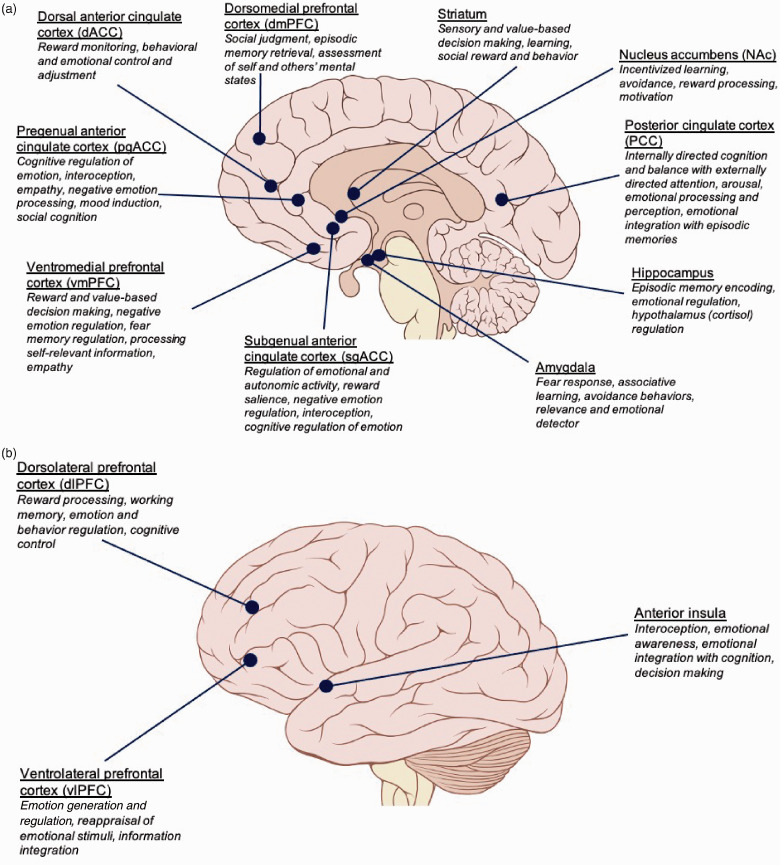
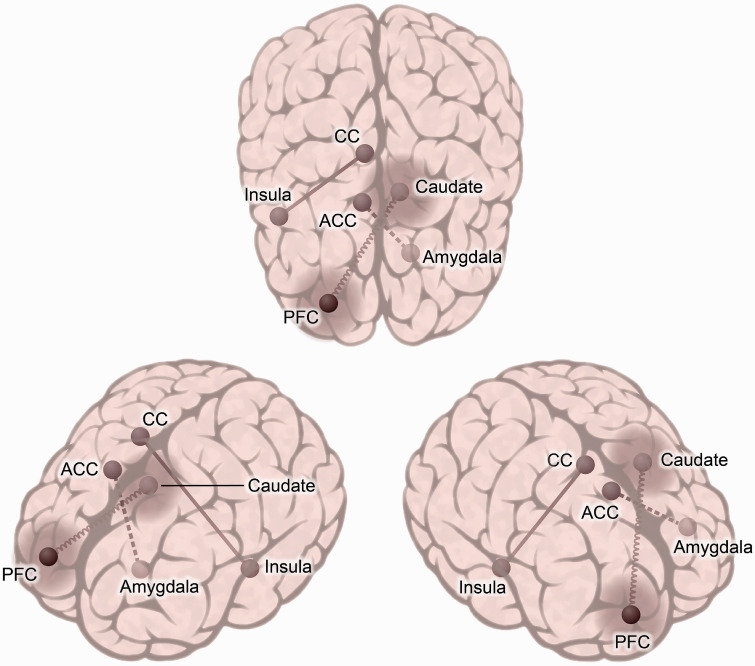
Verification
Claims the paper makes
The claims and statistics of this paper haven’t been checked yet.
Free: it reads the open-access text and checks the first 5 claims that cite a source we can check. Create a free account to check every claim.
Claims other papers make about this one
Each is checked against this paper’s own text: does it say what the citing paper says it does?
The source backs part of the claim, not all of it — or backs it for a different population, condition or comparison.
In the citing paper
“Changes in glutamate metabolites, EEG spectral indices, inflammatory markers, BDNF, and network connectivity have been reported, but effect directions, timing, and predictive value vary across cohorts and protocols [85,94,95].”
From Synaptic Plasticity—Intrinsic Excitability and Antidepressant Discovery (2026) · cites this paper as [94]
Experimental — accuracy not yet measured
Self-check
Percentages, sums and reported differences re-computed from the paper’s own numbers.
The self-check needs the paper’s full text.
Citations
Cites
Domingos da Silveira da Luz, A. C., Pereira Dias, G., do Nascimento Bevilaqua, M. C., Cocks, G., Gardino, P. F., Thuret, S., & Nardi, A. E. (2013) · Neuropsychobiology · doi:10.1159/000353269 · Cited by 3,995
Egan, M. F., Kojima, M., Callicott, J. H., Goldberg, T. E., Kolachana, B. S., Bertolino, A., Zaitsev, E., Gold, B., Goldman, D., Dean, M., et al. (2003) · Cell · doi:10.1016/s0092-8674(03)00035-7 · Cited by 3,888
Antidepressant effects of ketamine in depressed patients
Berman, R. M., Cappiello, A., Anand, A., Oren, D. A., Heninger, G. R., Charney, D. S., & Krystal, J. H. (2000) · Biological Psychiatry · doi:10.1016/s0006-3223(99)00230-9 · Cited by 3,856 · cited 1×
“Antidepressant efficacy is also seen within hours-to-days, rather than weeks-to-months compared to standard antidepressant medications.(8) For these reasons, subanesthetic dose ketamine has been described as the “most important discovery in half a century” for the treatment of major depression.”
BackgroundSynaptic Dysfunction in Depression: Potential Therapeutic Targets
Duman, R. S., & Aghajanian, G. K. (2012) · Science · doi:10.1126/science.1222939 · Cited by 1,651
Ketamine blocks bursting in the lateral habenula to rapidly relieve depression
Yang, Y., Cui, Y., Sang, K., Dong, Y., Ni, Z., Ma, S., & Hu, H. (2018) · Nature · doi:10.1038/nature25509 · Cited by 1,036
Murrough, J. W., Perez, A. M., Pillemer, S., Stern, J., Parides, M. K., aan het Rot, M., Collins, K. A., Mathew, S. J., Charney, D. S., & Iosifescu, D. V. (2013) · Biological Psychiatry · doi:10.1016/j.biopsych.2012.06.022 · Cited by 786
A Review of the Clinical, Economic, and Societal Burden of Treatment-Resistant Depression: 1996–2013
Mrazek, D. A., Hornberger, J. C., Altar, C. A., & Degtiar, I. (2014) · Psychiatric Services · doi:10.1176/appi.ps.201300059 · Cited by 580
Phillips, J. L., Norris, S., Talbot, J., Birmingham, M., Hatchard, T., Ortiz, A., Owoeye, O., Batten, L. A., & Blier, P. (2019) · American Journal of Psychiatry · doi:10.1176/appi.ajp.2018.18070834 · Cited by 418
Liu, R.-J., Lee, F. S., Li, X.-Y., Bambico, F., Duman, R. S., & Aghajanian, G. K. (2012) · Biological Psychiatry · doi:10.1016/j.biopsych.2011.09.030 · Cited by 403 · cited 1×
“The met allele of this polymorphism is associated with impairments in the activitydependent secretion of BDNF,(10) resulting in reduced synaptogenesis and dendritic complexity in rodents.(11) Because ketamine’s mechanism of action is thought to require BDNF, this SNP is a candidate for response prediction.”
BackgroundKetamine Treatment and Global Brain Connectivity in Major Depression
Abdallah, C. G., Averill, L. A., Collins, K. A., Geha, P., Schwartz, J., Averill, C., DeWilde, K. E., Wong, E., Anticevic, A., Tang, C. Y., et al. (2017) · Neuropsychopharmacology · doi:10.1038/npp.2016.186 · Cited by 300 · cited 5×
“Next, Abdallah et al. found an overall normalization inGBCr after ketamine in MDD patients, i.e. ketamine increased GBCr in the PFC but reduced GBCr in the cerebellum.31 Ketamine responders had higher post-treatment GBCr in clusters involving lateral PFC, left middle temporal cortex, and caudate, though there was only…”
BackgroundInfluentialSalvadore, G., Cornwell, B. R., Colon-Rosario, V., Coppola, R., Grillon, C., Zarate, C. A., & Manji, H. K. (2009) · Biological Psychiatry · doi:10.1016/j.biopsych.2008.08.014 · Cited by 277 · cited 2×
“rapidly presented fearful faces to activate the rostral ACC and amygdala before ketamine treatment to determine if baseline activity in these regions could predict antidepressant response.(55) Greater ACC and decreased amygdala activities during this task correlated with an antidepressant effect at 230 minutes.”
BackgroundPopulation genetic study of the brain-derived neurotrophic factor (BDNF) gene
Petryshen, T. L., Sabeti, P. C., Aldinger, K. A., Fry, B., Fan, J. B., Schaffner, S. F., Waggoner, S. G., Tahl, A. R., & Sklar, P. (2010) · Molecular Psychiatry · doi:10.1038/mp.2009.24 · Cited by 267 · cited 1×
“For example, the met allele frequency in Taiwanese and Han Chinese populations is around 50%(13) while in Caucasian populations it is around 20%.(14) Su et al.”
BackgroundDuncan, W. C., Sarasso, S., Ferrarelli, F., Selter, J., Riedner, B. A., Hejazi, N. S., Yuan, P., Brutsche, N., Manji, H. K., Tononi, G., et al. (2013) · International Journal of Neuropsychopharmacology · doi:10.1017/s1461145712000545 · Cited by 256
Ketamine has distinct electrophysiological and behavioral effects in depressed and healthy subjects
Nugent, A. C., Ballard, E. D., Gould, T. D., Park, L. T., Moaddel, R., Brutsche, N. E., & Zarate, C. A. (2019) · Molecular Psychiatry · doi:10.1038/s41380-018-0028-2 · Cited by 250 · cited 1×
“to measure functional connectivity and gamma power as a proxy for excitatory/inhibitory balance after a single ketamine infusion.(49) They found that higher gamma power after ketamine was associated with raw depression score improvement 40 minutes postinfusion in subjects with lower baseline gamma power in several reg…”
BackgroundMarcantoni, W. S., Akoumba, B. S., Wassef, M., Mayrand, J., Lai, H., Richard-Devantoy, S., & Beauchamp, S. (2020) · Journal of Affective Disorders · doi:10.1016/j.jad.2020.09.007 · Cited by 246
Salvadore, G., Cornwell, B. R., Sambataro, F., Latov, D., Colon-Rosario, V., Carver, F., Holroyd, T., DiazGranados, N., Machado-Vieira, R., Grillon, C., et al. (2010) · Neuropsychopharmacology · doi:10.1038/npp.2010.24 · Cited by 218 · cited 4×
“more likely to respond to ketamine.(56) Additionally, decreased beta coherence (functional connectivity) between pgACC and the left amygdala correlated with greater antidepressant response, and those subjects displaying the least engagement of the pgACC as working memory load increased had the greatest symptom improve…”
BackgroundInfluentialLaje, G., Lally, N., Mathews, D., Brutsche, N., Chemerinski, A., Akula, N., Kelmendi, B., Simen, A., McMahon, F. J., Sanacora, G., et al. (2012) · Biological Psychiatry · doi:10.1016/j.biopsych.2012.05.031 · Cited by 213 · cited 1×
“found that depressed met heterozygous participants of European ancestry had less improvement in depression scores 4 hours after ketamine infusion than val/val patients.(12) In this sample, BDNF rs6265 genotype accounted for 28% of the response variance.”
BackgroundSu, T.-P., Chen, M.-H., Li, C.-T., Lin, W.-C., Hong, C.-J., Gueorguieva, R., Tu, P.-C., Bai, Y.-M., Cheng, C.-M., & Krystal, J. H. (2017) · Neuropsychopharmacology · doi:10.1038/npp.2017.94 · Cited by 209 · cited 1×
“5 mg/ kg ketamine infusions.(13) Albeit likely underpowered, there was no statistically significant antidepressant difference between val homozygous and met allele carriers.”
BackgroundCornwell, B. R., Salvadore, G., Furey, M., Marquardt, C. A., Brutsche, N. E., Grillon, C., & Zarate, C. A. (2012) · Biological Psychiatry · doi:10.1016/j.biopsych.2012.03.029 · Cited by 200 · cited 1×
“found increased stimulus evoked somatosensory cortical responses independent of spontaneous cortical gamma activity in responders 230 minutes after infusion.(58) Based on these results, they hypothesized that increased AMPA-mediated glutamatergic transmission may be a main mechanism in ketamine’s antidepressant respon…”
BackgroundEvans, J. W., Szczepanik, J., Brutsché, N., Park, L. T., Nugent, A. C., & Zarate, C. A. (2018) · Biological Psychiatry · doi:10.1016/j.biopsych.2018.01.027 · Cited by 173 · cited 1×
“Continuing the emphasis on the insula and cingulate, Evans and colleagues correlated MADRS improvement from baseline to 2 days post-ketamine with BOLD signal normalization between the right posterior insula and posterior cingulate.(23) Finally, based on Figure 2.”
A Survey of the Clinical, Off-Label Use of Ketamine as a Treatment for Psychiatric Disorders
Wilkinson, S. T., Toprak, M., Turner, M. S., Levine, S. P., Katz, R. B., & Sanacora, G. (2017) · American Journal of Psychiatry · doi:10.1176/appi.ajp.2017.17020239 · Cited by 125
Leuchter, A., Cook, I., Gilmer, W., Marangell, L., Burgoyne, K., Howland, R., Trivedi, M., Zisook, S., Jain, R., Fava, M., et al. (2009) · Psychiatry Research · doi:10.1016/j.psychres.2009.04.004 · Cited by 117 · cited 1×
“transcranial magnetic stimulation.(42,43) Zehong et al.”
Comparing the actions of lanicemine and ketamine in depression: key role of the anterior cingulate
Downey, D., Dutta, A., McKie, S., Dawson, G. R., Dourish, C. T., Craig, K., Smith, M. A., McCarthy, D. J., Harmer, C. J., Goodwin, G. M., et al. (2016) · European Neuropsychopharmacology · doi:10.1016/j.euroneuro.2016.03.006 · Cited by 116 · cited 3×
“’s results.(20) Additionally, Downey and colleagues measured resting state fMRIwhileMorris et al.”
BackgroundInfluentialAbdallah, C. G., Averill, C. L., Salas, R., Averill, L. A., Baldwin, P. R., Krystal, J. H., Mathew, S. J., & Mathalon, D. H. (2017) · Biological Psychiatry: Cognitive Neuroscience and Neuroimaging · doi:10.1016/j.bpsc.2017.04.006 · Cited by 111 · cited 1×
“An additional study from Abdallah and colleagues in 2017 found that baseline bilateral dorsomedial PFC and left frontolateral PFC GBCr predicted change in MADRS, but not the self-reported Inventory ofDepressive Symptomatology (IDS), after ketamine and placebo treatment.(33) Subsequent seeded analysis showed that past…”
ResultKetamine modulates fronto-striatal circuitry in depressed and healthy individuals
Mkrtchian, A., Evans, J. W., Kraus, C., Yuan, P., Kadriu, B., Nugent, A. C., Roiser, J. P., & Zarate, C. A. (2021) · Molecular Psychiatry · doi:10.1038/s41380-020-00878-1 · Cited by 110
Carvalho, A. F., Cavalcante, J. L., Castelo, M. S., & Lima, M. C. O. (2007) · Journal of Clinical Pharmacy and Therapeutics · doi:10.1111/j.1365-2710.2007.00846.x · Cited by 110
Murrough, J. W., Collins, K. A., Fields, J., DeWilde, K. E., Phillips, M. L., Mathew, S. J., Wong, E., Tang, C. Y., Charney, D. S., & Iosifescu, D. V. (2015) · Translational Psychiatry · doi:10.1038/tp.2015.10 · Cited by 109 · cited 1×
“used positive and negative emotional perception tasks and found that greater connectivity of the right caudate during positive, but not negative, emotional perception was associated with depression improvement.(37) Next, using an attention bias task with angry and happy faces, Reed and colleagues did not find any diff…”
BackgroundKetamine normalizes subgenual cingulate cortex hyper-activity in depression
Morris, L. S., Costi, S., Tan, A., Stern, E. R., Charney, D. S., & Murrough, J. W. (2020) · Neuropsychopharmacology · doi:10.1038/s41386-019-0591-5 · Cited by 104 · cited 1×
“used an incentive processing task to reveal that higher baseline sgACC activity to positive, but not negative, feedback was correlated with anhedonia improvement.(41) sgACC hyperactivity normalized after ketamine infusion, though it was not reported if this correlated with antidepressant response.”
MethodIdentifying Ketamine Responses in Treatment-Resistant Depression Using a Wearable Forehead EEG
Cao, Z., Lin, C.-T., Ding, W., Chen, M.-H., Li, C.-T., & Su, T.-P. (2019) · IEEE Transactions on Biomedical Engineering · doi:10.1109/tbme.2018.2877651 · Cited by 89 · cited 2×
“5 mg/kg of ketamine or placebo.(44) At baseline, ketamine responders had weaker relative, rather than absolute, theta power.”
BackgroundResultBaseline delta sleep ratio predicts acute ketamine mood response in major depressive disorder
Duncan, W. C., Selter, J., Brutsche, N., Sarasso, S., & Zarate, C. A. (2013) · Journal of Affective Disorders · doi:10.1016/j.jad.2012.05.042 · Cited by 86 · cited 1×
“The same group previously assessed delta sleep ratio (nonREM SWA in the first sleep epoch divided by the second sleep epoch) and found that lower baseline delta sleep ratio corresponded to a reduction in MADRS at 24 hours, but not 230 minutes, after ketamine infusion.(46) Taken together, synaptic strengthening during…”
BackgroundFarmer, C. A., Gilbert, J. R., Moaddel, R., George, J., Adeojo, L., Lovett, J., Nugent, A. C., Kadriu, B., Yuan, P., Gould, T. D., et al. (2020) · Neuropsychopharmacology · doi:10.1038/s41386-020-0663-6 · Cited by 85 · cited 1×
“assessed serum ketamine metabolite levels and their relationships with MEG gamma power and antidepressant response.(50) In this study, there was no association between gamma power and MADRS improvement, though there was a positive relationship between hydroxynorketamine and gamma power and a negative relationship betw…”
MethodChen, M.-H., Lin, W.-C., Tu, P.-C., Li, C.-T., Bai, Y.-M., Tsai, S.-J., & Su, T.-P. (2019) · Journal of Affective Disorders · doi:10.1016/j.jad.2019.08.022 · Cited by 78 · cited 2×
“2 mg/kg, correlated with reduced connectivity between left dorsal ACC (dACC) and right ACC.(26) Instead, in the 0.”
BackgroundInfluentialLv, Q., Yang, L., Li, G., Wang, Z., Shen, Z., Yu, W., Jiang, Q., Hou, B., Pu, J., Hu, H., et al. (2015) · Biological Psychiatry · doi:10.1016/j.biopsych.2015.02.028 · Cited by 75 · cited 1×
“Ketamine has been shown to modulate neural networks involved in depression pathology, and its efficacy correlates with normalization of region and pathway deficits.(18) The studies to be discussed used both seed-based/region of interest (ROI) analyses and seedindependent approaches, e.”
BackgroundSumner, R. L., McMillan, R., Spriggs, M. J., Campbell, D., Malpas, G., Maxwell, E., Deng, C., Hay, J., Ponton, R., Kirk, I. J., et al. (2020) · Biological Psychiatry: Cognitive Neuroscience and Neuroimaging · doi:10.1016/j.bpsc.2019.07.002 · Cited by 71 · cited 1×
“The same group also presented high-frequency visual stimulation to depressed patients and measured changes in visual evoked potential, a potential marker of longterm potentiation.(48) Surprisingly, they did not observe a correlation between MADRS reduction and the change in visual evoked potentials after ketamine.”
BackgroundAbdallah, C. G., Dutta, A., Averill, C. L., McKie, S., Akiki, T. J., Averill, L. A., & William Deakin, J. F. (2018) · Chronic Stress · doi:10.1177/2470547018796102 · Cited by 70
Nugent, A. C., Wills, K. E., Gilbert, J. R., & Zarate, C. A. (2019) · Psychiatry Research: Neuroimaging · doi:10.1016/j.pscychresns.2018.09.001 · Cited by 69 · cited 1×
“saw increased gamma power after ketamine when the right hand was stimulated in responders; nonresponders displayed increased gamma power during left hand stimulation.(57) Compared to healthy controls, nextday responders had significant differences in gamma power for right hand stimulation, but only trending difference…”
BackgroundKetamine normalizes brain activity during emotionally valenced attentional processing in depression
Reed, J. L., Nugent, A. C., Furey, M. L., Szczepanik, J. E., Evans, J. W., & Zarate, C. A. (2018) · NeuroImage: Clinical · doi:10.1016/j.nicl.2018.07.006 · Cited by 67 · cited 4×
“Nugent and colleagues used the same sample as Reed et al.38 to measure functional connectivity and gamma power as a proxy for excitatory/inhibitory balance after a single ketamine infusion.49 They found that higher gamma power after ketamine was associated with raw depression score improvement 40 minutes postinfusion…”
MethodInfluentialGärtner, M., Aust, S., Bajbouj, M., Fan, Y., Wingenfeld, K., Otte, C., Heuser-Collier, I., Böker, H., Hättenschwiler, J., Seifritz, E., et al. (2019) · European Neuropsychopharmacology · doi:10.1016/j.euroneuro.2019.02.008 · Cited by 66
Modulation of amygdala reactivity following rapidly acting interventions for major depression
Loureiro, J. R. A., Leaver, A., Vasavada, M., Sahib, A. K., Kubicki, A., Joshi, S., Woods, R. P., Wade, B., Congdon, E., Espinoza, R., et al. (2020) · Human Brain Mapping · doi:10.1002/hbm.24895 · Cited by 64 · cited 1×
“looked specifically at amygdala reactivity during an emotional face matching task.(39) Here, baseline amygdala activity did not predict clinical outcome, but post-treatment decreases in the right amygdala during both positive and negative face presentation correlated with depression and anhedonia improvement.”
BackgroundSimultaneous EEG/fMRI recorded during ketamine infusion in patients with major depressive disorder
McMillan, R., Sumner, R., Forsyth, A., Campbell, D., Malpas, G., Maxwell, E., Deng, C., Hay, J., Ponton, R., Sundram, F., et al. (2020) · Progress in Neuro-Psychopharmacology and Biological Psychiatry · doi:10.1016/j.pnpbp.2019.109838 · Cited by 61 · cited 1×
“recorded EEG and fMRI simultaneously during ketamine infusion and only found significant correlations with treatment response when associating the two modalities.(22) In their study, BOLD signal variance explained by high gamma power in the insula, ACC, and posterior cingulate cortex (PCC) correlated with antidepressa…”
Chen, M.-H., Lin, W.-C., Wu, H.-J., Cheng, C.-M., Li, C.-T., Hong, C.-J., Tu, P.-C., Bai, Y.-M., Tsai, S.-J., & Su, T.-P. (2019) · Journal of Affective Disorders · doi:10.1016/j.jad.2019.03.075 · Cited by 57 · cited 5×
“Chen et al.30 used data previously reported in their 2019 paper26 for a GBCr analysis and found that baseline hypoconnectivity between the bilateral superior frontal cortex and the striatum correlated with percent reduction of HAMD in participants receiving 0.2 mg/kg, but not 0.5mg/kg, ketamine.”
BackgroundMethodInfluentialGilbert, J. R., Yarrington, J. S., Wills, K. E., Nugent, A. C., & Zarate, C. A. (2018) · International Journal of Neuropsychopharmacology · doi:10.1093/ijnp/pyy041 · Cited by 55 · cited 1×
“used dynamic causal modeling to measure AMPA and NMDA mediated connectivity and found that reduced NMDA connectivity between left and right primary somatosensory cortex and reduced AMPA connectivity between the left primary somatosensory cortex and left frontal cortex post-ketamine were associated with MADRS improveme…”
MethodKraus, C., Mkrtchian, A., Kadriu, B., Nugent, A. C., Zarate, C. A., & Evans, J. W. (2020) · Neuropsychopharmacology · doi:10.1038/s41386-020-0624-0 · Cited by 54 · cited 2×
“’s findings,(31,33,34) and instead found that there were no differences in GBCr post-ketamine or placebo.(35) This aligns more with the findings from Zhuo et al.”
BackgroundResultDelfino, R. S., Del-Porto, J. A., Surjan, J., Magalhães, E., Sant, L. C. D., Lucchese, A. C., Tuena, M. A., Nakahira, C., Fava, V. A. R., Steglich, M. S., et al. (2021) · Journal of Affective Disorders · doi:10.1016/j.jad.2020.09.056 · Cited by 54
Niciu, M. J., Grunschel, B. D., Corlett, P. R., Pittenger, C., & Bloch, M. H. (2013) · Journal of Psychopharmacology · doi:10.1177/0269881113486718 · Cited by 52 · cited 1×
“Although ketamine is an effective antidepressant for many refractory patients, not all respond and some even worsen.(60) The identification of reproducible and mechanistically relevant biomarkers would satisfy a critical need for a priori treatment response prediction.”
BackgroundSelf-citationEffects of Serial Ketamine Infusions on Corticolimbic Functional Connectivity in Major Depression
Vasavada, M. M., Loureiro, J., Kubicki, A., Sahib, A., Wade, B., Hellemann, G., Espinoza, R. T., Congdon, E., Narr, K. L., & Leaver, A. M. (2021) · Biological Psychiatry: Cognitive Neuroscience and Neuroimaging · doi:10.1016/j.bpsc.2020.06.015 · Cited by 51 · cited 1×
“focused on the cortico-limbic system and major brain networks after repeated infusions.(28) Increased functional connectivity between the right hippocampus and the left central executive network (CEN) after the first infusion predicted percent change in SHAPS at the end of treatment.”
BackgroundHabenula Connectivity and Intravenous Ketamine in Treatment-Resistant Depression
Rivas-Grajales, A. M., Salas, R., Robinson, M. E., Qi, K., Murrough, J. W., & Mathew, S. J. (2021) · International Journal of Neuropsychopharmacology · doi:10.1093/ijnp/pyaa089 · Cited by 51 · cited 1×
“found that increased functional connectivity between the right habenula with several cortical regions and parahippocampal gyrus correlated with an enhanced antidepressant response to ketamine.(25) Similar observations have been made with the antisuicidal and hedonic effects of ketamine.”
BackgroundHunter, A. M., Nghiem, T. X., Cook, I. A., Krantz, D. E., Minzenberg, M., & Leuchter, A. F. (2017) · Clinical EEG and Neuroscience · doi:10.1177/1550059417746212 · Cited by 45 · cited 1×
“transcranial magnetic stimulation.(42,43) Zehong et al.”
Nugent, A. C., Farmer, C., Evans, J. W., Snider, S. L., Banerjee, D., & Zarate, C. A. (2019) · Human Brain Mapping · doi:10.1002/hbm.24679 · Cited by 44 · cited 1×
“found that lower functional connectivity between the left amygdala and sgACC correlated with MADRS improvement, again implicating the sgACC in the antidepressant response to ketamine.(21) Interestingly, McMillan et al.”
BackgroundNugent, A. C., Robinson, S. E., Coppola, R., & Zarate, C. A. (2016) · Psychiatry Research: Neuroimaging · doi:10.1016/j.pscychresns.2016.06.006 · Cited by 42 · cited 2×
“assessed beta band functional connectivity across ROIs implicated in MDD pathophysiology in response to a single ketamine infusion but observed a lack of correlation with MADRS improvement.(51) In 2020, with the same dataset, Nugent and colleagues investigated functional connectivity at other frequencies.”
ResultRoy, A. V., Thai, M., Klimes‐Dougan, B., Schreiner, M. W., Mueller, B. A., Albott, C. S., Lim, K. O., Fiecas, M. J. A., Tye, S. J., & Cullen, K. R. (2020) · Journal of Psychopharmacology · doi:10.1177/0269881120928203 · Cited by 39
Guo, W., Machado-Vieira, R., Mathew, S., Murrough, J. W., Charney, D. S., Grunebaum, M., Oquendo, M. A., Kadriu, B., Akula, N., Henter, I., et al. (2018) · Translational Psychiatry · doi:10.1038/s41398-018-0311-7 · Cited by 38 · cited 1×
“Although no marker reached genome-wide significance, 31 SNPs and 8 linkage disequilibrium (LD)-independent loci had a trending relationship.(16) These cumulative results reaffirm the hypothesis that, like major depression itself, the genetic factors mediating treatment response are heterogeneous, and such complex rela…”
BackgroundSahib, A. K., Loureiro, J. R., Vasavada, M. M., Kubicki, A., Wade, B., Joshi, S. H., Woods, R. P., Congdon, E., Espinoza, R., & Narr, K. L. (2020) · Translational Psychiatry · doi:10.1038/s41398-020-00947-7 · Cited by 38 · cited 1×
“used an inhibitory control task to reveal changes in brain regions responsible for inhibitory and executive functioning in response to four ketamine infusions, and these findings correlated with treatment response.(36) More specifically, in the precentral gyrus, remitters had lower baseline BOLD signal that normalized…”
ResultZhuo, C., Ji, F., Tian, H., Wang, L., Jia, F., Jiang, D., Chen, C., Zhou, C., Lin, X., & Zhu, J. (2020) · Brain and Behavior · doi:10.1002/brb3.1674 · Cited by 34 · cited 3×
“This aligns more with the findings from Zhuo et al.(32) Baseline differences between patients and controls were also not replicated from Abdallah et al.”
ResultKetamine improves short-term plasticity in depression by enhancing sensitivity to prediction errors
Sumner, R. L., McMillan, R., Spriggs, M. J., Campbell, D., Malpas, G., Maxwell, E., Deng, C., Hay, J., Ponton, R., Sundram, F., et al. (2020) · European Neuropsychopharmacology · doi:10.1016/j.euroneuro.2020.07.009 · Cited by 32 · cited 1×
“used an auditory mismatch negativity task to evaluate EEG signal change associated with sensory prediction error after hearing an unexpected tone.(47) They found that neither the P3a event related potential (ERP) Table 1.”
MethodThe Effect of Ketamine on Electrophysiological Connectivity in Major Depressive Disorder
Nugent, A. C., Ballard, E. D., Gilbert, J. R., Tewarie, P. K., Brookes, M. J., & Zarate, C. A. (2020) · Frontiers in Psychiatry · doi:10.3389/fpsyt.2020.00519 · Cited by 30 · cited 1×
“In 2020, with the same dataset, Nugent and colleagues investigated functional connectivity at other frequencies.(52) Alpha and beta band connectivity did not correlate with antidepressant response, which is in line with their previous study.”
ResultMagnetoencephalographic correlates of suicidal ideation in major depression
Gilbert, J. R., Ballard, E. D., Galiano, C. S., Nugent, A. C., & Zarate, C. A. (2020) · Biological Psychiatry: Cognitive Neuroscience and Neuroimaging · doi:10.1016/j.bpsc.2019.11.011 · Cited by 28 · cited 2×
“’s supposition of increased AMPAmediated connectivity,(58) it affirms Gilbert and colleagues’s 2020 resting state results on lower ketamineevoked AMPA connectivity as an antidepressant biomarker.(53) Taken together, these tactile stimulation task results suggest that ketamine alters synaptic plasticity and cortical ex…”
BackgroundMethodChen, M.-H., Chang, W.-C., Lin, W.-C., Tu, P.-C., Li, C.-T., Bai, Y.-M., Tsai, S.-J., Huang, W.-S., & Su, T.-P. (2020) · International Journal of Neuropsychopharmacology · doi:10.1093/ijnp/pyaa056 · Cited by 28 · cited 4×
“As an example, Niciu et al. correlated subcortical brain volume and genotype to antidepressant response to ketamine.17 Su et al.13 and Chen et al.15 also considered ketamine blood concentration and serum BDNF levels, respectively, and found no associations with genotype and treatment response.”
MethodInfluentialNiciu, M. J., Iadarola, N. D., Banerjee, D., Luckenbaugh, D. A., Park, M., Lener, M. S., Park, L., Ionescu, D. F., Ballard, E. D., Brutsché, N. E., et al. (2017) · Journal of Psychopharmacology · doi:10.1177/0269881117732514 · Cited by 25 · cited 1×
“correlated subcortical brain volume and genotype to antidepressant response to ketamine.(17) Su et al.”
BackgroundSelf-citationThai, M., Başgöze, Z., Klimes‐Dougan, B., Mueller, B. A., Fiecas, M. J. A., Lim, K. O., Albott, C. S., & Cullen, K. R. (2020) · Frontiers in Psychiatry · doi:10.3389/fpsyt.2020.00820 · Cited by 21 · cited 1×
“used an emotional Word Face Stroop task with congruent or incongruent emotional words and faces to look specifically at changes in corticolimbic, corticostriatal, and brain areas implicated in the default mode networks (DMN) after six ketamine infusions.(40) Decreased activation in corticolimbic and corticostriatal re…”
MethodKetamine Alters Electrophysiological Responses to Emotional Faces in Major Depressive Disorder
Lundin, N. B., Sepe-Forrest, L., Gilbert, J. R., Carver, F. W., Furey, M. L., Zarate, C. A., & Nugent, A. C. (2020) · Journal of Affective Disorders · doi:10.1016/j.jad.2020.10.007 · Cited by 20 · cited 1×
“used an emotional evaluation task to assess event-related electrical changes in the calcarine sulcus, occipital, and fusiform cortices to assess early visual responses to emotional stimuli and their potential relationship with ketamine’s antidepressant response.(54) In this report, there were no associations between M…”
MethodMcIntyre, R. S., Rodrigues, N. B., Lipsitz, O., Lee, Y. L., Cha, D. S., Gill, H., Lui, L. M. W., Subramaniapillai, M., Kratiuk, K., Ho, R., et al. (2021) · Journal of Affective Disorders · doi:10.1016/j.jad.2021.03.053 · Cited by 13 · cited 1×
“This may be rectified by the development, validation and adoption of a depression rating scale that is more sensitive to rapid symptom improvement.(61) Moreover, much of the literature derives from small samples from only a few laboratories, which, due to selection biases and systematic differences in data collection…”
Cited by
New and emerging approaches to treat psychiatric disorders
Scangos, K. W., State, M. W., Miller, A. H., Baker, J. T., & Williams, L. M. (2023) · Nature Medicine · doi:10.1038/s41591-022-02197-0 · Cited by 180
Kopelman, J., Keller, T. A., Panny, B., Griffo, A., Degutis, M., Spotts, C., Cruz, N., Bell, E., Do-Nguyen, K., Wallace, M. L., et al. (2023) · Translational Psychiatry · doi:10.1038/s41398-023-02451-0 · Cited by 60
“Interestingly, the laterality of regions involved in ketamine response in human neuroimaging research varies from study-to-study, with the exception of the left amygdala, which, as in our current study, is consistently implicated more commonly than the right amygdala [50].”
BackgroundMuscat, S.-A., Hartelius, G., Crouch, C., & Morin, K. W. (2021) · Frontiers in Psychiatry · doi:10.3389/fpsyt.2021.710338 · Cited by 63
“For example, there is evidence that in certain conditions, with appropriate ketamine dosage, and at certain times post-treatment remitters showed temporary normalization (106) in global brain connectivity (GBC) between salience networks and the default mode network (DMN) (85); and between the dorsal caudate and the ve…”
BackgroundMedeiros, G. C., Matheson, M., Demo, I., Reid, M. J., Matheson, S., Twose, C., Smith, G. S., Gould, T. D., Zarate, C. A., Barrett, F. S., et al. (2023) · The Lancet Psychiatry · doi:10.1016/s2215-0366(23)00183-9 · Cited by 49
Zhang, H., Xue, X., Pan, J., Song, X., Chang, X., Mao, Q., Lu, Y., Zhao, H., Wang, Y., Chi, X., et al. (2021) · Chinese Medicine · doi:10.1186/s13020-021-00519-x · Cited by 35
Metadata
- Authors
- Alario, A. A., & Niciu, M. J.
- Affiliations
- University of Iowa Health Care (US)
- Corresponding author
- Niciu, Mark J.
- Venue
- Chronic Stress
- Publisher
- SAGE Publications
- Published
- 2021-01
- Volume
- 5
- Pages
- 24705470211014210-24705470211014210
- ISSN
- 2470-5470 (ISSN-L)
- PMC
- PMC8186113
- OpenAlex
- W3167191133
- Cited by
- 26
- References
- 62
- Citations by year
- 2026: 2 · 2025: 5 · 2024: 2 · 2023: 8 · 2022: 6 · 2021: 3
- FWCI
- 0.60
- Type
- journal article
- Language
- en
- Open access
- gold
- doi.org
- Licence
- Locations
- Chronic Stress (publishedVersion, cc-by-nc)
- PubMed Central (publishedVersion, cc-by-nc)
- PubMed (publishedVersion)
- DOAJ (DOAJ: Directory of Open Access Journals) (submittedVersion, cc-by-sa)
- Funders
- National Institute on Alcohol Abuse and Alcoholism (R00AA024142)
- Topics
- Health Sciences › Medicine › Pharmacology (medical) › Treatment of Major Depression
- Health Sciences › Medicine › Psychiatry and Mental health › Electroconvulsive Therapy Studies
- Life Sciences › Neuroscience › Neurology › Transcranial Magnetic Stimulation Studies
- Keywords
- ketamine, treatment-resistant depression, major depressive disorder, NMDA receptor antagonists, glutamate modulators, genetic biomarkers, functional connectivity, EEG, magnetoencephalography, functional MRI, treatment response prediction
About these checks
Registry, retraction, Cites and statistics results are computed, not judged, with one exception: a printed reference that no index lists is read once by a model before it counts as a citation error. Claims are extracted by a model and kept only when their quote appears verbatim in the text; each cited source is then checked, with a model’s help, for whether it says what the claim relies on. Those verdicts can be wrong — read the claim’s quote and the cited source before relying on one.
Statistics and arithmetic are recomputed, not judged.
Confidence bands are shown only for fields calibrated on our annotated test set. None is calibrated yet, so no band is shown.
What counts as a claim ›How we measure confidence ›How we check this ›
Are you an author, or do you see a problem with this page? Request a review
Data sources
Bibliographic data: Semantic Scholar, OpenAlex, Crossref.
Contains information from the Semantic Scholar Academic Graph Datasets, made available under the ODC Attribution License (ODC-BY 1.0).
Semantic Scholar’s data is described in: Kinney, R., et al. (2023). The Semantic Scholar Open Data Platform. arXiv:2301.10140.
