

Measuring implementation outcomes: An updated systematic review of measures’ psychometric properties
Open accessThe DOI matches its Crossref record; 105 of the 105 references it cites were found in a registry or an index.
Abstract
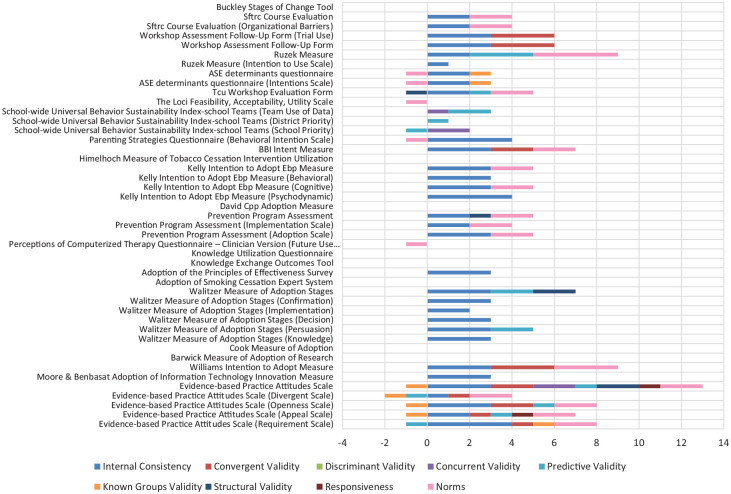
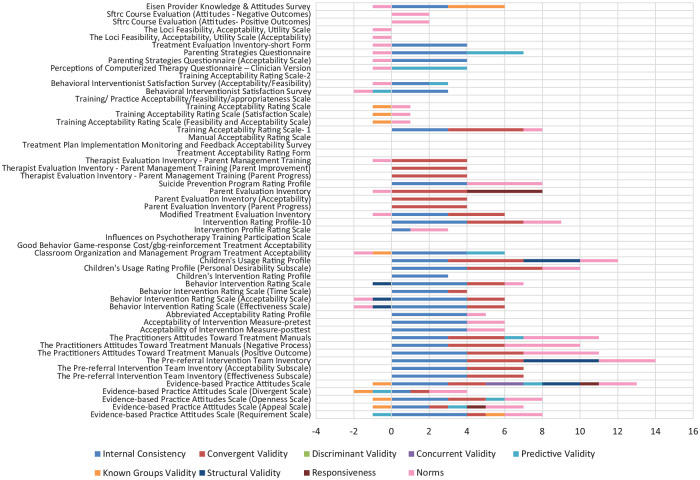
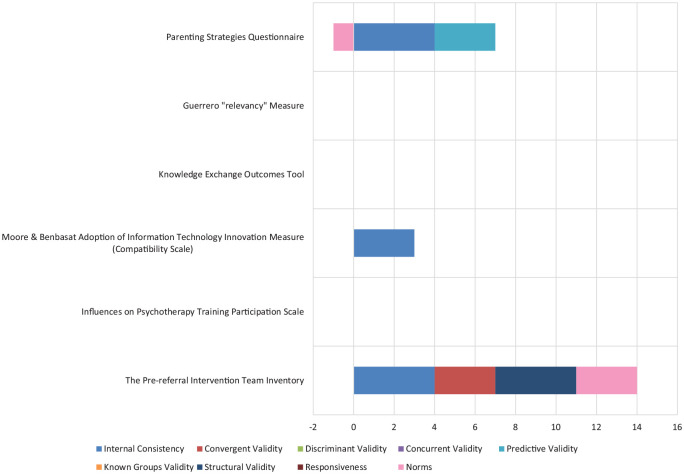
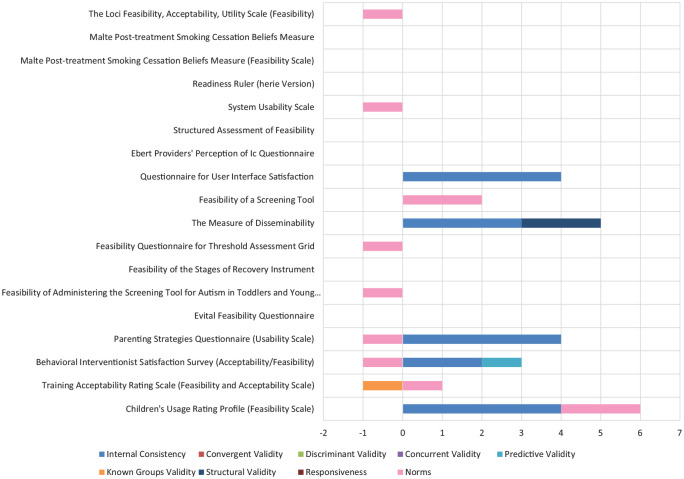
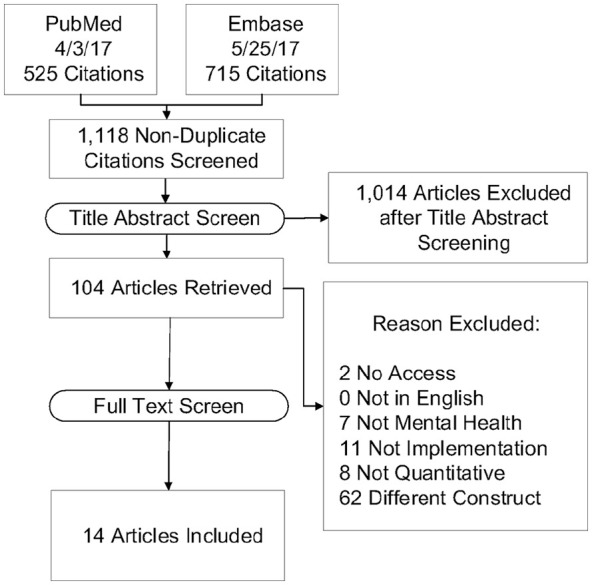
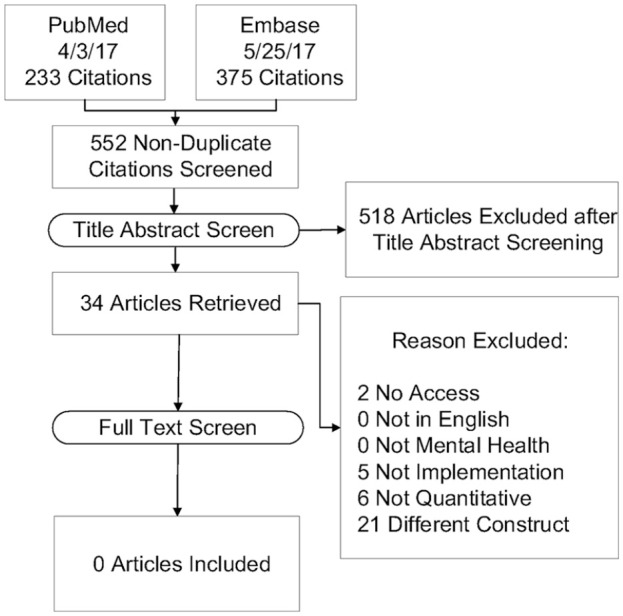
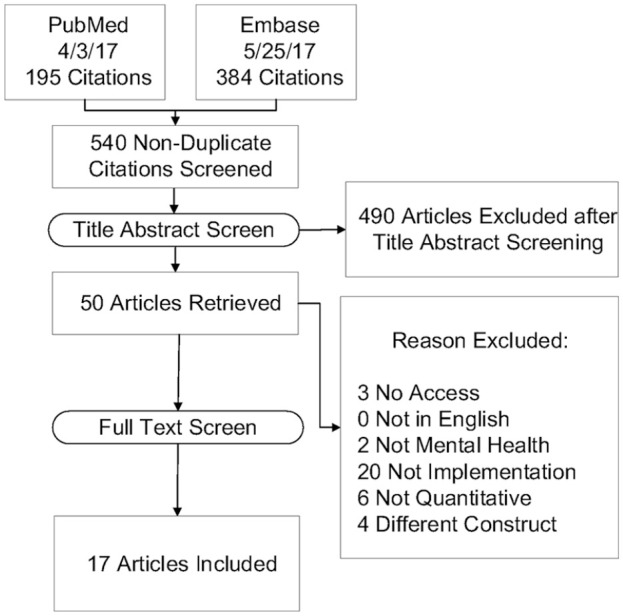
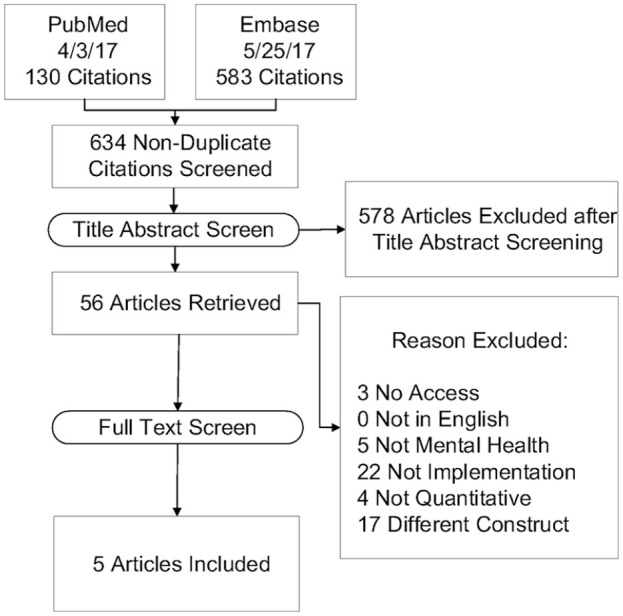
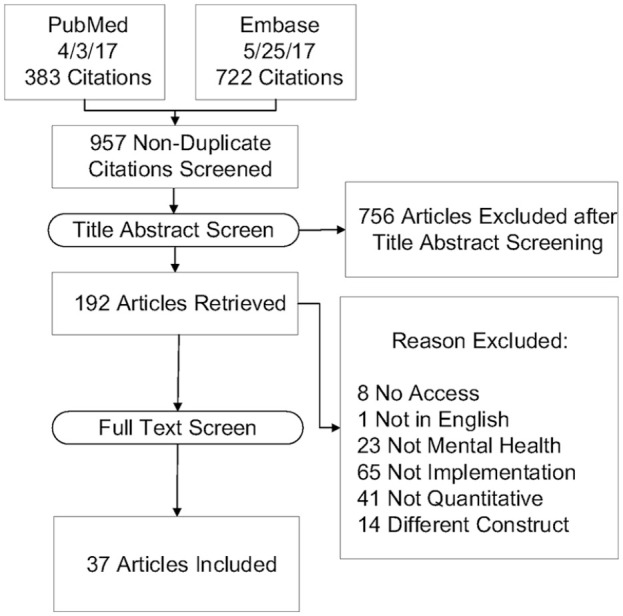
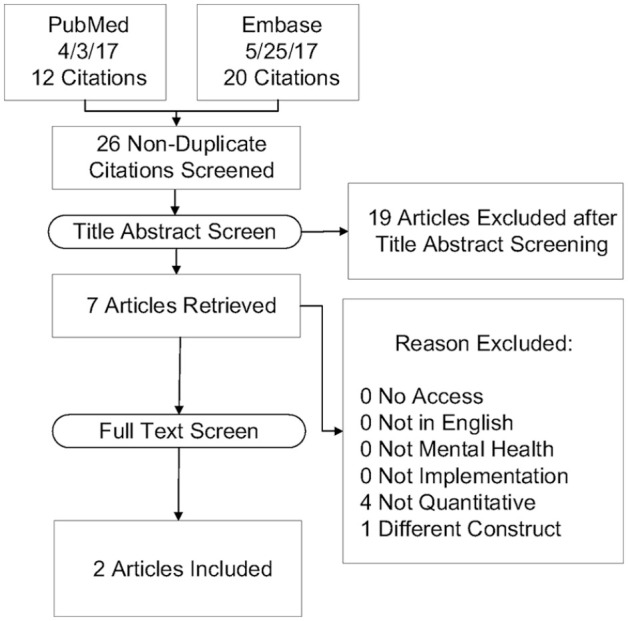
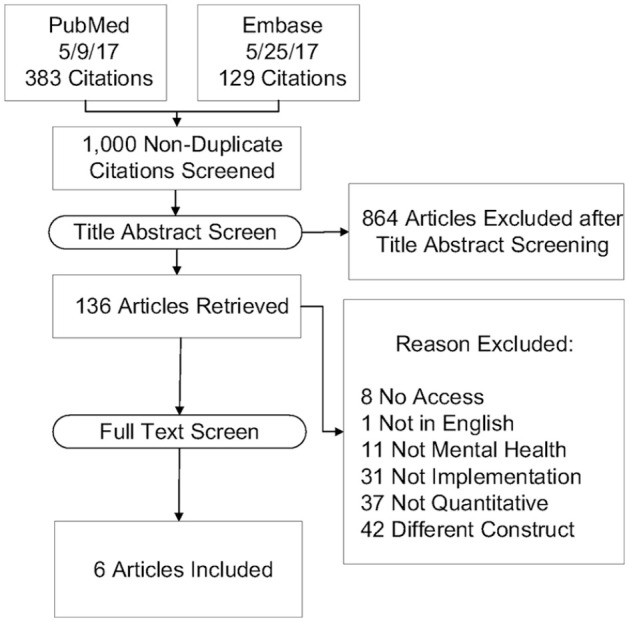
Background: Systematic reviews of measures can facilitate advances in implementation research and practice by locating reliable and valid measures and highlighting measurement gaps. Our team completed a systematic review of implementation outcome measures published in 2015 that indicated a severe measurement gap in the field. Now, we offer an update with this enhanced systematic review to identify and evaluate the psychometric properties of measures of eight implementation outcomes used in behavioral health care. Methods: The systematic review methodology is described in detail in a previously published protocol paper and summarized here. The review proceeded in three phases. Phase I, data collection, involved search string generation, title and abstract screening, full text review, construct assignment, and measure forward searches. Phase II, data extraction, involved coding psychometric information. Phase III, data analysis, involved two trained specialists independently rating each measure using PAPERS (Psychometric And Pragmatic Evidence Rating Scales). Results: Searches identified 150 outcomes measures of which 48 were deemed unsuitable for rating and thus excluded, leaving 102 measures for review. We identified measures of acceptability ( N = 32), adoption ( N = 26), appropriateness ( N = 6), cost ( N = 31), feasibility ( N = 18), fidelity ( N = 18), penetration ( N = 23), and sustainability ( N = 14). Information about internal consistency and norms were available for most measures (59%). Information about other psychometric properties was often not available. Ratings for internal consistency and norms ranged from “adequate” to “excellent.” Ratings for other psychometric properties ranged mostly from “poor” to “good.” Conclusion: While measures of implementation outcomes used in behavioral health care (including mental health, substance use, and other addictive behaviors) are unevenly distributed and exhibit mostly unknown psychometric quality, the data reported in this article show an overall improvement in availability of psychometric information. This review identified a few promising measures, but targeted efforts are needed to systematically develop and test measures that are useful for both research and practice. Plain language abstract: When implementing an evidence-based treatment into practice, it is important to assess several outcomes to gauge how effectively it is being implemented. Outcomes such as acceptability, feasibility, and appropriateness may offer insight into why providers do not adopt a new treatment. Similarly, outcomes such as fidelity and penetration may provide important context for why a new treatment did not achieve desired effects. It is important that methods to measure these outcomes are accurate and consistent. Without accurate and consistent measurement, high-quality evaluations cannot be conducted. This systematic review of published studies sought to identify questionnaires (referred to as measures) that ask staff at various levels (e.g., providers, supervisors) questions related to implementation outcomes, and to evaluate the quality of these measures. We identified 150 measures and rated the quality of their evidence with the goal of recommending the best measures for future use. Our findings suggest that a great deal of work is needed to generate evidence for existing measures or build new measures to achieve confidence in our implementation evaluations.
Overview
The claims and statistics of this paper haven’t been checked yet.
Free: it reads the open-access text and checks the first 5 claims that cite a source we can check. Create a free account to check every claim.
Integrity signals
Registry
Cites
Statistics
Figures
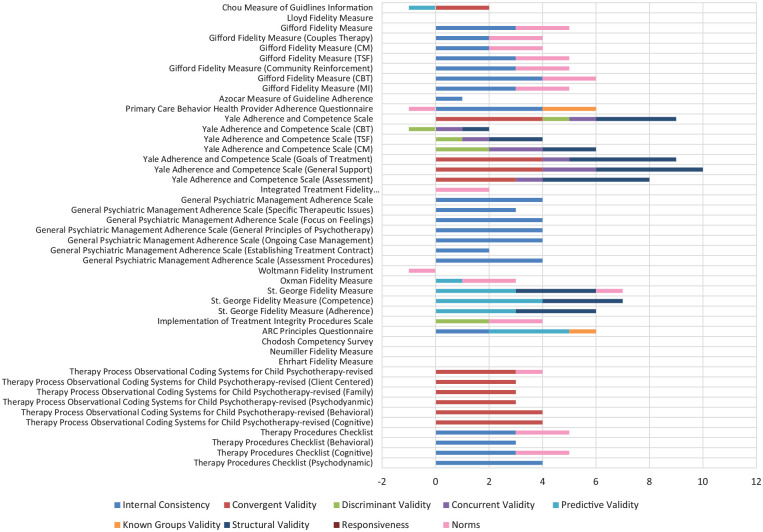
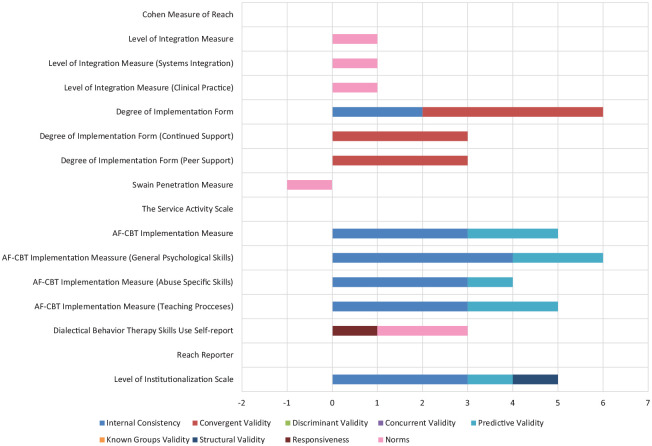
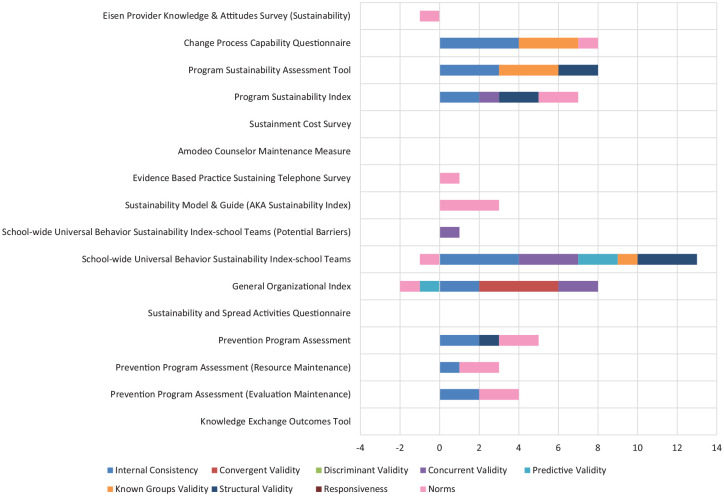
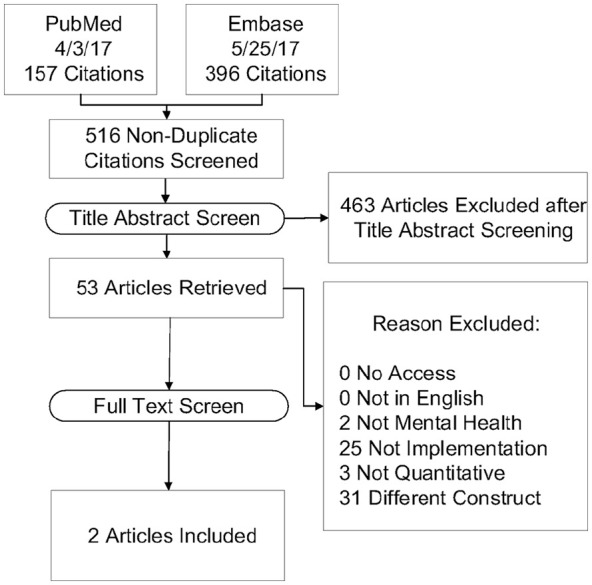
Verification
Claims the paper makes
The claims and statistics of this paper haven’t been checked yet.
Free: it reads the open-access text and checks the first 5 claims that cite a source we can check. Create a free account to check every claim.
Claims other papers make about this one
Each is checked against this paper’s own text: does it say what the citing paper says it does?
The cited source says what the claim attributes to it.
In the citing paper
“We now have systematic reviews of implementation outcomes [15] and their measurement properties in behavioral health [16], public policy [17], stroke care [7], and physical healthcare [18].”
From Ten years of implementation outcomes research: a scoping review (2023) · cites this paper as [15]
The cited source says what the claim attributes to it.
In the citing paper
“Moreover, Mettert and colleagues reported that acceptability had the greatest number of measurement options [15].”
From Ten years of implementation outcomes research: a scoping review (2023) · cites this paper as [15]
Self-check
Percentages, sums and reported differences re-computed from the paper’s own numbers.
The self-check needs the paper’s full text.
Citations
Cites
Damschroder, L. J., Aron, D. C., Keith, R. E., Kirsh, S. R., Alexander, J. A., & Lowery, J. C. (2009) · Implementation Science · doi:10.1186/1748-5908-4-50 · Cited by 14,496 · cited 1×
“This systematic review is part of a larger project to identify measures of all implementation constructs associated with the Consolidated Framework for Implementation Research Constructs (CFIR) (Damschroder et al., 2009), which are included in this special section.”
BackgroundMoore, G. C., & Benbasat, I. (1991) · Information Systems Research · doi:10.1287/isre.2.3.192 · Cited by 9,150 · cited 1×
“Six measures of appropriateness were identified, of which one was a scale within a broader measure (i.e., Moore & Benbasat Adoption of IT Innovation Measure— Compatibility scale) (Moore & Benbasat, 1991).”
BackgroundProctor, E., Silmere, H., Raghavan, R., Hovmand, P., Aarons, G., Bunger, A., Griffey, R., & Hensley, M. (2011) · Administration and Policy in Mental Health and Mental Health Services Research · doi:10.1007/s10488-010-0319-7 · Cited by 8,721 · cited 3×
“Trained research specialists (C.D., K.M.) mapped measures and/or their scales to one or more of the eight aforementioned implementation outcomes (Proctor et al., 2011).”
BackgroundMethodMotivational interviewing: preparing people for change.
Miller, W. R., & Rollnick, S. (2002) · Guilford Press eBooks · Cited by 7,896
Evaluating the public health impact of health promotion interventions: the RE-AIM framework.
Glasgow, R. E., Vogt, T. M., & Boles, S. M. (1999) · American Journal of Public Health · doi:10.2105/ajph.89.9.1322 · Cited by 7,217 · cited 1×
“While many other implementation frameworks exist (Glasgow et al., 1999), the outcomes framework developed by Proctor and colleagues provides clear differentiation of implementation outcomes from clinical and services outcomes and offers a harmonized focus for the field.”
BackgroundAdvancing a Conceptual Model of Evidence-Based Practice Implementation in Public Service Sectors
Aarons, G. A., Hurlburt, M., & Horwitz, S. M. (2011) · Administration and Policy in Mental Health and Mental Health Services Research · doi:10.1007/s10488-010-0327-7 · Cited by 3,240 · cited 2×
“(1) country of origin, (2) concept defined by authors, (3) number of articles contained in each measure packet, (4) number of scales, (5) number of items, (6) setting in which measure had been used, (7) level of analysis, (8) target problem, and (9) stage of implementation as defined by the Exploration, Adoption/Prepa…”
BackgroundMethodProctor, E. K., Landsverk, J., Aarons, G., Chambers, D., Glisson, C., & Mittman, B. (2009) · Administration and Policy in Mental Health and Mental Health Services Research · doi:10.1007/s10488-008-0197-4 · Cited by 1,894 · cited 1×
“Proctor and colleagues’ seminal work (Proctor et al., 2009, 2011) articulated at least eight implementation outcomes for the field: (1) acceptability, (2) adoption, (3) appropriateness, (4) cost, (5) feasibility, (6) fidelity, (7) penetration, and (8) sustainability (Table 1) (Lewis et al., 2015).”
Development of an instrument measuring user satisfaction of the human-computer interface
Chin, J. P., Diehl, V. A., & Norman, L. K. (1988) · Proceedings of the SIGCHI conference on Human factors in computing systems - CHI '88 · doi:10.1145/57167.57203 · Cited by 1,609
Journal of General Internal Medicine
(2013) · Journal of General Internal Medicine · doi:10.1007/11606.1525-1497 · Cited by 1,283
Aarons, G. A. (2004) · Mental Health Services Research · doi:10.1023/b:mhsr.0000024351.12294.65 · Cited by 1,272
Research works printed but not linked: 5
- 31. Easton J. E. (2009). Teacher acceptability of treatment plan implementation monitoring and feedback methods [Unpublished master’s thesis]. North Carolina State University, Raleigh, NC.
- 38. Forchuk C. Hartford K. Blomqvist A. Martin M. Chan L. Donner A. (2002). Therapeutic relationships: From hospital to community: First year results. Ottawa Report to the Canadian Health Services Research Foundation. Lawson Health Research Institute, London, ON.
- 68. Maher L. Gustafson D. Evans A. (2007). Sustainability and model guide. NHS Institute for Innovation and Improvement.
- 78. Milne D. Noone S. (1996). Teaching and training for non-teachers. The British Psychological Society.
- 104. Trent L. R. (2010). Development of a measure of disseminability (MOD). University of Mississippi.
Cited by
Ten years of implementation outcomes research: a scoping review
Proctor, E. K., Bunger, A. C., Lengnick-Hall, R., Gerke, D. R., Martin, J. K., Phillips, R. J., & Swanson, J. C. (2023) · Implementation Science · doi:10.1186/s13012-023-01286-z · Cited by 424
Moullin, J. C., Sklar, M., Ehrhart, M. G., Green, A., & Aarons, G. A. (2021) · Implementation Science · doi:10.1186/s13012-021-01152-w · Cited by 82
Hall, A., Shoesmith, A., Doherty, E., McEvoy, B., Mettert, K., Lewis, C. C., Wolfenden, L., Yoong, S., Kingsland, M., Shelton, R. C., et al. (2022) · Implementation Science · doi:10.1186/s13012-022-01252-1 · Cited by 81
“Consequently, many existing measures have only been used once [18], illustrating limited standardisation in measurement.”
BackgroundMethodSelf-citationImplementation of Parenting Programs in Real-World Community Settings: A Scoping Review
Pinto, R., Canário, C., Leijten, P. H. O., López, M. J. R., & Cruz, O. (2023) · Clinical Child and Family Psychology Review · doi:10.1007/s10567-023-00465-0 · Cited by 61
“Furthermore, the framework by Proctor et al. (2011), despite being published a decade ago, continues to be frequently used in the literature (e.g., Khadjesari et al., 2020; Mettert et al., 2020; Xu et al., 2023).”
Psychometric Testing of the German Versions of Three Implementation Outcome Measures
Kien, C., Griebler, U., Schultes, M.-T., Thaler, K. J., & Stamm, T. (2021) · Global Implementation Research and Applications · doi:10.1007/s43477-021-00019-y · Cited by 56
Mielke, J., Geest, S. D., Zúñiga, F., Brunkert, T., Zullig, L. L., Pfadenhauer, L. M., & Staudacher, S. (2022) · Frontiers in Health Services · doi:10.3389/frhs.2022.953731 · Cited by 56
Freire, M. L., Noronha, B. P., Cota, G., & Silva, S. N. (2025) · BMC Health Services Research · doi:10.1186/s12913-025-13117-6 · Cited by 53
“Recent systematic reviews of the described health policy implementation outcomes have shown that acceptability is the most commonly assessed outcome [68, 69] Despite this, only 13.3% of the studies reviewed included'acceptability.”
InfluentialMielke, J., Brunkert, T., Zúñiga, F., Simon, M., Zullig, L. L., & Geest, S. D. (2022) · BMC Medical Research Methodology · doi:10.1186/s12874-022-01772-w · Cited by 57
“Within a postpositivist paradigm, researchers tend to focus on single factors (commonly referred to as facilitators and barriers) to the exclusion of those occupying multiple levels and dimensions [18, 20, 21].”
BackgroundChapman, A., Rankin, N. M., Jongebloed, H., Yoong, S. L., White, V., Livingston, P. M., Hutchinson, A. M., & Ugalde, A. (2023) · Systematic Reviews · doi:10.1186/s13643-023-02285-3 · Cited by 36
“For instance, in a systematic review of implementation outcome instruments, only six out of the 150 identified instruments were related to appropriateness, the majority of which had missing psychometric information [32].”
BackgroundMeasuring Parental School Involvement: A Systematic Review
Mocho, H., Martins, C. S., Santos, R., Ratinho, E., & Nunes, C. (2025) · European Journal of Investigation in Health Psychology and Education · doi:10.3390/ejihpe15060096 · Cited by 40
Pilar, M. R., Jost, E., Walsh‐Bailey, C., Powell, B. J., Mazzucca, S., Eyler, A. A., Purtle, J., Allen, P. M., & Brownson, R. C. (2022) · Implementation Research and Practice · doi:10.1177/26334895221141116 · Cited by 30
Cho, E., Lyon, A. R., Tugendrajch, S. K., Marriott, B. R., & Hawley, K. M. (2022) · Implementation Research and Practice · doi:10.1177/26334895221086269 · Cited by 26
“Thus, psychometric evaluation of existing training implementation outcome measures is needed to guide ongoing measure development (Mettert et al., 2020).”
BackgroundMethodResultInfluentialFehlberg, Z., Stark, Z., Klaic, M., & Best, S. (2024) · Implementation Science Communications · doi:10.1186/s43058-024-00675-9 · Cited by 22
Hall, A., Shoesmith, A., Shelton, R. C., Lane, C., Wolfenden, L., & Nathan, N. (2021) · International Journal of Environmental Research and Public Health · doi:10.3390/ijerph182111414 · Cited by 20
“While there has been an increase in the number of theoretically informed and psychometrically evaluated measures of determinants of sustainment [23,24], few have been designed and evaluated for use specifically in the school environment.”
BackgroundVivas-Fernandez, M., Garcia-Lopez, L.-J., Piqueras, J. A., Muela-Martinez, J.-A., Canals-Sans, J., Espinosa-Fernandez, L., Jimenez-Vazquez, D., Diaz-Castela, M. D. M., Morales-Hidalgo, P., Rivera, M., et al. (2023) · Child and Adolescent Psychiatry and Mental Health · doi:10.1186/s13034-023-00616-9 · Cited by 20
Precision Implementation: An Approach to Mechanism Testing in Implementation Research
Frank, H. E., Kemp, J. J., Benito, K., & Freeman, J. B. (2022) · Administration and Policy in Mental Health and Mental Health Services Research · doi:10.1007/s10488-022-01218-x · Cited by 21
“Third, given the limitations to measurement within implementation science (Mettert et al., 2020; Powell et al., 2021), initially assessing specific, linear mechanisms will rely on fewer measures and a better understanding of dose.”
BackgroundScholten, S., Schemer, L., Herzog, P., Haas, J. W., Heider, J., Winter, D., Reis, D., & Glombiewski, J. A. (2024) · Administration and Policy in Mental Health and Mental Health Services Research · doi:10.1007/s10488-024-01363-5 · Cited by 21
“Given the general lack of unified implementation measures with mostly unknown psychometric quality, questionnaires to assess perceptual outcomes were selected based on a recent systematic review evaluating the psychometric properties of implementation measures (Mettert et al., 2020).”
Perceived communication effectiveness in implementation strategies: a measurement scale
Zhao, X., Toronjo, H., Shaw, C. C., Murphy, A., & Taxman, F. S. (2022) · Implementation Science Communications · doi:10.1186/s43058-022-00284-4 · Cited by 20
“Several comprehensive reviews of measurement instruments in the implementation literature note that many existing measures lack conceptual grounding and systematic testing [8, 9].”
BackgroundMethodPatel, Z. S., Becker, S. J., Olson, M. B., Rinella, H., & Scott, K. (2024) · Implementation Science Communications · doi:10.1186/s43058-024-00549-0 · Cited by 18
“Psychometric testing has received the most attention in the implementation science literature [20, 26].”
BackgroundBhawra, J., & Skinner, K. A. (2020) · Evaluation and Program Planning · doi:10.1016/j.evalprogplan.2020.101875 · Cited by 17
Beyond Effectiveness: Implementation Science 101 for Clinicians and Clinical Researchers
Ramly, E., & Brown, H. W. (2023) · Urogynecology · doi:10.1097/spv.0000000000001322 · Cited by 17
Bernhardsson, S., Boman, C., Lundqvist, S., Arvidsson, D., Börjesson, M., Larsson, M. E. H., Lundh, H., Melin, K., Nilsén, P., & Lauruschkus, K. (2022) · Pilot and Feasibility Studies · doi:10.1186/s40814-022-01075-3 · Cited by 20
“There is an abundance of measures to choose from when assessing implementation outcomes, with a varying range of psychometric quality [74].”
BackgroundRoadmap for implementing a multi-tiered system of supports framework to improve school attendance.
Graczyk, P. A., & Kearney, C. A. (2024) · Current Psychology · doi:10.1007/s12144-023-05478-0 · Cited by 14
“In addition, Mettert and colleagues (Mettert et al., 2020) utilized the taxonomy in their review of implementation outcome measures in behavioral health that included school-related measures.”
Enabulele, A. B. O., Oyebamiji, I., Ikubanni, O., Okwah, M. N., Babalola, W. S., Azeez, O. M., & Olaniyi, A. O. (2025) · Cureus · doi:10.7759/cureus.100513 · Cited by 16
“Technology-assisted and tele-rehabilitation models: Technology-assisted motor-rehabilitation approaches, including virtual reality systems, motion-based gaming, and robotic-assisted training, offer opportunities for high-repetition practice with immediate feedback and increased engagement [19].”
Gore, C., Lisy, K., O’Callaghan, C. C., Wood, C. S., Emery, J. D., Martin, A. J., Lourenço, R. D. A., Schofield, P. E., & Jefford, M. (2023) · Psycho-Oncology · doi:10.1002/pon.6265 · Cited by 14
Gedde, M. H., Husebo, B. S., Mannseth, J., Naik, M., Selbæk, G., Vislapuu, M., & Berge, L. I. (2022) · BMC Medicine · doi:10.1186/s12916-022-02382-5 · Cited by 14
“In the above example, the intention, initial decision, and commitment to attend the learning activity represent barriers [15, 52].”
BackgroundRose, A. L., Belus, J. M., Hines, A. C., Barrie, I., Regenauer, K. S., Andersen, L. S., Joska, J. A., Ciya, N., Ndamase, S., MYERS, B. J., et al. (2022) · Cambridge Prisms Global Mental Health · doi:10.1017/gmh.2022.47 · Cited by 15
“In general, better psychometric data is needed on quantitative implementation outcomes measures (Mettert et al., 2020).”
BackgroundPiché, A., Mina, D. S., Lambert, S., & Doré, I. (2023) · Frontiers in Oncology · doi:10.3389/fonc.2023.1271812 · Cited by 13
“…(34, 36); ii) acceptability, the extent to which the intervention is considered appropriate, satisfactory, or attractive by program recipients (34, 36, 37) including bene fi ts on patient health-related outcomes; and iii) fi delity, the extent to which the intervention was implemented as planned…”
BackgroundInfluentialBatterham, P. J., Allenhof, C., Pashoja, A. C., Etzelmueller, A., Fanaj, N., Finch, T. L., Freund, J., Hanssen, D. J. C., Mathiasen, K., Piera-Jiménez, J., et al. (2024) · Implementation Research and Practice · doi:10.1177/26334895241245448 · Cited by 15
“Generally, validated theory-based instruments to objectively and reliably monitor implementation processes and assess outcomes are lacking (Lewis et al., 2015a, 2015b; Mettert et al., 2020; Proctor et al., 2011; Weiner et al., 2020a, 2020b).”
Shoesmith, A., Hall, A. E., Wolfenden, L., Shelton, R. C., Yoong, S. L., Crane, M. A., Lane, C., McCarthy, N., Lecathelinais, C., & Nathan, N. (2022) · BMC Public Health · doi:10.1186/s12889-022-13732-6 · Cited by 13
“This may enable a more comprehensive understanding of what specific determinants need to be addressed to support the sustainment of school-based health interventions [19, 46, 47].”
BackgroundAdaptation in Dissemination and Implementation Science
Baumann, A. A., Stirman, S. W., & Cabassa, L. J. (2023) · Oxford University Press eBooks · doi:10.1093/oso/9780197660690.003.0008 · Cited by 14
The role of stigma in impeding implementation of harm reduction services in San Francisco
Akiba, C. F., Megerian, C. E., Chung, E. O., Morris, T., Wenger, L. D., Suen, L. W., Lambdin, B. H., & Kral, A. H. (2025) · SSM - Qualitative Research in Health · doi:10.1016/j.ssmqr.2025.100593 · Cited by 13
“Implementation outcomes of the degree to which an evidence-based intervention is successfully implemented (Mettert et al., 2020; Proctor et al., 2009).”
Understanding How Newly Implemented Rehabilitation Best Practices Are Sustained: A Realist Review
Ataman, R., Ahmed, S., Zidan, A., & Thomas, A. (2022) · Archives of Physical Medicine and Rehabilitation · doi:10.1016/j.apmr.2022.05.016 · Cited by 12
Implementation Science Opportunities in Cardiovascular Medicine
Galaviz, K. I., & Barnes, G. D. (2021) · Circulation Cardiovascular Quality and Outcomes · doi:10.1161/circoutcomes.121.008109 · Cited by 13
Ceccarelli, C., Prina, E., Alkasaby, M. A., Cadorin, C., Gandhi, Y., Cristofalo, D., Jamei, Y. A., Muneghina, O., Barbui, C., Jordans, M. J. D., et al. (2023) · Clinical Psychology Review · doi:10.1016/j.cpr.2023.102371 · Cited by 12
Meroño, L., Calderón, A., & Estero, J. L. A. (2023) · European Journal of Teacher Education · doi:10.1080/02619768.2023.2296354 · Cited by 13
“The structural equation modelling as a representative measure of the psychometric analysis allows the exploration and confirmation of the dimensions that make operative the construct to assess (Mettert et al. 2020).”
McMahon, J., McInnes, E., Wan, C. S., Straiton, N., Lam, L., Rodgers, J. K., Dickson, J., & Fulbrook, P. (2025) · Journal of Advanced Nursing · doi:10.1111/jan.17090 · Cited by 13
Patena, J. V., Adenikinju, D., Lanka, P., Hameed, T., Kulkarni, S., OSEI-TUTU, N. H., Zuniga, S., Ruan, C., Shenoy, S., Thakkar, D., et al. (2025) · Cambridge Prisms Global Mental Health · doi:10.1017/gmh.2025.10025 · Cited by 12
McLoughlin, G. M., Walsh‐Bailey, C., Singleton, C. R., & Turner, L. R. (2022) · Frontiers in Public Health · doi:10.3389/fpubh.2022.984130 · Cited by 13
Hochrath, S., Dhollander, N., Deliëns, L., Schots, R., Daenen, F., Kerre, T. C. C., Beernaert, K., & Pardon, K. (2024) · Journal of Pain and Symptom Management · doi:10.1016/j.jpainsymman.2024.08.025 · Cited by 10
Crawshaw, J., Callum, J. L., CHARGÉ, S. B. P., Lorencatto, F., Presseau, J., Raza, S., Relke, N., Wolfe, A., & Stanworth, S. J. (2025) · Transfusion · doi:10.1111/trf.18234 · Cited by 12
“69,70 Additionally, where possible, it is advised to utilize existing routinely collected data sources/indicators (potentially identified during environmental scanning) or ensure that process and outcome data are added where possible to enable evaluation of uptake and variation in care.”
Rommerskirch‐Manietta, M., Manietta, C., Purwins, D., Braunwarth, J. I., Quasdorf, T., & Roes, M. (2023) · Implementation Science Communications · doi:10.1186/s43058-023-00486-4 · Cited by 10
Petersen, A. B., Ogunrinu, T., Wallace, S., Yun, J., Belliard, J. C., & Singh, P. N. (2021) · Journal of Community Health · doi:10.1007/s10900-021-01042-8 · Cited by 11
“Increasingly, there has been a call for the inclusion of implementation strategies to inform the uptake and impact of evidence-based smoking cessation programs [19, 39].”
BackgroundCho, E., Tugendrajch, S. K., McMillen, J. C., Proctor, E. K., & Hawley, K. M. (2022) · Administration and Policy in Mental Health and Mental Health Services Research · doi:10.1007/s10488-022-01197-z · Cited by 11
Larson, M. F., & Cook, C. R. (2023) · Issues in clinical child psychology · doi:10.1007/978-3-031-20006-9_28 · Cited by 10
Adsul, P., Pergolotti, M., & Schmitz, K. H. (2025) · American Society of Clinical Oncology Educational Book · doi:10.1200/edbk-25-472854 · Cited by 8
Konlan, K. D., Ibrahim, Z. A., Lee, J., & Lee, H. (2025) · Digital Health · doi:10.1177/20552076251330194 · Cited by 8
“4,10,11 This is critical for the quality evaluation of research to determine usability and scalability.”
InfluentialSiller, M., Morgan, L., Fuhrmeister, S., Wedderburn, Q., Schirmer, B., Chatson, E., & Gillespie, S. E. (2023) · Autism · doi:10.1177/13623613231179289 · Cited by 10
“…that should be prioritized during early stages of the implementation process— acceptability, adoption, appropriateness, feasibility, and fidelity (Mettert et al., 2020; Proctor et al., 2011), which informed the five specific aims of the current study: (a) to evaluate the feasibility of…”
BackgroundVivas-Fernández, M., López, L. J. G., Piqueras, J. A., Muela-Martínez, J. A., Canals, J., Fernández, L. E., Jiménez-Vázquez, D., Díaz-Castela, M. D. M., Morales‐Hidalgo, P., Rivera, M., et al. (2023) · Child and Adolescent Psychiatry and Mental Health · doi:10.1186/s13034-022-00550-2 · Cited by 8
RetractedAn introduction to implementation science in rehabilitation medicine
Roseen, E. J., Welch, S. A., Stout, N. L., Bean, J. F., Friedly, J. L., & Mittman, B. S. (2025) · PM&R · doi:10.1002/pmrj.70040 · Cited by 7
Implementation of suicide bereavement support: a scoping review
Nicholls, T., Krysinska, K. E., Reifels, L., Kartal, D., & Andriessen, K. (2024) · Frontiers in Public Health · doi:10.3389/fpubh.2024.1474641 · Cited by 8
Hall, A. E., Wolfenden, L., Gardner, C., McEvoy, B., Lane, C., Shelton, R. C., McFadyen, T., Lee, D. C. W., Shoesmith, A., Austin, K., et al. (2023) · Public Health in Practice · doi:10.1016/j.puhip.2023.100444 · Cited by 8
“Encouragingly, recent reviews of implementation and sustainability measures [35 – 38] suggest an increase in work being conducted in this area; although the psychometric properties of available measures may still require refinement [35,37, 38].”
BackgroundKopelovich, S. L., Buck, B., Tauscher, J. S., Lyon, A. R., & Ben‐Zeev, D. (2024) · Journal of Technology in Behavioral Science · doi:10.1007/s41347-024-00385-y · Cited by 7
“Accurate and reliable methods of measuring fidelity are critically important (Akiba et al., 2022; Mettert et al., 2020).”
MethodZhao, J., Chen, W., Bai, W., Zhang, X., Hui, R., Chen, S., Fontaine, G., Wei, X., Zhang, N., & Graham, I. D. (2025) · Systematic Reviews · doi:10.1186/s13643-025-02786-3 · Cited by 7
“…contrast, some areas, like the investigation of implementation mechanisms [33, 34], the development of measurement instruments for implementation outcomes [35, 36], the alignment of implementation science with health equity [37] and clinical quality improvement [38], lack comprehensive exploration.”
Psykososiaalisen intervention adaptointi - kuvaus keskeisistä näkökulmista ja käsitteistä
Seilo, N., Lindholm, L., Tani, S., Laajasalo, T., Lämsä, R., Cresswell‐Smith, J., Kouvonen, P., & Mantere, O. (2024) · Kasvun tuki -aikakauslehti · doi:10.61259/kt.144999 · Cited by 7
Gharzai, L. A., Bromfield, J. A., Kwan, M., Larson, A., Kingsbury, J. A., Akthar, A. S., Agarwal, G., Vermylen, J. H., Becker, S. J., Scott, K., et al. (2025) · Otolaryngology · doi:10.1002/ohn.1268 · Cited by 7
Rohde, P., Bearman, S. K., Pauling, S., Gau, J. M., Shaw, H. E., & Stice, E. M. (2023) · Administration and Policy in Mental Health and Mental Health Services Research · doi:10.1007/s10488-023-01288-5 · Cited by 6
Sustainability of an outcome measure in outpatient stroke rehabilitation: A realist evaluation
Ataman, R., Ahmed, S., Berta, W. B., & Thomas, A. (2024) · Journal of Evaluation in Clinical Practice · doi:10.1111/jep.13972 · Cited by 6
van Houten, M. E., Vloet, L. C. M., Rikkert, M. G. M. O., Bon, B. V. D. K.-V., de Rooij, A., Verhoeven, M., Bil, W. M. E., Lucke, J. A., Schoon, Y., & Berben, S. A. A. (2024) · BMC Emergency Medicine · doi:10.1186/s12873-024-00971-6 · Cited by 6
“[17].”
McNett, M., Tucker, S., Juckett, L., & Bunger, A. C. (2024) · Global Implementation Research and Applications · doi:10.1007/s43477-024-00122-w · Cited by 9
“Tool development for the IOST was guided by existing published resources that included using standard nomenclature in the implementation science literature (Khadjesari et al., 2020; Mettert et al., 2020 ).”
Austin, J. D., Rutten, L. J. F., Fischer, K. J., Ridgeway, J. L., Minteer, S. A., Griffin, J. M., Pachman, D. R., Ruddy, K. J., & Cheville, A. L. (2024) · JCO Oncology Practice · doi:10.1200/op.24.00280 · Cited by 6
“Challenges in the measurement and performance of implementation outcome measures are well described 30-32 and could make it dif fi cult to detect effects.”
Feasibility of oral HIV self-testing in female sex workers in Gaborone, Botswana
Shava, E., Bogart, L. M., Manyake, K., Mdluli, C., Maribe, K., Monnapula, N., Nkomo, B., Mosepele, M., Moyo, S., Mmalane, M., et al. (2021) · PLOS ONE · doi:10.1371/journal.pone.0259508 · Cited by 6
“Feasibility was defined as uptake of the intervention (described in detail in “Outcomes” section below) [40, 41].”
MethodConway, F. N., Kane, H., Bingaman, A., Kennedy, P., Tang, E., Patel, S. V., & Cance, J. D. (2024) · Substance Use & Addiction Journal · doi:10.1177/29767342241263675 · Cited by 5
“41 We adapted the language to solicit feedback specifically about user experience with the app.”
de Vicente, M. V., Serra, V. Q., Torelló, J. L. O., & Fernández, J. A. A. (2023) · Child & Family Social Work · doi:10.1111/cfs.13098 · Cited by 6
Kemp, A. M., & O’Brien, K. H. (2025) · American Journal of Speech-Language Pathology · doi:10.1044/2024_ajslp-24-00100 · Cited by 5
Ekhammar, A., Larsson, M. E. H., Samsson, K. S., & Bernhardsson, S. (2024) · BMC Health Services Research · doi:10.1186/s12913-024-11758-7 · Cited by 5
“Moreover, insufficient reliability, validity, or practicality of existing measures makes it unclear whether to recommend further use of them and highlights the need for developing high-quality practical measures [53, 54].”
Wesolowicz, D. M., Becker, W. C., Alegria, M. M., Chin-Purcell, L., Glass, J. E., Knudsen, H. K., Dow, P. M., Seal, K. H., & McGinty, E. B. (2025) · Journal of General Internal Medicine · doi:10.1007/s11606-025-09551-1 · Cited by 5
Nicolaidis, C., Raymaker, D., Baker-Ericzén, M. J., Rosa, S. D. R., Edwards, T. C., Frowner, E., Horner‐Johnson, W., Joyce, A., Kapp, S. K., Kripke, C. C., et al. (2026) · medRxiv · doi:10.64898/2026.03.23.26349108 · Cited by 5
Touhami, D., Ryan, R., Engeda, E. H., Arienti, C., Atkinson-Graham, M., Bakaa, N., Battel, I., Capodaglio, P., Cordani, C., Côté, P., et al. (2026) · Cochrane Database of Systematic Reviews · doi:10.1002/14651858.cd016324 · Cited by 6
Vernmark, K., Geranmayeh, A., Topooco, N., Andersson, G., & Shahnavaz, S. (2026) · JMIR Human Factors · doi:10.2196/75263 · Cited by 4
Shoesmith, A., Nathan, N., Lum, M., Yoong, S., Nolan, E., Wolfenden, L., Shelton, R. C., Cooper, B. R., Lane, C., Grady, A., et al. (2024) · Implementation Science · doi:10.1186/s13012-024-01372-w · Cited by 4
“This was informed by other response scales of similar measures [47, 48] and recommendations of content experts in psychometric scale development.”
BackgroundMethodSubramanian, S., Kobrin, S. C., Hoover, S., Tan, S., Brenner, A. T., Campbell, J. E., Hatcher, J., Huang, B., Jones, M., Kenzie, E. S., et al. (2024) · BMC Health Services Research · doi:10.1186/s12913-024-11542-7 · Cited by 4
“There is a growing number of quantitative measures that can be used to collect implementation outcomes, but our approach was consistent with many in the field who have highlighted the importance of qualitative approaches [17–19].”
Pharmacists’ acceptability of provision of sexually transmitted infection services: a scoping review
Bergin, K. M., Black, E., Murphy, A. L., Kelly, D. V., & Wilby, K. J. (2025) · International Journal of Pharmacy Practice · doi:10.1093/ijpp/riaf039 · Cited by 4
Implementation stages in practice: A review of behavioral health innovation within hospitals
Domlyn, A. M. (2021) · Health Services Management Research · doi:10.1177/09514848211010271 · Cited by 6
Measurement Issues in Dissemination and Implementation Research
Lewis, C. C., Mettert, K. D., Proctor, E. K., & Brownson, R. C. (2023) · Oxford University Press eBooks · doi:10.1093/oso/9780197660690.003.0015 · Cited by 6
Self-citationDodds, E., Redsell, S. A., Timmons, S., & Manning, J. C. (2024) · Implementation Science · doi:10.1186/s13012-024-01378-4 · Cited by 6
“After identifying two published systematic reviews (SRs) that evaluated implementation outcome measurement instruments used in healthcare settings [12, 13], the decision was made to undertake a SR of SRs to enable a single synthesis of all available and relevant evidence.”
BackgroundMethodInfluentialTabin, M., Diacquenod, C., & Petitpierre, G. (2021) · Research in Developmental Disabilities · doi:10.1016/j.ridd.2021.104111 · Cited by 4
Blackburn, N. A., Joniak-Grant, E., Nocera, M., Dorris, S. W., Dasgupta, N., Chelminski, P. R., Carey, T. S., Wu, L.-T. T., Edwards, D. A., Marshall, S. W., et al. (2021) · BMC Health Services Research · doi:10.1186/s12913-021-07230-5 · Cited by 4
“Measures of acceptability, a key implementation outcome defined as the “perception among implementation stakeholders that a given treatment, service, practice, or innovation is agreeable, palatable, or satisfactory” [30], have been widely tested in the behavioral health and substance use health services literature [31…”
BackgroundParchman, M. L., Perloff, J. N., & Ritter, G. A. (2022) · Implementation Science · doi:10.1186/s13012-022-01237-0 · Cited by 5
“Current approaches to evaluating implementation outcomes are still nascent, with few measures that have validated psychometric properties [30, 31].”
BackgroundScale-up and Sustainment of Effective Interventions
Wolfenden, L., Sutherland, R., Shelton, R. C., Yoong, S. L., & Nathan, N. (2023) · Oxford University Press eBooks · doi:10.1093/oso/9780197660690.003.0029 · Cited by 4
trauma-Informed PRACTICES in SCHOOLS: DISTRICT LEVEL CHANGE EFFORTS and IMPLEMENTATION OUTCOMES
Hales, T. W., Koury, S. P., Green, S. A., & Way, I. F. (2025) · Journal of Evidence-Based Social Work · doi:10.1080/26408066.2025.2547221 · Cited by 3
Gonzalez, S. T., Horigian, V. E., Cheng, H. L., Hagedorn, H., Shmueli‐Blumberg, D., Campbell, C. I., Lin, C., Rogers, E., Baloh, J., Hilton, R. A., et al. (2025) · Journal of Substance Use and Addiction Treatment · doi:10.1016/j.josat.2025.209811 · Cited by 3
Integrating Decision Science and Implementation Science to Inform Policy Decision Making
Smith, N., Doan, T. T., Yuan, C. T., & Cruden, G. (2025) · MDM Policy & Practice · doi:10.1177/23814683251386876 · Cited by 4
Rödlund, A., Toropova, A., Lengnick‐Hall, R., Powell, B. J., Elinder, L. S., Björklund, C., & Kwak, L. (2025) · Implementation Science Communications · doi:10.1186/s43058-025-00821-x · Cited by 3
Tagavi, D. M., Ahlers, K. P., Bravo, A., McVey, A. J., & Locke, J. J. (2023) · Implementation Research and Practice · doi:10.1177/26334895231154289 · Cited by 3
Okamoto, S. K., Okamura, K. H., Marshall, S. M., Chin, S. K., Carson, A. B., An, K. J., Song, S. D., Saladino, P. A., Prado, G. J., & Kulis, S. (2024) · Implementation Research and Practice · doi:10.1177/26334895241262823 · Cited by 3
“This study builds upon the measurement literature in implementation science, particularly in the areas of behavioral health and substance use, which has historically included measures of unknown psychometric quality (Mettert et al., 2020).”
MethodCampisi, S. C., Liang, M., Anthony, S. J., Dettmer, E. L., & Korczak, D. J. (2024) · British Journal Of Nutrition · doi:10.1017/s0007114524001338 · Cited by 3
“While there are no established cut-off scores for interpreting AIM and FIM data, most research evaluates the intervention ’ s reception by examining mean scores (61) .”
McAlpine, L., Ramjohn, C., Faught, E. L., Popeski, N., Keogh, E., & Zimmermann, G. L. (2025) · Implementation Science Communications · doi:10.1186/s43058-025-00715-y · Cited by 3
“While Implementation Scientists have published extensively on evidence-based implementation outcomes [1, 6, 23–25], there is a need to improve how these outcomes are integrated into routine health system improvement evaluations [4].”
Implementointitutkimuksella lisää vaikuttavuutta hyvinvointipalveluihin
Lämsä, R., Isokuortti, N., Tani, S., Salusjärvi, E., Seittu, H. A.-M., & Kouvonen, P. (2025) · Sosiaalilääketieteellinen Aikakauslehti · doi:10.23990/sa.145005 · Cited by 6
Chenneville, T., Wasilewski, S., Haskett, M., & Gabbidon, K. (2025) · Evaluation and Program Planning · doi:10.1016/j.evalprogplan.2025.102671 · Cited by 3
Bell, J. S., Tillson, M. D., Anvari, M. S., Blonigen, D. M., McGovern, M. P., & Magidson, J. F. (2025) · Administration and Policy in Mental Health and Mental Health Services Research · doi:10.1007/s10488-025-01470-x · Cited by 4
“A recent review has identified validated scales to assess these out - comes, including in substance use disorder contexts (see, Mettert et al., 2020), and resources such as the Implementation Outcome Repository (maintained by implementation research centers at King’s College London and University…”
Liu, M., Simione, M., Perkins, M. E., Price, S. N., Luo, M., Lopez, W. D., Catalan, V. M., Chen, S.-Y. T., Torres, C. G., Kwete, G. M., et al. (2022) · Frontiers in Public Health · doi:10.3389/fpubh.2022.862388 · Cited by 3
“The focus group interview guide was developed according to the sustainability-enhanced RE-AIM framework with questions tailored to evaluate implementation outcomes, which included appropriateness, acceptability, penetration, fidelity to program design, and sustainability (30, 35, 36).”
MethodAn Integrated Analysis of the Impact of Spanish Family Support Programmes with Informed Evidence
Socías, C. O., Padilla, J. P., Maya, J., Prieto, L. S., Fernández, J. A. A., Baena, S., & Lara, B. L. (2022) · Psicología Educativa · doi:10.5093/psed2022a7 · Cited by 3
“Specifically, the characteristics of implementations are a key factor in understanding a programme’s success (Jeong, Franchett, et al., 2021; Mettert et al., 2020).”
BackgroundBalayah, Z., Stavropoulou, C., Scarbrough, H., Nigam, A., & Ziemann, A. (2025) · Frontiers in Health Services · doi:10.3389/frhs.2025.1373429 · Cited by 2
Gatto, A. P., Atkin, D., Tapia, J. C., Lowenberg, M., Kamal, R. N., & Shapiro, L. M. (2024) · World Journal of Surgery · doi:10.1002/wjs.12201 · Cited by 2
Measuring feasibility: complex questions need complex tools
de Boer, M., Kalbarczyk, A., Islam, M. N., Rodríguez, D., Sarker, M., Christian, P. S., & Thorne‐Lyman, A. (2025) · BMJ Global Health · doi:10.1136/bmjgh-2024-017331 · Cited by 2
“34 Of these, four had been psychometrically assessed on two or more criteria: disseminability, 35 parenting strategies, 36 behavioural interventionist satisfaction 37 and children’s usage.”
Kemp, C. G., Danforth, K., Aldridge, L. R., Murray, L. K., & Haroz, E. E. (2023) · Cambridge Prisms Global Mental Health · doi:10.1017/gmh.2023.63 · Cited by 2
“…have been identified and catalogued through systematic review; relatively few, however, have been assessed for validity or have documented strong psychometric properties, though the number of measures with strong psychometric properties is increasing (Khadjesari et al., 2020; Mettert et al., 2020).”
Baptista, J., Grangeia, H., Negrão, M., Camilo, C., Ornelas, S., Nogueira, S., Pastor, I., Gaspar, A., Soares, I., & Alves, S. (2024) · PLoS ONE · doi:10.1371/journal.pone.0304244 · Cited by 3
“Informed by previously validated measures of implementation outcomes [28], a set of questionnaires were developed specifically for this project to assess fidelity, feasibility, and acceptance of MIAF implementation.”
MethodNovel Survivorship Paradigms in Head/Neck Cancer
Armache, M., Larson, A., Stemme, R. A., Walsh‐Bailey, C., Scott, K., Pearman, T. P., Stepan, K. O., Mierzwa, M. L., Mady, L. J., & Gharzai, L. A. (2025) · Seminars in Radiation Oncology · doi:10.1016/j.semradonc.2025.02.003 · Cited by 3
Daele, T. V., Vis, C., Assche, E. V., & Riper, H. M. (2024) · Frontiers in Digital Health · doi:10.3389/fdgth.2023.1349545 · Cited by 2
Metadata
- Authors
- Mettert, K., Lewis, C., Dorsey, C., Halko, H., & Weiner, B.
- Affiliations
- Kaiser Permanente Washington Health Research Institute (US)
- Harvard University (US)
- University of Washington (US)
- Corresponding author
- Mettert, Kayne
- Venue
- Implementation Research and Practice
- Publisher
- SAGE Publications
- Published
- 2020-01
- Volume
- 1
- Pages
- 2633489520936644-2633489520936644
- ISSN
- 2633-4895 (ISSN-L)
- PMC
- PMC9924262
- OpenAlex
- W3082080819
- Semantic Scholar
- 4f80bbc490a413737ef8eeb7506b6bd739a914a7
- Cited by
- 162
- References
- 104
- Citations by year
- 2026: 24 · 2025: 37 · 2024: 35 · 2023: 36 · 2022: 17 · 2021: 12 · 2020: 1
- FWCI
- 3.15
- Type
- journal article
- Language
- en
- Open access
- gold
- doi.org
- Licence
- Locations
- Implementation Research and Practice (publishedVersion, cc-by-nc)
- PubMed Central (publishedVersion, cc-by-nc)
- PubMed (publishedVersion)
- DOAJ (DOAJ: Directory of Open Access Journals) (submittedVersion, cc-by-sa)
- Funders
- National Institute of Mental Health (R01MH106510)
- Topics
- Health Sciences › Health Professions › General Health Professions › Health Policy Implementation Science
- Health Sciences › Nursing › Research and Theory › Health Education and Validation
- Social Sciences › Decision Sciences › Management Science and Operations Research › Psychometric Methodologies and Testing
- Keywords
- outcome measures, psychometric properties, measurement gaps, behavioral health services, mental health services, addiction treatment, implementation fidelity, acceptability, feasibility, appropriateness, questionnaire quality, implementation evaluation, scale development, internal consistency, norms, construct validity, content validity, inter-rater reliability
About these checks
Registry, retraction, Cites and statistics results are computed, not judged, with one exception: a printed reference that no index lists is read once by a model before it counts as a citation error. Claims are extracted by a model and kept only when their quote appears verbatim in the text; each cited source is then checked, with a model’s help, for whether it says what the claim relies on. Those verdicts can be wrong — read the claim’s quote and the cited source before relying on one.
Statistics and arithmetic are recomputed, not judged.
Confidence bands are shown only for fields calibrated on our annotated test set. None is calibrated yet, so no band is shown.
What counts as a claim ›How we measure confidence ›How we check this ›
Are you an author, or do you see a problem with this page? Request a review
Data sources
Bibliographic data: Semantic Scholar, OpenAlex, Crossref.
Contains information from the Semantic Scholar Academic Graph Datasets, made available under the ODC Attribution License (ODC-BY 1.0).
Semantic Scholar’s data is described in: Kinney, R., et al. (2023). The Semantic Scholar Open Data Platform. arXiv:2301.10140.
