

Conserved helical motifs in the IKZF1 disordered region mediate NuRD interaction and transcriptional repression
Open accessThe DOI matches its Crossref record; 80 of the 80 references it cites were found in a registry or an index.
Abstract
The transcription factor (TF) Ikaros zinc finger 1 (IKZF1) is essential for B-cell development, and recurrently mutated in human B-cell acute lymphoblastic leukemia (B-ALL). IKZF1 has been ascribed both activating and repressive functions via interactions with coactivator and corepressor complexes, but the relative abundance of IKZF1-associated coregulators and their contribution to IKZF1-mediated gene regulation are not well understood. To address this, we performed an unbiased identification of IKZF1-interacting proteins in pre-B cells and found that IKZF1 interacts overwhelmingly with corepressors and heterochromatin-associated proteins. Time-resolved analysis of transcription and chromatin state identified transcriptional repression as the immediate response to IKZF1 induction. Transcriptional repression preceded transcriptional activation by several hours, manifesting as a decrease in the fraction of transcriptional bursts at the single-molecule level. Repression was accompanied by a rapid loss of chromatin accessibility and reduced levels of histone H3 lysine 27 acetylation (H3K27ac), particularly at enhancers. We identified highly conserved helical motifs within the intrinsically disordered region of IKZF1 that mediate its association with the nucleosome remodeling and deacetylase (NuRD) corepressor complex through critical “KRK” residues that bind the NuRD subunit retinoblastoma binding protein 4 (RBBP4), a mechanism shared with the TFs FOG1, BCL11A, and SALL4. Functional characterization reveals that this region is necessary for the efficient silencing of target genes and antiproliferative functions of IKZF1 in B-ALL.
Overview
The claims and statistics of this paper haven’t been checked yet.
Free: it reads the open-access text and checks the first 5 claims that cite a source we can check. Create a free account to check every claim.
Integrity signals
Registry
Cites
Statistics
Figures
Verification
Claims the paper makes
The claims and statistics of this paper haven’t been checked yet.
Free: it reads the open-access text and checks the first 5 claims that cite a source we can check. Create a free account to check every claim.
Self-check
Percentages, sums and reported differences re-computed from the paper’s own numbers.
The self-check needs the paper’s full text.
Citations
Cites
Subramanian, A., Tamayo, P., Mootha, V. K., Mukherjee, S., Ebert, B. L., Gillette, M. A., Paulovich, A., Pomeroy, S. L., Golub, T. R., Lander, E. S., et al. (2005) · Proceedings of the National Academy of Sciences · doi:10.1073/pnas.0506580102 · Cited by 53,625 · cited 1×
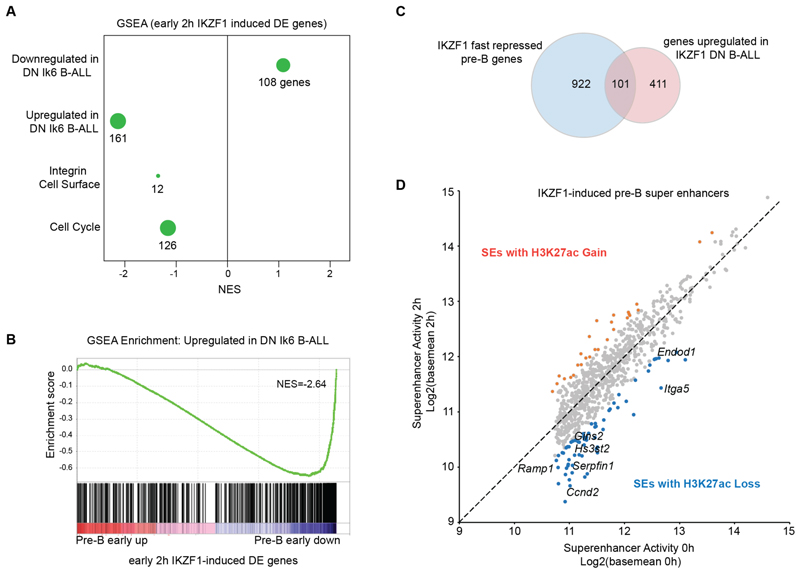
“Gene set enrichment 32 was performed for early IKZF1-induced DE genes (2h vs. 0h) against gene sets Reactome integrin cell surface interaction, Reactome cell cycle, down or upregulated in DN Ik6 B-ALL vs wildtype IKZF1 B-ALL (DE padj<0.01 and FC>1.5 from Supplementary Table 4 (Ref.”
InfluentialHistone H3K27ac separates active from poised enhancers and predicts developmental state
Creyghton, M. P., Cheng, A. W., Welstead, G. G., Kooistra, T., Carey, B. W., Steine, E. J., Hanna, J., Lodato, M. A., Frampton, G. M., Sharp, P. A., et al. (2010) · Proceedings of the National Academy of Sciences · doi:10.1073/pnas.1016071107 · Cited by 4,302 · cited 1×
“We used ATAC-seq and ChIP-seq for histone H3K27 acetylation to map changes in chromatin accessibility and activity of regulatory elements 45,46,47 .”
ATAC-seq: a method for assaying chromatin accessibility genome-wide
Buenrostro, J. D., Wu, B., Chang, H. Y., & Greenleaf, W. J. (2015) · Current Protocols in Molecular Biology · doi:10.1002/0471142727.mb2129s109 · Cited by 3,289 · cited 1×
“50K cells were lysed, and nuclei tagmented with 3ul of Ilumina Tn5 for 30min at 37°C. DNA was purified with Zymo DNA Clean and Concentrator and libraries were generated following the original ATAC protocol 28 .”
A unique chromatin signature uncovers early developmental enhancers in humans
Rada-Iglesias, A., Bajpai, R., Swigut, T., Brugmann, S. A., Flynn, R. A., & Wysocka, J. (2011) · Nature · doi:10.1038/nature09692 · Cited by 2,233
Genome-wide analysis of genetic alterations in acute lymphoblastic leukaemia
Mullighan, C. G., Goorha, S., Radtke, I., Miller, C. B., Coustan-Smith, E., Dalton, J. D., Girtman, K., Mathew, S., Ma, J., Pounds, S. B., et al. (2007) · Nature · doi:10.1038/nature05690 · Cited by 1,801 · cited 2×
“8 ).”
Cis-regulatory elements: Molecular mechanisms and evolutionary processes underlying divergence
Wittkopp, P. J., & Kalay, G. (2012) · Nature Reviews Genetics · doi:10.1038/nrg3095 · Cited by 1,231
BCR–ABL1 lymphoblastic leukaemia is characterized by the deletion of Ikaros
Mullighan, C. G., Miller, C. B., Radtke, I., Phillips, L. A., Dalton, J., Ma, J., White, D., Hughes, T. P., Le Beau, M. M., Pui, C.-H., et al. (2008) · Nature · doi:10.1038/nature06866 · Cited by 1,072 · cited 1×
“IKZF1 haploinsufficiency and dominant negative mutations are frequent in pre-B cell acute lymphoblastic leukemia (B-ALL), where they predict poor patient outcomes 5–8 .”
The ikaros gene is required for the development of all lymphoid lineages
Georgopoulos, K., Bigby, M., Wang, J.-H., Molnar, A., Wu, P., Winandy, S., & Sharpe, A. (1994) · Cell · doi:10.1016/0092-8674(94)90407-3 · Cited by 985 · cited 1×
“IKZF1 is a hematopoietic TF essential for lymphoid commitment and pre-B cell development 2–4 .”
Enhancer function: new insights into the regulation of tissue-specific gene expression
Ong, C.-T., & Corces, V. G. (2011) · Nature Reviews Genetics · doi:10.1038/nrg2957 · Cited by 929
Mammalian genes are transcribed with widely different bursting kinetics
Suter, D. M., Molina, N., Gatfield, D., Schneider, K., Schibler, U., & Naef, F. (2011) · Science · doi:10.1126/science.1198817 · Cited by 927 · cited 1×
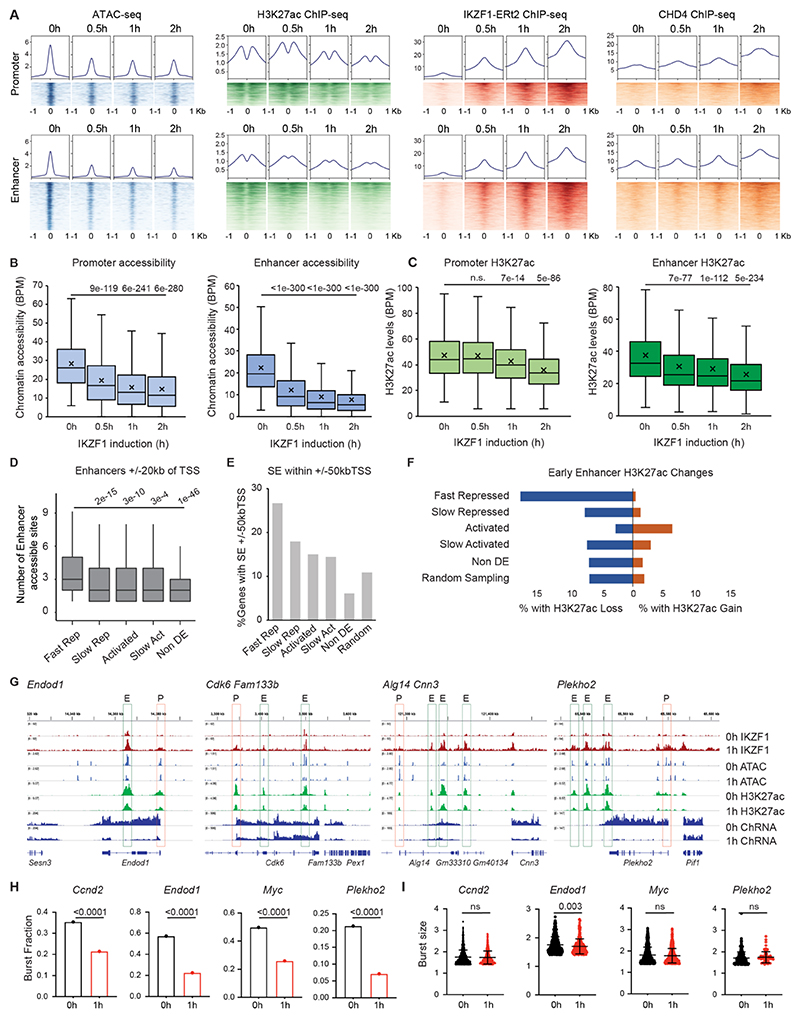
“Transcription is a discontinuous process occurring in bursts 50,51 , and can be regulated by the probability (frequency) or the intensity (size) of bursting 50,51 .”
Ikaros DNA-Binding Proteins Direct Formation of Chromatin Remodeling Complexes in Lymphocytes
Kim, J., Sif, S., Jones, B., Jackson, A., Koipally, J., Heller, E., Winandy, S., Viel, A., Sawyer, A., Ikeda, T., et al. (1999) · Immunity · doi:10.1016/s1074-7613(00)80034-5 · Cited by 587 · cited 2×
“25,26 24 ) were quantitatively eclipsed by corepressors.”
Transcriptional burst frequency and burst size are equally modulated across the human genome
Dar, R. D., Razooky, B. S., Singh, A., Trimeloni, T. V., McCollum, J. M., Cox, C. D., Simpson, M. L., & Weinberger, L. S. (2012) · Proceedings of the National Academy of Sciences · doi:10.1073/pnas.1213530109 · Cited by 513 · cited 1×
“Transcription is a discontinuous process occurring in bursts 50,51 , and can be regulated by the probability (frequency) or the intensity (size) of bursting 50,51 .”
From reads to insight: a hitchhiker’s guide to ATAC-seq data analysis
Yan, F., Powell, D. R., Curtis, D. J., & Wong, N. C. (2020) · Genome Biology · doi:10.1186/s13059-020-1929-3 · Cited by 473 · cited 1×
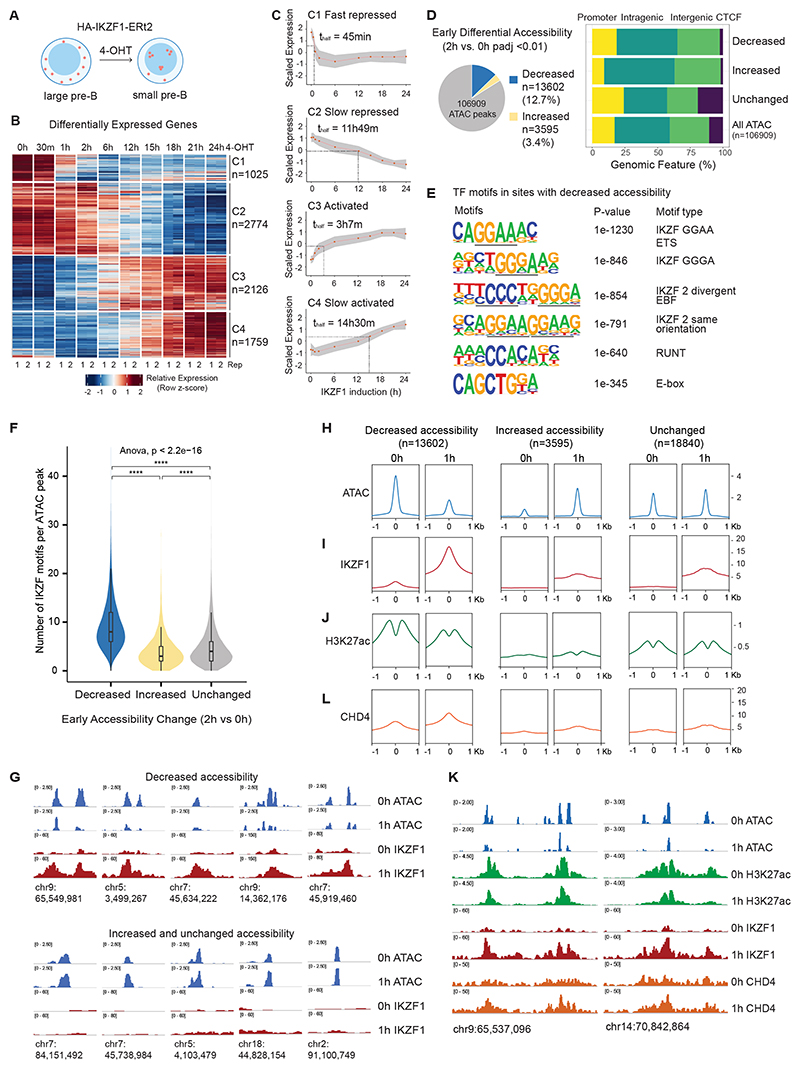
“Using ATAC-seq reads corresponding to nucleosome-free regions (NFR) which are enriched for TF binding 48 , we called 106909 ATAC peaks (Fig.”
Georgopoulos, K., Moore, D. D., & Derfler, B. (1992) · Science · doi:10.1126/science.1439790 · Cited by 464 · cited 1×
“IKZF1 is a hematopoietic TF essential for lymphoid commitment and pre-B cell development 2–4 .”
Sun, L., Liu, A., & Georgopoulos, K. (1996) · The EMBO Journal · doi:10.1002/j.1460-2075.1996.tb00920.x · Cited by 377 · cited 1×
“The region overlapping Helix2 was previously identified as a transactivation-domain by yeast-one-hybrid assays 57 , but did not show activating function in mammalian cells 58 .”
Groner, A. C., Meylan, S., Ciuffi, A., Zangger, N., Ambrosini, G., Dénervaud, N., Bucher, P., & Trono, D. (2010) · PLoS Genetics · doi:10.1371/journal.pgen.1000869 · Cited by 364 · cited 2×
“NuRD combines chromatin remodeling and histone deacetylase activity, while KAP1 promotes spreading of repressive H3K9me3 (Ref 49 ).”
Mohammed, H., Taylor, C., Brown, G. D., Papachristou, E. K., Carroll, J. S., & D'Santos, C. S. (2016) · Nature Protocols · doi:10.1038/nprot.2016.020 · Cited by 353
Martinelli, G., Iacobucci, I., Storlazzi, C. T., Vignetti, M., Paoloni, F., Cilloni, D., Soverini, S., Vitale, A., Chiaretti, S., Cimino, G., et al. (2009) · Journal of Clinical Oncology · doi:10.1200/jco.2008.21.6408 · Cited by 317
Repression by Ikaros and Aiolos is mediated through histone deacetylase complexes
Koipally, J. (1999) · The EMBO Journal · doi:10.1093/emboj/18.11.3090 · Cited by 304 · cited 2×
“19 ), HDACs, and CtBP1 (Ref.”
High prevalence of MAP2K1 mutations in variant and IGHV4-34–expressing hairy-cell leukemias
Waterfall, J. J., Arons, E., Walker, R. L., Pineda, M., Roth, L., Killian, J. K., Abaan, O. D., Davis, S. R., Kreitman, R. J., & Meltzer, P. S. (2014) · Nature Genetics · doi:10.1038/ng.2828 · Cited by 276 · cited 1×
“Mutations in the corresponding region in IKZF2 and IKZF3 have been similarly found in other hematopoietic neoplasms 72–75 .”
Synergy between Variant PRC1 Complexes Defines Polycomb-Mediated Gene Repression
Fursova, N. A., Blackledge, N. P., Nakayama, M., Ito, S., Koseki, Y., Farcas, A. M., King, H. W., Koseki, H., & Klose, R. J. (2019) · Molecular Cell · doi:10.1016/j.molcel.2019.03.024 · Cited by 267
Pervasive mutations of JAK-STAT pathway genes in classical Hodgkin lymphoma
Tiacci, E., Ladewig, E., Schiavoni, G., Penson, A., Fortini, E., Pettirossi, V., Wang, Y., Rosseto, A., Venanzi, A., Vlasevska, S., et al. (2018) · Blood · doi:10.1182/blood-2017-11-814913 · Cited by 233
Self-citationHelios, a novel dimerization partner of Ikaros expressed in the earliest hematopoietic progenitors
Kelley, C. M., Ikeda, T., Koipally, J., Avitahl, N., Wu, L., Georgopoulos, K., & Morgan, B. A. (1998) · Current Biology · doi:10.1016/s0960-9822(98)70202-7 · Cited by 231 · cited 1×
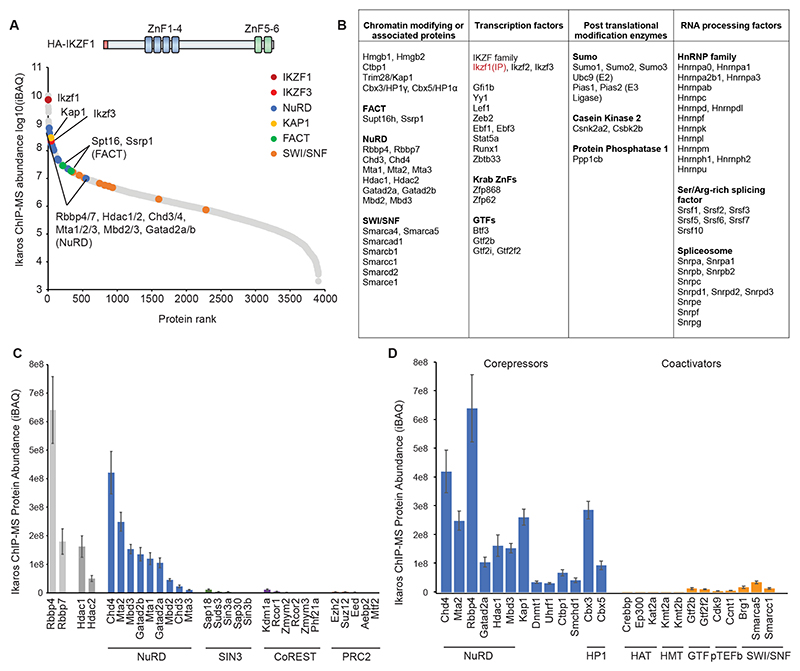
“IKZF3, a family member that heterodimerizes with IKZF1 (Ref 35 ), and B-cell TFs GFI1b, LEF1, ZEB2, EBF1, STAT5A, RUNX1 were highly abundant (Fig.”
Lo, K., Landau, N. R., & Smale, S. T. (1991) · Molecular and Cellular Biology · doi:10.1128/mcb.11.10.5229 · Cited by 209
Germline Genetic IKZF1 Variation and Predisposition to Childhood Acute Lymphoblastic Leukemia
Churchman, M. L., Qian, M., te Kronnie, G., Zhang, R., Yang, W., Zhang, H., Lana, T., Tedrick, P., Baskin, R., Verbist, K., et al. (2018) · Cancer Cell · doi:10.1016/j.ccell.2018.03.021 · Cited by 205 · cited 1×
“71 ).”
Thompson, E. C., Cobb, B. S., Sabbattini, P., Meixlsperger, S., Parelho, V., Liberg, D., Taylor, B., Dillon, N., Georgopoulos, K., Jumaa, H., et al. (2007) · Immunity · doi:10.1016/j.immuni.2007.02.010 · Cited by 202 · cited 1×
“41,42 ), VpreB1 (Ref.”
Self-citationEfficacy of Retinoids in IKZF1-Mutated BCR-ABL1 Acute Lymphoblastic Leukemia
Churchman, M. L., Low, J., Qu, C., Paietta, E. M., Kasper, L. H., Chang, Y., Payne-Turner, D., Althoff, M. J., Song, G., Chen, S.-C., et al. (2015) · Cancer Cell · doi:10.1016/j.ccell.2015.07.016 · Cited by 200 · cited 2×
“33 ).”
Self-citationKoipally, J., & Georgopoulos, K. (2000) · Journal of Biological Chemistry · doi:10.1074/jbc.m000254200 · Cited by 193
Association of tamoxifen resistance and lipid reprogramming in breast cancer
Hultsch, S., Kankainen, M., Paavolainen, L., Kovanen, R.-M., Ikonen, E., Kangaspeska, S., Pietiäinen, V., & Kallioniemi, O. (2018) · BMC Cancer · doi:10.1186/s12885-018-4757-z · Cited by 193 · cited 1×
“A small cluster of non-monotonic genes (C5) enriched in sterol pathways linked to tamoxifen treatment was removed from further analysis 39,40 (Supplementary Fig.”
Sabbattini, P. M. R., Lundgren, M., Georgiou, A., Chow, C.-M., Warnes, G., & Dillon, N. (2001) · The EMBO Journal · doi:10.1093/emboj/20.11.2812 · Cited by 170 · cited 1×
“41,42 ), VpreB1 (Ref.”
Dumortier, A., Jeannet, R., Kirstetter, P., Kleinmann, E., Sellars, M., dos Santos, N. R., Thibault, C., Barths, J., Ghysdael, J., Punt, J. A., et al. (2006) · Molecular and Cellular Biology · doi:10.1128/mcb.26.1.209-220.2006 · Cited by 165 · cited 1×
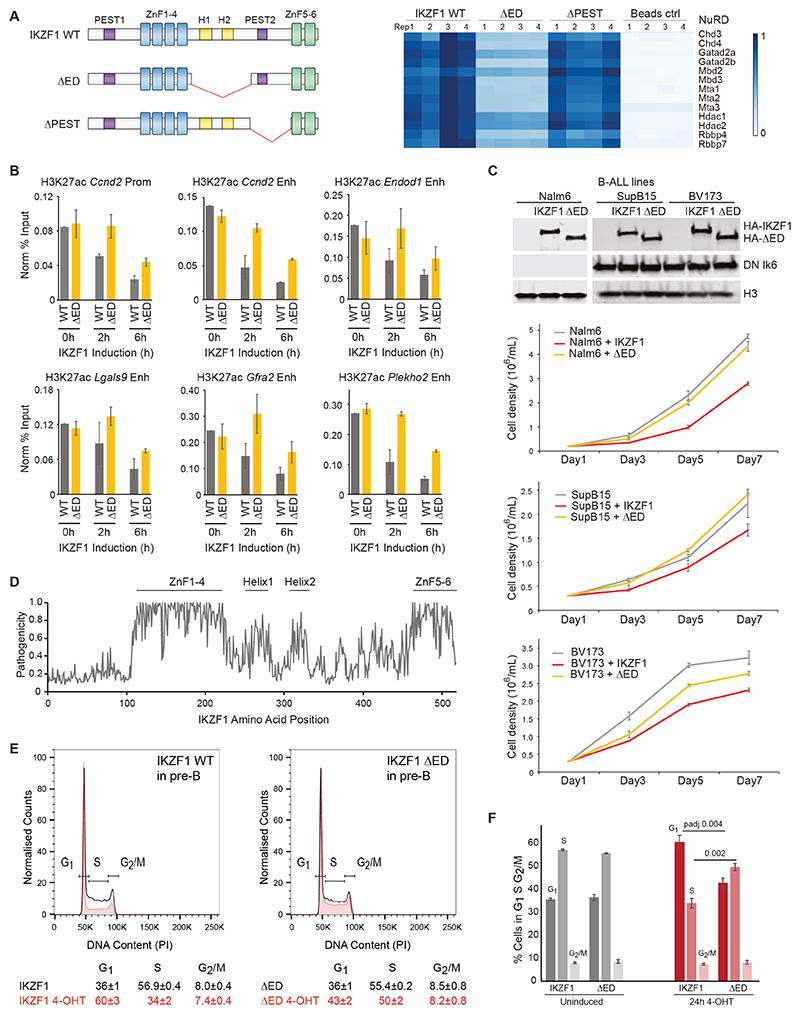
“As expected 60,61 , wildtype IKZF1 reduced the growth of B-ALL line Nalm-6, and SupB15 and BV173 which express DN IKZF1(Fig.”
Chen, L.-F., Lin, Y. T., Gallegos, D. A., Hazlett, M. F., Gómez-Schiavon, M., Yang, M. G., Kalmeta, B., Zhou, A. S., Holtzman, L., Gersbach, C. A., et al. (2019) · Cell Reports · doi:10.1016/j.celrep.2019.01.032 · Cited by 161 · cited 1×
“While these parameters have been extensively characterized at steady state and during gene induction 52,53 , the impact of transcriptional repression on bursting remains largely unexplored.”
An Ikaros-Containing Chromatin-Remodeling Complex in Adult-Type Erythroid Cells
O'Neill, D. W., Schoetz, S. S., Lopez, R. A., Castle, M., Rabinowitz, L., Shor, E., Krawchuk, D., Goll, M. G., Renz, M., Seelig, H.-P., et al. (2000) · Molecular and Cellular Biology · doi:10.1128/mcb.20.20.7572-7582.2000 · Cited by 160 · cited 2×
“Previously reported interactors such as the transcription elongation factor P-TEFb (Ref 25 ) and BRG1 SWI/SNF complex 22 were >10-fold less abundant than NuRD (Fig.”
Nine-amino-acid transactivation domain: Establishment and prediction utilities
Piskacek, S., Gregor, M., Némethová, M., Grabner, M., Kovarik, P., & Piskáček, M. (2007) · Genomics · doi:10.1016/j.ygeno.2007.02.003 · Cited by 159
Quenneville, S., Turelli, P., Bojkowska, K., Raclot, C., Offner, S., Kapopoulou, A., & Trono, D. (2012) · Cell Reports · doi:10.1016/j.celrep.2012.08.043 · Cited by 156 · cited 1×
“49,67 ) was a highly-abundant novel interactor.”
Trinh, L. A., Ferrini, R., Cobb, B. S., Weinmann, A. S., Hahm, K., Ernst, P., Garraway, I. P., Merkenschlager, M., & Smale, S. T. (2001) · Genes & Development · doi:10.1101/gad.905601 · Cited by 154 · cited 1×
“44 ).”
Self-citationBossen, C., Murre, C. S., Chang, A. N., Mansson, R., Rodewald, H.-R., & Murre, C. (2015) · Nature Immunology · doi:10.1038/ni.3170 · Cited by 151
Ikaros and Aiolos Inhibit Pre-B-Cell Proliferation by Directly Suppressing c-Myc Expression
Ma, S., Pathak, S., Mandal, M., Trinh, L., Clark, M. R., & Lu, R. (2010) · Molecular and Cellular Biology · doi:10.1128/mcb.00224-10 · Cited by 142 · cited 1×
“IKZF1 is a tumour suppressor in acute pre-B and T-cell leukemia, and exhibits anti-proliferative effects through repression of Myc and cell cycle genes 59 .”
Lauberth, S. M., & Rauchman, M. (2006) · Journal of Biological Chemistry · doi:10.1074/jbc.m513461200 · Cited by 140 · cited 1×
“62– 65 ), the most abundant NuRD subunit identified by IKZF1 ChIP-MS (Supplementary Fig.”
Systematic allelic analysis defines the interplay of key pathways in X chromosome inactivation
Nesterova, T. B., Wei, G., Coker, H., Pintacuda, G., Bowness, J. S., Zhang, T., Almeida, M., Bloechl, B., Moindrot, B., Carter, E. J., et al. (2019) · Nature Communications · doi:10.1038/s41467-019-11171-3 · Cited by 137 · cited 1×
“Adapted from 27 .”
Self-citationPredominant Interaction of Both Ikaros and Helios with the NuRD Complex in Immature Thymocytes
Sridharan, R., & Smale, S. T. (2007) · Journal of Biological Chemistry · doi:10.1074/jbc.m702541200 · Cited by 130 · cited 1×
“18 ), Sin3 (Ref.”
Large-scale mapping and mutagenesis of human transcriptional effector domains
DelRosso, N., Tycko, J., Suzuki, P., Andrews, C., Aradhana, Mukund, A., Liongson, I., Ludwig, C., Spees, K., Fordyce, P., et al. (2023) · Nature · doi:10.1038/s41586-023-05906-y · Cited by 130
Nakase, K., Ishimaru, F., Avitahl, N., Dansako, H., Matsuo, K., Fujii, K., Sezaki, N., Nakayama, H., Yano, T., Fukuda, S., et al. (2000) · PubMed · Cited by 127
Ferreirós-Vidal, I., Carroll, T., Taylor, B., Terry, A., Liang, Z., Bruno, L., Dharmalingam, G., Khadayate, S., Cobb, B. S., Smale, S. T., et al. (2013) · Blood · doi:10.1182/blood-2012-08-450114 · Cited by 125 · cited 1×
“43 ) and Dntt (Ref.”
Self-citationIkaros SUMOylation: Switching Out of Repression
Gómez-del Arco, P., Koipally, J., & Georgopoulos, K. (2005) · Molecular and Cellular Biology · doi:10.1128/mcb.25.7.2688-2697.2005 · Cited by 106
Lejon, S., Thong, S. Y., Murthy, A., AlQarni, S., Murzina, N. V., Blobel, G. A., Laue, E. D., & Mackay, J. P. (2011) · Journal of Biological Chemistry · doi:10.1074/jbc.m110.195842 · Cited by 102
Phosphorylation Controls Ikaros's Ability To Negatively Regulate the G1-S Transition
Arco, P. G.-D., Maki, K., & Georgopoulos, K. (2004) · Molecular and Cellular Biology · doi:10.1128/mcb.24.7.2797-2807.2004 · Cited by 102 · cited 1×
“Other top interactors included RNA-processing factors and enzymes involved in posttranslational modification of IKZF1 including CK2 kinase (Ref 36 ), PP1 phosphatase Ref 37 and PIAS sumo-ligases 38 (Fig.”
Ikaros Stability and Pericentromeric Localization Are Regulated by Protein Phosphatase 1
Popescu, M., Gürel, Z., Ronni, T., Song, C., Hung, K. Y. S., Payne, K. J., & Dovat, S. (2009) · Journal of Biological Chemistry · doi:10.1074/jbc.m900209200 · Cited by 101 · cited 2×
“PEST sequences are known to regulate IKZF1 stability 37 , but otherwise the functional significance of residues within the IDRs remains poorly defined.”
Richter‐Pechańska, P., Kunz, J. B., Hof, J., Zimmermann, M., Rausch, T., Bandapalli, O. R., Orlova, E., Scapinello, G., Sági, J. C., Stanulla, M., et al. (2017) · Blood Cancer Journal · doi:10.1038/bcj.2017.3 · Cited by 97 · cited 1×
“70 ) and pediatric B-ALL (Ref.”
ITGA5 is a prognostic biomarker and correlated with immune infiltration in gastrointestinal tumors
Zhu, H. H., Wang, G., Zhu, H., & Xu, A. (2021) · BMC Cancer · doi:10.1186/s12885-021-07996-1 · Cited by 92
Mareschal, S., Dubois, S., Viailly, P., Bertrand, P., Bohers, E., Maingonnat, C., Jaïs, J., Tesson, B., Ruminy, P., Peyrouze, P., et al. (2016) · Genes, Chromosomes and Cancer · doi:10.1002/gcc.22328 · Cited by 89
Ikaros mediates gene silencing in T cells through Polycomb repressive complex 2
Oravecz, A., Apostolov, A., Polak, K., Jost, B., Le Gras, S., Chan, S., & Kastner, P. (2015) · Nature Communications · doi:10.1038/ncomms9823 · Cited by 82 · cited 1×
“Repressive histone modifications H3K9me3 and H3K27me3 are thought to contribute to IKZF1-mediated transcriptional repression 15,21 .”
Unconventional Potentiation of Gene Expression by Ikaros
Koipally, J., Heller, E. J., Seavitt, J. R., & Georgopoulos, K. (2002) · Journal of Biological Chemistry · doi:10.1074/jbc.m111371200 · Cited by 80 · cited 1×
“The region overlapping Helix2 was previously identified as a transactivation-domain by yeast-one-hybrid assays 57 , but did not show activating function in mammalian cells 58 .”
The 9aaTAD Transactivation Domains: From Gal4 to p53
Piskáček, M., Havelka, M., Řezáčová, M., & Knight, A. (2016) · PLoS ONE · doi:10.1371/journal.pone.0162842 · Cited by 76 · cited 2×
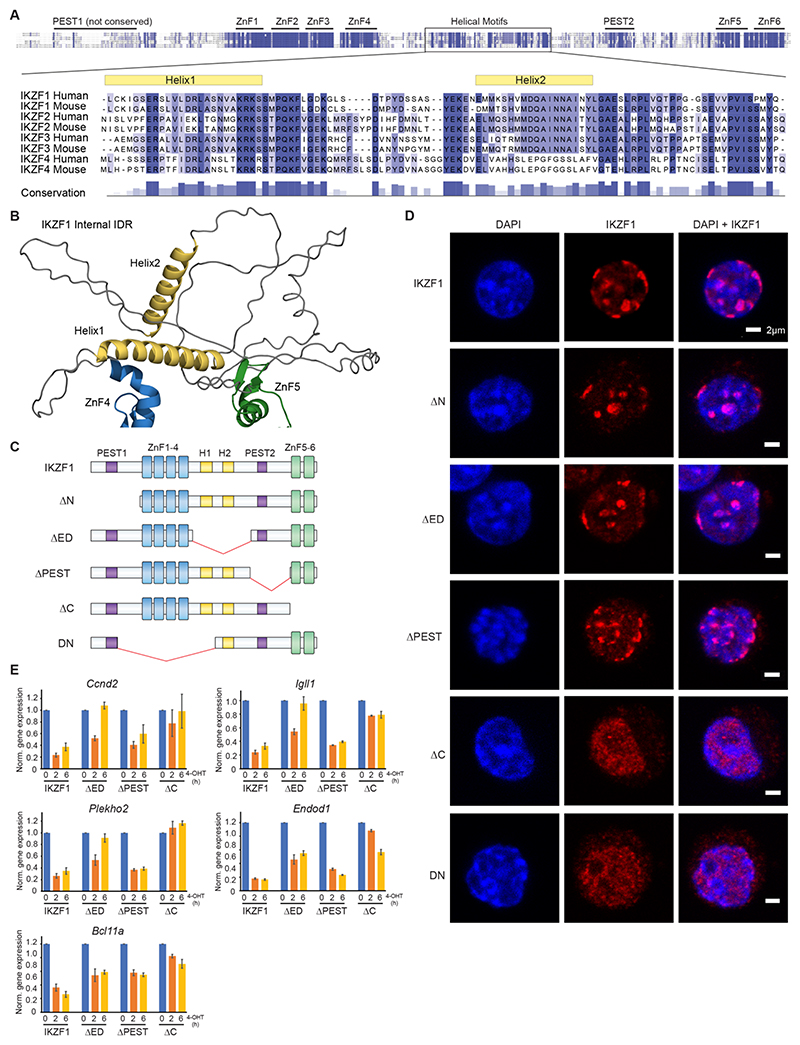
“Using the TF prediction tool 9aaTAD (Ref 55,56 ) we identified three α -helix-forming motifs in the IKZF1 internal IDR: SLVLDRLAS in Helix 1 and DMMTSHVMD and QAINNAINY in Helix 2 (Fig.”
Fisher, A. G., Burdet, C., Bunce, C., Merkenschlager, M., & Ceredig, R. (1995) · International Immunology · doi:10.1093/intimm/7.3.415 · Cited by 70 · cited 1×
“Although the B3 cell line was originally derived from a lymphoma rather than B-ALL model, the B3 gene expression profile closely resembles that of pre-B progenitors 34,54 .”
Self-citationMoody, R. R., Lo, M.-C., Meagher, J. L., Lin, C.-C., Stevers, N. O., Tinsley, S. L., Jung, I., Matvekas, A., Stuckey, J. A., & Sun, D. (2018) · Journal of Biological Chemistry · doi:10.1074/jbc.m117.811463 · Cited by 68
Ikaros Induces Quiescence and T-Cell Differentiation in a Leukemia Cell Line
Kathrein, K. L., Lorenz, R., Innes, A. M., Griffiths, E., & Winandy, S. (2005) · Molecular and Cellular Biology · doi:10.1128/mcb.25.5.1645-1654.2005 · Cited by 67 · cited 1×
“As expected 60,61 , wildtype IKZF1 reduced the growth of B-ALL line Nalm-6, and SupB15 and BV173 which express DN IKZF1(Fig.”
Targeting cancer addiction for SALL4 by shifting its transcriptome with a pharmacologic peptide
Liu, B. H., Jobichen, C., Chia, C. S. B., Chan, T. H. M., Tang, J. P., Chung, T. X. Y., Li, J., Poulsen, A., Hung, A. W., Koh-Stenta, X., et al. (2018) · Proceedings of the National Academy of Sciences · doi:10.1073/pnas.1801253115 · Cited by 67
Epigenetic regulation of gene expression by Ikaros, HDAC1 and Casein Kinase II in leukemia
Song, C., Pan, X., Ge, Z., Gowda, C. D. R., Ding, Y., Li, H., Li, Z., Yochum, G. S., Müschen, M., Li, Q., et al. (2015) · Leukemia · doi:10.1038/leu.2015.331 · Cited by 58 · cited 1×
“Repressive histone modifications H3K9me3 and H3K27me3 are thought to contribute to IKZF1-mediated transcriptional repression 15,21 .”
A variant NuRD complex containing PWWP2A/B excludes MBD2/3 to regulate transcription at active genes
Zhang, T., Wei, G., Millard, C. J., Fischer, R., Konietzny, R., Kessler, B. M., Schwabe, J. W. R., & Brockdorff, N. (2018) · Nature Communications · doi:10.1038/s41467-018-06235-9 · Cited by 58
Self-citationBottardi, S., Mavoungou, L. O., Pak, H., Daou, S., Bourgoin, V., Lakehal, Y. A., Affar, E. B., & Milot, É. (2014) · PLoS Genetics · doi:10.1371/journal.pgen.1004827 · Cited by 55 · cited 2×
“25,26 ), and the TFs Gata-1 (Ref.”
A high-resolution map of transcriptional repression
Liang, Z., Brown, K. E., Carroll, T., Taylor, B., Vidal, I. F., Hendrich, B., Rueda, D., Fisher, A. G., & Merkenschlager, M. (2017) · eLife · doi:10.7554/elife.22767 · Cited by 55
Self-citationGenetic analysis of Ikaros target genes and tumor suppressor function in BCR-ABL1+ pre–B ALL
Schjerven, H., Ayongaba, E. F., Aghajanirefah, A., McLaughlin, J., Cheng, D., Geng, H., Boyd, J. R., Eggesbø, L. M., Lindeman, I., Heath, J. L., et al. (2017) · Journal of Experimental Medicine · doi:10.1084/jem.20160049 · Cited by 52 · cited 1×
“Transcriptional control by IKZF1 has been linked to both the loss and gain of chromatin accessibility and epigenetic modifications at gene regulatory elements 9,12,14– 16 .”
ITGA5 Is a Novel Oncogenic Biomarker and Correlates With Tumor Immune Microenvironment in Gliomas
Li, S., Zhang, N., Liu, S., Zhang, H., Liu, J., Qi, Y., Zhang, Q., & Li, X. (2022) · Frontiers in Oncology · doi:10.3389/fonc.2022.844144 · Cited by 48 · cited 1×
“Finally, we find substantial overlap between early repressed genes identified here and aberrantly upregulated genes in IKZF1-mutated B-ALL, and several IKZF1-repressed super enhancer associated genes ITGA5, CCND2, GFRA2, BCL11A have been implicated in multiple cancers 76–80 .”
Effect of tamoxifen on cholesterol synthesis in HepG2 cells and cultured rat hepatocytes
Holleran, A. L., Lindenthal, B., Aldaghlas, T., & Kelleher, J. K. (1998) · Metabolism · doi:10.1016/s0026-0495(98)90078-6 · Cited by 46 · cited 1×
“A small cluster of non-monotonic genes (C5) enriched in sterol pathways linked to tamoxifen treatment was removed from further analysis 39,40 (Supplementary Fig.”
Ding, Y., Zhang, B., Payne, J. L., Song, C., Ge, Z., Gowda, C. S., Iyer, S., Dhanyamraju, P. K., Dorsam, G. P., Reeves, M. E., et al. (2019) · Leukemia · doi:10.1038/s41375-019-0474-0 · Cited by 44 · cited 2×
“Transcriptional control by IKZF1 has been linked to both the loss and gain of chromatin accessibility and epigenetic modifications at gene regulatory elements 9,12,14– 16 .”
Cohesin couples transcriptional bursting probabilities of inducible enhancers and promoters
Robles-Rebollo, I., Cuartero, S., Canellas-Socias, A., Wells, S., Karimi, M. M., Mereu, E., Chivu, A. G., Heyn, H., Whilding, C., Dormann, D., et al. (2022) · Nature Communications · doi:10.1038/s41467-022-31192-9 · Cited by 42 · cited 1×
“While these parameters have been extensively characterized at steady state and during gene induction 52,53 , the impact of transcriptional repression on bursting remains largely unexplored.”
Self-citationLineage-specific 3D genome organization is assembled at multiple scales by IKAROS
Hu, Y., Figueroa, D. S., Zhang, Z., Veselits, M., Bhattacharyya, S., Kashiwagi, M., Clark, M. R., Morgan, B. A., Ay, F., & Georgopoulos, K. (2023) · Cell · doi:10.1016/j.cell.2023.10.023 · Cited by 42 · cited 1×
“Transcriptional control by IKZF1 has been linked to both the loss and gain of chromatin accessibility and epigenetic modifications at gene regulatory elements 9,12,14– 16 .”
Menezes, J., Salgado, R. N., Acquadro, F., Gómez-López, G., Carralero, M. C., Barroso, A., Mercadillo, F., Espinosa-Hevia, L., Talavera-Casañas, J. G., Pisano, D. G., et al. (2013) · Blood Cancer Journal · doi:10.1038/bcj.2013.54 · Cited by 41 · cited 1×
“Mutations in the corresponding region in IKZF2 and IKZF3 have been similarly found in other hematopoietic neoplasms 72–75 .”
Ikaros interacts with P-TEFb and cooperates with GATA-1 to enhance transcription elongation
Bottardi, S., Zmiri, F. A., Bourgoin, V., Ross, J., Mavoungou, L., & Milot, E. (2011) · Nucleic Acids Research · doi:10.1093/nar/gkq1271 · Cited by 40 · cited 3×
“25,26 ), and the TFs Gata-1 (Ref.”
Fedl, A. S., Tagoh, H., Gruenbacher, S., Sun, Q., Schenk, R. L., Froussios, K., Jaritz, M., Busslinger, M., & Schwickert, T. A. (2024) · Nature Immunology · doi:10.1038/s41590-024-01933-7 · Cited by 40 · cited 1×
“IKZF1 has been ascribed activating, repressive, pioneering, and 3D genome organizing functions 9–13 .”
GDNF family receptor alpha 2 promotes neuroblastoma cell proliferation by interacting with PTEN
Li, Z., Xie, J., Fei, Y., Gao, P., Xie, Q., Gao, W., & Xu, Z. (2019) · Biochemical and Biophysical Research Communications · doi:10.1016/j.bbrc.2018.12.169 · Cited by 26
BCL11A Is Oncogenic and Predicts Poor Outcomes in Natural Killer/T-Cell Lymphoma
Shi, H., Li, C., Feng, W., Yue, J., Song, J., Peng, A., & Wang, H. (2020) · Frontiers in Pharmacology · doi:10.3389/fphar.2020.00820 · Cited by 23
IKAROS: from chromatin organization to transcriptional elongation control
Affar, M., Bottardi, S., Quansah, N., Lemarié, M., Ramòn, A. C., Affar, E. B., & Milot, É. (2023) · Cell Death and Differentiation · doi:10.1038/s41418-023-01212-2 · Cited by 23 · cited 1×
“IKZF1 has been linked to corepressors 17 including NuRD (Ref.”
Sumoylation Inhibits the Growth Suppressive Properties of Ikaros
Apostolov, A., Litim-Mecheri, I., Oravecz, A., Goepp, M., Kirstetter, P., Marchal, P., Ittel, A., Mauvieux, L., Chan, S. H., & Kastner, P. (2016) · PLoS ONE · doi:10.1371/journal.pone.0157767 · Cited by 21
GFI1 Cooperates with IKZF1/IKAROS to Activate Gene Expression in T-cell Acute Lymphoblastic Leukemia
Sun, W., Guo, J., McClellan, D., Poeschla, A., Bareyan, D., Casey, M. J., Cairns, B. R., Tantin, D. R., & Engel, M. E. (2022) · Molecular Cancer Research · doi:10.1158/1541-7786.mcr-21-0352 · Cited by 18 · cited 2×
“14 ).”
Ferreirós-Vidal, I., Carroll, T., Zhang, T., Lagani, V., Ramírez, R. N., Ing‐Simmons, E., Gómez-Valadés, A. G., Cooper, L., Liang, Z., Παπουτσόγλου, Γ., et al. (2019) · PLoS Biology · doi:10.1371/journal.pbio.2006506 · Cited by 9 · cited 2×
“Although the B3 cell line was originally derived from a lymphoma rather than B-ALL model, the B3 gene expression profile closely resembles that of pre-B progenitors 34,54 .”
Self-citationCCND2 mutations are infrequent events in BCR-ABL1 negative myeloproliferative neoplasm patients
Cassinat, B., Verger, E., Maslah, N., Gauthier, N., Vainchenker, W., Giraudier, S., & Kiladjian, J. (2020) · Haematologica · doi:10.3324/haematol.2020.252643 · Cited by 9
IKAROS is required for the measured response of NOTCH target genes upon external NOTCH signaling
Lemarié, M., Bottardi, S., Mavoungou, L. O., Pak, H., & Milot, É. (2021) · PLoS Genetics · doi:10.1371/journal.pgen.1009478 · Cited by 6
Evolution of the Ikaros family transcription factors: From a deuterostome ancestor to humans
Kastner, P., Aukenova, A., & Chan, S. H. (2023) · Biochemical and Biophysical Research Communications · doi:10.1016/j.bbrc.2023.149399 · Cited by 5 · cited 1×
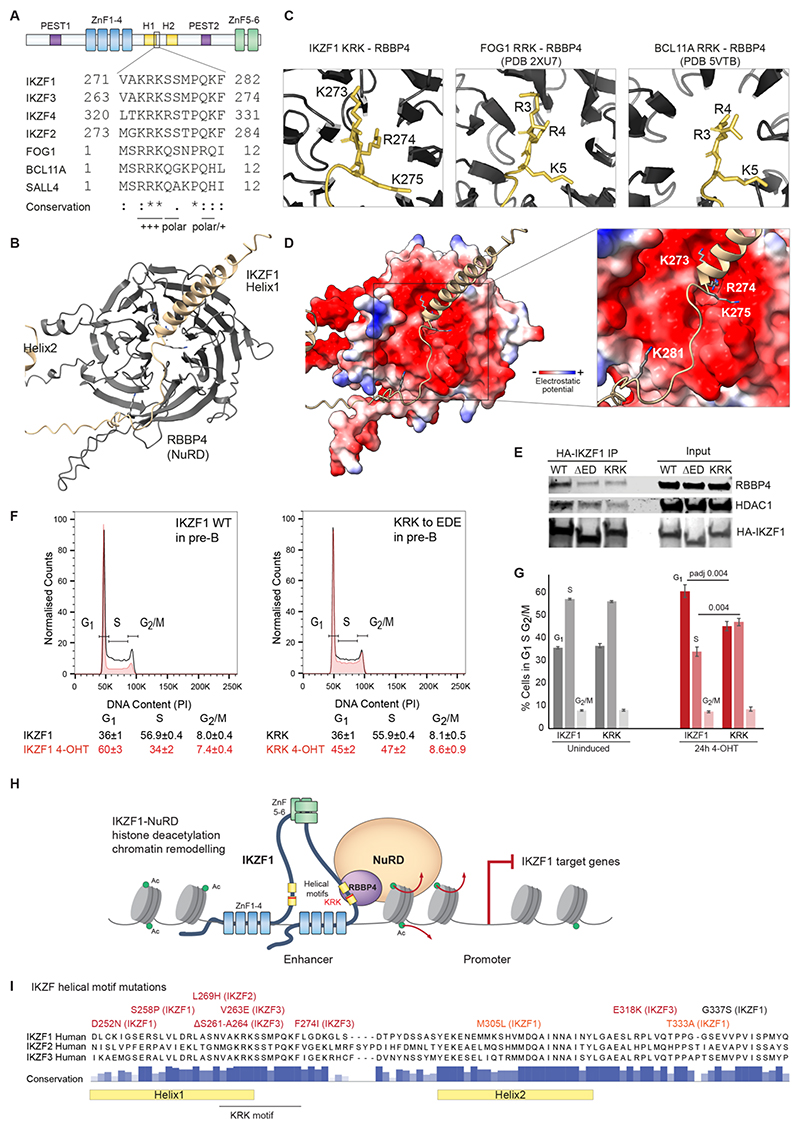
“This KRK motif is conserved in IKZF family TFs across all deuterostome phyla 66 , but had not previously been functionally characterized.”
Cited by
Dimond, A., Gim, D. H., Ing‐Simmons, E., Whilding, C., Kramer, H., Djeghloul, D., Montoya, A., Patel, B., Cheriyamkunnel, S. J., Brown, K. E., et al. (2025) · Nature Communications · doi:10.1038/s41467-025-63740-4 · Cited by 5
“At the molecular level, Ikaros forms dimers with itself or other closefamily members (suchas Aiolos) 30,33 – 35 , and ispostulated to either mediate silencing or to activate transcription, according to context 36 – 40 .”
Self-citationRewiring tumor immunity via zinc finger proteins: a new frontier in cancer immunotherapy
Zhou, Z., Le, W., Luo, J., Li, Z., & Zhong, S. (2025) · Journal of Translational Medicine · doi:10.1186/s12967-025-07549-1 · Cited by 5
“IKZF1 governs early B cell development by regulating the expression of key genes, including integrin subunit alpha 5 (ITGA5), endonuclease domain containing 1 (ENDOD1), and receptor activity modifying protein 1 (RAMP1) [171].”
IKZF-associated inborn errors of immunity
Yamashita, M., & Morio, T. (2025) · Journal of Human Immunity · doi:10.70962/jhi.20250063 · Cited by 2
“Recent studies revealed that the intrinsically disordered domain between ZF4 and ZF5 of IKAROS mediates interactions with the NuRD complex (48), whereas ZF2–3 interact with Foxp3 (10).”
Systematic functional validation of IKAROS variants from patients and laboratory-generated mutations
Kuehn, H. S., Silva, A. A. G., Klangkalya, N., Esteve‐Solé, A., Goel, S., Niemela, J. E., Stoddard, J. L., Chong, H., Williams, K. W., Ip, W., et al. (2025) · Blood Advances · doi:10.1182/bloodadvances.2025017243 · Cited by 1
“37 Moreover, several SUMOylation sites (K240, K425 and K459) are located in between ZF4 and ZF5, which have been shown to disrupt IKAROS-NuRD complex interaction.”
Fu, J., Xu, H., Zhao, X., Gao, M., Tian, Y., Chang, Y., & Zheng, X. (2026) · Nature Communications · doi:10.1038/s41467-026-74343-y · Cited by 1
“NuRD complex deacetylates histone H3K27 and represses gene expression in B lymphocytic leukemia and erythroid progenitor cells 52,53 .”
Metadata
- Authors
- Zhang, T., Wang, Y.-F., Montoya, A., Patrascan, I., Nebioglu, N., Pallikonda, H. A., Georgieva, R., King, J. W. D., Kramer, H. B., Shliaha, P. V., Rueda, D. S., & Merkenschlager, M.
- Affiliations
- Imperial College London (GB)
- Corresponding author
- Zhang, Tianyi
- Rueda, David S.
- Merkenschlager, Matthias
- ORCID
- Venue
- Blood
- Publisher
- American Society of Hematology
- Published
- 2025-01-23
- Volume
- 145
- Issue
- 4
- Pages
- 422-437
- ISSN
- 0006-4971 (ISSN-L)
- 1528-0020
- PMC
- PMC7617475
- OpenAlex
- W4403629186
- Cited by
- 14
- References
- 80
- Citations by year
- 2026: 5 · 2025: 9
- FWCI
- 1.91
- Type
- journal article
- Language
- en
- Open access
- hybrid
- doi.org
- Licence
- Locations
- Blood (publishedVersion, cc-by-nc-nd)
- PubMed (publishedVersion)
- Europe PMC (PubMed Central) (acceptedVersion, cc-by)
- PubMed Central (acceptedVersion, cc-by)
- Spiral (Imperial College London) (submittedVersion, cc-by)
- Funders
- Yale University
- Wellcome Trust (215933, 215933/Z/19/Z, 099276/Z/12/Z, 099276)
- Leverhulme Trust (RPG-2016-214)
- University of Leicester
- Medical Research Council
- Topics
- Life Sciences › Biochemistry, Genetics and Molecular Biology › Molecular Biology › Genomics and Chromatin Dynamics
- Health Sciences › Medicine › Hematology › Acute Lymphoblastic Leukemia research
- Life Sciences › Biochemistry, Genetics and Molecular Biology › Molecular Biology › Chromatin Remodeling and Cancer
- Keywords
- IKZF1, intrinsically disordered regions, helical motifs, RBBP4, transcriptional repression, chromatin accessibility, H3K27 acetylation, enhancers, transcriptional bursts, B-cell acute lymphoblastic leukemia, pre-B cells, FOG-1, BCL11A, SALL4
- MeSH terms
- Animals, Chromatin, Humans, Protein Binding, Transcription, Genetic, Precursor B-Cell Lymphoblastic Leukemia-Lymphoma, Conserved Sequence, Amino Acid Motifs, Mice, Ikaros Transcription Factor, Precursor Cells, B-Lymphoid, Mi-2 Nucleosome Remodeling and Deacetylase Complex
About these checks
Registry, retraction, Cites and statistics results are computed, not judged, with one exception: a printed reference that no index lists is read once by a model before it counts as a citation error. Claims are extracted by a model and kept only when their quote appears verbatim in the text; each cited source is then checked, with a model’s help, for whether it says what the claim relies on. Those verdicts can be wrong — read the claim’s quote and the cited source before relying on one.
Statistics and arithmetic are recomputed, not judged.
Confidence bands are shown only for fields calibrated on our annotated test set. None is calibrated yet, so no band is shown.
What counts as a claim ›How we measure confidence ›How we check this ›
Are you an author, or do you see a problem with this page? Request a review
Data sources
Bibliographic data: Semantic Scholar, OpenAlex, Crossref.
Contains information from the Semantic Scholar Academic Graph Datasets, made available under the ODC Attribution License (ODC-BY 1.0).
Semantic Scholar’s data is described in: Kinney, R., et al. (2023). The Semantic Scholar Open Data Platform. arXiv:2301.10140.
