

Nutritional status of school-age children - A scenario of urban slums in India
Open accessThe DOI matches its Crossref record; 38 of the 38 references it cites were found in a registry or an index.
Abstract
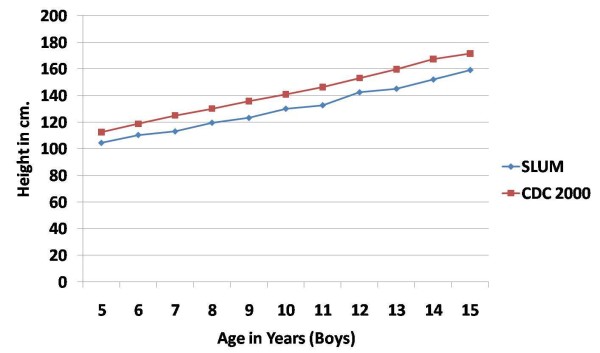
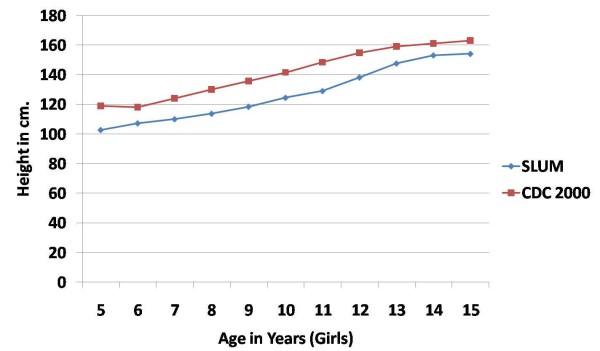
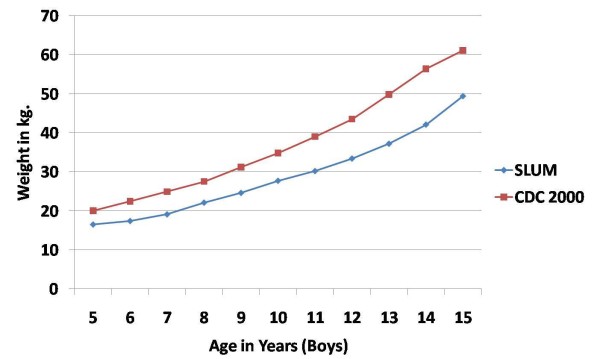
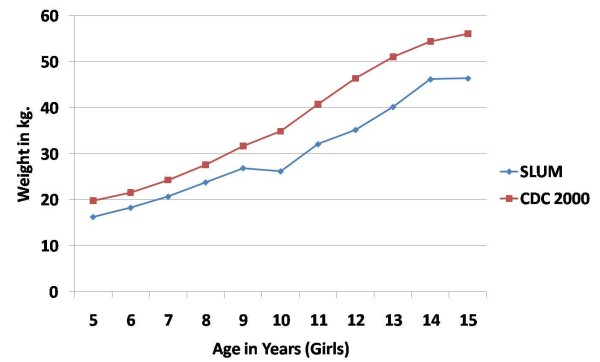
BACKGROUND: One of the greatest problems for India is undernutrition among children. The country is still struggling with this problem. Malnutrition, the condition resulting from faulty nutrition, weakens the immune system and causes significant growth and cognitive delay. Growth assessment is the measurement that best defines the health and nutritional status of children, while also providing an indirect measurement of well-being for the entire population. METHODS: A cross-sectional study, in which we explored nutritional status in school-age slum children and analyze factors associated with malnutrition with the help of a pre-designed and pre-tested questionnaire, anthropometric measurements and clinical examination from December 2010 to April 2011 in urban slums of Bareilly, Uttar-Pradesh (UP), India. RESULT: The mean height and weight of boys and girls in the study group was lower than the CDC 2000 (Centers for Disease Control and Prevention) standards in all age groups. Regarding nutritional status, prevalence of stunting and underweight was highest in age group 11 yrs to 13 yrs whereas prevalence of wasting was highest in age group 5 yrs to 7 yrs. Except refractive errors all illnesses are more common among girls, but this gender difference is statistically significant only for anemia and rickets. The risk of malnutrition was significantly higher among children living in joint families, children whose mother's education was [less than or equal to] 6th standard and children with working mothers. CONCLUSIONS: Most of the school-age slum children in our study had a poor nutritional status. Interventions such as skills-based nutrition education, fortification of food items, effective infection control, training of public healthcare workers and delivery of integrated programs are recommended.
Overview
The claims and statistics of this paper haven’t been checked yet.
Free: it reads the open-access text and checks the first 5 claims that cite a source we can check. Create a free account to check every claim.
Integrity signals
Registry
Cites
Statistics
Figures
Verification
Claims the paper makes
The claims and statistics of this paper haven’t been checked yet.
Free: it reads the open-access text and checks the first 5 claims that cite a source we can check. Create a free account to check every claim.
Claims other papers make about this one
Each is checked against this paper’s own text: does it say what the citing paper says it does?
The source backs part of the claim, not all of it — or backs it for a different population, condition or comparison.
In the citing paper
“Schools often provide essential nutrition and meals for children living in slums, and closing those institutions may deny children access to their only consistent meals [71].”
From Slum Health: Arresting COVID-19 and Improving Well-Being in Urban Informal Settlements (2020) · cites this paper as [71]
Experimental — accuracy not yet measured
Self-check
Percentages, sums and reported differences re-computed from the paper’s own numbers.
The self-check needs the paper’s full text.
Citations
Cites
2000 CDC Growth Charts for the United States: methods and development.
Kuczmarski, R. J., Ogden, C. L., Guo, S. S., Grummer‐Strawn, L. M., Flegal, K. M., Mei, Z., Wei, R. X., Curtin, L. R., Roche, A. F., & Johnson, C. L. (2002) · PubMed · Cited by 8,518
CDC GROWTH CHARTS FOR THE UNITED STATES: METHODS AND DEVELOPMENT 2000
Kuczmarski, R. J., Ogden, C. L., Guo, S. S., Strawn, L. G., Flegal, K. M., & Mei, Z. (2002) · Cited by 6,426
The assessment of the nutritional status of the community
Jelliffe, D. B. (1997) · Nutrition · doi:10.1016/s0899-9007(97)83027-4 · Cited by 1,599
Waterlow, J. C., Buzina, R., Keller, W., Lane, J. M., Nichaman, M. Z., & Tanner, J. M. (1977) · Europe PMC (PubMed Central) · Cited by 962
Maternal education and child health: Is there a strong causal relationship?
Desai, S., & Alva, S. (1998) · Demography · doi:10.2307/3004028 · Cited by 781 · cited 1×
“Earlier studies using household-level data have found mother’s education to be positively associated with a number of measures of child health and nutritional status [25-31].”
BackgroundExplaining Child Malnutrition in Developing Countries: A Cross-Country Analysis
(2000) · International Food Policy Research Institute eBooks · doi:10.2499/0896291146rr111 · Cited by 706 · cited 1×
“Women’s educational and social status, food availability, and access to safe water are well reported important underlying determinants that directly or indirectly cause malnutrition among children [23].”
BackgroundJelliffe, D. B. (1966) · PubMed · Cited by 633
How Does Mother's Education Affect Child Height?
Thomas, D., Strauss, J., & Henriques, M.-H. (1991) · The Journal of Human Resources · doi:10.2307/145920 · Cited by 599 · cited 1×
“Earlier studies using household-level data have found mother’s education to be positively associated with a number of measures of child health and nutritional status [25-31].”
BackgroundWomen's education, child welfare and child survival: a review of the evidence.
Hobcraft, J. (1993) · PubMed · Cited by 377
Maternal education and child nutritional status in Bolivia: finding the links
Frost, M. B., Forste, R., & Haas, D. W. (2005) · Social Science & Medicine · doi:10.1016/j.socscimed.2004.05.010 · Cited by 365 · cited 1×
“The pattern for wasting concurs with arguments found in several other studies [38,39] that wasting is influenced less by maternal characteristics than is stunting.”
Result
Research works printed but not linked: 6
- Labadarios D Swart R Maunder EMW Kruger HS Gericke GJ Kuzwayo PMM Ntsie PR Steyn NP Schloss I Dhansay MA Jooste PL Dannhauser A Nel JH Molefe D Kotze YJVW Executive summary of the national food consumption survey fortification baseline (NFCS-FB-1) South Africa, 2005 S Afr J Clin Nutr 2008 21 Suppl 2 245 300
- Gopalan C Harvinder Kaur Towards Better Nutrition - Problems and Policies Nutrition Foundation of India, Special Publication Series 1993 No.9 70 78
- Panda P Benjamin AI Zachariah P Growth and morbidity patterns among rural school children in Ludhiana, Punjab Health Popul Perspect Issues 1997 20 1 20 28
- Goyal RC Chavan UA Health status of school children in Ahmednagar city Indian J Maternal Child Health 1993 4 3 81 83
- Bishnoi P Sehgal S Kwatra A Anthropometric measurements of preschool children as effected by socio-economic factors Asian Pac J Clin Nutr 2004 13 132
- Moen AA The impact of child and maternal survival programmes on socio-economic development 1993 Center for Economic Research on Africa: School of Business, Montclair State University, Upper Montclair, New Jersey
Cited by
Slum Health: Arresting COVID-19 and Improving Well-Being in Urban Informal Settlements
Corburn, J., Vlahov, D., Mberu, B., Riley, L., Caiaffa, W. T., Rashid, S. F., Ko, A., Patel, S., Jukur, S., Martínez-Herrera, E., et al. (2020) · Journal of Urban Health · doi:10.1007/s11524-020-00438-6 · Cited by 587
“Providing produce and proteins for home cooking may also not be adequate, especially if residents of informal settlements are forced to cook inside their structures.”
Dietary Intake of Schoolchildren and Adolescents in Developing Countries
Ochola, S., & Masibo, P. K. (2014) · Annals of Nutrition and Metabolism · doi:10.1159/000365125 · Cited by 203
Malnutrition in South Asia—A Critical Reappraisal
Akhtar, S. (2015) · Critical Reviews in Food Science and Nutrition · doi:10.1080/10408398.2013.832143 · Cited by 129
“A coordinated and integrated effort to ensure effective infection control, training of public healthcare workers and delivery of unified and institutionalized programs needs to be initiated in India (Srivastava et al., 2012).”
BackgroundTariku, E. Z., Alemu, G., Aschalew, Z., & Gutema, B. T. (2018) · PLoS ONE · doi:10.1371/journal.pone.0206659 · Cited by 102
Social Costs of Iron Deficiency Anemia in 6–59-Month-Old Children in India
Plessow, R., Arora, N. K., Brunner, B., Tzogiou, C., Eichler, K., Brügger, U., & Wieser, S. (2015) · PLoS ONE · doi:10.1371/journal.pone.0136581 · Cited by 116
“The urban poor may be particularly affected by IDA as they live in unhealthy environmental conditions and are not reached by the same social programs as the rural poor [6, 7].”
BackgroundEne‐Obong, H. N., Ibeanu, V., Onuoha, N. O., & Ejekwu, A. (2012) · Food and Nutrition Bulletin · doi:10.1177/156482651203300404 · Cited by 116
“[37], the disparities in findings of prevalence of overweight and obesity in boys vs.”
BackgroundBogale, T. Y., Bala, E. T., Tadesse, M., & Asamoah, B. O. (2018) · BMC Public Health · doi:10.1186/s12889-018-5561-z · Cited by 86
“On the other hand, some previous studies have reported a varied relationship between stunting and gender indicating a higher prevalence among males [5, 20, 21].”
ResultAhsan, K. Z., Arifeen, S. E., Al-Mamun, M. A., Khan, S., & Chakraborty, N. (2017) · Archives of Public Health · doi:10.1186/s13690-017-0176-x · Cited by 111
“Capacity building of service providers: Trained service providers and community workers do not only enhance access to healthcare for the entire community but also can identify undernutrition and deliver nutrition education to mothers and children in the communities like urban slums, where public healthcare is absent […”
BackgroundChildren's health in slum settings
Unger, A. (2013) · Archives of Disease in Childhood · doi:10.1136/archdischild-2011-301621 · Cited by 96
Inequality in child undernutrition among urban population in India: a decomposition analysis
Singh, S. K., Srivastava, S., & Chauhan, S. (2020) · BMC Public Health · doi:10.1186/s12889-020-09864-2 · Cited by 92
Modjadji, P., & Madiba, S. (2019) · BMC Public Health · doi:10.1186/s12889-019-7412-y · Cited by 81
Getaneh, Z., Melku, M., Geta, M., Melak, T., & Hunegnaw, M. T. (2019) · BMC Pediatrics · doi:10.1186/s12887-019-1572-x · Cited by 77
“3%) [15], and the Volta region of Ghana (19.”
BackgroundMekonnen, H. (2013) · Journal of Nutritional Disorders & Therapy · doi:10.4172/2161-0509.s12-002 · Cited by 72
“More than 200 million school age children are stunted and underweight and if no action is taken and at this rate, about one billion school children will be growing up by 2020 with impaired physical and mental development [1-5].”
BackgroundModjadji, P., & Madiba, S. (2019) · International Journal of Environmental Research and Public Health · doi:10.3390/ijerph16173021 · Cited by 60
“The primary school age period is an important nutritional period during which the body builds up nutrition stores in preparation for the rapid growth indicative of adolescence [7,30].”
BackgroundPrevalence and associated factors of stunting among primary school children in Eastern Ethiopia
Mesfin, F., Worku, A., & Birhane, Y. (2015) · Nutrition and Dietary Supplements · doi:10.2147/nds.s80803 · Cited by 68
“11,12,29,30 However, one study from India reported the lack of a significant relationship between the working status of mothers and the prevalence of malnutrition in their children.”
Nutritional status of school age children in Abakaliki metropolis, Ebonyi State, Nigeria
Umeokonkwo, A. A., Ibekwe, R., Umeokonkwo, C. D., Okike, C. O., Ezeanosike, O. B., & Ibe, B. C. (2020) · BMC Pediatrics · doi:10.1186/s12887-020-1994-5 · Cited by 63
Goudet, S. M., Griffiths, P. L., Bogin, B. A., & Madise, N. (2016) · Annals of Human Biology · doi:10.1080/03014460.2016.1205660 · Cited by 50
“In the Srivastava et al. (2012) study, the most reported illnesses were anaemia, dental cavities and throat infections associated with malnutrition.”
BackgroundInfluentialImpact of Nutritional Status on Cognition in Institutionalized Orphans: A Pilot Study
Kamath, S. M., Venkatappa, K. G., & Sparshadeep, M. (2017) · JOURNAL OF CLINICAL AND DIAGNOSTIC RESEARCH · doi:10.7860/jcdr/2017/22181.9383 · Cited by 54
Capanzana, M. V., Aguila, D. V., Gironella, G. M. P., & Montecillo, K. V. (2018) · Archives of Public Health · doi:10.1186/s13690-018-0267-3 · Cited by 43
Bamboo shoots as a nutritive boon for Northeast India: an overview
Basumatary, A., Middha, S. K., Usha, T., Basumatary, A. K., Brahma, B. K., & Goyal, A. K. (2017) · 3 Biotech · doi:10.1007/s13205-017-0796-4 · Cited by 42
“children, nearly double when compared to Sub-Saharan Africa (Srivastava et al. 2012).”
BackgroundResultPhysical growth and nutritional status assessment of school children in Enugu, Nigeria
Eze, J., Oguonu, T. A., Ojinnaka, N. C., & Ibe, B. C. (2016) · Nigerian Journal of Clinical Practice · doi:10.4103/1119-3077.180067 · Cited by 41
“Irrespective of the different methods of assessment, the nutritional indices obtained in the present study are better than those obtained from urban and rural India.”
BackgroundResultInfluentialPanigrahi, A., & Das, S. C. (2014) · The Scientific World JOURNAL · doi:10.1155/2014/719673 · Cited by 37
Socio-demographic determinants of malnutrition among primary school aged children in Enugu, Nigeria
Igbokwe, O. O., Adimorah, G. N., Ikefuna, A., Ibeziako, N. S., Ubesie, A. C., Ekeh, C., & Iloh, K. K. (2017) · Pan African Medical Journal · doi:10.11604/pamj.2017.28.248.13171 · Cited by 37
“The nutritional status also portrays the efficiency of the health care system and the influence of the surrounding environment [5].”
BackgroundAli, S. A., Niaz, S., Aguilar-Marcelino, L., Ali, W., Ali, M., Khan, A. N., Amir, S., Nasreen, N., Alanazi, A. D., Cossío-Bayúgar, R., et al. (2020) · Scientific Reports · doi:10.1038/s41598-020-78743-y · Cited by 43
Life between the city and the village: Scaling analysis of service access in Indian urban slums
Sahasranaman, A., & Bettencourt, L. M. A. (2021) · World Development · doi:10.1016/j.worlddev.2021.105435 · Cited by 43
El-Kassas, G., & Ziade, F. (2017) · Journal of Nutrition and Metabolism · doi:10.1155/2017/4863431 · Cited by 42
“No gender related differences in the risk of stunting were observed in the present study, which concurs with previously reported data among Ethiopian and Palestinian school age children [45, 46] but is in contrast with findings from Nigeria or India [47, 58].”
ResultInfluentialPrevalence and predictors of undernutrition among underfive children in Arusha District, Tanzania
Kejo, D. D., Mosha, T. C. E., Petrucka, P. M., Martin, H., & Kimanya, M. E. (2018) · Food Science & Nutrition · doi:10.1002/fsn3.798 · Cited by 34
Agbozo, F., Atitto, P., & Abubakari, A. (2016) · BMC Nutrition · doi:10.1186/s40795-016-0073-7 · Cited by 32
“Primary school life is a dynamic period of physical growth as well as of mental development of children and therefore, represents an active growing phase of childhood [2].”
BackgroundNutritional status of school children in the South Tongu District, Ghana
Aboagye, R. G., Kugbey, N., Ahinkorah, B. O., Seidu, A., Cadri, A., Bosoka, S. A., Yeboah, P. A., & Takase, M. (2022) · PLoS ONE · doi:10.1371/journal.pone.0269718 · Cited by 29
“School-going age is a dynamic period characterized by physical growth and mental development [54,55].”
BackgroundZeinalabedini, M., Zamani, B., Nasli‐Esfahani, E., & Azadbakht, L. (2023) · BMC Pediatrics · doi:10.1186/s12887-023-04032-y · Cited by 45
“School age is a time of significant physical, mental, and emotional development for children in this age group [5].”
BackgroundSex differences in nutritional status of HIV ‐exposed children in Rwanda: a longitudinal study
Condo, J. U., Gage, A. J., Mock, N. B., Rice, J. C., & Greiner, T. H. (2014) · Tropical Medicine & International Health · doi:10.1111/tmi.12406 · Cited by 36
“Most data on nutritional status of preschool aged children in Africa agree with ours that the nutritional status of boys is worse (Dabon e et al. 2011; Senbanjo et al. 2011; Shoeps et al. 2011; Srivastava et al. 2012; Amare et al. 2013).”
BackgroundTariku, E. Z., Alemu, G., Aschalew, Z., Gutema, B. T., Degefa, N., Sorrie, M. B., Gebremeskel, F., & Getahun, E. A. (2019) · BMC Hematology · doi:10.1186/s12878-019-0137-4 · Cited by 29
Argaw, D., Kabthymer, R. H., Endale, T., Wudneh, A., Meshesha, M. D., Hirbu, J. T., Bayisa, Y., Abebe, L., Tilahun, R., Aregawi, S., et al. (2022) · International Journal of Africa Nursing Sciences · doi:10.1016/j.ijans.2022.100451 · Cited by 26
An Indian boy with griscelli syndrome type 2: Case report and review of literature
Kapoor, S., Khurana, N., Entesarian, M., Tesi, B., Singh, A., & Garg, A. (2014) · Indian Journal of Dermatology · doi:10.4103/0019-5154.135494 · Cited by 26
“[13] We considered the differential diagnosis of silvery gray hair-GS and Chediak Higashi syndrome.”
Ayalew, M., Bayray, A., Bekele, A., & Handebo, S. (2020) · International Journal of Pediatrics · doi:10.1155/2020/5956732 · Cited by 26
“Anthropometric indices are commonly used to assess nutritional status, health, and development of children as well as the whole population [4, 5].”
BackgroundNUTRITIONAL STATUS OF SCHOOL-AGE CHILDREN IN THE NKWANTA SOUTH DISTRICT - VOLTA REGION OF GHANA
Appiah, P. K., & Laar, A. K. (2014) · European Scientific Journal ESJ · Cited by 25
More, N. S., Waingankar, A., Ramani, S., Chanani, S., D'Souza, V., Pantvaidya, S., Fernandez, A., & Jayaraman, A. (2018) · Global Health Science and Practice · doi:10.9745/ghsp-d-17-00182 · Cited by 25
Gender differences in child nutrition status of Bangladesh: a multinomial modeling approach
Haq, I., Hossain, M. I., Parvin, M. M., Saleheen, A. A. S., Habib, M. J., & Chowdhury, I. A. Q. (2021) · Journal of Humanities and Applied Social Sciences · doi:10.1108/jhass-02-2021-0030 · Cited by 24
Girl Child Discrimination and Child Stunting in India: What Can be Done?
Nahar, S., & Pillai, V. K. (2019) · The International Journal of Community and Social Development · doi:10.1177/2516602619833213 · Cited by 23
Zelellw, D. A., & Gebreigziabher, B. G. (2014) · Journal of Nutrition & Food Sciences · doi:10.4172/2155-9600.s8-007 · Cited by 22
Prevalence of Iron Deficiency Anaemia Among School Children in Kenitra, Northwest of Morocco
Achouri, I., Aboussaleh, Y., Sbaibi, R., Ahami, A. O. T., & Hioui, M. E. (2015) · Pakistan Journal of Biological Sciences · doi:10.3923/pjbs.2015.191.195 · Cited by 21
“Srivastava et al. (2012) found anaemia in 37.5% of 193www.ansinet.com | Volume 18 | Issue 4 | 2015 | children (2012).”
InfluentialFactors Affecting Underweight and Obesity Among Elementary School Children in South Korea
Lee, G., & Ham, O. K. (2015) · Asian Nursing Research · doi:10.1016/j.anr.2015.07.004 · Cited by 28
Dey, A. K., & Nath, A. B. (2017) · Journal of Evolution of Medical and Dental Sciences · doi:10.14260/jemds/2017/877 · Cited by 21
Chai, X., Chen, X., Yan, T., Zhao, Q., Hu, B., Jiang, Z., Guo, W., & Zhang, Y. (2024) · Nutrients · doi:10.3390/nu16091289 · Cited by 22
“School age is a critical time for children’s physical growth and mental development [8], and school-age children with zinc deficiency are at high risk of parasite infection, diarrhea, and pneumonia [9,10].”
BackgroundNutrition Status of School Children in Punjab, India: Findings from School Health Surveys
Verma, M., Sharma, P., Khanna, P., Srivastava, R., & Sahoo, S. S. (2020) · Journal of Tropical Pediatrics · doi:10.1093/tropej/fmaa068 · Cited by 19
An assessment of the association between antenatal care and child malnutrition in Bangladesh
Toma, A. S., Talukder, A., Khan, S. S., & Razu, S. R. (2018) · Family Medicine & Primary Care Review · doi:10.5114/fmpcr.2018.79350 · Cited by 24
“We found through our analyses that child malnutrition had a potential association with the child’s age, mother’s and father’s education, antenatal care visits, wealth index and mother’s BMI, which is consistent with existing literature [2, 22, 23].”
ResultTabi, E. S. B., Cumber, S. N., Juma, K. O., Ngoh, E. A., Akum, E. A., & Eyong, E. M. (2019) · Pan African Medical Journal · doi:10.11604/pamj.2019.32.111.15728 · Cited by 19
“Health problems due to miserable nutritional status in primary school-age children are among the most common causes of low school enrolment, high absenteeism, early dropout and unsatisfactory classroom performance [14].”
BackgroundMethodHermans, S., Sevenants, A., Declercq, A., Broeck, N. V., Deliëns, L., Cohen, J., & Audenhove, C. V. (2019) · International Journal of Integrated Care · doi:10.5334/ijic.4186 · Cited by 20
Shrestha, A., Bhusal, C. K., Shrestha, B., & Bhattarai, K. D. (2020) · International Journal of Pediatrics · doi:10.1155/2020/5849548 · Cited by 32
“The present study revealed that education of the father had significant association with the underweight and stunting of children; however, the study conducted in Central India reported a dissimilar result for underweight and stunting but a similar result with wasting [36].”
BackgroundInfluentialUnder-nutrition and its determinants among school-aged children in northwest Ethiopia
Tebeje, D. B., Agitew, G., Mengistu, N. W., & Aychiluhm, S. B. (2022) · Heliyon · doi:10.1016/j.heliyon.2022.e11235 · Cited by 17
Ejike, C. E. C. C. (2016) · Children · doi:10.3390/children3040017 · Cited by 20
“Here, attention is drawn to the case of urban slums and the consistent poor nutritional status of the children in such places reported by authors from different countries [6,7,9].”
BackgroundAkhshayaa, G., Seth, A., Kumar, P., & Jain, A. (2021) · Paediatrics and International Child Health · doi:10.1080/20469047.2021.1996089 · Cited by 17
“In the present study, 45% of the controls had 25 (OH)D levels ≤20 ng/ml, consistent with two other studies in children in northern India which demonstrated similarly low levels in 40.2% and 52.9% of healthy subjects [17,18].”
ResultInfluentialGeletaw, A., Egata, G., Weldegebreal, F., Kibr, G., & Semaw, M. (2021) · Journal of Nutrition and Metabolism · doi:10.1155/2021/6630620 · Cited by 19
Belete, A. B., Garoma, S., Arero, G., & Mosisa, G. (2022) · SAGE Open Medicine · doi:10.1177/20503121221127880 · Cited by 16
Bhusal, C. K., Bhattarai, S., Chhetri, P., & Myia, S. D. (2023) · PLoS ONE · doi:10.1371/journal.pone.0280375 · Cited by 23
“Poverty, literacy and social status of mother are key factors contributing to malnutrition in children and this factors significantly contribute to the cause of propensity for malnutrition in an individual [11, 12].”
BackgroundAbdi, S., Wadugodapitiya, A., Bedaf, S., George, C. E., Norman, G., Hawley, M., & de Witte, L. (2018) · BMC Public Health · doi:10.1186/s12889-018-5194-2 · Cited by 23
Nutritional Status of Upper Primary School Pupils in a Rural Setting in Ghana
Danquah, A. O. (2013) · International Journal of Nutrition and Food Sciences · doi:10.11648/j.ijnfs.20130206.19 · Cited by 15
“Several studies have also confirmed the prevalence of malnutrition and micronutrient deficiencies in school children in developing countries [7-10].”
BackgroundYeasmin, S., & Islam, K. (2016) · Journal of Nutrition and Health Sciences · doi:10.15744/2393-9060.3.201 · Cited by 15
Khan, A. A., Shin, L. P., Hishan, S. S., Mustaffa, M. S., Madihie, A., & Sabil, S. (2018) · International Journal of Engineering & Technology · doi:10.14419/ijet.v7i2.10.10943 · Cited by 29
Malnutrition Scenario among School Children in Eastern-India-an Epidemiological Study
Pal, D., & Kanungo, S. (2016) · Epidemiology Open Access · doi:10.4172/2161-1165.1000228 · Cited by 16
“Studies addressing under-nutrition were mostly restricted to under-5 populations [18-22], whereas very few studies addressed school-going children to assess the magnitude of the problem, role of the mid-day meal programs and factors attributable for undernutrition [23-27].”
BackgroundValente, A., Silva, A. C., Neves, E., Almeida, F., Cruz, J. L., Dias, C. C., Costa‐Pereira, A., Afonso, A. C., & Guerra, A. (2016) · Public Health · doi:10.1016/j.puhe.2016.07.017 · Cited by 21
“It is related to a slow cognitive development and the loss of health in adulthood, reducing quality of life.(19,41)”
BackgroundNutrition Status of Primary School Students in Two Rural Regions of Guinea-Bissau
Saltzman, E. J., Schlossman, N., Brown, C. A., Balan, I., Fuss, P., Batra, P. J., de Sa, A. B., Shea, M. K., Pruzensky, W., Bale, C., et al. (2016) · Food and Nutrition Bulletin · doi:10.1177/0379572116679071 · Cited by 15
Uzosike, T. C., Okeafor, I. N., & Mezie-Okoye, M. (2020) · Journal of Community Medicine and Primary Health Care · doi:10.4314/jcmphc.v32i2.4 · Cited by 18
洋子, 宮., Wakuma, O., Debelo, S., Terefa, D. R., Cheme, M. C., Lema, M., Biru, B., & Geta, E. T. (2023) · BMJ Open · doi:10.1136/bmjopen-2023-072313 · Cited by 14
Nutritional Status of Children in Rural setting.
Boma, G. O., Anthony, I. P., George, M. D., Abaiola, E., Andrew, F., Daniel, M. D., Tarilanyo, T. R., & Mefubara, K. (2014) · IOSR Journal of Dental and Medical Sciences · doi:10.9790/0853-13164147 · Cited by 14
Nutritional status of adolescent school children in a semi-urban area based on anthropometry
Selvaraj, V. K., Sangareddi, S., Velmurugan, L., Muniyappan, U., & Anitha, F. (2016) · International Journal of Contemporary Pediatrics · doi:10.18203/2349-3291.ijcp20161028 · Cited by 14
Upadhyay, R. P., Chinnakali, P., Bhilwar, M., Krishnan, B., Kulkarni, V., Gupta, A., & Rizwan, S. (2015) · International Journal of Contemporary Pediatrics · doi:10.5455/2349-3291.ijcp20150209 · Cited by 17
Determinants of Nutritional Status in School-Aged Children in Mecha, Northwest Ethiopia
Tewabe, T., & Belachew, A. (2020) · Current Therapeutic Research · doi:10.1016/j.curtheres.2020.100598 · Cited by 13
Agbozo, F., Atitto, P., & Abubakari, A. (2017) · Journal of Food and Nutrition Research · doi:10.12691/jfnr-5-7-3 · Cited by 20
Mohammed, A. A. E. (2013) · IOSR Journal of Nursing and health Science · doi:10.9790/1959-03114752 · Cited by 12
“More than 200 million school age children are stunted and underweight and if no action is taken and at this rate, about one billion school children will be growing up by 2020 with impaired physical and mental development [7, 10-12].”
BackgroundAssociation between nutritional status and early childhood caries in Indian children
Krishna, H. V. N. S., Manaswini, E., Kumar, V., Bellamkonda, P., Bhargava, A. S., & Jaidupally, R. (2017) · Journal of International Society of Preventive and Community Dentistry · doi:10.4103/jispcd.jispcd_25_17 · Cited by 12
“8 in 1998 and increased again to 47 in 2006.[5] Chronic malnourishment in children is linked to slow cognitive development and serious health Original Article”
BackgroundVastrad, P., Neelopant, S., Prasad, U. V., Kirte, R. C., Chandan, N., Barvaliya, M. J., Hatnoor, S., Shashidhar, S., & Roy, S. (2023) · Frontiers in Nutrition · doi:10.3389/fnut.2023.1209949 · Cited by 16
“Undernourished children have a high risk of infection due to immune dysfunction (6, 7), growth flattering (8), neurocognitive impairment, decreased physical capacity, poor academic performance, increased absenteeism, and early school dropout (7, 9–11).”
BackgroundZerdo, Z., Yohanes, T., Tariku, B., & Teshome, T. (2017) · Translational Biomedicine · doi:10.21767/2172-0479.100111 · Cited by 11
Nutritional status and its corelates in under five slum children of Kanpur Nagar, India
Gautam, S., Verma, M., Barman, S. K., & Arya, A. K. (2018) · International Journal of Contemporary Pediatrics · doi:10.18203/2349-3291.ijcp20180560 · Cited by 11
“Srivastava A, Kumar B, Mahmood SE, Shrotriya VP, Mishra SP, Shaifali I. Nutritional status of under five children in urban slums of Bareilly.”
BackgroundInfluentialBurden of malnutrition among school-going children in a slum area of Kolkata: A matter of concern
Bhattacharyya, M., Roy, S., Sarkar, A., Sinha, R. N., Mallick, A. K., & Bandyopadhyay, S. (2021) · Journal of Family Medicine and Primary Care · doi:10.4103/jfmpc.jfmpc_2472_20 · Cited by 13
“They also showed significant relationship of parental education with malnutrition.[16] Darling et al.”
BackgroundClassification of toddler nutritional status using fuzzy inference system (FIS)
Permatasari, D., Azizah, I. N., Hadiat, H. L., & Abadi, A. M. (2017) · AIP conference proceedings · doi:10.1063/1.4995122 · Cited by 10
Arabbadvi, Z., Khoshnood, Z., Foroughameri, G., & Maazallahi, M. (2023) · BMC Public Health · doi:10.1186/s12889-023-15400-9 · Cited by 10
“Nutritional status is one of the important indicators of quality of life [10].”
BackgroundNutritional Status of Primary School Children in Different Parts of India: A Review
Rahaman, S. N., Das, S., Dash, S. K., Giri, B., & Ali, K. M. (2019) · International Journal of Current Research and Review · doi:10.31782/ijcrr.2019.0104 · Cited by 10
Talukdar, K., & Baruah, R. (2015) · Journal of Evolution of Medical and Dental Sciences · doi:10.14260/jemds/2015/301 · Cited by 9
Sisay, M., Atenafu, A., Hunegnaw, M. T., & Lorato, M. M. (2022) · BMC Nutrition · doi:10.1186/s40795-022-00624-6 · Cited by 8
Munawar, K., Mukhtar, F., Roy, M., Majeed, N., & Jalaludin, M. Y. (2024) · Psychology Health & Medicine · doi:10.1080/13548506.2024.2421461 · Cited by 43
“…specifically mother’s education level is the principal factor influencing the nutritional status of children (I. Haq et al., 2021; Poda et al., 2017; Talukder, 2017), and a higher mother’s education level is linked to lower rates of stunting in children (A. Srivastava et al., 2012; Talukder, 2021).”
Ajayi, O. R., Matthews, G., Taylor, M., Kvalsvig, J. D., Davidson, L., Kauchali, S., & Mellins, C. A. (2019) · South African Journal of Clinical Nutrition · doi:10.1080/16070658.2019.1578115 · Cited by 9
Acharya, S. R., Adhikari, S., Moon, D. H., Pahari, S., & Shin, Y. C. (2020) · International Journal of Child Health and Nutrition · doi:10.6000/1929-4247.2020.09.03.4 · Cited by 8
Molla, W., Argaw, D., Kabthymer, R. H., & Wudneh, A. (2022) · Clinical Epidemiology and Global Health · doi:10.1016/j.cegh.2022.100965 · Cited by 8
“12 The difference may be attributed to the socioeconomic, cultural, and study setting variations between the two countries and the time of study may explain the difference between the two findings.”
InfluentialTewabe, T., Kamal, M. M., Alam, K., Quazi, A. M., Talukder, M., & Hossain, S. Z. (2023) · PLOS Global Public Health · doi:10.1371/journal.pgph.0000586 · Cited by 10
“Although, there is lack of comprehensive evidence about the magnitude of malnutrition among school age children, small scale surveys in developing countries indicate that a high burden of chronic malnutrition such as stunting in school age children is observed to be prevalent amongst 40% India [10], 39% in Indonesia […”
ResultInfluentialDas, K., Mukherjee, K., Ganguli, S., Pal, S., & Bagchi, S. S. (2021) · International Journal of Anthropology and Ethnology · doi:10.1186/s41257-021-00046-5 · Cited by 12
Otinwa, G., Jaiyesimi, B., Bamitale, T. D., Owolabi, H. L., & Owolewa, M. (2023) · Heliyon · doi:10.1016/j.heliyon.2023.e17564 · Cited by 13
Nutritional deficiencies among school children in urban areas of Hyderabad, Telangana, India
Chajhlana, S. P. S., Mahabhashyam, R. K. N., & Varaprasada, M. S. M. (2017) · International Journal of Community Medicine and Public Health · doi:10.18203/2394-6040.ijcmph20170299 · Cited by 7
“5% of children.(14) Hassan et al found anemia in 24.”
BackgroundRana, M. J., Cleland, J., Sekher, T. V., & Padmadas, S. S. (2020) · Population Studies · doi:10.1080/00324728.2020.1826564 · Cited by 7
“Analysis of data from an urban slum of a city in Uttar Pradesh found that the likelihood of stunting was three times as high among children of third or higher birth order than those of first or second birth order (Srivastava et al. 2012).”
BackgroundImpact of Malnutrition on Treatment Outcome of Paediatric Acute Myeloid Leukemia
Ghafoor, T., Ahmed, S., Khalil, S., & Farah, T. (2020) · Journal of College of Physicians And Surgeons Pakistan · doi:10.29271/jcpsp.2020.10.1021 · Cited by 7
Venkatesh, P. D., Anjum, Z., Kumar, A., Shetty, A., Mishra, S., Kumar, U., & Agrawal, A. (2018) · International Journal of Community Medicine and Public Health · doi:10.18203/2394-6040.ijcmph20183393 · Cited by 7
Life Between the City and the Village: Comparative Analysis of Service Access in Indian Urban SlumsPreprint
Bettencourt, L. M. A., & Sahasranaman, A. (2019) · SSRN Electronic Journal · doi:10.2139/ssrn.3448171 · Cited by 8
Rahimi, B. A., Khalid, A. A., Lali, W. M., Khalid, W. A., Rahimi, J. A., & Taylor, W. R. J. (2024) · BMC Public Health · doi:10.1186/s12889-024-19858-z · Cited by 6
“…underweight were reported from Nigeria (prevalence was 95.7% among 139 primary school children aged 5–15 years) [6], Myanmar (prevalence was 44% in boys while 29% in girls among 558 school-aged children between 5–10 years) [27], and India (prevalence was 38.4% among urban school age children) [22].”
InfluentialNyangasa, M. A., Kelm, S., Sheikh, M. A., & Hebestreit, A. (2016) · JMIR Research Protocols · doi:10.2196/resprot.6621 · Cited by 10
“%) for children between 5 and 15 years [36], Mauritius (37.0”
BackgroundInfluentialGharge, S., Vlachopoulos, D., Skinner, A. M., Williams, C. A., Iniesta, R. R., & Unisa, S. (2024) · PLOS Global Public Health · doi:10.1371/journal.pgph.0002742 · Cited by 11
“Undernutrition can cause irreversible stunting, higher risk of infections and compromise organ development including the brain, which may affect physical, emotional and social wellbeing [2].”
BackgroundPal, J., & Pal, A. K. (2017) · International Journal of Community Medicine and Public Health · doi:10.18203/2394-6040.ijcmph20172846 · Cited by 6
Effect of Mid Day Meal Programme on the Nutritional Status of School Children
Chethana, A. P. C., & TJPRC (2018) · International Journal of Environment Ecology Family and Urban Studies · doi:10.24247/ijeefusoct20185 · Cited by 6
“92% Almost half of the study population are well nourished [13].”
Wangaskar, S. A., Sahu, S. K., Majella, M. G., & Rajaa, S. (2021) · Nigerian Postgraduate Medical Journal · doi:10.4103/npmj.npmj_684_21 · Cited by 6
A Comparative Study of Nutritional Status in Government vs. Private School Children
Prakash, P. S., Kiranmayi, Y., & Parvathi, R. (2016) · Journal of Community Medicine & Health Education · doi:10.4172/2161-0711.1000471 · Cited by 6
“As per Academy of Nutrition and Dietetics an averagely active adolescent child requires around 1800 to 2200 calories per day [1].”
Background
Metadata
- Authors
- Srivastava, A., Mahmood, S. E., Srivastava, P. M., Shrotriya, V. P., & Kumar, B.
- Affiliations
- M.J.P. Rohilkhand University (IN)
- Corresponding author
- Srivastava, Anurag
- Venue
- Archives of Public Health
- Published
- 2012-04-17
- Volume
- 70
- Issue
- 1
- Pages
- 8-8
- ISSN
- 0778-7367 (ISSN-L)
- 2049-3258
- PMC
- PMC3436633
- OpenAlex
- W2155145217
- Cited by
- 270
- References
- 38
- Citations by year
- 2026: 5 · 2025: 11 · 2024: 24 · 2023: 22 · 2022: 24 · 2021: 25 · 2020: 36 · 2019: 27 · 2018: 23 · 2017: 22 · 2016: 15 · 2015: 11 · 2014: 14 · 2013: 10 · 2012: 1
- FWCI
- 10.76
- Type
- journal article
- Language
- en
- Open access
- gold
- doi.org
- Licence
- cc-by
- creativecommons.org/licenses/by/2.0 (tdm)
- Locations
- Archives of Public Health (publishedVersion, cc-by)
- Europe PMC (PubMed Central) (publishedVersion, cc-by)
- PubMed Central (publishedVersion, cc-by)
- PubMed (publishedVersion)
- Topics
- Health Sciences › Nursing › Nutrition and Dietetics › Child Nutrition and Water Access
- Health Sciences › Medicine › Pediatrics, Perinatology and Child Health › Public Health and Nutrition
- Social Sciences › Development › Poverty, Education, and Child Welfare
- Keywords
- child malnutrition, elementary school students, urban slums, stunting, underweight, wasting, anemia, rickets, maternal education, working mothers, joint family, nutritional status
About these checks
Registry, retraction, Cites and statistics results are computed, not judged, with one exception: a printed reference that no index lists is read once by a model before it counts as a citation error. Claims are extracted by a model and kept only when their quote appears verbatim in the text; each cited source is then checked, with a model’s help, for whether it says what the claim relies on. Those verdicts can be wrong — read the claim’s quote and the cited source before relying on one.
Statistics and arithmetic are recomputed, not judged.
Confidence bands are shown only for fields calibrated on our annotated test set. None is calibrated yet, so no band is shown.
What counts as a claim ›How we measure confidence ›How we check this ›
Are you an author, or do you see a problem with this page? Request a review
Data sources
Bibliographic data: Semantic Scholar, OpenAlex, Crossref.
Contains information from the Semantic Scholar Academic Graph Datasets, made available under the ODC Attribution License (ODC-BY 1.0).
Semantic Scholar’s data is described in: Kinney, R., et al. (2023). The Semantic Scholar Open Data Platform. arXiv:2301.10140.
