

Independent specialisation of myosin II paralogues in muscle vs. non-muscle functions during early animal evolution: a ctenophore perspective
Open accessThe DOI matches its Crossref record; 81 of the 81 references it cites were found in a registry or an index.
Abstract
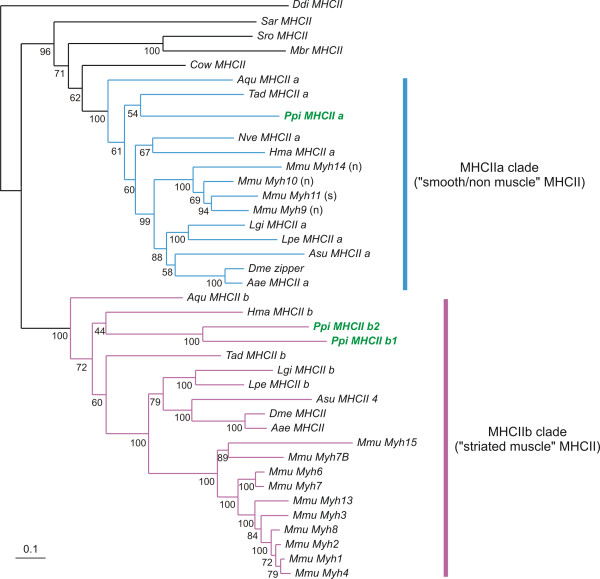
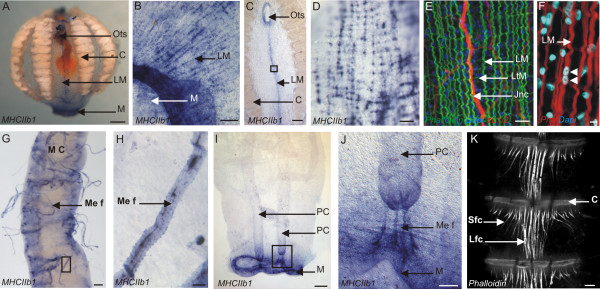
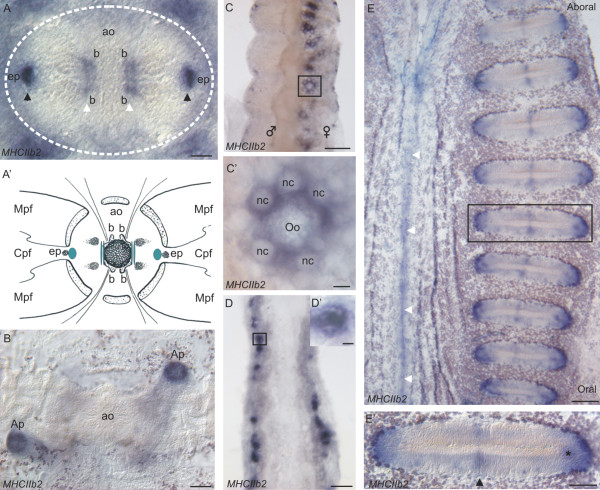
Background: Myosin II (or Myosin Heavy Chain II, MHCII) is a family of molecular motors involved in the contractile activity of animal muscle cells but also in various other cellular processes in non-muscle cells. Previous phylogenetic analyses of bilaterian MHCII genes identified two main clades associated respectively with smooth/non-muscle cells (MHCIIa) and striated muscle cells (MHCIIb). Muscle cells are generally thought to have originated only once in ancient animal history, and decisive insights about their early evolution are expected to come from expression studies of Myosin II genes in the two non-bilaterian phyla that possess muscles, the Cnidaria and Ctenophora. Results: We have uncovered three MHCII paralogues in the ctenophore species Pleurobrachia pileus. Phylogenetic analyses indicate that the MHCIIa / MHCIIb duplication is more ancient than the divergence between extant metazoan lineages. The ctenophore MHCIIa gene (PpiMHCIIa) has an expression pattern akin to that of "stem cell markers" (Piwi, Vasa…) and is expressed in proliferating cells. We identified two MHCIIb genes that originated from a ctenophore-specific duplication. PpiMHCIIb1 represents the exclusively muscular form of myosin II in ctenophore, while PpiMHCIIb2 is expressed in non-muscle cells of various types. In parallel, our phalloidin staining and TEM observations highlight the structural complexity of ctenophore musculature and emphasize the experimental interest of the ctenophore tentacle root, in which myogenesis is spatially ordered and strikingly similar to striated muscle formation in vertebrates. Conclusion: MHCIIa expression in putative stem cells/proliferating cells probably represents an ancestral trait, while specific involvement of some MHCIIa genes in smooth muscle fibres is a uniquely derived feature of the vertebrates. That one ctenophore MHCIIb paralogue (PpiMHCIIb2) has retained MHCIIa-like expression features furthermore suggests that muscular expression of the other paralogue, PpiMHCIIb1, was the result of neofunctionalisation within the ctenophore lineage, making independent origin of ctenophore muscle cells a likely option.
Overview
The claims and statistics of this paper haven’t been checked yet.
Free: it reads the open-access text and checks the first 5 claims that cite a source we can check. Create a free account to check every claim.
Integrity signals
Registry
Cites
Statistics
Figures
Verification
Claims the paper makes
The claims and statistics of this paper haven’t been checked yet.
Free: it reads the open-access text and checks the first 5 claims that cite a source we can check. Create a free account to check every claim.
Claims other papers make about this one
Each is checked against this paper’s own text: does it say what the citing paper says it does?
The cited source doesn’t support the claim as written.
In the citing paper
“Various lines of evidence, especially the genome analysis of Ryan et al. (2013), suggest that not only are ctenophores basal, but their nervous system and/or mesoderm may be convergently derived relative to that of bilaterians”
From The origin of the animals and a ‘Savannah’ hypothesis for early bilaterian evolution: Early evolution of the animals (2017) · cites this paper as Dayraud et al., 2012
Checked by a reasoning model — may be wrong.
Experimental — accuracy not yet measured
Self-check
Percentages, sums and reported differences re-computed from the paper’s own numbers.
The self-check needs the paper’s full text.
Citations
Cites
MUSCLE: multiple sequence alignment with high accuracy and high throughput
Edgar, R. C. (2004) · Nucleic Acids Research · doi:10.1093/nar/gkh340 · Cited by 44,662 · cited 2×
“Edgar RC: MUSCLE: multiple sequence alignment with high accuracy and high throughput.”
A Simple, Fast, and Accurate Algorithm to Estimate Large Phylogenies by Maximum Likelihood
Guindon, S., & Gascuel, O. (2003) · Systematic Biology · doi:10.1080/10635150390235520 · Cited by 16,806 · cited 1×
“Maximum-likelihood analyses were performed using the PhyML program [54], with the WAG model of aminoacid substitution and a BioNJ tree as the input tree.”
MethodMatrix elasticity directs stem cell lineage specification
Engler, A. J., Sen, S., Sweeney, H. L., & Discher, D. E. (2006) · Cell · doi:10.1016/j.cell.2006.06.044 · Cited by 13,915 · cited 1×
“Therefore, myosins II regulate fundamental aspects of cellular shape morphology [16-18], cytokinesis [19], cell differentiation [20,21] and more generally, many aspects of cellular behaviour [22].”
BackgroundSelection of Conserved Blocks from Multiple Alignments for Their Use in Phylogenetic Analysis
Castresana, J. (2000) · Molecular Biology and Evolution · doi:10.1093/oxfordjournals.molbev.a026334 · Cited by 10,508
Cell Shape, Cytoskeletal Tension, and RhoA Regulate Stem Cell Lineage Commitment
McBeath, R., Pirone, D. M., Nelson, C. M., Bhadriraju, K., & Chen, C. S. (2004) · Developmental Cell · doi:10.1016/s1534-5807(04)00075-9 · Cited by 4,180 · cited 1×
“Therefore, myosins II regulate fundamental aspects of cellular shape morphology [16-18], cytokinesis [19], cell differentiation [20,21] and more generally, many aspects of cellular behaviour [22].”
BackgroundPreservation of Duplicate Genes by Complementary, Degenerative Mutations
Force, A., Lynch, M., Pickett, F. B., Amores, A., Yan, Y.-L., & Postlethwait, J. (1999) · Genetics · doi:10.1093/genetics/151.4.1531 · Cited by 3,529
Non-muscle myosin II takes centre stage in cell adhesion and migration
Vicente-Manzanares, M., Ma, X., Adelstein, R. S., & Horwitz, A. R. (2009) · Nature Reviews Molecular Cell Biology · doi:10.1038/nrm2786 · Cited by 2,032 · cited 1×
“In metazoans, various myosin II proteins play pivotal roles in cytokinesis [8,9], cell migration [10-12], cell-cell adhesion [12,13], or cell polarity [11,14,15].”
BackgroundBroad phylogenomic sampling improves resolution of the animal tree of life
Dunn, C. W., Hejnol, A., Matus, D. Q., Pang, K., Browne, W. E., Smith, S. A., Seaver, E., Rouse, G. W., Obst, M., Edgecombe, G. D., et al. (2008) · Nature · doi:10.1038/nature06614 · Cited by 1,921 · cited 1×
“Some recent phylogenomic analyses have placed them as the sister group to all other metazoans [35,36], but this result was probably due to an artefact of long-branch attraction [37-39].”
BackgroundReproduction of Marine Invertebrates
(1979) · Elsevier eBooks · doi:10.1016/b978-0-12-282505-7.x5001-5 · Cited by 1,263
Pulsed contractions of an actin–myosin network drive apical constriction
Martin, A. C., Kaschube, M., & Wieschaus, E. F. (2009) · Nature · doi:10.1038/nature07522 · Cited by 1,245 · cited 1×
“Therefore, myosins II regulate fundamental aspects of cellular shape morphology [16-18], cytokinesis [19], cell differentiation [20,21] and more generally, many aspects of cellular behaviour [22].”
BackgroundResolving difficult phylogenetic questions: Why more sequences are not enough
Philippe, H., Brinkmann, H., Lavrov, D. V., Littlewood, D. T. J., Manuel, M., Wörheide, G., & Baurain, D. (2011) · PLoS Biology · doi:10.1371/journal.pbio.1000602 · Cited by 1,129 · cited 1×
“Some recent phylogenomic analyses have placed them as the sister group to all other metazoans [35,36], but this result was probably due to an artefact of long-branch attraction [37-39].”
BackgroundSelf-citationGrassé, P.-P., Bourdelle, E., Bourlière, F., & Dekeyser, P. L. (1955) · Cited by 933
Myosin isoforms, muscle fiber types, and transitions
Pette, D., & Staron, R. S. (2000) · Microscopy Research and Technique · doi:10.1002/1097-0029(20000915)50:6<500::aid-jemt7>3.0.co;2-7 · Cited by 922
Myosins: a diverse superfamily
Sellers, J. R. (2000) · Biochimica et Biophysica Acta (BBA) - Molecular Cell Research · doi:10.1016/s0167-4889(00)00005-7 · Cited by 848 · cited 1×
“Previous analyses of myosin II proteins in bilaterian animals have recognised two phylogenetic groups, the first containing genes expressed in smooth muscle cells and in non-muscle cells, while genes of the second group are specifically expressed in striated (skeletal or cardiac) muscle cells [2,23].”
BackgroundAssessing the root of bilaterian animals with scalable phylogenomic methods
Hejnol, A., Obst, M., Stamatakis, A., Ott, M., Rouse, G. W., Edgecombe, G. D., Martinez, P., Baguñà, J., Bailly, X., Jondelius, U., et al. (2009) · Proceedings of the Royal Society B: Biological Sciences · doi:10.1098/rspb.2009.0896 · Cited by 747 · cited 1×
“Some recent phylogenomic analyses have placed them as the sister group to all other metazoans [35,36], but this result was probably due to an artefact of long-branch attraction [37-39].”
BackgroundPhylogenomics Revives Traditional Views on Deep Animal Relationships
Philippe, H., Derelle, R., Lopez, P., Pick, K., Borchiellini, C., Boury-Esnault, N., Vacelet, J., Renard, E., Houliston, E., Quéinnec, E., et al. (2009) · Current Biology · doi:10.1016/j.cub.2009.02.052 · Cited by 695 · cited 3×
“The ctenophore data furthermore suggest that MHCIIa genes were not involved in muscle contraction but had retained the plesiomorphic non-muscular expression in the last common ancestor of ctenophores and bilaterians, although muscle cells are generally thought to have been present in this ancestor ([37,73].”
BackgroundSelf-citationReproduction of marine invertebrates
Dales, R. P. (1974) · Nature · doi:10.1038/251556b0 · Cited by 530
The evolution of cell types in animals: emerging principles from molecular studies
Arendt, D. (2008) · Nature Reviews Genetics · doi:10.1038/nrg2416 · Cited by 525 · cited 1×
“pithelial cells [25], integrated within the ectoderm and endoderm [26], although there are some reported”
BackgroundMyosin IIA regulates cell motility and actomyosin–microtubule crosstalk
Even-Ram, S., Doyle, A. D., Conti, M. A., Matsumoto, K., Adelstein, R. S., & Yamada, K. M. (2007) · Nature Cell Biology · doi:10.1038/ncb1540 · Cited by 508 · cited 1×
“In metazoans, various myosin II proteins play pivotal roles in cytokinesis [8,9], cell migration [10-12], cell-cell adhesion [12,13], or cell polarity [11,14,15].”
BackgroundNew insights into myosin evolution and classification
Foth, B. J., Goedecke, M. C., & Soldati, D. (2006) · Proceedings of the National Academy of Sciences · doi:10.1073/pnas.0506307103 · Cited by 498 · cited 1×
“Myosin II is a phylogenetically well-defined and diversified class [6], to which notably belong the well-known myosins that provide the physical force for muscle contraction in animals.”
BackgroundMyosin domain evolution and the primary divergence of eukaryotes
Richards, T. A., & Cavalier-Smith, T. (2005) · Nature · doi:10.1038/nature03949 · Cited by 431 · cited 3×
“Class II myosins originated in unikonts, i.e. eukaryotes ancestrally bearing a single flagellum or no flagellum, including the amoebozoans, fungi and holozoans (e.g. choanoflagellates and multicellular animals or Metazoa) [5].”
Regulation of myosin II during cytokinesis in higher eukaryotes
Matsumura, F. (2005) · Trends in Cell Biology · doi:10.1016/j.tcb.2005.05.004 · Cited by 414 · cited 1×
“Therefore, myosins II regulate fundamental aspects of cellular shape morphology [16-18], cytokinesis [19], cell differentiation [20,21] and more generally, many aspects of cellular behaviour [22].”
BackgroundOdronitz, F., & Kollmar, M. (2007) · Genome Biology · doi:10.1186/gb-2007-8-9-r196 · Cited by 390 · cited 2×
“Kollmar [4] identified 35 myosin classes at the eukaryote scale, of which 3 were present in the last common”
BackgroundNonmuscle myosin II moves in new directions
Conti, M. A., & Adelstein, R. S. (2008) · Journal of Cell Science · doi:10.1242/jcs.007112 · Cited by 351 · cited 2×
“In metazoans, various myosin II proteins play pivotal roles in cytokinesis [8,9], cell migration [10-12], cell-cell adhesion [12,13], or cell polarity [11,14,15].”
BackgroundImproved phylogenomic taxon sampling noticeably affects nonbilaterian relationships
Pick, K. S., Philippe, H., Schreiber, F., Erpenbeck, D., Jackson, D. J., Wrede, P., Wiens, M., Alie, A., Morgenstern, B., Manuel, M., et al. (2010) · Molecular Biology and Evolution · doi:10.1093/molbev/msq089 · Cited by 334 · cited 1×
“Some recent phylogenomic analyses have placed them as the sister group to all other metazoans [35,36], but this result was probably due to an artefact of long-branch attraction [37-39].”
BackgroundSelf-citationSun, M. G., Williams, J., Munoz-Pinedo, C., Perkins, G. A., Brown, J. M., Ellisman, M. H., Green, D. R., & Frey, T. G. (2007) · Nature Cell Biology · doi:10.1038/ncb1630 · Cited by 284 · cited 1×
“25 M sodium chloride (modified after [58]).”
EdU, a new thymidine analogue for labelling proliferating cells in the nervous system
Chehrehasa, F., Meedeniya, A. C. B., Dwyer, P., Abrahamsen, G., & Mackay-Sim, A. (2009) · Journal of Neuroscience Methods · doi:10.1016/j.jneumeth.2008.10.006 · Cited by 281 · cited 1×
“EdU (ethynyl deoxyuridine) is a thymidine analogue similar to the classical BrdU but quicker and easier to use [56].”
BackgroundFranke, J. D., Montague, R. A., & Kiehart, D. P. (2005) · Current Biology · doi:10.1016/j.cub.2005.11.064 · Cited by 272 · cited 1×
“Therefore, myosins II regulate fundamental aspects of cellular shape morphology [16-18], cytokinesis [19], cell differentiation [20,21] and more generally, many aspects of cellular behaviour [22].”
BackgroundA non-muscle myosin required for embryonic polarity in Caenorhabditis elegans
Guo, S., & Kemphues, K. J. (1996) · Nature · doi:10.1038/382455a0 · Cited by 262 · cited 1×
“In metazoans, various myosin II proteins play pivotal roles in cytokinesis [8,9], cell migration [10-12], cell-cell adhesion [12,13], or cell polarity [11,14,15].”
BackgroundElectrical conduction and behaviour in "simple" invertebrates
Shelton, G. (1982) · Clarendon Press eBooks · Cited by 245
Myosin II and mechanotransduction: a balancing act
Clark, K., Langeslag, M., Figdor, C. G., & van Leeuwen, F. N. (2007) · Trends in Cell Biology · doi:10.1016/j.tcb.2007.02.002 · Cited by 230 · cited 1×
“Therefore, myosins II regulate fundamental aspects of cellular shape morphology [16-18], cytokinesis [19], cell differentiation [20,21] and more generally, many aspects of cellular behaviour [22].”
BackgroundHodge, T., & Cope, M. J. T. V. (2000) · Journal of Cell Science · doi:10.1242/jcs.113.19.3353 · Cited by 225
Edwards, K. A., & Kiehart, D. P. (1996) · Development · doi:10.1242/dev.122.5.1499 · Cited by 191
Invertebrate Muscles: Muscle Specific Genes and Proteins
Hooper, S. L., & Thuma, J. B. (2005) · Physiological Reviews · doi:10.1152/physrev.00019.2004 · Cited by 190 · cited 2×
“press MHCIIa genes [64-67], in ctenophore PpiMHCIIa”
BackgroundA Unique Role for Nonmuscle Myosin Heavy Chain IIA in Regulation of Epithelial Apical Junctions
Ivanov, A. I., Bachar, M., Babbin, B. A., Adelstein, R. S., Nusrat, A., & Parkos, C. A. (2007) · PLoS ONE · doi:10.1371/journal.pone.0000658 · Cited by 178 · cited 1×
“In metazoans, various myosin II proteins play pivotal roles in cytokinesis [8,9], cell migration [10-12], cell-cell adhesion [12,13], or cell polarity [11,14,15].”
BackgroundPulsation and stabilization: Contractile forces that underlie morphogenesis
Martin, A. C. (2010) · Developmental Biology · doi:10.1016/j.ydbio.2009.10.031 · Cited by 175 · cited 1×
“Therefore, myosins II regulate fundamental aspects of cellular shape morphology [16-18], cytokinesis [19], cell differentiation [20,21] and more generally, many aspects of cellular behaviour [22].”
BackgroundEvolution of striated muscle: Jellyfish and the origin of triploblasty
Seipel, K., & Schmid, V. (2005) · Developmental Biology · doi:10.1016/j.ydbio.2005.03.032 · Cited by 172
Goodson, H. V., & Spudich, J. A. (1993) · Proceedings of the National Academy of Sciences · doi:10.1073/pnas.90.2.659 · Cited by 168 · cited 4×
“smooth muscle cells and striated muscle cells [1,24], through independent co-option of different myosin II paralogues.”
BackgroundInfluentialAlié, A., Leclère, L., Jager, M., Dayraud, C., Chang, P., Guyader, H. L., Quéinnec, É., & Manuel, M. (2010) · Developmental Biology · doi:10.1016/j.ydbio.2010.10.019 · Cited by 166 · cited 10×
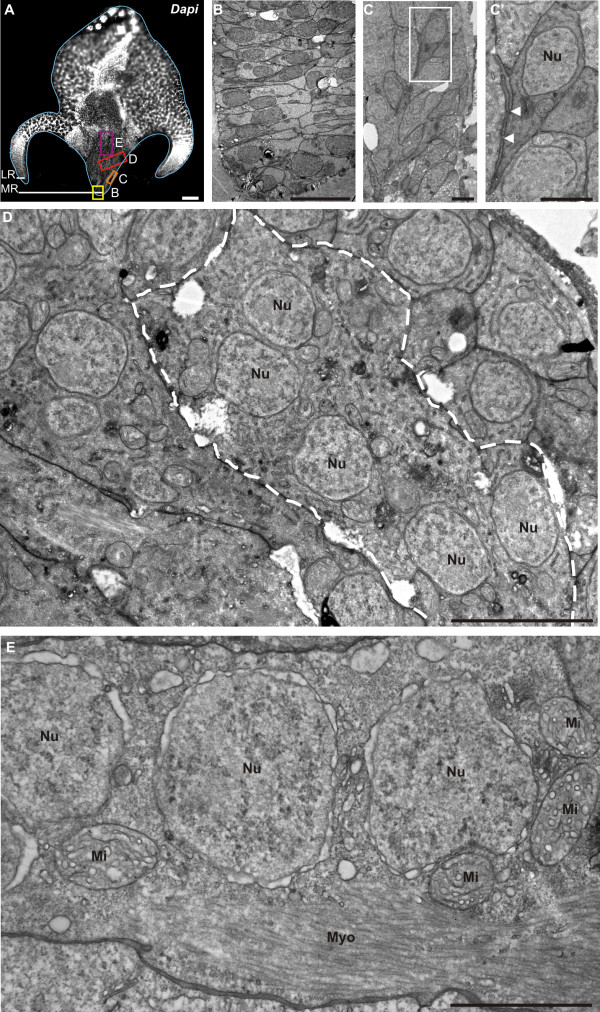
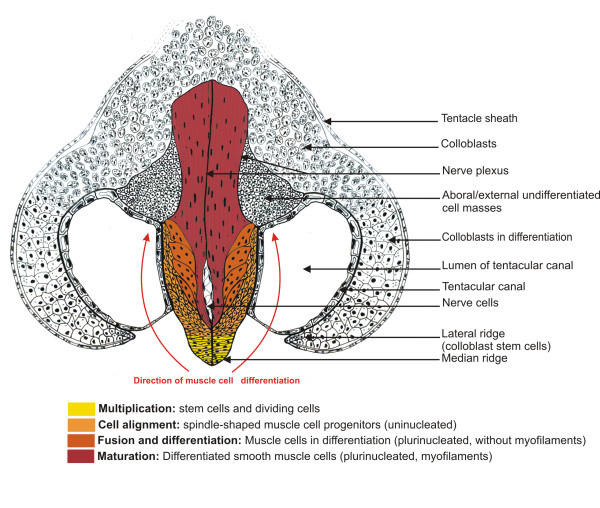
“In the lateral ridges, colloblast putative stem cells are more irregularly arranged (Figure 6); their cytological characteristics have been described elsewhere [47,50].”
BackgroundMethodSelf-citationMyosin superfamily evolutionary history
Thompson, R. F., & Langford, G. M. (2002) · The Anatomical Record · doi:10.1002/ar.10160 · Cited by 158 · cited 1×
“and diversified early during eukaryotic evolution [1-5].”
Vesicle transport: The role of actin filaments and myosin motors
DePina, A. S., & Langford, G. M. (1999) · Microscopy Research and Technique · doi:10.1002/(sici)1097-0029(19991015)47:2<93::aid-jemt2>3.0.co;2-p · Cited by 151 · cited 1×
“This neural expression of PpiMHCIIb2 reminds the involvement of some MHCIIa genes in the nervous system of various vertebrates and Drosophila, where they promote synaptic vesicle assembly and movements through interactions with F-actin partners, neuronal migration, neuronal morphogenesis and growth cone motility [77-8…”
BackgroundWheatley, S. P., Kulkarni, S., & Karess, R. E. (1995) · Development · doi:10.1242/dev.121.6.1937 · Cited by 138
A new fixation procedure for preserving the ultrastructure of marine invertebrate tissues
Eisenman, E. A., & Alfert, M. (1982) · Journal of Microscopy · doi:10.1111/j.1365-2818.1982.tb00327.x · Cited by 118
Martindale, M. Q., & Henry, J. Q. (1999) · Developmental Biology · doi:10.1006/dbio.1999.9427 · Cited by 112 · cited 1×
“In addition, part of the ctenophore musculature is located in the mesoglea and develops from a mesodermal-like germ layer [33,34].”
BackgroundMyosin II isoforms in smooth muscle: heterogeneity and function
Eddinger, T. J., & Meer, D. P. (2007) · American Journal of Physiology-Cell Physiology · doi:10.1152/ajpcell.00131.2007 · Cited by 110 · cited 2×
“press MHCIIa genes [64-67], in ctenophore PpiMHCIIa”
BackgroundJager, M., Chiori, R., Alié, A., Dayraud, C., Quéinnec, E., & Manuel, M. (2011) · Journal of Experimental Zoology Part B: Molecular and Developmental Evolution · doi:10.1002/jez.b.21386 · Cited by 107 · cited 4×
“parietal muscles) and mesogleal, parallels the similar distinction recently confirmed using immunofluorescence [40] for the nervous system, and represents a fundamental difference with cnidarians.”
BackgroundResultSelf-citationThe regulation of myosin II in Dictyostelium
Bosgraaf, L., & Haastert, P. J. M. V. (2006) · European Journal of Cell Biology · doi:10.1016/j.ejcb.2006.04.004 · Cited by 105 · cited 1×
“cytokinesis) throughout eukaryotes including members of unicellular lineages [71,72].”
BackgroundCytoskeletal Cross-linking and Bundling in Motor-Independent Contraction
Sun, S. X., Walcott, S., & Wolgemuth, C. W. (2010) · Current Biology · doi:10.1016/j.cub.2010.07.004 · Cited by 103 · cited 1×
“cytokinesis) throughout eukaryotes including members of unicellular lineages [71,72].”
BackgroundMyosin II Is Essential for the Spatiotemporal Organization of Traction Forces during Cell Motility
Meili, R., Alonso‐Latorre, B., del Álamo, J. C., Firtel, R., & Lasheras, J. C. (2009) · Molecular Biology of the Cell · doi:10.1091/mbc.e09-08-0703 · Cited by 102 · cited 1×
“Myosin II is for example involved in amoeboid motility in the unicellular life stage of the amoebozoan Dictyostelium discoideum [7].”
BackgroundMyosin function in nervous and sensory systems
Brown, M. E., & Bridgman, P. C. (2004) · Journal of Neurobiology · doi:10.1002/neu.10285 · Cited by 101 · cited 1×
“This neural expression of PpiMHCIIb2 reminds the involvement of some MHCIIa genes in the nervous system of various vertebrates and Drosophila, where they promote synaptic vesicle assembly and movements through interactions with F-actin partners, neuronal migration, neuronal morphogenesis and growth cone motility [77-8…”
BackgroundMesodermal anatomies in cnidarian polyps and medusae
Seipel, K., & Schmid, V. (2006) · The International Journal of Developmental Biology · doi:10.1387/ijdb.062150ks · Cited by 97
Smooth muscle myosin heavy chain isoforms and their role in muscle physiology
Babu, G. J., Warshaw, D. M., & Periasamy, M. (2000) · Microscopy Research and Technique · doi:10.1002/1097-0029(20000915)50:6<532::aid-jemt10>3.0.co;2-e · Cited by 93
Non-muscle myosin II regulates survival threshold of pluripotent stem cells
Walker, A., Su, H., Conti, M. A., Harb, N., Adelstein, R. S., & Sato, N. (2010) · Nature Communications · doi:10.1038/ncomms1074 · Cited by 87 · cited 1×
“Moreover, a recent work based on specific inhibition of non-muscle myosins II demonstrated their involvement in self-renewal programmes in human and mouse pluripotent stem cells [68].”
BackgroundCoevolution of head, neck, and tail domains of myosin heavy chains
Korn, E. D. (2000) · Proceedings of the National Academy of Sciences · doi:10.1073/pnas.230441597 · Cited by 77 · cited 2×
“smooth muscle cells and striated muscle cells [1,24], through independent co-option of different myosin II paralogues.”
BackgroundStructure and function of the prehensile tentilla of Euplokamis (Ctenophora, Cydippida)
Mackie, G. O., Mills, C. E., & Singla, C. L. (1988) · Zoomorphology · doi:10.1007/bf00312216 · Cited by 67 · cited 2×
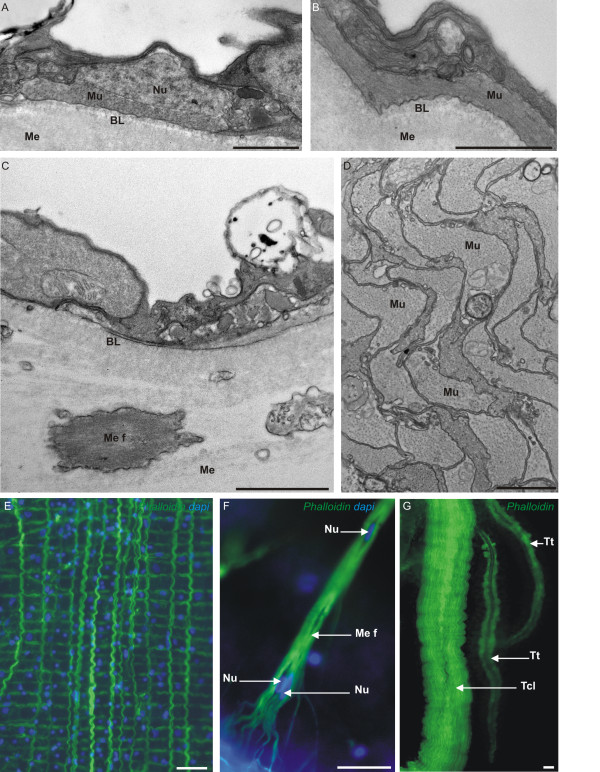
“Ctenophore muscles are considered to be of the smooth type due to the absence of a striation pattern on electronographies (except in the tentillae of the cydippid ctenophore Euplokamis [31,45]), but their mesogleal muscle cells are multinucleated [31], which represents a fundamental difference with the mononucleated s…”
Backgroundde Lange, W. J., Halabi, C. M., Beyer, A. M., & Sigmund, C. D. (2008) · Physiological Genomics · doi:10.1152/physiolgenomics.90284.2008 · Cited by 67 · cited 1×
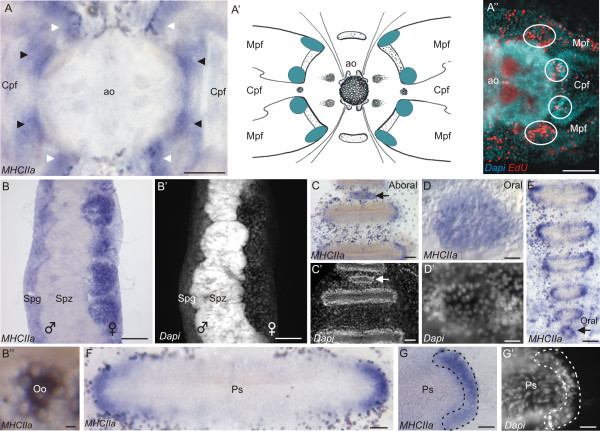
“Expression of PpiMHCIIa throughout the ctenophore germ line (except in the most mature stages of spermatogenesis) suggests a conservative role for non-muscle myosin II (MHCIIa clade) in gametogenesis, as proposed in different studies of vertebrate meiotic chromosomes [69,70].”
BackgroundMicroanatomy of the cubopolyp,Tripedalia cystophora (Class Cubozoa)
Chapman, D. M. (1978) · Helgoländer Wissenschaftliche Meeresuntersuchungen · doi:10.1007/bf02296994 · Cited by 66
Ultrastructure of the giant smooth muscle fiber of the ctenophore Beroe ovata
Hernandez‐Nicaise, M., & Amsellem, J. (1980) · Journal of Ultrastructure Research · doi:10.1016/s0022-5320(80)90053-2 · Cited by 64 · cited 1×
“The very particular “mesogleal giant smooth fibres” of ctenophores belonging to the order Beroida (which lack the parietal musculature [31]) have been the subject of specific studies [41-44], while other muscle cell types, and muscles of other ctenophores, are much less known.”
BackgroundMyosin II function in non‐muscle cells
Maciver, S. K. (1996) · BioEssays · doi:10.1002/bies.950180304 · Cited by 63 · cited 1×
“In metazoans, various myosin II proteins play pivotal roles in cytokinesis [8,9], cell migration [10-12], cell-cell adhesion [12,13], or cell polarity [11,14,15].”
BackgroundGiant smooth muscle cells of Beroë. Ultrastructure, innervation, and electrical properties.
Hernandez-Nicaise, M. L., Mackie, G. O., & Meech, R. W. (1980) · The Journal of general physiology · doi:10.1085/jgp.75.1.79 · Cited by 50 · cited 1×
“The very particular “mesogleal giant smooth fibres” of ctenophores belonging to the order Beroida (which lack the parietal musculature [31]) have been the subject of specific studies [41-44], while other muscle cell types, and muscles of other ctenophores, are much less known.”
BackgroundNyitray, L., Jancsó, A., Ochiai, Y., Gráf, L., & Szent‐Györgyi, A. (1994) · Proceedings of the National Academy of Sciences · doi:10.1073/pnas.91.26.12686 · Cited by 48 · cited 1×
“Accordingly, in scallop (a mollusc) smooth and striated muscles of the foot express two different splicing variants of the same MHCII gene, closely related to vertebrate striated muscle myosin II (MHCIIb) [74], indicating that functional specialisation of myosins according to muscle cell types (smooth vs.”
BackgroundInsights into the early evolution of SOX genes from expression analyses in a ctenophore
Jager, M., Quéinnec, E., Chiori, R., Le Guyader, H., & Manuel, M. (2008) · Journal of Experimental Zoology Part B: Molecular and Developmental Evolution · doi:10.1002/jez.b.21244 · Cited by 46 · cited 2×
“The in situ hybridisation (ISH) protocol was as described in [55] but colour was developed with NBT/BCIP (Roche Diagnostics, Meylan, France).”
MethodSelf-citationLife stage specific expression of a myosin heavy chain in the hydrozoan Podocoryne carnea
Schuchert, P., Reber-Müller, S., & Schmid, V. (1993) · Differentiation · doi:10.1111/j.1432-0436.1993.tb00654.x · Cited by 41 · cited 1×
“[82], but expression data for cnidarian MCHIIa genes are critically lacking.”
BackgroundNonmuscle Myosin II helps regulate synaptic vesicle mobility at the Drosophilaneuromuscular junction
Seabrooke, S., Qiu, X., & Stewart, B. A. (2010) · BMC Neuroscience · doi:10.1186/1471-2202-11-37 · Cited by 41 · cited 1×
“This neural expression of PpiMHCIIb2 reminds the involvement of some MHCIIa genes in the nervous system of various vertebrates and Drosophila, where they promote synaptic vesicle assembly and movements through interactions with F-actin partners, neuronal migration, neuronal morphogenesis and growth cone motility [77-8…”
BackgroundThe Significance of Muscle Cells for the Origin of Mesoderm in Bilateria
Rieger, R. M., & Ladurner, P. (2003) · Integrative and Comparative Biology · doi:10.1093/icb/43.1.47 · Cited by 38 · cited 1×
“their muscle fibres lack a cellular body with filament-free cytoplasm ([31] but see [32] for an alternative point of view).”
Backgroundvon Hertwig, R. K. W. T. (1880) · G. Fischer eBooks · Cited by 34
Microanatomy of the bell rim of Aurelia aurita(Cnidaria: Scyphozoa)
Chapman, D. M. (1999) · Canadian Journal of Zoology · doi:10.1139/z98-193 · Cited by 33
Benwitz, G. (1978) · Zoomorphology · doi:10.1007/bf00993952 · Cited by 32 · cited 2×
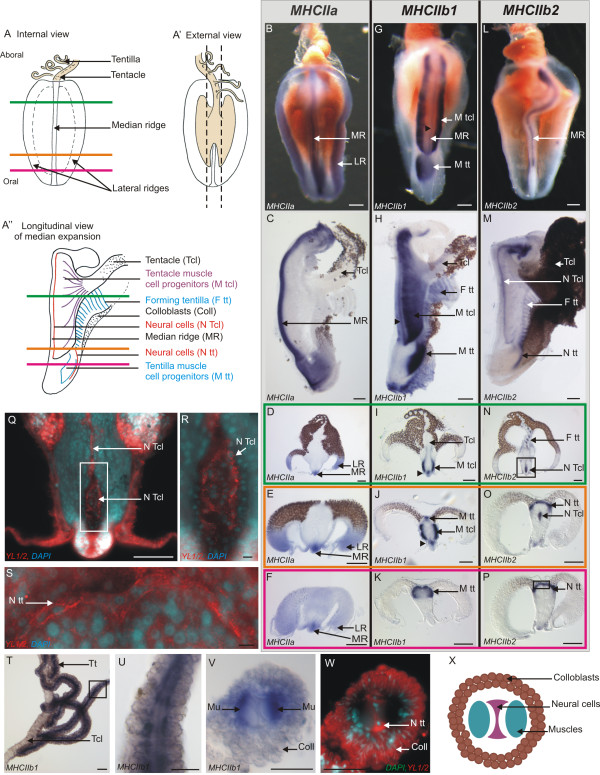
“The muscle putative stem cells and progenitors are localised along a median ridge in the symmetry plane of the tentacle root on its internal face [47-51].”
BackgroundMembrane currents that govern smooth muscle contraction in a ctenophore
Bilbaut, A., Hernandez‐Nicaise, M., Leech, C. A., & Meech, R. W. (1988) · Nature · doi:10.1038/331533a0 · Cited by 32 · cited 1×
“The very particular “mesogleal giant smooth fibres” of ctenophores belonging to the order Beroida (which lack the parietal musculature [31]) have been the subject of specific studies [41-44], while other muscle cell types, and muscles of other ctenophores, are much less known.”
BackgroundCytokinesis: New Roles for Myosin
Burgess, D. R. (2005) · Current Biology · doi:10.1016/j.cub.2005.04.008 · Cited by 32 · cited 1×
“In metazoans, various myosin II proteins play pivotal roles in cytokinesis [8,9], cell migration [10-12], cell-cell adhesion [12,13], or cell polarity [11,14,15].”
BackgroundImmunochemical localization of contractile proteins in mammalian meiotic chromosomes
Martino, C. D., Capanna, E., Nicotra, M., & Natali, P. G. (1980) · Cell and Tissue Research · doi:10.1007/bf00236928 · Cited by 31 · cited 1×
“Expression of PpiMHCIIa throughout the ctenophore germ line (except in the most mature stages of spermatogenesis) suggests a conservative role for non-muscle myosin II (MHCIIa clade) in gametogenesis, as proposed in different studies of vertebrate meiotic chromosomes [69,70].”
BackgroundChun, K. (1880) · W. Engelmann eBooks · doi:10.5962/bhl.title.39844 · Cited by 31
Zur Histologie der Ctenophoren
Samassa, P. (1892) · Archiv für Mikroskopische Anatomie · doi:10.1007/bf02954492 · Cited by 30
Seabrooke, S., & Stewart, B. A. (2011) · Journal of Neurophysiology · doi:10.1152/jn.00718.2010 · Cited by 29 · cited 1×
“This neural expression of PpiMHCIIb2 reminds the involvement of some MHCIIa genes in the nervous system of various vertebrates and Drosophila, where they promote synaptic vesicle assembly and movements through interactions with F-actin partners, neuronal migration, neuronal morphogenesis and growth cone motility [77-8…”
BackgroundHernandez-Nicaise, M. L., Bilbaut, A., Malaval, L., & Nicaise, G. (1982) · Proceedings of the National Academy of Sciences · doi:10.1073/pnas.79.6.1884 · Cited by 24 · cited 1×
“The very particular “mesogleal giant smooth fibres” of ctenophores belonging to the order Beroida (which lack the parietal musculature [31]) have been the subject of specific studies [41-44], while other muscle cell types, and muscles of other ctenophores, are much less known.”
BackgroundCharacterization of Isoform Diversity Among Smooth Muscle and Nonmuscle Myosin Heavy Chains
Kelley, C. A. (1997) · Comparative Biochemistry and Physiology Part B Biochemistry and Molecular Biology · doi:10.1016/s0305-0491(96)00313-6 · Cited by 16 · cited 2×
“press MHCIIa genes [64-67], in ctenophore PpiMHCIIa”
BackgroundChun, C. (1880) · W. Engelmann eBooks · doi:10.5962/bhl.title.10162 · Cited by 16
Goodson, H. V. (1994) · PubMed · Cited by 13
Chun, C. (1880) · Cited by 10
La mésoglée des cténaires : approches ultrastructurale, biochimique et métabolique
Franc, J. (1985) · Cited by 7
Cytokinesis and the establishment of early embryonic cell polarity
Burgess, D. R. (2008) · Biochemical Society Transactions · doi:10.1042/bst0360384 · Cited by 4 · cited 1×
“In metazoans, various myosin II proteins play pivotal roles in cytokinesis [8,9], cell migration [10-12], cell-cell adhesion [12,13], or cell polarity [11,14,15].”
Background
Research works printed but not linked: 6
- Brusca RC Brusca GJ Invertebrates. Sinauer Associated, Inc. (second edition) 2005 1 1
- Hernandez-Nicaise ML Harrison FW, Westfall JA Ctenophora Microscopic Anatomy of the Invertebrates. Vol. Volume II: Placozoa, Porifera, Cnidaria, and Ctenophora 1991 New York: John Wiley 359 418
- Martindale MQ Henry JQ Gilbert SF, Raunio AM Ctenophorans, the Comb Jellies Embryology: constructing the organism, Sinauer, (Sunderland, MA) 1997 87 111
- Hernandez-Nicaise ML Système nerveux et intégration chez les Cténaires. Etude ultrastructurale et comportementale Ph. D. Thesis. University Claude Bernard (Lyon I) 1974
- Dunlap HL Oogenesis in the Ctenophora Ph.D. Thesis. University of Washington (Seattle, Washington) 1966
- Nielsen C Animal evolution: interrelationships of the living phylums 2001 2 New York: Oxford University Press
Cited by
Budd, G. E., & Jensen, S. (2017) · Biological Reviews · doi:10.1111/brv.12239 · Cited by 242
The hidden biology of sponges and ctenophores
Dunn, C. W., Leys, S. P., & Haddock, S. H. D. (2015) · Trends in Ecology & Evolution · doi:10.1016/j.tree.2015.03.003 · Cited by 212
Light-regulated collective contractility in a multicellular choanoflagellate
(2019) · doi:10.1126/science.aay2346 · Cited by 169
Gastric pouches and the mucociliary sole: setting the stage for nervous system evolution
Arendt, D., Benito-Gutierrez, E., Brunet, T., & Marlow, H. (2015) · Philosophical Transactions of the Royal Society B: Biological Sciences · doi:10.1098/rstb.2015.0286 · Cited by 112
Support for a clade of Placozoa and Cnidaria in genes with minimal compositional bias
Laumer, C. E., Gruber-Vodicka, H., Hadfield, M. G., Pearse, V. B., Riesgo, A., Marioni, J. C., & Giribet, G. (2018) · eLife · doi:10.7554/elife.36278 · Cited by 112
“…of possibly independent origins of several hallmark traits such as striated muscles, digestive systems, and nervous systems (Moroz et al., 2014; Dayraud et al., 2012; Hejnol and Martı́n-Durán, 2015; Liebeskind et al., 2017; Moroz and Kohn, 2016; Presnell et al., 2016; Steinmetz et al., 2012).”
Metadata
- Authors
- Dayraud, C., Alié, A., Jager, M., Chang, P., Le Guyader, H., Manuel, M., & Quéinnec, E.
- Affiliations
- Centre National de la Recherche Scientifique (FR)
- Venue
- BMC Evolutionary Biology
- Published
- 2012-07-02
- Volume
- 12
- Issue
- 1
- Pages
- 107-107
- ISSN
- 1471-2148 (ISSN-L)
- PMC
- PMC3502136
- OpenAlex
- W2031001756
- Cited by
- 49
- References
- 79
- Citations by year
- 2026: 1 · 2024: 2 · 2023: 4 · 2022: 2 · 2021: 5 · 2019: 6 · 2018: 6 · 2017: 3 · 2016: 4 · 2015: 8 · 2014: 4 · 2013: 4
- FWCI
- 3.79
- Type
- journal article
- Language
- en
- Open access
- gold
- doi.org
- Licence
- cc-by
- Locations
- BMC Evolutionary Biology (publishedVersion, cc-by)
- Europe PMC (PubMed Central) (publishedVersion, cc-by)
- PubMed Central (publishedVersion, cc-by)
- PubMed (publishedVersion)
- HAL (submittedVersion)
- DOAJ (DOAJ: Directory of Open Access Journals) (submittedVersion, cc-by-sa)
- Funders
- Agence Nationale de la Recherche (ANR-09-BLAN-0236)
- Topics
- Life Sciences › Agricultural and Biological Sciences › Animal Science and Zoology › Marine Invertebrate Physiology and Ecology
- Life Sciences › Biochemistry, Genetics and Molecular Biology › Molecular Biology › Developmental Biology and Gene Regulation
- Life Sciences › Biochemistry, Genetics and Molecular Biology › Molecular Biology › Muscle Physiology and Disorders
- Keywords
- myosin II, ctenophores, Pleurobrachia pileus, muscle evolution, gene duplication, smooth muscle, striated muscle, stem cell markers, myogenesis, phalloidin staining
- MeSH terms
- Animals, Muscles, Phylogeny, Stem Cells, Sequence Analysis, DNA, Evolution, Molecular, Gene Duplication, Myosin Type II, Muscle Cells, Ctenophora
About these checks
Registry, retraction, Cites and statistics results are computed, not judged, with one exception: a printed reference that no index lists is read once by a model before it counts as a citation error. Claims are extracted by a model and kept only when their quote appears verbatim in the text; each cited source is then checked, with a model’s help, for whether it says what the claim relies on. Those verdicts can be wrong — read the claim’s quote and the cited source before relying on one.
Statistics and arithmetic are recomputed, not judged.
Confidence bands are shown only for fields calibrated on our annotated test set. None is calibrated yet, so no band is shown.
What counts as a claim ›How we measure confidence ›How we check this ›
Are you an author, or do you see a problem with this page? Request a review
Data sources
Bibliographic data: Semantic Scholar, OpenAlex, Crossref.
Contains information from the Semantic Scholar Academic Graph Datasets, made available under the ODC Attribution License (ODC-BY 1.0).
Semantic Scholar’s data is described in: Kinney, R., et al. (2023). The Semantic Scholar Open Data Platform. arXiv:2301.10140.
