

Sequencing and de novo analysis of a coral larval transcriptome using 454 GSFlx
Open accessThe DOI matches its Crossref record; 46 of the 46 references it cites were found in a registry or an index.
Abstract
BACKGROUND: New methods are needed for genomic-scale analysis of emerging model organisms that exemplify important biological questions but lack fully sequenced genomes. For example, there is an urgent need to understand the potential for corals to adapt to climate change, but few molecular resources are available for studying these processes in reef-building corals. To facilitate genomics studies in corals and other non-model systems, we describe methods for transcriptome sequencing using 454, as well as strategies for assembling a useful catalog of genes from the output. We have applied these methods to sequence the transcriptome of planulae larvae from the coral Acropora millepora. RESULTS: More than 600,000 reads produced in a single 454 sequencing run were assembled into approximately 40,000 contigs with five-fold average sequencing coverage. Based on sequence similarity with known proteins, these analyses identified approximately 11,000 different genes expressed in a range of conditions including thermal stress and settlement induction. Assembled sequences were annotated with gene names, conserved domains, and Gene Ontology terms. Targeted searches using these annotations identified the majority of genes associated with essential metabolic pathways and conserved signaling pathways, as well as novel candidate genes for stress-related processes. Comparisons with the genome of the anemone Nematostella vectensis revealed approximately 8,500 pairs of orthologs and approximately 100 candidate coral-specific genes. More than 30,000 SNPs were detected in the coral sequences, and a subset of these validated by re-sequencing. CONCLUSION: The methods described here for deep sequencing of the transcriptome should be widely applicable to generate catalogs of genes and genetic markers in emerging model organisms. Our data provide the most comprehensive sequence resource currently available for reef-building corals, and include an extensive collection of potential genetic markers for association and population connectivity studies. The characterization of the larval transcriptome for this widely-studied coral will enable research into the biological processes underlying stress responses in corals and evolutionary adaptation to global climate change.
Overview
The claims and statistics of this paper haven’t been checked yet.
Free: it reads the open-access text and checks the first 5 claims that cite a source we can check. Create a free account to check every claim.
Integrity signals
Registry
Cites
Statistics
Figures
Verification
Claims the paper makes
The claims and statistics of this paper haven’t been checked yet.
Free: it reads the open-access text and checks the first 5 claims that cite a source we can check. Create a free account to check every claim.
Claims other papers make about this one
Each is checked against this paper’s own text: does it say what the citing paper says it does?
The source backs part of the claim, not all of it — or backs it for a different population, condition or comparison.
In the citing paper
“The newly developed high throughput sequencing technology, i.e. Next Generation Sequencing (NGS), including the Roche/454 Genome Sequencer FLX Instrument, the ABI SOLiD System, and the Illumina Genome Analyser, is a powerful and cost-efficient tool for advanced research in many areas, including re-sequencing, microRNA expression profiling, DNA methylation, especially de novo transcriptome”
From De novo assembly and characterization of root transcriptome using Illumina paired-end sequencing and development of cSSR markers in sweetpotato (Ipomoea batatas) (2010) · cites this paper as [17]
Experimental — accuracy not yet measuredThe cited source says what the claim attributes to it.
In the citing paper
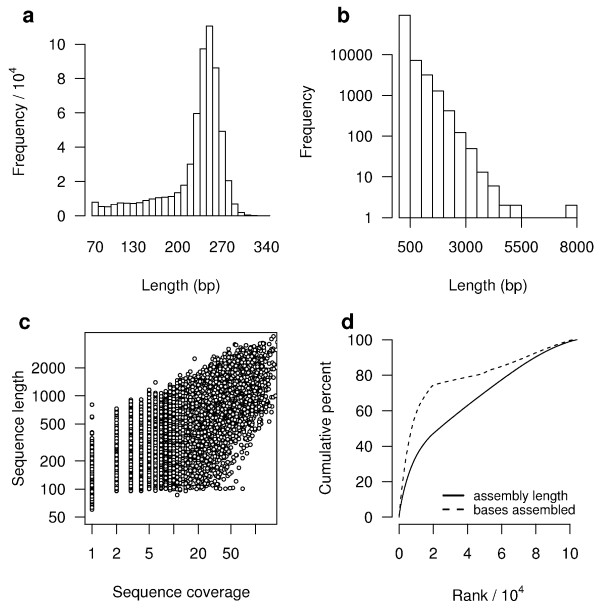
“These sequences also produced longer unigenes (mean = 581 bp) than those assembled in previous studies for example, butterfly (197 bp) [60], Eucalyptus grandis (247 bp) [11], coral larval (440 bp) [17], lodegpole pine (500 bp) [10]) and whitefly (clusters: 372 bp; singletons: 265 bp) [27]).”
The cited source says what the claim attributes to it.
In the citing paper
“Nonetheless, only 40% of reads were assembled into unigenes, which is less than that reported for 454 transciptome assemblies (e.g., 88% [11], 90% [17], 48% [10]).”
Self-check
Percentages, sums and reported differences re-computed from the paper’s own numbers.
The self-check needs the paper’s full text.
Citations
Cites
Gene Ontology: tool for the unification of biology
Ashburner, M., Ball, C. A., Blake, J. A., Botstein, D., Butler, H., Cherry, J. M., Davis, A. P., Dolinski, K., Dwight, S. S., Eppig, J. T., et al. (2000) · Nature Genetics · doi:10.1038/75556 · Cited by 43,206 · cited 1×
“To annotate assembled sequences with Gene Ontology (GO) terms describing biological processes [51], molecular functions, and cellular components, sequences were compared against the UniProt-TrEMBL database of protein sequences [52] using WU-blast.”
MethodGenome sequencing in microfabricated high-density picolitre reactors
Margulies, M., Egholm, M., Altman, W. E., Attiya, S., Bader, J. S., Bemben, L. A., Berka, J., Braverman, M. S., Chen, Y.-J., Chen, Z., et al. (2005) · Nature · doi:10.1038/nature03959 · Cited by 7,693 · cited 2×
“The increased throughput of next-generation sequencing technologies such as 454 sequencing [15] shows great potential for expanding sequence databases of corals and other emerging model organisms (reviewed in [16]).”
BackgroundSelf-citationCoral Reefs Under Rapid Climate Change and Ocean Acidification
Hoegh-Guldberg, O., Mumby, P. J., Hooten, A. J., Steneck, R. S., Greenfield, P., Gomez, E., Harvell, C. D., Sale, P. F., Edwards, A. J., Caldeira, K., et al. (2007) · Science · doi:10.1126/science.1152509 · Cited by 5,885 · cited 1×
“Background Reef-building corals support productive and diverse marine communities that provide important ecosystem services [1], but are threatened throughout their global range by a variety of stressors that include increasing sea surface temperatures, pollution, ocean acidification and disease [2-4].”
BackgroundCAP3: A DNA Sequence Assembly Program
Huang, X., & Madan, A. (1999) · Genome Research · doi:10.1101/gr.9.9.868 · Cited by 5,261 · cited 1×
“First, all 634,070 reads were assembled using the CAP3 program [56].”
MethodClimate Change, Human Impacts, and the Resilience of Coral Reefs
Hughes, T. P., Baird, A. H., Bellwood, D. R., Card, M., Connolly, S. R., Folke, C., Grosberg, R., Hoegh-Guldberg, O., Jackson, J. B. C., Kleypas, J., et al. (2003) · Science · doi:10.1126/science.1085046 · Cited by 3,928 · cited 1×
“Background Reef-building corals support productive and diverse marine communities that provide important ecosystem services [1], but are threatened throughout their global range by a variety of stressors that include increasing sea surface temperatures, pollution, ocean acidification and disease [2-4].”
BackgroundEcological goods and services of coral reef ecosystems
Moberg, F., & Folke, C. (1999) · Ecological Economics · doi:10.1016/s0921-8009(99)00009-9 · Cited by 2,088 · cited 1×
“Background Reef-building corals support productive and diverse marine communities that provide important ecosystem services [1], but are threatened throughout their global range by a variety of stressors that include increasing sea surface temperatures, pollution, ocean acidification and disease [2-4].”
BackgroundThe Bioperl Toolkit: Perl Modules for the Life Sciences
Stajich, J. E., Block, D., Boulez, K., Brenner, S. E., Chervitz, S. A., Dagdigian, C., Fuellen, G., Gilbert, J. G. R., Korf, I., Lapp, H., et al. (2002) · Genome Research · doi:10.1101/gr.361602 · Cited by 1,654 · cited 1×
“All sequence analyses were conducted using publicly available software and custom Perl scripts that relied heavily upon BioPerl modules [42].”
MethodSea Anemone Genome Reveals Ancestral Eumetazoan Gene Repertoire and Genomic Organization
Putnam, N. H., Srivastava, M., Hellsten, U., Dirks, B., Chapman, J., Salamov, A., Terry, A., Shapiro, H., Lindquist, E., Kapitonov, V. V., et al. (2007) · Science · doi:10.1126/science.1139158 · Cited by 1,555
CORUM: the comprehensive resource of mammalian protein complexes—2009
Ruepp, A., Waegele, B., Lechner, M., Brauner, B., Dunger-Kaltenbach, I., Fobo, G., Frishman, G., Montrone, C., & Mewes, H.-W. (2010) · Nucleic Acids Research · doi:10.1093/nar/gkp914 · Cited by 1,310 · cited 1×
“For these searches, the lists of genes associated with metabolic pathways were based on the BioCyc database of pathways [29], and gene lists for protein complexes were based on the CORUM database of mammalian protein complexes [ 30 ].”
MethodThe Trichoplax genome and the nature of placozoans
Srivastava, M., Begovic, E., Chapman, J., Putnam, N. H., Hellsten, U., Kawashima, T., Kuo, A., Mitros, T., Salamov, A., Carpenter, M. L., et al. (2008) · Nature · doi:10.1038/nature07191 · Cited by 889 · cited 1×
“The query lists for these searches were based on genes and pathways conserved among primitive metazoans and cnidarians [12,25,31].”
Cited by
Items 301–400 of 484
Wang, L., Zhang, X., Pan, L., Liu, W., Wang, D., Zhang, G., Yin, Y., Yin, A., Jia, S., Yu, X., et al. (2013) · Insect Science · doi:10.1111/j.1744-7917.2012.01561.x · Cited by 23
“These contigs incorporated 89% of high-quality reads, which exhibited an above-average assembly efficiency of the Roche/454 reads (80%–92%) reported in previous studies (Meyer et al., 2009; Craft et al., 2010; Bellin et al., 2009; Zagrobelny et al., 2009; Schwarz et al., 2009; Hou et al., 2011).”
MethodResultInfluentialGao, L., He, C., Bao, X., Tian, M., & Ma, Z. (2017) · PLoS ONE · doi:10.1371/journal.pone.0181471 · Cited by 23
Alama-Bermejo, G., Meyer, E., Atkinson, S. D., Holzer, A. S., Wiśniewska, M. M., Kolísko, M., & Bartholomew, J. L. (2020) · Genome Biology and Evolution · doi:10.1093/gbe/evaa109 · Cited by 24
“Four normalized custom libraries were prepared following Meyer et al. (2009).”
MethodSelf-citationRhee, J., Won, E., Kim, R., Choi, B., Choi, I., Park, G. S., Shin, K., Lee, Y., & Lee, J. (2011) · Environmental Research · doi:10.1016/j.envres.2011.09.012 · Cited by 26
Sequencing and analysis of the gastrula transcriptome of the brittle star Ophiocoma wendtii
Vaughn, R., Garnhart, N., Garey, J. R., Thomas, W. K., & Livingston, B. T. (2012) · EvoDevo · doi:10.1186/2041-9139-3-19 · Cited by 21
“[23].”
Advances in the application of high-throughput sequencing in invertebrate virology
van Aerle, R., & Santos, E. M. (2017) · Journal of Invertebrate Pathology · doi:10.1016/j.jip.2017.02.006 · Cited by 22
Vidal‐Dupiol, J., Chaparro, C., Pratlong, M., Pontarotti, P., Grunau, C., & Mitta, G. (2019) · bioRxiv (Cold Spring Harbor Laboratory) · doi:10.1101/698688 · Cited by 21
Acropora—The Most-Studied Coral Genus
Ball, E. E., Hayward, D. C., Bridge, T. C. L., & Miller, D. J. (2021) · CRC Press eBooks · doi:10.1201/9781003217503-10 · Cited by 20
Molecular Toxicology of Corals: A Review
Rotchell, J. M., & Ostrander, G. K. (2011) · Journal of Toxicology and Environmental Health Part B · doi:10.1080/10937404.2011.615112 · Cited by 22
“EZ032683; Meyer et al. 2009; Stylophora pistillata, AY916505, unpublished; and soft coral Alcyonium paessleri, APU27840, unpublished), catalase (A. millepora, GenBank Accession No.”
BackgroundInfluentialCharacterization of gonadal transcriptomes from the turbot (Scophthalmus maximus)
Hu, Y., Huang, M., Wang, W., Guan, J., & Kong, J. (2015) · Genome · doi:10.1139/gen-2014-0190 · Cited by 20
“Full-length enriched cDNA was synthesized from 1.5 g of two pooled (male and female) total RNA samples, and two independent transcriptome sequencing libraries were constructed as described previously (Meyer et al. 2009; Hou et al. 2011).”
MethodInfluentialKim, S., Kim, J. C., Lee, M. R., Lee, M. R., Park, S. E., Li, D., Baek, S., Shin, T. Y., & Kim, J. S. (2020) · BMC Genomics · doi:10.1186/s12864-020-07253-y · Cited by 21
Ma, B., Liu, Y., Pan, W., Li, Z., Chun-hua, R. E. N., Hu, C., & Luo, P. (2022) · International Journal of Molecular Sciences · doi:10.3390/ijms232415478 · Cited by 19
“Transcriptomics can provide important information about gene expression levels that have a direct impact on phenotypes [21,22].”
BackgroundDe-Novo Transcriptome Sequencing of a Normalized cDNA Pool from Influenza Infected Ferrets
Camp, J. V., Svensson, T., McBrayer, A. C., Jonsson, C. B., Liljeström, P., & Bruder, C. E. G. (2012) · PLoS ONE · doi:10.1371/journal.pone.0037104 · Cited by 19
“As we and others have previously shown, de-novo sequencing of normalized cDNA libraries is a straight forward approach to increase the sequence information of species with little or no previous genetic information available [6, 10, [24] [25] [26] .”
MethodResultTong, W., Kwon, S., Lee, J., Choi, I., Park, Y., Choi, S. H., Jin, K., Kim, B. W., & Lee, J. K. (2015) · Gene · doi:10.1016/j.gene.2015.01.028 · Cited by 20
Basiita, R. K., Zenger, K. R., Mwanja, M. T., & Jerry, D. R. (2018) · PLoS ONE · doi:10.1371/journal.pone.0200001 · Cited by 20
“Using an analysis of molecular variance [55], the level of genetic variance partitioned among groups (East and West African populations), among populations, individuals within populations and that within individuals was determined.”
MethodChristensen, K. A., Brunelli, J. P., Lambert, M. J., DeKoning, J., Phillips, R. B., & Thorgaard, G. H. (2013) · BMC Bioinformatics · doi:10.1186/1471-2105-14-325 · Cited by 20
“A filtering strategy was used for a diploid coral transcriptomic dataset, which resulted in a 30% false-positive rate [26] and a 12% false-positive rate was found for ryegrass using a similar strategy [27].”
MethodTranscriptome of the Caribbean stony coral Porites astreoides from three developmental stages
Mansour, T. A., Rosenthal, J. J. C., Brown, C. T., & Roberson, L. (2016) · GigaScience · doi:10.1186/s13742-016-0138-1 · Cited by 20
“Although 454 sequence data are already available for Acropora millepora larval stages [11], here we present the first transcriptomes for a coral holobiont at multiple life stages with much higher depth and breadth of coverage than previously published Porites transcriptomes [3, 11].”
BackgroundLooi, Q. H., Amin, H., Ideris, A., Zakaria, M. Z. A. B., & Omar, A. R. (2017) · BMC Genomics · doi:10.1186/s12864-017-3861-9 · Cited by 18
“Sequencing based on NGS technology has provided an opportunity to use a transcriptomic approach to study mechanisms that control certain traits in non-model organisms [32].”
BackgroundZhang, J., Franks, R. G., Liu, X., Kang, M., Keebler, J., Schaff, J. E., Huang, H., & Xiang, Q. (2013) · PLoS ONE · doi:10.1371/journal.pone.0082674 · Cited by 18
Sultana, A., Nakaya, N., Senatorov, V. V., & Tomarev, S. I. (2011) · Investigative Ophthalmology & Visual Science · doi:10.1167/iovs.10-6356 · Cited by 18
Neave, M. J., Streten, C., Nouwens, A. S., Glasby, C. J., McGuinness, K. A., Parry, D. L., & Gibb, K. S. (2012) · Journal of Proteomics · doi:10.1016/j.jprot.2012.03.031 · Cited by 23
“[68] Meyer E, Aglyamova GV, Wang S, Buchanan-Carter J, Abrego D, Colbourne JK, et al.”
BackgroundTranscriptomic variation in a coral reveals pathways of clonal organisation
Bay, L. K., Nielsen, H. B., Jarmer, H. Ø., Seneca, F., & van Oppen, M. J. H. (2009) · Marine Genomics · doi:10.1016/j.margen.2009.07.004 · Cited by 22
“With the development of large EST databases arising from traditional Sanger and recent 454 sequencing projects (e.g. Kortschak et al., 2003; Meyer et al., 2009; Schwarz et al., 2008), examinations of transcriptomic variation have begun to yield insights into environmental effects on gene expression…”
BackgroundMethodComeault, A. A., Sommers, M., Schwander, T., Buerkle, C. A., Farkas, T. E., Nosil, P., & Parchman, T. L. (2012) · Molecular Ecology Resources · doi:10.1111/j.1755-0998.2012.03121.x · Cited by 21
“Indeed, recent studies have demonstrated highly successful de novo assemblies of 454 EST data for organisms with few or no prior genomic resources (e.g. Novaes et al. 2008; Vera et al. 2008; Hahn et al. 2009; Kristiansson et al. 2009; Meyer et al. 2009; Schwarz et al. 2009; Parchman et al. 2010; Fraser et al. 2011; Ga…”
BackgroundResultGenome-Scale Transcriptome Analysis of the Desert Shrub Artemisia sphaerocephala
Zhang, L., Hu, X., Miao, X., Chen, X., Nan, S., & Fu, H. (2016) · PLoS ONE · doi:10.1371/journal.pone.0154300 · Cited by 17
“60 bases were eliminated because such small reads might be sequencing products [34].”
BackgroundTranscriptome analysis of banana (Musa balbisiana) basedon next-generation sequencing technology
BACKIYARANI, S., Uma, S., Saraswathi, M. S., SARAVANAKUMAR, A. S., & CHANDRASEKAR, A. (2015) · TURKISH JOURNAL OF AGRICULTURE AND FORESTRY · doi:10.3906/tar-1406-171 · Cited by 17
“All sequences smaller than 100 bases were eliminated based on the assumption that small reads might represent sequencing artifacts (Meyer et al., 2009).”
BackgroundPérez-Porro, A. R., Navarro-Gomez, D., Uriz, M. J., & Giribet, G. (2013) · Molecular Ecology Resources · doi:10.1111/1755-0998.12085 · Cited by 22
“6) with percentages just above 15% for all identified proteins (data not shown), as found in other studies (Meyer et al. 2009; Ewen-Campen et al. 2011).”
BackgroundMethodResultInfluentialZhang, Y. Z., Cheng, Y., Ya, H., Han, J., & Zheng, L.-N. (2015) · Genetics and Molecular Research · doi:10.4238/2015.july.28.10 · Cited by 16
“For transcriptome sequencing in non-model plants, the Roche 454 platform was initially preferred because it generates long reads (Vera et al., 2008; Meyer et al., 2009).”
MethodAn extended genovo metagenomic assembler by incorporating paired-end information
Afiahayati, Sato, K., & Sakakibara, Y. (2013) · PeerJ · doi:10.7717/peerj.196 · Cited by 17
“Longer contigs can help extract more information from the reads leading to the discovery of more genes and better functional annotation (Meyer et al., 2009).”
BackgroundDIME: A Novel Framework for De Novo Metagenomic Sequence Assembly
Guo, X., Yu, N., Ding, X., Wang, J., & Pan, Y. F. (2015) · Journal of Computational Biology · doi:10.1089/cmb.2014.0251 · Cited by 16
“As demonstrated by the study of Meyer et al. (2009), assembled sequences help extract more information from the reads and leads to the discovery of more genes and better functional annotation than using short and noisy individual reads.”
Qiu, F., Ding, S., Ou, H., Wang, D., Chen, J., & Miyamoto, M. M. (2015) · Genes · doi:10.3390/genes6041023 · Cited by 17
“Importantly, our estimates of broad-sense redundancy overlap with those for other sponge and invertebrate species [33,34,70,102], which thereby indicates that the potential for over-counting genes in M.”
BackgroundSong, W., Jiang, K., Zhang, F., Lin, Y. L., & Ma, L. (2016) · BMC Genomics · doi:10.1186/s12864-016-2839-3 · Cited by 15
“Up to date, a large body of literature has reported the use of in situ hybridization, microarrays, and more latterly transcriptome sequencing (RNA-seq) technologies for profiling gene expression during development of various model and nonmodel organisms [1–6].”
BackgroundBrieuc, M. S. O., & Naish, K. A. (2011) · Molecular Ecology Resources · doi:10.1111/j.1755-0998.2010.02948.x · Cited by 15
“Testing the reliability of sequence assembly in separating orthologs and paralogs A number of studies use different thresholds for sequence assembly [0.97 similarity (Renaut et al. 2010), 0.95 (Barbazuk et al. 2007), 0.90 (Meyer et al. 2009)].”
BackgroundInfluentialFan, M., Wong, K., Ryu, T., Ravasi, T., & Gao, X. (2012) · PLoS ONE · doi:10.1371/journal.pone.0039475 · Cited by 17
Characterization of a Group of MITEs with Unusual Features from Two Coral Genomes
Wang, S., Zhang, L., Meyer, E., & Matz, M. V. (2010) · PLoS ONE · doi:10.1371/journal.pone.0010700 · Cited by 15
Self-citationPan, L., Wang, Z., Cai, J. X., Gao, H., Zhao, H., & Dong, L. (2016) · Scientific Reports · doi:10.1038/srep28725 · Cited by 15
Maor‐Landaw, K., & Levy, O. (2016) · Springer eBooks · doi:10.1007/978-3-319-31305-4_32 · Cited by 22
Gomes, F., Watanabe, L. A., Júnior, J. L. D. S. G. V., Nunes, M. R. T., Cardoso, J. F., de Lima, C. P. S., Schneider, H., & Sampaio, I. (2019) · PLoS ONE · doi:10.1371/journal.pone.0212755 · Cited by 16
Recent advances in biocatalyst development in the pharmaceutical industry
Zhang, M. M., Su, X., Ang, E. L., & Zhao, H. (2013) · Pharmaceutical Bioprocessing · doi:10.4155/pbp.13.14 · Cited by 14
Liu, L., Zhang, S., & Lian, C. (2015) · International Journal of Molecular Sciences · doi:10.3390/ijms161226139 · Cited by 17
Maintenance of a Protein Structure in the Dynamic Evolution of TIMPs over 600 Million Years
Nicosia, A., Maggio, T., Costa, S., Salamone, M., Tagliavia, M., Mazzola, S., Gianguzza, F., & Cuttitta, A. (2016) · Genome Biology and Evolution · doi:10.1093/gbe/evw052 · Cited by 15
“Analysis of complex data set of proteins have revealed significant differences in the occurrence of SSEs among conserved and random regions (Han and Baker 1996; Mizuguchi and Blundell 2000); as helices were found underrepresented in conserved regions (Sitbon and Pietrokovski 2007).”
BackgroundPark, K., Nikapitiya, C., & Kwak, I.-S. (2016) · Annales de Limnologie - International Journal of Limnology · doi:10.1051/limn/2015023 · Cited by 14
“Although many singletons could represent useful lowly expressed transcripts, it is also possible that some are artifacts derived from cDNA synthesis, sequencing and contamination (Meyer et al., 2009).”
BackgroundGiordano, A. M., Cogan, N. O. I., Kaur, S., Drayton, M. C., Mouradov, A., Panter, S., Schrauf, G. E., Mason, J. G., & SPANGENBERG, G. C. (2014) · PLoS ONE · doi:10.1371/journal.pone.0085050 · Cited by 14
“A modified poly-T primer sequence (59-AAGCAGTGGTATCAACGCAGAGTCGCAGTCGGTACTTTTTTCTTTTTTV-39) was used instead of the CDS-II primer to reduce sequencing problems associated with the poly-A tails [36].”
MethodTormey, D., Colbourne, J. K., Mockaitis, K., Choi, J.-H., Lopez, J. A., Burkhart, J. G., Bradshaw, W. E., & Holzapfel, C. M. (2015) · BMC Genomics · doi:10.1186/s12864-015-1937-y · Cited by 14
“[77].”
Self-citationComparative analysis of transcriptomes from albino and control sea cucumbers, Apostichopus japonicus
Ma, D., Yang, H., Sun, L., & Xu, D. (2014) · Acta Oceanologica Sinica · doi:10.1007/s13131-014-0464-z · Cited by 13
“Many transcriptomes have been produced and profiled using this high-throughput sequencing technique (Cheung et al., 2006; Barbazuk et al., 2007; Meyer et al., 2009; Monaghan et al., 2009; Sun et al., 2011).”
MethodLife History and Stress Response of Scleractinian Corals
Hidaka, M. (2016) · Coral reefs of the world · doi:10.1007/978-4-431-54364-0_1 · Cited by 16
Puente‐Sánchez, F., Olsson, S., Gómez, M. J., Souza‐Egipsy, V., Altamirano-Jeschke, M., Amils, R., Parro, V., & Aguilera, Á. (2016) · Protist · doi:10.1016/j.protis.2015.12.003 · Cited by 15
Burgess, R. M., Ho, K. T., Biales, A. D., & Brack, W. (2011) · The handbook of environmental chemistry · doi:10.1007/978-3-642-18384-3_2 · Cited by 13
“This often involves the use of cDNA library construction or, more recently, massive parallel sequencing to obtain transcriptional sequence information [65], both of which are cost and labor intensive.”
MethodA preliminary sketch of horn cancer transcriptome in Indian zebu cattle
Tripathi, A. K., KORINGA, P. G., Jakhesara, S. J., Ahir, V. B., Ramani, U. V., Bhatt, V. D., Sajnani, M. R., Patel, D. A., Joshi, A. J., Shanmuga, S. J., et al. (2011) · Gene · doi:10.1016/j.gene.2011.11.007 · Cited by 13
Larval Dispersal and Population Connectivity in Anthozoans
Coelho, M. A. G., & Lasker, H. R. (2016) · Springer eBooks · doi:10.1007/978-3-319-31305-4_19 · Cited by 16
Walker, N., Fernández, R., Sneed, J. M., Paul, V. J., Giribet, G., & Combosch, D. J. (2019) · Molecular Ecology · doi:10.1111/mec.15265 · Cited by 13
Bar‐Lev, Y., Senden, E., Pasmanik‐Chor, M., & Sapir, Y. (2021) · Scientific Reports · doi:10.1038/s41598-021-95085-5 · Cited by 12
Comparative analysis of zygospore transcripts during early germination in Chlamydomonas reinhardtii
Aoyama, H., Saitoh, S., Kuroiwa, T., & Nakamura, S. (2014) · Journal of Plant Physiology · doi:10.1016/j.jplph.2014.07.016 · Cited by 14
Yu, M., Yu, J., Gu, C., Nie, Y.-F., Chen, Z., Yin, X., & Liu, Y. (2014) · Gene · doi:10.1016/j.gene.2014.06.008 · Cited by 11
“In nonmodel organisms, the de novo sequencing is the most extensively used strategy for transcriptomic profiling (Meyer et al., 2009; Shu et al., 2013; Yang et al., 2012).”
MethodKomoto, H., Lin, C., Nozawa, Y., & Satake, A. (2022) · Journal of Biological Rhythms · doi:10.1177/07487304221135916 · Cited by 11
“…resources, such as highthroughput transcriptome profiling in corals under different climatic conditions (Chiu et al., 2020; Kaniewska et al., 2015; Meyer et al., 2009; Oldach et al., 2017; Rosenberg et al., 2022), will be promising to identify proximate mechanisms of coral spawning at the…”
BackgroundTahir, H. A. S., Ali, Q., Rajer, F. U., Shakeel, Q., Gillani, W., Binyamin, R., Tayyab, H. M. A., Khan, A. R., Gu, Q., Gao, X., et al. (2023) · Archives of Microbiology · doi:10.1007/s00203-023-03697-4 · Cited by 12
“Only sequences greater than 60 bp in length were retained for further use, as described by Meyer et al. (2009).”
MethodESTclean: a cleaning tool for next-gen transcriptome shotgun sequencing
Tae, H., Ryu, D.-S., Sureshchandra, S., & Choi, J.-H. (2012) · BMC Bioinformatics · doi:10.1186/1471-2105-13-247 · Cited by 11
“This problem can be overcome by using several amplification steps each of which uses different primers [2].”
Guan, X., Nah, G., Song, Q., Udall, J. A., Stelly, D. M., & Chen, Z. J. (2014) · BMC Research Notes · doi:10.1186/1756-0500-7-493 · Cited by 11
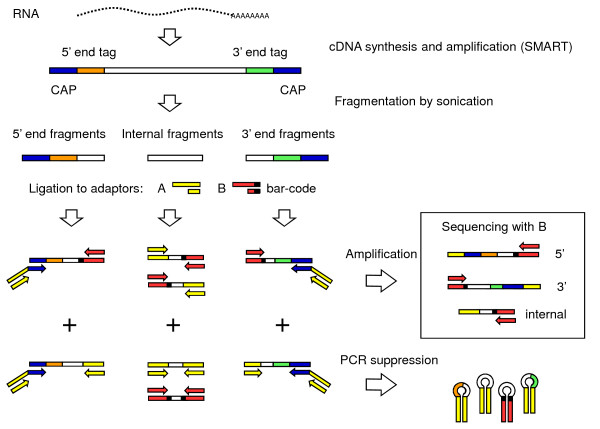
“Preparation for mRNA sequencing libraries followed the protocol of de novo transcriptome sequencing using 454-Titanium technology, which was developed by Mikhail V. Matz ’ s lab at The University of Texas at Austin [32].”
Jeong, S. W., Kwon, S., Ryu, J., Kim, J., Ahn, J., Kim, S. H., Jo, Y. D., Choi, H., Im, S. B., & Kang, S. (2017) · Genes & Genomics · doi:10.1007/s13258-017-0582-z · Cited by 11
“These sequences also produced much longer unigenes (mean length of 927 bp) than those assembled in previous studies, for example, sweet potato (581 bp), coral larvae (440 bp), and lodge pole pine (500 bp) (Meyer et al. 2009; Parchman et al. 2010; Wang et al. 2010).”
Reynolds, D. A., Yoo, M., Dixson, D. L., & Ross, C. (2020) · PLoS ONE · doi:10.1371/journal.pone.0228414 · Cited by 13
Preparation of Normalized cDNA Libraries for 454 Titanium Transcriptome Sequencing
Lai, Z., Zou, Y., Kane, N. C., Choi, J.-H., Wang, X., & Rieseberg, L. H. (2012) · Methods in molecular biology · doi:10.1007/978-1-61779-870-2_8 · Cited by 11
Wolenski, F. S., Chandani, S., Stefanik, D. J., Jiang, N., Chu, E., Finnerty, J. R., & Gilmore, T. D. (2011) · Journal of Molecular Evolution · doi:10.1007/s00239-011-9479-7 · Cited by 14
Williams, A. L. (2024) · FEMS Microbiology Ecology · doi:10.1093/femsec/fiae058 · Cited by 12
“Studies utilizing transcriptomics have also examined basic coral biology to better understand coral reproduction (Williams et al. 2021b , Zakas and Harry 2022 ), life stages (Meyer et al. 2009 , Table 1.”
BackgroundShi, Y., Xu, M., Huang, J. L., Zhang, H., Liu, W., Ou, Z., & He, M. (2018) · Comparative Biochemistry and Physiology Part D Genomics and Proteomics · doi:10.1016/j.cbd.2018.11.010 · Cited by 11
Unexpected complexity of the Reef-Building Coral Acropora millepora transcription factor network
Ryu, T., Mavromatis, C., Bayer, T., Voolstra, C. R., & Ravasi, T. (2011) · BMC Systems Biology · doi:10.1186/1752-0509-5-58 · Cited by 13
“millepora transcriptome data [13] and then all possible coding sequences were translated using GetORF with default parameters [19].”
BackgroundMethodLooso, M. (2014) · BioEssays · doi:10.1002/bies.201300093 · Cited by 9
“Nevertheless, first attempts of de novo transcriptome assemblies have been conducted for niche models such as the whitefly [41], the butterfly [42], and coral [43].”
BackgroundFang, D., Zhou, Y., Duan, J.-R., Zhang, M.-Y., Xu, D.-P., Liu, K., Xu, P., & Wei, Q. (2015) · Genetics and Molecular Research · doi:10.4238/2015.november.13.1 · Cited by 10
Zhang, A. J., Liu, S., Zhu, J., Gu, Z. M., Zhou, Z., Zhang, G. F., & Lu, K. (2016) · AquaDocs (United Nations Educational, Scientific and Cultural Organization) · doi:10.22092/ijfs.2018.114620 · Cited by 11
“In recent years, RNA sequencing (RNA-Seq) has been used for advanced research in many areas, including resequencing, microRNA expression profiling, DNA methylation and de novo transcriptome sequencing, as a powerful and cost-efficient tool (Hale et al., 2009; Meyer et al., 2009; Wang et al., 2010; Gao et al., 2013; Li…”
MethodPante, E., Rohfritsch, A., Becquet, V., Belkhir, K., Bierne, N., & Garcia, P. (2013) · PLoS ONE · doi:10.1371/annotation/40a74b75-fdcc-4c15-9ddb-cf6ac40464f7 · Cited by 9
Li, H., Zhang, B., Huang, G., Liu, B.-S., Fan, S., Zhang, D., & Yu, D. (2016) · International Journal of Genomics · doi:10.1155/2016/2895303 · Cited by 14
Estrogen alters the profile of the transcriptome in river snail Bellamya aeruginosa
Lei, K., Liu, R., An, L., Luo, Y., & LeBlanc, G. A. (2014) · Ecotoxicology · doi:10.1007/s10646-014-1381-9 · Cited by 8
“This is consistent with previous reports of 20–40 % annotation efficiency in eukaryotes (Meyer et al. 2009; Wang et al. 2010a, b), although lower than some studies (Guo et al. 2011; Ji et al. 2012).”
Wei, Z., Liu, X., Zhou, Z., & Xu, J. (2019) · Genes & Genomics · doi:10.1007/s13258-019-00799-6 · Cited by 8
Crispin, M. C., & Wurtele, E. S. (2012) · Springer eBooks · doi:10.1007/978-3-642-29974-2_17 · Cited by 11
Transcriptome analysis of Termitomyces albuminosus reveals the biodegradation of lignocellulose.
Yang, F. W., Xu, B., Li, J., & Huang, Z. (2012) · PubMed · Cited by 8
Bell, T., Iguchi, A., Suzuki, A., Seki, A., & Yokoyama, Y. (2018) · GEOCHEMICAL JOURNAL · doi:10.2343/geochemj.2.0511 · Cited by 9
Shinozuka, H., Cogan, N. O. I., SPANGENBERG, G. C., & Forster, J. W. (2011) · International Journal of Plant Genomics · doi:10.1155/2011/291563 · Cited by 9
“RNA samples derived from leaves of the Imapct04 genotype and anthers and pistils of the AU6 genotype were prepared for cDNA library construction with the modified 3′cDNA synthesis primer (5′-AAGCAGTGGTATCAACGCAGAGTCGCAGTCGGTACTTTTTTCTTTTTV-3′) and the Advantage 2 PCR Kit (Clontech) [37].”
MethodDevelopment of an integrated genomic map for a threatened Caribbean coral ( Orbicella faveolata )Preprint
Snelling, J., Dziedzic, K., Guermond, S., & Meyer, E. (2017) · bioRxiv (Cold Spring Harbor Laboratory) · doi:10.1101/183467 · Cited by 9
“Transcriptome assemblies are now available for many corals [11-17], but while these collections of gene sequences are useful for many studies they offer no information on the relative positions of those genes within the genome.”
BackgroundSelf-citation[The mechanical wound transcriptome of three-year-old Aquilaria sinensis].
Zhang, Z., Gao, Z., Wei, J.-H., Xu, Y., Li, Y., Yang, Y., Meng, H., Sui, C., & Wang, M.-X. (2012) · PubMed · Cited by 7
Next-Generation Sequencing and Potential Applications in Fungal Genomics
SanMiguel, P. J. (2011) · Methods in molecular biology · doi:10.1007/978-1-61779-040-9_4 · Cited by 7
Functional Annotation and Comparative Analysis of a Zygopteran Transcriptome
Shanku, A. G., McPeek, M. A., & Kern, A. D. (2013) · G3 Genes Genomes Genetics · doi:10.1534/g3.113.005637 · Cited by 9
Bandupriya, H. D. D., & Dunwell, J. M. (2015) · Journal of the National Science Foundation of Sri Lanka · doi:10.4038/jnsfsr.v43i4.7967 · Cited by 6
“…Castanea dentata and Castanea mollissima (Barakat et al., 2009) and Eucalyptus grandis (Novaes et al., 2008), as well as fish species such as Zoarces viviparus (Kristiansson et al., 2009), coral species A. millepora (Meyer et al., 2009), worms (Shin et al., 2008) and insects (Hahn et al., 2009).”
BackgroundResultOnyango, C. A., Glassom, D., & Macdonald, A. H. H. (2021) · Molecular Biology Reports · doi:10.1007/s11033-021-06184-5 · Cited by 6
Sahoo, L., Das, S. P., Bit, A., Patnaik, S., Mohanty, M., Das, G., & Das, P. (2021) · Genetica · doi:10.1007/s10709-021-00141-7 · Cited by 6
“06/100 bp) in the present study were found to be much lower than reported for pooled cDNA pyrosequencing from multiple individuals (Barbazuk et al. 2007; Vera et al. 2008; Hahn et al. 2009; Meyer et al. 2009).”
MethodResultWei, C., Luo, L., Wu, H., & Lin, T. (2013) · Journal of Asia-Pacific Entomology · doi:10.1016/j.aspen.2013.08.005 · Cited by 6
Yu, L. Y., Bai, J., Fan, J., Ma, D. M., Quan, Y., & Jiang, P. (2015) · Genetics and Molecular Research · doi:10.4238/2015.december.29.35 · Cited by 6
Comparative transcriptomics of sympatric species of coral reef fishes (genus: Haemulon)
Bernal, M. A., Dixon, G., Matz, M. V., & Rocha, L. A. (2019) · PeerJ · doi:10.7717/peerj.6541 · Cited by 7
“This protocol for library preparation produces a single tag per mRNA molecule at a random position near the 3′ end (Meyer et al., 2009).”
BackgroundSelf-citationSuresh, S., Kim, T.-S., Raveendar, S., Cho, J.-H., Yi, J.-Y., Lee, M. C., Lee, S., Baek, H.-J., Cho, G., & Chung, J. (2015) · TURKISH JOURNAL OF AGRICULTURE AND FORESTRY · doi:10.3906/tar-1409-3 · Cited by 6
“Furthermore, de novo assembly of transcriptome data has also been reported for organisms with no prior genomic resource development (Meyer et al., 2009).”
BackgroundEST and transcriptome analysis of cephalochordate amphioxus--past, present and future
Wang, Y.-B., Sh, C., Lin, C., & Yu, J. (2012) · Briefings in Functional Genomics · doi:10.1093/bfgp/els002 · Cited by 5
“More recently, NGS applications have been expanded to include analysis of non-model organisms for genome/transcriptome studies [64–67].”
BackgroundEndocrine‐Like Signaling in Corals
Tarrant, A. M. (2015) · Wiley eBooks · doi:10.1002/9781118828502.ch9 · Cited by 5
Zeng, Z., Jiang, C., Tan, Q., Tang, B., & Huang, Z. (2022) · Marine Biology · doi:10.1007/s00227-022-04106-y · Cited by 7
“Although variations in morphology, physiology, and behaviour exist in competent larvae across marine invertebrates, by searching current literatures, we found that some of the transcriptomic signatures identified in molluscan competent larvae are also seen within a broader phylogenetic bracket, including corals (Meyer…”
BackgroundJavid, P., Akbarzadeh, A., Alavi, S. M., Farrokhi, N., Jahromi, M. S., Behzadi, S., Bakhtiarizadeh, M., Pabasteh, S., & Ranjbar, M. S. (2022) · Marine Environmental Research · doi:10.1016/j.marenvres.2025.107102 · Cited by 4
Liu, Z., & Wen, J. (2016) · Journal of Insect Science · doi:10.1093/jisesa/iew067 · Cited by 4
“Comparing our results with those from recently published studies, revealed that the 454 sequencing depth and assembly efficiency in this study were appropriate (Hale et al. 2009, Meyer et al. 2009, Scully et al. 2013, Wang et al. 2013).”
ResultMalenke, J. R., Milash, B. A., Miller, A. W., & Dearing, M. D. (2013) · Molecular Ecology Resources · doi:10.1111/1755-0998.12092 · Cited by 4
“Construction of the normalized cDNA library and sequencing was conducted at the Purdue University Genomics Core Facility using a protocol previously described (Meyer et al. 2009) modified to incorporate Titanium pA and pB priming sites in the final library molecules.”
MethodUnderstanding the Coral Holobiont through Science and Scuba
Vollmer, S. V., Baker, A. C., Coffroth, M. A., Harvell, C. D., & Medina, M. (2013) · Smithsonian contributions to the marine sciences · doi:10.5479/si.1943667x.39.173 · Cited by 8
Kato, G., Takano, T., Nishiki, I., Kai, W., Yasuike, M., Nakamura, Y., Fujiwara, A., Sakai, T., Matsuyama, T., & Nakayasu, C. (2015) · Marine Genomics · doi:10.1016/j.margen.2015.06.011 · Cited by 5
Wnt7b gene expression and functional analysis in the mussel Mytilus coruscus
Xu, Y., Liang, X., Chen, Y. R., Li, Y. F., & Yang, J.-L. (2016) · Genetics and Molecular Research · doi:10.4238/gmr15048866 · Cited by 5
De NovoAssembly and Transcriptome Characterization of Canine Retina Using High-Throughput Sequencing
Reddy, B., Patel, A. K., Singh, K. M., Patil, D. B., Parikh, P. V., Kelawala, D. N., KORINGA, P. G., Bhatt, V. D., Rao, M. V., & Joshi, C. G. (2015) · Genetics Research International · doi:10.1155/2015/638679 · Cited by 4
“These values were higher than those in the comparable BLAST results from most other published studies using shotgun generated de novo transcriptomes [28–30].”
Result03. Divergence with gene flow – the amphibian perspective
Nadachowska‐Brzyska, K., & Krystyna (2010) · Herpetological Journal · Cited by 5
Gene expression associated with white syndromes in a reef building coral, Acropora hyacinthus.Preprint
Wright, R. M., Aglyamova, G. V., Meyer, E., & Matz, M. V. (2014) · bioRxiv (Cold Spring Harbor Laboratory) · doi:10.1101/012211 · Cited by 4
Self-citationSuppression subtractive hybridization PCR isolation of cDNAs from a Caribbean soft coral
Lopez, J. V., Ledger, A., Lory, Z., Vázquez, S., Pop, M., Sommer, D. D., Ranzer, L. K., Feldman, R. A., & Kerr, R. G. (2001) · Electronic Journal of Biotechnology · doi:10.2225/vol14-issue1-fulltext-3 · Cited by 3
Jiang, X., Chi, X., Zhou, R., Li, Y., Li, W., Liu, Q., Wang, K., & Liu, Q. (2020) · Functional Plant Biology · doi:10.1071/fp20253 · Cited by 3
Metadata
- Authors
- Meyer, E., Aglyamova, G. V., Wang, S., Buchanan-Carter, J., Abrego, D., Colbourne, J. K., Willis, B. L., & Matz, M. V.
- Affiliations
- The University of Texas at Austin (US)
- ARC Centre of Excellence for Coral Reef Studies (AU)
- Indiana University Bloomington (US)
- Corresponding author
- Meyer, Eli
- ORCID
- Venue
- BMC Genomics
- Published
- 2009
- Volume
- 10
- Issue
- 1
- Pages
- 219
- ISSN
- 1471-2164 (ISSN-L)
- PMC
- PMC2689275
- OpenAlex
- W1981348283
- Cited by
- 479
- References
- 45
- Citations by year
- 2026: 3 · 2025: 3 · 2024: 4 · 2023: 2 · 2022: 7 · 2021: 23 · 2020: 19 · 2019: 9 · 2018: 13 · 2017: 18 · 2016: 36 · 2015: 42 · 2014: 50 · 2013: 48 · 2012: 76
- FWCI
- 26.81
- Type
- journal article
- Language
- en
- Open access
- gold
- doi.org
- Licence
- cc-by
- Locations
- BMC Genomics (publishedVersion, cc-by)
- PubMed Central (publishedVersion, cc-by)
- PubMed (publishedVersion)
- ResearchOnline - JCU (James Cook University) (submittedVersion)
- DOAJ (DOAJ: Directory of Open Access Journals) (submittedVersion)
- University of Birmingham Research Portal (University of Birmingham) (submittedVersion, cc-by)
- Texas ScholarWorks (Texas Digital Library) (submittedVersion, cc-by)
- Texas ScholarWorks (Texas Digital Library) (submittedVersion, other-oa)
- Texas Digital Library (University of Texas)
- Funders
- Eli Lilly and Company
- Lilly Endowment
- Topics
- Life Sciences › Biochemistry, Genetics and Molecular Biology › Molecular Biology › Genomics and Phylogenetic Studies
- Physical Sciences › Environmental Science › Ecology › Coral and Marine Ecosystems Studies
- Life Sciences › Agricultural and Biological Sciences › Animal Science and Zoology › Marine Invertebrate Physiology and Ecology
- Keywords
- Acropora millepora, planulae, de novo transcriptome assembly, genome annotation, thermal stress response, settlement induction, single nucleotide polymorphisms, genetic markers, reef-building corals
- MeSH terms
- Animals, Gene Library, Cluster Analysis, Sequence Analysis, DNA, Computational Biology, Contig Mapping, Polymorphism, Single Nucleotide, Gene Expression Profiling, Genomics, Anthozoa
About these checks
Registry, retraction, Cites and statistics results are computed, not judged, with one exception: a printed reference that no index lists is read once by a model before it counts as a citation error. Claims are extracted by a model and kept only when their quote appears verbatim in the text; each cited source is then checked, with a model’s help, for whether it says what the claim relies on. Those verdicts can be wrong — read the claim’s quote and the cited source before relying on one.
Statistics and arithmetic are recomputed, not judged.
Confidence bands are shown only for fields calibrated on our annotated test set. None is calibrated yet, so no band is shown.
What counts as a claim ›How we measure confidence ›How we check this ›
Are you an author, or do you see a problem with this page? Request a review
Data sources
Bibliographic data: Semantic Scholar, OpenAlex, Crossref.
Contains information from the Semantic Scholar Academic Graph Datasets, made available under the ODC Attribution License (ODC-BY 1.0).
Semantic Scholar’s data is described in: Kinney, R., et al. (2023). The Semantic Scholar Open Data Platform. arXiv:2301.10140.
