

Sequencing and de novo analysis of a coral larval transcriptome using 454 GSFlx
Open accessThe DOI matches its Crossref record; 46 of the 46 references it cites were found in a registry or an index.
Abstract
BACKGROUND: New methods are needed for genomic-scale analysis of emerging model organisms that exemplify important biological questions but lack fully sequenced genomes. For example, there is an urgent need to understand the potential for corals to adapt to climate change, but few molecular resources are available for studying these processes in reef-building corals. To facilitate genomics studies in corals and other non-model systems, we describe methods for transcriptome sequencing using 454, as well as strategies for assembling a useful catalog of genes from the output. We have applied these methods to sequence the transcriptome of planulae larvae from the coral Acropora millepora. RESULTS: More than 600,000 reads produced in a single 454 sequencing run were assembled into approximately 40,000 contigs with five-fold average sequencing coverage. Based on sequence similarity with known proteins, these analyses identified approximately 11,000 different genes expressed in a range of conditions including thermal stress and settlement induction. Assembled sequences were annotated with gene names, conserved domains, and Gene Ontology terms. Targeted searches using these annotations identified the majority of genes associated with essential metabolic pathways and conserved signaling pathways, as well as novel candidate genes for stress-related processes. Comparisons with the genome of the anemone Nematostella vectensis revealed approximately 8,500 pairs of orthologs and approximately 100 candidate coral-specific genes. More than 30,000 SNPs were detected in the coral sequences, and a subset of these validated by re-sequencing. CONCLUSION: The methods described here for deep sequencing of the transcriptome should be widely applicable to generate catalogs of genes and genetic markers in emerging model organisms. Our data provide the most comprehensive sequence resource currently available for reef-building corals, and include an extensive collection of potential genetic markers for association and population connectivity studies. The characterization of the larval transcriptome for this widely-studied coral will enable research into the biological processes underlying stress responses in corals and evolutionary adaptation to global climate change.
Overview
The claims and statistics of this paper haven’t been checked yet.
Free: it reads the open-access text and checks the first 5 claims that cite a source we can check. Create a free account to check every claim.
Integrity signals
Registry
Cites
Statistics
Figures
Verification
Claims the paper makes
The claims and statistics of this paper haven’t been checked yet.
Free: it reads the open-access text and checks the first 5 claims that cite a source we can check. Create a free account to check every claim.
Claims other papers make about this one
Each is checked against this paper’s own text: does it say what the citing paper says it does?
The source backs part of the claim, not all of it — or backs it for a different population, condition or comparison.
In the citing paper
“The newly developed high throughput sequencing technology, i.e. Next Generation Sequencing (NGS), including the Roche/454 Genome Sequencer FLX Instrument, the ABI SOLiD System, and the Illumina Genome Analyser, is a powerful and cost-efficient tool for advanced research in many areas, including re-sequencing, microRNA expression profiling, DNA methylation, especially de novo transcriptome”
From De novo assembly and characterization of root transcriptome using Illumina paired-end sequencing and development of cSSR markers in sweetpotato (Ipomoea batatas) (2010) · cites this paper as [17]
Experimental — accuracy not yet measuredThe cited source says what the claim attributes to it.
In the citing paper
“These sequences also produced longer unigenes (mean = 581 bp) than those assembled in previous studies for example, butterfly (197 bp) [60], Eucalyptus grandis (247 bp) [11], coral larval (440 bp) [17], lodegpole pine (500 bp) [10]) and whitefly (clusters: 372 bp; singletons: 265 bp) [27]).”
The cited source says what the claim attributes to it.
In the citing paper
“Nonetheless, only 40% of reads were assembled into unigenes, which is less than that reported for 454 transciptome assemblies (e.g., 88% [11], 90% [17], 48% [10]).”
Self-check
Percentages, sums and reported differences re-computed from the paper’s own numbers.
The self-check needs the paper’s full text.
Citations
Cites
Gene Ontology: tool for the unification of biology
Ashburner, M., Ball, C. A., Blake, J. A., Botstein, D., Butler, H., Cherry, J. M., Davis, A. P., Dolinski, K., Dwight, S. S., Eppig, J. T., et al. (2000) · Nature Genetics · doi:10.1038/75556 · Cited by 43,206 · cited 1×
“To annotate assembled sequences with Gene Ontology (GO) terms describing biological processes [51], molecular functions, and cellular components, sequences were compared against the UniProt-TrEMBL database of protein sequences [52] using WU-blast.”
MethodGenome sequencing in microfabricated high-density picolitre reactors
Margulies, M., Egholm, M., Altman, W. E., Attiya, S., Bader, J. S., Bemben, L. A., Berka, J., Braverman, M. S., Chen, Y.-J., Chen, Z., et al. (2005) · Nature · doi:10.1038/nature03959 · Cited by 7,693 · cited 2×
“The increased throughput of next-generation sequencing technologies such as 454 sequencing [15] shows great potential for expanding sequence databases of corals and other emerging model organisms (reviewed in [16]).”
BackgroundSelf-citationCoral Reefs Under Rapid Climate Change and Ocean Acidification
Hoegh-Guldberg, O., Mumby, P. J., Hooten, A. J., Steneck, R. S., Greenfield, P., Gomez, E., Harvell, C. D., Sale, P. F., Edwards, A. J., Caldeira, K., et al. (2007) · Science · doi:10.1126/science.1152509 · Cited by 5,885 · cited 1×
“Background Reef-building corals support productive and diverse marine communities that provide important ecosystem services [1], but are threatened throughout their global range by a variety of stressors that include increasing sea surface temperatures, pollution, ocean acidification and disease [2-4].”
BackgroundCAP3: A DNA Sequence Assembly Program
Huang, X., & Madan, A. (1999) · Genome Research · doi:10.1101/gr.9.9.868 · Cited by 5,261 · cited 1×
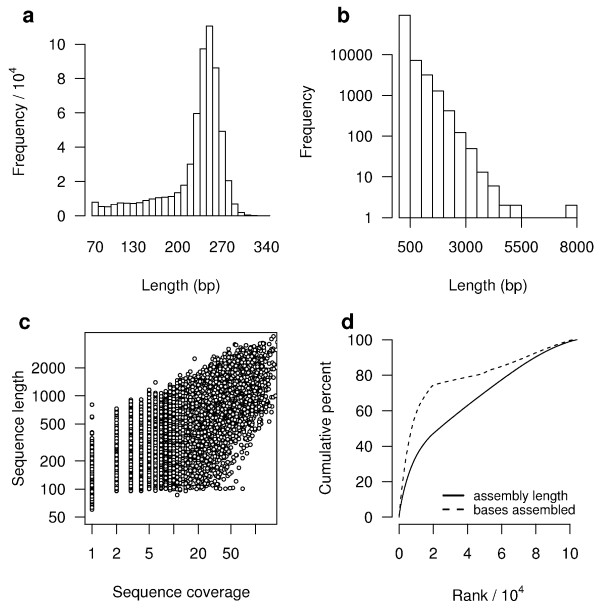
“First, all 634,070 reads were assembled using the CAP3 program [56].”
MethodClimate Change, Human Impacts, and the Resilience of Coral Reefs
Hughes, T. P., Baird, A. H., Bellwood, D. R., Card, M., Connolly, S. R., Folke, C., Grosberg, R., Hoegh-Guldberg, O., Jackson, J. B. C., Kleypas, J., et al. (2003) · Science · doi:10.1126/science.1085046 · Cited by 3,928 · cited 1×
“Background Reef-building corals support productive and diverse marine communities that provide important ecosystem services [1], but are threatened throughout their global range by a variety of stressors that include increasing sea surface temperatures, pollution, ocean acidification and disease [2-4].”
BackgroundEcological goods and services of coral reef ecosystems
Moberg, F., & Folke, C. (1999) · Ecological Economics · doi:10.1016/s0921-8009(99)00009-9 · Cited by 2,088 · cited 1×
“Background Reef-building corals support productive and diverse marine communities that provide important ecosystem services [1], but are threatened throughout their global range by a variety of stressors that include increasing sea surface temperatures, pollution, ocean acidification and disease [2-4].”
BackgroundThe Bioperl Toolkit: Perl Modules for the Life Sciences
Stajich, J. E., Block, D., Boulez, K., Brenner, S. E., Chervitz, S. A., Dagdigian, C., Fuellen, G., Gilbert, J. G. R., Korf, I., Lapp, H., et al. (2002) · Genome Research · doi:10.1101/gr.361602 · Cited by 1,654 · cited 1×
“All sequence analyses were conducted using publicly available software and custom Perl scripts that relied heavily upon BioPerl modules [42].”
MethodSea Anemone Genome Reveals Ancestral Eumetazoan Gene Repertoire and Genomic Organization
Putnam, N. H., Srivastava, M., Hellsten, U., Dirks, B., Chapman, J., Salamov, A., Terry, A., Shapiro, H., Lindquist, E., Kapitonov, V. V., et al. (2007) · Science · doi:10.1126/science.1139158 · Cited by 1,555
CORUM: the comprehensive resource of mammalian protein complexes—2009
Ruepp, A., Waegele, B., Lechner, M., Brauner, B., Dunger-Kaltenbach, I., Fobo, G., Frishman, G., Montrone, C., & Mewes, H.-W. (2010) · Nucleic Acids Research · doi:10.1093/nar/gkp914 · Cited by 1,310 · cited 1×
“For these searches, the lists of genes associated with metabolic pathways were based on the BioCyc database of pathways [29], and gene lists for protein complexes were based on the CORUM database of mammalian protein complexes [ 30 ].”
MethodThe Trichoplax genome and the nature of placozoans
Srivastava, M., Begovic, E., Chapman, J., Putnam, N. H., Hellsten, U., Kawashima, T., Kuo, A., Mitros, T., Salamov, A., Carpenter, M. L., et al. (2008) · Nature · doi:10.1038/nature07191 · Cited by 889 · cited 1×
“The query lists for these searches were based on genes and pathways conserved among primitive metazoans and cnidarians [12,25,31].”
Synchronous spawnings of 105 scleractinian coral species on the Great Barrier Reef
Babcock, R. C., Bull, G. D., Harrison, P. L., Heyward, A. J., Oliver, J. K., Wallace, C. C., & Willis, B. L. (1986) · Marine Biology · doi:10.1007/bf00428562 · Cited by 788 · cited 1×
“Corals were allowed to spawn naturally, following the synchronized mass spawning schedule typical for this and many other coral species [37], and then returned to their original locations on the reef.”
BackgroundSelf-citationRapid transcriptome characterization for a nonmodel organism using 454 pyrosequencing
VERA, J. C., WHEAT, C. W., FESCEMYER, H. W., FRILANDER, M. J., CRAWFORD, D. L., HANSKI, I., & MARDEN, J. H. (2008) · Molecular Ecology · doi:10.1111/j.1365-294x.2008.03666.x · Cited by 714 · cited 6×
“, adaptor trimming and size selection), an improvement over the 85–90% that passed similar quality filters in previous studies [17,18,23].”
BackgroundResultInfluentialGlobal assessment of coral bleaching and required rates of adaptation under climate change
DONNER, S. D., SKIRVING, W. J., LITTLE, C. M., OPPENHEIMER, M., & HOEGH‐GULDBERG, O. (2005) · Global Change Biology · doi:10.1111/j.1365-2486.2005.01073.x · Cited by 714 · cited 1×
“A major focus of contemporary coral biology is to understand the factors determining stress resilience of corals and the potential for coral populations to recover from or adapt to these stressors [5].”
BackgroundCDD: a database of conserved domain alignments with links to domain three-dimensional structure
Marchler-Bauer, A. (2002) · Nucleic Acids Research · doi:10.1093/nar/30.1.281 · Cited by 679 · cited 1×
“These searches were based on reverse position specific blast (e-value threshold: 10-4), a blast-like algorithm for comparing newly-identified sequences to a set of known profiles [50].”
MethodDouglas, A. E. (2003) · Marine Pollution Bulletin · doi:10.1016/s0025-326x(03)00037-7 · Cited by 612 · cited 1×
“The effects of light and temperature stress on these intracellular symbionts have been well characterized [6], but the genetic determinants of stress tolerance in the coral host, and any interaction effects between coral and zooxanthellae phenotypes, remain poorly understood [7,8].”
BackgroundExpansion of the BioCyc collection of pathway/genome databases to 160 genomes
Karp, P. D. (2005) · Nucleic Acids Research · doi:10.1093/nar/gki892 · Cited by 609 · cited 1×
“For these searches, the lists of genes associated with metabolic pathways were based on the BioCyc database of pathways [29], and gene lists for protein complexes were based on the CORUM database of mammalian protein complexes [30].”
MethodNatural inducers for coral larval metamorphosis
Heyward, A. J., & Negri, A. P. (1999) · Coral Reefs · doi:10.1007/s003380050193 · Cited by 604 · cited 1×
“A third set of larvae from these same cultures was incubated with a known natural inducer of larval settlement [38]: crustose coralline algae (CCA).”
BackgroundCoral Disease, Environmental Drivers, and the Balance Between Coral and Microbial Associates
Harvell, D., Jordán-Dahlgren, E., Merkel, S., Rosenberg, E., Raymundo, L., Smith, G., Weil, E., & Willis, B. (2007) · Oceanography · doi:10.5670/oceanog.2007.91 · Cited by 537 · cited 1×
“Background Reef-building corals support productive and diverse marine communities that provide important ecosystem services [1], but are threatened throughout their global range by a variety of stressors that include increasing sea surface temperatures, pollution, ocean acidification and disease [2-4].”
BackgroundSelf-citationHigh-throughput gene and SNP discovery in Eucalyptus grandis, an uncharacterized genome
Novaes, E., Drost, D. R., Farmerie, W. G., Pappas, G. J., Grattapaglia, D., Sederoff, R. R., & Kirst, M. (2008) · BMC Genomics · doi:10.1186/1471-2164-9-312 · Cited by 493 · cited 6×
“The average contig size, which is strongly affected by read length, was ~90 bp higher in our study than in a recently published study that also used the 454 GS-Flx sequencing platform and so began with reads of comparable length [21].”
BackgroundResultInfluentialDESALVO, M. K., VOOLSTRA, C. R., SUNAGAWA, S., SCHWARZ, J. A., STILLMAN, J. H., COFFROTH, M. A., SZMANT, A. M., & MEDINA, M. (2008) · Molecular Ecology · doi:10.1111/j.1365-294x.2008.03879.x · Cited by 414 · cited 1×
“The set of sequences selected above provides a valuable resource for designing microarray probes, and the current widespread use of microarrays for gene expression profiling of corals [32,33] suggests that this resource will be immediately useful.”
BackgroundSNP discovery via 454 transcriptome sequencing
Barbazuk, W. B., Emrich, S. J., Chen, H. D., Li, L., & Schnable, P. S. (2007) · The Plant Journal · doi:10.1111/j.1365-313x.2007.03193.x · Cited by 405 · cited 1×
“This study, like others recent published [23,35], shows a cost-effective way to produce a large number of gene-associated SNPs from transcriptome data obtained by 454 sequencing.”
BackgroundGene discovery and annotation using LCM-454 transcriptome sequencing
Emrich, S. J., Barbazuk, W. B., Li, L., & Schnable, P. S. (2007) · Genome Research · doi:10.1101/gr.5145806 · Cited by 381 · cited 2×
“454 sequencing of transcriptomes for organisms with completed genomes has confirmed that the relatively short (100–200 bp) reads produced by current versions of this technology can be effectively assembled and used for gene discovery [17,18].”
BackgroundResultAmplification of cDNA ends based on template-switching effect and step- out PCR
Matz, M. (1999) · Nucleic Acids Research · doi:10.1093/nar/27.6.1558 · Cited by 380 · cited 1×
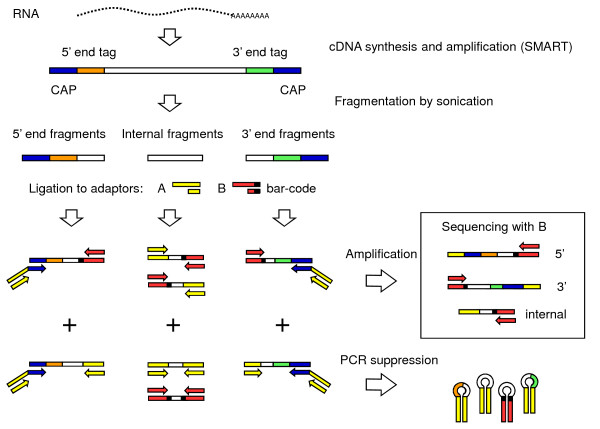
“cDNA was amplified using the "CAP" primer (AAGCAGTGGTATCAACGCAGAGT) according to the manufacturer's instructions (SMART cDNA synthesis, Clontech), taking advantage of the PCR Suppression effect to preferentially amplify longer molecules and thus enrich for full-length transcripts [40].”
MethodSelf-citationSequencing breakthroughs for genomic ecology and evolutionary biology
HUDSON, M. E. (2008) · Molecular Ecology Resources · doi:10.1111/j.1471-8286.2007.02019.x · Cited by 376 · cited 1×
“The increased throughput of next-generation sequencing technologies such as 454 sequencing [15] shows great potential for expanding sequence databases of corals and other emerging model organisms (reviewed in [16]).”
BackgroundKortschak, R. D., Samuel, G., Saint, R., & Miller, D. J. (2003) · Current Biology · doi:10.1016/j.cub.2003.11.030 · Cited by 353 · cited 1×
“A number of studies have developed EST resources for corals using Sanger sequencing [10-12].”
BackgroundCORUM: the comprehensive resource of mammalian protein complexes
Ruepp, A., Brauner, B., Dunger-Kaltenbach, I., Frishman, G., Montrone, C., Stransky, M., Waegele, B., Schmidt, T., Doudieu, O. N., Stumpflen, V., et al. (2007) · Nucleic Acids Research · doi:10.1093/nar/gkm936 · Cited by 350
Maintenance of ancestral complexity and non-metazoan genes in two basal cnidarians
Technau, U., Rudd, S., Maxwell, P., Gordon, P. M. K., Saina, M., Grasso, L. C., Hayward, D. C., Sensen, C. W., Saint, R., Holstein, T. W., et al. (2005) · Trends in Genetics · doi:10.1016/j.tig.2005.09.007 · Cited by 337
Gene Expression Profiling of Cells, Tissues, and Developmental Stages of the Nematode C. elegans
MCKAY, S. J., JOHNSEN, R., KHATTRA, J., ASANO, J., BAILLIE, D. L., CHAN, S., DUBE, N., FANG, L., GOSZCZYNSKI, B., HA, E., et al. (2003) · Cold Spring Harbor Symposia on Quantitative Biology · doi:10.1101/sqb.2003.68.159 · Cited by 312
A restoration genetics guide for coral reef conservation
BAUMS, I. B. (2008) · Molecular Ecology · doi:10.1111/j.1365-294x.2008.03787.x · Cited by 309 · cited 1×
“The effects of light and temperature stress on these intracellular symbionts have been well characterized [6], but the genetic determinants of stress tolerance in the coral host, and any interaction effects between coral and zooxanthellae phenotypes, remain poorly understood [7,8].”
BackgroundWasp Gene Expression Supports an Evolutionary Link Between Maternal Behavior and Eusociality
Toth, A. L., Varala, K., Newman, T. C., Miguez, F. E., Hutchison, S. K., Willoughby, D. A., Simons, J. F., Egholm, M., Hunt, J. H., Hudson, M. E., et al. (2007) · Science · doi:10.1126/science.1146647 · Cited by 290 · cited 2×
“Nevertheless, the few examples published to date have successfully demonstrated the potential for discovery of genes and genetic markers in these systems [19-23].”
BackgroundResultConservation genetics and the resilience of reef‐building corals
VAN OPPEN, M. J. H., & GATES, R. D. (2006) · Molecular Ecology · doi:10.1111/j.1365-294x.2006.03026.x · Cited by 258 · cited 1×
“The genomic sequence resources currently available for corals are limited [9].”
BackgroundSequencing Medicago truncatula expressed sequenced tags using 454 Life Sciences technology
Cheung, F., Haas, B. J., Goldberg, S. M., May, G. D., Xiao, Y., & Town, C. D. (2006) · BMC Genomics · doi:10.1186/1471-2164-7-272 · Cited by 247 · cited 5×
“, adaptor trimming and size selection), an improvement over the 85–90% that passed similar quality filters in previous studies [17,18,23].”
BackgroundResultInfluentialManak, J. R., Dike, S., Sementchenko, V., Kapranov, P., Biemar, F., Long, J., Cheng, J., Bell, I., Ghosh, S., Piccolboni, A., et al. (2006) · Nature Genetics · doi:10.1038/ng1875 · Cited by 182 · cited 1×
“About 10,000 genes are expressed in fruit fly embryos [28].”
BackgroundSchwarz, J. A., Brokstein, P. B., Voolstra, C. R., Terry, A., Miller, D. J., Szmant, A. M., Coffroth, M. A., & Medina, M. (2008) · BMC Genomics · doi:10.1186/1471-2164-9-97 · Cited by 175
Iwao, K., Fujisawa, T., & Hatta, M. (2002) · Coral Reefs · doi:10.1007/s00338-002-0219-8 · Cited by 153 · cited 1×
“Other larvae were incubated with an artificial inducer of metamorphosis, a GLW-amide peptide called EPLPIGLW-amide [39].”
MethodMicroarray analysis identifies candidate genes for key roles in coral development
Grasso, L. C., Maindonald, J., Rudd, S., Hayward, D. C., Saint, R., Miller, D. J., & Ball, E. E. (2008) · BMC Genomics · doi:10.1186/1471-2164-9-540 · Cited by 148 · cited 1×
“The set of sequences selected above provides a valuable resource for designing microarray probes, and the current widespread use of microarrays for gene expression profiling of corals [32,33] suggests that this resource will be immediately useful.”
BackgroundTang, J., Vosman, B., Voorrips, R. E., van der Linden, C. G., & Leunissen, J. A. M. (2006) · BMC Bioinformatics · doi:10.1186/1471-2105-7-438 · Cited by 139
Edge, S. E., Morgan, M. B., Gleason, D. F., & Snell, T. W. (2005) · Marine Pollution Bulletin · doi:10.1016/j.marpolbul.2005.07.007 · Cited by 130 · cited 2×
“Because the genes selected for validation include several previously described stress responses genes [14], the SNPs confirmed in these analyses may be valuable for investigating the genetic determinants of stress-gene expression.”
BackgroundThe Transcriptome of the Sea Urchin Embryo
Samanta, M. P., Tongprasit, W., Istrail, S., Cameron, R. A., Tu, Q., Davidson, E. H., & Stolc, V. (2006) · Science · doi:10.1126/science.1131898 · Cited by 102 · cited 1×
“About 11–12,000 genes are expressed during sea urchin development based on whole-genome tiling arrays [26].”
BackgroundAnalysis of the Pythium ultimum transcriptome using Sanger and Pyrosequencing approaches
Cheung, F., Win, J., Lang, J. M., Hamilton, J., Vuong, H., Leach, J. E., Kamoun, S., André Lévesque, C., Tisserat, N., & Buell, C. R. (2008) · BMC Genomics · doi:10.1186/1471-2164-9-542 · Cited by 101
VAN OPPEN, M. J. H., UNDERWOOD, J. N., MUIRHEAD, A. N., & PEPLOW, L. (2007) · Molecular Ecology Notes · doi:10.1111/j.1471-8286.2006.01610.x · Cited by 52 · cited 1×
“millepora is an emerging coral molecular biology model for molecular ecology studies, few genetic markers are currently available for this species [34].”
BackgroundFactors Affecting the Evolution of Bleaching Resistance in Corals
Day, T., Nagel, L., van Oppen, M. J. H., & Caley, M. J. (2007) · The American Naturalist · doi:10.1086/524956 · Cited by 52 · cited 1×
“The effects of light and temperature stress on these intracellular symbionts have been well characterized [6], but the genetic determinants of stress tolerance in the coral host, and any interaction effects between coral and zooxanthellae phenotypes, remain poorly understood [7,8].”
BackgroundGenomic and microarray approaches to coral reef conservation biology
Forêt, S., Kassahn, K. S., Grasso, L. C., Hayward, D. C., Iguchi, A., Ball, E. E., & Miller, D. J. (2007) · Coral Reefs · doi:10.1007/s00338-007-0206-1 · Cited by 49 · cited 2×
“These EST sequencing efforts have allowed development of small-scale microarrays for gene expression analysis in the context of coral stress physiology [14], and similar studies aiming to identify stress candidates are currently underway [13].”
BackgroundMatz, M. V. (2003) · Humana Press eBooks · doi:10.1385/1-59259-280-5:003 · Cited by 41 · cited 2×
“Primers were designed based on several principles as described in [41] so that all PCR amplifications could be accomplished at the same anneal-”
MethodSelf-citationIdentification of new genes in Sinorhizobium meliloti using the Genome Sequencer FLX system
Mao, C., Evans, C., Jensen, R. V., & Sobral, B. (2008) · BMC Microbiology · doi:10.1186/1471-2180-8-72 · Cited by 36
Kortschak, R. (2003) · Current Biology · doi:10.1016/s0960-9822(03)00872-8 · Cited by 30
Cited by
CORUM: the comprehensive resource of mammalian protein complexes—2009
Ruepp, A., Waegele, B., Lechner, M., Brauner, B., Dunger-Kaltenbach, I., Fobo, G., Frishman, G., Montrone, C., & Mewes, H.-W. (2010) · Nucleic Acids Research · doi:10.1093/nar/gkp914 · Cited by 1,310
Applications of next generation sequencing in molecular ecology of non-model organisms
Ekblom, R., & Galindo, J. (2011) · Heredity · doi:10.1038/hdy.2010.152 · Cited by 1,074
“…454 X Santana et al., 2009 Roughfruit amaranth (Amaranthus tuberculatus) 454 X X Lee et al., 2009 Coral (Acropora millepora) 454 X X X X Meyer et al., 2009 Bank vole (Myodes glareolus) 454 X Babik et al., 2009; Kloch et al., 2010 Sweet wormwood (Artemisia annua) 454 X X Wang et al.,…”
BackgroundCell Biology of Cnidarian-Dinoflagellate Symbiosis
Davy, S. K., Allemand, D., & Weis, V. M. (2012) · Microbiology and Molecular Biology Reviews · doi:10.1128/mmbr.05014-11 · Cited by 1,092
“The recent development of molecular methods such as transcriptomic analyses (145, 240, 310) will likely provide insight into the process by which the dinoflagellate symbionts enhance calcification, though it should be noted that the mechanism is metabolic rather than genetic, as the genes coding for proteins involved…”
MethodUsing the Acropora digitifera genome to understand coral responses to environmental change
Shinzato, C., Shoguchi, E., Kawashima, T., Hamada, M., Hisata, K., Tanaka, M., Fujie, M., Fujiwara, M., Koyanagi, R., Ikuta, T., et al. (2011) · Nature · doi:10.1038/nature10249 · Cited by 855
Amberg, J. J., Goforth, R. R., & Sepúlveda, M. S. (2013) · Sexual Development · doi:10.1159/000354280 · Cited by 477
Metadata
- Authors
- Meyer, E., Aglyamova, G. V., Wang, S., Buchanan-Carter, J., Abrego, D., Colbourne, J. K., Willis, B. L., & Matz, M. V.
- Affiliations
- The University of Texas at Austin (US)
- ARC Centre of Excellence for Coral Reef Studies (AU)
- Indiana University Bloomington (US)
- Corresponding author
- Meyer, Eli
- ORCID
- Venue
- BMC Genomics
- Published
- 2009
- Volume
- 10
- Issue
- 1
- Pages
- 219
- ISSN
- 1471-2164 (ISSN-L)
- PMC
- PMC2689275
- OpenAlex
- W1981348283
- Cited by
- 479
- References
- 45
- Citations by year
- 2026: 3 · 2025: 3 · 2024: 4 · 2023: 2 · 2022: 7 · 2021: 23 · 2020: 19 · 2019: 9 · 2018: 13 · 2017: 18 · 2016: 36 · 2015: 42 · 2014: 50 · 2013: 48 · 2012: 76
- FWCI
- 26.81
- Type
- journal article
- Language
- en
- Open access
- gold
- doi.org
- Licence
- cc-by
- Locations
- BMC Genomics (publishedVersion, cc-by)
- PubMed Central (publishedVersion, cc-by)
- PubMed (publishedVersion)
- ResearchOnline - JCU (James Cook University) (submittedVersion)
- DOAJ (DOAJ: Directory of Open Access Journals) (submittedVersion)
- University of Birmingham Research Portal (University of Birmingham) (submittedVersion, cc-by)
- Texas ScholarWorks (Texas Digital Library) (submittedVersion, cc-by)
- Texas ScholarWorks (Texas Digital Library) (submittedVersion, other-oa)
- Texas Digital Library (University of Texas)
- Funders
- Eli Lilly and Company
- Lilly Endowment
- Topics
- Life Sciences › Biochemistry, Genetics and Molecular Biology › Molecular Biology › Genomics and Phylogenetic Studies
- Physical Sciences › Environmental Science › Ecology › Coral and Marine Ecosystems Studies
- Life Sciences › Agricultural and Biological Sciences › Animal Science and Zoology › Marine Invertebrate Physiology and Ecology
- Keywords
- Acropora millepora, planulae, de novo transcriptome assembly, genome annotation, thermal stress response, settlement induction, single nucleotide polymorphisms, genetic markers, reef-building corals
- MeSH terms
- Animals, Gene Library, Cluster Analysis, Sequence Analysis, DNA, Computational Biology, Contig Mapping, Polymorphism, Single Nucleotide, Gene Expression Profiling, Genomics, Anthozoa
About these checks
Registry, retraction, Cites and statistics results are computed, not judged, with one exception: a printed reference that no index lists is read once by a model before it counts as a citation error. Claims are extracted by a model and kept only when their quote appears verbatim in the text; each cited source is then checked, with a model’s help, for whether it says what the claim relies on. Those verdicts can be wrong — read the claim’s quote and the cited source before relying on one.
Statistics and arithmetic are recomputed, not judged.
Confidence bands are shown only for fields calibrated on our annotated test set. None is calibrated yet, so no band is shown.
What counts as a claim ›How we measure confidence ›How we check this ›
Are you an author, or do you see a problem with this page? Request a review
Data sources
Bibliographic data: Semantic Scholar, OpenAlex, Crossref.
Contains information from the Semantic Scholar Academic Graph Datasets, made available under the ODC Attribution License (ODC-BY 1.0).
Semantic Scholar’s data is described in: Kinney, R., et al. (2023). The Semantic Scholar Open Data Platform. arXiv:2301.10140.
