

Sequencing and de novo analysis of a coral larval transcriptome using 454 GSFlx
Open accessThe DOI matches its Crossref record; 46 of the 46 references it cites were found in a registry or an index.
Abstract
BACKGROUND: New methods are needed for genomic-scale analysis of emerging model organisms that exemplify important biological questions but lack fully sequenced genomes. For example, there is an urgent need to understand the potential for corals to adapt to climate change, but few molecular resources are available for studying these processes in reef-building corals. To facilitate genomics studies in corals and other non-model systems, we describe methods for transcriptome sequencing using 454, as well as strategies for assembling a useful catalog of genes from the output. We have applied these methods to sequence the transcriptome of planulae larvae from the coral Acropora millepora. RESULTS: More than 600,000 reads produced in a single 454 sequencing run were assembled into approximately 40,000 contigs with five-fold average sequencing coverage. Based on sequence similarity with known proteins, these analyses identified approximately 11,000 different genes expressed in a range of conditions including thermal stress and settlement induction. Assembled sequences were annotated with gene names, conserved domains, and Gene Ontology terms. Targeted searches using these annotations identified the majority of genes associated with essential metabolic pathways and conserved signaling pathways, as well as novel candidate genes for stress-related processes. Comparisons with the genome of the anemone Nematostella vectensis revealed approximately 8,500 pairs of orthologs and approximately 100 candidate coral-specific genes. More than 30,000 SNPs were detected in the coral sequences, and a subset of these validated by re-sequencing. CONCLUSION: The methods described here for deep sequencing of the transcriptome should be widely applicable to generate catalogs of genes and genetic markers in emerging model organisms. Our data provide the most comprehensive sequence resource currently available for reef-building corals, and include an extensive collection of potential genetic markers for association and population connectivity studies. The characterization of the larval transcriptome for this widely-studied coral will enable research into the biological processes underlying stress responses in corals and evolutionary adaptation to global climate change.
Overview
The claims and statistics of this paper haven’t been checked yet.
Free: it reads the open-access text and checks the first 5 claims that cite a source we can check. Create a free account to check every claim.
Integrity signals
Registry
Cites
Statistics
Figures
Verification
Claims the paper makes
The claims and statistics of this paper haven’t been checked yet.
Free: it reads the open-access text and checks the first 5 claims that cite a source we can check. Create a free account to check every claim.
Claims other papers make about this one
Each is checked against this paper’s own text: does it say what the citing paper says it does?
The source backs part of the claim, not all of it — or backs it for a different population, condition or comparison.
In the citing paper
“The newly developed high throughput sequencing technology, i.e. Next Generation Sequencing (NGS), including the Roche/454 Genome Sequencer FLX Instrument, the ABI SOLiD System, and the Illumina Genome Analyser, is a powerful and cost-efficient tool for advanced research in many areas, including re-sequencing, microRNA expression profiling, DNA methylation, especially de novo transcriptome”
From De novo assembly and characterization of root transcriptome using Illumina paired-end sequencing and development of cSSR markers in sweetpotato (Ipomoea batatas) (2010) · cites this paper as [17]
Experimental — accuracy not yet measuredThe cited source says what the claim attributes to it.
In the citing paper
“These sequences also produced longer unigenes (mean = 581 bp) than those assembled in previous studies for example, butterfly (197 bp) [60], Eucalyptus grandis (247 bp) [11], coral larval (440 bp) [17], lodegpole pine (500 bp) [10]) and whitefly (clusters: 372 bp; singletons: 265 bp) [27]).”
The cited source says what the claim attributes to it.
In the citing paper
“Nonetheless, only 40% of reads were assembled into unigenes, which is less than that reported for 454 transciptome assemblies (e.g., 88% [11], 90% [17], 48% [10]).”
Self-check
Percentages, sums and reported differences re-computed from the paper’s own numbers.
The self-check needs the paper’s full text.
Citations
Cites
Gene Ontology: tool for the unification of biology
Ashburner, M., Ball, C. A., Blake, J. A., Botstein, D., Butler, H., Cherry, J. M., Davis, A. P., Dolinski, K., Dwight, S. S., Eppig, J. T., et al. (2000) · Nature Genetics · doi:10.1038/75556 · Cited by 43,206 · cited 1×
“To annotate assembled sequences with Gene Ontology (GO) terms describing biological processes [51], molecular functions, and cellular components, sequences were compared against the UniProt-TrEMBL database of protein sequences [52] using WU-blast.”
MethodGenome sequencing in microfabricated high-density picolitre reactors
Margulies, M., Egholm, M., Altman, W. E., Attiya, S., Bader, J. S., Bemben, L. A., Berka, J., Braverman, M. S., Chen, Y.-J., Chen, Z., et al. (2005) · Nature · doi:10.1038/nature03959 · Cited by 7,693 · cited 2×
“The increased throughput of next-generation sequencing technologies such as 454 sequencing [15] shows great potential for expanding sequence databases of corals and other emerging model organisms (reviewed in [16]).”
BackgroundSelf-citationCoral Reefs Under Rapid Climate Change and Ocean Acidification
Hoegh-Guldberg, O., Mumby, P. J., Hooten, A. J., Steneck, R. S., Greenfield, P., Gomez, E., Harvell, C. D., Sale, P. F., Edwards, A. J., Caldeira, K., et al. (2007) · Science · doi:10.1126/science.1152509 · Cited by 5,885 · cited 1×
“Background Reef-building corals support productive and diverse marine communities that provide important ecosystem services [1], but are threatened throughout their global range by a variety of stressors that include increasing sea surface temperatures, pollution, ocean acidification and disease [2-4].”
BackgroundCAP3: A DNA Sequence Assembly Program
Huang, X., & Madan, A. (1999) · Genome Research · doi:10.1101/gr.9.9.868 · Cited by 5,261 · cited 1×
“First, all 634,070 reads were assembled using the CAP3 program [56].”
MethodClimate Change, Human Impacts, and the Resilience of Coral Reefs
Hughes, T. P., Baird, A. H., Bellwood, D. R., Card, M., Connolly, S. R., Folke, C., Grosberg, R., Hoegh-Guldberg, O., Jackson, J. B. C., Kleypas, J., et al. (2003) · Science · doi:10.1126/science.1085046 · Cited by 3,928 · cited 1×
“Background Reef-building corals support productive and diverse marine communities that provide important ecosystem services [1], but are threatened throughout their global range by a variety of stressors that include increasing sea surface temperatures, pollution, ocean acidification and disease [2-4].”
BackgroundEcological goods and services of coral reef ecosystems
Moberg, F., & Folke, C. (1999) · Ecological Economics · doi:10.1016/s0921-8009(99)00009-9 · Cited by 2,088 · cited 1×
“Background Reef-building corals support productive and diverse marine communities that provide important ecosystem services [1], but are threatened throughout their global range by a variety of stressors that include increasing sea surface temperatures, pollution, ocean acidification and disease [2-4].”
BackgroundThe Bioperl Toolkit: Perl Modules for the Life Sciences
Stajich, J. E., Block, D., Boulez, K., Brenner, S. E., Chervitz, S. A., Dagdigian, C., Fuellen, G., Gilbert, J. G. R., Korf, I., Lapp, H., et al. (2002) · Genome Research · doi:10.1101/gr.361602 · Cited by 1,654 · cited 1×
“All sequence analyses were conducted using publicly available software and custom Perl scripts that relied heavily upon BioPerl modules [42].”
MethodSea Anemone Genome Reveals Ancestral Eumetazoan Gene Repertoire and Genomic Organization
Putnam, N. H., Srivastava, M., Hellsten, U., Dirks, B., Chapman, J., Salamov, A., Terry, A., Shapiro, H., Lindquist, E., Kapitonov, V. V., et al. (2007) · Science · doi:10.1126/science.1139158 · Cited by 1,555
CORUM: the comprehensive resource of mammalian protein complexes—2009
Ruepp, A., Waegele, B., Lechner, M., Brauner, B., Dunger-Kaltenbach, I., Fobo, G., Frishman, G., Montrone, C., & Mewes, H.-W. (2010) · Nucleic Acids Research · doi:10.1093/nar/gkp914 · Cited by 1,310 · cited 1×
“For these searches, the lists of genes associated with metabolic pathways were based on the BioCyc database of pathways [29], and gene lists for protein complexes were based on the CORUM database of mammalian protein complexes [ 30 ].”
MethodThe Trichoplax genome and the nature of placozoans
Srivastava, M., Begovic, E., Chapman, J., Putnam, N. H., Hellsten, U., Kawashima, T., Kuo, A., Mitros, T., Salamov, A., Carpenter, M. L., et al. (2008) · Nature · doi:10.1038/nature07191 · Cited by 889 · cited 1×
“The query lists for these searches were based on genes and pathways conserved among primitive metazoans and cnidarians [12,25,31].”
Cited by
Items 101–200 of 484
Patterns of Gene Expression in a Scleractinian Coral Undergoing Natural Bleaching
Seneca, F., Forêt, S., Ball, E. E., Smith-Keune, C., Miller, D. J., & van Oppen, M. J. H. (2009) · Marine Biotechnology · doi:10.1007/s10126-009-9247-5 · Cited by 114
“Using this approach to understand coral stress responses is only recently becoming possible with the availability of large databases of expressed sequence data for certain scleractinian corals (Edge et al. 2005; Technau et al. 2005; Meyer et al. 2009 ) and other symbiotic cnidarians (Sunagawa et al. 2009).”
BackgroundShinzato, C., Inoue, M., & Kusakabe, M. (2014) · PLoS ONE · doi:10.1371/journal.pone.0085182 · Cited by 110
“tome datasets have become available for several anthozoan cnidarians including several coral species: Acropora millepora [11,12], A.”
BackgroundViruses of reef-building scleractinian corals
Thurber, R. V., & Correa, A. M. (2011) · Journal of Experimental Marine Biology and Ecology · doi:10.1016/j.jembe.2011.07.030 · Cited by 73
“Given thenewlydeveloped acroporid genomic and transcriptomic tools (e.g., Bay et al., 2009; Kortschak et al., 2003; Meyer et al., 2009; Voolstra et al., 2009; Wang et al., 2009), an Acropora species could be a useful model host for coral virology.”
BackgroundZhou, Y., Gao, F., Liu, R., Feng, J., & Li, H. (2012) · BMC Genomics · doi:10.1186/1471-2164-13-266 · Cited by 100
The cellular and molecular basis of cnidarian neurogenesis
Rentzsch, F., Layden, M. J., & Manuel, M. (2016) · Wiley Interdisciplinary Reviews Developmental Biology · doi:10.1002/wdev.257 · Cited by 108
Rosic, N. N., Kaniewska, P., Chan, C. K., Ling, E. Y. S., Edwards, D., Dove, S., & Hoegh‐Guldberg, O. (2014) · BMC Genomics · doi:10.1186/1471-2164-15-1052 · Cited by 109
“To provide information about biological functions associated with the stress response in corals we used an integrated bioinformatics approach which has been provided by GO consortium [114] and DAVID bioinformatics resources [90].”
BackgroundMethodTranscriptome dynamics of Camellia sinensis in response to continuous salinity and drought stress
Zhang, Q., Cai, M., Yu, X., Wang, L., Guo, C., Ming, R., & Zhang, J. (2017) · Tree Genetics & Genomes · doi:10.1007/s11295-017-1161-9 · Cited by 104
“NGS is not limited to detecting transcripts from known genomic sequences, and therefore is particularly attractive for studies in non-model organisms (Vera et al. 2008; Kristiansson et al. 2009; Meyer et al. 2009).”
Zeng, V., Villanueva, K. E., Ewen‐Campen, B., Alwes, F., Browne, W. E., & Extavour, C. G. M. (2011) · BMC Genomics · doi:10.1186/1471-2164-12-581 · Cited by 99
“This is higher than those reported in other de novo transcriptome analyses [40-45], including that of an arctic crustacean [23], but much lower than the 43.”
ResultShi, Y., Yu, C., Gu, Z., Zhan, X., Wang, Y., & Wang, A. (2012) · Marine Biotechnology · doi:10.1007/s10126-012-9476-x · Cited by 98
“…sequencing of RNA (RNA-Seq) has been widely applied to many organisms including non-model species (e.g., Vera et al. 2008; Hale et al. 2009; Meyer et al. 2009; Liu et al. 2011; Hou et al. 2011; Zhao et al. 2012), of which 454-based RNA-Seq was and is still being widely used (e.g., Yufera…”
Unfolding the secrets of coral-algal symbiosis
Rosic, N., Ling, E. Y. S., Chan, C.-K. K., Lee, H. C., Kaniewska, P., Edwards, D., Dove, S., & Hoegh-Guldberg, O. (2015) · The ISME Journal · doi:10.1038/ismej.2014.182 · Cited by 93
“millepora transcriptome (Meyer et al., 2009; Moya et al., 2012); and the A.”
BackgroundMethodInfluentialHarris, S. E., Munshi‐South, J., Obergfell, C. J., & O'Neill, R. J. W. (2013) · PLoS ONE · doi:10.1371/journal.pone.0074938 · Cited by 105
“from all four 454 plates: Cap3 [120] a long-read assembler that performs well in transcriptome assemblies [60], and Roche’s proprietary software, Newbler (Version 2.”
MethodRismani‐Yazdi, H., Carver, S. M., Christy, A. D., Yu, Z., Bibby, K. J., Peccia, J., & Tuovinen, O. H. (2012) · Bioresource Technology · doi:10.1016/j.biortech.2012.10.137 · Cited by 101
“The unprocessed DNA sequences obtained in this study have been deposited in MG-RAST (Meyer et al., 2009) archived under accession numbers 4465374.”
MethodEarly Transcriptional Responses during Heat Stress in the CoralAcropora hyacinthus
Traylor‐Knowles, N., Rose, N. H., Sheets, E. A., & Palumbi, S. R. (2017) · Biological Bulletin · doi:10.1086/692717 · Cited by 109
“…of transcriptomics has offered new insights into the development of the stress response of corals within days of experimental and natural heating (Meyer et al., 2009; Leggat et al., 2011; Barshis et al., 2013; Palumbi et al., 2014; Bay and Palumbi, 2015; Dixon et al., 2015; Pinzón et al., 2015;…”
BackgroundPan, L., Gao, H., Xia, W., Zhang, T., & Dong, L. (2016) · Journal of Experimental Botany · doi:10.1093/jxb/erv565 · Cited by 92
“Based on the assumption that small reads might represent sequencing artifacts, sequences smaller than 60 bases were eliminated (Meyer et al., 2009; Wang et al., 2010; Annadurai et al., 2013).”
BackgroundDeep relationships of Rhizaria revealed by phylogenomics: A farewell to Haeckel’s Radiolaria
Sierra, R., Matz, M. V., Aglyamova, G. V., Pillet, L., Decelle, J., Not, F., de Vargas, C., & Pawlowski, J. W. (2012) · Molecular Phylogenetics and Evolution · doi:10.1016/j.ympev.2012.12.011 · Cited by 95
“…was performed using the SMARTer RACE cDNA amplification kit (TaKaRa BIO/Clontech, Mountain View, CA) followed by the library preparation procedure modified from Meyer et al., 2009 (the current version of the protocol is available on Matz lab website: http://www.bio.utexas.edu/research/matz_lab/).”
MethodSelf-citationVatanparast, M., Shetty, P., Chopra, R., Doyle, J. J., Sathyanarayana, N., & Egan, A. N. (2016) · Scientific Reports · doi:10.1038/srep29070 · Cited by 95
“Others have found similar low levels of singleton annotation 36 , yet, this low level of singleton annotation has lead many to throw out unassembled reads.”
Settlement induction of Acropora palmata planulae by a GLW-amide neuropeptide
Erwin, P. M., & Szmant, A. M. (2010) · Coral Reefs · doi:10.1007/s00338-010-0634-1 · Cited by 100
“Evidence for the latter hypothesis exists in high-throughput DNA sequence databases, where gene fragments coding for putative GLW-amide neuropeptides have been recovered from A. millepora ( Meyer et al. 2009 ) distinct from the amino acid sequence of Hym-248 (GenBank acc.”
BackgroundUeno, S., Provost, G. L., Léger, V., Klopp, C., Noirot, C., Frigerio, J.-M., Salin, F., Salse, J., Abrouk, M., Murat, F., et al. (2010) · BMC Genomics · doi:10.1186/1471-2164-11-650 · Cited by 90
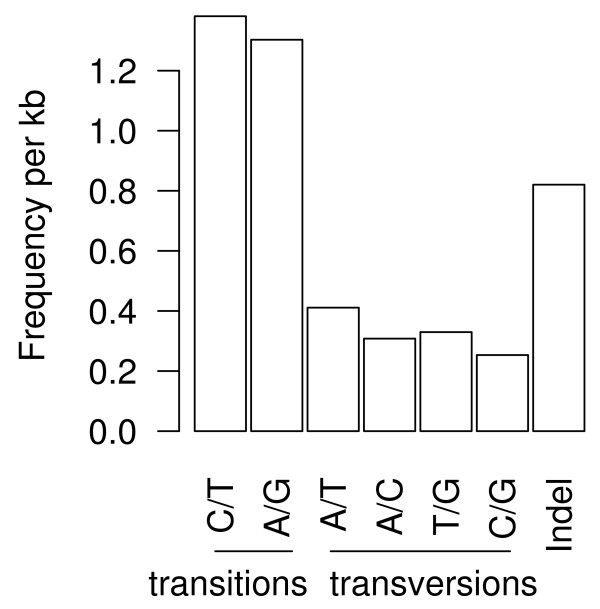
“In a de novo assembly of a coral larval transcriptome with 454 GS-FLX pyrosequencing [ 38 ], SNPs were screened by QualitySNP program and 33,433 SNPs were identified resulting in 1 SNP per 207 bp. The oak SNP frequency was still lower, probably due to more stringent criteria used for SNP detection.”
MethodParra-González, L., Aravena-Abarzúa, G. A., Navarro, C., Udall, J. A., Maughan, J., Peterson, L. M., Salvo-Garrido, H., & Maureira‐Butler, I. J. (2012) · BMC Genomics · doi:10.1186/1471-2164-13-425 · Cited by 85
“A cDNA normalization was used to improve coding sequence coverage, avoid AT homopolymer artifacts, and reduce excessive 3 ’ end transcript sequence [39]. cDNAs from both libraries were amplified using the Clontech Advantage HF system (Clontech Laboratories, Inc) and normalized utilizing the Evrogen…”
Genomics of Compositae weeds: EST libraries, microarrays, and evidence of introgression
Lai, Z., Kane, N. C., Kozik, A., Hodgins, K. A., Dlugosch, K. M., Barker, M. S., Matvienko, M., Yu, Q., Turner, K. G., Pearl, S. A., et al. (2011) · American Journal of Botany · doi:10.3732/ajb.1100313 · Cited by 82
Antarctic Krill 454 Pyrosequencing Reveals Chaperone and Stress Transcriptome
Clark, M. S., Thorne, M. A. S., Toullec, J., Meng, Y., Guan, L. L., Peck, L. S., & Moore, S. S. (2011) · PLoS ONE · doi:10.1371/journal.pone.0015919 · Cited by 91
“Whilst the singletons potentially contain useful lowly expressed sequences, they also contain a substantial proportion of artefacts derived from cDNA synthesis, sequencing and contamination [35].”
Calduch-Giner, J. À., Bermejo-Nogales, A., Benedito‐Palos, L., Estensoro, I., Ballester-Lozano, G. F., Sitjà‐Bobadilla, A., & Pérez‐Sánchez, J. (2013) · BMC Genomics · doi:10.1186/1471-2164-14-178 · Cited by 95
“As a result of this, the 67-77% of the information derived from each individual library was supported only by short singleton reads (298– 334 nt in length), which is particularly critical given that most assembly software programs include default steps that discard them to give more reliable results, with the unadvise…”
BackgroundChe, R., Sun, Y., SUN, D.-Q., & Xu, T. (2014) · PLoS ONE · doi:10.1371/journal.pone.0094046 · Cited by 80
Tan, G., Liu, K., Kang, J., Xu, K., Zhang, Y., Hu, L., Zhang, J., & Li, C. (2015) · Frontiers in Plant Science · doi:10.3389/fpls.2015.00428 · Cited by 85
Verma, P., Shah, N., & Bhatia, S. (2013) · Plant Biotechnology Journal · doi:10.1111/pbi.12082 · Cited by 83
Qin, J., Huang, Z., Chen, J., Zou, Q., You, W., & Ke, C. (2012) · PLoS ONE · doi:10.1371/journal.pone.0043653 · Cited by 77
“cDNA samples were prepared following the protocol described in [23].”
MethodZhou, Z., Dong, Y., Sun, H., Yang, A., Chen, Z., Gao, S., Jiang, J., Guan, X., Jiang, B., & Wang, B. (2013) · Molecular Ecology Resources · doi:10.1111/1755-0998.12147 · Cited by 85
“…pyrosequencing was employed for the identification of gene-derived SNPs in numerous species including many marine animals, such as turbot, marine annelid, sea bream, pacific herring and coral (Meyer et al. 2009; Roberts et al. 2012; Zakas et al. 2012; Calduch-Giner et al. 2013; Vera et al. 2013).”
BackgroundMethodByadgi, O. V., Chen, C.-W., Wang, P.-C., Tsai, M., & Chen, S. (2016) · International Journal of Molecular Sciences · doi:10.3390/ijms17081315 · Cited by 78
“It is noteworthy that only 37,712 unigenes were annotated from the databases in this study based on sequence similarity; this annotation limitation also exists in other marine organism transcriptomes [36].”
Kirk, N. L., Howells, E. J., Abrego, D., Burt, J. A., & Meyer, E. (2018) · Molecular Ecology · doi:10.1111/mec.14934 · Cited by 82
Self-citationLüchmann, K. H., Clark, M. S., Bainy, A. C. D., Gilbert, J. A., Craft, J. A., Chipman, J. K., Thorne, M. A. S., Mattos, J. J., Siebert, M. N., & Schroeder, D. C. (2015) · Aquatic Toxicology · doi:10.1016/j.aquatox.2015.06.012 · Cited by 80
“…2013), 12% in the blue mussel Mytilus galloprovincialis (Craft et al., 2010), 17% in the Antarctic bivalve Laternula elliptica (Clark et al., 2010; Meyer et al., 2009), 24% in the Manila clam Ruditapes philippinarum (Milan et al., 2011), 25% in the krill Euphausia superba (Clark et al., 2011),…”
BackgroundMethodThe genetics of colony form and function in Caribbean Acropora corals
Hemond, E. M., Kaluziak, S. T., & Vollmer, S. V. (2014) · BMC Genomics · doi:10.1186/1471-2164-15-1133 · Cited by 85
“[18-22].”
Tong, Y., Zhang, Y., Huang, J., Xiao, S., Zhang, Y., Li, J., Chen, J., & Yu, Z. (2015) · PLoS ONE · doi:10.1371/journal.pone.0134280 · Cited by 80
Traylor‐Knowles, N., Granger, B. R., Lubinski, T. J., Parikh, J. R., Garamszegi, S., Xia, Y., Marto, J. A., Kaufman, L., & Finnerty, J. R. (2011) · BMC Genomics · doi:10.1186/1471-2164-12-585 · Cited by 75
Luo, H., Li, Y., Sun, C., Wu, Q., Song, J., Sun, Y., Steinmetz, A. A., & Chen, S. (2010) · BMC Plant Biology · doi:10.1186/1471-2229-10-209 · Cited by 78
“carinatus contigs with lengths longer than 500 bp were considered large contigs, the proportions of which were higher than the 827% reported in previous studies using 454 platforms [30,32].”
BackgroundResultInfluentialXu, D., Long, H., Liang, J., Zhang, J., Chen, X., Li, J., Pan, Z.-F., Deng, G., & Yu, M. (2012) · BMC Genomics · doi:10.1186/1471-2164-13-133 · Cited by 79
“This method not only detects transcripts that correspond to existing genomic sequences, but it can also be used for de novo assembly of short reads for gene discovery and expression profiling in organisms for which there is no reference genome [17,20-26].”
Stem cell marker olfactomedin 4: critical appraisal of its characteristics and role in tumorigenesis
Grover, P. K., Hardingham, J. E., & Cummins, A. G. (2010) · Cancer and Metastasis Reviews · doi:10.1007/s10555-010-9262-z · Cited by 86
Zhao, Y., Wang, F., Zhang, X., Zhang, S., Guo, S., Zhu, G., Liu, Q., & Li, M. (2016) · PLoS ONE · doi:10.1371/journal.pone.0148159 · Cited by 76
“Cleaned reads shorter than 60 bases were discarded based on the assumption that these reads represent sequencing artifacts [62].”
BackgroundGu, S.-H., Sun, L., Yang, R.-N., Wu, K., Guo, Y.-Y., Li, X.-C., Zhou, J., & Zhang, Y.-J. (2014) · PLoS ONE · doi:10.1371/journal.pone.0103420 · Cited by 78
“The cleaned reads that were shorter than 60 bases were discarded based on the assumption that these reads might represent sequencing artifacts [83].”
BackgroundTollenaere, C., Susi, H., Nokso-Koivisto, J., Koskinen, P., Tack, A. J. M., Auvinen, P., Paulin, L. G., Frilander, M. J., Lehtonen, R., & Laine, A. (2012) · PLoS ONE · doi:10.1371/journal.pone.0052492 · Cited by 77
“Previous SNP discovery though NGS attempts have reported highly variable frequency of SNP validation, with for example 48% of the SNPs validated in the rainbow trout, [47], 70% in the coral [37], 83% in Eucalyptus [38] and 85% in maize [48].”
BackgroundGittins, J. R., D’Angelo, C., Oswald, F., Edwards, R. J., & Wiedenmann, J. (2015) · Molecular Ecology · doi:10.1111/mec.13041 · Cited by 85
“DNA fragments comprising the ORFs of two distinct amilFP597 variants were amplified from cDNA generated from the MR morph (D’Angelo et al. 2008b) using primers designed against the sequence of a larval transcript (Meyer et al. 2009) in a semi-quantitative PCR.”
MethodWenger, Y., & Galliot, B. (2013) · BMC Genomics · doi:10.1186/1471-2164-14-204 · Cited by 81
“Moya A, Huisman L, Ball EE, Hayward DC, Grasso LC, Chua CM, Woo HN, Gattuso JP, Foret S, Miller DJ: Whole transcriptome analysis of the coral Acropora millepora reveals complex responses to CO(2)-driven acidification during the initiation of calcification.”
BackgroundMethodInfluentialPratlong, M., Haguenauer, A., Chabrol, O., Klopp, C., Pontarotti, P., & Aurelle, D. (2015) · Molecular Ecology Resources · doi:10.1111/1755-0998.12383 · Cited by 79
“This frequency is higher than those found for Nematostella vectensis (1 per 139 bp; Sullivan et al. 2008), Acropora millepora (1 per 207 bp; Meyer et al. 2009) and Acropora palmata (1 per 272 bp; Polato et al. 2011).”
BackgroundResultA garter snake transcriptome: pyrosequencing, de novo assembly, and sex-specific differences
Schwartz, T. S., Tae, H., Yang, Y., Mockaitis, K., Hemert, J. L. V., Proulx, S. R., Choi, J.-H., & Bronikowski, A. M. (2010) · BMC Genomics · doi:10.1186/1471-2164-11-694 · Cited by 76
The Potential for Temperature Acclimatisation of Reef Corals in the Face of Climate Change
Brown, B. E., & Cossins, A. R. (2010) · Springer eBooks · doi:10.1007/978-94-007-0114-4_24 · Cited by 86
Baranski, M., Gopikrishna, G., Robinson, N. A., Katneni, V. K., Shekhar, M. S., Shanmugakarthik, J., Jothivel, S., Gopal, C., Ravichandran, P., Kent, M., et al. (2014) · PLoS ONE · doi:10.1371/journal.pone.0085413 · Cited by 70
Ross, C., Ritson‐Williams, R., Olsen, K. C., & Paul, V. J. (2012) · Coral Reefs · doi:10.1007/s00338-012-0956-2 · Cited by 82
“With new molecular techniques, we are learning that coral larvae have a suite of physiological responses to elevated temperature stressors (Schwarz et al. 2008; Meyer et al. 2009; Polato et al. 2010, 2011).”
BackgroundExploring the Switchgrass Transcriptome Using Second-Generation Sequencing Technology
Wang, Y., Zeng, X., Iyer, N. J., Bryant, D. W., Mockler, T. C., & Mahalingam, R. (2012) · PLoS ONE · doi:10.1371/journal.pone.0034225 · Cited by 76
“The increased read lengths (average of 367 bp) from the 454 GS Titanium instrument helped to assemble contigs that were approximately 535 bp that is much larger than the studies that used previous version of the 454 technologies [6,10,59].”
ResultCurrent Trends and Research Challenges Regarding “Preparation for Oxidative Stress”
Moreira, D. C., de Oliveira, M. F., Liz-Guimarães, L., Diniz-Rojas, N., Campos, E. G., & Hermes‐Lima, M. (2017) · Frontiers in Physiology · doi:10.3389/fphys.2017.00702 · Cited by 75
“Indeed, HIF-1 and other redox-sensitive transcription factors crucial for the POS-response—FoxO, Nrf2, and NF-κB—have been found in several cnidarians (Sullivan et al., 2007; Meyer et al., 2009; Baumgarten et al., 2015; Malafoglia et al., 2016).”
BackgroundGai, S., Zhang, Y., Mu, P., Liu, C., Liu, S., Dong, L., & Zheng, G. (2011) · Gene · doi:10.1016/j.gene.2011.12.013 · Cited by 70
Genotype – environment correlations in corals from the Great Barrier Reef
Lundgren, P. B., Vera, J. C., Peplow, L. M., Manel, S., & van Oppen, M. J. H. (2013) · BMC Genetics · doi:10.1186/1471-2156-14-9 · Cited by 75
“millepora, the already published transcriptome data set [51] from larvae collected at Magnetic Island, an small inshore island in the central GBR, was downloaded and mined for SNPs using PipeMeta as above.”
BackgroundMethodThe environmental genomics of metazoan thermal adaptation
Porcelli, D., Butlin, R. K., Gaston, K. J., Joly, D., & Snook, R. R. (2015) · Heredity · doi:10.1038/hdy.2014.119 · Cited by 74
“However, in line with previously observed patterns (Sørensen et al., 2003), hsp70 and hsp90 were also found to be downregulated or constant in longer-duration stress (Meyer et al., 2011; Kenkel et al., 2013; Narum et al., 2013).”
BackgroundMethodResultSloan, D. B., Keller, S. R., Berardi, A. E., Sanderson, B. J., Karpovich, J. F., & TAYLOR, D. R. (2011) · Molecular Ecology Resources · doi:10.1111/j.1755-0998.2011.03079.x · Cited by 76
“These read lengths enable effective assembly of sequence data even in the absence of a reference genome sequence and have spurred a recent flurry of transcriptome projects in non-model organisms (e.g. Vera et al. 2008; Meyer et al. 2009; Schwartz et al. 2010), including numerous angiosperms (Novaes et al.”
BackgroundMethodInfluentialBarreto, F. S., Moy, G. W., & Burton, R. S. (2010) · Molecular Ecology · doi:10.1111/j.1365-294x.2010.04963.x · Cited by 70
“Any remaining singletons (i.e. reads that were not incorporated into any contig) were retained in the data set, because they are likely fragments of low-expression transcripts (Vera et al. 2008; Meyer et al. 2009; Wheat 2010).”
BackgroundResultInfluentialAnderson, D. A., Walz, M. E., Weil, E. F., Tonellato, P. J., & Smith, M. C. (2016) · PeerJ · doi:10.7717/peerj.1616 · Cited by 80
Pascoal, S., Carvalho, G. R., Vasieva, O., Hughes, R. N., Cossins, A. R., Fang, Y., Ashelford, K. E., Olohan, L. A., Barroso, C. M., Mendo, S., et al. (2012) · Molecular Ecology · doi:10.1111/mec.12137 · Cited by 69
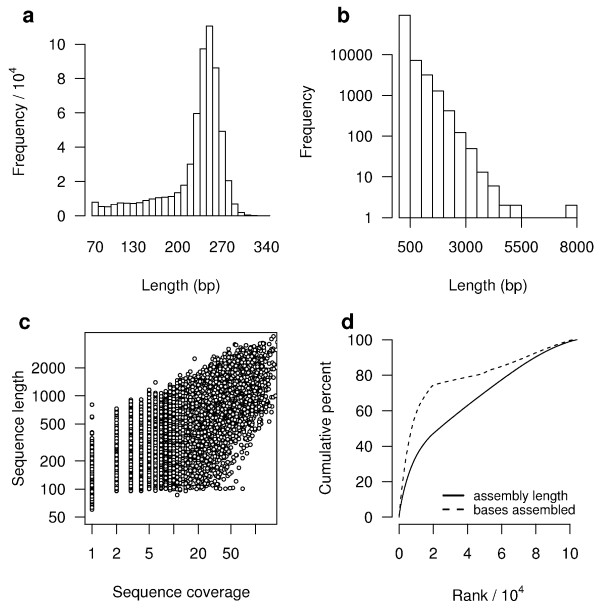
“As expected for a randomly fragmented transcriptome (Meyer et al. 2009), the length of the contigs generally increased with the number of co-assembled sequences (Fig.”
BackgroundWolenski, F. S., Garbati, M. R., Lubinski, T. J., Traylor‐Knowles, N., Dresselhaus, E. C., Stefanik, D. J., Goucher, H., Finnerty, J. R., & Gilmore, T. D. (2011) · Molecular and Cellular Biology · doi:10.1128/mcb.00927-10 · Cited by 79
“1) (21) and I B (GenBank accession number DY582971) (22).”
BackgroundTzika, A. C., Helaers, R., Schramm, G., & Milinkovitch, M. C. (2011) · EvoDevo · doi:10.1186/2041-9139-2-19 · Cited by 62
“Note that the 50% of genes identified after our de novo sequencing of reptilian transcriptomes is larger than the proportion (about 25%) of transcript identification in previous efforts [27,51-53].”
ResultTranscriptome Analysis in Domesticated Species: Challenges and Strategies
Hekman, J. P., Johnson, J. L., & Kukekova, A. V. (2015) · Bioinformatics and Biology Insights · doi:10.4137/bbi.s29334 · Cited by 67
Erséus, C., Williams, B. W., Horn, K. M., Halanych, K. M., Santos, S. R., James, S. W., Châtelliers, M. C. D., & Anderson, F. E. (2020) · Zoologica Scripta · doi:10.1111/zsc.12426 · Cited by 66
Generation of a reference transcriptome for evaluating rainbow trout responses to various stressors
Castaño-Sánchez, C., Weber, G. M., Gao, G., Cleveland, B. M., Yao, J., & Rexroad, C. E. (2011) · BMC Genomics · doi:10.1186/1471-2164-12-626 · Cited by 63
“Recently developed high-throughput sequencing technologies offer a new approach (RNASeq) for characterizing transcriptomes through high-throughput sequencing, mapping and quantification [20-31].”
MethodWang, S., Zhang, L., Meyer, E., & Matz, M. V. (2009) · Genome biology · doi:10.1186/gb-2009-10-11-r126 · Cited by 65
“millepora larval transcriptome by 454-FLX sequencing [11].”
BackgroundMethodInfluentialSelf-citationAuken, K. M. V., Jaffery, J., Chan, J., Müller, H.-M., & Sternberg, P. W. (2009) · BMC Bioinformatics · doi:10.1186/1471-2105-10-228 · Cited by 60
Transcriptome Analysis of the Scleractinian Coral Stylophora pistillata
Karako‐Lampert, S., Zoccola, D., Salmon‐Divon, M., Katzenellenbogen, M., Tambutté, S., Bertucci, A., Hoegh‐Guldberg, O., Deleury, E., Allemand, D., & Levy, O. (2014) · PLoS ONE · doi:10.1371/journal.pone.0088615 · Cited by 68
Gene Discovery in the Threatened Elkhorn Coral: 454 Sequencing of the Acropora palmata Transcriptome
Polato, N. R., Vera, J. C., & Baums, I. B. (2011) · PLoS ONE · doi:10.1371/journal.pone.0028634 · Cited by 71
“[9] was sequenced on the 454 GS-FLX platform using Titanium chemistry.”
BackgroundMethodInfluentialAnderson, F. E., Williams, B. W., Horn, K. M., Erséus, C., Halanych, K. M., Santos, S. R., & James, S. W. (2017) · BMC Evolutionary Biology · doi:10.1186/s12862-017-0973-4 · Cited by 63
“First-strand cDNA was constructed using the SMART® cDNA Library Construction Kit (Clontech Laboratories, Inc.), replacing the included 3 ′ primer with the Cap-TRSA-CV oligo [19].”
Hayward, D. C., Hetherington, S., Behm, C. A., Grasso, L. C., Forêt, S., Miller, D. J., & Ball, E. E. (2011) · PLoS ONE · doi:10.1371/journal.pone.0026411 · Cited by 66
“In addition, extensive transcriptome databases are becoming available for different developmental stages of A millepora [13] , Weiss et al in prep).”
BackgroundMethodWang, S., Hou, R., Bao, Z., Du, H., He, Y., Su, H., Zhang, Y., Fu, X., Jiao, W., Li, Y., et al. (2013) · PLoS ONE · doi:10.1371/journal.pone.0063927 · Cited by 59
“Although many singletons could represent useful lowly expressed transcripts, it is also possible that some are artifacts derived from cDNA synthesis, sequencing and contamination [22].”
BackgroundSelf-citationZhang, X., Ye, N., Liang, C., Mou, S., Fan, X., Xu, J., Xu, D., & Zhuang, Z. (2012) · BMC Genomics · doi:10.1186/1471-2164-13-565 · Cited by 60
“Recent studies have demonstrated the success of 454 de novo sequencing, assembly and analysis of transcriptomes in non-model organisms with no prior genomic resources [30-33].”
BackgroundGenetic analysis of safflower domestication
Pearl, S. A., Bowers, J., Reyes-Chin-Wo, S., Michelmore, R. W., & Burke, J. M. (2014) · BMC Plant Biology · doi:10.1186/1471-2229-14-43 · Cited by 63
De Novo Assembly and Characterization of Four Anthozoan (Phylum Cnidaria) Transcriptomes
Kitchen, S. A., Crowder, C. M., Poole, A. Z., Weis, V. M., & Meyer, E. (2015) · G3 Genes Genomes Genetics · doi:10.1534/g3.115.020164 · Cited by 69
Self-citationde la serrana, D. G., Estévez, A., Andree, K. B., & Johnston, I. A. (2012) · BMC Genomics · doi:10.1186/1471-2164-13-181 · Cited by 57
“The dsDNA synthesis was performed using a MINT cDNA synthesis kit (Evrogen, Moscow, Russia) using cDNA synthesis primer described by Meyer et al., 2009 [30] with a broken poly-T to avoid 454 sequencing problems in mononucleotide regions (5′-AAGCAGTGGTATCAACGCAGAGTCGCAGTCGGTACTTTTTTCTTTTTTV-3′).”
BackgroundMethodInfluentialDziedzic, K., Elder, H., Tavalire, H. F., & Meyer, E. (2019) · Molecular Ecology · doi:10.1111/mec.15081 · Cited by 68
Self-citationCircadian cycles of gene expression in the coral, Acropora millepora
Brady, A. K., Snyder, K. A., & Vize, P. D. (2011) · PLoS ONE · doi:10.1371/journal.pone.0025072 · Cited by 56
Dunlap, W. C., Starcevic, A., Baranasic, D., Diminic, J., Zucko, J., Gacesa, R., H van Oppen, M. J., Hranueli, D., Cullum, J., & Long, P. F. (2013) · BMC Genomics · doi:10.1186/1471-2164-14-509 · Cited by 56
“Nevertheless, despite the serious risk of unrepaired DNA damage to coral survival, the DNA repair processes of corals to mitigate the detrimental effects of environmental stress have not been adequately characterised at the transcriptome level of expression [29,242].”
BackgroundEuroPineDB: a high-coverage web database for maritime pine transcriptome
Fernández‐Pozo, N., Canales, J., Guerrero-Fernández, D., Villalobos, D. P., Díaz-Moreno, S. M., Bautista, R., Flores-Monterrosso, A., Guevara, M. Á., Perdiguero, P., Collada, C., et al. (2011) · BMC Genomics · doi:10.1186/1471-2164-12-366 · Cited by 62
“92%) was assembled into reliable contigs (containing less than 9% mismatches), which is in agreement with other high-coverage assemblies [32].”
ResultResearch and Discoveries: The Revolution of Science through Scuba
Lang, M. A., Marinelli, R. L., Roberts, S. J., & Taylor, P. R. (2013) · Smithsonian contributions to the marine sciences · doi:10.5479/si.1943667x.39 · Cited by 65
Gene Discovery through Transcriptome Sequencing for the Invasive Mussel Limnoperna fortunei
Uliano‐Silva, M., Americo, J. A., Brindeiro, R., Dondero, F., Prosdocimi, F., & Rebelo, M. D. F. (2014) · PLoS ONE · doi:10.1371/journal.pone.0102973 · Cited by 57
“cDNA was synthetized using MINT Kit (Evrogen, Moscow, Russia), following the manufacturer’s instructions, with a modified oligo-dT (59-AAGCAGTGGTATCAACGCAGAGTCGCAGTCGGTACTTTTTTCTTTTTTV-39) which has a polyT stretch broken by the inclusion of an internal C to minimize the potential for 454 sequencing problems in this h…”
MethodBajgain, P., Richardson, B. A., Price, J. C., Cronn, R., & Udall, J. A. (2011) · BMC Genomics · doi:10.1186/1471-2164-12-370 · Cited by 57
“, Mountain View, CA), but the cDNA synthesis primer for first strand synthesis was replaced by a modified oligo-dT primer (5’-AAGCAGTGGTATCAACGCAGAGTCGCAGTCGGTACTTTTTTCTTTTTTV-3’) [50].”
MethodXie, M., Huang, Y., Zhang, Y., Wang, X., Yang, H., Yu, O. S., Dai, W., & Fang, C. (2013) · BMC Genomics · doi:10.1186/1471-2164-14-823 · Cited by 67
“RNA-seq is not limited to detecting transcripts for organisms with existing genomic sequences; it also can be used to sequence nonmodel organisms that lack of genomic information [21-25].”
BackgroundChen, J., Pei, Z., Dai, L., Wang, B., Liu, L., An, X., & Peng, D. (2014) · BMC Genomics · doi:10.1186/1471-2164-15-919 · Cited by 58
“[7-13].”
Stefanik, D. J., Lubinski, T. J., Granger, B. R., Byrd, A. L., Reitzel, A. M., DeFilippo, L. B., Lorenc, A., & Finnerty, J. R. (2014) · BMC Genomics · doi:10.1186/1471-2164-15-71 · Cited by 59
“This is one of the largest transcriptomic datasets currently available for any cnidarian [28,67,71-85], and approximately 2.”
Genes controlling vaccine responses and disease resistance to respiratory viral pathogens in cattle
Glass, E. J., Baxter, R., Leach, R. J., & Jann, O. (2011) · Veterinary Immunology and Immunopathology · doi:10.1016/j.vetimm.2011.05.009 · Cited by 59
An essay on the necessity and feasibility of conservation genomics
Ouborg, N. J., Angeloni, F., & Vergeer, P. (2009) · Conservation Genetics · doi:10.1007/s10592-009-0016-9 · Cited by 66
“…include the Glanville Fritillary butterfly (Vera et al. 2008), the largemouth bass Micropterus salmoides (Garcia-Reyero et al. 2008), the tree Eucalyptus grandis (Novaes et al. 2008), the coral Acropora millipora (Meyer et al. 2009) and the lake sturgeon Acipenser fulvescens (Hale et al. 2009).”
BackgroundZhang, Y., Zhang, S., Han, S., Li, X., & Qi, L. (2012) · Plant Cell Reports · doi:10.1007/s00299-012-1277-1 · Cited by 52
Reyes-Bermúdez, A., DeSalvo, M. K., Voolstra, C. R., Sunagawa, S., Szmant, A. M., Iglesias‐Prieto, R., & Medina, M. (2009) · Marine Genomics · doi:10.1016/j.margen.2009.07.002 · Cited by 59
“The 1310 genes printed on the microarray conservatively represent 12% of the total coral larval transcriptome (Meyer et al., 2009) and a lower percentage of the entire genome.”
BackgroundMoran, Y., & Zakon, H. H. (2014) · Genome Biology and Evolution · doi:10.1093/gbe/evu177 · Cited by 50
“Interestingly, in the transcriptomic data available for the stony coral Acropora millepora (Meyer et al. 2009; Moya et al. 2012) we identified partial transcript models which demonstrate clear orthologous relationships with each of the Cav genes of N.”
BackgroundHodgins, K. A., Lai, Z., de Oliveira, L. O., Still, D. W., Scascitelli, M., Barker, M. S., Kane, N. C., Dempewolf, H., Kozik, A., Kesseli, R. V., et al. (2013) · Molecular Ecology Resources · doi:10.1111/1755-0998.12163 · Cited by 60
“For yac on, we used a ‘broken chain’ short oligo-dT primer to prime the poly(A) tail of mRNA during first strand cDNA synthesis (Meyer et al. 2009). cDNA was amplified and normalized with the TRIMMER-DIRECT cDNA Normalization Kit.”
MethodJia, X.-J., Wang, H., Yan, Z., Zhang, M., Wei, C.-H., Qin, X.-C., WeiRong, J., Falabella, P., & Du, Y. (2016) · Scientific Reports · doi:10.1038/srep29067 · Cited by 56
“Cleaned reads 5. shorter than 60 bases were removed because short reads might represent sequencing artifacts 56 .”
Scaglione, D., Lanteri, S., Acquadro, A., Lai, Z., Knapp, S. J., Rieseberg, L. H., & Portis, E. (2012) · Plant Biotechnology Journal · doi:10.1111/j.1467-7652.2012.00725.x · Cited by 55
“To counteract this problem, we employed a ‘broken chain’ short oligo-dT primer (primer sequence: 5¢-AAGCAGTGGTATCAACGCAGAGTCGCAGTCGGTACTTTTTTCTTTTTTV -3¢, V = A, G or C) to prime the poly(A) tail of mRNA during first strand cDNA synthesis (Meyer et al., 2009).”
MethodWang, Z., Wang, B., Chen, G., Jian, J., Lu, Y., Xu, Y., & Wu, Z. (2015) · Gene · doi:10.1016/j.gene.2015.09.014 · Cited by 53
Transcriptome Sequencing and De Novo Analysis of the Copepod Calanus sinicus Using 454 GS FLX
Ning, J., Wang, M., Li, C., & Sun, S. (2013) · PLoS ONE · doi:10.1371/journal.pone.0063741 · Cited by 52
“These values were higher than those in the comparable BLAST results from most other published studies using 454-generated de novo transcriptomes [16,20,31].”
ResultTorales, S., Rivarola, M., Pomponio, M. F., González, S., Acuña, C. V., Fernández, P. D. C., Lauenstein, D. L., Verga, A., Hopp, H. E., Paniego, N. B., et al. (2013) · BMC Genomics · doi:10.1186/1471-2164-14-705 · Cited by 52
“The average length found in the present research was also larger than those of other non-model organisms ranging from 197 to 707 bp, [21-25].”
BackgroundLuo, C. H., Zhang, Q., & Luo, Z. (2014) · BMC Genomics · doi:10.1186/1471-2164-15-112 · Cited by 50
“In addition, many studies have used de novo assembly of such data to produce genome-level resources for nonmodel organisms [35-38].”
BackgroundEierman, L. E., & Hare, M. P. (2014) · BMC Genomics · doi:10.1186/1471-2164-15-503 · Cited by 57
“Large indels, highly polymorphic sequences, and other de novo assembly challenges can often lead to redundancy in sequences between singletons and contigs [29].”
BackgroundThe Antarctic Krill Euphausia superba Shows Diurnal Cycles of Transcription under Natural Conditions
Pittà, C. D., Biscontin, A., Albiero, A., Sales, G., Millino, C., Mazzotta, G. M., Bertolucci, C., & Costa, R. (2013) · PLoS ONE · doi:10.1371/journal.pone.0068652 · Cited by 57
“9% in larvae of the coral Acropora millipora and 24% in the Manila clam Ruditapes philippinarum [28-31].”
BackgroundNormalization of full-length enriched cDNA
Bogdanova, E. A., Shagin, D. A., & Lukyanov, S. (2008) · Molecular BioSystems · doi:10.1039/b715110c · Cited by 49
Brady, A. K., Willis, B. L., Harder, L. D., & Vize, P. D. (2016) · The Biological Bulletin · doi:10.1086/bblv230n2p130 · Cited by 48
Self-citationOng, W. D., Voo, L.-Y. C., & Subbiah, V. K. (2012) · PLoS ONE · doi:10.1371/journal.pone.0046937 · Cited by 49
“On the other hand, in coral larval [11] and Artemisia annua [12] the percentage of reads used in the assembly were slightly higher compared to pineapple.”
ResultIdentification of drought stress-responsive transcription factors in ramie (Boehmeria nivea L. Gaud)
Liu, T., Zhu, S., Tang, Q., Yu, Y., & Tang, S. (2013) · BMC Plant Biology · doi:10.1186/1471-2229-13-130 · Cited by 50
“The Illumina sequencing technology is the next generation sequencing (NGS) which is a powerful tool utilized in many researching areas, including re-sequencing, micro-RNA expression profiling, DNA methylation, de novo transcriptome sequencing and whole sequencing [15-21], especially in the analysis of whole-genome exp…”
MethodSong, H., Yu, Z., Sun, L., Gao, Y., Zhang, T., & Wang, H. (2016) · Comparative Biochemistry and Physiology Part D Genomics and Proteomics · doi:10.1016/j.cbd.2016.01.006 · Cited by 50
Metadata
- Authors
- Meyer, E., Aglyamova, G. V., Wang, S., Buchanan-Carter, J., Abrego, D., Colbourne, J. K., Willis, B. L., & Matz, M. V.
- Affiliations
- The University of Texas at Austin (US)
- ARC Centre of Excellence for Coral Reef Studies (AU)
- Indiana University Bloomington (US)
- Corresponding author
- Meyer, Eli
- ORCID
- Venue
- BMC Genomics
- Published
- 2009
- Volume
- 10
- Issue
- 1
- Pages
- 219
- ISSN
- 1471-2164 (ISSN-L)
- PMC
- PMC2689275
- OpenAlex
- W1981348283
- Cited by
- 479
- References
- 45
- Citations by year
- 2026: 3 · 2025: 3 · 2024: 4 · 2023: 2 · 2022: 7 · 2021: 23 · 2020: 19 · 2019: 9 · 2018: 13 · 2017: 18 · 2016: 36 · 2015: 42 · 2014: 50 · 2013: 48 · 2012: 76
- FWCI
- 26.81
- Type
- journal article
- Language
- en
- Open access
- gold
- doi.org
- Licence
- cc-by
- Locations
- BMC Genomics (publishedVersion, cc-by)
- PubMed Central (publishedVersion, cc-by)
- PubMed (publishedVersion)
- ResearchOnline - JCU (James Cook University) (submittedVersion)
- DOAJ (DOAJ: Directory of Open Access Journals) (submittedVersion)
- University of Birmingham Research Portal (University of Birmingham) (submittedVersion, cc-by)
- Texas ScholarWorks (Texas Digital Library) (submittedVersion, cc-by)
- Texas ScholarWorks (Texas Digital Library) (submittedVersion, other-oa)
- Texas Digital Library (University of Texas)
- Funders
- Eli Lilly and Company
- Lilly Endowment
- Topics
- Life Sciences › Biochemistry, Genetics and Molecular Biology › Molecular Biology › Genomics and Phylogenetic Studies
- Physical Sciences › Environmental Science › Ecology › Coral and Marine Ecosystems Studies
- Life Sciences › Agricultural and Biological Sciences › Animal Science and Zoology › Marine Invertebrate Physiology and Ecology
- Keywords
- Acropora millepora, planulae, de novo transcriptome assembly, genome annotation, thermal stress response, settlement induction, single nucleotide polymorphisms, genetic markers, reef-building corals
- MeSH terms
- Animals, Gene Library, Cluster Analysis, Sequence Analysis, DNA, Computational Biology, Contig Mapping, Polymorphism, Single Nucleotide, Gene Expression Profiling, Genomics, Anthozoa
About these checks
Registry, retraction, Cites and statistics results are computed, not judged, with one exception: a printed reference that no index lists is read once by a model before it counts as a citation error. Claims are extracted by a model and kept only when their quote appears verbatim in the text; each cited source is then checked, with a model’s help, for whether it says what the claim relies on. Those verdicts can be wrong — read the claim’s quote and the cited source before relying on one.
Statistics and arithmetic are recomputed, not judged.
Confidence bands are shown only for fields calibrated on our annotated test set. None is calibrated yet, so no band is shown.
What counts as a claim ›How we measure confidence ›How we check this ›
Are you an author, or do you see a problem with this page? Request a review
Data sources
Bibliographic data: Semantic Scholar, OpenAlex, Crossref.
Contains information from the Semantic Scholar Academic Graph Datasets, made available under the ODC Attribution License (ODC-BY 1.0).
Semantic Scholar’s data is described in: Kinney, R., et al. (2023). The Semantic Scholar Open Data Platform. arXiv:2301.10140.
